
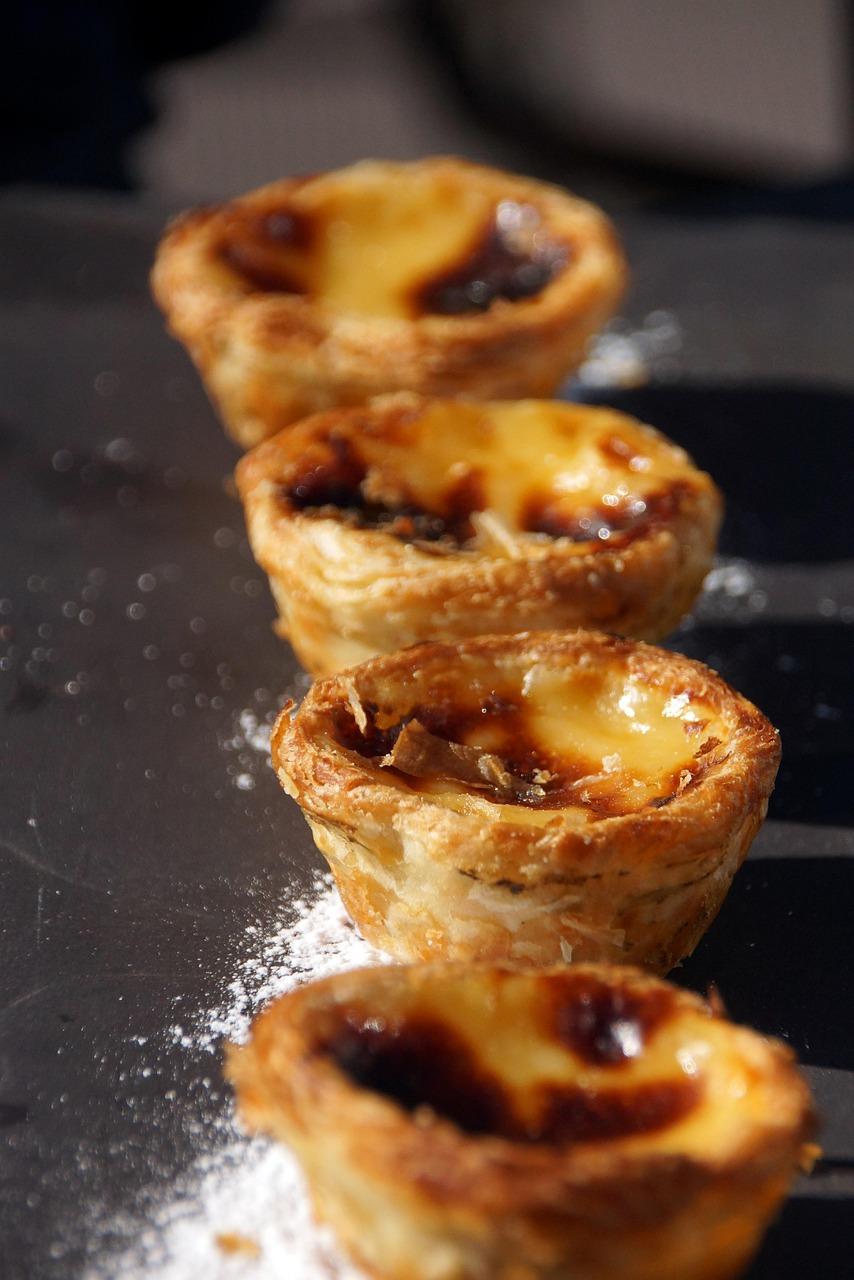
Pastéis de nata
Portugal's crisp custard tarts, blistered black on top, as made in Belém
 Portuguese
Pastéis de nata were first baked by monks of the Jerónimos Monastery in Belém, on the Lisbon waterfront, who used surplus egg yolks (whites went to starch habits) in a lemon-and-cinnamon custard. Today every pastelaria in Portugal sells them warm from first thing in the morning, eaten standing at the counter with a bica or galão, dusted with cinnamon and icing sugar. The pastry is a spiral of thin, buttery layers pressed up the sides of the tin with a wet thumb; the custard is baked in the hottest oven you have, so it sets creamy and catches dark freckles in under 15 minutes. Chef's tip: chill the rolled log of pastry well and press the discs from the centre outwards, so the edge stands slightly above the rim; that thin rim is what shatters when you bite.
- Total time
- 120 min
- Difficulty
- hard
- Serves
- 12
Ingredients
For the pastry
For the syrup
For the custard
To serve
Shop this recipe on Amazon
What you'll need
Spices & pantry
Fresh ingredients (4)
Links open Amazon in a new tab. As an Amazon Associate, WhatToEat.Today earns from qualifying purchases.
Method
0/12 doneStep 1: Mix 7 oz plain flour, ¼ tsp salt and ½ cup cold water into a soft, slightly sticky dough. Knead on a floured surface for 2 minutes until smooth, wrap and rest for 15 minutes.
15 minStep 2: Roll the dough into a 30 cm square. Spread a third of 1 ¾ oz unsalted butter over the left two-thirds, leaving a 1 cm border. Fold the unbuttered third over the middle, then the buttered left third over that, like a letter.
Step 3: Turn the dough 90°, roll it back into a long rectangle and repeat with another third of 1 ¾ oz unsalted butter. Chill for 10 minutes if the butter starts to squeeze out.
10 minStep 4: Roll the dough into a rectangle about 45 × 30 cm and 2 mm thick. Spread the last of 1 ¾ oz unsalted butter all over it. Roll it up tightly from a short side into a log about 4 cm thick, trim the ends, wrap and chill for at least 30 minutes, until firm.
30 minStep 5: Meanwhile, make the syrup: put 7 oz caster sugar, ½ cup water, 1 cinnamon stick and 1 strip unwaxed lemon peel in a small pan and boil without stirring until it reaches 225°F, or until a drop pulled between finger and thumb (careful, let it cool) forms a short thread.
4 minStep 6: Whisk 1 oz plain flour with a quarter of ¼ cup whole milk in a saucepan until smooth. Add the rest of 1 cup whole milk and cook over a medium heat, whisking constantly, until it thickens like thin custard.
4 minStep 7: Remove the cinnamon and lemon from the syrup and pour it into the milk in a thin stream, whisking. Let it cool for 5 minutes, then whisk in 6 egg yolks and ½ tsp vanilla extract and strain into a jug. The custard will look thin; that is right.
5 minStep 8: Heat the oven as hot as it goes, 250–550°F, with a shelf near the top. Butter a 12-hole muffin tin (or pastel de nata tins).
Step 9: Cut the chilled log into 12 slices 1.5 cm thick. Put each one cut side up in a hole, dip your thumbs in cold water and press from the centre outwards and up the sides until the pastry is thin and rises 2 mm above the rim.
Step 10: Fill each case three-quarters full with custard. The common mistake is filling to the top: the custard puffs as it bakes and spills, gluing the tarts to the tin.
Step 11: Bake until the pastry is deep golden and crisp and the custard is puffed with dark brown to black blisters. Check from 10 minutes; in a domestic oven it may take up to 17.
15 minStep 12: Cool in the tin for 5 minutes, then lift out onto a rack. Serve warm, dusted with 1 tsp ground cinnamon and 1 tbsp icing sugar. They are best the same day.
5 min
Nutrition per serving
- Calories
- 255 kcal
- Protein
- 4 g
- Carbs
- 29 g
- Fat
- 14 g
- Fibre
- 1 g
Nutrition values are estimates.
KrazyBadal
Good to know
- How long does pastéis de nata take?
- About 120 minutes in total: 70 minutes to prepare and 50 minutes to cook.
- How many people does it serve?
- 12 as written. Change the servings above the ingredients and every amount scales to match.
- Is it vegetarian?
- Yes. It has no meat or fish.
- What can I use instead of plain flour?
- Self-raising flour, same amount (then leave out the baking powder).
- What can I use instead of unsalted butter?
- The same weight of ghee or coconut oil (for frying and most baking).
Reviews
No reviews yet. Be the first to cook it.
Rate this recipe
Sign in to rate and review this recipe.
You might also like

Sopa da pedra
Almeirim, a market town in the Ribatejo, is the capital of this soup; its restaurants serve it every day, and each bowl arrives with a clean stone at the bottom, after the folk tale of a friar who 'made soup from a stone' by talking villagers into giving him everything else. This is a pork soup: red kidney beans simmer with chouriço, morcela blood sausage and a piece of pork belly, then potatoes, carrots and coriander finish it into a thick, hearty bowl. Chef's tip: cook the sausages whole and slice them at the end, so they stay juicy and don't turn the broth greasy.

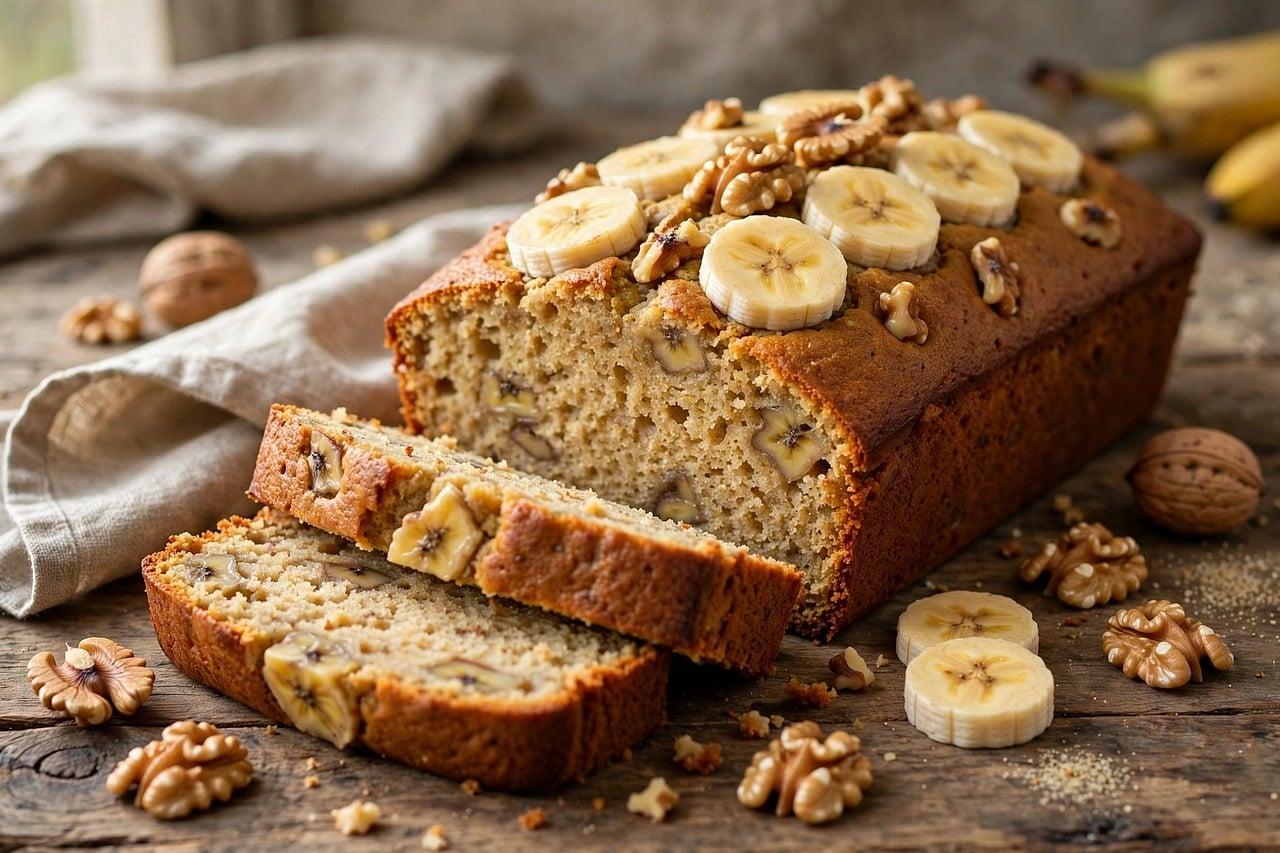
Moist banana bread
The blacker the bananas, the better the loaf. This one is mixed in a single bowl with melted butter and a little brown sugar, so it's soft, deeply banana-y and keeps well for days.
 American
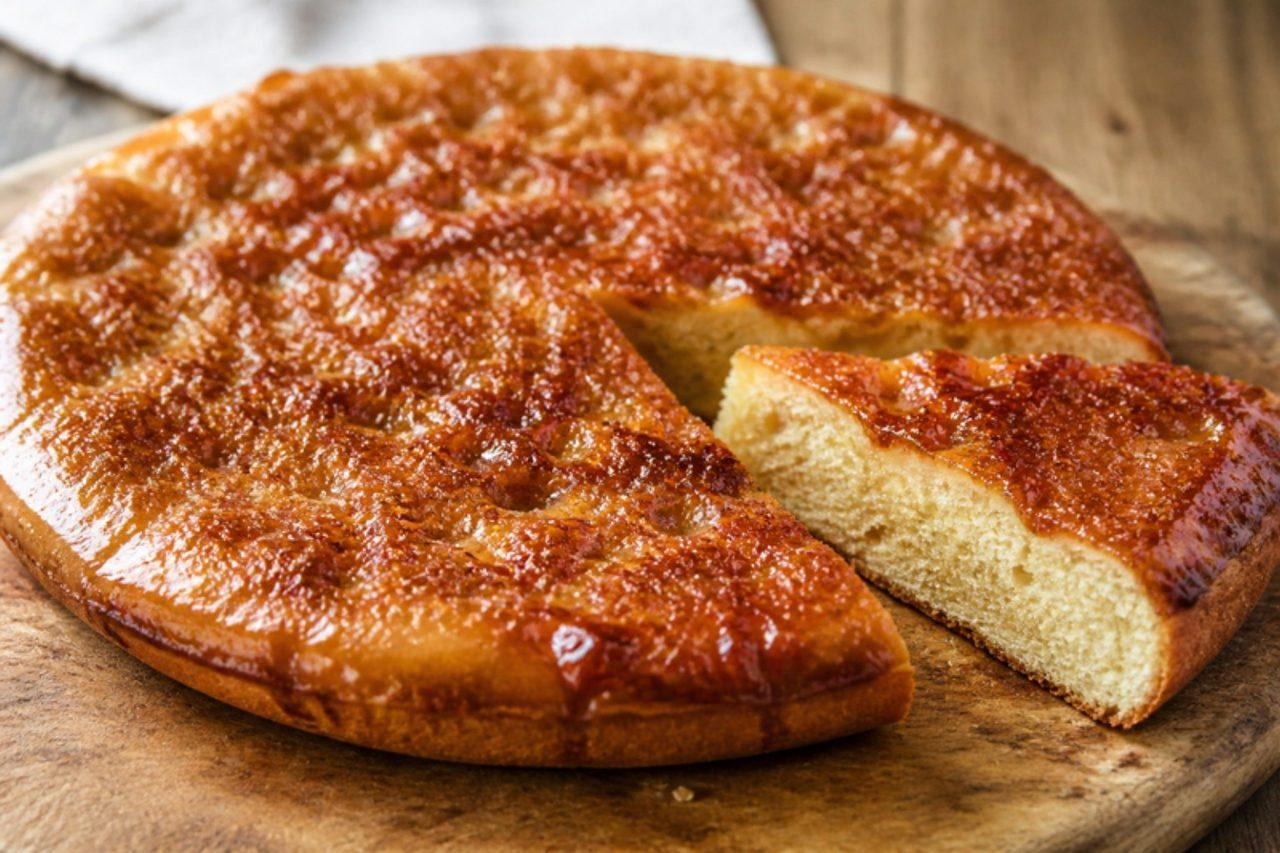
Tarte au sucre lilloise
In Lille and across the Nord, a sugar tart is not pastry at all but a flat round of soft brioche dough, dimpled and covered with brown cassonade sugar, butter and a little egg and cream, which bakes into a sticky, caramelised top over a fluffy base. Families buy it from the boulangerie for Sunday breakfast and goûter, or bake one when guests come for coffee. The Nord's own beet sugar, vergeoise, gives it a deep, almost molasses flavour; soft dark brown sugar is the closest swap. Chef's tip: press deep dimples into the risen dough with your fingertips before adding the topping; the sugar and cream collect in them and bake into little pools of caramel.
 French