
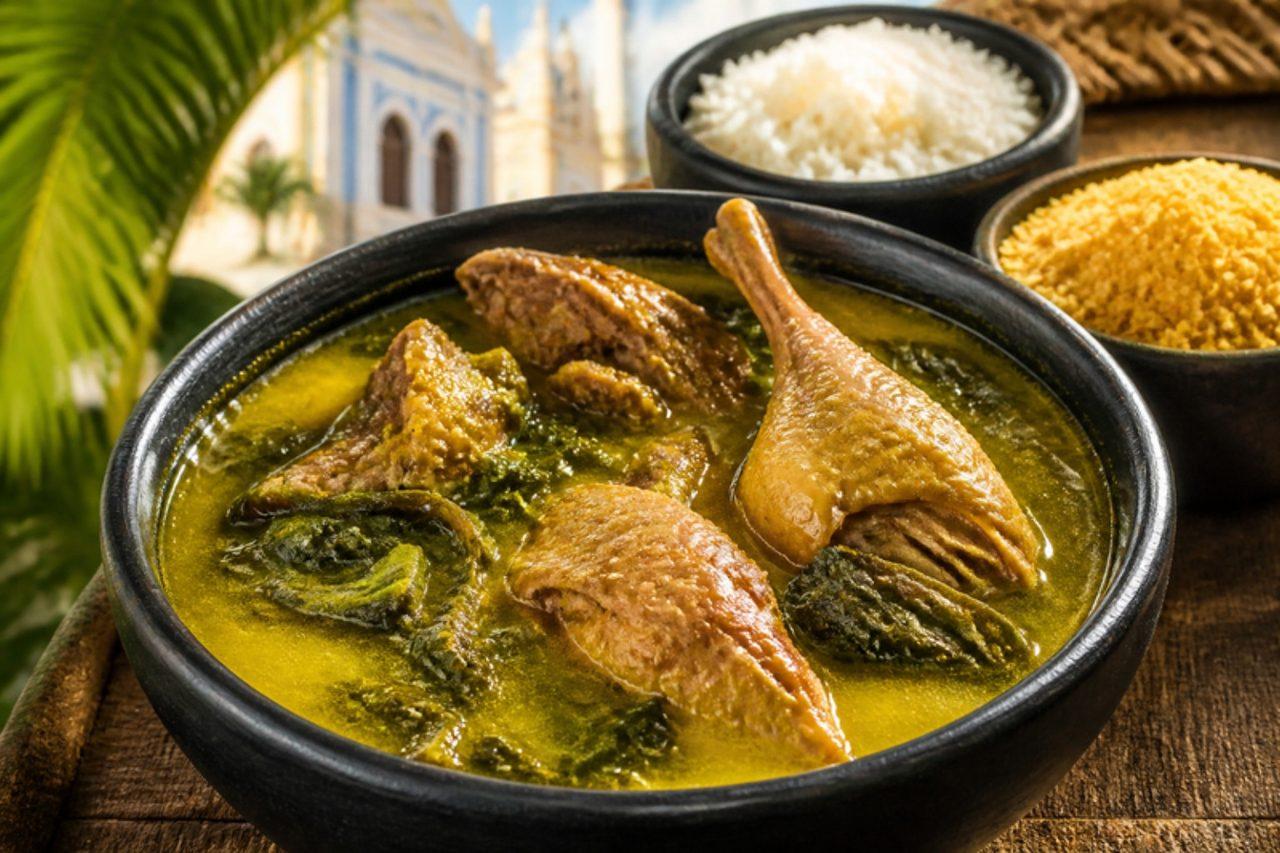
AI-generated image
Pato no tucupi
Pato no tucupi: roast duck simmered in yellow cassava tucupi broth with tingling jambu leaves


Belém eats pato no tucupi above all at the Círio de Nazaré lunch in October, but restaurants around the Ver-o-Peso serve it year round. Duck is marinated, roasted until the skin is brown, then simmered in tucupi, the yellow, sour broth pressed from wild cassava, with garlic, culantro and basil, and finished with jambu, a leaf that makes lips tingle and go pleasantly numb. The flavour is tart, savoury and electric. Raw tucupi is toxic: buy only commercial tucupi sold frozen or bottled in Brazilian shops, which has already been cooked, and still boil it as below. Jambu is sold frozen there too, or as fresh paracress (Szechuan buttons). Allow an overnight marinade in the fridge. A frequent mistake is skipping the roast and just boiling the duck, which leaves the skin flabby and the broth greasy. Serve with white rice and farinha d'água. Chef's tip: blanch the jambu separately and add it at the end so it stays green and keeps its buzz.
- Total time
- 190 min
- Difficulty
- hard
- Serves
- 6
Ingredients
For the duck
For the broth
Shop this recipe on Amazon
What you'll need
Spices & pantry
Links open Amazon in a new tab. As an Amazon Associate, WhatToEat.Today earns from qualifying purchases.
Method
0/6 doneStep 1: Mix 0.3 litres tucupi (cooked cassava broth) with 4 cloves garlic, 2 limes and 1 tsp salt, rub it all over 5 ½ lb whole duck, cover and marinate overnight in the fridge.
Step 2: Heat the oven to 375°F (350°F fan). Lay the duck skin side up in a roasting tin, keeping the marinade in the fridge, and roast for 60–70 minutes until the skin is deep brown and the thigh juices run clear (165°F).
70 minStep 3: Meanwhile, put the rest of 1.7 litres tucupi (cooked cassava broth) in a large pot with the rest of 4 cloves garlic, 1 bunch culantro (chicória-do-pará), 1 bunch fresh basil (alfavaca), 3 pimenta-de-cheiro or other mild chilli and the rest of 1 tsp salt. Bring to the boil and simmer on a low heat for 30 minutes, skimming any foam.
30 minStep 4: Lift the duck into the tucupi with the used marinade, and pour off and keep the roasting fat for another use. Simmer gently for 40 minutes until the meat is very tender and coming away from the bone.
40 minStep 5: Bring 1 litre water to the boil, blanch 3 bunches jambu leaves and stems for 3 minutes until bright green and soft, and drain.
3 minStep 6: Discard the herb stalks, add the jambu to the pot, taste for salt and serve in deep bowls with rice and farinha d'água.
Nutrition per serving
- Calories
- 610 kcal
- Protein
- 42 g
- Carbs
- 10 g
- Fat
- 44 g
- Fibre
- 2 g
Nutrition values are estimates.
KrazyBadal
Good to know
- How long does pato no tucupi take?
- About 190 minutes in total: 40 minutes to prepare and 150 minutes to cook.
- How many people does it serve?
- 6 as written. Change the servings above the ingredients and every amount scales to match.
- Is it gluten free?
- Yes, as written. Check the labels on stock, sauces and spice mixes, which sometimes contain gluten.
- What can I use instead of garlic?
- ½ tsp garlic paste or ⅛ tsp garlic powder per clove.
- What can I use instead of limes?
- Lemon, same amount.
Reviews
No reviews yet. Be the first to cook it.
Rate this recipe
Sign in to rate and review this recipe.
You might also like
Chicken kdra with almonds
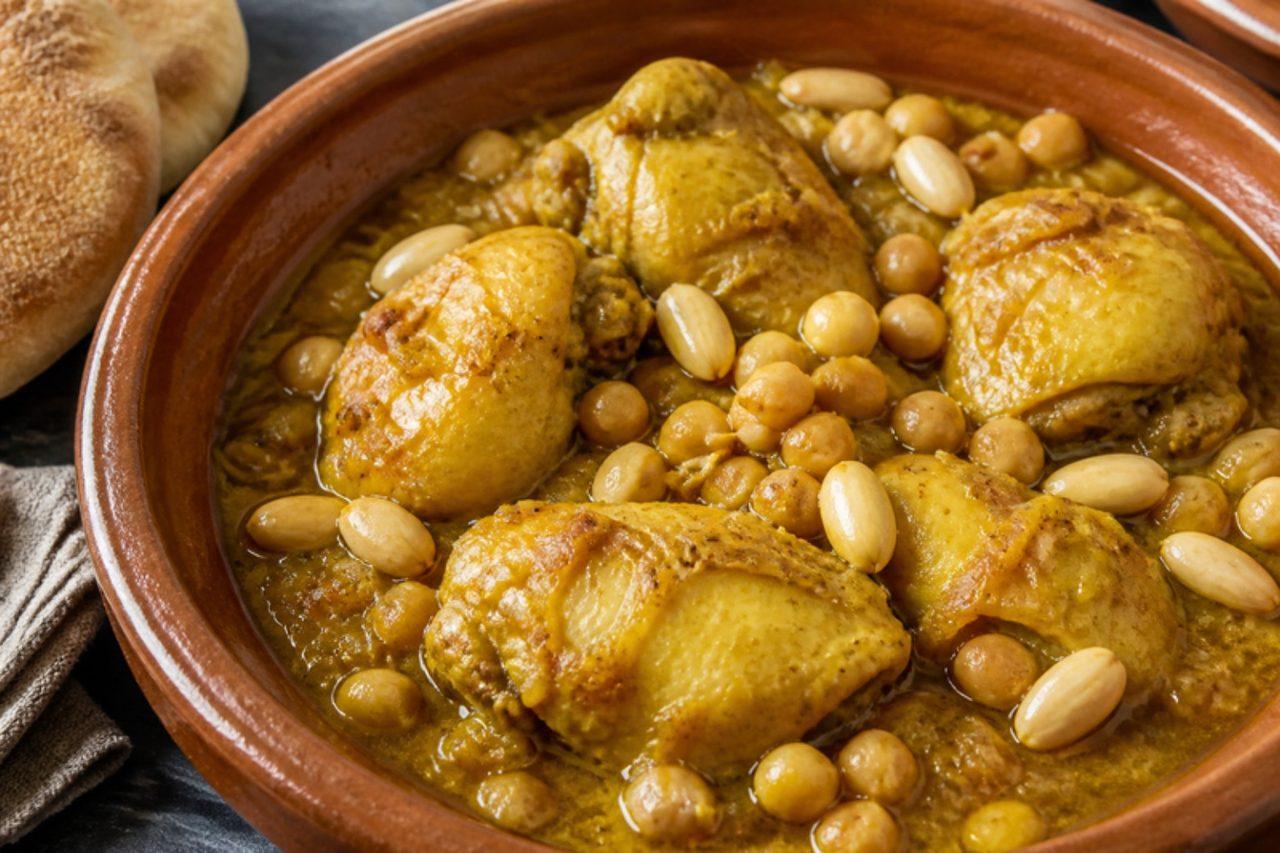
Kdra takes its name from the tall copper pot it was cooked in, and in Fez it is a festive dish for weddings and family gatherings rather than an everyday tagine. The sauce is the point: kilos of onion melted down with smen, saffron, white pepper and cinnamon until it turns pale gold and creamy, with no tomato or paprika at all. Soft chickpeas and almonds simmered until tender go into it, and the whole thing is scooped up with bread. Expect a mellow, perfumed, buttery richness rather than heat. Chef's tip: soak and simmer the blanched almonds with the chicken; they lose their crunch and become creamy like the chickpeas, which is how Fassi cooks like them.
 Moroccan

Limonada suíça
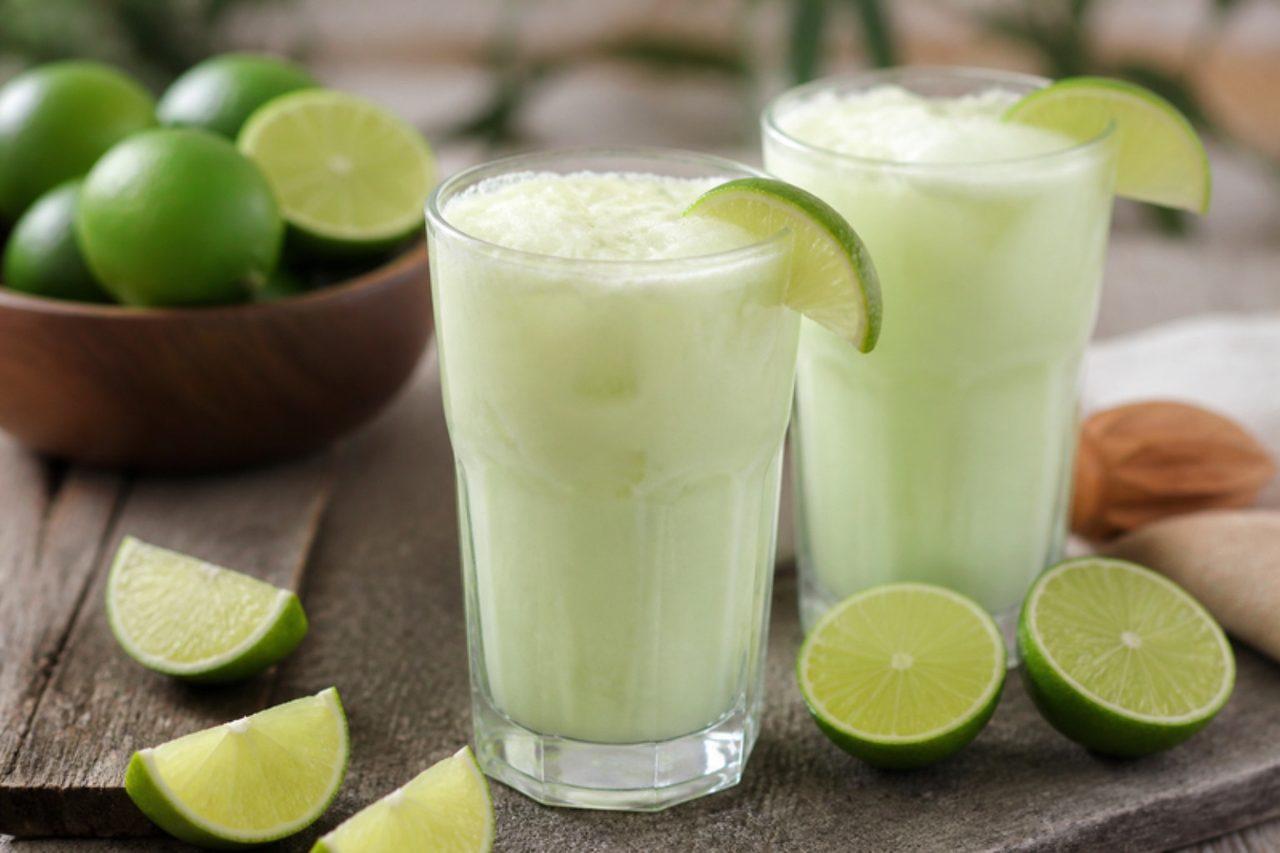
Limonada suíça is the creamy, frothy limeade served in juice bars and lunch counters all over Brazil. Despite the name ('Swiss lemonade'), nobody knows of any Swiss link, and it's made with whole Tahiti limes, blended briefly, skin and all, then strained and sweetened with condensed milk. It's cold, zingy and pale green, perfect with a hot lunch. Chef's tip: blend for no more than 10–15 seconds. Lime peel gives the drink its wonderful perfume, but blended too long it releases bitterness from the pith; serve it straight away for the same reason.
Chicken tikka masala
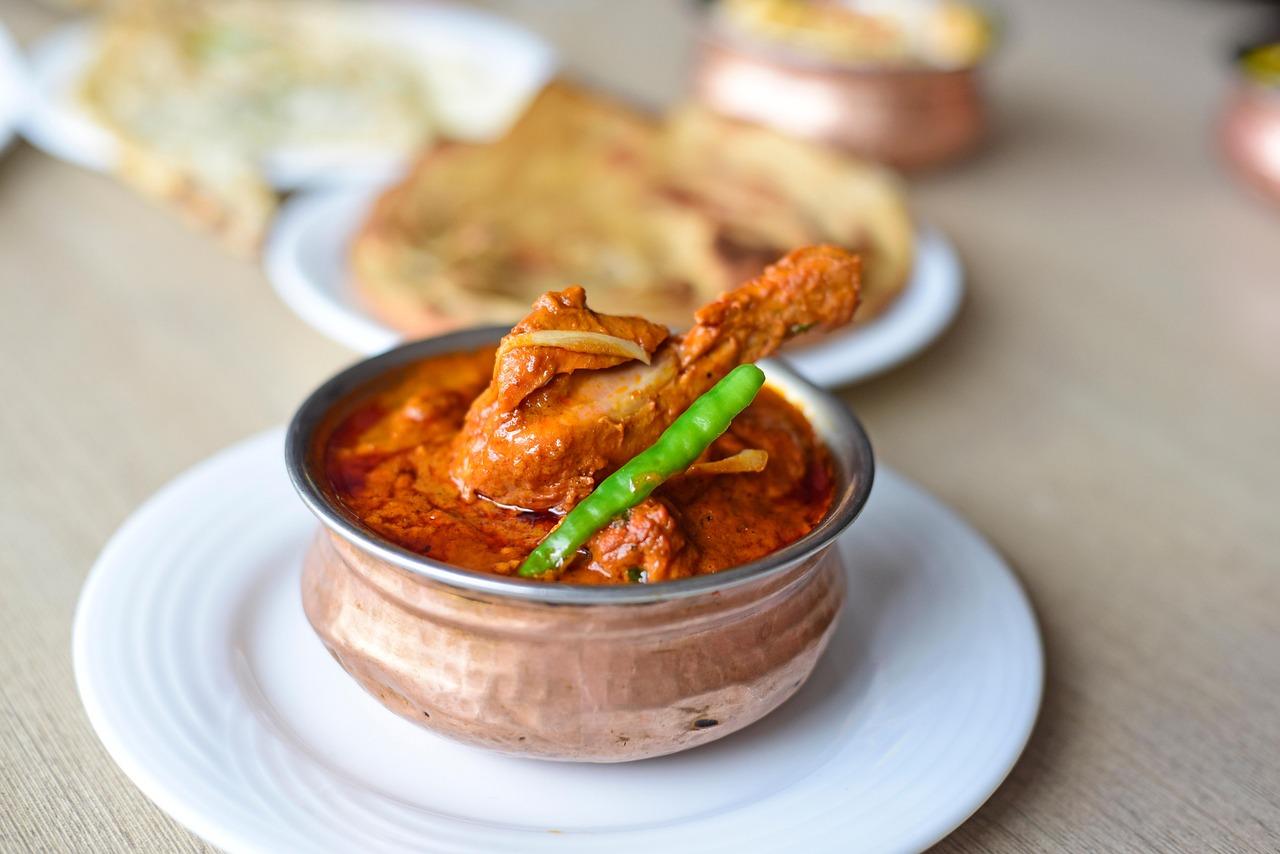
Marinating the chicken in spiced yoghurt keeps it tender, and a few minutes under a hot grill gives it the smoky char of a tandoor. The sauce is rich but not heavy, finished with a little cream and dried fenugreek leaves.
 Indian