
AI-generated image
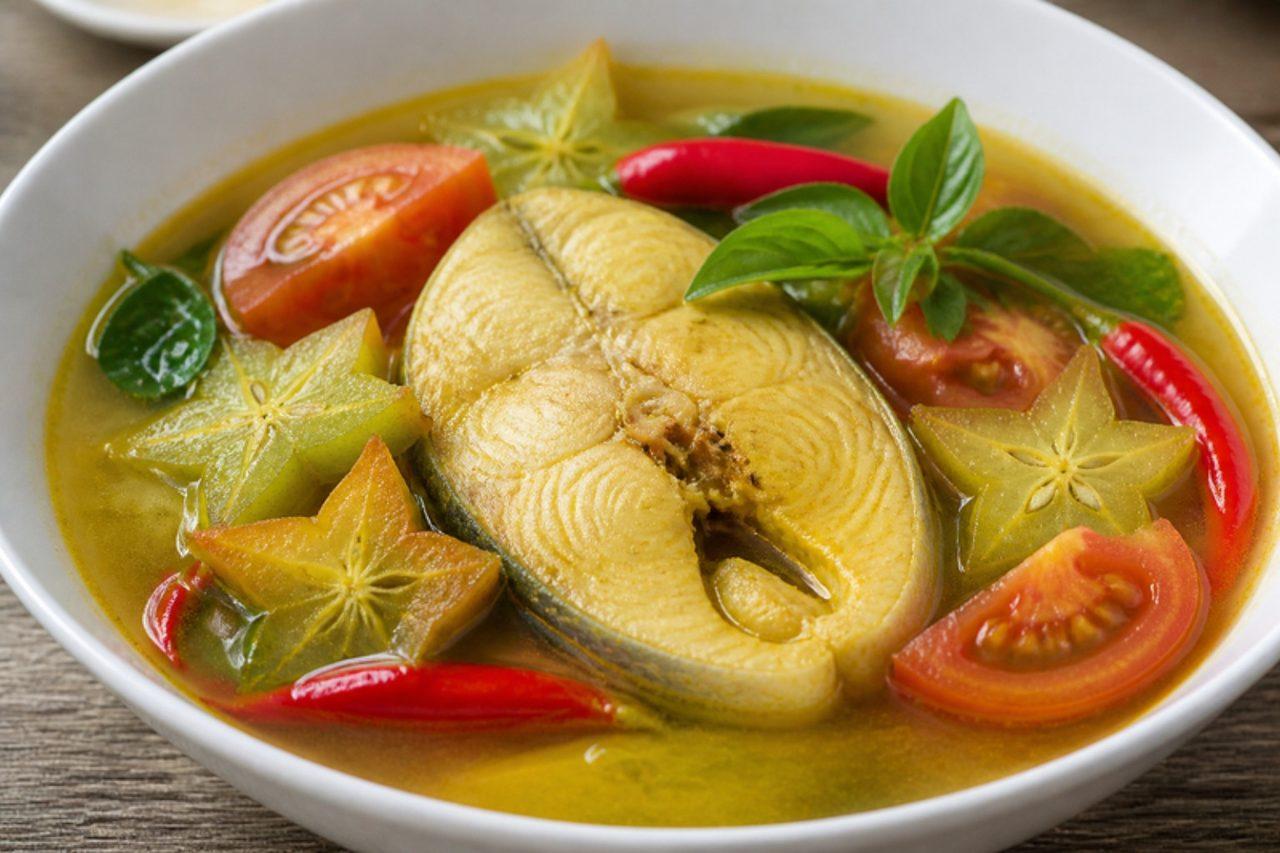
Pindang serani
Fish in sour turmeric broth
Pindang serani: Jepara's fish in a clear, sour turmeric broth with starfruit, tomato and basil


Pindang serani belongs to Jepara and the fishing towns of the north coast of Central Java, where it is cooked at home for lunch and served at seaside warungs. Traditionally it is made with milkfish (bandeng) or grouper simmered in a pale yellow broth of turmeric, galangal and lemongrass, soured with sour starfruit and sharpened with chilli and basil. It is light and restoring, with about 28 g of protein a portion from the fish. Milkfish is very bony, so sea bass or grouper steaks are easier at home. The common mistake is boiling the soup hard once the fish is in, which clouds it and breaks the flesh. Chef's tip: bruise the turmeric, galangal and ginger rather than grinding them, so the broth stays clear.
- Total time
- 40 min
- Difficulty
- easy
- Serves
- 4
Ingredients
- 1 ½ lb sea bass, grouper or milkfish steakscut into 4–6 pieces
- 1 limejuiced
- 1 ½ tsp salt
- 1.2 litres water
- 1 ⅝ in fresh turmericbruised, or 1 tsp ground
- 1 ⅝ in galangalbruised
- 1 ⅛ in gingerbruised
- 2 lemongrassstalks, bruised
- 3 Indonesian bay leaves (daun salam)or 2 bay leaves
- 5 shallotsthinly sliced
- 3 cloves garlicthinly sliced
- 8 sour starfruit (belimbing wuluh)halved; or 2 tbsp tamarind water
- 2 tomatoescut into wedges
- 6 bird's eye chillieswhole
- 1 tsp sugar
- 1 handful lemon basil or Thai basil
Shop this recipe on Amazon
Spices & pantry
Fresh ingredients (7)
Links open Amazon in a new tab. As an Amazon Associate, WhatToEat.Today earns from qualifying purchases.
Method
0/5 doneStep 1: Rub 1 ½ lb sea bass, grouper or milkfish steaks with 1 lime and half of ¾ tsp salt and leave while you start the broth.
5 minStep 2: Bring 1.2 litres water to the boil with 1 ⅝ in fresh turmeric, 1 ⅝ in galangal, 1 ⅛ in ginger, 2 lemongrass, 3 Indonesian bay leaves (daun salam) and 4 kaffir lime leaves. Simmer for 8 minutes, until the broth is pale yellow and fragrant.
8 minStep 3: Add 5 shallots, 3 cloves garlic, 8 sour starfruit (belimbing wuluh), 6 bird's eye chillies, 1 tsp sugar and the rest of ¾ tsp salt and simmer 3 minutes.
3 minStep 4: Lower in the fish and keep the broth at a gentle simmer for 8–10 minutes, until the fish is opaque and flakes easily at the bone.
10 minStep 5: Add 2 tomatoes and 1 handful lemon basil or Thai basil, simmer 1 minute more, then taste for salt and sourness. Serve in bowls with rice.
1 min
Nutrition per serving
- Calories
- 190 kcal
- Protein
- 28 g
- Carbs
- 7 g
- Fat
- 5 g
- Fibre
- 2 g
Nutrition values are estimates.
KrazyBadal
Good to know
- How long does pindang serani take?
- About 40 minutes in total: 15 minutes to prepare and 25 minutes to cook.
- How many people does it serve?
- 4 as written. Change the servings above the ingredients and every amount scales to match.
- Is it gluten free?
- Yes, as written. Check the labels on stock, sauces and spice mixes, which sometimes contain gluten.
- What can I use instead of lime?
- Lemon, same amount.
- What can I use instead of indonesian bay leaves (daun salam)?
- Leave it out, or a pinch of dried thyme (it's a background flavour).
Reviews
No reviews yet. Be the first to cook it.
Rate this recipe
Sign in to rate and review this recipe.
You might also like

Sayur lodehVegetables in coconut milk
Sayur lodeh is everyday cooking in Central Java, made in big pots in Solo and Semarang kitchens and ladled over rice, with lontong rice cakes at Lebaran, or alongside opor and sambal goreng on festive tables. It's soupy rather than thick: a fragrant broth of coconut milk, galangal, lemongrass and lime leaf that carries chunks of aubergine, long beans, chayote and sweetcorn, plus tempeh and tofu to make it a meal. The flavour is mellow and slightly sweet, so the heat comes from sambal on the side. Chef's tip: keep the pot at a gentle simmer once the coconut milk goes in and stir now and then — a rolling boil splits the coconut milk into oily curds.


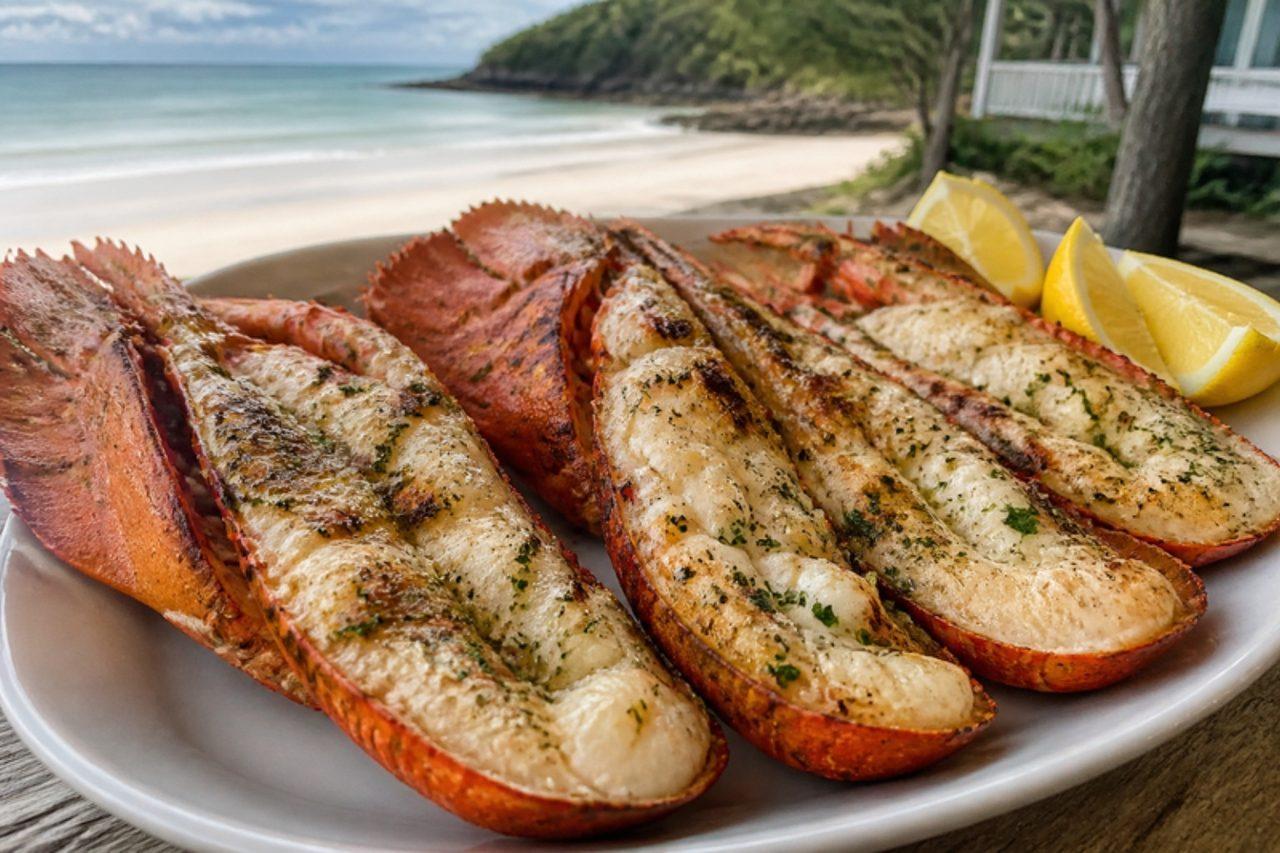
Moreton Bay bugsSlipper lobster with garlic butter
Moreton Bay bugs are the flat, shovel-nosed slipper lobsters caught off the Queensland coast around Brisbane and the Sunshine Coast, and for Queenslanders they are a summer treat, split and grilled at the beach house. The tail meat is sweet and rich, somewhere between lobster and prawn. Buy them raw, frozen or fresh, from a fishmonger and ask them to halve them if you like. A common mistake is overcooking, which makes the meat rubbery; it is ready the moment it turns white. Chef's tip: grill flesh side down first to mark it, then turn and baste in the shell.
 Australian
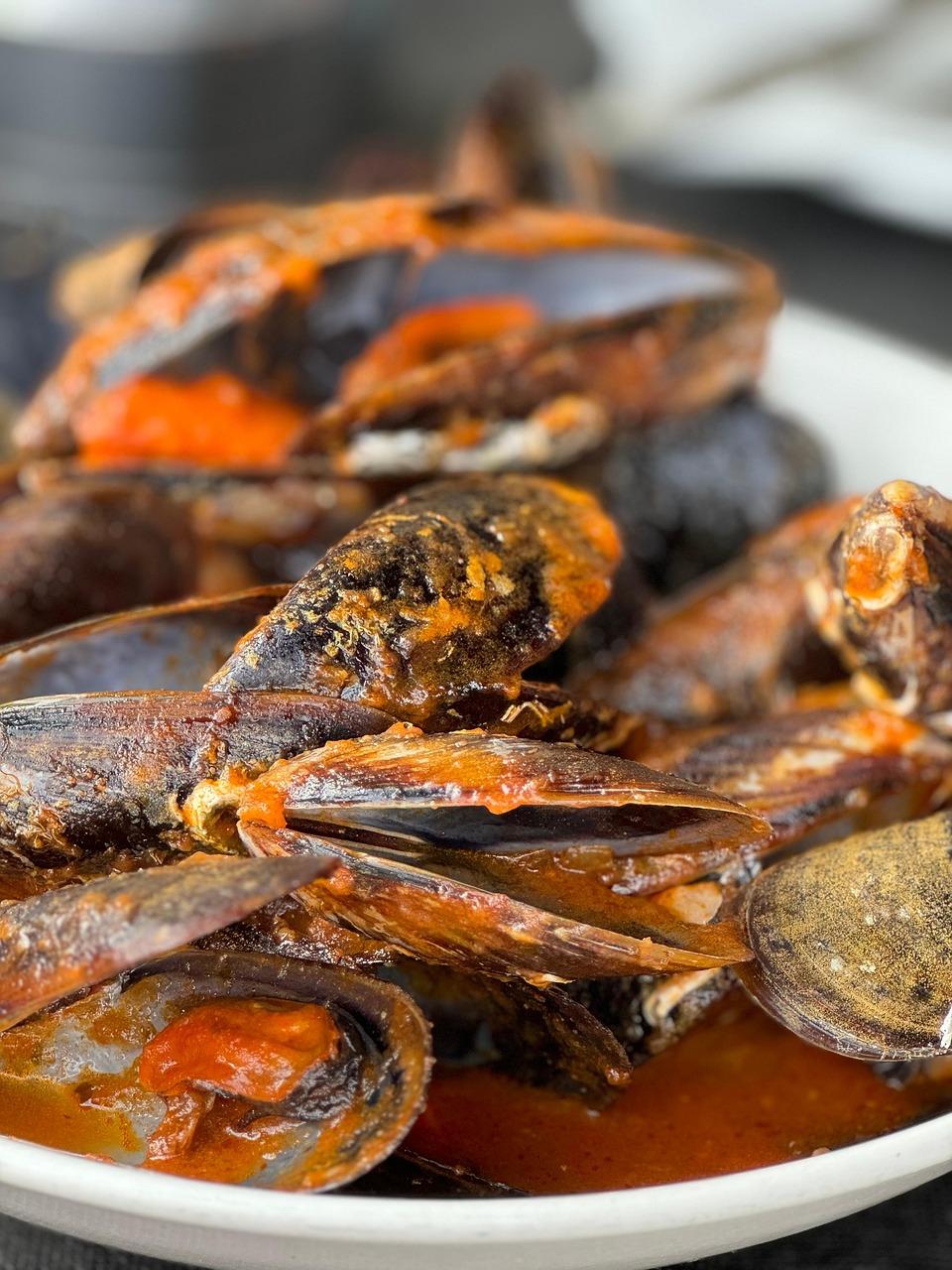
Midia saganakiMussels with tomato and feta
Thessaloniki is Greece's mussel capital, with farms in the Thermaic Gulf a few kilometres from the seafront ouzeries where this two-handled pan arrives, still bubbling, at the table. Mussels steam open in a quick sauce of peppers, tomato and chilli, and crumbled feta melts into the juices at the end. Bread is essential. The classic version adds a splash of ouzo; this one is alcohol-free, using a pinch of fennel seed for that aniseed note (add 2 tbsp ouzo with the tomatoes if you like). Common mistake: overcooking — take the pan off the heat as soon as the shells open. Chef's tip: buy mussels on the day and keep them in the fridge in a bowl covered with a damp cloth, never in water.
 Greek
