
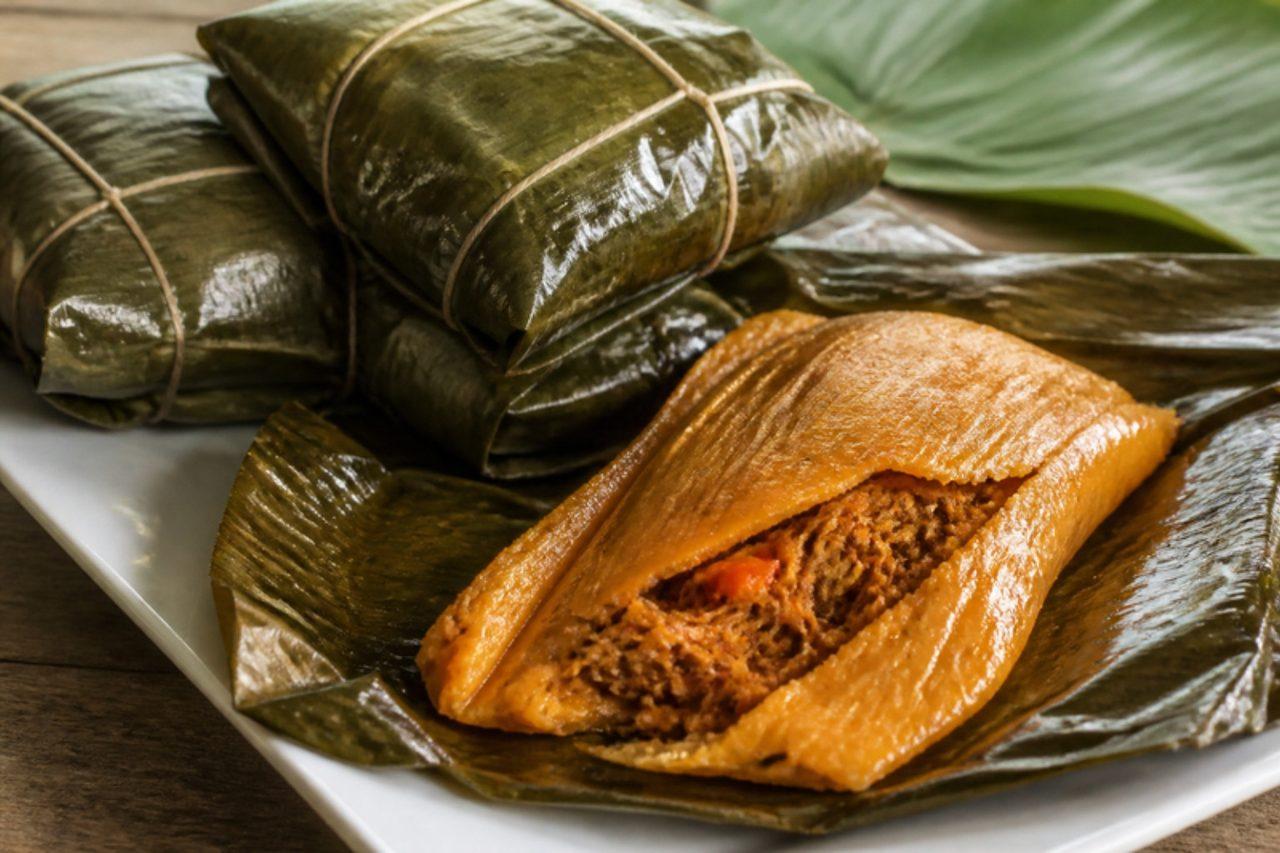
AI-generated image
Puerto Rican pasteles
Pork-filled green banana parcels
Pasteles: green banana and yautía parcels filled with pork, for Christmas


Making pasteles is a December production line in Puerto Rican homes, from Orocovis in the mountains to the Bronx: one person grates, one seasons, one spreads masa on plantain leaves and someone else ties the strings, and dozens go into the freezer for Nochebuena. The masa is grated green banana, yautía and a little calabaza coloured with annatto oil; the filling is diced pork shoulder stewed with sofrito, olives, capers and chickpeas. Each parcel is boiled until the masa sets into a soft, savoury pudding. The common mistake is spreading the masa too thick, which leaves a raw, gummy centre. For a vegetarian version, fill them with chickpeas and diced vegetables stewed in the same sauce. Chef's tip: grate the roots on the finest side of the grater (or blitz them with a little of the annatto oil) for the smooth, silky masa that marks a good pastel.
- Total time
- 240 min
- Difficulty
- hard
- Serves
- 10
Ingredients
For the annatto oil
- ¾ cup vegetable oil
- 2 tbsp annatto (achiote) seeds
For the pork filling
- 2 lb boneless pork shouldercut into 1.5 cm dice
- 5 cloves garliccrushed
- 1 tsp dried oregano
- 3 tsp saltsplit between filling and masa
- 1 onionfinely chopped
- 1 green pepperfinely chopped
- 6 ajíes dulcesseeded and chopped (or 0.5 red pepper)
- 4 tbsp culantro or corianderchopped
- ¾ cup tomato sauce (passata)
- 2 ⅞ oz pimento-stuffed olivessliced
- 2 tbsp capers
- 8 ½ oz cooked chickpeasdrained
For the masa
- 10 green bananaspeeled
- 16 oz yautía (malanga)peeled
- 1 green plantainpeeled
- 7 oz calabaza or butternut squashpeeled
To wrap
- 20 pieces plantain or banana leavesabout 25 × 30 cm, wiped clean
- 20 sheets baking paperabout 30 × 35 cm
- 1 ball kitchen string
Shop this recipe on Amazon
What you'll need
Spices & pantry
Fresh ingredients (8)
Links open Amazon in a new tab. As an Amazon Associate, WhatToEat.Today earns from qualifying purchases.
Method
0/10 doneStep 1: Warm ¾ cup vegetable oil with 2 tbsp annatto (achiote) seeds in a small pan over a low heat for 5 minutes, until deep orange; don't let it smoke. Strain and set aside.
5 minStep 2: Toss 2 lb boneless pork shoulder with 5 cloves garlic, 1 tsp dried oregano and 1.5 tsp of 1 ½ tsp salt. Cover and marinate in the fridge for at least 1 hour, or overnight.
60 minStep 3: Heat 3 tbsp of the annatto oil in a heavy pan over a medium heat and fry 1 onion, 1 green pepper, 6 ajíes dulces and 4 tbsp culantro or coriander for 5 minutes until soft. Add the pork and stir for 5 minutes until it loses its pink colour all over.
10 minStep 4: Add ¾ cup tomato sauce (passata) and 250 ml water, cover and simmer for 40 minutes, until the pork is tender and the sauce reduced. Stir in 2 ⅞ oz pimento-stuffed olives, 2 tbsp capers and 8 ½ oz cooked chickpeas and cook 5 minutes more; the pork should reach at least 160°F. Cool completely, keeping any extra liquid for the masa.
45 minStep 5: Finely grate 10 green bananas, 16 oz yautía (malanga), 1 green plantain and 7 oz calabaza or butternut squash (or blitz them in a food processor in batches until smooth). Wear gloves for the bananas. Beat in the rest of 1 ½ tsp salt, 4 tbsp of the annatto oil and ½ cup pork cooking liquid or vegetable stock to give a soft, spreadable masa like thick porridge.
Step 6: Pass each of 20 pieces plantain or banana leaves quickly over a gas flame or dip in hot water to make it pliable. Lay a sheet of 20 sheets baking paper on the worktop with a leaf on top and brush the centre with a little annatto oil.
Step 7: Spread 3 heaped tablespoons of masa into a 10 × 12 cm rectangle about 5 mm thick. Put 2 tbsp of filling down the middle.
Step 8: Fold the leaf in half so the masa closes over the filling, then fold in the edges of leaf and paper to make a neat parcel. Tie two parcels together face to face with 1 ball kitchen string, like a book, if you like (an "amarre").
Step 9: Boil a very large pot of salted water. Add the pasteles, cover and boil for 1 hour (1 hour 15 minutes from frozen), turning once, until the masa is firm and no longer sticky when you open a test parcel.
60 minStep 10: Lift out and drain for a few minutes. Untie, unwrap and serve hot with arroz con gandules. Raw parcels freeze for 3 months.
Nutrition per serving
- Calories
- 520 kcal
- Protein
- 24 g
- Carbs
- 52 g
- Fat
- 25 g
- Fibre
- 6 g
Nutrition values are estimates.
KrazyBadal
Good to know
- How long does puerto Rican pasteles take?
- About 240 minutes in total: 150 minutes to prepare and 90 minutes to cook.
- How many people does it serve?
- 10 as written. Change the servings above the ingredients and every amount scales to match.
- Is it gluten free?
- Yes, as written. Check the labels on stock, sauces and spice mixes, which sometimes contain gluten.
- Can I make it ahead?
- Yes. It keeps well, so you can cook it earlier in the day or the day before and reheat it.
- What can I use instead of garlic?
- ½ tsp garlic paste or ⅛ tsp garlic powder per clove.
- What can I use instead of dried oregano?
- Dried thyme or marjoram, same amount.
Reviews
No reviews yet. Be the first to cook it.
Rate this recipe
Sign in to rate and review this recipe.
You might also like

Pork souvlaki
This is a pork recipe. Walk through any Greek town after dark, from Athens to Thessaloniki, and the smell of souvlaki stands drifts down the street; cubes of pork shoulder grilled on thin skewers are the country's favourite cheap supper, eaten standing up or at a plastic-table taverna. At home you marinate the meat in lemon, olive oil, garlic and dried oregano, grill it hard and fast, and pile it on warm pitta with tzatziki, tomato and red onion. Chef's tip: cut the pork into even 2.5 cm cubes and leave a little fat on; lean loin dries out, shoulder stays juicy over high heat.
 Greek
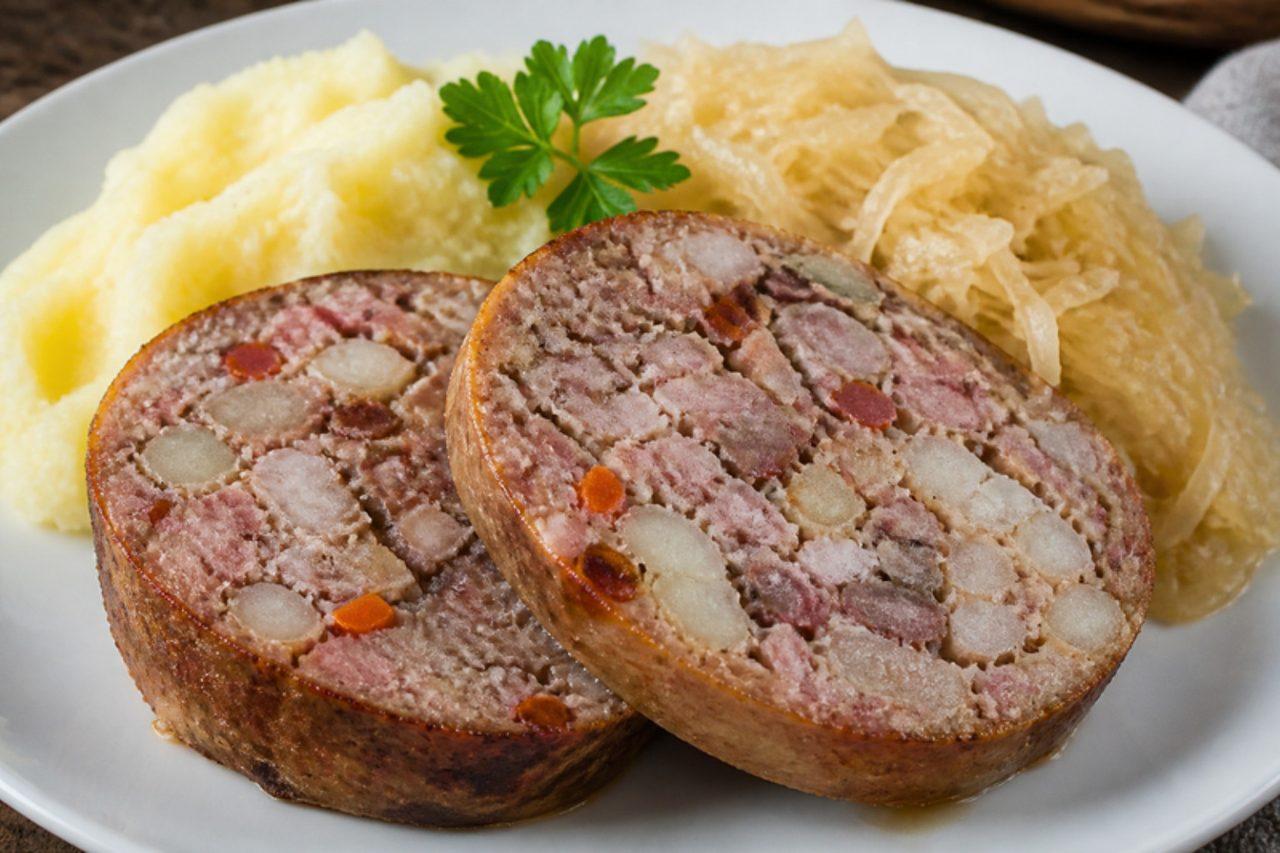
Pfälzer SaumagenStuffed pig's stomach
Saumagen is the pride of the Palatinate, served at wine-village festivals and family dinners from the Haardt hills to Ludwigshafen. A cleaned pig's stomach is stuffed with diced pork shoulder, pork sausage meat, potato and carrot seasoned with marjoram and nutmeg, poached slowly, then sliced thick and fried until crusty. The stomach works only as a casing and is ordered from a butcher; if you can't get one, bake the same filling in a covered terrine in a water bath. Serve with sauerkraut and mashed potato. Chef's tip: fill the stomach only three-quarters full, or it bursts as the potatoes swell.
 German

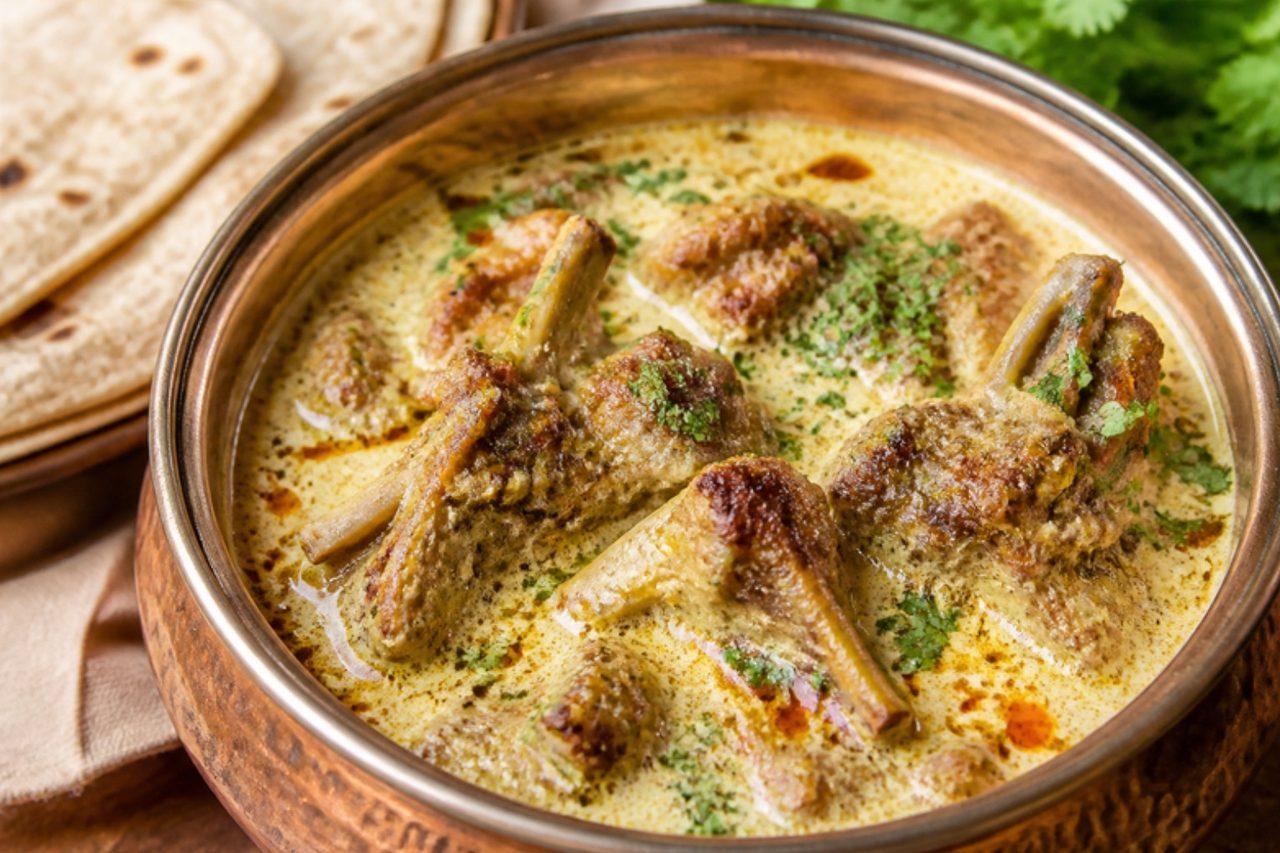
Chha goshtLamb in buttermilk gravy
Up in the hill villages of Himachal Pradesh, where flocks are walked to summer pastures, lamb is often cooked in chhaachh, the thin buttermilk left after churning butter. Thickened with a spoonful of gram flour, it makes a pale, gently sour gravy that is milder and lighter than the red curries of the plains, and it is a favourite at dhams, the festive meals of the Kangra and Chamba valleys. Serve it with steamed rice or makki ki roti. Chef's tip: whisk the gram flour into the buttermilk until there are no lumps before it goes near the pot; once it hits the heat, any lumps stay lumps.
 Indian