
 Brazilian
 Gluten free
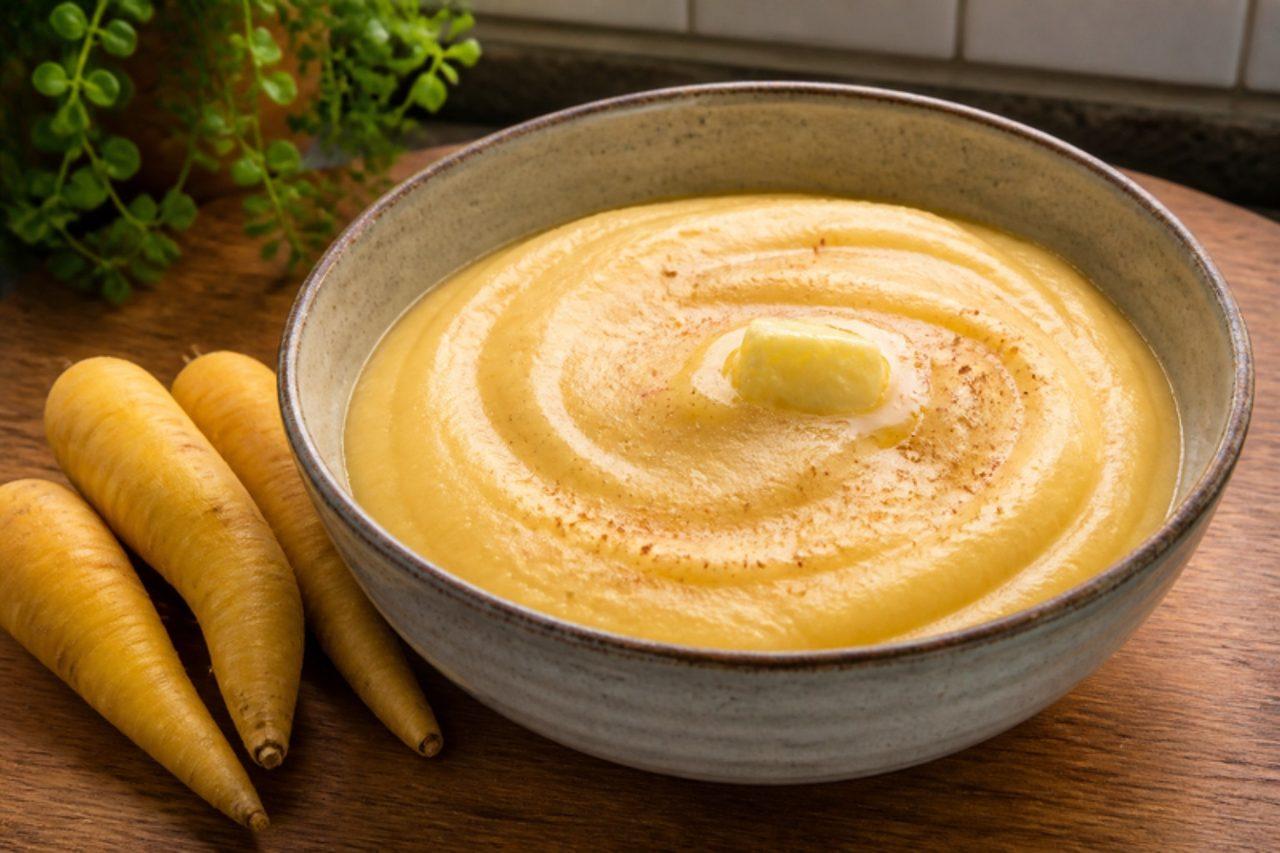
Purê de mandioquinha
Arracacha purée
Purê de mandioquinha: São Paulo and Minas Gerais buttery purée of arracacha
Mandioquinha, also called batata-baroa, is a pale-yellow root that tastes like a cross between parsnip, celery and chestnut. In São Paulo and Minas Gerais it's prized as a gentle, easy-to-digest food, and this buttery purée is what grandmothers make for children, for the sick and as a smart side for picadinho or a roast. It's naturally smooth and sweet. If you can't find it in a Latin grocer, use half parsnip and half floury potato. Chef's tip: mash it by hand, never in a blender.
- Prep
- 15 min
- Cook
- 20 min
- Difficulty
- Easy
- Serves
- 4
- Per serving
- 220 kcal
Ingredients
For the purée
- 1 ¾ lb mandioquinha (arracacha)peeled, in chunks
- 1 tsp salt
- 1 ⅜ oz butter
- ½ cup milkwarmed
- 1 pinch ground nutmeg (optional)
Shop this recipe on Amazon
What you'll need
Search Amazon for the rest
Links open Amazon in a new tab. As an Amazon Associate we earn from qualifying purchases.
Method
0/4 doneStep 1: Put the 1 ¾ lb mandioquinha (arracacha) in a pan of cold water with half the ½ tsp salt. Bring to the boil and simmer for 15–20 minutes until a knife slides in with no resistance.
20 minStep 2: Drain well and let it steam dry in the pan for 1 minute.
1 minStep 3: Mash while hot with the 1 ⅜ oz butter, then beat in the warm ½ cup milk, the rest of the ½ tsp salt and the 1 pinch ground nutmeg until smooth. A blender or food processor is a common mistake: it overworks the starch and turns the purée gluey.
3 minStep 4: Serve straight away.
1 min
Nutrition per serving
- Calories
- 220 kcal
- Protein
- 3 g
- Carbs
- 32 g
- Fat
- 10 g
- Fibre
- 4 g
Nutrition values are estimates.
KrazyBadal
Good to know
- How long does purê de mandioquinha take?
- About 35 minutes in total: 15 minutes to prepare and 20 minutes to cook.
- How many people does it serve?
- 4 as written. Change the servings above the ingredients and every amount scales to match.
- Is it vegetarian?
- Yes. It has no meat or fish.
- Is it gluten free?
- Yes, as written. Check the labels on stock, sauces and spice mixes, which sometimes contain gluten.
- What can I use instead of butter?
- The same weight of ghee or coconut oil (for frying and most baking).
- What can I use instead of milk?
- Oat, soy or almond milk, same amount (use unsweetened for savoury dishes).
Reviews
No reviews yet. Be the first to cook it.
Rate this recipe
Sign in to rate and review this recipe.
You might also like

TacachoMashed roasted green plantain balls
Tacacho is the breakfast of the Peruvian Amazon, from Tarapoto to Iquitos: green plantains roasted over coals, mashed with fat and salt and shaped into balls. There it comes with cecina (smoked pork) and is mashed with lard and crackling; this vegan tacacho uses good oil and a pinch of smoked paprika for the same savoury, smoky depth. The balls are dense, chewy and starchy, crisp at the edges where the plantain charred, and they are eaten hot with a fiery chilli sauce or alongside stews. Use plantains that are fully green and firm. Chef's tip: mash the plantains while they are still very hot; as green plantain cools its starch sets and it won't bind into a smooth ball.
 Peruvian

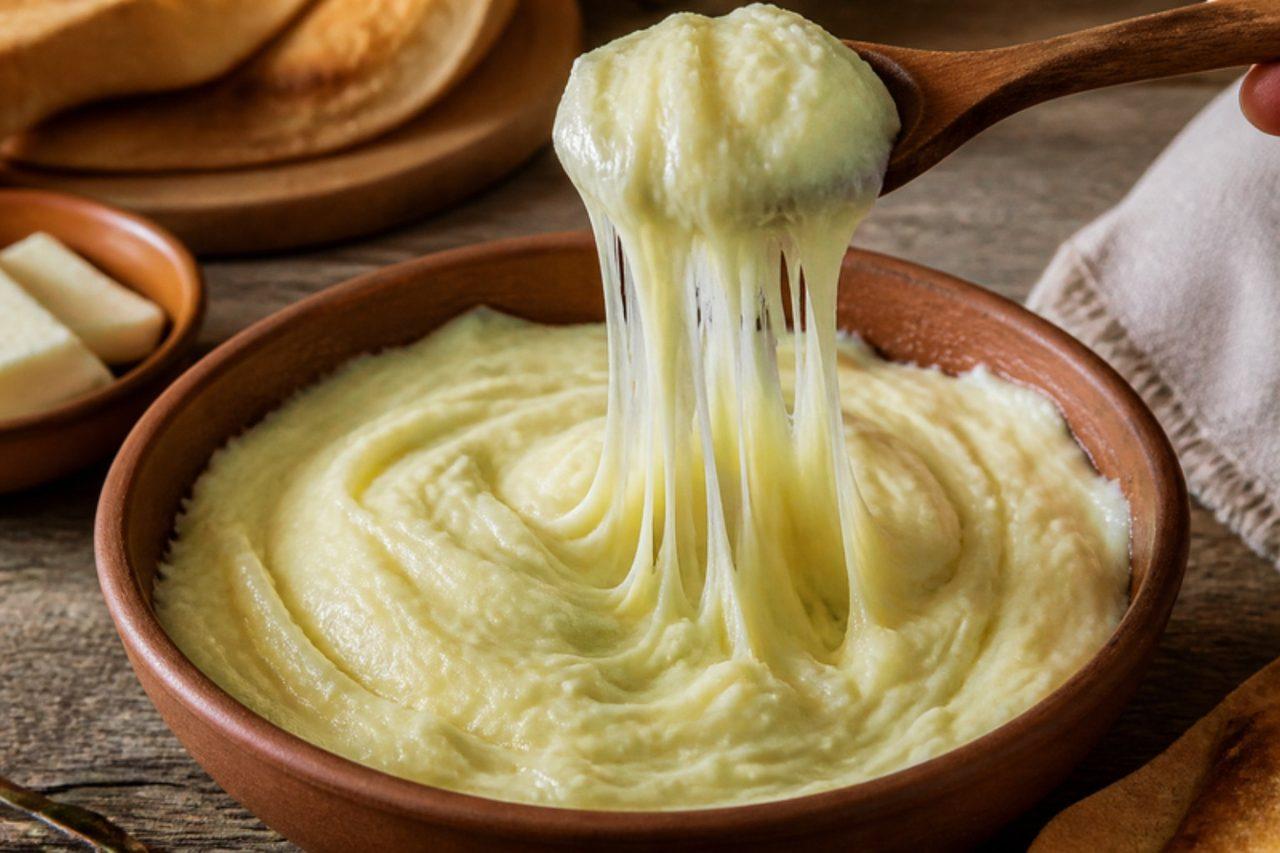
TashmijabiMashed potatoes with stretchy cheese
Potatoes grow well in the cold valleys of Svaneti, and tashmijabi is how families around Mestia turn them into a feast dish: they are mashed hot, then beaten with handfuls of young sulguni until the purée becomes glossy and stretches from the spoon in long strands. It is served with grilled meat, kubdari or simply with pickles and Svan salt. A common mistake is letting the potatoes cool before adding the cheese; they must be piping hot for the cheese to melt and stretch. Chef's tip: keep the pan on a low heat while you beat, and use a firm wooden spoon. Most sulguni uses animal rennet; choose a vegetarian one or use mozzarella.
 Georgian
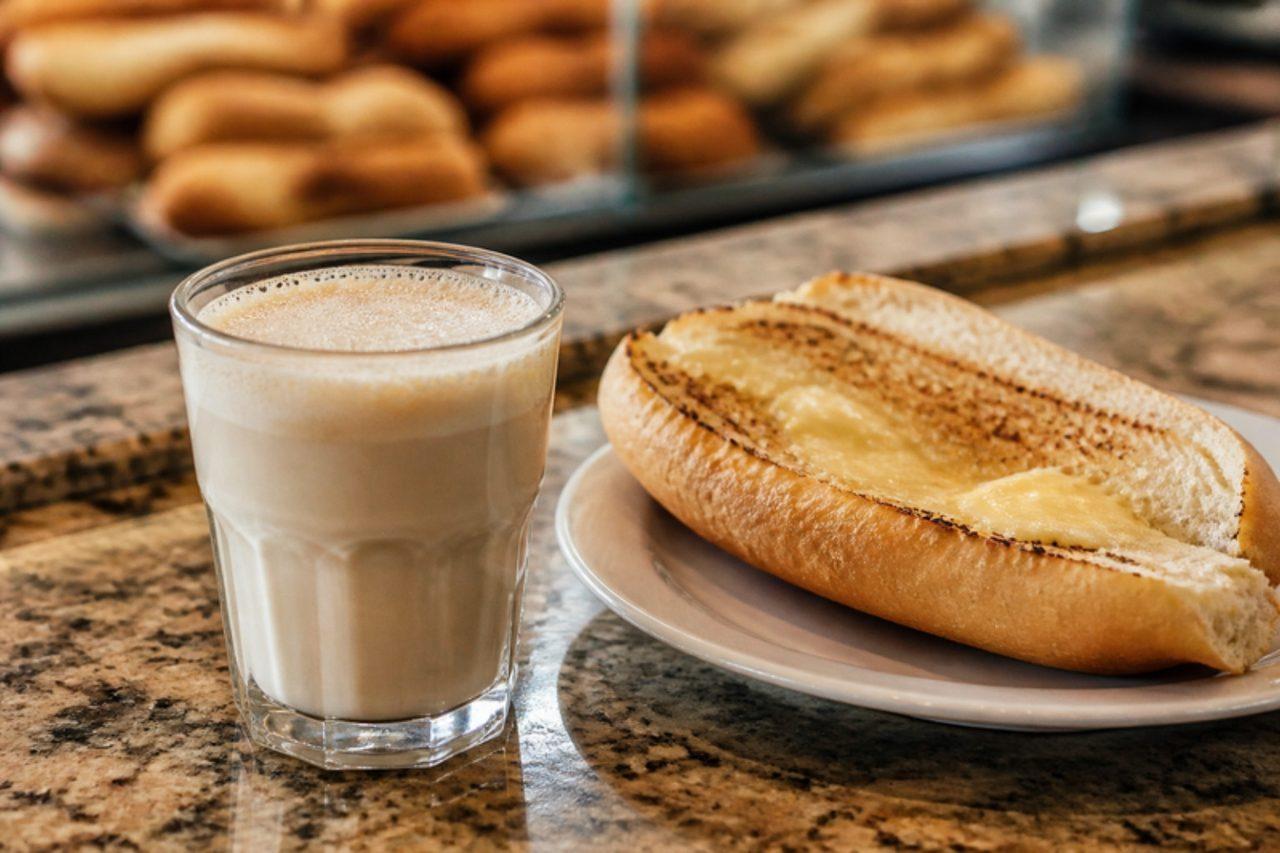
PingadoHot milk with coffee
Order 'um pingado' at the balcão of any São Paulo padaria at 7 in the morning and the attendant pours hot milk into a ridged glass tumbler (the copo americano) and 'drips' in a splash of strong coffee, hence the name. It is milkier and gentler than a média (half coffee, half milk), creamy and lightly sweet, usually drunk standing up with a pão na chapa, a toasted buttered roll. At home you need strong filter coffee and milk heated until steaming. Scalding the milk is the frequent mistake, as boiled milk tastes flat and forms a skin. Chef's tip: froth the hot milk for a few seconds with a whisk or by pouring it back and forth between two jugs before adding the coffee, as padaria machines do.