
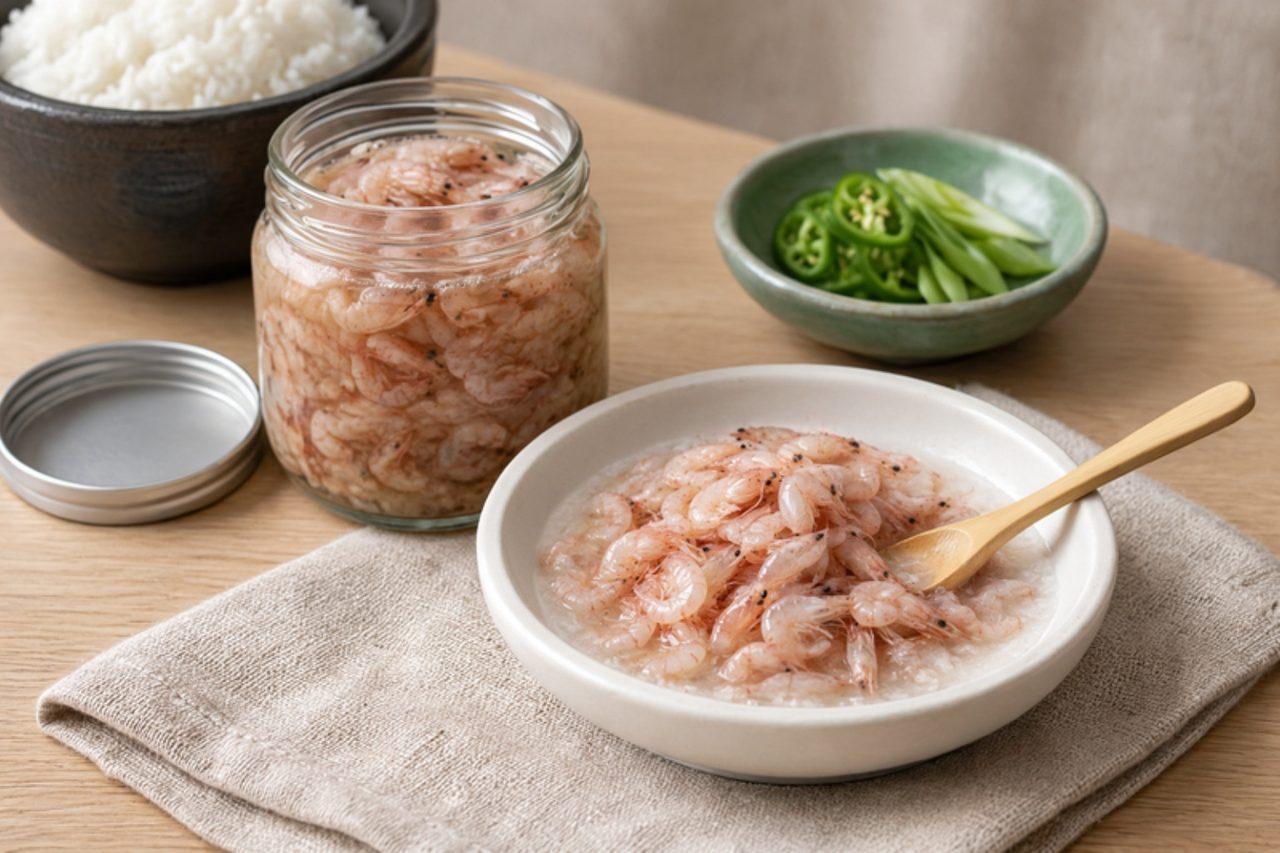
AI-generated image
Saeujeot
새우젓: tiny shrimp packed in salt and left to mellow for months into the pink, briny seasoning behind kimchi, steamed egg and pork


Saeujeot is the quiet backbone of Korean cooking. Tiny shrimp from the west coast are packed in salt at sea or on the quay, and the most famous jars age in the old tunnels of Gwangcheon or come from Ganghwa Island. Shrimp caught in June (yukjeot) are prized for kimjang kimchi in November; autumn shrimp (chujeot) go into everyday cooking. A spoonful seasons steamed eggs, stews and kimchi, and a little dish of it, with chilli and sesame, is set beside boiled pork for bossam. It tastes intensely salty, sweet and oceanic, and the shrimp stay plump and pale pink. This is a raw, salt-cured seafood: pregnant people, babies, older people and anyone with weak immunity should only eat it cooked into a hot dish, never raw in kimchi or dips. The common mistake is skimping on salt; the cure needs 30% salt by weight to stay safe, so weigh everything. It is ready after at least 3 months in the fridge, when the liquid is clear amber and the smell is sweet and briny, never ammonia-like. Chef's tip: buy shrimp sold for making jeot, frozen at sea, and work fast while they are still icy.
- Total time
- 30 min
- Difficulty
- easy
- Serves
- 24
Ingredients
For the saeujeot
- 2 ¼ lb very fresh or sea-frozen tiny raw shrimpthe small kind sold for jeot or for drying; must smell of the sea, never of ammonia
- 4 ¼ cups cold water
- 1 oz fine sea saltfor a 3% rinsing brine
- 10 ½ oz coarse sea salt30% of the shrimp's weight; 250 g to mix, 50 g for the top
For a dipping sauce for pork (optional)
- ½ tsp gochugaru (Korean chilli flakes) (optional)
- 1 garlic clove (optional)finely grated
- 1 scallion (optional)finely chopped
- ½ tsp toasted sesame seeds (optional)
Shop this recipe on Amazon
Fresh ingredients (2)
Links open Amazon in a new tab. As an Amazon Associate, WhatToEat.Today earns from qualifying purchases.
Method
0/10 doneStep 1: Sterilise a 1.5 litre glass jar and lid: wash in hot soapy water, rinse, then dry in a 250°F oven for 10 minutes. Let it cool fully; it must be completely dry.
Step 2: Weigh the 2 ¼ lb very fresh or sea-frozen tiny raw shrimp and check the salt: you need 30% of the shrimp's weight (300 g salt for 1 kg). Pick out any bits of weed, small fish or broken, dark shrimp.
10 minStep 3: Stir 1 oz fine sea salt into 4 ¼ cups cold water until dissolved, swish the shrimp through it in two batches and lift them out into a colander. Drain for 10 minutes; keep them cold.
12 minStep 4: In a large chilled bowl mix the shrimp with 250 g of 9 oz coarse sea salt until every shrimp is coated and the salt starts to dissolve.
3 minStep 5: Pack the mixture into the jar, pressing down with a clean spoon to remove air, and leave at least 3 cm of headspace.
Step 6: Spread the remaining salt in an even layer over the top to seal it, wipe the rim and close the lid.
2 minStep 7: Keep the jar in the fridge (about 4 °C) for at least 3 months; traditional cave ageing happens around 59°F, but the fridge is the safe home kitchen choice. Do not open it during the first month.
Step 8: Check it is ready: the shrimp are plump and pinkish ivory, the liquid is clear and amber, and it smells sweet and briny. Throw it away if it smells of ammonia or rot, turns slimy or grey-black, or grows any mould.
Step 9: Keep it in the fridge for up to a year, always using a clean, dry spoon and pressing the shrimp back under their liquid. Use it in kimchi and steamed eggs (for vulnerable eaters, only in dishes cooked until bubbling hot).
Step 10: Optional dip for boiled pork: chop 1 tbsp saeujeot finely and mix with ½ tsp gochugaru (Korean chilli flakes), 1 garlic clove, 1 scallion and ½ tsp toasted sesame seeds. Serve within a day.
3 min
Nutrition per serving
- Calories
- 10 kcal
- Protein
- 2 g
- Carbs
- 0 g
- Fat
- 0 g
- Fibre
- 0 g
Nutrition values are estimates.
KrazyBadal
Good to know
- How long does saeujeot take?
- About 30 minutes in total.
- How many people does it serve?
- 24 as written. Change the servings above the ingredients and every amount scales to match.
- Is it gluten free?
- Yes, as written. Check the labels on stock, sauces and spice mixes, which sometimes contain gluten.
- Can I make it ahead?
- Yes. It keeps well, so you can cook it earlier in the day or the day before and reheat it.
Reviews
No reviews yet. Be the first to cook it.
Rate this recipe
Sign in to rate and review this recipe.
You might also like

Vegetable brown stock
A hearty stock that's simmered for 2 hours, then blended and strained, so the potato gives it body. Its deeper flavour suits thick soups, gravies and stews. Freeze it in portions so it's ready when you need it.


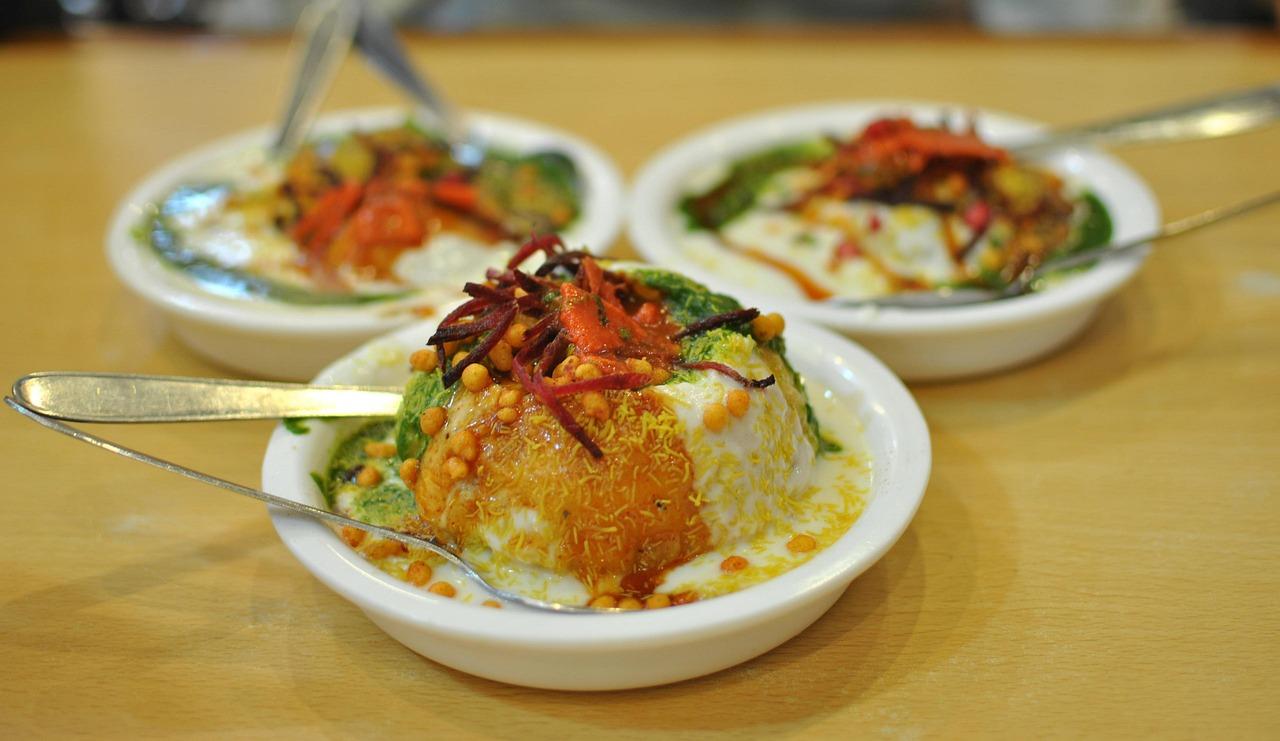
Chaat masala
Chaat masala is the tangy, salty, slightly sulphurous sprinkle that makes chaat taste like chaat. Dried mango (amchur) gives the sourness and black salt the distinctive savoury edge. Sprinkle it over fruit, salads, raita, chips and street-food snacks.
 Indian

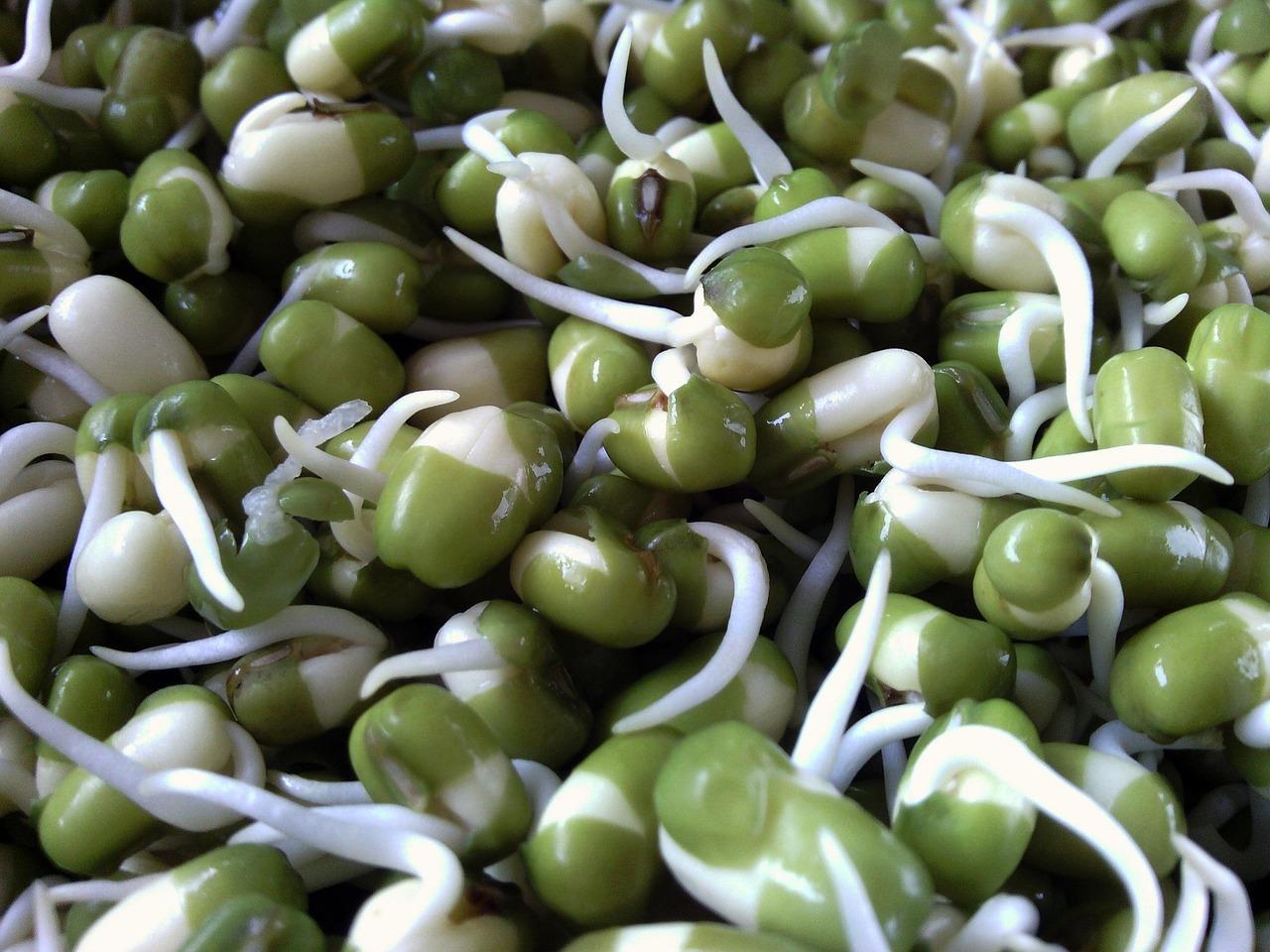
Bean sprouts
Sprouting whole green grams makes them crunchier, quicker to cook and more nutritious. All you need is muslin, water and a warm spot, and they're ready in 3–4 days. Use them in salads, bhel, usal and stir-fries. Any other whole pulse sprouts the same way.