
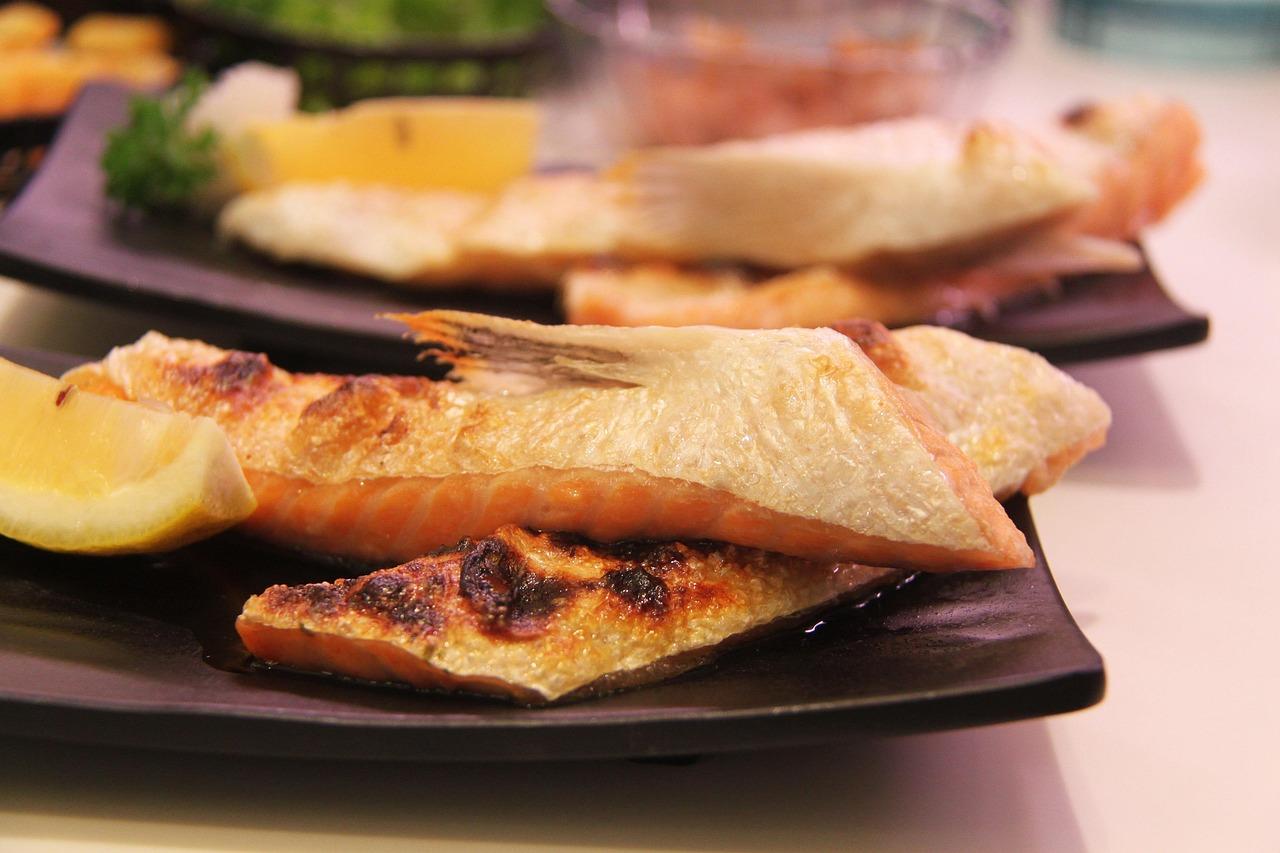
Sake no shioyaki
Salt-grilled salmon
Sake no shioyaki (鮭の塩焼き): salted salmon fillet grilled simply for the breakfast or dinner tray


A piece of salt-grilled salmon with crisp, blistered skin is the heart of the traditional Japanese breakfast in ryokan from Hokkaido to Kyushu, set beside rice, miso soup and pickles, and in homes it is the plainest weeknight dinner of all. Salting the fish 10–15 minutes ahead in the fridge firms the flesh, draws out moisture and seasons it right through. Serve with grated daikon and a wedge of lemon. A portion is about 260 kcal. The common mistake is grilling straight from wet; pat the fillets very dry after salting, or the skin steams instead of crisping. Chef's tip: grill skin side up first under the grill, or skin side down first in a pan; the skin should get the most heat.
- Total time
- 27 min
- Difficulty
- easy
- Serves
- 2
Ingredients
- 2 salmon filletsskin on, about 140 g each
- 1 tsp sea salt
- 2 ⅞ oz daikonfinely grated and lightly squeezed
Shop this recipe on Amazon
Fresh ingredients (2)
Links open Amazon in a new tab. As an Amazon Associate, WhatToEat.Today earns from qualifying purchases.
Method
0/4 doneStep 1: Sprinkle 1 tsp sea salt evenly on both sides of 2 salmon fillets. Lay on a plate and leave in the fridge for 10–15 minutes (longer, up to a few hours, if you have time). Pat completely dry with kitchen paper.
10 minStep 2: Heat the grill to high, with the rack about 10 cm from the heat. Line the tray with foil and oil it lightly.
3 minStep 3: Grill skin side up for 5–6 minutes, until the skin is blistered and golden. Turn carefully and grill for 3–4 minutes more, until the flesh is opaque all the way through and flakes easily in the thickest part.
10 minStep 4: Serve at once with a mound of 2 ⅞ oz daikon and 2 lemon wedges. Add a drop of gluten-free tamari to the daikon if you like.
Nutrition per serving
- Calories
- 260 kcal
- Protein
- 28 g
- Carbs
- 0 g
- Fat
- 16 g
- Fibre
- 0 g
Nutrition values are estimates.
KrazyBadal
Good to know
- How long does sake no shioyaki take?
- About 27 minutes in total: 15 minutes to prepare and 12 minutes to cook.
- How many people does it serve?
- 2 as written. Change the servings above the ingredients and every amount scales to match.
- Is it gluten free?
- Yes, as written. Check the labels on stock, sauces and spice mixes, which sometimes contain gluten.
- What can I use instead of salmon fillets?
- Trout or any firm white fish, same weight (check white fish a little sooner).
Reviews
No reviews yet. Be the first to cook it.
Rate this recipe
Sign in to rate and review this recipe.
You might also like
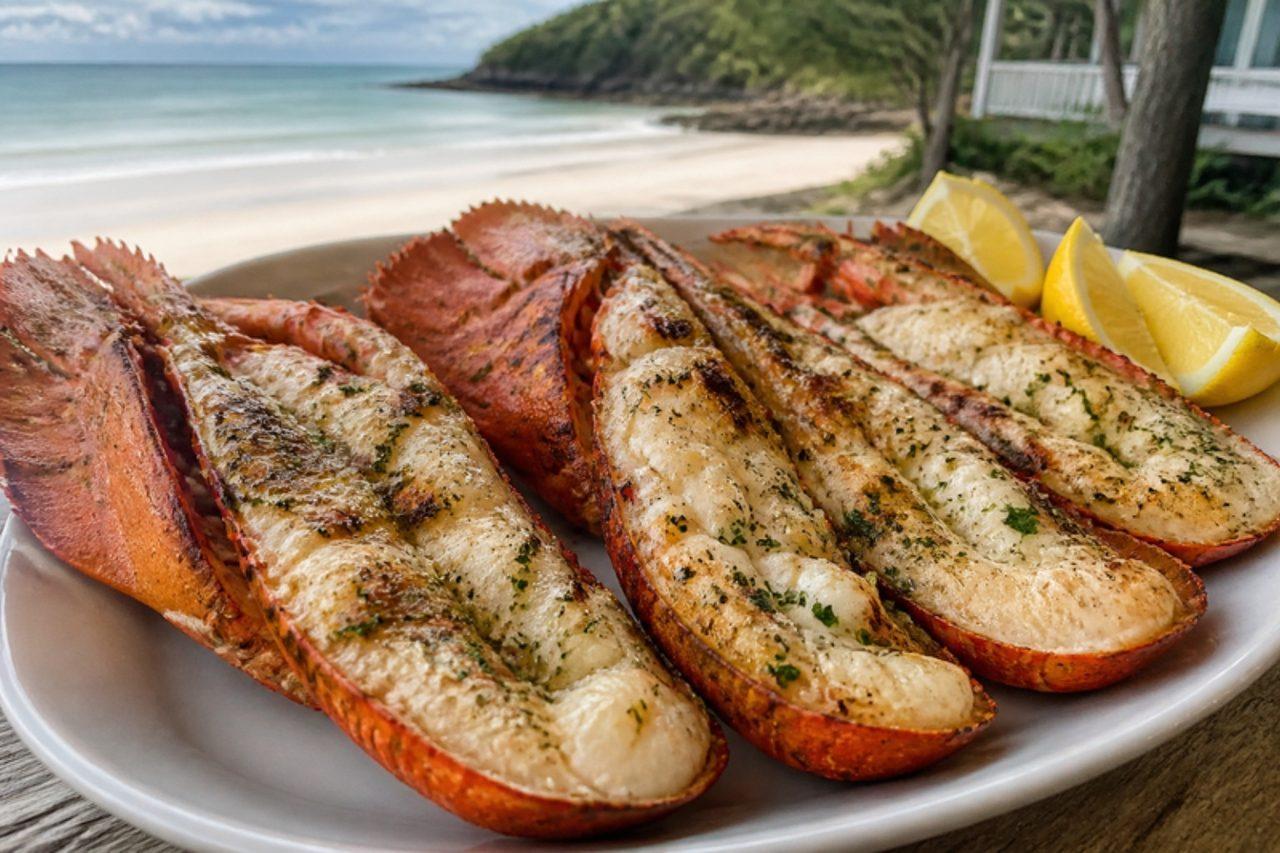
Moreton Bay bugsSlipper lobster with garlic butter
Moreton Bay bugs are the flat, shovel-nosed slipper lobsters caught off the Queensland coast around Brisbane and the Sunshine Coast, and for Queenslanders they are a summer treat, split and grilled at the beach house. The tail meat is sweet and rich, somewhere between lobster and prawn. Buy them raw, frozen or fresh, from a fishmonger and ask them to halve them if you like. A common mistake is overcooking, which makes the meat rubbery; it is ready the moment it turns white. Chef's tip: grill flesh side down first to mark it, then turn and baste in the shell.
 Australian


Yaki onigiriGrilled rice balls
Yaki onigiri (焼きおにぎり) are rice balls grilled until they form a crisp, toasty crust, then brushed with soy sauce glaze. They are eaten all over Japan, at izakaya, at barbecues and from the freezer section, as a snack or with miso soup. The inside stays soft and steamy while the outside crackles. Best eaten hot, straight from the pan. Chef's tip: let the shaped rice balls dry for 10 minutes before they go in the pan. A drier surface forms a better crust and won't stick, and the glaze goes on only at the end so it doesn't burn.


Miso soup
Miso soup (味噌汁) is drunk every day in homes all over Japan, at breakfast as well as dinner, beside a bowl of rice. The base is dashi; this vegan version uses kombu and dried shiitake instead of bonito, which gives it a deep, rounded flavour. Silken tofu and wakame seaweed are the classic fillings. It takes ten minutes; just remember not to boil the miso. Chef's tip: add the miso at the very end and never let it boil. Boiling kills the miso's fresh, fermented aroma; Japanese cooks say the soup should only 'smile', with the surface barely trembling.