

AI-generated image
Samgyetang
Ginseng chicken soup
삼계탕: whole poussin stuffed with sticky rice, ginseng, jujube and garlic

On the three hottest days of the Korean summer, called boknal, queues form outside samgyetang restaurants all over the country. The idea is to fight heat with heat: a small whole chicken is stuffed with glutinous rice, ginseng, jujubes and garlic, then simmered until the meat falls off the bone. Each person gets their own bird in its own bowl, with salt and pepper for dipping. Ginseng is not advised in pregnancy, so leave it out if unsure. Chef's tip: cut a small slit in the skin of one thigh and tuck the other leg through it, so the stuffing stays inside without string.
- Total time
- 90 min
- Difficulty
- medium
- Serves
- 2
Ingredients
For the chicken
- 2 poussins (small whole chickens)about 500 g each
- 3 ½ oz glutinous (sticky) rice
- 2 fresh ginseng rootssmall; or 2 dried pieces
- 10 cloves garlicpeeled
- 4 peeled chestnuts (optional)
- 8 ¼ cups water
To serve
- 2 spring onionsfinely sliced
- 2 tsp fine sea salt
- 1 tsp black pepper
Shop this recipe on Amazon
What you'll need
Fresh ingredients (2)
Links open Amazon in a new tab. As an Amazon Associate, WhatToEat.Today earns from qualifying purchases.
Method
0/9 doneStep 1: Rinse 3 ½ oz glutinous (sticky) rice until the water runs clear, then cover with cold water and soak for 30 minutes while you prepare the birds.
30 minStep 2: Pat 2 poussins (small whole chickens) dry inside and out. Trim off the wing tips and any loose fat around the cavity.
Step 3: Drain the rice. Put 1 ginseng root, 1 jujube and 2 garlic cloves into each bird first, then spoon in the rice. Common mistake: packing the cavity full. The rice swells as it cooks, so fill it only about two thirds and keep the rest in a little muslin bag or tuck it into the pot.
Step 4: Cut a 1 cm slit through the skin near the end of one thigh and push the other drumstick through it to cross the legs and close the cavity.
Step 5: Put the birds breast side up in a pot that holds them snugly. Add 8 ¼ cups water with the rest of 2 fresh ginseng roots, 6 dried jujubes (Korean red dates), 10 cloves garlic and 4 peeled chestnuts. The water should almost cover the birds.
2 minStep 6: Bring to the boil over a high heat and skim off the foam that rises.
8 minStep 7: Cover, lower to a gentle simmer and cook for 50 minutes, until the legs move loosely in their joints. Turn the birds once halfway so they cook evenly.
50 minStep 8: Check with a thermometer: the thickest part of the thigh, and the rice in the middle of the cavity, must reach 165°F/165 °F, and the juices must run clear. If not, simmer for 10 minutes more and check again.
10 minStep 9: Mix 2 tsp fine sea salt and 1 tsp black pepper in two small dishes. Lift each bird into a deep bowl, ladle the hot broth over and scatter with 2 spring onions. Pull off pieces of meat and dip them in the salt and pepper, and mix the rice into the broth as you eat.
Nutrition per serving
- Calories
- 640 kcal
- Protein
- 58 g
- Carbs
- 46 g
- Fat
- 23 g
- Fibre
- 2 g
Nutrition values are estimates.
KrazyBadal
Good to know
- How long does samgyetang take?
- About 90 minutes in total: 20 minutes to prepare and 70 minutes to cook.
- How many people does it serve?
- 2 as written. Change the servings above the ingredients and every amount scales to match.
- What can I use instead of garlic?
- ½ tsp garlic paste or ⅛ tsp garlic powder per clove.
- What can I use instead of spring onions?
- Chives, or a little finely sliced onion.
Reviews
No reviews yet. Be the first to cook it.
Rate this recipe
Sign in to rate and review this recipe.
You might also like
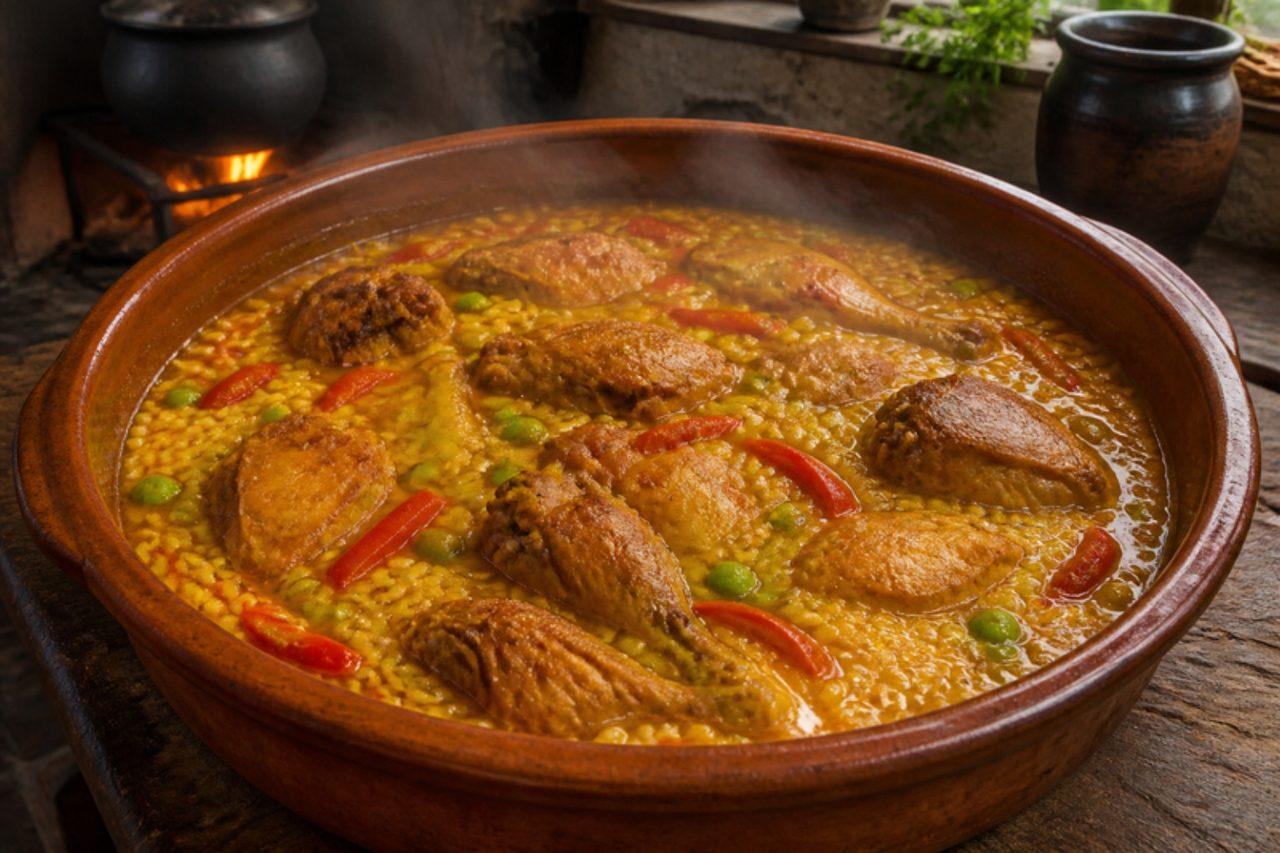
Arroz con pitu de caleyaSoupy rice with chicken
A pitu de caleya is a cockerel raised free in the lanes, or caleyas, of rural Asturias; its firm, flavourful meat needs long stewing, and families around Villaviciosa and Grado still cook it for feast days. The stew is often finished as a soupy rice, so the deep chicken juices go into every grain. Use the best free-range chicken you can find. The braise includes dry white wine; replace it with extra stock and a squeeze of lemon if you want it alcohol-free. Chef's tip: brown the chicken slowly and deeply; that colour is where the flavour of the whole pot comes from.
 Spanish
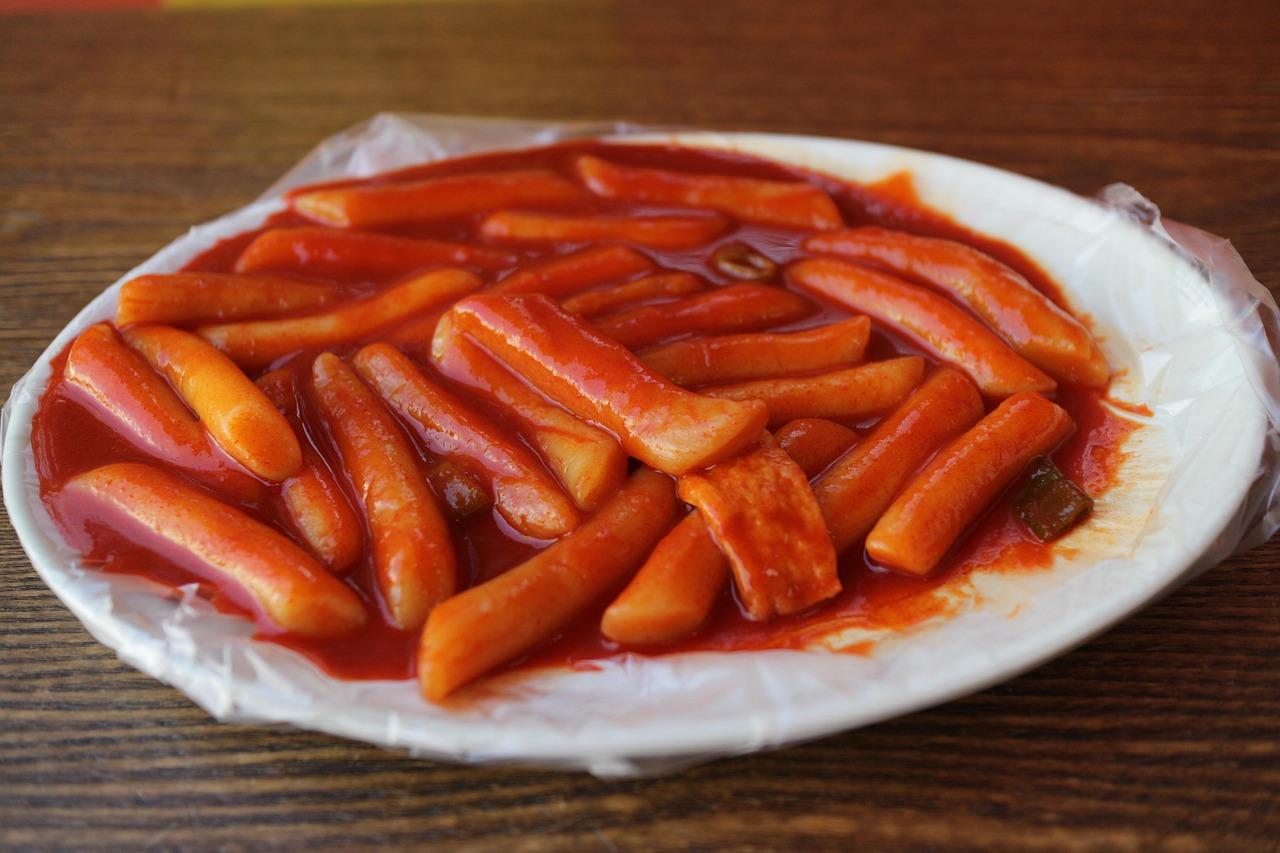
TteokbokkiRice cakes in spicy sauce
Tteokbokki (떡볶이) is Korea's best-loved street snack: chewy cylinders of rice cake simmered in a thick, glossy, sweet and spicy red sauce. It became a classic in Seoul, where it is sold from street stalls and snack bars in every neighbourhood. Street versions use anchovy stock and fish cakes; this vegan version uses a quick kelp and shiitake stock with cabbage and spring onions, and has all the same punch. Eat it hot, while the rice cakes are soft and stretchy. Chef's tip: keep stirring and scrape the bottom; the rice cakes release starch that thickens the sauce but also catches. The sauce is right when it clings to the spoon in a glossy coat.


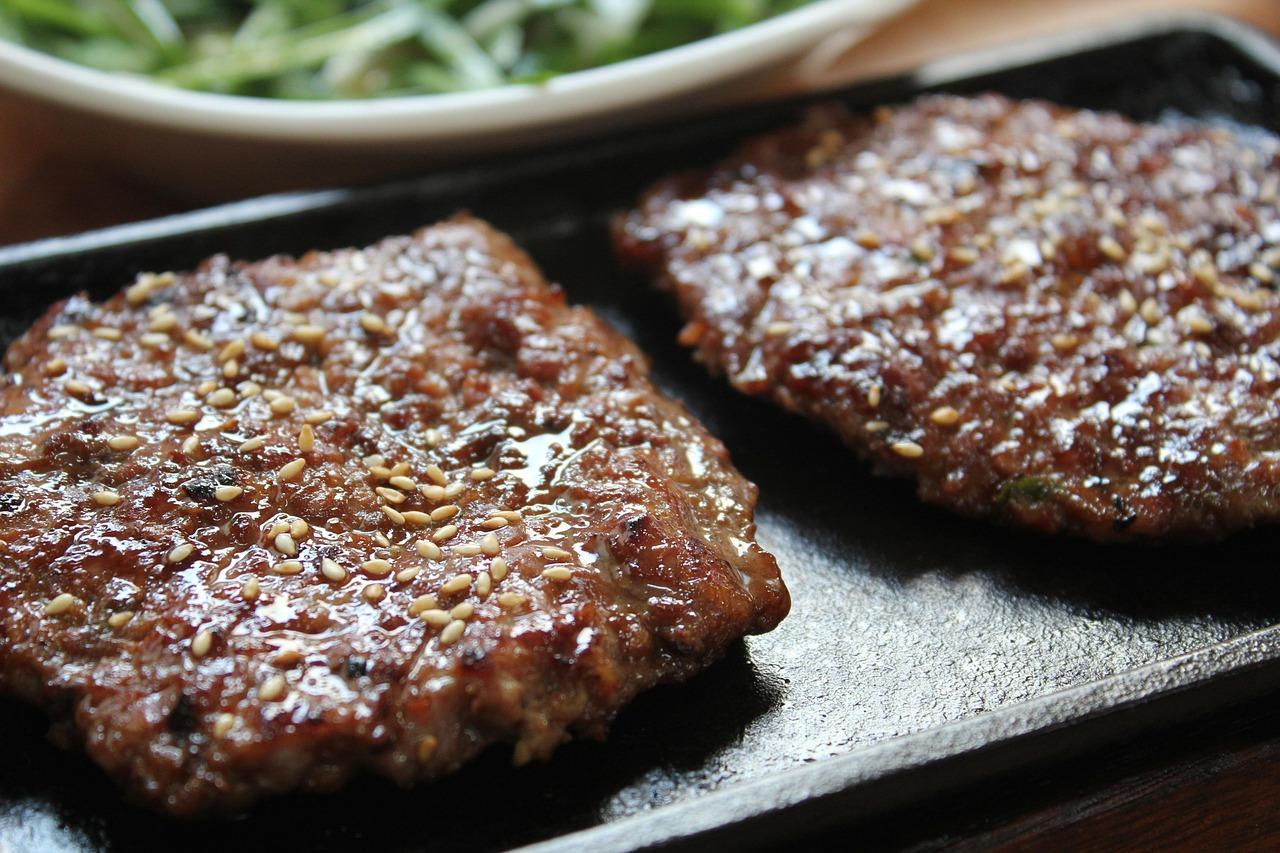
TteokgalbiGrilled short rib patties
Tteokgalbi is rib meat chopped finely, pressed back into neat slabs and grilled, so it's soft enough to eat without struggling with a bone. Two places in South Jeolla claim it: Damyang, the bamboo county, where all-beef patties come with rice steamed in bamboo tubes, and Gwangju's Songjeong district, whose restaurant street near the railway station mixes beef with pork. This home version uses minced beef and pork, seasoned with soy, garlic and pear, then brushed with a soy and honey glaze as it cooks. Serve with rice, lettuce and a few banchan; leftovers are good cold in a lunchbox. Chef's tip: slap the mince against the bowl for a few minutes; it turns sticky and the patties hold together on the grill without any breadcrumbs.