
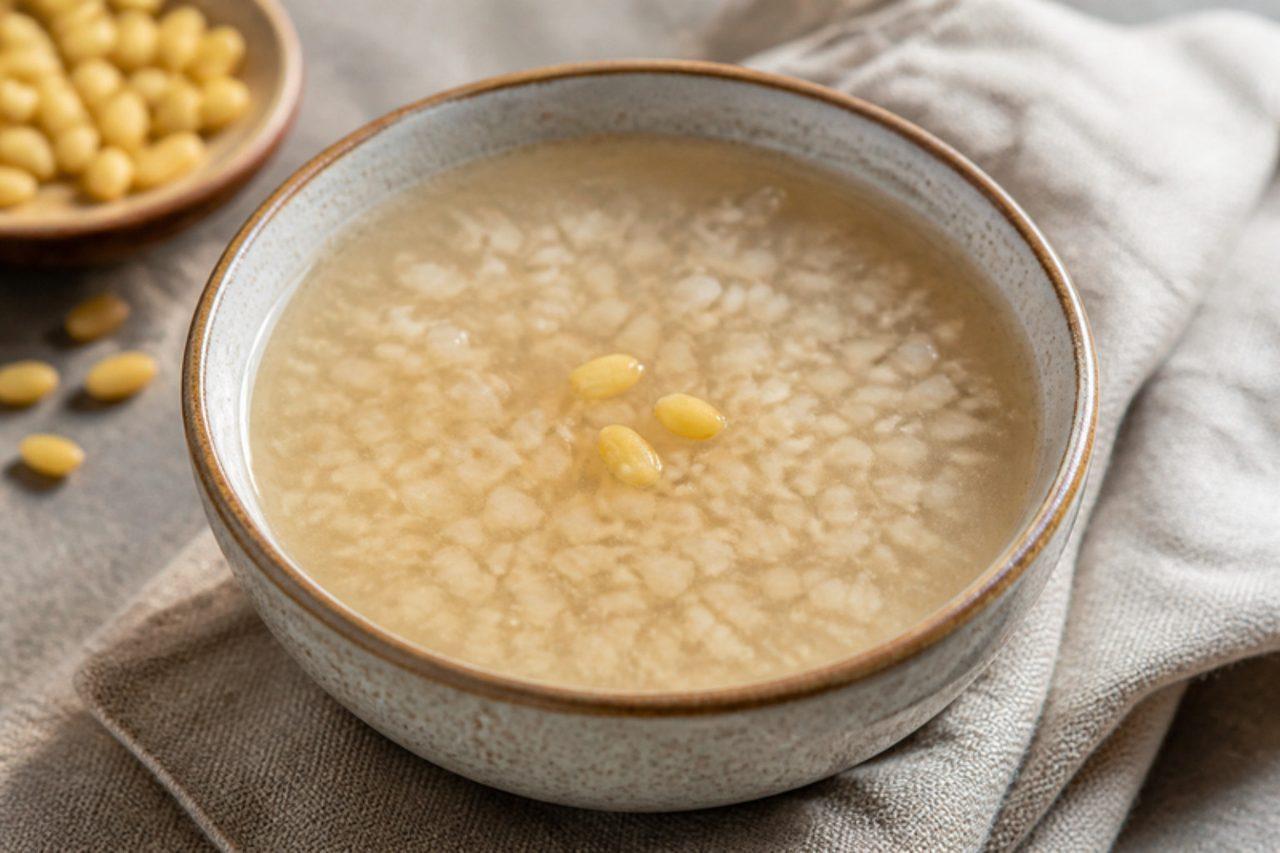
AI-generated image
Sikhye
Sweet rice punch
식혜 · chilled malted rice punch with floating rice grains


Every Korean jjimjilbang (bathhouse) sells sikhye in little cans, and every grandmother makes a big pot of it before Seollal and Chuseok to sip after the heavy holiday meal, because it is believed to help digestion. Barley malt water and cooked rice are kept warm for several hours until enzymes turn the rice starch into sugar and the grains float up to the top, then the drink is boiled with ginger and chilled until icy. It is mild, lightly sweet and nutty, with soft rice grains to slurp. The usual mistake is letting it get too hot while it ferments: above about 65 °C the enzymes stop working and the grains never float. Contains barley (gluten). Chef's tip: use the rice cooker's 'keep warm' setting; it holds the perfect temperature on its own.
- Total time
- 320 min
- Difficulty
- medium
- Serves
- 10
Ingredients
- 5 ½ oz barley malt powderyeotgireum, from Korean shops
- 3 litre lukewarm water
- 10 ½ oz cooked short-grain riceabout 1 rice-cooker cup, slightly dry
- 5 ½ oz sugaror to taste
- ⅔ oz fresh gingersliced
- 1 tbsp pine nuts (optional)to garnish
Shop this recipe on Amazon
What you'll need
Fresh ingredients (1)
Links open Amazon in a new tab. As an Amazon Associate, WhatToEat.Today earns from qualifying purchases.
Method
0/7 doneStep 1: Put 5 ½ oz barley malt powder in a muslin bag or fine sieve and knead it in 3 litre lukewarm water for 5 minutes until the water turns milky. Squeeze out the bag and discard it.
10 minStep 2: Leave the malt water to stand for 1 hour so the sediment sinks. Carefully pour the cloudy top layer off into a jug and throw away the thick sludge at the bottom; it makes the drink murky and bitter.
60 minStep 3: Put 10 ½ oz cooked short-grain rice into the rice cooker bowl, pour over the clear malt water and stir to break up any clumps.
Step 4: Set the cooker to 'keep warm' (about 140°F) and leave for 4–5 hours. It is ready when 15–20 rice grains float to the surface and the liquid smells sweet.
270 minStep 5: Pour into a large pot, add 5 ½ oz sugar and ⅔ oz fresh ginger and bring to the boil. Skim off the foam and simmer for 10 minutes. Boiling stops the fermentation.
15 minStep 6: Cool, then chill for at least 4 hours. Scoop the rice grains into a separate tub of cold water to keep them fluffy if you like.
Step 7: Serve icy cold with a spoonful of rice grains and a few 1 tbsp pine nuts in each glass. Keep in the fridge for up to 5 days.
Nutrition per serving
- Calories
- 110 kcal
- Protein
- 1 g
- Carbs
- 26 g
- Fat
- 0 g
- Fibre
- 0 g
Nutrition values are estimates.
KrazyBadal
Good to know
- How long does sikhye take?
- About 320 minutes in total: 20 minutes to prepare and 300 minutes to cook.
- How many people does it serve?
- 10 as written. Change the servings above the ingredients and every amount scales to match.
- Is it vegan?
- Yes. It has no meat, fish, dairy or eggs.
- Can I make it ahead?
- Yes. It keeps well, so you can cook it earlier in the day or the day before and reheat it.
- What can I use instead of cooked short-grain rice?
- Any long-grain rice, same amount.
- What can I use instead of sugar?
- Caster sugar, same amount.
Reviews
No reviews yet. Be the first to cook it.
Rate this recipe
Sign in to rate and review this recipe.
You might also like
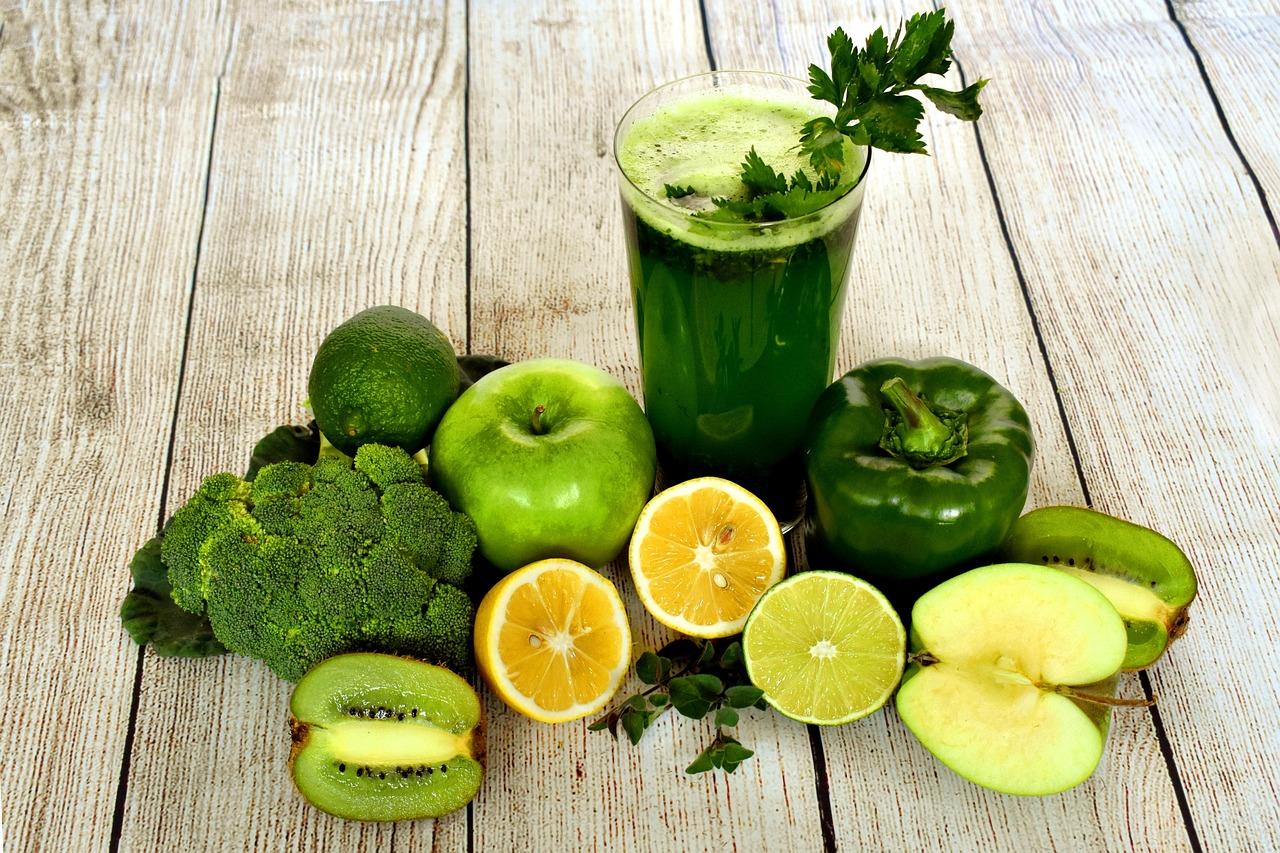
Power packApple, pear, kiwi and celery juice
A sweet, energising juice of apples, pears and kiwi fruit with a stick of celery, all used unpeeled for extra goodness. It's naturally sweet, so it needs no sugar. Serve well chilled.


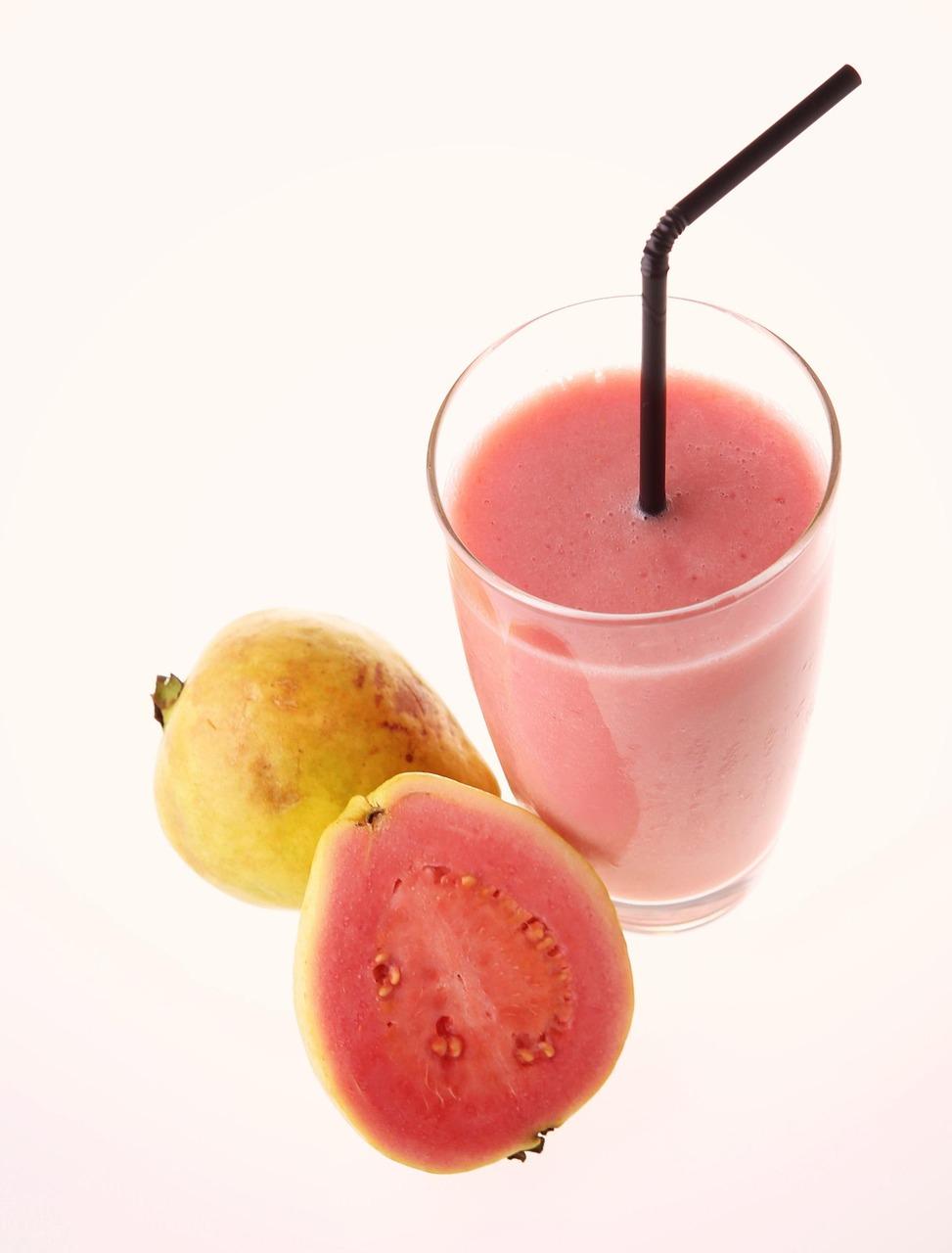
Guava delightGuava, mango and banana drink
A thick, fragrant blend of ripe guava, mango and banana, boosted with a spoonful of guava powder from the health shop. The book calls it a modern-day vitality drink, drawing on guava's long use in traditional Indian medicine. Serve it well chilled; sieve it if you don't like the little guava seeds.
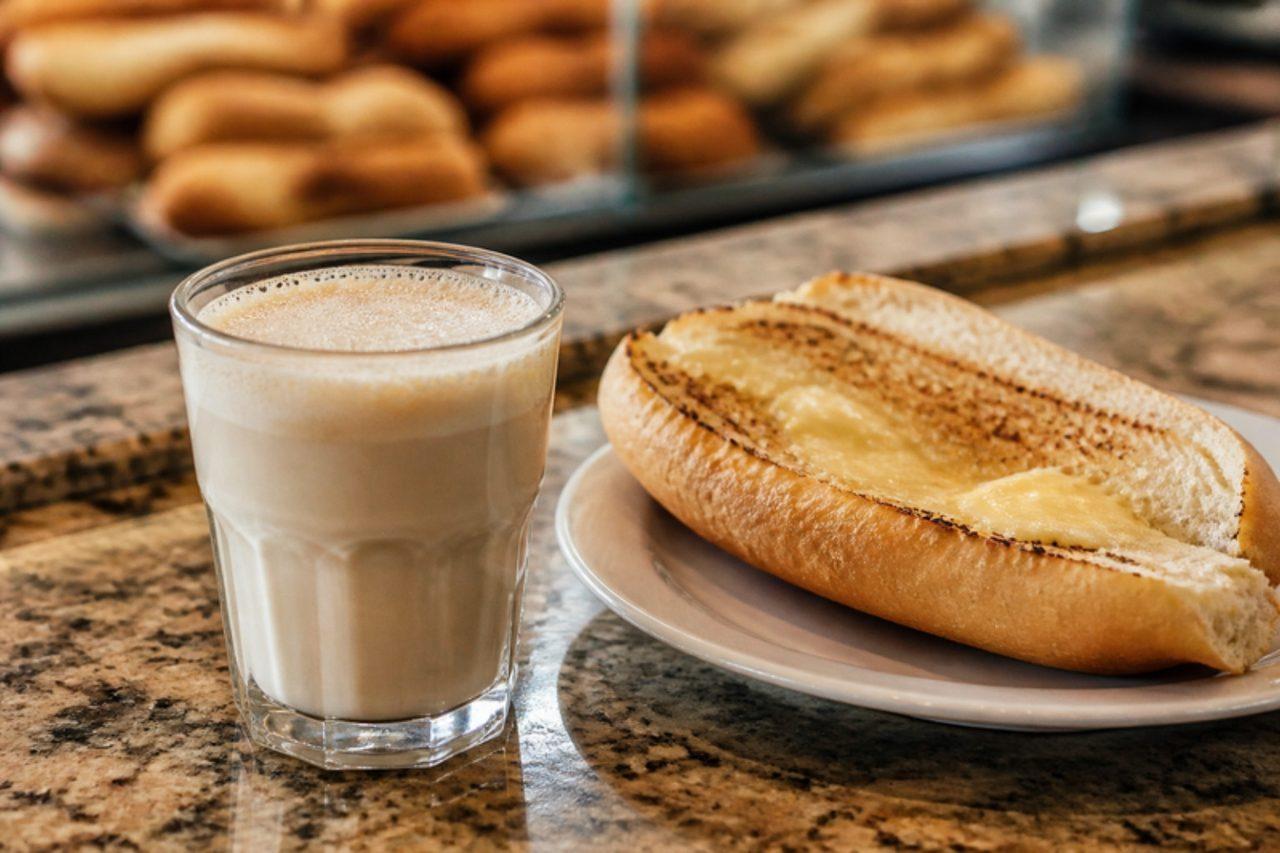
PingadoHot milk with coffee
Order 'um pingado' at the balcão of any São Paulo padaria at 7 in the morning and the attendant pours hot milk into a ridged glass tumbler (the copo americano) and 'drips' in a splash of strong coffee, hence the name. It is milkier and gentler than a média (half coffee, half milk), creamy and lightly sweet, usually drunk standing up with a pão na chapa, a toasted buttered roll. At home you need strong filter coffee and milk heated until steaming. Scalding the milk is the frequent mistake, as boiled milk tastes flat and forms a skin. Chef's tip: froth the hot milk for a few seconds with a whisk or by pouring it back and forth between two jugs before adding the coffee, as padaria machines do.
 Brazilian