

AI-generated image
Socată (elderflower fizz)
Socată: elderflower heads, sugar and lemon left to ferment in the sun for a few days into a naturally sparkling, floral drink



In late May and early June, when elder bushes bloom white along every Romanian village lane and riverbank, grandmothers fill big glass jars with water, sugar, lemon slices and elderflower heads and set them on a sunny windowsill or balcony. Three or four days later the jar is fizzing gently and socată, the most beloved summer drink of rural Romania, is bottled and chilled for haymaking days, family lunches and long evenings in the courtyard. It is sweet and floral, like honeyed lemonade with the scent of muscat grapes, with a light natural sparkle. Like all young ferments it makes a trace of alcohol, well under 1% if drunk within a week. The common mistake is washing the flowers or picking them after rain: the pollen and wild yeast that start the fermentation are rinsed away and nothing happens. Pick dry, fully open heads on a sunny morning and just shake off insects. It is ready to strain when fine bubbles rise steadily and it smells floral and slightly tangy. Use only the flowers: elder stems, leaves and unripe berries are toxic. Chef's tip: a few raisins in the jar give the yeast a boost if your flowers are slow.
- Total time
- 20 min
- Difficulty
- easy
- Serves
- 12
Ingredients
- 15 fresh elderflower headsfully open, picked on a dry morning away from roads
- 12 ½ cups waterboiled and cooled, or filtered
- 10 ½ oz sugar
- 2 unwaxed lemonssliced
- 10 raisins (optional)helps fermentation start
Shop this recipe on Amazon
What you'll need
Spices & pantry
Fresh ingredients (1)
Links open Amazon in a new tab. As an Amazon Associate, WhatToEat.Today earns from qualifying purchases.
Method
0/7 doneStep 1: Shake each of the 15 fresh elderflower heads gently to remove insects; do not wash them. With scissors, snip the blossoms off the thick green stems, keeping only the flowers and the thinnest stalks.
10 minStep 2: In a 5-litre clean glass jar or food-grade bucket, stir the 10 ½ oz sugar into the 12 ½ cups water until dissolved.
3 minStep 3: Add the flowers, 2 unwaxed lemons and 10 raisins and stir. Cover the mouth with a clean cloth tied with string (not an airtight lid).
3 minStep 4: Stand the jar in a warm, sunny place for 2–3 days, stirring once a day with a clean spoon. It is ready when fine bubbles rise steadily, the liquid is slightly cloudy and smells floral and lightly tangy. In cooler weather it may need a fourth day.
2 minStep 5: Strain through a sieve lined with a clean cloth. Pour into clean bottles, ideally sturdy swing-top glass or plastic soda bottles (fill one plastic bottle as a test: when it is hard to squeeze, the rest are fizzy too), leaving 5 cm headspace.
5 minStep 6: Leave the bottles at room temperature for 12–24 hours for extra fizz, then move them to the fridge. Open each bottle once a day to release pressure, slowly, over the sink.
2 minStep 7: Serve cold within 5–7 days; it gets drier and slightly more alcoholic as it ages. Discard it if you see fuzzy or coloured mould, it turns slimy or ropey, or it smells of vinegar or rot instead of flowers.
1 min
Nutrition per serving
- Calories
- 95 kcal
- Protein
- 0 g
- Carbs
- 24 g
- Fat
- 0 g
- Fibre
- 0 g
Nutrition values are estimates.
KrazyBadal
Good to know
- How long does socată (elderflower fizz) take?
- About 20 minutes in total.
- How many people does it serve?
- 12 as written. Change the servings above the ingredients and every amount scales to match.
- Is it vegan?
- Yes. It has no meat, fish, dairy or eggs.
- Is it gluten free?
- Yes, as written. Check the labels on stock, sauces and spice mixes, which sometimes contain gluten.
- Can I make it ahead?
- Yes. It keeps well, so you can cook it earlier in the day or the day before and reheat it.
- What can I use instead of sugar?
- Caster sugar, same amount.
- What can I use instead of unwaxed lemons?
- Lime, or 2 tbsp bottled lemon juice per lemon (no zest from bottled juice).
Reviews
No reviews yet. Be the first to cook it.
Rate this recipe
Sign in to rate and review this recipe.
You might also like
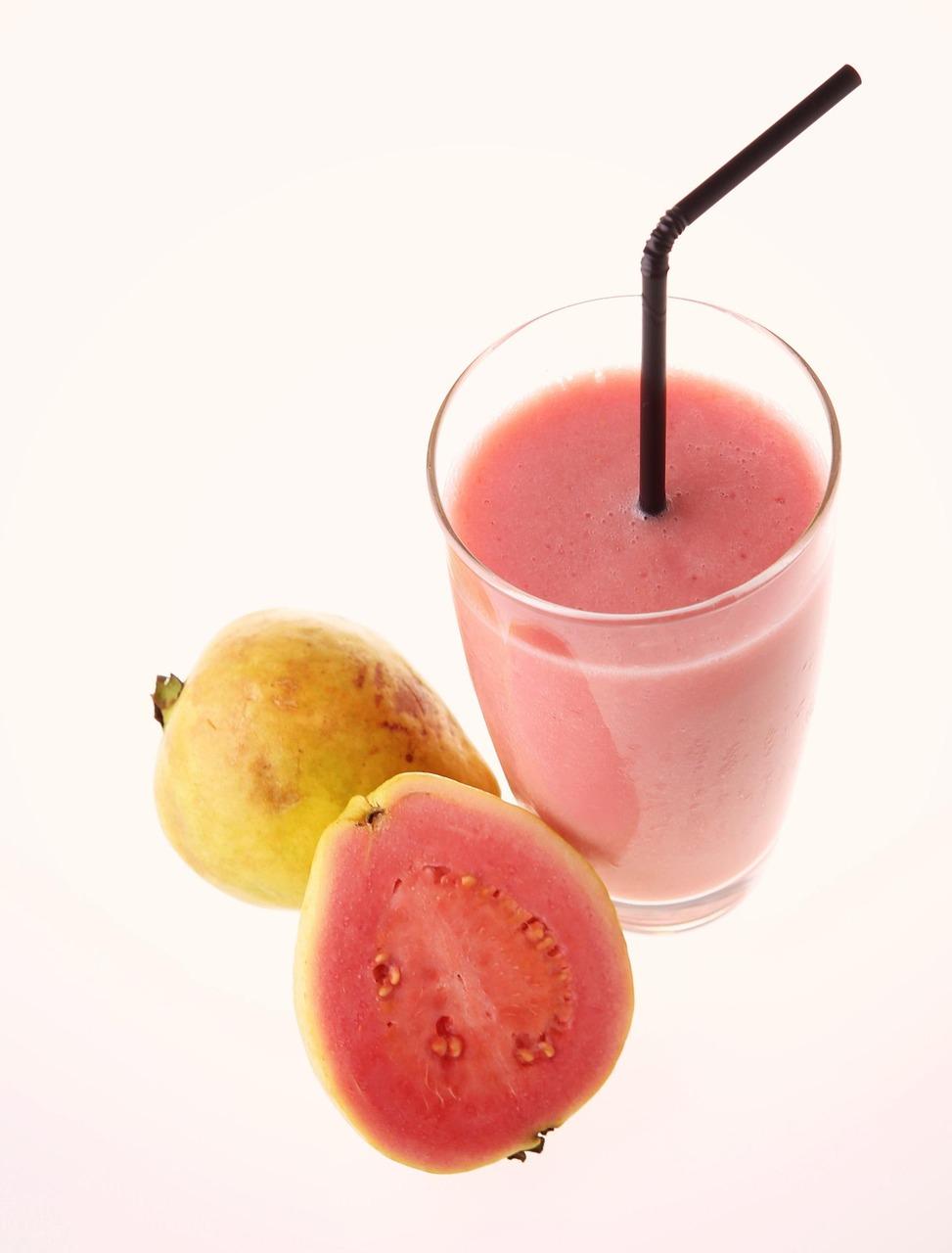
Guava delight
A thick, fragrant blend of ripe guava, mango and banana, boosted with a spoonful of guava powder from the health shop. The book calls it a modern-day vitality drink, drawing on guava's long use in traditional Indian medicine. Serve it well chilled; sieve it if you don't like the little guava seeds.


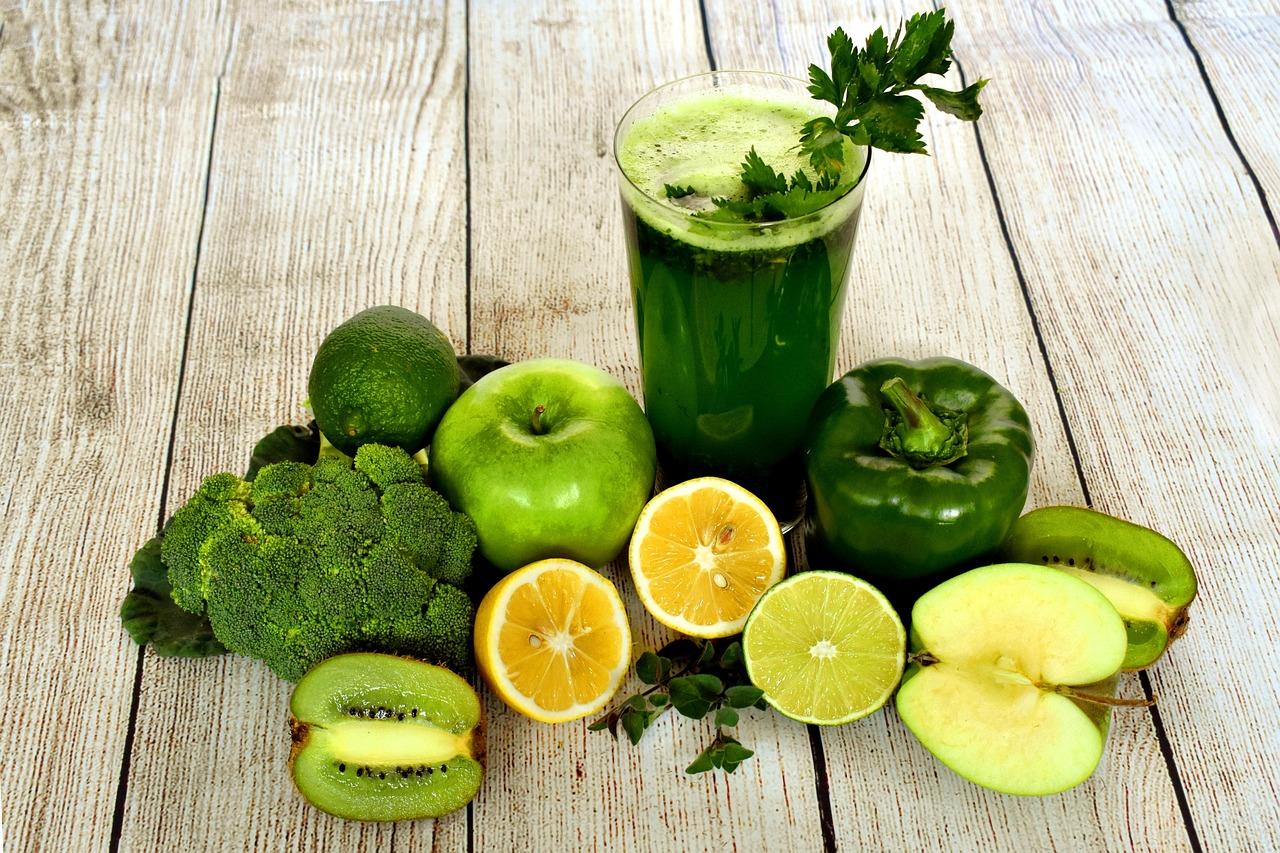
Power pack
A sweet, energising juice of apples, pears and kiwi fruit with a stick of celery, all used unpeeled for extra goodness. It's naturally sweet, so it needs no sugar. Serve well chilled.
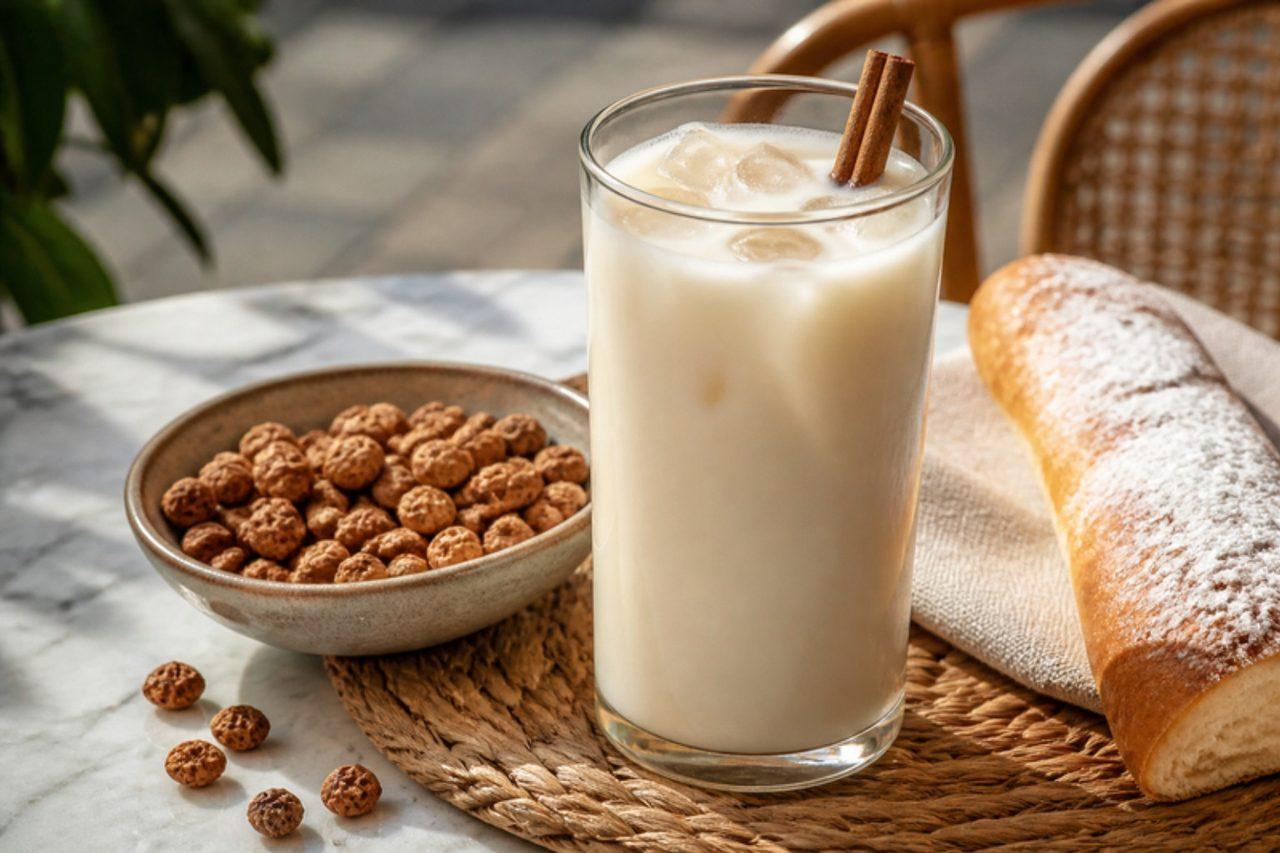
Horchata de chufa
Horchata de chufa is the drink of Valencia's summer, sold ice-cold in the city's horchaterías with long, soft fartons pastries for dipping. It is made from chufas, or tiger nuts: small wrinkled tubers grown around the village of Alboraya just north of Valencia, which have their own protected designation of origin. Soaked, ground with water, strained and sweetened, they give a creamy, nutty, naturally dairy-free milk with a hint of cinnamon. Valencians drink it very cold, or half-frozen as 'granizada'. Chef's tip: soak the tiger nuts for a full 24 hours and change the water once; they must be plump and soft enough to blend into a fine pulp, or the horchata will be thin and taste of raw starch.
 Spanish