
AI-generated image
Ssanghwa-cha (herbal tonic tea)
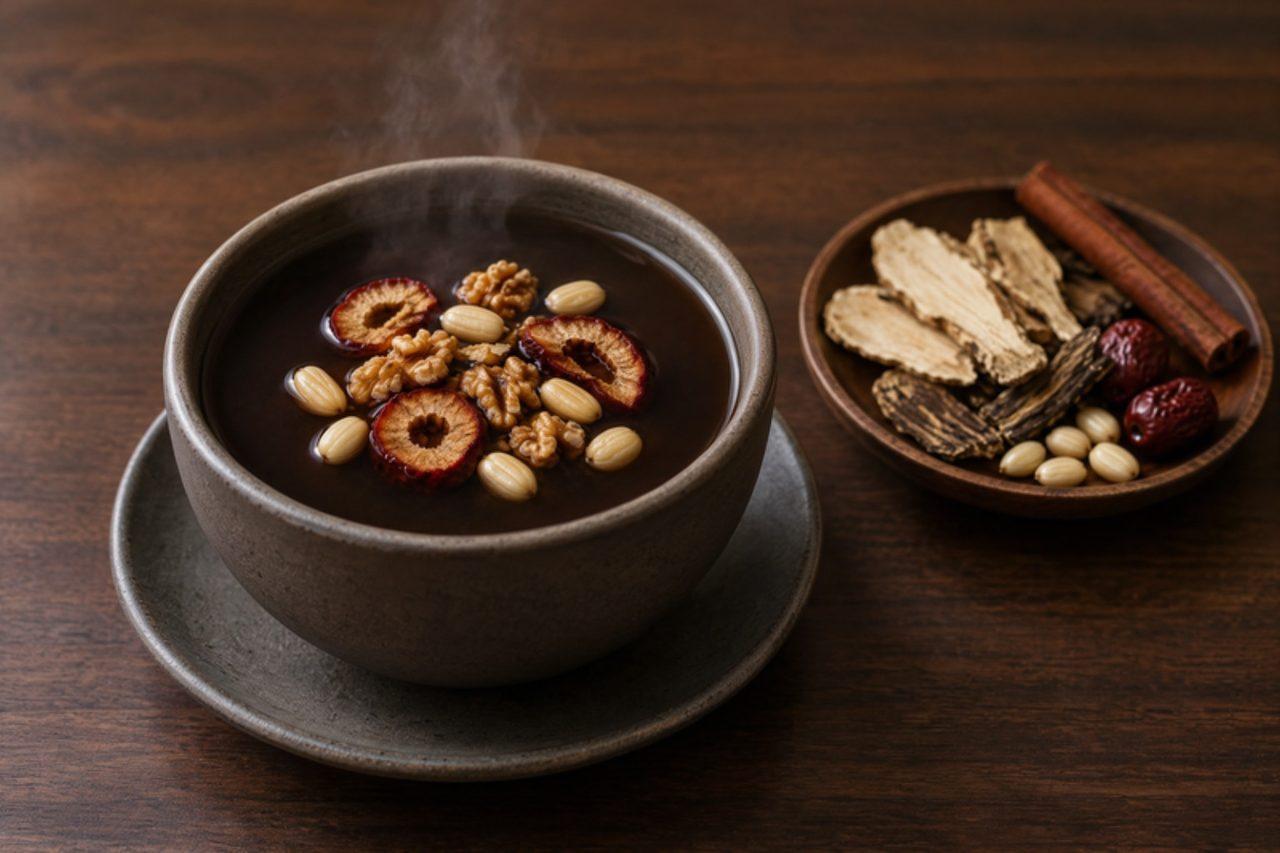
쌍화차: angelica, peony root, licorice and cinnamon simmered for hours into a dark, bitter-sweet tea topped with pine nuts and jujube



Ssanghwa-cha is the strongest thing on the menu of an old Korean dabang. From the 1960s these smoky tea rooms served it in thick ceramic cups, dark as coffee, with pine nuts, slivered jujube and walnut floating on top; in winter some still slide a raw egg yolk in, which this recipe leaves out. The brew comes from Korean herbal tradition, where ssanghwa-tang is drunk to warm up and recover from tiredness after hard work or a cold. It tastes earthy and bitter at first, then sweet from licorice and jujube, with warmth from cinnamon and ginger and a celery-like perfume from angelica. Herbal shops sell the roots in pre-measured packs. The common mistake is boiling it hard: the liquid reduces too fast and turns harsh. Keep a gentle simmer with the lid ajar for two hours. It is ready when it is very dark brown, reduced to about a third and smells of cinnamon and roots. Because it contains licorice and angelica, skip it if you are pregnant or breastfeeding, have high blood pressure, or take blood thinners or other medicines unless your doctor agrees. Chef's tip: a second, lighter brew from the same roots is good with honey.
- Total time
- 135 min
- Difficulty
- medium
- Serves
- 4
Ingredients
For the tea
- ⅔ oz white peony root (baekjakyak)dried slices from a Korean herbal shop
- 3 slice fresh ginger
- 8 ¼ cups water
To serve
- 1 tbsp sugar or rice syrup (optional)to taste
- 1 tbsp pine nuts (optional)
- 2 dried jujube, slivered (optional)
- 2 walnut halves, chopped (optional)
Shop this recipe on Amazon
What you'll need
Spices & pantry
Fresh ingredients (1)
Links open Amazon in a new tab. As an Amazon Associate, WhatToEat.Today earns from qualifying purchases.
Method
0/6 doneStep 1: Put ⅔ oz white peony root (baekjakyak), ¼ oz prepared rehmannia root (sukjihwang), ¼ oz astragalus root (hwanggi), ¼ oz Korean angelica root (danggwi), ¼ oz cnidium rhizome (cheongung), ¼ oz cinnamon bark (gyepi) and ¼ oz dried licorice root (gamcho) in a sieve and rinse briefly under cold water to remove dust.
3 minStep 2: Put them in a heavy pot with 3 slice fresh ginger, 5 dried jujubes and 8 ¼ cups water and soak for 30 minutes off the heat.
30 minStep 3: Bring to the boil over medium-high heat, then turn the heat to low so the surface barely trembles. Partly cover.
10 minStep 4: Simmer gently for 2 hours, stirring now and then, until the liquid is very dark brown, smells of cinnamon and roots, and has reduced to about 700 ml.
120 minStep 5: Strain through a fine sieve lined with muslin, pressing the roots lightly. Discard them or keep for a second, weaker brew.
3 minStep 6: Reheat if needed, sweeten with 1 tbsp sugar or rice syrup if you like, and pour into small cups. Top each with 1 tbsp pine nuts, 2 dried jujube, slivered and 2 walnut halves, chopped. Keep leftovers in the fridge up to 3 days.
2 min
Nutrition per serving
- Calories
- 35 kcal
- Protein
- 1 g
- Carbs
- 8 g
- Fat
- 1 g
- Fibre
- 1 g
Nutrition values are estimates.
KrazyBadal
Good to know
- How long does ssanghwa-cha (herbal tonic tea) take?
- About 135 minutes in total: 10 minutes to prepare and 125 minutes to cook.
- How many people does it serve?
- 4 as written. Change the servings above the ingredients and every amount scales to match.
- Is it vegan?
- Yes. It has no meat, fish, dairy or eggs.
- Is it gluten free?
- Yes, as written. Check the labels on stock, sauces and spice mixes, which sometimes contain gluten.
- What can I use instead of fresh ginger?
- ¼ tsp ground ginger per tbsp fresh (add it with the spices).
Reviews
No reviews yet. Be the first to cook it.
Rate this recipe
Sign in to rate and review this recipe.
You might also like
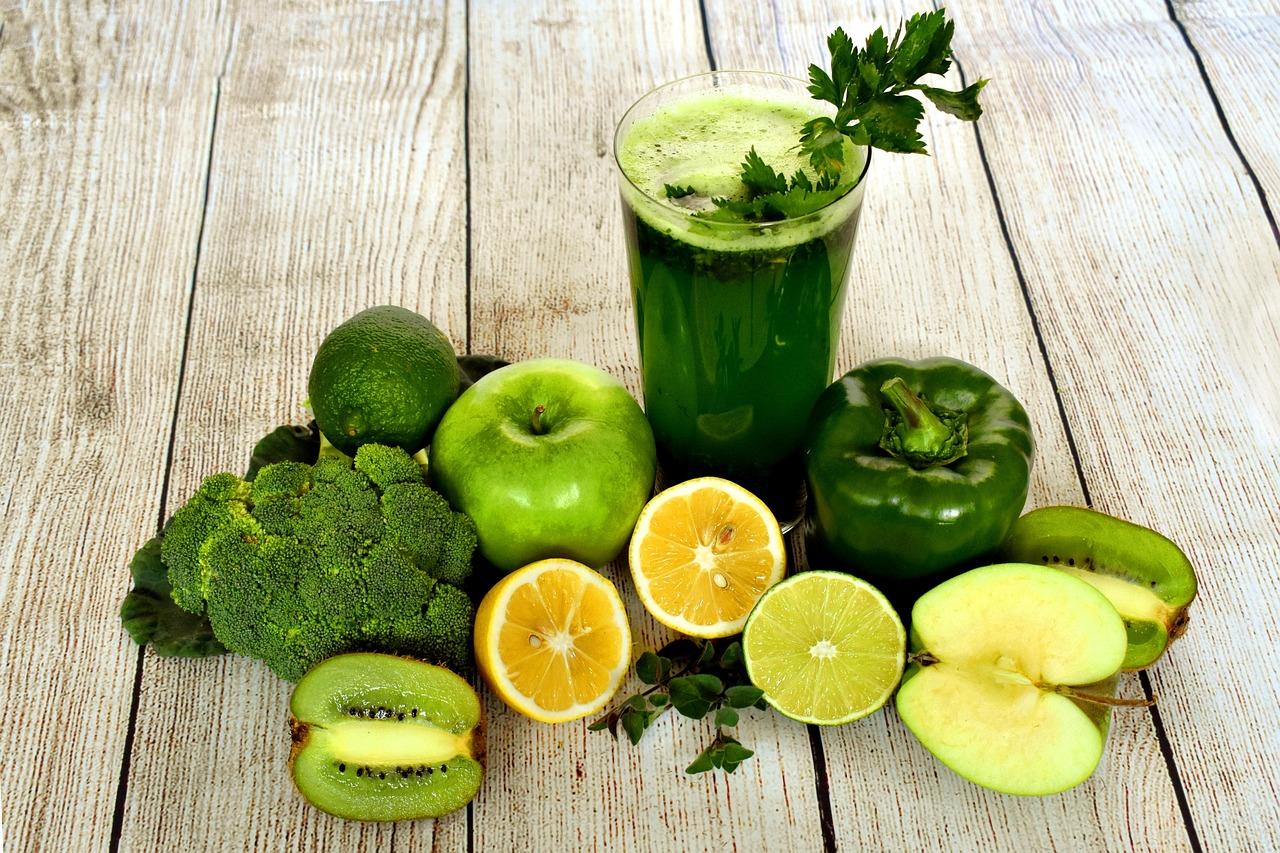
Power packApple, pear, kiwi and celery juice
A sweet, energising juice of apples, pears and kiwi fruit with a stick of celery, all used unpeeled for extra goodness. It's naturally sweet, so it needs no sugar. Serve well chilled.


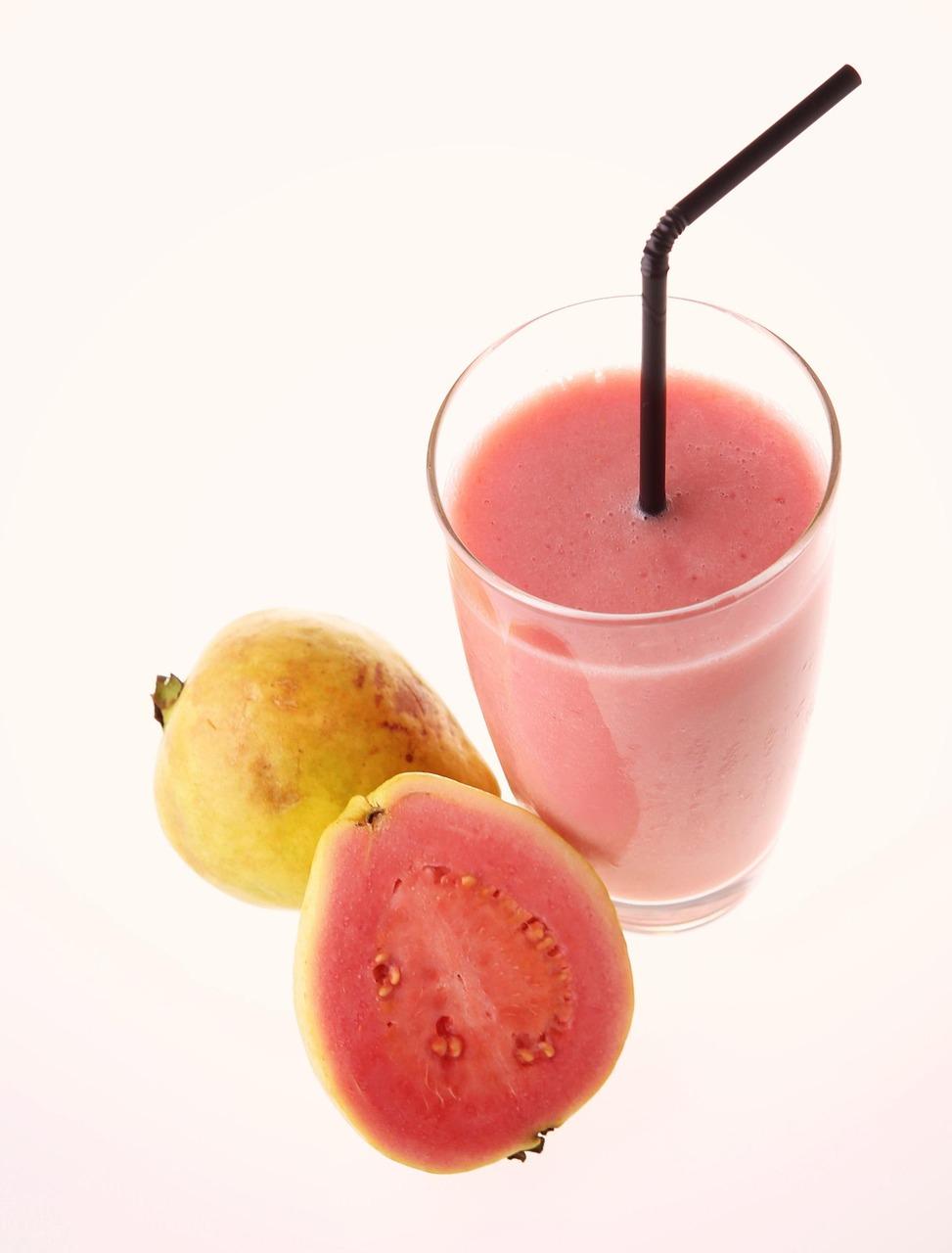
Guava delightGuava, mango and banana drink
A thick, fragrant blend of ripe guava, mango and banana, boosted with a spoonful of guava powder from the health shop. The book calls it a modern-day vitality drink, drawing on guava's long use in traditional Indian medicine. Serve it well chilled; sieve it if you don't like the little guava seeds.
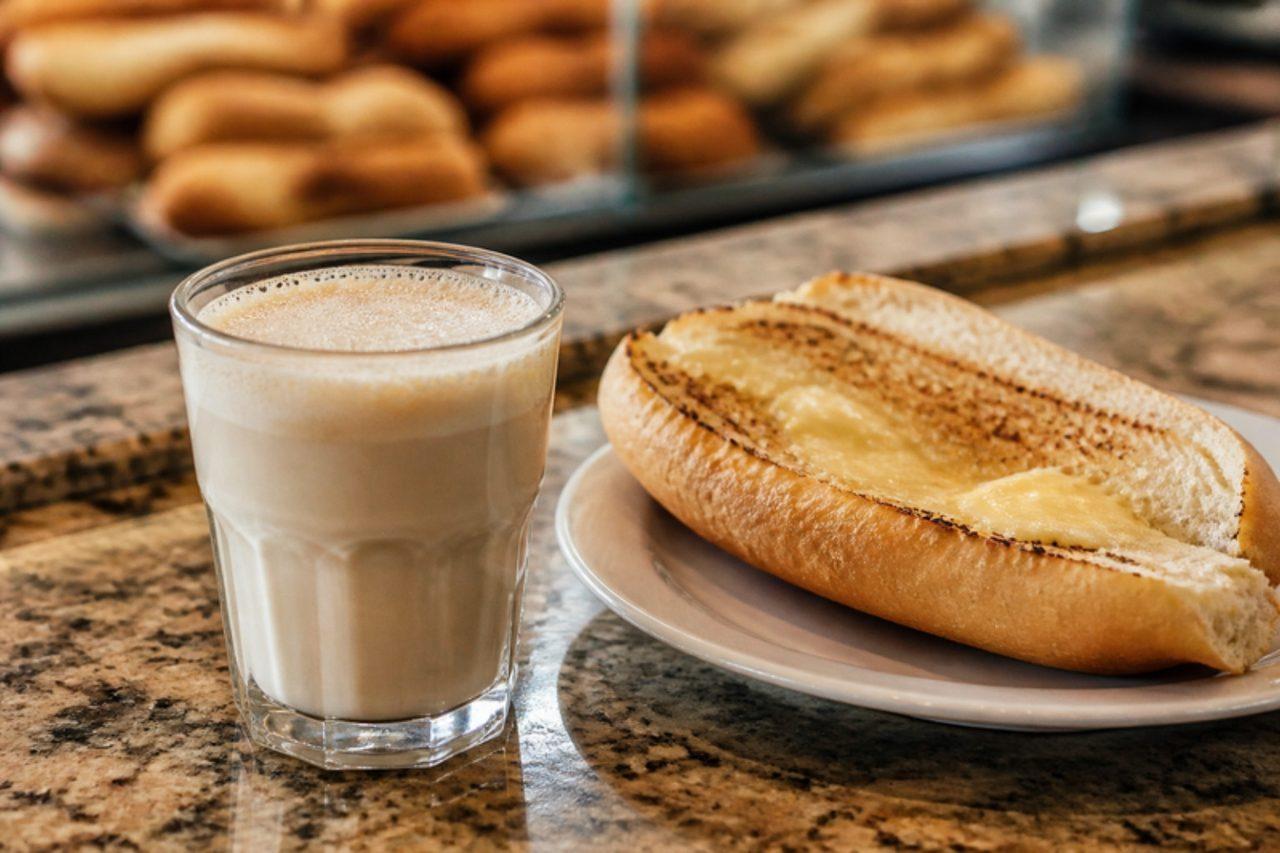
PingadoHot milk with coffee
Order 'um pingado' at the balcão of any São Paulo padaria at 7 in the morning and the attendant pours hot milk into a ridged glass tumbler (the copo americano) and 'drips' in a splash of strong coffee, hence the name. It is milkier and gentler than a média (half coffee, half milk), creamy and lightly sweet, usually drunk standing up with a pão na chapa, a toasted buttered roll. At home you need strong filter coffee and milk heated until steaming. Scalding the milk is the frequent mistake, as boiled milk tastes flat and forms a skin. Chef's tip: froth the hot milk for a few seconds with a whisk or by pouring it back and forth between two jugs before adding the coffee, as padaria machines do.
 Brazilian