
AI-generated image
Sukiyaki (Kanto style)
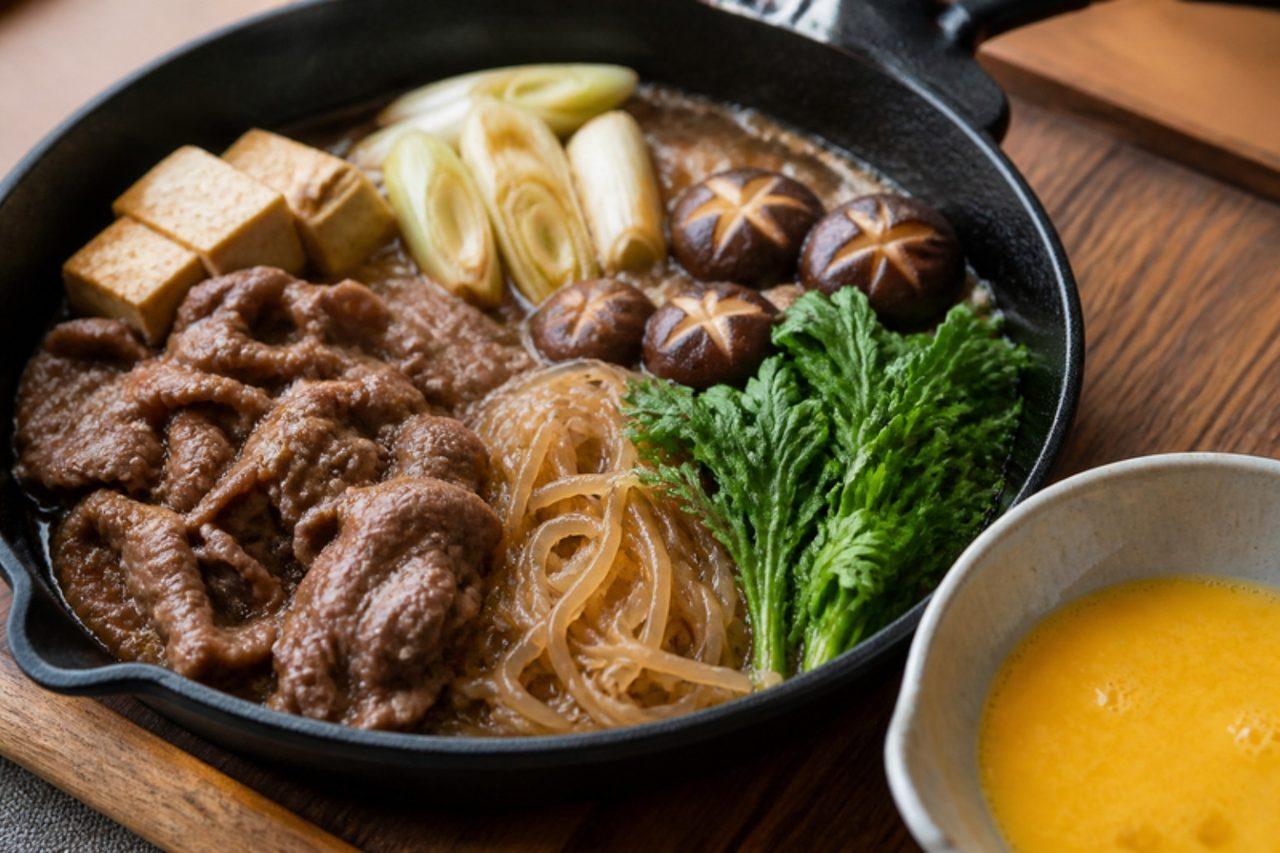
すき焼き: thin beef, tofu and vegetables simmered at the table in sweet soy warishita, dipped in beaten egg

Beef was rarely eaten in Japan until the Meiji era, when Tokyo's new beef-pot restaurants made it fashionable, and sukiyaki grew out of those pots. Today it is a dish for New Year, birthdays and family gatherings, cooked in a shallow iron pan on a burner in the middle of the table. In the Kanto style of Tokyo, the cook pours in a ready-mixed sauce called warishita, whereas Kansai cooks sear the beef with sugar and add soy sauce afterwards. Each piece is dipped in beaten raw egg, which cools it and softens the sweet, salty sauce. Use very fresh eggs, ideally pasteurised; not for pregnant women, young children or anyone with a weakened immune system. If you prefer, skip the egg or poach it in the pan. Chef's tip: keep the shirataki noodles away from the beef in the pan; they can make the meat firm up and toughen where they touch.
- Total time
- 40 min
- Difficulty
- medium
- Serves
- 4
Ingredients
For the pot
- 1 ⅛ lb thinly sliced beef for sukiyaki (ribeye or sirloin)2 to 3 mm slices
- 1 tbsp beef fat or vegetable oil
- 10 ½ oz grilled or firm tofucut into 8 pieces
- 2 Japanese leek (naganegi) or slim leekscut into 4 cm lengths on the diagonal
- 6 fresh shiitake mushroomsstems removed
- 10 ½ oz napa (Chinese) cabbagecut into 4 cm pieces
- 3 ½ oz shungiku (chrysanthemum greens) or spinachcut into 6 cm lengths
To serve
- 4 very fresh eggs, ideally pasteurised (optional)one per person
- 1 ⅓ lb hot cooked Japanese rice
Shop this recipe on Amazon
Spices & pantry
Fresh ingredients (5)
Links open Amazon in a new tab. As an Amazon Associate, WhatToEat.Today earns from qualifying purchases.
Method
0/10 doneStep 1: Make the warishita: put the ½ cup mirin and 3 ½ tbsp sake in a small pan and boil over a medium heat for 1 minute to cook off most of the alcohol. Add the ½ cup soy sauce, 3 tbsp sugar and ½ cup water and stir until the sugar dissolves. For an alcohol-free sauce, replace the mirin and sake with 150 ml water and 2 extra tablespoons of sugar.
3 minStep 2: Drop the 7 oz shirataki (konjac noodles) into boiling water for 2 minutes, drain and cut into shorter lengths with scissors.
3 minStep 3: Arrange the 10 ½ oz grilled or firm tofu, shirataki, 2 Japanese leek (naganegi) or slim leeks, 6 fresh shiitake mushrooms, 10 ½ oz napa (Chinese) cabbage and 3 ½ oz shungiku (chrysanthemum greens) or spinach on a large platter, and the 1 ⅛ lb thinly sliced beef for sukiyaki (ribeye or sirloin) on another plate. Take everything to the table with the sauce.
Step 4: Heat a shallow cast-iron sukiyaki pan or wide frying pan on a table burner (or the hob) over a medium-high heat. Melt the 1 tbsp beef fat or vegetable oil and rub it over the base.
2 minStep 5: Lay a few pieces of leek in the pan and cook for 1 minute until lightly browned. Add 3 or 4 slices of beef, spread out flat, and pour over enough warishita to come about 5 mm up the pan.
2 minStep 6: Cook the beef for about 30 seconds a side, just until the pink has gone. Common mistake: leaving the beef to stew until grey and tough. Lift it out as soon as it changes colour and eat it straight away.
Step 7: Beat one of the 4 very fresh eggs, ideally pasteurised in each diner's small bowl, if using, and dip the hot beef in it before eating. Anyone pregnant, very young, elderly or unwell should skip the raw egg.
Step 8: Add the tofu, shirataki (on the opposite side from the beef), mushrooms and cabbage in their own sections. Pour in more warishita to half cover them and simmer over a medium heat for 5 to 6 minutes, until the cabbage is soft.
6 minStep 9: Add the greens for the last minute and more beef slices as you go, cooking each batch until just no longer pink. Top up with warishita, or a splash of water if the sauce becomes too salty and thick.
6 minStep 10: Serve with bowls of 1 ⅓ lb hot cooked Japanese rice. When the pan is empty, some families cook udon noodles or rice in the last of the sauce.
Nutrition per serving
- Calories
- 720 kcal
- Protein
- 38 g
- Carbs
- 70 g
- Fat
- 30 g
- Fibre
- 5 g
Nutrition values are estimates.
KrazyBadal
Good to know
- How long does sukiyaki (Kanto style) take?
- About 40 minutes in total: 20 minutes to prepare and 20 minutes to cook.
- How many people does it serve?
- 4 as written. Change the servings above the ingredients and every amount scales to match.
- What can I use instead of soy sauce?
- Tamari, same amount (gluten free).
- What can I use instead of mirin?
- Rice vinegar with ½ tsp sugar per tbsp.
Reviews
No reviews yet. Be the first to cook it.
Rate this recipe
Sign in to rate and review this recipe.
You might also like

Yaki onigiriGrilled rice balls
Yaki onigiri (焼きおにぎり) are rice balls grilled until they form a crisp, toasty crust, then brushed with soy sauce glaze. They are eaten all over Japan, at izakaya, at barbecues and from the freezer section, as a snack or with miso soup. The inside stays soft and steamy while the outside crackles. Best eaten hot, straight from the pan. Chef's tip: let the shaped rice balls dry for 10 minutes before they go in the pan. A drier surface forms a better crust and won't stick, and the glaze goes on only at the end so it doesn't burn.


Miso soup
Miso soup (味噌汁) is drunk every day in homes all over Japan, at breakfast as well as dinner, beside a bowl of rice. The base is dashi; this vegan version uses kombu and dried shiitake instead of bonito, which gives it a deep, rounded flavour. Silken tofu and wakame seaweed are the classic fillings. It takes ten minutes; just remember not to boil the miso. Chef's tip: add the miso at the very end and never let it boil. Boiling kills the miso's fresh, fermented aroma; Japanese cooks say the soup should only 'smile', with the surface barely trembling.
Pfälzer SaumagenStuffed pig's stomach
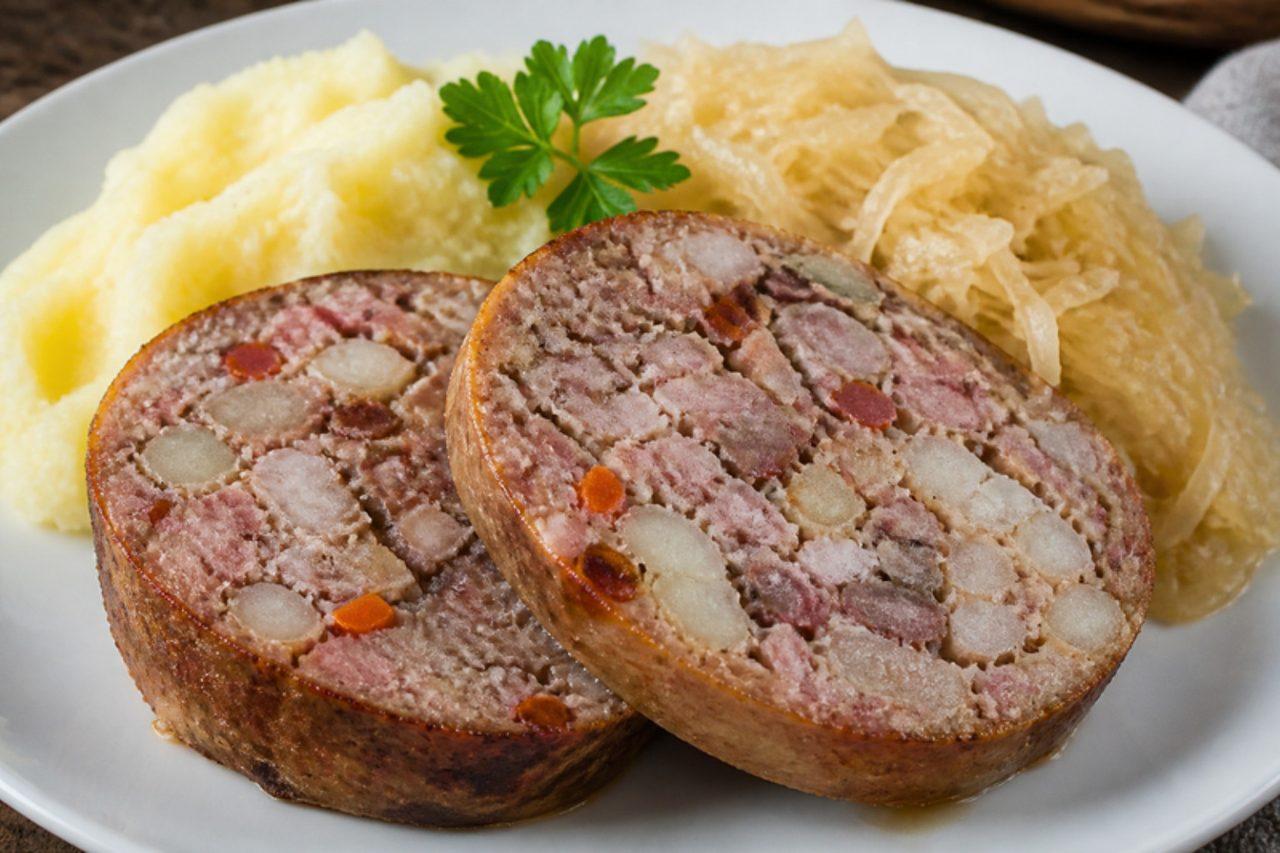
Saumagen is the pride of the Palatinate, served at wine-village festivals and family dinners from the Haardt hills to Ludwigshafen. A cleaned pig's stomach is stuffed with diced pork shoulder, pork sausage meat, potato and carrot seasoned with marjoram and nutmeg, poached slowly, then sliced thick and fried until crusty. The stomach works only as a casing and is ordered from a butcher; if you can't get one, bake the same filling in a covered terrine in a water bath. Serve with sauerkraut and mashed potato. Chef's tip: fill the stomach only three-quarters full, or it bursts as the potatoes swell.
 German

Perfect for:Winter warmers