
 Indian
Suvali
Sweet milk and sesame puris
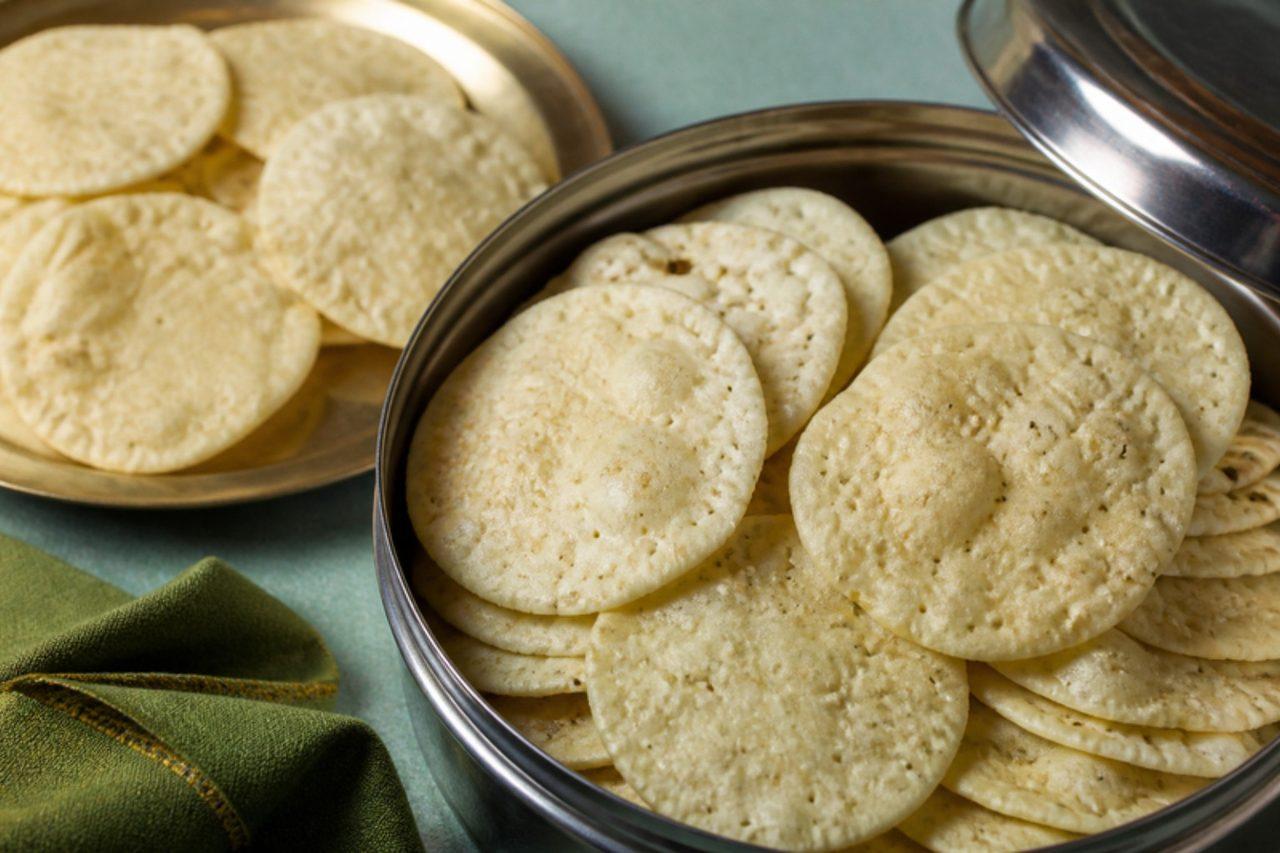
સુંવાળી: pale, crisp Gujarati puris of maida kneaded with sweet milk, sesame and cardamom, fried slowly for the Diwali dabba
Open any Gujarati steel dabba in Diwali week and suvali will be near the top, stacked between chorafali and mathiya. Families fry them on the days around Dhanteras and Kali Chaudas, then hand them to every guest who drops by on Bestu Varas, the Gujarati New Year, with a cup of masala tea. The dough is short with ghee and sweetened by sugar dissolved in milk, so the puris snap cleanly and melt into a gentle sweetness rather than tasting like a biscuit. Sesame gives a nutty crunch, cardamom the festive smell. They should stay ivory with only the faintest blush of colour. Eat them with tea, or the way many grandparents do, with a spoonful of chhundo or sweet mango pickle. Chef's tip: roll every suvali before you start frying and keep them under a damp cloth, so you can give the pan your full attention and keep the heat low and steady.
- Prep
- 25 min
- Cook
- 35 min
- Difficulty
- Medium
- Serves
- 10
- Per serving
- 190 kcal
Ingredients
For the dough
- 9 oz plain flour (maida)
- 2 ⅛ oz gheemelted, for the moyan
- 2 ⅛ oz sugar
- ½ cup full-fat milkwarm
- 1 tbsp white sesame seeds
- ½ tsp ground green cardamom
- 1 pinch salt
For frying
Shop this recipe on Amazon
Search Amazon for the rest
Fresh ingredients (1)
Links open Amazon in a new tab. As an Amazon Associate we earn from qualifying purchases.
Method
0/7 doneStep 1: Stir 2 ⅛ oz sugar into the warm ½ cup full-fat milk until it has fully dissolved, then let it cool to room temperature. Warm milk with grains of sugar left in it makes dark specks on the puris.
5 minStep 2: Put 9 oz plain flour (maida) in a wide bowl and pour in the melted 2 ⅛ oz ghee. Rub it in with your fingertips for 3–4 minutes until the flour looks like damp sand and a fistful holds its shape when you squeeze it.
4 minStep 3: Mix in 1 tbsp white sesame seeds, ½ tsp ground green cardamom and 1 pinch salt. Add the sweet milk a little at a time and knead into a firm, smooth dough, stiffer than chapati dough. Cover and rest for 15 minutes.
18 minStep 4: Divide the dough into about 40 marble-sized balls. Roll each into a thin 7 cm round, about 2 mm thick, without dusting flour; a smear of ghee on the board is enough. Prick each round 3–4 times with a fork so it stays flat. Keep the rolled suvali under a damp cloth.
Step 5: Heat 3 cups ghee or groundnut oil, for deep-frying in a kadhai over a low-medium heat to about 325°F. A pinch of dough dropped in should rise slowly with small bubbles, not shoot up sizzling.
Step 6: Slide in 6–8 suvali at a time and fry for 3–4 minutes, turning once, until crisp and cream-coloured with barely any browning. Common mistake: frying too hot; the suvali blister, brown at the edges and stay soft inside.
20 minStep 7: Lift them out with a slotted spoon and drain upright in a colander lined with kitchen paper. Cool completely before storing in an airtight tin, where they keep crisp for 2–3 weeks.
Nutrition per serving
- Calories
- 190 kcal
- Protein
- 3 g
- Carbs
- 22 g
- Fat
- 10 g
- Fibre
- 1 g
Nutrition values are estimates.
KrazyBadal
Good to know
- How long does suvali take?
- About 60 minutes in total: 25 minutes to prepare and 35 minutes to cook.
- How many people does it serve?
- 10 as written. Change the servings above the ingredients and every amount scales to match.
- Is it vegetarian?
- Yes. It has no meat or fish.
- Can I make it ahead?
- Yes. It keeps well, so you can cook it earlier in the day or the day before and reheat it.
- What can I use instead of plain flour (maida)?
- Self-raising flour, same amount (then leave out the baking powder).
- What can I use instead of ghee?
- Butter, same amount (keep the heat a little lower, butter burns sooner).
Reviews
No reviews yet. Be the first to cook it.
Rate this recipe
Sign in to rate and review this recipe.
You might also like
Chana masala
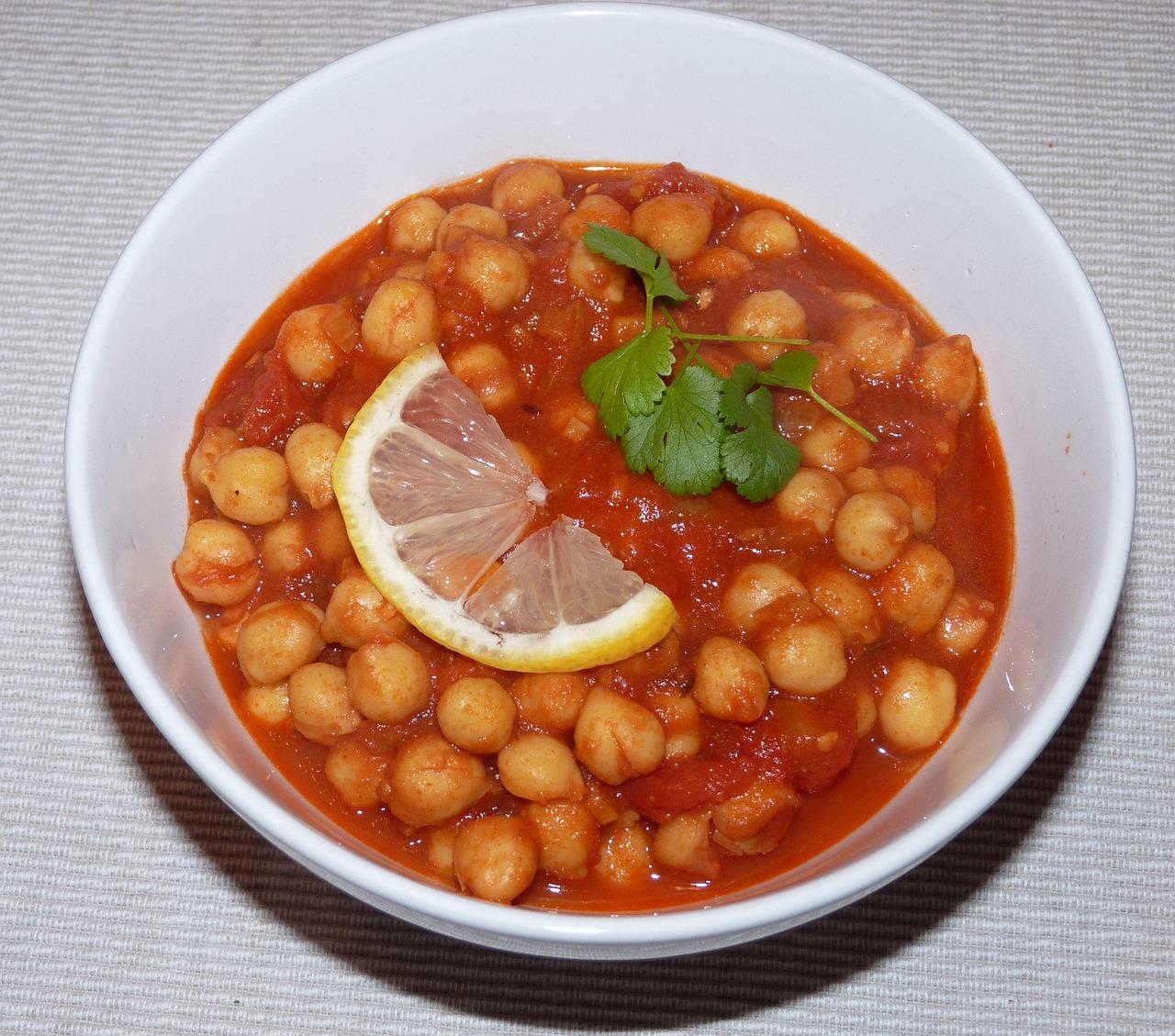
A North Indian staple that comes together from the store cupboard. Toasted cumin, slow-softened onion and a good spoonful of garam masala give tinned chickpeas real depth. Serve with rice, naan or a stack of warm rotis.


Kaju curryCashew curry
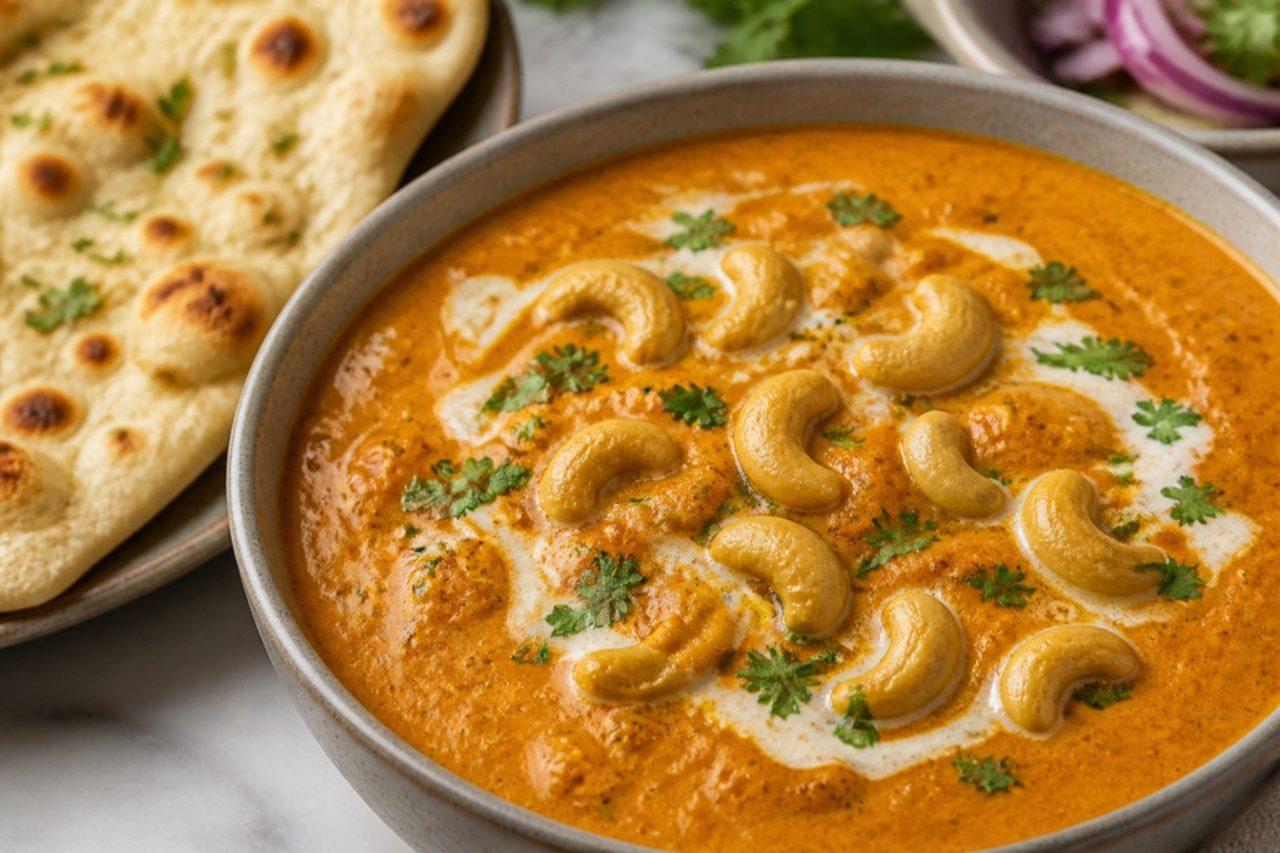
Walk along any wedding buffet in Pune, Mumbai or Ahmedabad and there is usually a chafing dish of kaju curry near the paneer, with guests going back for seconds. Whole cashews are fried in ghee until golden, which makes them crunchy outside and buttery inside, then folded into a rich onion and tomato gravy thickened with more cashews, finished with cream and kasuri methi. The gravy is orange, smooth and rounded with a touch of sweetness; it should taste of roasted nuts and gentle spice, not fire. Gujarati restaurants often serve a spicier Kathiyawadi version, but the wedding style here is the mild one. Eat it with butter naan, tandoori roti or jeera rice. Common mistake: adding the fried cashews too early; they soak up the gravy and turn soft, so fold them in just before serving. Chef's tip: keep a few fried cashews back and scatter them on top at the table so every spoonful has some crunch.

Bagara bainganBaby aubergines in peanut sesame sauce
Bagara baingan is a Hyderabadi wedding dish of small aubergines cooked whole in a dark, tangy gravy of roasted peanuts, sesame, dried coconut and tamarind. Unlike a Gujarati stuffed brinjal, the aubergines here are only quartered at the base and fried until silky, then left to soak up a thin-but-rich sauce that is finished with a tempering, the 'baghar' that gives the dish its name. It's sour, nutty and gently spiced, and is served with biryani, bagara rice or plain rice. Chef's tip: choose small, glossy purple aubergines that feel heavy for their size; soft, light ones are full of seeds and turn mushy before the gravy has a chance to cling.
Perfect for:Diwali