
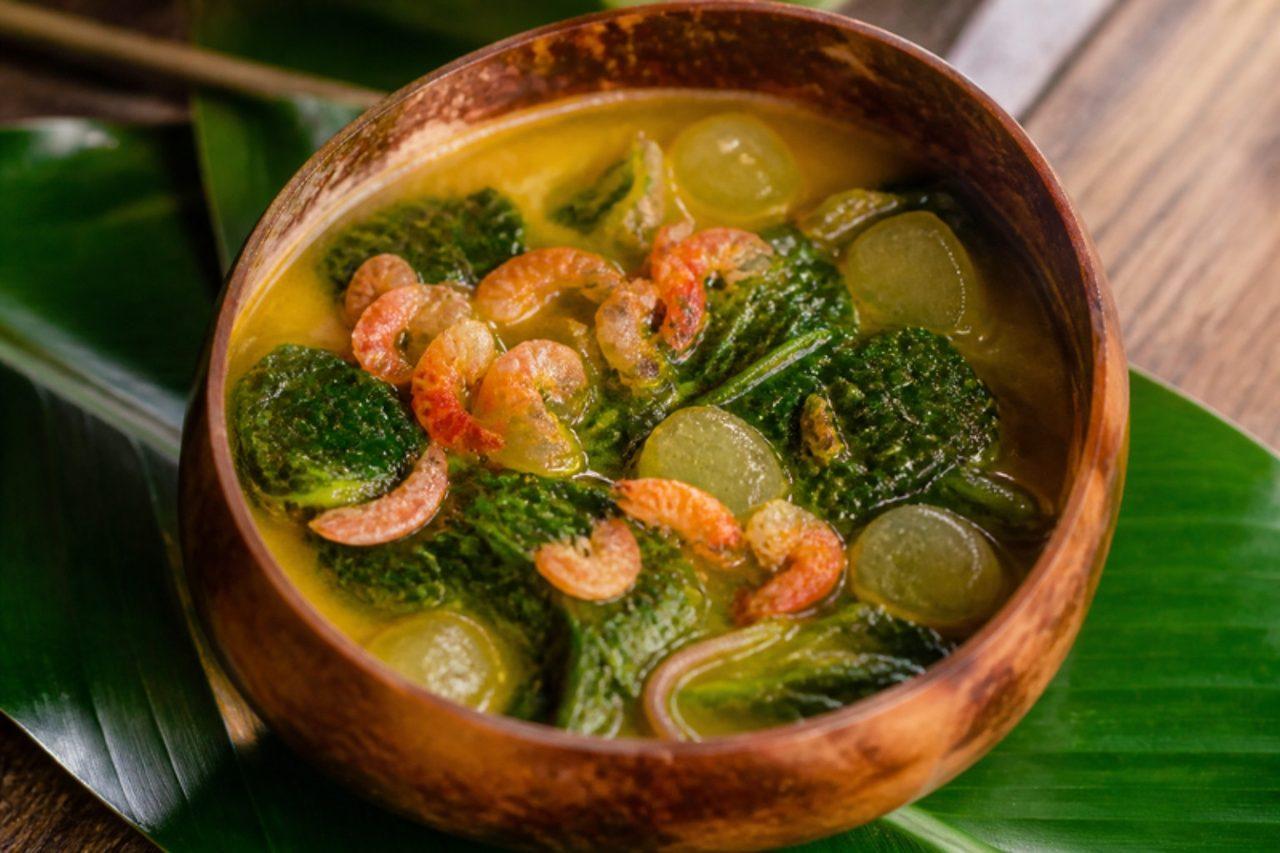
AI-generated image
Tacacá
Tacacá: Belém's hot tucupi broth with jambu, tapioca gum and dried shrimp


Around four in the afternoon in Belém, capital of Pará, the tacacazeiras open their street stalls and people queue for tacacá, served scalding hot in a cuia, a bowl made from a dried gourd. The broth is tucupi, the sour yellow juice of wild manioc, with a spoonful of tapioca gum, dried shrimp and jambu, an Amazon herb whose leaves make your lips and tongue tingle and go pleasantly numb. You drink the broth straight from the bowl and pick out the rest. Tucupi is sold cooked and bottled (or frozen) in Brazilian shops; it must be properly boiled before eating, which is explained in the steps. Chef's tip: soak and briefly boil the dried shrimp before they go in; straight from the bag they make the broth far too salty.
- Total time
- 60 min
- Difficulty
- hard
- Serves
- 4
Ingredients
For the broth
For the toppings
Method
0/7 doneStep 1: A word on safety first. Tucupi comes from bitter (wild) manioc, which naturally contains compounds that release cyanide; long boiling and fermenting make it safe. Never make tucupi yourself from raw cassava, and buy only tucupi sold as cooked for eating. Even so, boil it as cooks in Pará do, as below.
Step 2: Pour the 6 ¼ cups tucupi (cooked, shop-bought) into a large pan with the 4 cloves garlic, ½ oz chicória (culantro) or fresh coriander, ⅓ oz alfavaca or basil leaves and 2 pimenta-de-cheiro or mild fresh chilli. Bring to the boil over a high heat, then keep it at a steady rolling boil, uncovered, for at least 30 minutes, skimming any foam. Common mistake: just heating the tucupi through. It must boil hard and long, for safety and for a rounder, less raw taste.
35 minStep 3: Meanwhile, rinse the 4 oz dried whole shrimp (Amazonian camarão seco), cover with boiling water and soak for 10 minutes. Drain, cover with fresh water, boil for 5 minutes, then drain. Taste one; if it's still very salty, repeat the boil.
15 minStep 4: Pick the 7 oz jambu leaves and flowers leaves and flowers from the thick stalks. Blanch them in salted boiling water for 3–4 minutes until tender and bright green, then drain. Don't cook them longer or the tingle fades. Watercress makes a fresh, peppery stand-in but won't numb your lips; a little crushed Sichuan pepper sprinkled on top gives a similar buzz.
4 minStep 5: For the tapioca gum, whisk the 2 ⅛ oz tapioca starch into 150 ml of the 2 cups water until smooth. Bring the remaining 350 ml water to the boil with a pinch of salt, lower the heat and pour in the starch mixture, whisking constantly. Cook for 2–3 minutes until it turns clear, thick and stretchy, like glue.
5 minStep 6: Fish out the herbs and garlic from the tucupi, taste and add 1 tsp salt as needed. Keep it boiling hot.
Step 7: To serve, put 2–3 tablespoons of tapioca gum in each bowl. Ladle over the boiling tucupi, then add a pile of jambu and a few shrimp. Serve at once, very hot, and drink the broth from the bowl.
Nutrition per serving
- Calories
- 210 kcal
- Protein
- 16 g
- Carbs
- 30 g
- Fat
- 1 g
- Fibre
- 2 g
Nutrition values are estimates.
KrazyBadal
Good to know
- How long does tacacá take?
- About 60 minutes in total: 15 minutes to prepare and 45 minutes to cook.
- How many people does it serve?
- 4 as written. Change the servings above the ingredients and every amount scales to match.
- Is it gluten free?
- Yes, as written. Check the labels on stock, sauces and spice mixes, which sometimes contain gluten.
- What can I use instead of garlic?
- ½ tsp garlic paste or ⅛ tsp garlic powder per clove.
Reviews
No reviews yet. Be the first to cook it.
Rate this recipe
Sign in to rate and review this recipe.
You might also like

Soto Banjar
Along the rivers of Banjarmasin in South Kalimantan, breakfast often means soto Banjar eaten at a wooden riverside warung, sometimes after a dawn trip to the floating market. Unlike the turmeric sotos of Java, this broth is pale and clear, perfumed with the sweet spices that traders brought up the river centuries ago: cinnamon, cloves, star anise, cardamom and nutmeg. Shredded chicken, glass noodles, carrot and a boiled egg go into the bowl with rice cakes, and lime and a little chilli sharpen it at the table. Chef's tip: toast the whole spices in the pan for a minute before the paste goes in; it brings out their sweetness without the dusty edge of ground spice.


Miso soup
Miso soup (味噌汁) is drunk every day in homes all over Japan, at breakfast as well as dinner, beside a bowl of rice. The base is dashi; this vegan version uses kombu and dried shiitake instead of bonito, which gives it a deep, rounded flavour. Silken tofu and wakame seaweed are the classic fillings. It takes ten minutes; just remember not to boil the miso. Chef's tip: add the miso at the very end and never let it boil. Boiling kills the miso's fresh, fermented aroma; Japanese cooks say the soup should only 'smile', with the surface barely trembling.

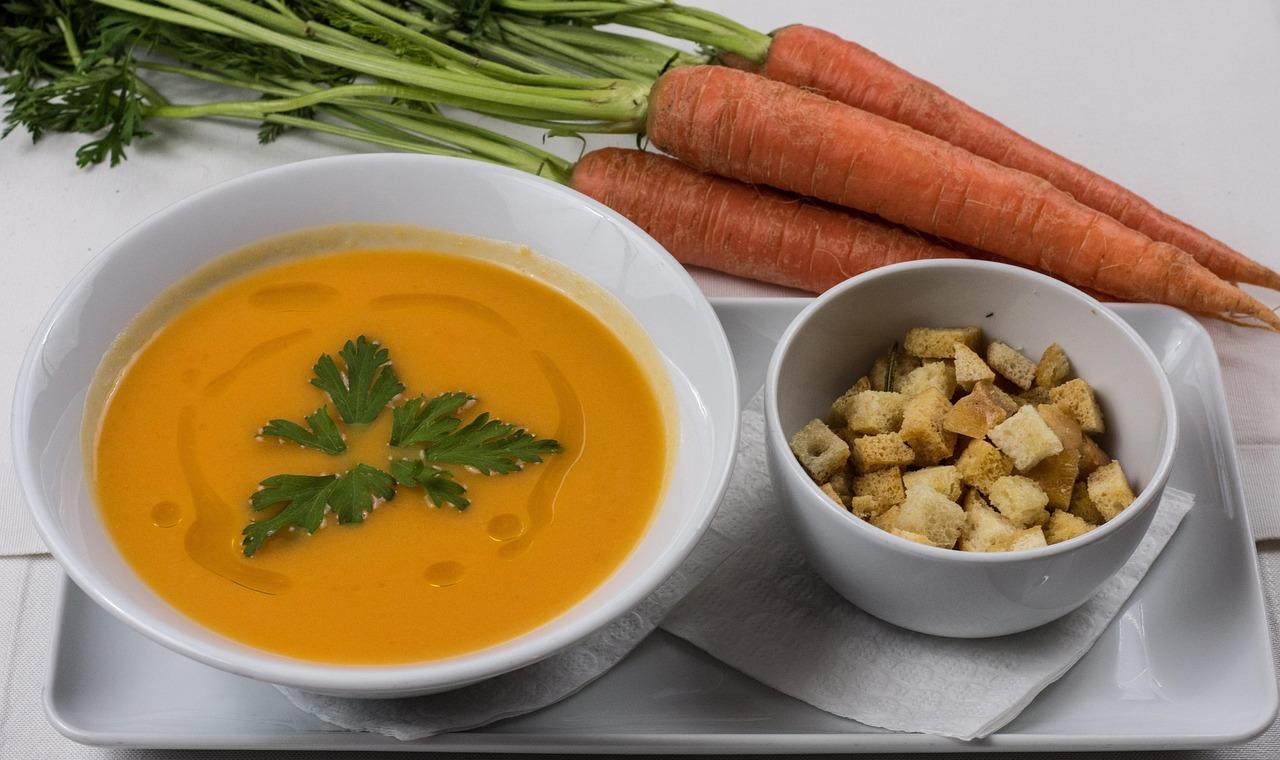
Carrot & coriander soup
A smooth, velvety carrot soup blended with potato for body and finished with butter-fried coriander and a splash of milk. It's mild and warming, so it suits the whole family. Serve it with crusty bread or croutons.