
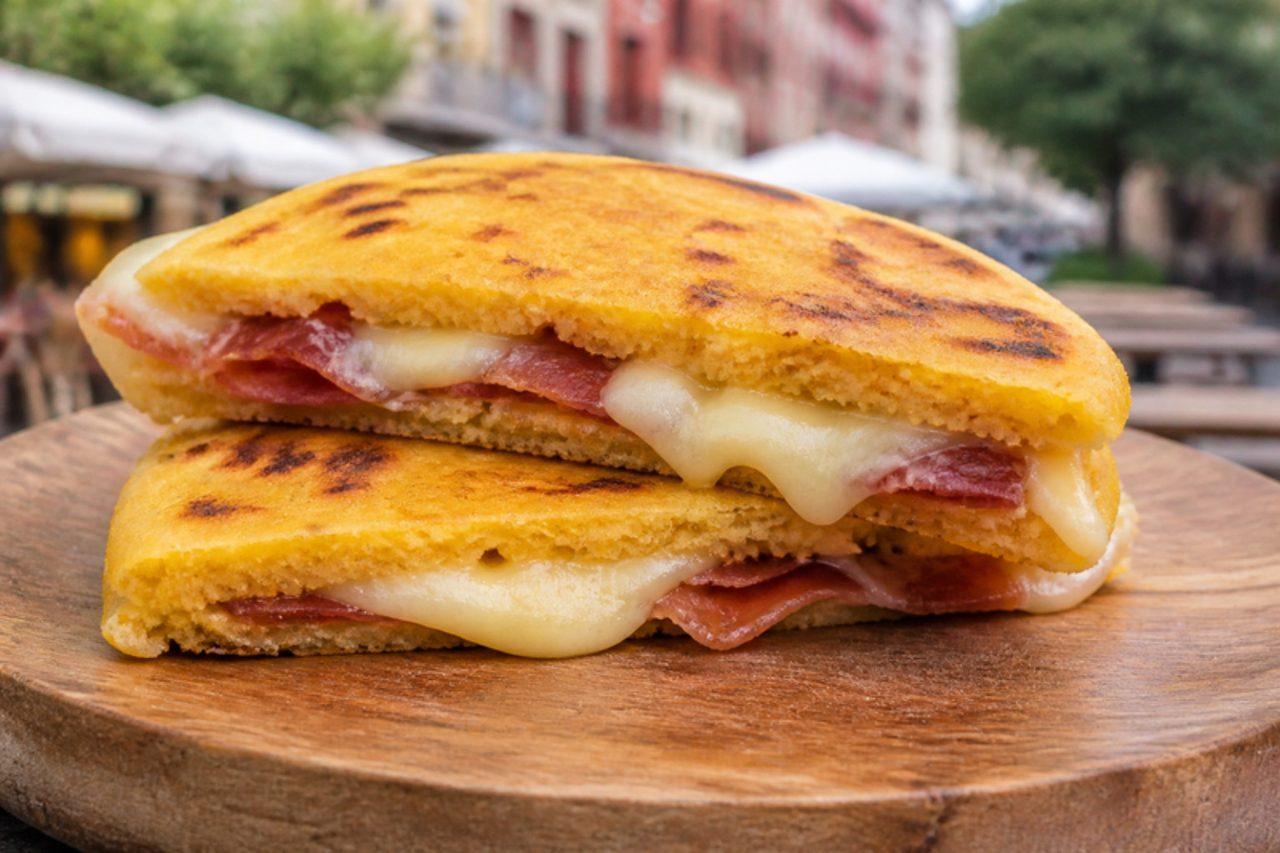
AI-generated image
Taloa
Maize flatbread with ham and cheese
Taloa: Basque griddled maize flatbread with cured ham and cheese, as at the Fêtes de Bayonne
 French
During the Fêtes de Bayonne in July, when the whole town dresses in white with red scarves, stalls in the Pays Basque sell taloa: thick flatbreads of maize and wheat flour cooked on a hot griddle and folded around fillings. The classic is with jambon de Bayonne (a cured pork ham), with sheep's cheese or with ventrèche (cured pork belly), and it's eaten hot in the street. Cheese alone makes a good vegetarian version. Chef's tip: cook the taloa on a dry, very hot pan; it should blister and puff in patches like a tortilla.
- Total time
- 30 min
- Difficulty
- easy
- Serves
- 4
Ingredients
For the dough
- 3 ½ oz plain flour
- ½ tsp salt
- ¾ cup hot water
For the filling
- 4 oz ossau-iraty or other sheep's cheesethinly sliced
- ½ tsp piment d'Espelette or mild chilli flakes (optional)
Shop this recipe on Amazon
Fresh ingredients (2)
Links open Amazon in a new tab. As an Amazon Associate, WhatToEat.Today earns from qualifying purchases.
Method
0/4 doneStep 1: Mix the 5 ½ oz fine maize flour (not cornflour), 3 ½ oz plain flour and ½ tsp salt, pour in the ¾ cup hot water and stir, then knead for 2–3 minutes into a soft, smooth dough that doesn't stick. Rest 10 minutes.
5 minStep 2: Divide into 4 and press or roll each between sheets of baking paper into a round 18 cm across and 4 mm thick. A common mistake is rolling it too thin, which makes it crack instead of folding.
5 minStep 3: Heat a large dry frying pan over a high heat. Cook each taloa for 1½ minutes a side until it blisters with brown spots and puffs a little. While the second side cooks, lay 4 oz ossau-iraty or other sheep's cheese and 8 slices jambon de Bayonne or other cured pork ham on half so the cheese starts to melt.
12 minStep 4: Sprinkle with ½ tsp piment d'Espelette or mild chilli flakes if using, fold in half and serve straight away, wrapped in paper.
3 min
Nutrition per serving
- Calories
- 450 kcal
- Protein
- 20 g
- Carbs
- 50 g
- Fat
- 18 g
- Fibre
- 3 g
Nutrition values are estimates.
KrazyBadal
Good to know
- How long does taloa take?
- About 30 minutes in total: 15 minutes to prepare and 15 minutes to cook.
- How many people does it serve?
- 4 as written. Change the servings above the ingredients and every amount scales to match.
- What can I use instead of plain flour?
- Self-raising flour, same amount (then leave out the baking powder).
Reviews
No reviews yet. Be the first to cook it.
Rate this recipe
Sign in to rate and review this recipe.
You might also like
Sandwich grecKebab baguette
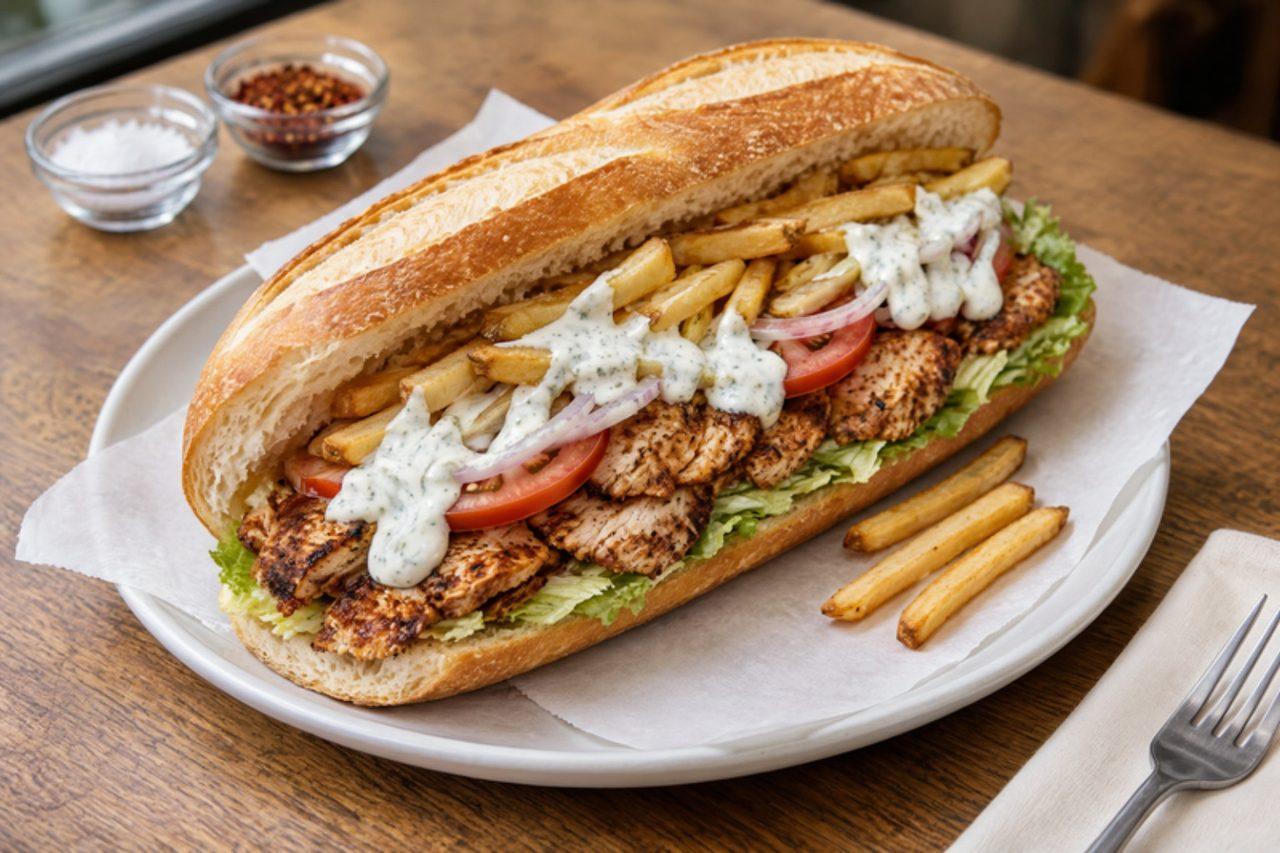
In Paris, a "grec" is the late-night kebab sandwich named after the Greek-run shops that first sold it in the Latin Quarter. On rue de la Huchette and rue Saint-André-des-Arts near Saint-Michel, students queue after a night out for crusty bread or pitta stuffed with meat shaved from a turning spit, lettuce, tomato and onion, a garlicky white sauce, and, the Paris touch, a handful of fries pushed right inside. This home version marinates chicken thighs in spiced yoghurt, sears them hard and slices them thin, with oven fries. It contains milk, egg (in the mayonnaise) and wheat. Chef's tip: slice the meat thinly across the grain after resting; thick chunks don't feel like a grec.

ChipaCheese bread rings
In Paraguay you hear 'chipa, chipa!' called by vendors with big baskets on buses and street corners, and every family bakes it for Holy Week, when chipa is the food of Good Friday. Cassava starch, a little cornmeal, butter, eggs and a lot of hard cheese are kneaded into a dough scented with aniseed, shaped into rings or small rolls and baked in a hot oven, traditionally a domed clay tatakua. It's chewy, crisp outside and best warm with cocido (toasted yerba tea). Chef's tip: the dough should feel soft and slightly greasy; add milk a spoon at a time, as too much makes the chipa spread flat.
 Paraguayan

SalufPuffy flatbread
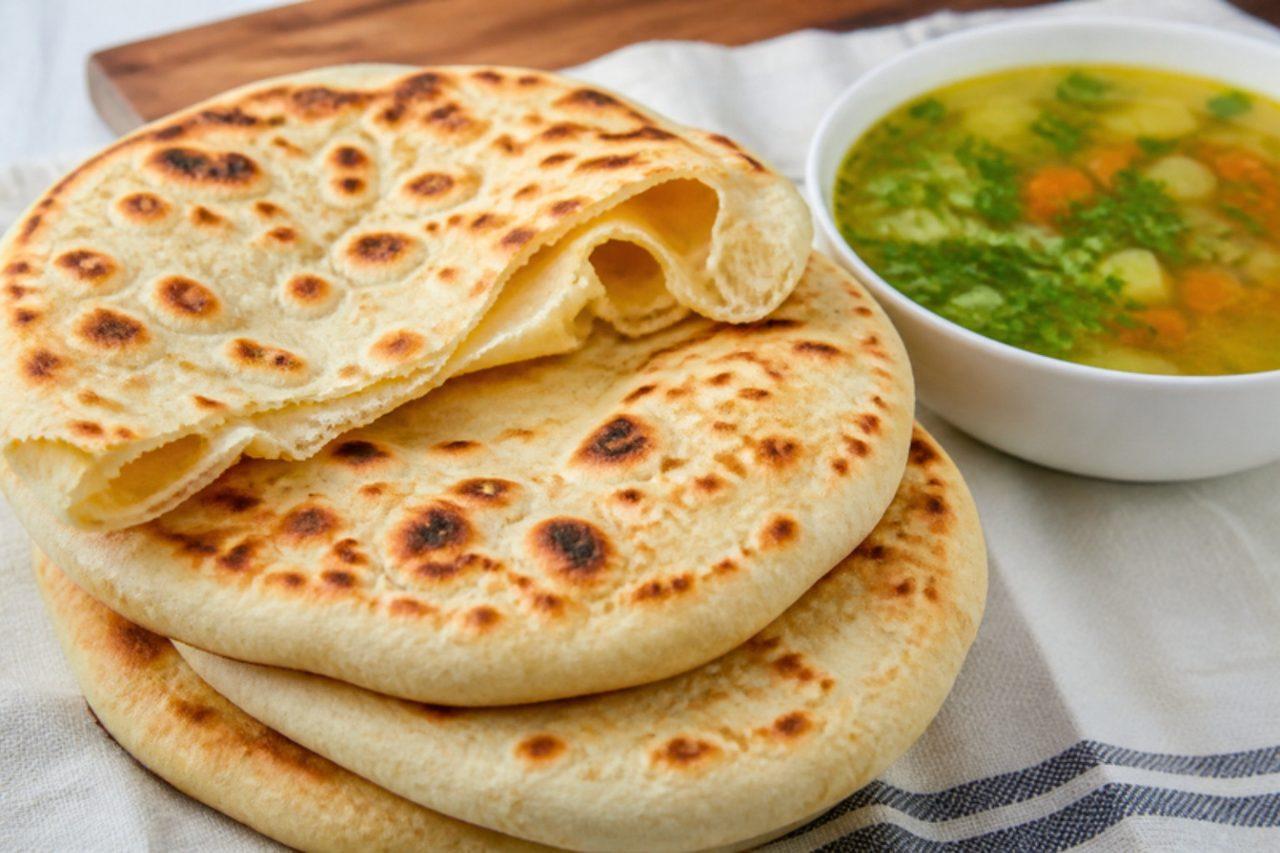
Saluf is the everyday bread of Yemenite Israelis, slapped onto a hot pan or taboon in Rosh HaAyin and Sha'arayim in Rehovot and eaten with marak temani, hilbe and zhug. It is soft and blistered, thicker than pita and with no pocket, made to tear and dunk. Home cooks often roll it too thin, which gives a cracker; it should be about 1 cm thick so it stays pillowy. Chef's tip: cook it under a lid on a very hot dry pan for the first minute, which traps steam and puffs it the way a taboon does.
 Israeli
