
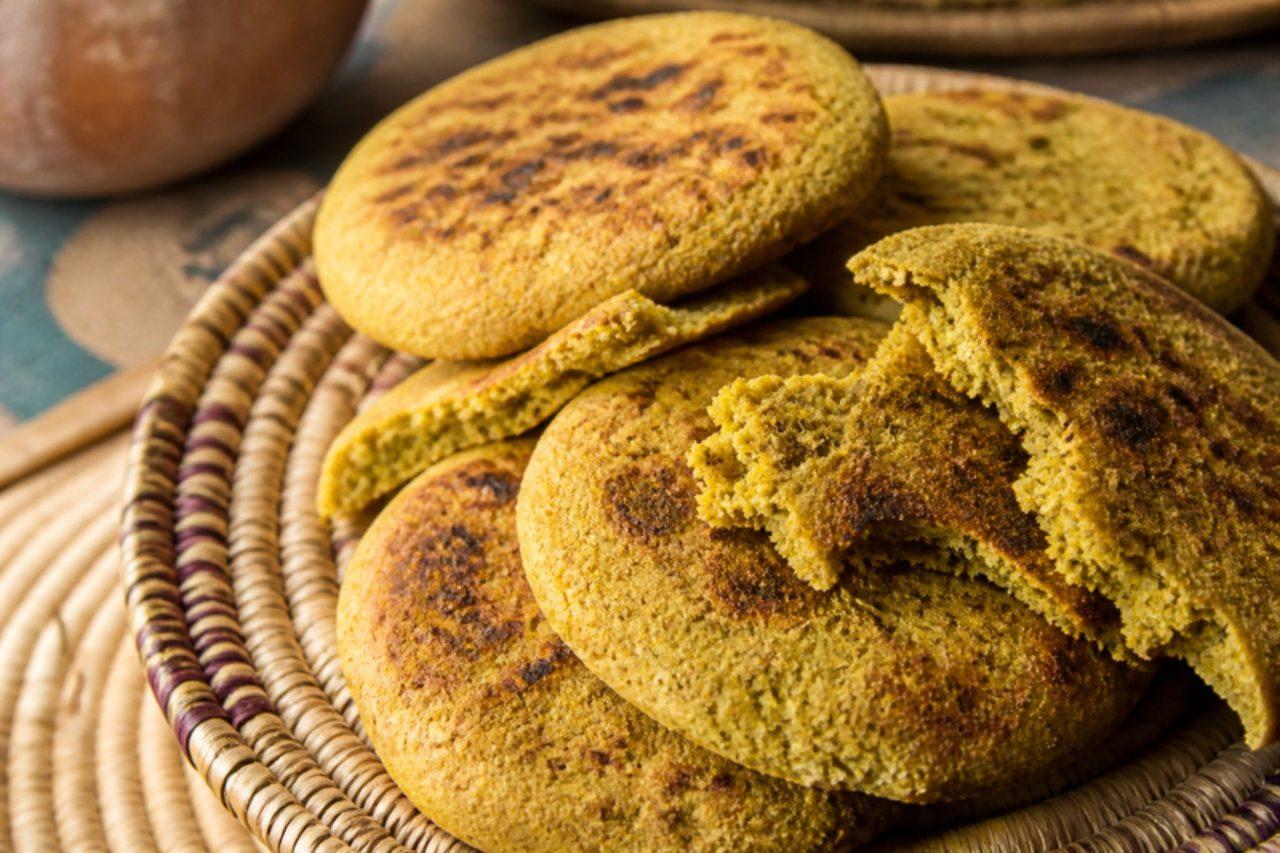
AI-generated image
Bettaw
Maize and fenugreek flatbread
Bettaw: Upper Egypt's dense maize and fenugreek flatbread, dried to keep for weeks


Farming families in the Sa'id have long baked bettaw from maize grown on their own land, flavoured with fenugreek and baked in big batches, then dried until hard so it keeps for weeks. The bread is dense, crumbly and earthy, with the bittersweet, maple-like scent of fenugreek, and is softened by dipping in mish, molasses, buttermilk, lentils or a bowl of stew. A little wheat flour holds the maize together. Maize dough has no stretch and cracks if you treat it like wheat, so wet your hands and press it out rather than kneading or rolling. The usual mistake is using too much fenugreek, which turns the bread bitter; a little goes a long way. Chef's tip: to soften dried bettaw, sprinkle it with water and warm it for a few minutes in a covered pan.
- Total time
- 120 min
- Difficulty
- medium
- Serves
- 10
Ingredients
- 14 oz fine maize flourfine yellow or white cornmeal; not cornflour or masa
- 5 ½ oz wholemeal flour
- 1 tbsp fenugreek seedsground
- 1 ½ tsp instant yeast
- 1 ½ tsp salt
- 1 ¾ cups warm waterabout
Shop this recipe on Amazon
Links open Amazon in a new tab. As an Amazon Associate, WhatToEat.Today earns from qualifying purchases.
Method
0/8 doneStep 1: Mix 14 oz fine maize flour, 5 ½ oz wholemeal flour, 1 tbsp fenugreek seeds, 1 ½ tsp instant yeast and 1 ½ tsp salt in a large bowl.
Step 2: Add 1 ¾ cups warm water gradually and mix with your hand into a soft, slightly sticky dough that holds together when squeezed. Add a little more water if it crumbles.
Step 3: Cover and leave in a warm place until it looks puffy and has small cracks on the surface, about 1½ hours.
Step 4: Heat the oven to 425°F (400°F fan) and line two baking trays.
Step 5: With wet hands, divide the dough into 10 pieces and press each onto the tray into a round about 1 cm thick. Smooth any cracks at the edges with a wet finger.
Step 6: Bake until firm, golden at the edges and lightly browned underneath.
20 minStep 7: Eat some warm. To keep the rest, turn the oven down to 200°F and dry the breads on a rack until hard and crisp right through.
75 minStep 8: Cool completely and store in an airtight tin for up to 3 weeks.
Nutrition per serving
- Calories
- 220 kcal
- Protein
- 6 g
- Carbs
- 44 g
- Fat
- 2 g
- Fibre
- 5 g
Nutrition values are estimates.
KrazyBadal
Good to know
- How long does bettaw take?
- About 120 minutes in total: 25 minutes to prepare and 95 minutes to cook.
- How many people does it serve?
- 10 as written. Change the servings above the ingredients and every amount scales to match.
- Is it vegan?
- Yes. It has no meat, fish, dairy or eggs.
- Can I make it ahead?
- Yes. It keeps well, so you can cook it earlier in the day or the day before and reheat it.
- What can I use instead of fenugreek seeds?
- Leave them out, or add a little extra mustard seed (you lose the slightly bitter, maple-like note).
Reviews
No reviews yet. Be the first to cook it.
Rate this recipe
Sign in to rate and review this recipe.
You might also like
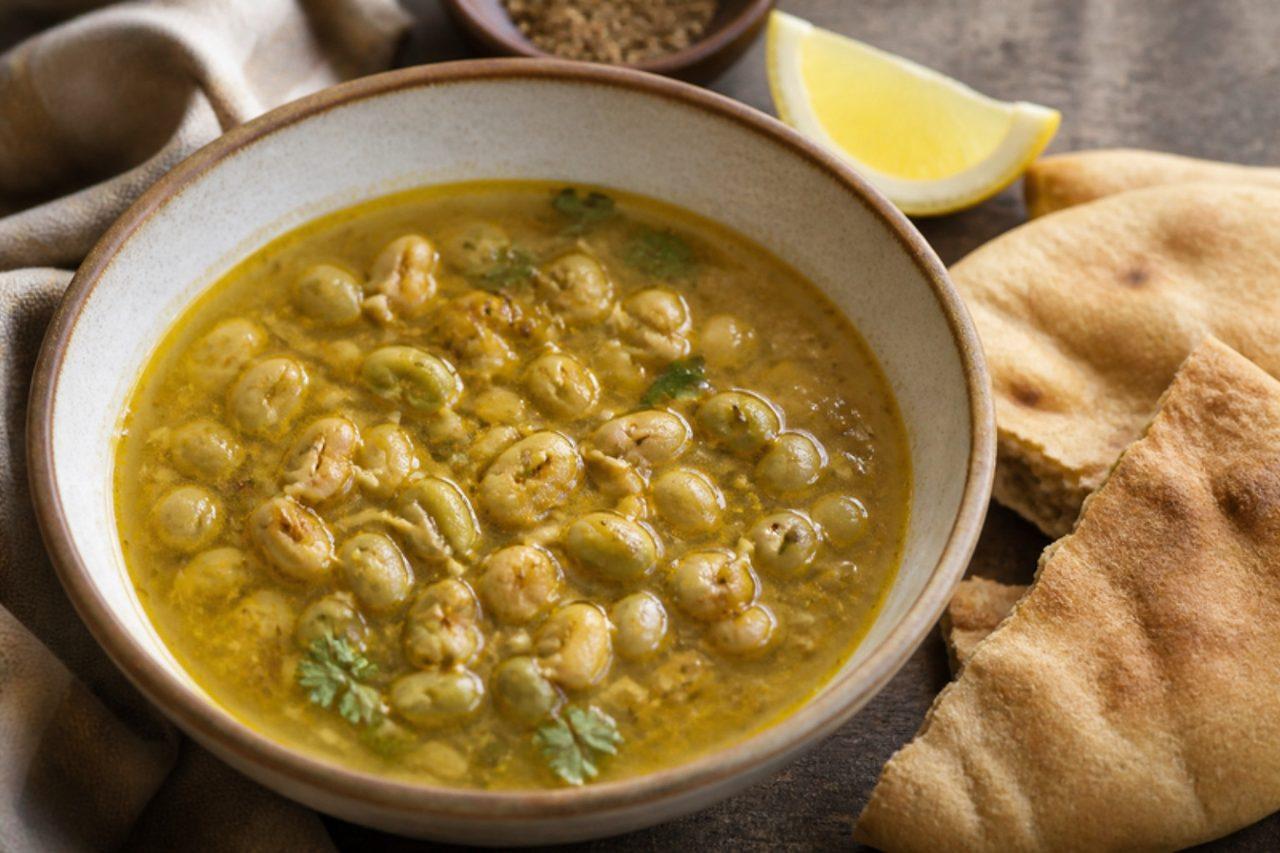
Ful nabitSprouted fava bean soup
Sprouted beans are ladled out with their cooking liquor in Cairo homes when the weather turns cold or someone is feeling run down, and Egyptians swear by the broth as a pick-me-up. The beans are soaked and left to sprout for a few days, then simmered with onion, garlic and cumin into a light, earthy soup that is sharpened at the table with plenty of lemon. You can eat the beans with a spoon or pop them from their skins. Allow 3 to 4 days for sprouting, although the hands-on work is only about 20 minutes. People with G6PD deficiency (favism) must not eat fava beans. Chef's tip: stop the sprouting when the shoots are about 1 cm long; longer sprouts taste grassy and bitter.



ChipaCheese bread rings
In Paraguay you hear 'chipa, chipa!' called by vendors with big baskets on buses and street corners, and every family bakes it for Holy Week, when chipa is the food of Good Friday. Cassava starch, a little cornmeal, butter, eggs and a lot of hard cheese are kneaded into a dough scented with aniseed, shaped into rings or small rolls and baked in a hot oven, traditionally a domed clay tatakua. It's chewy, crisp outside and best warm with cocido (toasted yerba tea). Chef's tip: the dough should feel soft and slightly greasy; add milk a spoon at a time, as too much makes the chipa spread flat.
 Paraguayan
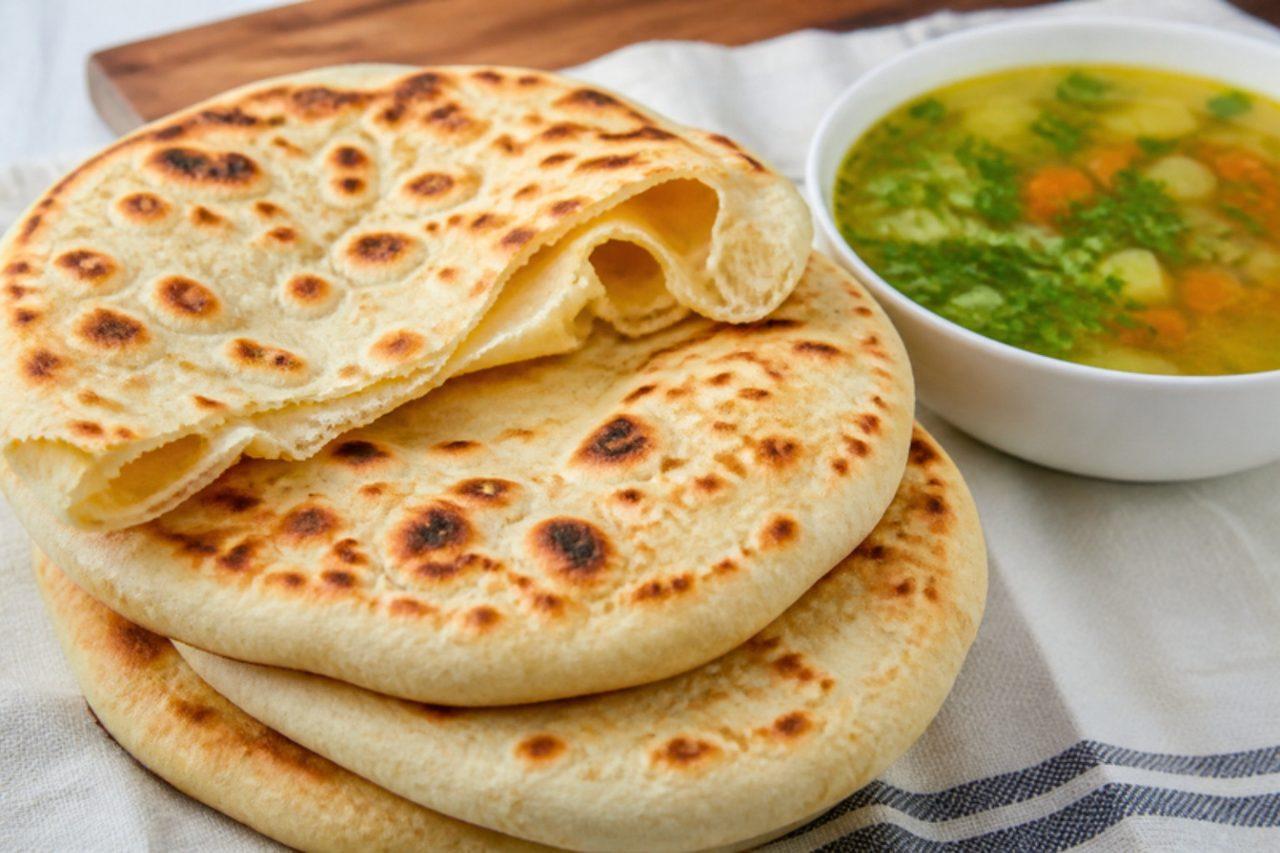
SalufPuffy flatbread
Saluf is the everyday bread of Yemenite Israelis, slapped onto a hot pan or taboon in Rosh HaAyin and Sha'arayim in Rehovot and eaten with marak temani, hilbe and zhug. It is soft and blistered, thicker than pita and with no pocket, made to tear and dunk. Home cooks often roll it too thin, which gives a cracker; it should be about 1 cm thick so it stays pillowy. Chef's tip: cook it under a lid on a very hot dry pan for the first minute, which traps steam and puffs it the way a taboon does.
 Israeli