
AI-generated image
Yasai no misozuke
Miso-pickled vegetables
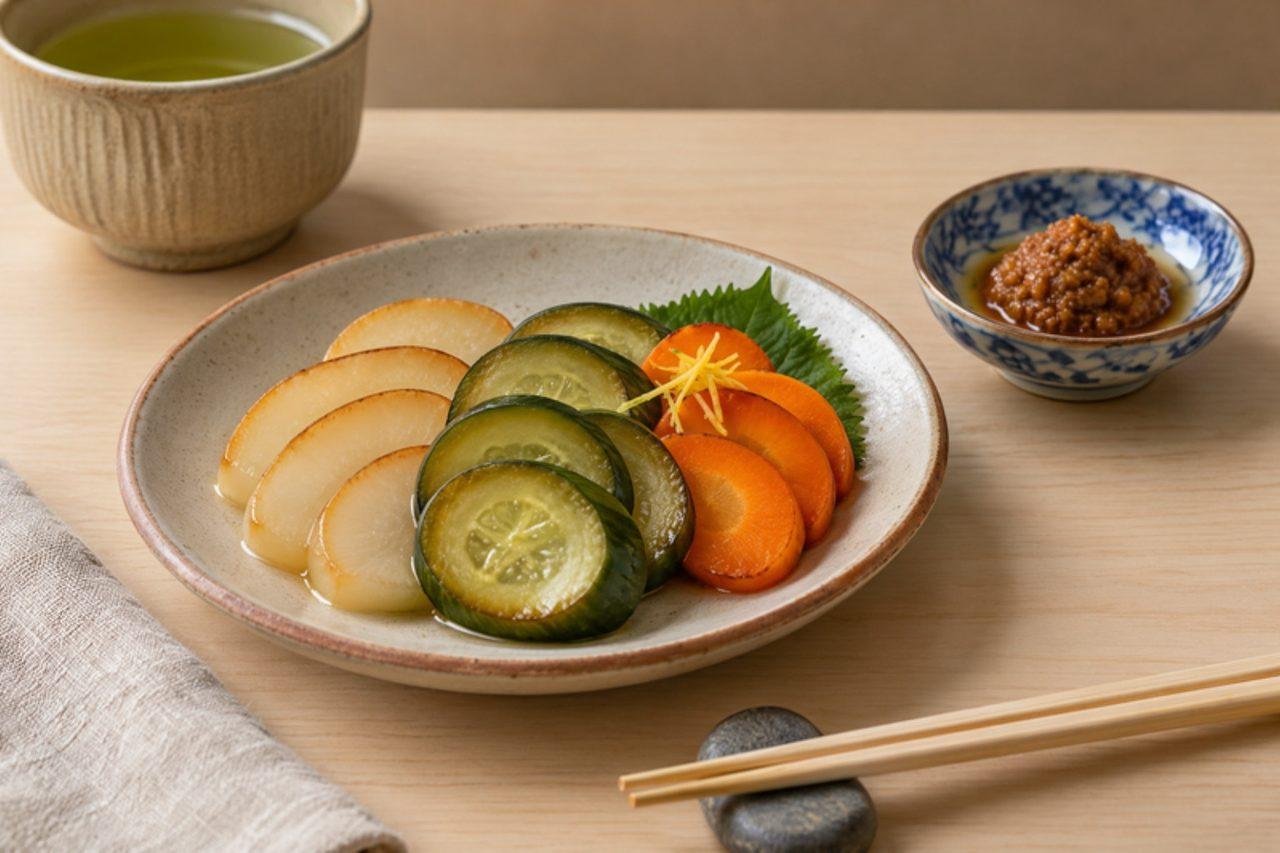
野菜の味噌漬け: cucumber, carrot and daikon buried overnight in a sweet miso bed, sliced amber-edged and savoury


Misozuke is the pickle a Japanese home cook makes without thinking: a tub of miso loosened with mirin and a little sugar sits in the fridge, and whatever vegetables are around get buried in it overnight. It is made all year, but especially in early summer when cucumbers are crisp, and in winter for carrots and daikon; slices go beside breakfast rice, into bento boxes and next to a bowl of ochazuke at the end of a meal. The vegetables come out firmer and faintly translucent, salty-sweet with the deep fermented flavour of miso but still fresh inside. The common mistake is burying wet vegetables: the water dilutes the bed, which turns runny and spoils faster. Salt them lightly, pat them completely dry and the bed can be reused two or three times. Timing is the readiness cue: cucumber and celery are ready in about a day, carrot and daikon in two to three, and anything longer than a week gets too salty. Choose a rice miso labelled gluten free if that matters to you; barley miso contains gluten. Chef's tip: wrap each vegetable in a sheet of muslin before burying it, so it comes out clean and the bed stays tidy.
- Total time
- 21 min
- Difficulty
- easy
- Serves
- 8
Ingredients
For the vegetables
- 1 carrotabout 150 g
- 7 oz daikon
- 2 celery sticks (optional)
- 1 tsp fine sea salt
Shop this recipe on Amazon
What you'll need
Spices & pantry
Fresh ingredients (3)
Links open Amazon in a new tab. As an Amazon Associate, WhatToEat.Today earns from qualifying purchases.
Method
0/7 doneStep 1: Clean the jar or container and lid: wash in hot soapy water, rinse, then dry in a 250°F oven for 10 minutes (or pour boiling water over and in it and air-dry upside down). Let it cool; it must be completely dry. Use a flat container with a lid, big enough to lay the vegetables in one layer.
Step 3: Trim the 2 Japanese or Lebanese cucumbers; peel the 1 carrot and 7 oz daikon and cut them into sticks about 2 cm thick. Cut the 2 celery sticks into lengths if using.
10 minStep 4: Rub the vegetables with 1 tsp fine sea salt and leave 15 minutes, until they look damp and slightly bendy. Pat them completely dry with kitchen paper.
15 minStep 5: Spread half the miso bed in the container, lay the vegetables on it (wrapped in muslin if you like) and cover them completely with the rest, smoothing so no vegetable shows. Press cling film onto the surface and close.
5 minStep 6: Refrigerate: cucumber and celery for about 24 hours, carrot and daikon for 2–3 days, until the edges look amber and translucent and a sliver tastes salty-sweet right through. Do not leave them more than a week.
Step 7: Lift out the vegetables, scrape off the miso with a clean spoon (it goes back in the bed), slice and serve. Once out of the bed they keep 3 days in the fridge. Reuse the bed 2–3 times; when it turns watery, cook it into miso soup. Discard the bed if mould, a sour or rotten smell or slime appear.
Nutrition per serving
- Calories
- 35 kcal
- Protein
- 1 g
- Carbs
- 5 g
- Fat
- 1 g
- Fibre
- 2 g
Nutrition values are estimates.
KrazyBadal
Good to know
- How long does yasai no misozuke take?
- About 21 minutes in total: 20 minutes to prepare and 1 minutes to cook.
- How many people does it serve?
- 8 as written. Change the servings above the ingredients and every amount scales to match.
- Is it vegan?
- Yes. It has no meat, fish, dairy or eggs.
- Can I make it ahead?
- Yes. It keeps well, so you can cook it earlier in the day or the day before and reheat it.
- What can I use instead of mirin?
- Rice vinegar with ½ tsp sugar per tbsp.
- What can I use instead of sugar?
- Caster sugar, same amount.
Reviews
No reviews yet. Be the first to cook it.
Rate this recipe
Sign in to rate and review this recipe.
You might also like
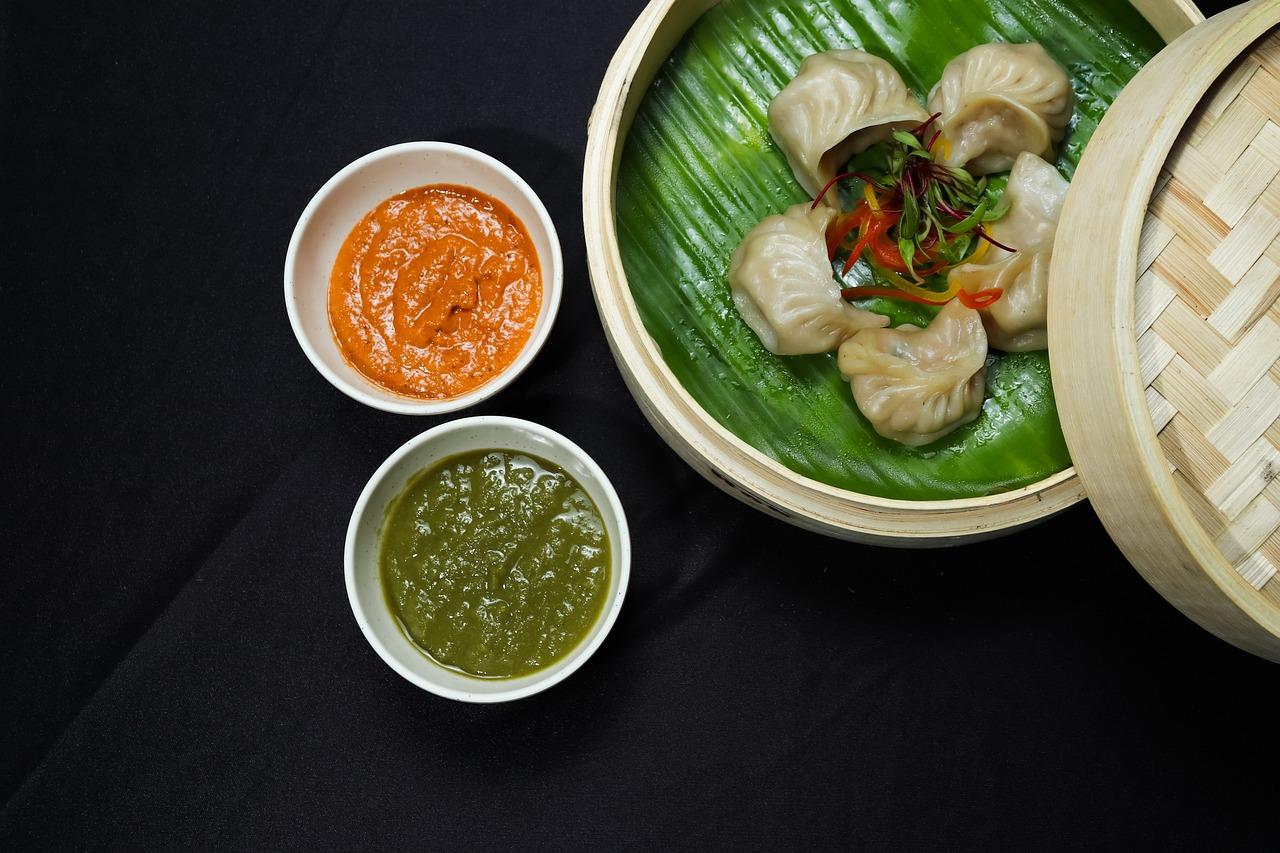
Mint and onion chutney
Onions fried gently until soft and sweet, then blended with fresh mint, green chilli and lemon juice. It's a mellow, fresh-tasting chutney that is great with bhajias, samosas, kebabs and tikka, or spread in sandwiches.
 Indian


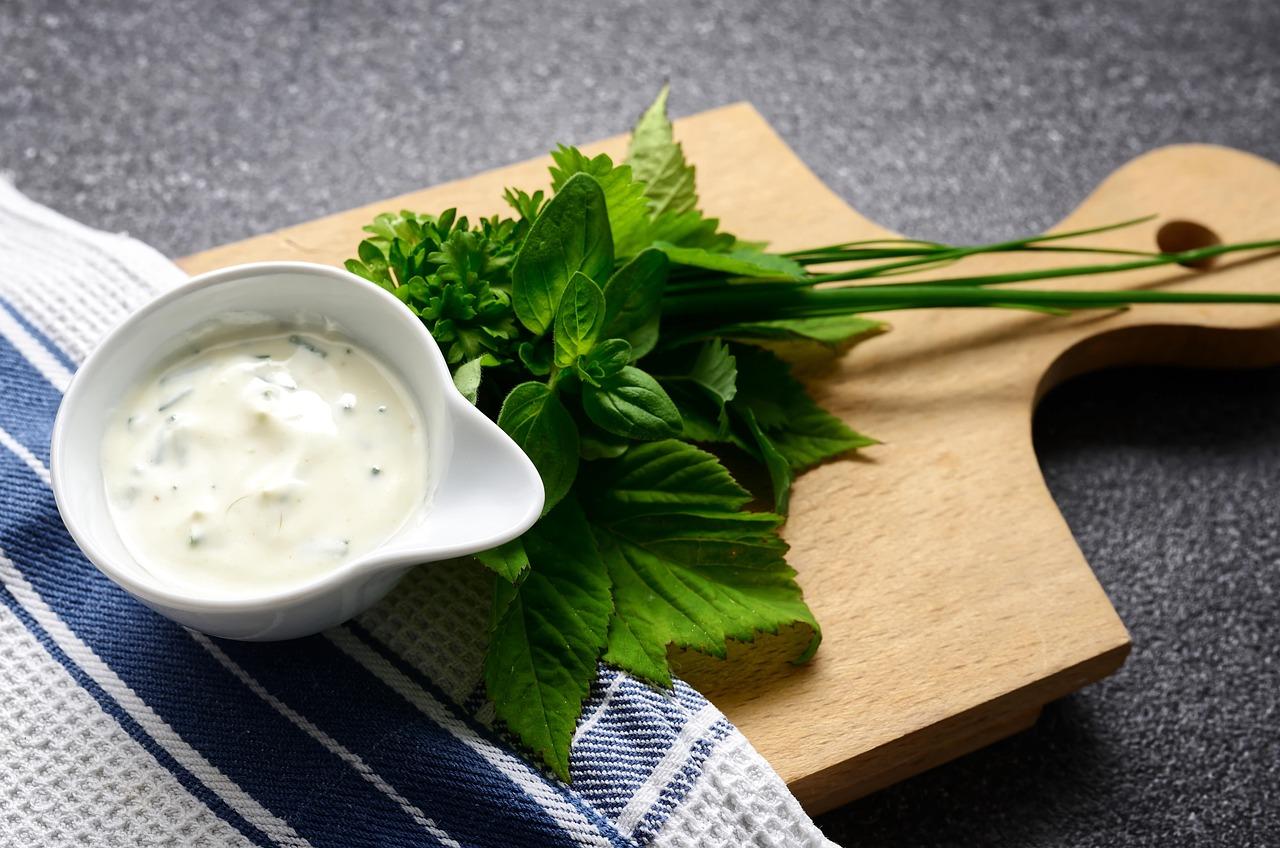
Sour cream dip
A simple, tangy dip made with thick home-made cottage cheese (hung yogurt) or ready-made sour cream, seasoned with garlic, chilli, black pepper and vinegar. Serve it cold with crisps, nachos and jacket potatoes. The book's other dips use this as their 'sour cream'.

Yaki onigiriGrilled rice balls
Yaki onigiri (焼きおにぎり) are rice balls grilled until they form a crisp, toasty crust, then brushed with soy sauce glaze. They are eaten all over Japan, at izakaya, at barbecues and from the freezer section, as a snack or with miso soup. The inside stays soft and steamy while the outside crackles. Best eaten hot, straight from the pan. Chef's tip: let the shaped rice balls dry for 10 minutes before they go in the pan. A drier surface forms a better crust and won't stick, and the glaze goes on only at the end so it doesn't burn.