

AI-generated image
Yuja-cha (citron tea)
유자차: thin-sliced yuja citron cured in sugar and honey into a fragrant marmalade, stirred into hot water through the Korean winter


Goheung, on the southern coast of South Jeolla, is Korea's yuja country: in November the groves turn gold and families slice the knobbly citrons for yuja-cheong, the honeyed preserve that becomes tea all winter. From December to March a spoonful in hot water is offered to guests, to students cramming late and to anyone with a scratchy throat, as it is traditionally drunk for colds. The tea is sweet, floral and sharp, with soft, chewy strands of peel that you eat at the end with a spoon. The common mistake is leaving the fruit damp or the pith too thick: wet fruit lets mould in, and thick white pith makes the preserve bitter. Scrub, dry completely and pare away any pith thicker than a few millimetres. The cheong is ready after a day or two, when the sugar has dissolved into a clear, glossy syrup around the peel. Keep it in the fridge for up to three months, always with a dry spoon; throw it away if you see fuzzy mould, smell alcohol or it bubbles. No yuja? Japanese yuzu is the same fruit; otherwise use 2 lemons and 2 mandarins. Chef's tip: soak the seeds in a little of the honey and add that liquid back for a silkier syrup.
- Total time
- 45 min
- Difficulty
- easy
- Serves
- 20
Ingredients
For the yuja-cheong
- 4 yuja (Korean citron)about 500 g; or yuzu, or 2 lemons plus 2 mandarins
- 1 tbsp baking sodafor scrubbing
- 9 oz sugar
- 9 oz honey
To serve
- 16 ¾ cups hot water (about 80 °C)200 ml per cup
- 1 tbsp pine nuts (optional)
Shop this recipe on Amazon
Spices & pantry
Links open Amazon in a new tab. As an Amazon Associate, WhatToEat.Today earns from qualifying purchases.
Method
0/6 doneStep 1: Sterilise a 1-litre jar and lid: wash in hot soapy water, rinse and dry in a 250°F oven for 10 minutes. Let cool completely.
15 minStep 2: Rub 4 yuja (Korean citron) all over with 1 tbsp baking soda and a little water, scrub with a brush, rinse well and dry each fruit thoroughly with a cloth. Leave to air-dry 30 minutes if still damp.
10 minStep 3: Quarter the fruit, pull out the flesh and pick out every seed. Slice the peel into very thin strips, trimming away any white pith thicker than 3 mm. Chop the flesh roughly.
20 minStep 5: Pack into the jar, pressing down so the syrup covers the peel. Close and leave at cool room temperature for 1 day, until the sugar has mostly melted into a clear syrup, then refrigerate.
2 minStep 6: For each cup, spoon 2 tbsp of cheong with a clean, dry spoon into a mug, pour on 200 ml of 16 ¾ cups hot water (about 80 °C), stir and leave for a minute. Scatter 1 tbsp pine nuts on top if you like, and eat the peel at the end.
1 min
Nutrition per serving
- Calories
- 85 kcal
- Protein
- 0 g
- Carbs
- 22 g
- Fat
- 0 g
- Fibre
- 1 g
Nutrition values are estimates.
KrazyBadal
Good to know
- How long does yuja-cha (citron tea) take?
- About 45 minutes in total: 40 minutes to prepare and 5 minutes to cook.
- How many people does it serve?
- 20 as written. Change the servings above the ingredients and every amount scales to match.
- Is it vegetarian?
- Yes. It has no meat or fish.
- Is it gluten free?
- Yes, as written. Check the labels on stock, sauces and spice mixes, which sometimes contain gluten.
- Can I make it ahead?
- Yes. It keeps well, so you can cook it earlier in the day or the day before and reheat it.
- What can I use instead of sugar?
- Caster sugar, same amount.
- What can I use instead of honey?
- Maple syrup or golden syrup, same amount.
Reviews
No reviews yet. Be the first to cook it.
Rate this recipe
Sign in to rate and review this recipe.
You might also like
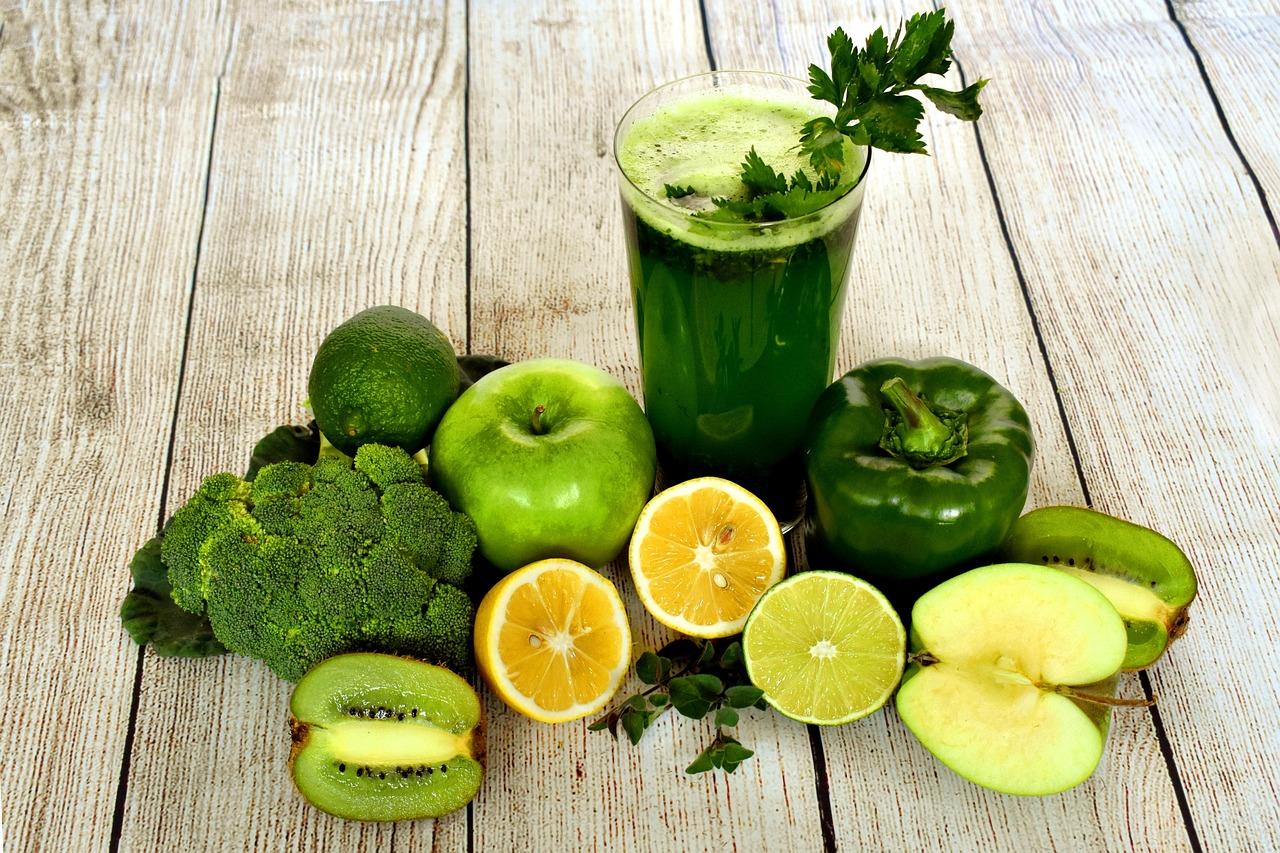
Power packApple, pear, kiwi and celery juice
A sweet, energising juice of apples, pears and kiwi fruit with a stick of celery, all used unpeeled for extra goodness. It's naturally sweet, so it needs no sugar. Serve well chilled.


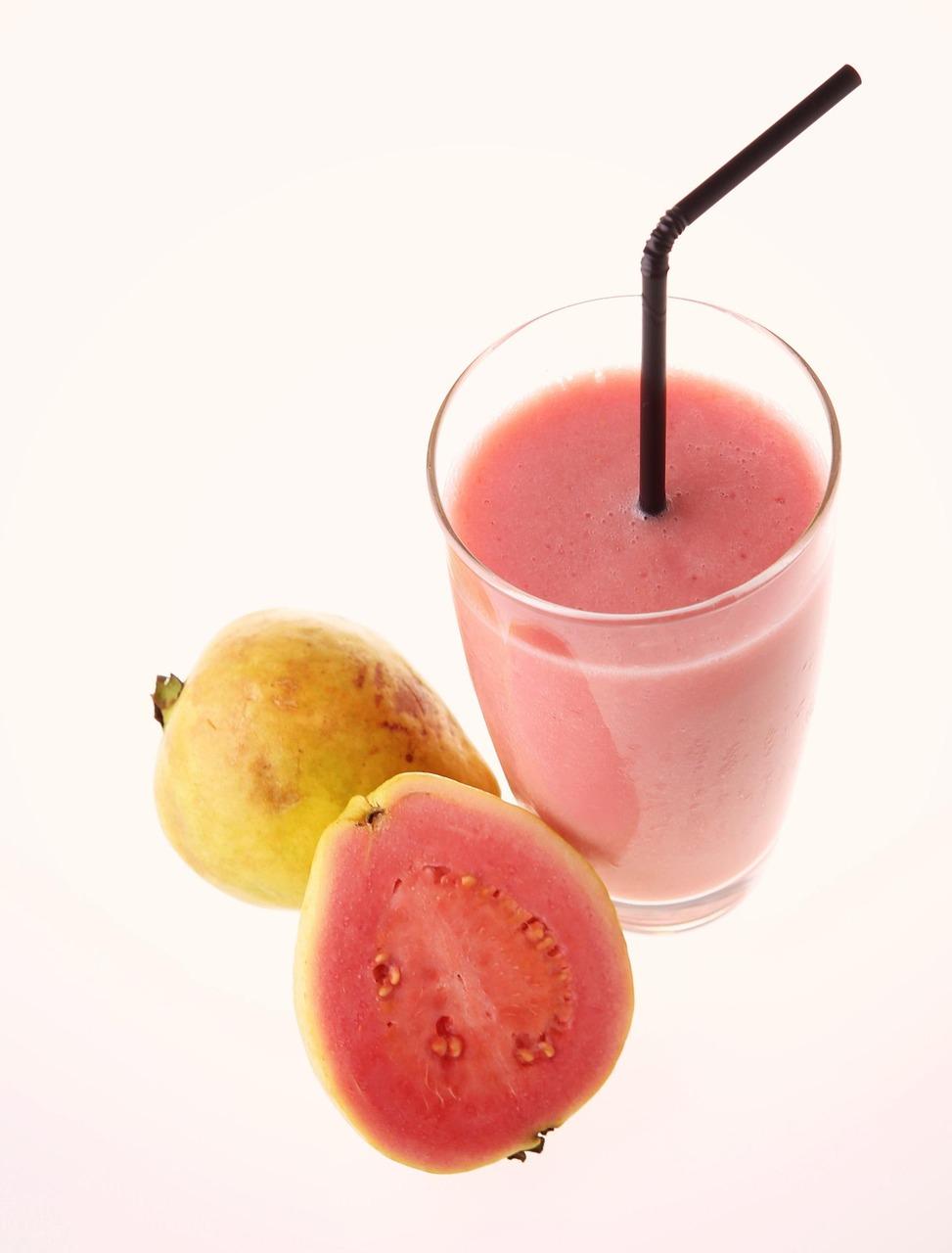
Guava delightGuava, mango and banana drink
A thick, fragrant blend of ripe guava, mango and banana, boosted with a spoonful of guava powder from the health shop. The book calls it a modern-day vitality drink, drawing on guava's long use in traditional Indian medicine. Serve it well chilled; sieve it if you don't like the little guava seeds.
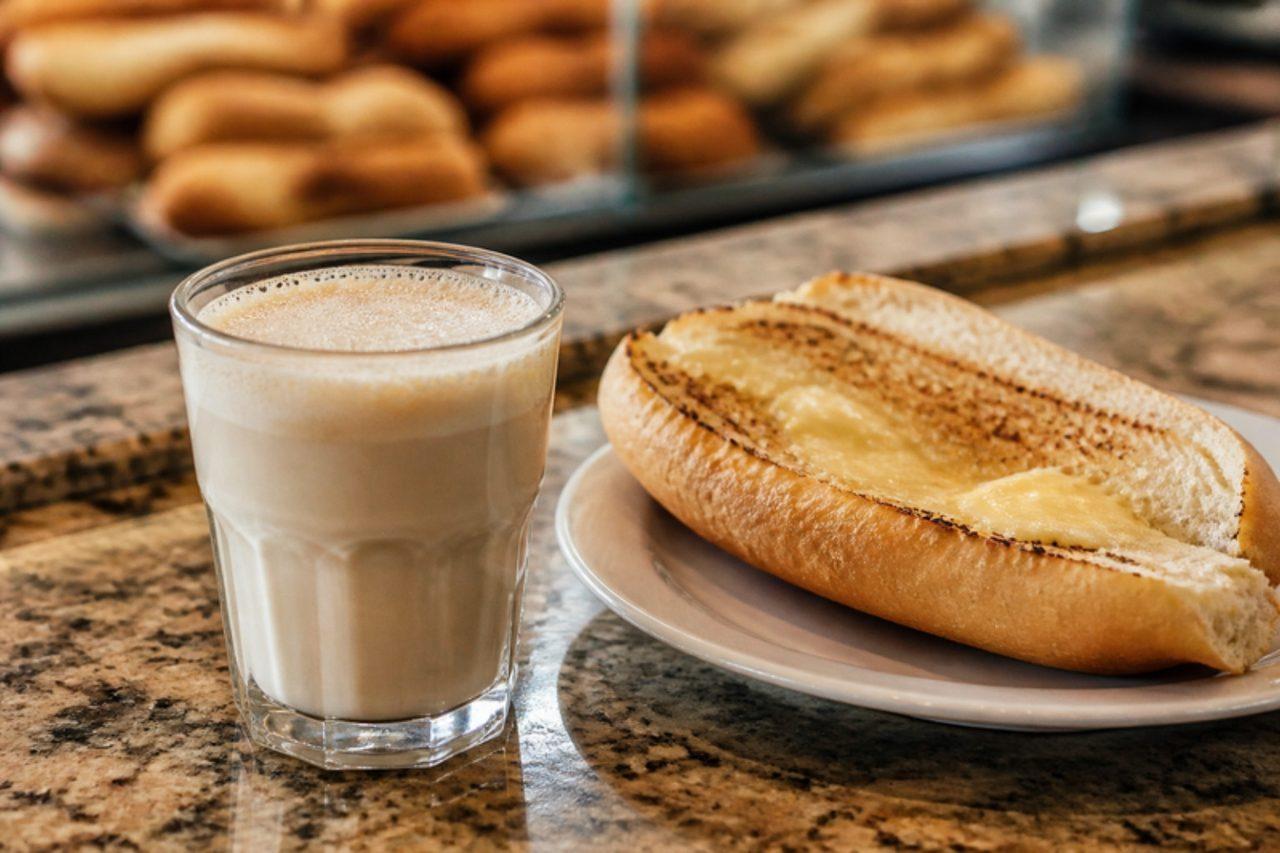
PingadoHot milk with coffee
Order 'um pingado' at the balcão of any São Paulo padaria at 7 in the morning and the attendant pours hot milk into a ridged glass tumbler (the copo americano) and 'drips' in a splash of strong coffee, hence the name. It is milkier and gentler than a média (half coffee, half milk), creamy and lightly sweet, usually drunk standing up with a pão na chapa, a toasted buttered roll. At home you need strong filter coffee and milk heated until steaming. Scalding the milk is the frequent mistake, as boiled milk tastes flat and forms a skin. Chef's tip: froth the hot milk for a few seconds with a whisk or by pouring it back and forth between two jugs before adding the coffee, as padaria machines do.
 Brazilian