Skip to content

Recipes with besan

5 recipes that use besan, with photos, step-by-step instructions and cook times. The quickest, Karela nu shaak, takes 35 minutes. It is most often cooked with red chilli powder, turmeric and ajwain.

Got a few things in the fridge? Search by everything you have

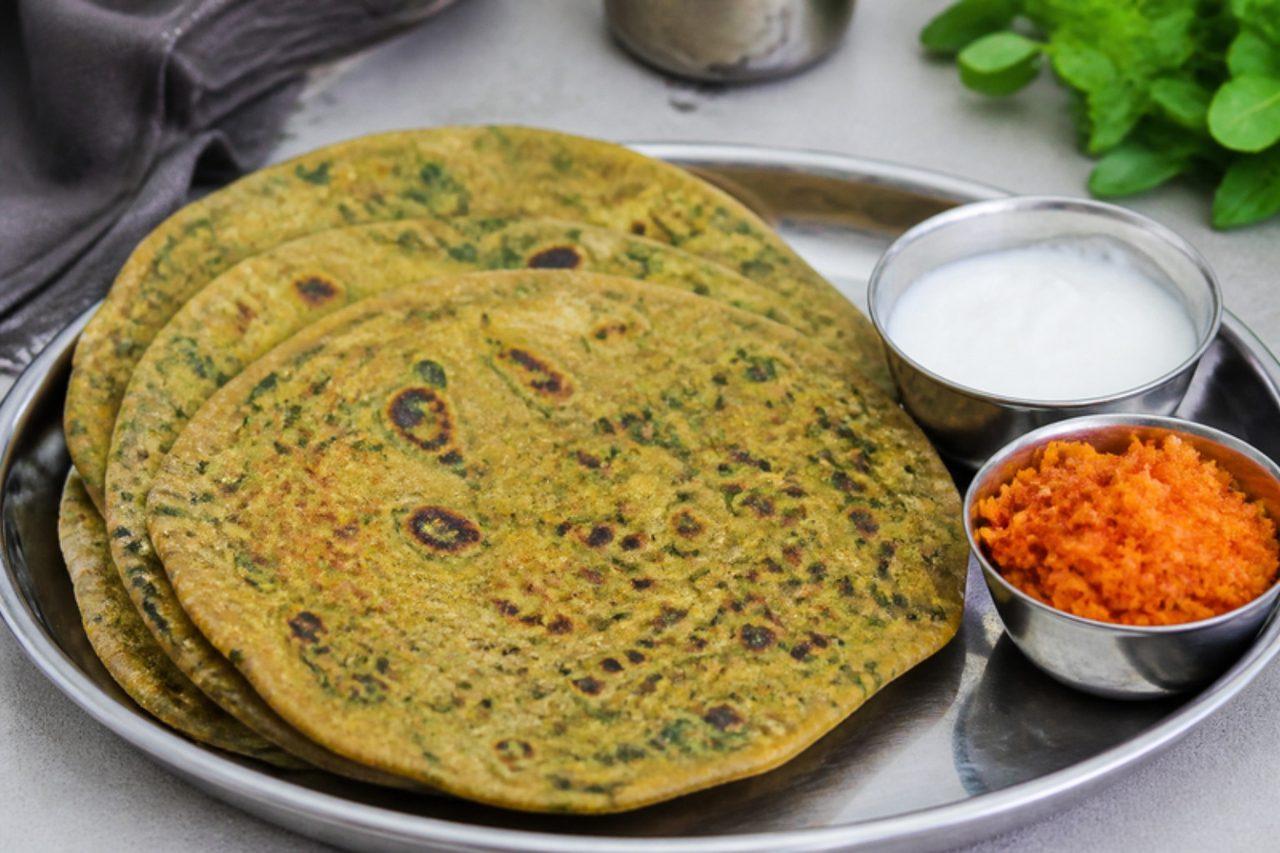
Methi theplaFenugreek flatbreads

Ask any Gujarati family heading for a train, a flight or a yatra what is in the steel dabba and the answer is methi thepla, with a jar of chhundo and some dry garlic chutney. Kneaded with dahi and a little oil rather than water, and spiced with turmeric, chilli, ajwain and sesame, they stay soft and fresh for three or four days without a fridge. Fresh methi gives a gentle bitterness balanced by a pinch of sugar, and the spoonful of besan adds a nutty depth. They are breakfast with masala chai, the school tiffin with dry aloo shaak, and the evening snack with pickle. A common mistake is pouring in water at the start; salt draws juice from the methi and dahi loosens the dough, so it turns sticky. Add water only by the spoonful at the end. Chef's tip: roll them really thin and cook on a medium tawa; thick theplas go leathery once cold.

by KrazyBadal 0 views

Karela nu shaakBitter gourd and jaggery curry

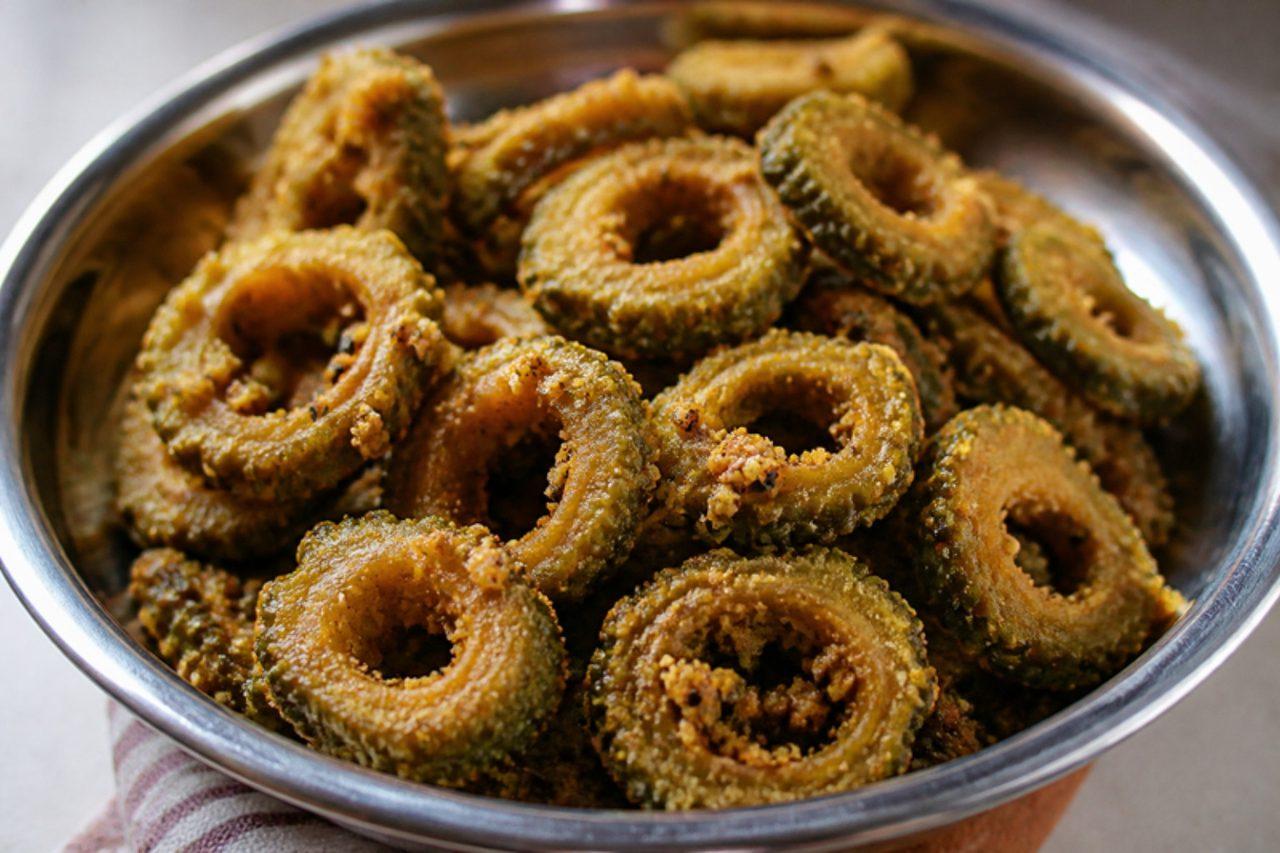
Most children in Gujarat grow up hating karela and end up asking for this version. Bitter gourd is sliced into thin rings, rubbed with salt and turmeric, squeezed, then cooked slowly in a vaghar of mustard seed and hing until soft and browned. A spoonful of besan toasted in the same pan clings to each ring, and jaggery melts into a glossy coating, so it tastes sweet, nutty, spicy and only pleasantly bitter. With no onion or garlic it suits Jain homes, and it's a monsoon favourite with dal-bhaat-rotli. A common mistake is salting the shaak again as if from scratch; the squeezed karela still holds salt, so taste first. Chef's tip: add the besan only once the karela is dry and browned, and stir constantly for a minute; in a wet pan it forms lumps.

by KrazyBadal 0 views

Rabodi ki sabziDried maize wafers in yogurt curry

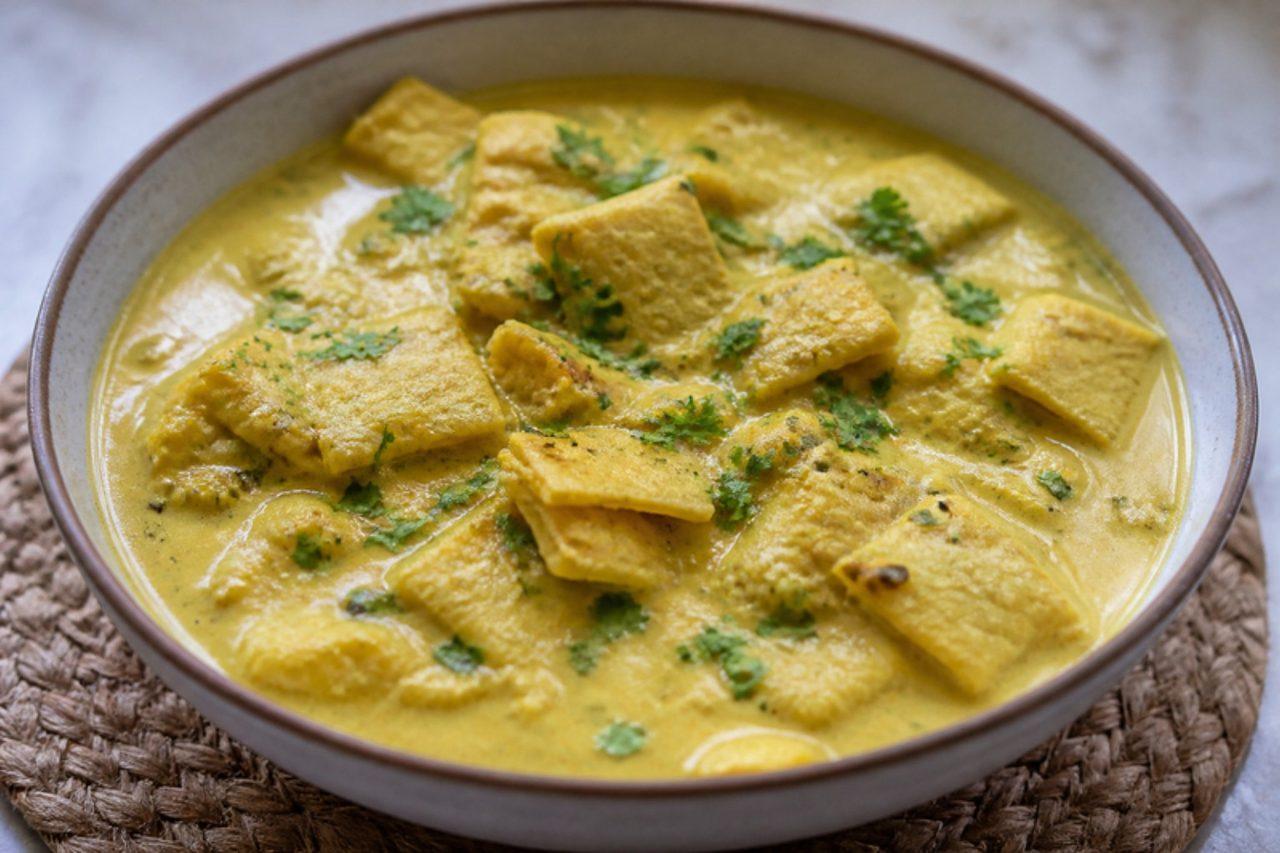
In the Thar desert towns of Barmer, Jodhpur and Bikaner, green vegetables were scarce for much of the year, so women boiled maize flour with sour buttermilk in summer, spread it in thin rounds on cloth and dried it in the sun. Those rabodi keep for months and become this curry: fried until puffed, then simmered in a spiced yogurt gravy until soft and chewy. It is tangy, savoury and comforting, eaten with bajra roti or rice, and because it has no onion, garlic or fresh ginger, it suits a Jain or Marwari festive thali. A common mistake is letting the dahi gravy boil before it has been stirred to a boil with besan; it curdles. Whisk besan into the dahi and stir constantly until it comes to a boil. Chef's tip: fry the rabodi only until they puff and turn a shade darker; burnt rabodi taste bitter and stay hard in the gravy.

by KrazyBadal 0 views

Kakori kebabMinced mutton skewers

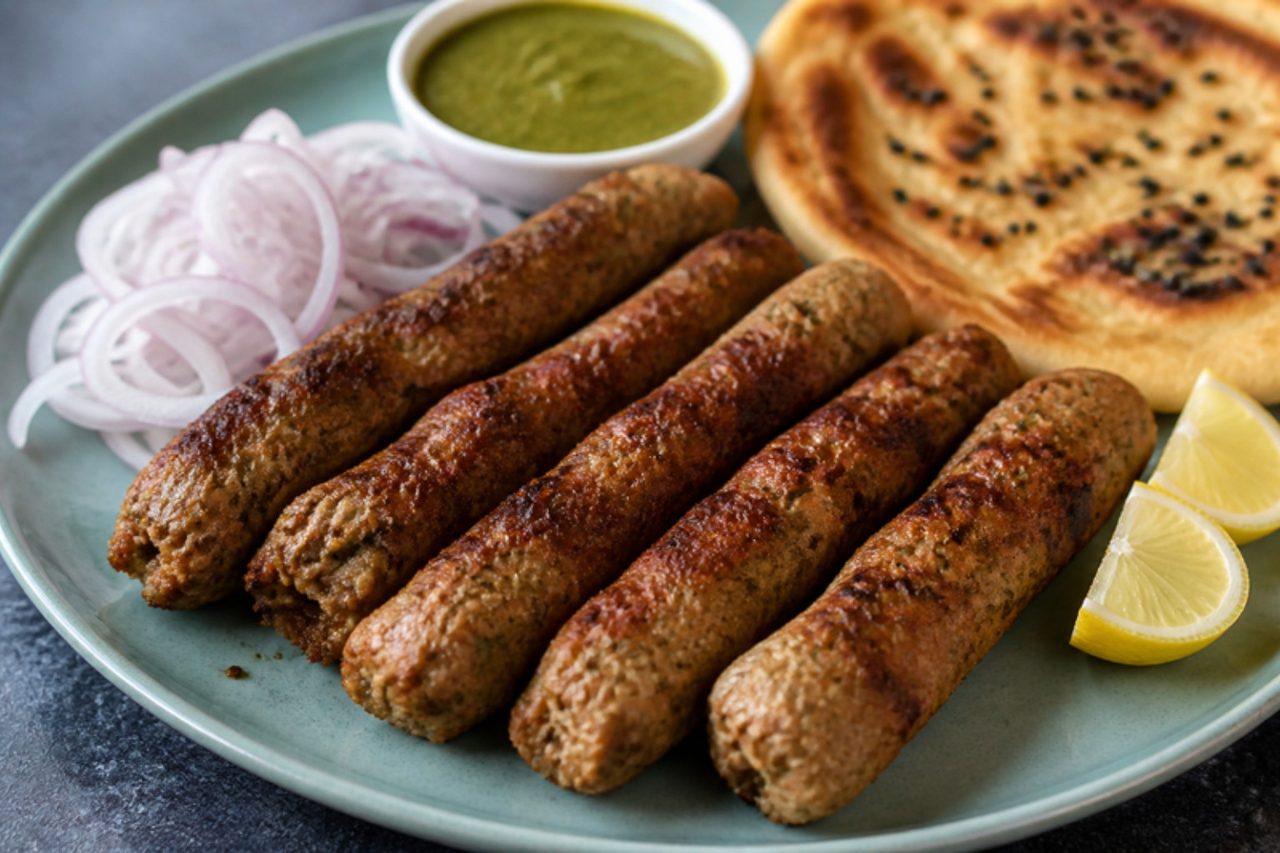
The village of Kakori, just outside Lucknow, gave its name to the softest kebab of Awadh, said to have been created for a nawab who could no longer chew. Mutton (goat) mince, ground twice until it is almost a paste, is bound with roasted gram flour, khoya and fried onion, tenderised with raw papaya and perfumed with mace, green cardamom, rose petals and a few drops of kewra. It is wrapped around long skewers and cooked over charcoal until the outside is lightly charred and the inside so delicate that it falls apart on the tongue. Lamb mince with some fat is the best swap. Kakori kebabs are an Eid and wedding favourite, served wrapped in thin rumali roti or ulte tawe ka paratha with mint chutney and onion rings. Because it is minced meat, cook it to 71 °C in the centre. Chef's tip: ask the butcher for mince from the shoulder with about 20 per cent fat and have it ground twice; lean mince makes dry kebabs that won't cling to the skewer.

60 minIndianMeatGluten free
by KrazyBadal 0 views

ArikanchanTaro leaf rolls in mustard gravy

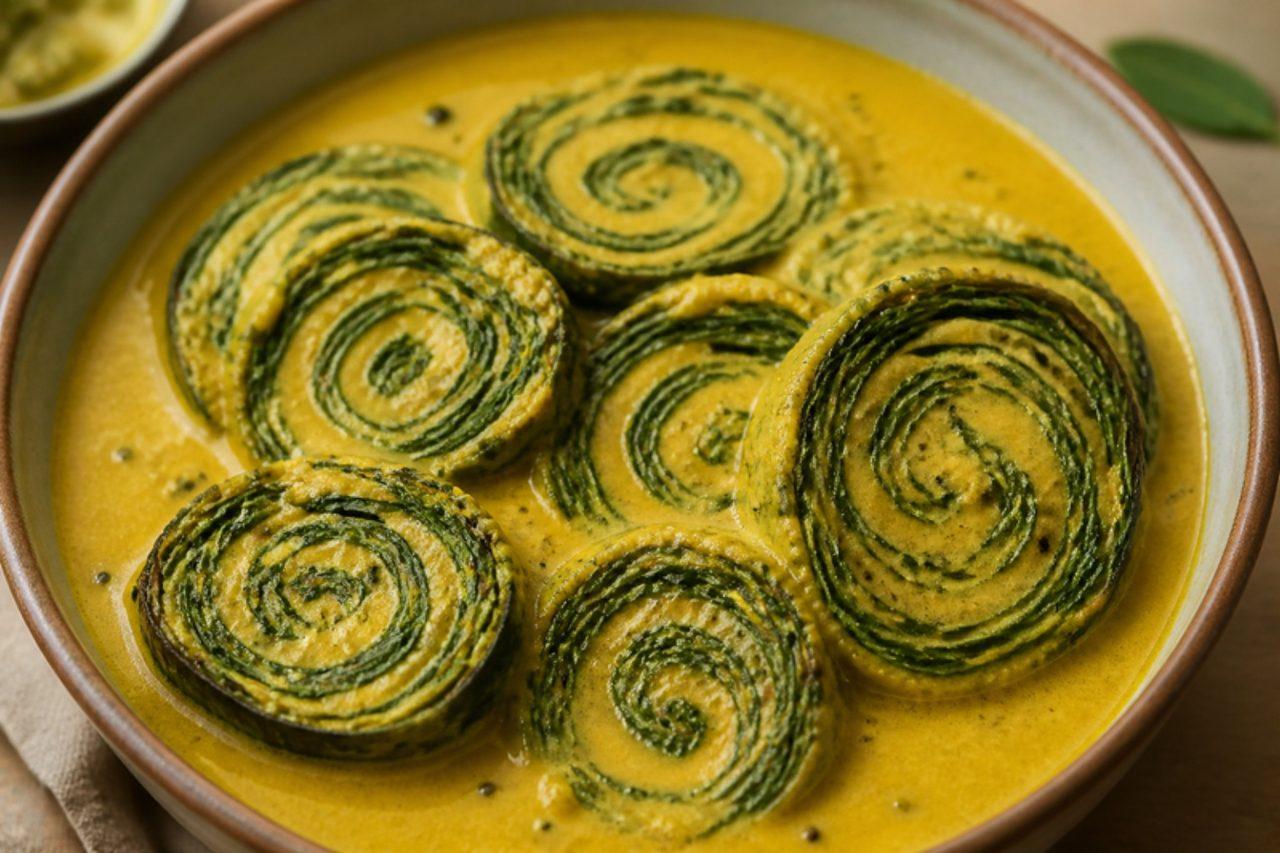
Arikanchan is a monsoon speciality of Maithil kitchens in Janakpur and the eastern Terai, cooked when the taro plants in the courtyard put out huge, tender leaves. A spiced chickpea-flour paste is spread over the leaves, which are rolled up tight like a Swiss roll and steamed, then the rolls are sliced into spirals, fried and simmered in a punchy gravy of ground mustard seed, garlic, chilli and tomato cooked in mustard oil. The result is soft and layered, with a gentle sourness and the nose-tingling heat of fresh mustard, eaten with rice and a dal. The biggest risk is undercooking the taro leaves, which can leave an itchy, scratchy feeling in the throat. Chef's tip: use only young leaves, strip the thick ribs, and always include the tamarind in the paste, because the sourness neutralises the irritant in the leaves.

by KrazyBadal 0 views

Goes well with besan