Skip to content

Recipes with chinese black vinegar

9 recipes that use chinese black vinegar, with photos, step-by-step instructions and cook times. The quickest, Kung pao chicken, takes 25 minutes. It is most often cooked with ginger, light soy sauce and spring onion.

Run out of chinese black vinegar? Lemon juice, same amount.

Got a few things in the fridge? Search by everything you have

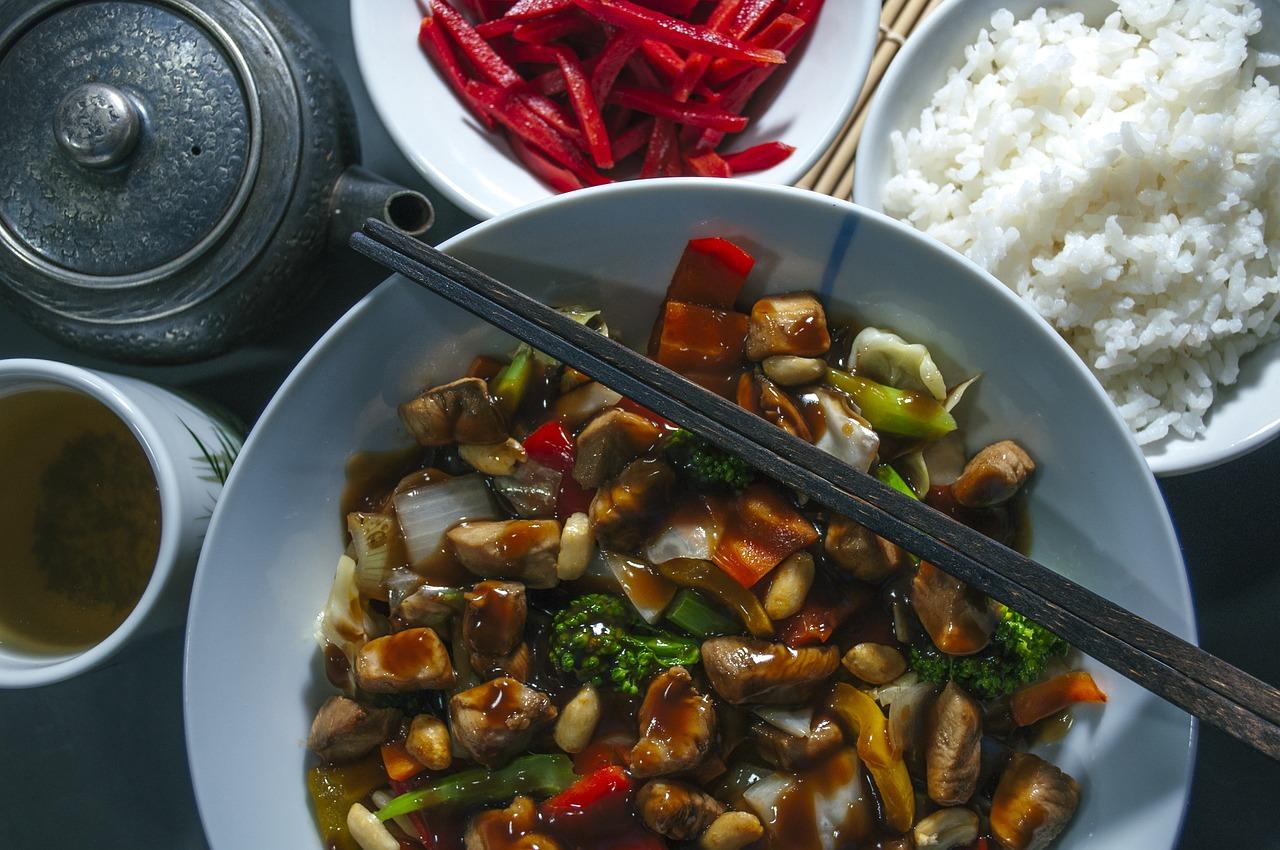
Kung pao chicken

Named after a 19th-century governor of Sichuan, gong bao chicken is weeknight food in Chengdu: small cubes of tender thigh meat tossed in a wok with scorched chillies, tingling Sichuan pepper and crunchy peanuts. Its signature is the glossy sauce Sichuan cooks call 'lychee flavour', sweet and sour in equal measure, clinging lightly rather than pooling on the plate. The chilli here perfumes the oil more than it burns, so it is the gentlest of the classic Sichuan stir-fries. Serve it with plain steamed rice and a green vegetable such as stir-fried pak choi. Chef's tip: mix the sauce in a bowl before you light the hob, because the whole stir-fry is over in about four minutes and there is no time to measure once the wok is hot.

25 minChickenSpicy
by KrazyBadal 0 views

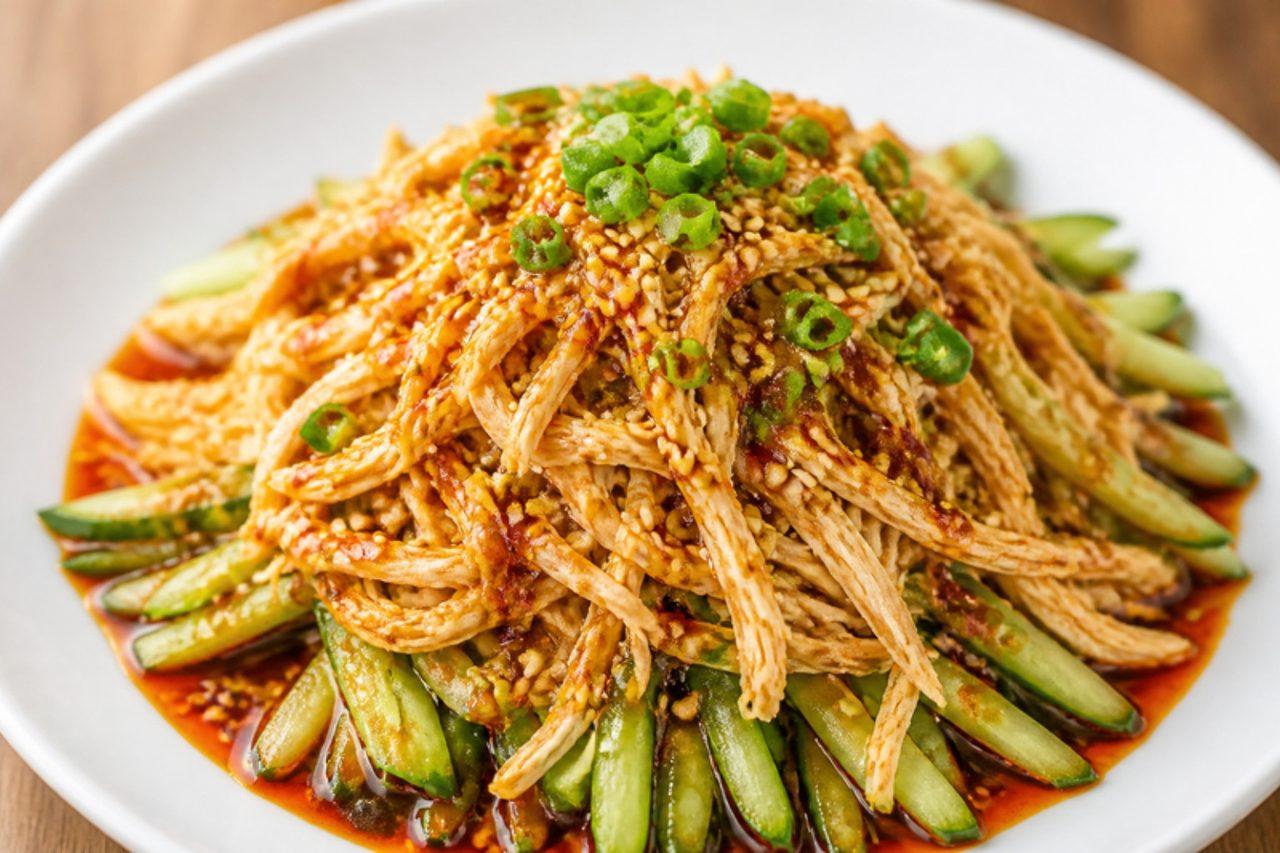
Bang bang chicken

Street vendors in Leshan, the river town below the Giant Buddha, used to cut their poached chicken by tapping a wooden stick against the back of the cleaver, and that knocking gave bang bang ji its name. It is a cold dish, eaten as a starter at banquets or bought by the bagful for a picnic: silky shreds of chicken piled on cool cucumber and drenched in a nutty, sweet, tingling sauce of sesame paste, chilli oil and ground Sichuan pepper. The contrast of cold meat, crisp vegetable and rich dressing makes it ideal for a hot day. Serve it with other cold plates, a bowl of rice or simply some flatbread. Chef's tip: beat the cooked breasts gently with a rolling pin before shredding; the fibres loosen and pull apart into long, soft strands that hold the sauce.

40 minChickenSpicy
by KrazyBadal 0 views

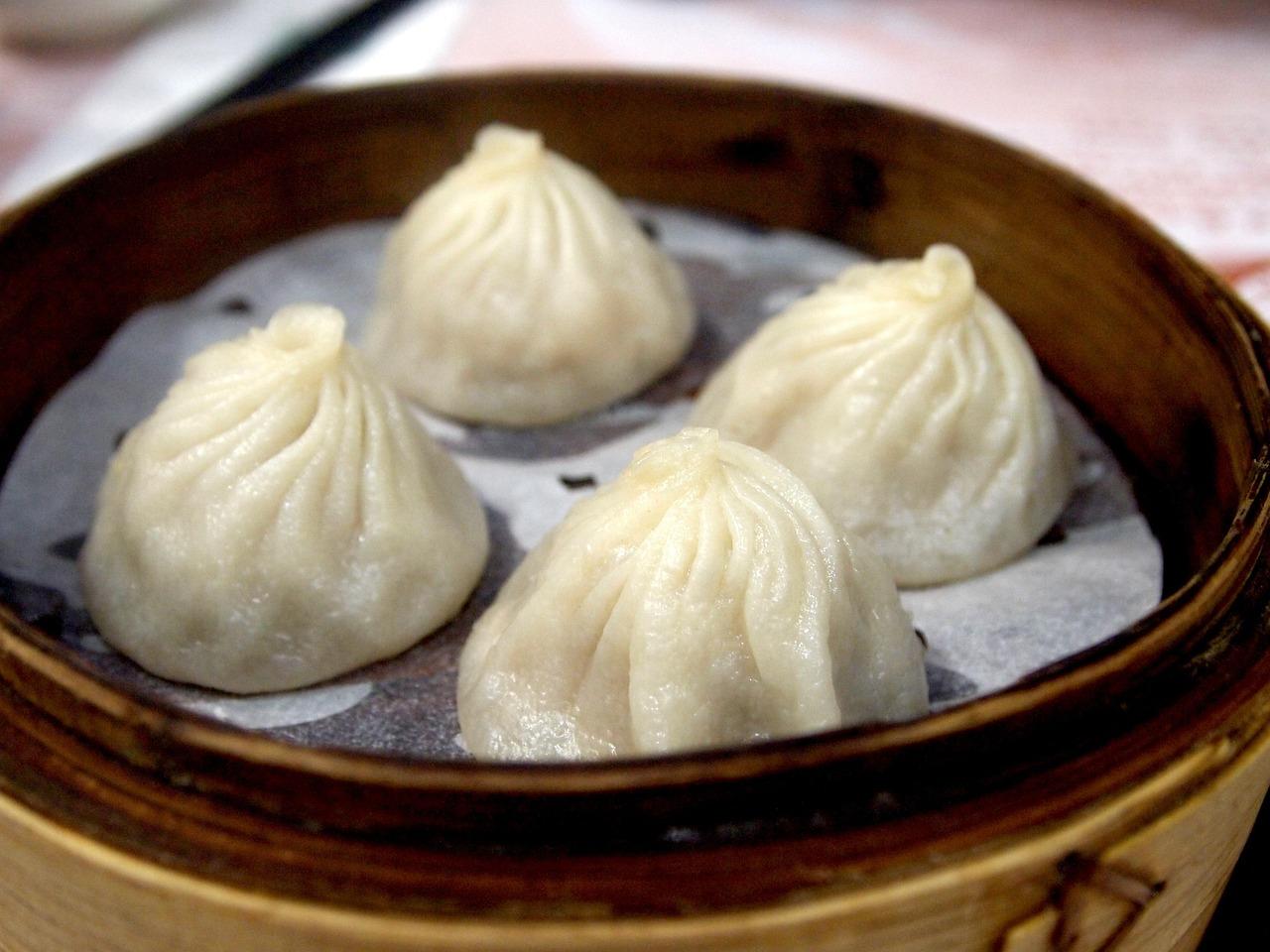
Xiaolongbao

Bite carefully: inside each pleated parcel is a pork meatball floating in hot broth, which comes from a pork-skin jelly that melts as the dumplings steam. Shanghai's teahouses and the old town around Nanxiang have served them in bamboo baskets for well over a century, usually for breakfast or a late lunch with a saucer of black vinegar and threads of ginger. The wrapper should be thin enough to see the soup move but strong enough to lift with chopsticks. Make the jelly the day before (or use the gelatine shortcut in the ingredient note), then the folding takes about an hour with a little practice. Chef's tip: keep the filling in the fridge until the moment you wrap; cold jelly stays solid and the dumplings are far easier to pleat.

by KrazyBadal 0 views

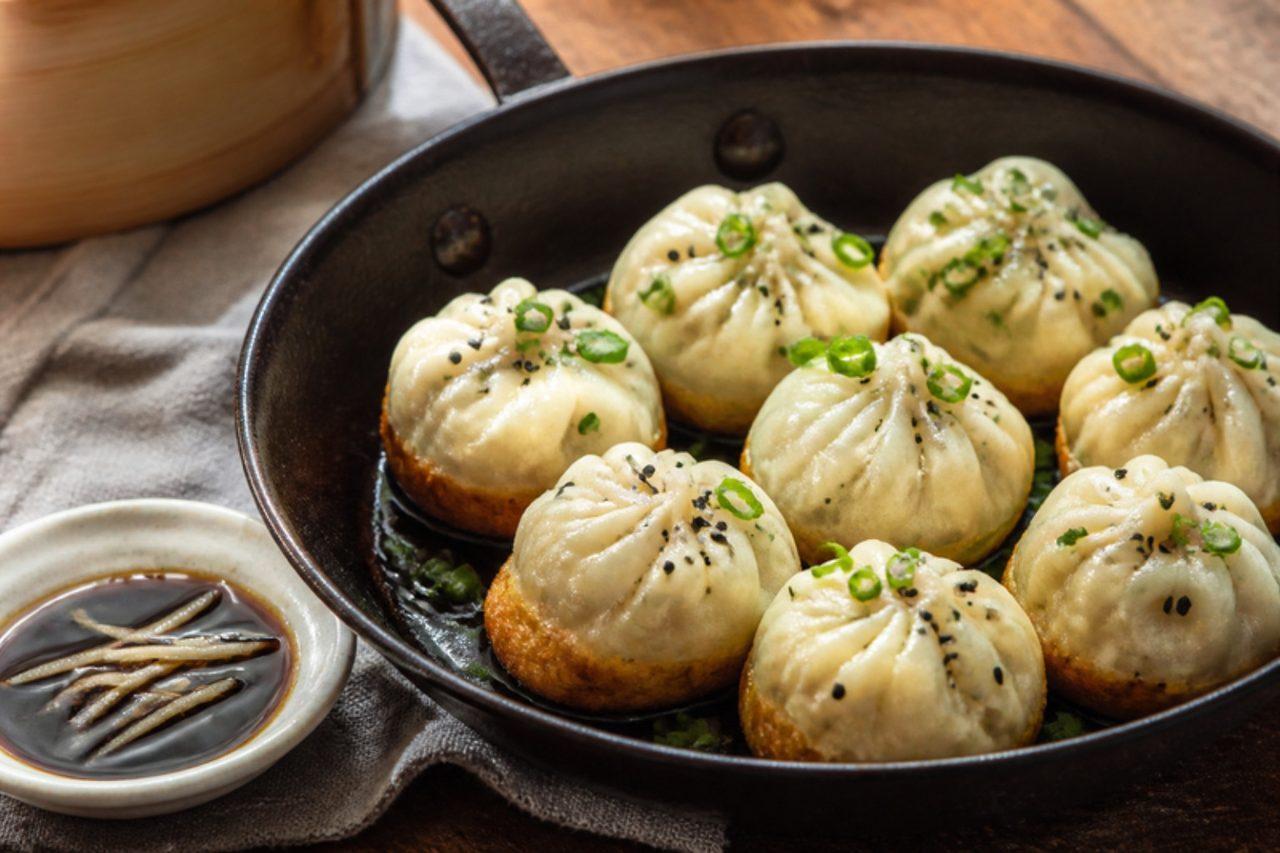
Shengjian bao

Shanghai wakes up to the sound of shengjian bao sizzling in huge flat pans, the cooks spinning the pans over the flame and splashing in water so the buns fry and steam at the same time. What you get is a soft, slightly fluffy top scattered with sesame and spring onion, a crackling brown base and a juicy pork filling that squirts if you bite too fast. They are breakfast food, bought by the four and eaten from paper trays with black vinegar. A heavy non-stick or cast-iron frying pan with a tight lid works perfectly at home. Chef's tip: let the shaped buns rise for 15 minutes before frying, no longer; over-risen dough flattens and loses its neat shape in the pan.

by KrazyBadal 0 views

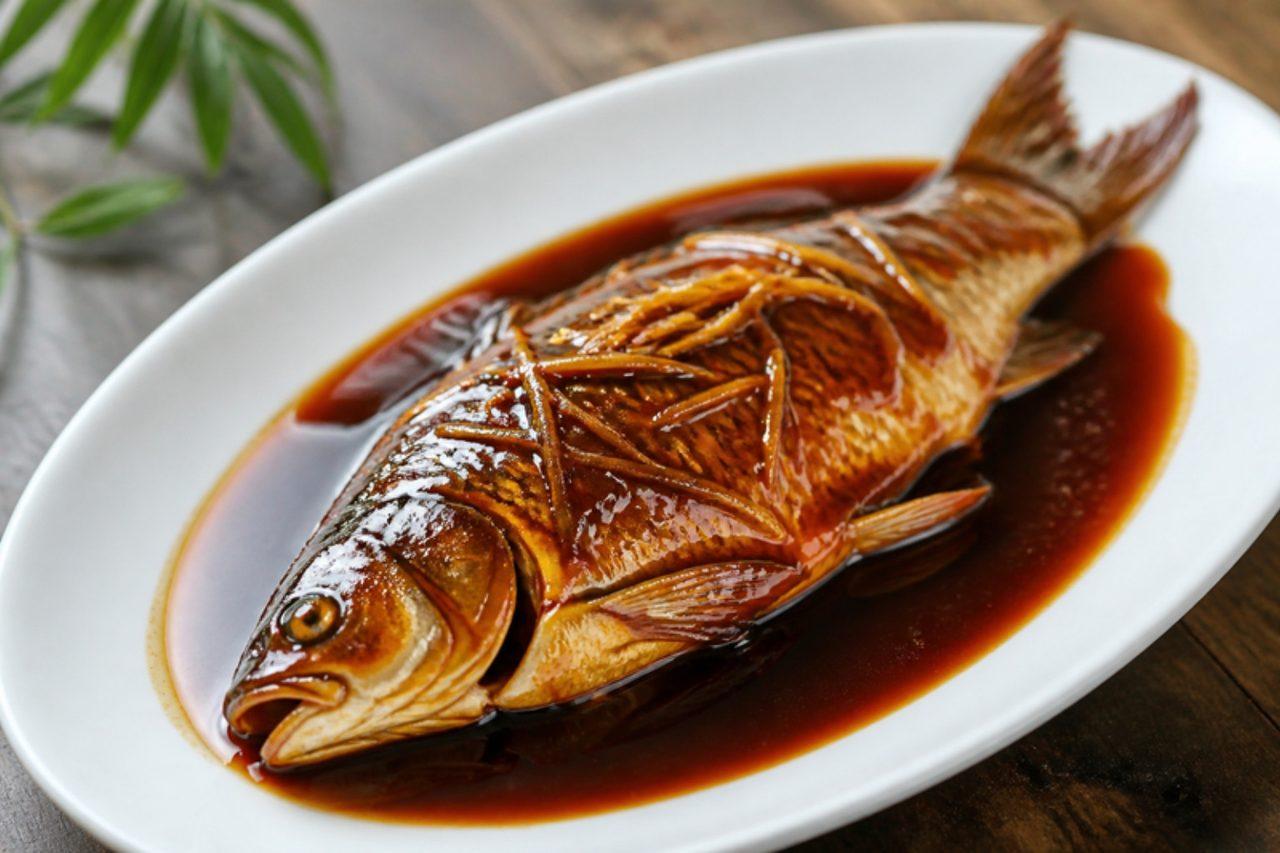
West Lake vinegar fish

Hangzhou restaurants by West Lake have served this for generations, traditionally with grass carp kept in clean water for a day or two before cooking. The fish is not fried at all: it is butterflied, poached for a few minutes, and coated with a shiny, dark sauce of black vinegar and sugar that tastes sharp first and sweet after. The flesh should be tender enough to fall from the bone at a touch. Carp, sea bass or a thick white fish fillet all work at home. Eat it with rice and a simple stir-fried green vegetable. Chef's tip: thicken the sauce at the last moment and pour it straight over; left to sit, it turns gluey.

40 minFish
by KrazyBadal 0 views

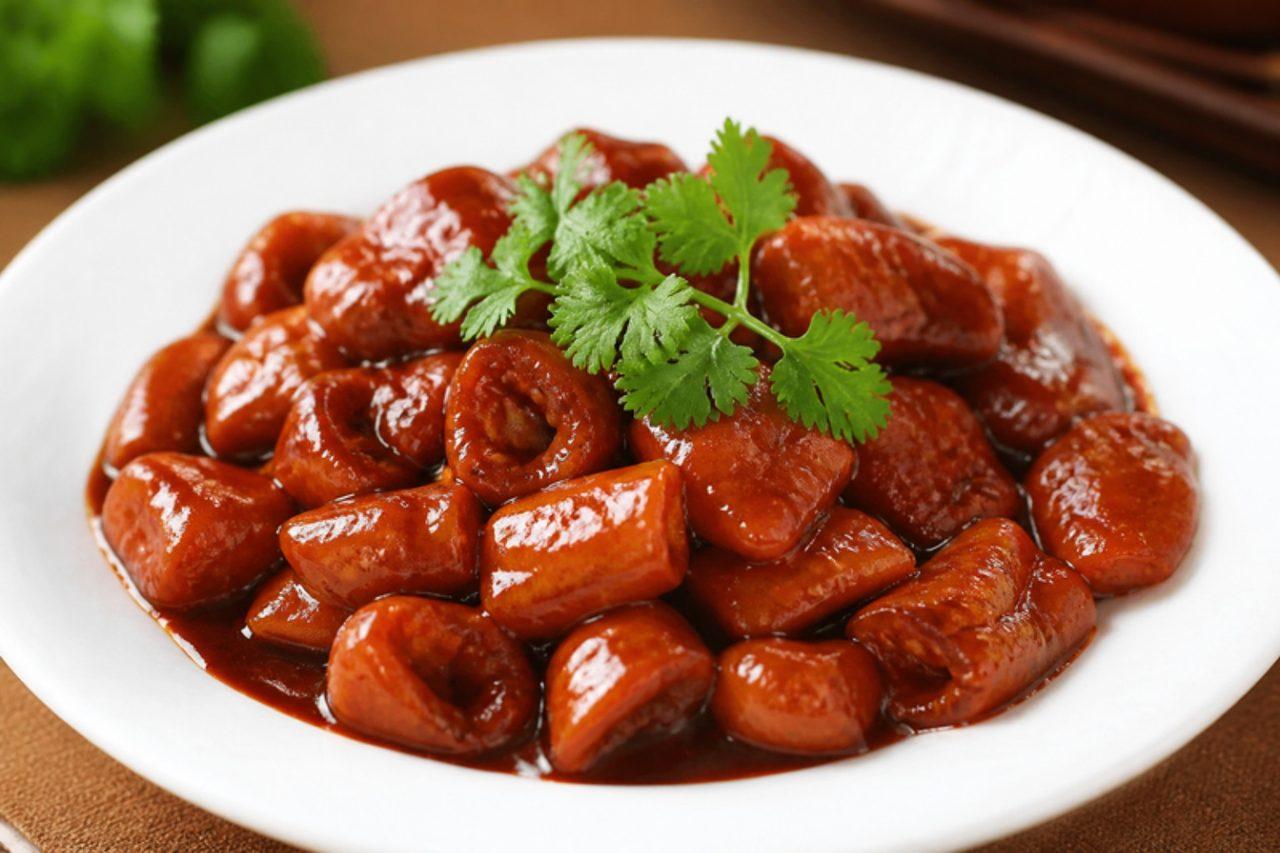
Braised intestines in brown sauce

Jinan restaurants have served this Shandong classic for more than a century, and its name, 'nine turns', borrows from Taoist alchemy to praise how many times the flavour seems to change on the tongue. Sections of pork intestine are cleaned thoroughly, simmered until tender, fried golden and then braised in a dark glaze that is sweet, sour, salty, peppery and gently spiced all at once, finished with a dusting of cinnamon and white pepper. The texture is soft and rich with a slight chew. It is banquet food in Shandong, eaten with plain rice or steamed buns and a green vegetable. Chef's tip: buy intestines already cleaned by a butcher if you can; you will still give them a wash, but the hard part is done.

120 minMeat
by KrazyBadal 0 views

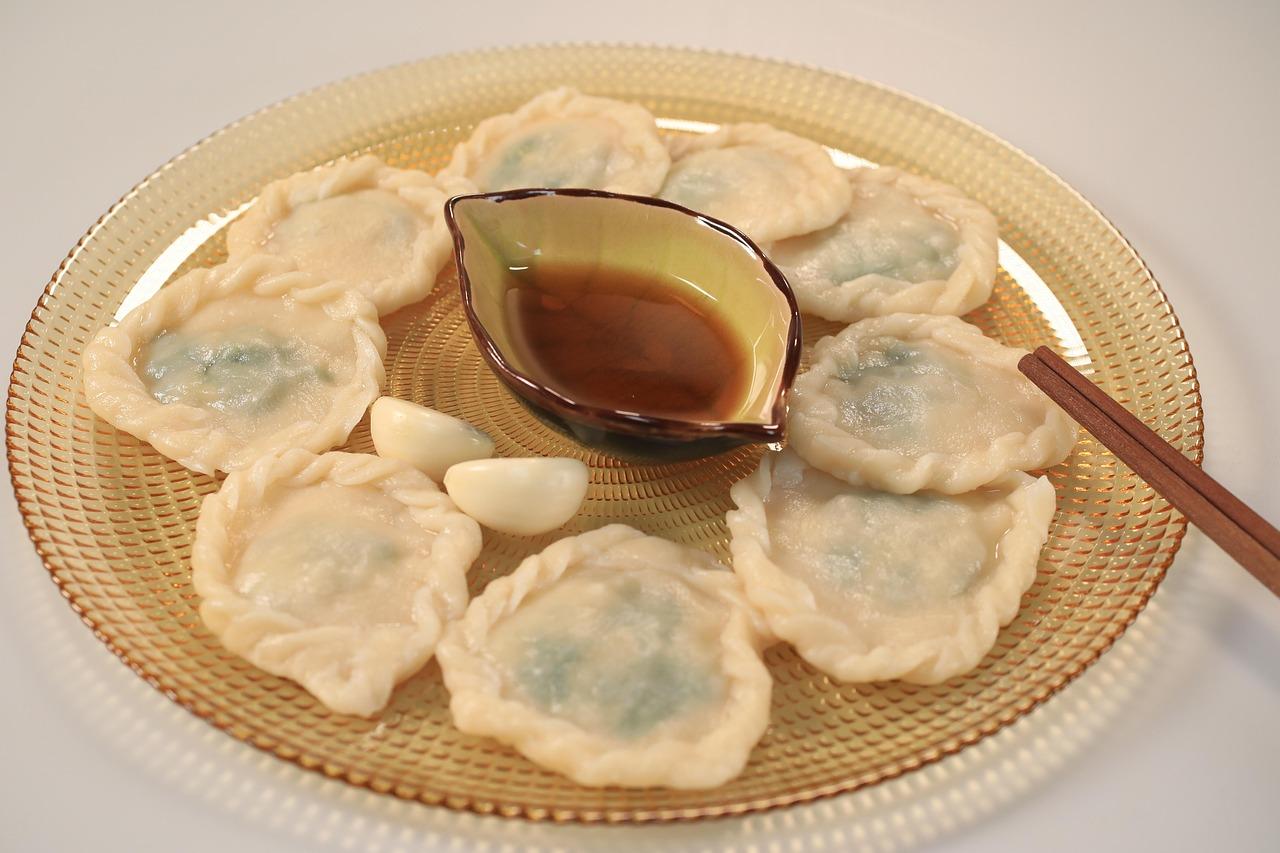
Qingdao mackerel dumplings

Every spring, when Spanish mackerel run off the Shandong coast, Qingdao families fill the kitchen table with flour and fish for these large boiled dumplings; restaurants by the harbour serve them by the plate all year. The filling is whipped with peppercorn-infused water until it turns light and almost mousse-like, with chives for freshness and a little fatty pork for richness. Bitten open, they are juicy, briny and sweet rather than fishy. Eat them straight from the pot with black vinegar and crushed garlic, with a pot of jasmine tea. Chef's tip: if you can't find Spanish mackerel, ordinary mackerel or a mix of mackerel and cod works well.

by KrazyBadal 0 views

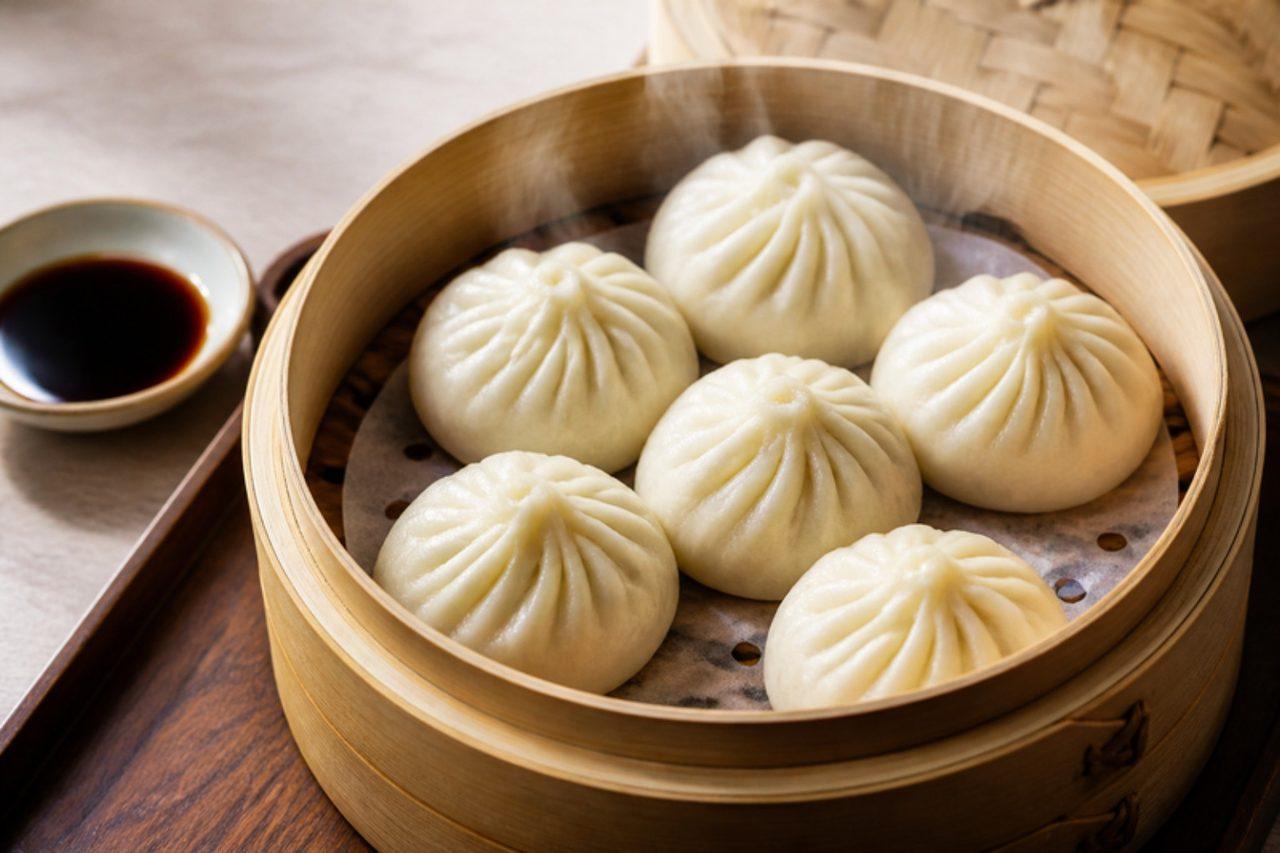
Tianjin pork baozi

Tianjin people queue on winter mornings for these small steamed buns, famous since the 1850s for their many fine pleats and for the burst of savoury juice inside. The filling is minced pork beaten with ginger and spring onion water until it holds a surprising amount of liquid, so the first bite is soupy and the soft, slightly springy wrapper soaks up the rest. Bakers aim for 18 pleats arranged like a chrysanthemum. Eat them hot for breakfast with a dish of vinegar, crushed garlic and a bowl of millet porridge or soy milk. Chef's tip: use pork with about 30 per cent fat; lean mince gives dry, crumbly filling however much water you add.

by KrazyBadal 0 views

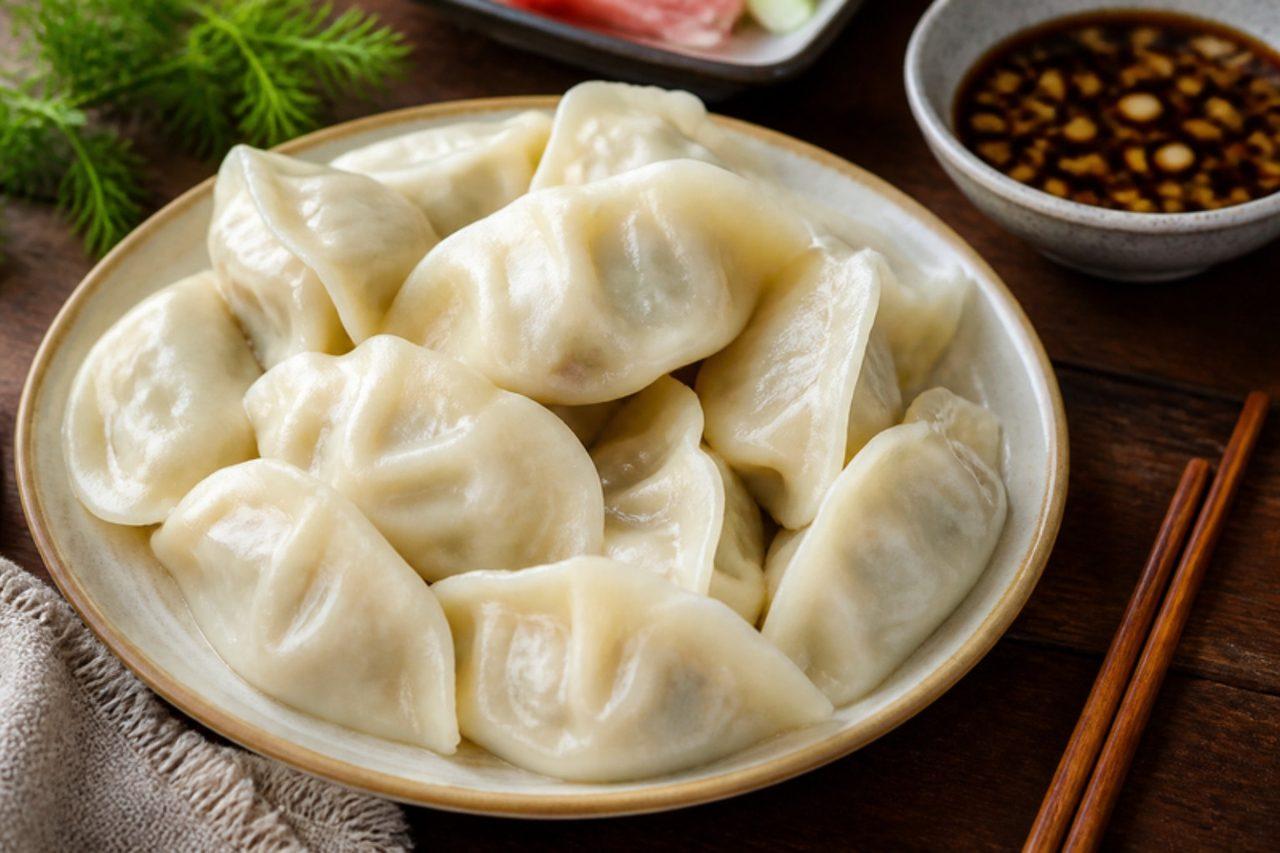
Pork and pickled cabbage dumplings

These are the dumplings north-eastern families make together on New Year's Eve and on any snowy Sunday, with the whole household rolling, filling and boiling around the kitchen table. Tangy fermented cabbage, chopped fine and squeezed dry, is mixed with fatty pork and sizzling Sichuan-pepper oil, so the filling is juicy, sour and warmly numbing at the same time. The wrappers are slightly thick and chewy, the way Dongbei cooks like them. Pile them on a plate and serve with black vinegar, garlic and a spoon of chilli oil; a bowl of the cooking water to drink afterwards is a northern habit. Chef's tip: pour the hot pepper oil straight onto the spring onions in the filling; the sizzle releases their fragrance into every dumpling.

by KrazyBadal 0 views

Goes well with chinese black vinegar