Skip to content

Recipes with cooked white hominy

8 recipes that use cooked white hominy, with photos, step-by-step instructions and cook times. The quickest, Champús, takes 80 minutes. It is most often cooked with garlic, lime and cumin.

Got a few things in the fridge? Search by everything you have

Frito pastuso

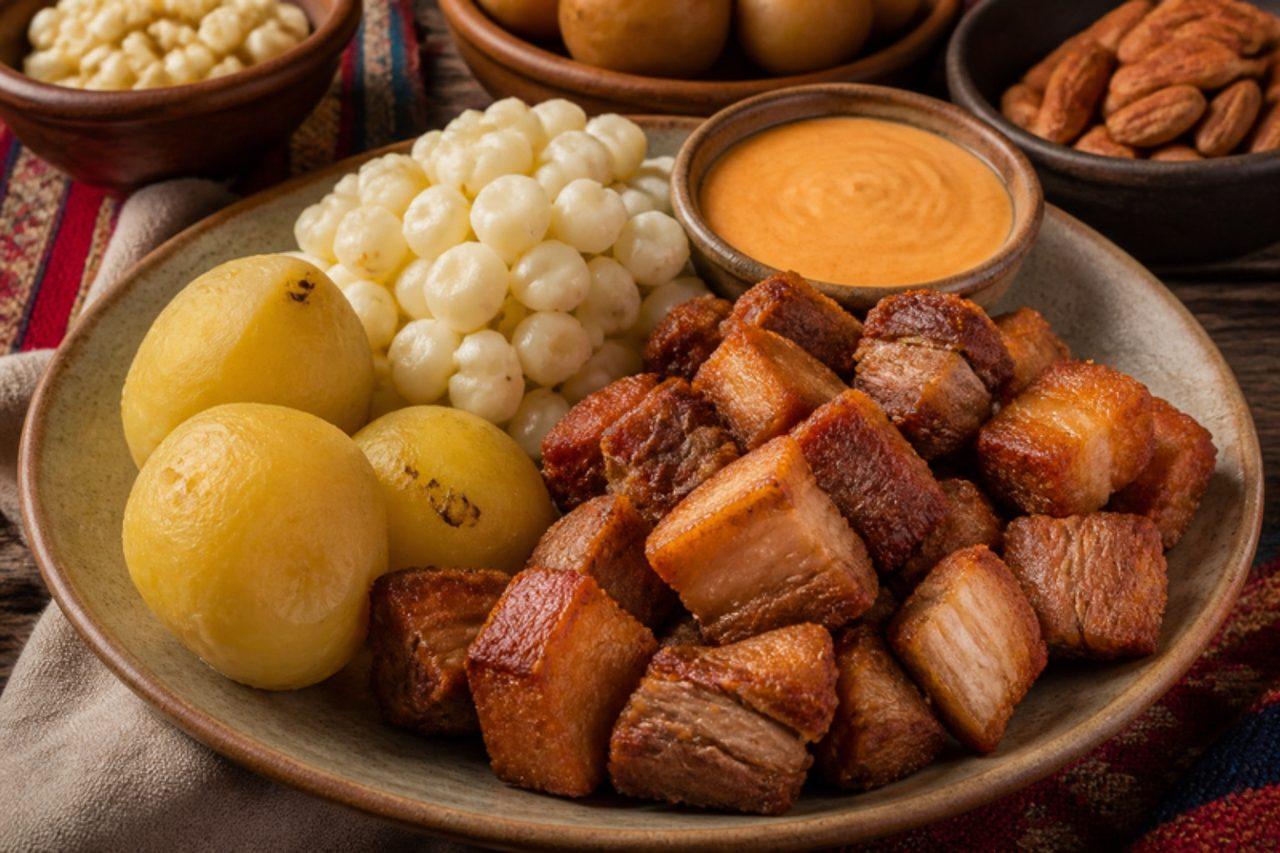
In Pasto and the high Nariño towns close to Ecuador, frito pastuso is a weekend plate found at market counters and family lunches: chunks of pork leg simmered with garlic and cumin until the water evaporates, then fried in their own fat until browned and crisp at the edges, served with small boiled yellow potatoes, mote (white hominy), toasted corn and a smooth ají de maní, the region's peanut and chilli sauce. The pork is salty and crusty, the potatoes soft, and the peanut sauce brings a gentle heat. Contains peanuts. The mistake people make is cutting the pork too small, so it dries out before it browns; keep the chunks generous, about 4 cm. Chef's tip: marinate the pork overnight in the fridge; the garlic and cumin get right into the meat and the fried edges caramelise better.

by KrazyBadal 0 views

Pozole blanco

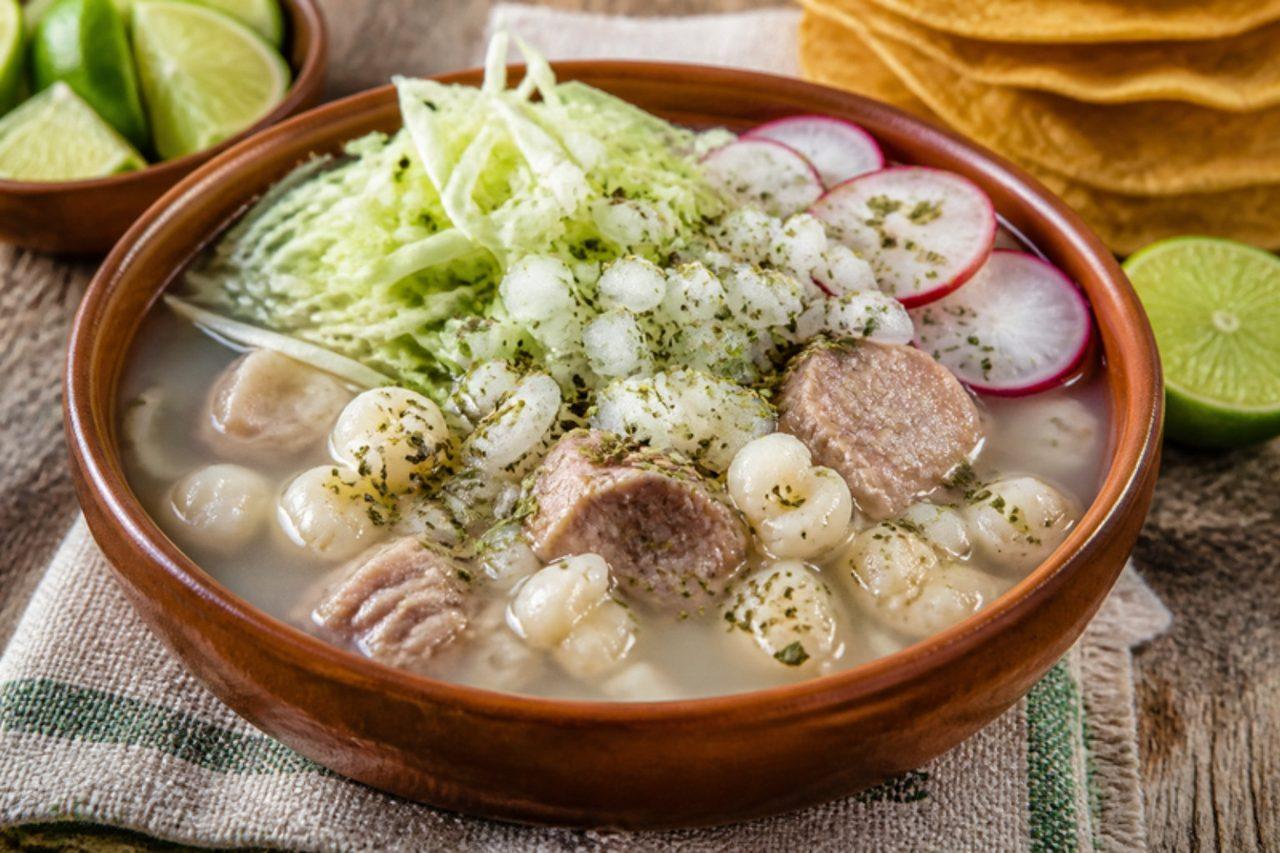
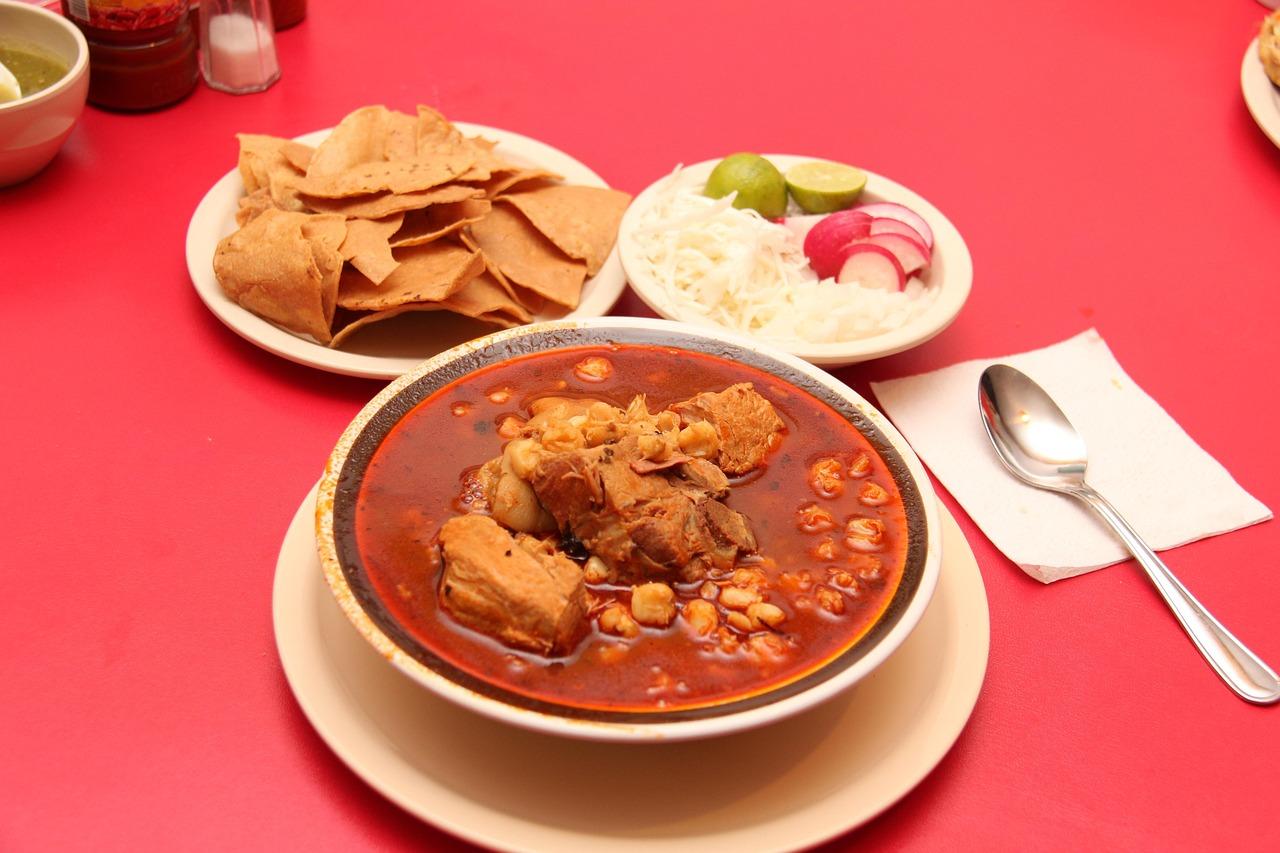
Before any chilli goes in, this is what pozole tastes like: the white version eaten across Jalisco and in Guadalajara's pozolerías, especially on Independence night and at family gatherings. It is a pork dish, made with pork shoulder and a pig's trotter that gives the clear broth a silky body, simmered with big, chewy kernels of hominy until everything is tender. All the colour and fire are added at the table, where each person piles on shredded cabbage, radish, onion, crumbled oregano, ground dried chilli and a good squeeze of lime. Tostadas spread with crema are the usual side. Chef's tip: cook the meat a day ahead and chill the broth; the fat sets on top and lifts off in one sheet, leaving the broth beautifully clean.

205 minMexicanSoupsGluten free
by KrazyBadal 0 views

Pozole verde de Guerrero

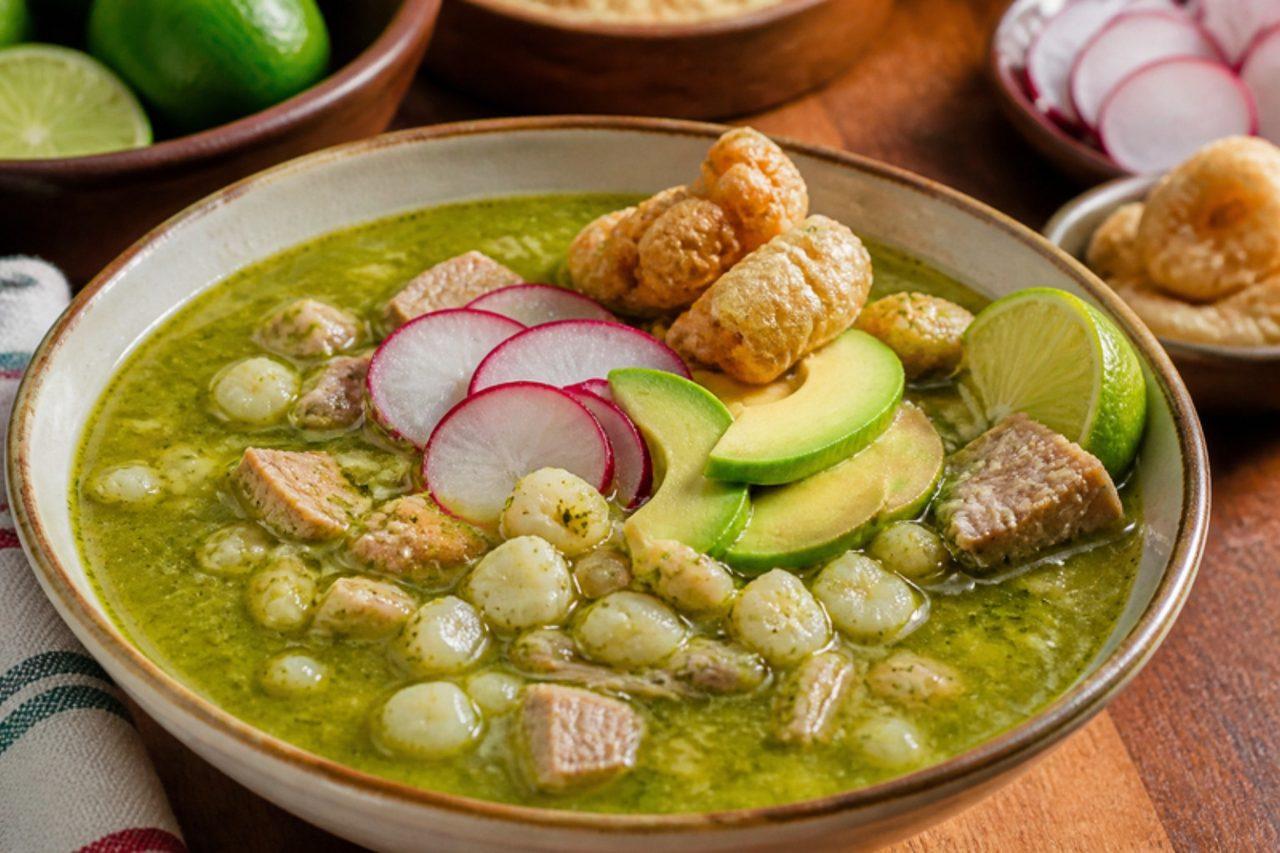
In Chilpancingo and Chilapa, Thursday is jueves pozolero, and families and office crowds fill the pozolerías for this green version. Unlike our vegetarian pozole verde, this is a pork dish with chicken too: pork shoulder and chicken thighs simmer with hominy, then the broth is thickened with a sauce of toasted pumpkin seeds, tomatillos, chilli and epazote, so it turns creamy, nutty and bright green. Bowls go to the table with avocado, crisp pork chicharrón, onion, oregano, lime and tostadas. Epazote can be hard to find: use fresh oregano plus a few coriander stalks instead. Chef's tip: toast the pumpkin seeds only until they puff and start to pop; darker seeds make the broth brown and bitter.

185 minMexicanSoupsGluten free
by KrazyBadal 0 views

Gallina pinta

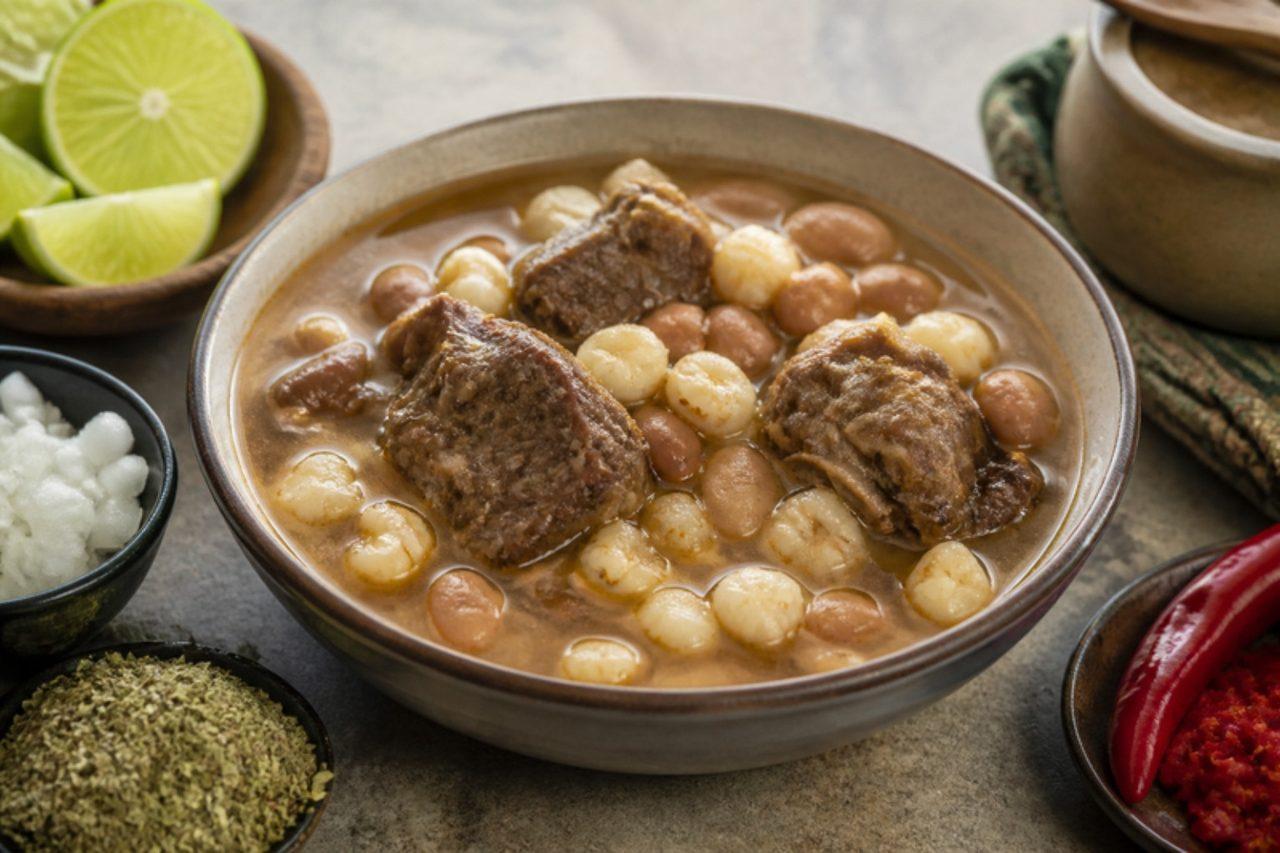
Despite the name, there is no hen in gallina pinta: the 'speckled hen' of Sonora is a hearty soup of beef, pinto beans and hominy, the speckles being the beans among the white corn. It is cold-weather food across the state, ladled out at family gatherings and in Hermosillo diners, and every cook uses bony cuts such as oxtail or beef shank so the broth turns rich and silky. The beans need soaking overnight, so start the day before. Serve it in deep bowls with chopped onion, oregano, lime and a dried red chilli crumbled over, plus warm flour tortillas. Chef's tip: add the hominy only in the last half hour, so the kernels stay plump and chewy rather than splitting.

230 minMexicanSoupsGluten free
by KrazyBadal 0 views

Purtumute

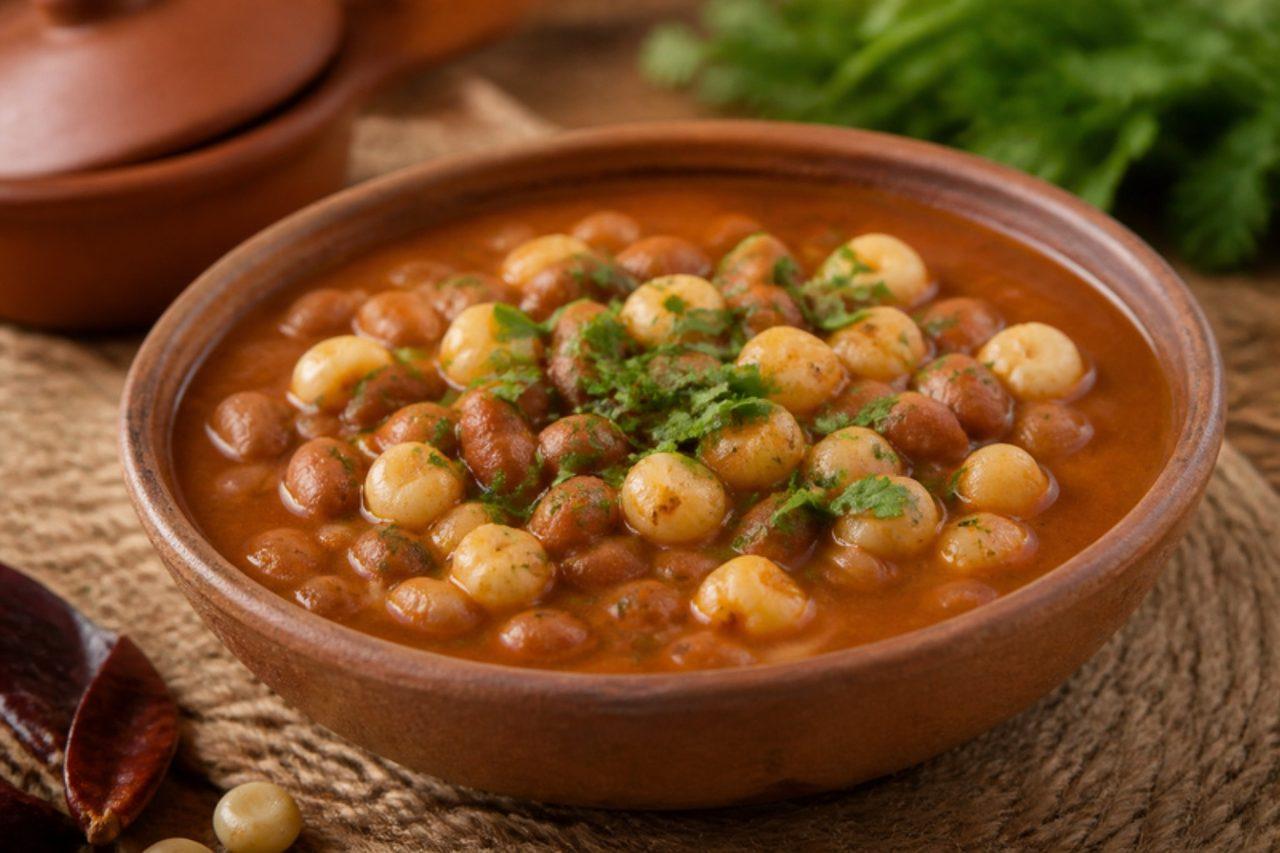
High-jungle towns like Chachapoyas and Moyobamba, in the cloud-forest regions of Amazonas and San Martín, serve purtumute at festivals and family gatherings: a thick pot of beans and big white mote corn kernels simmered with onion, garlic, chilli and plenty of chopped culantro. Some versions add cheese or pork crackling; this one keeps it vegan, letting the creamy beans and chewy corn carry the dish. It is filling and earthy with a fresh green finish, and it is served in bowls with ají on the side and a plantain or a little rice. The dried beans need an overnight soak, which isn't included in the times. The usual mistake is adding salt and the sofrito too early, which can stop the beans from softening; season once they are tender. Canned or jarred white hominy works for the mote. Chef's tip: mash a ladle of the beans against the side of the pot near the end; it thickens the stew without any flour.

by KrazyBadal 0 views

Champús

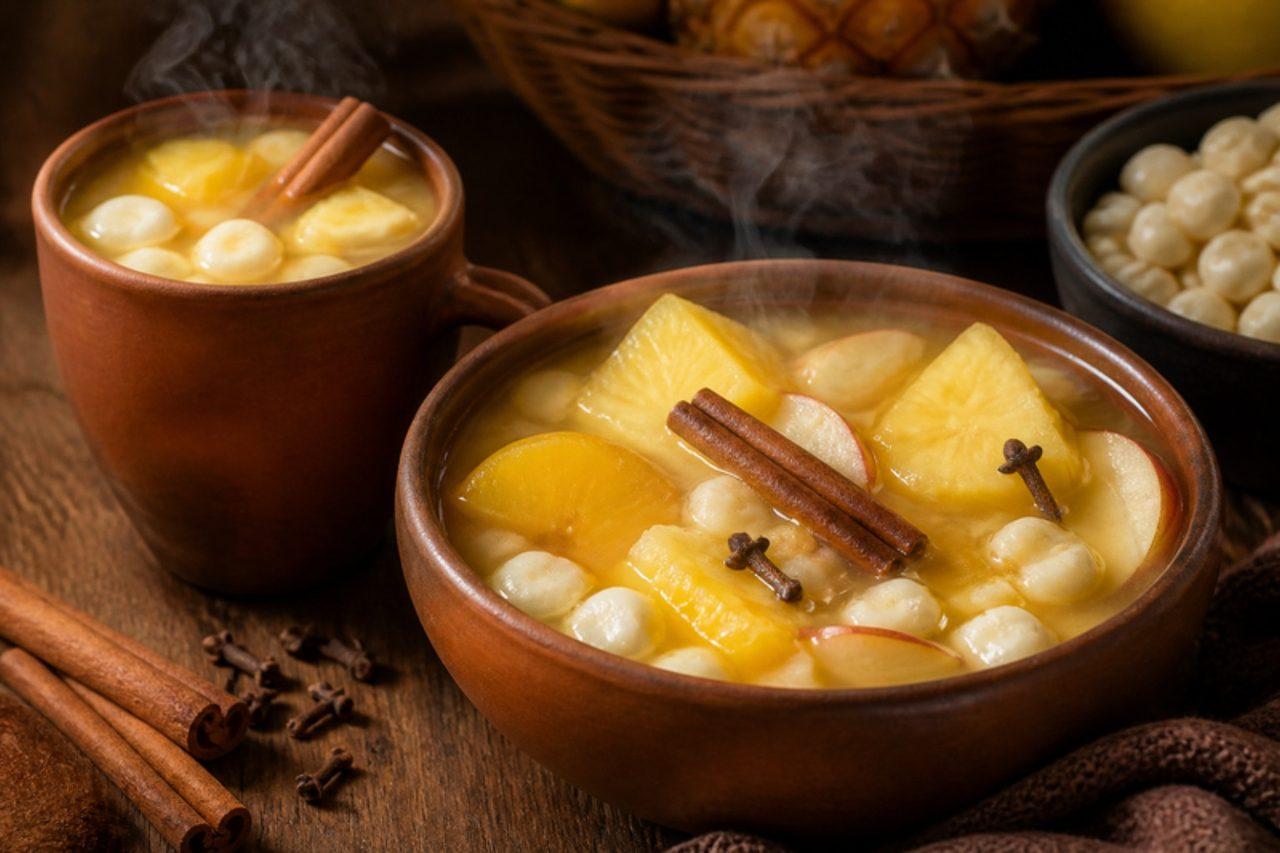
When Lima's grey winter sets in, from June to September, champús sellers set up on street corners with big pots of this thick, fruity drink, ladled warm into glasses and eaten as much as drunk. It's made from mote (hulled white corn), simmered with pineapple, quince or apple, soursop, chancaca and warm spices, then thickened lightly with corn flour, so every spoonful has soft fruit and chewy corn in a spiced, molasses-sweet base. It is close in spirit to mazamorra morada but paler and tangier. The mistake people make is adding the thickener straight into the hot pot, where it forms lumps; always slake it in cold water first and pour it in while stirring. Canned or jarred hominy saves hours; frozen soursop (guanábana) pulp is in Latin shops and can be left out. Serve warm in glasses with spoons. Chef's tip: simmer the pineapple peel and core with the spices for the first 20 minutes, then strain them out; they give much of the flavour.

by KrazyBadal 0 views

Mute santandereano

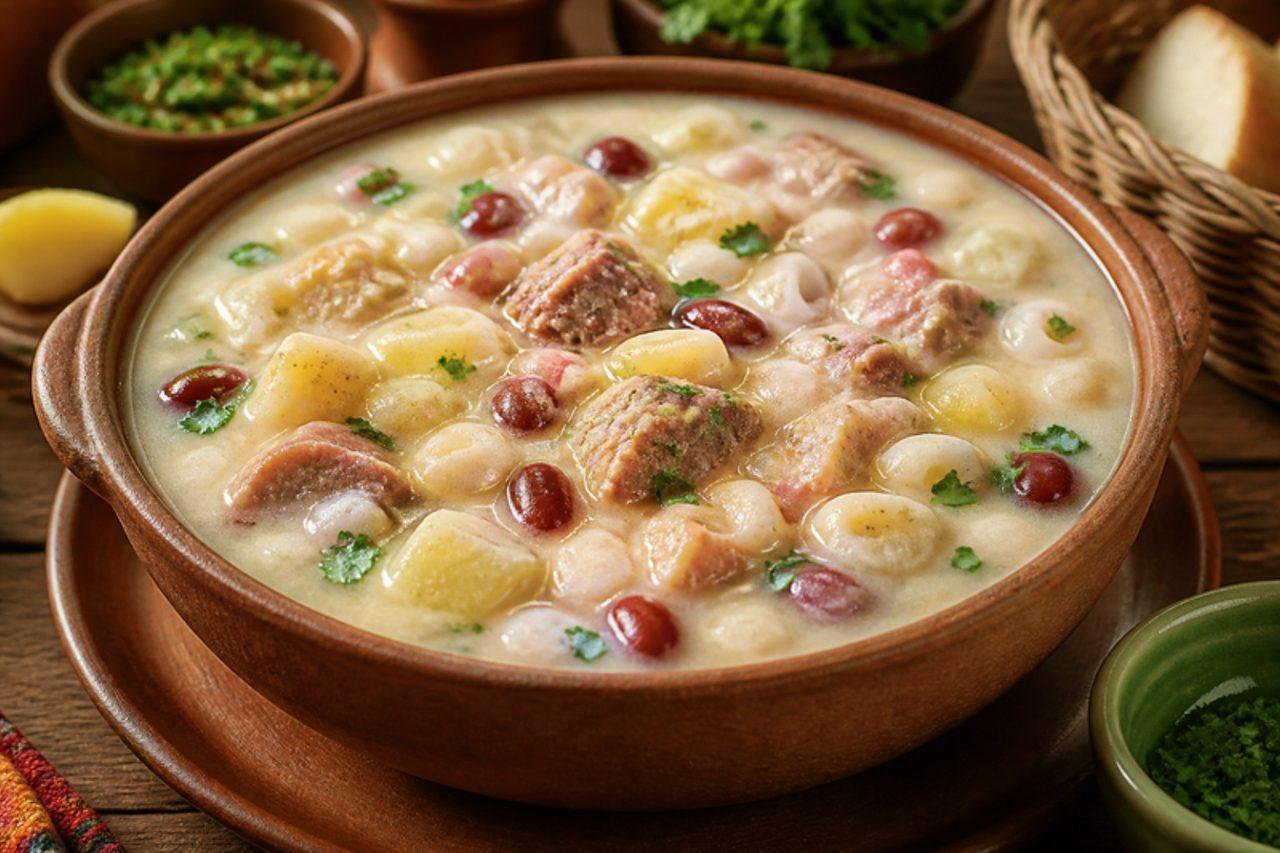
Bucaramanga's Mercado Central and the Sunday family tables of Santander serve mute, a big, thick soup that takes most of a day: hominy corn, honeycomb beef tripe and pork ribs, plus red beans, potatoes, pumpkin, cabbage and a handful of short pasta, all simmered until thick, rich and savoury. It is filling enough to be lunch on its own, eaten with avocado, ají and a piece of arepa. The tripe must be bought cleaned and bleached from the butcher and then simmered for two hours until tender; undercooked tripe is the most common complaint, as it stays chewy and tastes strong. This version uses cooked or tinned hominy and beans to save the overnight soaking. Chef's tip: rub the tripe with lime and salt and rinse it twice before cooking; it removes any farmyard smell and keeps the broth clean-tasting.

by KrazyBadal 0 views

Pozole rojo

In Jalisco and Guerrero, a pot of red pozole means a crowd: it is made for Independence night on 15 September, for Christmas and New Year, and in Guerrero towns every Thursday is 'jueves pozolero'. Big, chewy kernels of hominy and tender pork simmer in a broth coloured with dried guajillo and ancho chillies, and the bowl is finished at the table with crunchy cabbage, radish, onion, lime and a rub of dried oregano between your palms. It tastes even better the next day, so make the whole pot. Chef's tip: strain the chilli purée through a sieve into the pot, so the broth is silky and free of chilli skins.

180 minMexicanSoupsGluten freeSpicy
by KrazyBadal 0 views

Goes well with cooked white hominy