Skip to content

Recipes with couscous

8 recipes that use couscous, with photos, step-by-step instructions and cook times. The quickest, Couscous tfaya, takes 60 minutes. It is most often cooked with onion, cooked chickpeas and carrot.

Got a few things in the fridge? Search by everything you have

Osban (Tunisian stuffed lamb sausages)

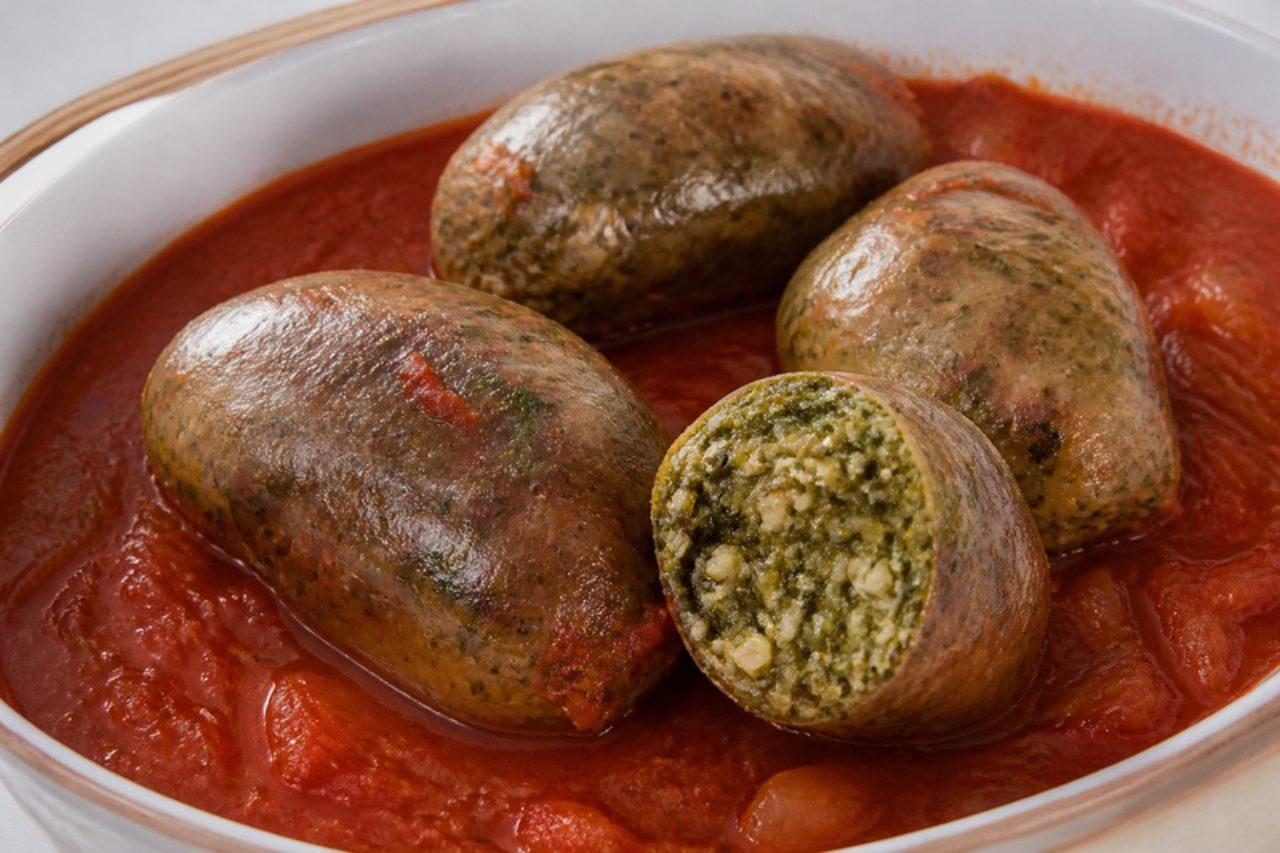
Eid al-Adha in Tunisia means using every part of the sheep, and osban is how the tripe is honoured: cleaned pieces are sewn into pouches and packed with rice, chopped liver and lamb, chard, a big bunch of parsley and coriander, dried mint and harissa, then simmered in a red chickpea sauce and served over couscous. Families all over the country, from Tunis to the south, make a batch and freeze some for later. The filling cooks into a soft, herby, peppery sausage and the tripe turns tender. Buy tripe that the butcher has already cleaned and scalded, or use natural sausage casings for an easier version. Chef's tip: fill the pouches only two-thirds full and prick them with a needle; the rice swells as it cooks, and overstuffed osban burst, which is the most common mistake.

180 minTunisianMeat
by KrazyBadal 0 views

Thamekfoult

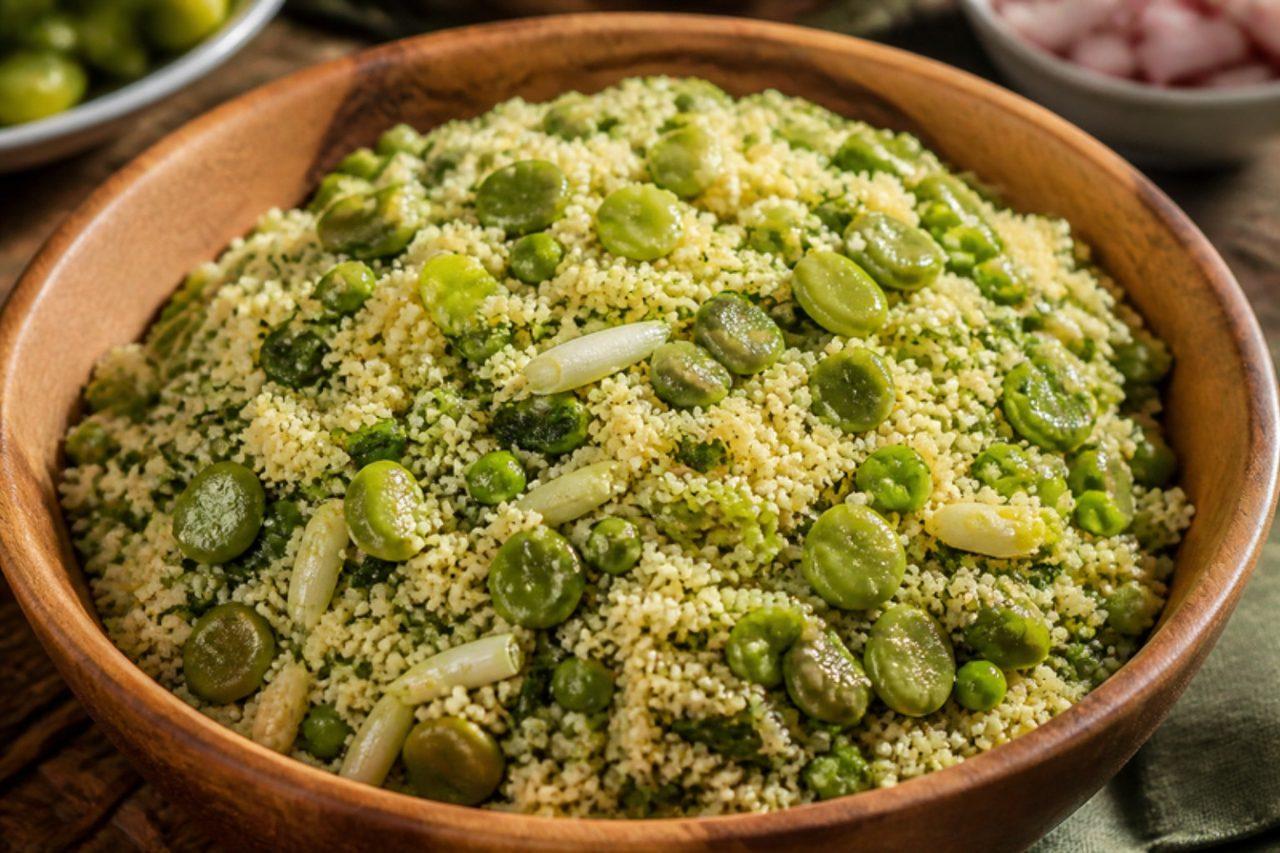
Spring in the Kabyle villages means thamekfoult: when the first broad beans and peas come in, they are steamed in the same basket as the couscous, so grain and vegetables cook together in one fragrant cloud of steam. There is no sauce at all; instead, the hot couscous is dressed generously with the region's peppery olive oil, so it tastes green, sweet and grassy. It is a family lunch dish, often eaten with a glass of buttermilk or a few olives; this version keeps it vegan. Chef's tip: oil the couscous before the first steaming, rubbing every grain; that stops it clumping and helps it swell evenly.

by KrazyBadal 0 views

Couscous with gueddid

Gueddid is the strips of salted, spiced lamb that Moroccan households dry after Eid al-Adha, and on Ashura, a month later, many families bring out the last of it for a couscous. A few pieces go a long way: they give the broth a deep, almost smoky savour, turn tender as they simmer, and sit on the mound of grain with chickpeas, turnip, carrots, courgette and pumpkin. This version makes a small batch of gueddid the safer way, marinated for 24 hours in the fridge, then dried for about 4 hours in a low oven that takes the meat above 71 °C; it keeps 2 weeks in the fridge or 3 months frozen. Because it is a home-cured meat, any gueddid eaten without cooking in the broth is not for pregnant women, young children or anyone with a weakened immune system. Chef's tip: rinse the gueddid and soak it for 30 minutes before cooking, or the broth will be far too salty.

by KrazyBadal 0 views

Couscous trapanese

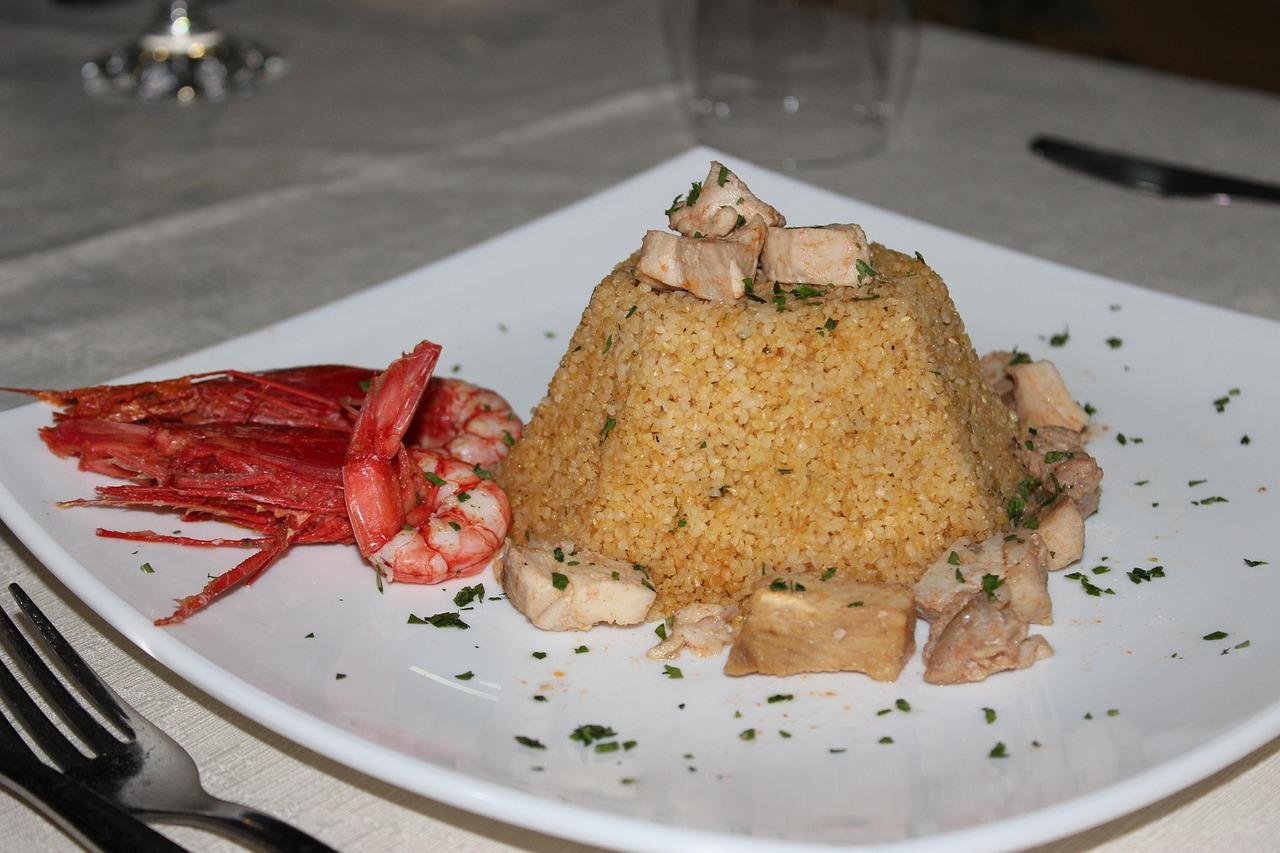
Trapani, on Sicily's western tip, looks across the sea to Tunisia, and its cuscusu is the clearest sign of that old connection; every September the nearby town of San Vito Lo Capo holds a whole festival for it. The couscous is steamed, then soaked in a deep, saffron-tinged fish broth made from mixed fish, tomato and ground almonds, so the grains swell and taste of the sea; the fish itself is served alongside. Traditionally the grains are rolled by hand, but bought couscous is perfectly fine. Serve with a bowl of extra hot broth for each person. Chef's tip: after pouring the broth over the couscous, cover it tightly and leave it alone for a full 20 minutes; this resting is what makes the dish.

105 minItalianFish
by KrazyBadal 0 views

Seven-vegetable couscous (bidaoui)

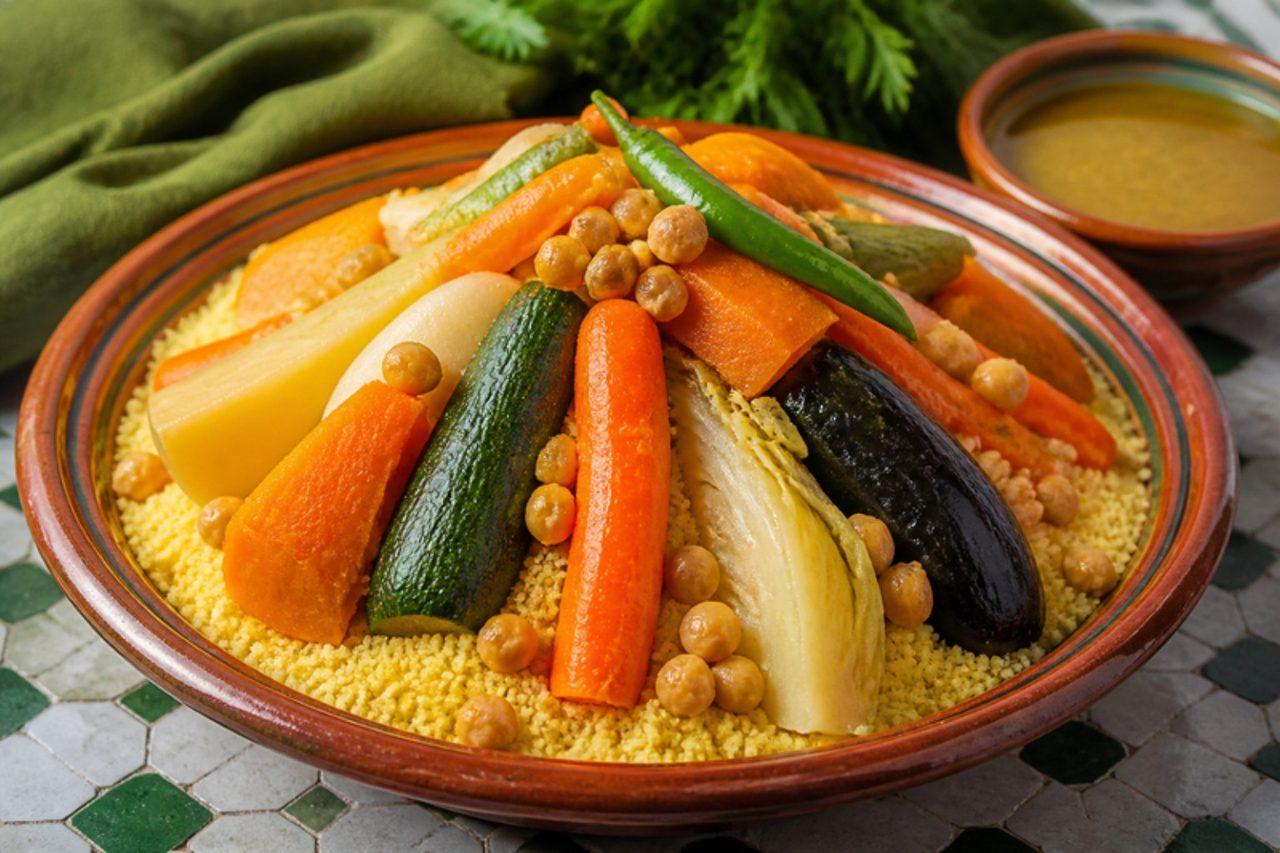
In Casablanca, Friday lunch after midday prayers means couscous bidaoui, the city's own version piled with seven vegetables, from pumpkin and turnip to cabbage and carrot. Families eat it from one great dish, each person working on their own corner of the mound, with extra broth ladled on as they go. The grains are steamed twice over the simmering broth so they swell into separate, fluffy beads that soak up the flavour without turning soggy. This vegetarian version builds the broth from onion, tomato, saffron and chickpeas, so it is rich enough without meat. Chef's tip: rub the couscous between your palms after each steaming to break up every clump; that is what makes it light.

by KrazyBadal 0 views

Couscous royal

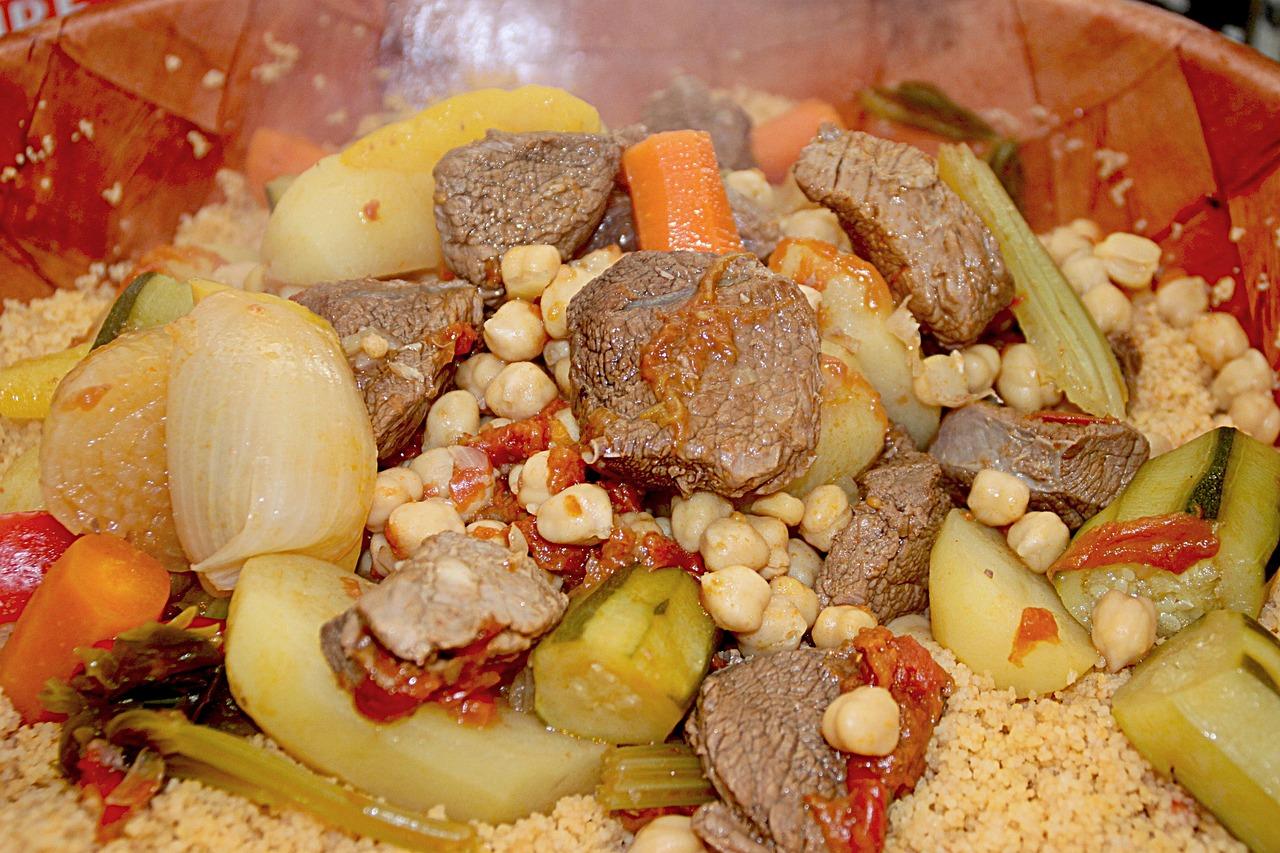
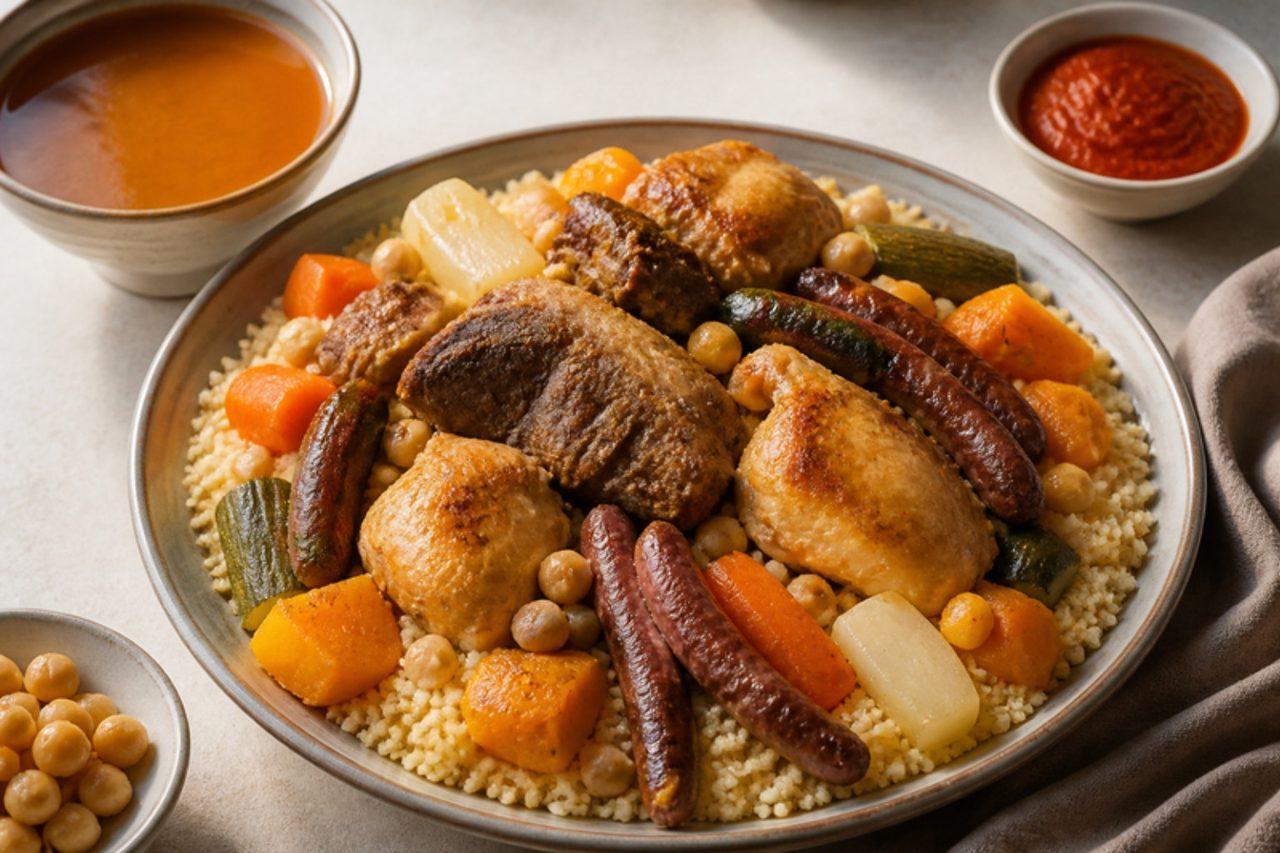
Couscous royal is the big-occasion couscous that Algerian and Moroccan families brought to France and that is now served for weddings and Sunday gatherings from Oran to Marseille: a pot of lamb and chicken simmered with vegetables and chickpeas in a mildly spiced broth, grilled merguez on the side, and a mountain of steamed couscous. The mistake is putting all the vegetables in at once; the courgettes go mushy while the turnips are still hard, so add them in stages. Chef's tip: brown the lamb and chicken well before the water goes in; that colour flavours the whole broth.

160 minAlgerianMeat
by KrazyBadal 0 views

Tunisian fish couscous

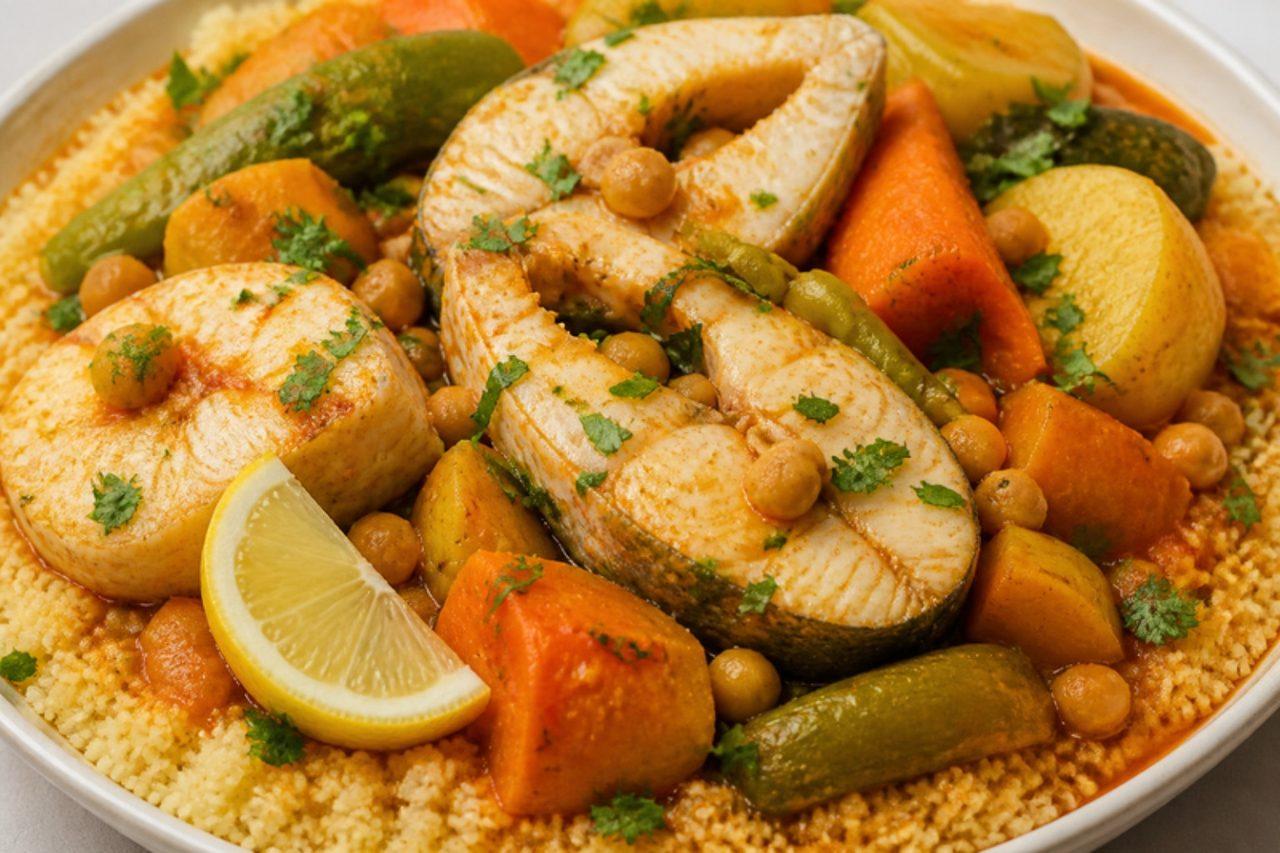
On Tunisia's coast, especially in Sfax, Mahdia and the fishing towns of Cap Bon, couscous for Friday lunch is made with fish instead of meat: a red, peppery broth of tomato, harissa and caraway in which the vegetables cook first and the fish is poached at the end, while the couscous steams on top. The broth is ladled over the grains at the table until they glisten. The mistake is boiling the fish too long, so it breaks into the broth; poach it gently for the last 10 minutes only. Chef's tip: oil and rub the couscous between your palms before and after the first steaming so every grain stays separate.

105 minTunisianFishSpicy
by KrazyBadal 0 views

Couscous tfaya

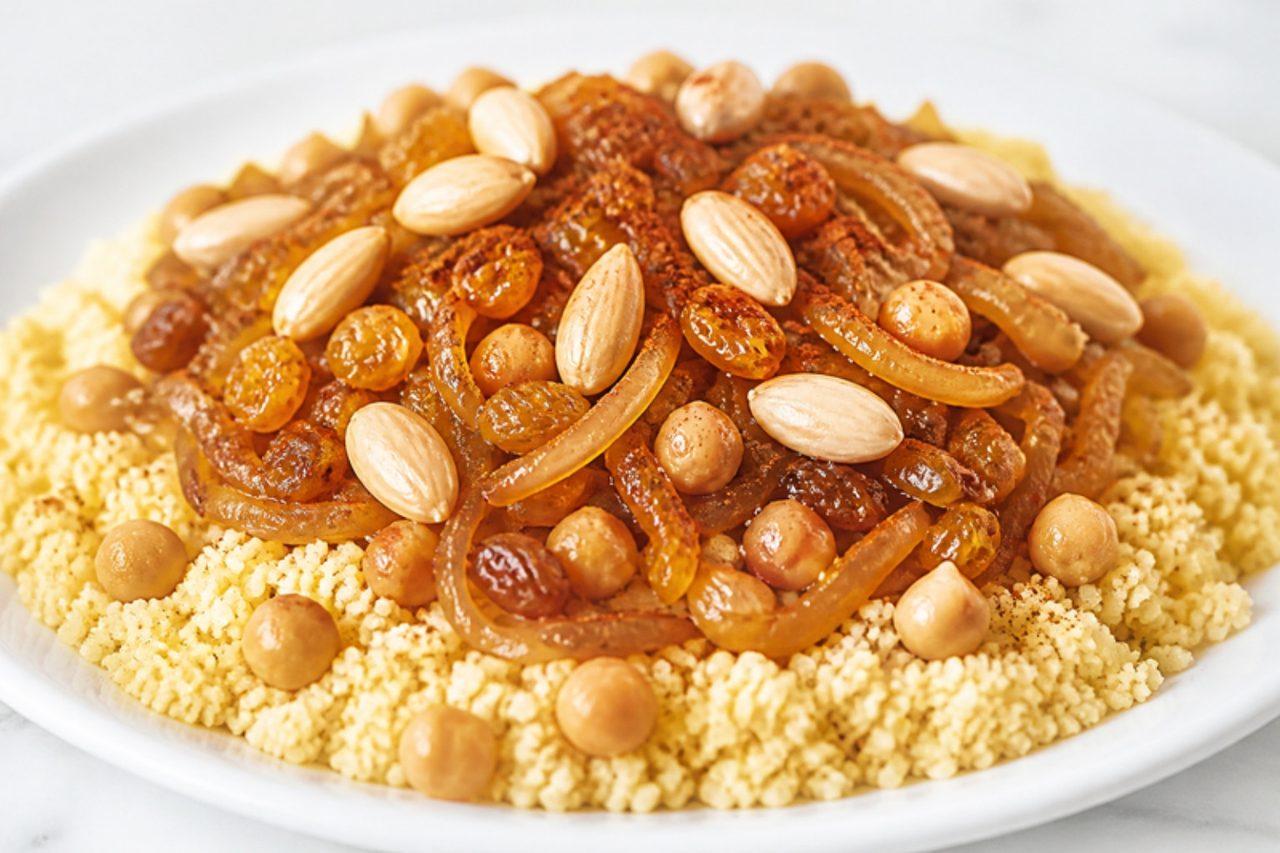
Tfaya is the sweet onion topping that turns a plain couscous into a celebration dish; in Fez and Rabat it is made for weddings, naming ceremonies and Eid, and families in Tétouan add it to Friday couscous too. Onions are cooked slowly with raisins, cinnamon, honey and a little saffron until they collapse into a sticky, mahogany jam, then piled over the couscous with chickpeas and fried almonds. Traditionally it crowns couscous with meat; here the chickpeas and almonds carry the dish, making it a sweet-savoury vegetarian main for a feast. Chef's tip: soak the raisins first, or they draw liquid from the onions and the tfaya catches before it caramelises.

by KrazyBadal 0 views

Goes well with couscous