Skip to content

Recipes with garlic chives

9 recipes that use garlic chives, with photos, step-by-step instructions and cook times. The quickest, Vegetarian char kway teow, takes 25 minutes. It is most often cooked with garlic, firm tofu and spring onion.

Got a few things in the fridge? Search by everything you have

Tofu fresh summer rolls

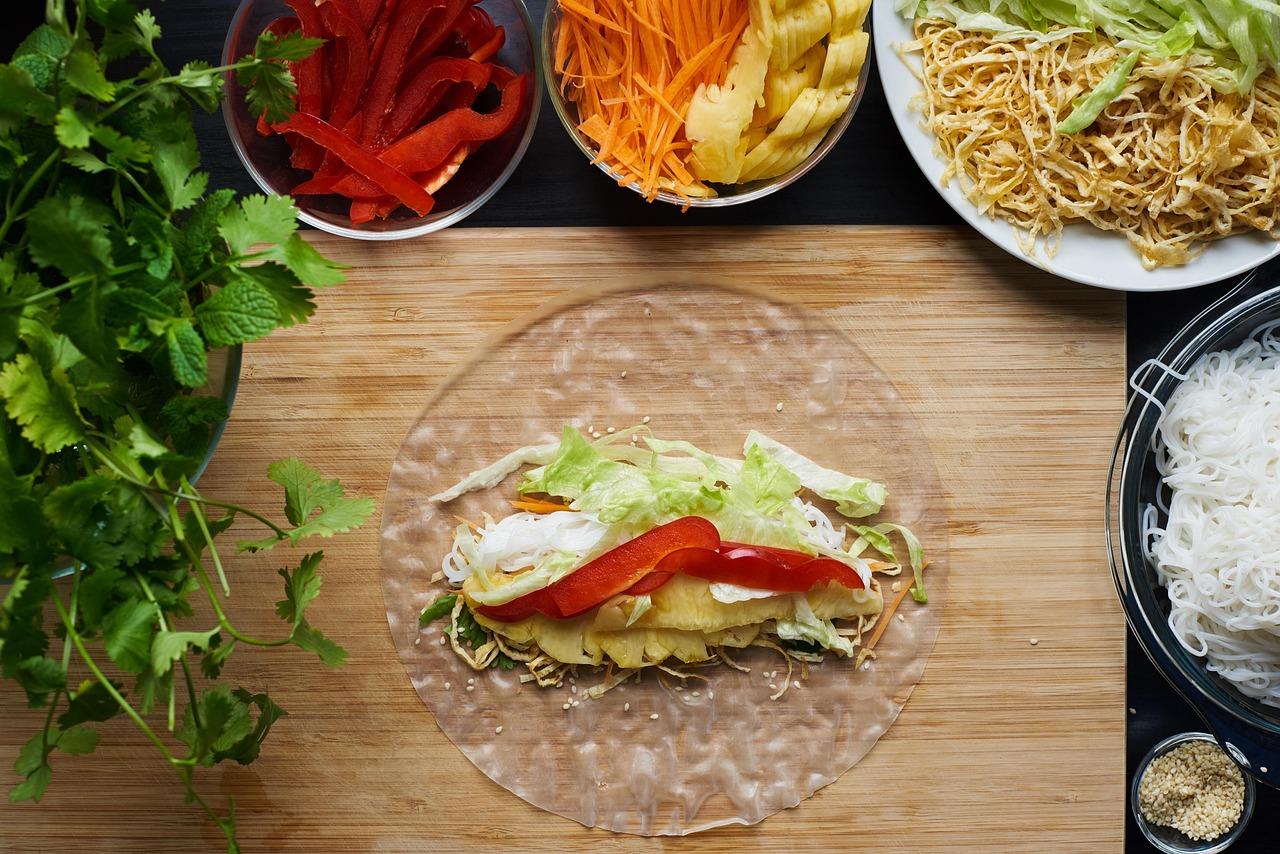
Gỏi cuốn are the fresh, unfried rolls sold from glass cases at Saigon street stalls and eaten as a light lunch or snack on hot afternoons. Here golden tofu takes the place of the usual prawns and pork, rolled up with rice vermicelli, lettuce, mint, Thai basil, cucumber and garlic chives. They come with a thick, sweet-salty peanut and hoisin dip, as they do in the south. Chef's tip: dip the rice paper for barely a second and let it soften on the board, then lay the prettiest ingredients against the wrapper first, so the tofu and herbs show through the translucent skin and the roll stays tight.

by KrazyBadal 0 views
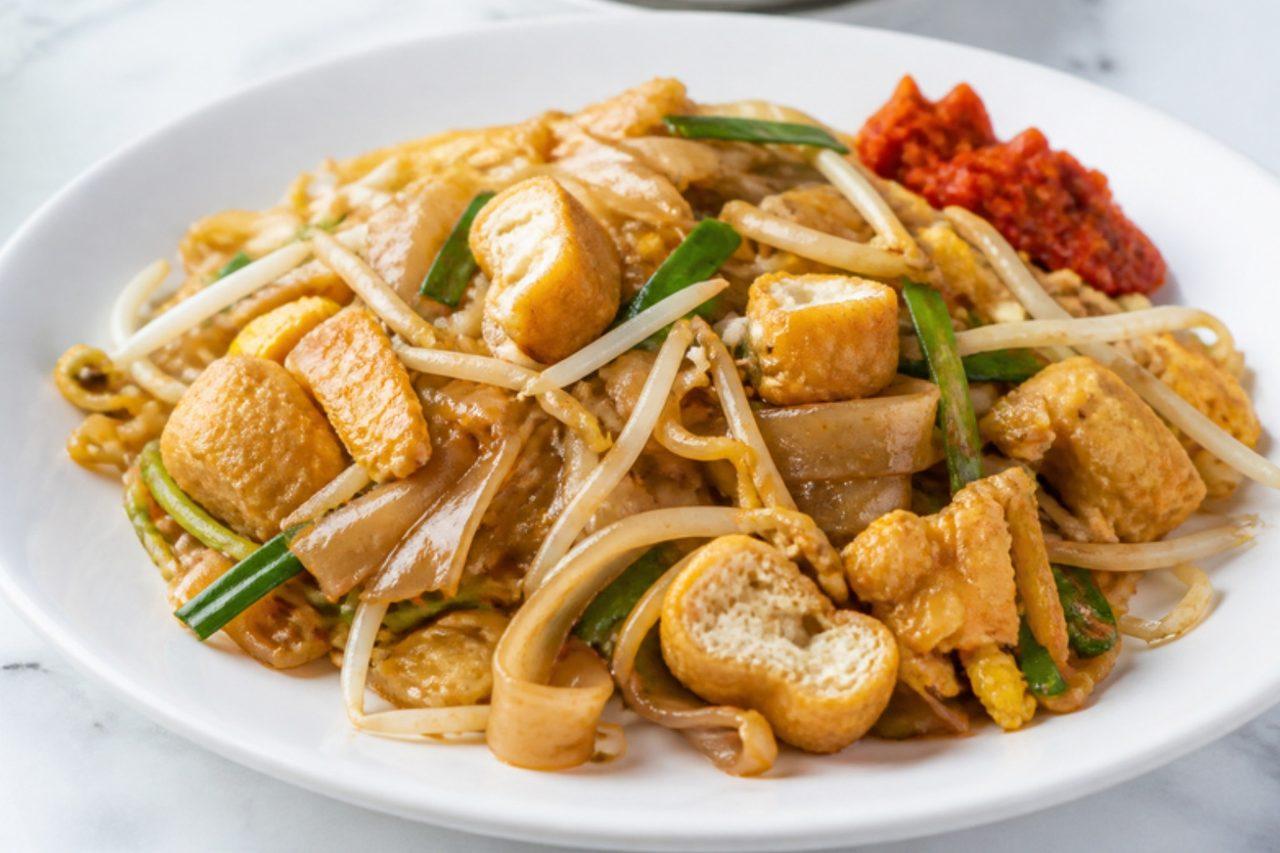
Vegetarian char kway teow

Char kway teow is the dish Singaporeans queue for at hawker centres like Old Airport Road and Zion Riverside: flat rice noodles and yellow noodles tossed over a roaring wok with dark sweet soy, egg, beansprouts and chives until smoky and sticky. The classic uses lard, cockles and Chinese sausage; this vegetarian version gets its richness from fried tofu puffs and plenty of garlic, and its char from a very hot pan. Chef's tip: cook one or two portions at a time; a crowded pan can't get hot enough for the smoky wok hei that defines the dish.

by KrazyBadal 0 views

Kangshoi

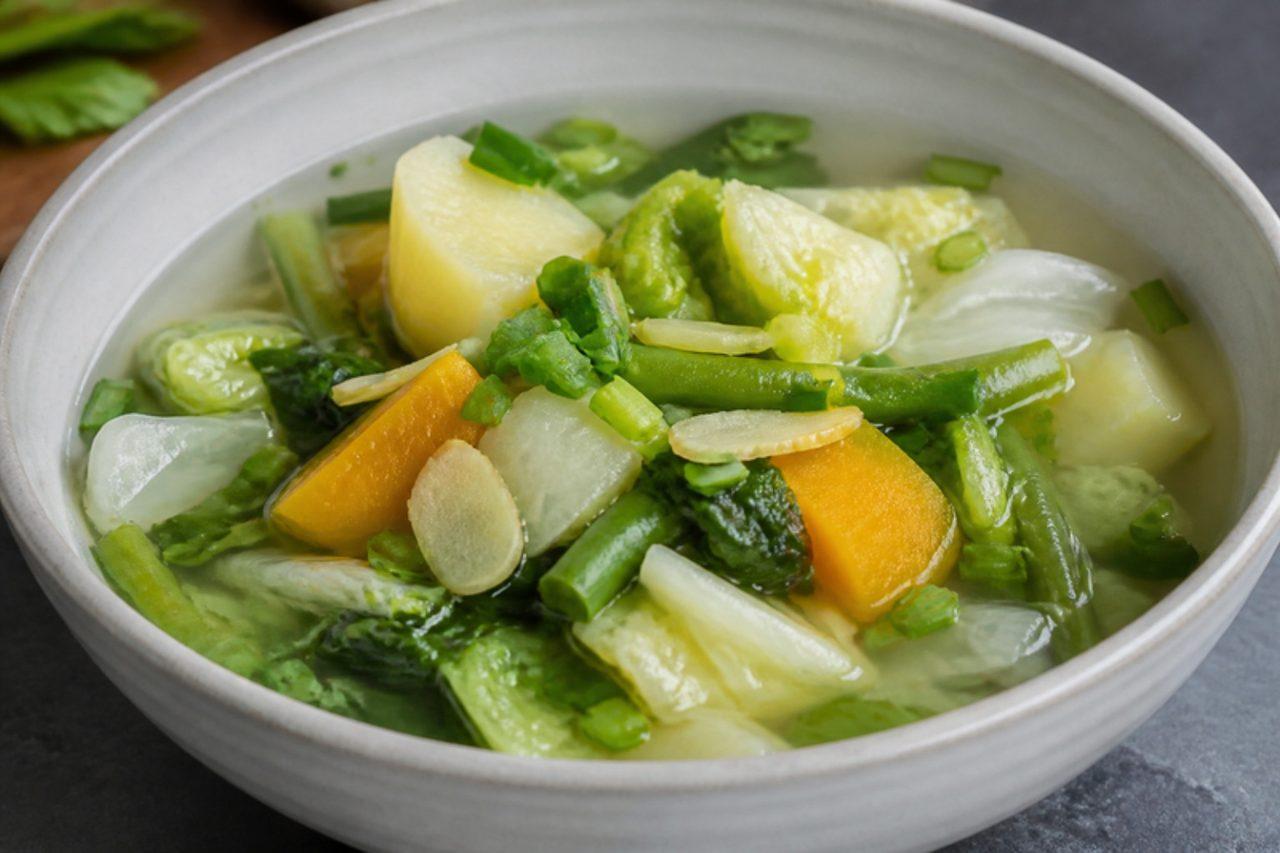
Kangshoi is the everyday stew of the Imphal Valley: seasonal vegetables simmered in water with ginger, onion and chilli, and finished with a fistful of fresh herbs such as maroi (a garlic chive), coriander and mint. It is light, clear and brothy, eaten with rice at almost every Meitei meal. Many households add dried fish or ngari (fermented fish) for depth; Vaishnav Meitei homes leave it out, and this vegetarian version relies on toasted chilli and plenty of herbs instead. Chef's tip: cook it without oil, as Manipuris do; the clean broth is the point.

35 minSoupsVeganGluten freeIndian
by KrazyBadal 0 views

Gansu jiangshui noodles

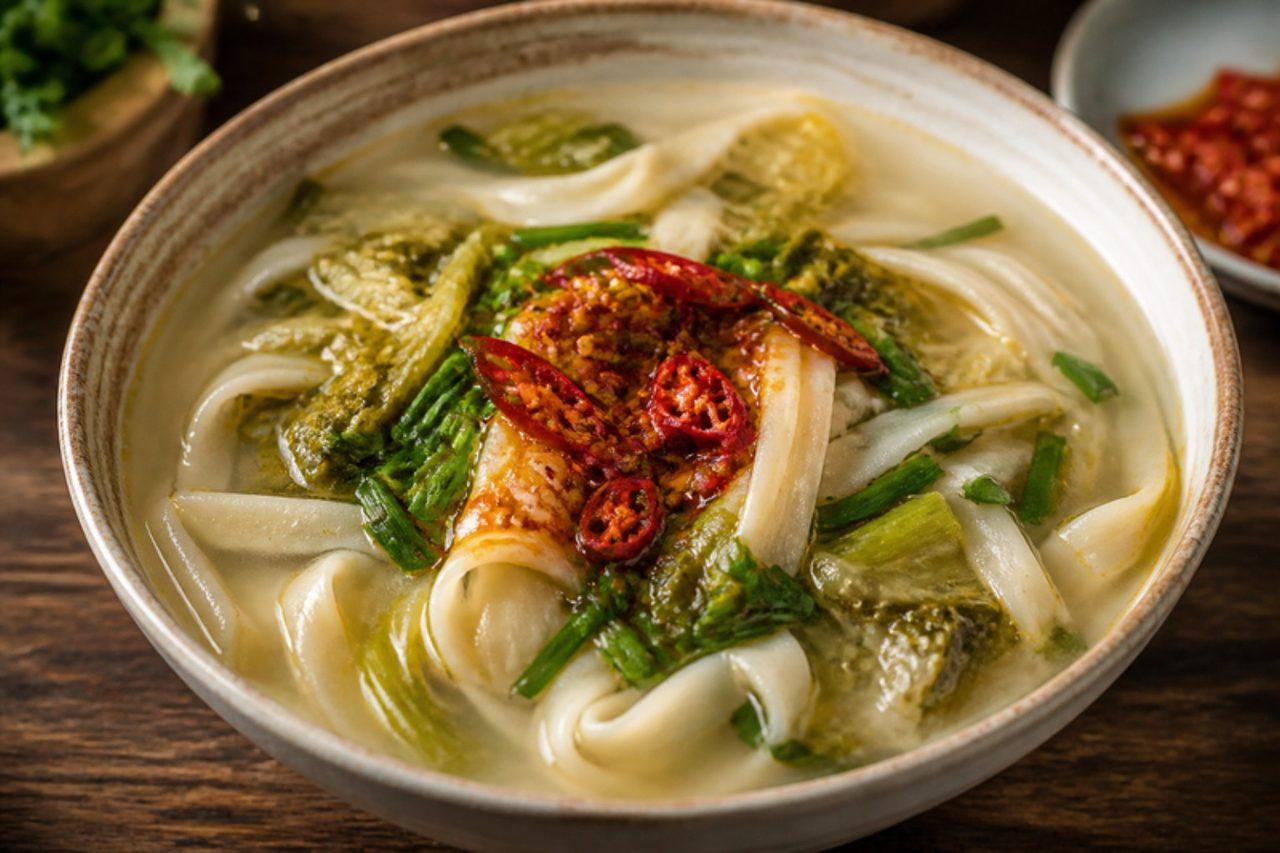
Tianshui and other towns in Gansu keep a crock of jiangshui going all summer: a pale, sour liquid made by fermenting greens in starchy noodle water. It is heated with chilli, Sichuan pepper and garlic chives and poured over hand-cut noodles, a cooling, refreshing bowl that people say beats the heat. The ferment takes 3–4 days in a warm kitchen, then keeps going for weeks if you top it up. Chef's tip: a spoonful of sauerkraut brine jump-starts the first batch, so it sours cleanly instead of growing off-flavours.

by KrazyBadal 0 views

Vegetable mandu-guk

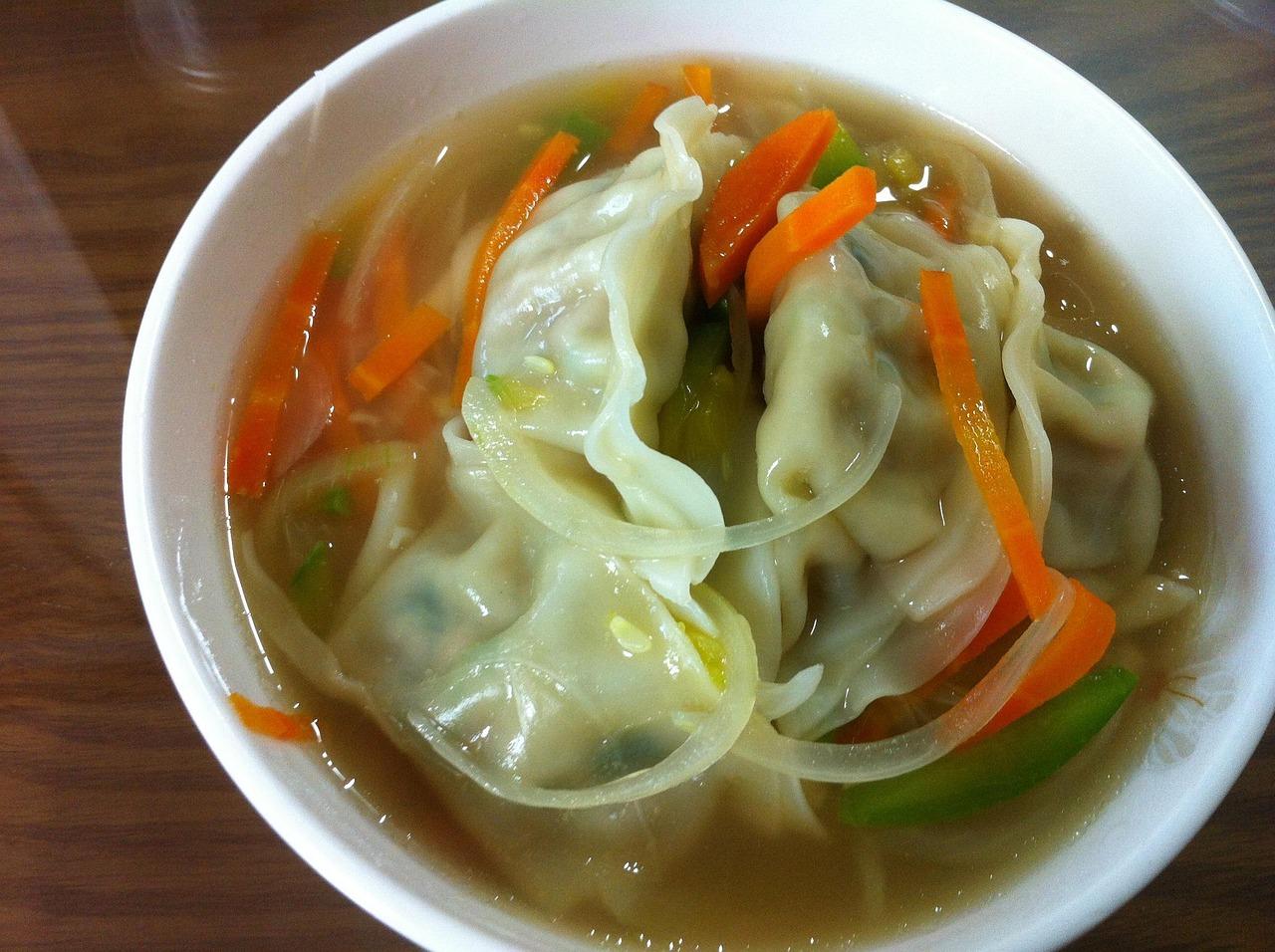
In Seoul and the surrounding Gyeonggi province, the first meal of Seollal (Lunar New Year) is often mandu-guk (만두국): plump dumplings and coin-shaped rice cakes floating in clear broth, finished with ribbons of yellow and white egg and strips of toasted laver. The northern half of the peninsula has always favoured dumplings over rice cake soup, and Seoul families tend to combine the two. These mandu are filled with tofu, glass noodles, cabbage, mushrooms and chives, and the broth is a kelp and shiitake stock instead of beef. Fold the dumplings a day ahead and the soup comes together in 15 minutes. Chef's tip: squeeze the tofu and cabbage hard in a cloth; a wet filling turns the wrappers soggy and the dumplings split in the pot.

75 minSoups
by KrazyBadal 0 views

Motsunabe

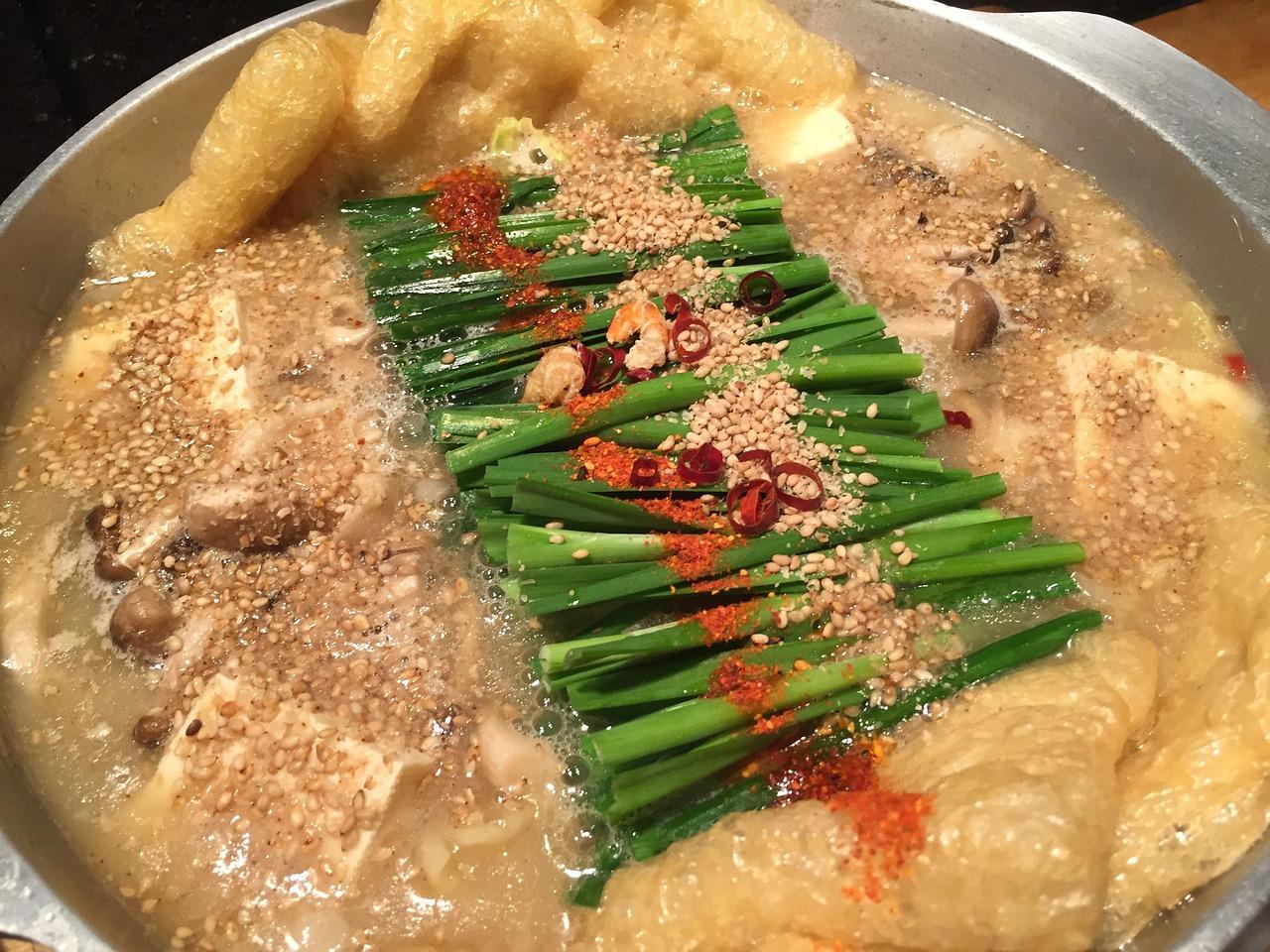
In Hakata, the old merchant half of Fukuoka, motsunabe is the winter dish of izakayas and back-street restaurants. Soft pieces of beef small intestine simmer in a garlicky soy broth under a tall heap of cabbage and garlic chives, with slices of chilli on top. When the pot is nearly empty, champon noodles go into the rich broth to finish the meal. Many butchers and Asian grocers sell the intestine already cleaned and boiled, which saves time. Chef's tip: keep the white fat on the intestine; as it melts into the broth it makes the soup rich and sweet, which is the point of the dish.

45 minSoups
by KrazyBadal 0 views

Dwaeji gukbap

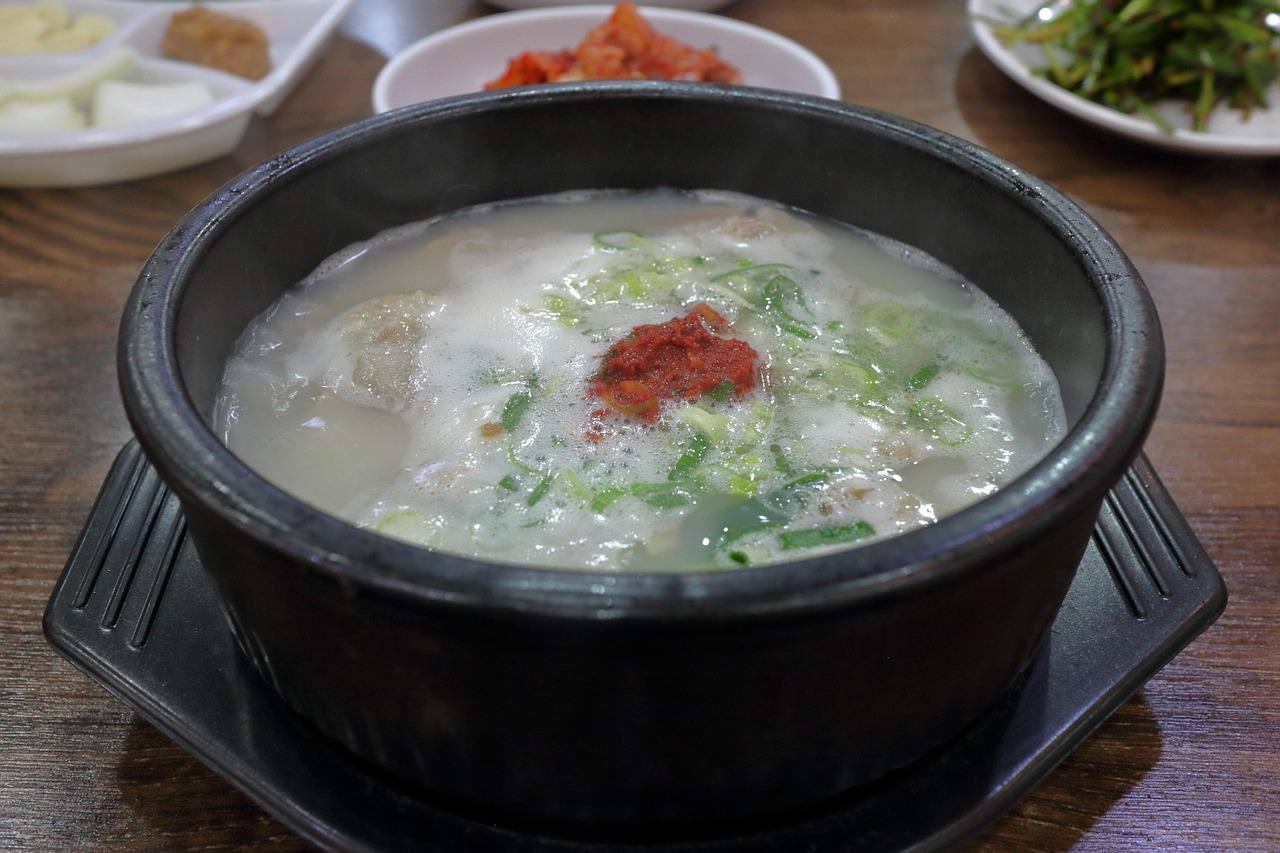
Ask anyone in Busan for a bowl of something filling at any hour and they will probably send you for dwaeji gukbap. Seomyeon has a whole alley of gukbap restaurants, open from early morning to late at night, serving the soup to market workers, students and people heading home after a night out. Pork bones are boiled hard for hours until the broth turns cloudy and white, then poured over sliced pork and rice. Each diner seasons their own bowl at the table with salted shrimp, chilli paste and a pile of garlic chives, with raw onion, green chilli and kimchi on the side. Chef's tip: season the soup in the bowl, not the pot; a little saeujeot at a time gives a clean, savoury depth that salt alone doesn't.

180 minSoups
by KrazyBadal 0 views

Hu tieu

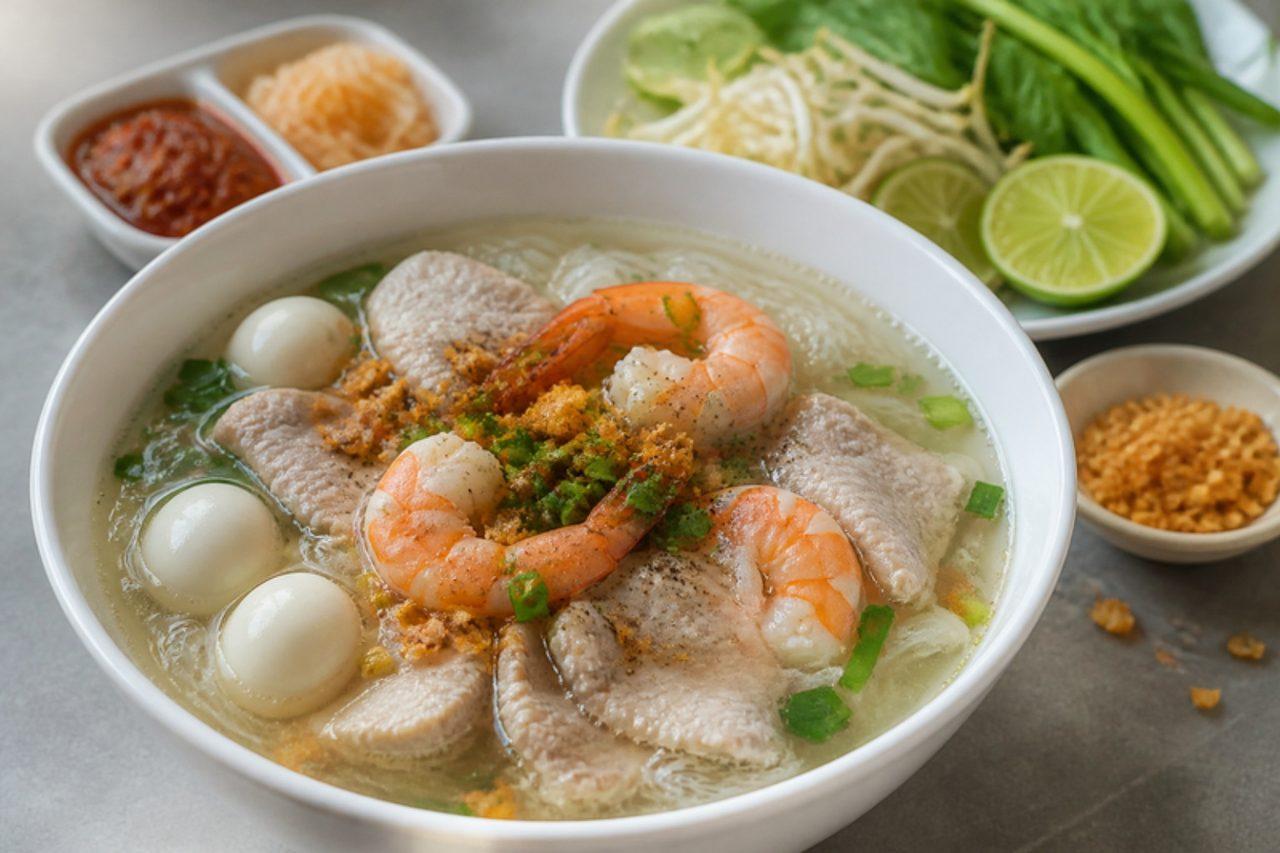
Hủ tiếu came to southern Vietnam with Teochew Chinese and Cambodian influences, and in Saigon it's as everyday as pho, sold from street carts at dawn and again late into the night. The broth is light and clear, sweet from pork bones, daikon and dried shrimp, and the bowl is loaded with sliced pork, minced pork, prawns and often quail eggs. Clear, chewy noodles and a spoon of crispy garlic oil set it apart. Many people order it khô, dry, with the noodles tossed in sauce and the soup on the side. Chef's tip: toast the dried squid over a flame before it goes in the pot; it gives the broth a sweet, savoury depth that's hard to place.

60 minSoups
by KrazyBadal 0 views

Pad thai with prawns

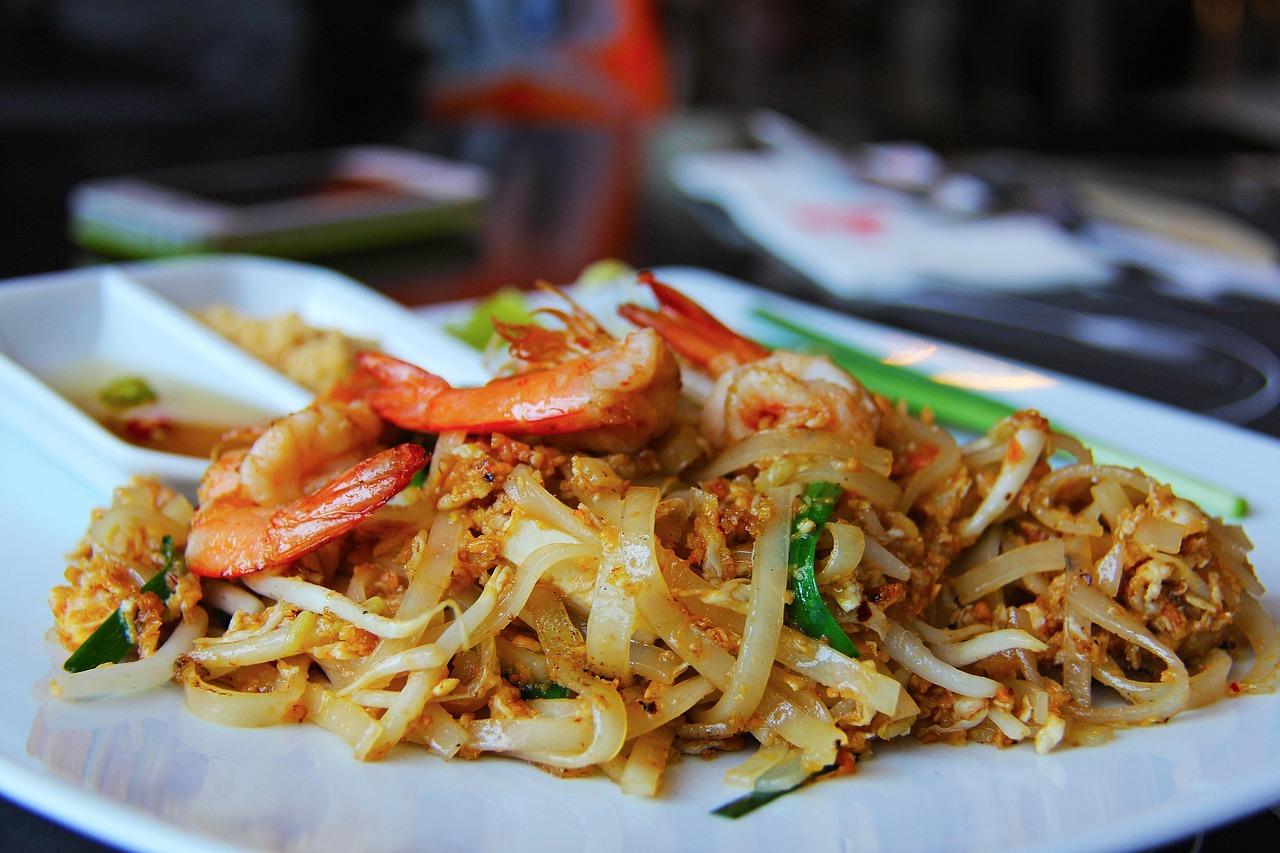
On Mahachai Road near Bangkok's Golden Mount, pad thai cooks work charcoal-fired woks late into the night, and their style is the model here: chewy rice sticks tossed with a dark, sweet-sour tamarind sauce, scrambled egg, cubes of firm tofu, sweet preserved radish, garlic chives and plump fresh prawns. It should taste tangy first, then sweet and salty, never like ketchup. Everyone finishes their own plate at the table with crushed peanuts, chilli flakes, a squeeze of lime and a handful of raw bean sprouts and chives for crunch, and children usually love it with the chilli left off. Chef's tip: make the tamarind sauce a day ahead; it keeps for a week in the fridge and the noodles then take ten minutes.

by KrazyBadal 0 views

Goes well with garlic chives