Skip to content

Recipes with green italian pepper

5 recipes that use green italian pepper, with photos, step-by-step instructions and cook times. The quickest, Piperrada, takes 55 minutes. It is most often cooked with garlic, onion and ripe tomato.

Got a few things in the fridge? Search by everything you have

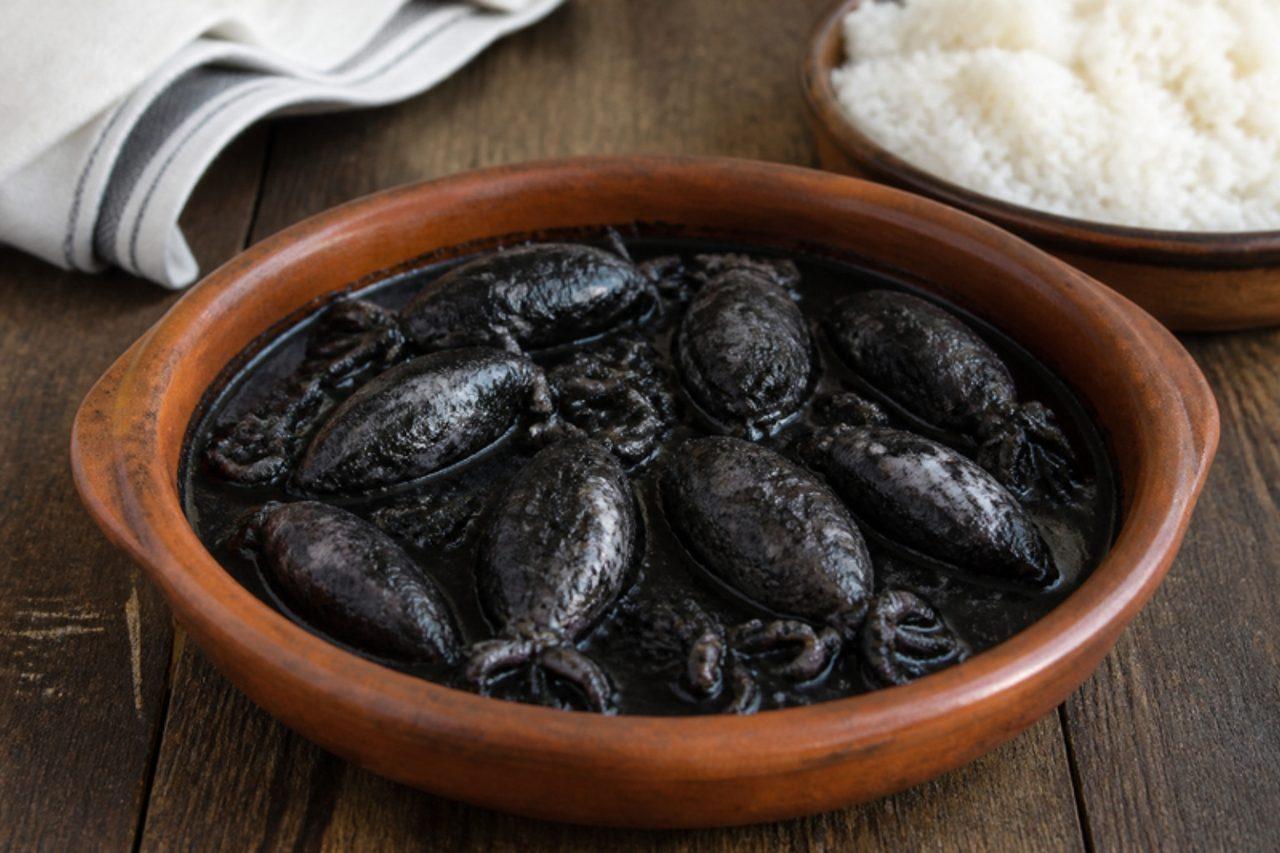
Txipirones en su tinta

Along the Basque coast from Getaria to Hondarribia, little squid caught on hand lines in late summer are stuffed with their own tentacles and stewed in a sauce made inky black with their ink. In bars and homes it is served with plain white rice or fried bread to soak up the sauce. Cleaning the squid takes a little patience, but the stew itself is simple. A common mistake is browning the onions: they should stay soft and sweet, or the sauce tastes harsh. Chef's tip: buy extra ink sachets from the fishmonger, as the ink in small squid is rarely enough for a deep colour.

by KrazyBadal 0 views

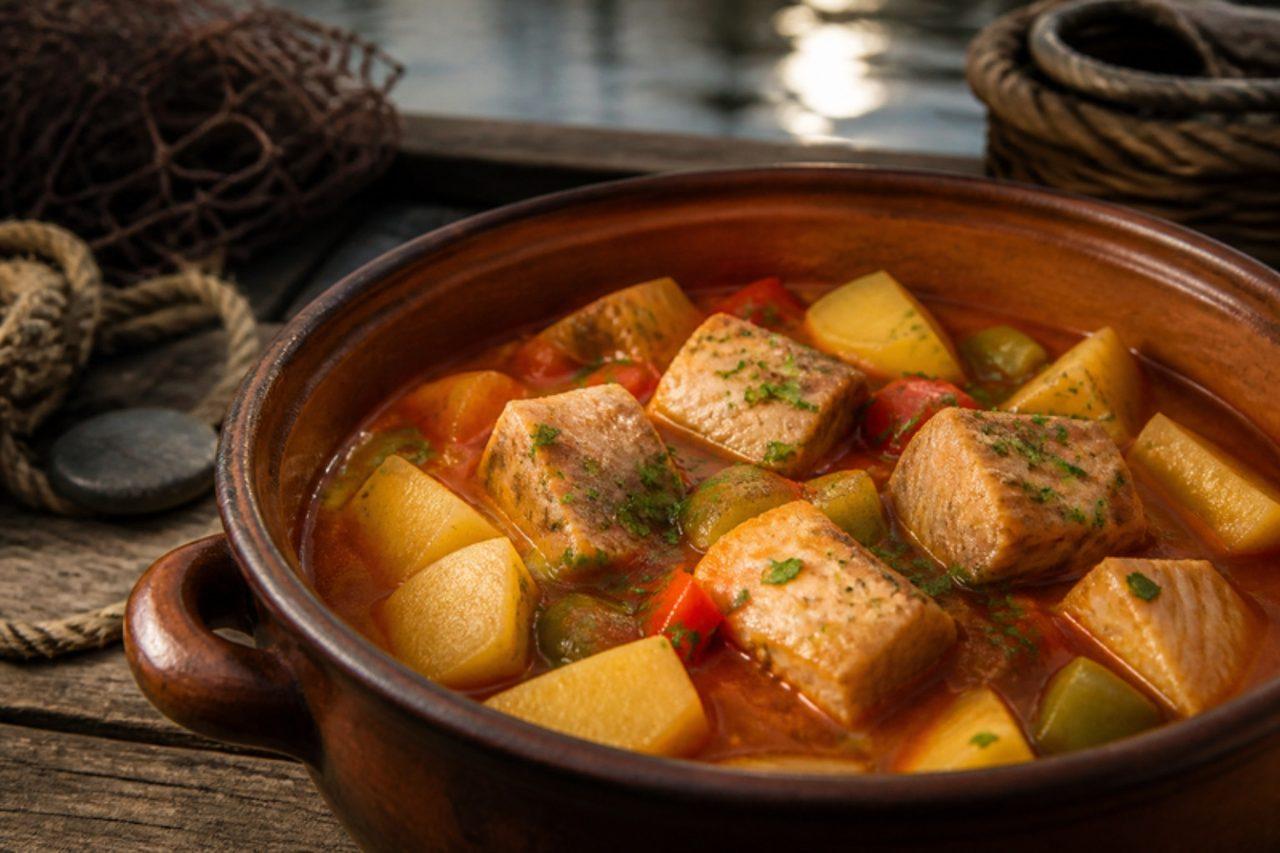
Marmitako

Marmitako takes its name from the marmita, the iron pot that fishermen out of Bermeo and Ondarroa kept on board during the summer bonito season, from June to September. Potatoes simmer in a peppery broth made red with choricero pepper, and chunks of fresh bonito go in only at the very end. Along the coast it is still the summer lunch of fishing towns, eaten from deep plates. A common mistake is boiling the fish with the potatoes, which turns it dry and stringy; it needs just a few minutes of gentle heat. Chef's tip: snap the potatoes rather than cut them, so their starch thickens the broth.

by KrazyBadal 0 views

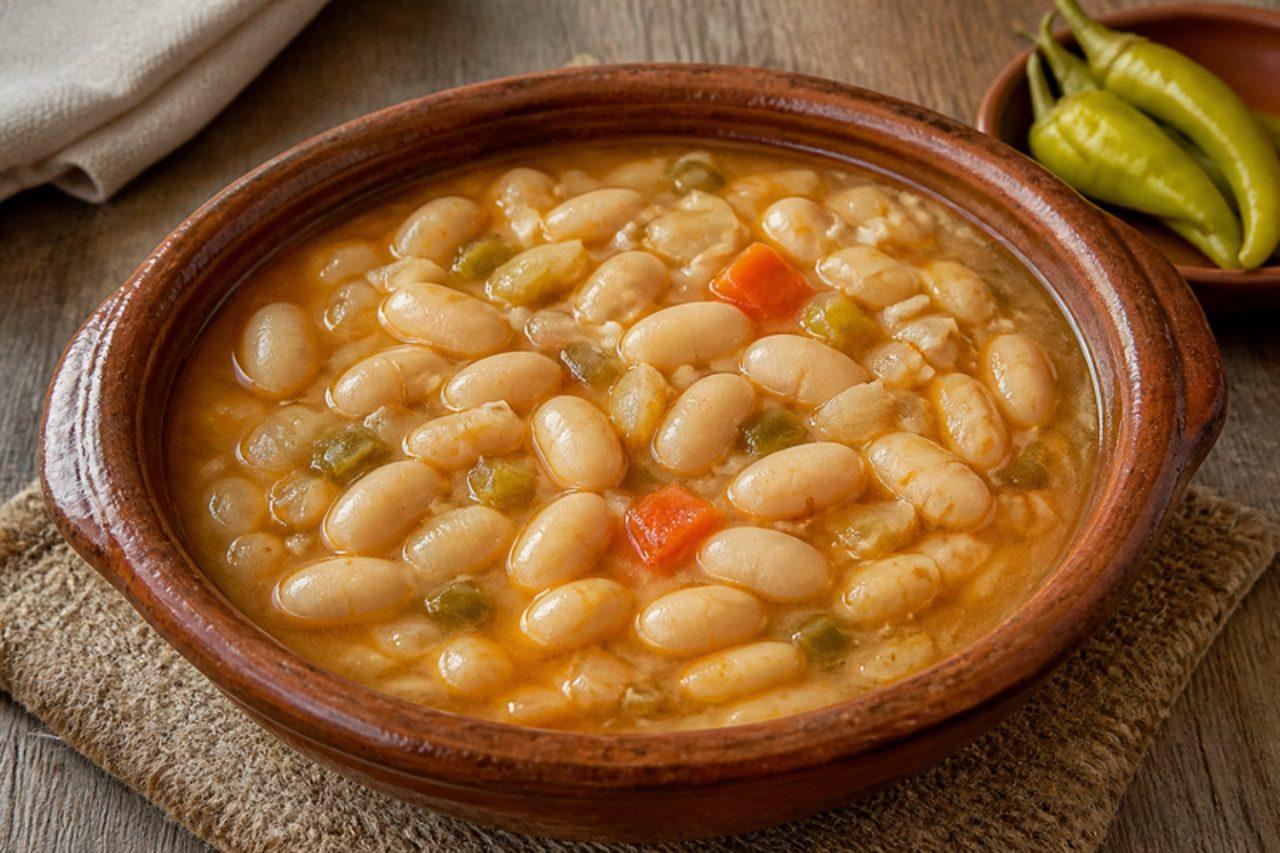
Pochas a la navarra

Pochas are white beans picked in late summer before they dry, when the pods have gone soft and yellowish, and in Navarre September means bowls of them in every village from Sangüesa to the Ribera. Because they are fresh they need no soaking and cook in about 40 minutes into something creamy, sweet and gentle. Many homes add chorizo or quail; this version keeps to the vegetables and is vegan. Pickled guindilla chillies on the side are the usual partner. Chef's tip: if you can't find fresh pochas, frozen ones are sold in Spanish shops and are very good.

by KrazyBadal 0 views

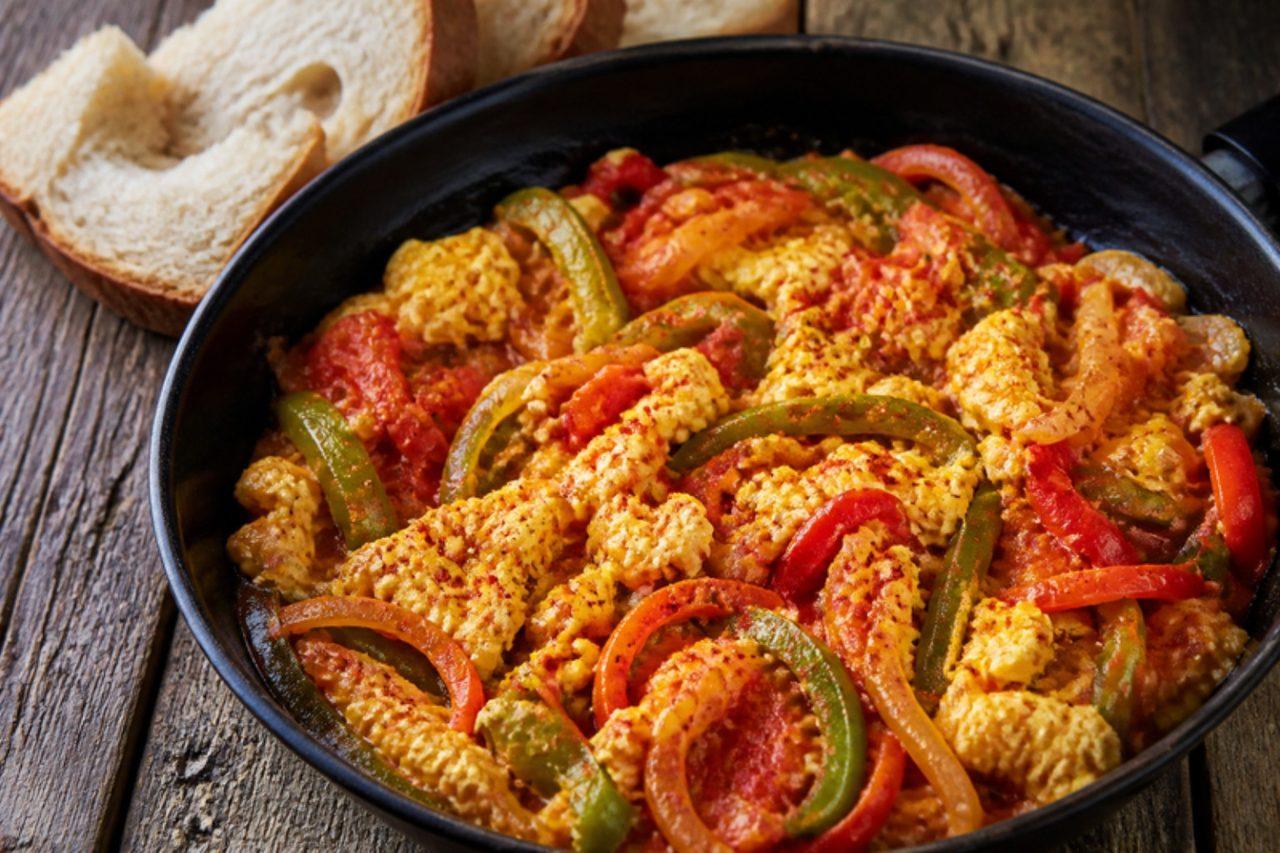
Piperrada

Piperrada belongs to late summer on both sides of the Pyrenees, when the market stalls of Bayonne, Gernika and Pamplona are piled with green and red peppers. The vegetables are stewed slowly in olive oil until sweet and jammy, and in many Basque homes beaten eggs are stirred in at the end for a light supper. It is often served with cured ham alongside; this version is vegetarian. A common mistake is rushing the peppers over a high heat: they should collapse slowly, or the dish tastes raw and sharp. Chef's tip: take the pan off the heat while the eggs still look slightly wet, because they keep cooking on the way to the table.

by KrazyBadal 0 views

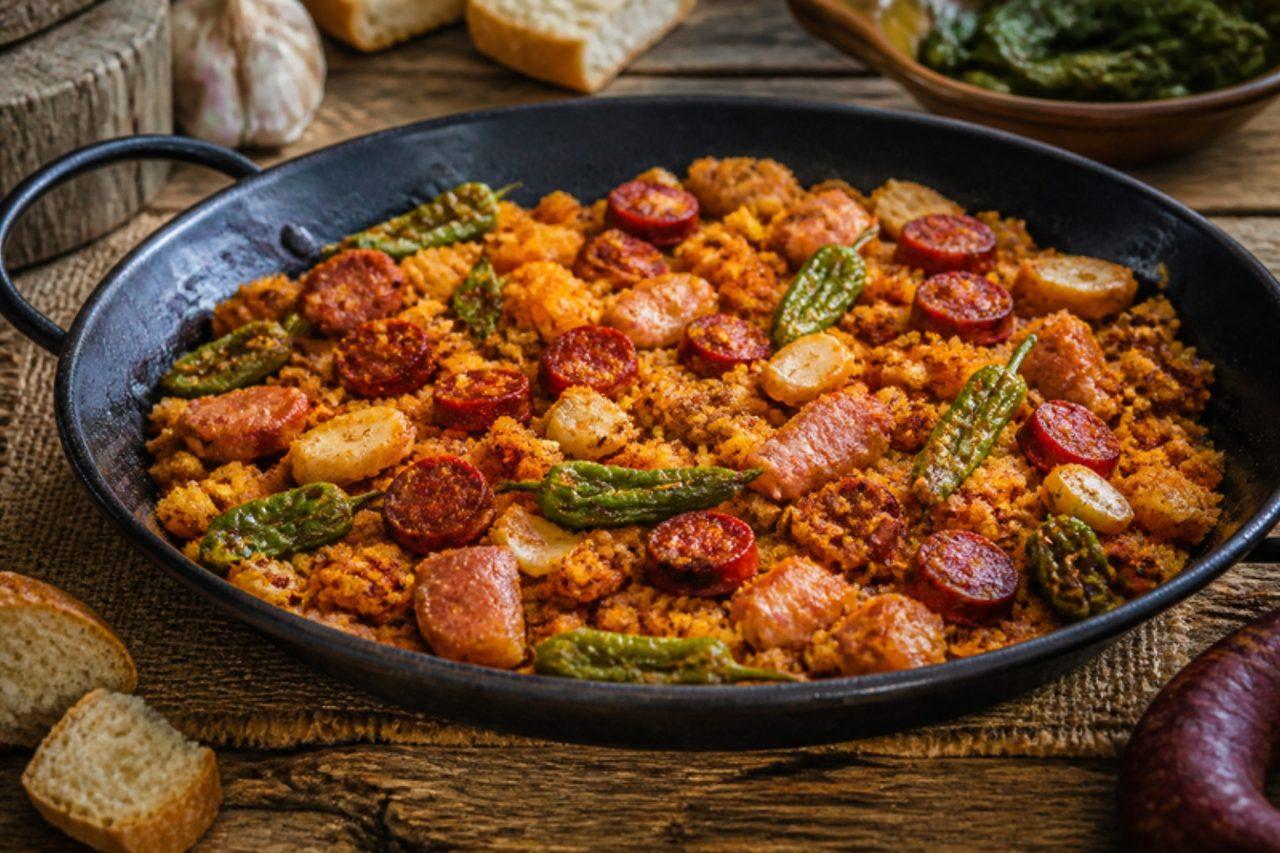
Migas extremeñas

Migas were the breakfast of Extremaduran shepherds, made from the hard bread they carried, and they are still what families cook on a rainy winter day or at a village fiesta, often in a huge pan stirred with a long spoon. The bread is cut tiny, dampened and left overnight, then fried slowly in garlicky oil with panceta and chorizo until loose, golden and crunchy at the edges. They are served with grapes or melon on the side, and sometimes a fried egg. This contains pork (panceta and chorizo). Chef's tip: keep turning the crumbs with a spatula the whole time; this constant movement is what makes them loose.

by KrazyBadal 0 views

Goes well with green italian pepper