Skip to content

Recipes with green peas

16 recipes that use green peas, with photos, step-by-step instructions and cook times. The quickest, Methi matar malai, takes 40 minutes. It is most often cooked with onion, potato and carrot.

Got a few things in the fridge? Search by everything you have

Koraishutir kochuri

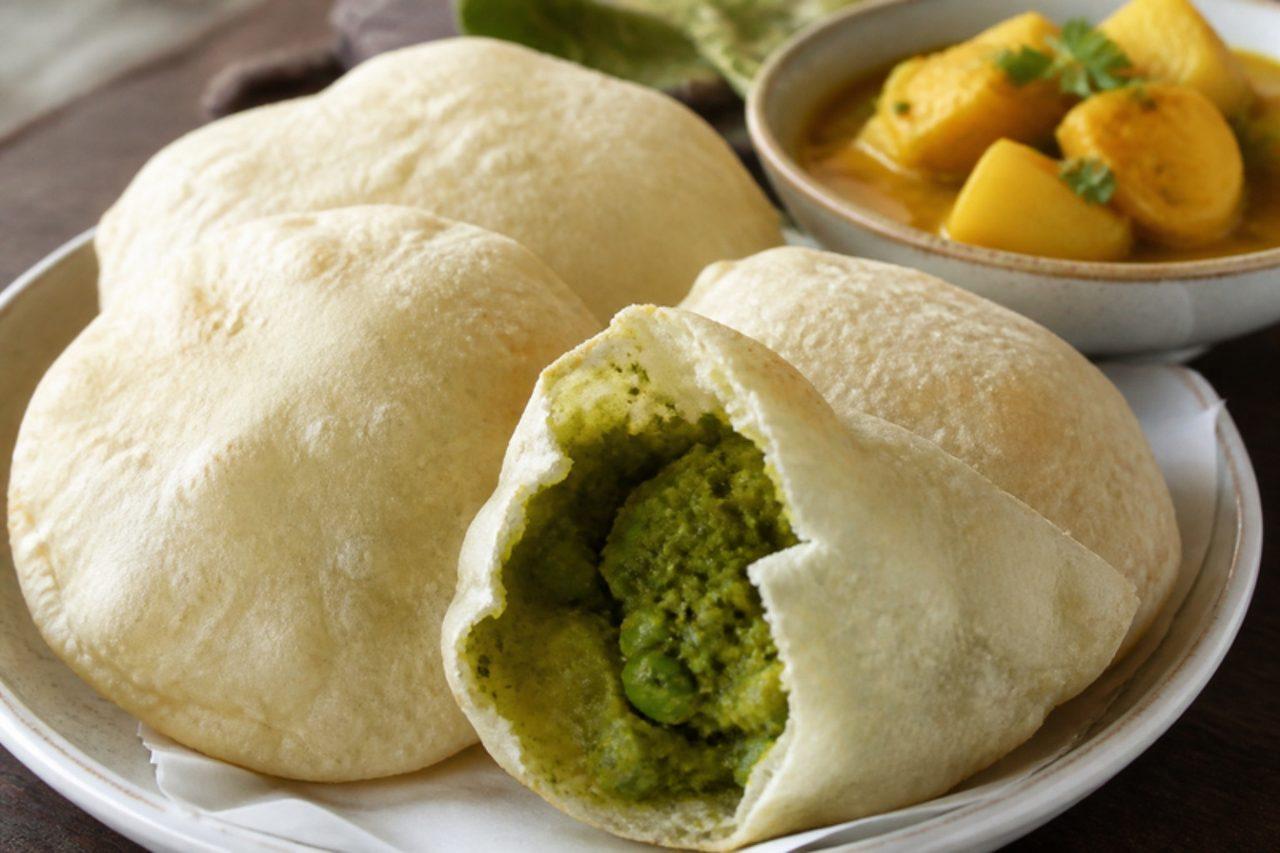
Koraishutir kochuri is a winter treat in Kolkata and across West Bengal, made when sweet new-season peas arrive in the markets. Soft maida dough is filled with a smooth, gingery green pea paste, rolled thin and fried until it puffs into a pale golden pillow with a green blush showing through. It's a Sunday breakfast or a festive snack, classically served with aloor dom (Bengali spiced potatoes) or cholar dal and a sweet to finish. Chef's tip: cook the pea paste until it's dry enough to roll into a ball that doesn't stick to your fingers; a wet filling tears through the thin dough as you roll.

by KrazyBadal 0 views
Bisi bele bath

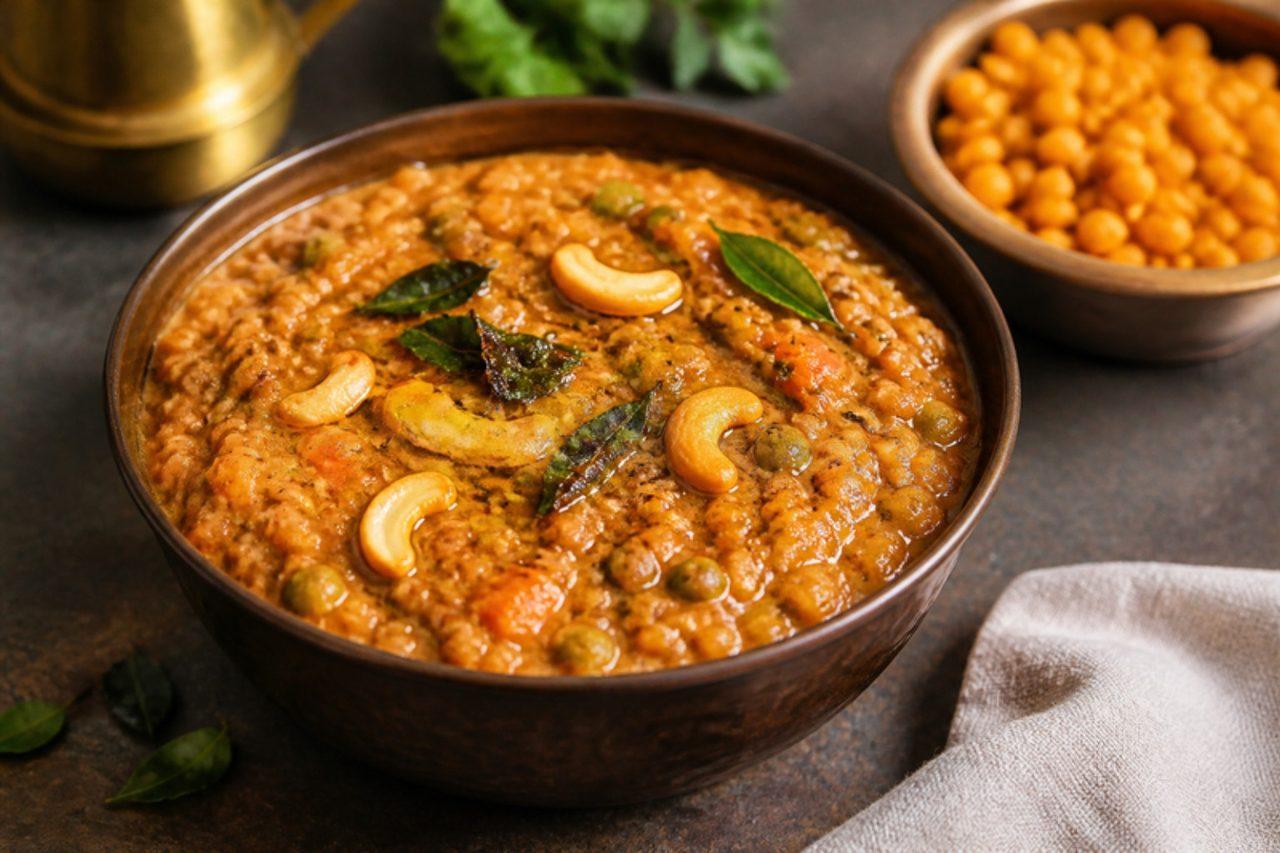
Bisi bele bath means 'hot lentil rice' in Kannada, and it's Karnataka's great comfort dish, served in temples, weddings and Bengaluru tiffin rooms. Rice and toor dal are cooked soft with vegetables, then simmered with tamarind, jaggery and a freshly roasted spice powder of lentils, coriander seed, chilli, cinnamon and coconut until it's thick, glossy and spoonable. A generous ghee tempering with cashews and curry leaves goes over the top. Eat it piping hot with crisp potato chips or boondi raita. Chef's tip: make it looser than you think; it thickens fast as it stands, and the right texture is soft and flowing, like a thick porridge.

by KrazyBadal 0 views
Appam with vegetable stew

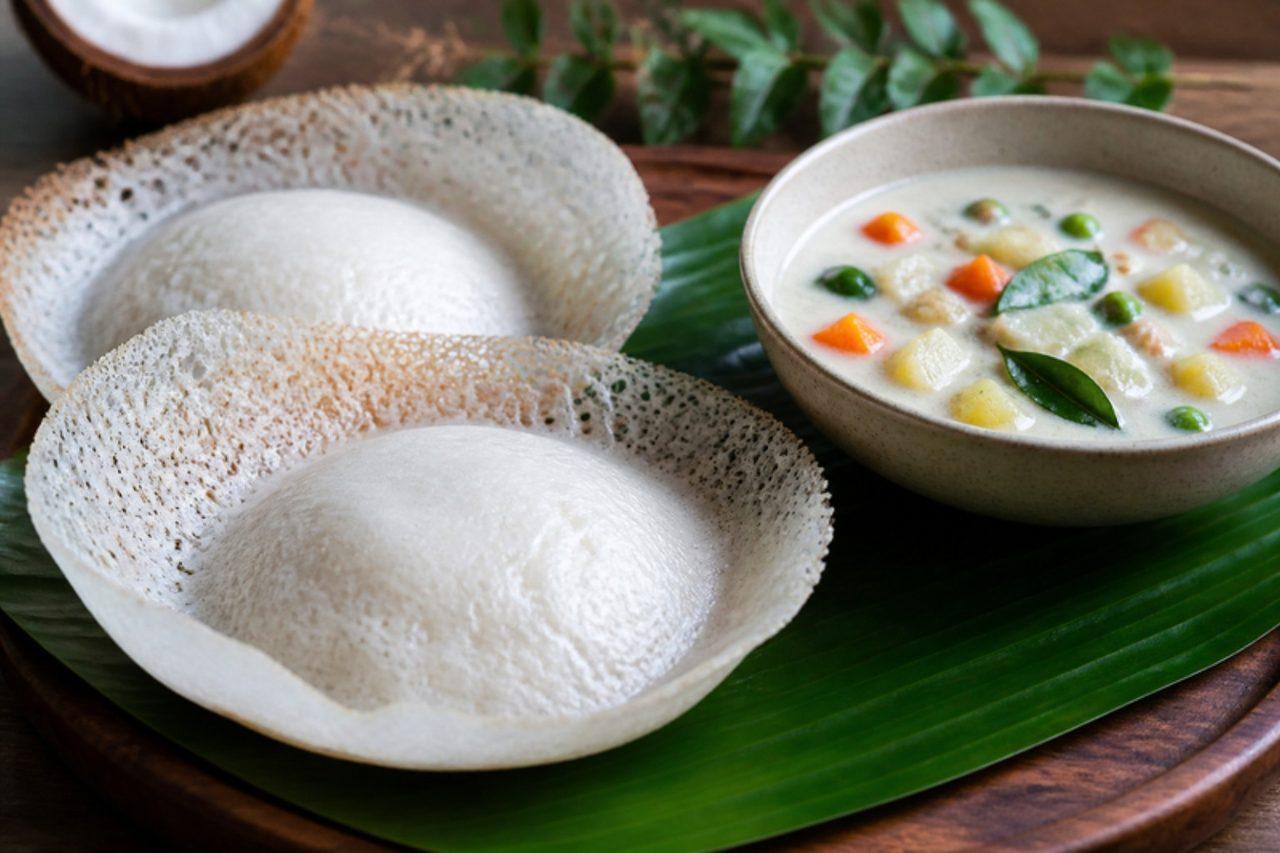
Appam with stew is a Kerala breakfast loved across communities, and the classic Easter and Christmas morning meal for Syrian Christian families. Appams are bowl-shaped pancakes of fermented rice and coconut batter: crisp, lacy edges around a thick, spongy, slightly sweet centre. The stew (ishtu) is pale and gentle: potatoes and vegetables simmered in thin coconut milk with whole spices, ginger and green chilli, finished with thick coconut milk and curry leaves. Chef's tip: swirl the appam pan once, firmly, the moment the batter goes in, then cover; the swirl makes the lace and the lid steams the soft centre.

by KrazyBadal 0 views

Goan vegetable xacuti

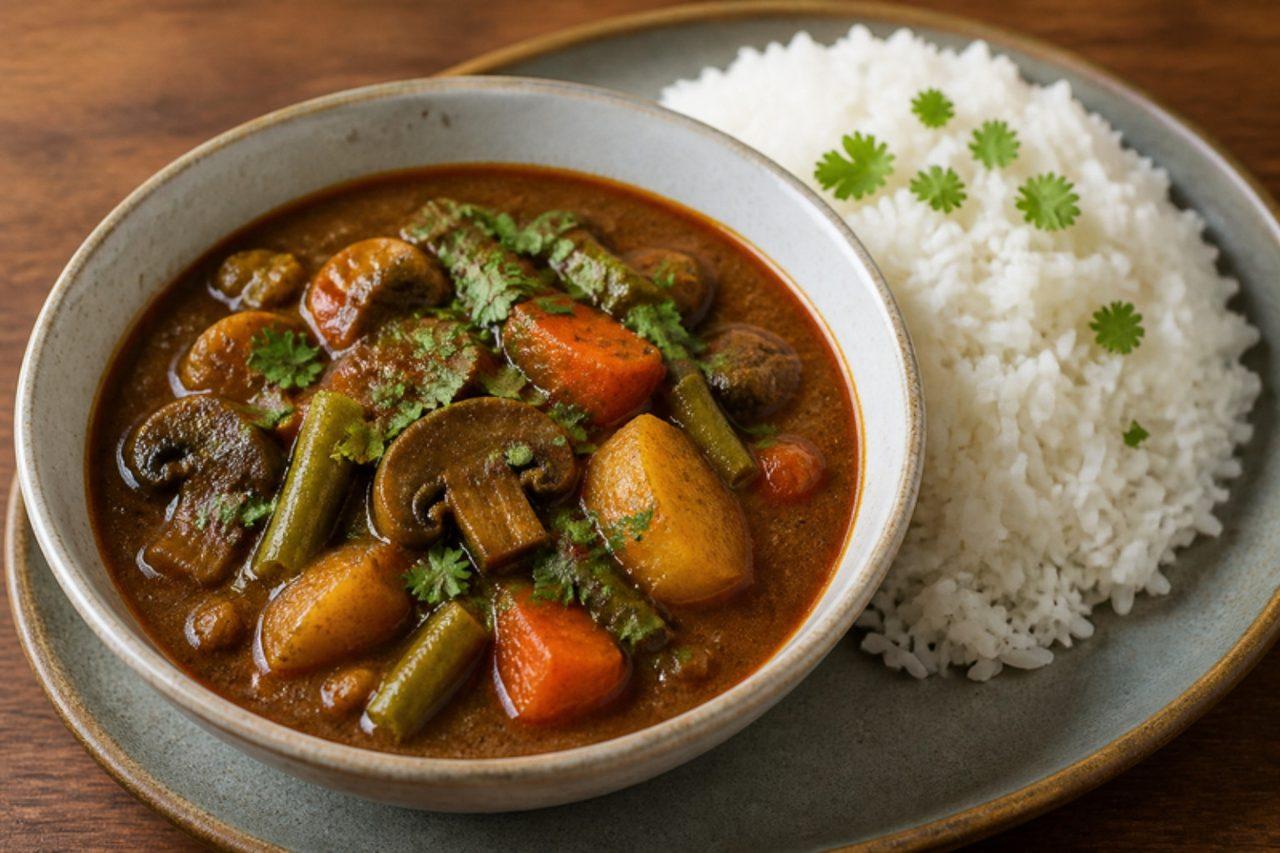
Xacuti (sha-koo-tee) is one of Goa's most complex curries: grated coconut is roasted until deep brown with poppy seeds, dried chillies and a long list of whole spices, then ground into a thick, aromatic masala. In Goa it's usually made with chicken; vegetarian Goan families make it with mushrooms, potatoes, peas and other vegetables, and the roasted coconut gives it all the depth it needs. It's warm and fragrant rather than fiery, with a touch of tamarind and jaggery. Serve with rice, pao or chapatis. Chef's tip: roast the coconut slowly over a low heat until it's the colour of milk chocolate and smells like toasted nuts; that colour is the xacuti's flavour, and pale coconut gives you a pale, flat curry.

55 minCurriesVeganGluten freeIndian
by KrazyBadal 0 views

Vegetable Sindhi biryani

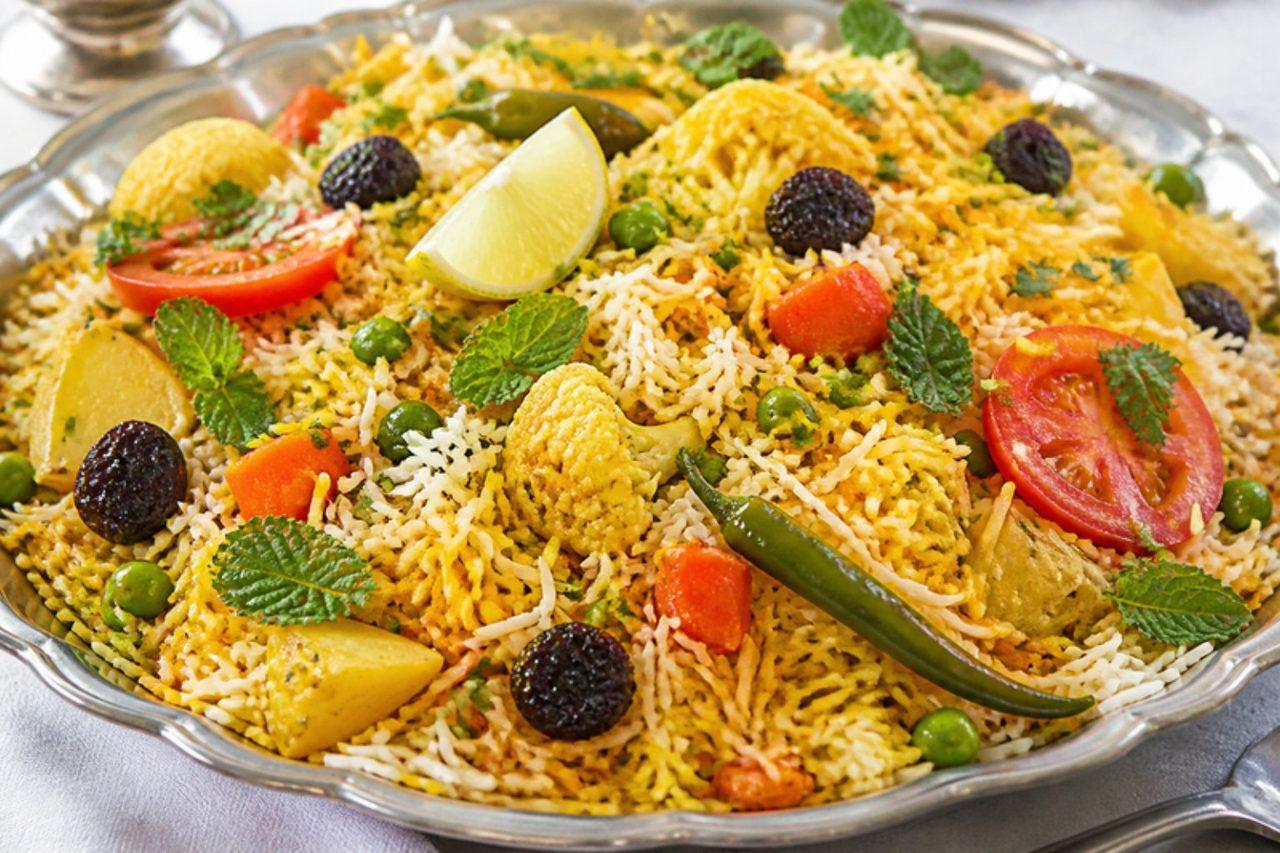
Sindhi biryani is the biryani of Karachi, Hyderabad and the rest of Sindh, and it is the one people order by the deg (a huge pot) for weddings, Eid lunches and every big family gathering. What makes it Sindhi is the tang and the heat: plenty of tomatoes, yogurt, whole green chillies and sour dried plums (aloo bukhara) in the masala, with chunks of potato that soak up all of it. This vegetable version keeps all of that and swaps the meat for potato, carrot, cauliflower and peas, layered with half-cooked basmati, fried onions, mint and saffron milk, then steamed shut. A common mistake is boiling the rice until soft before layering; take it out when a grain still has a firm white core, because it finishes in the steam. Chef's tip: fry the onions until deep brown but not black, and keep the oil they fried in; it carries their flavour into every layer.

by KrazyBadal 0 views

Methi matar malai

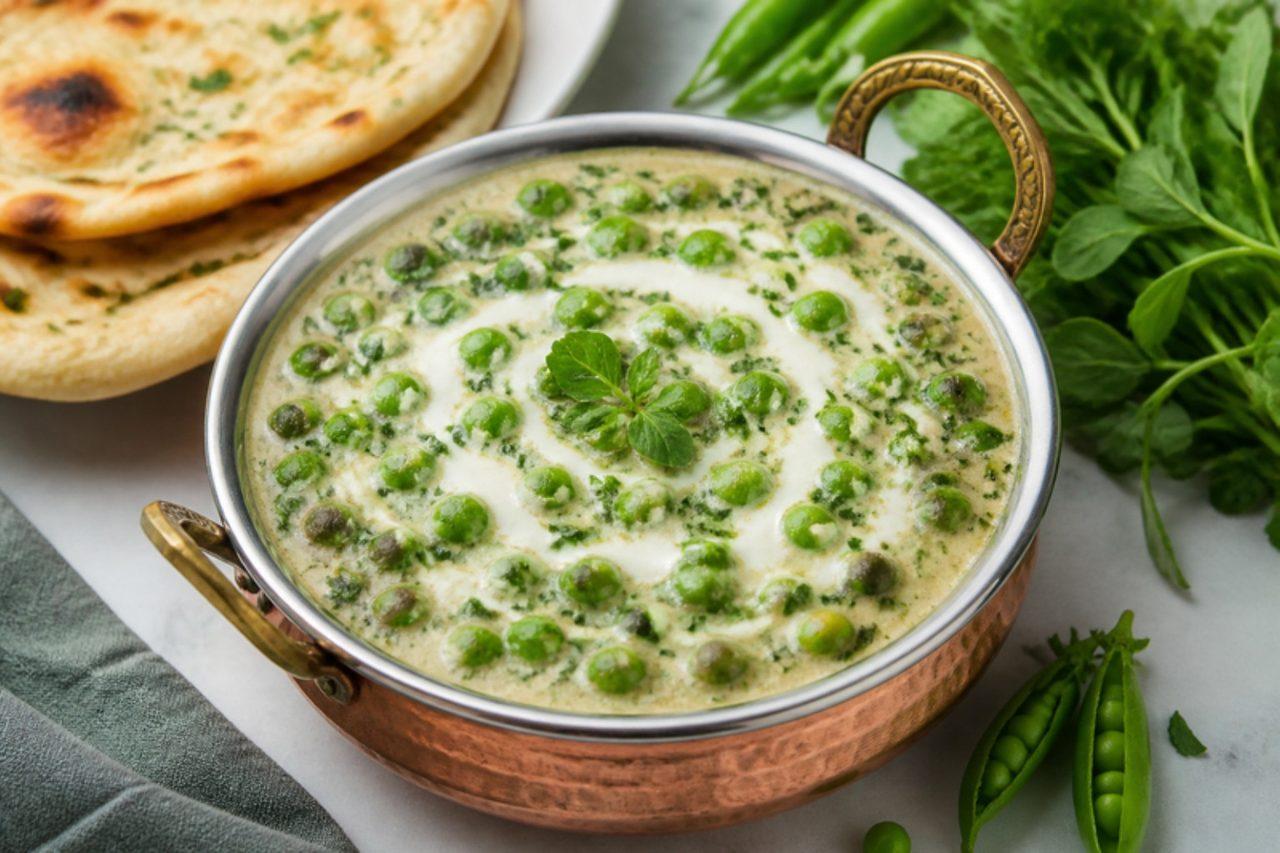
Methi matar malai belongs to the Punjabi wedding buffet and the dhaba menu as much as to winter home cooking, when bunches of fresh fenugreek pile up in the markets of Ludhiana and Jalandhar. Bitter-sweet methi leaves and sweet green peas sit in a pale, silky gravy of onion, cashew and cream, mild enough for children and rich enough for a celebration. Serve it with butter naan, lachha paratha or jeera rice. Chef's tip: salt the chopped methi and squeeze it before cooking; it takes away much of the bitterness while keeping the flavour.

40 minCurriesGluten freeIndian
by KrazyBadal 0 views

Tehri

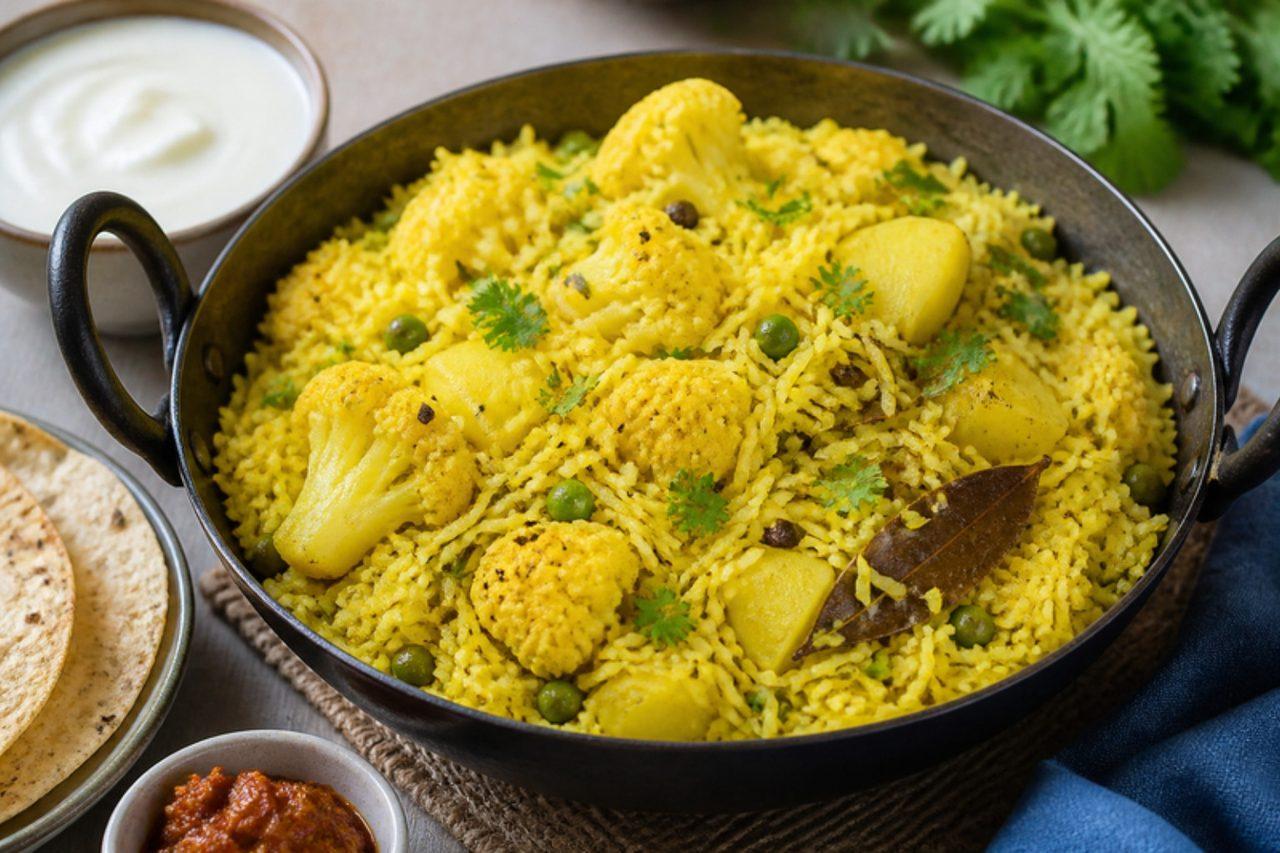
In many Uttar Pradesh homes, tehri is what happens on a cold evening when nobody wants to cook three dishes. Rice, potatoes, cauliflower and peas go into one pot with mustard oil, turmeric and whole spices, and come out yellow, fluffy and lightly spiced. Families in Kanpur, Allahabad and Varanasi eat it with plain yogurt, a spoon of mango pickle and roasted papad, and it is also cooked for winter picnics. It differs from pulao in its turmeric colour and the sharp warmth of smoked mustard oil. A frequent mistake is stirring after the water goes in, which breaks the grains and makes the rice gluey. Chef's tip: heat the mustard oil until it just smokes, then let it cool for a few seconds before adding spices; this mellows its bite without losing the flavour.

by KrazyBadal 0 views

Awadhi vegetable dum biryani

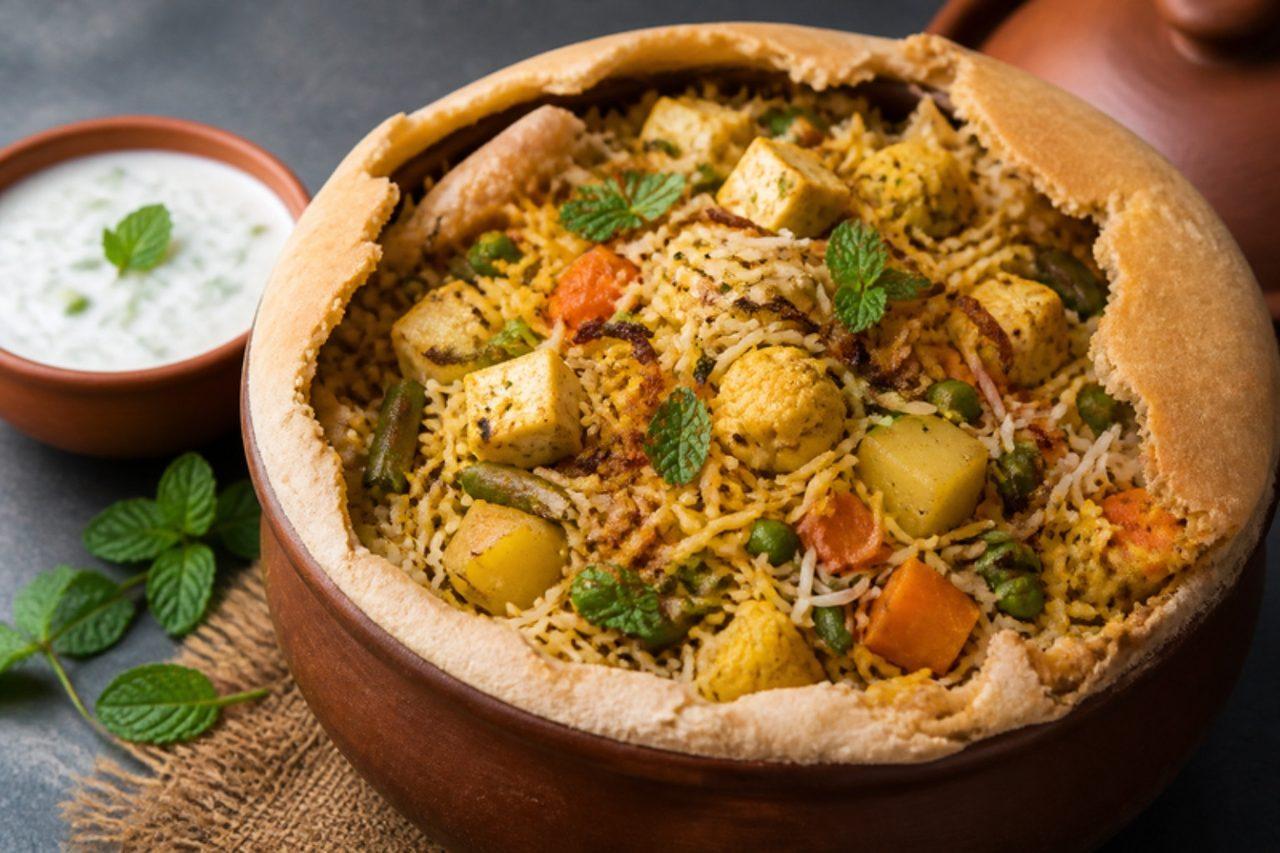
Lucknow's cooks built their reputation on restraint: the Awadhi biryani is perfumed rather than fiery, with no tomato, very little chilli and whole spices that whisper instead of shout. Vegetables are cooked in spiced yogurt, layered with long-grain rice that is only three-quarters done, then sealed under a dough lid so everything finishes in its own steam, a technique the city calls dum pukht. It is the dish for Eid gatherings, wedding buffets and long Sunday lunches across Uttar Pradesh, served with a cooling raita and a sliced onion salad. The common mistake is boiling the rice fully before layering; it then turns soft and sticky under the lid instead of separating into long, distinct grains. Chef's tip: lift a grain and press it between your fingers before draining; it should break into two or three firm pieces with a white core.

by KrazyBadal 0 views

Nimona

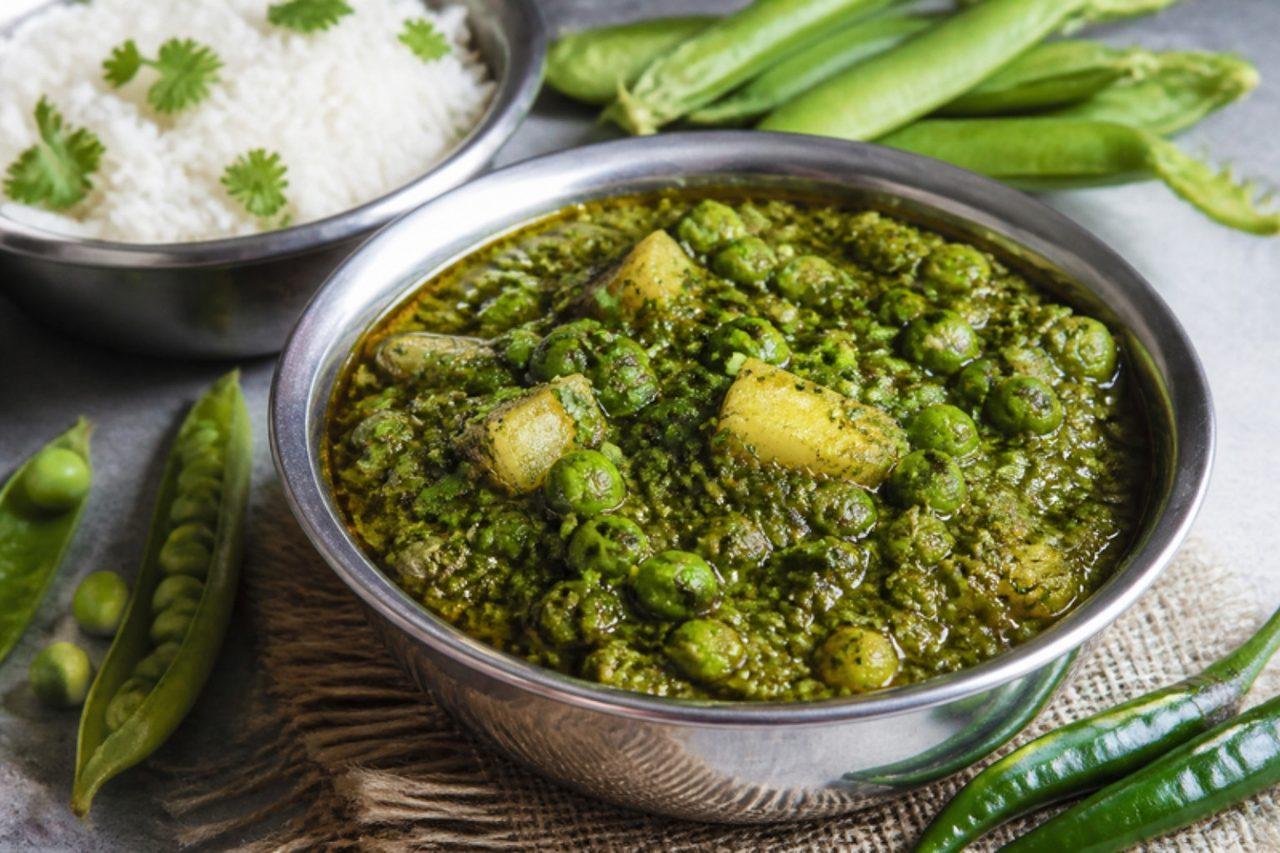
When fresh peas fill the markets of Varanasi and Gorakhpur in December, almost every household makes nimona. The peas are coarsely ground and fried in mustard oil until they lose their raw smell and turn a darker, nutty green. Potatoes are then added and everything simmers in a thin, spicy gravy. It is eaten with plain rice on a winter afternoon, and some families add fried moong dal vadis for extra bite. The most common mistake is grinding the peas into a smooth paste; nimona should have texture, like crushed peas rather than soup. Chef's tip: pulse the peas with the green chillies, ginger and garlic in short bursts, and stop as soon as they look like coarse, wet crumbs.

55 minCurriesVeganGluten freeIndian
by KrazyBadal 0 views

Jodhpuri kabuli

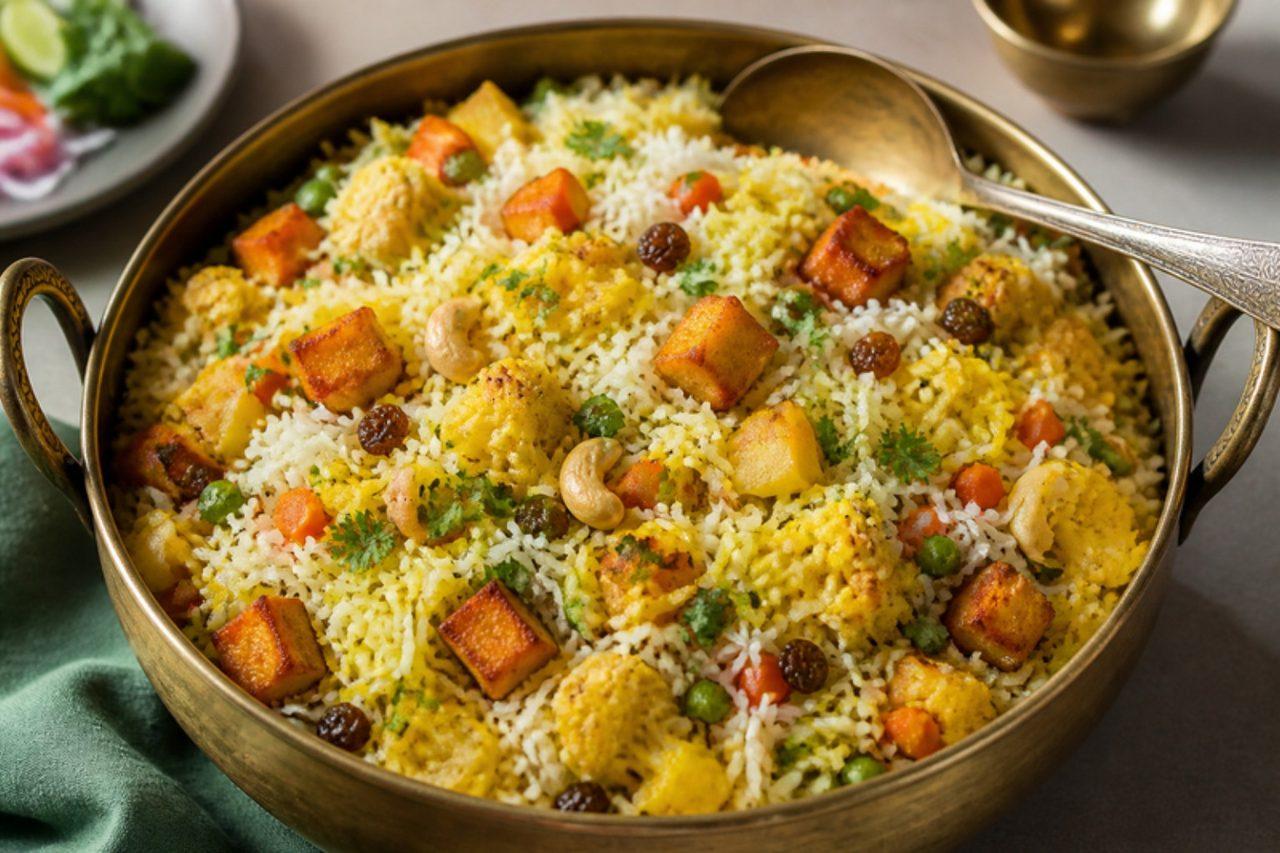
Jodhpuri kabuli is a celebration rice from Marwar that has nothing to do with chickpeas; the name refers to its rich, layered style. Rice is stacked with vegetables simmered in spiced yogurt and milk, crisp fried bread cubes, cashews, raisins and saffron, then steamed under a lid so the bread absorbs the juices while the top stays crunchy. Jodhpur families cook it for weddings and festive lunches, and it is eaten on its own with raita or kadhi. A common mistake is layering the bread at the bottom, where it becomes soggy; it belongs in the middle and on top. Chef's tip: cook the rice only until it still has a firm bite, because it will finish cooking during the dum.

by KrazyBadal 0 views

Masale bhaat

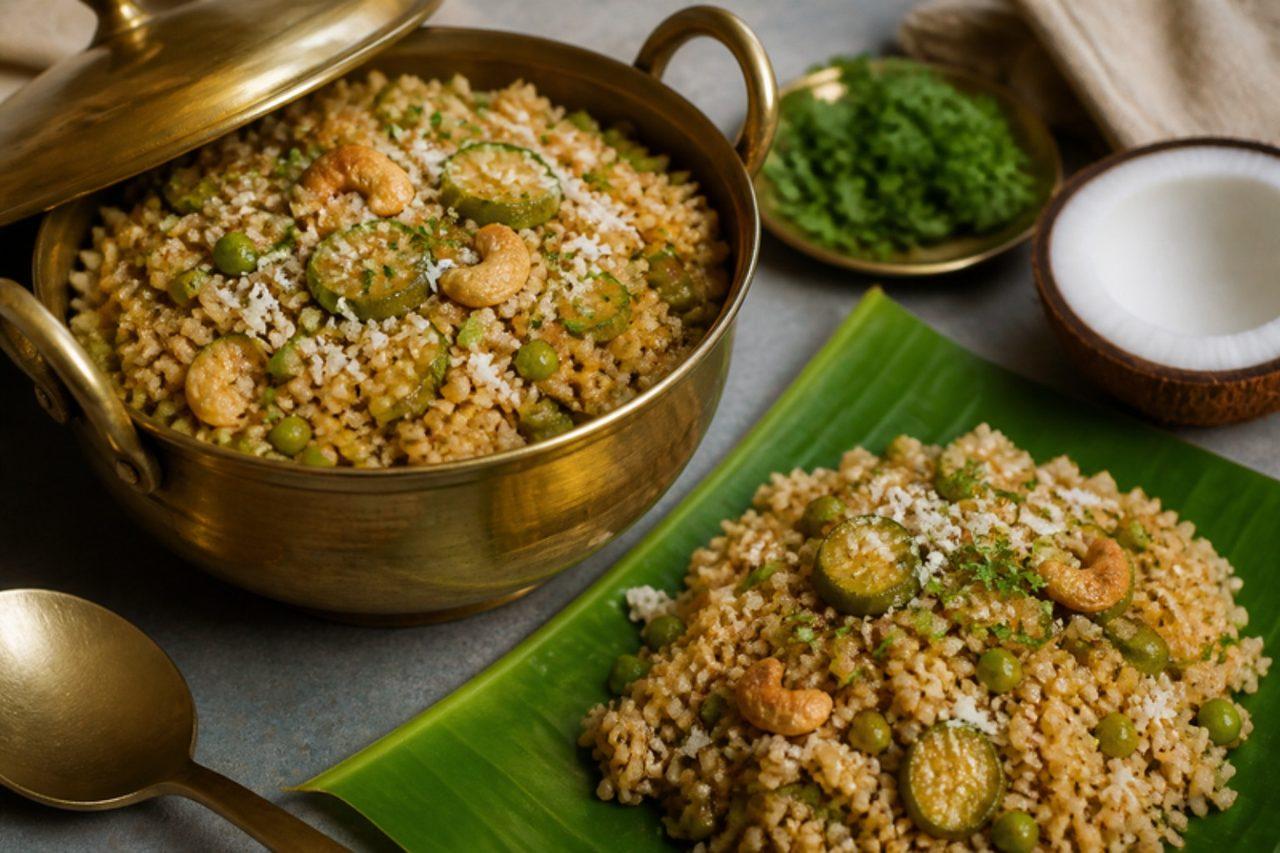
At a traditional Maharashtrian wedding lunch in Pune, the masale bhaat arrives in a steel bucket, deep brown-gold with goda masala, studded with tondli, peas and cashews and topped with fresh coconut and coriander. Unlike a pulao it is not delicate: it's spiced, a touch sweet from jaggery, and made with short-grain ambemohor or indrayani rice that turns soft and fragrant. A squeeze of lemon, a spoon of ghee and a bowl of kadhi or mattha (spiced buttermilk) on the side make it a meal. Chef's tip: slice the ivy gourd lengthways into quarters, not rounds, so it holds its shape and stays crunchy through the steaming.

by KrazyBadal 0 views

Chhanar dalna

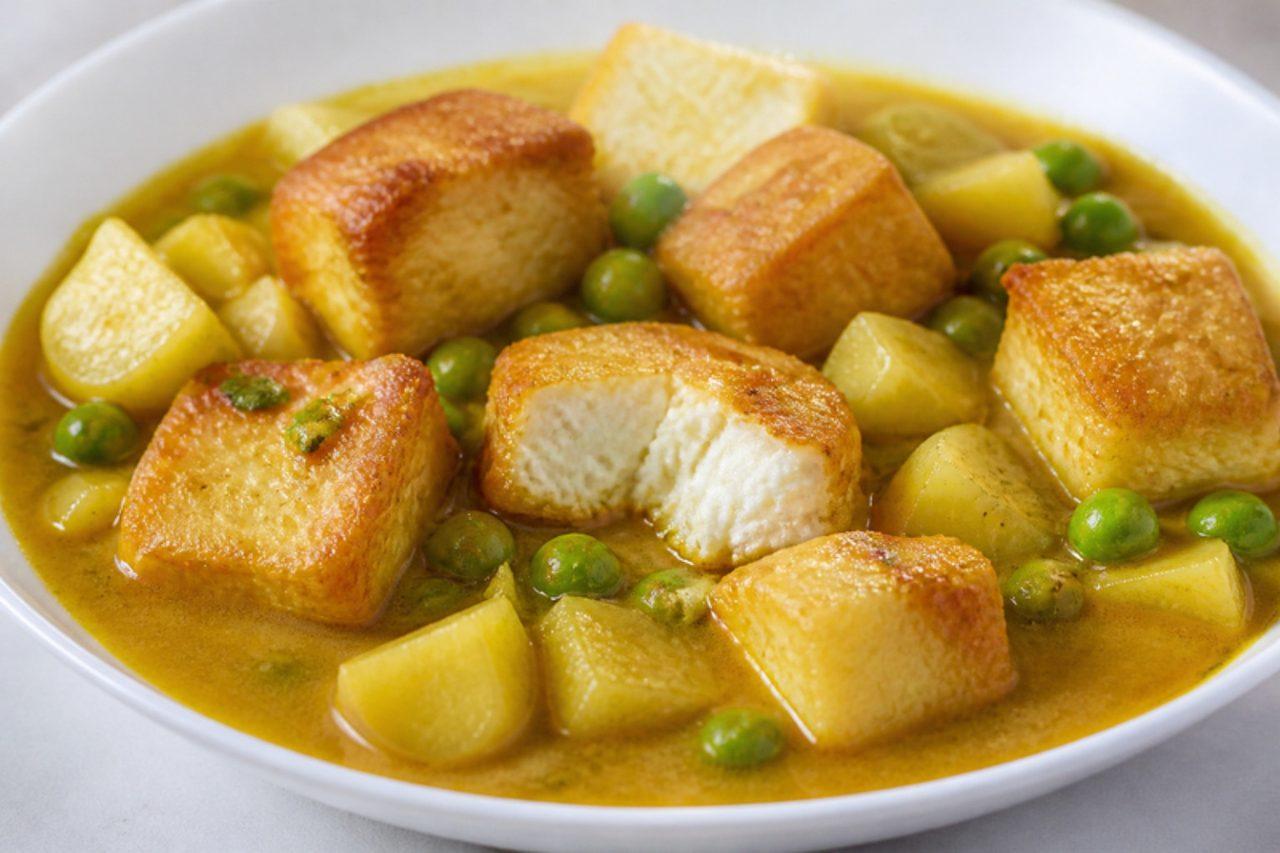
Chhanar dalna is how Bengal uses its fresh chhena, the same curd cheese that goes into rasgulla and sandesh, for a savoury lunch. Freshly split milk is kneaded with a little flour, pressed, cut into squares and fried, then simmered with potato in a thin, gingery tomato gravy scented with bay leaf and cardamom. It is lighter than a North Indian paneer curry and is a favourite on Thursdays and niramish days in Kolkata homes. Chef's tip: knead the chhena with your palm until it feels smooth and slightly greasy; that is what holds the cubes together in the gravy.

60 minCurriesGluten freeIndian
by KrazyBadal 0 views

Vegetable charquicán

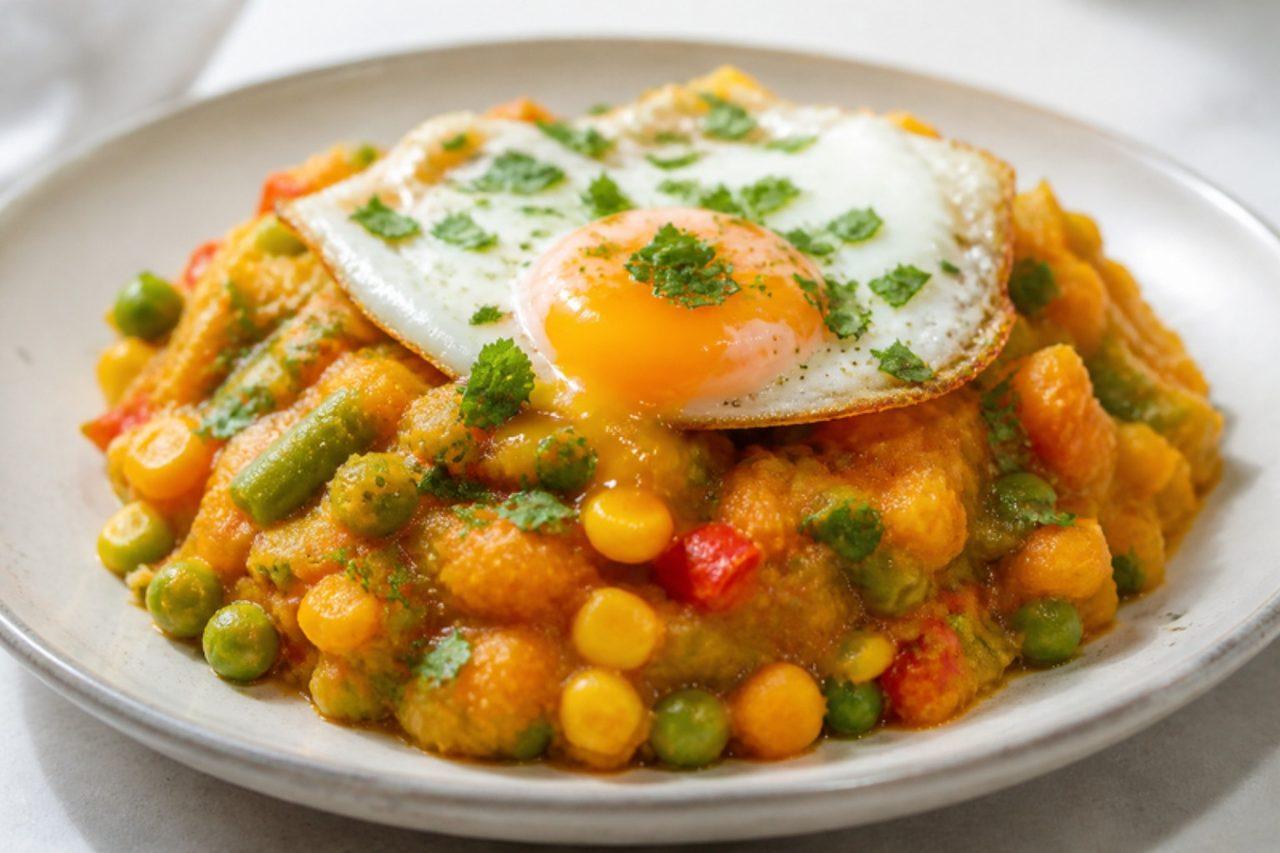
Charquicán is old Chilean country food: a thick mash of pumpkin and potato with corn and peas, once made with charqui, the dried meat of the Andes. In the south and in Santiago homes it's a winter weeknight dinner, served in a deep plate with a fried egg on top and pickled onions or a simple salad. Without the meat it's still rich and smoky with merkén (smoked chilli) and paprika. Chef's tip: mash only roughly at the end; charquicán should have soft chunks, not be a smooth purée.

50 minVegetarianGluten free
by KrazyBadal 0 views

Vegetarian fanesca

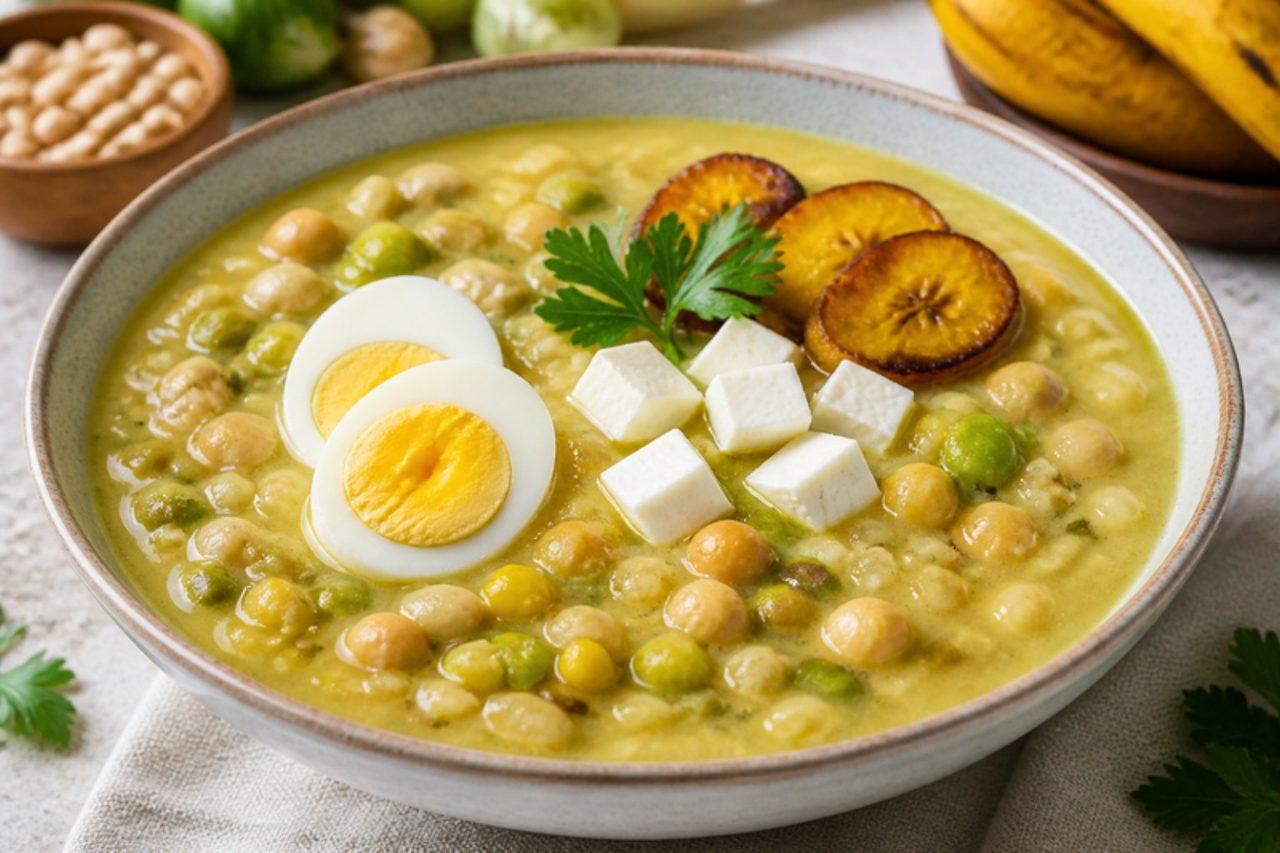
Fanesca is cooked in Ecuador only once a year, in the days before Easter, and families spend a whole day shelling, peeling and stirring. Traditionally it gathers twelve grains and legumes (said to stand for the apostles) in a thick soup of squash, milk and peanut, with salt cod in the pot. This version leaves the fish out and keeps the festival garnishes: hard-boiled egg, fried ripe plantain, fresh cheese and parsley. It's rich and very filling; small bowls are enough. Chef's tip: cook everything the day before and reheat; like many big feast soups, fanesca tastes better on day two.

130 minSoupsGluten free
by KrazyBadal 0 views

Sopa de maní

Sopa de maní is a pride of Cochabamba, Bolivia's food capital, where it starts the big midday meal in homes and market comedores. Raw peanuts are blended into a pale, creamy broth with vegetables and peas, and every bowl is topped with a tangle of thin, crisp fried potatoes and chopped parsley. It's usually made with beef broth; vegetable stock and a little more garlic keep it full-flavoured. Chef's tip: use raw (unroasted) peanuts and blend them very finely with water; that's what gives the soup its milky colour and silkiness.

70 minSoupsVeganGluten free
by KrazyBadal 0 views

Niislel salad

Niislel means 'capital', and this creamy salad is the one served across Ulaanbaatar at Tsagaan Sar (Lunar New Year), birthdays and in every canteen. It descends from the Russian Olivier salad of the Soviet era, made Mongolian with plenty of cucumber and sometimes apple; it usually includes ham or sausage, left out here and replaced with extra egg. It's cool and comforting next to hot buuz (dumplings) or tsuivan. Chef's tip: cut everything into small, even cubes the size of a pea; that uniform dice is what makes it niislel and not just potato salad.

45 minSaladsGluten free
by KrazyBadal 0 views

Goes well with green peas