Skip to content

Recipes with lotus root

4 recipes that use lotus root, with photos, step-by-step instructions and cook times. The quickest, Vegetable kushikatsu, takes 50 minutes. It is most often cooked with soy sauce, sugar and carrot.

Got a few things in the fridge? Search by everything you have

Sichuan vegetable hot pot

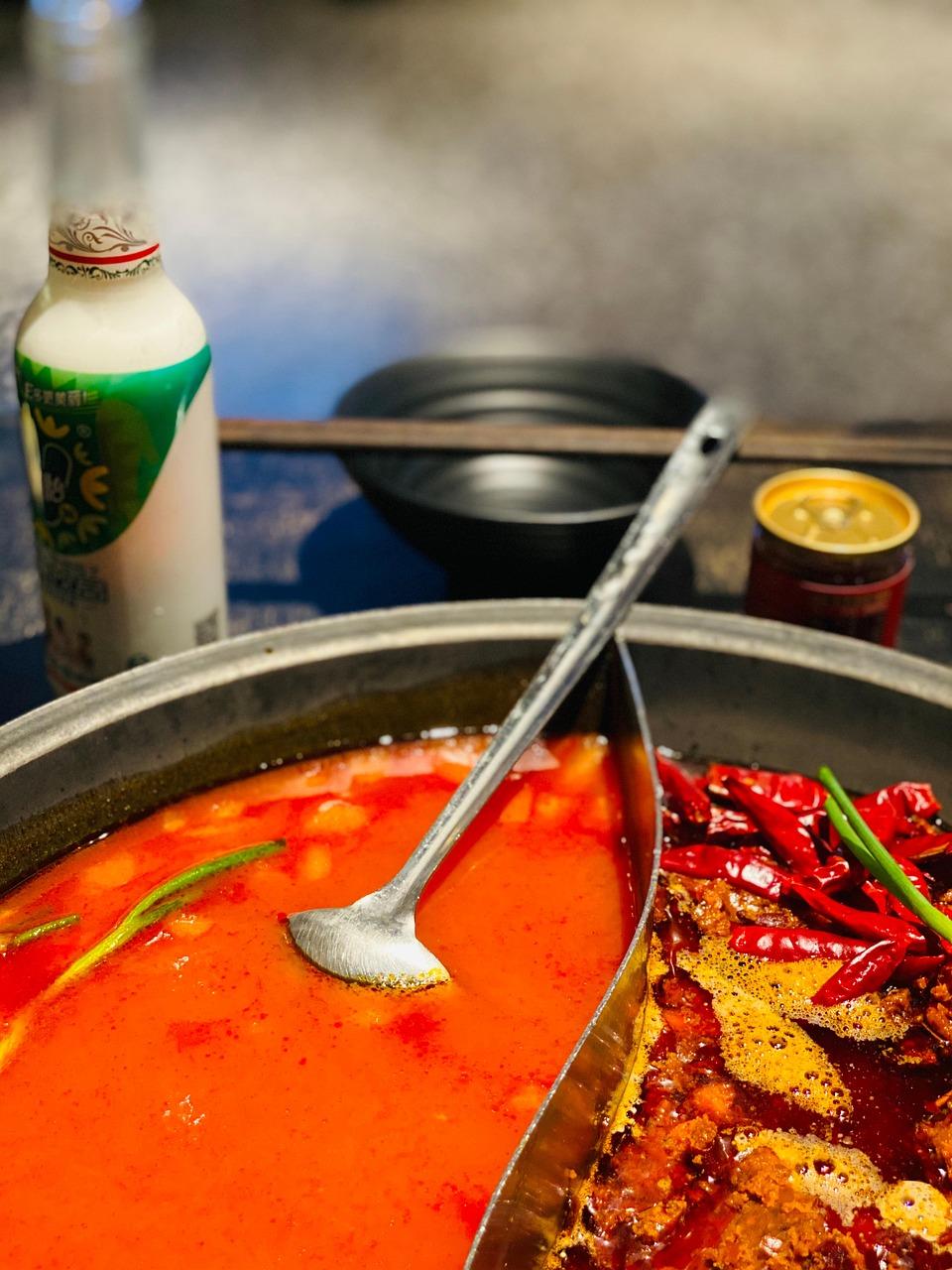
Across Chengdu and Chongqing, friends spend whole evenings round a bubbling pot of red broth, dipping in mushrooms, tofu and greens a few at a time and fishing them out with chopsticks. The best-known bases are cooked in beef tallow; the clear-oil style (qīngyóu huǒguō) uses rapeseed oil instead, which keeps it vegetarian without losing the heat and tingle. You need a portable burner or electric hot pot on the table. Chef's tip: give each person a bowl of sesame oil with crushed garlic for dipping; it cools each mouthful just enough to keep going.

70 minSoupsVeganSpicy
by KrazyBadal 0 views

Sapporo soup curry

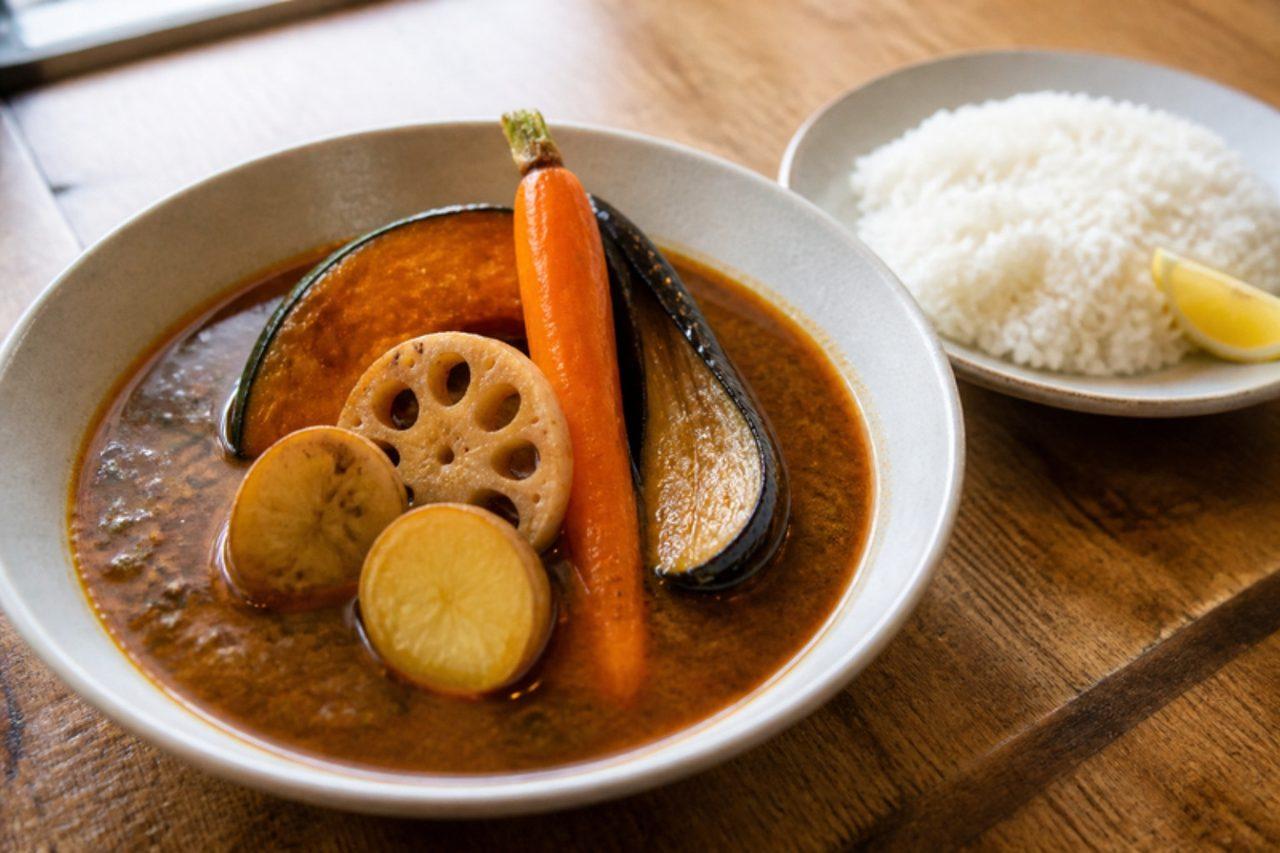
Sapporo's soup curry was born in the city's cafés in the 1970s and became a craze in the 2000s, when hundreds of small shops opened across Hokkaido's capital, each letting you pick a heat level from 1 to 30. It is nothing like the thick roux curry most of Japan knows: the broth is as thin as soup, aromatic with cumin, cardamom and garlic, and the vegetables arrive large and separately roasted, so each keeps its own colour and bite. Locals eat it in the long Hokkaido winter with a plate of rice on the side, taking a spoonful of rice and dunking it into the broth. Chef's tip: roast or fry the vegetables apart from the broth and only meet them in the bowl. The contrast of crisp-edged vegetables and hot, loose broth is the whole point.

65 minCurriesVeganSpicy
by KrazyBadal 0 views

Vegetable kushikatsu

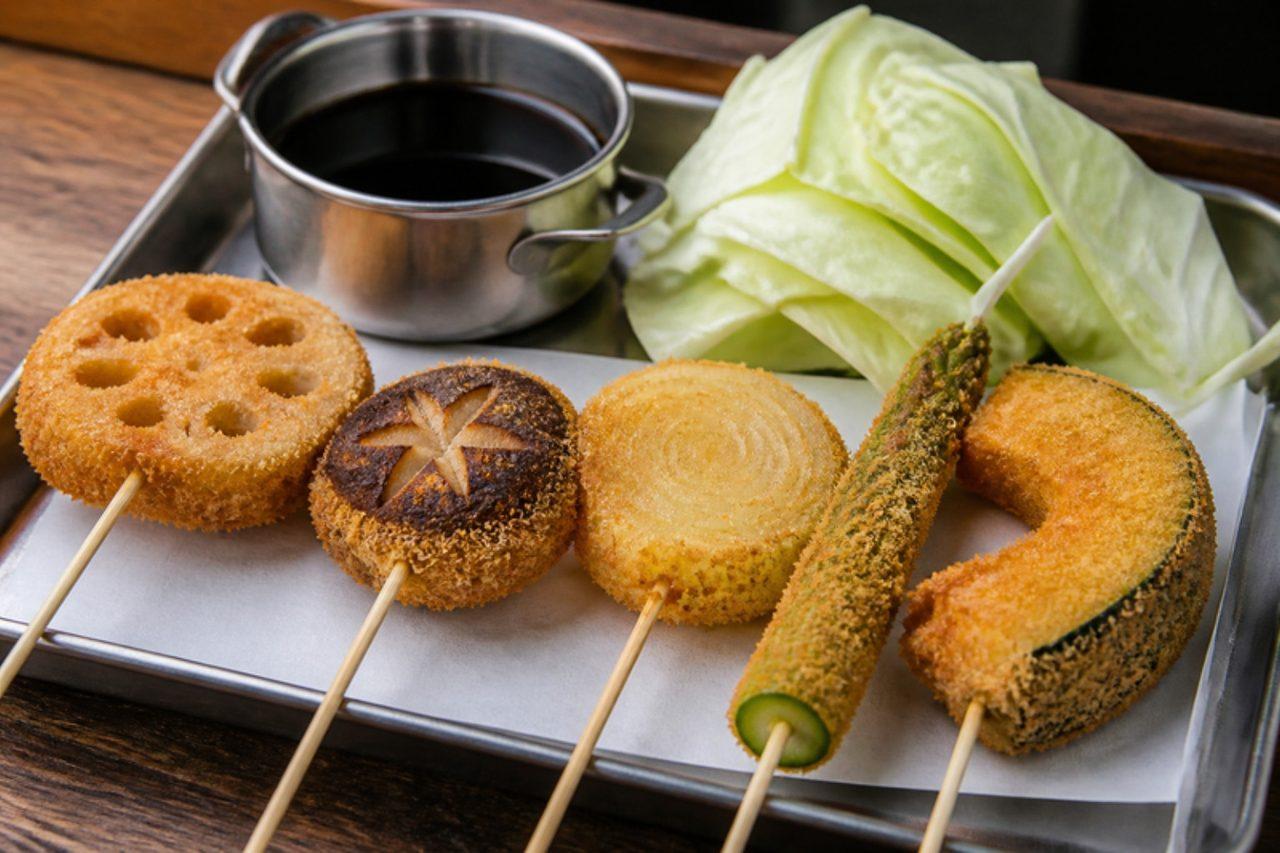
Kushikatsu belongs to Shinsekai, the neon-lit old entertainment district at the foot of Osaka's Tsutenkaku tower. Since the 1920s, labourers have stood at its counters eating skewers fried to order, dunked in a shared steel pot of thin, fruity sauce. The famous house rule, 'no double dipping', is printed on signs everywhere. Vegetables are as popular as meat there: lotus root, shiitake, onion, asparagus and, a local favourite, chewy mochi and cheese. Have a plate of raw cabbage leaves on the side; they're free at every shop and used to scoop extra sauce. Chef's tip: use fine panko, or blitz ordinary panko briefly. Fine crumbs give the thin, crunchy jacket that Osaka shops are known for.

by KrazyBadal 0 views

Okayama barazushi

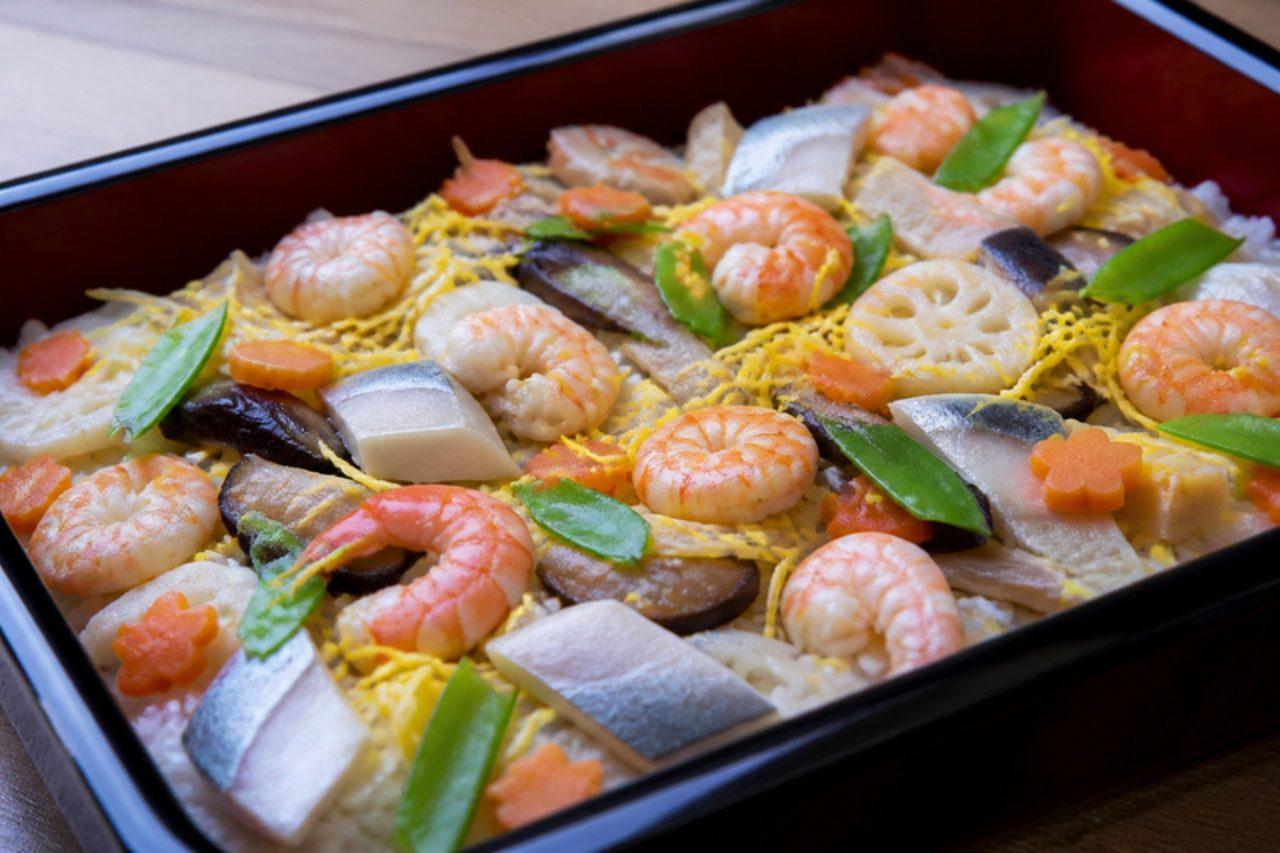
Okayama families make a big shallow platter of barazushi for the autumn shrine festivals, Girls' Day in March and other celebrations, and it is sold in station lunch boxes all year. A local story says it began when a lord ordered people to eat only one side dish, so cooks hid everything in the rice instead. The seasoned rice is mixed with simmered vegetables and topped with seafood from the Seto Inland Sea. This version uses cooked prawns, gently simmered squid and egg threads, plus ready-made vinegared mackerel, which is cured but not cooked. Use very fresh, sushi-grade fish from a trusted fishmonger; not for pregnant women, young children or anyone with a weakened immune system. Leave the mackerel out, or add extra prawns, to make it fully cooked. Chef's tip: fold the vinegar into the rice while it is hot and fan it as you go; the rice soaks up the seasoning and turns glossy instead of wet.

by KrazyBadal 0 views

Goes well with lotus root