Skip to content

Recipes with marzipan

7 recipes that use marzipan, with photos, step-by-step instructions and cook times. The quickest, Leipziger Lerche, takes 65 minutes. It is most often cooked with plain flour, egg and butter.

Got a few things in the fridge? Search by everything you have

Ponche segoviano

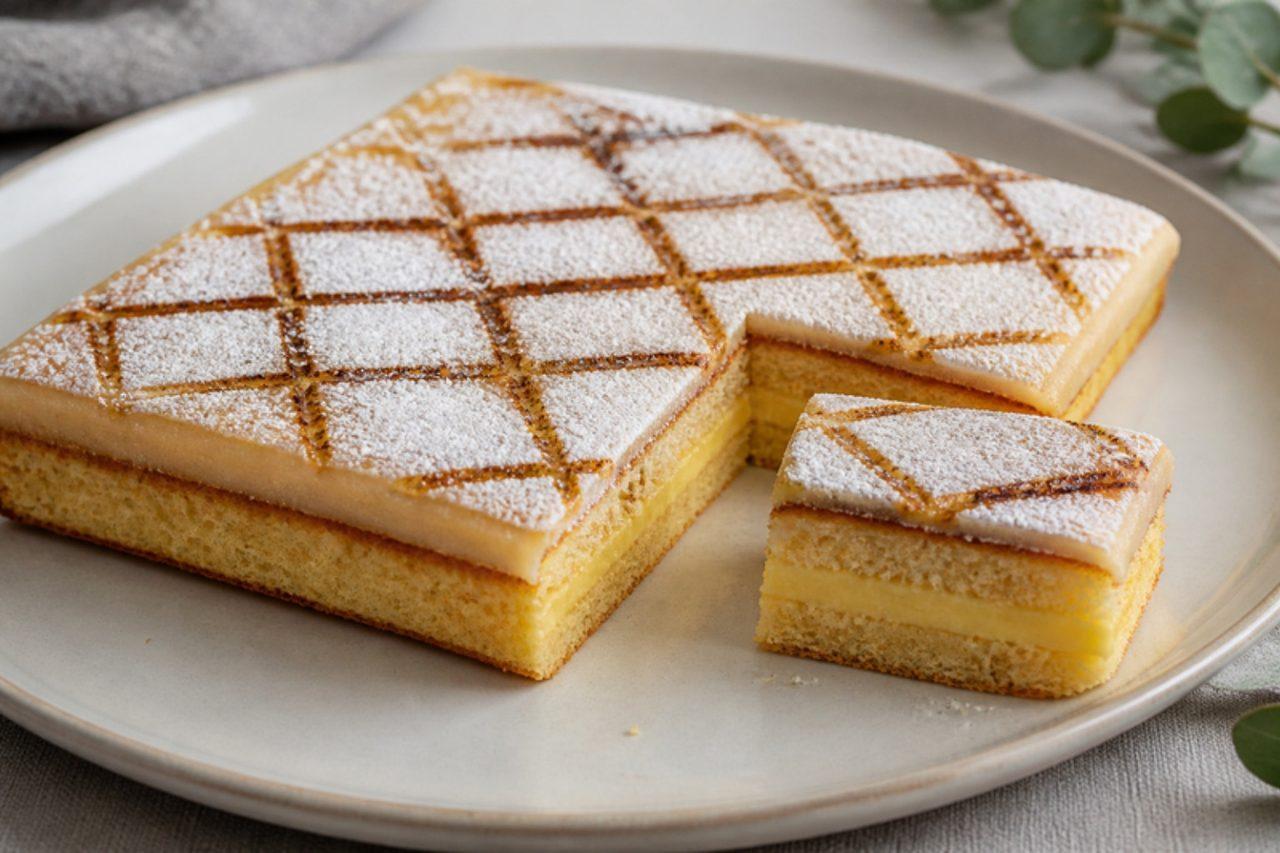
Segovia's confiterías have sold ponche since the 1920s: layers of light sponge brushed with syrup, sandwiched with thick custard and wrapped in a thin coat of marzipan whose sugared top is branded into a diamond lattice with a hot iron. It is the cake for a family celebration, or the sweet finish after a roast suckling-pig lunch in the old town. The syrup is traditionally laced with liqueur; leave it out, or swap it for orange juice, for an alcohol-free cake. Chef's tip: let the custard cool and set completely before assembling, or the layers slide.

by KrazyBadal 0 views

Leipziger Lerche

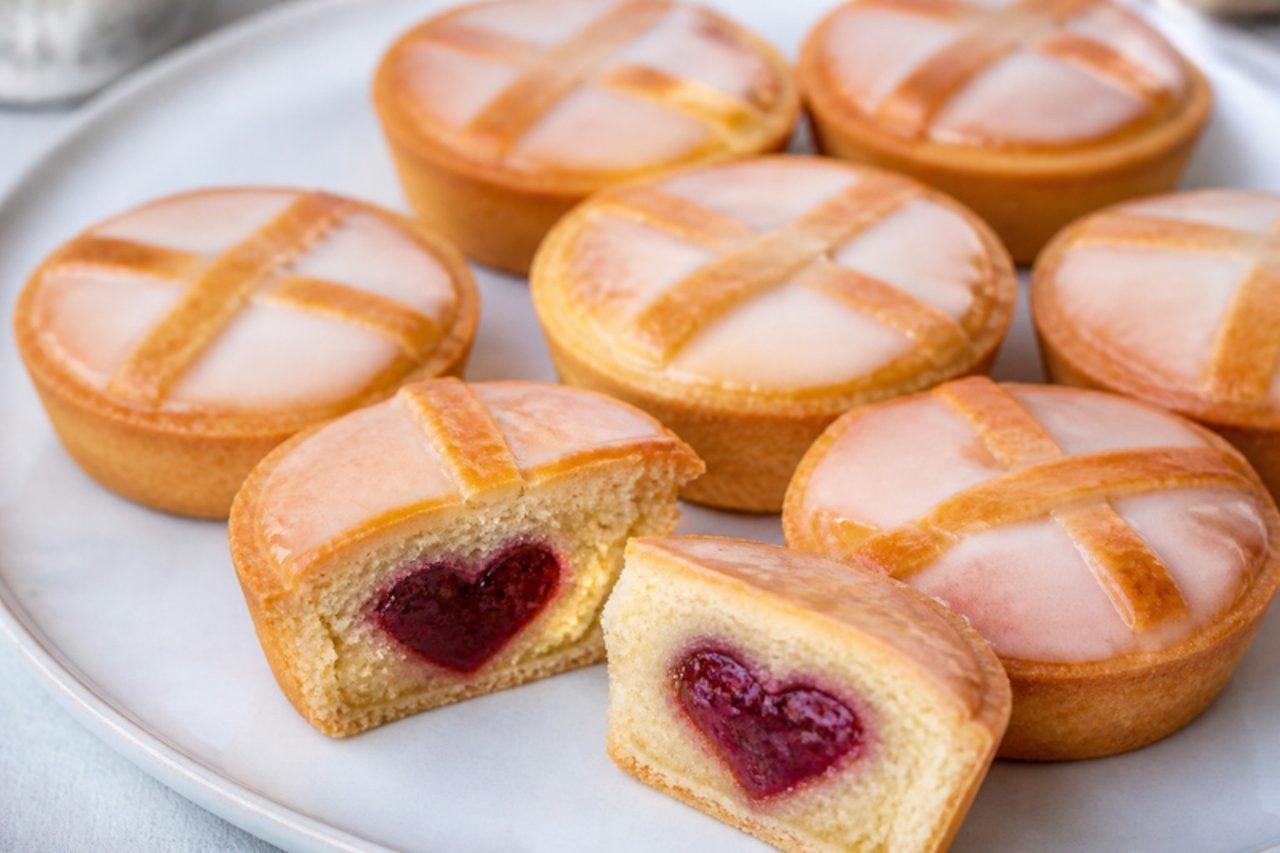
Leipziger Lerchen began as real roast larks stuffed with herbs, sold in Leipzig until the King of Saxony banned songbird hunting in 1876. The city's bakers answered with a pastry that kept the name: a shortcrust tartlet filled with almond-marzipan cream, a cherry or jam hidden in the middle like the bird's heart, and two crossed strips of pastry on top like the string that tied it. Today you find them in every Leipzig café, especially at the Christmas market. A common mistake is overfilling the cases, so the filling bubbles over and the cross sinks. Chef's tip: chill the lined tins for 15 minutes before filling so the pastry keeps sharp edges.

by KrazyBadal 0 views

Simnel cake

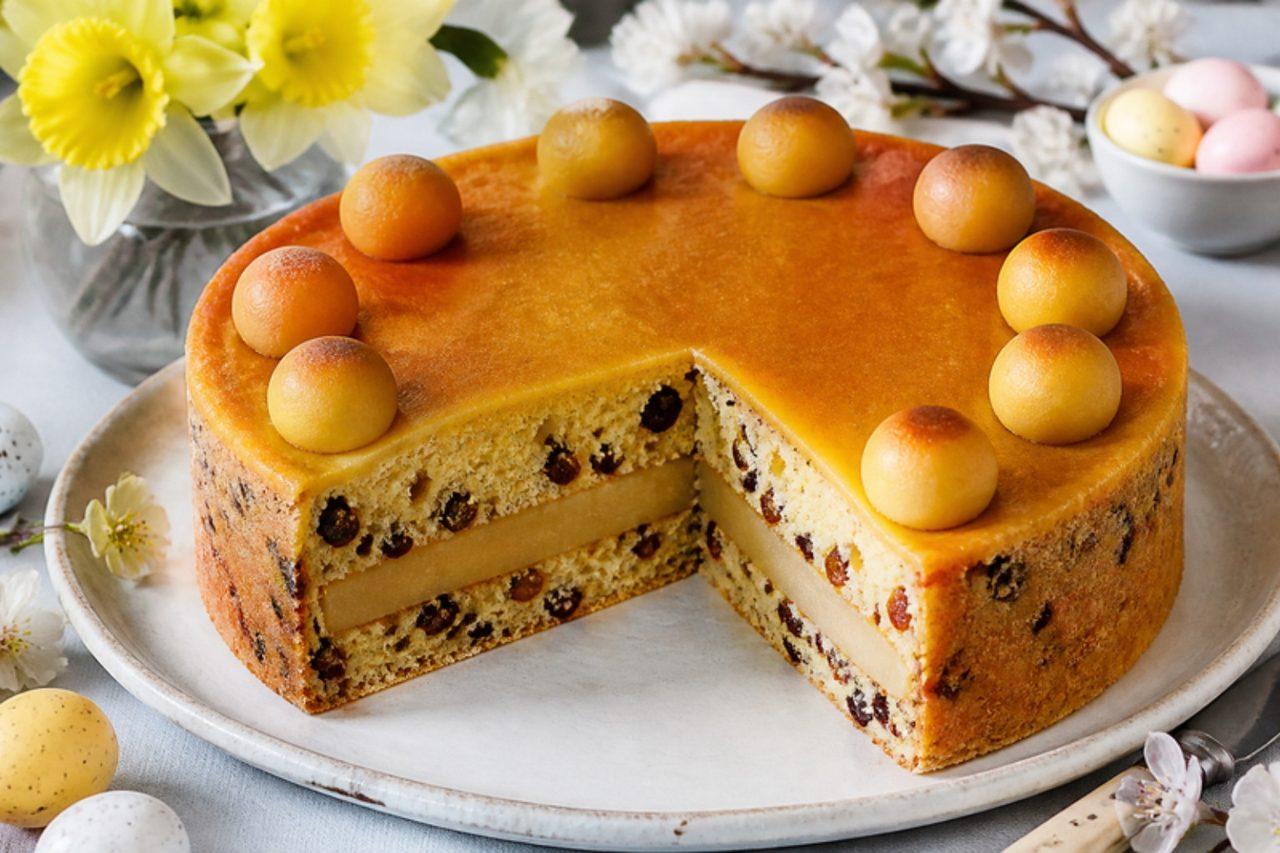
Simnel cake is England's Easter fruit cake, once baked by girls in service to take home on Mothering Sunday and now the centrepiece of Easter tea. A light fruit cake has a layer of marzipan baked through the middle and more on top, decorated with eleven marzipan balls for the apostles, leaving out Judas. Chef's tip: wrap a band of baking paper round the outside of the tin; it stops the edges drying out during the long, slow bake.

by KrazyBadal 0 views

Baumkuchen

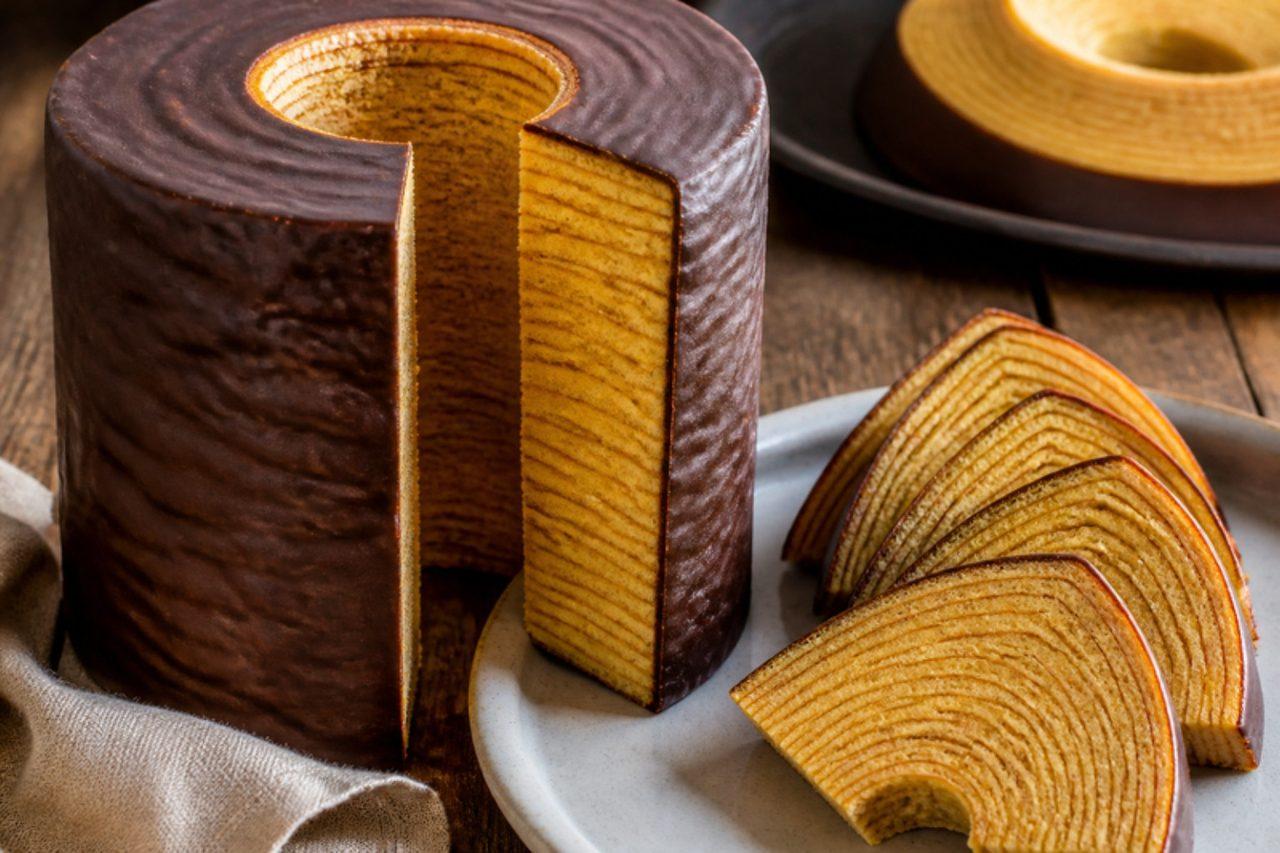
Baumkuchen is the king of German cakes, and the little town of Salzwedel in Saxony-Anhalt has baked it on a turning spit over an open flame for two centuries; in December, Baumkuchenspitzen, chocolate-dipped triangles of it, fill the shelves before Christmas. Without a spit you can build it at home in a tin under the grill, one thin layer at a time, and each slice shows the golden rings of a tree. The mistake people make is spreading the batter too thickly, which gives fewer, stodgy layers that cook unevenly; aim for 2 tablespoons at a time. Chef's tip: stand by the oven; each layer turns from pale to burnt within a minute once it browns.

110 minGermanBaking
by KrazyBadal 0 views

Cassata siciliana

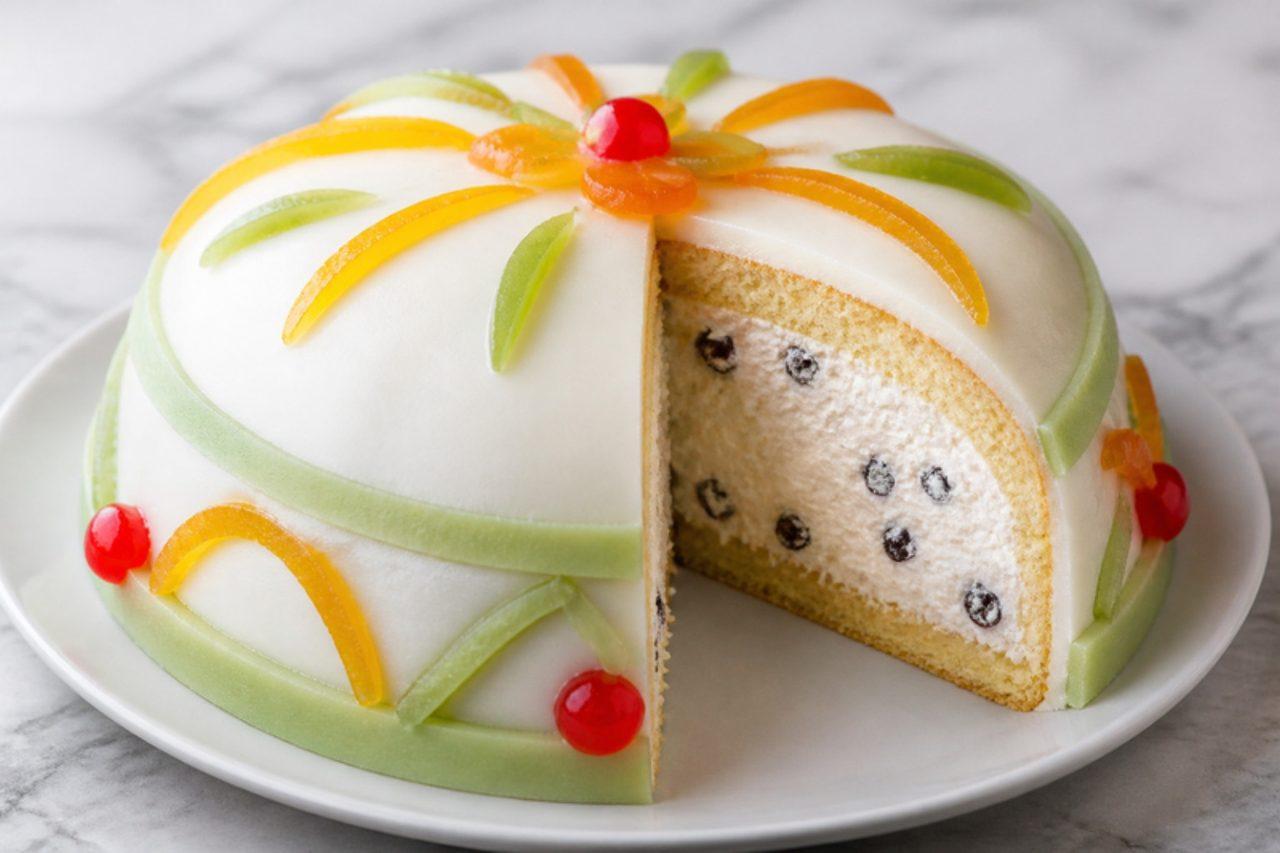
Cassata is the baroque centrepiece of a Palermo Easter: a dome of sponge lined with pale green marzipan, filled with sweetened sheep's ricotta and chocolate, glazed white and crowned with jewel-like candied fruit. Pastry shops around the city fill their windows with it in Holy Week, and families slice it after Easter lunch. It is rich, cool and creamy under the shell of almond paste, and nothing like the layered Indian-style cassata ice cream. The sponge is often brushed with a liqueur syrup; this version uses orange juice instead. It must chill for at least 4 hours, so make it the day before. Chef's tip: drain the ricotta overnight; that is the secret to a filling that holds its shape when cut.

by KrazyBadal 0 views

Dominosteine

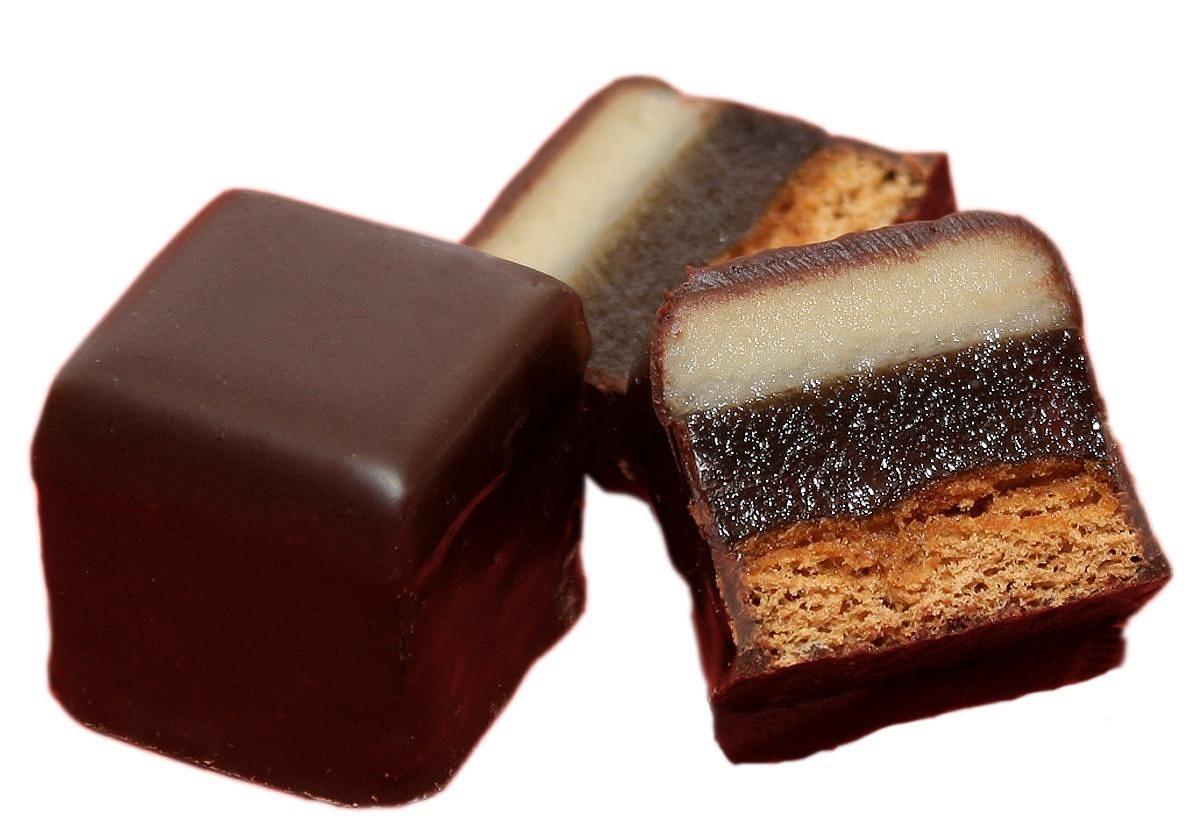
Dominosteine were invented in Dresden in the 1930s as an affordable Christmas treat and are still bought by the box across Germany through December: a cube of soft gingerbread, a layer of tart fruit jelly and a layer of marzipan, all coated in dark chocolate. Homemade ones are fresher and less sweet than the boxed kind and make a beautiful gift. The jelly is set with pectin, not gelatine, so they suit vegetarians. The mistake people often make is cutting the slab while the jelly is still soft, which smears the layers; leave it overnight. Chef's tip: trim the edges of the slab before cutting so every cube has three clean, sharp stripes.

by KrazyBadal 0 views

Stollen

Dresden has baked Christstollen for more than 500 years, and every December the city holds a Stollen festival with a giant loaf paraded through the old town to the Striezelmarkt. The loaf's shape, folded over and dusted white, is said to show the Christ child wrapped in swaddling cloth. It's a rich, dense yeast bread, heavy with butter, raisins, candied peel and almonds, brushed with melted butter straight from the oven and buried in sugar. It's baked weeks before Christmas and sliced thinly through Advent. Chef's tip: wrap it tightly and let it rest for at least a week before cutting; the flavours ripen and the crumb turns moist.

120 minGermanBaking
by KrazyBadal 0 views

Goes well with marzipan