Skip to content

Recipes with parsley and spring onion

11 recipes that use parsley and spring onion, with photos, step-by-step instructions and cook times. The quickest, Chuchu refogado, takes 25 minutes. It is most often cooked with garlic, onion and tomato.

Run out of parsley and spring onion? Chives, or a little finely sliced onion.

Got a few things in the fridge? Search by everything you have

Mojica de pintado

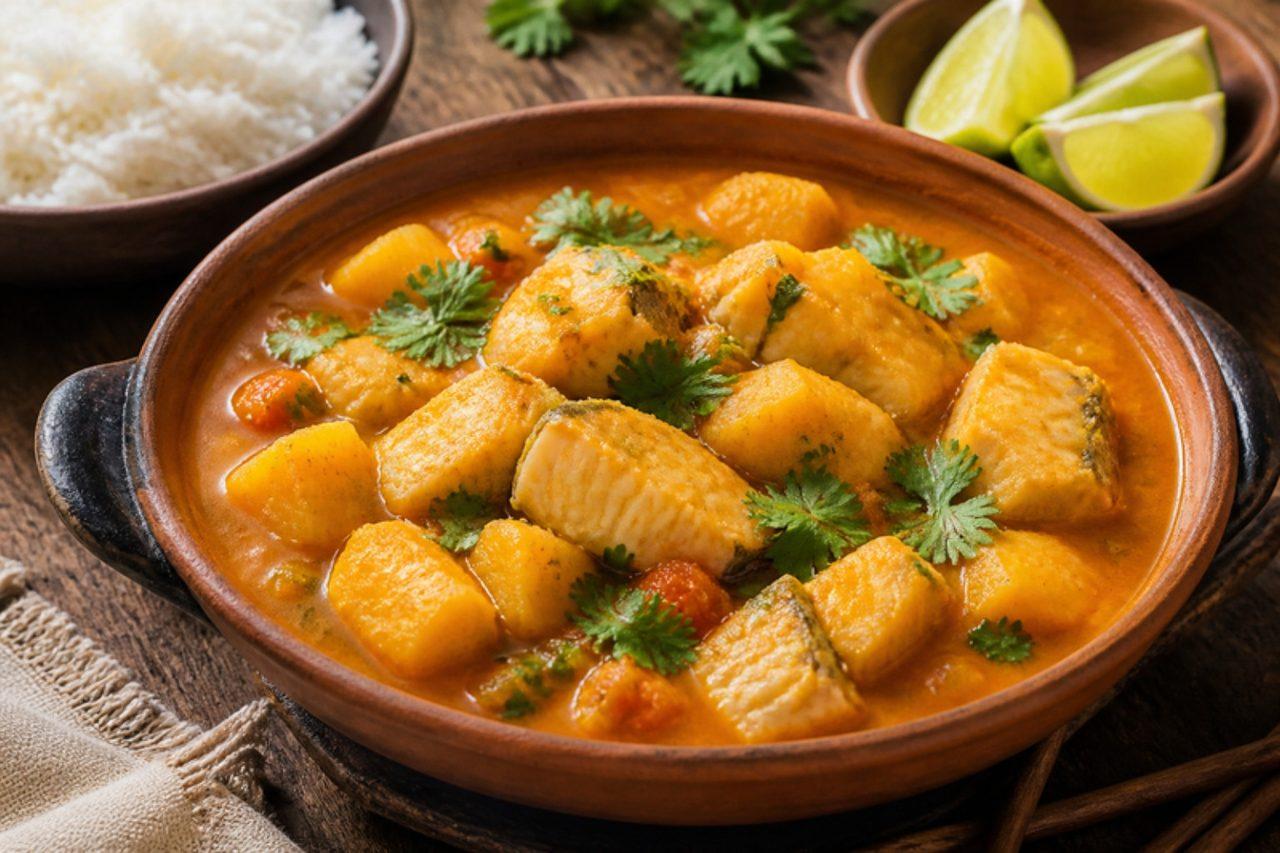
Thick, golden and soothing, mojica is the stew Cuiabá cooks with pintado, the big spotted catfish of the Pantanal rivers. Cassava simmers in a tomato and onion broth until it starts to break and thicken it, then cubes of firm fish poach gently on top, and the whole pot is finished with cheiro-verde and a squeeze of lime. It is eaten at family lunches and riverside restaurants in Mato Grosso, with white rice and a hot pepper sauce, and is known as a cure for a tired body. Outside Brazil, use catfish, monkfish or thick cod loin. People often stir the fish into the pot like a curry, which breaks it into shreds; lay it on top and let it steam. Cassava must always be cooked right through. Chef's tip: mash a few pieces of the cooked cassava against the side of the pot before adding the fish; it thickens the broth without any flour.

by KrazyBadal 0 views

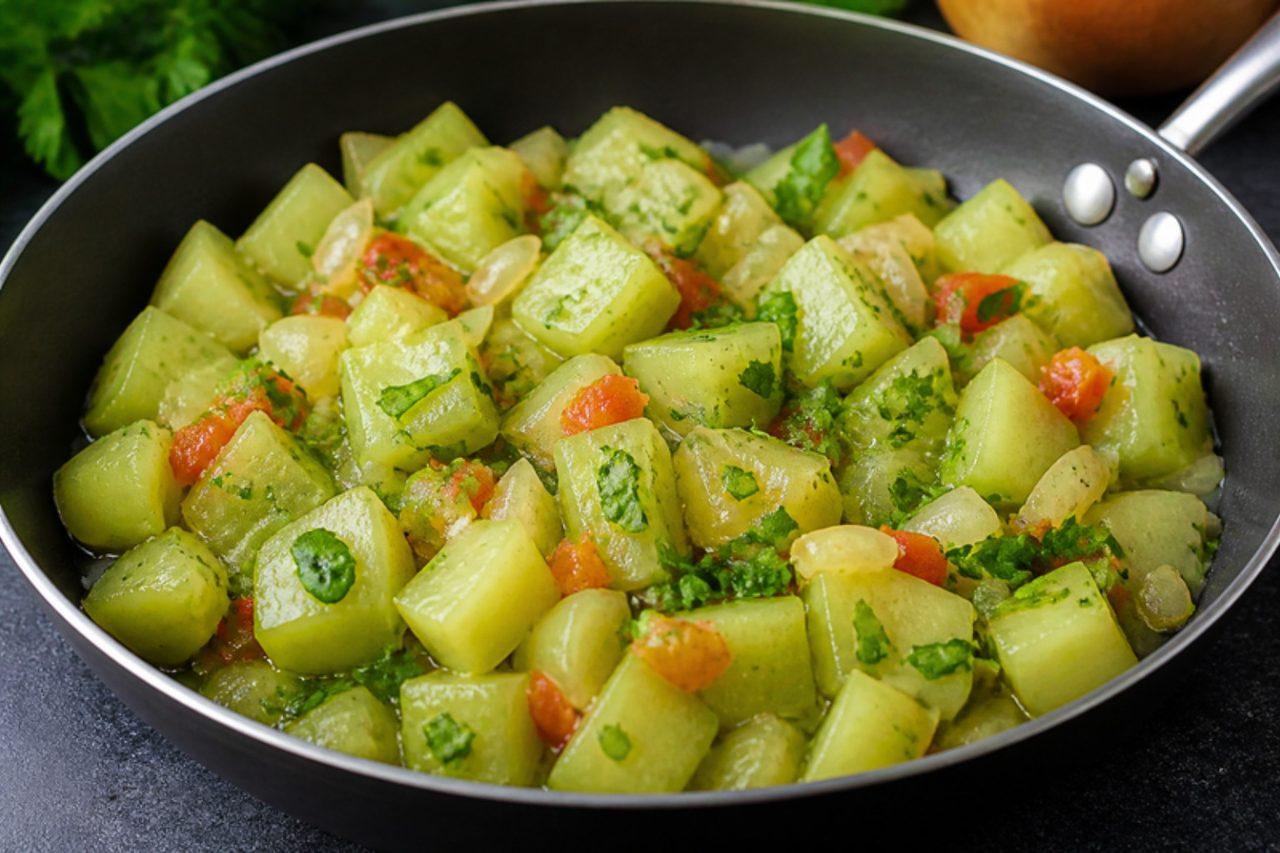
Chuchu refogado

Chayote is so cheap and common in Minas Gerais that Brazilians joke it tastes of nothing; this everyday refogado proves the point wrong. Peeled and diced, it is softened in garlic, onion and a little tomato with its own juices until it turns tender, pale green and silky, picking up all the flavour of the base. It is the side you find at every self-service lunch in Belo Horizonte, alongside rice, beans and couve, and works with grilled tofu, eggs or a bean stew. Adding water is the most common error: chuchu releases plenty of liquid, and extra water makes it bland and soupy. Chef's tip: rub a little oil on your hands, or wear gloves, before peeling; the cut fruit releases a sticky sap that leaves your skin tight and dry.

by KrazyBadal 0 views

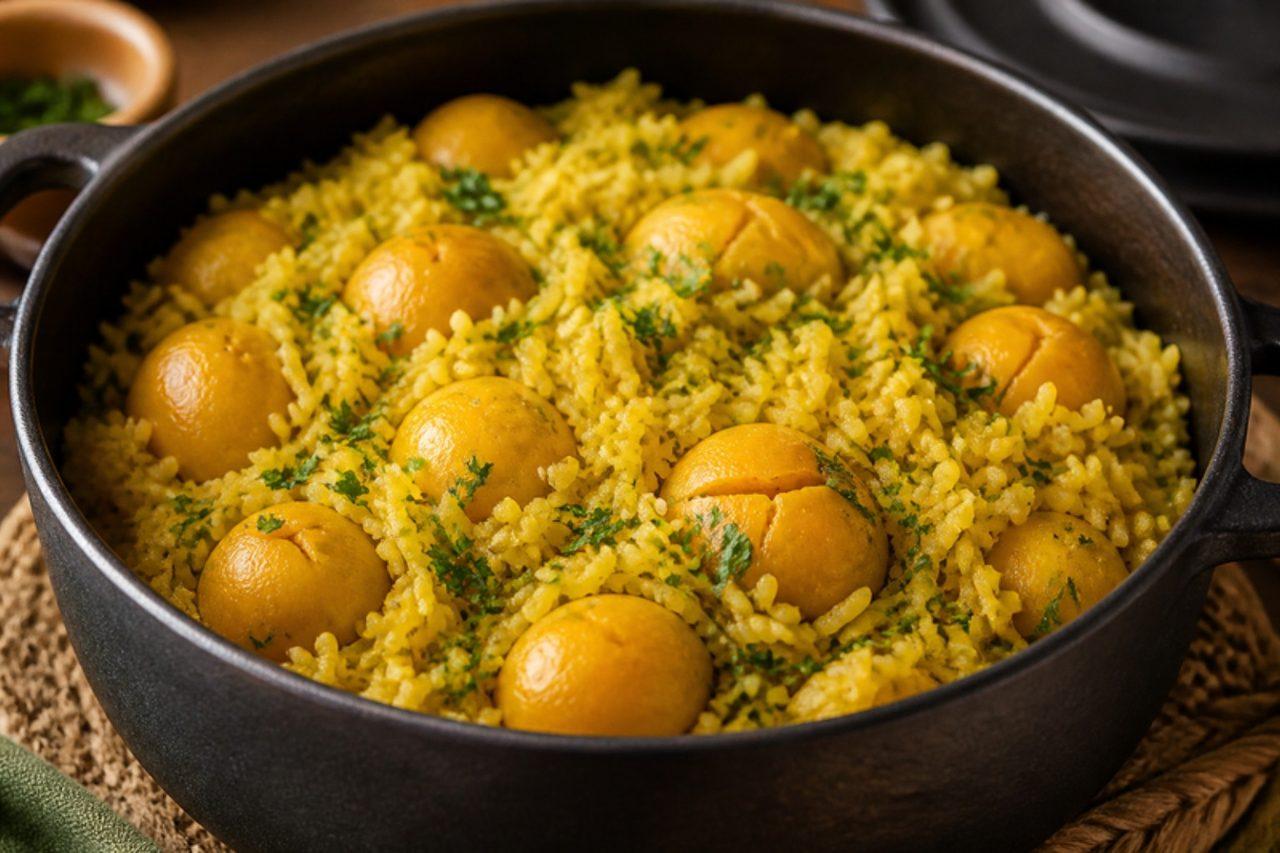
Arroz com pequi

Pequi is the taste of the cerrado: a yellow-orange fruit with a powerful perfume, somewhere between cheese, apricot and petrol, that goianos love and newcomers need time to get used to. In Goiânia and around Brasília, rice cooked with pequi turns golden and absorbs that aroma; it is often made with chicken, but this meatless version is everyday food in the November-to-February season. Pequi is sold fresh in cerrado markets and frozen or jarred in brine in Brazilian shops elsewhere. Important: the stone inside the flesh is covered in fine, sharp spines. Never bite into a pequi; gnaw the flesh off gently with your teeth, and warn your guests. The usual slip is stirring the rice too much after the water goes in, which breaks the soft fruit apart. Chef's tip: fry the pequi in the oil first until it colours, because that flavoured oil is what tints and scents every grain.

by KrazyBadal 0 views

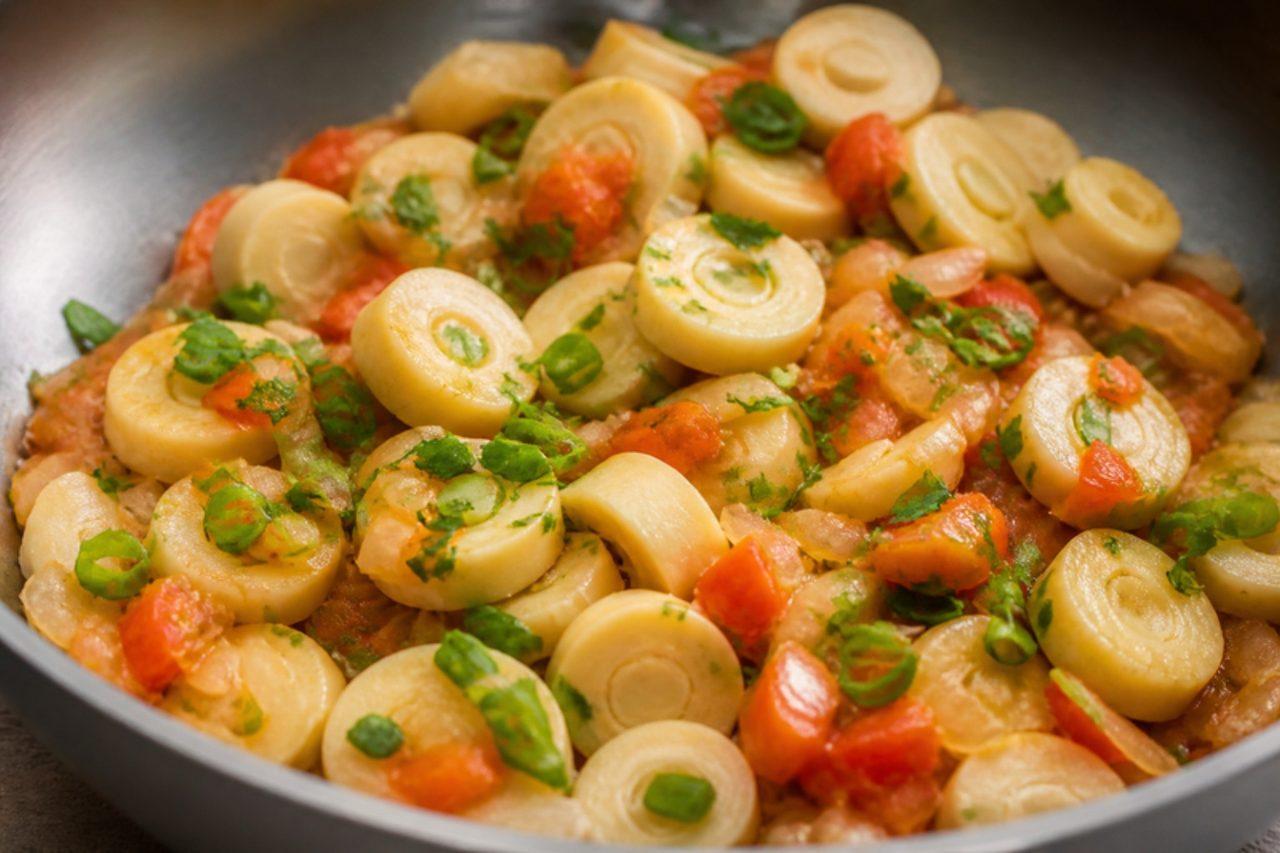
Guariroba refogada

Goiás is the one place in Brazil where people seek out bitterness in a palm heart: guariroba, from a cerrado palm, tastes like a cross between artichoke, chicory and jiló, and Goiânia's lunch counters serve it braised with tomato and onion beside rice, beans and pequi. The pale slices turn tender and silky, and the sharp, clean bitterness is softened by the sweet tomato base. Fresh guariroba is sold in Goiás markets, and jars or frozen packs in some Brazilian shops; elsewhere use ordinary palm heart with a handful of sliced chicory or radicchio for the bitterness. Cooks unfamiliar with it often boil it first to tame the bitterness, but that washes out the flavour that makes the dish; sauté it directly instead. Chef's tip: slice it thinly across the grain, because thick pieces stay fibrous however long you cook them.

by KrazyBadal 0 views

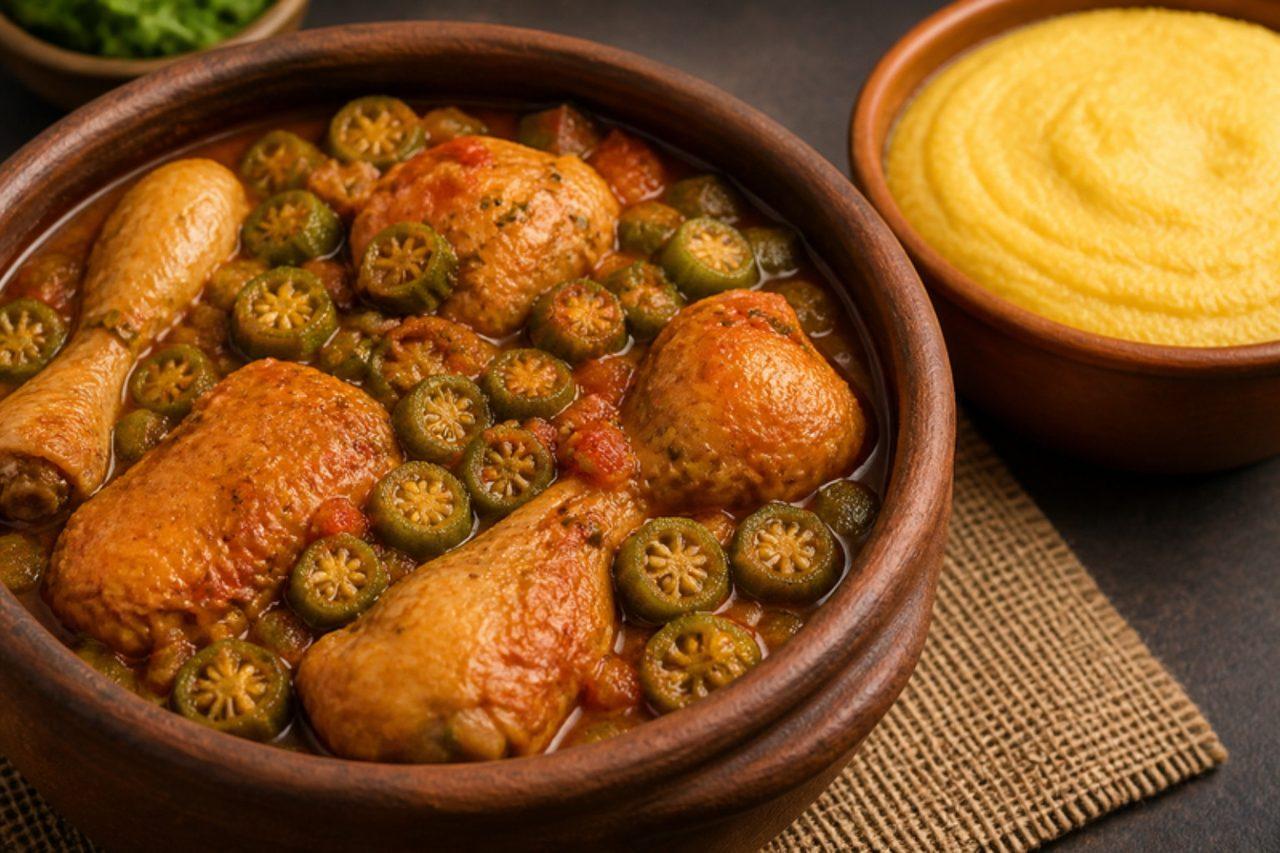
Frango com quiabo

Countryside Minas Gerais, especially around Belo Horizonte and the historic towns, cooks frango com quiabo for Sunday lunch: chicken pieces braised in a garlicky tomato sauce coloured with annatto, with okra fried separately and folded in at the end so it stays green and barely sticky. It is served over angu, a soft, unseasoned cornmeal porridge, with rice and a pot of hot pepper on the side. The sauce is savoury and homely, the okra tender with a little bite. People often add the raw okra straight to the pot, which makes the sauce slimy; frying it first in hot oil seals it. Chef's tip: stir the angu with a whisk as you pour in the cornmeal, then switch to a wooden spoon, and it will never go lumpy.

by KrazyBadal 0 views

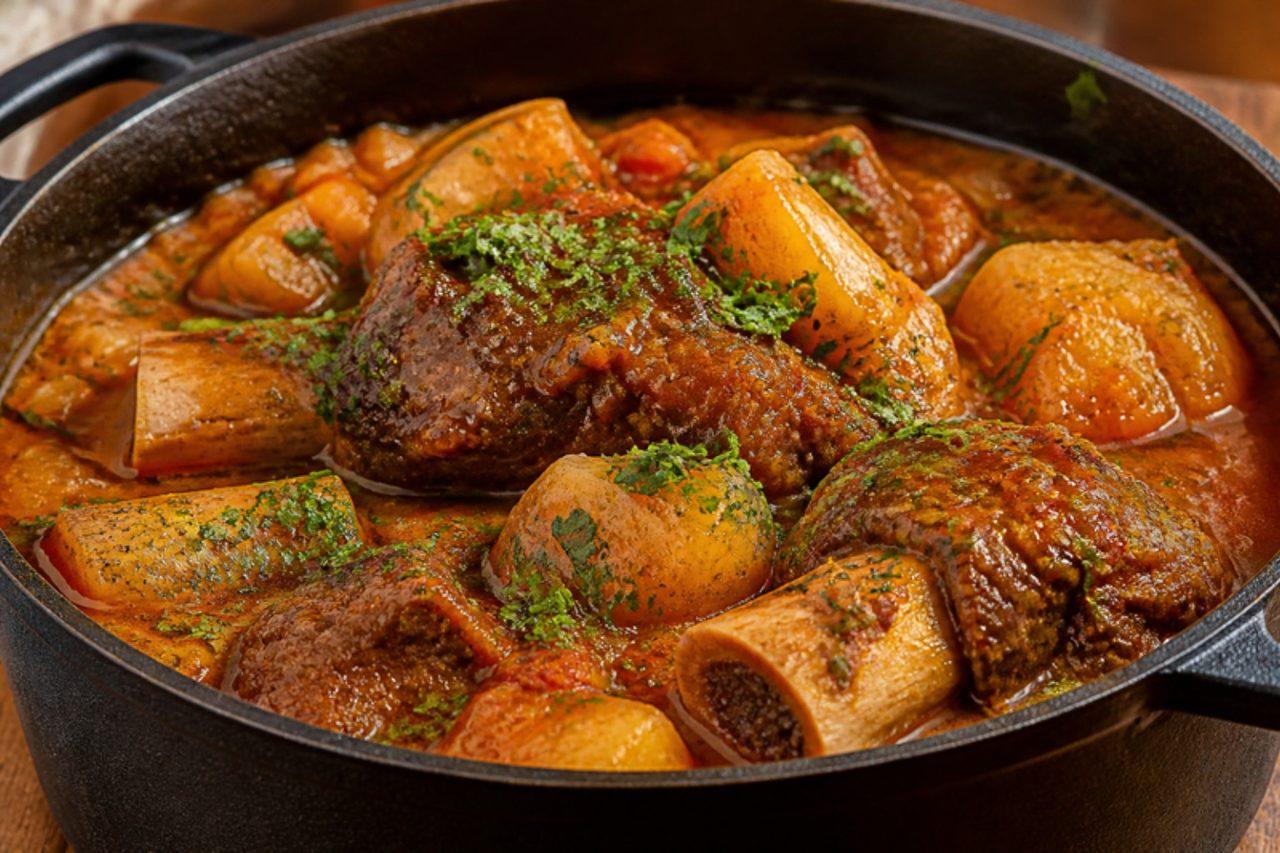
Vaca atolada

The name means cow stuck in the mud, and the picture is right: meaty beef ribs sunk in a thick stew of cassava that has half collapsed into the sauce. Vaca atolada comes from the cattle country of Minas Gerais and is a cold-night favourite at fazenda kitchens and comida mineira restaurants, served on its own or with white rice and a sharp pepper sauce. The ribs are browned, then braised slowly with onion, tomato, garlic and bay until the meat slips off the bone, and the cassava goes in for the last hour to thicken everything. People most often go wrong by adding the cassava at the start, so it dissolves completely; it should be soft but still in chunks. Cassava must be cooked right through and never eaten raw. Chef's tip: brown the ribs hard and deglaze the pan well; that dark crust is where most of the flavour comes from.

by KrazyBadal 0 views

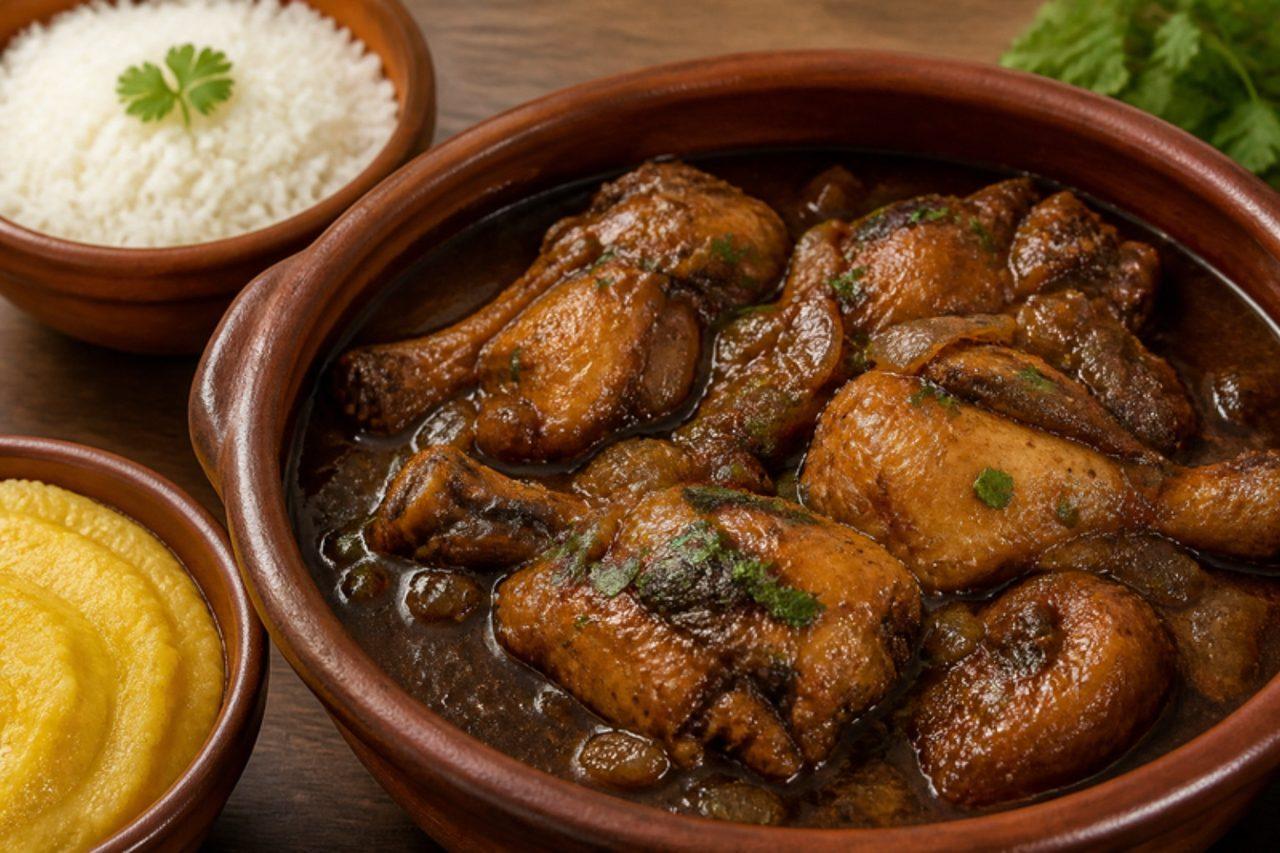
Galinha ao molho pardo

Country cooking from the state of Rio and southern Minas Gerais, galinha ao molho pardo (also called galinha de cabidela) is cooked at weekend gatherings with a free-range hen, and served with angu, white rice and okra. The chicken is braised with onion, garlic, tomato and herbs, then the sauce is finished with the bird's blood mixed with vinegar, which turns it dark brown, velvety and savoury, with a gentle sourness. It tastes richer and deeper than an ordinary stew. Buy fresh chicken blood from a licensed poultry butcher or halal butcher, ask for it mixed with vinegar so it does not clot, keep it in the fridge and use it within 24 hours. The usual mistake is boiling the sauce hard after the blood goes in, which makes it grainy; stir it at a gentle simmer instead. The blood must be cooked right through. Chef's tip: temper the blood with a ladle of hot sauce before adding it to the pot.

by KrazyBadal 0 views

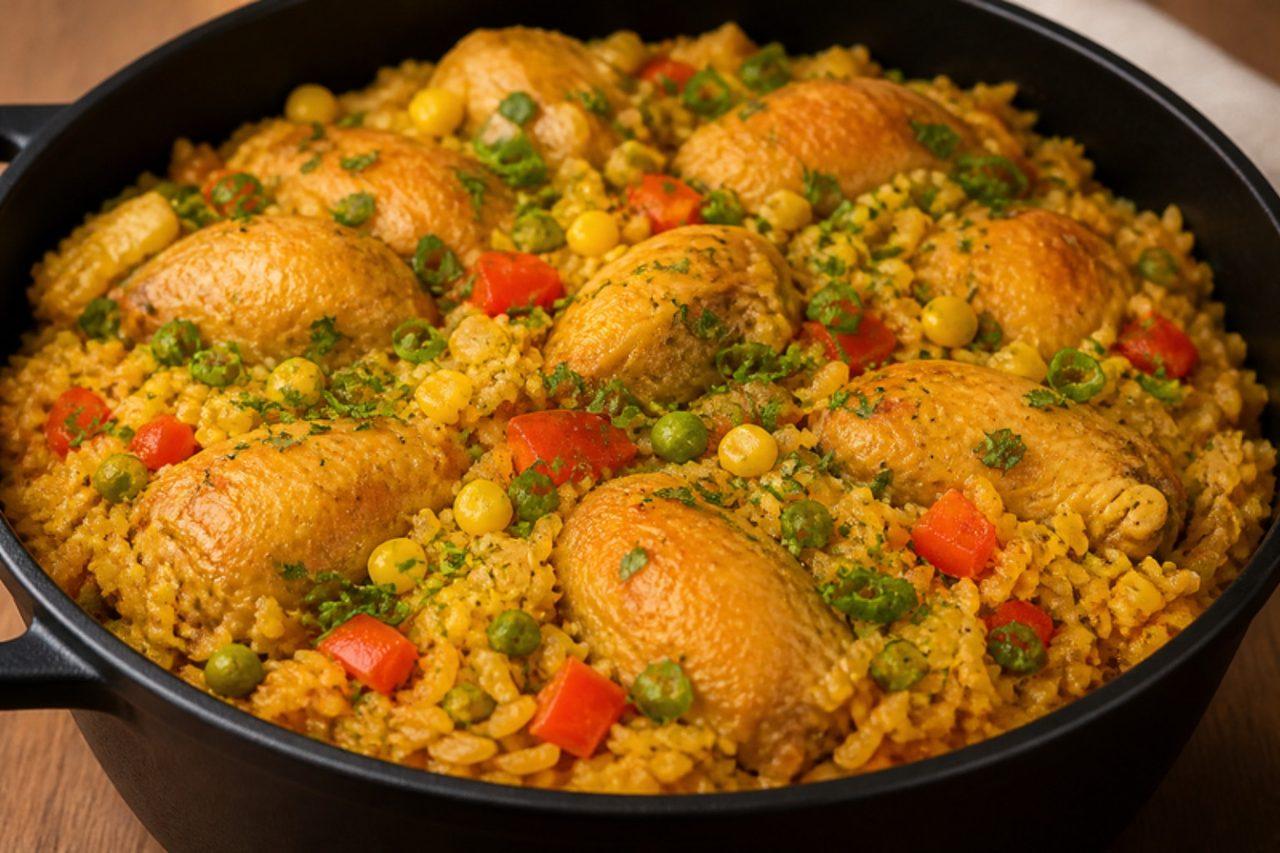
Galinhada

Sunday lunches, church festas and roadside restaurants in Goiás all revolve around a big pot of galinhada: chicken browned with garlic and onion, then cooked with rice in its own stock until each grain is golden from açafrão-da-terra. In Brazil that word means turmeric, not true saffron, and it is turmeric that gives the dish its colour. Goianos add pequi, the cerrado fruit with a heady, cheesy-tropical scent; you can buy it in jars in Brazilian shops, but warn your guests: the stone is covered in fine spines under the flesh, so nibble gently and never bite into it. It comes out moist, fragrant and comforting, finished with plenty of cheiro-verde. The common mistake is adding too much water, which makes it mushy; the rice should be loose, like a paella that has just settled. Chef's tip: brown the chicken until it leaves a dark crust in the pot, then let the rice dissolve it.

by KrazyBadal 0 views

Empadão goiano

In Goiás, the empadão goiano is the pride of padarias and lanchonetes, and families bake it for festas and Sundays in individual clay dishes or one deep tin. Under a short, crumbly lard pastry sits a juicy filling of shredded chicken, cubes of pork loin and pork sausage in a tomato sauce, with slices of fresh cheese, boiled egg and guariroba, a bitter palm heart from the cerrado. It is savoury, rich and slightly bitter, best eaten warm with a tomato salad. Guariroba is sold in jars in Brazilian shops; ordinary palm hearts work but are milder. The pitfall is a filling that is too wet, which makes a soggy base; it should be thick and juicy, not soupy. The chicken must reach 74 °C and the pork 71 °C before it goes into the pie. Chef's tip: chill the pastry-lined dish for 15 minutes before filling so the lard firms up and the pastry stays short.

by KrazyBadal 0 views

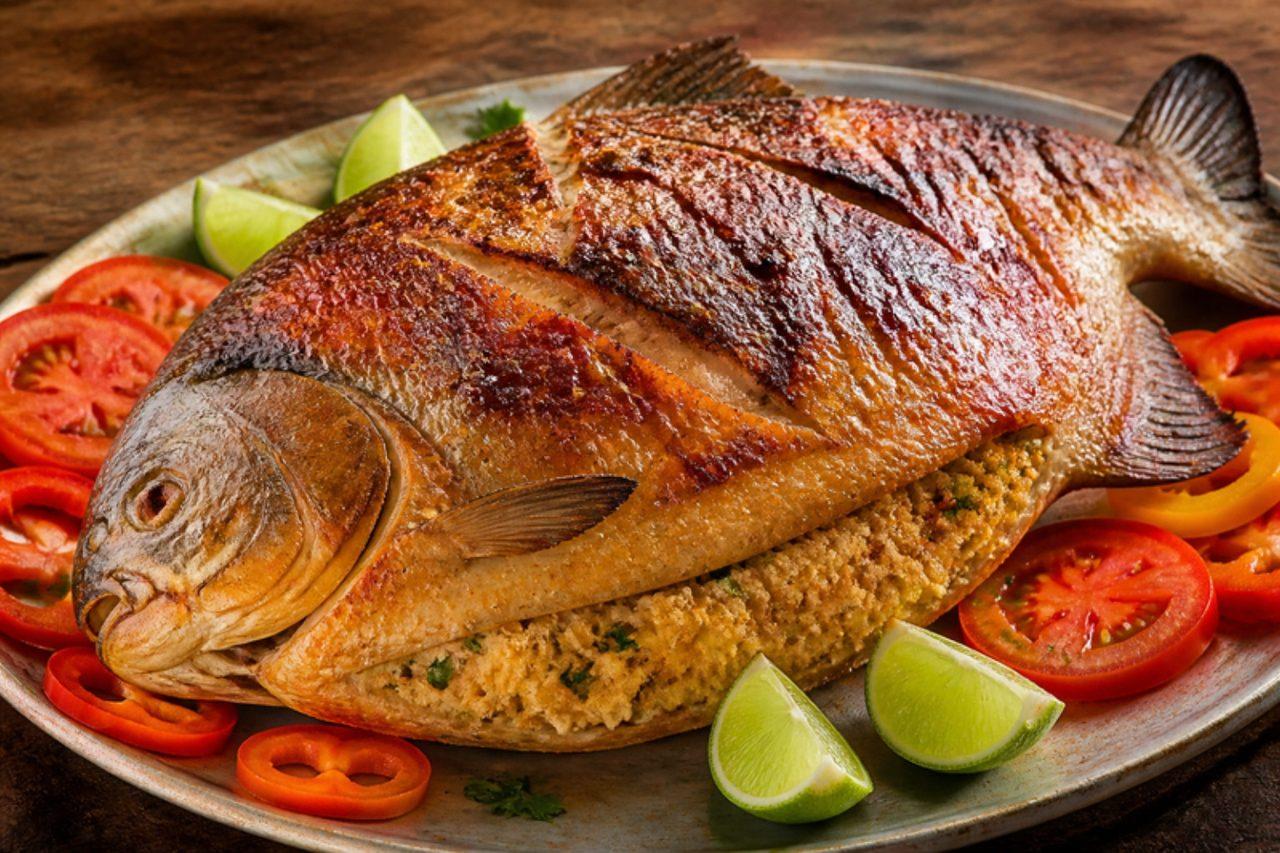
Pacu assado

Cuiabá's fish restaurants and weekend riverside lunches in the Pantanal put a whole pacu on the table, stuffed with farofa and roasted until the skin is golden and crisp. Pacu is a round, fat-rich river fish with sweet, juicy flesh; ask your fishmonger for whole sea bream, pompano or a large tilapia if pacu is not available. The stuffing is cassava flour toasted with onion, garlic, pepper, tomato and herbs, and it soaks up the fish juices as it cooks. Serve with white rice, a tomato vinagrete and lime. The mistake to watch for is over-roasting until the flesh dries out; check at the backbone and stop when it is just opaque. Pacu has fine Y-shaped bones in the belly, so eat carefully. Chef's tip: cut deep slashes on both sides and push a little lime-garlic paste into them; it seasons the thick flesh and helps it cook evenly.

by KrazyBadal 0 views

Tutu de feijão

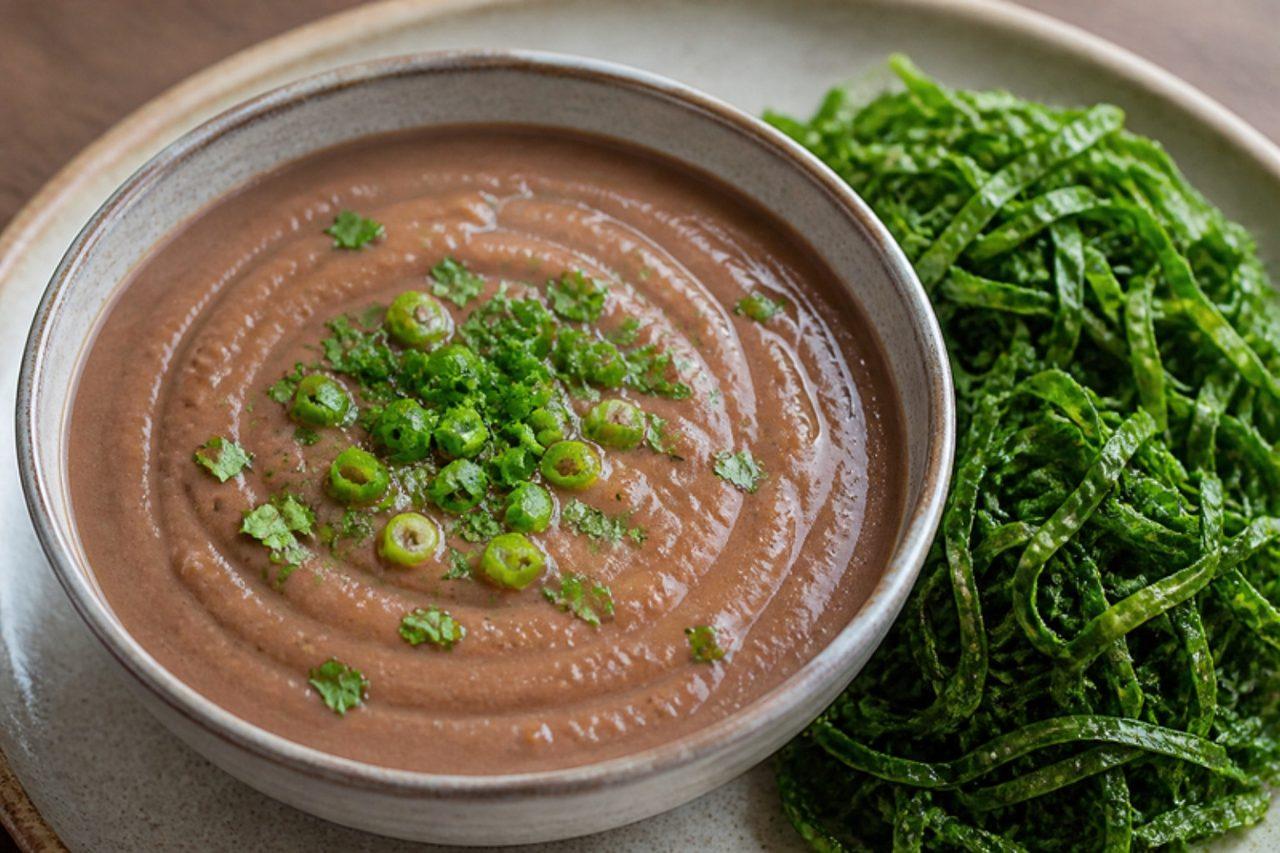
Tutu de feijão is everyday comfort food from Minas Gerais, made from yesterday's beans: they're blended smooth, fried with onion and garlic, then thickened with manioc meal into a soft, spoonable mash. In Minas it comes with pork crackling and sausage; here smoked paprika and a crisp onion topping bring the savoury, smoky edge. Serve with rice, couve à mineira and a fried egg if you eat them. Chef's tip: rain in the manioc meal slowly while stirring, as you would polenta, and stop while it's still a little looser than you want. Tutu firms up as it stands, and too much farinha makes it stodgy.

by KrazyBadal 0 views

Goes well with parsley and spring onion