Coriander pesto
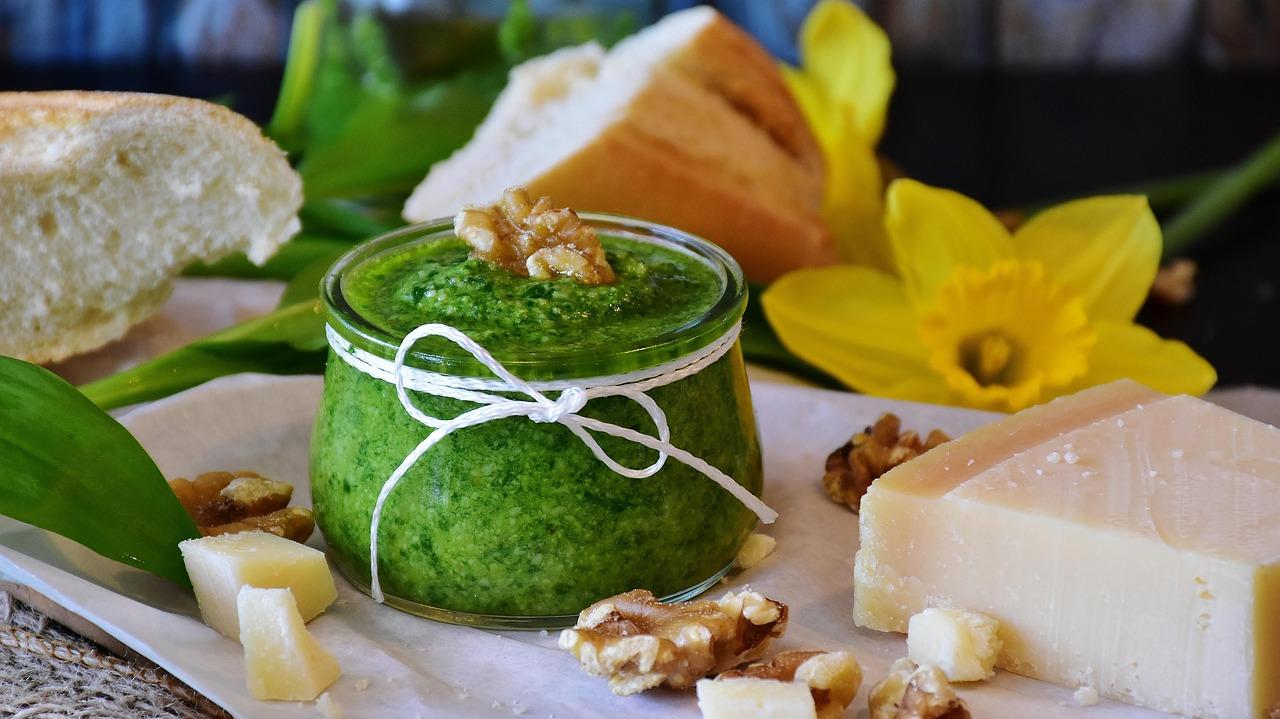
A quick, nutty pesto of fresh coriander, garlic and roasted peanuts, blended with peanut oil. It is dairy free and vegan, and great tossed through noodles or pasta, or drizzled over grilled vegetables.


by KrazyBadal 0 views
3 recipes that use peanut oil, with photos, step-by-step instructions and cook times. The quickest, Coriander pesto, takes 10 minutes. It is most often cooked with garlic, lime and red chilli.
Got a few things in the fridge? Search by everything you have
A quick, nutty pesto of fresh coriander, garlic and roasted peanuts, blended with peanut oil. It is dairy free and vegan, and great tossed through noodles or pasta, or drizzled over grilled vegetables.
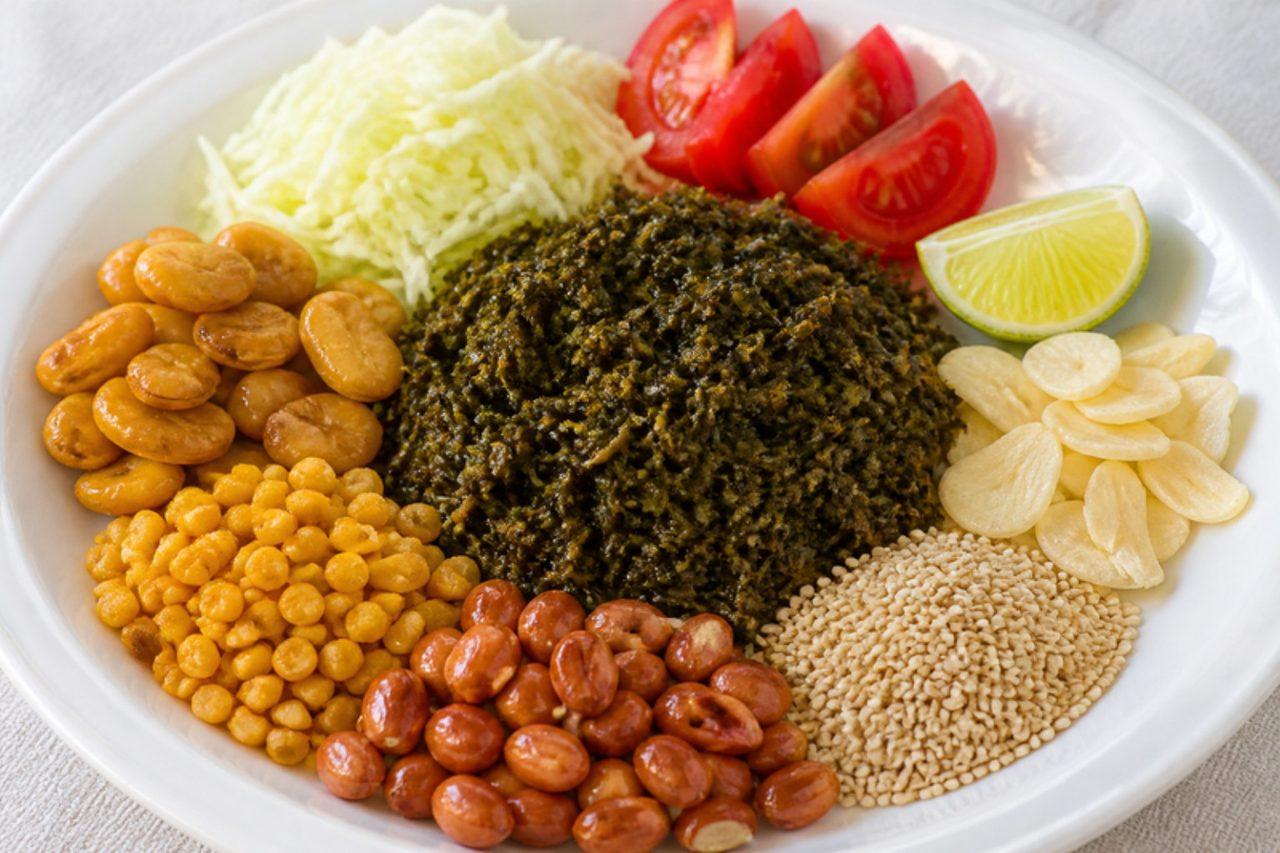
Lahpet thoke is how Myanmar welcomes a guest: a lacquered tray of pickled tea leaves surrounded by fried beans, peanuts, sesame and garlic, offered after meals, at weddings and at monk feasts from Mandalay to Yangon. Mixed into a salad with cabbage, tomato, chilli and lime, it becomes the country's most famous dish: bitter, sour, salty and crunchy at once, with a gentle caffeine lift. Ready-made lahpet sometimes contains fish sauce and the crunchy mix often has dried shrimp, so this version quick-pickles loose green tea at home. Chef's tip: soak the tea in several changes of hot water and squeeze it hard each time; that's what tames the bitterness.
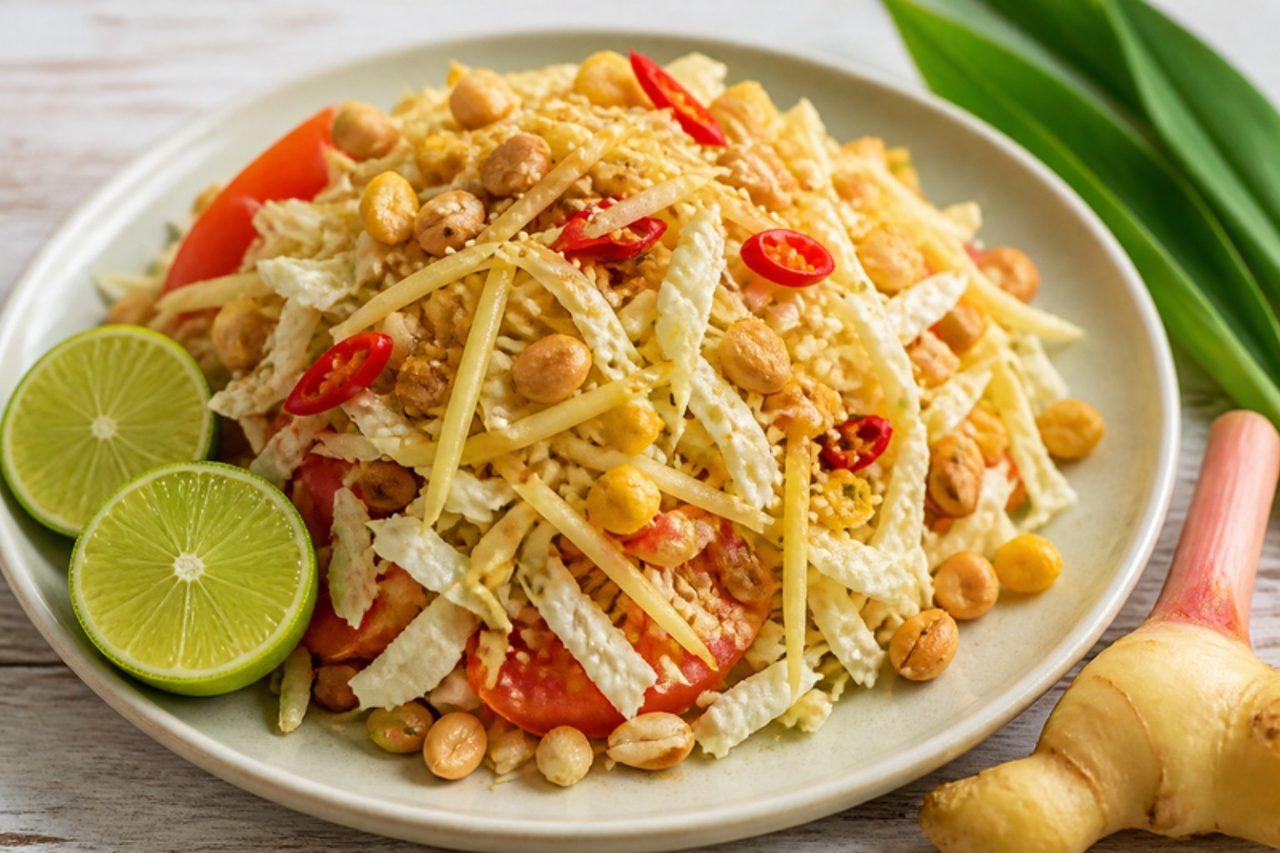
Gin thoke is lahpet thoke's livelier cousin, served on the same lacquered trays at teashops in Yangon and as a palate-wakener after a rich curry lunch. Young ginger is cut into fine threads and pickled in lime and salt so it turns pink and juicy, then tossed with cabbage, tomato, peanuts, fried beans and sesame. Burmese cooks often add fish sauce; salt, lime and a little toasted chickpea flour give the dressing body without it. Chef's tip: use young ginger with thin, pinkish skin if you can find it; mature ginger is fibrous and too fiery to eat in this quantity, so slice it extra thin.