Skip to content

Recipes with ripe plantain

21 recipes that use ripe plantain, with photos, step-by-step instructions and cook times. The quickest, X-caboquinho, takes 20 minutes. It is most often cooked with garlic, onion and tomato.

Got a few things in the fridge? Search by everything you have

Kelewele

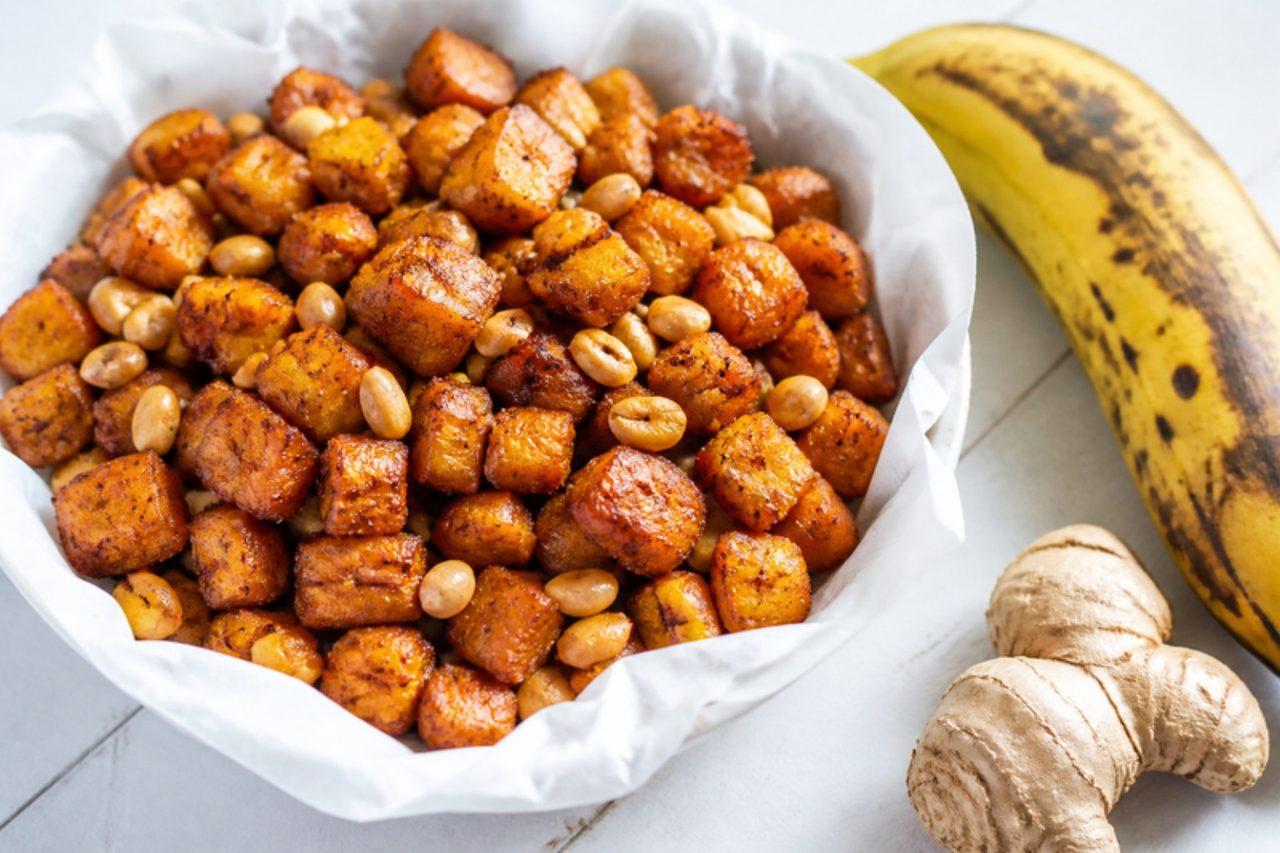
Kelewele is what Accra smells like after dark: ripe plantain cubes tossed in a paste of ginger, onion, chilli and spice, then fried at roadside stalls lit by lamps and sold in paper cones. It is eaten as an evening snack, often with a handful of roasted peanuts, or as a side with red red. The outside caramelises while the spices turn toasty, so every piece is sweet, hot and spicy at once. Chef's tip: use plantains that are yellow with lots of black spots; fully black ones collapse in the oil and green ones never turn sweet.

by KrazyBadal 1 views

Ajiaco cubano

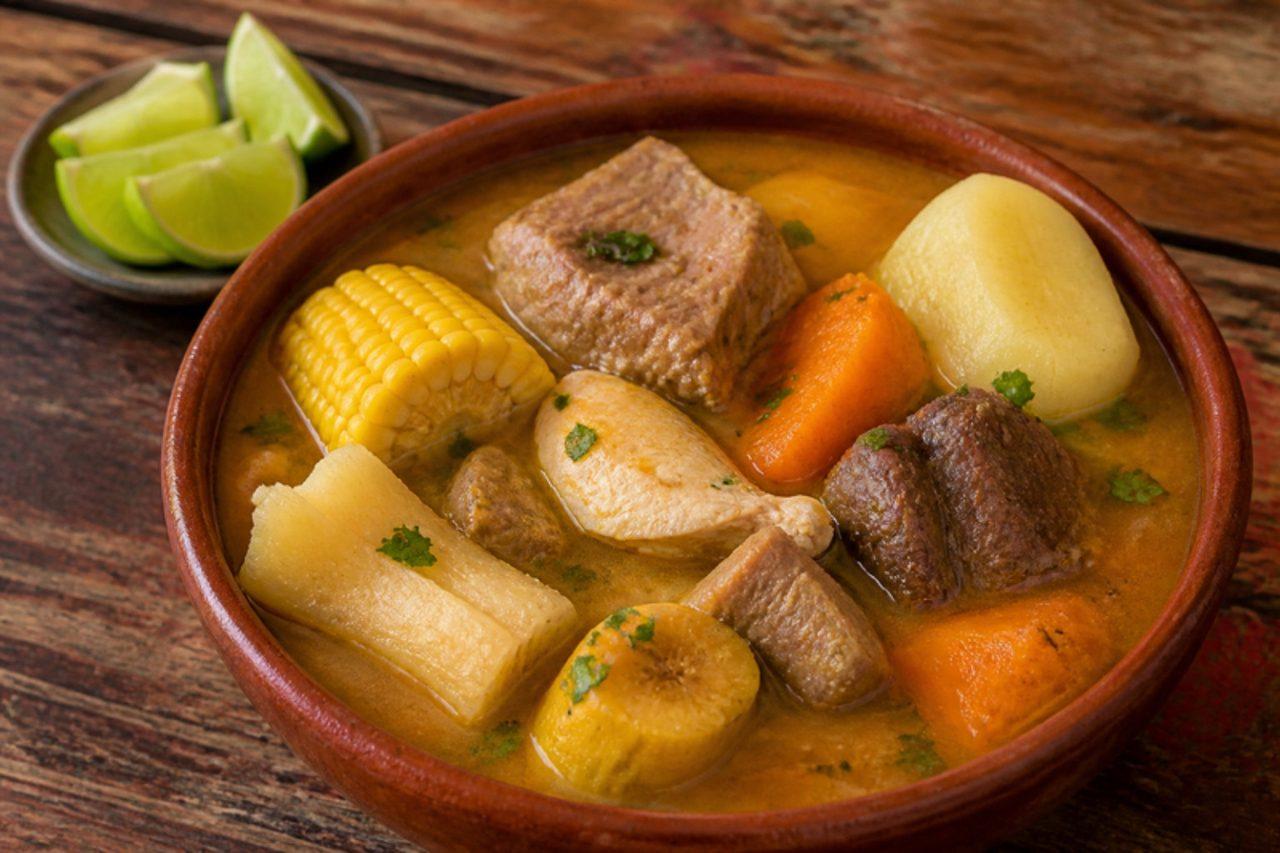
Ajiaco is often called Cuba's national stew, and in Camagüey it is still cooked in huge pots for festivals and family gatherings: dried or fresh beef, pork and chicken simmered with malanga, yuca, boniato, green and ripe plantain, corn and calabaza until the roots break down and thicken the broth. It is a whole meal in a bowl, finished with lime and a fried sofrito. This version uses beef shin, pork shoulder and chicken thighs. The mistake most people make is adding every vegetable at once; firm roots go in first and soft pumpkin and ripe plantain last. Chef's tip: mash a few chunks of pumpkin and malanga against the side of the pot at the end, which gives the broth its body.

190 minCubanSoupsGluten free
by KrazyBadal 0 views

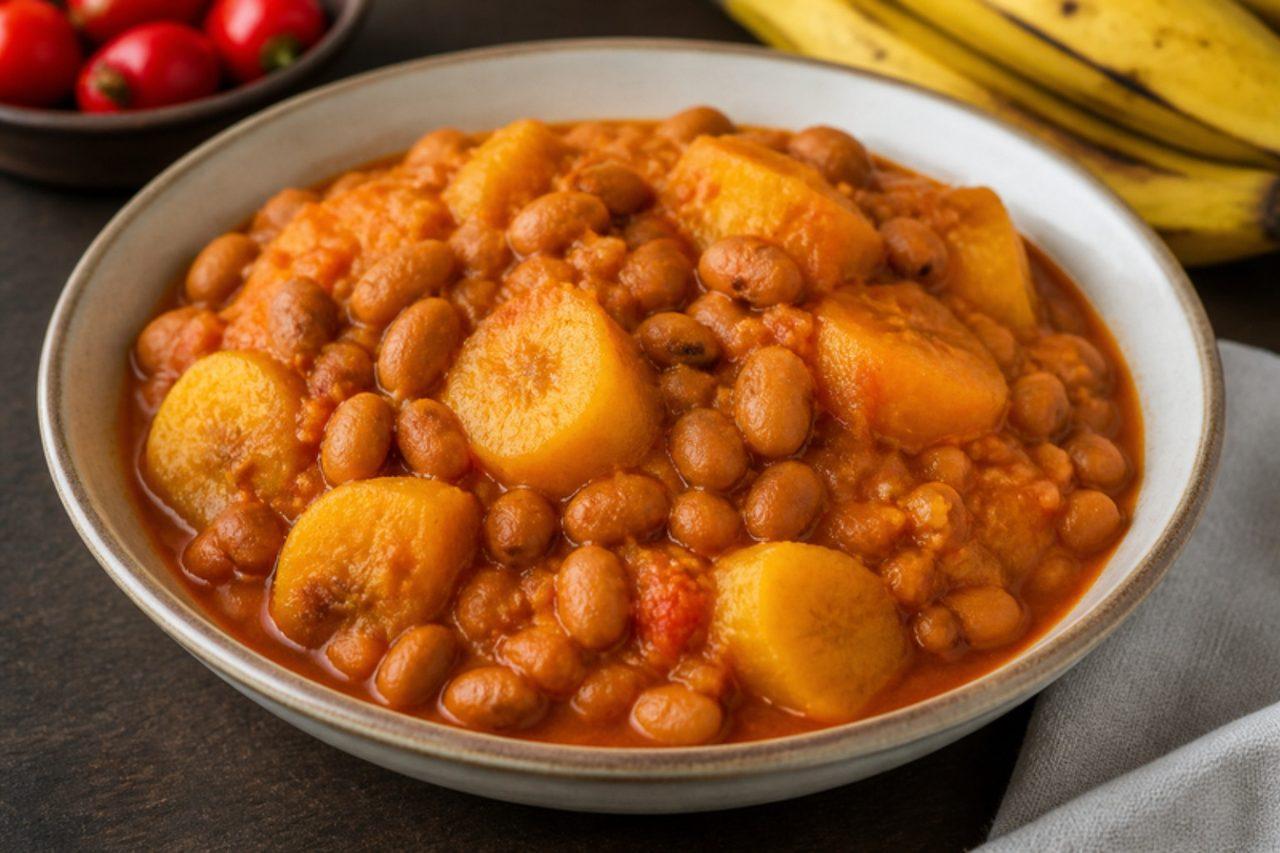
Akidi (Igbo black beans with plantain)

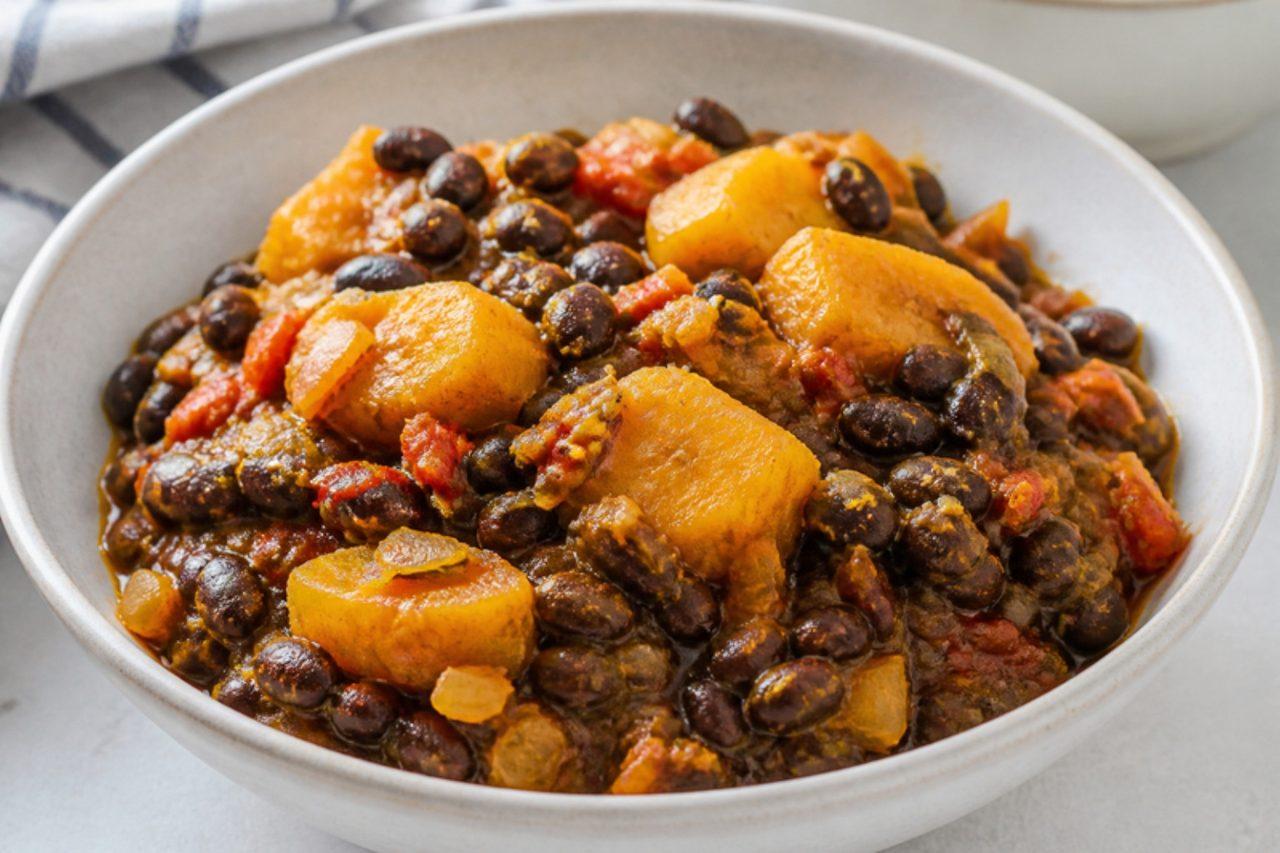
Akidi, a small, glossy black bean, is a quiet staple of Igbo home cooking around Enugu, Anambra and Imo, cooked like beans porridge and usually with ripe plantain for sweetness. After a long simmer the beans turn creamy inside while holding their shape, and they are finished with palm oil, onion, scotch bonnet and a handful of fragrant leaves, so the pot tastes earthy, sweet and peppery. It is a filling meal on its own, often eaten with a cold drink or a side of fried plantain. If you cannot find akidi, black turtle beans are a good substitute. Chef's tip: add the plantain only for the last 15 minutes; put in at the start, it dissolves into the beans, which is the usual mistake.

by KrazyBadal 0 views

Kofi brokeman

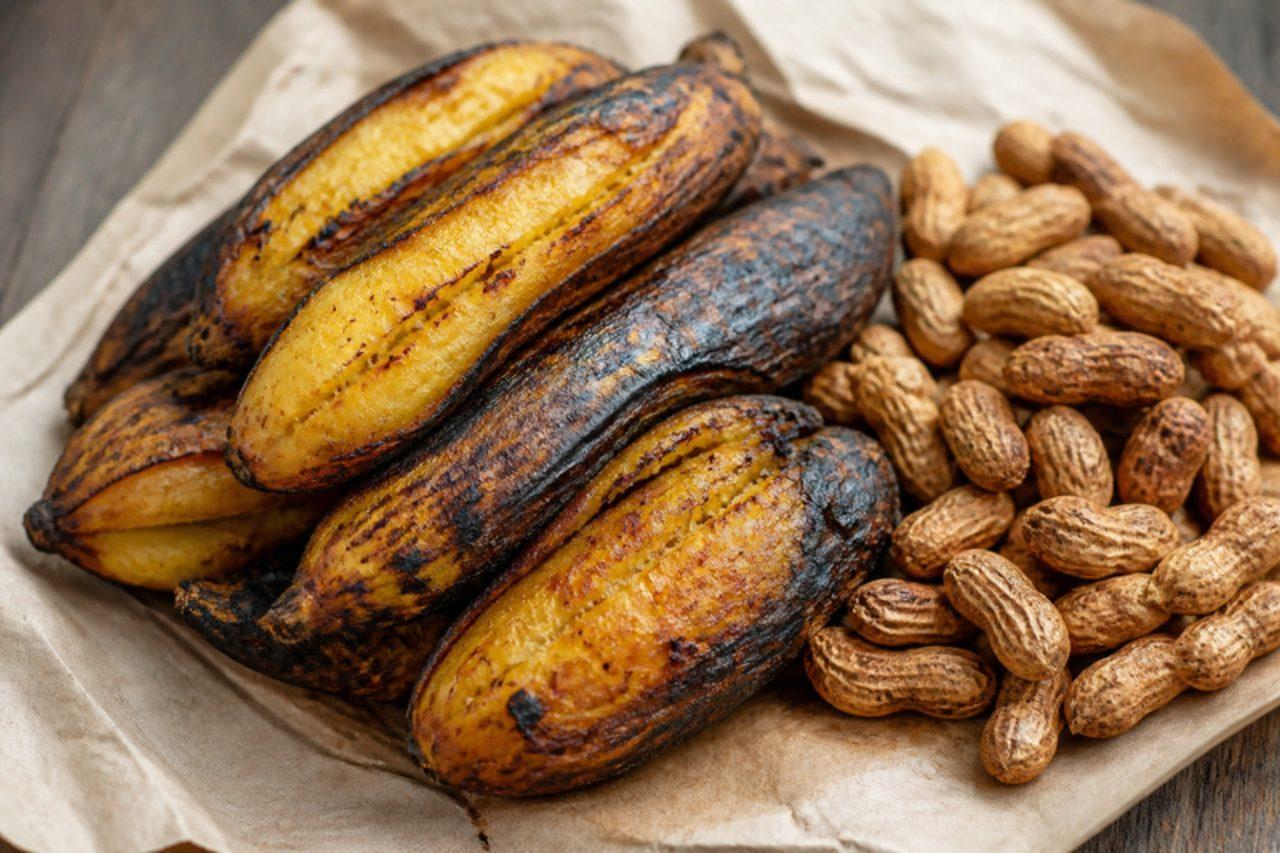
The name jokes that this is food for 'Kofi who is broke': a ripe plantain roasted over a charcoal grill on a street corner in Accra or Kumasi, handed over with a twist of roasted groundnuts for very little money. The skin chars black while the inside turns soft, sweet and smoky, and the nuts give it salt and crunch, so it is surprisingly filling. At home a hot grill pan, oven or barbecue does the job. Chef's tip: choose plantains that are yellow with a few black spots, firm but not green; fully black ones collapse on the grill, and green ones, the usual mistake, stay starchy and dry.

by KrazyBadal 0 views

Gizdodo (gizzards and plantain in pepper sauce)

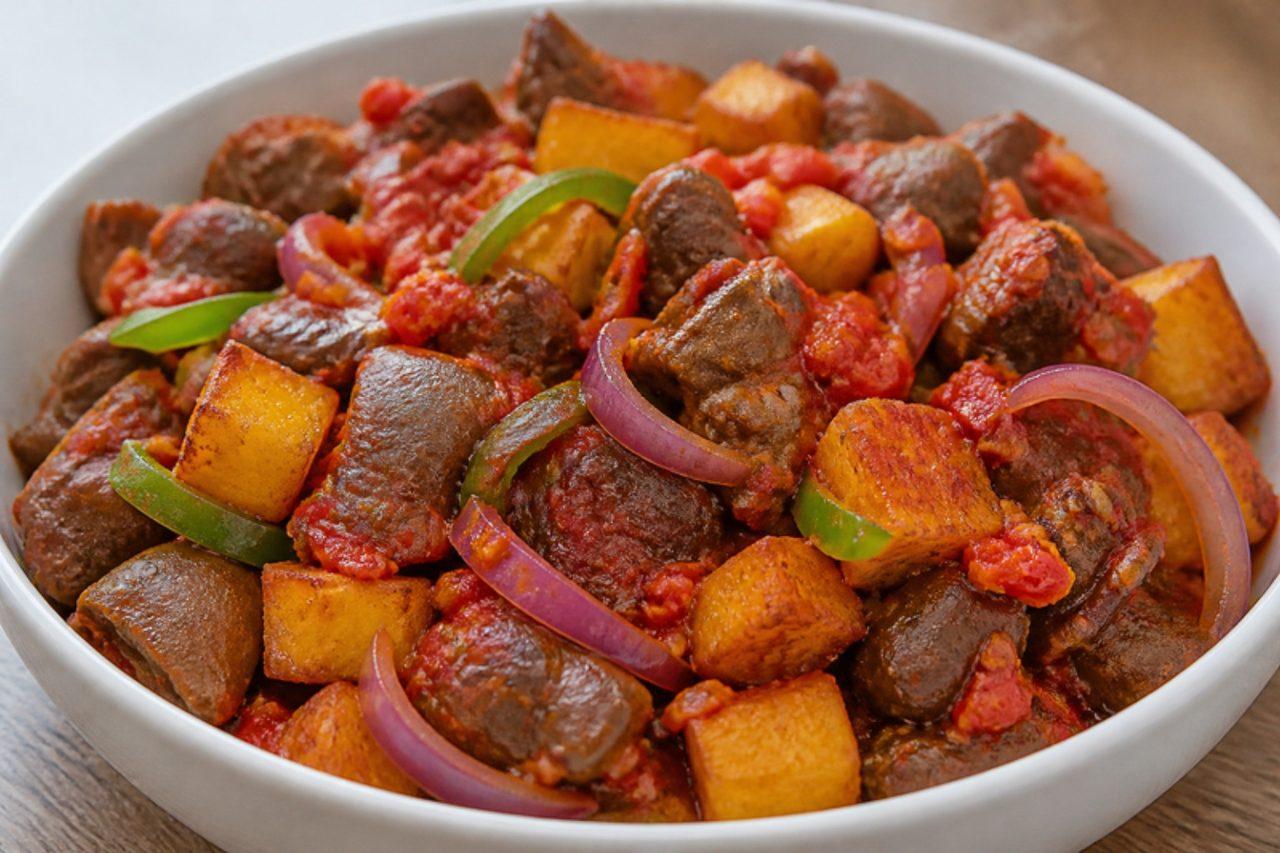
No Lagos owambe buffet is complete without a tray of gizdodo, where chewy fried chicken gizzards and caramelised cubes of ripe plantain (dodo) are tossed together in a glossy, fiery tatashe and scotch bonnet sauce. It is sweet, hot and savoury all at once, and served as a starter, a side to jollof or a snack. Gizzards must be boiled until tender before frying, and for safety they should reach 74°C in the thickest part, which they easily do by the end of the simmer. Frying plantain that is too green is a common mistake, leaving it starchy instead of sweet, so choose yellow fruit with black spots. Chef's tip: fry the plantain last, just before tossing, so it stays crisp-edged rather than soggy.

by KrazyBadal 0 views

Beans and plantain porridge

A big pot of this sweet-and-savoury porridge feeds a family through Saturday breakfast and beyond, and it is cooked from Lagos to Port Harcourt. Brown or honey beans (oloyin) are boiled until they start to break up, then finished in palm oil with blended pepper, onion and chunks of ripe plantain, which melt into the beans and sweeten them. Crayfish is common in the pot; this version is vegan and still rich. Tomatoes and salt added too early slow the beans down, so stir in the pepper base only once they are soft. Avoid adding the plantain at the start: it collapses into mush before the beans are soft. Chef's tip: draining the first 10-minute boil of the beans makes them gentler on the stomach.

by KrazyBadal 0 views

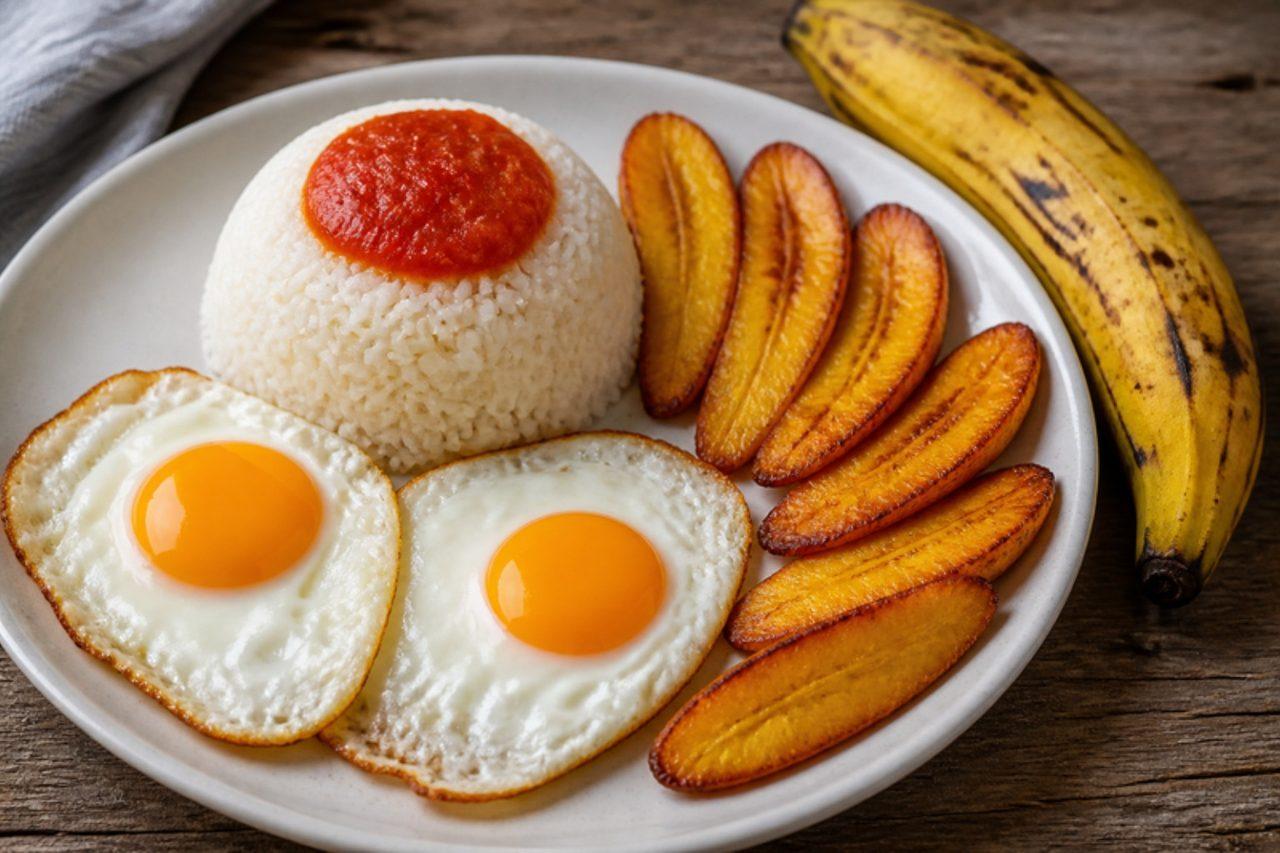
Arroz a la cubana

Havana cafeterías put this plate on the lunch board when cooks want something cheap, fast and filling: a mound of plain white rice, a ladle of garlicky tomato sauce, a fried egg with a runny yolk and slices of caramelised ripe plantain. Breaking the yolk into the rice and sauce is the whole point, so the eggs should be fried at the last minute. The usual mistake is using plantains that are still yellow-green; they need black-spotted skins to turn soft and sweet in the pan. Serve with a simple avocado salad. Chef's tip: baste the egg whites with hot oil from the pan so they set with lacy edges while the yolks stay liquid.

by KrazyBadal 0 views

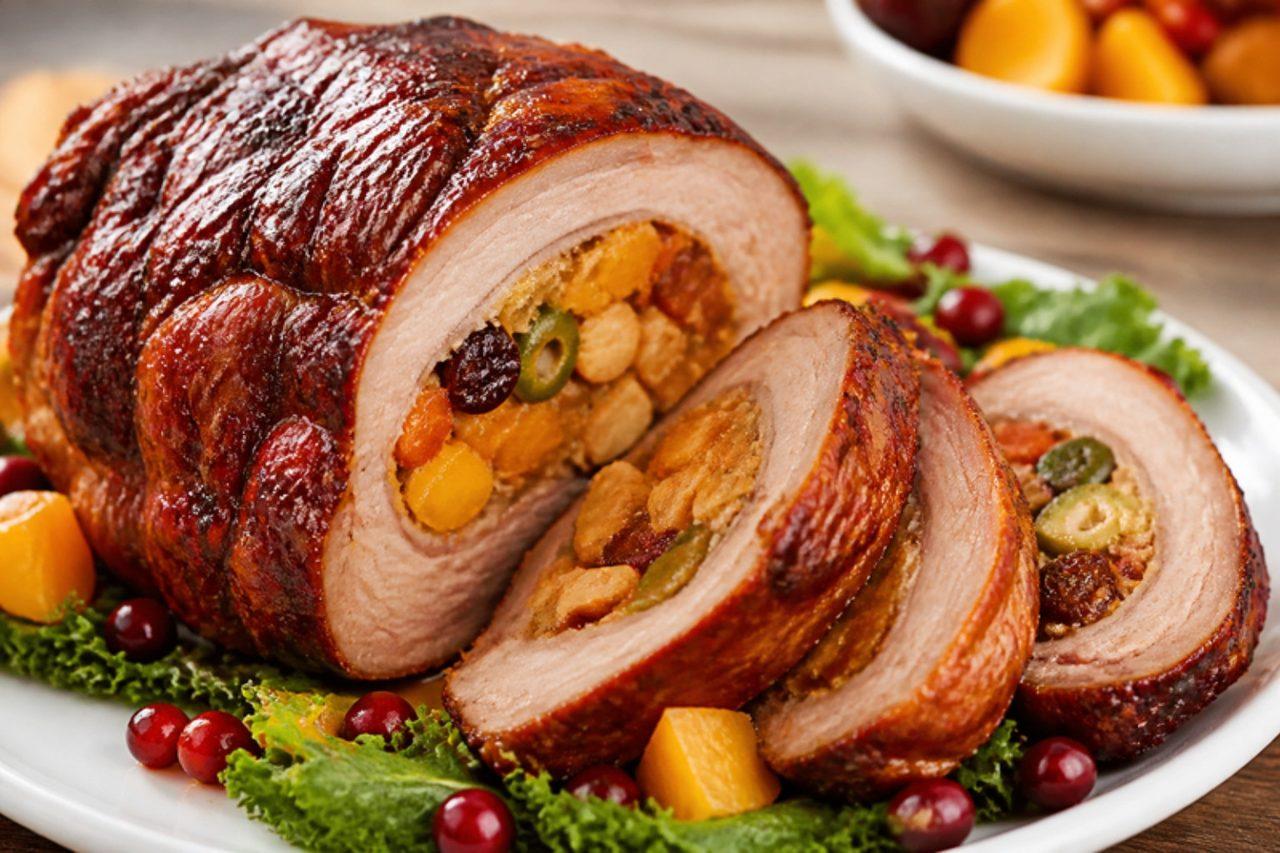
Relleno de cerdo

In Guerrero's Tierra Caliente, around Ciudad Altamirano, relleno de cerdo is the centrepiece of weddings and saints' days: a whole pig is stuffed with fruit, vegetables and its own chopped meat, rubbed with chilli and roasted for hours, then served in tortas or tacos. This home version is a pork dish for an ordinary oven, using a boned pork shoulder rubbed with a guajillo adobo and rolled around a stuffing of ripe plantain, potato, carrot, olives, raisins and almonds, so you get the same sweet, salty and spicy mix. Slice it thickly with its juices, warm tortillas, rice and pickled jalapeños. Chef's tip: ask the butcher to butterfly the shoulder evenly to about 3 cm thick; an even slab rolls neatly and cooks at the same rate all through.

300 minMexicanMeatGluten free
by KrazyBadal 0 views

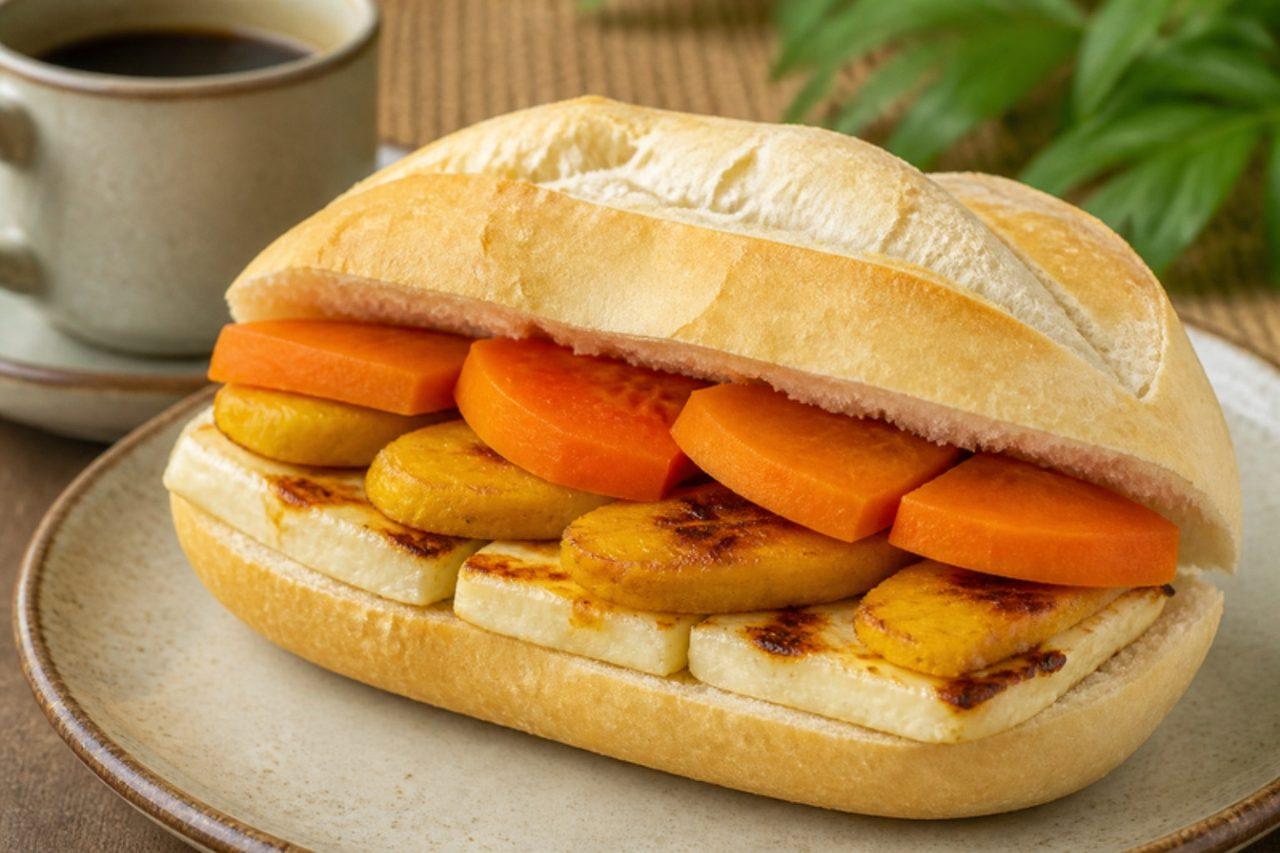
X-caboquinho

Manaus starts the day with this sandwich, sold from cafés, street stalls and market counters near the Mercado Adolpho Lisboa. A crusty roll is split, buttered and toasted, then filled with slices of fried pacovã plantain, a slab of melted coalho cheese and shavings of tucumã, an orange Amazon palm fruit with an oily, nutty, slightly earthy flavour. The name plays on 'caboclo', the riverside people of the Amazon, and amazonenses defend it as a symbol of local pride. Frozen tucumã slices are sold in some Brazilian shops; there is no true substitute, though thin slices of ripe avocado give a different but pleasant result. Use a vegetarian coalho or halloumi, as most coalho uses animal rennet. People often add the tucumã to the hot pan, but it should go in cool and raw for its fresh flavour. Chef's tip: fry the plantain until really dark at the edges; its caramel sweetness is what balances the salty cheese and the palm fruit.

by KrazyBadal 0 views

Cachama frita

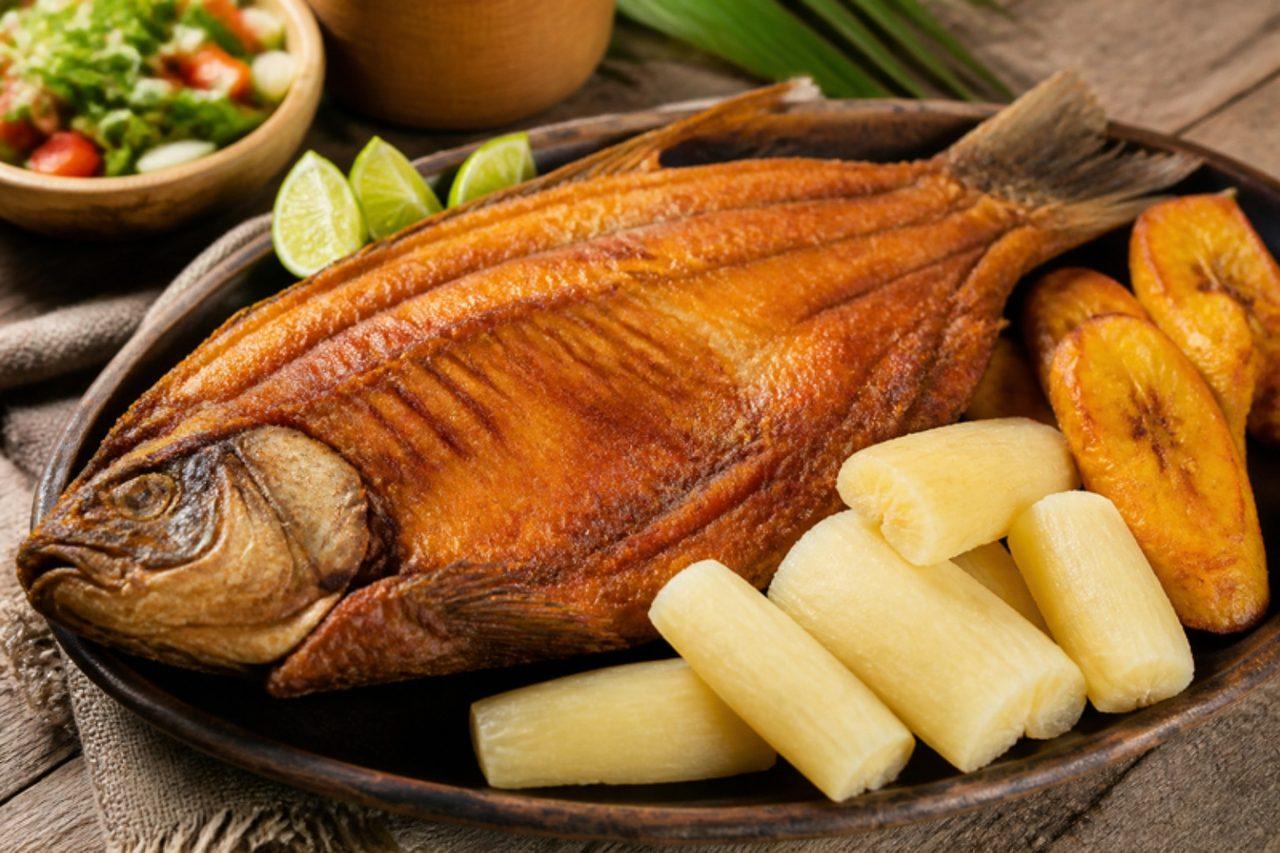
Roadside restaurants on the way from Bogotá down to Villavicencio and Restrepo sell cachama by the hundred at weekends: a farmed river fish of the Orinoco basin (the same family as pacu), opened out like a book, seasoned with garlic, cumin and lime and fried until the edges turn to crisp, salty lace. Its flesh is firm, fatty and sweet, and the rib bones, fried crisp, are half the pleasure. It comes with boiled cassava, ripe plantain tajadas and a little tomato salad. Outside Colombia, look for frozen whole pacu or cachama in Latin or Asian shops; otherwise use pompano or a large sea bream. A soggy, greasy fish usually means the oil wasn't hot enough; keep it at 180 °C and fry one at a time. Chef's tip: score the thick side of the fillet in a fine crosshatch down to the bones; the fine intramuscular bones fry crisp and the heat reaches the thickest part.

by KrazyBadal 0 views

Puchero santafereño

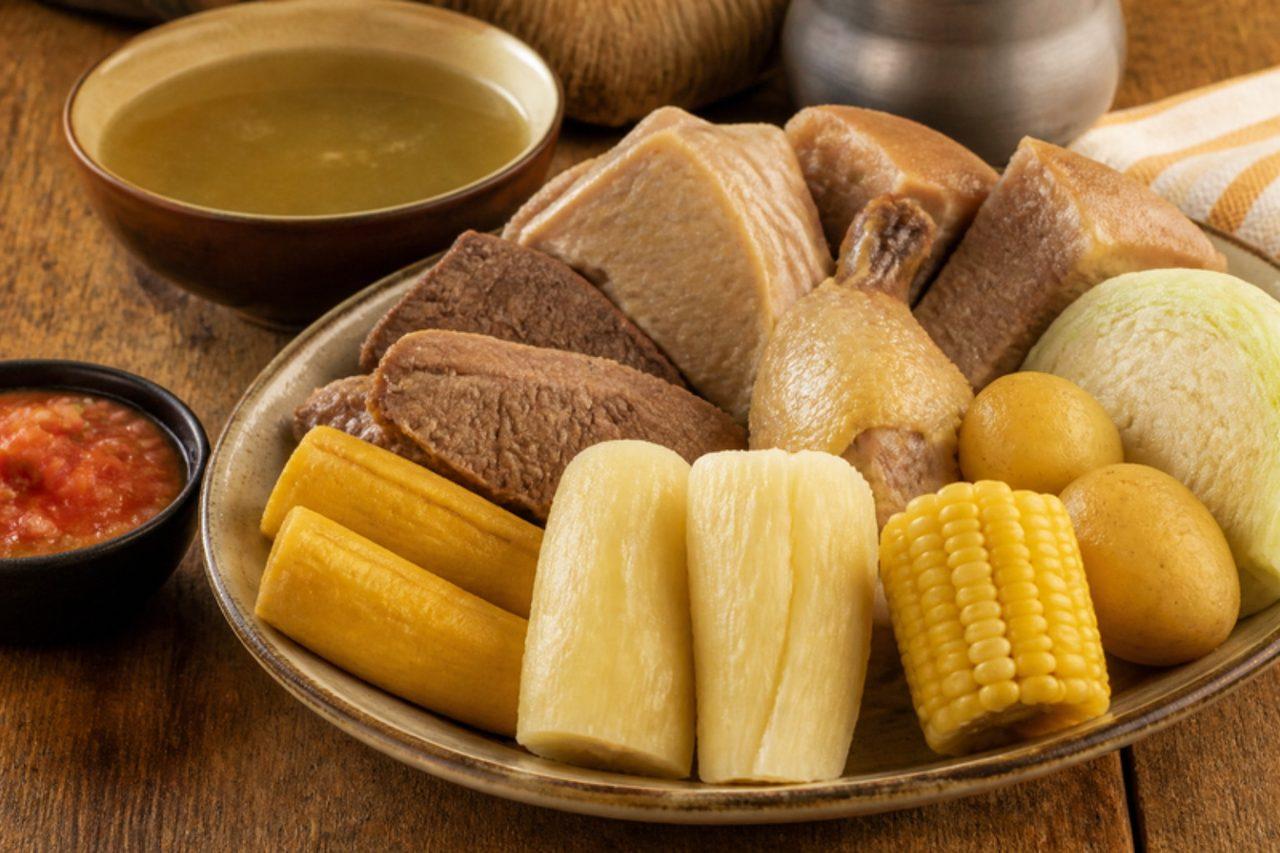
Old Santa Fe de Bogotá kept puchero for big family lunches and holidays: a broad pot of beef, pork and chicken boiled with cassava, corn, potatoes, cabbage and, unusually, ripe plantain cooked in its skin, which turns soft and sweet against the savoury meat. It comes to the table in two acts. First the clear, golden broth in cups or small bowls; then a platter of the meats and vegetables, with a pan of warm hogao (tomato and spring onion sauce) spooned over everything, plus rice and avocado on the side. People confuse it with cocido or sancocho, but the plantain and the hogao make it its own thing. Most disappointing pucheros come from boiling hard: the broth goes cloudy and the cassava breaks up, so keep it at a lazy simmer. Chef's tip: add the vegetables in order of how long they take, and lift each batch out onto a warm tray as it becomes tender, so nothing turns to mush while the beef finishes.

by KrazyBadal 0 views

Fritanga

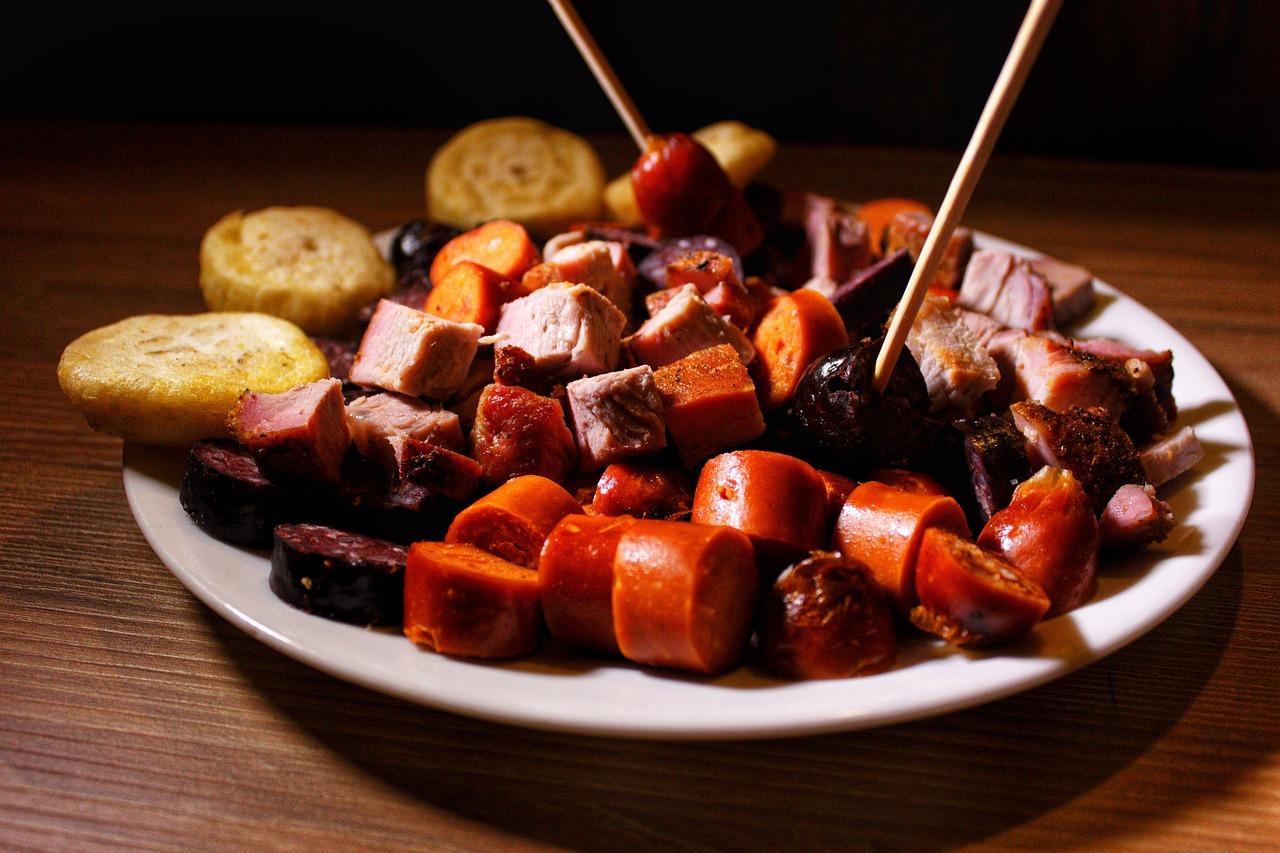
Weekend fritanga is Bogotá's answer to a mixed grill, eaten standing at counters in the Siete de Agosto and Restrepo neighbourhoods or brought home on a big tray to share. Everything is pork or fried: chicharrón of pork belly with a blistered, crunchy skin, juicy pork chorizos, slices of rice-filled morcilla (blood sausage), little papa criolla potatoes, sweet plantain and griddled arepas, all eaten with fingers or toothpicks and dipped in sharp, watery ají. A fritanga is about contrast, so don't drown it in sauces: the lime and ají cut the richness. The common error is frying the belly straight from raw; it needs to cook gently in water first, which renders the fat and tenderises the meat before the skin crisps in its own drippings. Chef's tip: buy morcilla and chorizo from a Latin butcher and check the labels if you need the platter gluten free, as some sausages contain wheat.

by KrazyBadal 0 views

Chiles en nogada

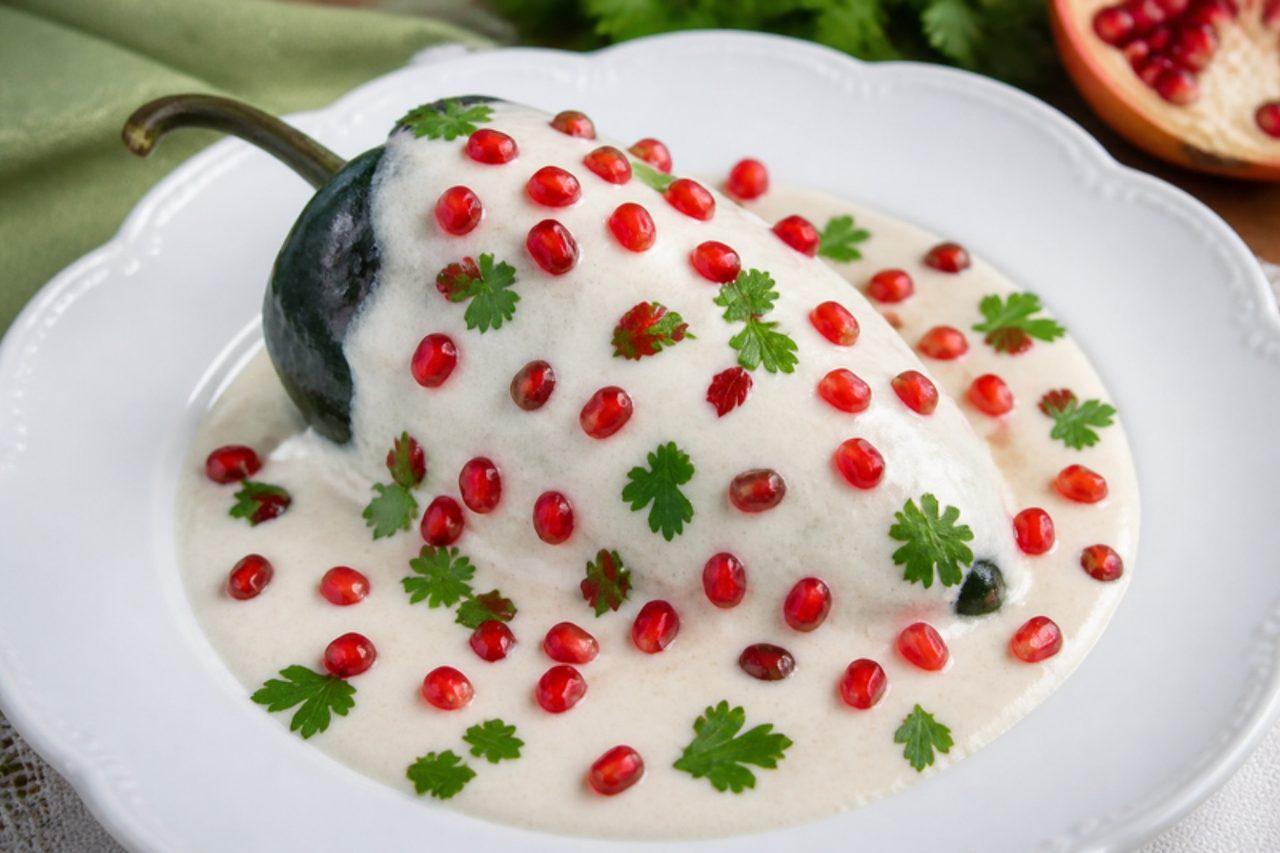
Chiles en nogada belong to Puebla and to September, when fresh walnuts, peaches, pears and pomegranates are all in season and Mexico celebrates its independence: the green chilli, white walnut sauce and red pomegranate are the colours of the flag. Roasted poblano peppers are stuffed with picadillo, a sweet-savoury hash of fruit, nuts and spices, then cloaked in nogada, a cool sauce of fresh walnuts, milk and fresh cheese. Our vegetarian picadillo uses mushrooms for the savoury depth that minced meat usually gives. It is served at room temperature, never hot, as a centrepiece for a celebration lunch. Chef's tip: soak the walnuts in milk overnight and rub off as much of the papery skin as you can; the skins make the nogada bitter and grey. Use a fresh cheese made with vegetarian rennet.

by KrazyBadal 0 views

Poisson braisé

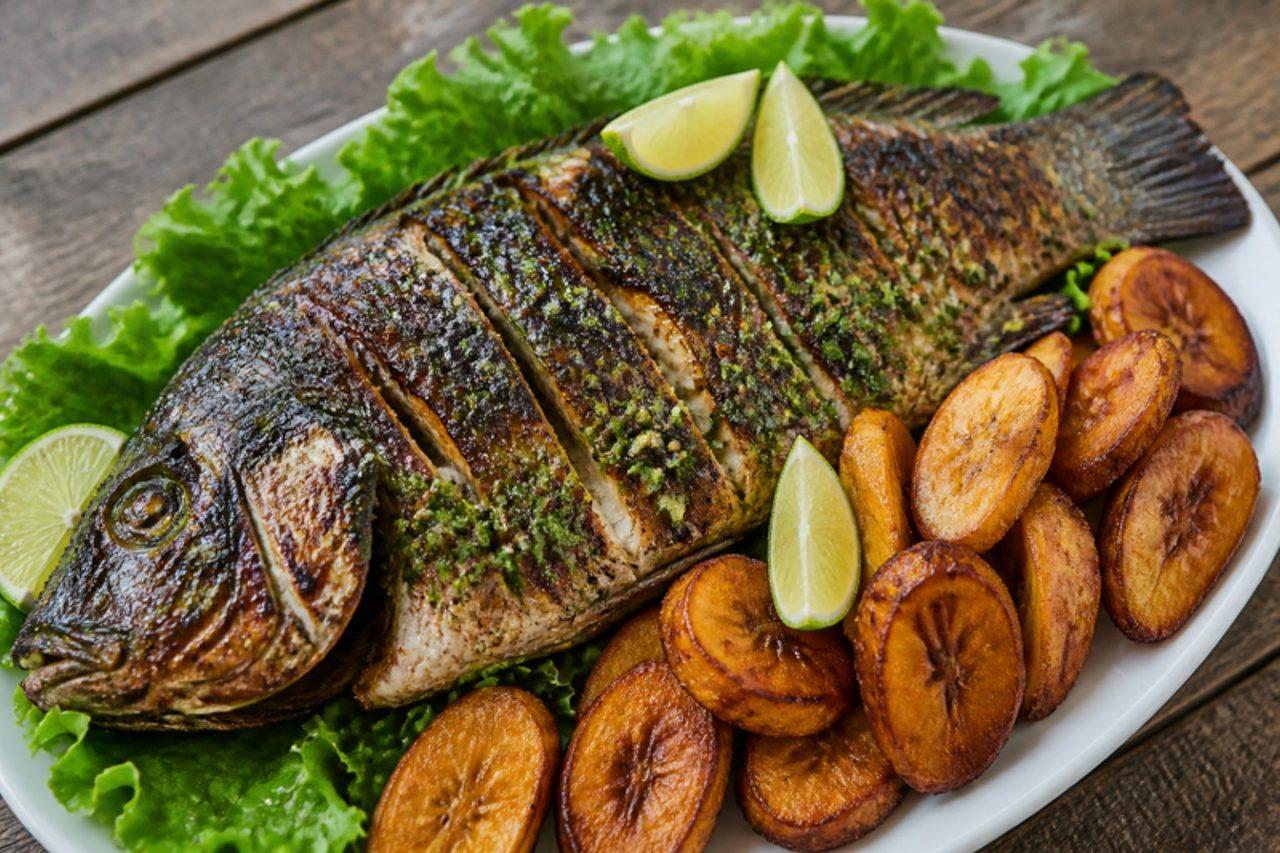
On the roadside grills of Douala and Yaoundé, women split tilapia or mackerel, smear them with a green paste of ginger, garlic, onion and herbs, and grill them over charcoal while people wait with a cold drink; it is late-evening food, eaten with fried plantain, bobolo (cassava sticks) or miondo and a fiery tomato pepper sauce. At home a very hot grill or a barbecue does the job. The mistake is turning the fish too early, so it sticks and breaks: wait until the skin is crisp and releases. Chef's tip: oil the fish and the grill bars, not just one of them.

by KrazyBadal 0 views

Bakabana

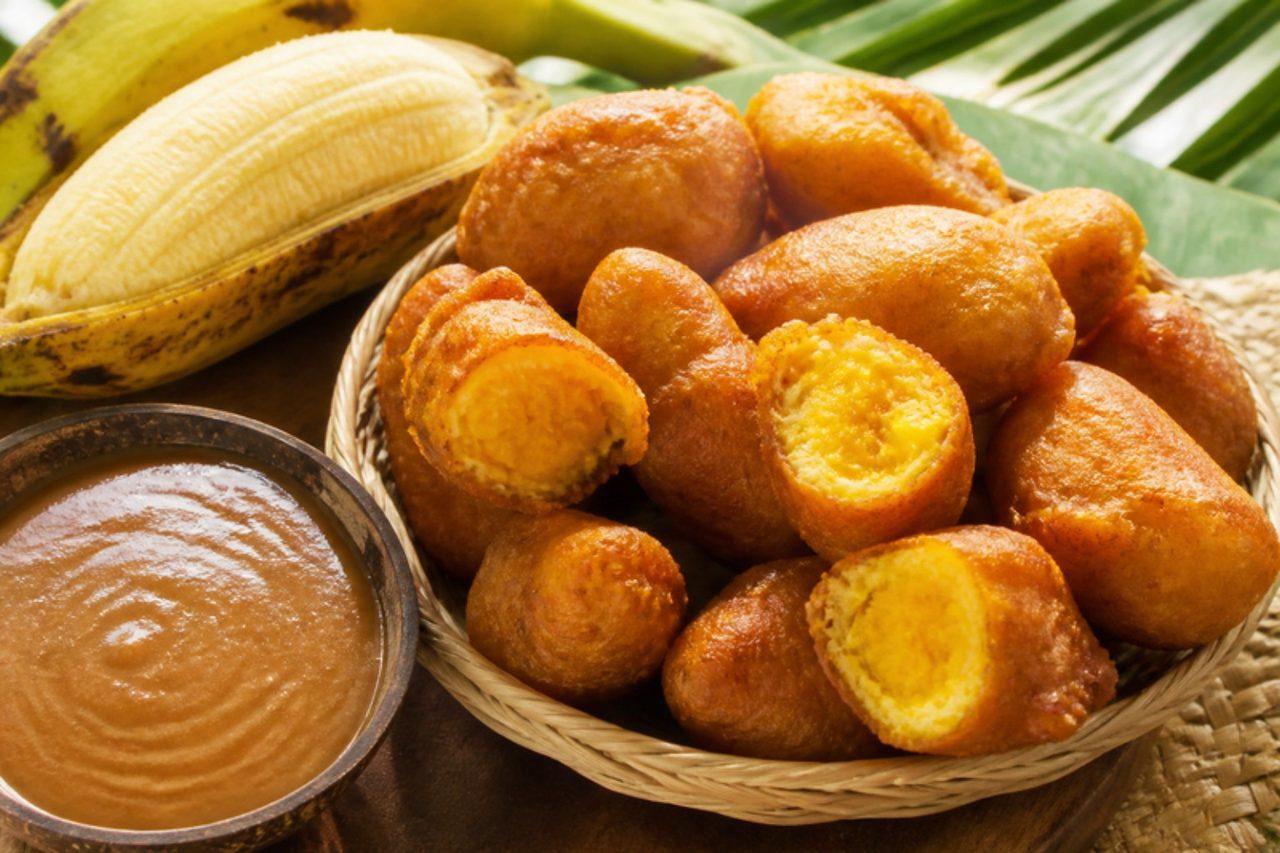
Bakabana are Suriname's favourite snack: long slices of ripe plantain dipped in a light batter and fried until crisp outside and custard-soft within. In Paramaribo they're sold from warung stalls (the Javanese-Surinamese snack bars), and in Dutch cities with Surinamese communities, always with a spicy peanut sauce on the side for dipping. The sweet fruit, crisp shell and salty-hot sauce make them hard to stop eating. Chef's tip: pick plantains that are yellow with lots of black spots but still firm; fully black and soft ones fall apart in the batter.

by KrazyBadal 0 views

Vegetarian fanesca

Fanesca is cooked in Ecuador only once a year, in the days before Easter, and families spend a whole day shelling, peeling and stirring. Traditionally it gathers twelve grains and legumes (said to stand for the apostles) in a thick soup of squash, milk and peanut, with salt cod in the pot. This version leaves the fish out and keeps the festival garnishes: hard-boiled egg, fried ripe plantain, fresh cheese and parsley. It's rich and very filling; small bowls are enough. Chef's tip: cook everything the day before and reheat; like many big feast soups, fanesca tastes better on day two.

130 minAndeanSoupsGluten free
by KrazyBadal 0 views

Rellenitos de plátano

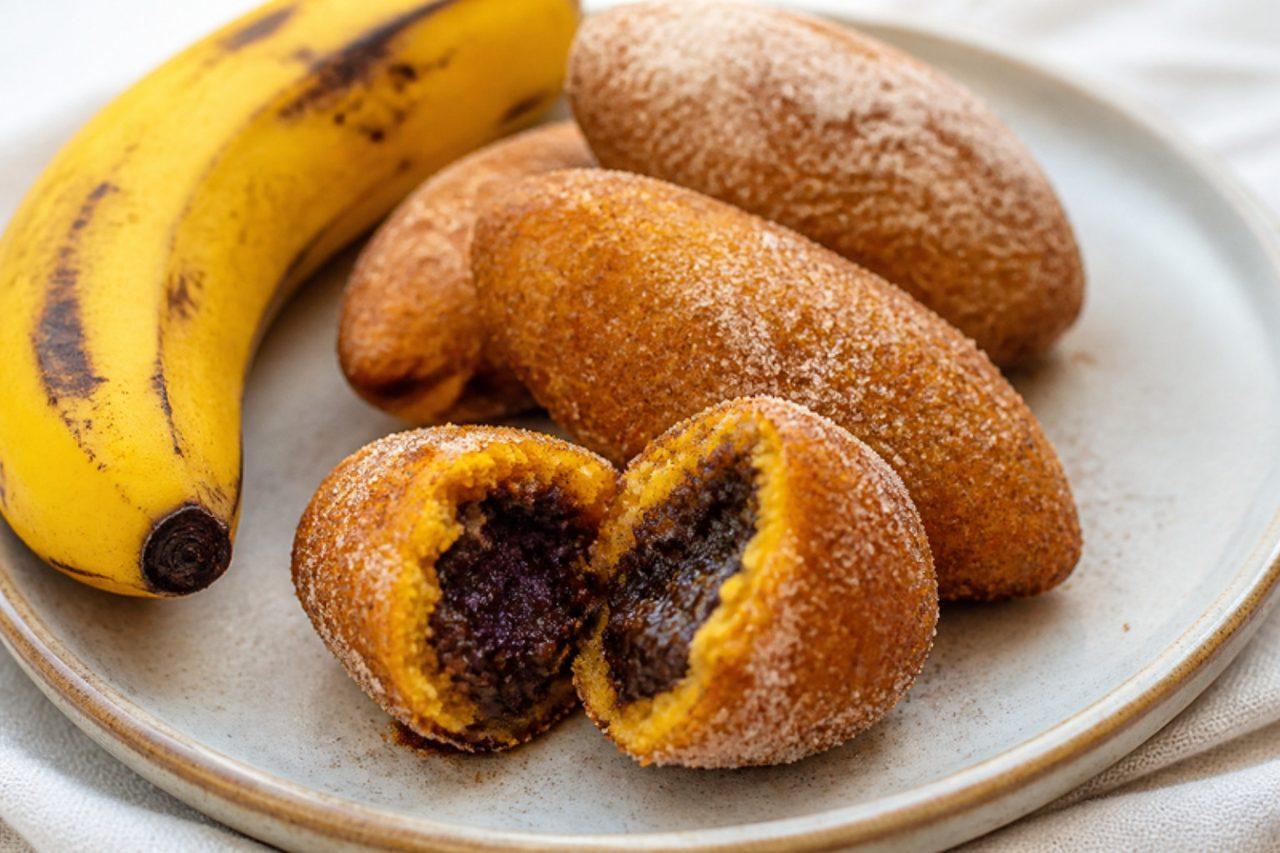
Rellenitos surprise everyone who hasn't grown up in Guatemala: soft, sweet plantain dough wrapped around a filling of black beans cooked down with chocolate, cinnamon and sugar, then fried and rolled in sugar. They're sold in panaderías and at fairs, and made at home for afternoon coffee and Christmas. The beans taste nothing like a savoury dish; think of a fudgy chocolate paste. Chef's tip: mash the plantains while hot and chill the dough for 20 minutes; cold dough wraps cleanly without sticking to your hands.

by KrazyBadal 0 views

Poulet DG

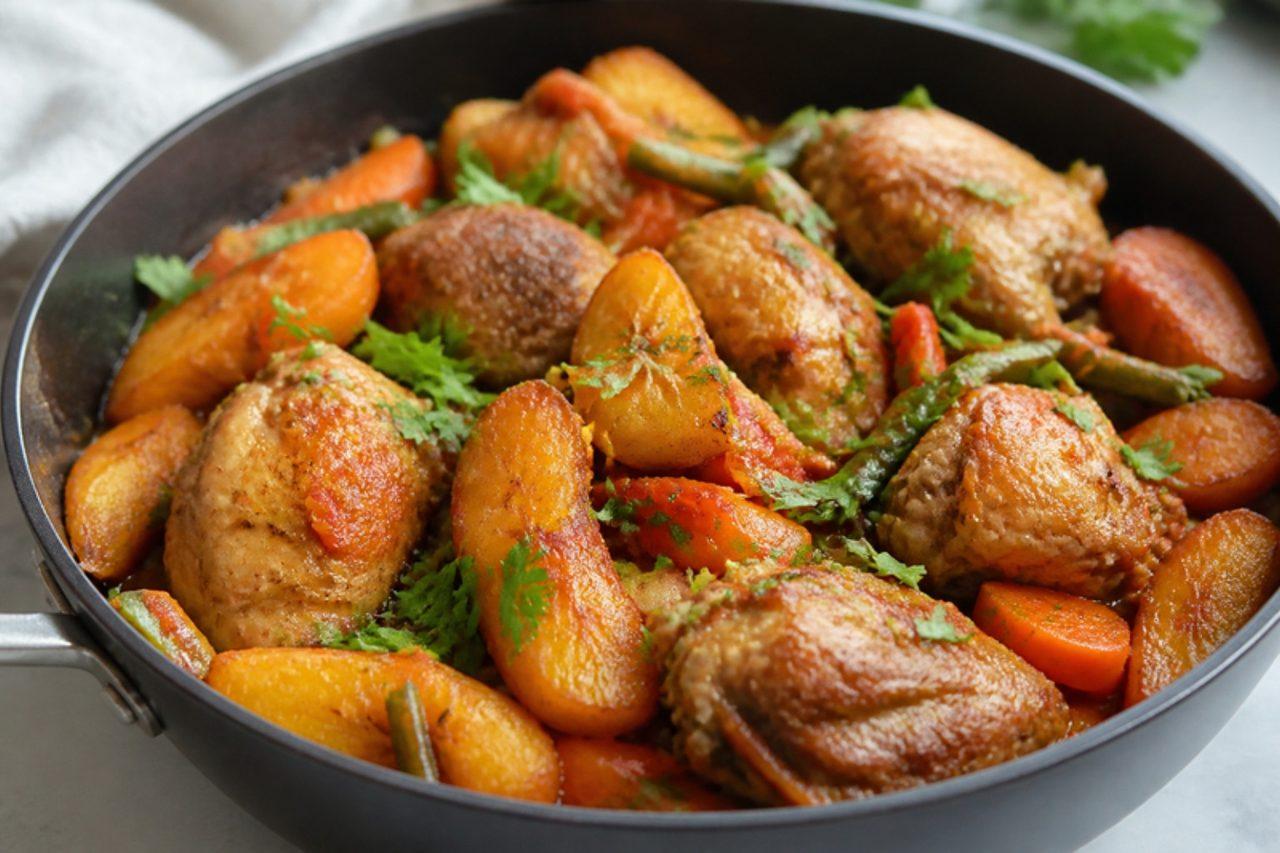
Poulet DG, short for "poulet directeur général", earned its name in Yaoundé in the 1980s as a dish rich enough for the boss; now it is the centrepiece at weddings and Sunday lunches across Cameroon. Chicken is browned and simmered with tomato, peppers, carrots and green beans, then fried ripe plantain is folded in at the end, so every mouthful is savoury and sweet. The mistake is stirring the plantain in too early, when it breaks up and goes mushy; add it in the last few minutes. Chef's tip: choose plantains that are yellow with lots of black spots, ripe enough to caramelise but still firm.

by KrazyBadal 0 views

Hudut

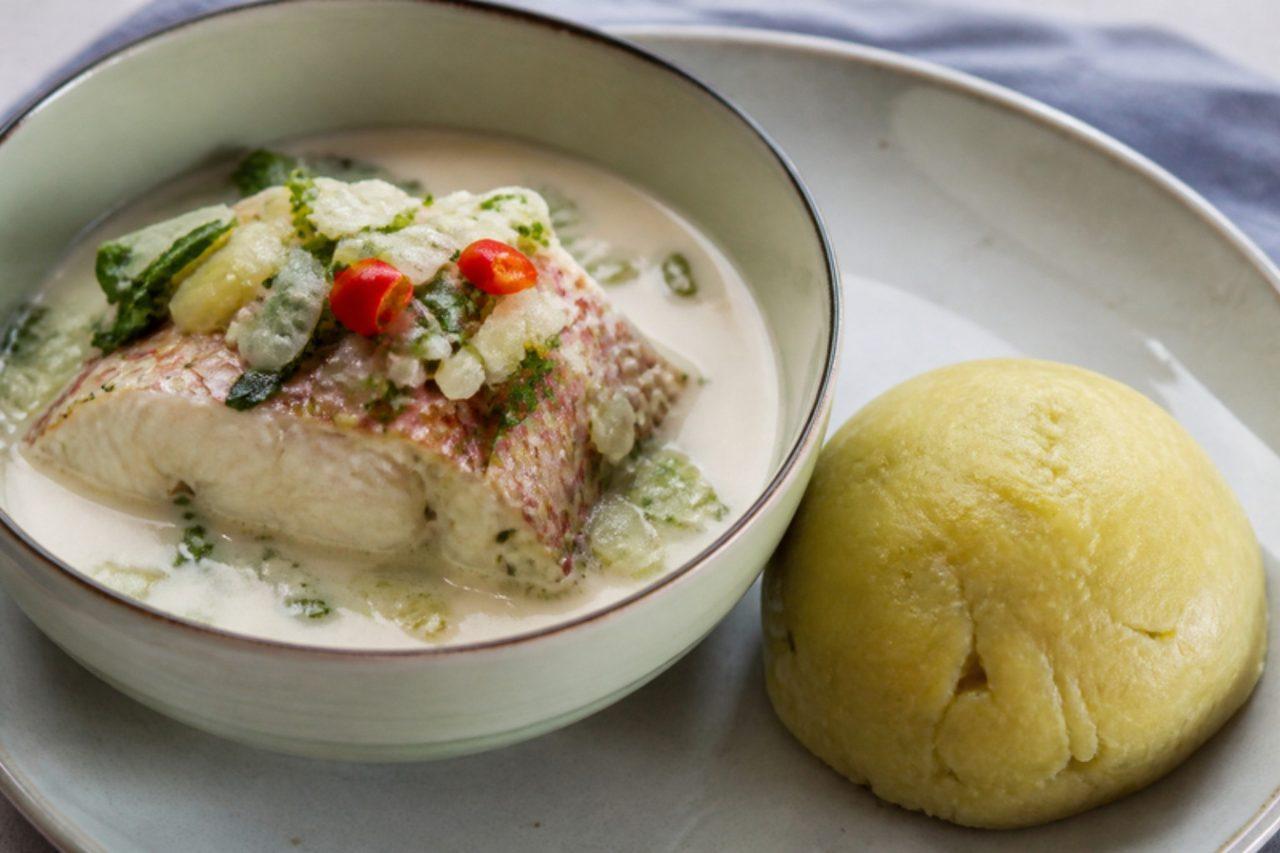
Hudut is the heart of Garifuna cooking on the Caribbean coast of Honduras, in towns such as Trujillo and La Ceiba, and in Belize and Guatemala's Livingston: whole fish or fish steaks simmered in a coconut broth (sere) with garlic, onion and herbs, served with a pounded mash of green and ripe plantains (fufu) that is dipped into the soup. The mistake is mashing only green plantain, which is heavy; a mix of green and a few ripe ones gives a slightly sweet, smooth mash. Chef's tip: fry the fish briefly before it goes into the broth so it holds its shape.

by KrazyBadal 0 views

Attiéké with tomato and onion

Attiéké is the light, slightly sour cassava 'couscous' of the Ébrié and Adjoukrou peoples around Abidjan's lagoons, and it is eaten across Côte d'Ivoire every day of the week. In maquis (open-air restaurants) it comes heaped beside grilled fish with a raw salad of tomato, onion and chilli; at home many people eat it simply with that salad, fried plantain and a fried egg, which is how it is served here. Buy it frozen or dried in African shops. Chef's tip: steam attiéké rather than boiling it; water turns it to paste, while steam keeps the grains fluffy and separate.

by KrazyBadal 0 views

Palm heart and plantain moqueca

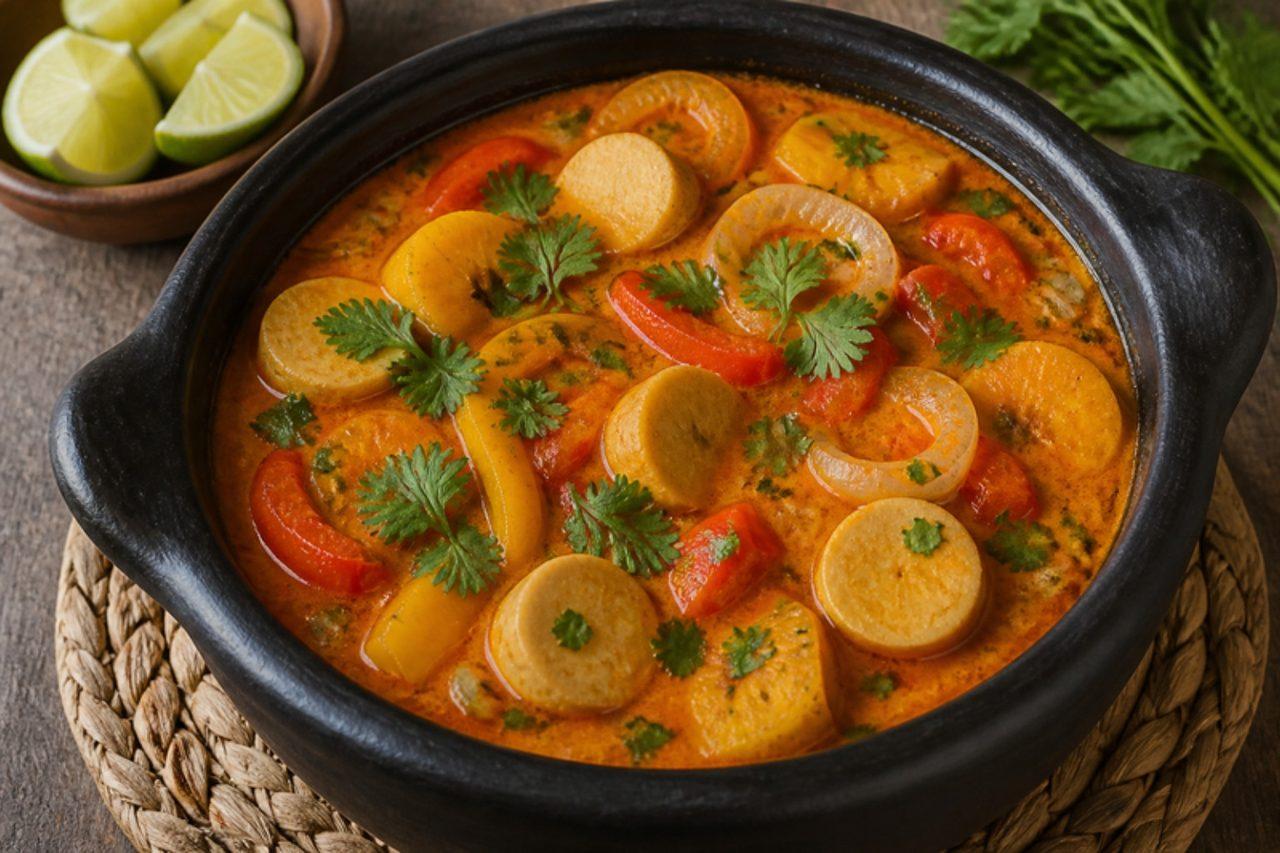
Moqueca is the great stew of Bahia, cooked in a clay pot with coconut milk, tomatoes, peppers and dendê, the red palm oil that gives Salvador's food its colour and flavour. Fish is usual on the coast, but moqueca de palmito e banana-da-terra, with heart of palm and ripe plantain, is a much-loved vegetarian version: sweet, tangy and fragrant with coriander and lime. Serve with white rice and farofa. Chef's tip: layer the vegetables rather than frying them, and add half the dendê at the start and half at the very end. The final splash keeps its fruity, nutty aroma, which is the real taste of Bahia.

by KrazyBadal 0 views

Goes well with ripe plantain