Skip to content

Recipes with pomegranate seeds

18 recipes that use pomegranate seeds, with photos, step-by-step instructions and cook times. The quickest, Banana raita, takes 15 minutes. It is most often cooked with coriander, plain yogurt and sugar.

Got a few things in the fridge? Search by everything you have

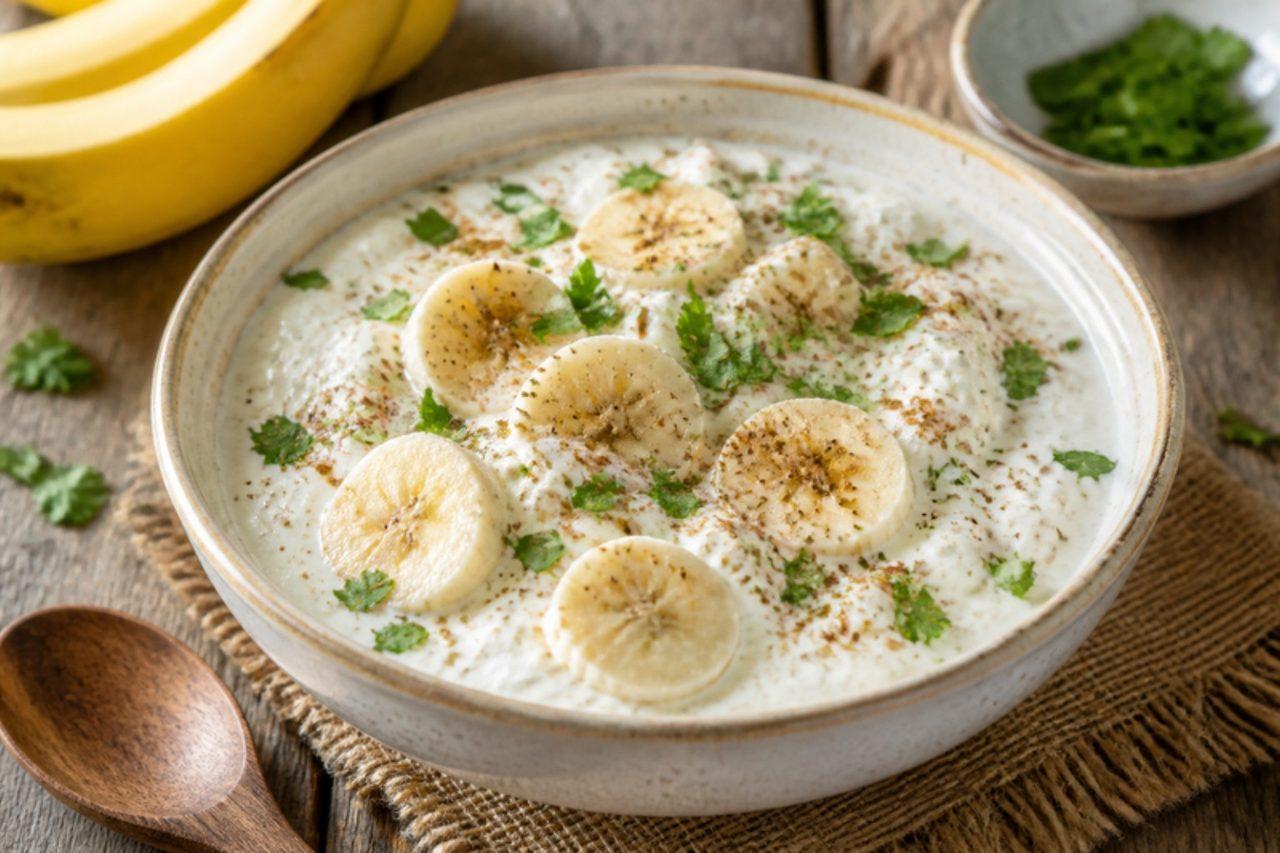
Banana raita

A creamy, sweet-and-tangy raita of chilled yogurt with banana, grated cucumber and pepper, spiced with mustard, cumin and a little chilli. It's cooling next to spicy food: serve it with biryani or dhosa ladoo. For a festive version, add finely chopped apple and pomegranate seeds.

by KrazyBadal 0 views

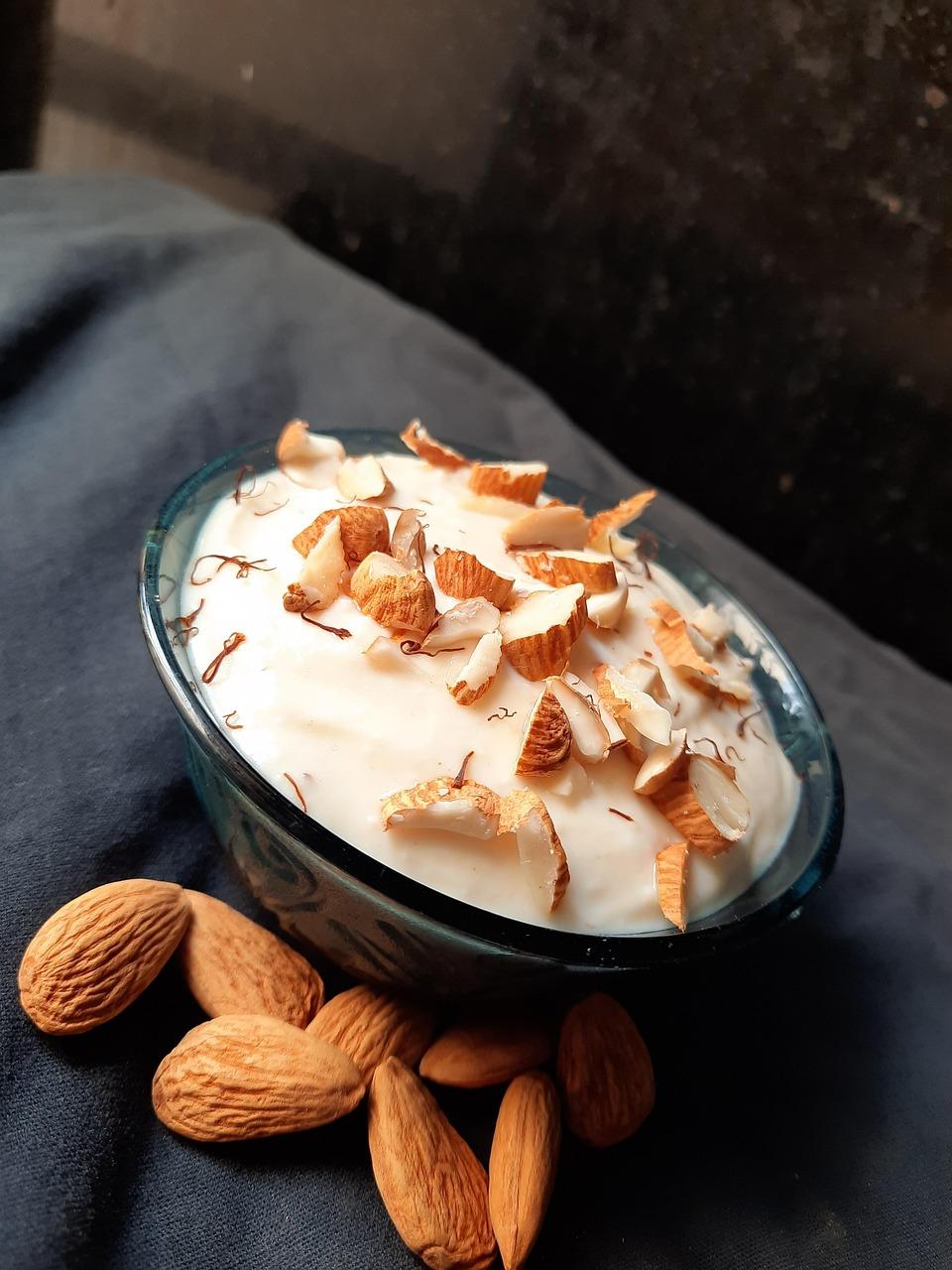
Shrikhand

Shrikhand is a classic Gujarati dessert of yogurt hung until thick and creamy, then sweetened and flavoured with saffron, cardamom and ground nuts. It's cool, tangy-sweet and silky. Serve it chilled with hot puris, or on its own as a dessert; add fresh fruit for fruit shrikhand.

by KrazyBadal 0 views

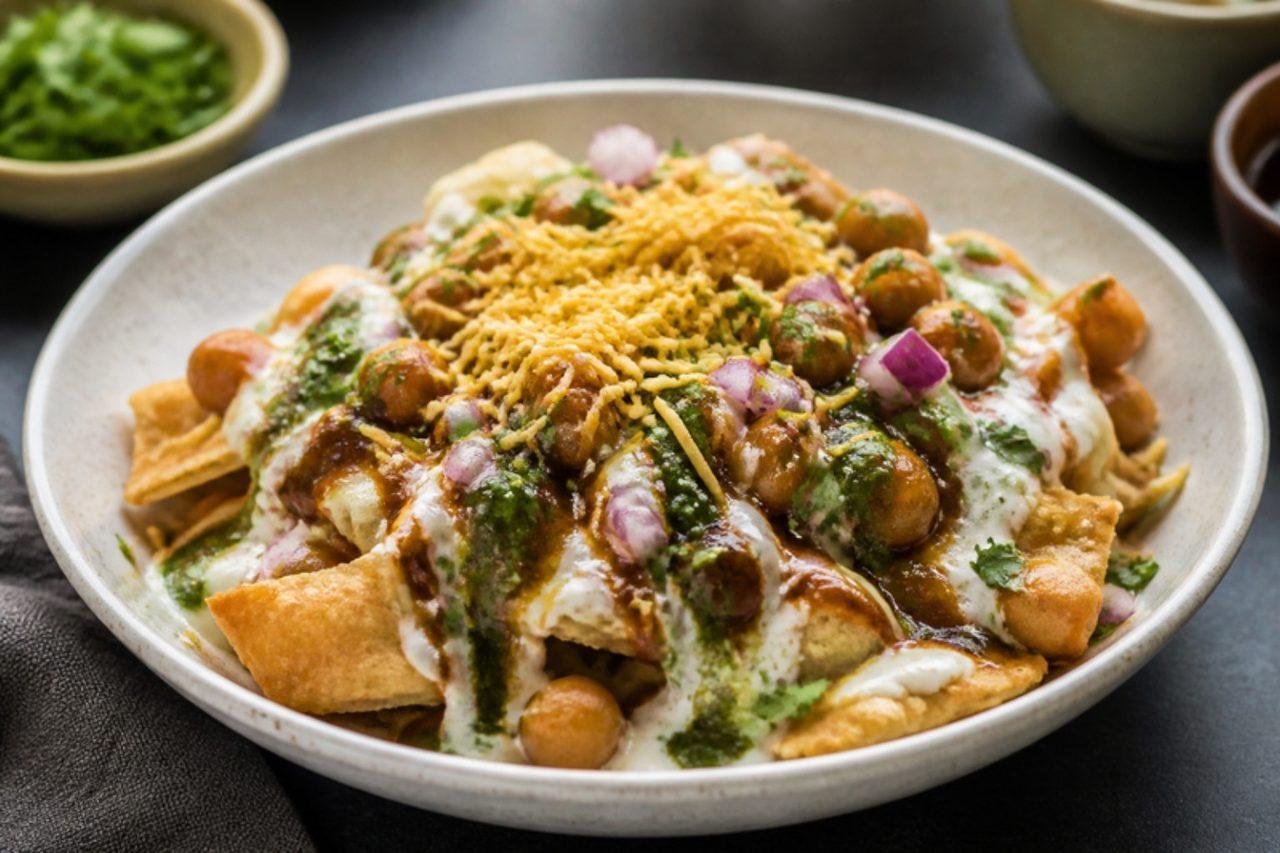
Punjabi chole samosa chaat

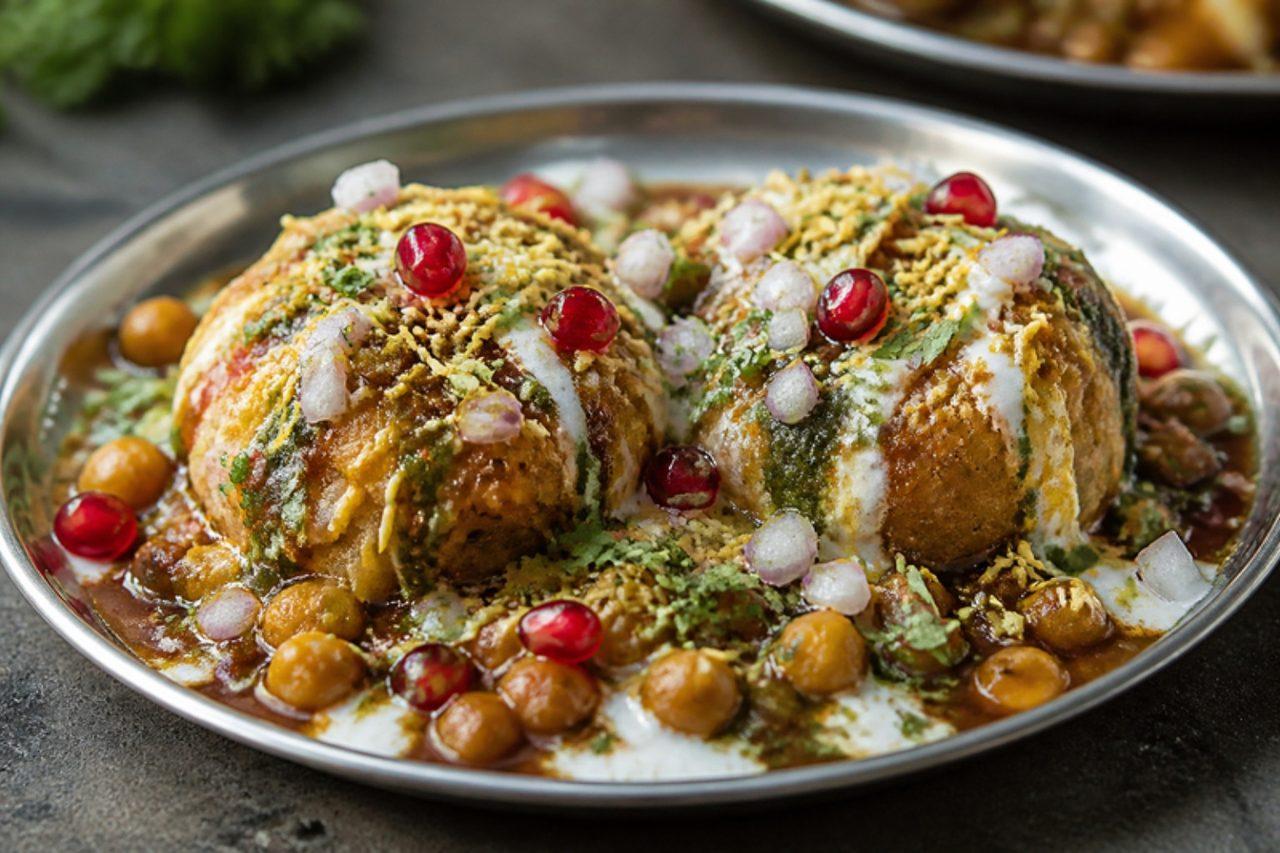
Samosa chaat is how the street stalls of Punjab and Delhi turn yesterday's samosas into the best snack of the day. Samosas are broken open on a plate, covered with a ladle of hot, tangy chole, then cooled down with sweet whisked yogurt, green and tamarind chutneys, raw onion, crunchy sev and a dusting of chaat masala. Every spoonful is hot and cold, crisp and soft, sweet, sour and spicy at once. Use bought samosas or the site's own samosa recipe. Chef's tip: warm the samosas in the oven until crisp before you crush them; a soggy samosa makes a heavy chaat, a crisp one soaks up the chole and still crunches.

by KrazyBadal 0 views

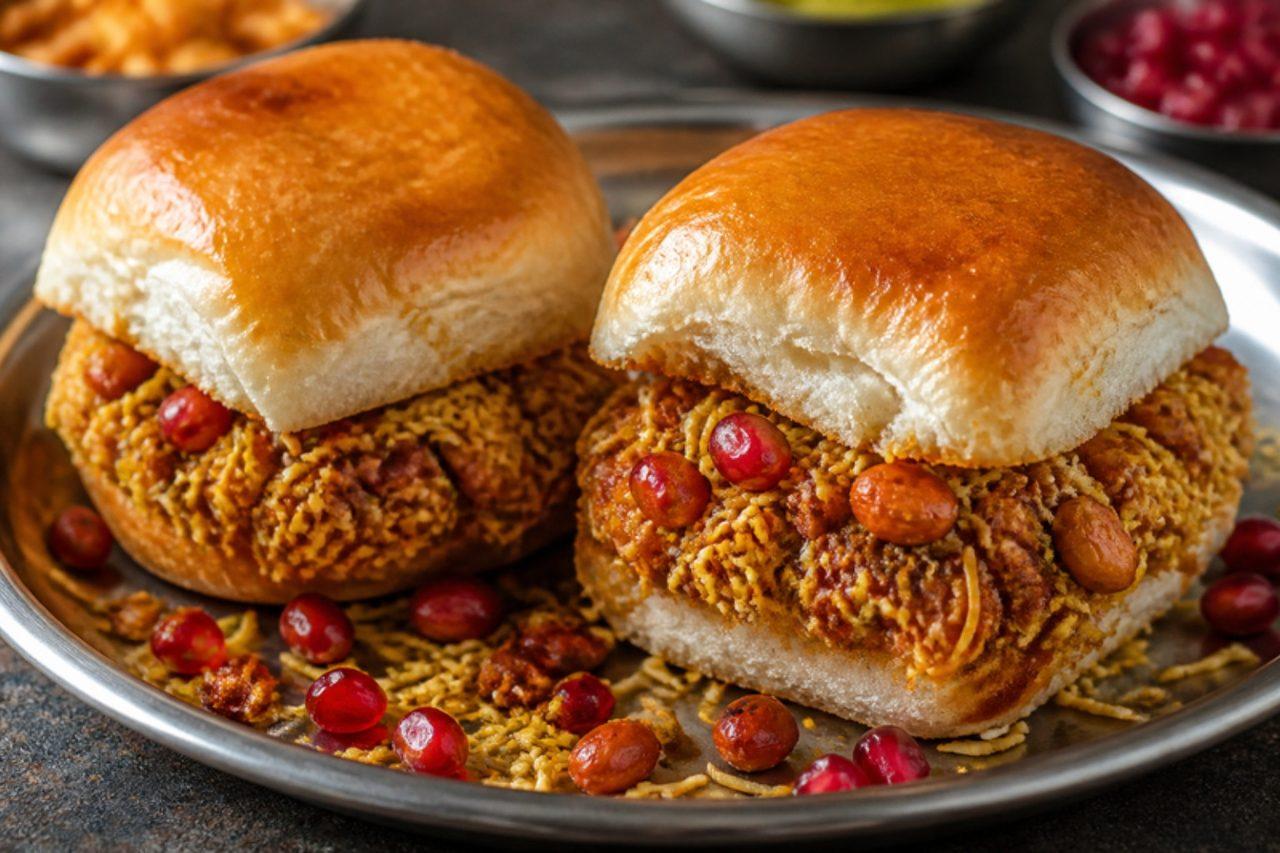
Kutchi dabeli

Dabeli was born in Mandvi, a port town in Kutch, Gujarat, and spread from there to every street corner in Mumbai. Soft pav are split, spread with sweet tamarind and fiery garlic chutneys, and stuffed with a potato filling spiced with dabeli masala, a warming blend of roasted coriander, cumin, cinnamon, clove and dried chilli. Masala peanuts, pomegranate seeds, onion and sev add crunch and sparkle, and the buns are toasted in butter until crisp at the edges. Children love them for the sweetness, adults for the heat. Chef's tip: make the dabeli masala yourself and toast the whole spices until they just smell warm; shop-bought powders lack that fresh, smoky sweetness, and a jar keeps for a month.

40 minFast FoodIndian
by KrazyBadal 0 views

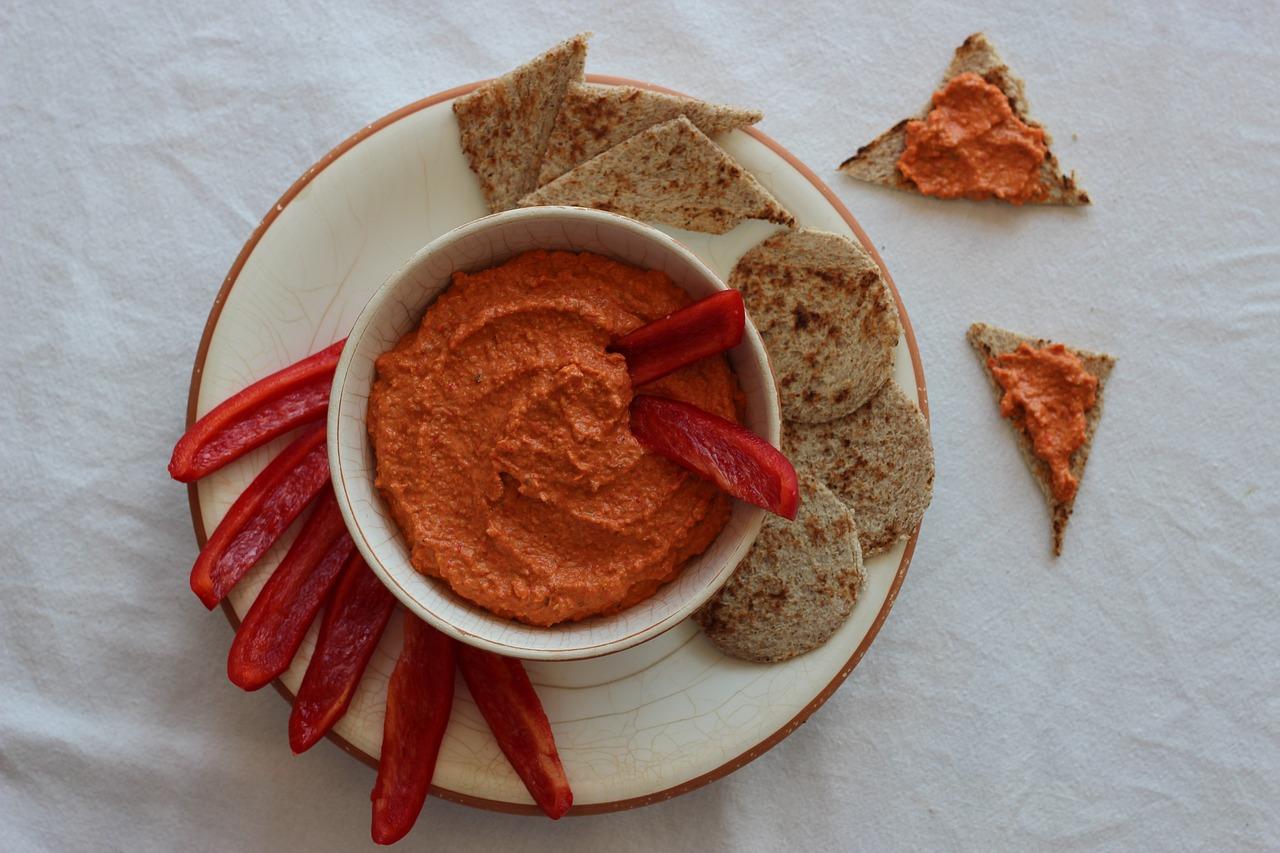
Muhammara

Gaziantep, a city on Turkey's southern border famous for pistachios and pepper paste, claims muhammara as its own, and you will find it on breakfast spreads and meze tables throughout the southeast. Roasted red peppers, walnuts and breadcrumbs are pounded with pepper paste, cumin and pomegranate molasses into a thick, brick-red spread that is smoky, nutty and gently hot. Spread it on bread, serve it with crudités or alongside a bowl of lentil soup. A common mistake is blending until completely smooth; it should keep a little bite from the walnuts. Chef's tip: toast the walnuts in a dry pan first until they smell like brown butter, which deepens the flavour far more than raw nuts.

by KrazyBadal 0 views

Fatteh with chickpeas

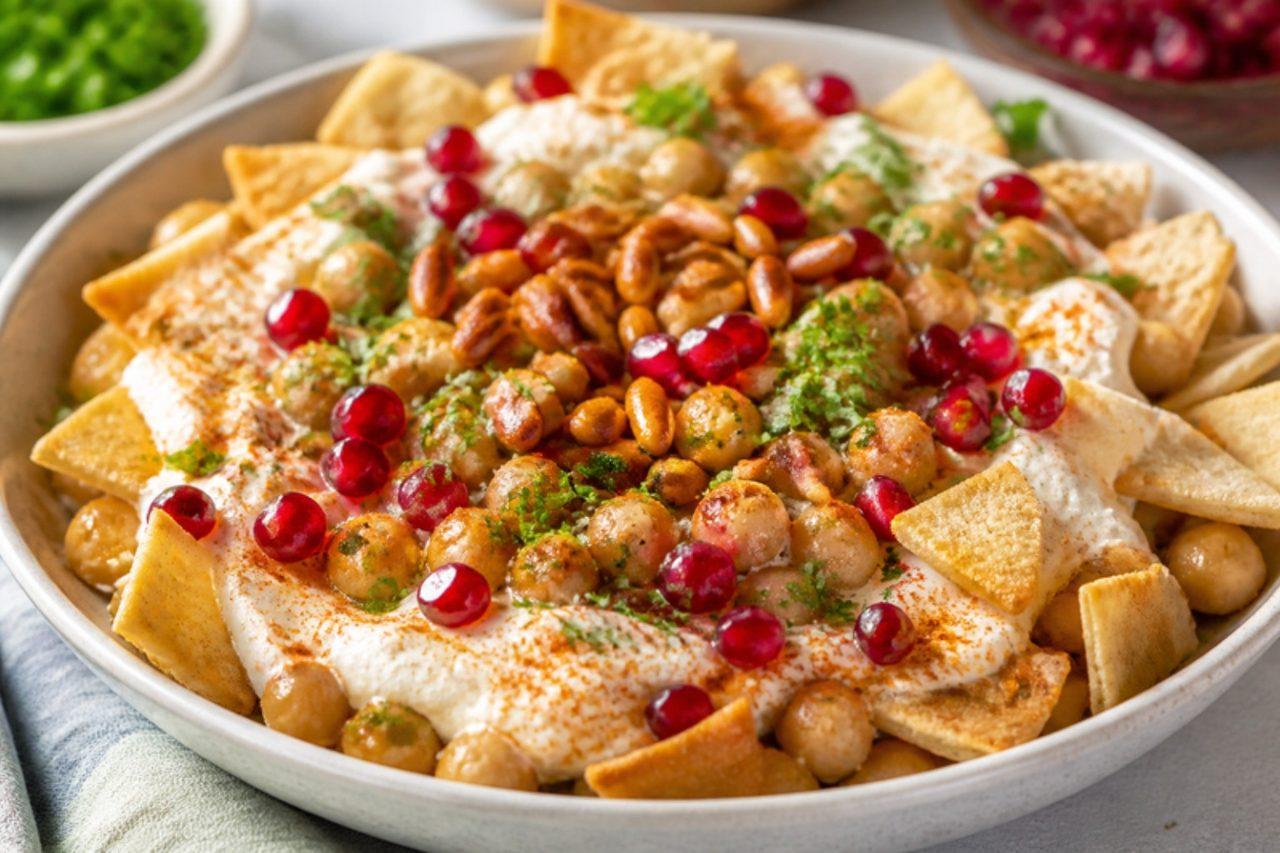
Fattet hummus belongs to Damascus, where breakfast restaurants in the old city serve it in deep bowls on Friday mornings, and it has spread to Beirut's Sunday tables too. The name comes from fatt, to break up, for the toasted flatbread at the bottom, which is topped with warm chickpeas in their broth, then a thick, garlicky sauce of yogurt and tahini, and finally sizzling pine nuts in butter or oil with a dust of paprika and cumin. The contrast is the point: crunchy and soft, hot and cool. Assembling it too early is the common mistake, since the bread soaks up the sauce and goes soggy; build it just before eating. Chef's tip: let the yogurt come to room temperature first, so it doesn't cool the chickpeas down too much and the bowl stays warm.

by KrazyBadal 0 views

Pkhali

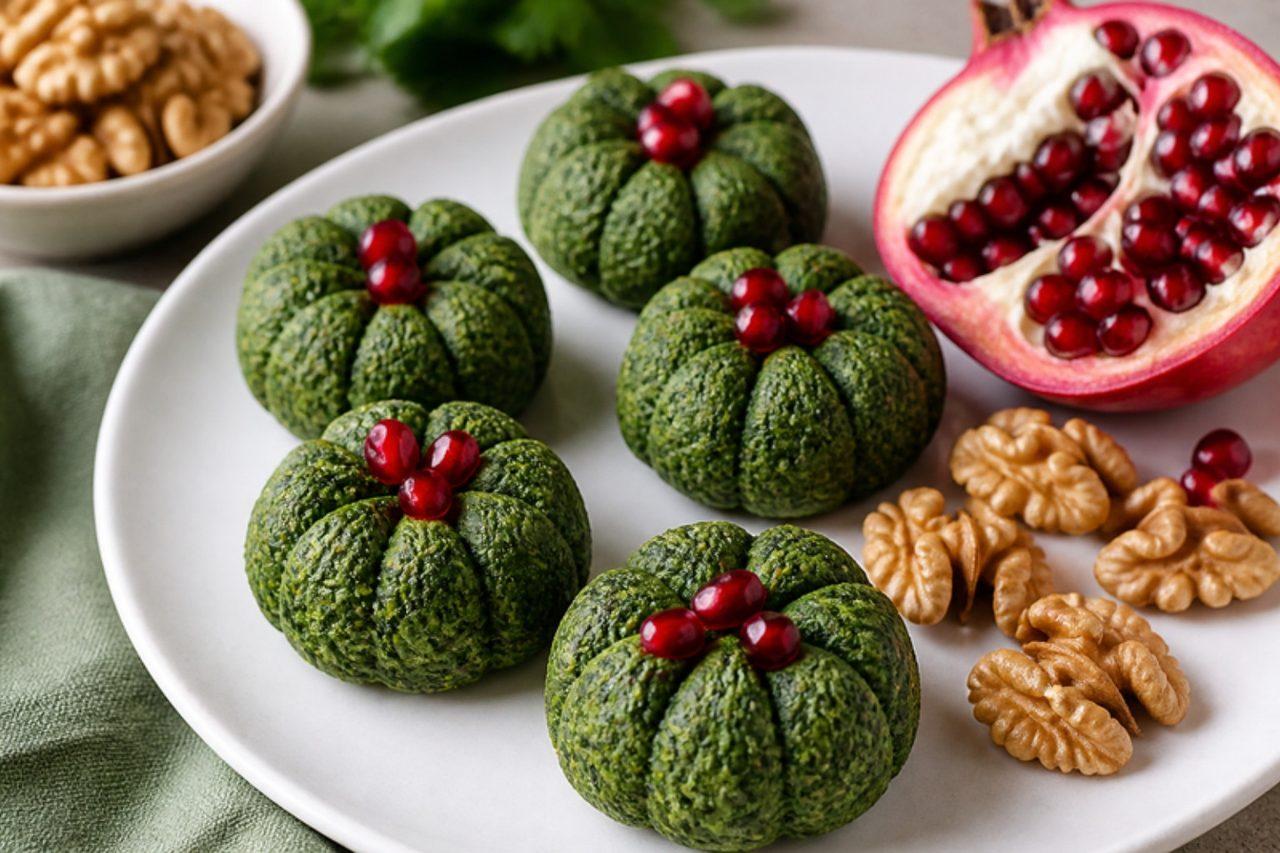
Pkhali are the walnut-bound vegetable pâtés that open almost every Georgian feast, the supra, from Tbilisi to the villages of Kakheti. Spinach is the best known, though beetroot, beans, leeks and nettles are made the same way, and in Lent they become the heart of the meal. The cooked greens are chopped fine with walnuts, garlic, coriander, vinegar and spices, shaped into small balls and pressed with a criss-cross, then dotted with pomegranate seeds. Eat them cold with mchadi or bread. The common mistake is not squeezing the spinach hard enough, which makes the pkhali loose and watery. Chef's tip: they taste much better the next day, once the garlic and vinegar have soaked into the walnuts, so make them a day ahead.

by KrazyBadal 0 views

Badrijani nigvzit

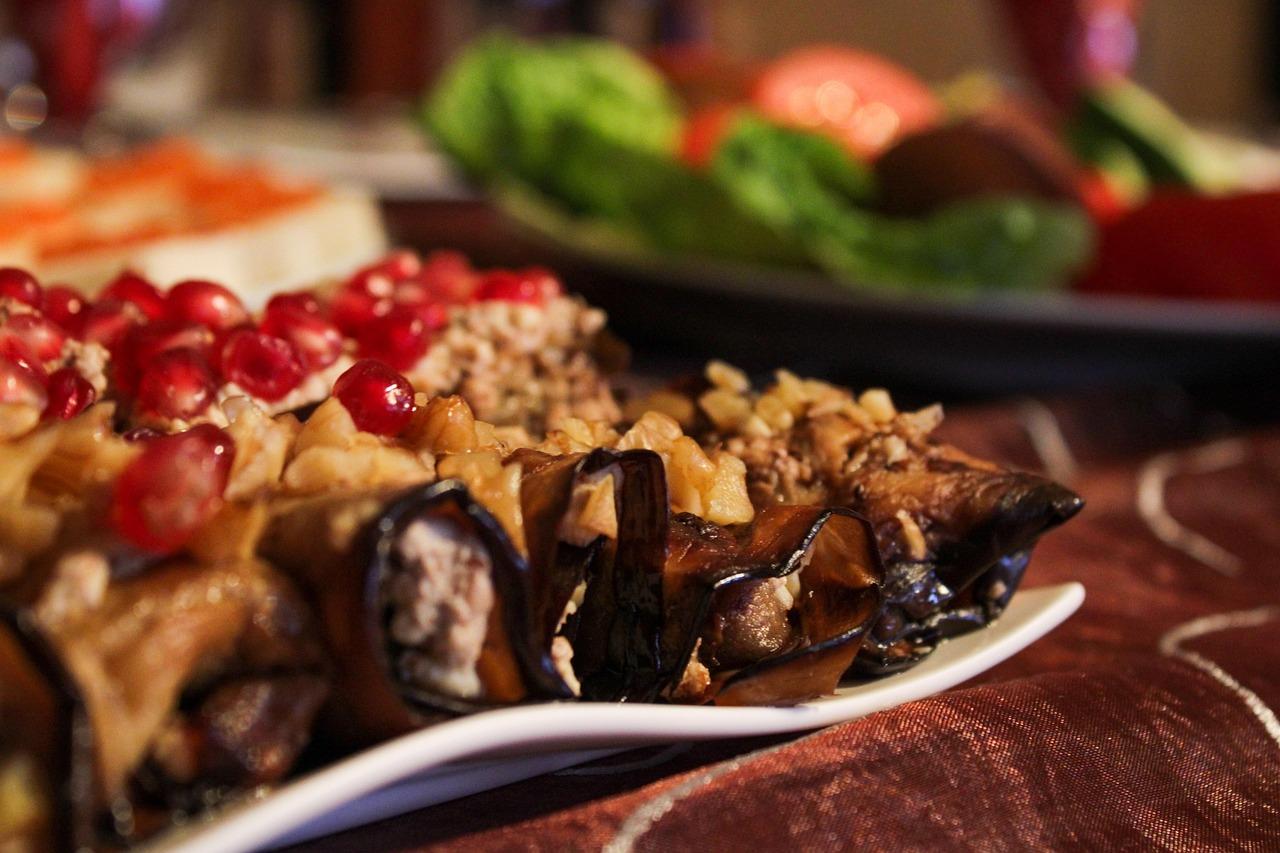
Badrijani nigvzit, aubergine with walnuts, is the summer starter of Tbilisi and Kakheti: thin slices of aubergine fried until silky, spread with a garlicky, spiced walnut paste and rolled up, then scattered with pomegranate seeds. They sit on every supra table between the cheeses and pkhali, and on restaurant menus from June until the frosts. Served cold, they are rich and soft, with sour pops of pomegranate. The common mistake is undercooking the aubergine: if it is still firm it cracks when you roll it and tastes raw, so fry each slice until it is limp and golden. Chef's tip: dry the fried slices on kitchen paper and press them gently; you lose surplus oil, and the paste spreads and sticks better.

by KrazyBadal 0 views

Aloo tikki chaat

In Delhi, aloo tikki is fried on a giant iron tawa at the edge of a busy market, flattened with a spatula until the outside is shatteringly crisp, then smothered in spiced chickpeas, cool yogurt and green and tamarind chutneys. Places like Chandni Chowk and Lajpat Nagar have queues for it on winter evenings. Delhi tikkis are often stuffed with a little spiced chana dal, which adds bite inside the soft potato. Unlike Mumbai's ragda pattice, it's served with chole and a lot of yogurt. Chef's tip: let the tikkis sit undisturbed on the hot pan for the first 5 minutes; a crust forms that stops them breaking when you turn them.

by KrazyBadal 0 views

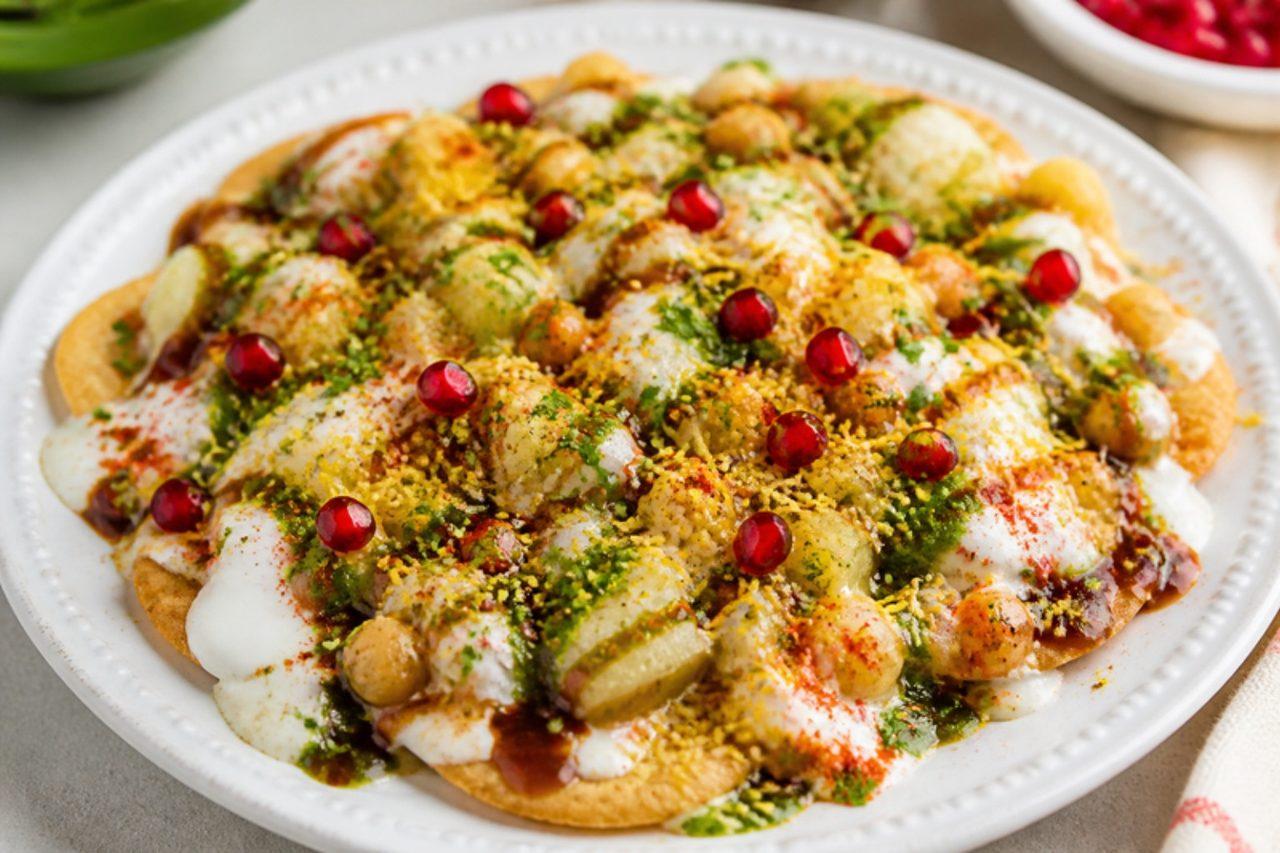
Papdi chaat

Papdi chaat is the plate Delhi orders without thinking about it, from the stalls outside Bengali Market to wedding buffets. Small, flaky wheat wafers called papdi are laid flat, topped with potato and chickpeas, drowned in sweetened yogurt and streaked with tamarind and green chutney, so you get crunch and creaminess in the same spoonful. Homemade papdi, crisp with ajwain, are far better than shop ones and keep for a week in a tin, though bought papdi will do on a busy day. Chef's tip: rub the oil into the flour until it holds together when squeezed; that shortening is what makes the papdi flaky rather than hard.

by KrazyBadal 0 views

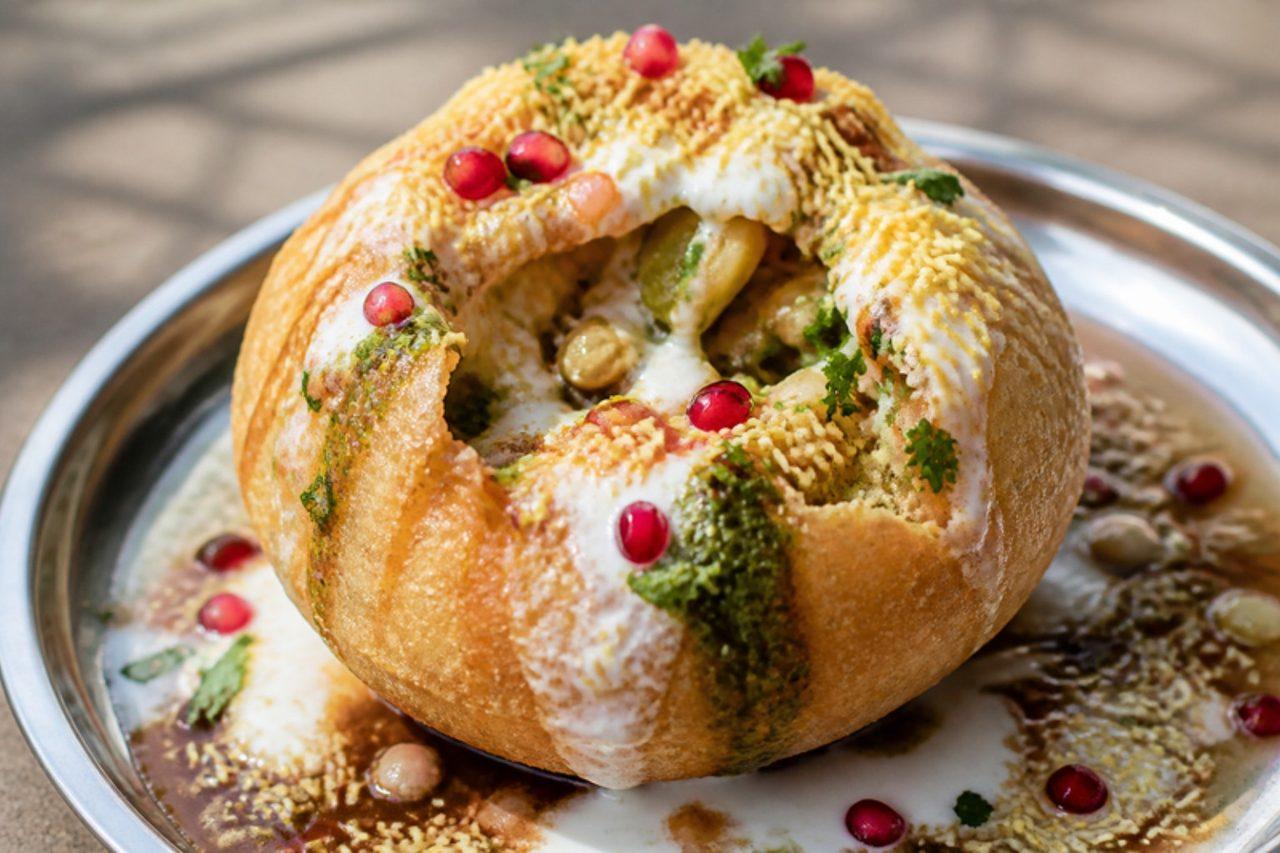
Raj kachori

Raj kachori is the showpiece at Delhi's sweet-and-chaat shops: a fist-sized puri, fried until it balloons and turns crisp as a biscuit, then cracked open and stuffed with potato, chickpeas, sprouted moong, sweet yogurt, two chutneys and a snowfall of sev. It arrives on a steel plate at weddings and family outings, and it's eaten with a spoon because there's no other way. Every bite is crunchy, cold, sweet, sour and spicy at once. The puris can be fried a day ahead and kept in a tin. Chef's tip: roll the dough thin and even, and keep the oil properly hot; a puri rolled thicker on one side won't puff into a full ball.

by KrazyBadal 0 views

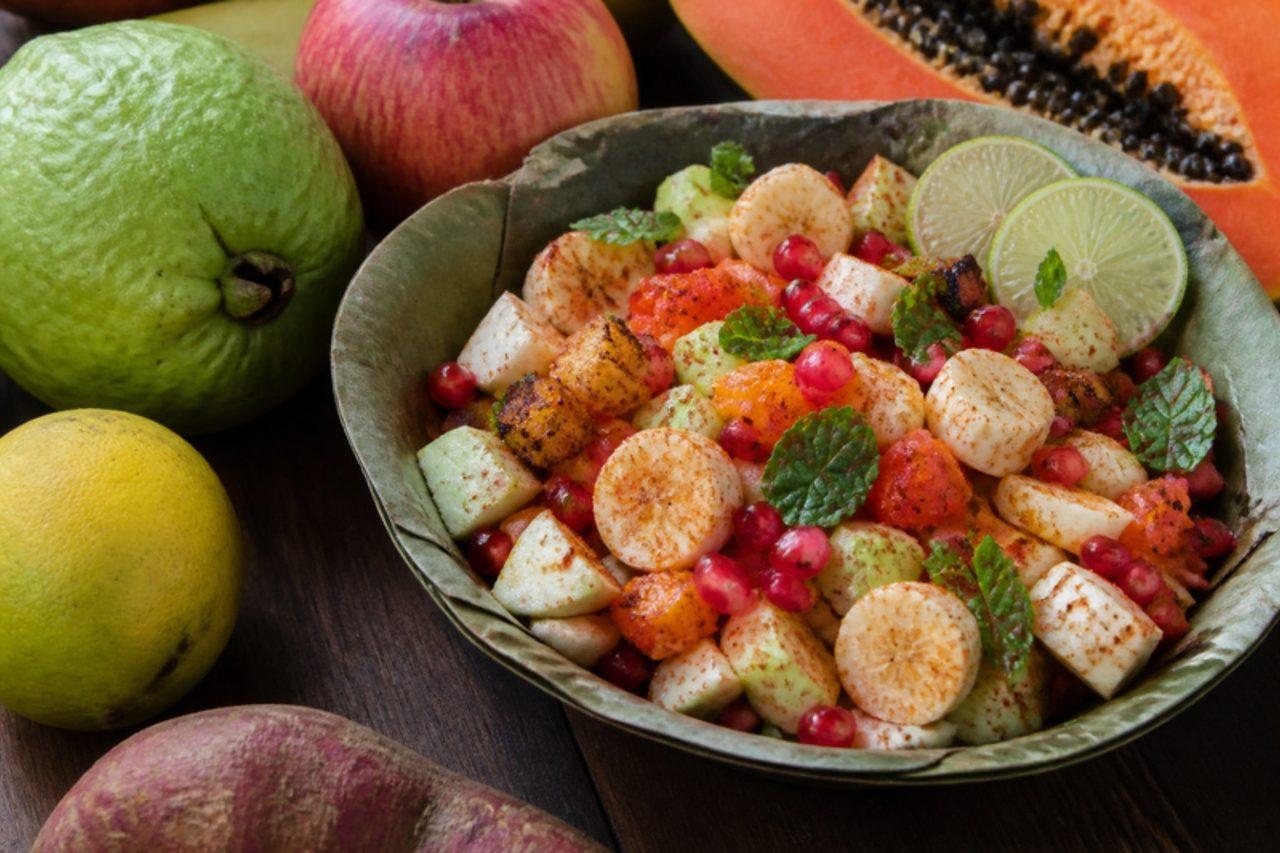
Delhi-style fruit chaat

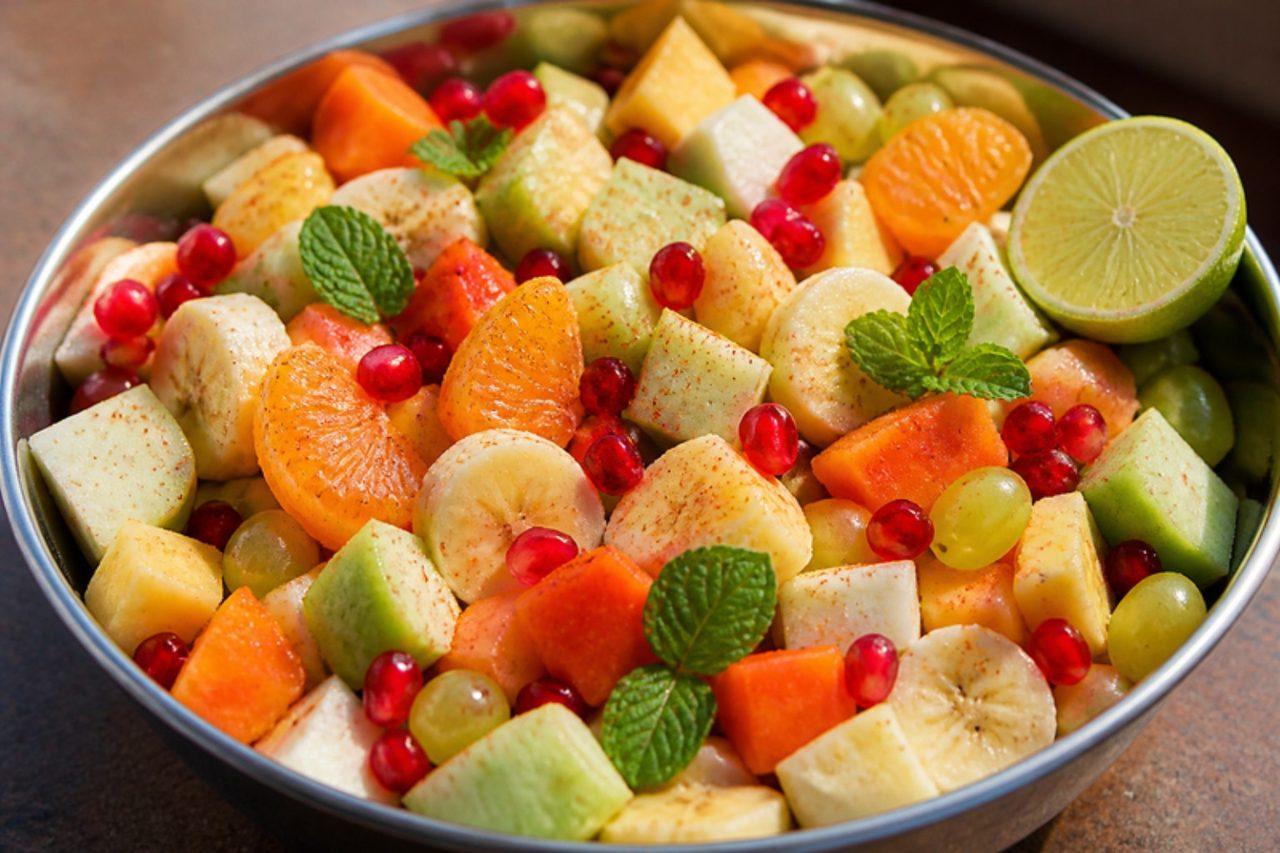
Delhi's fruit chaat wallahs set up their carts in the afternoons with towers of guava, papaya, apples and bananas, plus roasted sweet potato, and chop whatever you point at into a leaf bowl. Then comes the part that makes it chaat rather than fruit salad: a big shake of tangy chaat masala, black salt and roasted cumin, a squeeze of lime, sometimes a pinch of chilli. It's a refreshing mid-afternoon snack in summer, and a regular sight on Ramzan iftar spreads too. The salt and spice make sweet fruit taste even sweeter. Chef's tip: season it just before eating; once the salt goes on, the fruit starts weeping juice and goes soft within 15 minutes.

15 minSaladsVeganGluten freeIndian
by KrazyBadal 0 views

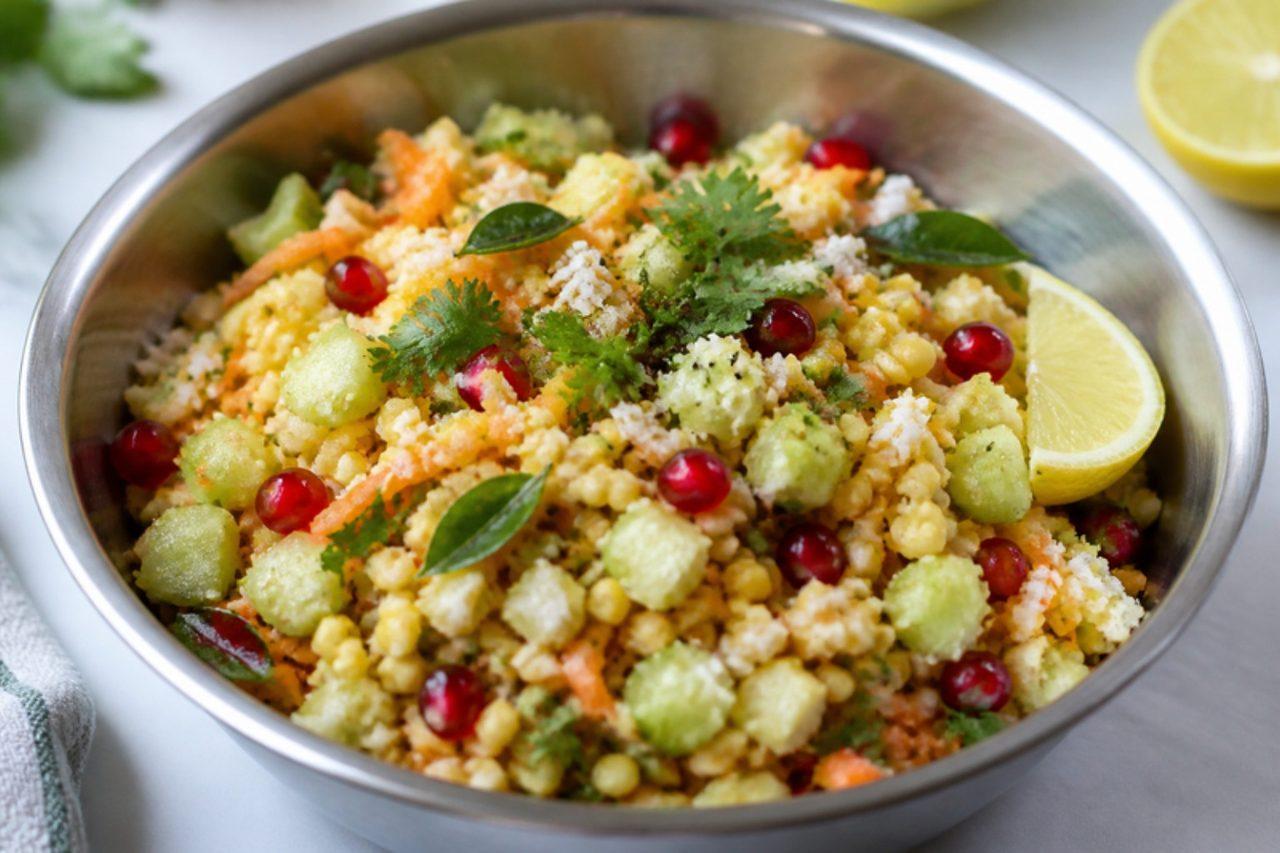
Kosambari

No Karnataka festival lunch on a banana leaf is complete without a spoonful of kosambari at the top left corner. This raw salad of soaked split moong dal, cucumber, carrot and fresh coconut, sharpened with lemon and finished with a mustard-seed tempering, is especially made for Ram Navami, when it is offered in temples with panaka (jaggery water), and for Ugadi and weddings. It is crunchy, cool and refreshing, and packed with protein. Chef's tip: add the salt and lemon only just before serving; salted cucumber weeps water and turns the salad soggy within half an hour.

17 minSaladsVeganGluten freeIndian
by KrazyBadal 0 views

Thayir sadam

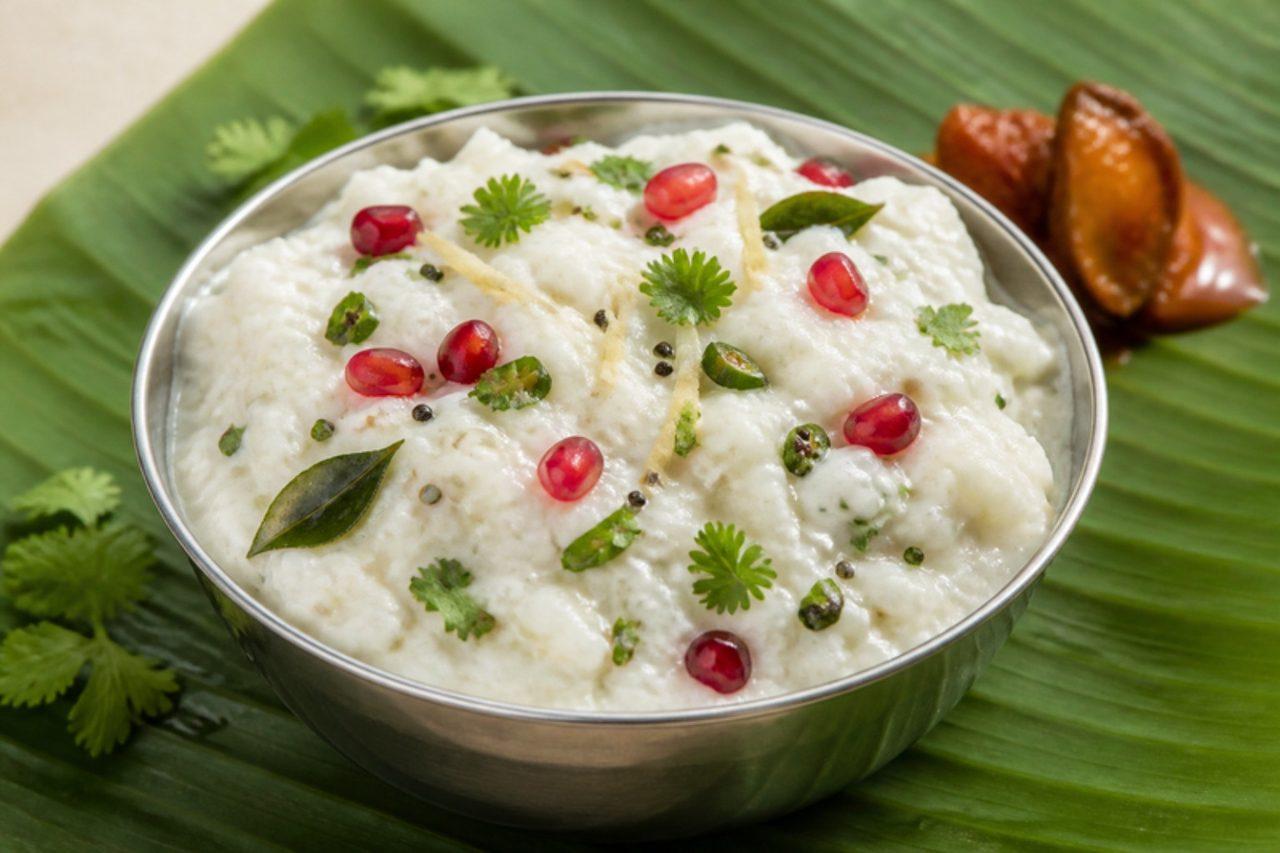
No Tamil meal is really finished without thayir sadam. It's the last course on a banana-leaf lunch, the comfort food packed for train journeys and school tiffins, and the prasadam handed out in some Tamil Nadu temples. Soft, mashed rice is mixed with cool yogurt and a splash of milk, seasoned with ginger, green chilli and curry leaves popped in hot oil, then dotted with pomegranate, grated carrot or green grapes. It's eaten slightly cool with a spoonful of pickle or a fried vathal on the side. Chef's tip: mix a little milk in with the yogurt; it keeps the rice creamy and stops it turning sour if you pack it for lunch several hours ahead.

by KrazyBadal 0 views

Fruit chaat

All over India, fruit sellers with handcarts chop a plate of fruit chaat to order, and in Kolkata the evening carts near New Market and Gariahat pile guava, apple, papaya, banana, pomegranate and cucumber into a leaf bowl with chaat masala, black salt and lime. During Ramzan it appears at iftar, and in summer it is sold with a sprinkle of chilli. It is sweet, salty, sour and a little hot all at once, so it tastes nothing like a dessert fruit salad. Chef's tip: use at least one crunchy fruit (guava, apple or pear) and one soft one (banana or papaya) for contrast.

15 minSaladsVeganGluten freeIndian
by KrazyBadal 0 views

Göyərti qutabı

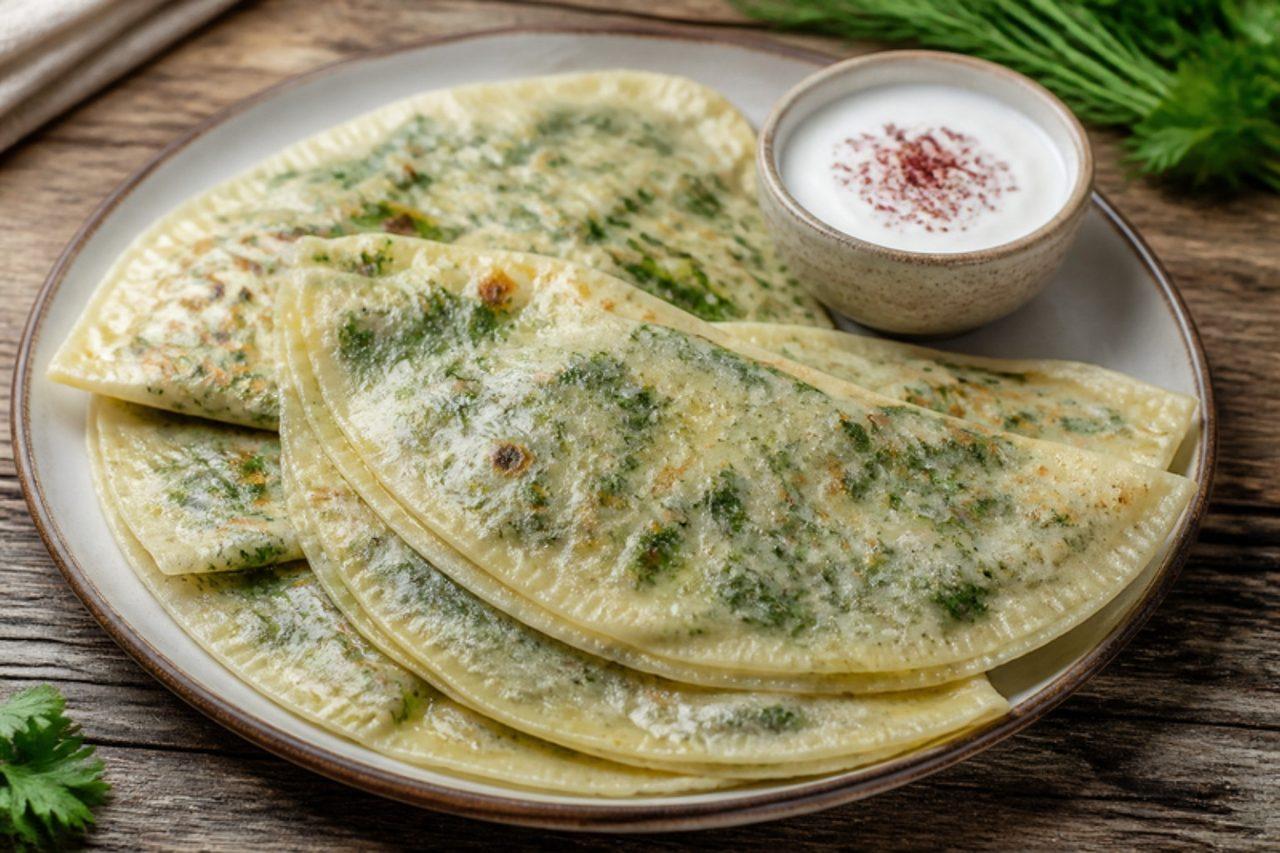
Qutab are the thin half-moon flatbreads that Baku eats at any hour, folded around a filling and cooked in seconds on a domed iron saj, then stacked and brushed with butter. Göyərti qutabı, the green version, is the spring favourite: a handful of chopped spinach, sorrel, dill, coriander and spring onion sealed inside dough rolled so thin the greens show through. They are eaten hot, three or four at a time, sprinkled with sumac and dipped in garlicky yogurt, and appear on every table at Novruz in March. In autumn the same dough wraps pumpkin; that variation is in the steps. Chef's tip: season the greens only just before filling; salt draws out water, and wet greens tear the paper-thin dough.

by KrazyBadal 0 views

Fesenjan

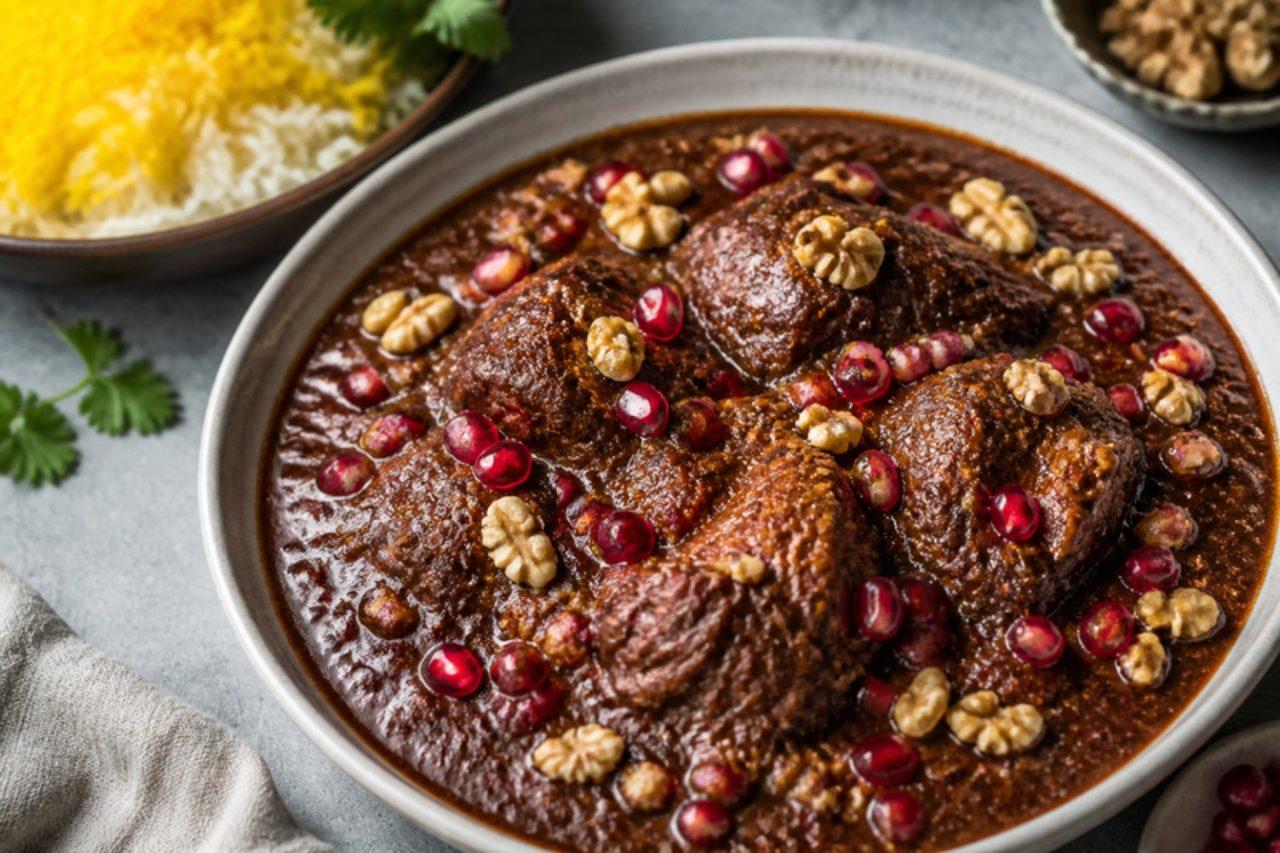
In the rice paddies and forests of Gilan on the Caspian coast, fesenjan is cooked with duck or chicken in autumn, when walnuts are freshly cracked and pomegranates ripen; across Iran it now marks Yalda night in December and big family dinners. Ground walnuts are toasted, then simmered slowly with pomegranate molasses until their oil rises and the sauce turns almost chocolate-brown, thick and glossy, tangy first and gently sweet after. Chicken thighs braise in it until they are spoon-tender. Serve it over saffron chelow rice with a crisp tahdig. Chef's tip: stir the walnut paste over a low heat for a full hour; the longer, slower cook is what darkens the sauce and brings the walnut oil to the surface.

130 minChickenGluten free
by KrazyBadal 0 views

Mtsvadi

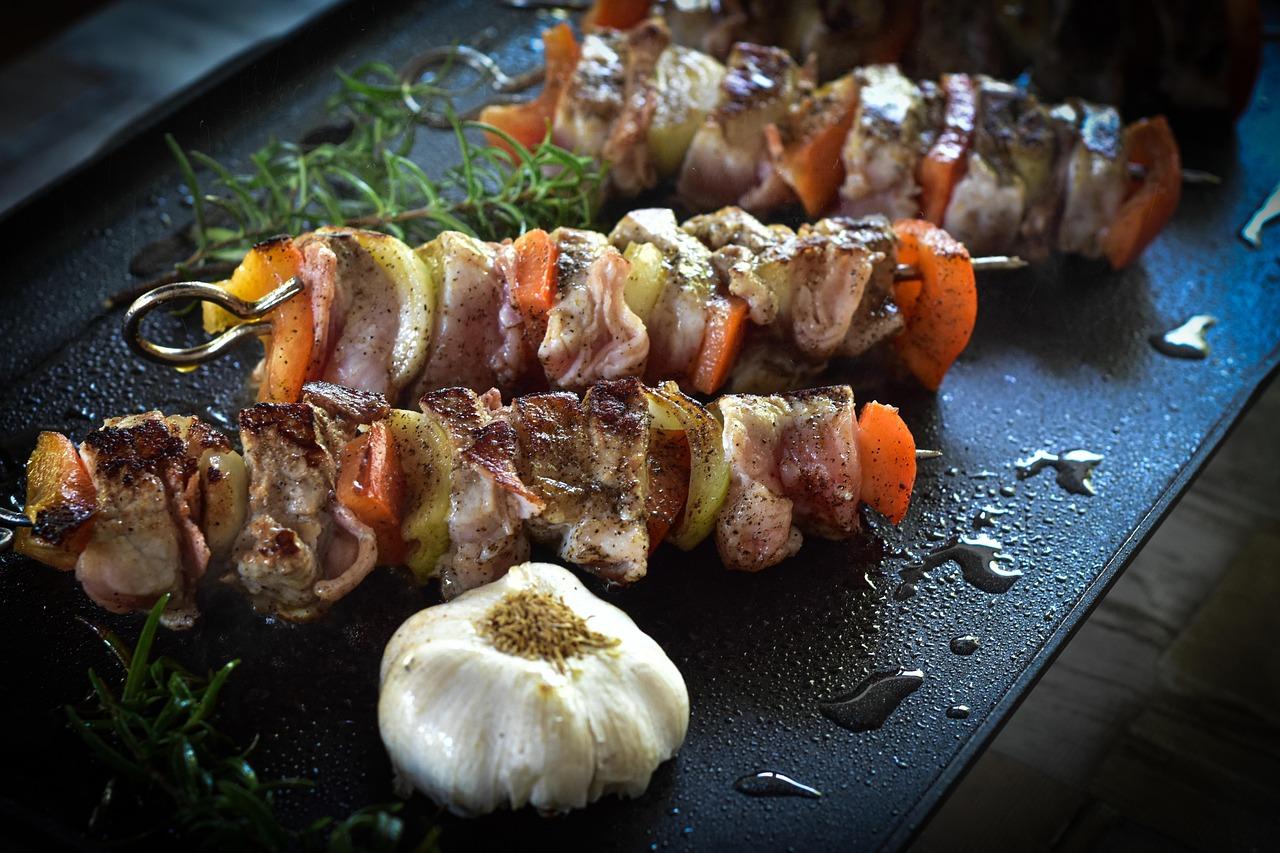
Mtsvadi are the grilled skewers of the Georgian supra and every summer picnic, and in the wine region of Kakheti they are cooked over the embers of dried grapevine cuttings left from pruning. This version is pork: chunks of fatty pork neck marinated simply with onion, salt and pepper, threaded on skewers and grilled until charred at the edges and juicy inside. Serve with raw onion rings, pomegranate seeds and tkemali (sour plum sauce). Chef's tip: keep the marinade simple; Georgians say good mtsvadi needs only good meat and good fire.

40 minMeatGluten free
by KrazyBadal 0 views

Goes well with pomegranate seeds