Skip to content

Recipes with squeezed orange juice

4 recipes that use squeezed orange juice, with photos, step-by-step instructions and cook times. The quickest, Batido de lechosa, takes 5 minutes. It is most often cooked with lime juice, papaya and banana.

Run out of squeezed orange juice? Mandarin or pineapple juice, same amount.

Got a few things in the fridge? Search by everything you have

Tizana

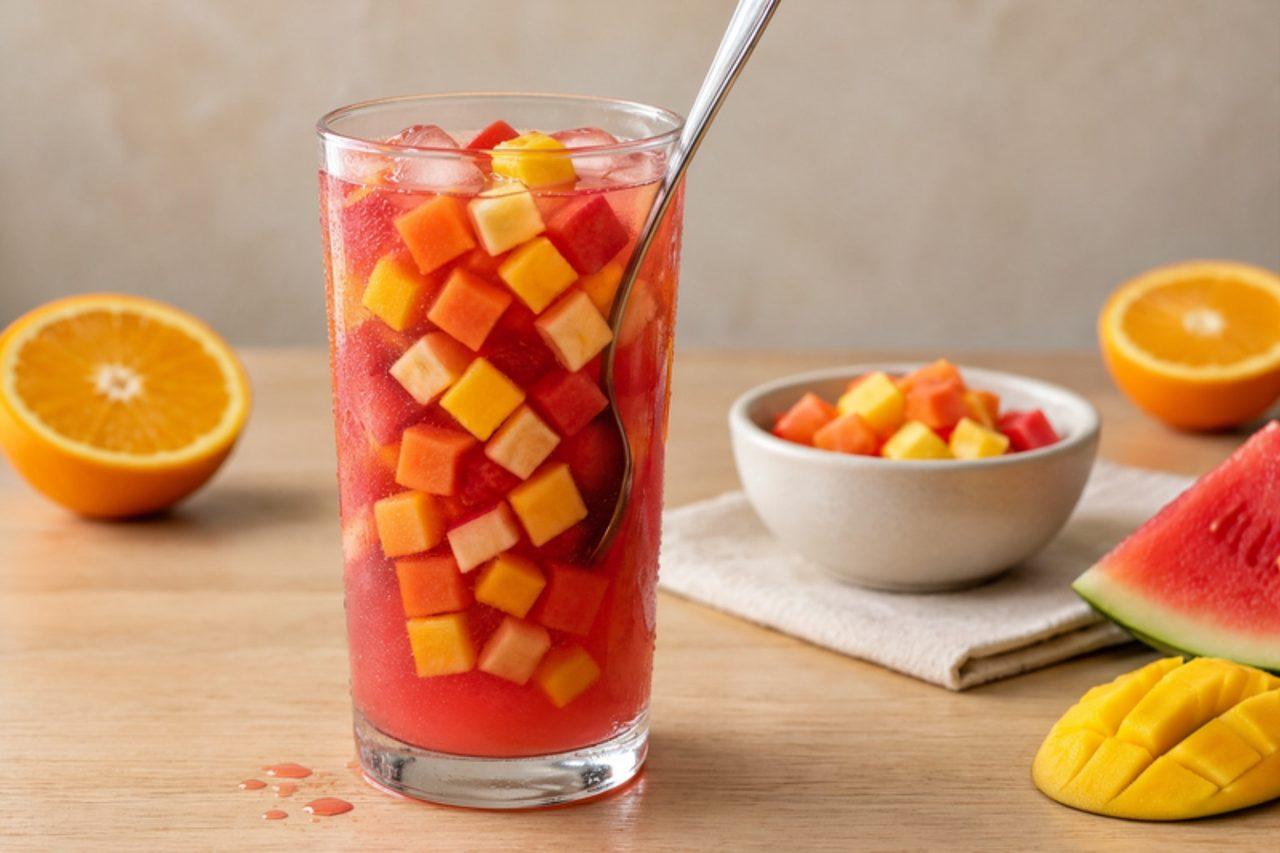
On Sunday afternoons in Caracas, juice stands along the boulevards of Sabana Grande and the Plaza Altamira, and street carts outside beaches and parks, sell tizana in tall plastic cups with a straw and a long spoon. It is half drink, half fruit salad: papaya, pineapple, melon, watermelon, apple, mango and banana cut into tiny dice and soaked in orange juice tinted ruby with grenadine. At home it is made by the jug for birthday parties and hot holidays. It tastes juicy, sweet and bright, and every sip brings a different fruit up the straw. The common mistake is adding the banana and apple with everything else an hour early: they turn brown and mushy and cloud the juice. Cut them last and stir them in just before serving. The tizana is ready when the fruit has soaked for about 30 minutes in the fridge, the juice has turned a clear coral-pink and the pieces are cold right through. Make the dice no bigger than 1 cm so they pass up a wide straw. Grenadine here means pomegranate syrup; a red fruit syrup works too. Chef's tip: squeeze a little lime over the cut apple and banana to keep them pale and add a tang that lifts the whole jug.

by KrazyBadal 0 views

Batido de lechosa

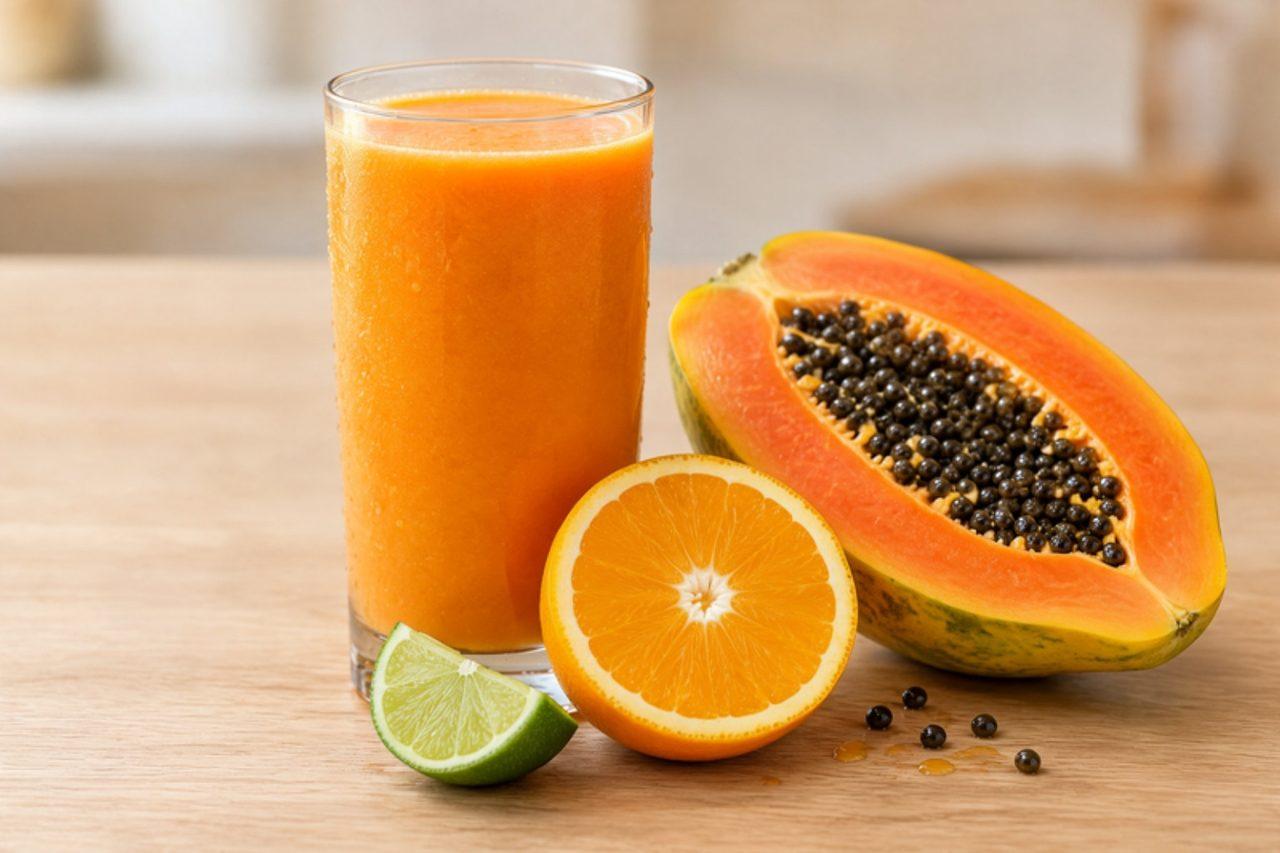
Lechosa is what Venezuelans call papaya, and on breakfast tables from Valencia to Puerto La Cruz it turns up as a batido beside arepas or empanadas, often blended with the oranges that are piled cheap in every market. It is thick, smooth and sunset-orange, tasting of honeyed papaya and bright citrus, and it fills you up until lunch. Some families blend it with milk instead of juice, which turns it into a creamy merengada. The common mistake with milk is letting it stand: papaya's natural enzyme starts to turn milk bitter within half an hour, so drink it straight away. Another mistake is scraping the seed cavity too hard; the black seeds and their slippery coating make the batido bitter and peppery. It is ready when there are no fibres left, it pours in a thick stream and the colour is an even orange. Choose papaya that is mostly yellow-orange and gives slightly under your thumb; a green-streaked one tastes flat and a little musky. Chef's tip: a few drops of lime juice cut through papaya's musky note and make it taste fresher.

by KrazyBadal 0 views

Jugo surtido

Step up to any juguería in Lima's Mercado de Surquillo or a barrio market at breakfast time and order a surtido: the juicer drops papaya, banana, pineapple and freshly squeezed orange into a tall blender, sometimes a slice of cooked beetroot for colour or a splash of milk, and pours you a big glass with the rest left in the jug for your 'yapa', the free refill. It is thick but still pourable, sweet from ripe fruit with a sharp orange edge, the kind of drink that stands in for breakfast before a long day. The common mistake is adding lots of ice and water, which makes it thin and frothy rather than velvety. Use cold fruit and freshly squeezed orange juice as the liquid. It is ready when it coats the glass and no lumps of banana are left. This version is fruit only; stalls also make it with milk if you prefer. Drink it straight away: papaya and banana go brown and bitter within half an hour. Chef's tip: use very ripe papaya with orange flesh; under-ripe papaya tastes of nothing and gives a faintly bitter aftertaste.

by KrazyBadal 0 views

Chirimoya alegre

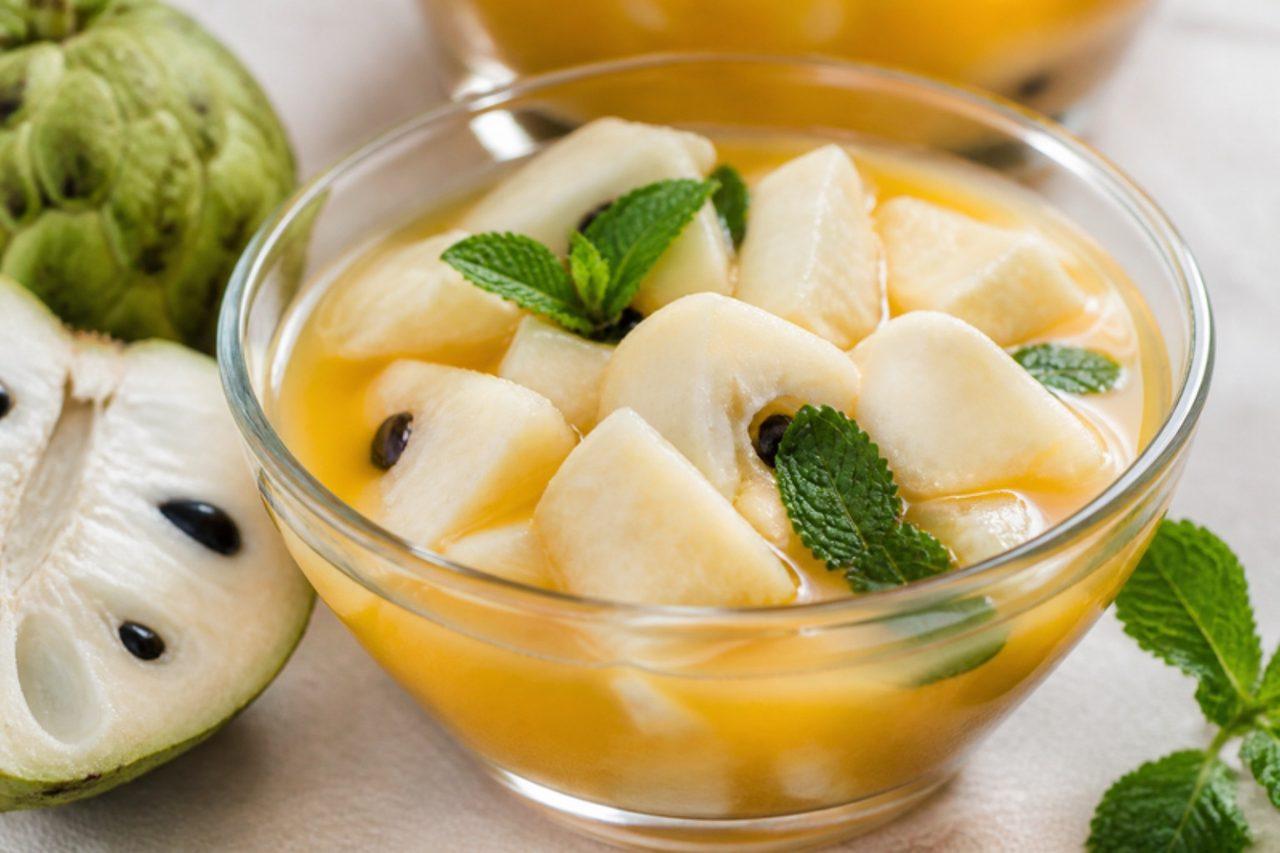
Chileans call it 'happy cherimoya': ripe custard-apple pulp dropped into fresh orange juice and served ice-cold. It turns up as the summer dessert after a big lunch in the Central Valley and in the Aconcagua valley, where much of Chile's cherimoya grows. The fruit should be soft like a ripe avocado; a hard one tastes starchy. The most common mistake is preparing the fruit ahead without juice, so it turns brown and loses its perfume: drop each piece straight into the orange juice. Remove every black seed, as the seeds must not be eaten or crushed. Chef's tip: squeeze the oranges yourself and taste before you sweeten; good juice often needs no sugar at all.

by KrazyBadal 0 views

Goes well with squeezed orange juice