Skip to content

Recipes with yam

6 recipes that use yam, with photos, step-by-step instructions and cook times. The quickest, Tarul, takes 40 minutes. It is most often cooked with onion, red palm oil and scotch bonnet chilli.

Got a few things in the fridge? Search by everything you have

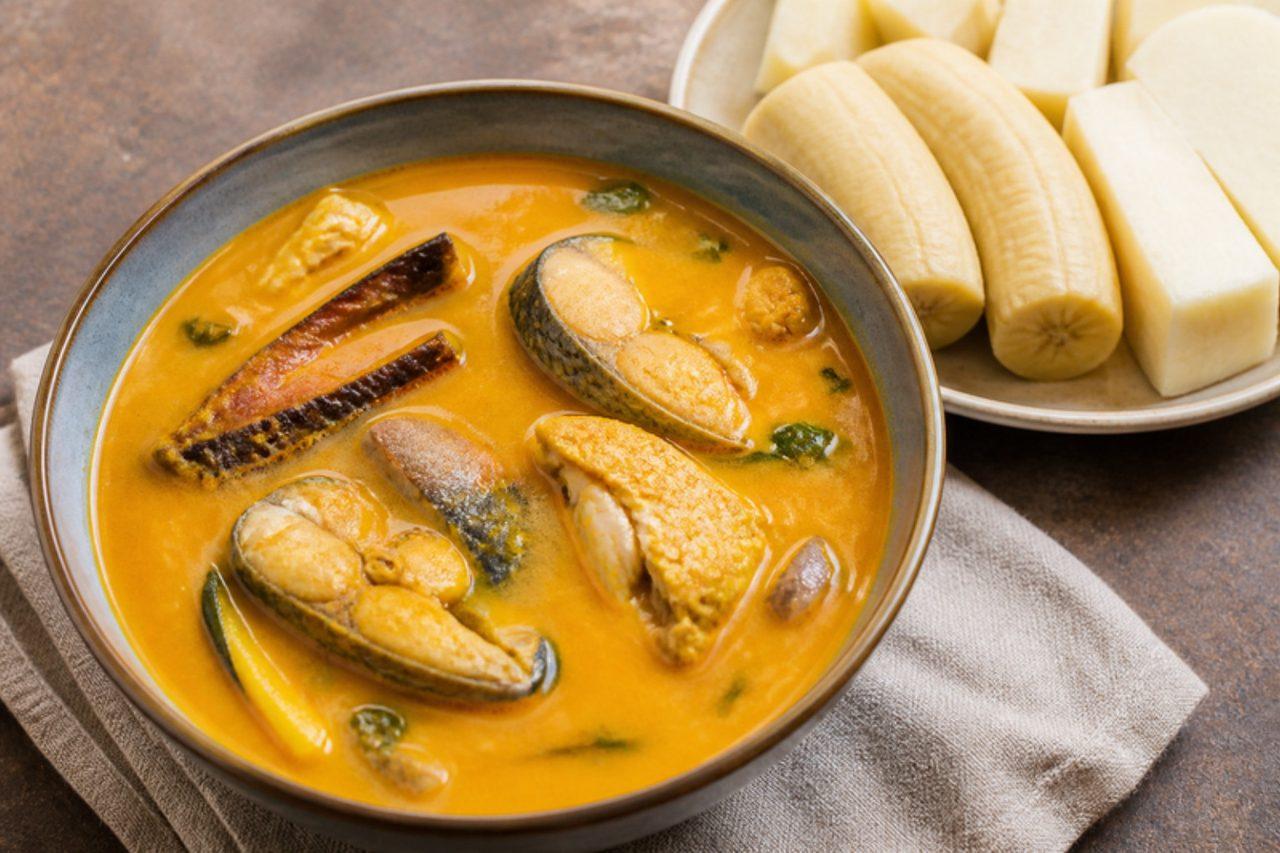
Owo soup with fish

Owo looks almost like custard: palm oil is whisked with a little potash water until it turns from red to a creamy yellow, then thickened with cassava starch and seasoned with crayfish and pepper. Urhobo and Isoko homes in Delta State serve it with boiled unripe plantain or yam, which you dip and scoop rather than swallow, and it is a favourite on market days because it is quick once the fish is ready. Fresh or smoked fish both work; many cooks use both. Too much potash makes the soup soapy and bitter, so add the strained potash water little by little and stop as soon as the colour changes. The usual mistake is pouring in the potash too fast, which splits the palm oil instead of turning it smooth and yellow. Chef's tip: mix the starch with cold water first, then pour it into the pot in a thin stream while stirring, or it will set in lumps.

by KrazyBadal 0 views

Haitian bouyon

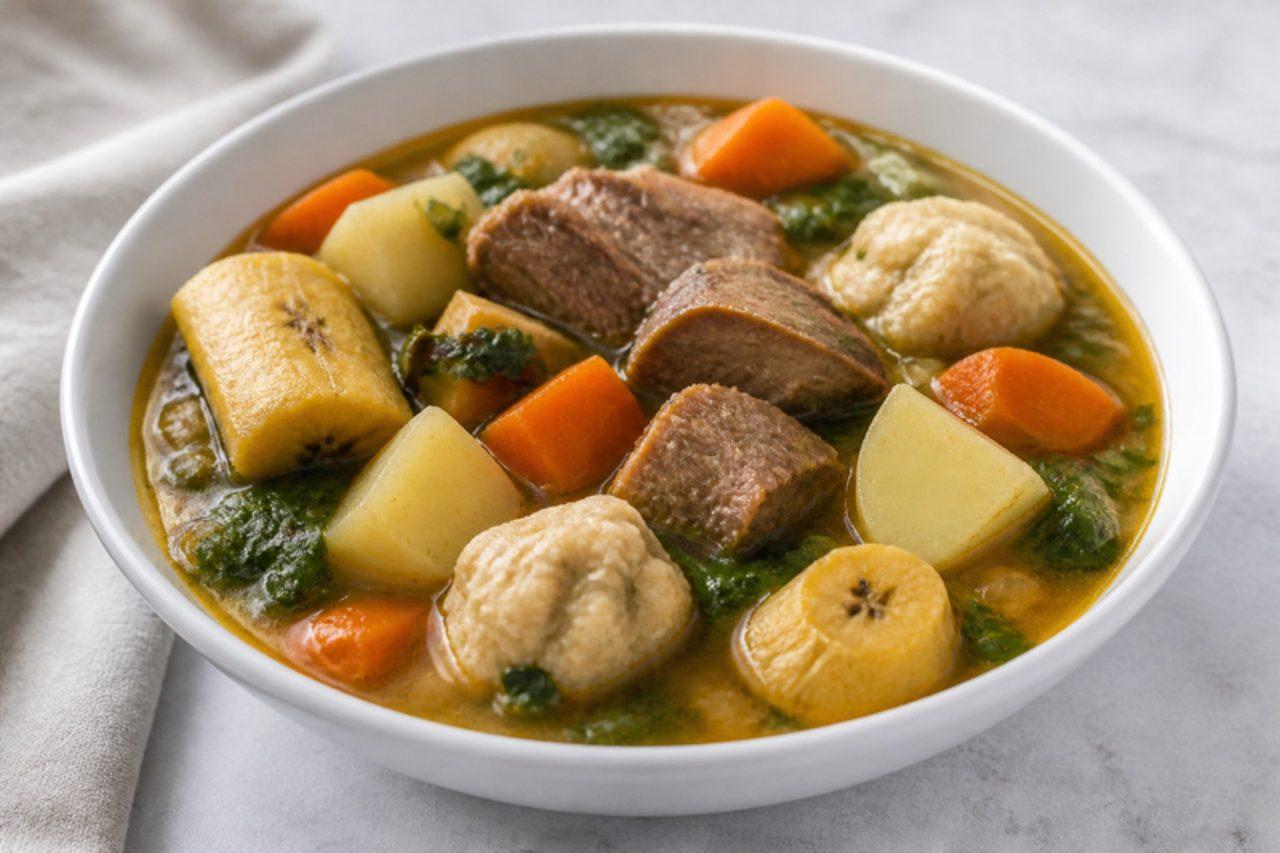
Saturday in Haiti means bouyon: a big, thick soup of beef, root vegetables, greens and little flour dumplings, simmered all morning and ladled up at midday as a meal in a bowl. Every family has its own mix of yam, malanga, potato, carrot, plantain and watercress or spinach, with a whole hot pepper for perfume. The common mistake is adding the roots all at once at the start, so the softer ones disintegrate; the dense ones go first. It feeds a crowd and tastes better reheated. Chef's tip: squeeze a little lime into the soup bowl just before eating, as many Haitians do, to brighten the rich broth.

150 minHaitianSoups
by KrazyBadal 0 views

Tarul

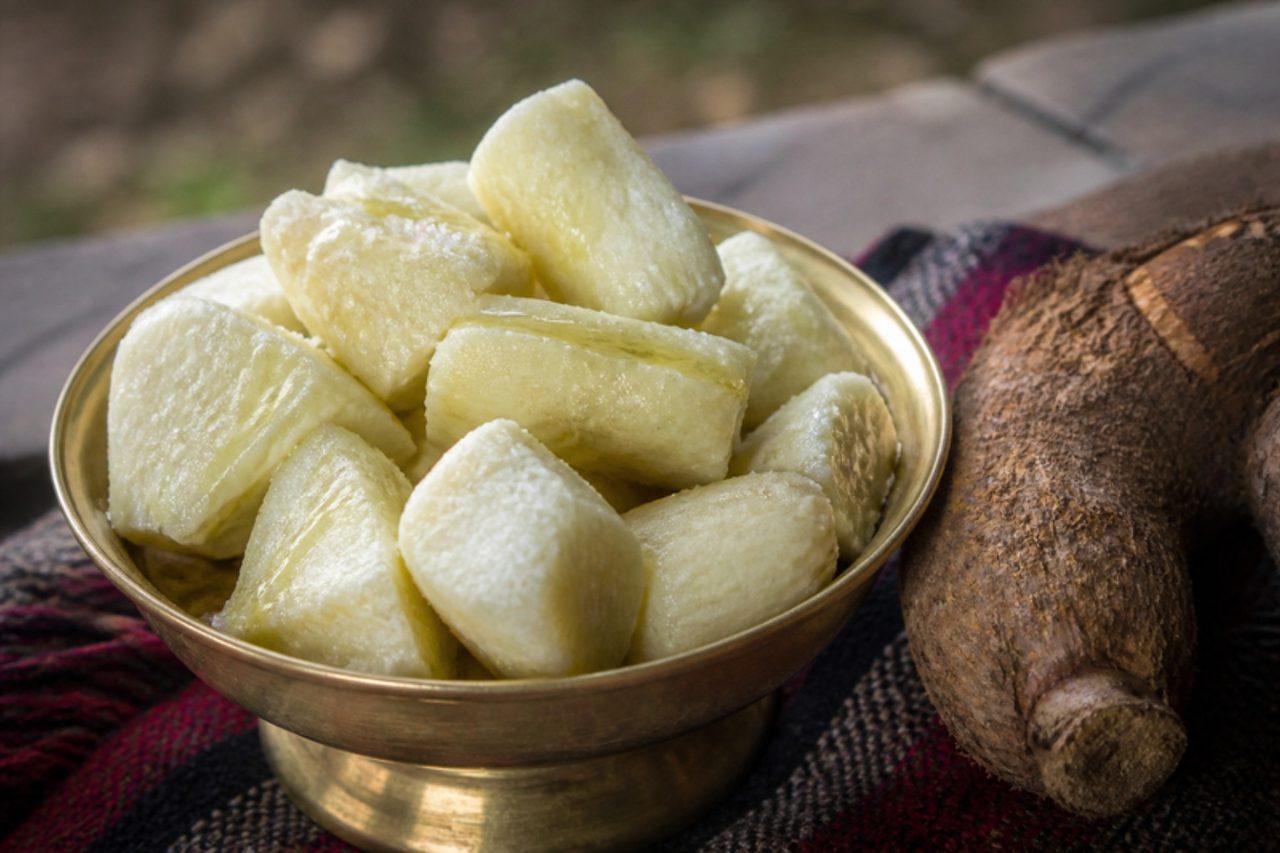
Ask a Nepali family what they eat on the first day of Magh, in mid-January, and the answer is almost always tarul: big, knobbly yams boiled until tender, peeled and eaten hot with a spoonful of ghee and a pinch of salt, alongside sweet potatoes, taro, chaku and sesame sweets laid out on one plate. It is a quiet, family breakfast after the morning ritual bath in the river, and in Kathmandu the street markets are piled with mud-covered yams for days beforehand. The flesh is dense, creamy and slightly sticky, with a mild nutty sweetness that the ghee and salt bring out. Raw yam can irritate the skin, and the usual problem is peeling it before cooking, which leaves itchy hands. Chef's tip: boil the yams in their skins and peel them after, when the skin slips off with a knife; rub some oil on your hands first if you must cut them raw.

by KrazyBadal 0 views

Eto

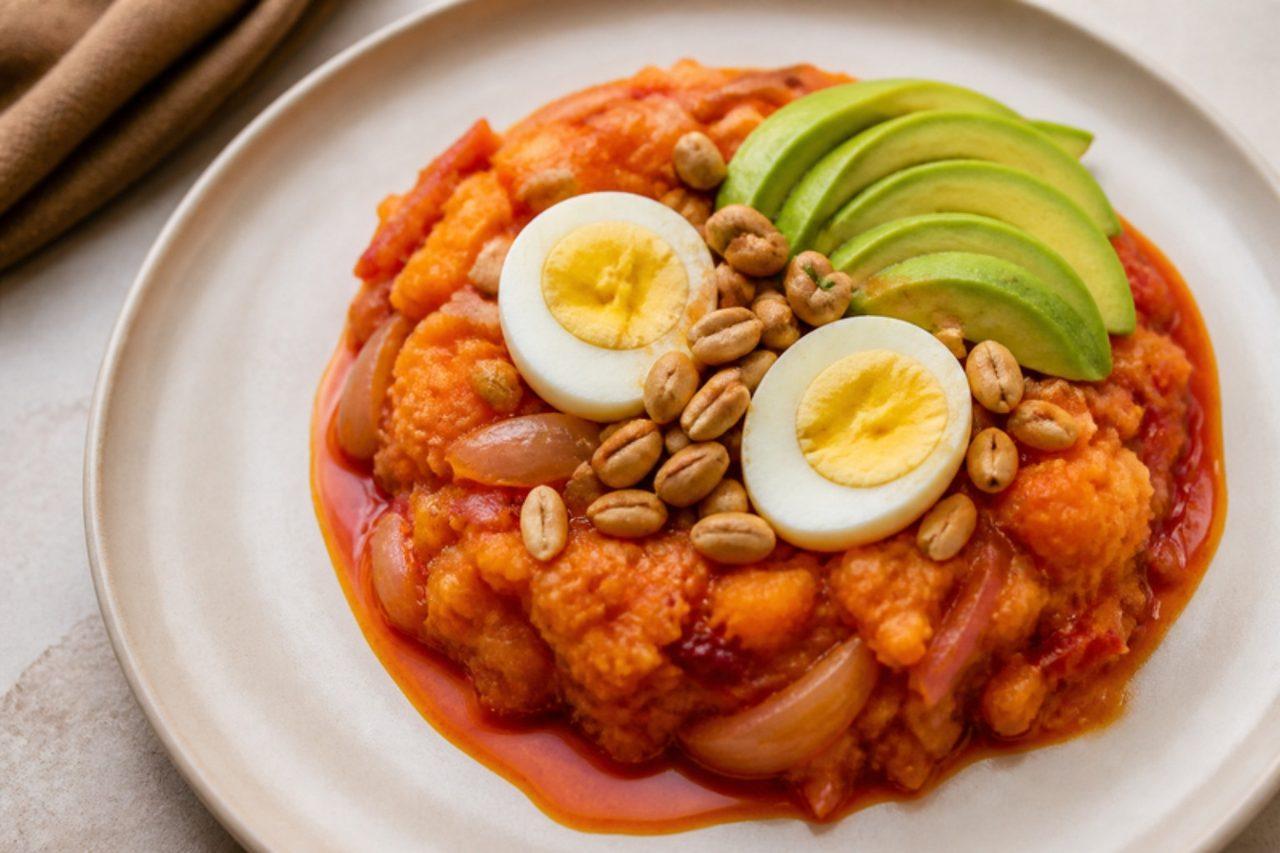
Eto is a dish for marking occasions among the Akan, made on birthdays and celebration mornings, when boiled yam (or plantain) is mashed in an earthenware asanka bowl with red palm oil, raw onion and a little pepper until it turns golden and fragrant. It is served in a mound with halved boiled eggs, slices of ripe avocado and a handful of roasted groundnuts, so every mouthful is soft, buttery and crunchy at once. It is filling, simple and very good. Avoid mashing the yam to a smooth purée; eto should keep a rough, crushed texture. Chef's tip: mash the yam while it is steaming hot and add the oil at the same time, because cold yam goes gluey and will not absorb the oil evenly.

by KrazyBadal 0 views

Mpotompoto

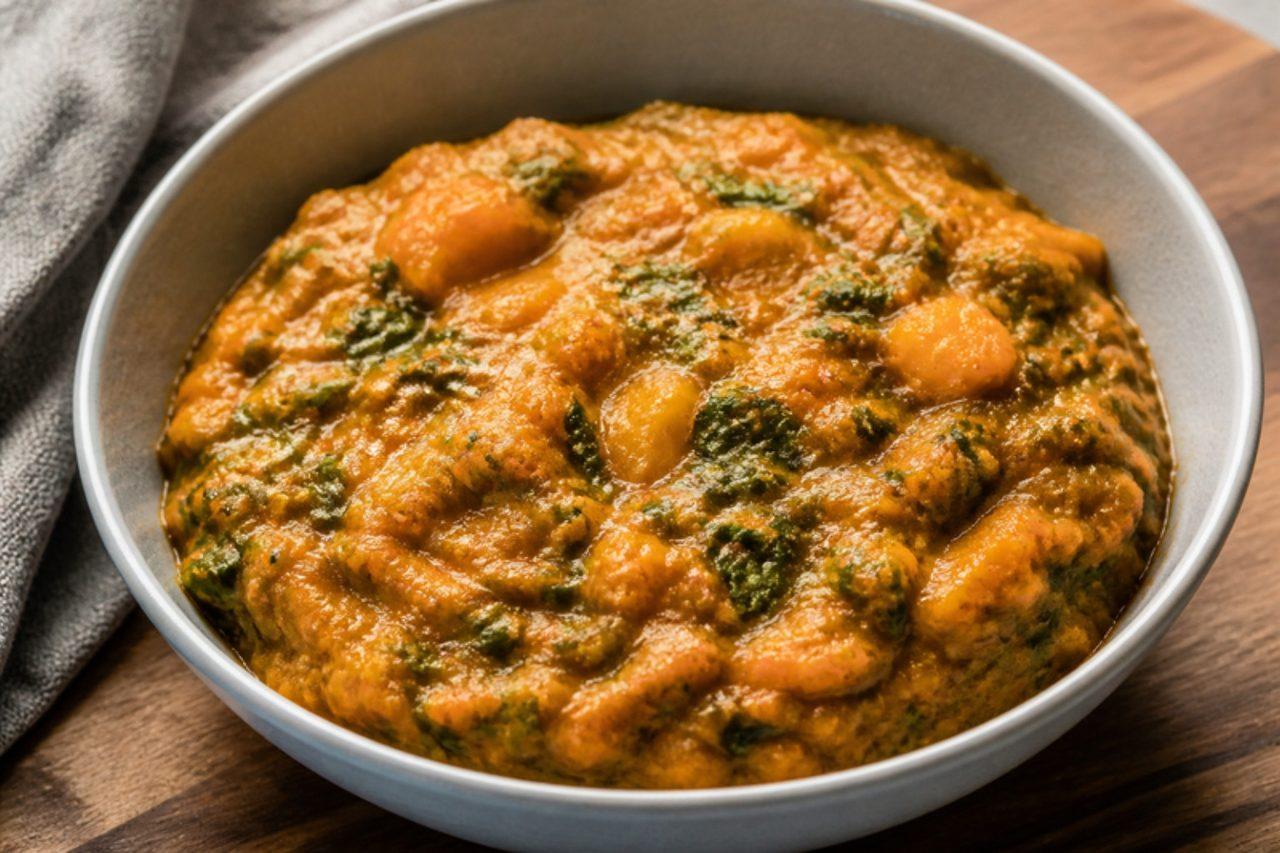
Mpotompoto, also called yam pottage, is the dish Ghanaian mothers make on a rainy evening or for someone who needs comfort: chunks of yam and cocoyam simmered in a red, peppery broth of palm oil, tomato and onion until some pieces collapse and thicken the pot while others stay whole. It is soft, savoury and warming, eaten with a spoon from a bowl. Fante cooks on the coast often add smoked fish; this one is meat-free, with a handful of greens at the end. Chef's tip: stir gently and only a couple of times; the mistake is mashing it, which turns the whole pot into glue instead of a chunky porridge.

by KrazyBadal 0 views

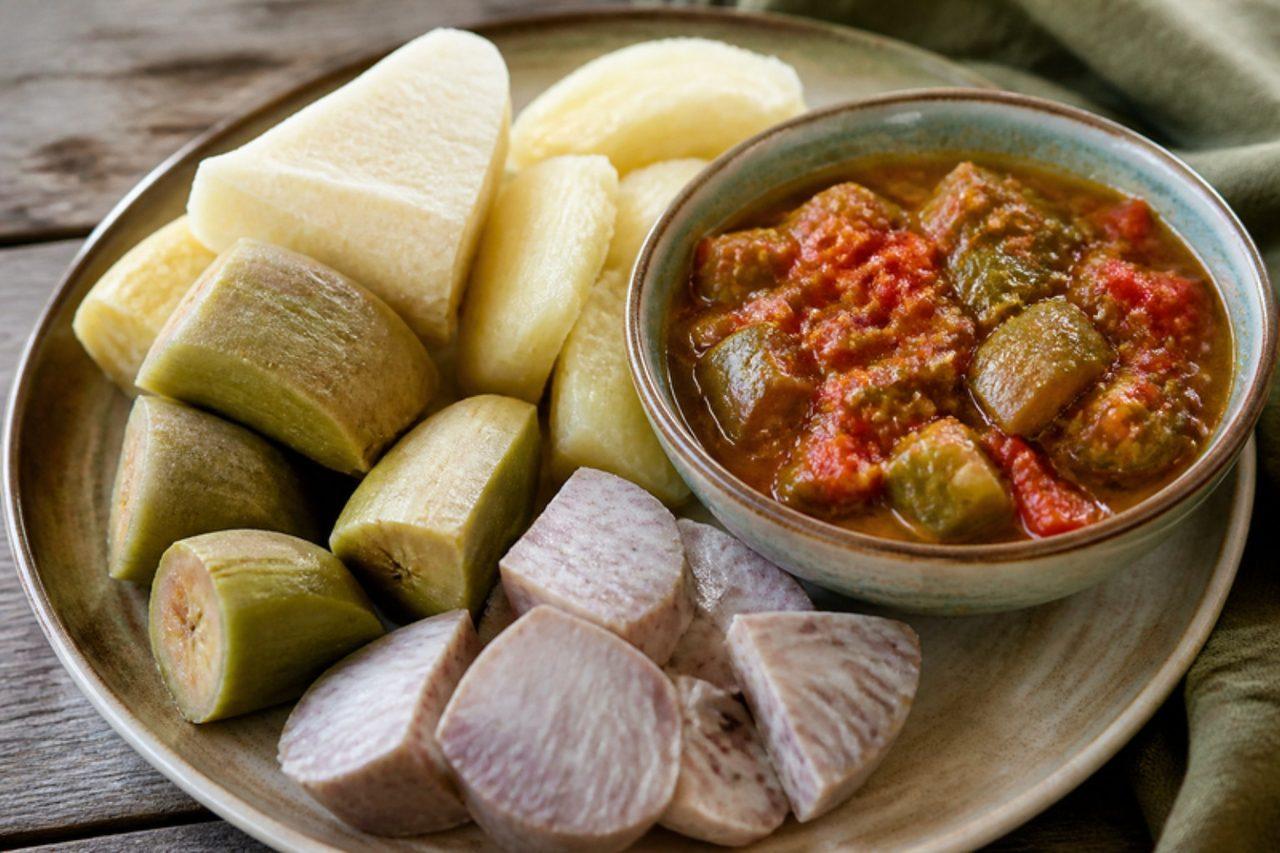
Ampesi with garden egg stew

Ampesi is about as plain and honest as Ashanti food gets: slices of yam, green plantain and cocoyam boiled until tender and eaten with a stew, here one made from garden eggs, the small white or green African eggplants sold by the bowlful in Kumasi markets. They are boiled, mashed and simmered with onion, tomato and pepper into a soft, slightly bitter, savoury stew with very little oil. Ghanaian homes often add fish or egg to it; this version is fully vegan and light. Asian or Thai aubergines are a good swap if you cannot get garden eggs. Chef's tip: boil the yam, plantain and cocoyam separately or add them in stages; cooking them together from the start is the common mistake, and the yam turns to mush before the plantain is done.

by KrazyBadal 0 views

Goes well with yam