Skip to content
Recipes

All recipes

Vegetarian, or something you can't eat? Set your diet once and we'll hide recipes that don't fit.

Postre MassiniCustard sponge with burnt sugar top

Montevideo's birthday cake of choice since the early twentieth century, the Massini is two thin layers of sponge sandwiching a thick filling of whipped cream folded with egg-yolk custard, crowned with a thin glassy crust of torched yolk and sugar. Bakeries across Uruguay sell it on Sundays. Traditional versions sometimes add a sweet fortified wine to the custard; this one is alcohol-free. The custard is cooked to a safe 71 °C. The common mistake is assembling with warm custard, which melts the cream into a puddle. Chef's tip: if you don't have a blowtorch, put the sugared top under a very hot grill for a minute and watch it closely.

by KrazyBadal 0 views

GundrukFermented leafy greens

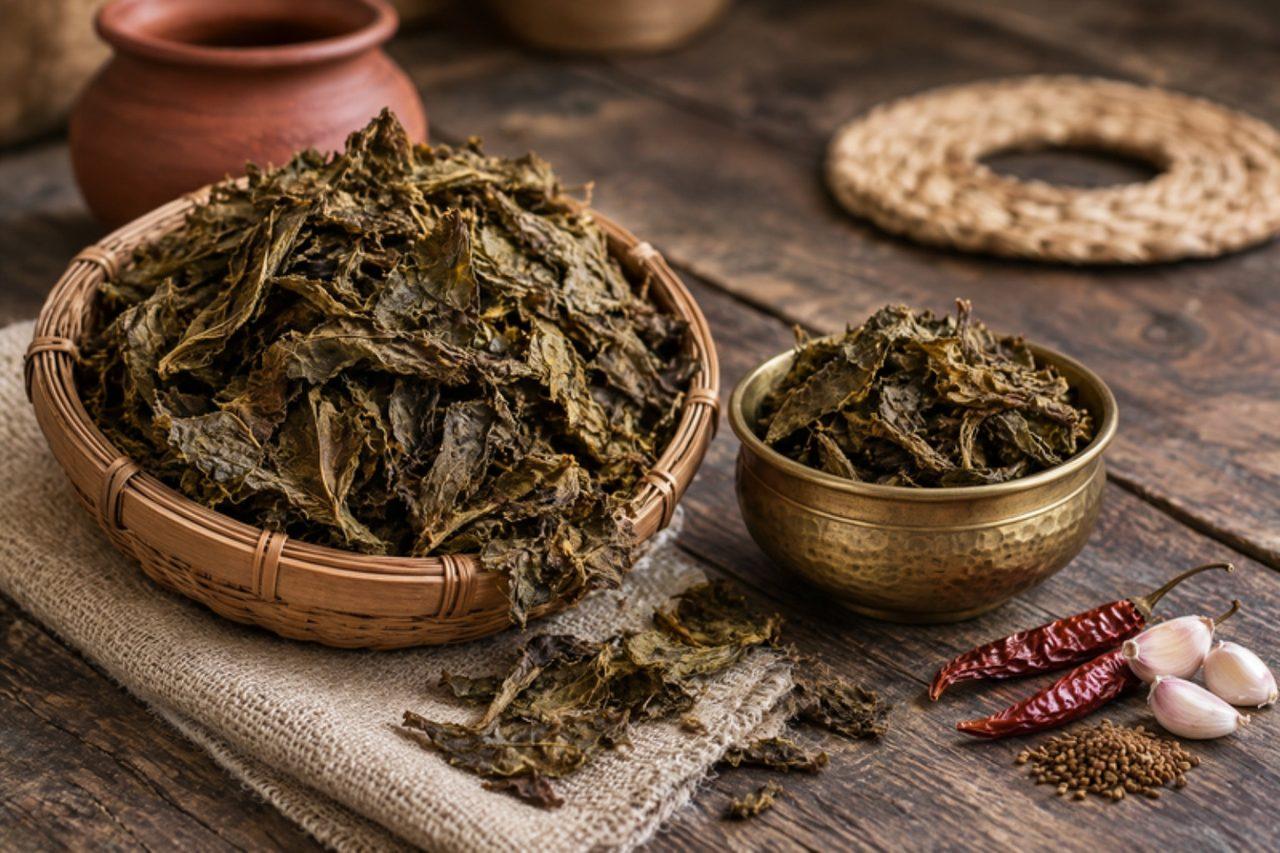
After the rice harvest in October and November, hill families from Ilam to Gorkha cut the leaves of mustard greens, radish and cauliflower, leave them to wilt in the yard, then pound them into clay pots or pits to ferment. A week later the greens come out olive-brown and sour, and they are dried on bamboo mats in the bright Dashain-Tihar sun. That dried gundruk carries families through the lean winter: soaked and simmered into gundruk ko jhol with tomato and soybeans beside dal-bhat, or tossed into gundruk sadeko with onion, chilli and mustard oil to eat with chiura. The flavour is deeply sour, earthy and a little smoky, the dried leaves chewy-crisp, softening when cooked. Common mistake: packing the leaves loosely; air left in the jar lets mould grow instead of the sour lactic ferment, so press until juice rises over the greens. It is ready to dry when it smells sharply sour like good sauerkraut and the leaves have lost all their green. Chef's tip: if your greens are from a supermarket, mix mustard greens with radish tops or kale for the closest flavour, and ferment in a big jar with a weight.

by KrazyBadal 0 views

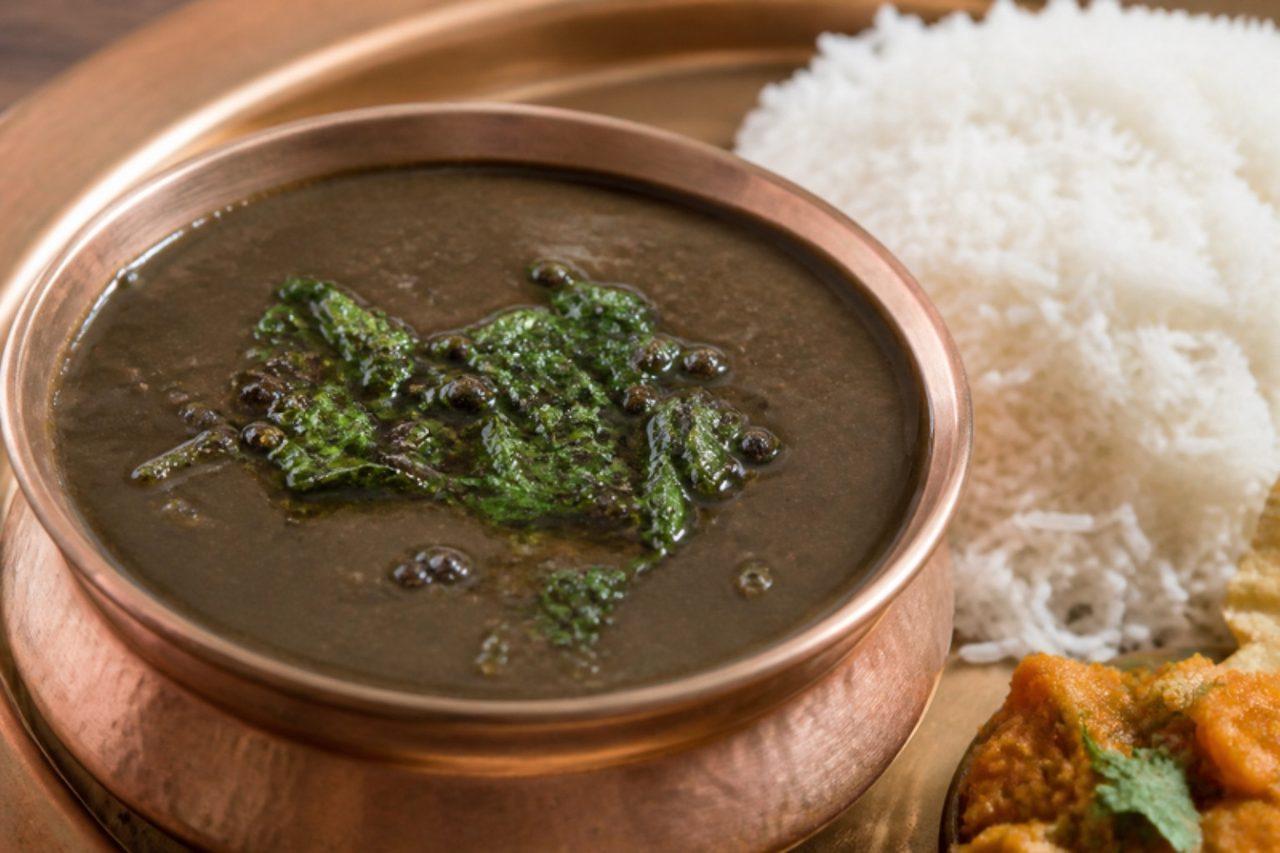
Mas ko dalBlack lentil dal

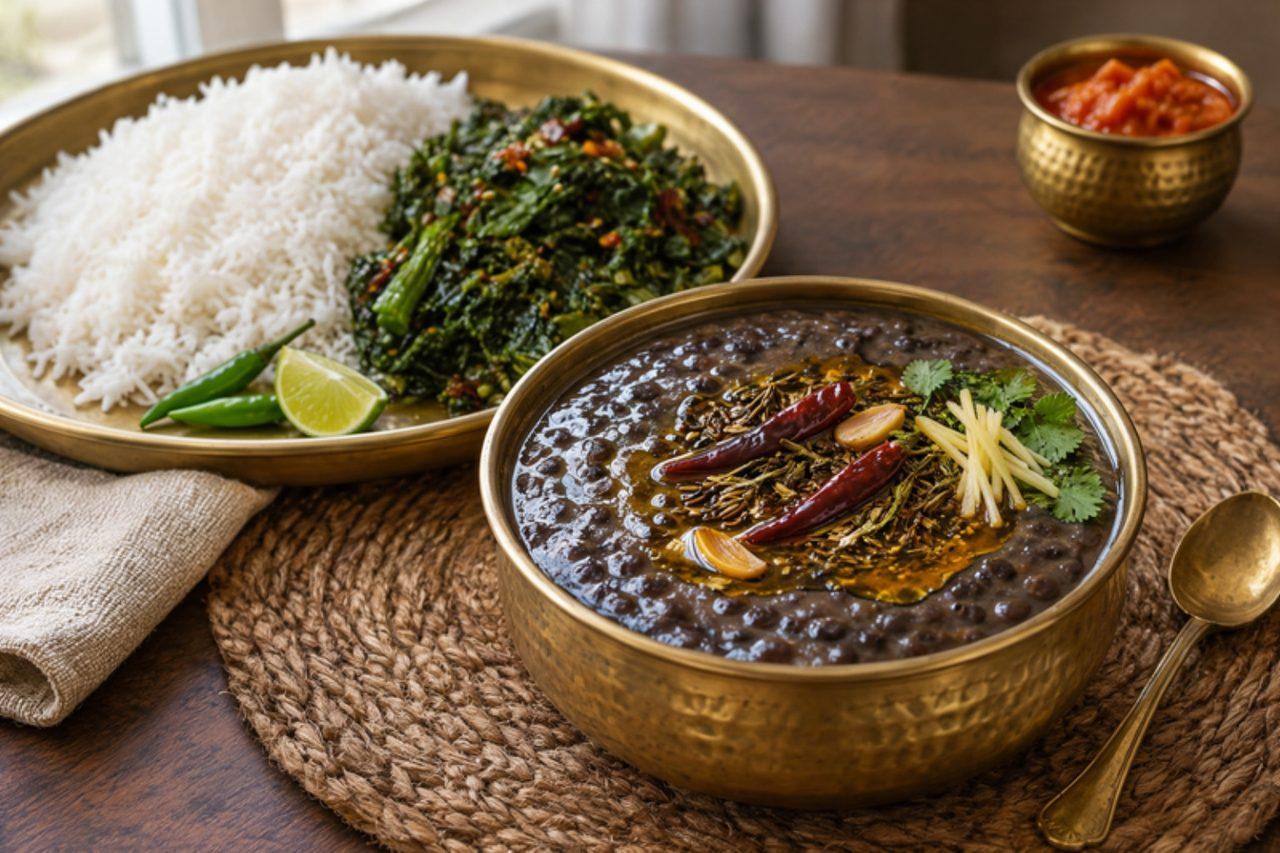
Mas ko dal, made from whole black urad, is the thick, dark dal of the Nepali hills, cooked in heavy pots in Kathmandu, Gorkha and the Newar towns, especially on cold days and for festival meals. Slow cooking makes it creamy and earthy, and the tempering of jimbu, garlic and cumin in hot mustard oil gives it the scent of the Himalaya. Eat with rice, roti or dhido. Suitable as part of a balanced diet, it is high in protein and fibre: about 250 kcal and 30 g carbohydrate per portion; brown rice or millet dhido suits it well. The usual mistake is not soaking the lentils, which leaves them hard and the dal thin; soak them overnight. Chef's tip: simmer the dal with a few ginger slices and mash it lightly with a wooden spoon at the end for the classic thick texture.

by KrazyBadal 0 views

Masyaura ko tarkariLentil nuggets and potato curry

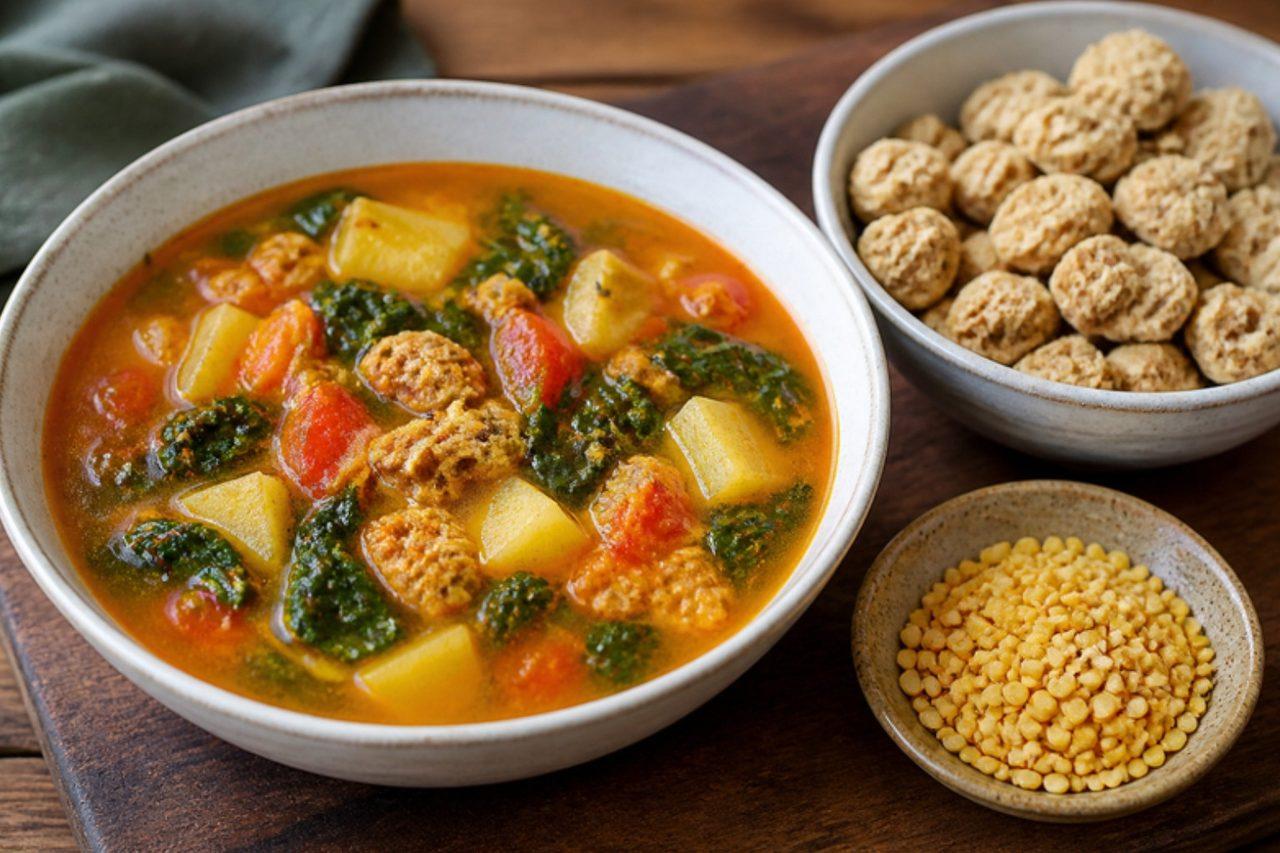
Through the dry autumn in the eastern hills of Dhankuta, Bhojpur and Khotang, rooftops are spread with mats of masyaura, little nuggets of ground black gram mixed with grated taro or yam and sun-dried until rock hard, so that there is something nourishing for the lean winter months; Nepali grocers sell them in bags. To cook them they are fried until puffed, then simmered with potatoes in a tomato, garlic and ginger curry until they soften and soak up the sauce, giving a meaty, chewy texture and a deep, slightly sour flavour. The curry is eaten with rice, roti or dhido and keeps well for a couple of days. Beginners tend to throw the dried nuggets straight into the curry, where they stay hard and taste raw. Chef's tip: fry them first in hot oil until they swell and turn a shade darker, which gives both flavour and a tender bite.

by KrazyBadal 0 views

Khasi ko masuGoat curry

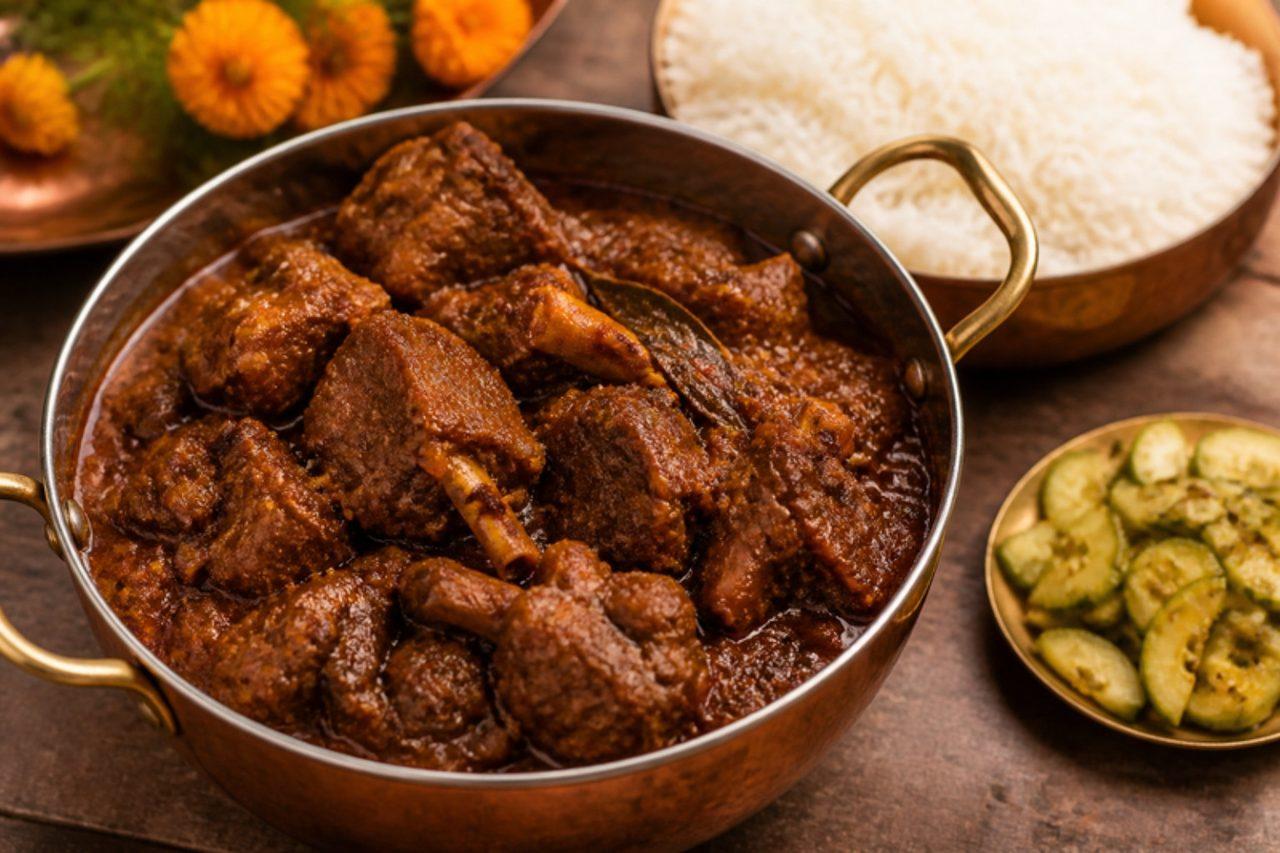
For most Nepali families the tenth day of Dashain, when elders put tika and jamara on younger relatives' foreheads, means a pot of khasi ko masu bubbling in the kitchen, bone-in castrated goat cooked in mustard oil with heaps of onion, ginger and garlic and whole spices until the meat falls from the bone. It is a celebratory but homely curry, with a loose, glossy, deep-red gravy, eaten with plain rice or sel roti and a cucumber achar, and the same curry fills plates at weddings and family visits for weeks after the festival. Use goat or mutton with plenty of bone, since the marrow and connective tissue give the gravy its body. The usual shortcut, rushing the onions, leaves the gravy thin and sharp; they must cook to a deep brown. Chef's tip: a pinch of jimbu, the dried Himalayan herb, added at the end gives the curry its unmistakable hill-country aroma.

by KrazyBadal 0 views

Thakali kalo dalBlack lentil dal

Trekkers on the Annapurna circuit meet Thakali food in the guesthouses of Marpha, Tukuche and Jomsom, and the dal on the brass Thakali plate is the dish they remember: whole black lentils simmered until creamy in a heavy iron pot, then finished with ghee crackling with jimbu, a dried Himalayan herb that tastes like a cross between chives and garlic. A pinch of timur adds a tingling citrus note. It is thick, smoky and deeply savoury, eaten with rice or buckwheat dhido, gundruk pickle, potatoes and a fresh tomato achar, and refilled until the guest says stop. Skip the overnight soak and you will taste it, because the lentils never turn creamy. Chef's tip: once the lentils are soft, mash about a quarter of them against the side of the pot with the back of a ladle, which gives body without any cream.

by KrazyBadal 0 views

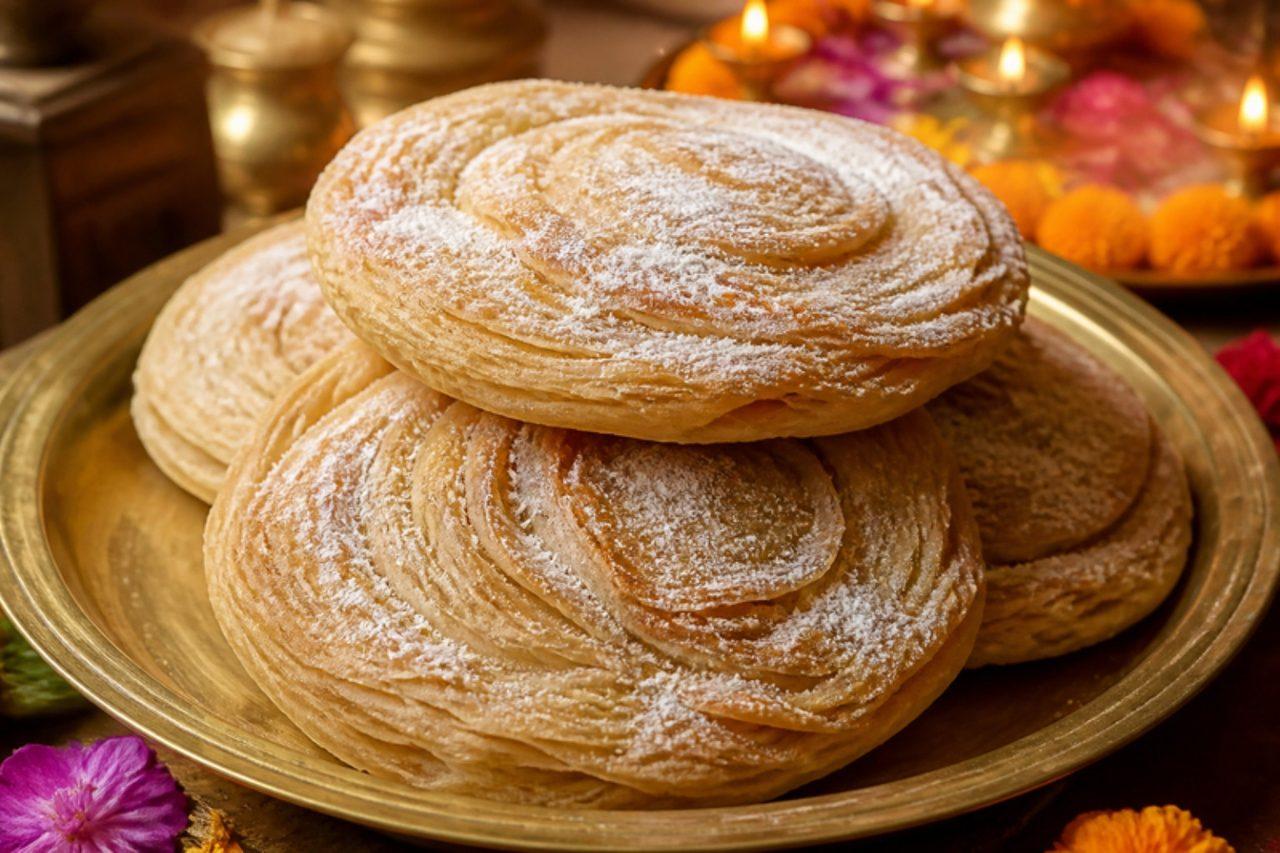
Fini rotiLayered fried sugar bread

During Tihar, the five-day festival of lights in late autumn, sisters in Kathmandu and Pokhara prepare a basket of treats for Bhai Tika, and fini roti, a crisp round of fried bread made of dozens of paper-thin layers, sits in it beside sel roti, nuts and sweets. A simple dough of flour and ghee is rolled very thin, spread with a paste of ghee and rice flour, rolled into a log and cut, so that each piece fans out in the hot oil into a flaky spiral that shatters at the first bite. It is lightly dusted with sugar, lasts for days in a tin, and is eaten with tea or given to visiting relatives. The layers vanish if you make the paste with melted ghee, which seeps out instead of staying put. Chef's tip: beat the ghee and rice flour together until fluffy and pale like soft butter, and keep the dough cool so the layers stay distinct.

by KrazyBadal 0 views

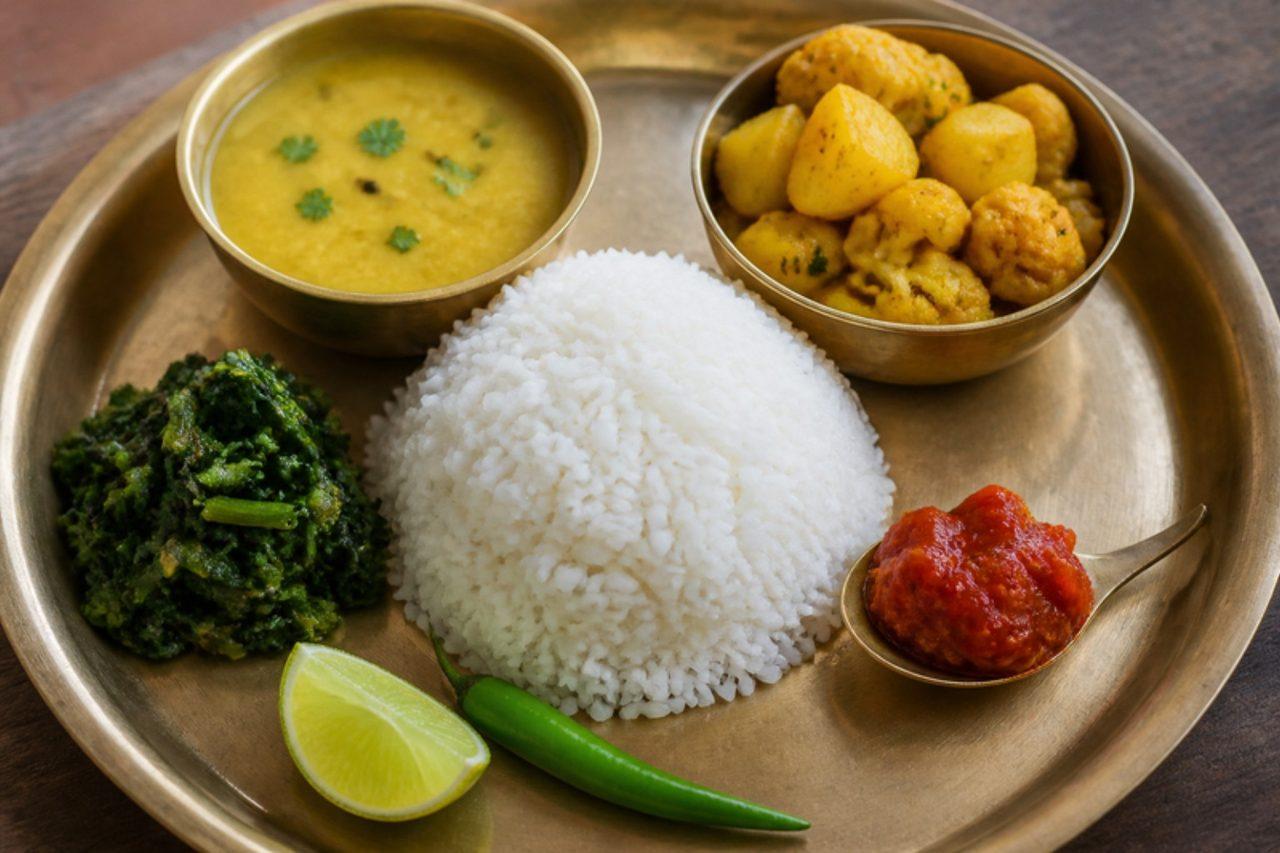
Dal bhatLentils, rice and vegetables

Across Nepal, from Terai farmhouses to trekking lodges below Everest, dal bhat is not a dish so much as the meal itself, eaten twice a day, late morning and early evening, often with the words "dal bhat power, 24 hour". The plate is always the same idea: a mound of plain rice (bhat), a thin, soupy lentil dal scented with jimbu (a dried Himalayan allium) fried in ghee, a dry vegetable tarkari, a little stir-fried greens when there are some, and a sharp spoonful of achar. You pour the dal over the rice and mix it by hand, a little at a time, with bites of curry and pickle. Most newcomers make the dal too thick; Nepali dal should run off the spoon like a light soup so it soaks the rice. Chef's tip: fry the jimbu in the hot ghee only until it darkens a shade and smells of garlicky onion, about 10 seconds, then pour it straight into the dal and cover the pan to trap the aroma.

by KrazyBadal 0 views

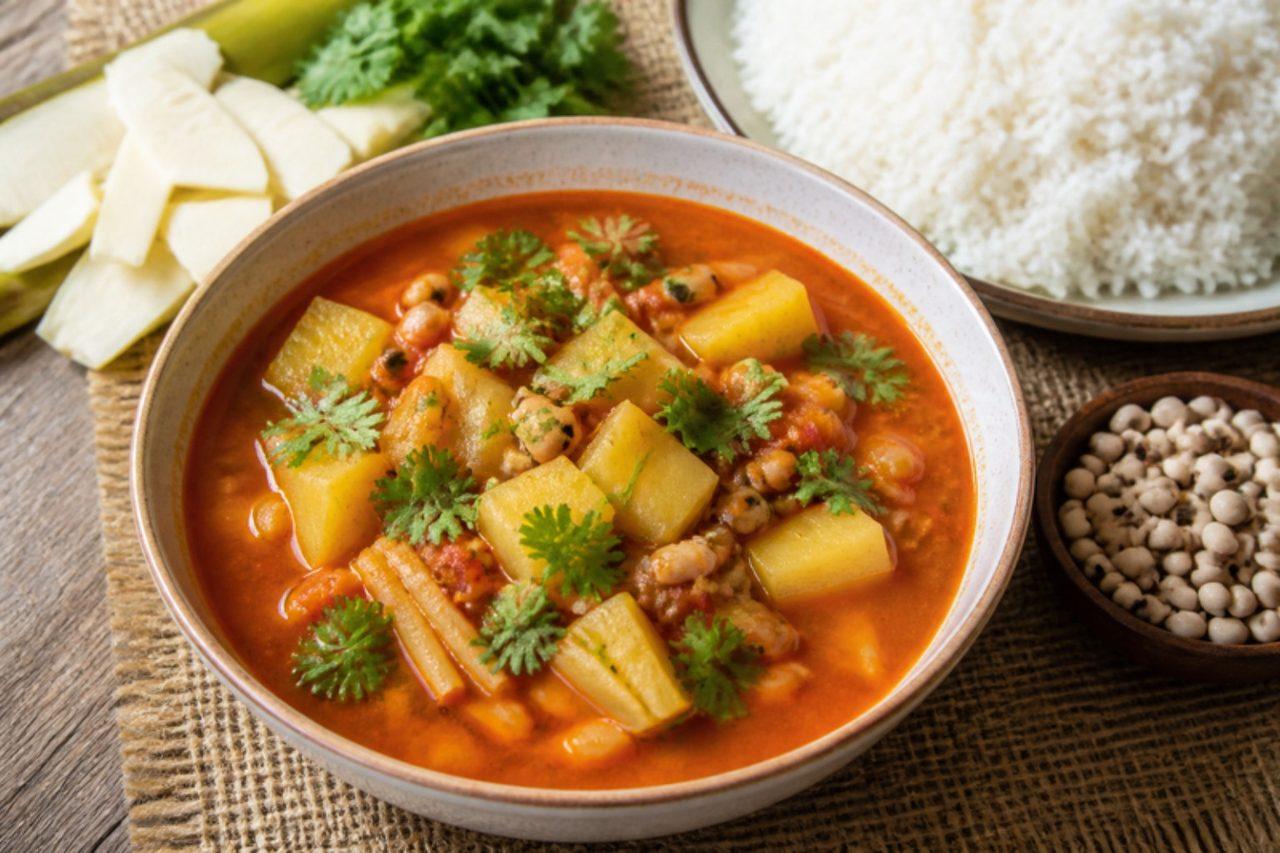
Aloo tamaPotato and bamboo shoot curry

Aloo tama is the curry that tells you you are in Nepal: potatoes (aloo) and black-eyed beans (bodi) simmered with tama, slivers of bamboo shoot that have been fermented until they are pleasantly sour and funky. It is a Newar dish at heart, cooked all over the Kathmandu Valley for weddings, feasts and cold winter evenings, and every Nepali restaurant abroad keeps a pot of it. The sourness comes from the bamboo, sharpened with tomato, and the warmth from fenugreek seeds burnt nearly black in mustard oil and a dusting of timur, the Nepali Sichuan pepper that numbs the lips. Eat it with rice or beaten rice (chiura). Don't skip rinsing the bamboo: straight from the jar it can be so sharp that it takes over the whole pot. Chef's tip: let the fenugreek seeds turn a deep reddish brown before anything else goes in; that bitter-sweet, almost maple smell is the backbone of the curry.

by KrazyBadal 0 views

ChajáSponge, peach and cream cake

Chajá was created in 1927 at a bakery in Paysandú, a city on the Uruguay River, and named after a local bird whose feathers look as fluffy as its crumbly meringue coat. Today it's Uruguay's birthday and celebration cake: layers of light sponge soaked in peach syrup, filled with whipped cream, peaches and dulce de leche, then covered in crushed meringue. It's sweet, soft and crunchy at once, best on the day it's assembled. Chef's tip: soak the sponge but not too much; it should feel moist, not wet, or the layers slide.

by KrazyBadal 0 views