Skip to content
Recipes

All recipes

Vegetarian, or something you can't eat? Set your diet once and we'll hide recipes that don't fit.

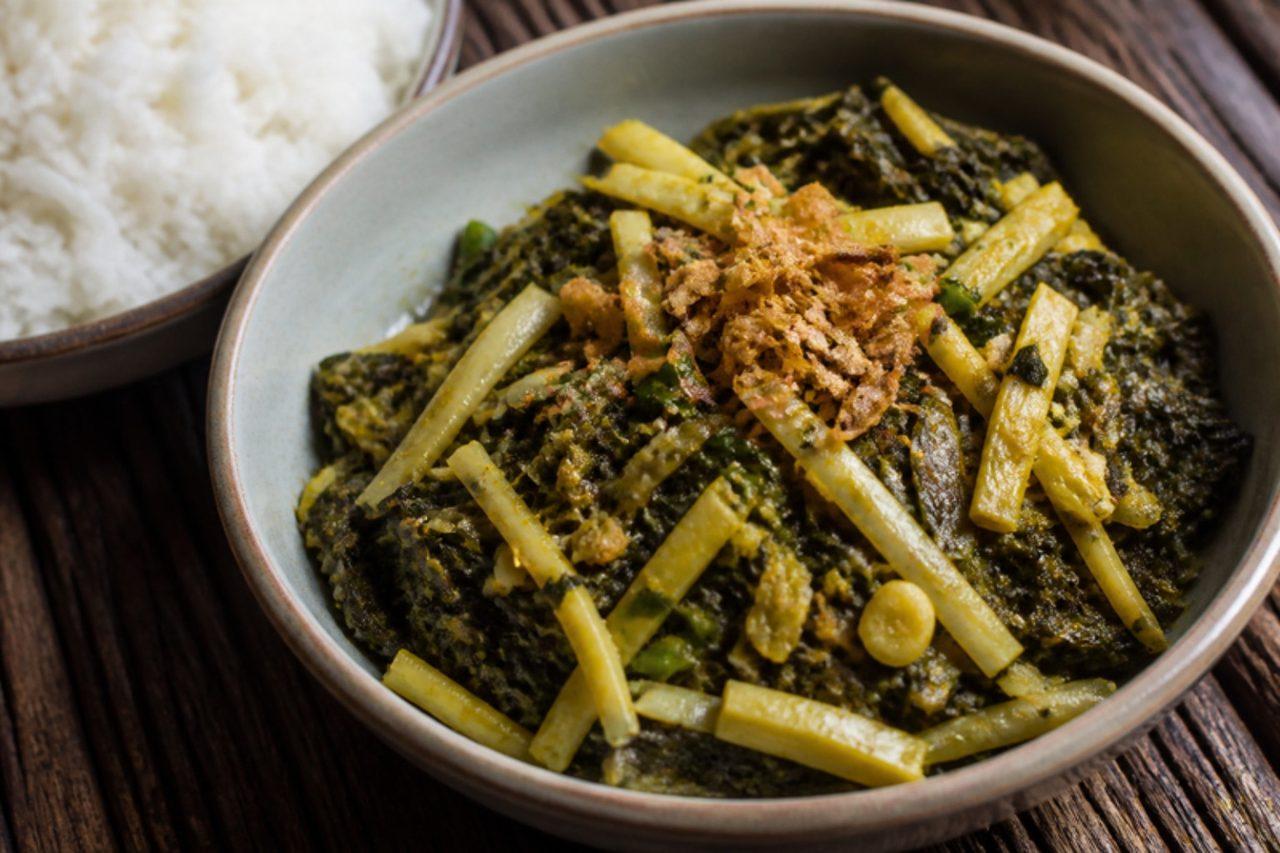
Chin baung kyawStir-fried roselle leaves

Chin baung, the tart leaf of the roselle plant, is so loved in Myanmar that it is sometimes called the national vegetable, and chin baung kyaw is cooked in homes from Yangon to Mandalay as a sharp, garlicky side for rice and a bowl of light soup. The leaves collapse into a dark, tangy, almost jammy relish with bamboo shoot and chilli. The usual version has dried shrimp or a little fish sauce; this one is vegetarian, using fried shallots and a pinch of salt for savour. It is a side with about 3 g of protein per portion. The common mistake is under-cooking: the leaves should be fried until the liquid has gone and the oil separates, or the sourness tastes raw. If you can't find roselle leaves, use sorrel or spinach with a squeeze of lime. Chef's tip: let the garlic and shallots turn properly golden before the leaves go in; their sweetness balances the sourness.

by KrazyBadal 0 views

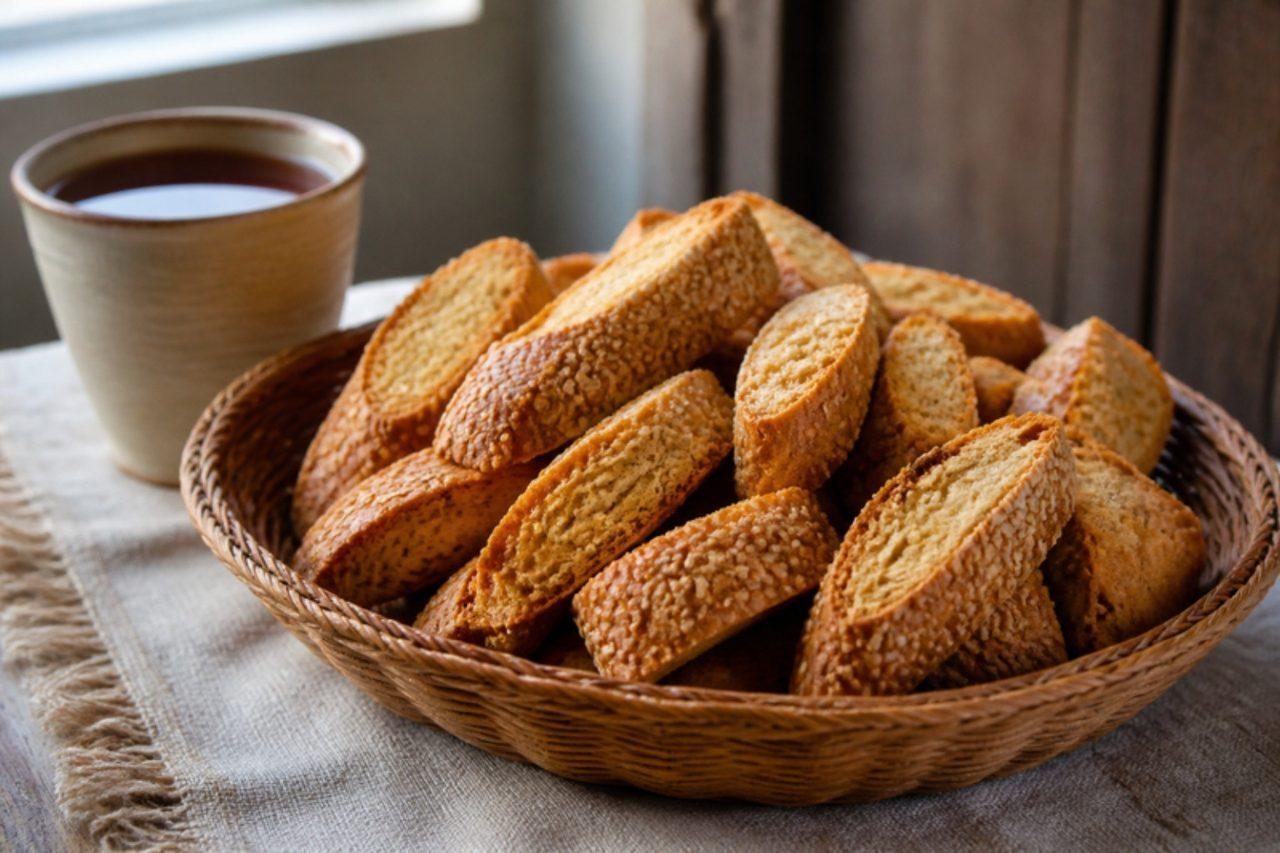
Egyptian fayeshSweet sesame rusks

Fayesh belongs to the Sa'id, Upper Egypt, where village women bake it in big batches in mud-brick ovens so the family has something crunchy for breakfast tea for weeks, and travellers from Luxor and Aswan carry bags of it north as a gift. A lightly sweet, aniseed-scented bread is baked, sliced, then dried slowly into hard, golden rusks crusted with sesame. They are dunked in black tea with plenty of sugar or in hot milk, and they never go stale. The common error is drying them too fast at a high heat: the outside browns while the middle stays soft, and that softness turns mouldy in the tin. Chef's tip: slice the loaves the next morning, not while warm; a rested loaf cuts into clean, even slices that dry at the same rate.

by KrazyBadal 0 views

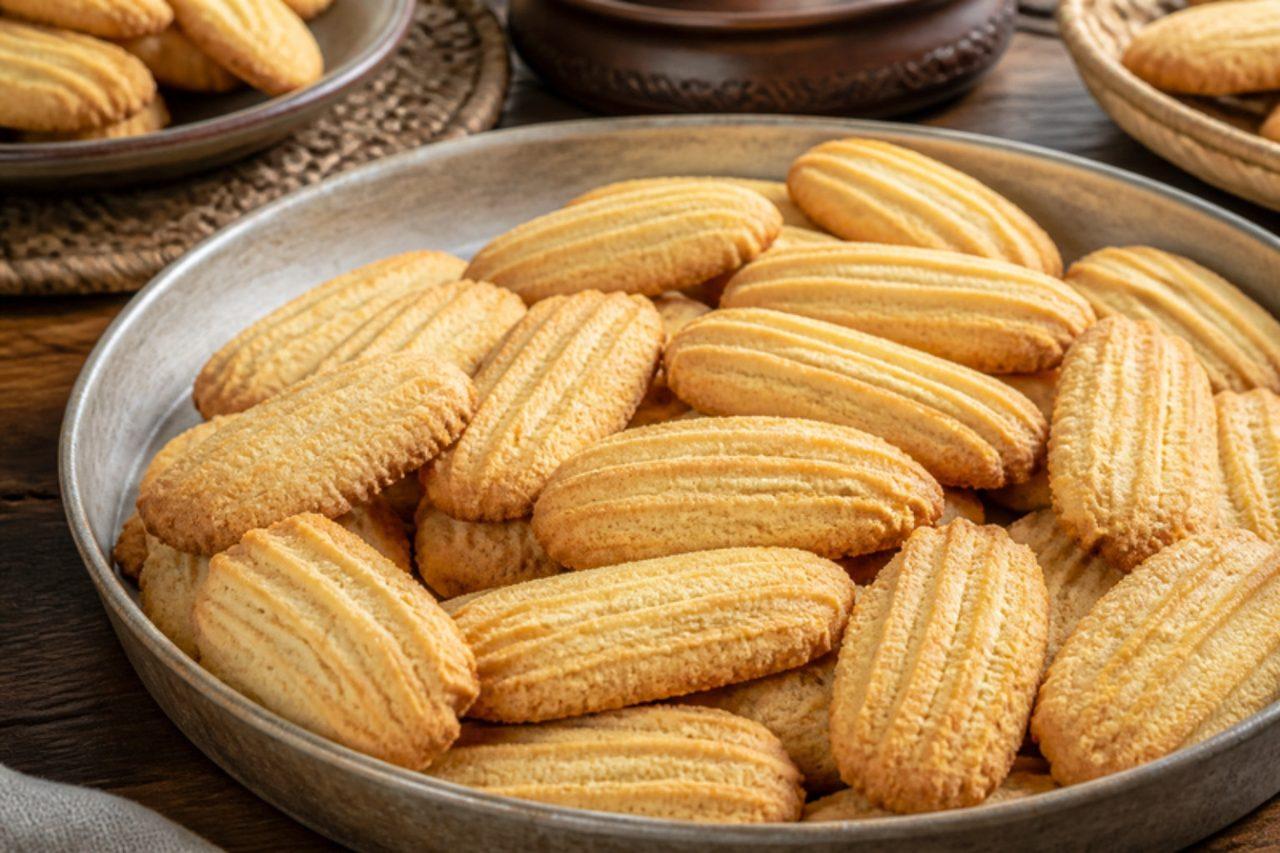
Biskoweet (Egyptian Eid vanilla biscuits)

In the last nights of Ramadan, Egyptian families bake kahk, ghorayeba and biskoweet together, sending trays to the neighbourhood bakery in Shubra or Imbaba if the home oven is too small. Biskoweet is the crisp, lightly sweet one: a vanilla and milk dough pushed through a biscuit press or a meat-mincer attachment into ridged ribbons, glazed with egg and baked golden, perfect for dunking in Eid-morning tea. The common mistake is baking them too pale; they should snap, not bend, so take them to a full honey colour. Chef's tip: a pinch of mahlab in the dough gives the subtle almond-cherry scent of the bakery biscuits. Contains milk, egg and wheat.

by KrazyBadal 0 views

Betefour (Egyptian piped butter biscuits)

Egyptians took the French name petit four and made it their own: betefour are crumbly piped butter biscuits sold by the kilo at Cairo patisseries and baked at home by the tray before Eid and family visits. The dough is soft enough to pipe into rosettes and fingers, then they are sandwiched with apricot jam or half-dipped in dark chocolate. Serve with tea. The mistake that ruins them is cold butter: it won't pipe, and the bag splits; beat it until it's as soft as mayonnaise. Chef's tip: chill the piped trays for 15 minutes before baking so the ridges stay sharp. Contains milk, egg and wheat.

by KrazyBadal 0 views

TereréIced yerba mate

In Asunción the hottest part of the day stops for tereré: a horn or cup packed with yerba mate, topped up again and again with ice water infused with crushed herbs, and passed round the group through a metal straw. It was recognised by UNESCO as part of Paraguay's cultural heritage, and the herbs (yuyos) change with the season and the drinker's mood. Yerba mate contains caffeine, so it isn't one for small children. The common mistake is pouring water straight into loose yerba, which then clogs the straw; tilt the yerba to one side first. Chef's tip: for tereré ruso, swap the water for cold orange or grapefruit juice.

by KrazyBadal 0 views

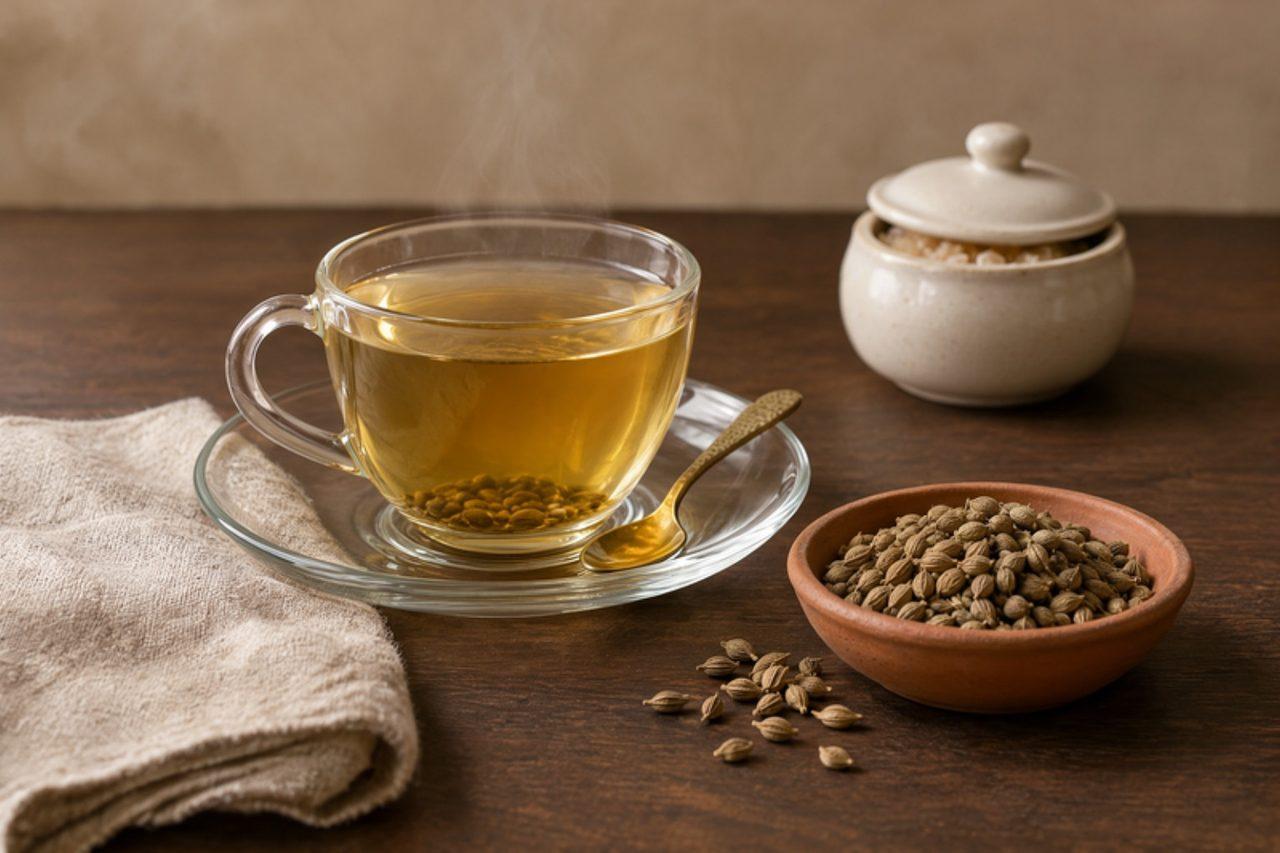
Yansoon (anise tea)

Every Cairo ahwa has yansoon on its menu, chalked up next to tea and helba, and in Egyptian homes it is the drink of evenings, colds and upset stomachs. It is made with green aniseed, often from Upper Egypt, simmered briefly and sweetened. People reach for it after a feast at Eid, during winter coughs, or simply at night because it is caffeine-free and traditionally drunk to calm and help sleep. It is pale gold and sweet, with a soft liquorice scent and a slightly peppery warmth at the end. Many Egyptian mothers give a weak version to infants, but herbal teas are not suitable for babies under six months; ask your doctor first. The common mistake is boiling the seeds for too long, which makes the tea cloudy and bitter: crush them lightly, boil for only a few minutes, then let them steep off the heat. Also do not swap in star anise, a different plant with a harsher taste. It is ready when the liquid is light golden and smells strongly of anise when you lift the lid. Chef's tip: a thin slice of lemon or a few drops of lemon juice brightens the cup without hiding the anise.

by KrazyBadal 0 views

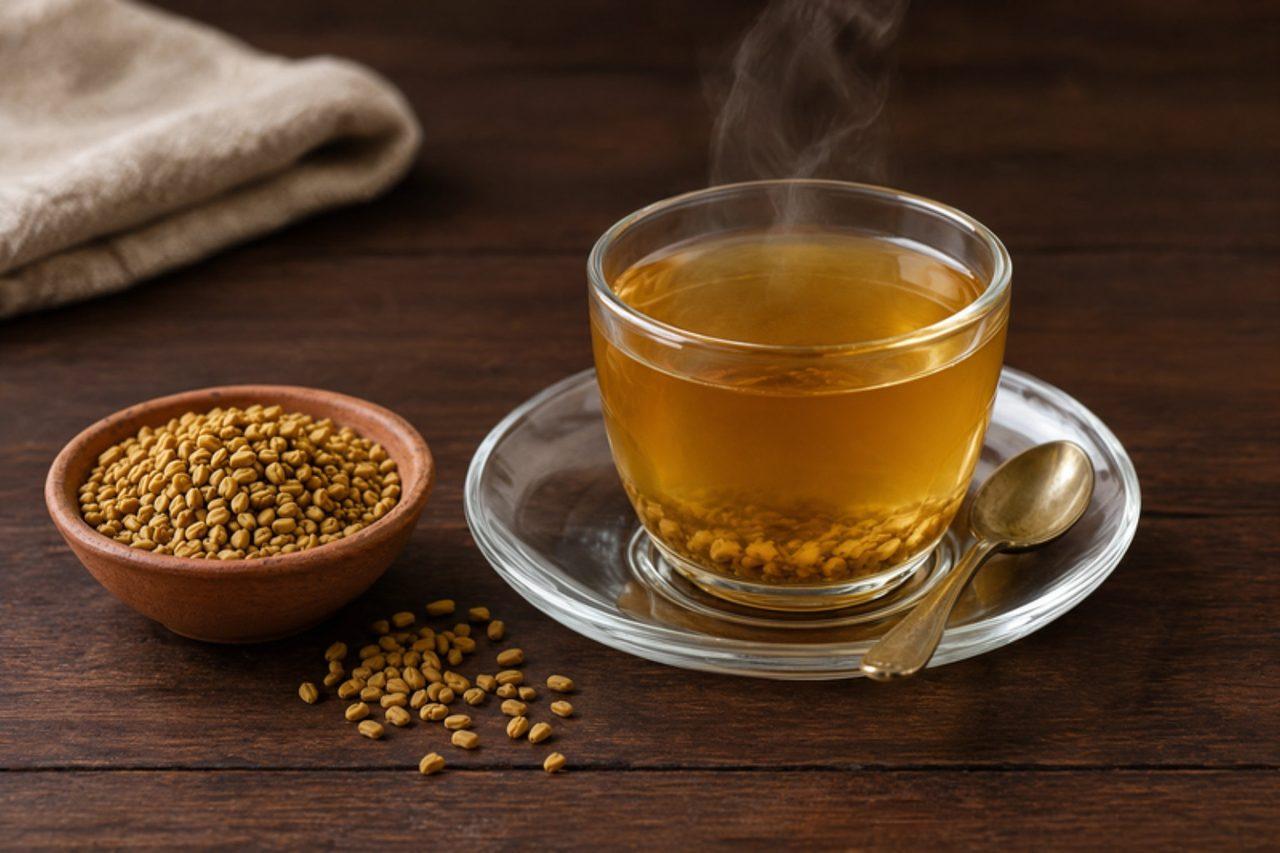
Helba (fenugreek tea)

Helba is the other hot drink chalked on the board of every Egyptian coffee house, ordered in winter by students and old men playing dominoes alike. At home it is brewed when someone has a cold, after childbirth, or simply on chilly nights in the Delta, and is traditionally drunk to soothe the chest and the stomach. Fenugreek seeds are boiled until the water turns amber-yellow; the cup tastes nutty and toasty, like maple and celery, with a pleasant bitterness that sugar softens. Some people add a splash of milk at the end. Fenugreek is not advised during pregnancy, can lower blood sugar and may interact with blood thinners, so check with your doctor if you take medication; it can also make your sweat smell faintly of maple, which is harmless. The common mistake is boiling unrinsed seeds hard for a long time, which gives a slimy, very bitter tea. Rinse them, toast them briefly and boil only 8–10 minutes. It is ready when the liquid is clear golden-amber and smells of warm maple. Chef's tip: soak the seeds overnight first for a milder, rounder brew, and eat the softened seeds with a spoon as Egyptians do.

by KrazyBadal 0 views

Hummus el shamHot chickpeas with tahini

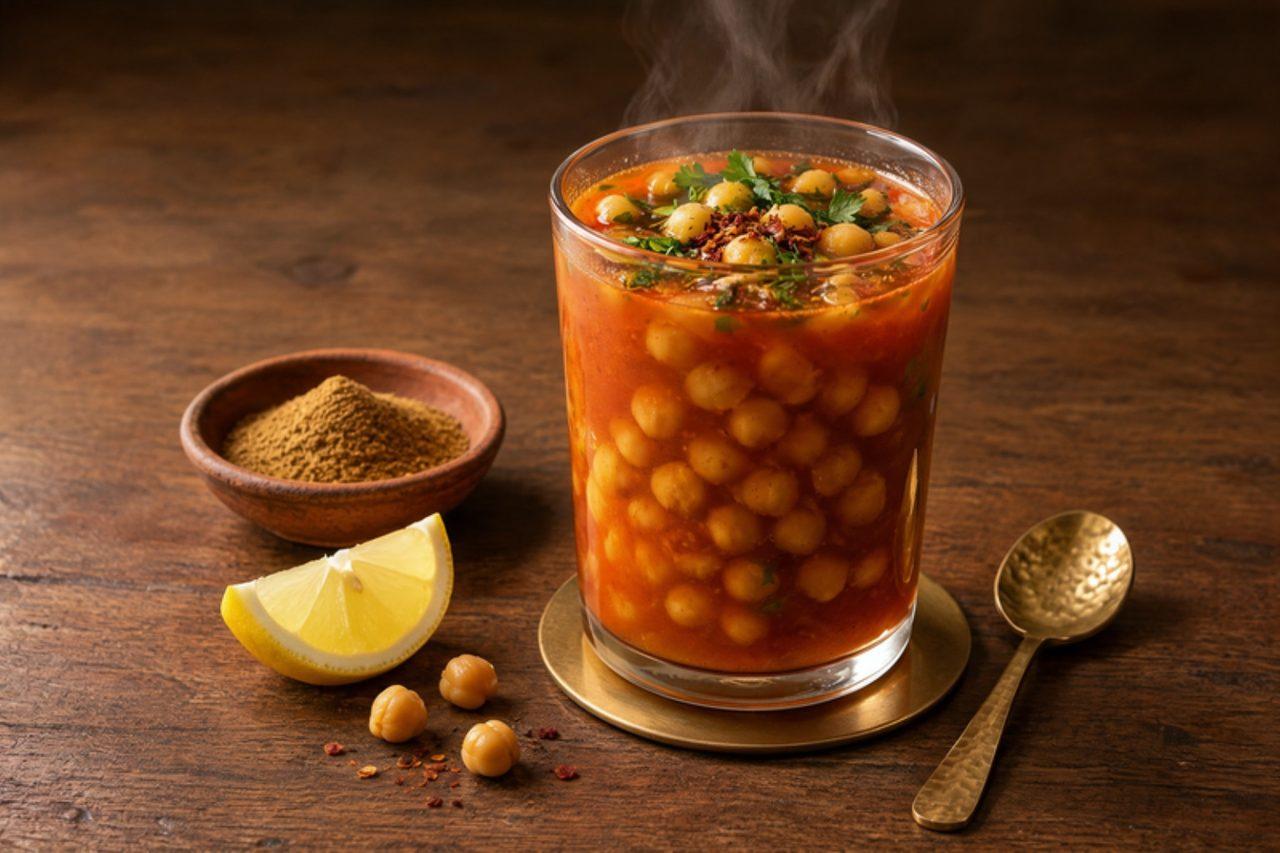
When the cold winds of January blow through Cairo and Alexandria, carts with steaming copper pots appear on street corners, outside universities and along the Corniche. The vendor ladles hummus el sham — Levantine chickpeas — into glasses: soft chickpeas in their own cooking broth, seasoned with lemon, cumin, salt and a fiery spoon of shatta, sometimes with tomato and chopped onion. It is drunk and eaten with a spoon, a warming, peppery, sour-salty cup that is very different from the dip. The common mistake is using undercooked chickpeas or draining away the cooking water: the broth is the drink, and it should be cloudy and slightly thick from chickpeas that are soft enough to crush between your fingers. A pinch of bicarbonate of soda in the pot helps them soften, as Cairo vendors do. It is ready when the broth tastes deeply of chickpeas and lemon, the cumin is fragrant and the chilli leaves a warm burn. Adjust the heat for children. Canned chickpeas with their liquid work in a pinch: simmer them for 10 minutes with fresh water. Chef's tip: squeeze the lemon into each cup at the end; boiled lemon turns bitter.

by KrazyBadal 0 views

Lahpet yay (Burmese milk tea)

Yangon runs on lahpet yay. From before dawn, crowded teashops set out tiny plastic stools on the pavement, and the tea comes with mohinga, palata or a plate of samusa; people linger again at four in the afternoon to talk. The tea is a dark, very strong brew of cheap black leaf that has been boiled and kept hot in a kettle, mixed in the cup with condensed milk and evaporated milk. Regulars order in code: cho seint is sweet and creamy, kya seint is strong and less sweet, pawsein is the standard. It should be thick, silky, sweet, faintly smoky and bitter underneath. The common mistake is brewing it like ordinary tea: it ends up thin and the condensed milk just tastes of sugar. Boil the leaves hard and then let them stand so the liquor is almost black; the bitterness is needed to stand up to the milk. It is ready when the tea poured from height into the cup has a light froth and the colour of milk chocolate. It is strongly caffeinated, so not one for children or late evenings. Chef's tip: pour the finished tea between two jugs a few times to cool it slightly and give it the teashop froth.

by KrazyBadal 0 views

Laphet yayBurmese milk tea

Burmese teashops, from the busy corners of Yangon to small-town Shan State, run on laphet yay: very strong black tea poured over condensed and evaporated milk, and customers order it by sweetness, from "pan pyar" (less sweet) to "cho seint" (extra sweet and creamy). It comes with samusa, palata or a bowl of mohinga. The mistake is weak tea: it must be brewed long and dark so it stands up to all that milk. Chef's tip: pour the finished tea from one jug to another from a height a few times; it cools slightly and gets the frothy top teashops are proud of.

by KrazyBadal 0 views

Pon ye gyiFermented bean sauce

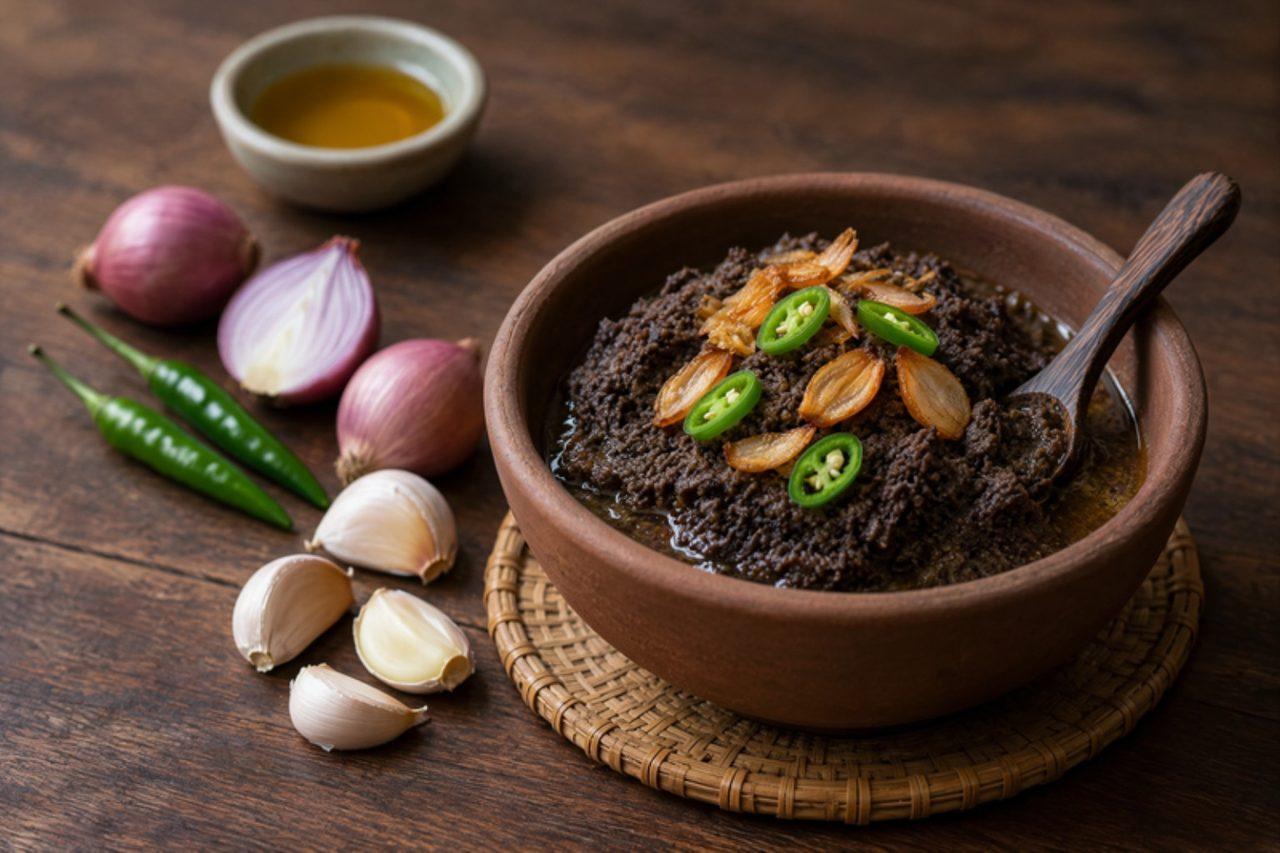
Bagan, among its thousands of temples, is just as known in Myanmar for pon ye gyi, the thick, glossy black bean paste sold in clay pots at Nyaung-U market. Workshops there boil beans, ferment them under cloth, steep them in brine and boil the dark liquid down for hours. At home it is a seasoning rather than a dip: fried with garlic, onion and chilli as pon ye gyi kyaw, it becomes the savoury base for pork or chicken curries and for stir-fried greens, and is eaten with rice and raw vegetables through the hot dry season. The taste is deeply salty, savoury and slightly sweet-bitter, with a soft funk like miso and black bean sauce combined, and a texture like thick molasses. Common mistake: stopping the reduction too soon; a thin brown sauce will not keep and lacks depth, so cook it until it is black, glossy and falls from the spoon in ribbons. Bagan makers use different beans; this home method uses soybeans with a Bacillus-style ferment like thua nao. It is ready when a spoonful sets into a thick gloss on a cold plate. Chef's tip: stir more often near the end, when it can catch.

by KrazyBadal 0 views

Mandi'o chyryryFried cassava with onion and egg

Mandi'o chyryry means 'fried cassava' in Guaraní, and it is what rural Paraguayan families make from yesterday's boiled mandi'o: chunks crushed and fried in a big pan with onion until crisp in places, then scrambled with eggs. It comes out for breakfast with cocido or for a quick supper, and costs next to nothing. Use sweet cassava, the kind sold in supermarkets. The mistake is stirring constantly, which turns it to mush; let the cassava sit and brown. Chef's tip: the best chyryry starts with cold, day-old boiled cassava, which fries crisper than freshly boiled.

by KrazyBadal 0 views

Cocido quemadoBurnt sugar mate drink

Cocido is how Paraguay starts the day: in Asunción, in the villages of Guairá and Itapúa, and in school kitchens, a pot of burnt yerba is brewed and poured into cups with chipa, the cheesy cassava bread, or with a hard galleta. The old way is to drop a glowing piece of charcoal into a pot with yerba and sugar and stir until the sugar burns. On a home stove you caramelise them together in a dry pan instead, which is safer and gives the same smoky, toffee-like taste. The drink is clear amber-brown, with roasted, slightly bitter mate notes over burnt-sugar sweetness; with milk added it becomes cocido con leche, creamy and coffee-coloured. Yerba mate contains caffeine, so treat it like a cup of coffee. The common mistake is letting the sugar go black: it turns acrid and bitter. Pull it off the heat when the caramel is deep amber and the yerba smells toasted, not burnt. It is ready when the liquid is a clear dark amber and tastes of toffee and smoke. Chef's tip: the water will spit fiercely when it hits the hot caramel, so pour it in from the side, at arm's length.

by KrazyBadal 0 views

Postre MassiniCustard sponge with burnt sugar top

Montevideo's birthday cake of choice since the early twentieth century, the Massini is two thin layers of sponge sandwiching a thick filling of whipped cream folded with egg-yolk custard, crowned with a thin glassy crust of torched yolk and sugar. Bakeries across Uruguay sell it on Sundays. Traditional versions sometimes add a sweet fortified wine to the custard; this one is alcohol-free. The custard is cooked to a safe 71 °C. The common mistake is assembling with warm custard, which melts the cream into a puddle. Chef's tip: if you don't have a blowtorch, put the sugared top under a very hot grill for a minute and watch it closely.

by KrazyBadal 0 views

MishAged chilli cheese

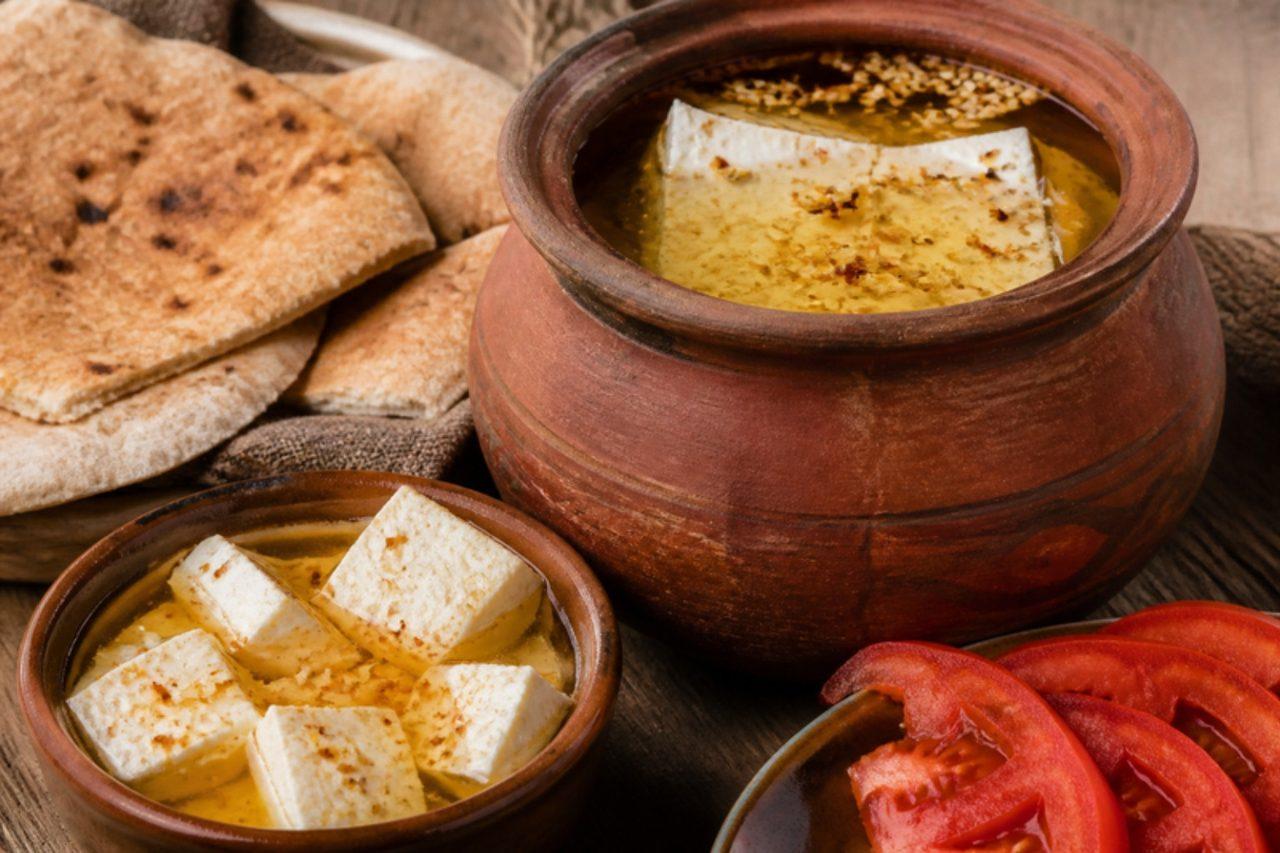
Traditionally made in clay jars that are kept going for years, mish is the strong, salty aged cheese that farmers in Upper Egypt and the Delta eat with bread, onions and tomatoes in the fields. It is sharp, creamy and very pungent, with chilli heat and a bitter-sweet note from fenugreek, and a little goes a long way beside bettaw, roz me'ammar or ful. This safer home version starts from pasteurised white cheese and ages in the fridge for 4 to 8 weeks instead of months on a shelf. White cheeses are often set with animal rennet, so choose one labelled vegetarian. As a home-fermented food it is best skipped by pregnant women, young children and anyone with a weakened immune system. Chef's tip: always use a clean, dry spoon; one wet spoon is the mistake that lets mould in.

by KrazyBadal 0 views

Rokak bel lahma (Eid meat pie)

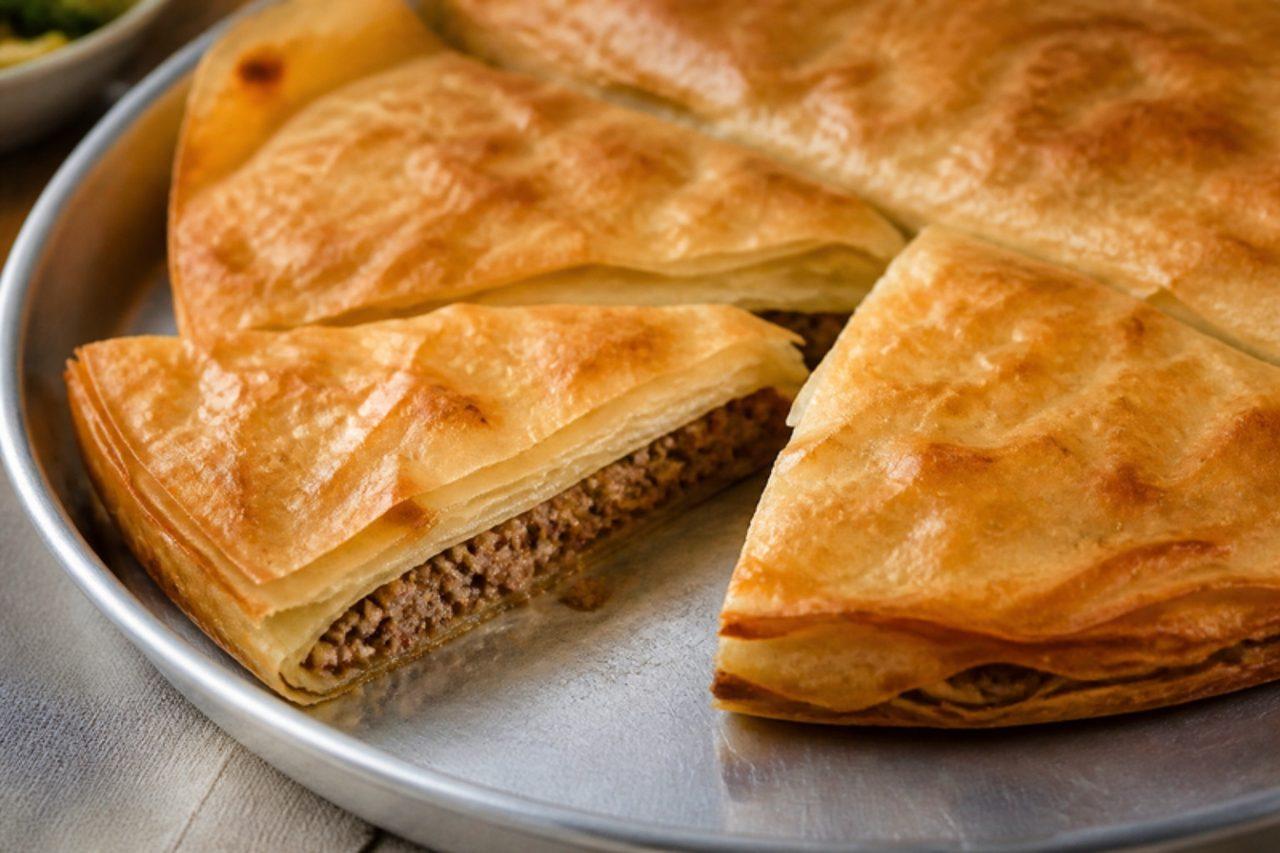
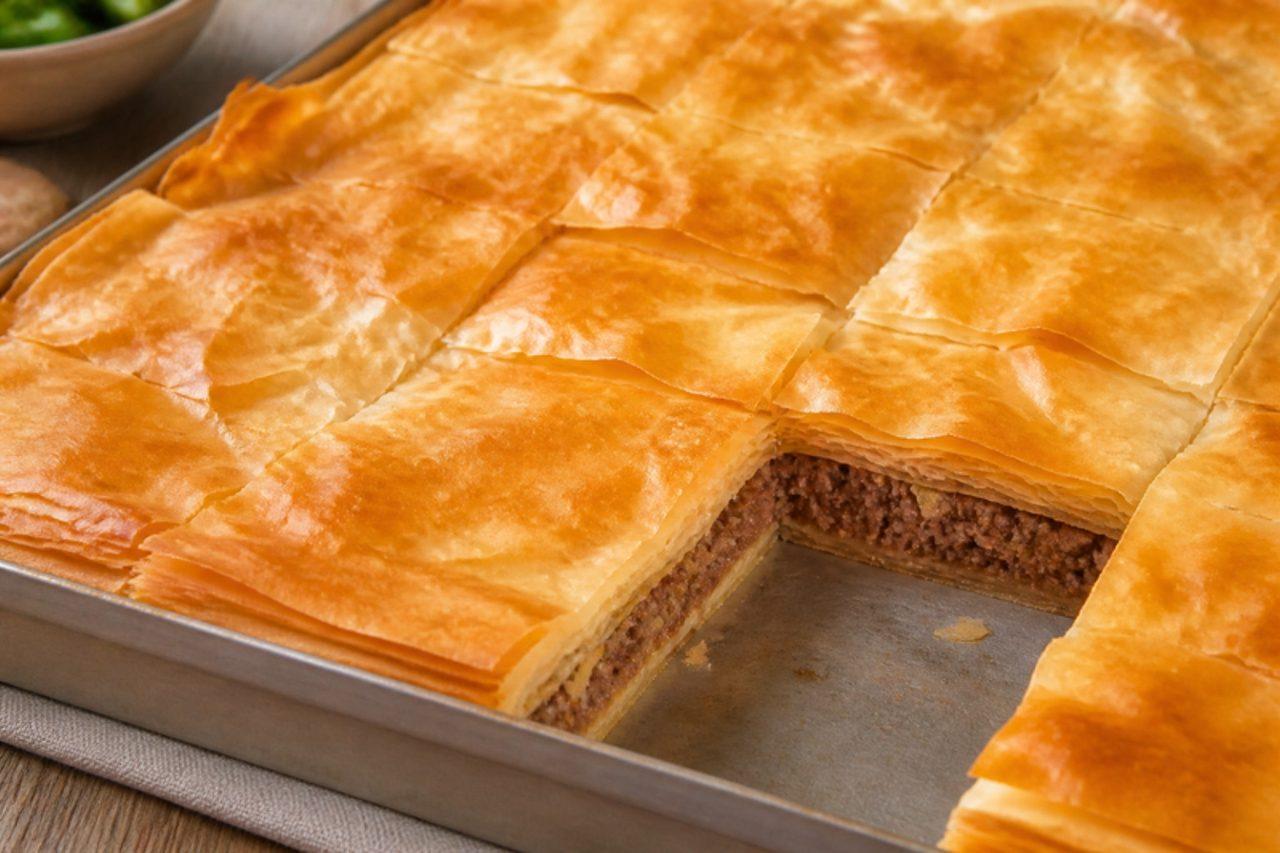
When Eid comes round, Egyptian shops stack up rounds of rokak, a very thin, brittle unleavened pastry baked on a hot dome, and cooks turn them into this layered pie for the family lunch. Each sheet is moistened with hot meat broth and a little ghee, layered with beef mince fried with onion, then baked until the top crackles and the inside turns tender and savoury, somewhere between a pie and a lasagne. It is cut into squares and served with rice, salad and pickles. If you cannot find rokak, sheets of filo baked dry for a few minutes are the nearest substitute. Chef's tip: soak each layer just enough to soften it; too much broth makes a heavy, soggy pie, and too little leaves dry shards, the mistake most people make the first time.

by KrazyBadal 0 views

KahkEid ghee cookies

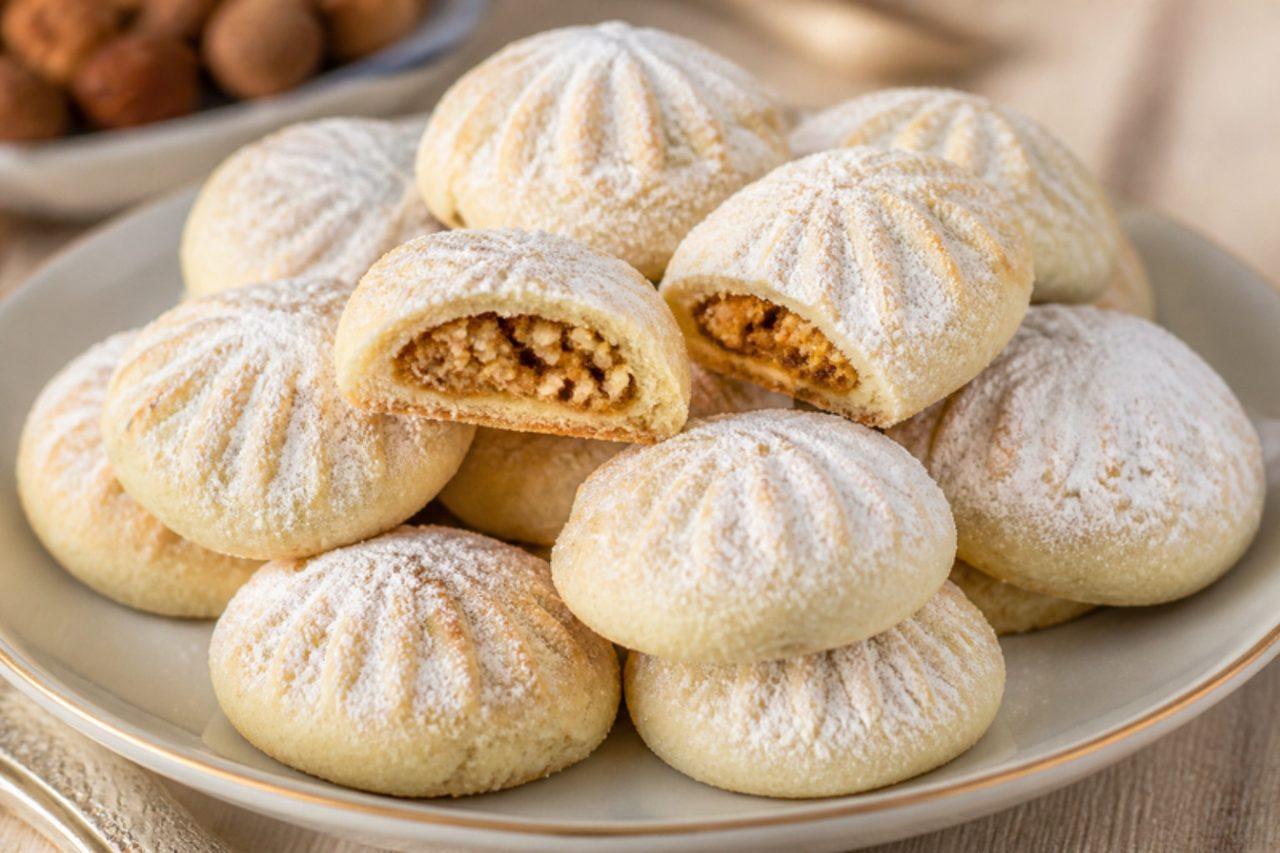
In the last nights of Ramadan, Egyptian kitchens fill with flour dust, trays and relatives as families bake kahk for Eid al-Fitr, and many still send them to the neighbourhood bakery's big oven. Hot ghee is rubbed into the flour so the cookies bake up crumbly and melting, fragrant with sesame and kahk spice, and each one is pinched with a patterned tweezer or pressed in a wooden mould before baking. They are filled with agameya, a sticky honey, nut and sesame paste, and buried under icing sugar, then served to every Eid visitor with tea or coffee. Overbaking is the mistake to avoid; kahk should be pale on top and only golden underneath. Chef's tip: the dough is ready to shape once a ball holds firm but crumbles if you squeeze it hard; it should never feel stretchy.

by KrazyBadal 0 views

SobiaRice and coconut milk drink

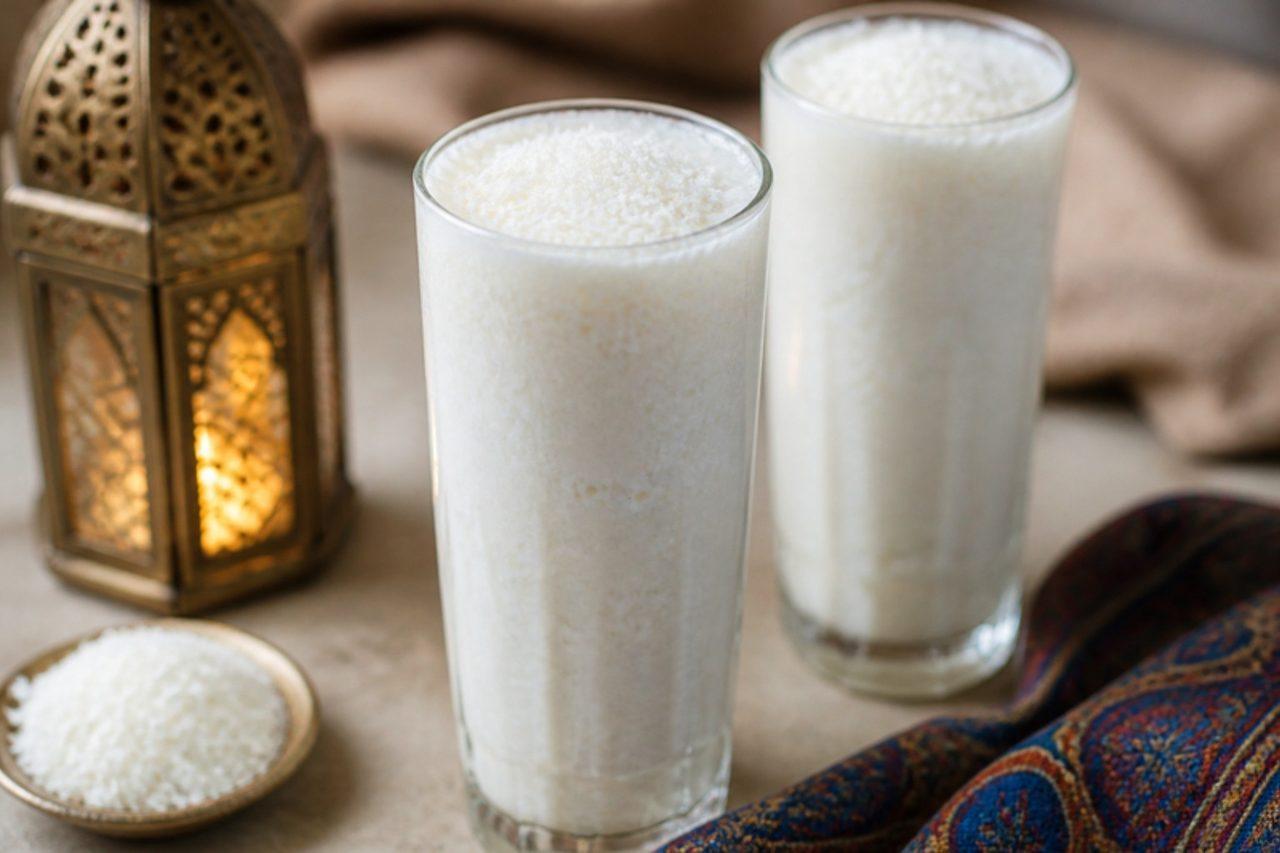
Before the sunset call to prayer in Ramadan, juice shops in Cairo's old quarters fill plastic bags and jugs with sobia for families to carry home, and it is one of the classic drinks for breaking the fast. It is milky white, sweet and smooth, with a gentle coconut flavour and a light body from the rice that makes it filling after a long day without food. This version simmers the rice-coconut milk briefly so it is safe to keep for a day or two in the fridge. Allow an hour for soaking the rice. The common mistake is not straining well, which leaves the drink gritty; push it through muslin. Chef's tip: chill it for at least 3 hours, because sobia tastes flat unless it is ice-cold.

by KrazyBadal 0 views

Sugarcane juice

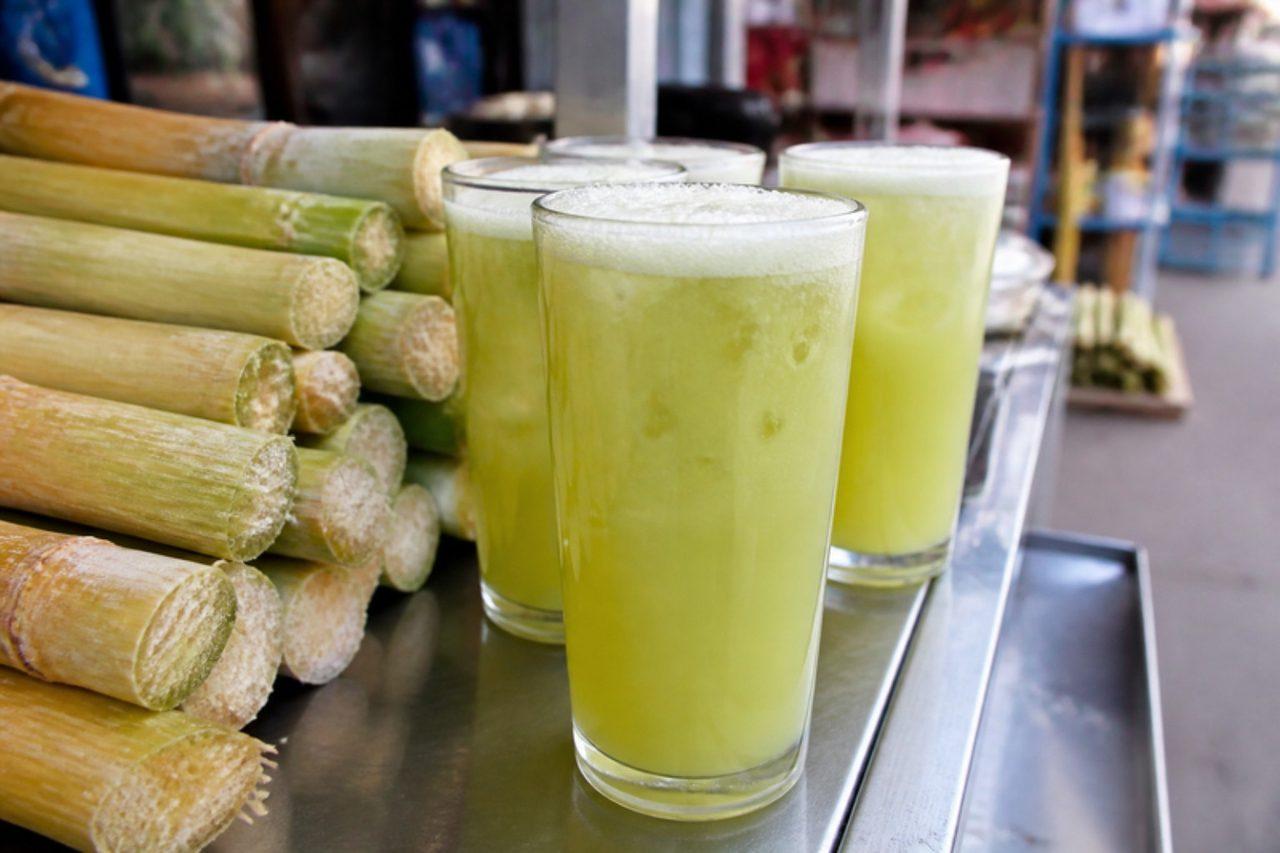
Juice shops all over Cairo and the towns of Upper Egypt crush sugarcane through clattering steel rollers and serve the pale green juice ice-cold for a few pounds a glass, a favourite in the summer heat and after Ramadan fasting. It is sweet, grassy and refreshing, with a faint lemony edge, and it tastes best within minutes of pressing. Without a press, peeled cane chopped small and blended with a little water gives a very close result at home. Chef's tip: peel the cane completely, because the hard green rind makes the juice bitter and dark.

by KrazyBadal 0 views

Doum drink

Spice and herb sellers in the Aswan souk pile up the hard, glossy brown fruit of the doum palm, and Nubian households soak it into a cold, sweet drink for the hot months and for Ramadan iftar. The dried flesh gives a cloudy amber drink that tastes surprisingly like gingerbread or caramel, with a faint woody bitterness. Buy it crushed or as coarse powder at Egyptian and African grocers; whole fruit is extremely hard to break. Leaving it to steep too long is the mistake to avoid, because it turns bitter. Chef's tip: strain twice, once through a sieve and again through muslin, to remove the gritty fibre.

by KrazyBadal 0 views

Bedouin sage tea

Visitors to a Bedouin camp in the Sinai mountains are handed small glasses of this tea almost before they sit down, brewed in a blackened kettle over the fire and sweetened generously. Wild maramiya, the local sage, is dropped in at the end, giving the strong black tea a soft, herbal, slightly camphor scent that is soothing after a long walk or a heavy meal. Garden sage works well, and dried sage is fine in a pinch. Boiling the sage is the mistake to avoid, because it turns the tea bitter. Sage is best taken in moderation and avoided in large amounts during pregnancy. Chef's tip: pour from a height into the glasses; the froth that forms is how Bedouin hosts like it served.

by KrazyBadal 0 views

Gollash meat pie (filo and spiced beef)

Egyptian bakeries sell sweet and savoury gollash, but the minced-beef version is the one home cooks make for Ramadan iftar, Eid visits and big family lunches, cut into neat diamonds on a large round tray. Thin sheets of filo are brushed with melted butter and stacked around a filling of beef cooked dry with onion, pepper and a little allspice, then soaked with a splash of milk and egg so the top layers bake puffed and shatteringly crisp while the middle stays tender. Serve warm with a salad and yoghurt or as part of a spread of mezze. Avoid skimping on butter between the sheets; unbuttered layers bake dry and papery instead of crisp and golden. Chef's tip: let the cooked filling cool completely before layering; hot, steamy mince turns the bottom sheets soggy, which is the most common gollash disappointment.

by KrazyBadal 0 views

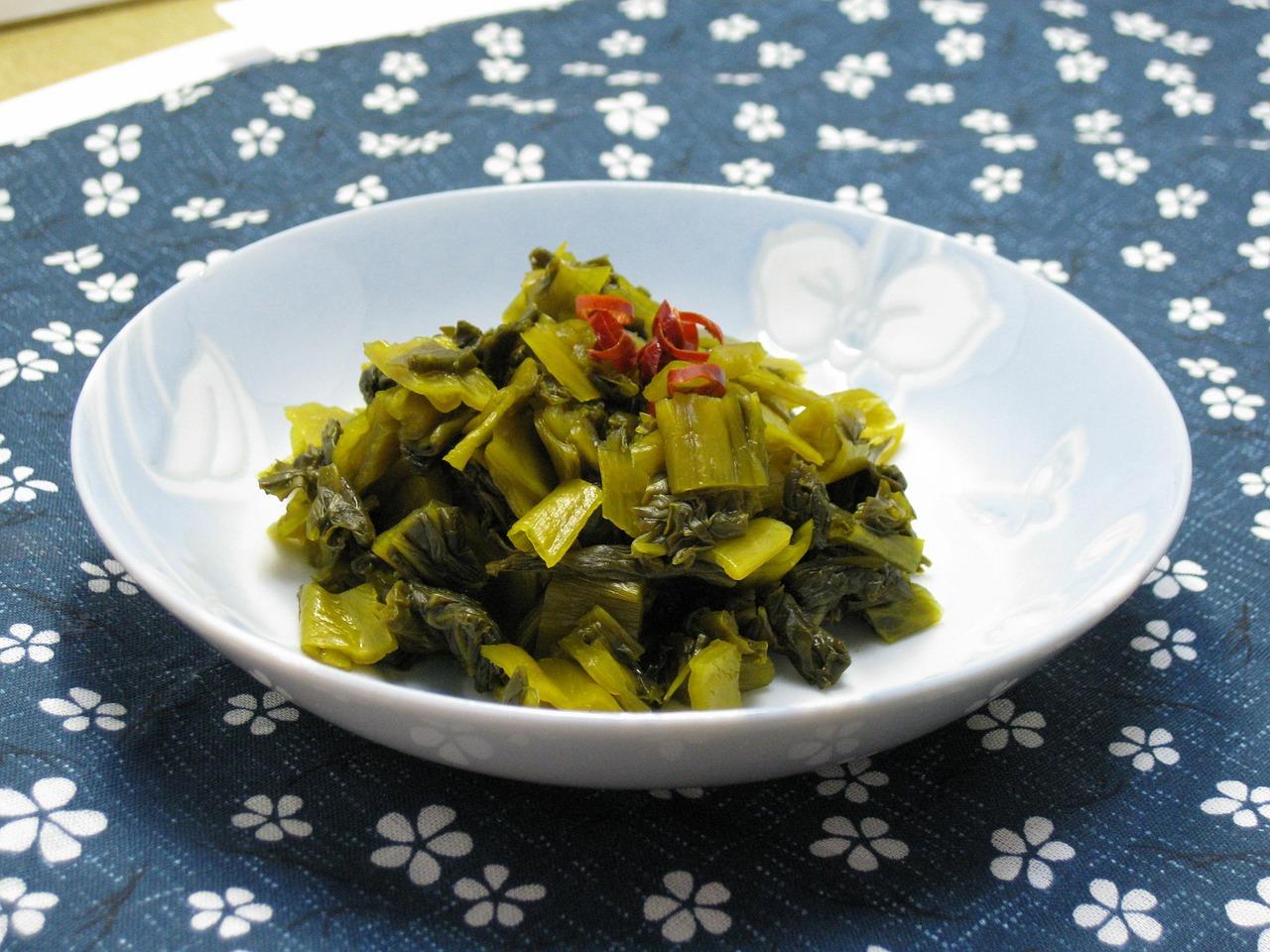
Shan pickled mustard greens

Jars of sour, olive-gold mustard greens sit on every noodle stall in Shan State, from Kengtung to the five-day markets around Inle Lake, and families keep a crock going through the cool season. The greens are wilted, rubbed with salt and packed under cloudy water saved from rinsing rice; its starch feeds the natural fermentation, and after a few days the leaves turn crunchy, tangy and pleasantly funky. A spoonful goes on top of Shan noodles, beside sticky rice, into soups, or stir-fried with garlic and chilli as a side dish. Leaves poking above the brine are the main thing that goes wrong, since that is where mould starts; keep everything pressed under the liquid. Chef's tip: use the cloudiest rice water from the first rinse, and add a spoon of cooked rice to get the souring going faster.

by KrazyBadal 0 views

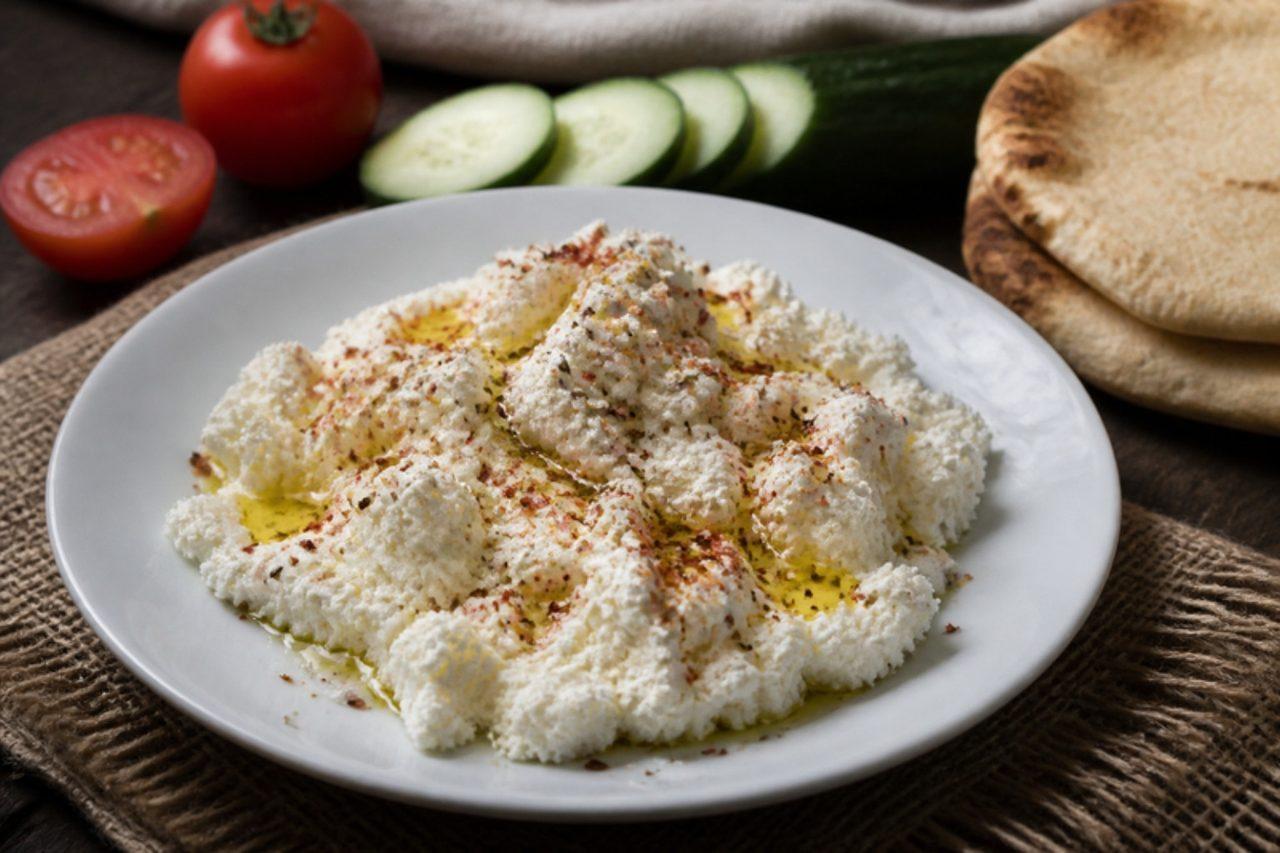
Gebna areeshSoft fresh cheese

Farm families in the Delta have long made areesh from the skimmed, soured milk left after churning butter, draining the curds in reed mats until they are soft and crumbly. The cheese is pale, light and mildly tangy, with almost no fat, and is eaten at breakfast and supper with tomatoes, cucumbers, spring onions, herbs and a thread of olive oil, or crumbled into salads and pies. This home version starts with pasteurised skimmed milk and cultured buttermilk; the milk then needs 18 to 24 hours to sour at room temperature before the short cooking and draining. No rennet is used: the curd is set by souring alone, so it suits vegetarians. Don't boil the soured milk hard: rapid heat makes tough, rubbery curds instead of soft, delicate ones. Chef's tip: heat the soured milk very gently; boiling it makes the curd tough and squeaky.

by KrazyBadal 0 views

Showing 24 of 27 recipes

Show more recipes

Page 1 of 2