Skip to content
Recipes

All recipes

Vegetarian, or something you can't eat? Set your diet once and we'll hide recipes that don't fit.

Mustazzoli (Salento almond, cocoa and spice biscuits)Spiced almond biscuits

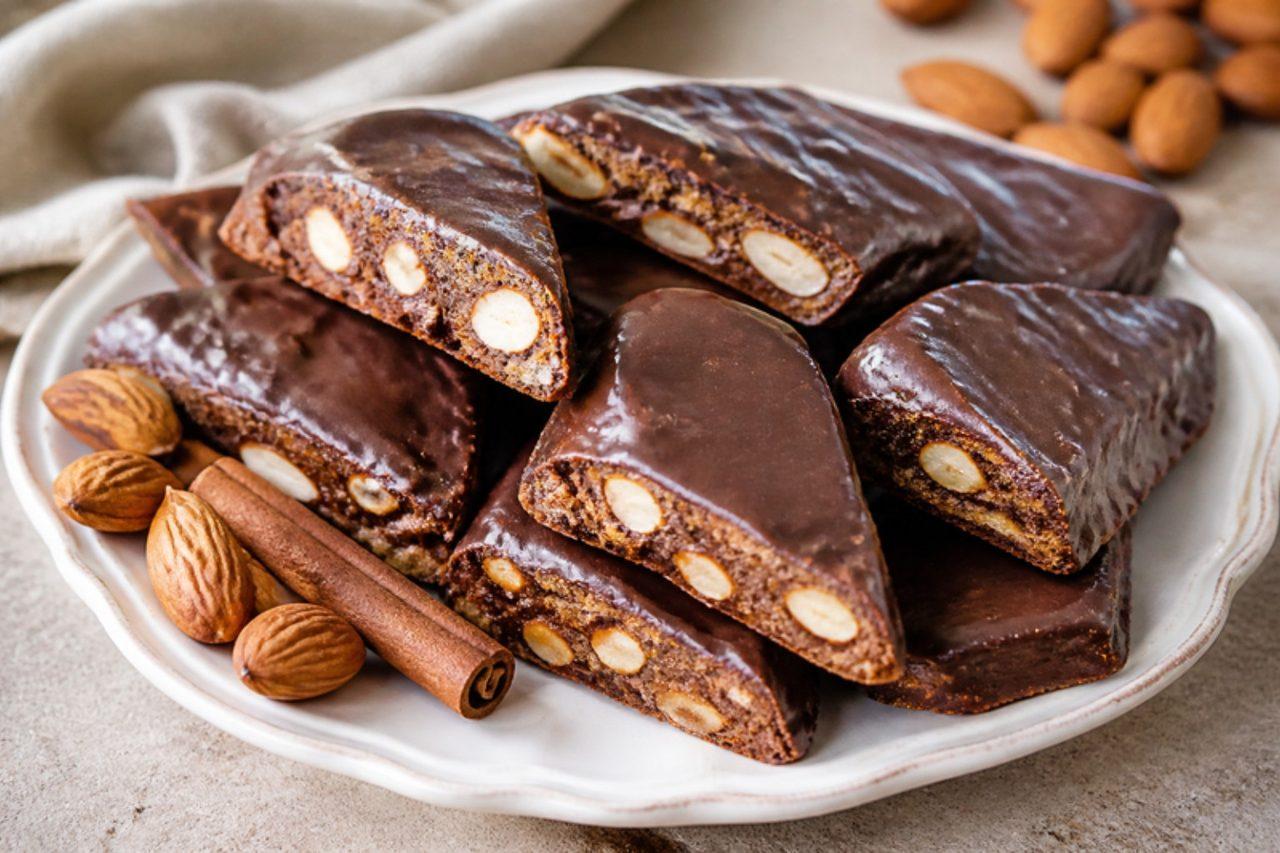
In Lecce and the towns of the Salento, mustazzoli are baked for Christmas and for the summer saints' feasts, when stalls at the fairs stack them in glossy dark piles. They are diamond-shaped biscuits of toasted almonds, flour, sugar and cocoa, spiced with cinnamon and cloves and brightened with orange zest, then coated in dark chocolate. Inside they are firm and dense, a bit like a soft gingerbread, with a crisp chocolate shell. Eat them with an espresso after lunch or pack them as a gift; they keep for weeks. The dough was always egg-free: water and the sugar bind it, the ground almonds give fat and body, and a little baking powder keeps them from being leaden. Use a dark chocolate with no milk solids and the whole batch is vegan. Chef's tip: let the biscuits cool completely before glazing; the common mistake is dipping them warm, which melts the chocolate into a thin streaky coat that never sets glossy.

by KrazyBadal 0 views

Ciambelline al mosto (alcohol-free ring biscuits)Grape juice ring biscuits

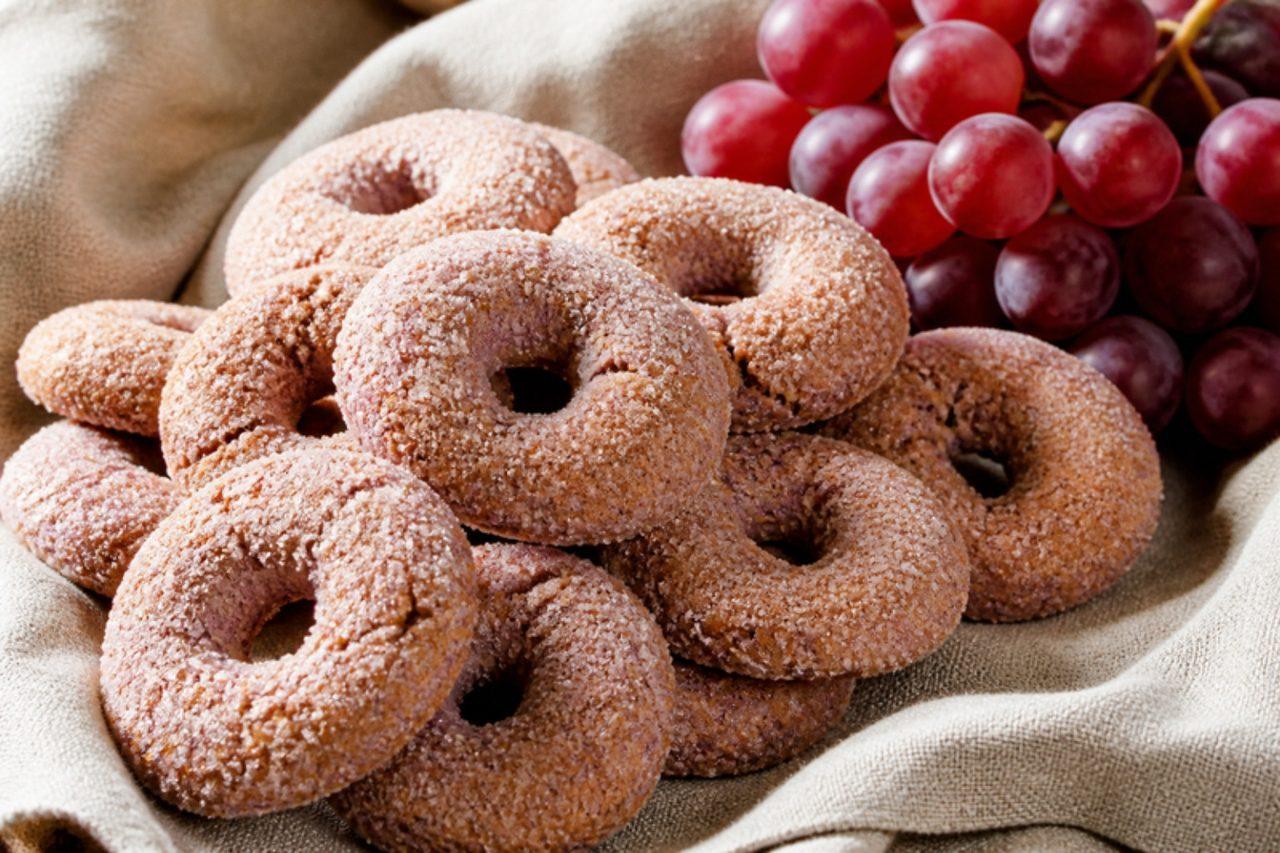
All over Lazio, from the Castelli Romani to the countryside around Rome, these sugar-crusted ring biscuits are put out at the end of a meal and at the autumn grape harvest, when they are dunked into a glass to soften. The classic dough is made with equal measures of liquid, olive oil and sugar; here the liquid is red grape juice, which is close to the fresh mosto of harvest time and gives the same pinkish crumb and fruity edge with no alcohol at all. The rings are crunchy and light, a little crumbly, with a crackly sugar coat and a hint of aniseed. Serve them with grape juice, coffee or a pot of tea for dunking. They are naturally egg-free: the olive oil and juice bind the flour into a smooth dough, and baking powder does the lifting that eggs might do elsewhere. Chef's tip: roll the ropes no thicker than a pencil and a half, about 1 cm; the common mistake is chunky ropes, which brown outside before the middle dries and leave the biscuits hard instead of crisp.

by KrazyBadal 0 views

Paste di mandorlaSoft almond paste cookies

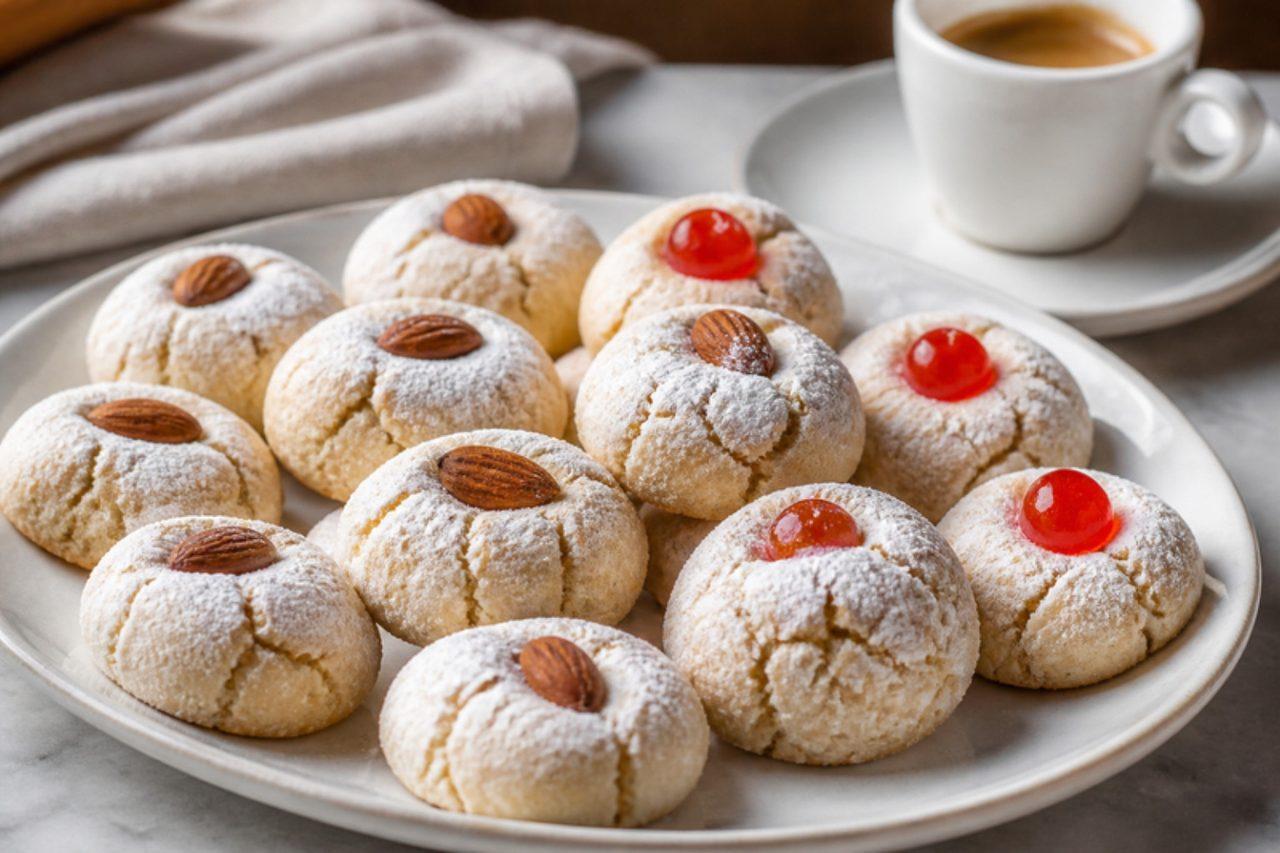
Every Sicilian pasticceria keeps a tray of these by the till: small, pale, crackled mounds of almond paste, crisp on the outside and soft and chewy within, each crowned with a whole almond or half a candied cherry. They appear at weddings, christenings and on Sunday trays bought after Mass, and they are wonderful with an espresso or a glass of chilled almond milk. Made from ground almonds, sugar and egg white, they are naturally gluten free and dairy free. A strip of lemon zest and a little honey keep them moist for days. Chef's tip: rest the shaped cookies uncovered for an hour, or overnight in the fridge, so a thin skin forms and they crack attractively in the oven; baking them too long is the classic error, and they turn hard right through.

by KrazyBadal 0 views

Ossi dei mortiBone-shaped almond biscuits

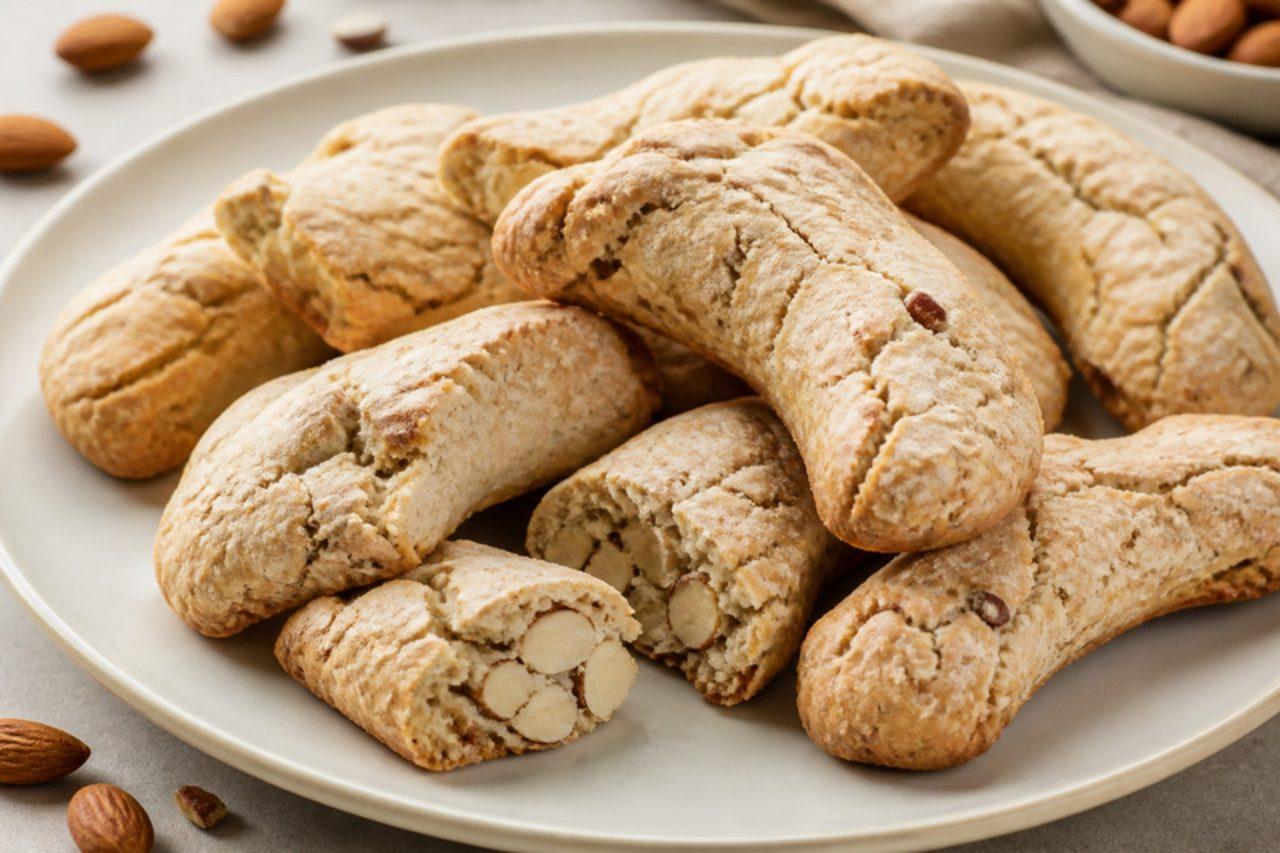
Italian families remember their dead on 2 November, and in Lombardy, Sicily and much of the country in between, the pastry shops fill with 'bones of the dead'. Shapes and recipes vary from town to town; this is the northern style, a lean dough of egg white, sugar, flour and toasted chopped almonds, scented with cinnamon, clove and lemon and rolled into knobbly bone shapes. They bake very hard and crunchy, made for dunking in coffee, milk or a sweet vin santo-style wine, and they keep for weeks. Sicilian children traditionally find them in a basket left by the departed, together with fruit made of marzipan. Chef's tip: let the shaped bones dry for half an hour before baking, which gives them their pale crust; skipping the rest is the common slip, and the bones spread into flat blobs.

by KrazyBadal 0 views

ZaletiCornmeal raisin biscuits

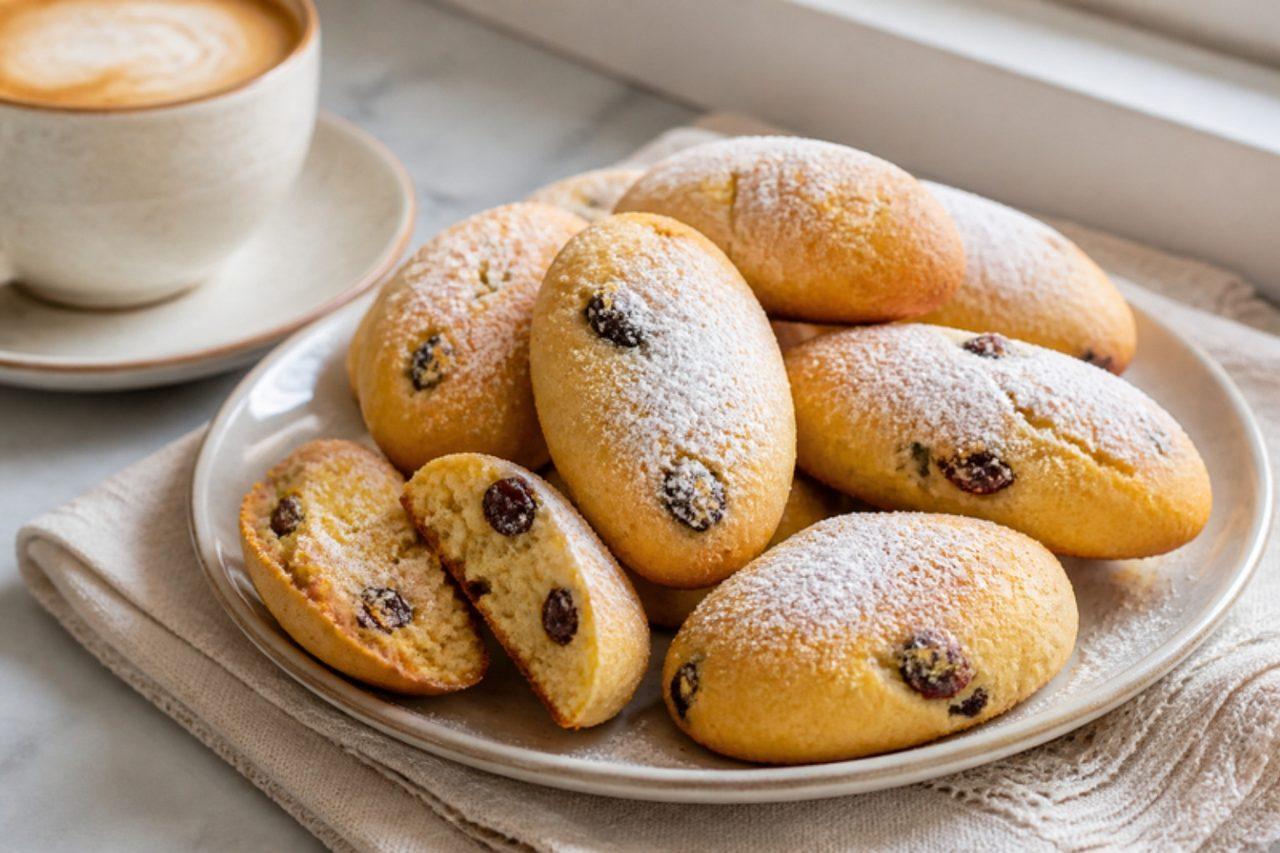
Their name comes from the Venetian word for 'little yellow ones', after the polenta flour that gives them their colour and slightly gritty bite. Bakers in Venice and the Veneto make them all year, though they are especially popular at Carnival, dipped in a glass of sweet wine or eaten with a morning cappuccino. The dough is buttery and lemony, studded with plump raisins. Traditionally the raisins are soaked in grappa or rum; here they are soaked in warm water with a little lemon juice, and the spirit is an option for adults. Chef's tip: use fine cornmeal, not coarse polenta, or the biscuits crumble; and stop mixing as soon as the flour disappears, because overworking makes them dense rather than short.

by KrazyBadal 0 views

South Tyrolean buckwheat torte

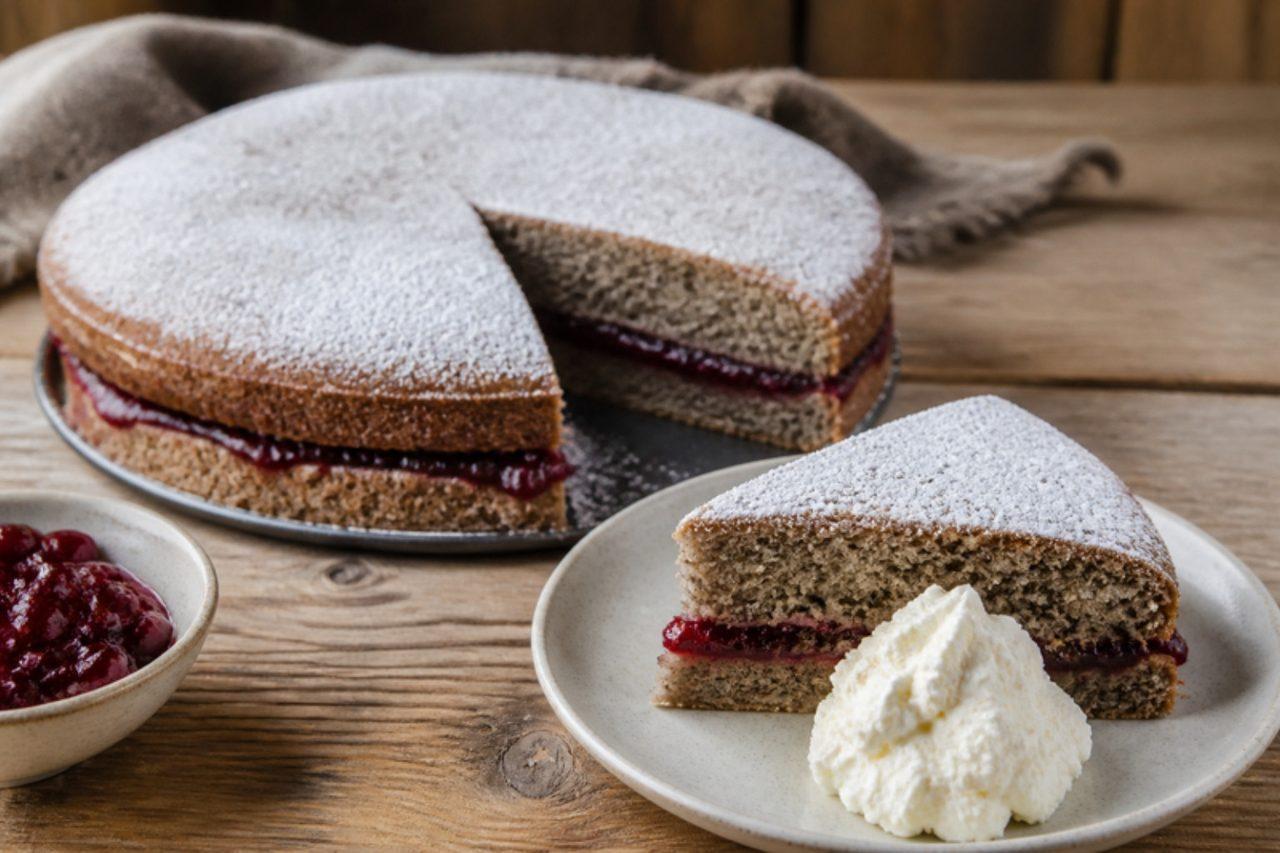
Buckwheat once grew on the terraces of the Vinschgau and Pustertal valleys, and Buchweizentorte, also called torta di grano saraceno, is what South Tyrolean farmhouse kitchens made of it: an earthy grey-brown almond sponge, split and filled with sharp red lingonberry jam. Mountain huts above Merano and Bolzano still serve wedges of it with a cloud of whipped cream after a hike, and it is naturally free of wheat flour. The crumb is tender and nutty, the jam cutting the richness. Overbeating after the flour goes in is the common mistake, as it knocks the air out of the whites and the cake stays flat and dense; fold lightly. Chef's tip: leave the torte a day before splitting it; the crumb firms up, it cuts cleanly and the jam soaks in evenly.

by KrazyBadal 0 views

Torta MargheritaPotato starch sponge cake

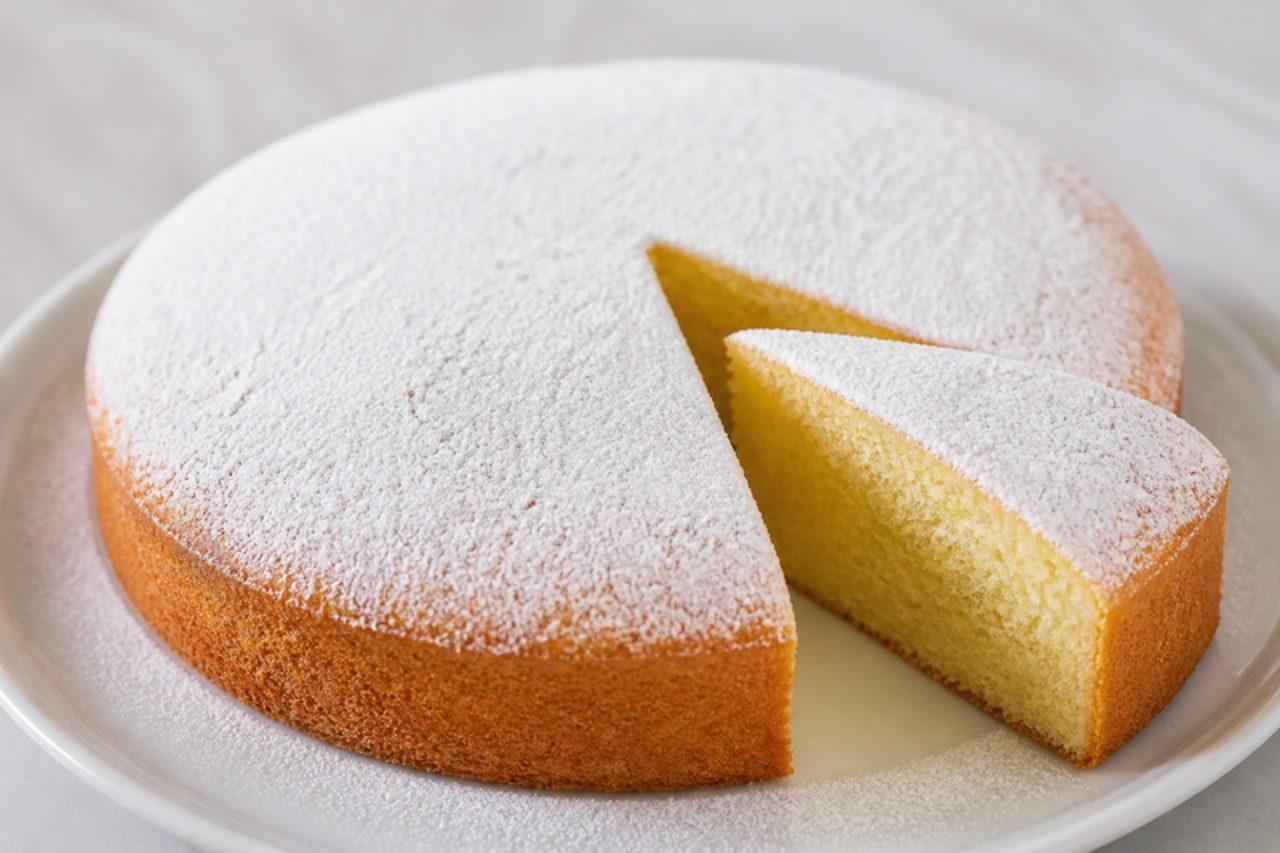
Torta Margherita has been baked around Pavia in Lombardy for centuries and is still the plain, yellow cake Italian grandmothers make for a child's birthday merenda or a Sunday breakfast. Potato starch gives it a fine, melting crumb, and a thick snowfall of icing sugar is all it needs, though children like it split and spread with jam. It contains egg, milk and gluten. Chef's tip: cream the butter and sugar for a full five minutes until almost white; that air is what makes the cake rise.

by KrazyBadal 0 views

Torta di meleApple cake

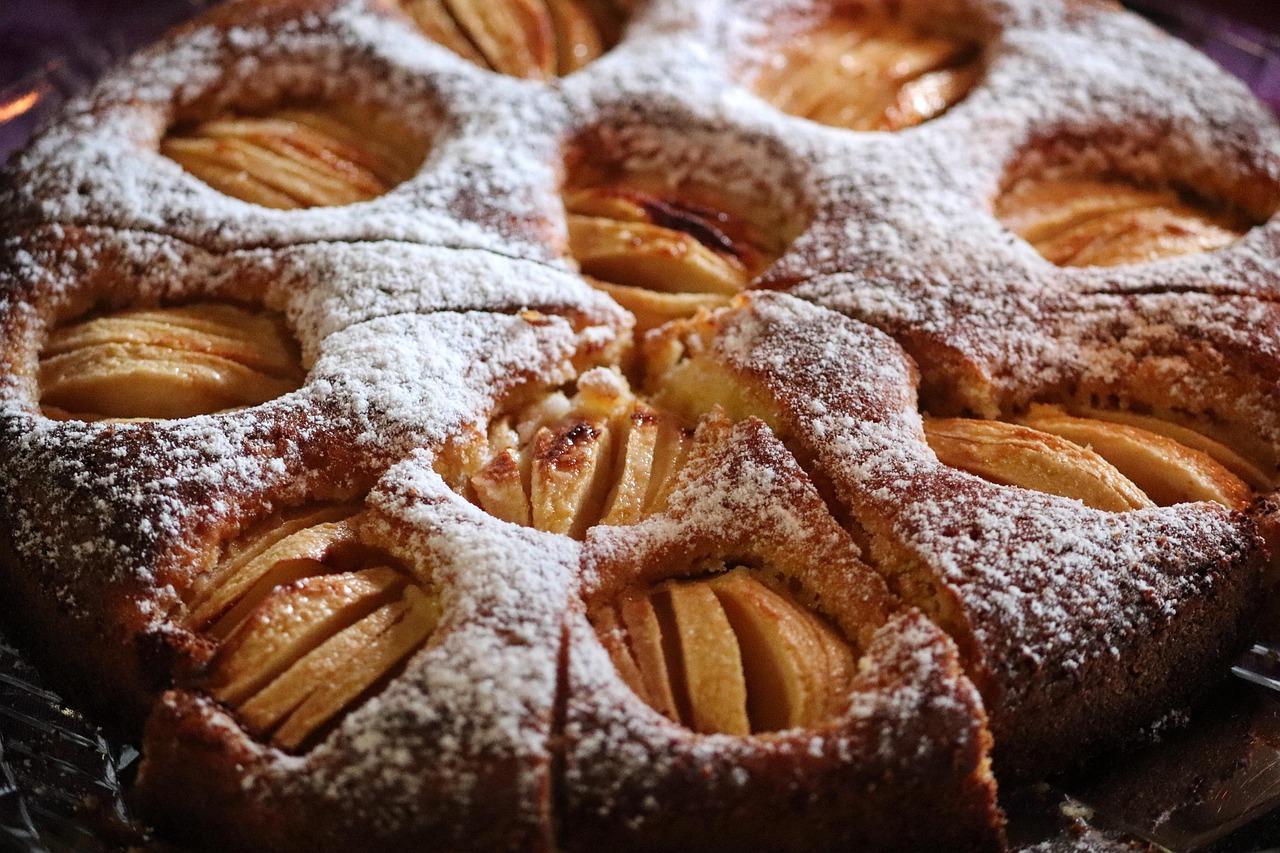
Ask anyone in Trentino, Emilia or Piedmont for their nonna's torta di mele and they will describe much the same thing: a plain, lemon-scented batter with thin apple slices sunk all through it and fanned over the top, baked in a round tin on a Sunday and finished at breakfast the next morning with caffè latte. It is soft, moist and only lightly sweet, the apples almost melting into custardy pockets. A slice also makes a good after-school snack. Thick wedges of apple are the usual mistake: they stay hard while the batter overcooks, so slice them 3–4 mm thin. Chef's tip: hold back the prettiest slices for the top and brush them with a little melted butter and sugar, so they caramelise at the edges.

by KrazyBadal 0 views

Crostata di marmellata (Italian jam tart)

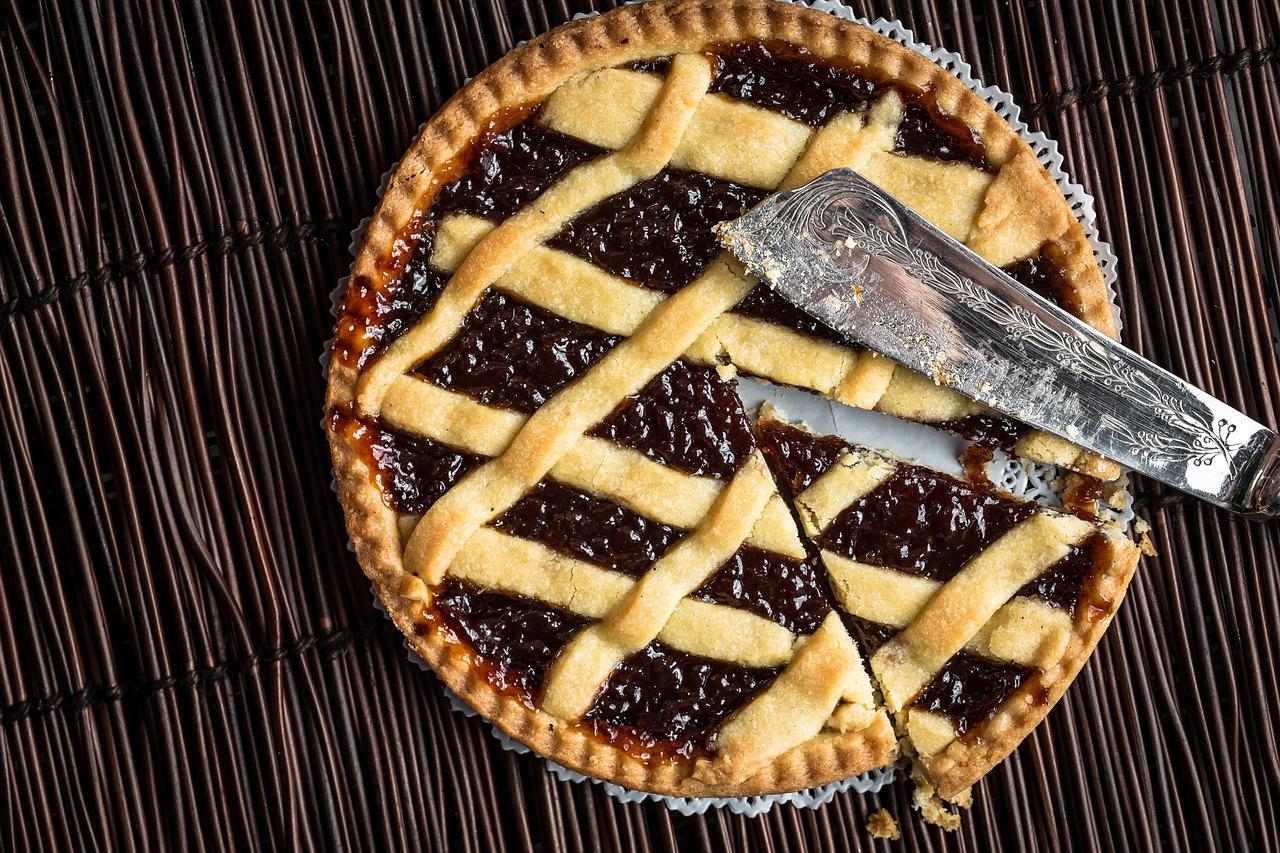
Crostata di marmellata is the tart that Italian grandmothers bake on Sunday and cut into slices for the week's merenda, the after-school snack eaten from Turin to Palermo with a glass of milk. A tender, lemon-scented pasta frolla holds a layer of apricot or cherry jam under a simple lattice. Choose a high-fruit jam to keep the sugar down. It contains gluten, milk and egg. Chef's tip: chill the pastry well and keep it cold; warm pasta frolla tears and shrinks in the oven.

by KrazyBadal 0 views

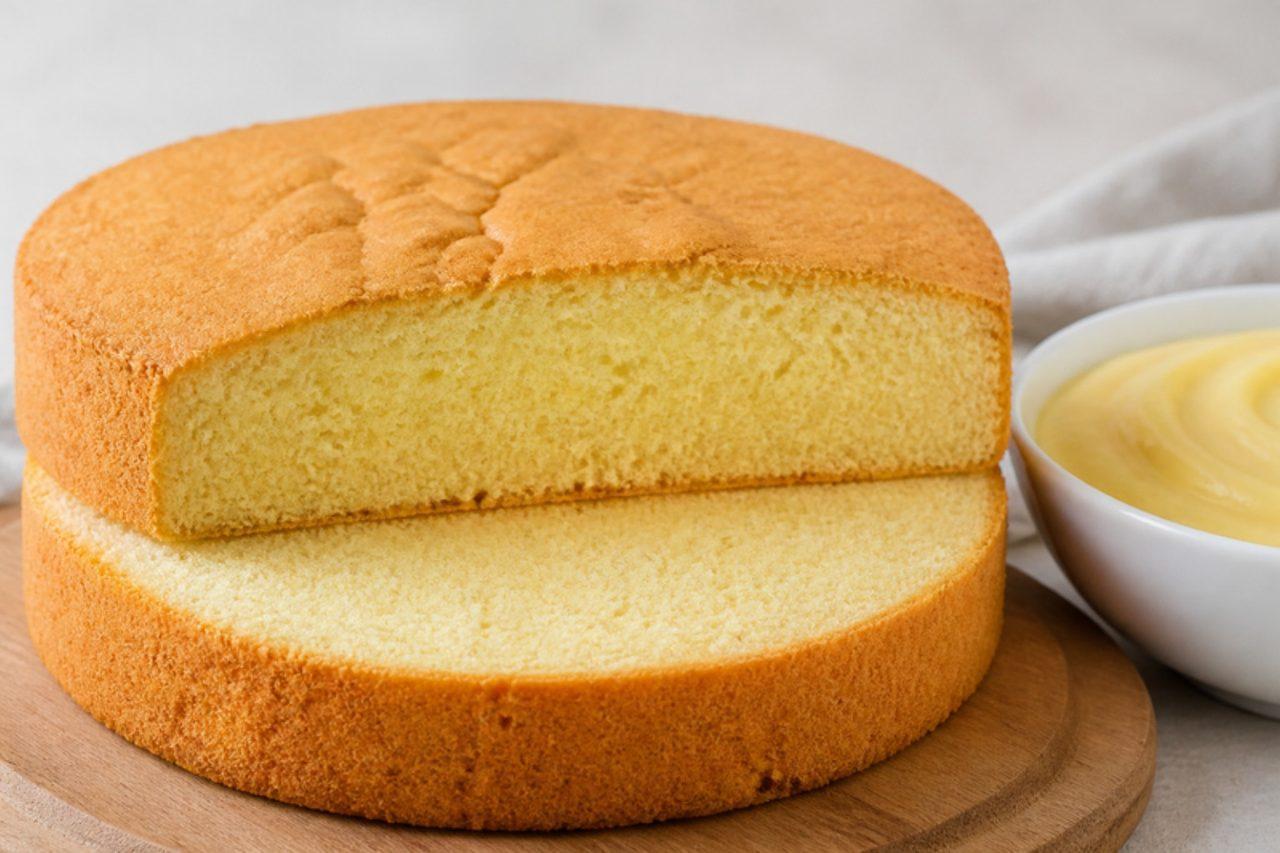
Pan di Spagna (Italian sponge)

Almost every Italian birthday cake, from a child's party in Naples to a name-day torta in Turin, starts with pan di Spagna: a golden, springy sponge made only of eggs, sugar and flour, beaten until it holds its own air. It is split into layers, moistened with a little syrup and filled with crema pasticcera, whipped cream or chocolate. Without butter or milk it is dairy free. It contains egg and gluten. Chef's tip: soak the layers with orange-juice syrup rather than plain sugar syrup, and children will love it even more.

by KrazyBadal 0 views

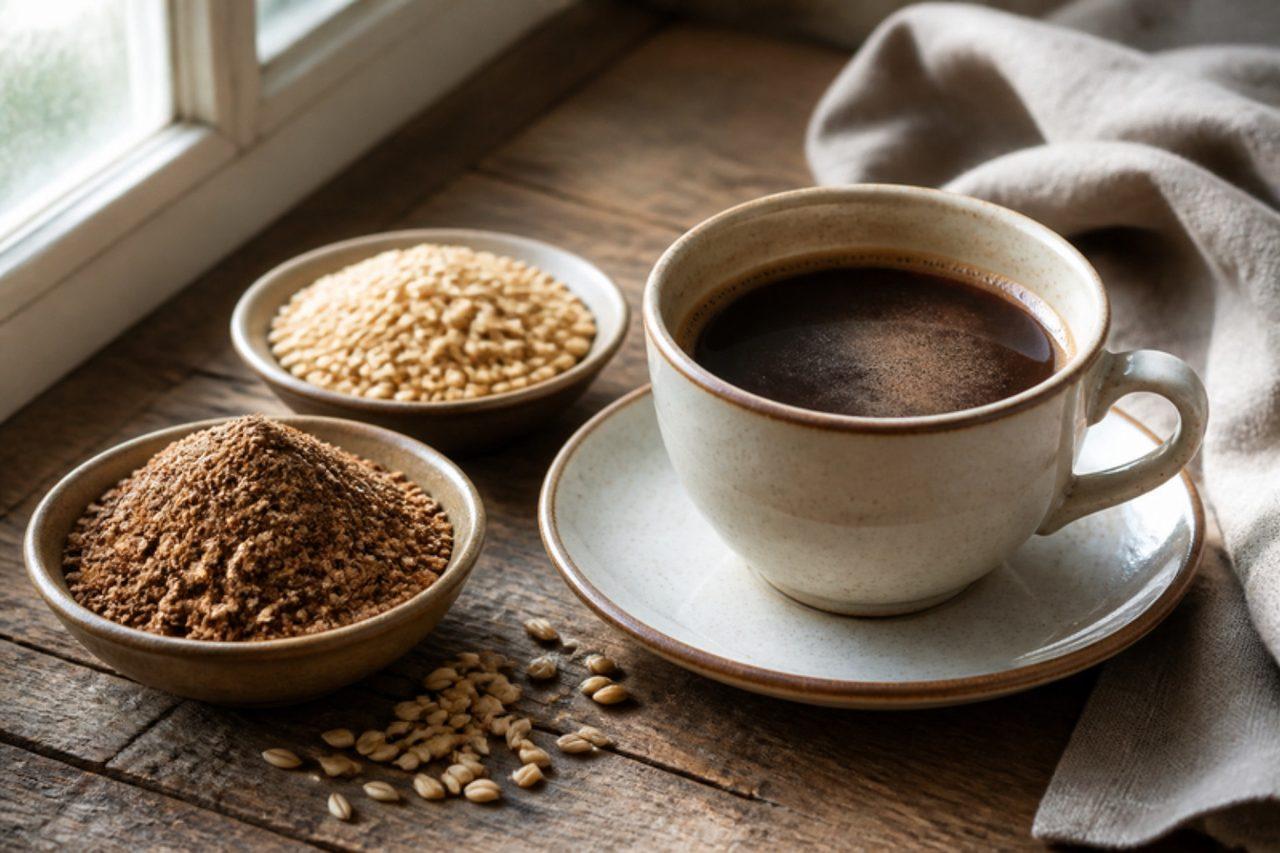
Caffè d'orzoBarley coffee

In Italian bars you can always ask for "un orzo": a hot drink made from roasted barley that looks like coffee and has a toasty, slightly sweet taste but no caffeine. During the war, when coffee was scarce, families drank it every morning, and today it is given to children, pregnant women and anyone avoiding caffeine. It can be made in a moka pot, served in a small cup like espresso or in a large one with milk. Barley contains gluten. Chef's tip: don't press the barley into the moka basket like coffee; packed tightly, it blocks the water and the pot hisses.

by KrazyBadal 0 views

BicerinLayered chocolate and coffee drink

The bicerin ("little glass" in Piedmontese dialect) has been served since 1763 at the tiny Caffè al Bicerin opposite the Consolata church in Turin, where it was the drink that churchgoers had after fasting before Mass. It is three layers in a small glass: thick hot chocolate at the bottom, espresso in the middle and cold, lightly whipped cream on top, not stirred, so you taste each layer in turn. Contains caffeine. Chef's tip: pour the coffee and then the cream slowly over the back of a spoon so the layers sit on top of each other instead of mixing.

by KrazyBadal 0 views

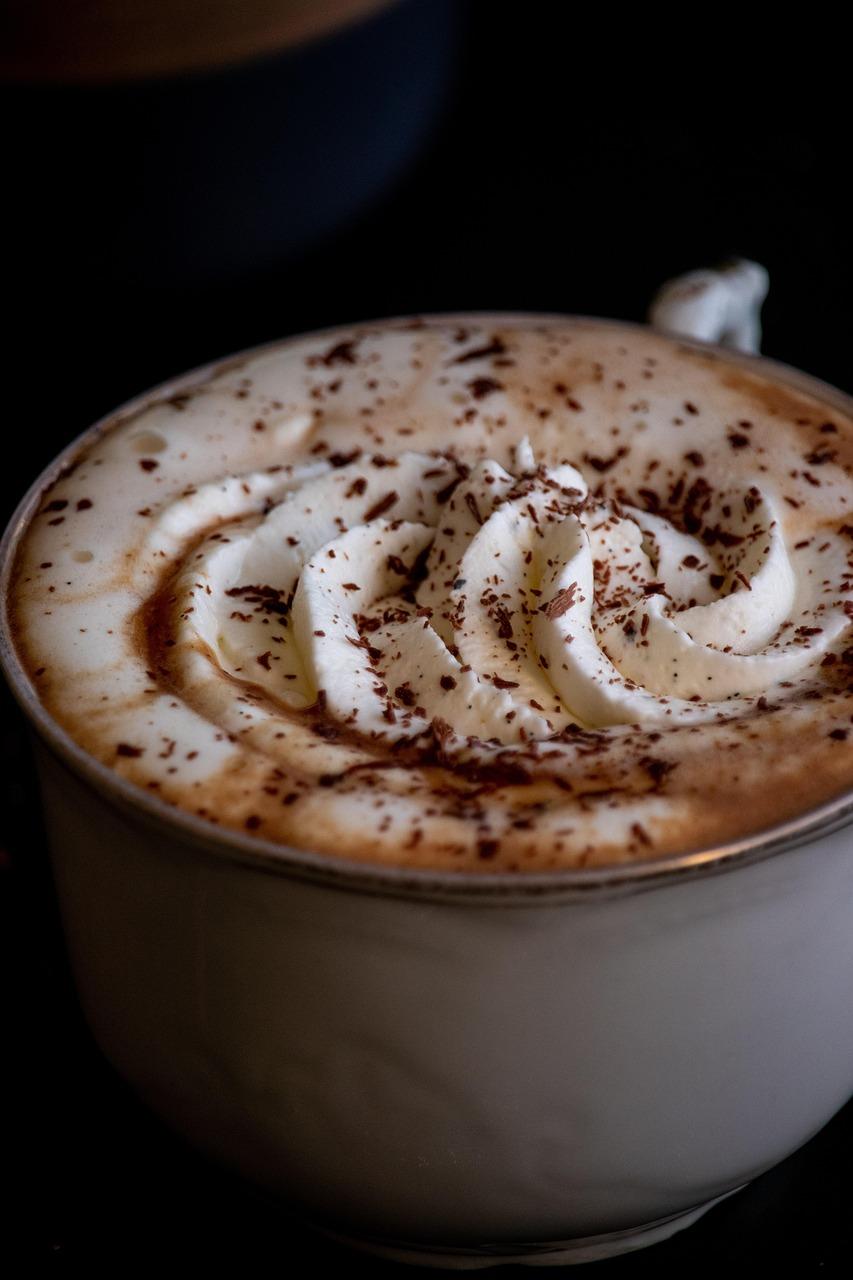
Cioccolata caldaThick hot chocolate

Italian hot chocolate is not a milky drink but almost a pudding: thick enough to coat a spoon, made with real dark chocolate and cocoa thickened with a little starch. On cold winter afternoons in Turin, Florence and Perugia, families sit in historic cafés with a cup topped with whipped cream (con panna), dipping biscuits into it. Children love it. Chef's tip: mix the cornflour and cocoa with a little cold milk to a smooth paste first; dropped straight into hot milk, they form lumps.

by KrazyBadal 0 views

Torta allo yogurtYogurt cake

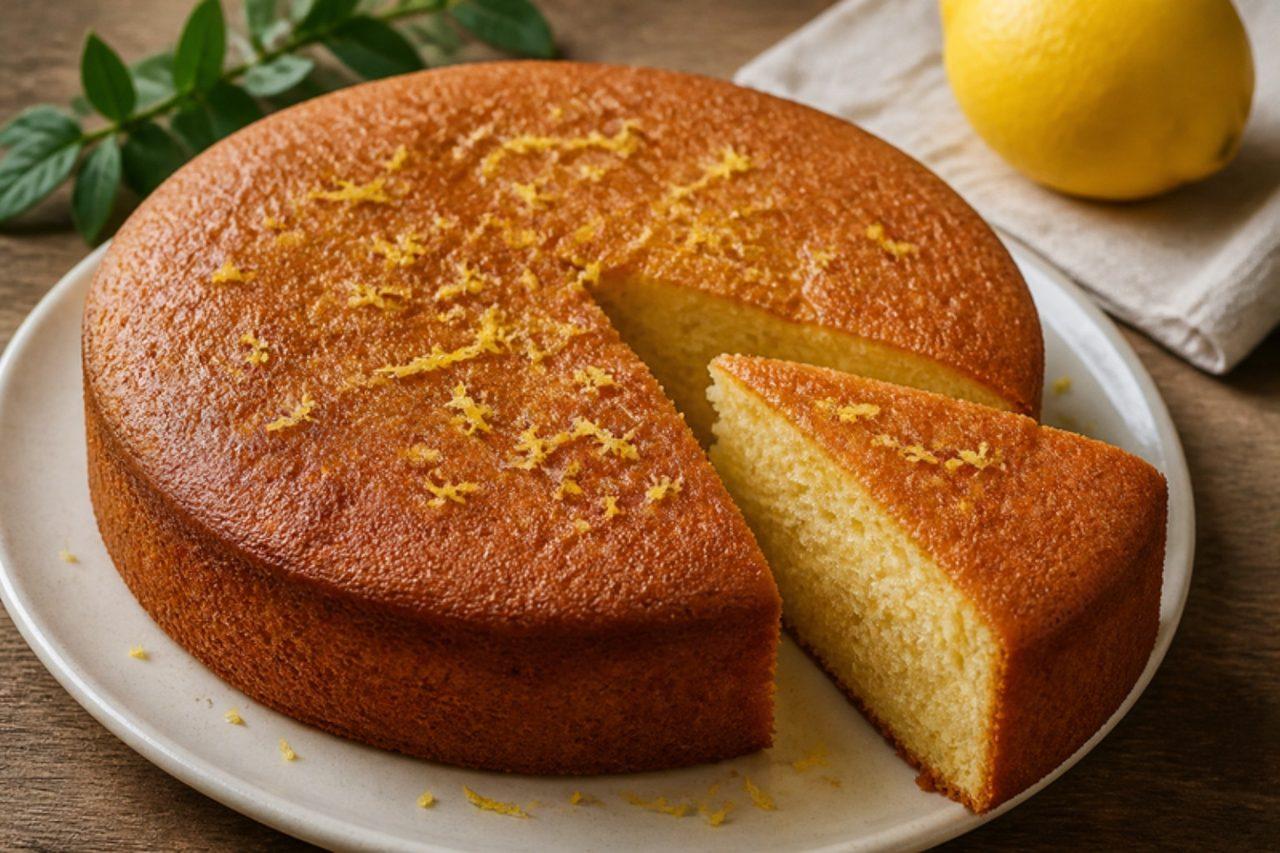
Torta allo yogurt is the first cake many Italian children bake, because everything is measured using the empty yogurt pot: one pot of yogurt, then pots of sugar, flour and oil. It is a soft, moist everyday cake made in homes across the country for breakfast or the afternoon merenda (snack), plain or with fruit. This recipe gives the amounts in grams for an average 125 g pot. Chef's tip: use whole-milk yogurt at room temperature; it gives a moist cake that stays soft for days.

by KrazyBadal 0 views

CiambelloneItalian ring cake

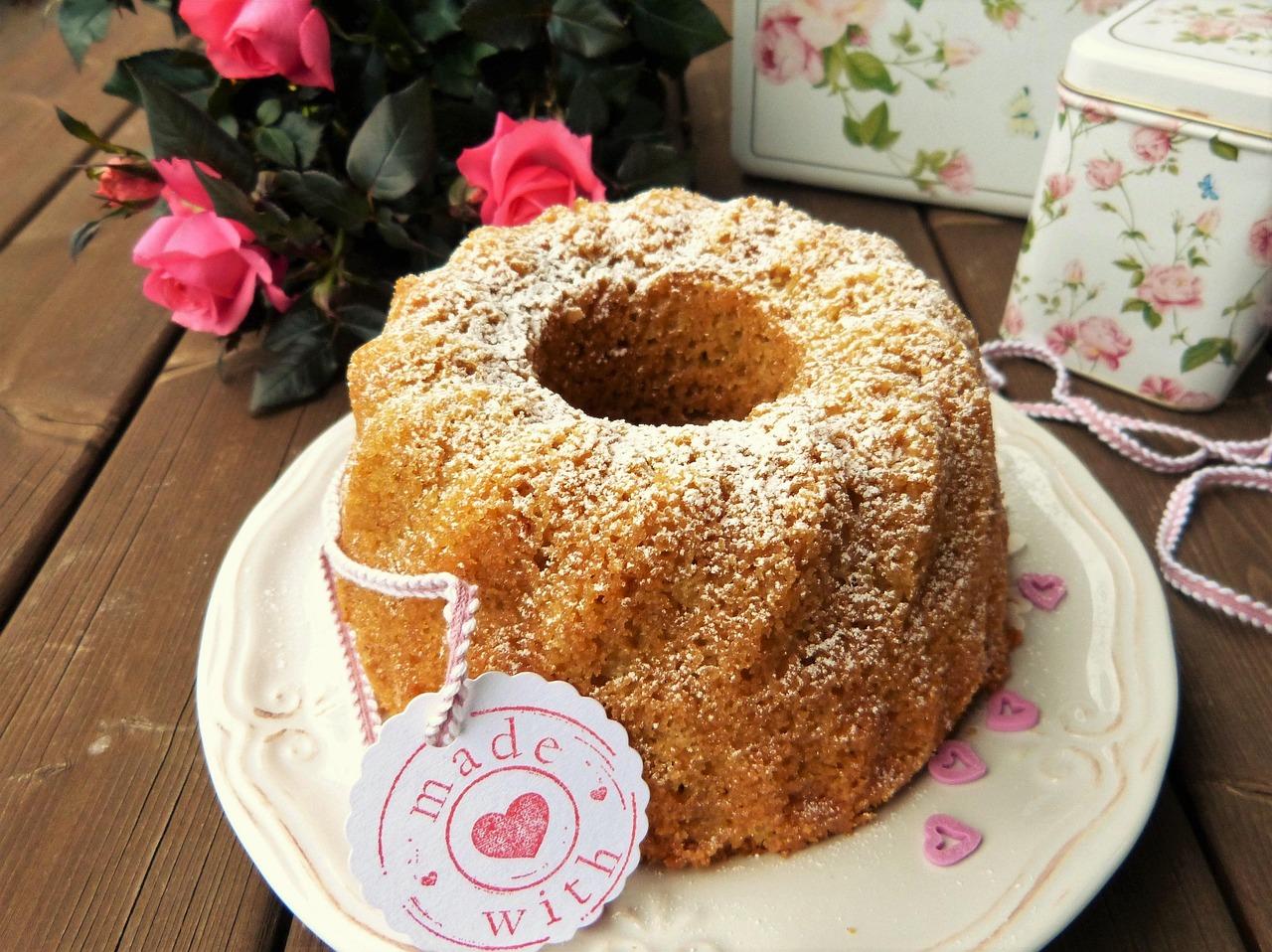
Every Italian nonna has her own ciambellone, the tall, plain ring cake that sits under a glass dome on the kitchen counter for breakfast, sliced and dunked in caffellatte or eaten with jam. It is made with eggs, sugar, flour and oil or butter, flavoured with lemon zest, and often marbled with cocoa. In Rome and Emilia it is also the cake brought to friends' houses and church fêtes. Chef's tip: whisk the eggs and sugar for a full 8 minutes, until very pale and thick; that air is what makes the cake rise tall without much baking powder.

by KrazyBadal 0 views

Cappuccino

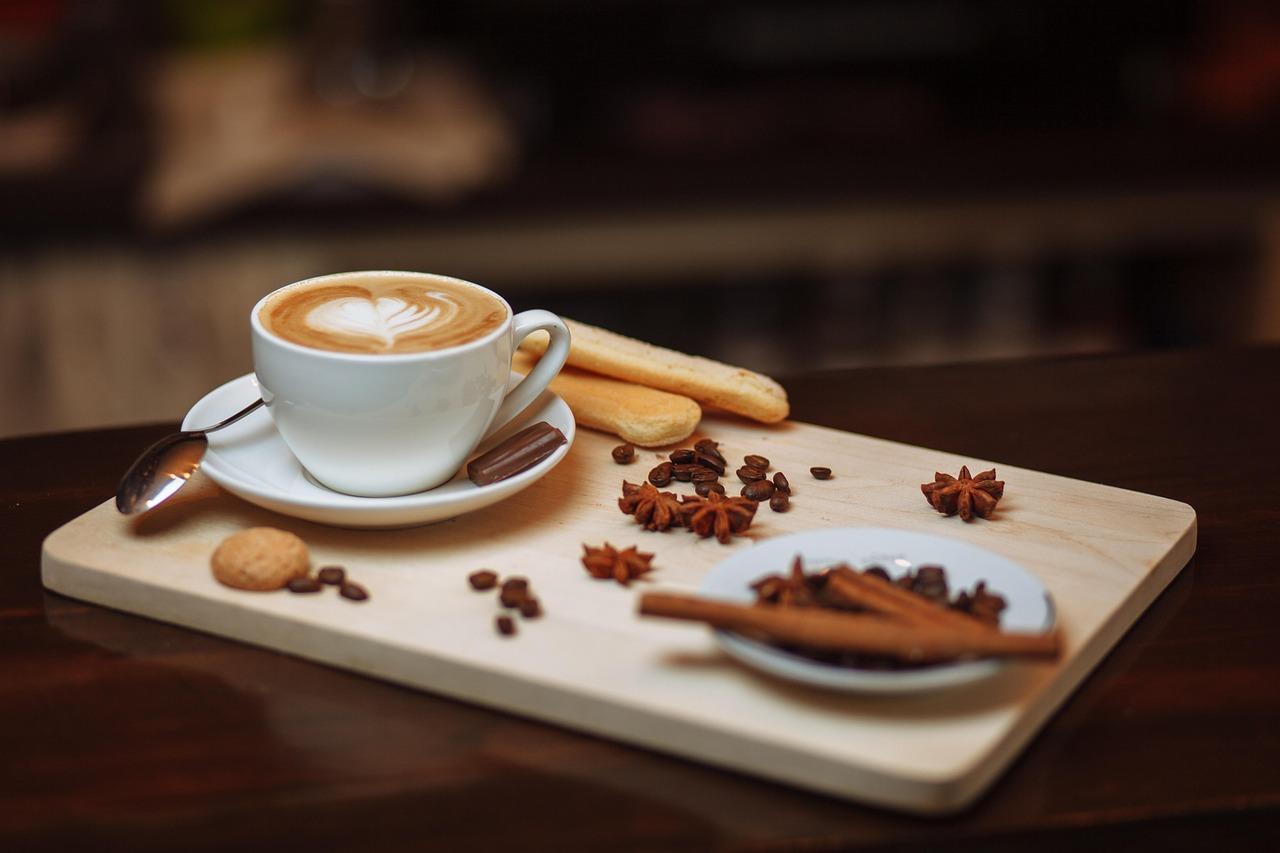
In Italy the cappuccino is strictly a breakfast drink, ordered at the bar counter with a cornetto before 11 in the morning, never after a meal. It is a single espresso topped with an equal amount of hot milk and a thick cap of velvety foam, named after the brown habits of Capuchin friars. Baristas in Turin and Trieste are famous for their thick, glossy microfoam. Contains caffeine, so it's not for children. Chef's tip: heat the milk only to about 65 °C, when the jug is too hot to hold for more than a second; hotter milk tastes cooked and the foam collapses.

by KrazyBadal 0 views

OrzataAlmond syrup drink

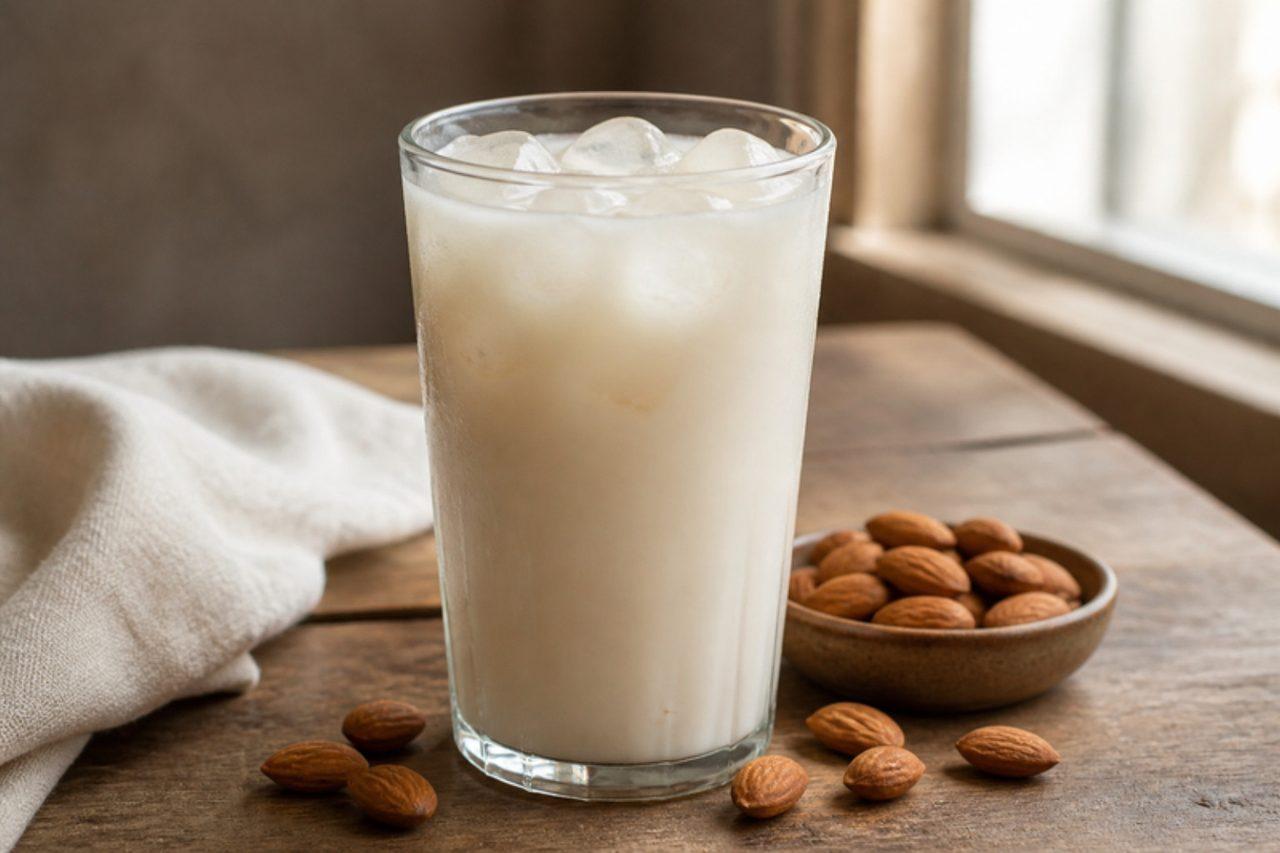
Orzata was first made from barley (orzo), but in Liguria, Sardinia and Sicily it has long been made from almonds: a milky, sweet almond syrup, diluted with ice-cold water and drunk on hot summer afternoons in seaside bars and at home. Its gentle almond and orange-blossom flavour makes it a children's favourite. Contains nuts. Chef's tip: soak the blanched almonds in water for an hour before blending; they release more milk and the syrup is richer.

by KrazyBadal 0 views

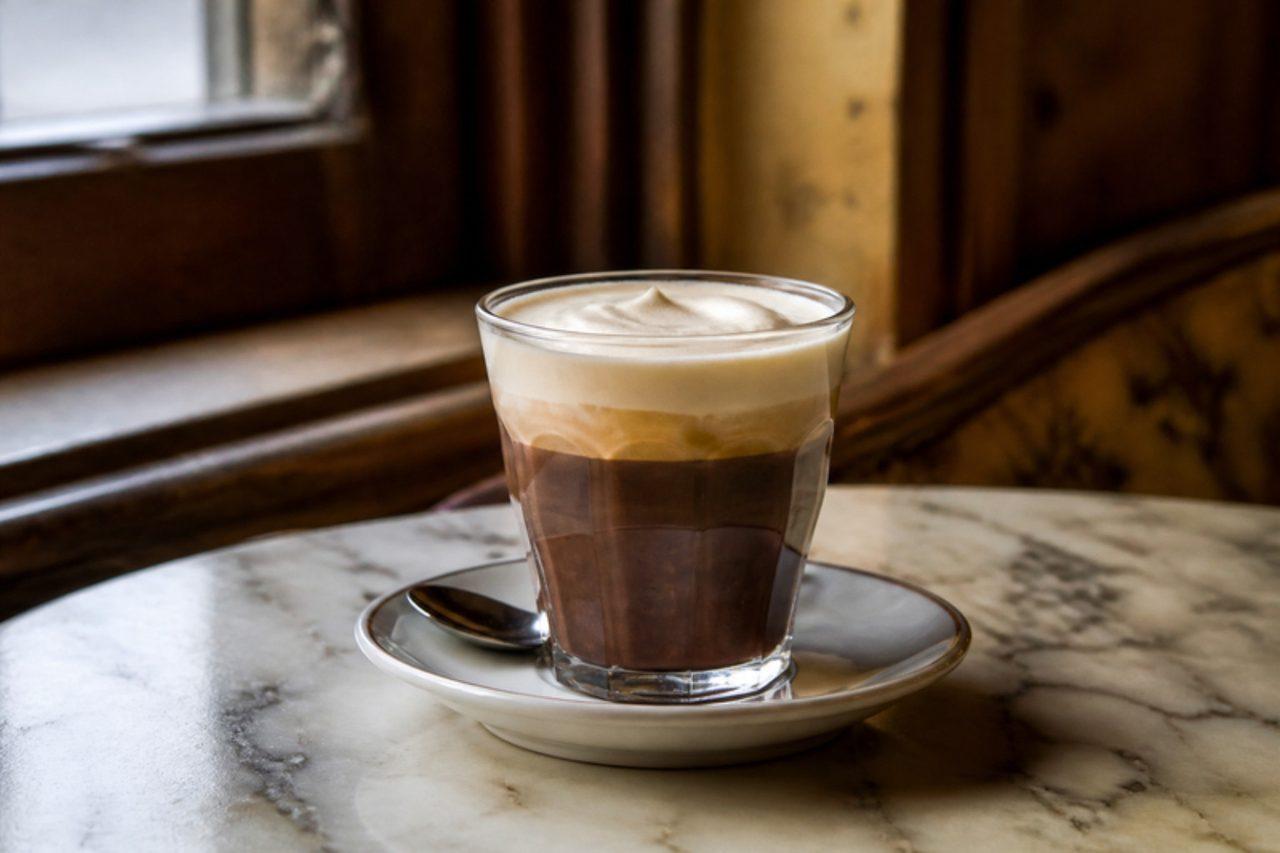
MarocchinoEspresso with cocoa and milk foam

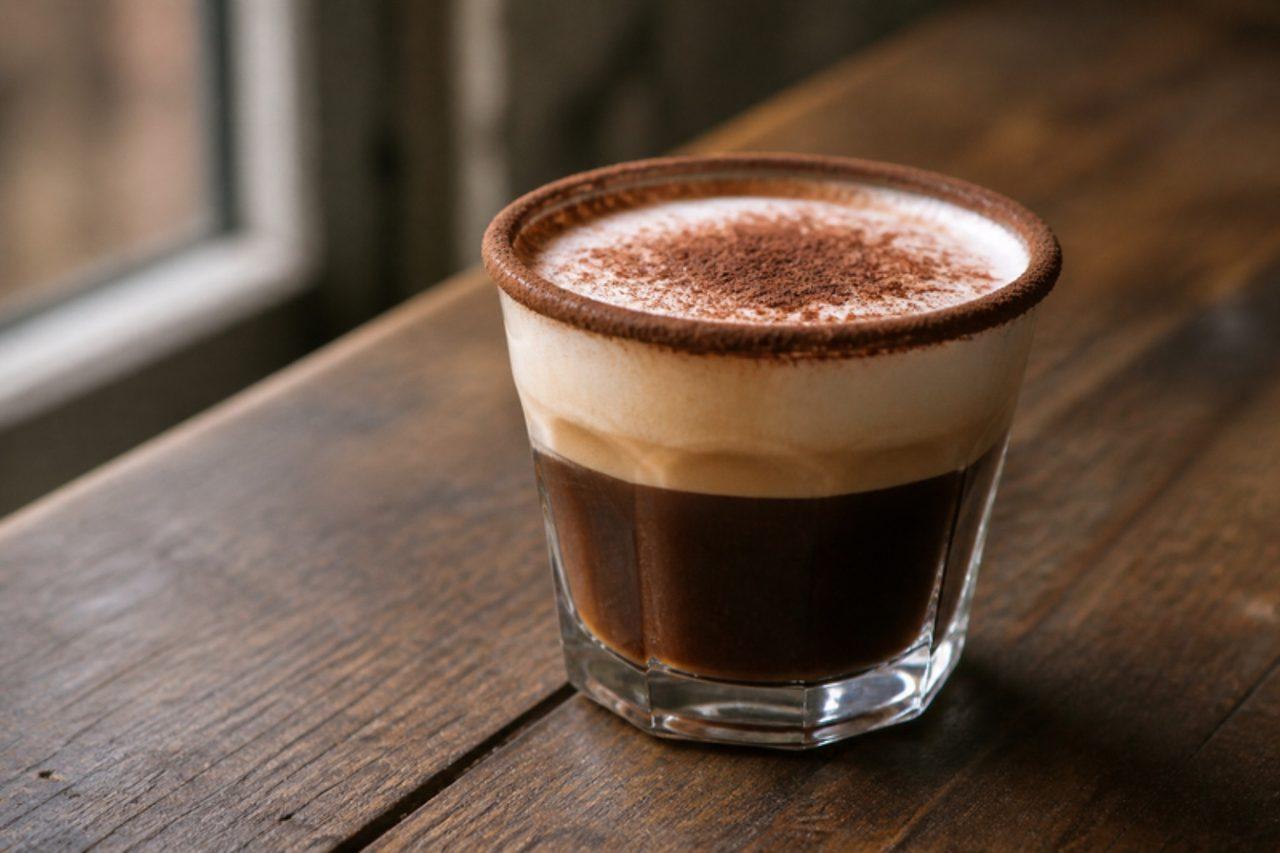
The marocchino was born in the bars of Alessandria in Piedmont, and it is now ordered all over northern Italy: a little glass dusted inside with cocoa, filled with an espresso and topped with milk foam and more cocoa, sometimes with a spoonful of chocolate sauce at the bottom. Its name comes from the brown colour of a leather called "marocchino" once used for hat bands. It is a mid-morning or afternoon treat. Contains caffeine. Chef's tip: dust the empty glass with cocoa before pouring the coffee in; it sticks to the hot glass and gives each sip a chocolate edge.

by KrazyBadal 0 views

RoccocòHard almond spice rings

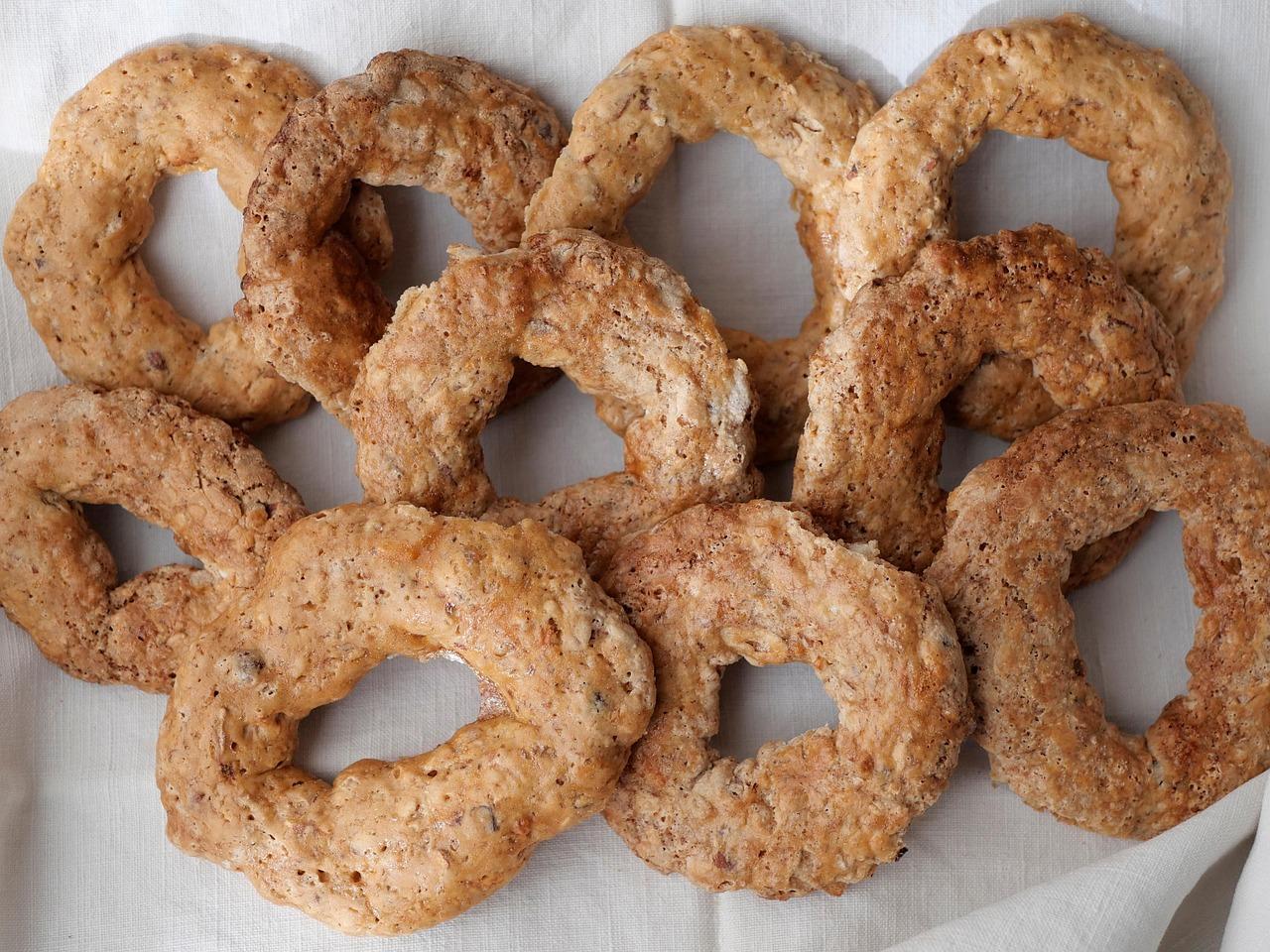
Roccocò are the hardest biscuits on the Neapolitan Christmas tray, ring-shaped and studded with whole almonds, scented with orange and pisto spice. The name is said to come from the curly French "rocaille" shape. They are baked in early December, and Neapolitans dunk them in sweet wine or milk, or break them carefully, because they are famously hard on teeth. Chef's tip: bake them twice as long as you think and leave them to dry overnight; roccocò are meant to be crunchy, and they soften pleasantly after a week in the tin.

by KrazyBadal 0 views

PizzelleAnise waffle biscuits

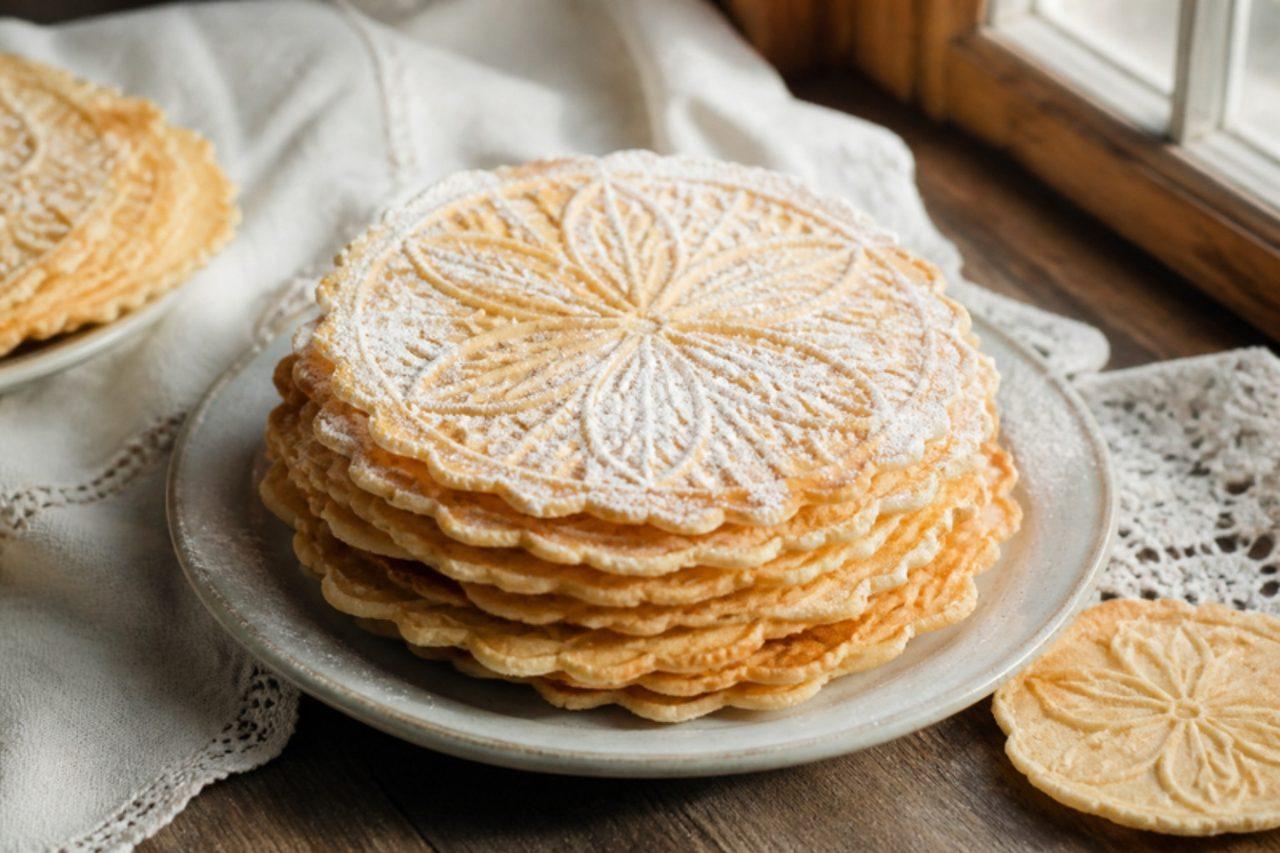
In Abruzzo, every family has its own pizzelle iron, often a wedding present engraved with the family's initials or a pattern of flowers. The thin, crisp waffles are baked for weddings, Christmas and Easter, and for the feast of San Domenico in Cocullo, flavoured with anise or lemon. Warm, they can be rolled into cones or tubes and filled. You need a pizzelle iron or a thin waffle maker. Chef's tip: lightly oil the iron only for the first pizzella; after that the batter's oil keeps them from sticking.

by KrazyBadal 0 views

Savoiardi

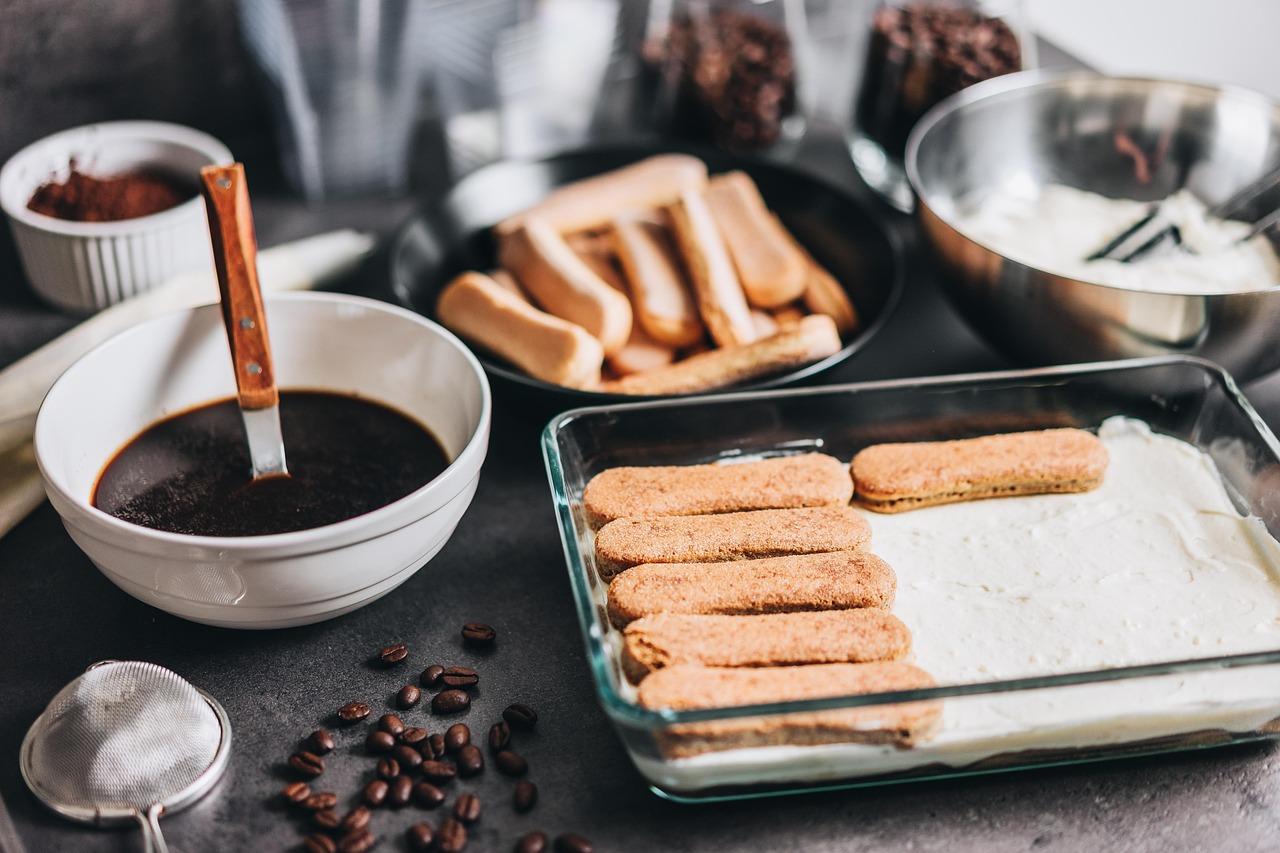
Savoiardi were created in the 1300s at the court of the House of Savoy in Piedmont, for a visit by the King of France. They are long, light finger biscuits of whipped eggs, sugar and flour, with a crisp sugary crust and a dry, spongy inside, made to be soaked: in coffee for tiramisù, in liqueur for zuppa inglese, or in milk for children's breakfast. Chef's tip: dust the piped fingers twice with icing sugar, 5 minutes apart; this forms the pearly crust that keeps them crisp outside.

by KrazyBadal 0 views

Colomba pasqualeEaster dove bread

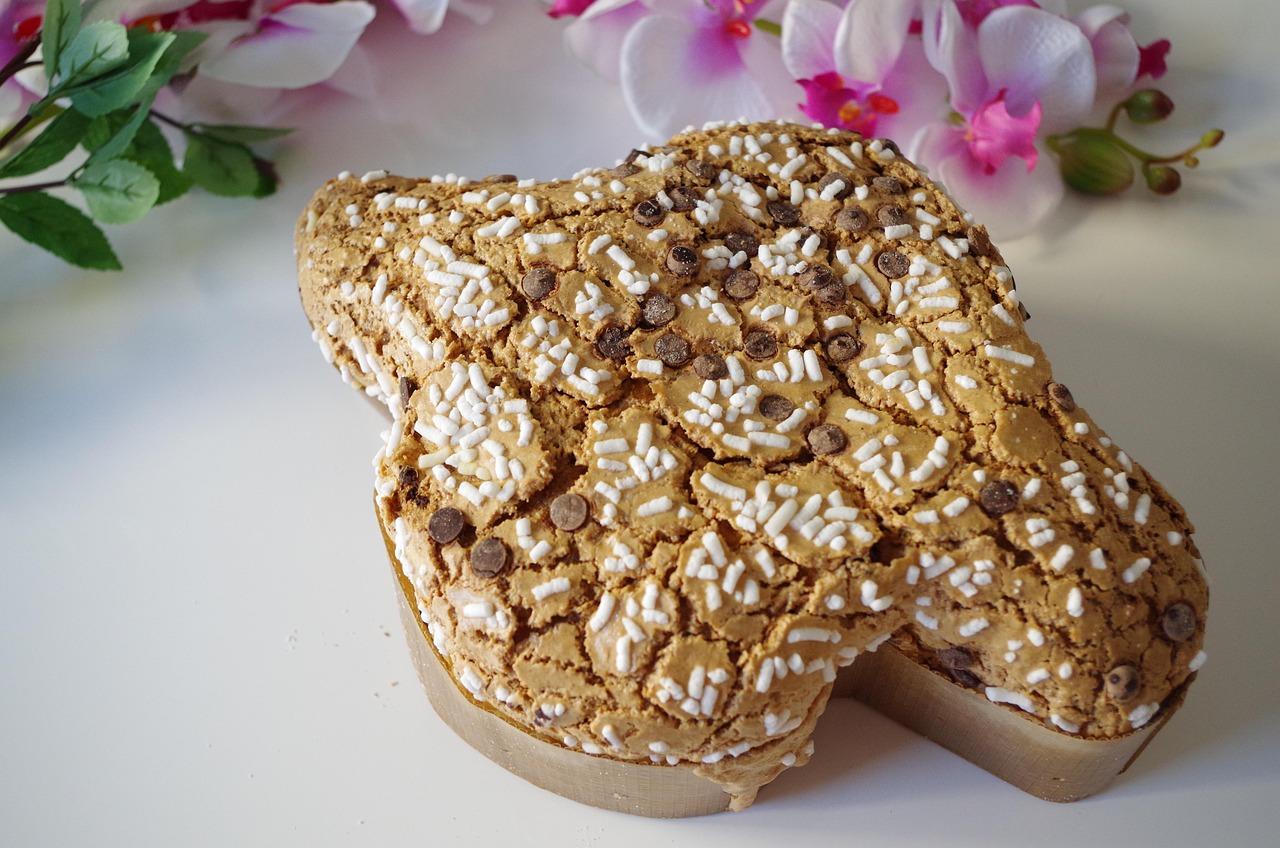
The colomba, the "dove" of peace, is Milan's Easter answer to Christmas panettone: a rich, buttery yeasted bread full of candied orange, baked in a dove-shaped paper mould and topped with a crunchy almond and sugar glaze. Italian families buy or bake one for Easter Sunday and eat it for breakfast through Easter Monday. Bakers use a sourdough starter and three days; this home version uses yeast and an overnight rise in the fridge, so it fits a weekend. Chef's tip: let the dough rise until it really reaches the top of the mould before baking; under-risen colomba bakes dense and heavy.

by KrazyBadal 0 views

Schiacciata alla fiorentinaOrange Carnival sponge cake

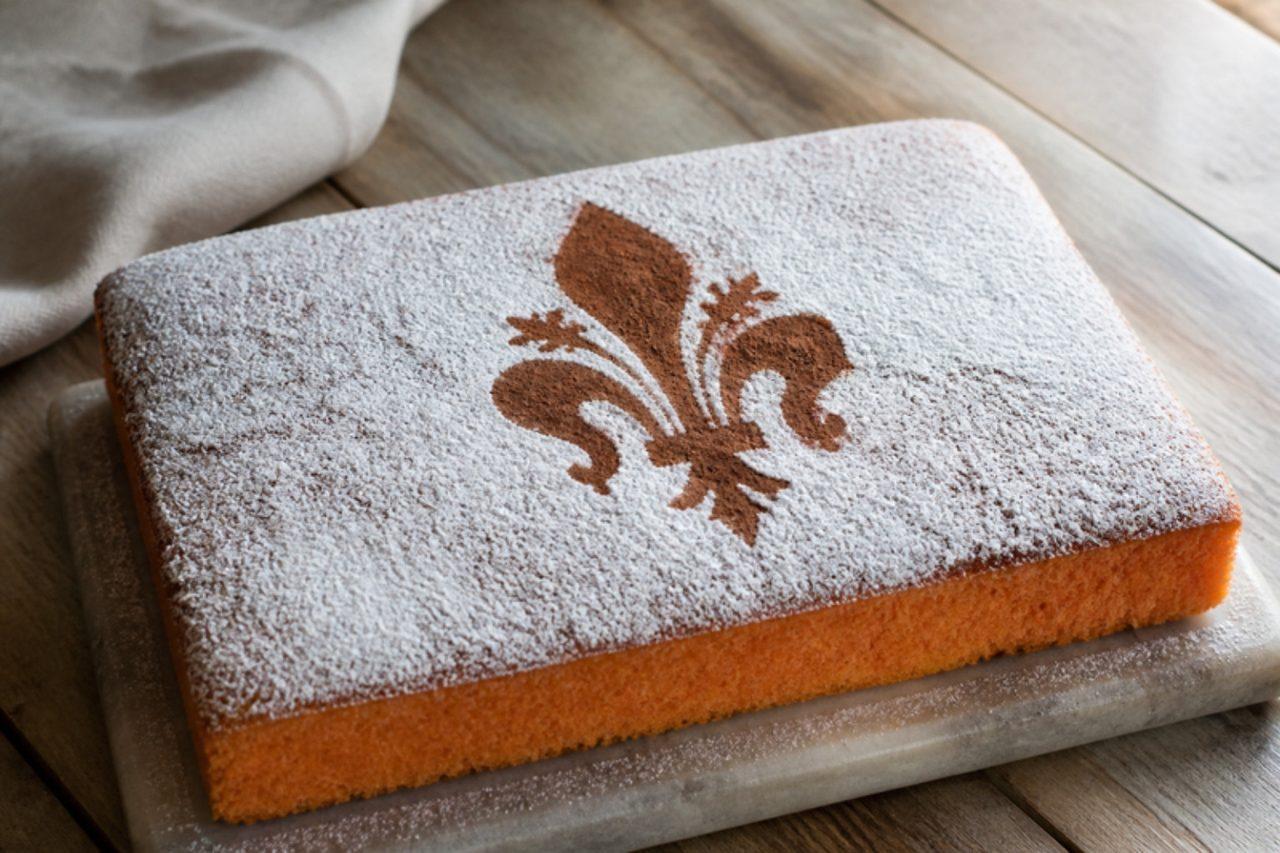
During Carnival every bakery in Florence sells schiacciata alla fiorentina: a low, soft, orange-scented sponge, baked in a rectangular tin and covered with icing sugar with the Florentine lily (the giglio) stencilled in cocoa on top. Florentines eat it for breakfast with a cappuccino or as an afternoon snack, plain or split and filled with cream. The original was a rich yeasted bread with lard; today almost everyone makes this simple, quick version. Chef's tip: keep the cake low, about 3 cm; it is meant to be a thin, moist sponge, not a tall cake.

by KrazyBadal 0 views

MostaccioliSpiced chocolate biscuits

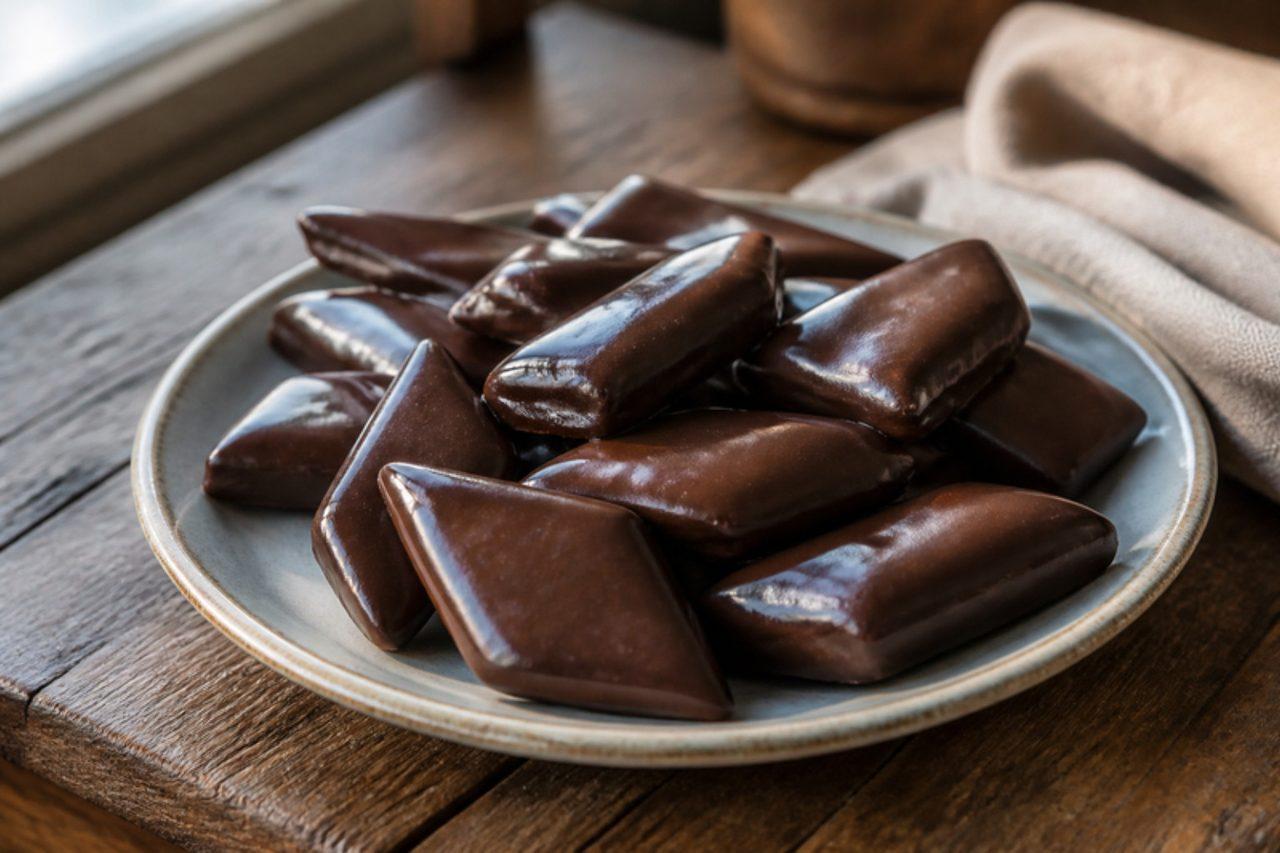
Neapolitan Christmas trays always include mostaccioli: soft, spiced biscuits shaped like diamonds and covered in a shiny coat of dark chocolate. The dough is flavoured with honey, cocoa, orange and pisto, a Neapolitan spice mix of cinnamon, clove, nutmeg, star anise and coriander. They are made in early December with roccocò and struffoli and kept in tins for the whole holiday. Not for babies under 1 because of the honey. Chef's tip: let the biscuits rest a day before coating; spiced honey biscuits soften and their flavour deepens after a night in the tin.

by KrazyBadal 0 views

Showing 24 of 100 recipes

Show more recipes

Page 1 of 5