Skip to content
Recipes

All recipes

Vegetarian, or something you can't eat? Set your diet once and we'll hide recipes that don't fit.

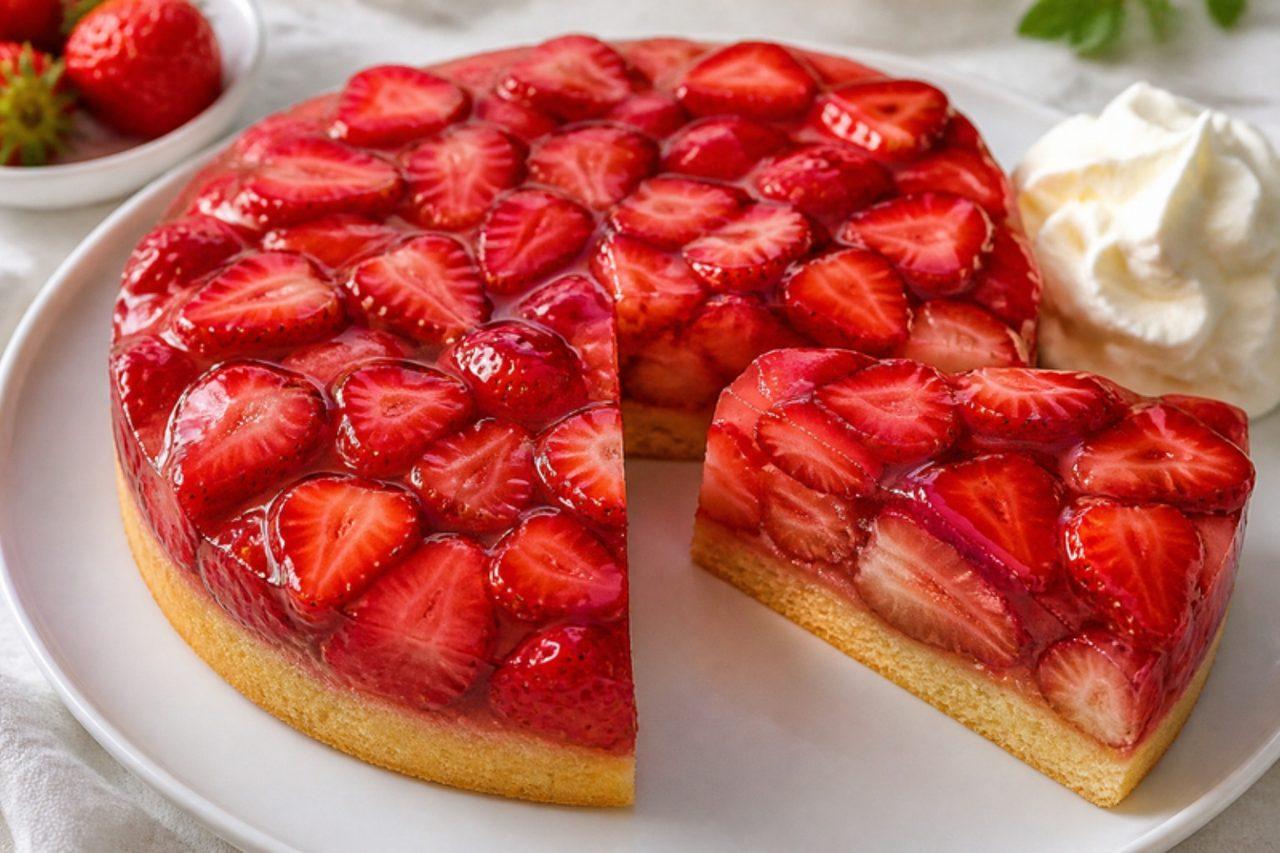
ErdbeerkuchenStrawberry flan

When strawberry stands pop up on every country road in June, bakeries from the Rhineland to Saxony fill their windows with Erdbeerkuchen, and families bake one for Sunday afternoon Kaffee und Kuchen. A light sponge is baked in a fluted flan tin with a raised rim, spread with a thin layer of custard or jam, covered with halved strawberries and set under a clear red glaze, then served with whipped cream. The mistake most people make is filling the base while it is still warm, which makes it soggy. Chef's tip: brush the cooled base with a little melted white chocolate or jam first; it seals the sponge against the fruit juice.

by KrazyBadal 0 views

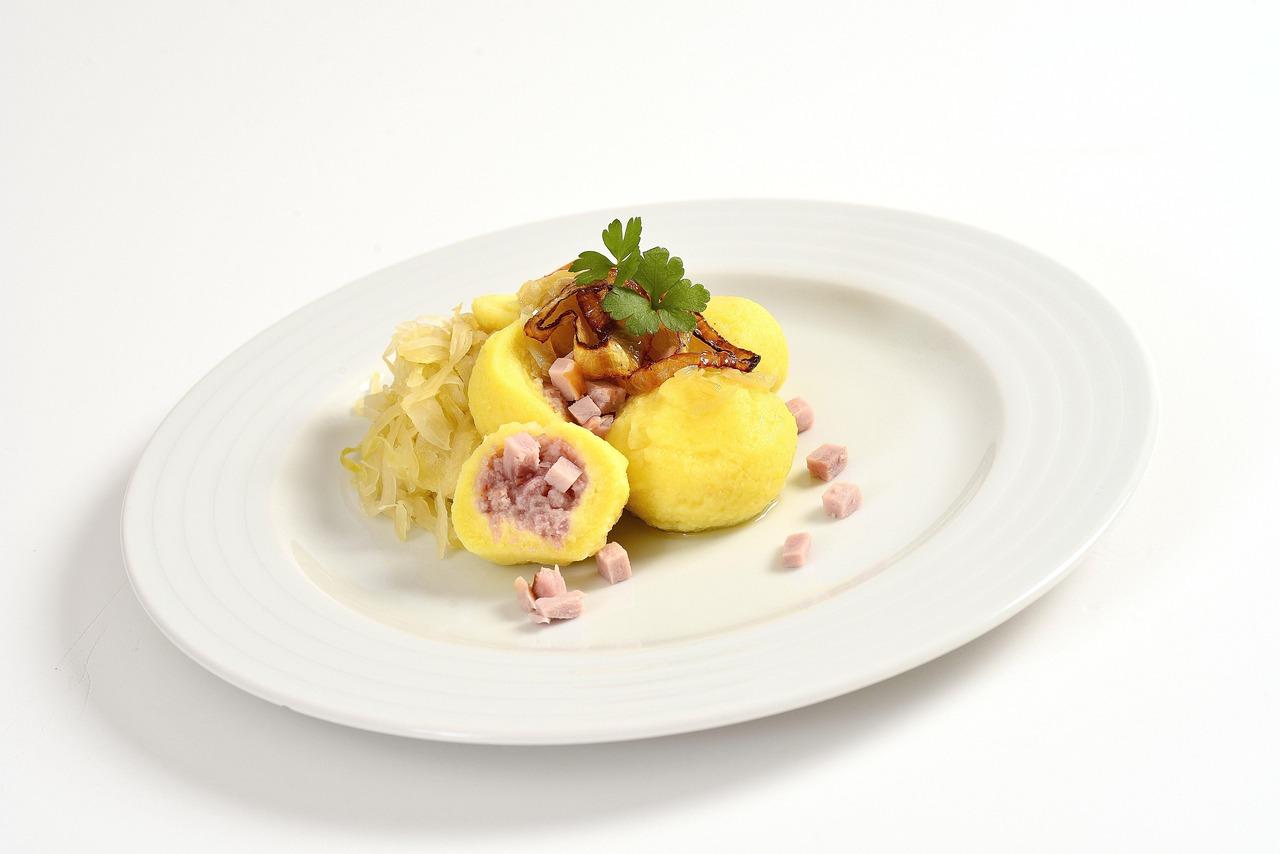
GefilldeStuffed potato dumplings

Gefillde are the Saarland's festive Sunday dumplings, especially loved in the Bliesgau and around Homburg: a dough of raw and cooked potato wrapped around a filling of pork liver sausage and minced pork and beef, poached gently, then served with a creamy bacon sauce (Speckrahmsoße) and sauerkraut. They are rich and filling, a dish for cold weekends and family gatherings. The most common mistake is a filling that is too wet, which bursts through the dough while poaching. Chef's tip: chill the filling balls for 20 minutes before wrapping so they are firm and easy to seal.

120 minGermanMeat
by KrazyBadal 0 views

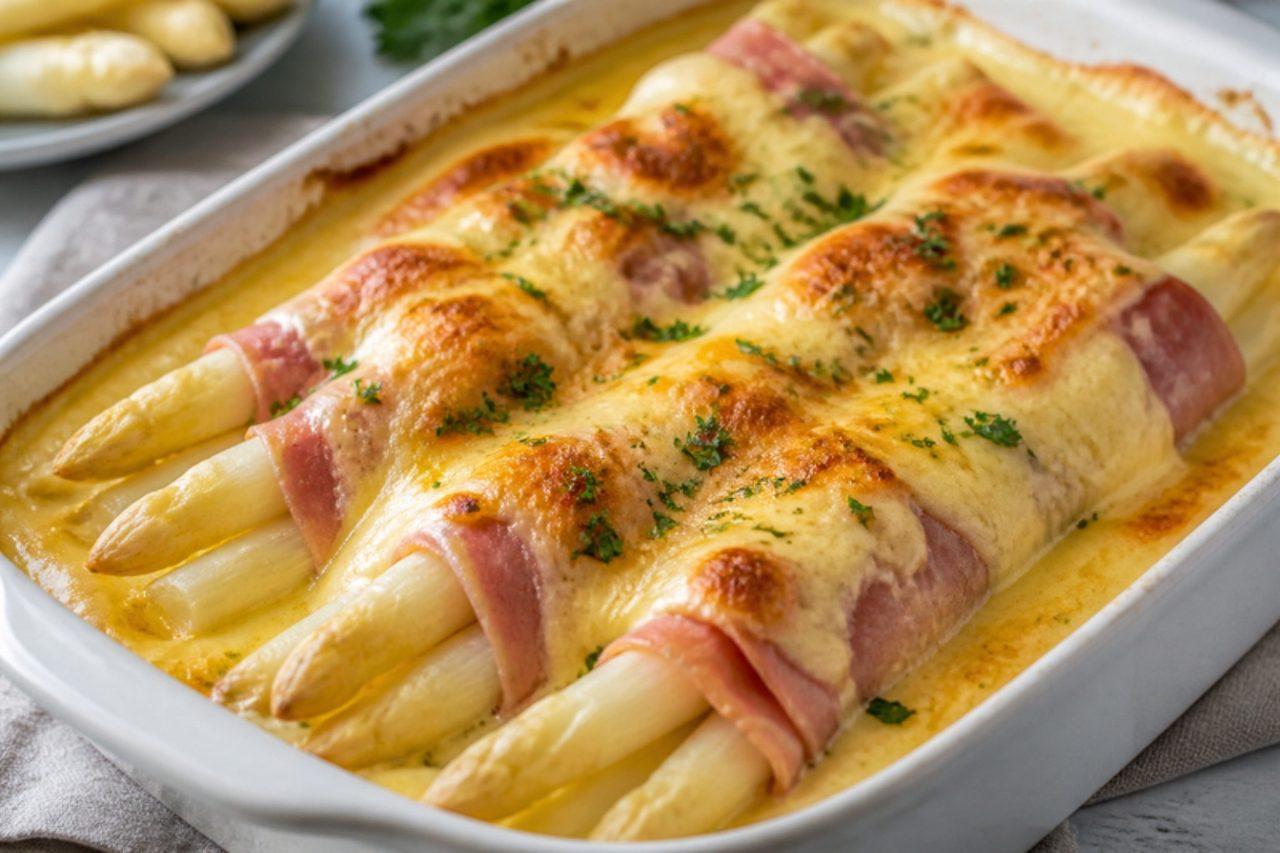
Überbackener SpargelBaked asparagus with ham

This gratin is a spring classic of German home cooking, made from Lower Saxony to Bavaria when white asparagus is cheap at the market in May. Bundles of cooked spears are rolled in slices of cooked ham (pork), laid in a dish, covered with hollandaise and grated cheese and baked until bubbling and golden, then served with buttered new potatoes. It is an easy way to feed a family on asparagus without fuss. A common mistake is skipping the draining step, so water from the spears thins the sauce. Chef's tip: for a vegetarian version, roll the asparagus in thin pancakes instead of ham.

55 minGermanMeatGluten free
by KrazyBadal 0 views

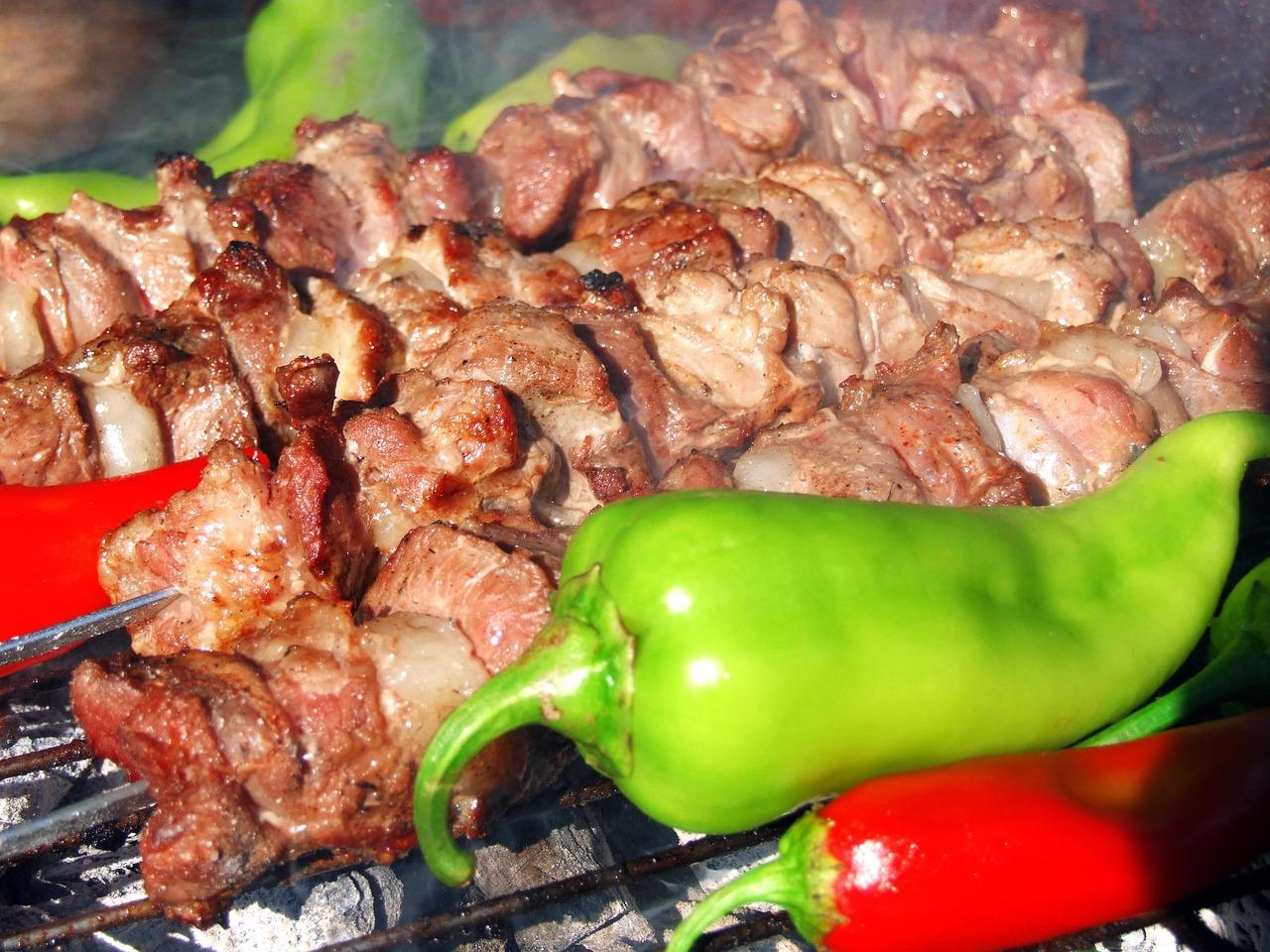
Chenjeh kababSaffron lamb kebab

Chenjeh, chunks of lamb grilled on wide flat skewers, is the kebab of the roadside restaurants on the road to Mashhad and the Friday grills of Tehran, where whole families queue for it with bread and grilled tomatoes. The meat marinates in grated onion, yogurt and saffron until tender, then cooks fast over hot coals so it is charred outside and juicy within. Serve it with chelow and butter, or lavash, sumac and grilled tomatoes. The usual mistake is cutting the pieces too small, so they dry out before they char; 3–4 cm cubes are right. Chef's tip: strain the grated onion and use only its juice in the marinade, so no onion bits burn on the grill.

175 minPersianMeatGluten free
by KrazyBadal 0 views

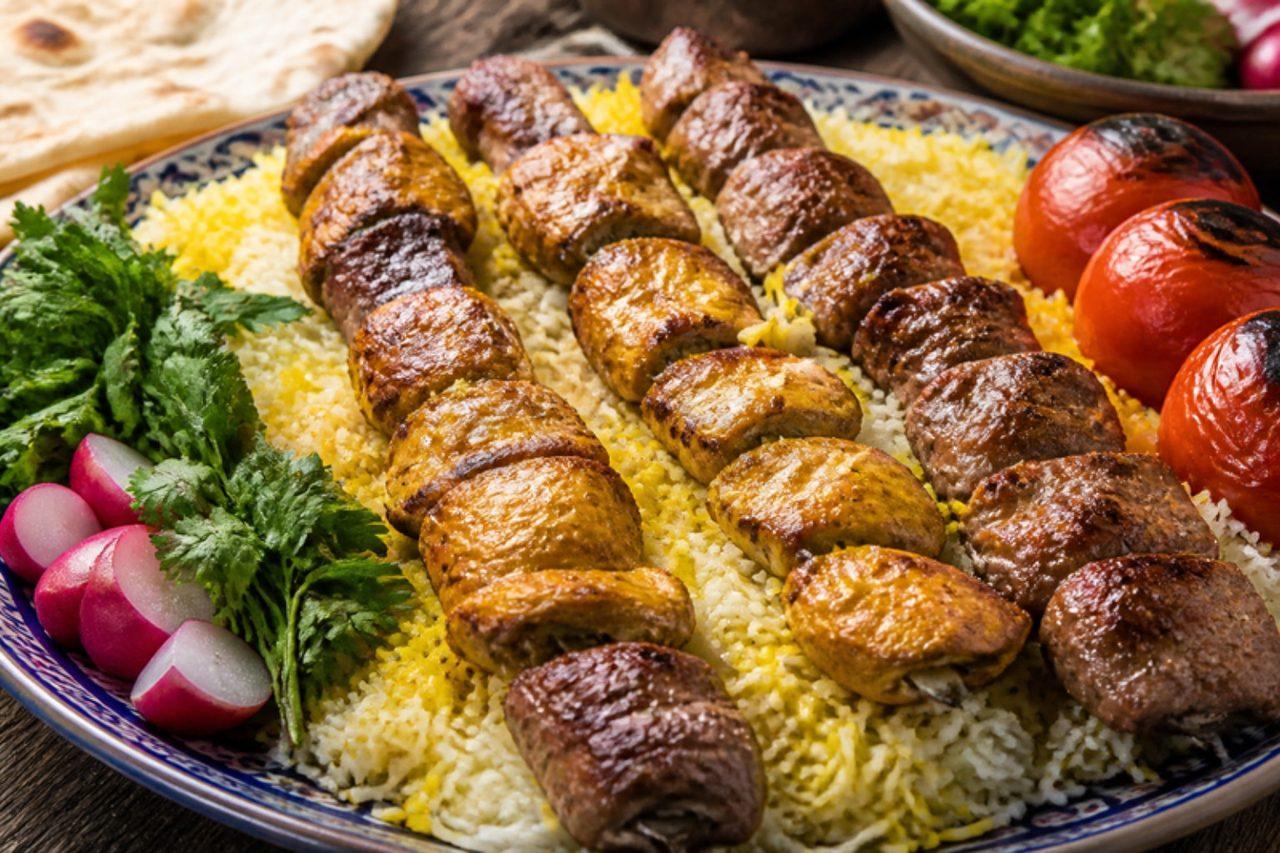
Kabab bakhtiariLamb and chicken kebab

Named after the Bakhtiari tribes of the Zagros mountains but really a creation of Iran's big city kebab houses, kabab bakhtiari puts lamb fillet and saffron chicken side by side on the same skewer, so each person gets both. It is a celebration order in Tehran and Isfahan restaurants, served with buttered chelow and grilled tomatoes. Each meat has its own marinade: onion and pepper for the lamb, saffron, lemon and yogurt for the chicken. The common mistake is cutting both meats to the same size; chicken needs slightly smaller pieces so it cooks through as the lamb reaches pink. Chef's tip: press the lamb and chicken pieces tightly together on the skewer so the juices pass between them as they grill.

165 minPersianMeatGluten free
by KrazyBadal 0 views

Kabab bonabMinced lamb kebab

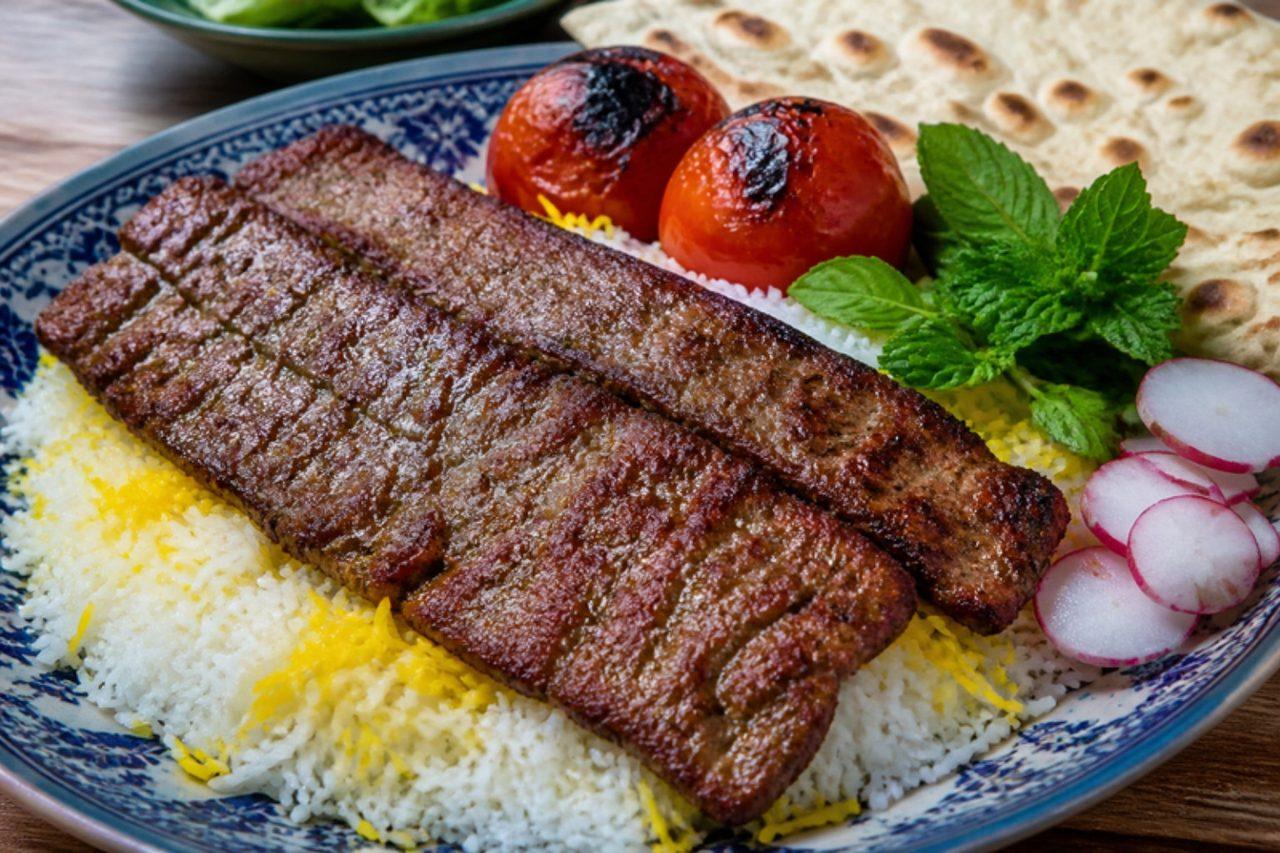
The town of Bonab in East Azerbaijan gave its name to this kebab, which is longer, wider and juicier than koobideh, and Tabriz kebab houses still serve it at lunchtime with whole grilled tomatoes and a bowl of buttery rice. Coarsely minced lamb with plenty of grated onion is kneaded until sticky, pressed onto very wide skewers and grilled quickly over coals. Serve it with chelow or lavash, raw onion and sumac. The common failure is mince that is too lean, which falls off the skewer; you need about 25% fat. Chef's tip: knead the mince for a full 5 minutes and chill it for 30 minutes before shaping; that is what makes it cling to the skewer.

by KrazyBadal 0 views

Kabab tabeiPan-fried minced meat kebab

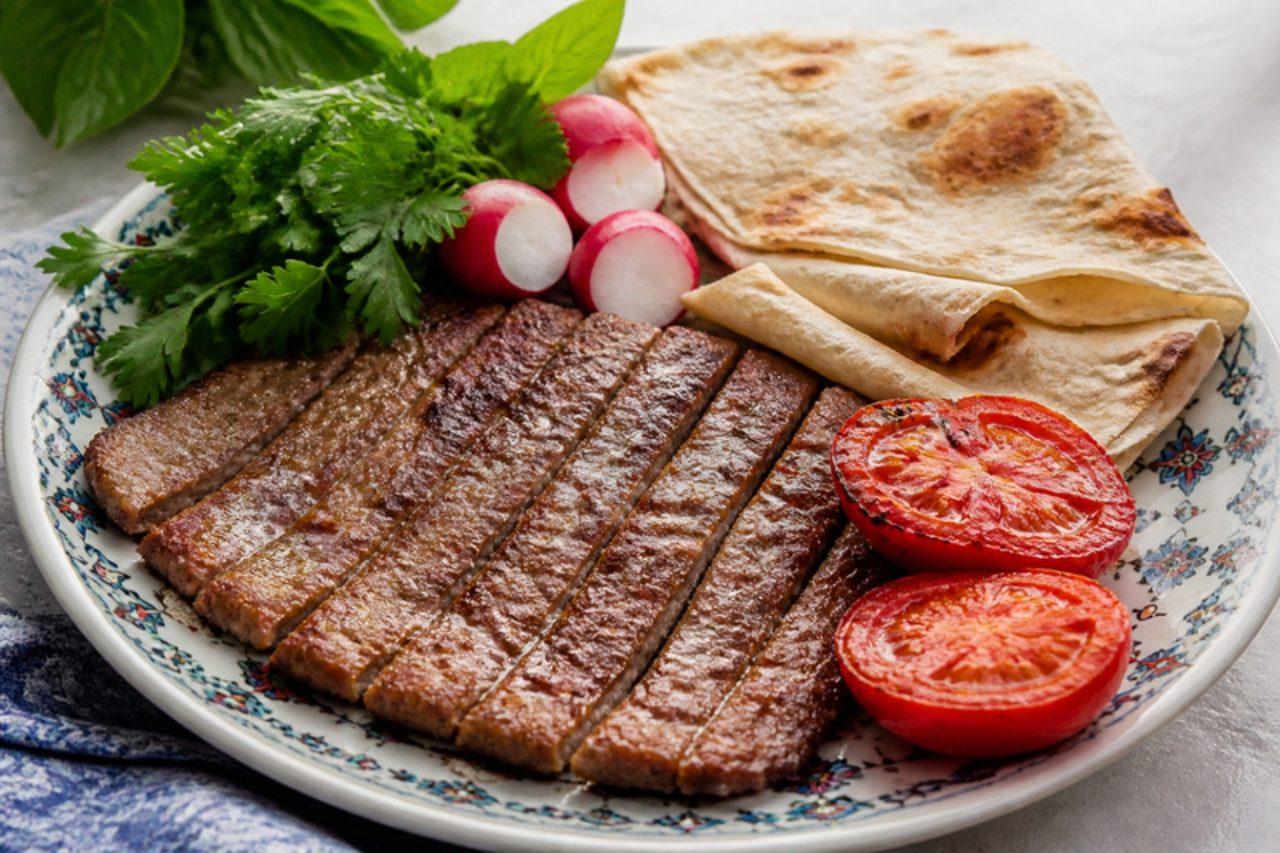
Kabab tabei is the kebab Iranian students make in a frying pan when there is no grill, and the quick weeknight dinner in flats all over Tehran: minced meat with grated onion and turmeric pressed flat across the pan, cut into strips and fried in its own juices. It tastes like koobideh without the charcoal and is ready in half an hour. Serve it with chelow or bread, pan-fried tomatoes and raw onion. The mistake is a cold pan, which makes the meat stew; heat it well first and don't move the slab until it has browned. Chef's tip: once the first side is cooked, tip in halved tomatoes around the meat; they soften in the juices and become the sauce.

by KrazyBadal 0 views

MohnschneckePoppy seed rolls

Every German bakery counter has a tray of Mohnschnecken next to the cinnamon and nut snails, and they are bought by the bag for Saturday breakfast and afternoon coffee. A soft, buttery yeast dough is spread with a thick filling of ground poppy seeds cooked in milk with sugar and lemon, rolled up, sliced and baked, then brushed with a thin lemon glaze. The usual mistake is using whole poppy seeds straight from the jar: they must be ground (or bought ground, as "Mohn gemahlen") or the filling stays gritty and bland. Chef's tip: cool the poppy filling completely before spreading it, because a warm filling melts the butter in the dough and the spirals unroll in the oven.

by KrazyBadal 0 views

RinderrouladenStuffed beef rolls

Rinderrouladen are the Sunday and holiday roast of Germany, made by grandmothers from the Rhineland to Saxony and served at Christmas with red cabbage and potato dumplings. Thin slices of beef are spread with mustard and rolled round smoked bacon (pork), onion and gherkin, then browned and braised for two hours in red wine and stock until tender, giving a deep, glossy gravy. For an alcohol-free version use extra stock with a tablespoon of red wine vinegar. The usual mistake is rolls that unravel in the pot; tie them firmly or pin with two cocktail sticks. Slow-cooker: after browning, cook on low for 7 hours, then thicken the sauce in a pan. Chef's tip: ask the butcher for topside sliced 5 mm thick and beat it a little thinner, so it rolls easily without tearing.

165 minGermanMeat
by KrazyBadal 0 views

BusecaTripe and white bean stew

Buseca arrived in Montevideo with Italian immigrants from Lombardy and became a classic winter dish of Uruguayan bodegones and family kitchens, eaten on cold June and July days. Honeycomb tripe is simmered until tender, then stewed with white beans, pork chorizo, bacon, peppers, tomato and paprika into a thick, warming stew served with crusty bread. Buy tripe that is already cleaned and blanched (dressed). The usual mistake is undercooking the tripe: it needs a full 2 hours, until it's soft enough to cut with a spoon. Slow-cooker option: after step 4, cook on low for 8 hours. Chef's tip: a little grated lemon zest and parsley stirred in at the end lifts the rich, gelatinous sauce.

by KrazyBadal 0 views

Morcilla dulceSweet blood sausage with walnuts

No Uruguayan parrilla is complete without morcilla dulce: a soft pork blood sausage sweetened with sugar and scented with orange peel, studded with walnuts and raisins, grilled until the skin crisps and served first, as part of the achuras, while the beef is still cooking. It is pork throughout: pork blood, pork back fat and natural pork casings. Making it at home is a project. Buy fresh pork blood with an anticoagulant added from a butcher who supplies it for sausage making, keep it chilled below 4 °C and use it within a day. The common mistake is poaching at a rolling boil, which bursts the casings. Chef's tip: keep the water at 80–85 °C, just shivering, and prick a sausage after 25 minutes: it is done when brown, not red, juice comes out.

by KrazyBadal 0 views

ZwiebelfleischBeef braised with onions

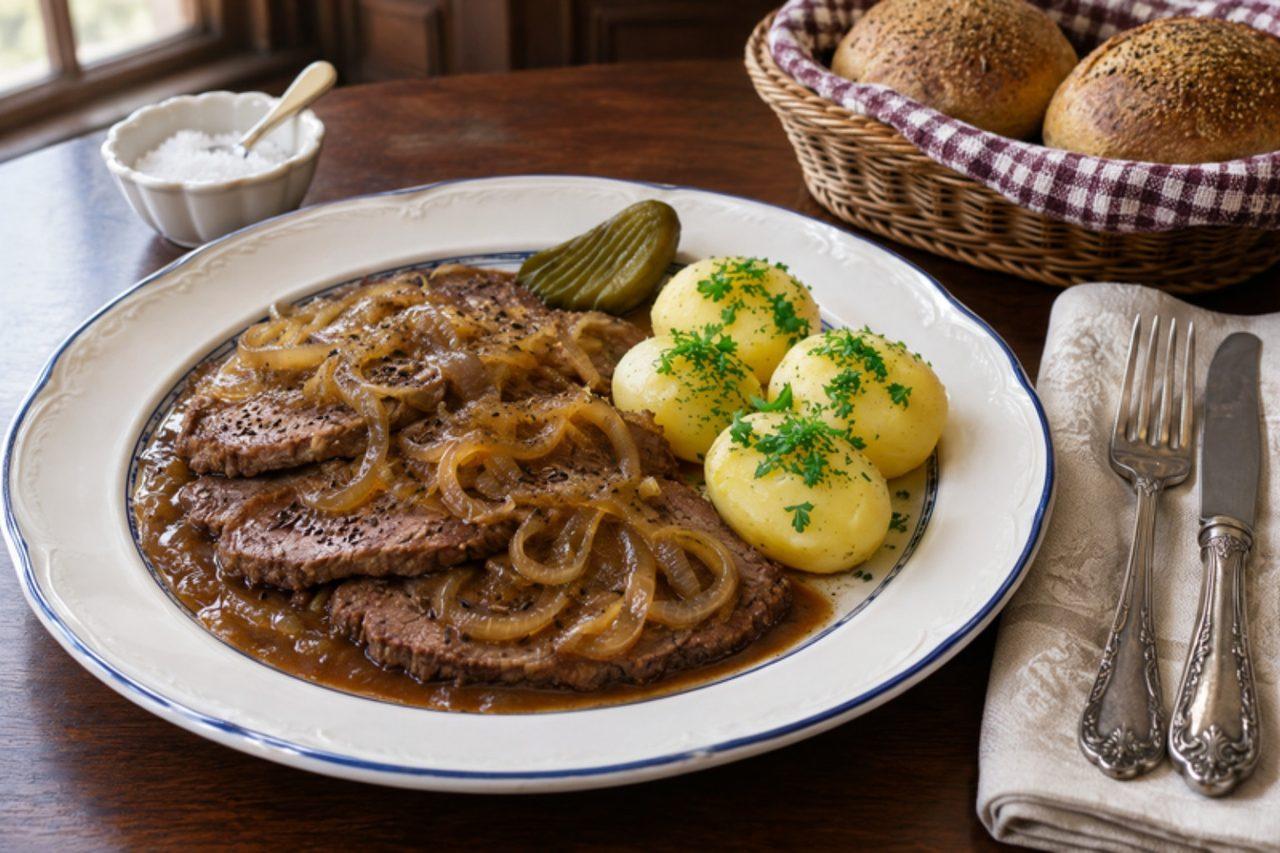
Zwiebelfleisch is an old Viennese Beisl dish, the kind of hearty lunch an inn serves on a cold weekday, with boiled or fried potatoes alongside. Thin slices of beef braise slowly with a mountain of onions, a splash of vinegar, caraway and marjoram until the onions melt into a sweet, tangy gravy. The usual mistake is browning the onions too fast: they turn bitter, so let them colour slowly to a deep gold. Pressure-cooker: 25 minutes at high pressure after browning. Chef's tip: a teaspoon of mustard stirred in at the end rounds out the sauce and brightens the vinegar.

125 minGermanMeat
by KrazyBadal 0 views

Grünkohl mit PinkelBraised kale with smoked sausage

In Bremen and Oldenburg, Grünkohl mit Pinkel is the dish of the winter Kohlfahrt, when groups walk out into the frosty countryside and finish at an inn for kale, smoked pork and Pinkel, a smoked sausage of pork, bacon and oats. The kale is braised for hours with onions, lard and smoked pork until dark, soft and almost creamy, then the sausages warm through on top. Serve with boiled potatoes or small caramelised ones and mustard. The usual mistake is cooking the kale briefly like a vegetable side; it needs the long braise to lose its bitterness. Chef's tip: kale is best after the first frost, which makes the leaves sweeter; frozen chopped kale is a good shortcut.

160 minGermanMeat
by KrazyBadal 0 views

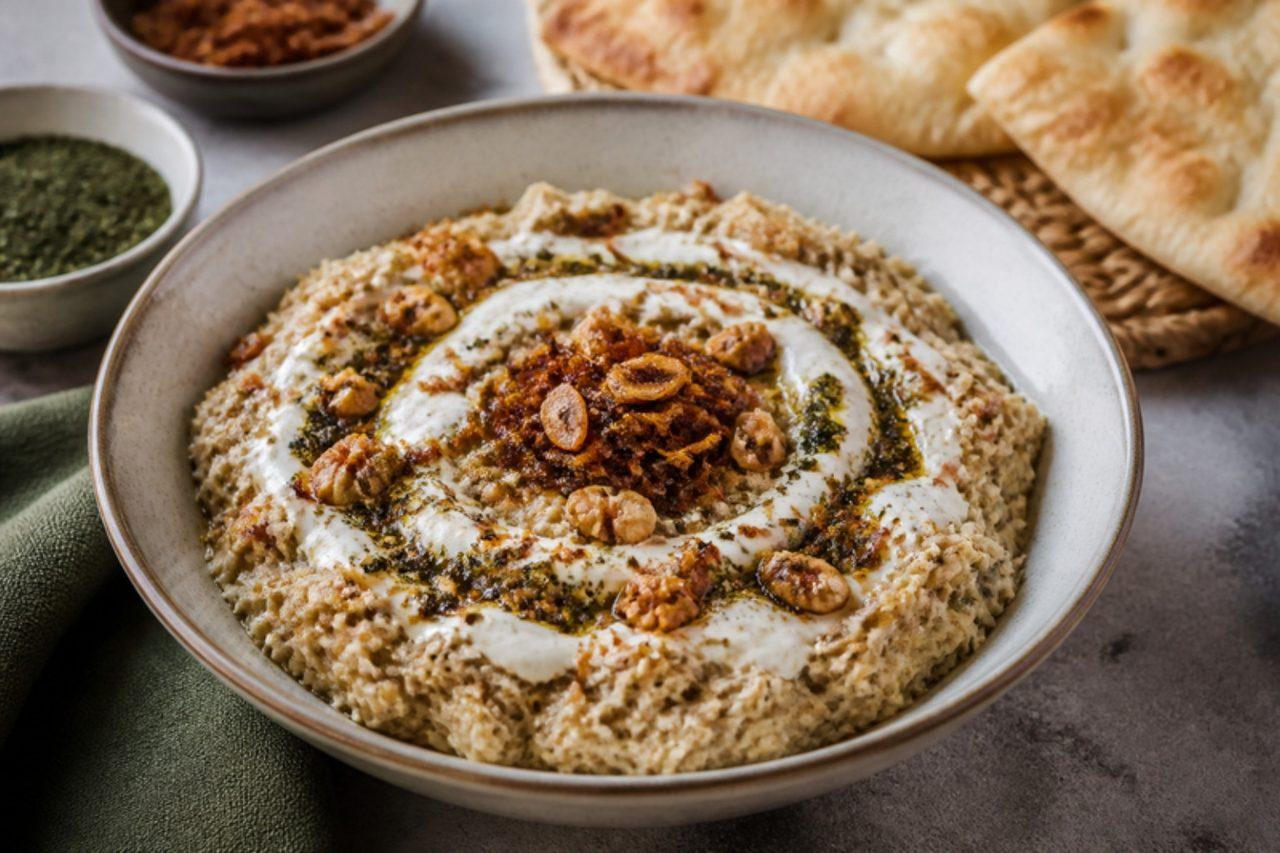
Homemade kashkFermented yogurt whey

Kashk began with Iran's nomadic herders, who churned their yoghurt for butter in goatskin bags, then cooked and dried the sour leftover into hard balls that lasted through winter. In Kerman, Fars and Khorasan it is still made that way, but in Tehran most people buy it liquid in jars. Making your own is worth one slow afternoon. It is the salty, sour, almost cheesy finish swirled over ash reshteh at Nowruz, folded into kashk-e bademjan with fried mint and walnuts, and stirred into kaleh joosh on cold nights. Liquid kashk is thick and creamy like soured cream but sharper and saltier; dried kashk is chalky-hard and grates like aged cheese. Common mistake: heating the churned yoghurt fast; it scorches and the curd turns rubbery. Keep the heat low and stir. The curd is ready when it separates into soft white clumps in a clear, yellow-green whey. Kashk is always cooked again before eating — even the jarred kind — so heat it when you use it. Chef's tip: a goat or sheep's milk yoghurt, or half and half with cow's, gives the most authentic, funky flavour.

by KrazyBadal 0 views

Tas kababLayered meat, potato and quince stew

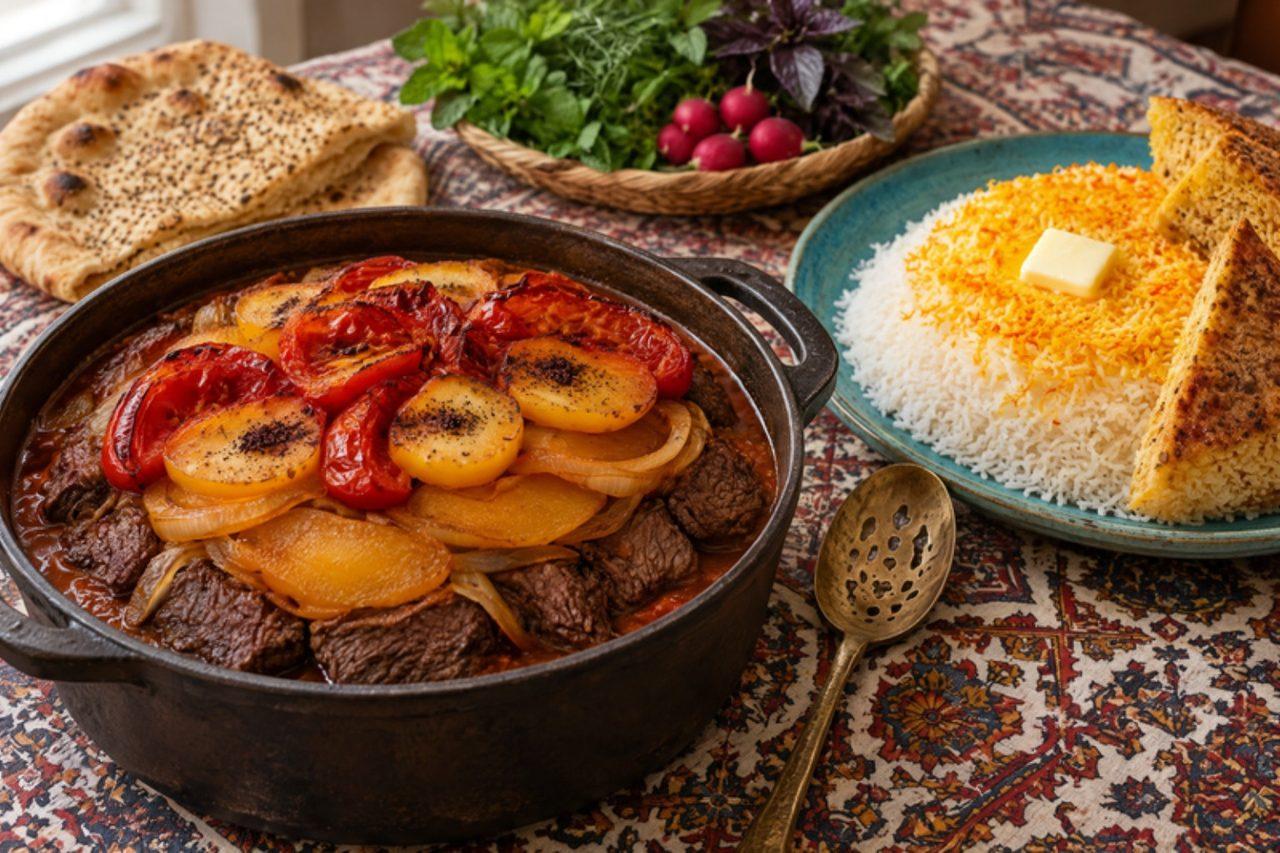
Tas kabab is a quiet home dish from Iran, cooked in autumn and winter when quinces are in the bazaars and a pot can sit on a low flame through the afternoon. Thin slices of beef or lamb are layered with onion, potato, carrot, tomato and quince, seasoned with turmeric, cinnamon and saffron, then left covered with very little water so everything cooks in its own juices into a sweet-sour, tender stew. Serve with plain rice or bread and a bowl of yoghurt. The usual mistake is adding too much water: it boils instead of steaming and the layers turn into soup. Chef's tip: wrap the lid in a clean tea towel so the drops of steam don't fall back and dilute the juices.

150 minPersianMeatGluten free
by KrazyBadal 0 views

Postre MassiniCustard sponge with burnt sugar top

Montevideo's birthday cake of choice since the early twentieth century, the Massini is two thin layers of sponge sandwiching a thick filling of whipped cream folded with egg-yolk custard, crowned with a thin glassy crust of torched yolk and sugar. Bakeries across Uruguay sell it on Sundays. Traditional versions sometimes add a sweet fortified wine to the custard; this one is alcohol-free. The custard is cooked to a safe 71 °C. The common mistake is assembling with warm custard, which melts the cream into a puddle. Chef's tip: if you don't have a blowtorch, put the sugared top under a very hot grill for a minute and watch it closely.

by KrazyBadal 0 views

DiziLamb and chickpea stew

Dizi, also called abgoosht, is Tehran's working lunch, served at old teahouses and bazaar canteens in individual stone pots, and cooked at home on cold Fridays. Lamb on the bone, chickpeas, white beans, potatoes, tomato and dried lime cook gently for hours. At the table you pour off the broth and soak torn sangak or lavash bread in it (tilit), then pound the meat, beans and potato into a coarse paste (goosht kubideh) to eat with herbs, raw onion and pickles. The usual mistake is adding the potatoes at the start: they collapse and cloud the broth. Slow-cooker: after the beans' hard boil, cook everything except the potatoes on low for 10 hours, adding them for the last 2. Chef's tip: pierce the dried limes so they flavour the broth without turning it bitter, and lift them out before pounding.

245 minPersianMeatGluten free
by KrazyBadal 0 views

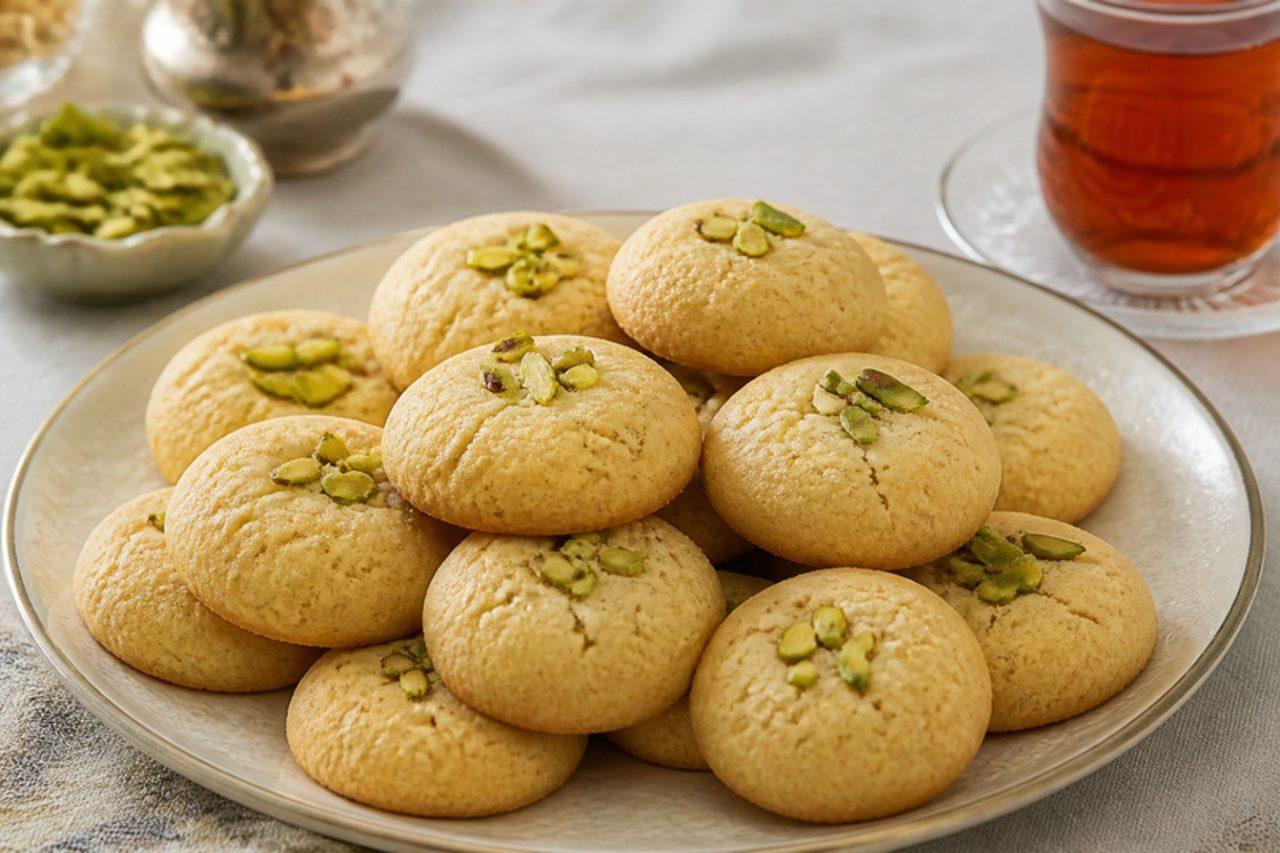
Ghorabieh TabriziAlmond and egg-white cookies

Every traveller to Tabriz is expected to bring back a box of ghorabieh from the bazaar confectioners: pale, domed almond cookies with a thin crackled shell and a soft, chewy middle, scented with vanilla and sometimes topped with a sliver of pistachio. They are a Nowruz favourite in Azerbaijan province and keep well, so families bake them a week ahead. A common mistake is baking them too hot, which browns the outside before the inside sets and leaves them hollow. Chef's tip: let the piped cookies sit for 20 minutes before baking so a skin forms; that skin gives the classic crackled top.

by KrazyBadal 0 views

BozghormehPounded lamb and chickpeas with kashk

Bozghormeh is a dish of Kerman, the desert city in south-east Iran, cooked on winter weekends and for family gatherings. Lamb and chickpeas are simmered with turmeric until soft, then pounded together and finished with kashk (salty fermented whey), lots of fried onion and garlic and a dusting of dried mint; it is scooped up with flatbread rather than eaten with rice. The result is creamy, tangy and deeply savoury. A common mistake is boiling after the kashk goes in; it turns grainy, so add it at the end over a low heat. Chef's tip: if you can't find kashk, mix thick Greek yogurt with a pinch of salt and a squeeze of lemon; it's milder but close.

150 minPersianMeat
by KrazyBadal 0 views

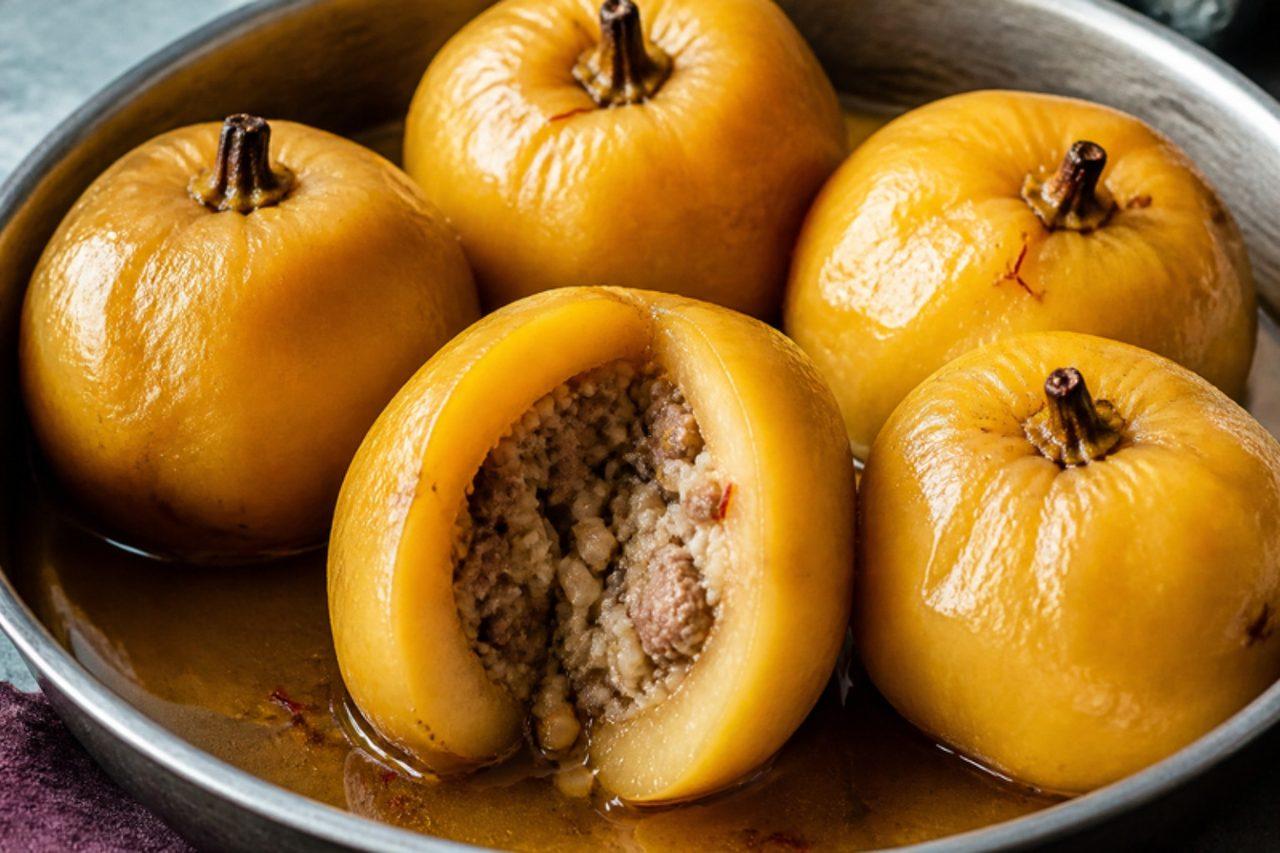
Dolmeh-ye behStuffed quinces in sweet-sour syrup

Dolmeh-ye beh is autumn food in Tabriz and across Iranian Azerbaijan, made in October and November when golden quinces pile up on market stalls. The quinces are hollowed and filled with lamb or beef mince, rice, yellow split peas and cinnamon, then baked in a syrup of sugar, vinegar and saffron until the fruit is soft enough to cut with a spoon and its flesh turns pink. Each person gets a whole quince with bread and yogurt on the side. A common mistake is cooking the shells for too long before stuffing; they should only soften slightly or they collapse in the oven. Chef's tip: rub the cut quinces with lemon at once, as they brown within minutes.

120 minPersianMeatGluten free
by KrazyBadal 0 views

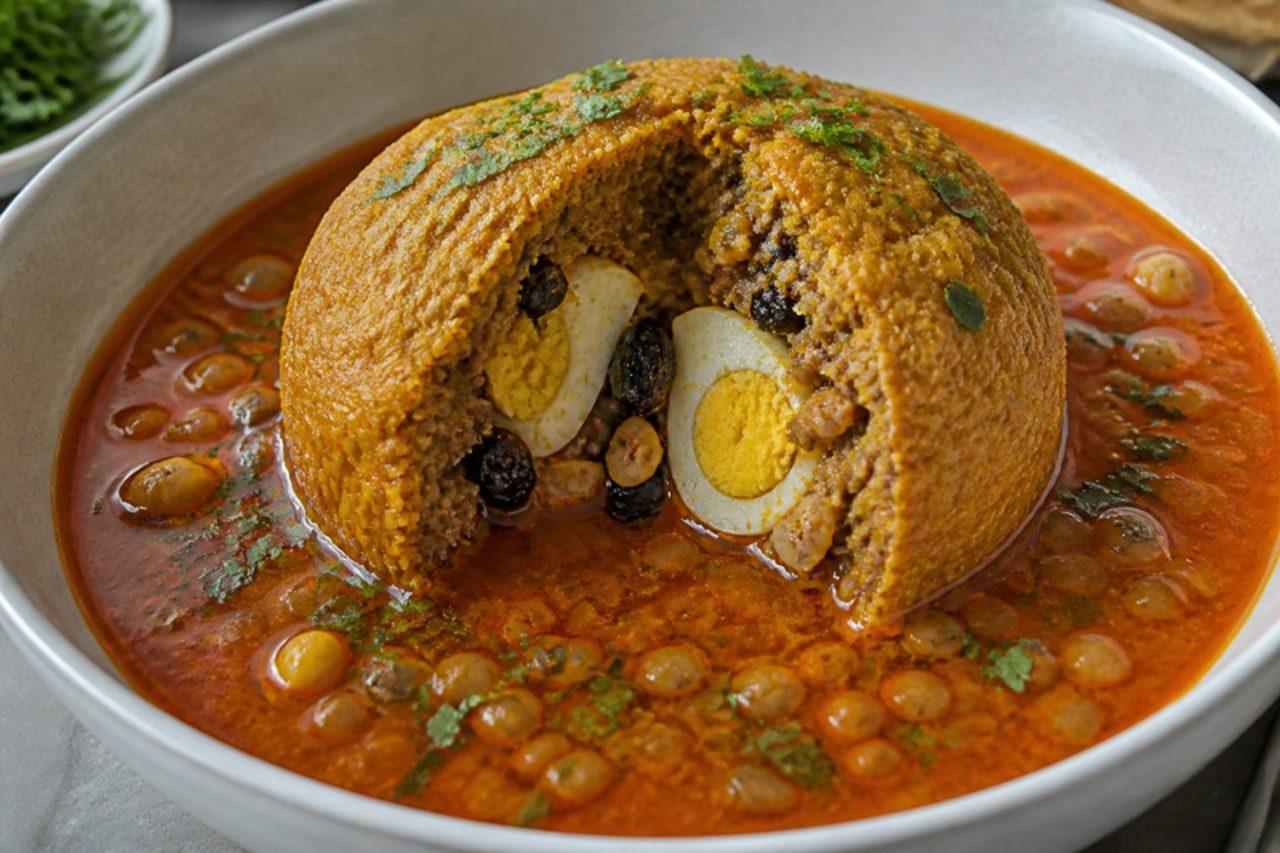
Koofteh TabriziGiant stuffed meatballs in tomato broth

Koofteh Tabrizi is the pride of Tabriz in Iranian Azerbaijan, a meatball so big that one feeds a person, made for guests and for cold winter evenings in the north-west. Lamb or beef mince is kneaded with rice, yellow split peas and lots of herbs, then wrapped around a hidden heart of hard-boiled egg, prunes, walnuts and barberries and simmered in a tomato-saffron broth. At the table the broth is ladled over bread first, then the koofteh is cut open. A common mistake is under-kneading: the mixture must be worked until sticky, or the ball splits in the pot. Chef's tip: lower the meatballs into broth that is barely trembling, not boiling, and don't touch them for the first 20 minutes while they firm up.

150 minPersianMeatGluten free
by KrazyBadal 0 views

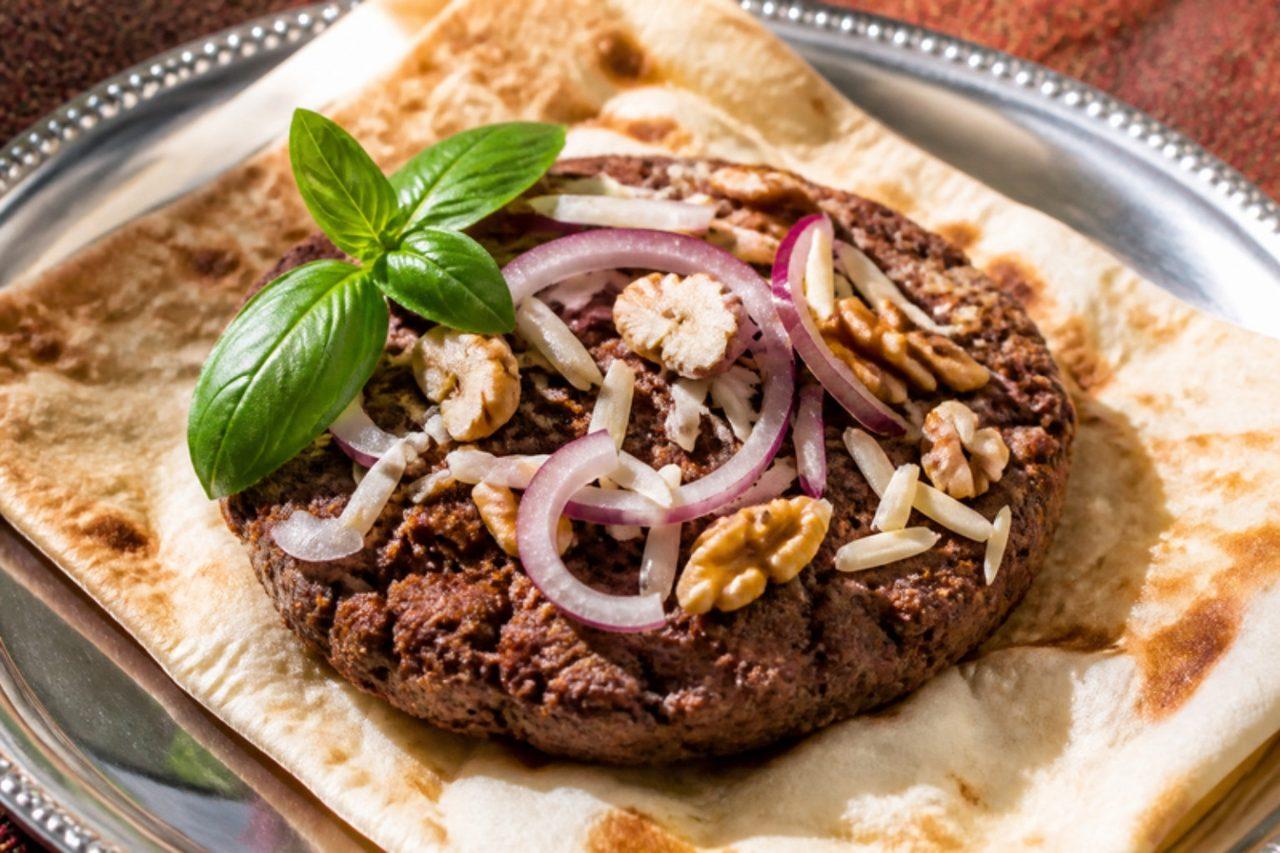
BeryaniSpiced lamb on flatbread with basil

Beryani is Isfahan's signature lunch, eaten in old bazaar eateries near Naqsh-e Jahan Square for more than a century, and nothing like the rice biryanis of South Asia. Lamb shoulder and, traditionally, lamb lung are simmered, minced, seasoned with cinnamon and fried on a small round pan with the fat from the pot, then turned out onto soft sangak or taftoon bread and eaten with fresh basil, raw onion and walnuts. Lung is hard to buy outside Iran, so this home version uses lamb shoulder and a little lamb mince for the same soft texture. A common mistake is draining away the cooking fat; Isfahanis spoon it over the bread for flavour, so keep it. Chef's tip: press the meat into a small frying pan to make a neat round patty, the way the bazaar cooks do.

120 minPersianMeat
by KrazyBadal 0 views

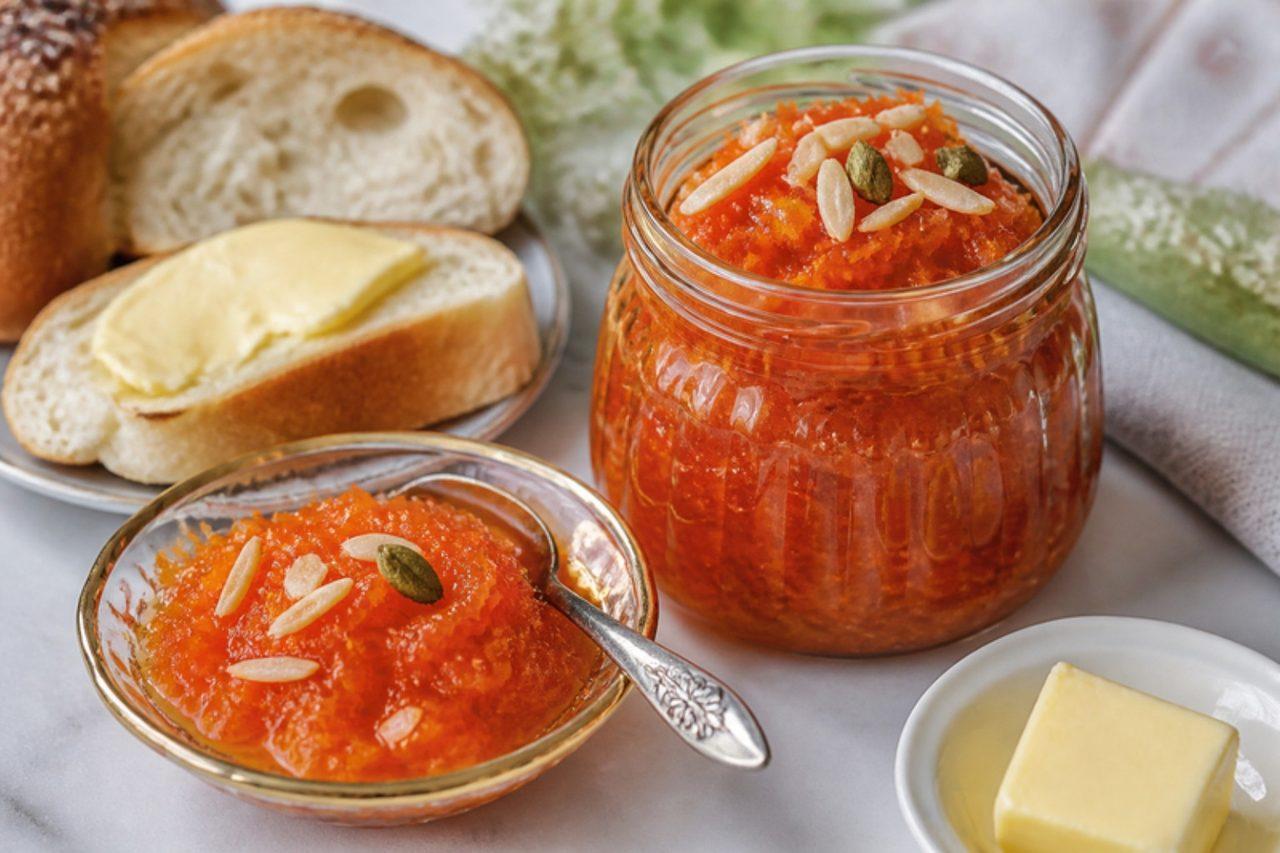
Moraba-ye haveejCarrot jam with cardamom and almonds

Moraba-ye havij is the bright orange jam on Iranian breakfast tables, spread on warm barbari or sangak with butter or a slice of white cheese, especially in winter when carrots are at their sweetest. Thin shreds of carrot are candied in a light syrup with cardamom and orange peel, then finished with rosewater and slivered almonds, so every spoonful is chewy, glossy and fragrant. It is made in every region, and families argue over how thick the syrup should be. Chef's tip: cut the carrots into fine matchsticks rather than grating them; grated carrot turns to mush and clouds the syrup.

by KrazyBadal 0 views

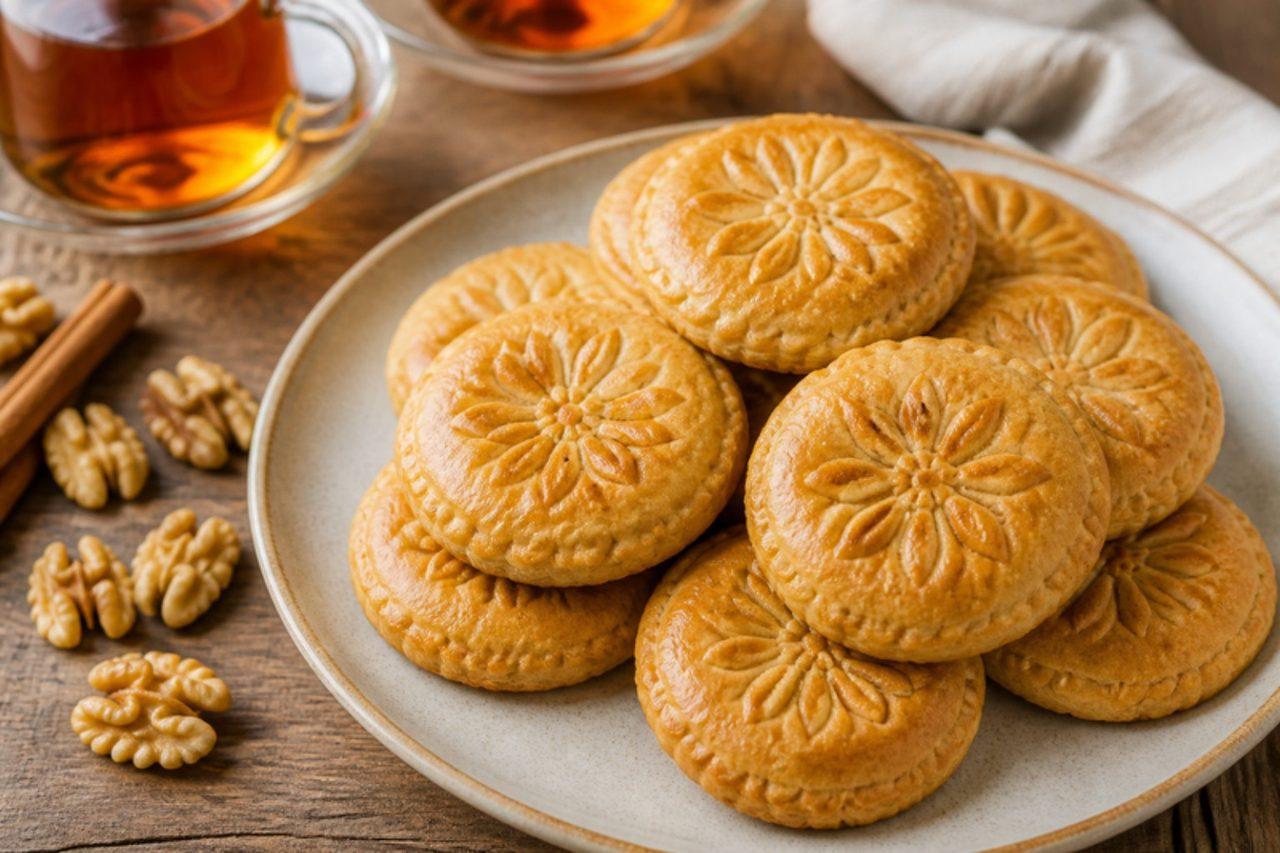
Koloocheh FumanWalnut-filled cookies

On the road from Rasht up to the hill village of Masuleh, the little town of Fuman is lined with bakeries selling koloocheh: thick round cookies, crisp outside and cake-like inside, filled with ground walnut, sugar and cardamom and stamped with a pattern on top. Travellers buy them by the box for tea, and they are a favourite gift at Nowruz. A common mistake is overworking the dough, which makes them tough rather than tender and crumbly. Chef's tip: chill the filled discs for 15 minutes before stamping and baking, so the pattern stays sharp and the walnut filling does not burst through.

by KrazyBadal 0 views

Showing 24 of 91 recipes

Show more recipes

Page 1 of 4