Skip to content
Recipes

All recipes

Vegetarian, or something you can't eat? Set your diet once and we'll hide recipes that don't fit.

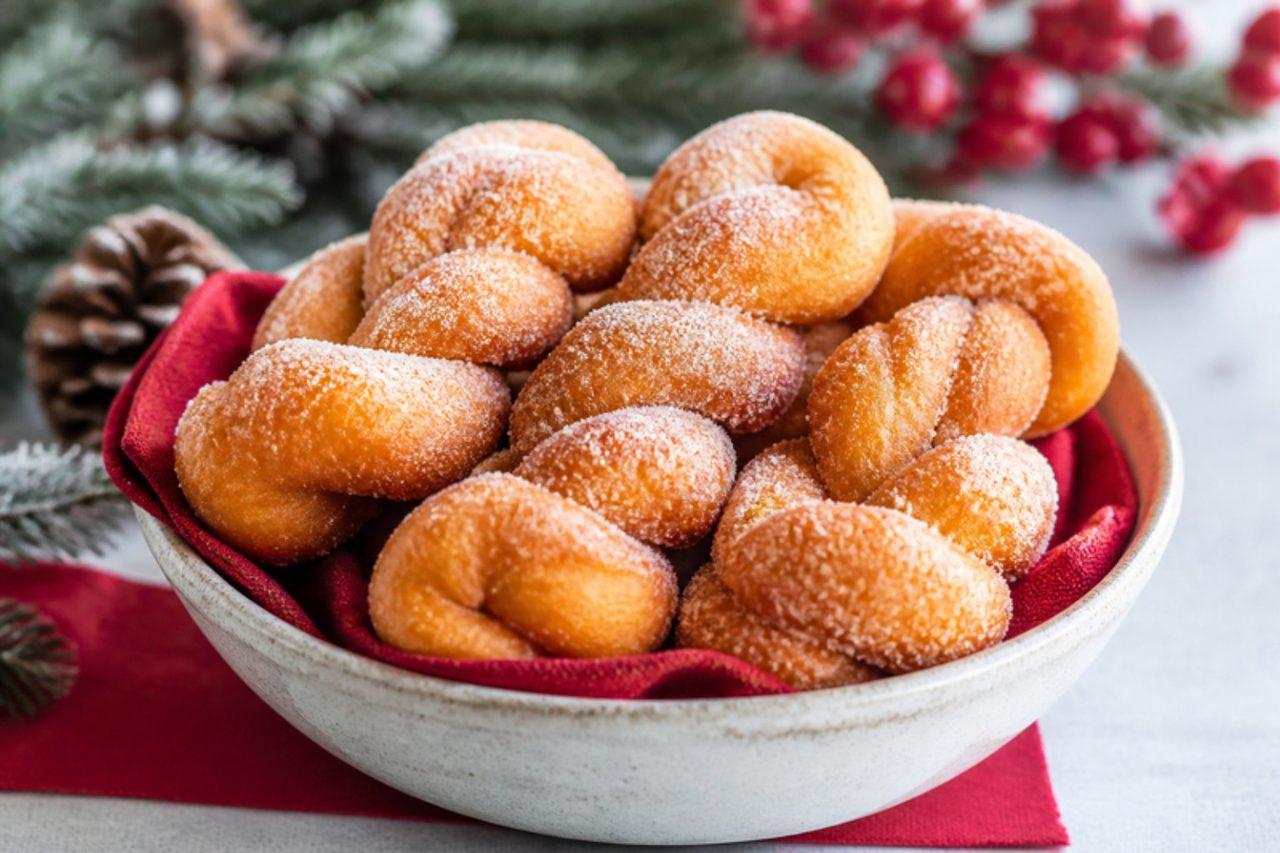
CroquignolesTwisted nutmeg doughnuts

Croquignoles are old-fashioned Quebec doughnuts, cut into strips, slit and twisted into knots, then fried and rolled in sugar. Grandmothers made them by the dozen for the réveillon, the feast after midnight Mass on Christmas Eve, and for New Year's Day visits. They are dense and cakey rather than yeasty, scented with nutmeg. Chef's tip: keep the dough soft and well chilled, so it is easy to roll and the croquignoles stay tender; extra flour makes them tough.

by KrazyBadal 0 views

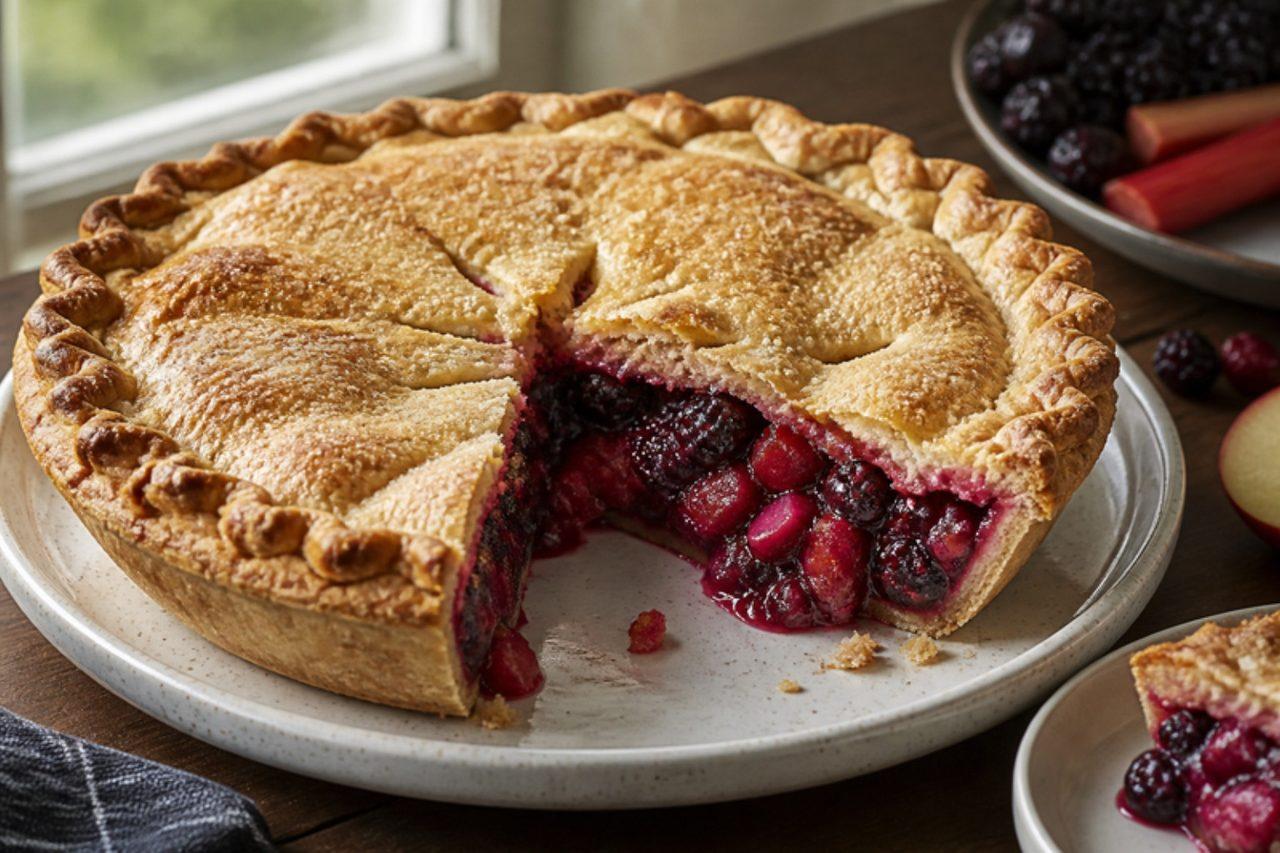
Bumbleberry pie

There is no such thing as a bumbleberry: the name is a joke from the diners and farm stands of the Maritimes and Ontario, where a pie is baked from whatever berries are in season plus a little apple and rhubarb. The result is a tall, jammy, double-crust pie that is sweet and sharp at the same time, with a flaky golden lid. Canadians eat it in summer cottage season and at Thanksgiving with vanilla ice cream or a slice of aged cheddar. Cutting it while warm is the classic error, because the juices run all over the plate. Chef's tip: bake until the juice bubbles thickly through the vents, not just at the edges; that is the sign the cornstarch has cooked and the filling will set.

by KrazyBadal 0 views

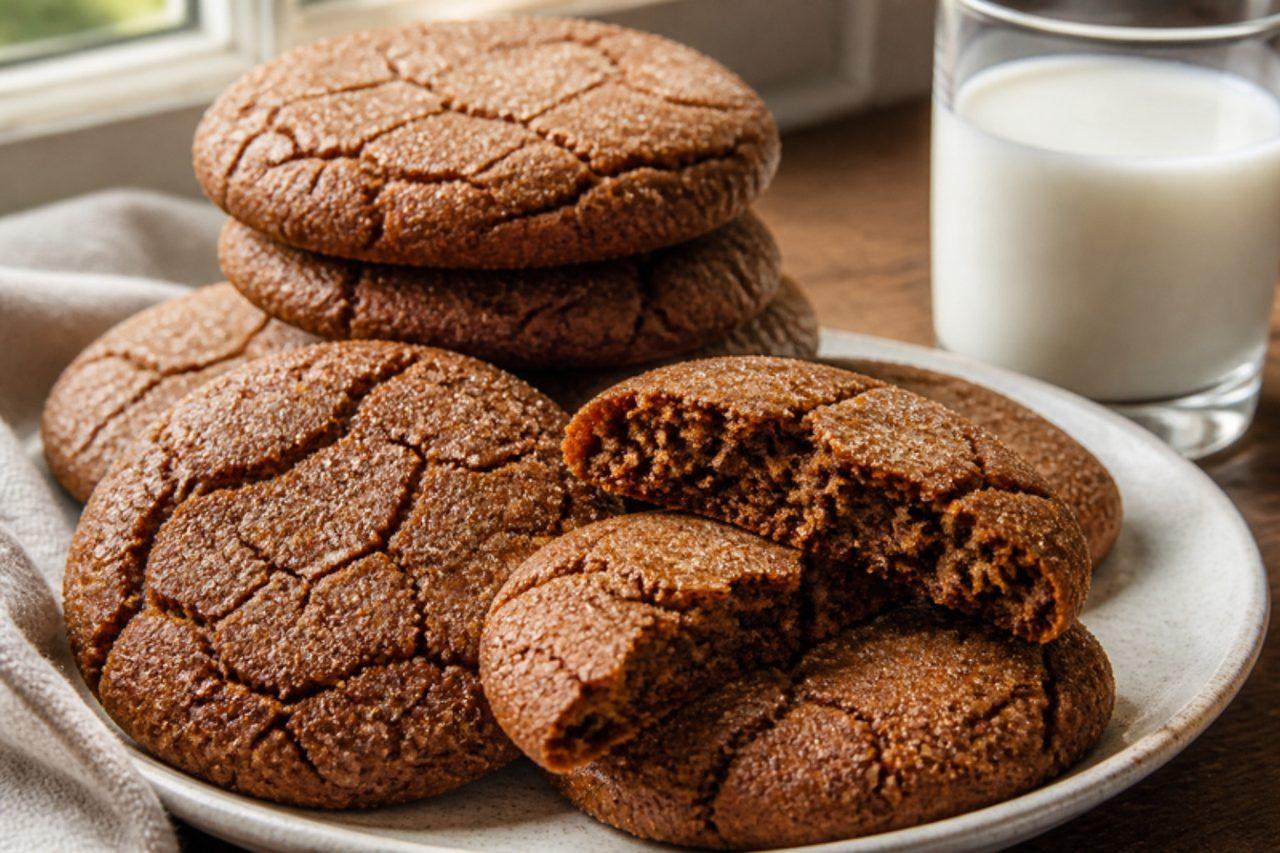
Galettes à la mélasseSoft molasses cookies

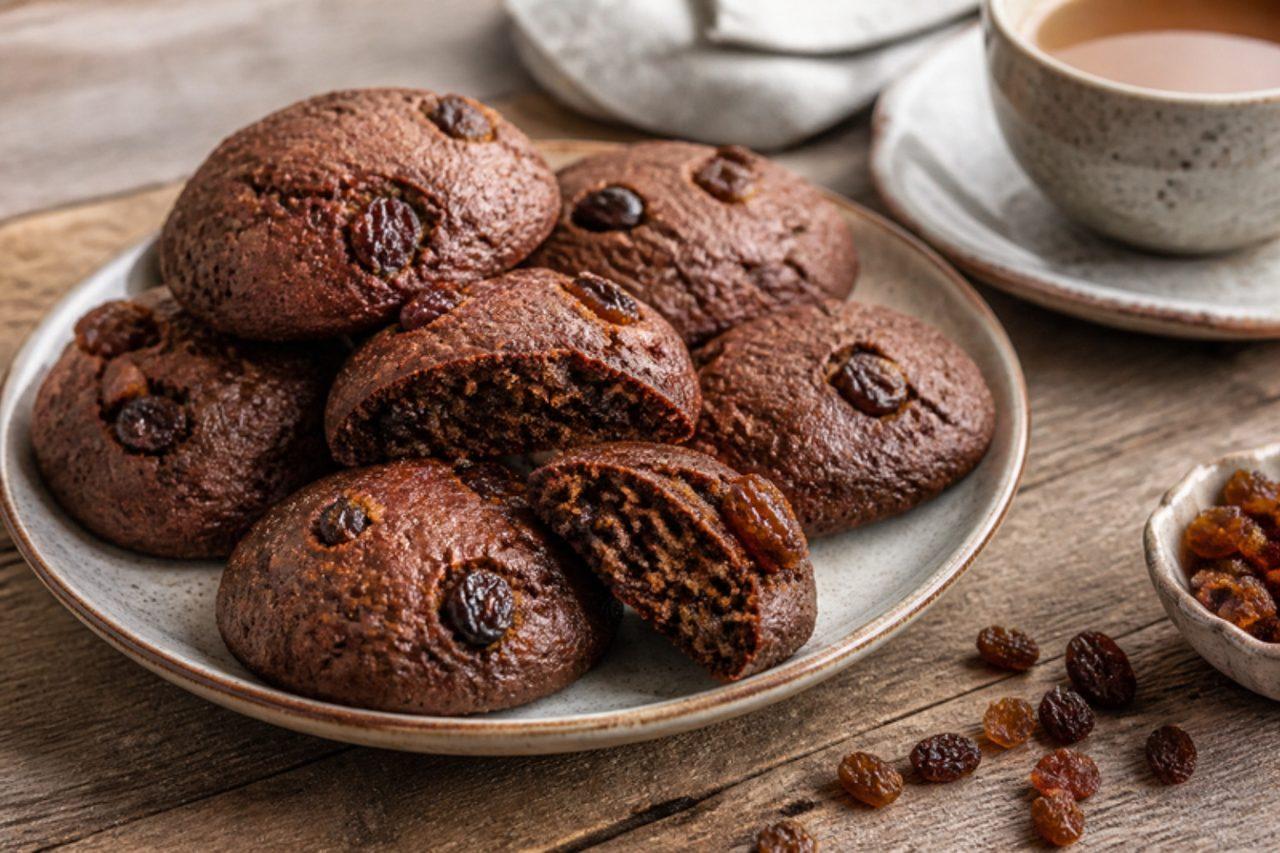
Quebec grandmothers bake galettes à la mélasse by the batch for lunchboxes and the cookie jar, and they turn up at sugar-shack weekends and church sales from Gaspé to Gatineau. Unlike crisp gingersnaps, they are big, soft and cakey, almost like little gingerbread cakes, dark with molasses and warm with ginger, cinnamon and clove. Kids eat them with a tall glass of cold milk; adults like them with tea. The dough is soft, so you drop it from a spoon rather than rolling it. Chef's tip: take them out when the centres still look slightly underdone; overbaking by even two minutes is what turns them dry and hard, while slightly underbaked ones stay soft for days.

by KrazyBadal 0 views

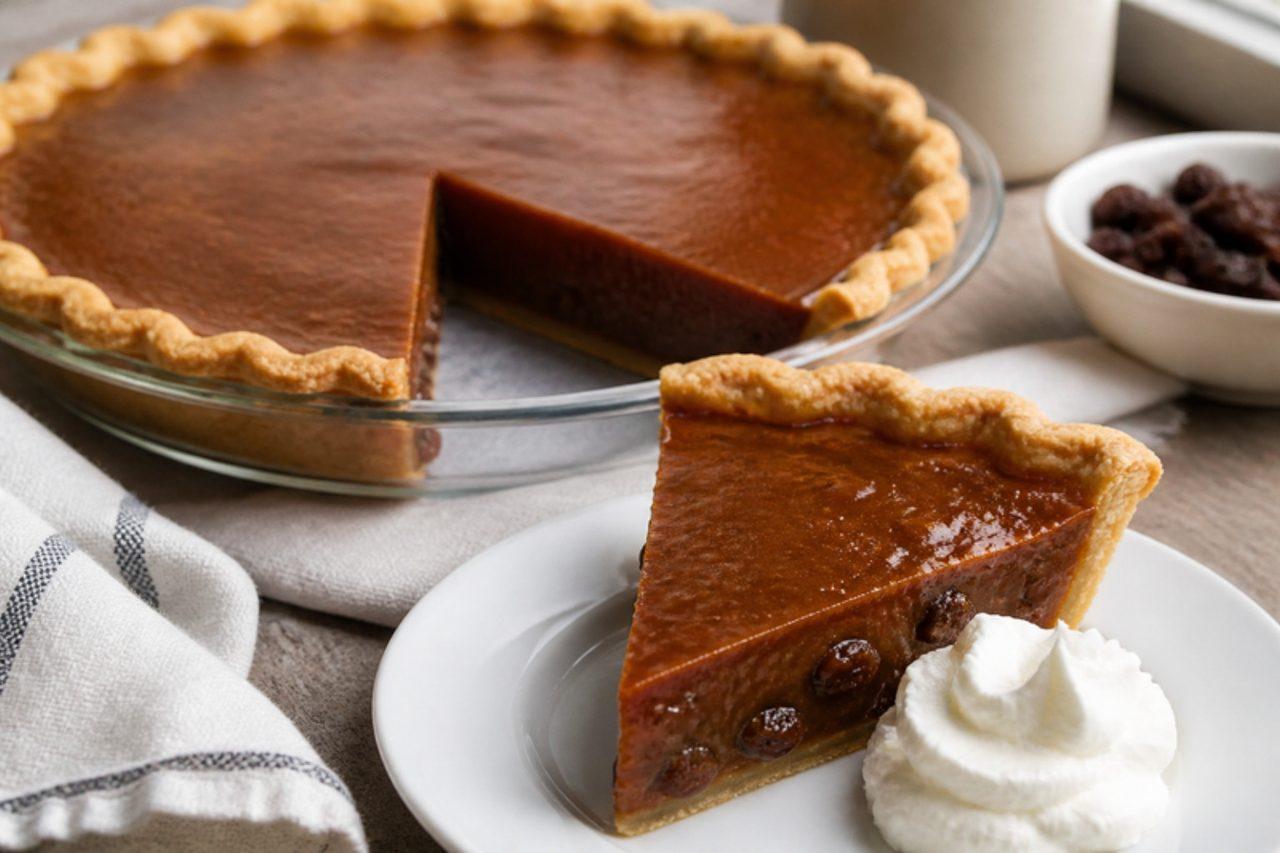
Tarte à la ferloucheMolasses and raisin pie

Ferlouche is an old Quebec farmhouse pie, the kind served at the Christmas réveillon, at sugar-shack lunches in spring and at church suppers in the Beauce. Molasses, brown sugar and water are cooked into a dark, glossy custard thickened with cornstarch and full of raisins, then poured into a crisp crust. It needs no eggs at all, and tastes of caramel, toffee and a little spice. The crust is traditionally made with lard, but this version uses butter and vegetable shortening, so it is vegetarian. Stopping the cooking as soon as the filling thickens is a frequent mistake: the cornstarch needs a proper boil or the pie never sets and tastes floury. Chef's tip: let the cooked filling boil for a full 2 minutes, stirring, until it turns from cloudy to translucent.

by KrazyBadal 0 views

Ají amarillo pasteYellow chilli paste

In Lima's markets ají amarillo is sold fresh all year, and most Peruvian cooks keep a tub of this paste in the fridge the way others keep tomato purée: it is the golden base of causa limeña, ají de gallina, papa a la huancaína, chupe and the sauce for tiraditos. The chillies are seeded, de-veined and blanched in three changes of water, which tames the heat and the raw grassiness, then peeled and blended with oil into a thick, silky, saffron-orange paste. It tastes fruity and sunny, almost like apricot and passion fruit, with a rounded, medium heat. Abroad, buy whole frozen ají amarillo from Latin grocers; dried ají mirasol, soaked, gives a darker, earthier paste. Common mistake: skipping the peeling; the thin skins leave papery flecks and a bitter edge. It is ready when it is completely smooth and holds a soft peak like thick hummus. This is a low-acid paste: keep it in the fridge for a week or freeze it, never on the shelf. Chef's tip: freeze it in an ice-cube tray; one cube is about a tablespoon, just right for a pot of ají de gallina.

by KrazyBadal 0 views

BusecaTripe and white bean stew

Buseca arrived in Montevideo with Italian immigrants from Lombardy and became a classic winter dish of Uruguayan bodegones and family kitchens, eaten on cold June and July days. Honeycomb tripe is simmered until tender, then stewed with white beans, pork chorizo, bacon, peppers, tomato and paprika into a thick, warming stew served with crusty bread. Buy tripe that is already cleaned and blanched (dressed). The usual mistake is undercooking the tripe: it needs a full 2 hours, until it's soft enough to cut with a spoon. Slow-cooker option: after step 4, cook on low for 8 hours. Chef's tip: a little grated lemon zest and parsley stirred in at the end lifts the rich, gelatinous sauce.

by KrazyBadal 0 views

Morcilla dulceSweet blood sausage with walnuts

No Uruguayan parrilla is complete without morcilla dulce: a soft pork blood sausage sweetened with sugar and scented with orange peel, studded with walnuts and raisins, grilled until the skin crisps and served first, as part of the achuras, while the beef is still cooking. It is pork throughout: pork blood, pork back fat and natural pork casings. Making it at home is a project. Buy fresh pork blood with an anticoagulant added from a butcher who supplies it for sausage making, keep it chilled below 4 °C and use it within a day. The common mistake is poaching at a rolling boil, which bursts the casings. Chef's tip: keep the water at 80–85 °C, just shivering, and prick a sausage after 25 minutes: it is done when brown, not red, juice comes out.

by KrazyBadal 0 views

Postre MassiniCustard sponge with burnt sugar top

Montevideo's birthday cake of choice since the early twentieth century, the Massini is two thin layers of sponge sandwiching a thick filling of whipped cream folded with egg-yolk custard, crowned with a thin glassy crust of torched yolk and sugar. Bakeries across Uruguay sell it on Sundays. Traditional versions sometimes add a sweet fortified wine to the custard; this one is alcohol-free. The custard is cooked to a safe 71 °C. The common mistake is assembling with warm custard, which melts the cream into a puddle. Chef's tip: if you don't have a blowtorch, put the sugared top under a very hot grill for a minute and watch it closely.

by KrazyBadal 0 views

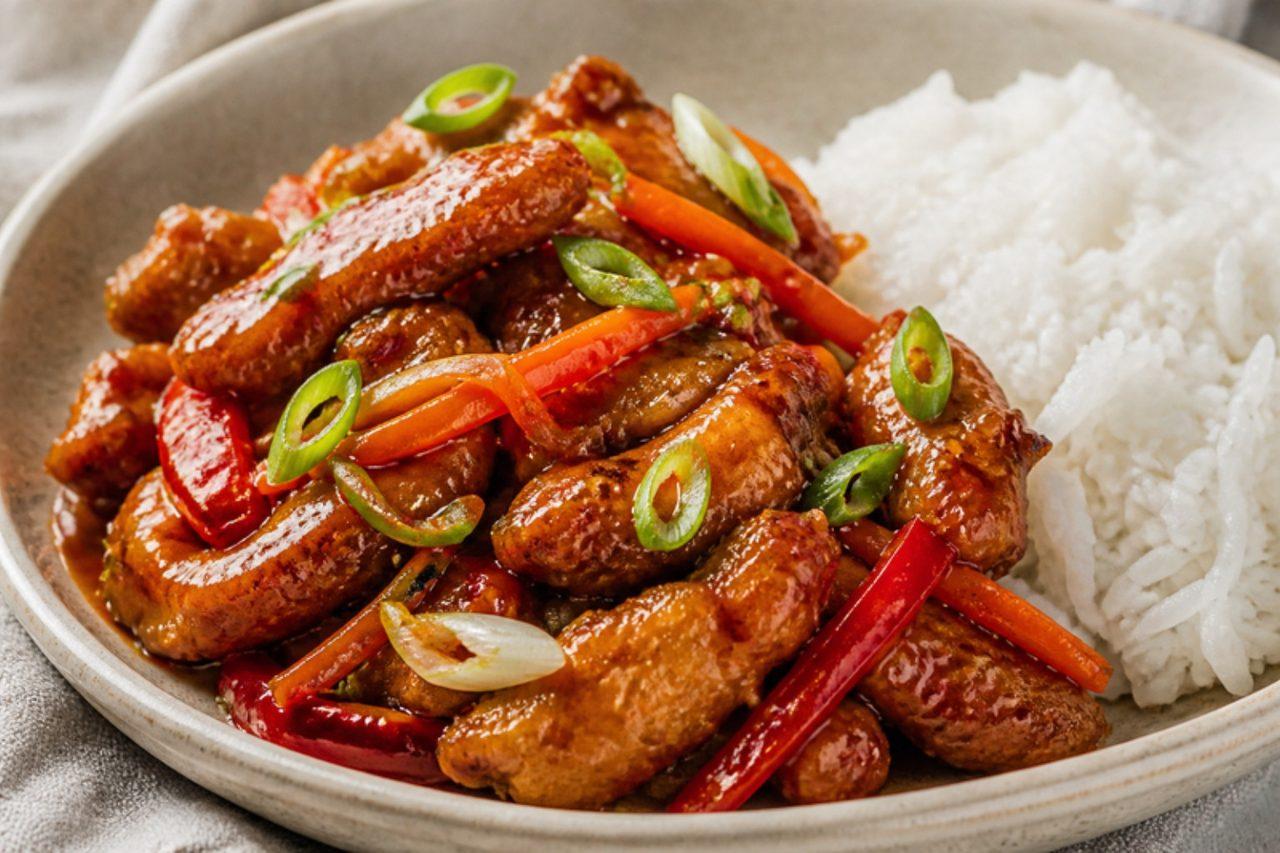
Ginger beef

Ginger beef was created in the 1970s at a Chinese restaurant in Calgary and is now on the menu of nearly every Chinese-Canadian restaurant on the Prairies. Thin strips of beef are coated in a cornflour batter and fried until shatteringly crisp, then tossed in a glossy sweet-sour sauce full of fresh ginger, garlic and chilli with strips of carrot and pepper. Serve at once with steamed rice. A common mistake is saucing the beef too early, which turns the crust soggy. Chef's tip: fry the beef twice; the second fry is what makes it crunchy.

by KrazyBadal 0 views

Caribou stew

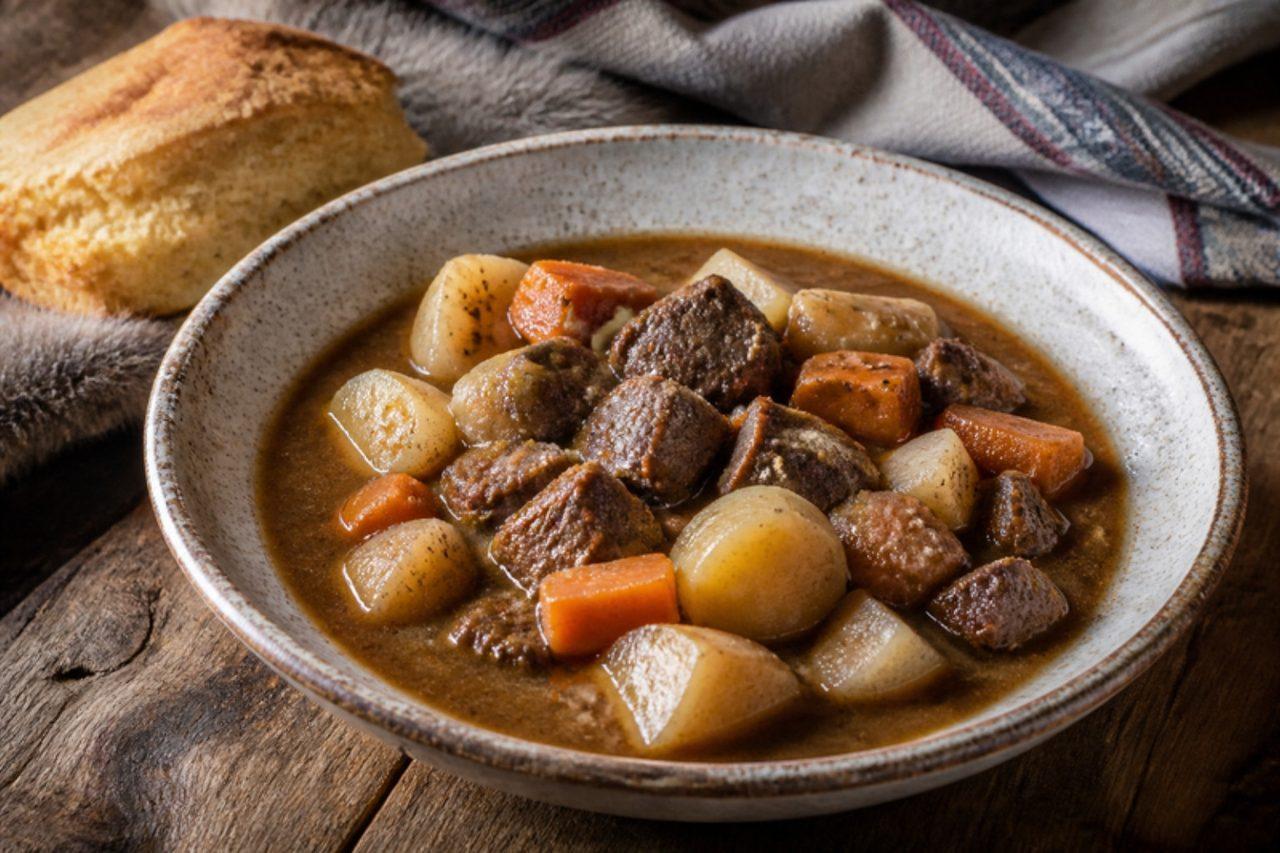
Caribou is the everyday red meat of many Dene, Inuit and northern families in the Northwest Territories, Nunavut and Labrador, and a pot of caribou stew is what simmers on the stove in Yellowknife or Inuvik through the long winter. The meat is lean and slightly sweet and gamey, and slow-braising with onion, carrot, potato and turnip makes it meltingly tender. Outside the North, farmed reindeer, venison or beef chuck work in exactly the same way. A common mistake is boiling hard, which toughens lean meat; it should barely bubble. Chef's tip: dust the meat in flour and brown it well in batches for a rich, thick gravy.

175 minCanadianMeat
by KrazyBadal 0 views

Jiggs dinnerBoiled salt beef and vegetables

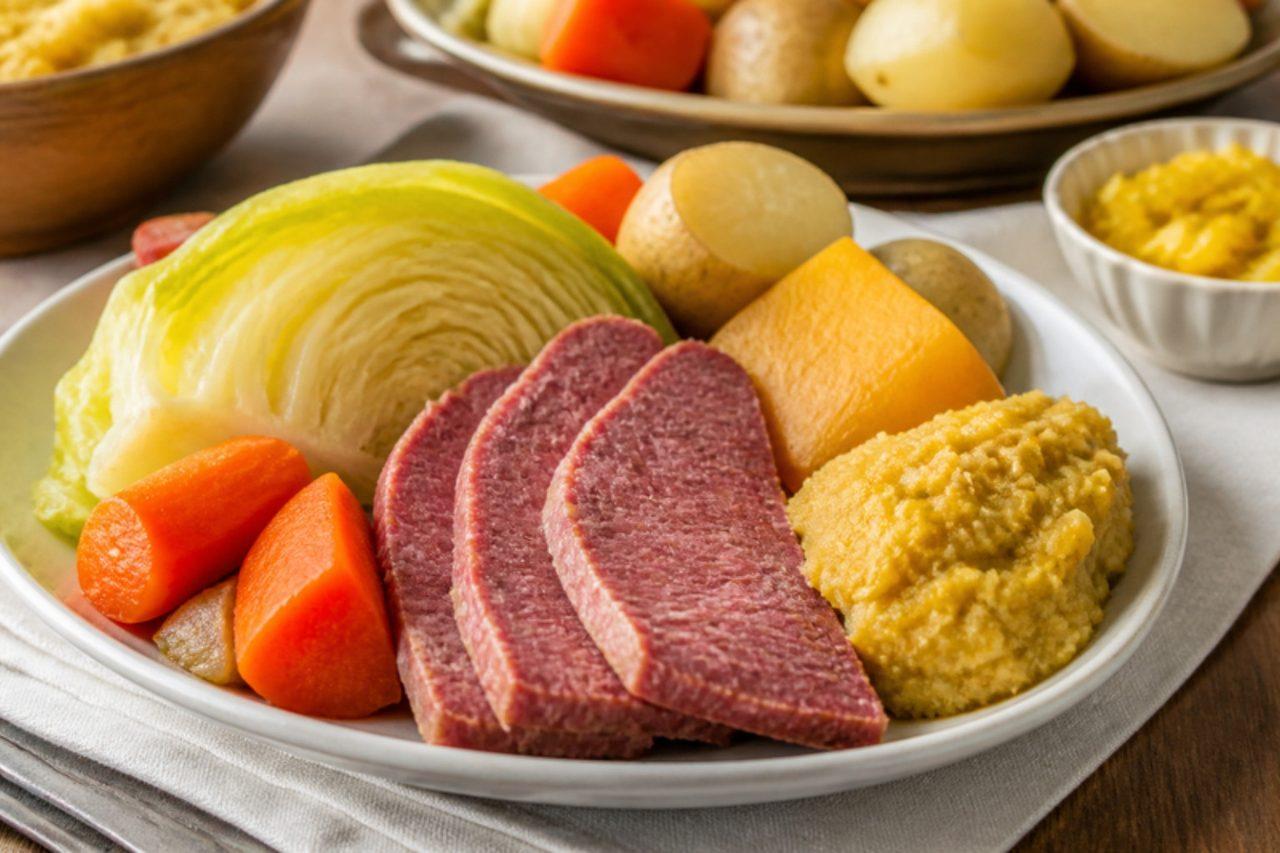
Jiggs dinner is the Sunday dinner of Newfoundland, cooked in one big pot after church in St John's and every outport around the coast. Salt beef, soaked overnight, simmers with turnip, carrot, potato and cabbage, while yellow split peas cook in a cloth bag in the same pot to make pease pudding. It is served with mustard pickles and often with figgy duff. A common mistake is skipping the overnight soak, which leaves the beef far too salty. Chef's tip: add the vegetables in stages, cabbage last, so each is just tender at the end.

210 minCanadianMeatGluten free
by KrazyBadal 0 views

PemmicanDried beef, fat and berry bars

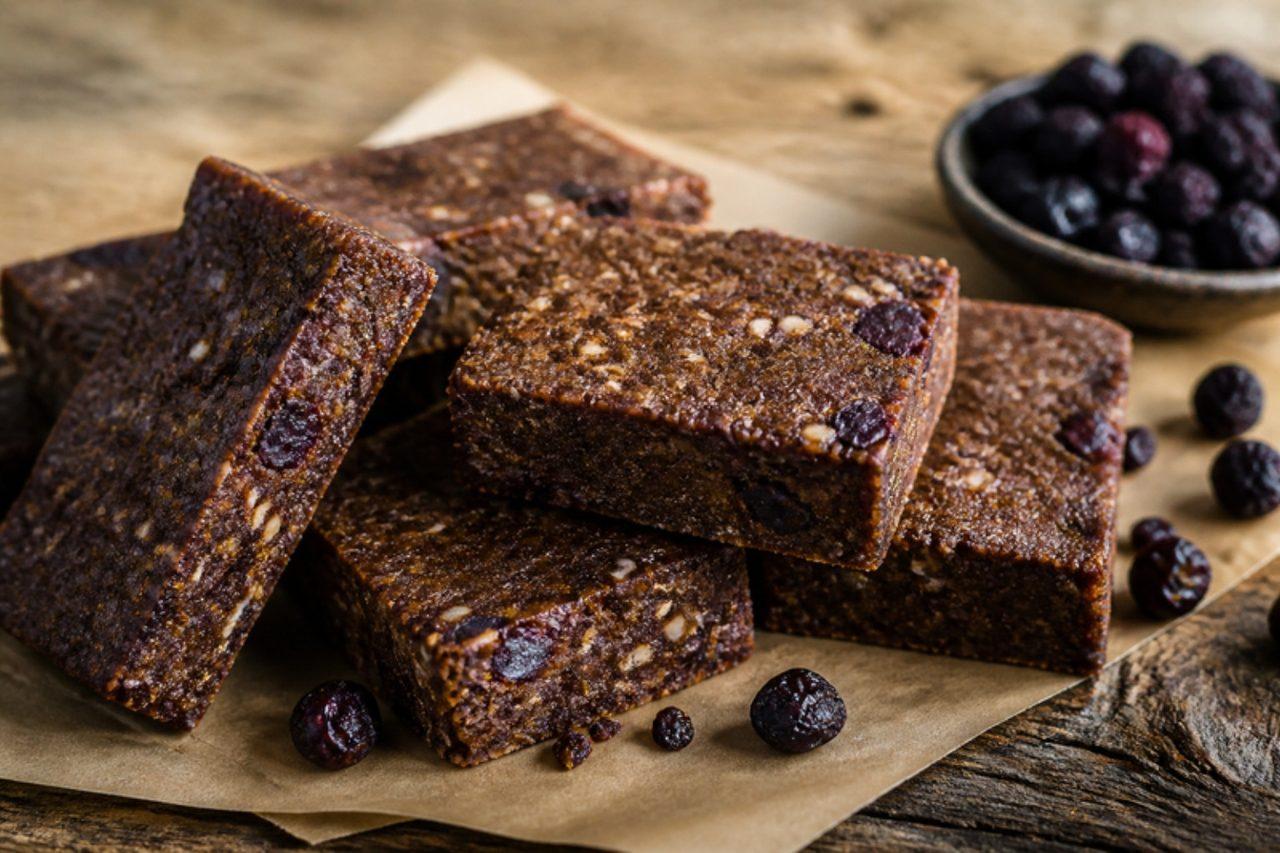
Pemmican was the essential food of the Cree, Métis and other Plains and northern peoples, and later of the fur trade: dried, pounded bison meat mixed with rendered fat and sometimes saskatoon berries, packed into hide bags and kept for months. This home version uses lean beef, heated to a safe temperature before drying in a low oven, then ground and bound with beef tallow and dried berries into dense bars. It is very rich and very filling, eaten in small pieces on hikes and camping trips. A common mistake is leaving fat on the meat before drying; fat goes rancid, so trim it all off. Chef's tip: dry the meat until it snaps, not bends; any moisture shortens its keeping time.

510 minCanadianMeatGluten free
by KrazyBadal 0 views

Nun's fartsBrown sugar pastry pinwheels

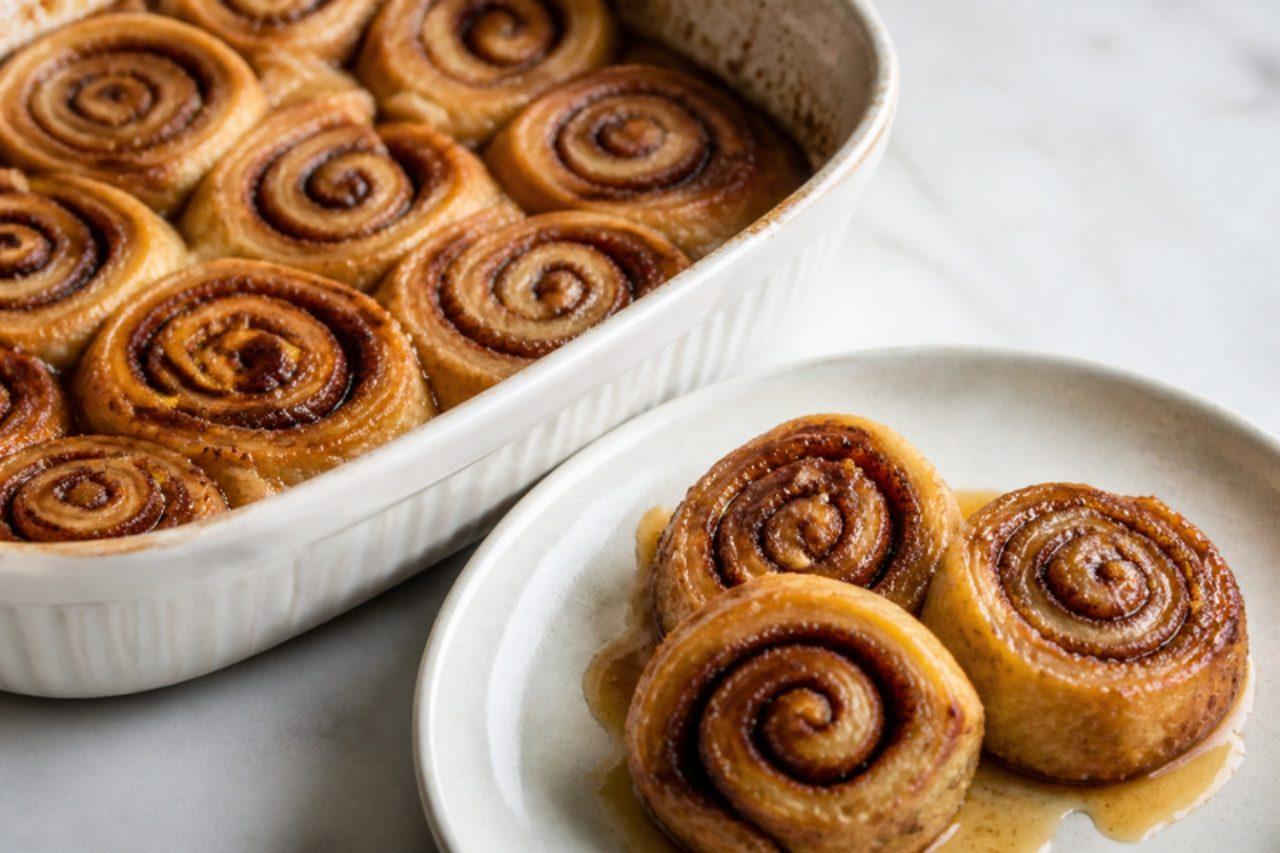
Pets de sœur, with their cheeky name, are what Quebec grandmothers bake with the leftover pastry after the tourtières are done at Christmas and New Year. The scraps are rolled out, spread with butter and brown sugar, rolled into a log and sliced, then baked in a buttery syrup until sticky and caramelised. Children love them warm from the dish. A common mistake is slicing too thin; 2 cm slices stay soft in the middle. Chef's tip: pour a little cream into the dish before baking for a richer caramel underneath.

by KrazyBadal 0 views

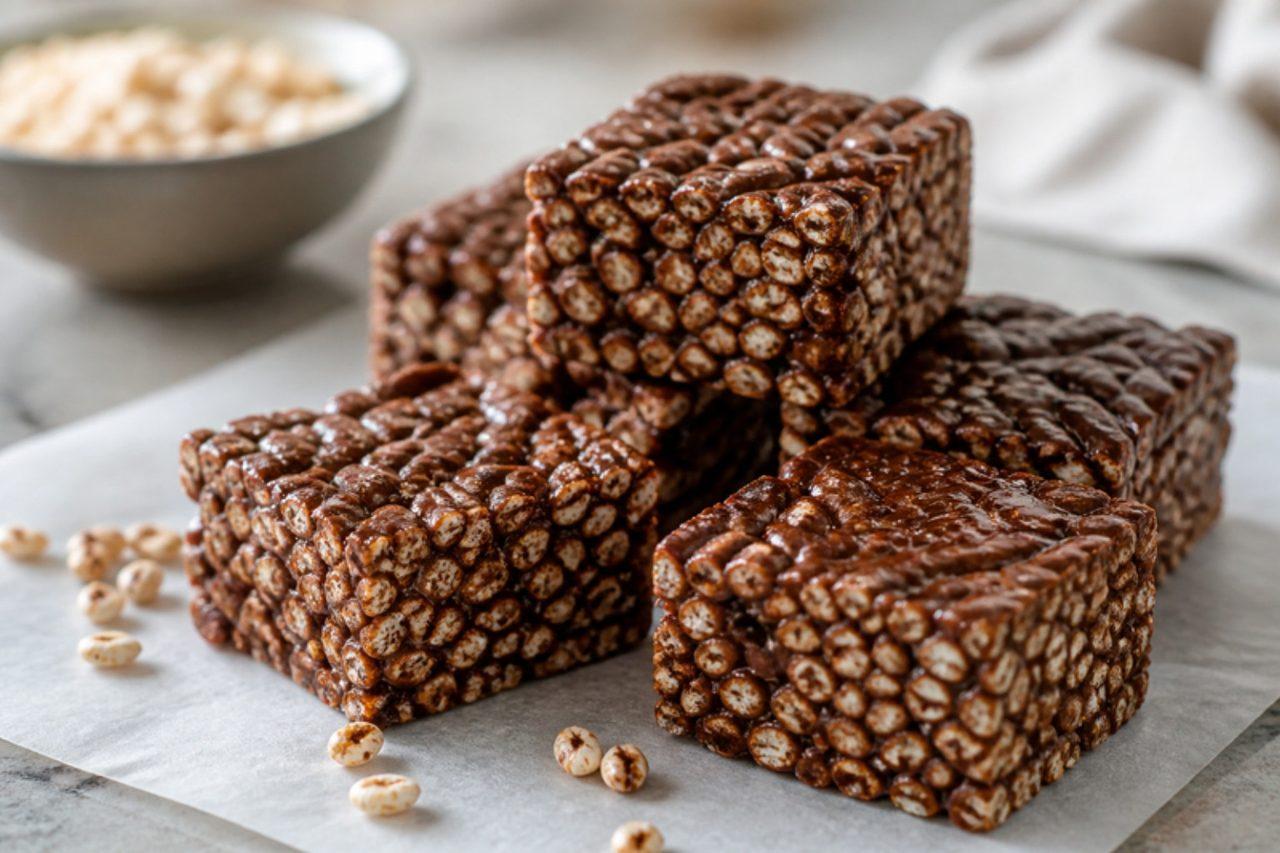
Puffed wheat squares

Puffed wheat squares are the Prairie kids' party treat, made in Alberta and Saskatchewan kitchens for hockey bake sales and lunchboxes since the 1950s. Puffed wheat is stirred into a quick toffee of butter, brown sugar, golden syrup and cocoa, pressed into a pan and cut once set. They are chewy rather than crunchy and very hard to stop eating. A common mistake is boiling the syrup too long, which sets them rock hard; one minute of boiling is enough. Chef's tip: butter your hands, not just the pan, to press the mix down evenly.

by KrazyBadal 0 views

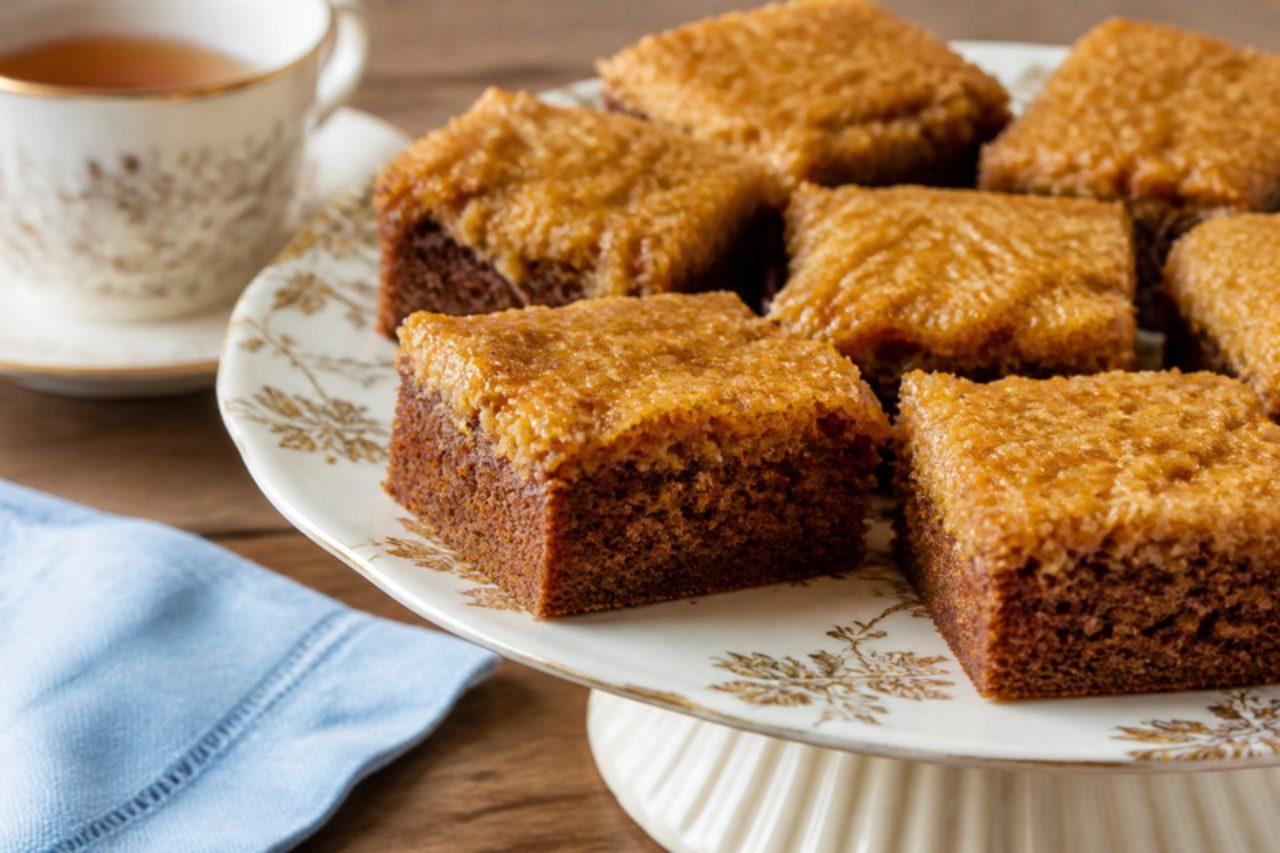
Queen Elizabeth cake

Queen Elizabeth cake has been a favourite in Canadian homes and Quebec bakeries since the 1950s, especially around coronations and royal visits, and it still turns up at Montreal family birthdays and Sunday teas. A moist, tender date cake is baked, then covered in a bubbling coconut and brown-sugar topping and put under the grill until it caramelises. It is humble, rich and keeps well for days. A common mistake is walking away from the grill; the topping goes from golden to burnt in under a minute. Chef's tip: soak the dates in boiling water with the bicarbonate so they melt into the crumb.

by KrazyBadal 0 views

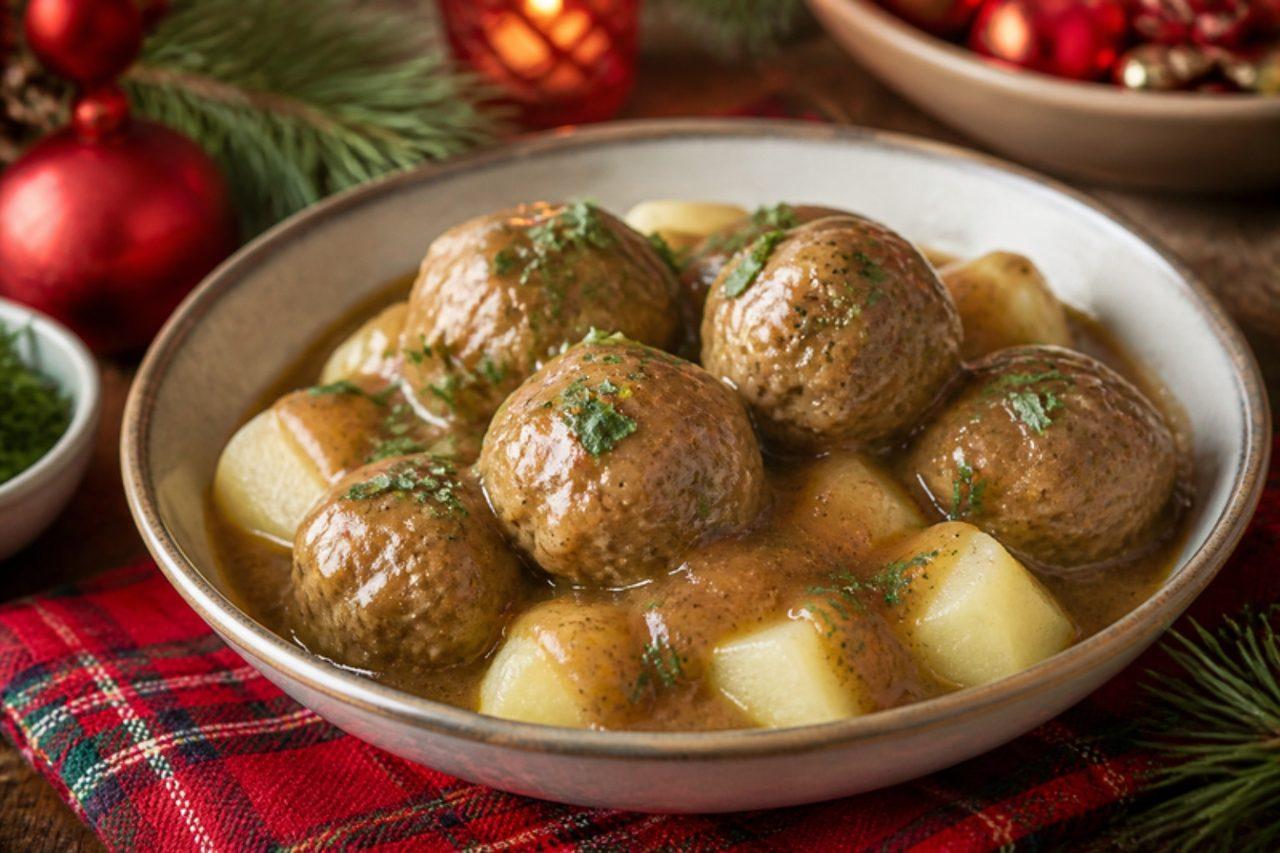
Meatball stew

Ragoût de boulettes is a Quebec Christmas Eve and New Year dish, simmered in big pots for the réveillon in the Saguenay and Beauce, often served with pork hocks and boiled potatoes. The meatballs are made from minced pork, gently spiced with cinnamon, clove and nutmeg, and simmered in a gravy thickened with flour toasted dry in a pan until brown. That toasted flour gives the stew its colour and nutty taste. A common mistake is toasting the flour too quickly so it burns; keep the heat moderate and stir constantly. Chef's tip: it tastes even better the next day, so make it ahead and reheat until piping hot.

150 minCanadianMeat
by KrazyBadal 0 views

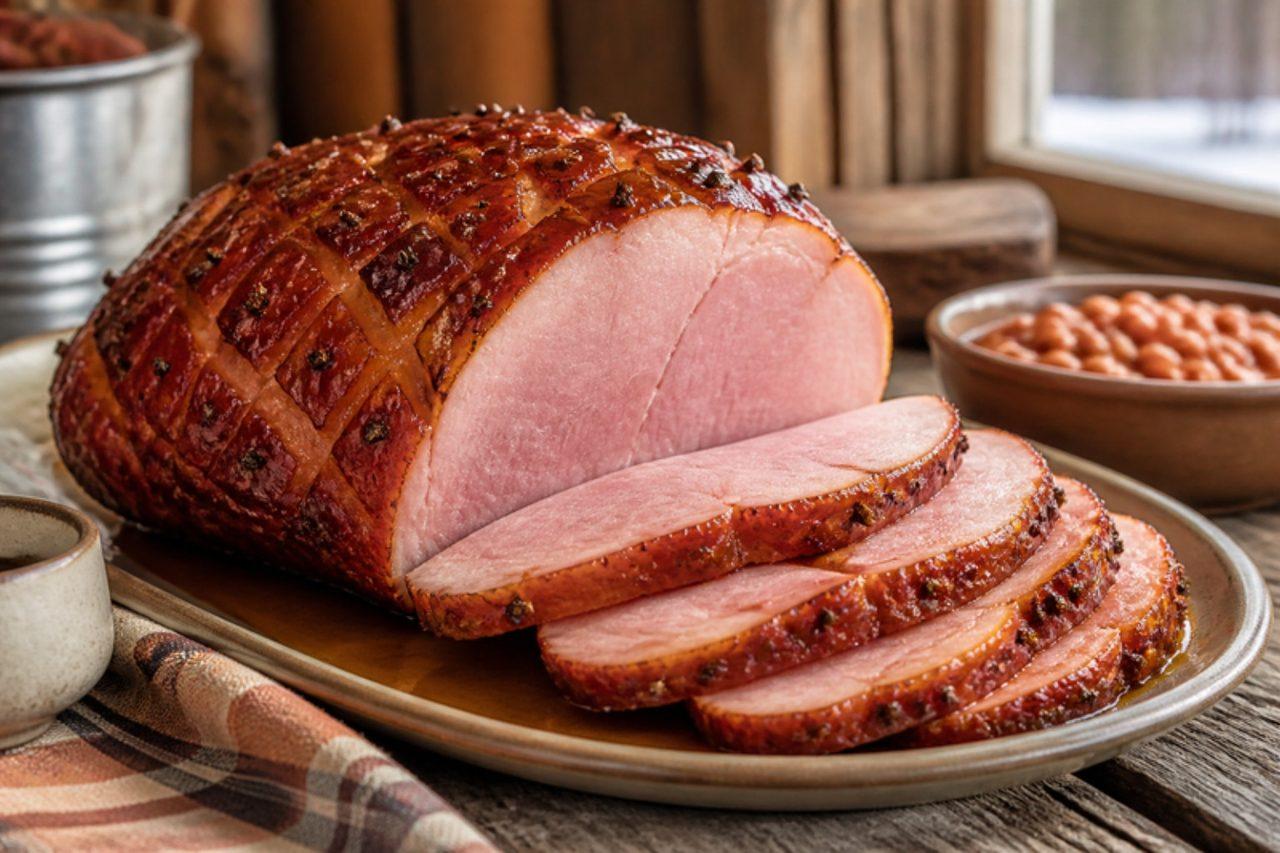
Maple-glazed ham

At the cabanes à sucre of Quebec in March and April, a smoked pork ham baked in maple syrup is the centrepiece of the long tables, carved alongside pea soup, beans and omelette. At home it is an Easter favourite in the Eastern Townships. The ham is simmered, then glazed and baked, basted again and again until it shines. Check the label: most smoked hams are already cooked and only need heating, while uncooked ones need full cooking. A common mistake is glazing too early, which burns the sugar before the ham is hot. Chef's tip: a splash of cider vinegar in the glaze balances the sweetness.

150 minCanadianMeatGluten free
by KrazyBadal 0 views

Lassy mogsMolasses cookies

Lassy mogs are the soft, cakey cookies of Newfoundland Christmas tins, from the days when molasses (lassy) was the sweetener every outport kitchen kept. They are dark, spicy and chewy with raisins, dates and sometimes coconut, and are eaten with a cup of tea after a cold walk. A common mistake is baking them until firm; they should still look slightly soft in the middle when they come out. Chef's tip: chill the dough for half an hour so it scoops easily and the cookies keep their dome.

by KrazyBadal 0 views

PlatzFruit sheet cake with streusel

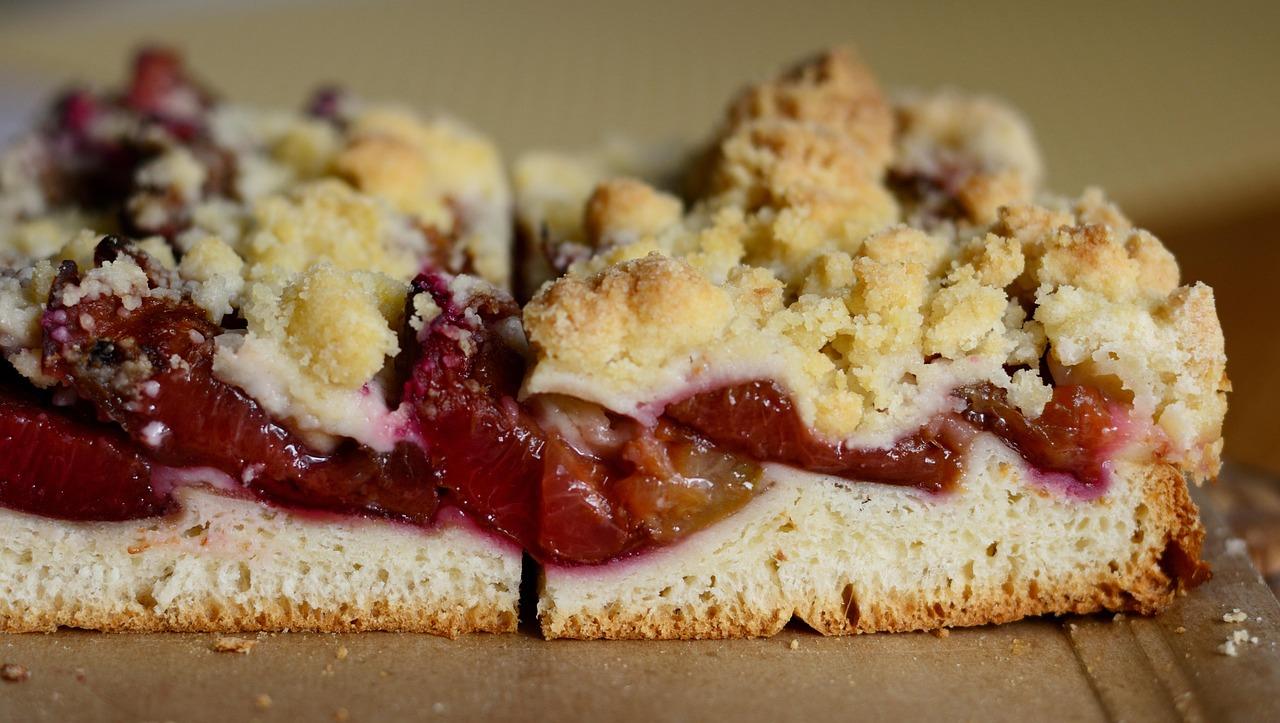
Platz is the coffee-time sheet cake of Mennonite kitchens across Manitoba and Saskatchewan, baked in big trays for faspa, the light Sunday afternoon meal, and for weddings and funerals. A soft, buttery dough is pressed into the pan, covered with whatever fruit is in season, rhubarb, plums, apples or saskatoons, and buried under a sweet crumb. It slices into squares and keeps well. A common mistake is skimping on the fruit; it should cover the dough in one tight layer. Chef's tip: toss very juicy fruit with a spoonful of flour so the base stays cakey.

by KrazyBadal 0 views

Nova Scotia oatcakes

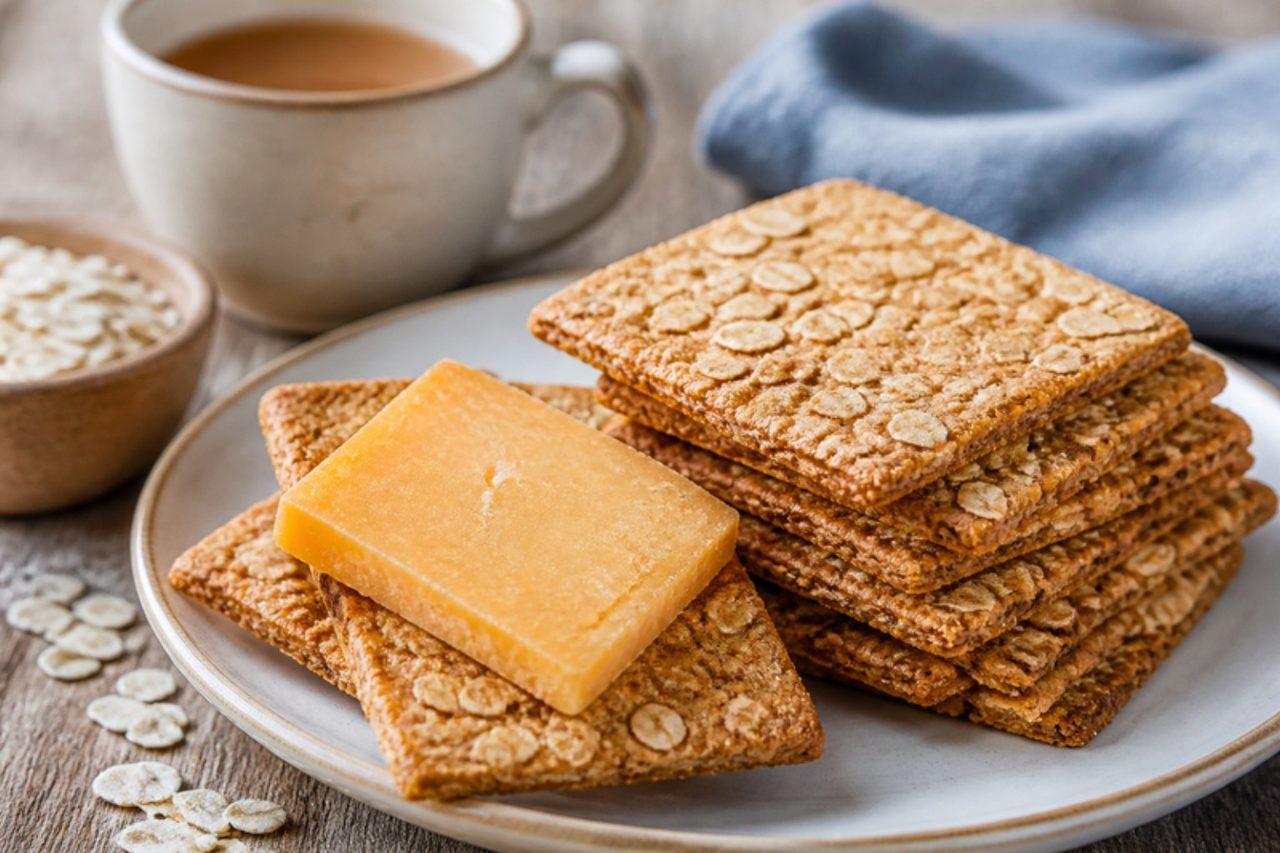
Nova Scotia oatcakes are nothing like the plain Scottish kind: Cape Breton bakers, with their Highland roots, made them sweeter and richer, with butter and brown sugar, so they crunch like a cross between a biscuit and shortbread. They are sold at every coffee shop in Antigonish and Baddeck and eaten with tea, or with a slice of sharp cheddar. A common mistake is rolling them thick; 5 mm gives the proper snap. Chef's tip: chill the rolled dough before cutting so the squares stay sharp.

by KrazyBadal 0 views

Date squares

Date squares are on the tea table in every Canadian church hall and school bake sale, called carrés aux dattes in Quebec and matrimonial cake in the West. A buttery oat crumble is pressed into a tin, spread with a soft date filling and covered with more crumble, then baked until golden. They keep for days and freeze well. A common mistake is spreading the dates while hot onto loose crumb, which makes the base soggy; press the base firmly. Chef's tip: add a strip of orange zest to the dates for a brighter flavour.

by KrazyBadal 0 views

Partridgeberry muffinsLingonberry muffins

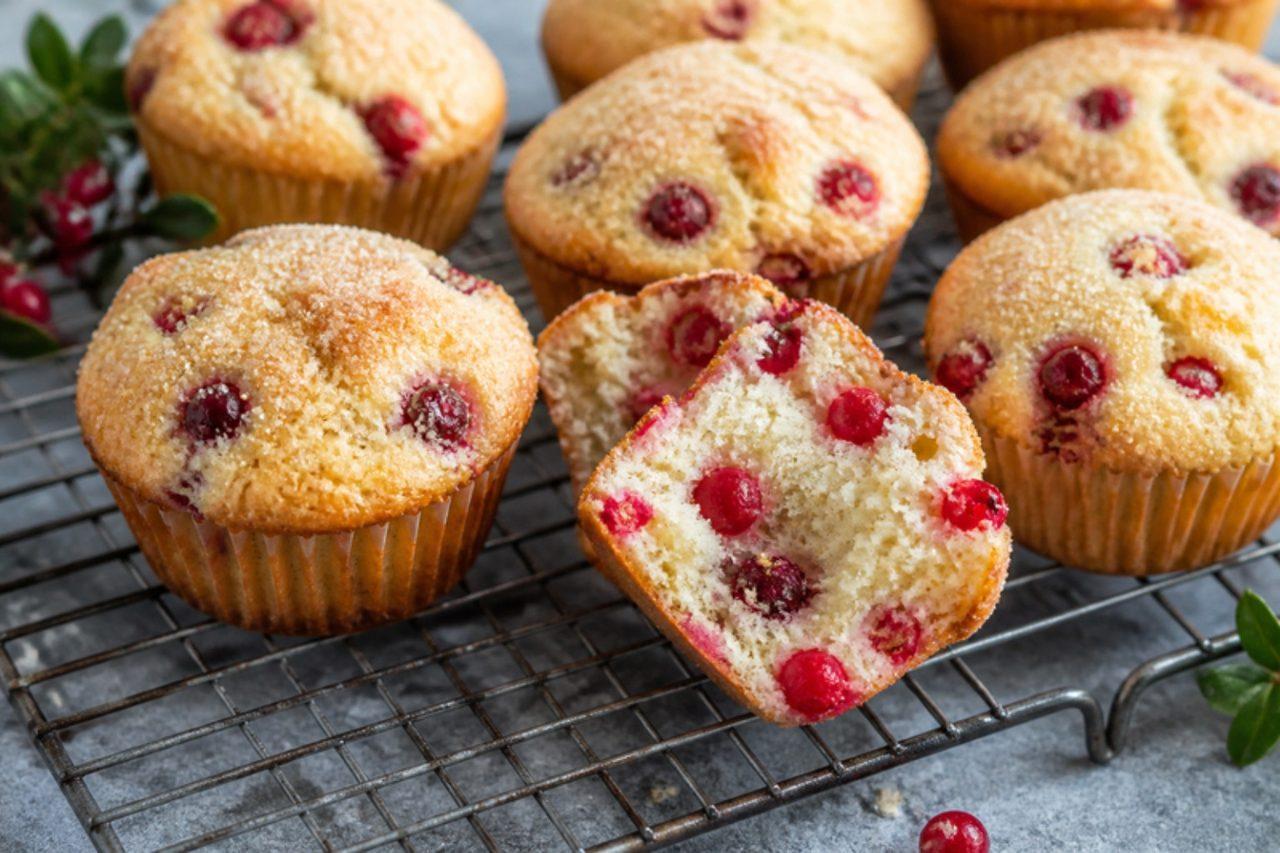
Partridgeberries are what Newfoundlanders call lingonberries, the bright red, sharp little berries picked on the barrens in September and frozen for the year. Every bakery in Gander and Corner Brook bakes them into tender muffins where the tart berries pop against the sweet crumb. Frozen lingonberries or cranberries work just as well. A common mistake is overmixing, which makes tunnelled, rubbery muffins. Chef's tip: toss the frozen berries in a spoonful of flour before folding them in so they don't sink or bleed.

by KrazyBadal 0 views

KispiñoSteamed quinoa cakes

Pressed in a fist so each one carries the marks of the cook's fingers, kispiño are small, dense quinoa cakes from the Puno highlands, steamed and then left to dry so they keep for weeks on journeys, herding trips and pilgrimages. Traditional ones are bound with a little lime water (from cal, the mineral) and fat; this home version uses oil and a pinch of aniseed and sugar, so they're vegan and pleasantly savoury-sweet. They're firm and chewy, a little like a grain cake, and good with hot tea, coca tea or a soup on a cold day. The common mistake is making the dough too wet, so the cakes slump in the steamer; it should feel like damp sand that holds its shape when squeezed. Ground quinoa is quinoa flour; grind your own from rinsed, dried and toasted grain, or buy it ready ground. Chef's tip: toast the ground quinoa in a dry pan first until it smells nutty, which takes away any bitterness.

by KrazyBadal 0 views

King kongLayered biscuit with manjar blanco

Named, the story goes, after the giant ape because of its size when the film reached Peru, the king kong is Lambayeque's proudest sweet: thick, crumbly biscuit layers stacked with manjar blanco, a sticky pineapple jam and a peanut fudge, then cut into heavy slabs. Shops in Lambayeque and Chiclayo sell them by the kilo in boxes, and travellers carry them home as gifts. It is very sweet, buttery and dense, so a slice goes a long way with black coffee. This home version makes the manjar blanco from condensed and evaporated milk to save hours, then turns half of it into the peanut layer. The usual mistake is overbaking the biscuit until it is hard; take it out as soon as the edges are pale gold, as it firms up while it cools. It is a project, so make the fillings first and let them cool. Chef's tip: wrap the finished king kong and leave it overnight before cutting; the layers settle and soften into each other.

by KrazyBadal 0 views

Showing 24 of 36 recipes

Show more recipes

Page 1 of 2