Skip to content
Recipes

All recipes

Vegetarian, or something you can't eat? Set your diet once and we'll hide recipes that don't fit.

Ají amarillo pasteYellow chilli paste

In Lima's markets ají amarillo is sold fresh all year, and most Peruvian cooks keep a tub of this paste in the fridge the way others keep tomato purée: it is the golden base of causa limeña, ají de gallina, papa a la huancaína, chupe and the sauce for tiraditos. The chillies are seeded, de-veined and blanched in three changes of water, which tames the heat and the raw grassiness, then peeled and blended with oil into a thick, silky, saffron-orange paste. It tastes fruity and sunny, almost like apricot and passion fruit, with a rounded, medium heat. Abroad, buy whole frozen ají amarillo from Latin grocers; dried ají mirasol, soaked, gives a darker, earthier paste. Common mistake: skipping the peeling; the thin skins leave papery flecks and a bitter edge. It is ready when it is completely smooth and holds a soft peak like thick hummus. This is a low-acid paste: keep it in the fridge for a week or freeze it, never on the shelf. Chef's tip: freeze it in an ice-cube tray; one cube is about a tablespoon, just right for a pot of ají de gallina.

by KrazyBadal 0 views

GundrukFermented leafy greens

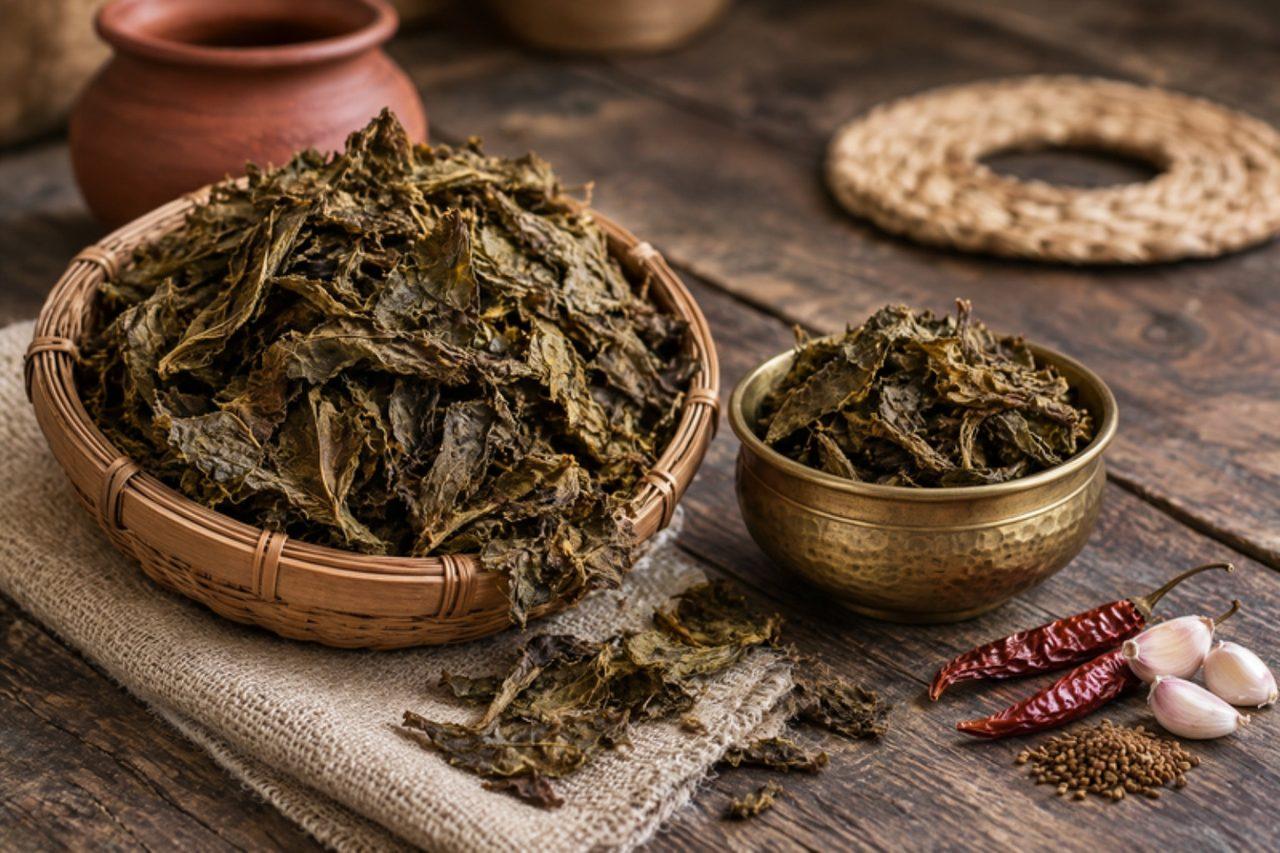
After the rice harvest in October and November, hill families from Ilam to Gorkha cut the leaves of mustard greens, radish and cauliflower, leave them to wilt in the yard, then pound them into clay pots or pits to ferment. A week later the greens come out olive-brown and sour, and they are dried on bamboo mats in the bright Dashain-Tihar sun. That dried gundruk carries families through the lean winter: soaked and simmered into gundruk ko jhol with tomato and soybeans beside dal-bhat, or tossed into gundruk sadeko with onion, chilli and mustard oil to eat with chiura. The flavour is deeply sour, earthy and a little smoky, the dried leaves chewy-crisp, softening when cooked. Common mistake: packing the leaves loosely; air left in the jar lets mould grow instead of the sour lactic ferment, so press until juice rises over the greens. It is ready to dry when it smells sharply sour like good sauerkraut and the leaves have lost all their green. Chef's tip: if your greens are from a supermarket, mix mustard greens with radish tops or kale for the closest flavour, and ferment in a big jar with a weight.

by KrazyBadal 0 views

BusecaTripe and white bean stew

Buseca arrived in Montevideo with Italian immigrants from Lombardy and became a classic winter dish of Uruguayan bodegones and family kitchens, eaten on cold June and July days. Honeycomb tripe is simmered until tender, then stewed with white beans, pork chorizo, bacon, peppers, tomato and paprika into a thick, warming stew served with crusty bread. Buy tripe that is already cleaned and blanched (dressed). The usual mistake is undercooking the tripe: it needs a full 2 hours, until it's soft enough to cut with a spoon. Slow-cooker option: after step 4, cook on low for 8 hours. Chef's tip: a little grated lemon zest and parsley stirred in at the end lifts the rich, gelatinous sauce.

by KrazyBadal 0 views

Morcilla dulceSweet blood sausage with walnuts

No Uruguayan parrilla is complete without morcilla dulce: a soft pork blood sausage sweetened with sugar and scented with orange peel, studded with walnuts and raisins, grilled until the skin crisps and served first, as part of the achuras, while the beef is still cooking. It is pork throughout: pork blood, pork back fat and natural pork casings. Making it at home is a project. Buy fresh pork blood with an anticoagulant added from a butcher who supplies it for sausage making, keep it chilled below 4 °C and use it within a day. The common mistake is poaching at a rolling boil, which bursts the casings. Chef's tip: keep the water at 80–85 °C, just shivering, and prick a sausage after 25 minutes: it is done when brown, not red, juice comes out.

by KrazyBadal 0 views

Postre MassiniCustard sponge with burnt sugar top

Montevideo's birthday cake of choice since the early twentieth century, the Massini is two thin layers of sponge sandwiching a thick filling of whipped cream folded with egg-yolk custard, crowned with a thin glassy crust of torched yolk and sugar. Bakeries across Uruguay sell it on Sundays. Traditional versions sometimes add a sweet fortified wine to the custard; this one is alcohol-free. The custard is cooked to a safe 71 °C. The common mistake is assembling with warm custard, which melts the cream into a puddle. Chef's tip: if you don't have a blowtorch, put the sugared top under a very hot grill for a minute and watch it closely.

by KrazyBadal 0 views

TakhaSpiced buffalo jelly

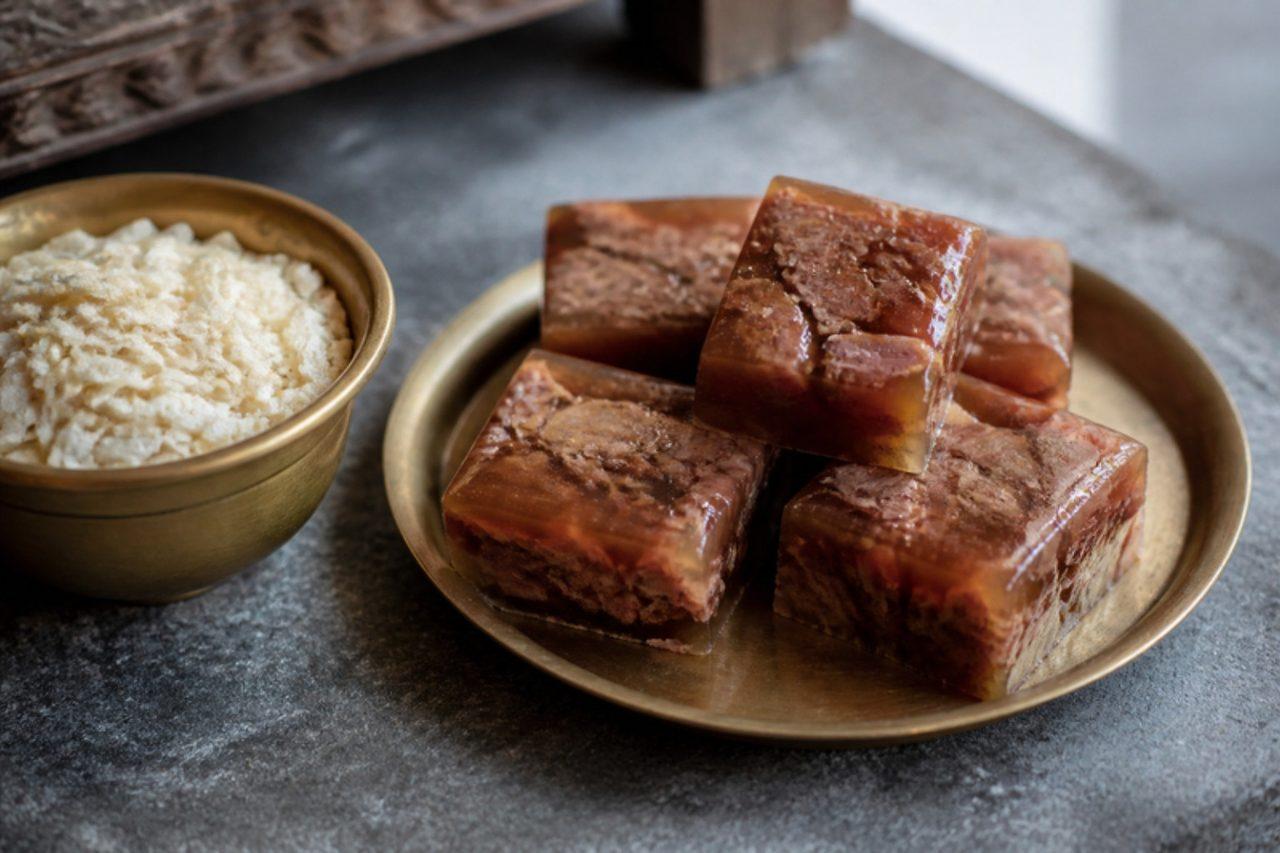
On cold Kathmandu winter mornings the clay bowls of takha that were left overnight by the window have set firm, and Newar families eat it cold in wobbly spoonfuls, a clear, glistening aspic studded with tender buffalo meat, tasting of ginger, garlic, cumin and timur. Its set comes entirely from the collagen in the skin, trotters and bony cuts, slowly simmered for hours; no gelatine is added. Takha is served with beaten rice at winter feasts and around the festival of Yomari Punhi. Buffalo is hard to find outside Nepal, so beef shin and a cleaned beef or veal trotter are the best stand-in. The most common failure is boiling the stock hard, which makes it cloudy and greasy; it should barely tremble. Chef's tip: test the set before you pour, by chilling a spoonful on a cold saucer for 10 minutes; if it stays runny, reduce the stock further.

240 minNepaliMeatGluten free
by KrazyBadal 0 views

SargyangmaPork blood sausage

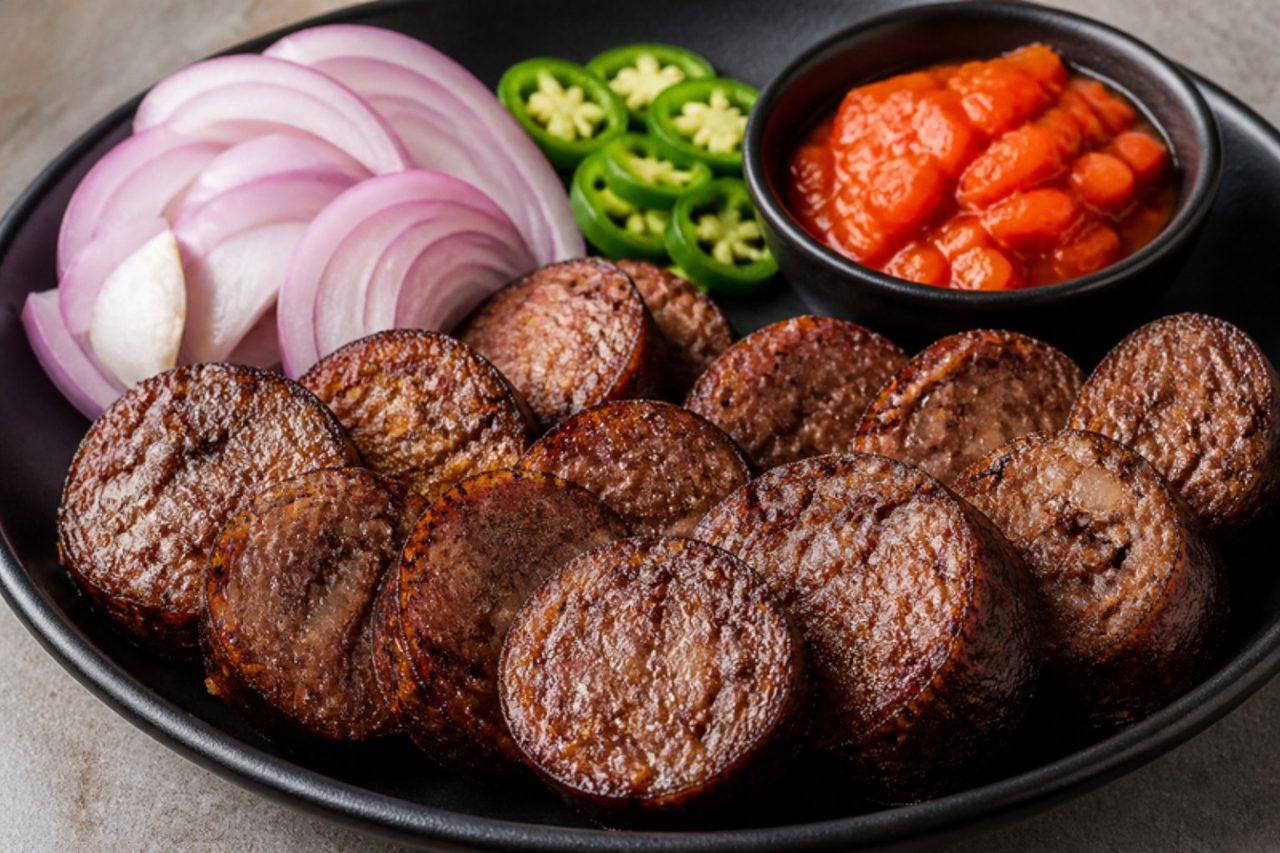
This is a pork dish: sargyangma is the blood sausage of the Limbu people of Taplejung, Panchthar and the eastern hills, made at Chasok Tangnam, weddings and whenever a pig is killed for a family celebration. Fresh pork blood is mixed with diced pork fat, rice, ginger, garlic, chilli and timur, stuffed into pork intestine, gently boiled and then sliced and fried until crisp-edged, and it is eaten hot with a tomato and timur achar or simply with rice. At home, buy fresh or frozen pork blood and natural hog casings only from a licensed butcher, keep both chilled, and cook the sausage until a thermometer in the centre reads 71 °C. The trap is boiling the water hard, which bursts the casings; it should barely simmer. Chef's tip: prick the sausages with a needle as they rise in the pot, and when the liquid that comes out is clear brown, not red, they are nearly done.

120 minNepaliMeatGluten free
by KrazyBadal 0 views

Fini rotiLayered fried sugar bread

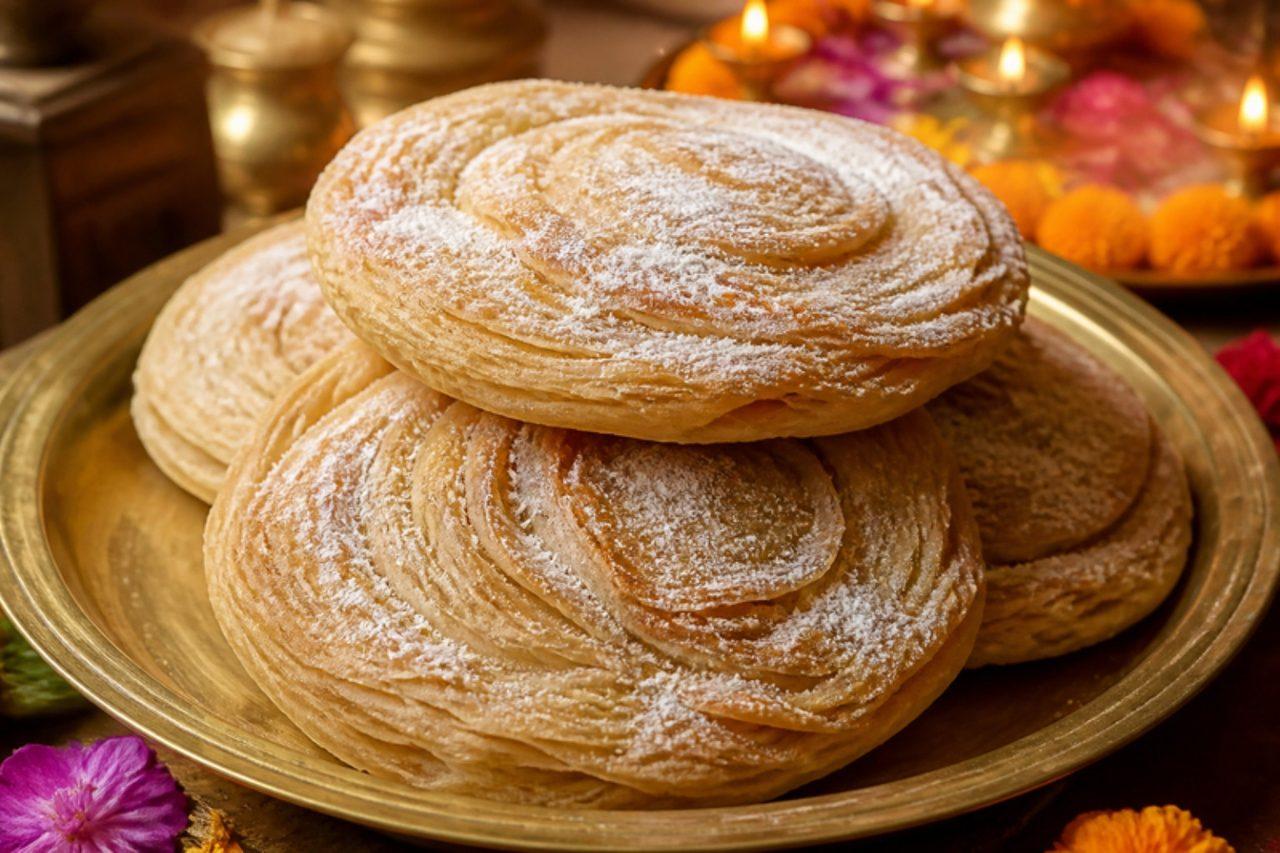
During Tihar, the five-day festival of lights in late autumn, sisters in Kathmandu and Pokhara prepare a basket of treats for Bhai Tika, and fini roti, a crisp round of fried bread made of dozens of paper-thin layers, sits in it beside sel roti, nuts and sweets. A simple dough of flour and ghee is rolled very thin, spread with a paste of ghee and rice flour, rolled into a log and cut, so that each piece fans out in the hot oil into a flaky spiral that shatters at the first bite. It is lightly dusted with sugar, lasts for days in a tin, and is eaten with tea or given to visiting relatives. The layers vanish if you make the paste with melted ghee, which seeps out instead of staying put. Chef's tip: beat the ghee and rice flour together until fluffy and pale like soft butter, and keep the dough cool so the layers stay distinct.

by KrazyBadal 0 views

Sukuti sadekoDried meat salad

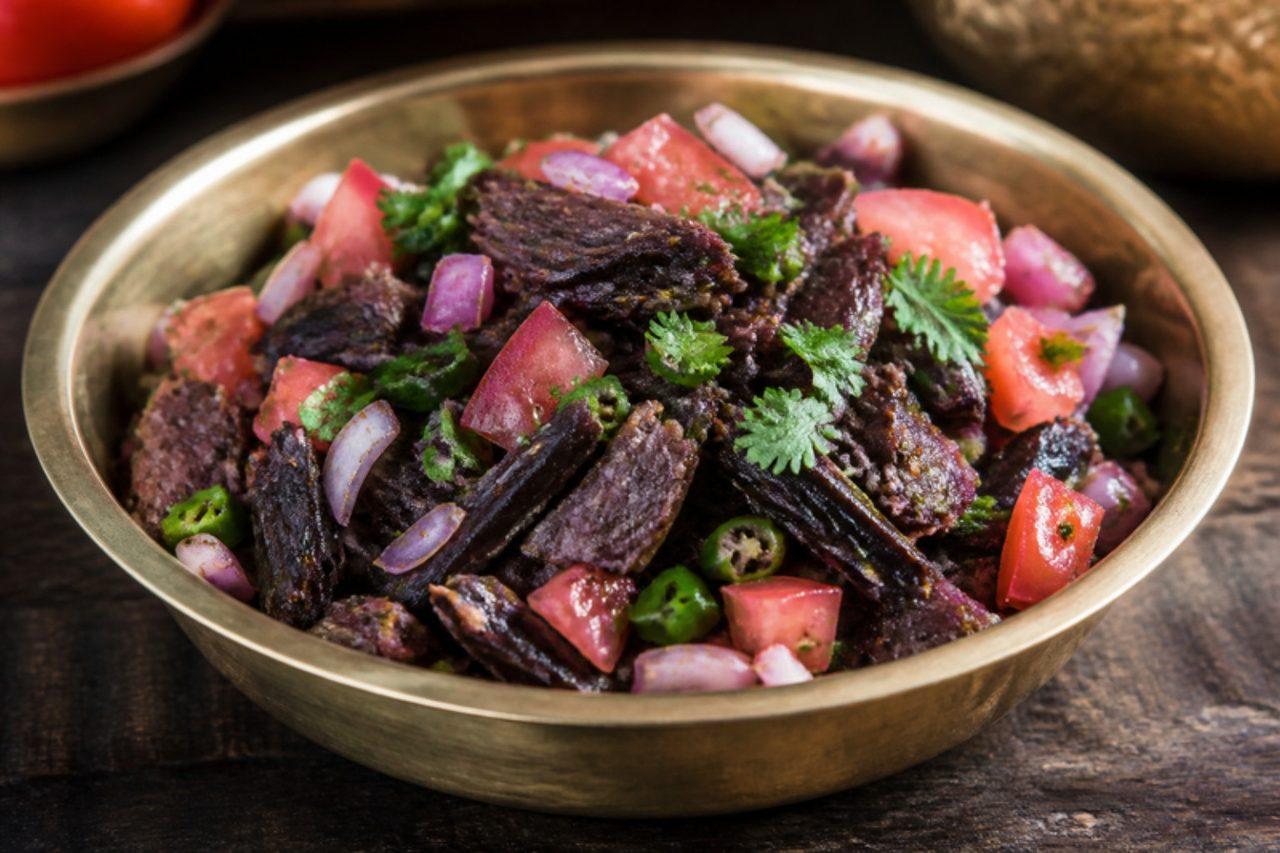
Up in Mustang and the high Thakali villages of the Kali Gandaki, strips of buffalo or yak meat are hung in the cold, dry wind until they turn dark and hard, and that sukuti keeps families in protein through the winter. Sadeko means mixed or dressed, and sukuti sadeko is the bar-snack and festival nibble that every Nepali restaurant from Jomsom to Kathmandu serves: the dried meat roasted or fried until it softens and smokes, pulled into shreds and tossed with red onion, tomato, garlic, green chilli, numbing timur and a splash of hot mustard oil. It is chewy, smoky and fiercely savoury. Buy sukuti from a reputable Nepali or Asian grocer, or use good dried beef jerky without sugar glaze. The usual misstep is skipping the roasting step, which leaves the meat too tough to chew. Chef's tip: pound the roasted sukuti lightly in a mortar before shredding, so it breaks along the grain.

30 minNepaliMeatGluten freeSpicy
by KrazyBadal 0 views

GhonghiSnail curry

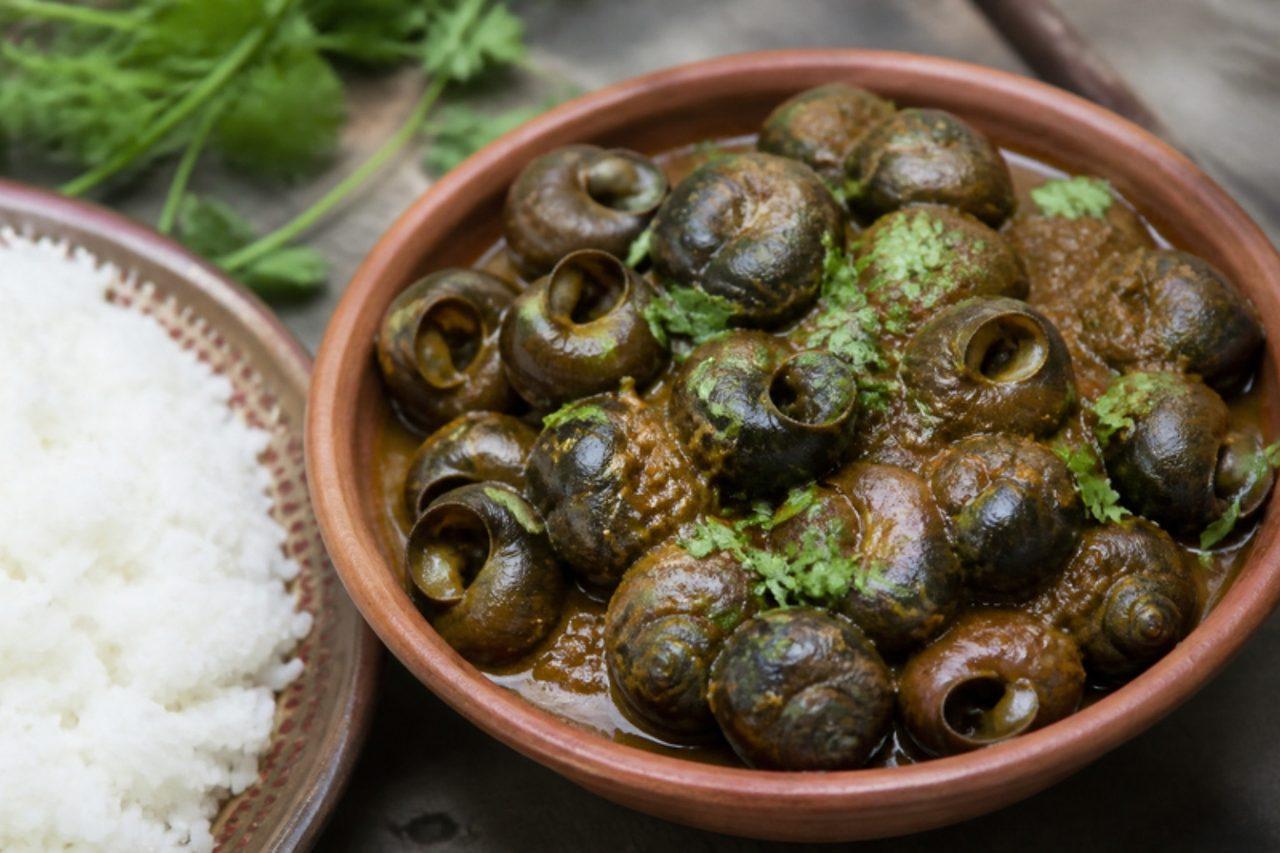
When the monsoon fills the rice paddies of the western and central Terai, Tharu families gather ghonghi, the little freshwater snails, and cook them in a dark, fiery curry thickened with ground roasted linseed; the tip of each shell is snipped so the meat can be sucked out at the table, and the dish is loved as both a treat and a monsoon tonic, eaten with rice or dhikri. Wild freshwater snails can carry parasites such as rat lungworm and liver flukes, so never use snails you have collected from ponds, ditches or paddies yourself. At home use only cleaned, purged farmed snails in their shells from a specialist supplier, or cooked, frozen farmed escargots, or live periwinkles from a good fishmonger as a stand-in, and boil them hard before they go into the curry. The usual error is skimping on the boiling, which is both unsafe and leaves the snails rubbery; they need a rolling boil and then a long simmer. Chef's tip: roast the linseed until it pops before grinding, for the nutty, dark Tharu flavour.

80 minNepaliMeatGluten freeSpicy
by KrazyBadal 0 views

Kachila (cooked)Spiced buffalo mince

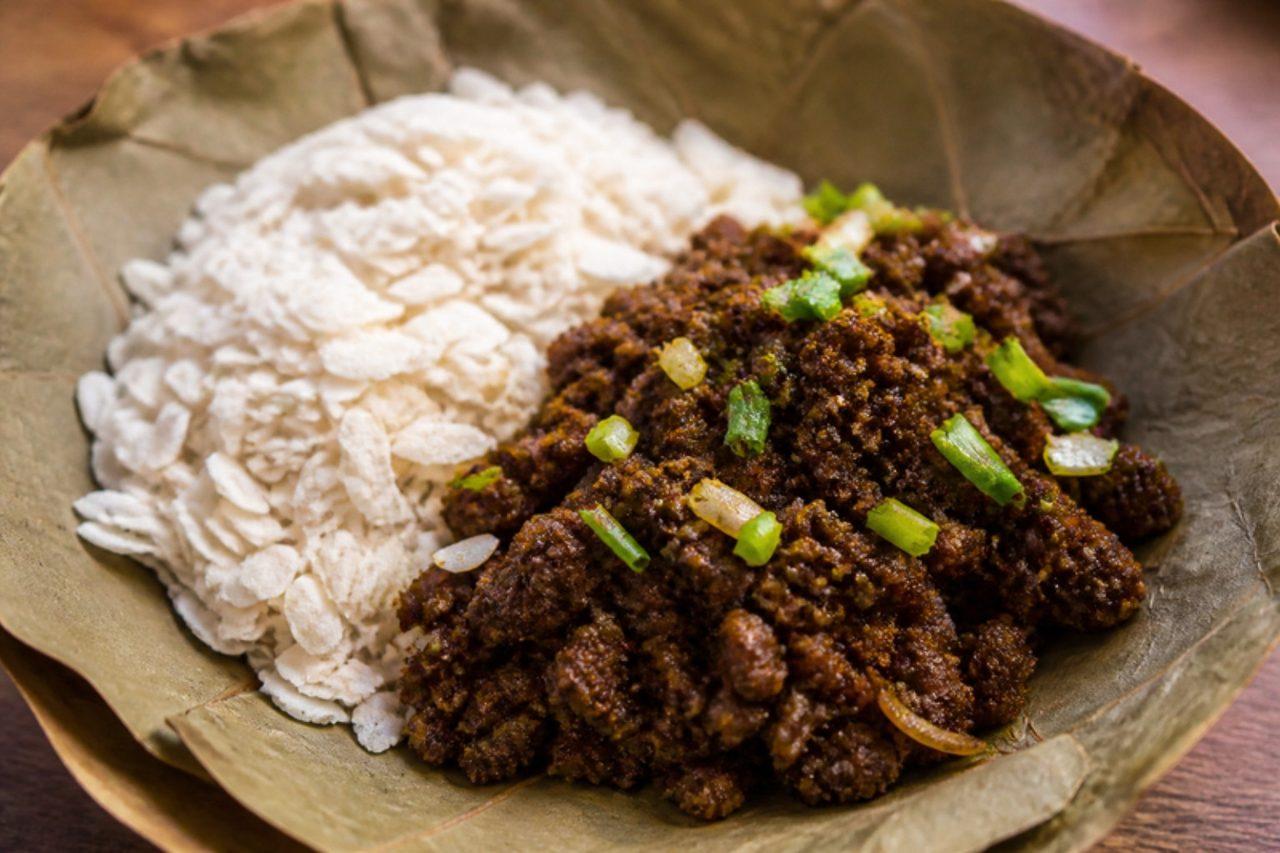
In the Newar homes and bhoj feasts of the Kathmandu Valley, kachila is a prized delicacy: finely minced buffalo meat mixed with mustard oil, garlic, ginger, chilli and numbing timur, eaten in small spoonfuls with beaten rice, traditionally raw. Raw minced meat can carry harmful bacteria and parasites right through, so the traditional raw form is not for pregnant women, young children or anyone with a weakened immune system, and we do not recommend it for anyone at home. This version keeps every bit of the seasoning but sears the mince quickly in a very hot pan to 71 °C, so it stays soft and loose rather than turning into a dry fry, then dresses it with the classic smoking mustard-oil tempering. It is eaten as part of samay baji or as a snack with chiura. The usual slip is overcooking it into crumbly pellets; take it off the heat the moment it is cooked through. Chef's tip: use buffalo or beef mince, or ask the butcher to mince lean beef twice, very fine.

30 minNepaliMeatGluten freeSpicy
by KrazyBadal 0 views

Sapu mhichaStuffed leaf tripe

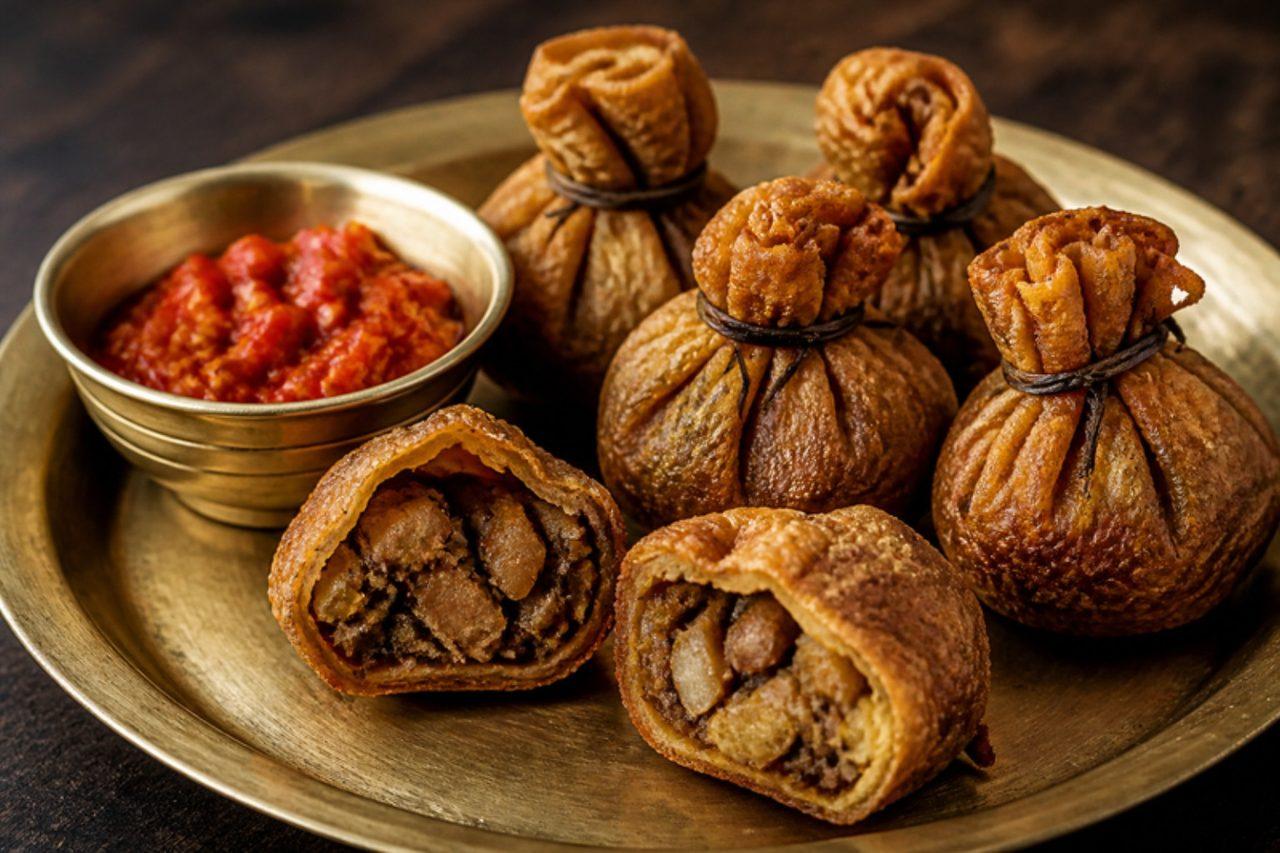
Sapu is the many-layered leaf (or book) tripe of the buffalo and mhicha means a little bag, and these parcels are among the great tests of a Newari cook in Kirtipur, Bhaktapur and the old quarters of Kathmandu, made for bhoj feasts and festival days. The tripe is filled with soft bone marrow seasoned with ginger, garlic and timur, tied up, simmered until tender and finally fried so the outside crisps while the marrow inside turns rich and melting. Slices are eaten hot with beaten rice and a sharp tomato achar. Buy leaf tripe already dressed (cleaned and blanched) from a butcher, ask for beef if buffalo is not available, and cook it until fully tender; it is never served pink or half-cooked. The usual slip is overfilling, which makes the parcels burst in the pan. Chef's tip: tie the parcels like a small sausage with kitchen string, tight but not cutting into the tripe.

120 minNepaliMeatGluten free
by KrazyBadal 0 views

Turrón de Doña PepaAnise biscuit sticks in spiced syrup

Every October, the month of the Señor de los Milagros processions in Lima, bakeries and street sellers pile their trays with turrón de Doña Pepa: layers of crumbly anise-flavoured sticks drenched in a dark syrup of chancaca cooked with fruit and spices, topped with a storm of coloured sprinkles. Popular lore credits it to Josefa Marmanillo, a woman from the Cañete valley who is said to have made it in thanks after the procession. It is sticky, crunchy and soft at once, with orange and clove in the syrup. Its downfall is usually runny syrup that soaks the sticks into mush; it needs to reach a thick, threading stage before it goes on. Chancaca is sold as cones or blocks in Latin shops; panela or dark muscovado also work. Some coloured sprinkles contain gelatin, so check the label. Chef's tip: make it a day ahead; the syrup sets and the sticks soften just enough to slice neatly.

by KrazyBadal 0 views

King kongLayered biscuit with manjar blanco

Named, the story goes, after the giant ape because of its size when the film reached Peru, the king kong is Lambayeque's proudest sweet: thick, crumbly biscuit layers stacked with manjar blanco, a sticky pineapple jam and a peanut fudge, then cut into heavy slabs. Shops in Lambayeque and Chiclayo sell them by the kilo in boxes, and travellers carry them home as gifts. It is very sweet, buttery and dense, so a slice goes a long way with black coffee. This home version makes the manjar blanco from condensed and evaporated milk to save hours, then turns half of it into the peanut layer. The usual mistake is overbaking the biscuit until it is hard; take it out as soon as the edges are pale gold, as it firms up while it cools. It is a project, so make the fillings first and let them cool. Chef's tip: wrap the finished king kong and leave it overnight before cutting; the layers settle and soften into each other.

by KrazyBadal 0 views

KispiñoSteamed quinoa cakes

Pressed in a fist so each one carries the marks of the cook's fingers, kispiño are small, dense quinoa cakes from the Puno highlands, steamed and then left to dry so they keep for weeks on journeys, herding trips and pilgrimages. Traditional ones are bound with a little lime water (from cal, the mineral) and fat; this home version uses oil and a pinch of aniseed and sugar, so they're vegan and pleasantly savoury-sweet. They're firm and chewy, a little like a grain cake, and good with hot tea, coca tea or a soup on a cold day. The common mistake is making the dough too wet, so the cakes slump in the steamer; it should feel like damp sand that holds its shape when squeezed. Ground quinoa is quinoa flour; grind your own from rinsed, dried and toasted grain, or buy it ready ground. Chef's tip: toast the ground quinoa in a dry pan first until it smells nutty, which takes away any bitterness.

by KrazyBadal 0 views

Seco de chabeloPlantain mash with dried beef

Piura's picanterías, near the dry northern border, serve this rough, savoury mash at lunch: green plantains, roasted or boiled and pounded, mixed with fried strips of carne seca (salted dried beef) and a quick sofrito of onion, tomato and ají amarillo. It is dense, salty and smoky, with the plantain's starchy sweetness, and is eaten with salsa criolla and fried ripe plantain or chifles (plantain crisps). The legend says it was invented for a soldier called Chabelo in the War of the Pacific. Use carne seca or cecina from Latin shops, or unseasoned beef jerky. Pounding the plantains smooth is the classic mistake: chabelo should be lumpy and rustic. Chef's tip: soak the dried beef in warm water for 30 minutes and taste a piece; if it's still very salty, change the water and soak again.

by KrazyBadal 0 views

Pachamanca a la ollaPot-steamed meats with potatoes

In the highlands around Huancayo and Ayacucho, families mark harvests and saints' days by burying marinated meats, potatoes, sweet potatoes, broad beans and humitas under hot stones and earth for a pachamanca, an 'earth pot'. City cooks get close to it with a heavy pot: the same green marinade of huacatay (black mint), chincho, ají and garlic, layered with meats and roots and steamed in their own juices under banana or corn leaves. Chef's tip: layer the hardest things lowest, potatoes on the bottom and chicken nearest the lid, just as the stones are packed in the field.

135 minPeruvianMeatGluten free
by KrazyBadal 0 views

Asado uruguayoGrilled beef short ribs and chorizo

Sunday in Uruguay means asado: in Montevideo backyards and the cattle towns of the interior, beef ribs (asado de tira), chorizo and morcilla cook slowly over the embers of a wood fire, with only coarse salt, while the family waits. The parrillero rakes coals under the grill and keeps the heat low and even. This recipe includes pork chorizo. The mistake is cooking over flames; the fire should burn down to embers you can hold your hand above for 6–8 seconds. Chef's tip: salt the meat only when it goes on the grill, with coarse salt, never fine.

by KrazyBadal 0 views

SekuwaSpiced grilled meat skewers

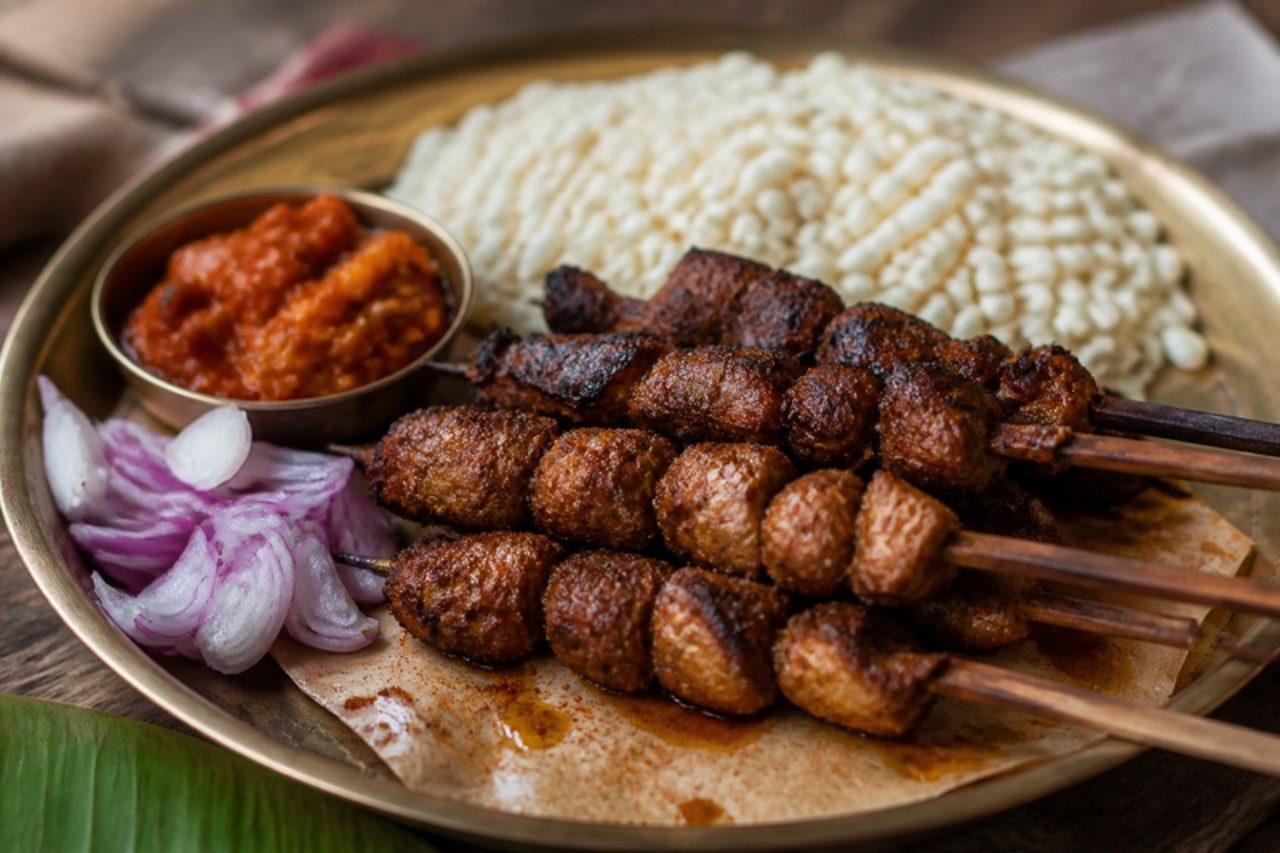
Dharan, in Nepal's eastern hills, is famous for its 'sekuwa corner', a lane of smoky grills where families and friends gather in the evening for spiced goat, chicken and pork skewers fresh off the fire. The meat is marinated in a dry-ish paste of garlic, ginger, cumin, chilli and timur (Nepali Sichuan pepper), with a little mustard oil, then grilled until charred at the edges. It is the classic picnic and party food, eaten with puffed rice, a tomato-sesame achar and sliced onion. This recipe uses lamb or mutton shoulder in place of goat. Chef's tip: soak wooden skewers for 30 minutes and leave a little space between the pieces so the heat reaches all sides.

40 minNepaliMeatGluten freeSpicy
by KrazyBadal 0 views

ChajáSponge, peach and cream cake

Chajá was created in 1927 at a bakery in Paysandú, a city on the Uruguay River, and named after a local bird whose feathers look as fluffy as its crumbly meringue coat. Today it's Uruguay's birthday and celebration cake: layers of light sponge soaked in peach syrup, filled with whipped cream, peaches and dulce de leche, then covered in crushed meringue. It's sweet, soft and crunchy at once, best on the day it's assembled. Chef's tip: soak the sponge but not too much; it should feel moist, not wet, or the layers slide.

by KrazyBadal 0 views

Anticuchos de corazónBeef heart skewers

As night falls in Lima, anticucheras set up charcoal grills on street corners and fan the smoke towards passers-by; the October processions of the Señor de los Milagros are lined with them. The skewers are traditionally beef heart, a lean, firm and surprisingly mild meat, soaked in a dark-red marinade of ají panca, vinegar, cumin and garlic. They come with a boiled potato, a piece of choclo (large-kernel corn) and a spicy green ají sauce. If you can't get heart, sirloin steak works well. Chef's tip: baste the skewers with the leftover marinade and oil using a few coriander stalks tied together as a brush, the way the street cooks do.

by KrazyBadal 0 views