Skip to content
Recipes

All recipes

Vegetarian, or something you can't eat? Set your diet once and we'll hide recipes that don't fit.

Ají amarillo pasteYellow chilli paste

In Lima's markets ají amarillo is sold fresh all year, and most Peruvian cooks keep a tub of this paste in the fridge the way others keep tomato purée: it is the golden base of causa limeña, ají de gallina, papa a la huancaína, chupe and the sauce for tiraditos. The chillies are seeded, de-veined and blanched in three changes of water, which tames the heat and the raw grassiness, then peeled and blended with oil into a thick, silky, saffron-orange paste. It tastes fruity and sunny, almost like apricot and passion fruit, with a rounded, medium heat. Abroad, buy whole frozen ají amarillo from Latin grocers; dried ají mirasol, soaked, gives a darker, earthier paste. Common mistake: skipping the peeling; the thin skins leave papery flecks and a bitter edge. It is ready when it is completely smooth and holds a soft peak like thick hummus. This is a low-acid paste: keep it in the fridge for a week or freeze it, never on the shelf. Chef's tip: freeze it in an ice-cube tray; one cube is about a tablespoon, just right for a pot of ají de gallina.

by KrazyBadal 0 views

Mandi'o chyryryFried cassava with onion and egg

Mandi'o chyryry means 'fried cassava' in Guaraní, and it is what rural Paraguayan families make from yesterday's boiled mandi'o: chunks crushed and fried in a big pan with onion until crisp in places, then scrambled with eggs. It comes out for breakfast with cocido or for a quick supper, and costs next to nothing. Use sweet cassava, the kind sold in supermarkets. The mistake is stirring constantly, which turns it to mush; let the cassava sit and brown. Chef's tip: the best chyryry starts with cold, day-old boiled cassava, which fries crisper than freshly boiled.

by KrazyBadal 0 views

Postre MassiniCustard sponge with burnt sugar top

Montevideo's birthday cake of choice since the early twentieth century, the Massini is two thin layers of sponge sandwiching a thick filling of whipped cream folded with egg-yolk custard, crowned with a thin glassy crust of torched yolk and sugar. Bakeries across Uruguay sell it on Sundays. Traditional versions sometimes add a sweet fortified wine to the custard; this one is alcohol-free. The custard is cooked to a safe 71 °C. The common mistake is assembling with warm custard, which melts the cream into a puddle. Chef's tip: if you don't have a blowtorch, put the sugared top under a very hot grill for a minute and watch it closely.

by KrazyBadal 0 views

Chicons braisésBraised endives

Belgian endive, called chicon in Wallonia and witloof in Flanders, is grown in the dark around Brussels and eaten all winter, from November to March. Braised slowly in butter with a pinch of sugar and a squeeze of lemon, the pale heads turn golden, soft and gently caramelised, with only a whisper of their raw bitterness left. Serve them beside mashed potatoes and a fried egg, or as a side for a Sunday roast. The usual mistake is crowding the pan and boiling them in their own water, which leaves them grey and bitter. Chef's tip: lay the heads in a single layer and press a round of baking paper on top, so they steam gently and then brown in the butter once the juices cook off.

by KrazyBadal 0 views

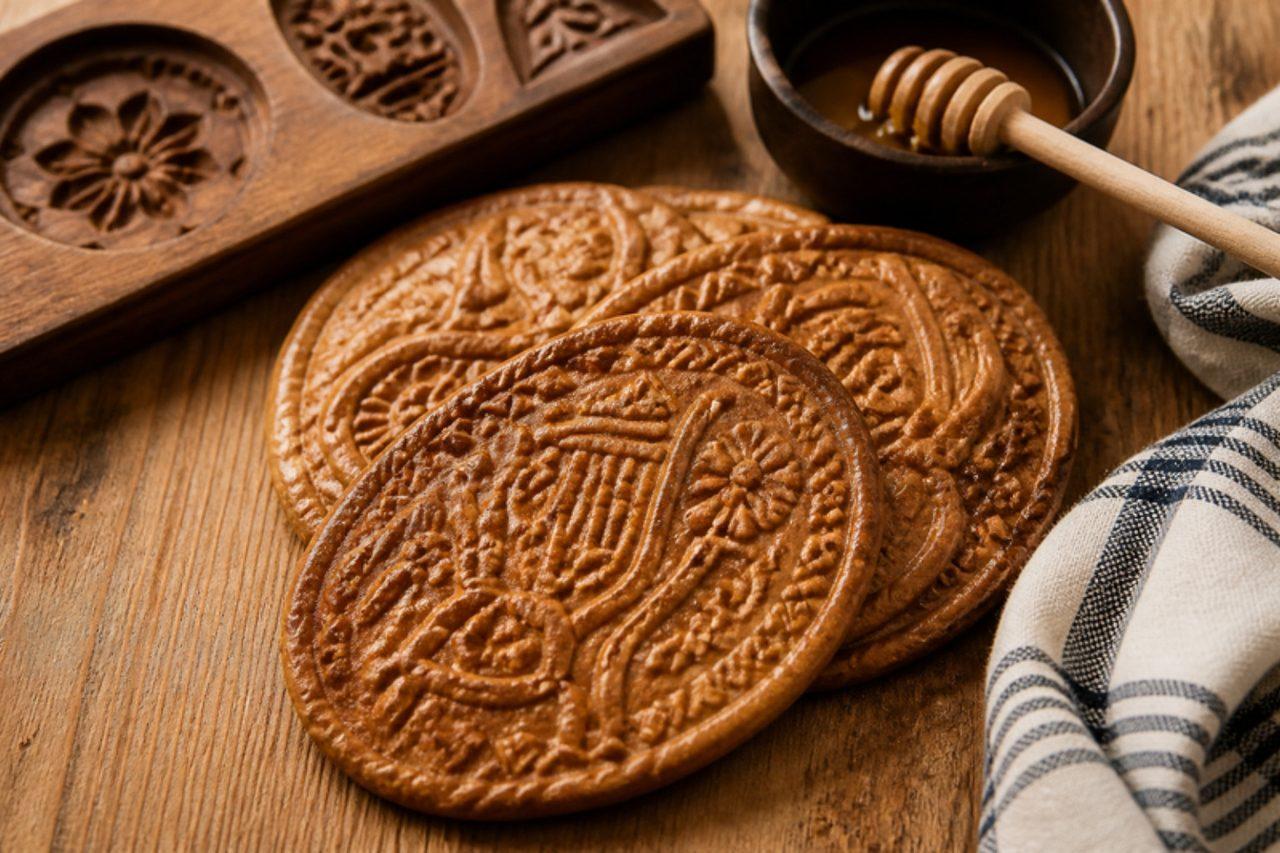
Couque de DinantHard honey biscuit

Couques de Dinant are the famously hard honey biscuits of Dinant on the Meuse, made only of flour and honey, pressed into carved wooden moulds showing castles, animals and the town's skyline, and baked so hot that the honey caramelises into a very hard, glossy biscuit. Dinant bakers say they keep for years; locals let a piece melt slowly in the mouth rather than biting. Honey is traditional; golden syrup makes a vegan version. A common mistake is a soft dough; it must be stiff enough to hold the mould's detail. Chef's tip: dust the mould with flour, press hard and tap the dough out sharply.

by KrazyBadal 0 views

KletskoppenLacy almond biscuits

Kletskoppen are the lacy, crackly biscuits of Bruges, sold in the old city's bakeries and served with coffee in the cafés around the Markt: brown sugar, butter and chopped almonds with very little flour (this version uses none), baked until they spread into thin, see-through, toffee-flavoured lace. A common mistake is putting them too close on the tray; they spread enormously and join up. Chef's tip: let them cool for a minute on the tray before lifting, and drape them over a rolling pin while still warm if you want curved tuiles.

by KrazyBadal 0 views

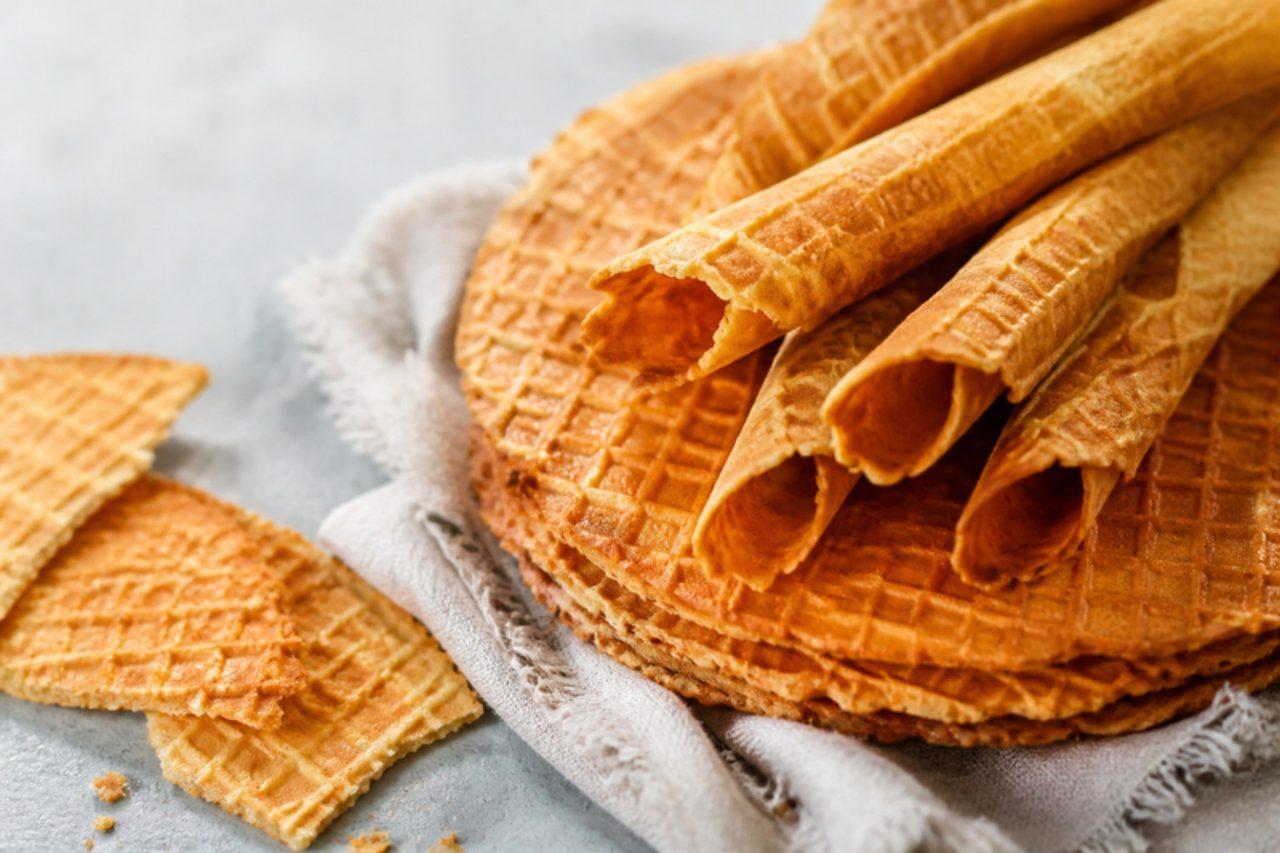
LukkenThin crisp waffle biscuits

Lukken are paper-thin, crisp waffle biscuits baked in West Flanders, around Kortrijk and Roeselare, in the days before New Year, when children go from house to house wishing neighbours a happy new year and are rewarded with them. They are made in a special iron that presses a fine pattern; a pizzelle iron or a thin-waffle (gaufrette) iron works. A common mistake is using too much batter, which makes them thick and soft. Chef's tip: use only a teaspoon of dough per biscuit and roll them while warm if you like, for 'rolled lukken'.

by KrazyBadal 0 views

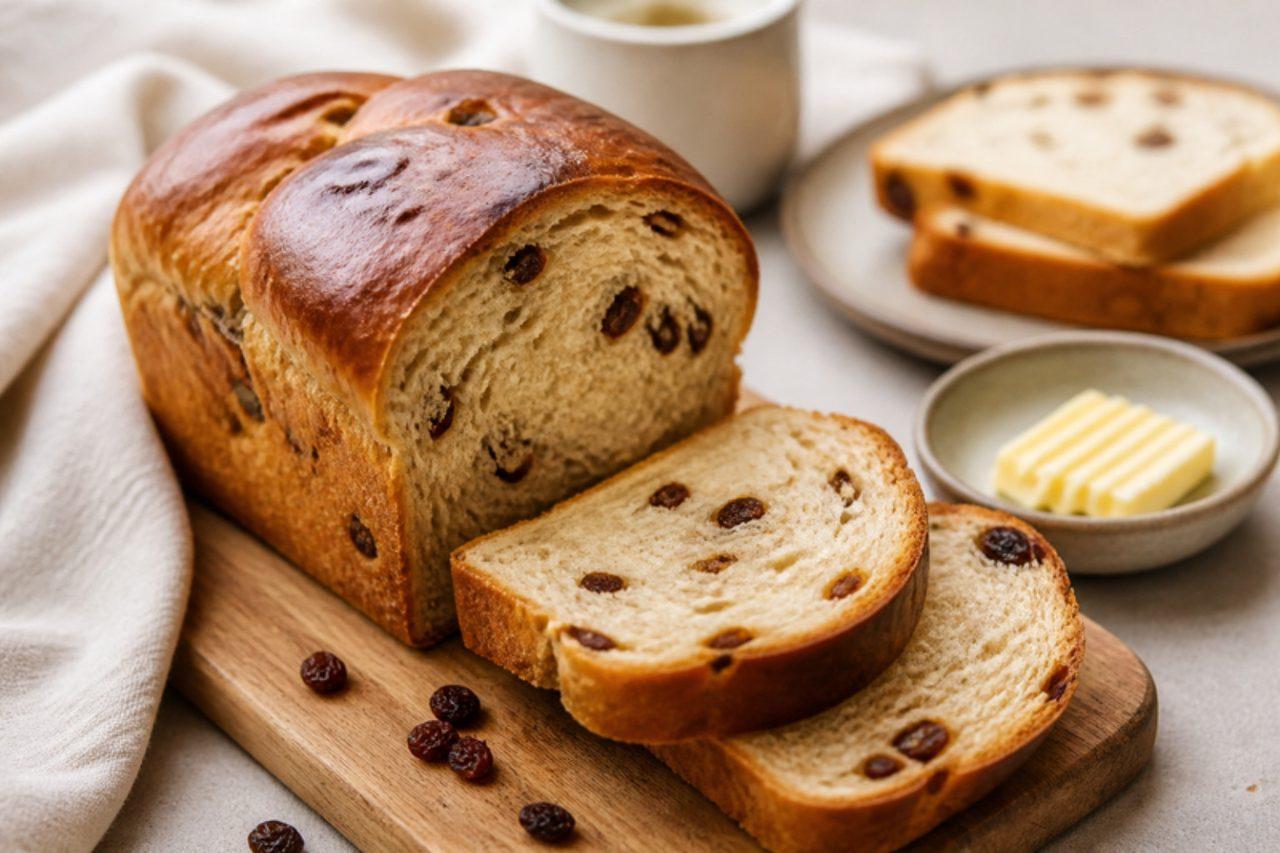
CramiqueRaisin brioche

Cramique is the Sunday breakfast loaf of Brussels and Wallonia: a soft, golden brioche packed with raisins, bought from the bakery on Sunday morning and sliced thickly with salted butter. Its sister, craquelin, swaps the raisins for pearl sugar. A common mistake is adding the raisins at the start of kneading, which tears the gluten and turns the dough grey. Chef's tip: soak the raisins in warm tea for 20 minutes, then knead them in only at the end, gently.

by KrazyBadal 0 views

CougnouChristmas brioche

Cougnou, also called cougnolle or bommetje, is the Christmas bread of Wallonia, given to children on Christmas morning: a soft brioche shaped like the infant Jesus in swaddling clothes, with a little clay or sugar medallion pressed into the middle, eaten with hot chocolate. Bakeries in Namur and Charleroi make them from early December. A common mistake is shaping them too small, which dries them in the oven. Chef's tip: make three balls, one large for the body and two small for the head and feet, pressed together tightly so they bake as one.

by KrazyBadal 0 views

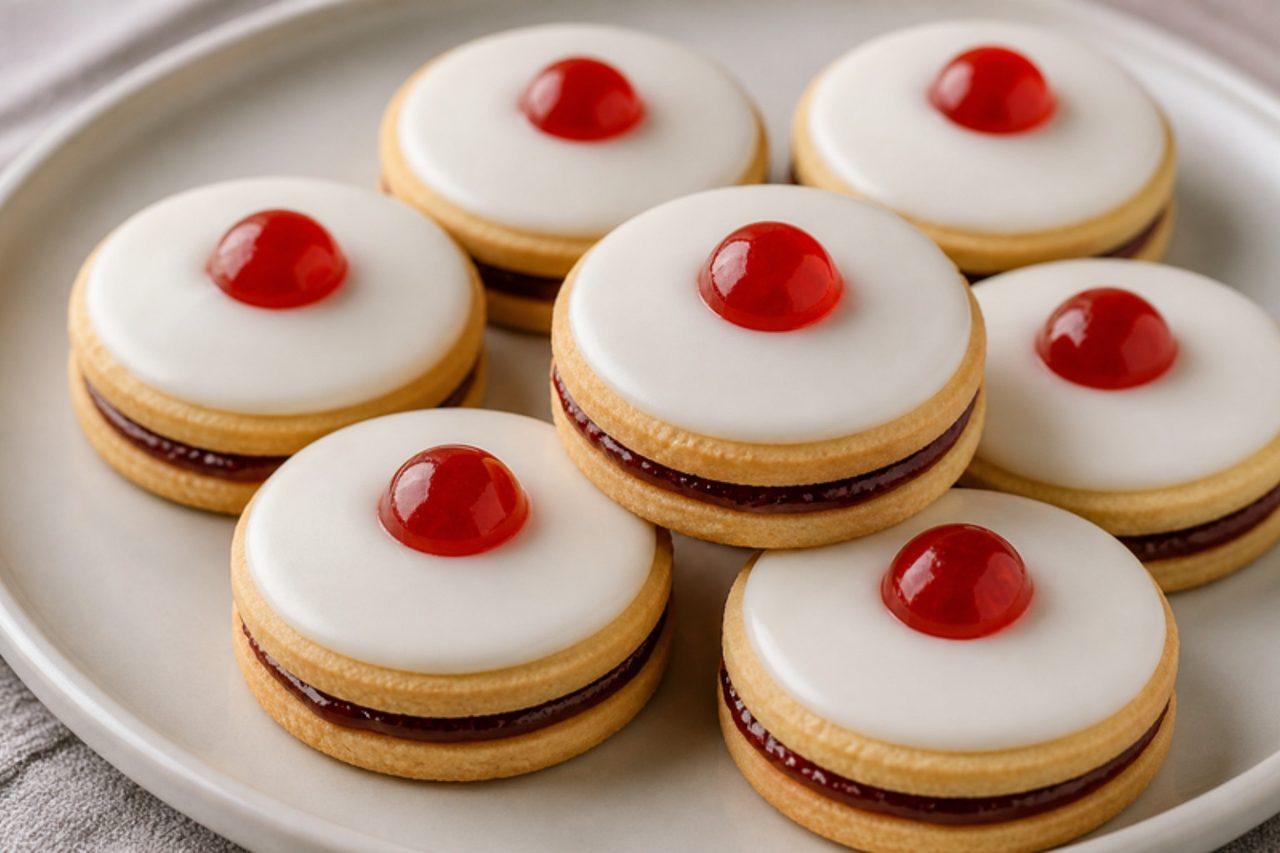
Empire biscuitsJam-filled iced shortbreads

Empire biscuits sit in the window of every Scottish high-street bakery: two rounds of crisp shortcake stuck together with raspberry jam, topped with white icing and a jelly sweet or half a glacé cherry. They were called Linzer or German biscuits until the First World War. Chef's tip: let the biscuits cool completely before sandwiching, or the jam soaks in and they go soft.

by KrazyBadal 0 views

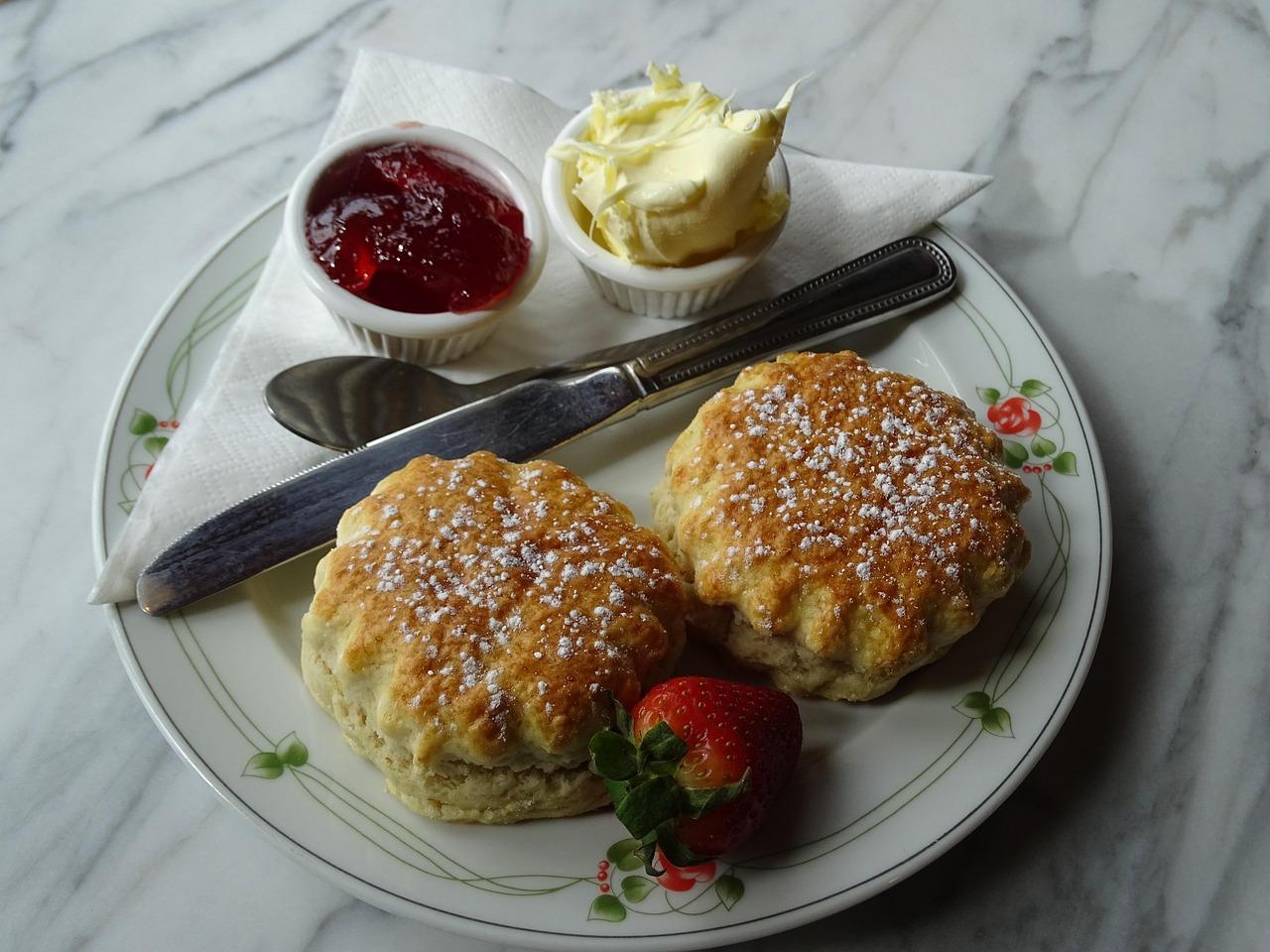
Devon cream tea scones

A cream tea is the West Country's afternoon treat: warm scones, clotted cream and strawberry jam with a pot of tea, served in tea gardens across Devon and Cornwall. In Devon the cream goes on first and the jam on top; in Cornwall it's the other way round, and the argument never ends. These scones are plain and light so the cream and jam shine. Chef's tip: cut straight down with the cutter and don't twist it, or the scones rise lopsided.

by KrazyBadal 0 views

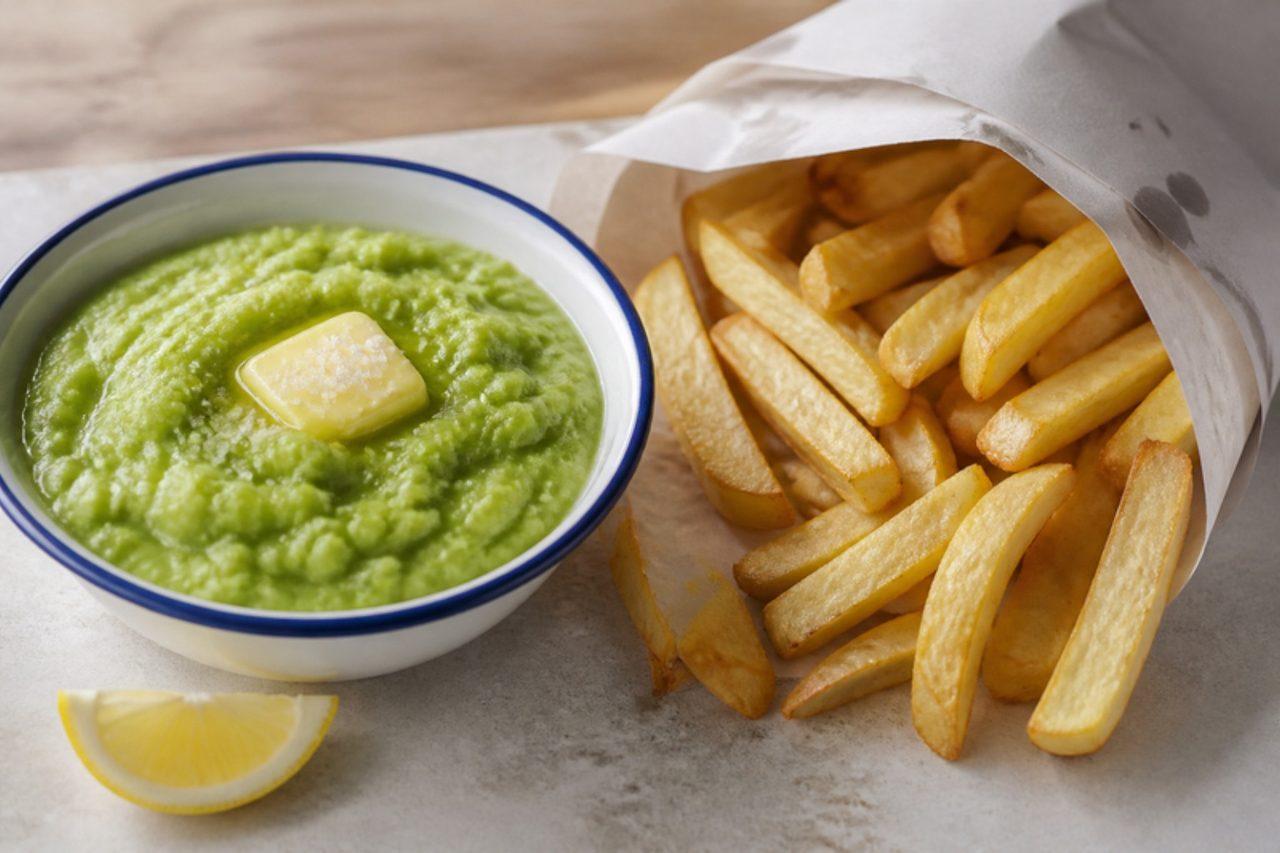
Mushy peas

No fish and chip shop in the North of England is complete without a tub of mushy peas, and in Nottingham and Leeds they are sold with mint sauce from pea stalls at fairs. Dried marrowfat peas are soaked overnight with a little bicarbonate of soda, which softens their skins, and then simmered until they break down into a thick, savoury green mash. Chef's tip: rinse the soaked peas very well, or the bicarbonate leaves a soapy taste.

by KrazyBadal 0 views

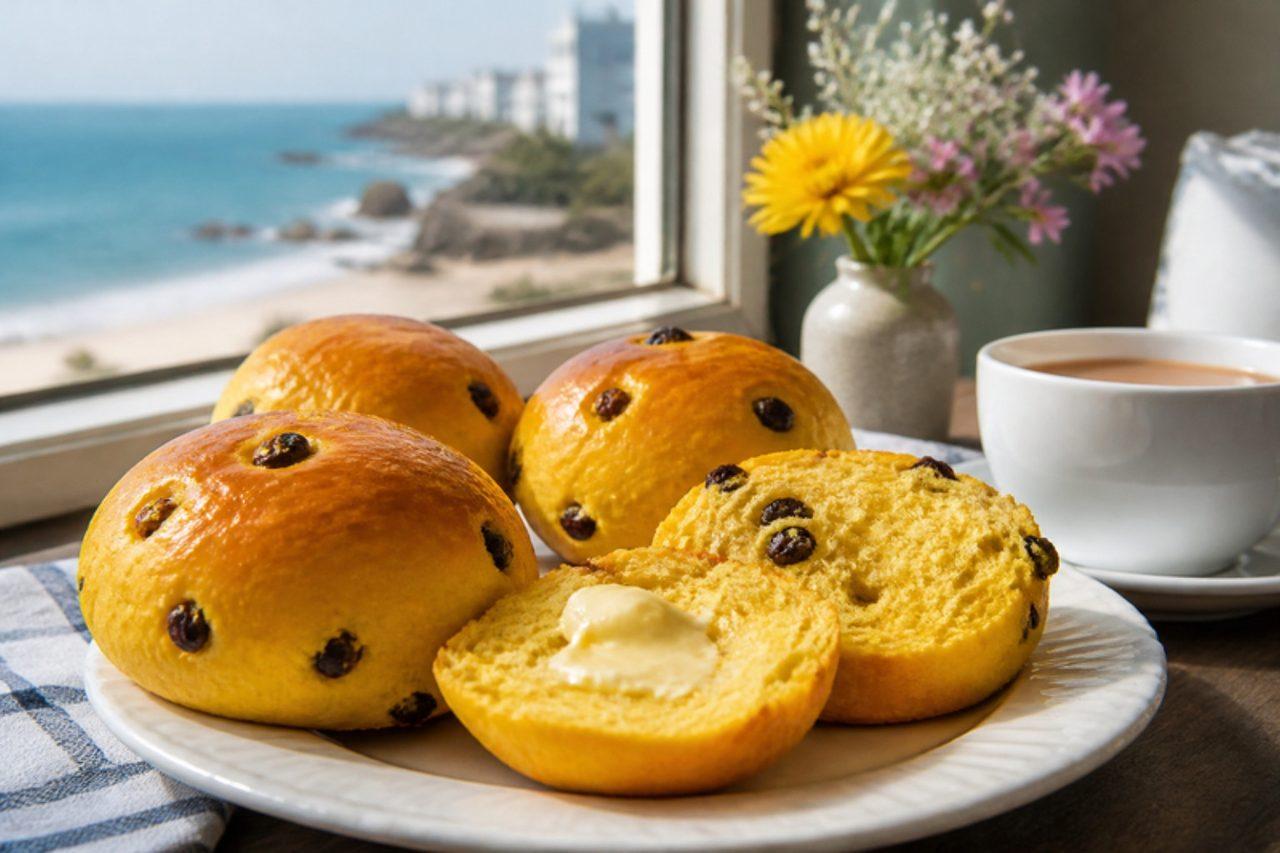
Cornish saffron buns

Saffron buns, called 'tea treats' in parts of Cornwall, were handed out at Sunday school outings and chapel tea treats, and they still glow yellow in bakery windows from Penzance to Truro. A pinch of saffron steeped in warm milk colours a soft, enriched dough studded with currants and peel, so they taste gently floral and fruity. Eat them split and spread with butter or clotted cream. Chef's tip: steep the saffron overnight for the deepest colour and flavour.

by KrazyBadal 0 views

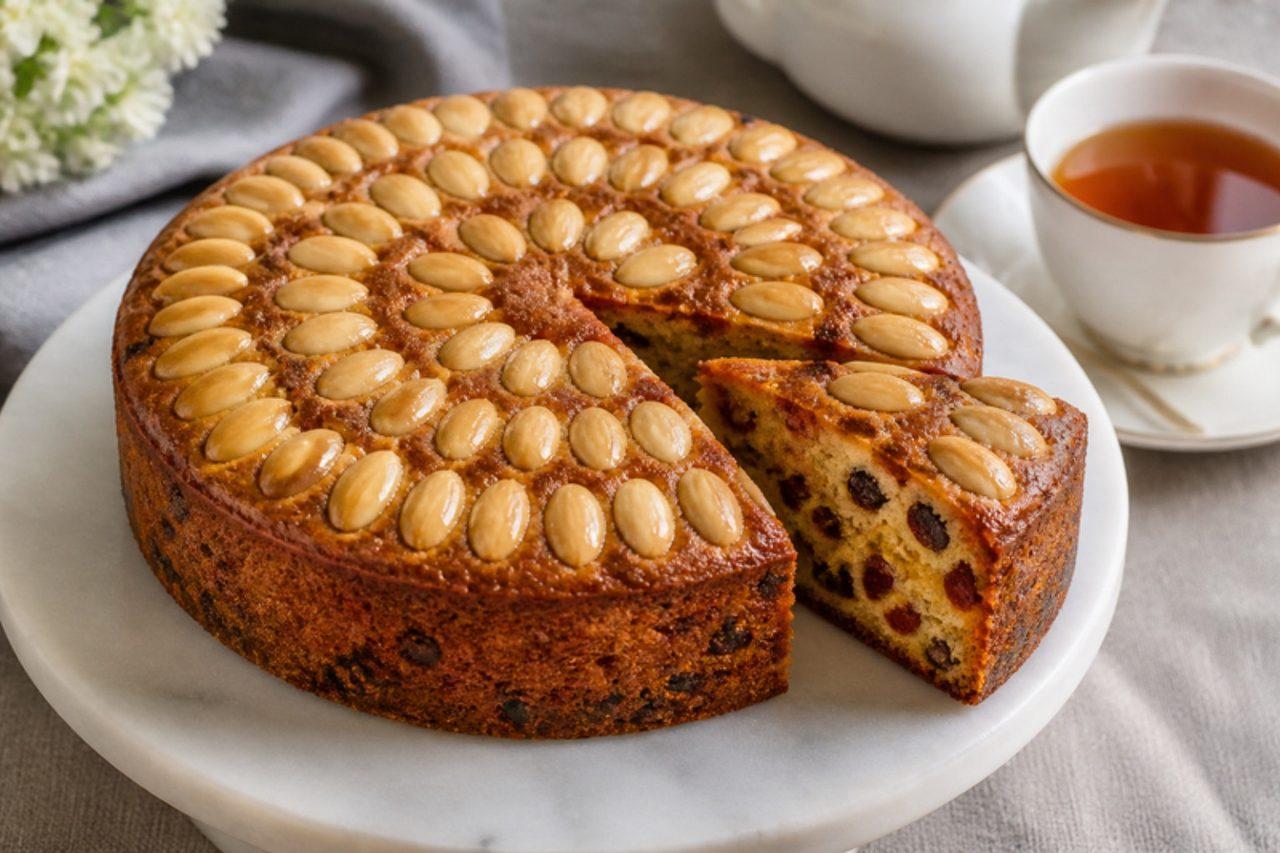
Dundee cake

Dundee cake is the light, buttery fruit cake from the city of marmalade and jute, said to have been created by the Keiller family to use up their orange peel. Instead of marzipan and icing it is topped with concentric circles of whole blanched almonds, and it is eaten at Christmas and with afternoon tea. Chef's tip: lay the almonds on gently without pressing; if they sink they burn and the pattern is lost.

by KrazyBadal 0 views

Scottish oatcakes

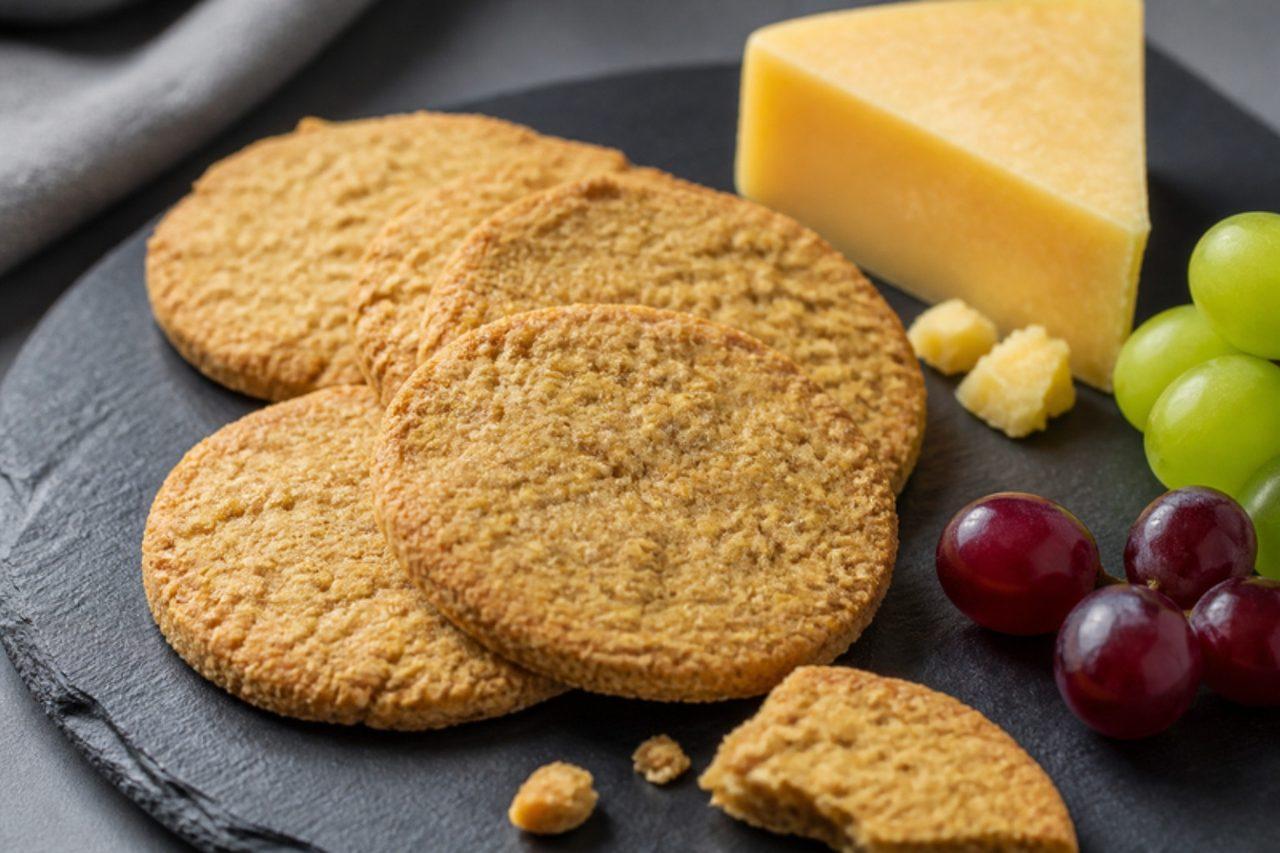
Oatcakes have been baked on girdles across Scotland since oats were the country's main grain, and they are still eaten with cheese, smoked fish or marmalade, and alongside soup on cold days. Medium oatmeal is bound with a little melted butter and hot water, rolled thin and baked until crisp and nutty. Chef's tip: work quickly while the dough is warm; as it cools it cracks and won't roll.

by KrazyBadal 0 views

Orkney clapshotSwede and potato mash

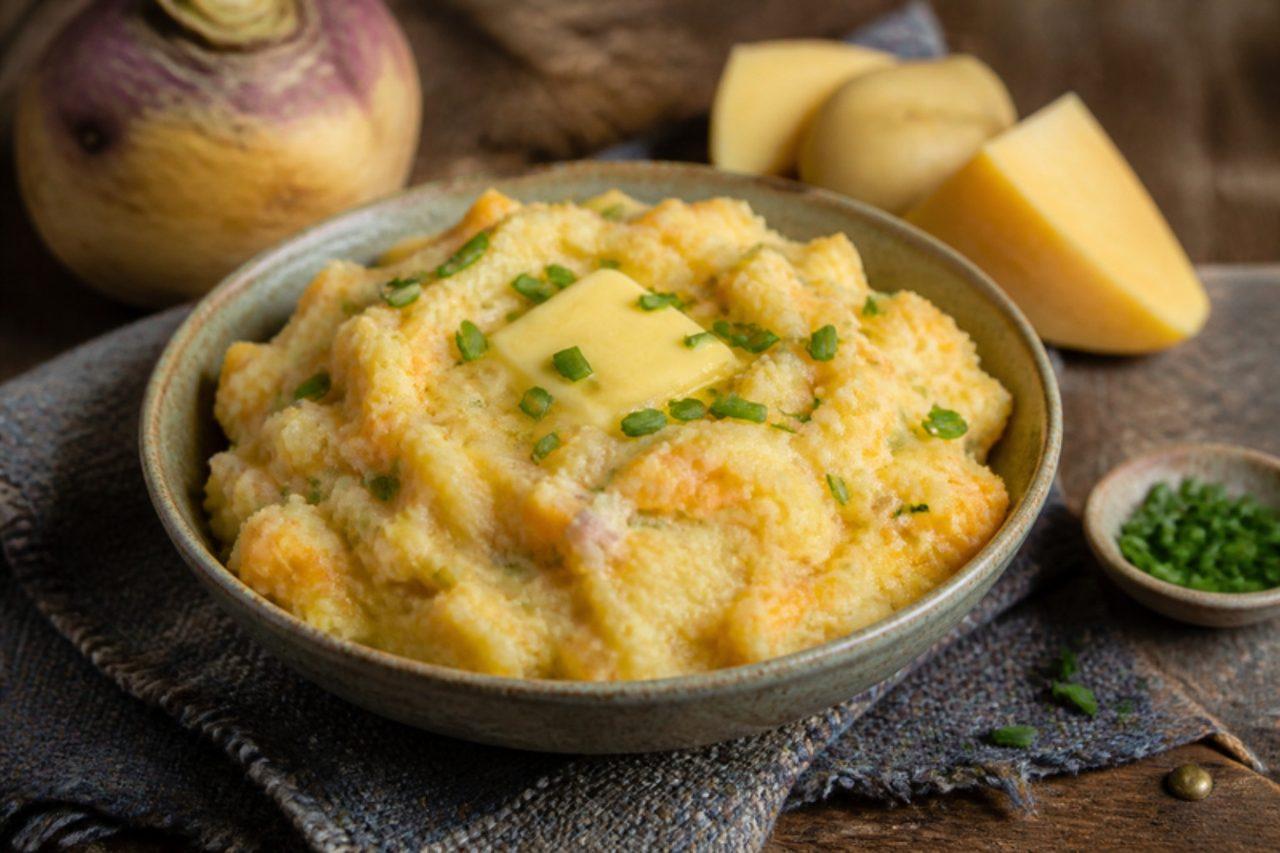
Clapshot is the Orkney way with neeps and tatties: equal amounts of swede and potato mashed together with butter, chives and plenty of pepper, rather than served side by side. Islanders eat it with oatcakes and cheese, with mince, or alongside haggis on Burns Night. It is sweet, earthy and soft-orange. Chef's tip: dry the boiled vegetables in the hot pan before mashing, or the swede makes it watery.

by KrazyBadal 0 views

Chelsea buns

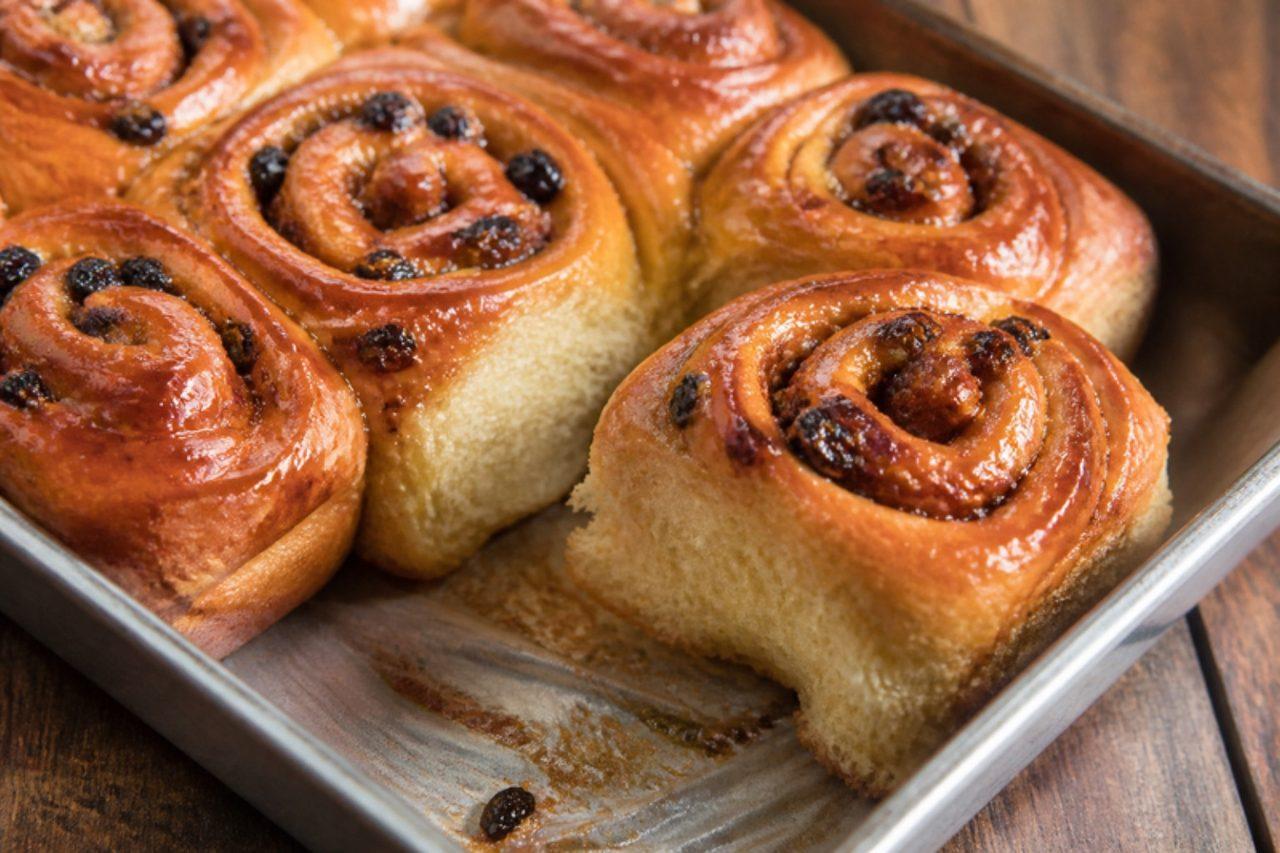
The Chelsea bun was the speciality of the Old Chelsea Bun House in London in the 1700s, where crowds queued on Good Friday; today the coiled, sticky bun is a bakery classic across England. A soft dough is spread with butter, brown sugar, currants and spice, rolled up, sliced and baked snugly in a tin so the buns rise into each other and come out square-sided. Chef's tip: pack the slices tightly; it is the squeeze that gives them their shape and soft edges.

by KrazyBadal 0 views

Yorkshire puddings

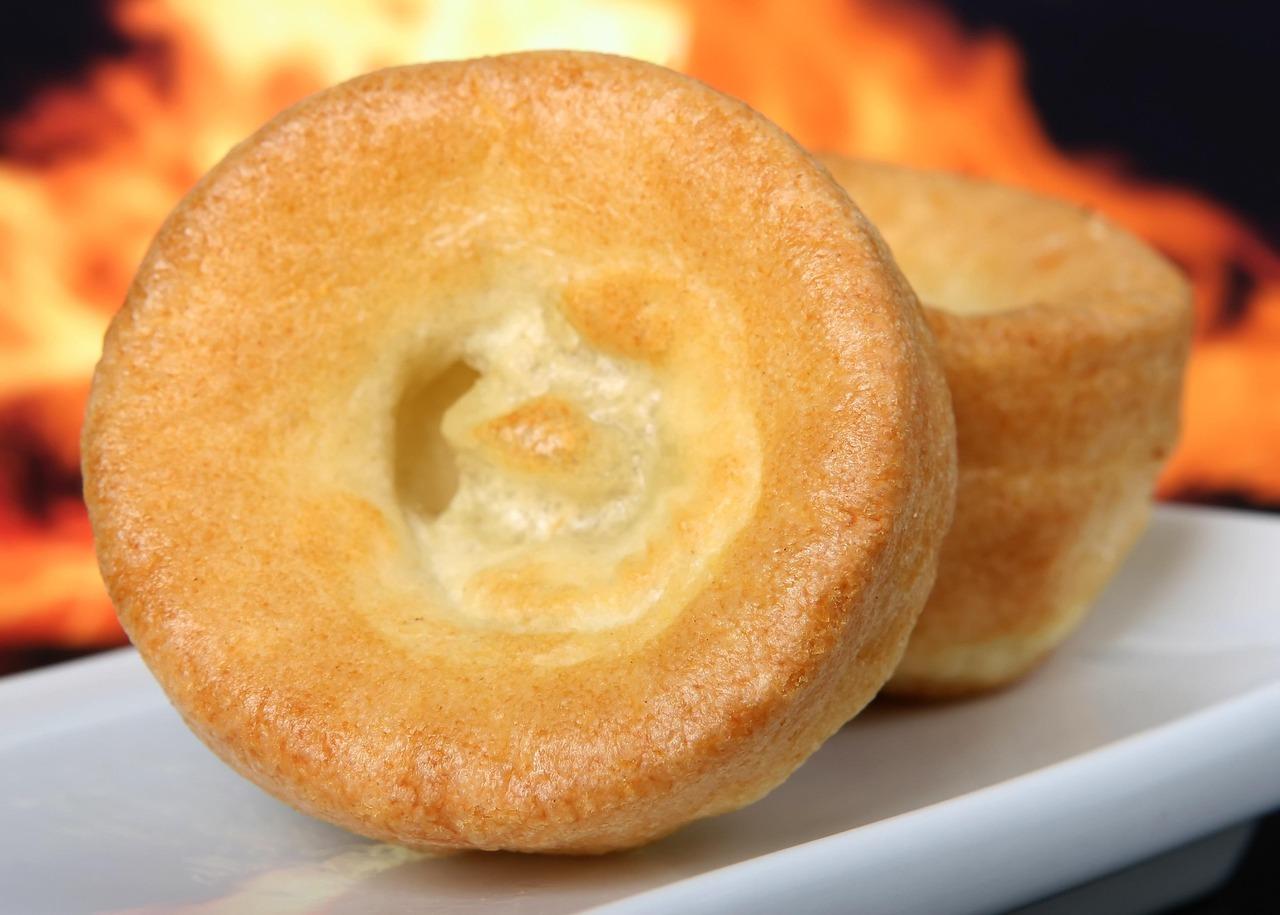
In Yorkshire the pudding was once served first, on its own with gravy, to fill people up before the meat; today these puffed, crisp-edged cups sit beside the roast at Sunday lunch all over England. The batter is nothing but eggs, flour and milk, and the trick is in the heat: smoking-hot fat in the tin and a hot oven. Serve with onion gravy for a vegetarian roast. Chef's tip: rest the batter for at least 30 minutes, which helps the puddings rise tall and even.

by KrazyBadal 0 views

Singin' hinnies

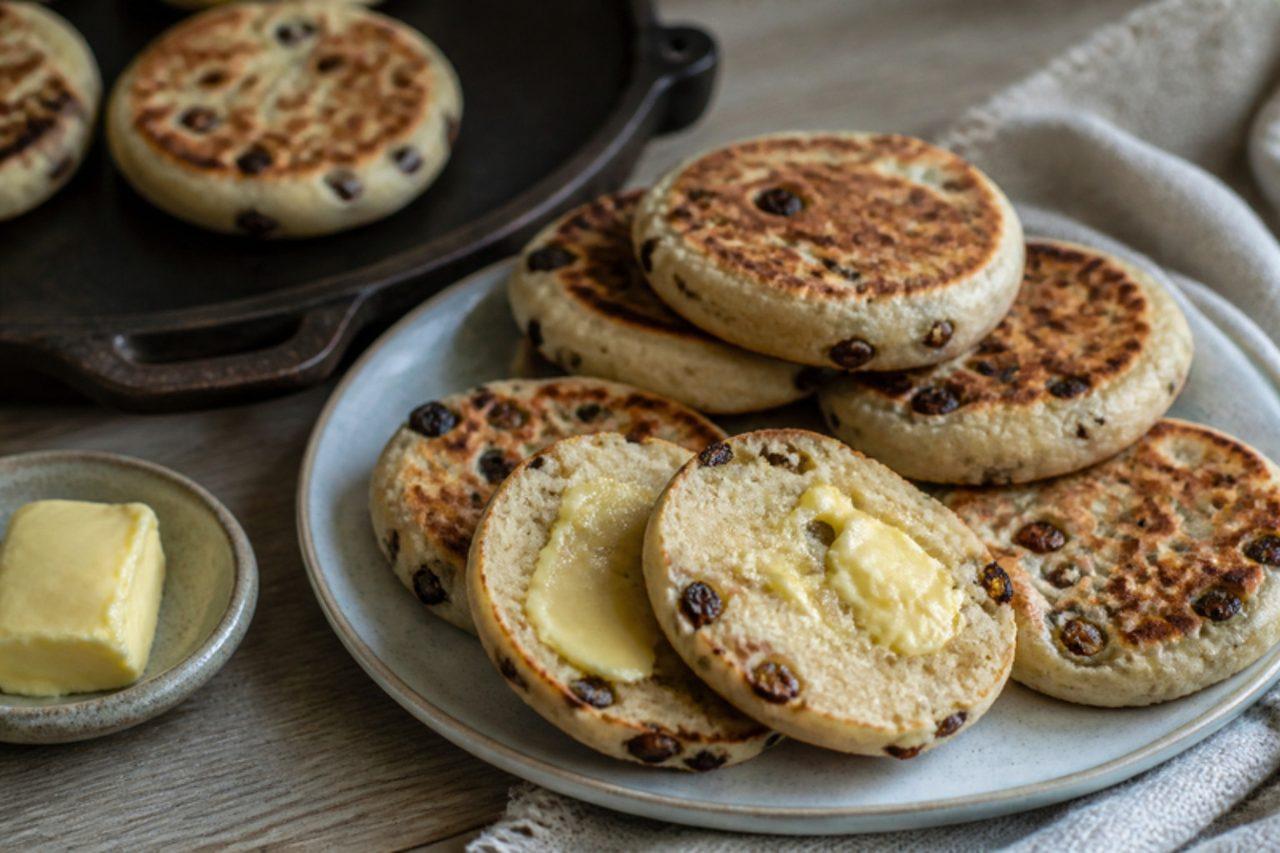
Singin' hinnies are the girdle cakes of Northumberland and Tyneside, named for the singing hiss of the butter as they cook ('hinny' is a Geordie word of affection, like 'honey'). Mothers made them for children coming home from school, cooked on a heavy griddle and eaten hot, split and buttered. They are scone dough studded with currants and cooked in the pan instead of the oven. Chef's tip: keep the heat medium-low so they cook through before the outside darkens.

by KrazyBadal 0 views

Hot cross buns

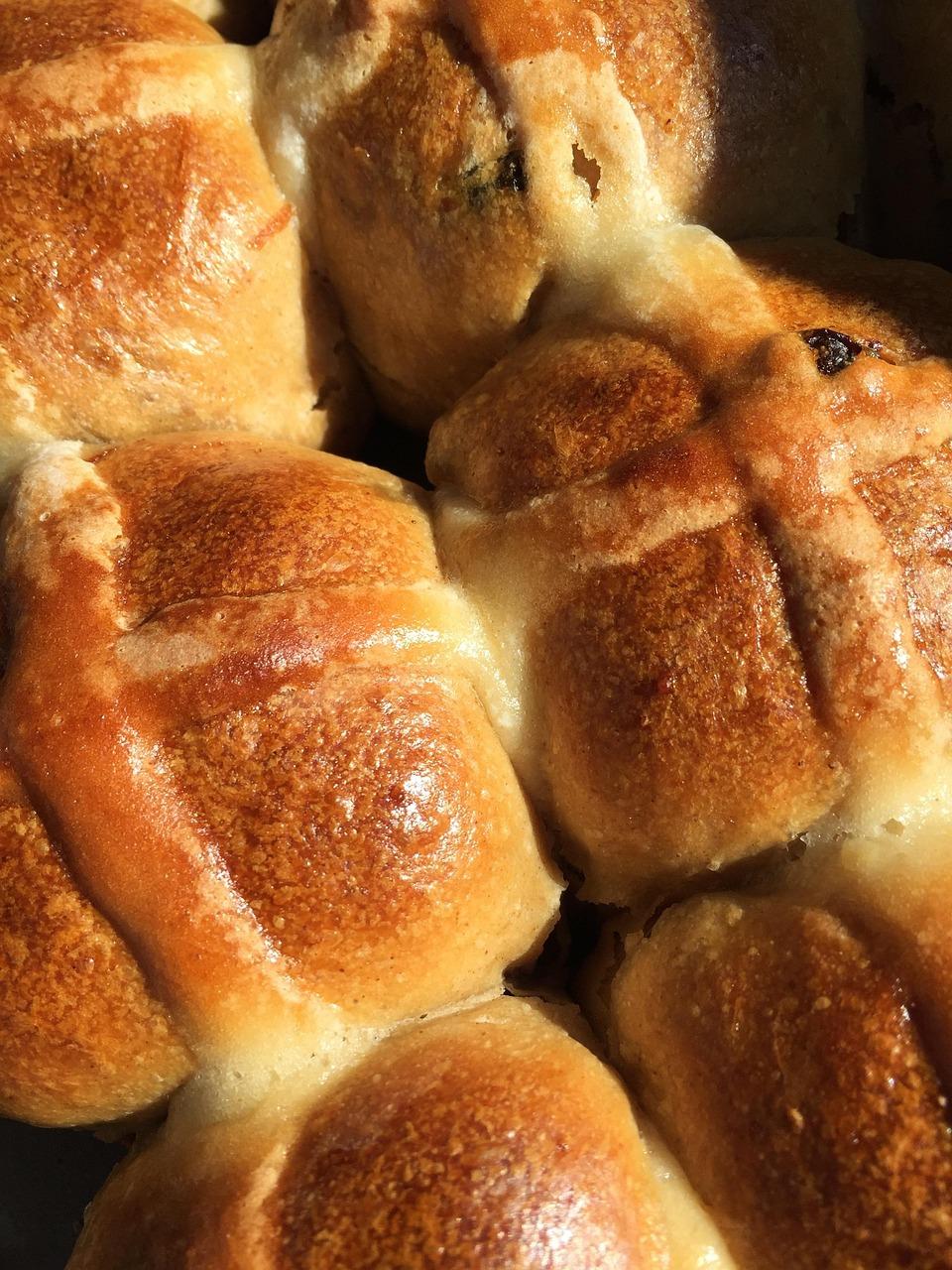
Hot cross buns are eaten toasted with butter on Good Friday across England, and London bakeries have sold them for centuries to the old street cry 'one a penny, two a penny'. The soft, spiced dough is full of currants and orange peel, and the cross on top is piped from a simple flour paste before baking. Chef's tip: let the dough rise somewhere really warm; spiced, fruited dough is slow and needs patience.

by KrazyBadal 0 views

Mince pies

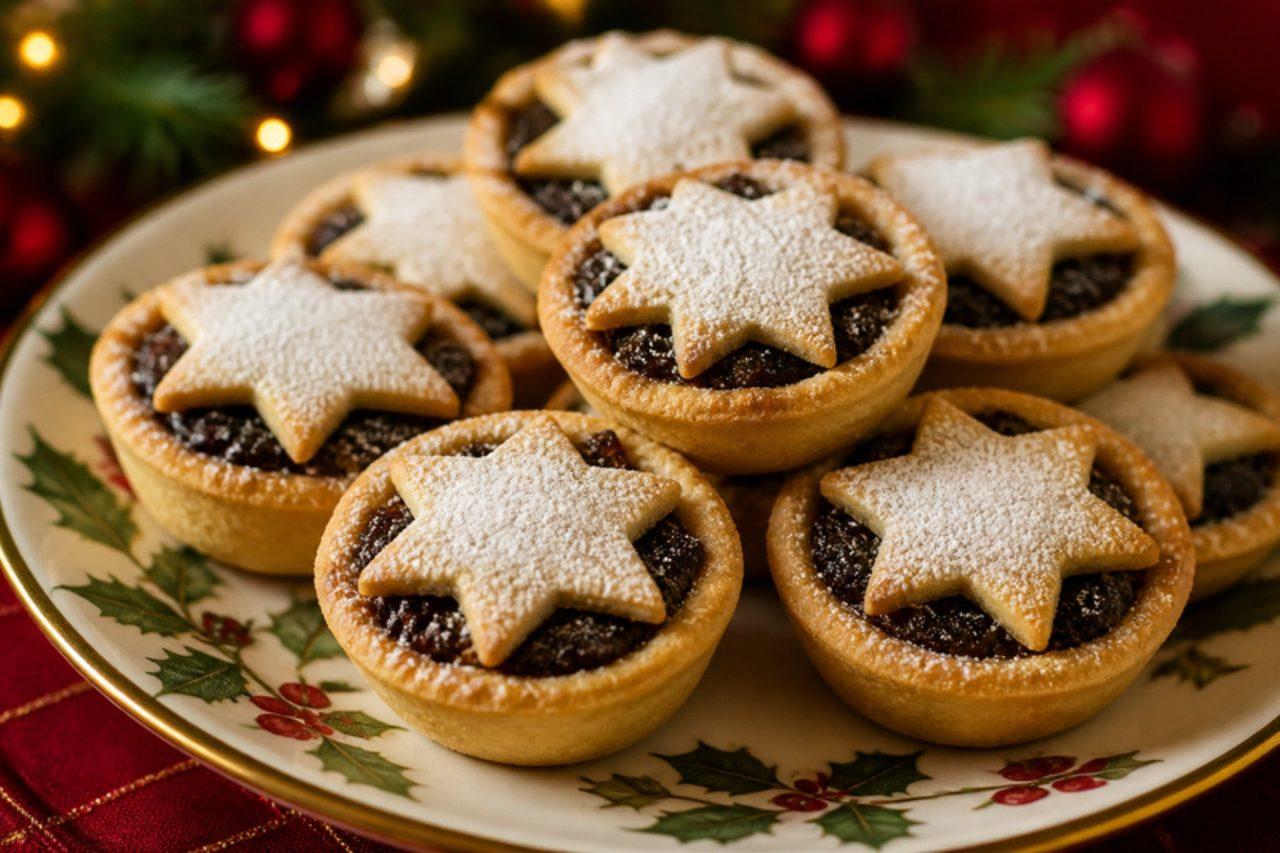
Mince pies are handed round with mulled drinks at every English Christmas gathering, from carol services to office parties, and children leave one out for Father Christmas. The mincemeat once held meat; this home-made version is all fruit, apple and spice, with vegetarian suet, and brandy is optional, so it can be alcohol-free. Chef's tip: make the mincemeat a week ahead so the flavours mellow; it keeps for months.

by KrazyBadal 0 views

Yorkshire fat rascals

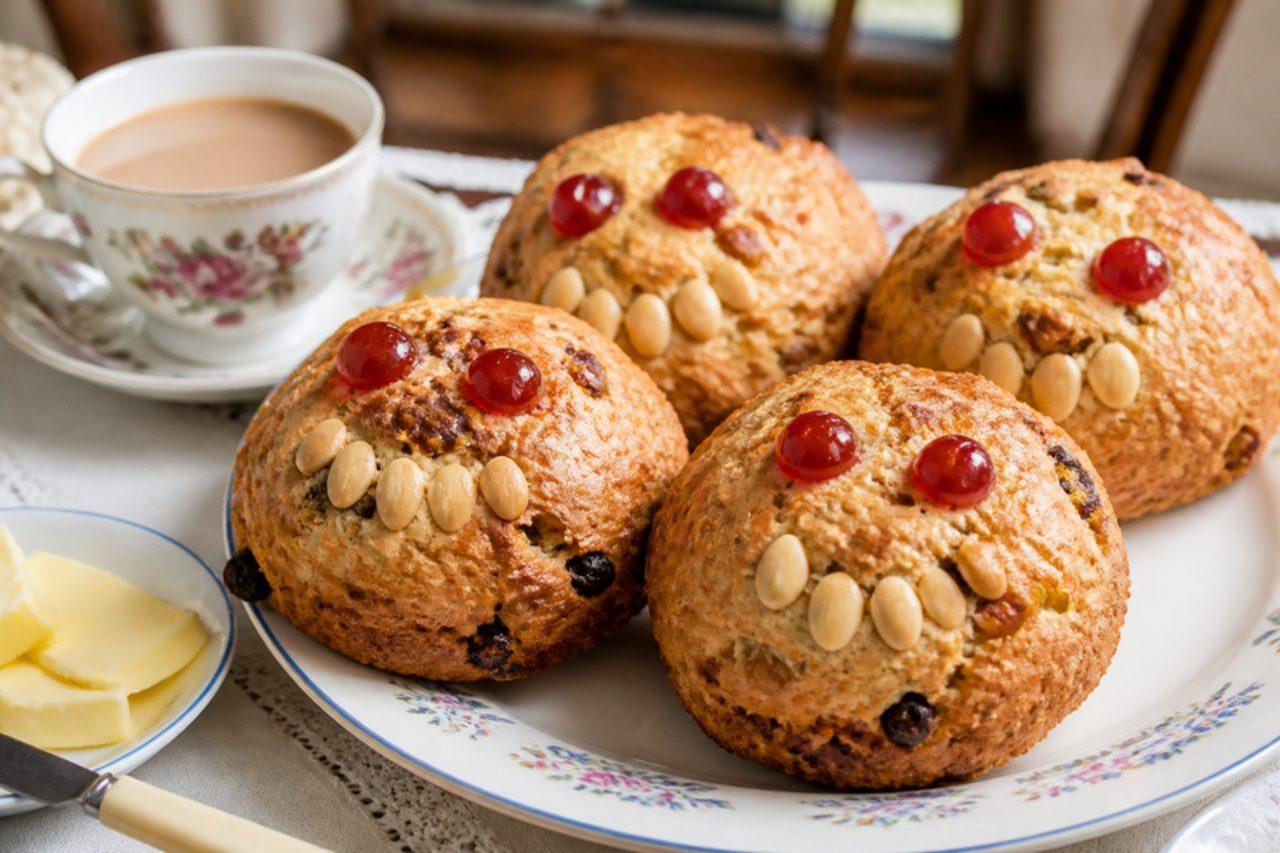
Fat rascals are big, rough, fruit-studded cakes from the North York Moors, halfway between a scone and a rock cake, and the famous Harrogate tea rooms made them a visitor's treat. Each one gets a face of glacé cherries and blanched almonds before baking. Eat them warm, split and buttered, with a pot of tea. Chef's tip: work the dough as little as possible, just until it holds; overmixed rascals bake up tough.

by KrazyBadal 0 views

Eccles cakes

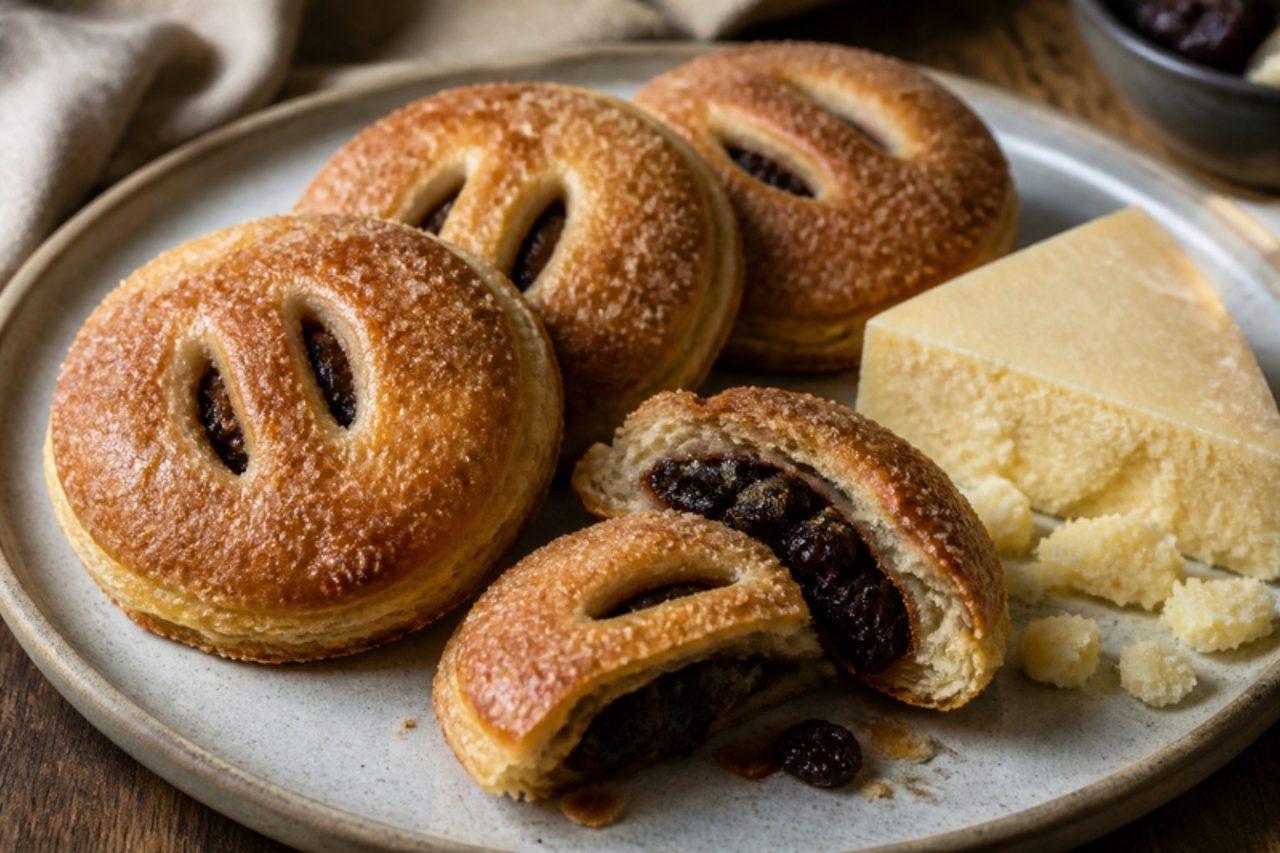
From the town of Eccles near Manchester, these flat pastry cakes are filled with butter-soaked currants and peel, slashed three times on top and baked until sugary and crackly. Lancashire people eat them with a slice of crumbly Lancashire cheese, the sweet and salty pairing locals swear by. Chef's tip: chill the filled cakes for 20 minutes before baking, so the pastry stays flaky and the filling doesn't leak.

by KrazyBadal 0 views

Scottish shortbread

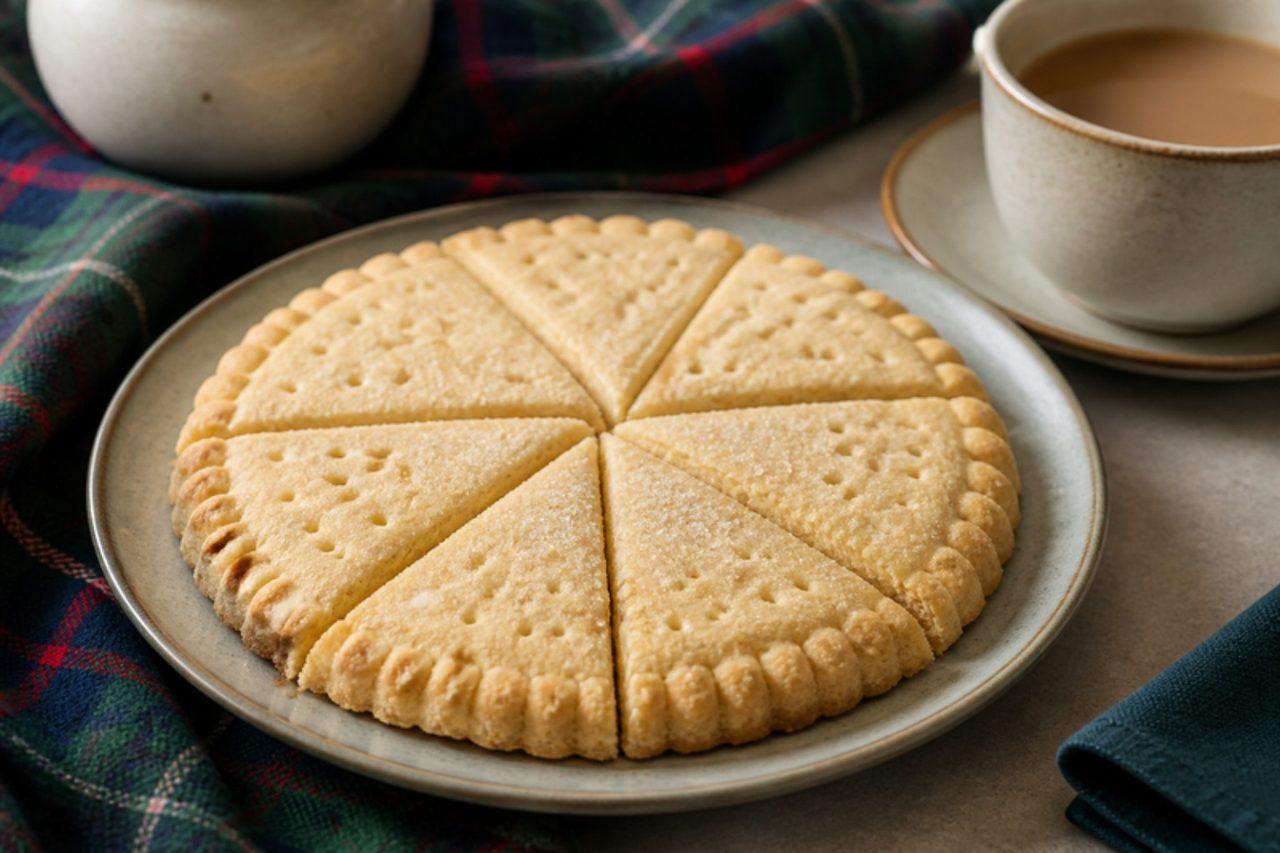
Shortbread is Scotland's most famous bake, handed round at Hogmanay with a dram and packed in tins as a gift all year. The classic recipe is one part sugar, two parts butter and three parts flour, with a little rice flour for the sandy snap; it is shaped into a round and cut into petticoat tails, a shape linked with Mary, Queen of Scots. Chef's tip: bake low and slow so it stays pale gold; brown shortbread tastes bitter rather than buttery.

by KrazyBadal 0 views

Showing 24 of 61 recipes

Show more recipes

Page 1 of 3