Skip to content
Recipes

All recipes

Vegetarian, or something you can't eat? Set your diet once and we'll hide recipes that don't fit.

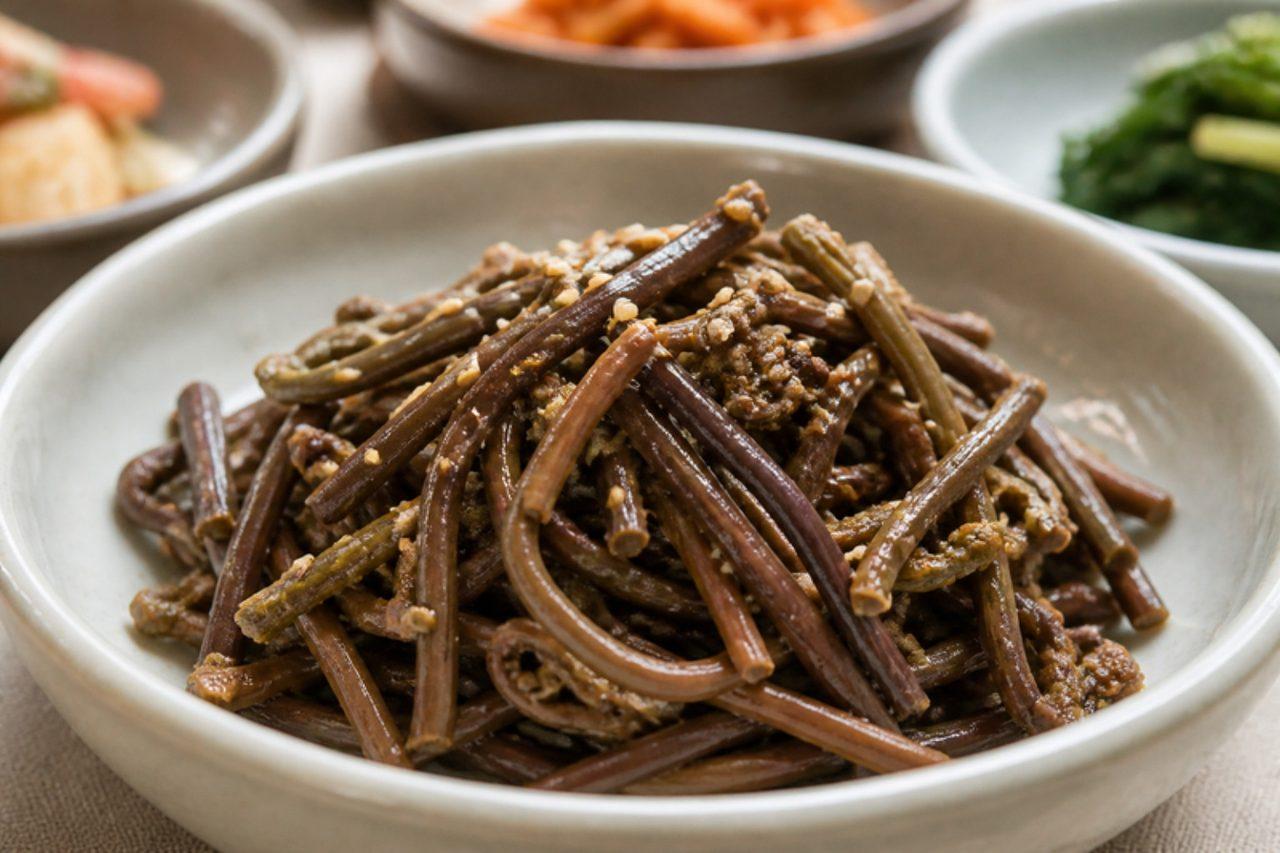
Gosari namulBraised bracken fern

Gosari namul is the earthy brown namul on every Korean holiday table, from Jeju, where families still pick young bracken on the island's hills in April, to Seoul, where it is bought dried for Seollal and Chuseok. Rehydrated fern stems are simmered soft, then stir-fried in perilla oil with soy and garlic until they are tender and meaty with a smoky, woodsy taste. It is also a core topping for bibimbap and yukgaejang. Always cook bracken thoroughly; never eat it raw. The common mistake is under-boiling the stems, which leaves them tough and slightly bitter. Chef's tip: after boiling, leave the stems soaking in fresh water for an hour, changing it once; it draws out the last bitterness and leaves a cleaner flavour.

105 minKoreanSidesVegan
by KrazyBadal 0 views
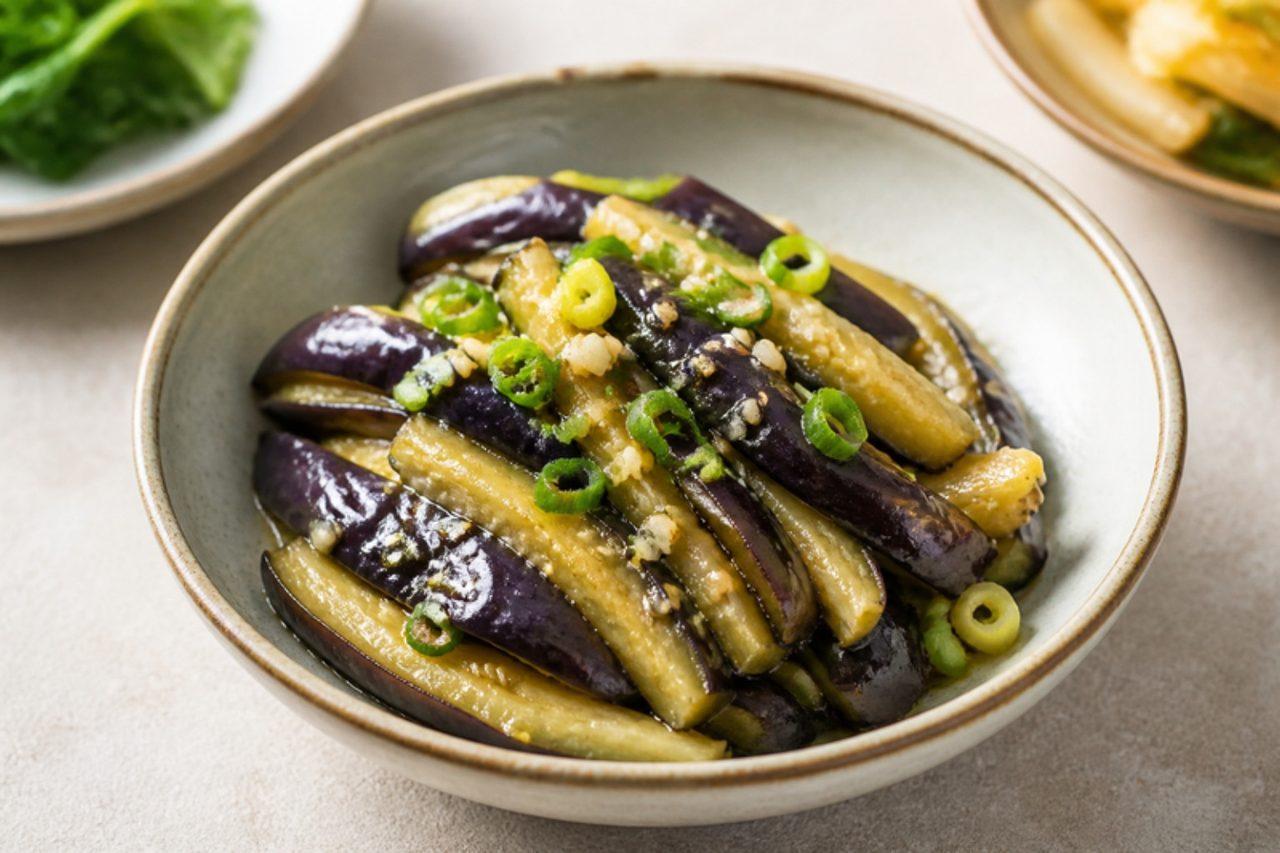
Gaji namulSeasoned steamed aubergine

In late summer, when aubergines pile up at Seoul's Gyeongdong market for next to nothing, gaji namul turns up beside the rice at almost every home dinner. Long strips of aubergine are steamed until silky, then torn and dressed with soy, garlic, spring onion and toasted sesame, so they taste mellow, savoury and faintly sweet. It is one of the gentlest banchan, good for anyone who finds kimchi too fierce. The usual mistake is dressing the aubergine while it is still hot and dripping: the seasoning slides off and the dish turns watery, so let it steam dry and cool first. Chef's tip: tear the strips by hand along the grain rather than slicing them; the rough edges hold far more dressing.

by KrazyBadal 0 views

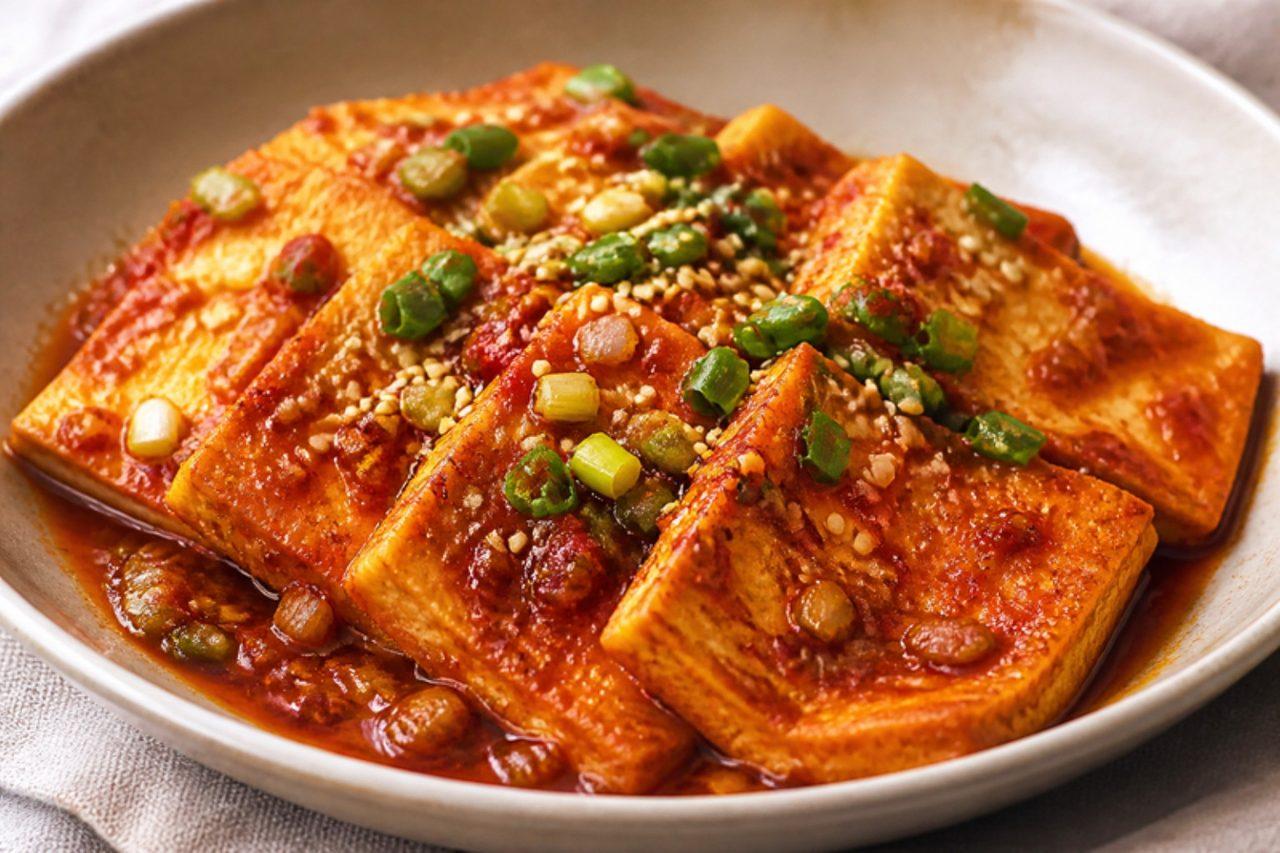
Dubu jorimBraised tofu in spicy soy

Dubu jorim is the tofu side dish Korean mothers pack into school lunchboxes and set out at home dinners from Busan to Seoul, because it is cheap, filling and even better the next day. Thick slices of firm tofu are fried golden, then simmered in a garlicky soy and chilli sauce until they soak it up and turn glossy. Eat it warm with rice or cold from the fridge. The common mistake is moving the tofu too soon in the pan: it tears and never forms the golden skin that holds the sauce. Chef's tip: salt the tofu slices lightly and leave them on kitchen paper for 10 minutes before frying; drier tofu browns faster and spits less.

by KrazyBadal 0 views

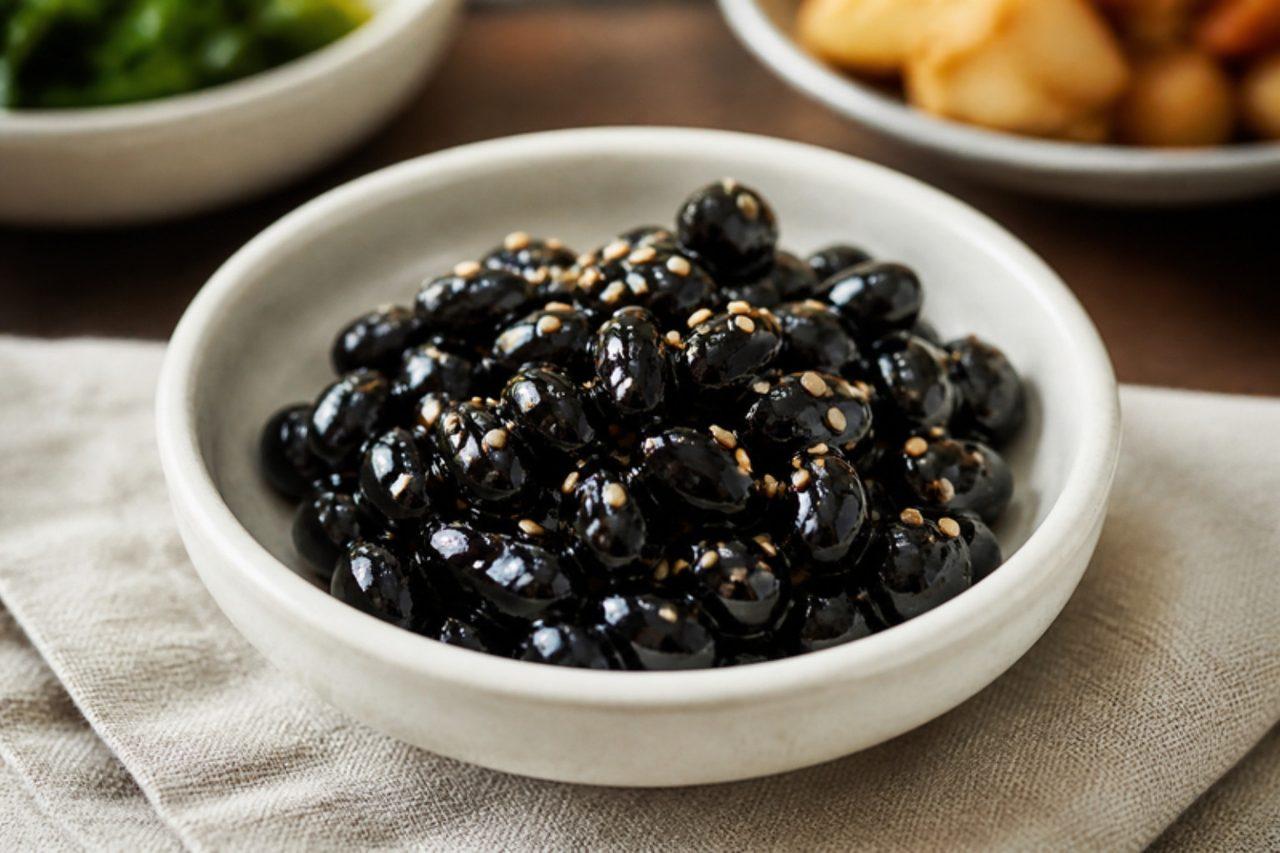
KongjabanSoy-braised black soybeans

Kongjaban is the shiny black bean banchan that sits in a small dish on Korean tables from Gwangju to Seoul and fills countless lunchboxes, because one batch keeps for a week. Dried black soybeans are soaked, simmered in soy and sugar and finished with rice syrup until each bean is chewy, sweet-salty and gleaming. It is a good source of plant protein and children usually love it. The common mistake is adding the syrup too early: it scorches before the beans are tender and makes them hard. Chef's tip: keep the lid off while the beans cook; the steam escaping helps the skins stay intact and wrinkled rather than bursting.

by KrazyBadal 0 views

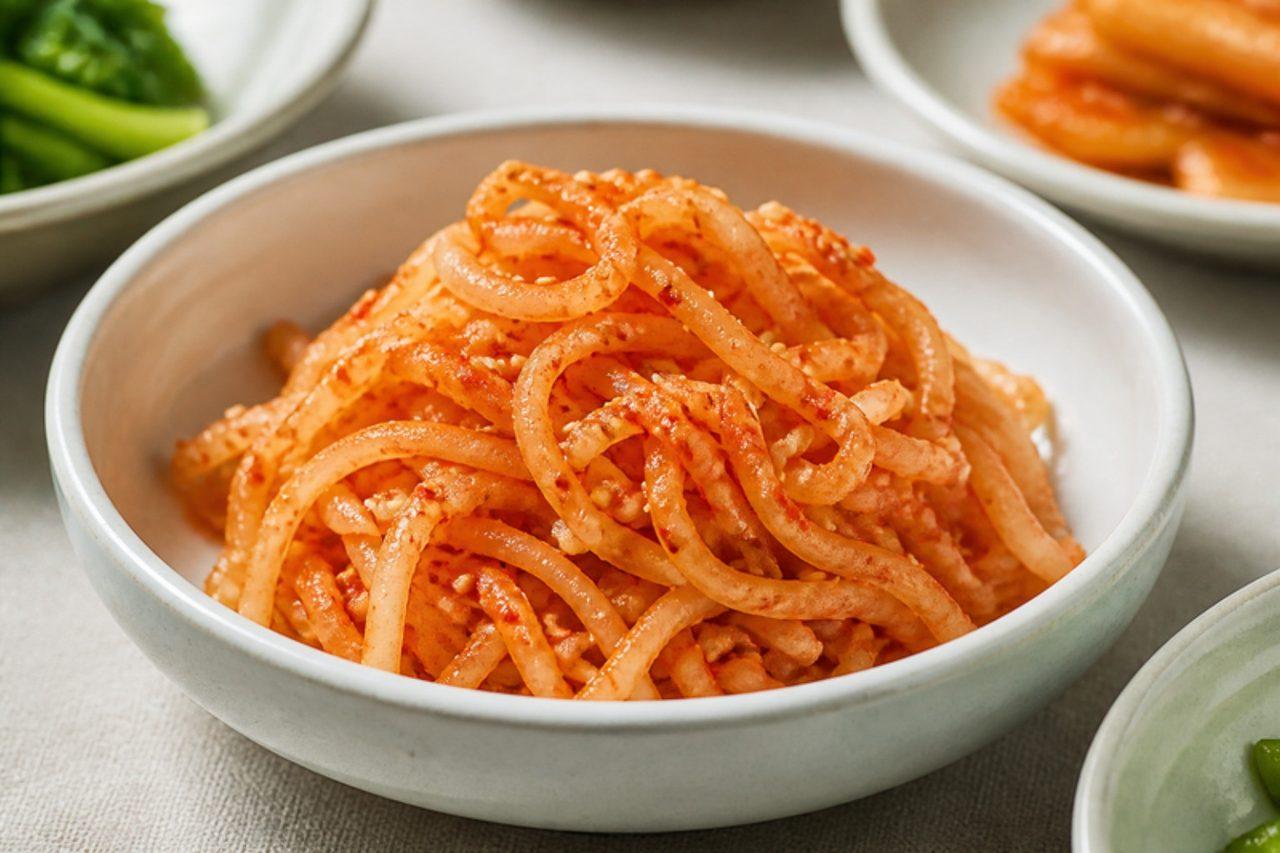
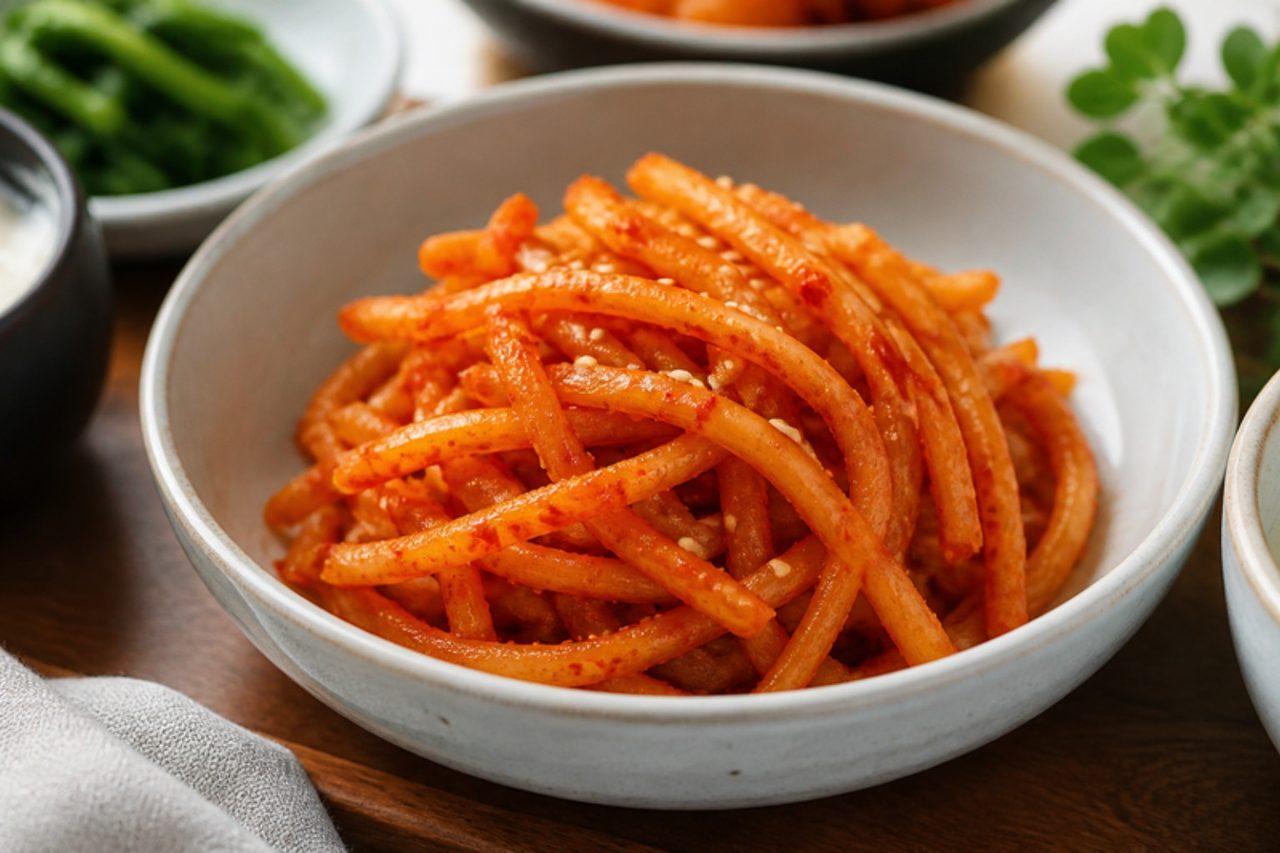
MusaengchaeSpicy radish salad

Musaengchae is the quick radish salad Korean cooks make when the big autumn radishes from Gyeonggi farms come in, and it appears on the side of bibimbap bowls and pork platters all winter. Fine matchsticks of radish are reddened with gochugaru, then seasoned sweet, sour and salty, so every forkful is cold, crisp and lively. This version leaves out the fish sauce, so it is fully vegan. The common mistake is salting the radish before the chilli: the salt draws out water first and the colour ends up pale and patchy. Chef's tip: toss the radish with the chilli flakes on their own first and leave it for 5 minutes; it takes on a deep, even red before anything else goes in.

by KrazyBadal 0 views

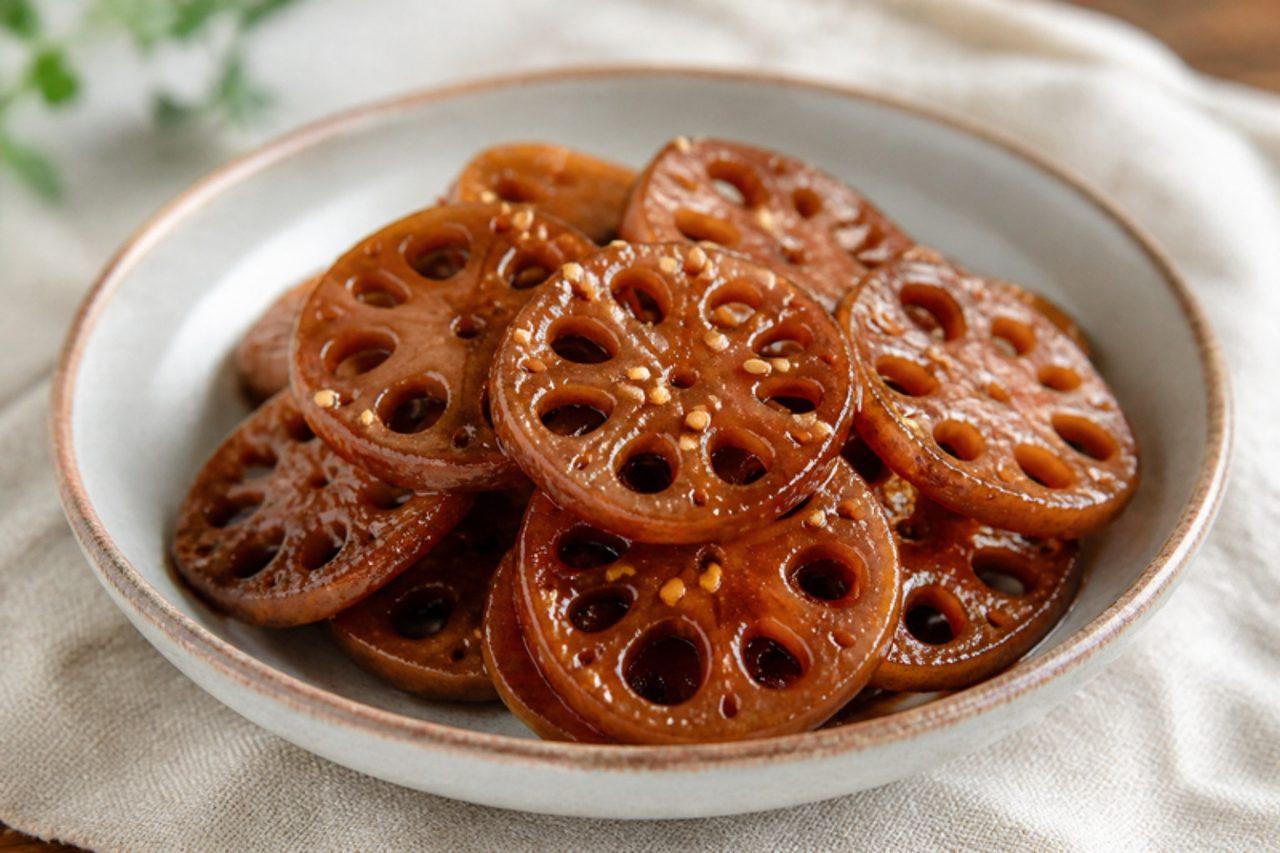
Yeongeun jorimSoy-braised lotus root

Yeongeun jorim is a winter banchan from the lotus ponds of South Jeolla, where Muan county is famous for its lotus fields, and it is now made in homes all over Korea for lunchboxes and holiday tables. Slices of lotus root are blanched in vinegared water, then simmered in soy and syrup until they turn dark, glossy and chewy with a lingering crunch. The holes make every slice look like lace. The common mistake is skipping the vinegar blanch, which leaves the slices grey and starchy. Chef's tip: stop cooking while there are still a couple of spoonfuls of sauce in the pan; the glaze thickens as it cools and turns sticky rather than hard.

by KrazyBadal 0 views

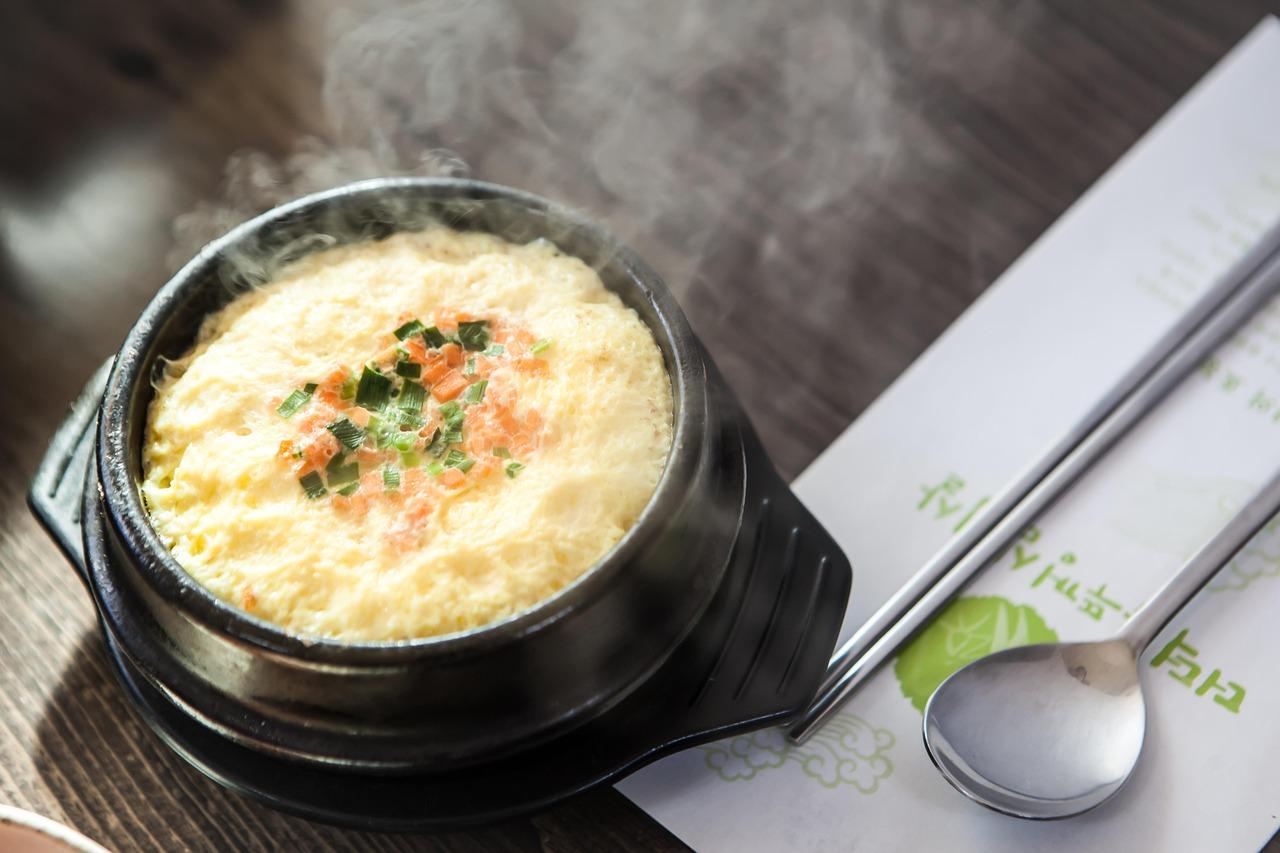
Gyeran jjimSteamed egg

At Korean barbecue restaurants in Seoul and Busan, a bubbling stone pot of gyeran jjim arrives puffed high above the rim to soothe mouths burned by grilled meat and kimchi. At home it is a soft, savoury egg custard eaten with rice, especially by children. This vegetarian version uses kelp water instead of the usual salted shrimp or anchovy stock. The common mistake is keeping the heat high once the egg starts to set, which scorches the bottom and makes the top tough and full of holes. Chef's tip: stir constantly for the first minute as it heats, then cover with an upturned bowl over the lowest flame; trapped steam is what makes it rise like a soufflé.

by KrazyBadal 0 views

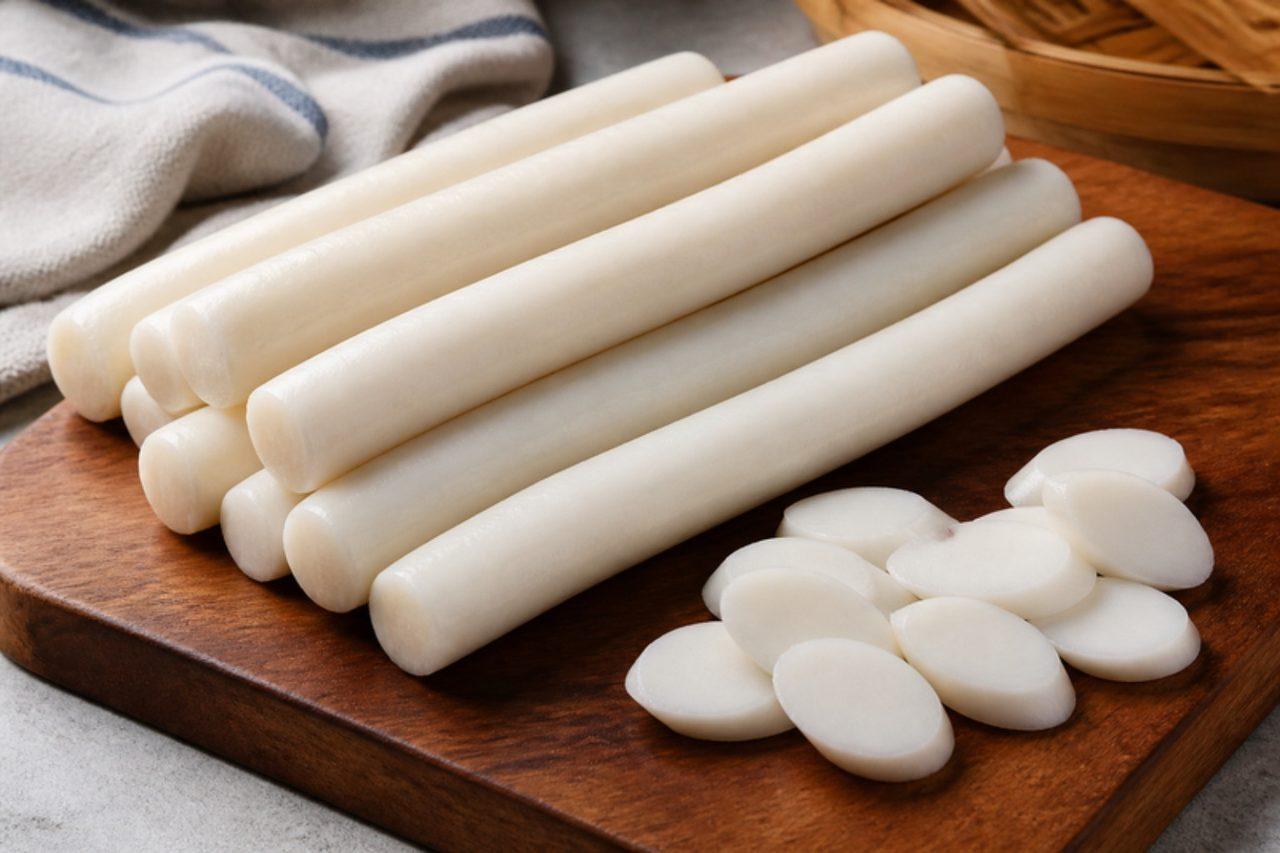
GaraetteokLong cylinder rice cakes

Garaetteok are the long white rice-cake logs that Korean mills churn out before Seollal, when families queue with their own rice to have them pressed and then slice them into ovals for tteokguk, the New Year soup. The length is meant to wish for a long life. Freshly made, they are soft and chewy and eaten warm, dipped in honey or toasted over a grill; once they firm up they are sliced for soup or cut into sticks for tteokbokki. Making them at home is simple, though the logs come out a little less glossy than machine-pressed ones. The usual mistake is rolling the dough when it has cooled: it must be hot to stay smooth. Rice cakes are chewy and sticky, a known choking risk: cut them into small pieces for young children and older people and eat them sitting down. Chef's tip: leave the logs to firm overnight before slicing on the diagonal; they cut cleanly instead of squashing.

by KrazyBadal 0 views

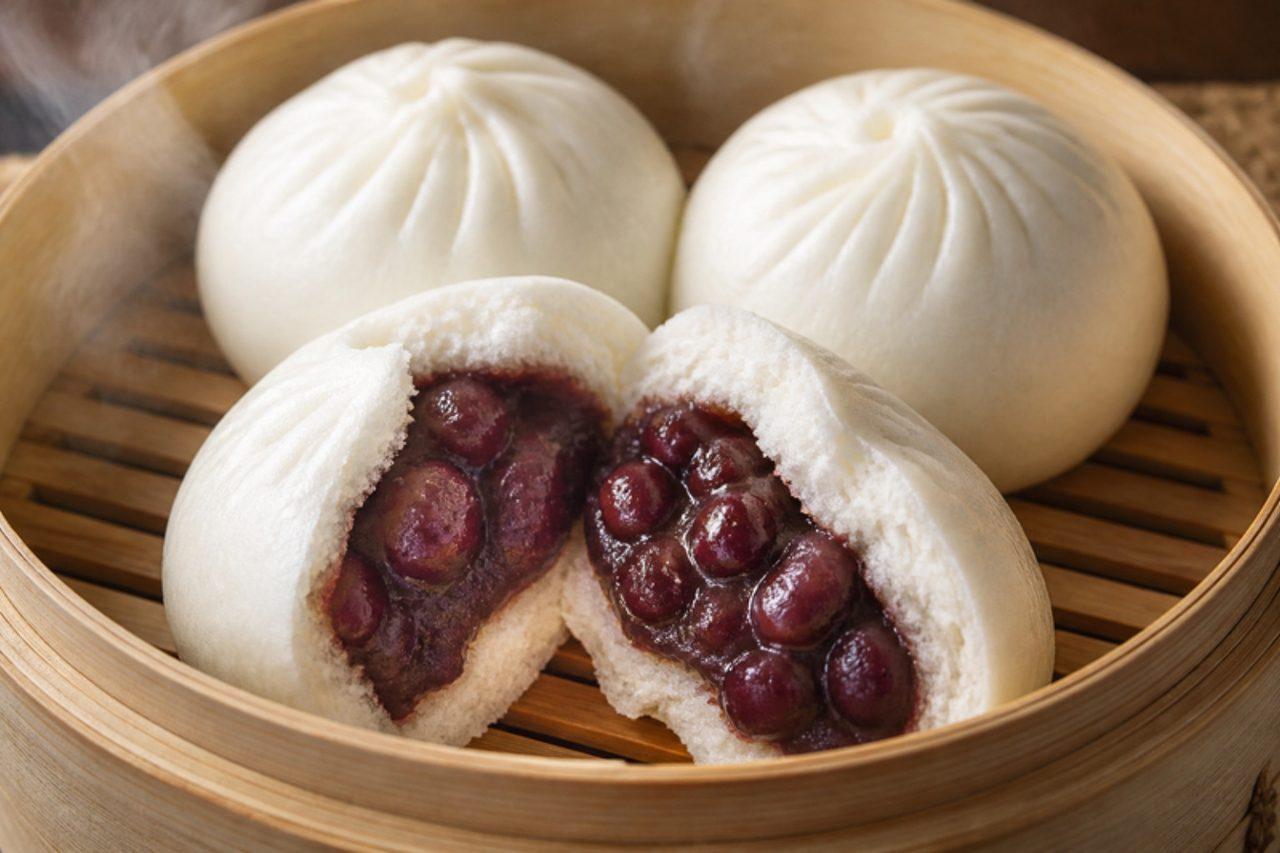
HoppangRed bean steamed buns

When the first cold snap hits, Korean convenience stores bring out glass steamer cabinets full of hoppang, and office workers grab one for breakfast on the way to the subway. The bun is soft, slightly sweet yeasted dough wrapped around a thick, smooth red bean paste, steamed until pillowy and eaten piping hot. Making them at home takes a morning but they freeze perfectly. The usual mistake is opening the lid too early or steaming over too fierce a heat: the buns collapse and wrinkle, so keep a steady medium heat and leave them to rest 5 minutes before lifting the lid. Contains wheat. Chef's tip: let the shaped buns rise on squares of baking paper; you can move them into the steamer without squashing them.

120 minKoreanBakingVegan
by KrazyBadal 0 views
Doraji muchimBellflower root salad

Doraji muchim comes from Korea's mountain provinces, where bellflower root has been dug for centuries and sung about in the Gyeonggi folk song 'Doraji taryeong'. Today it is a festive banchan for Seollal and a spring side dish across the country: shredded roots, rubbed with salt to tame their bitterness, are dressed with gochujang, vinegar and sugar until crunchy, sweet, sour and gently hot. The common mistake is skipping the salt scrub, which leaves the roots harsh and bitter enough to put people off. Chef's tip: after scrubbing and rinsing, taste a strand; if it still bites, soak it in cold water for another 15 minutes.

by KrazyBadal 0 views
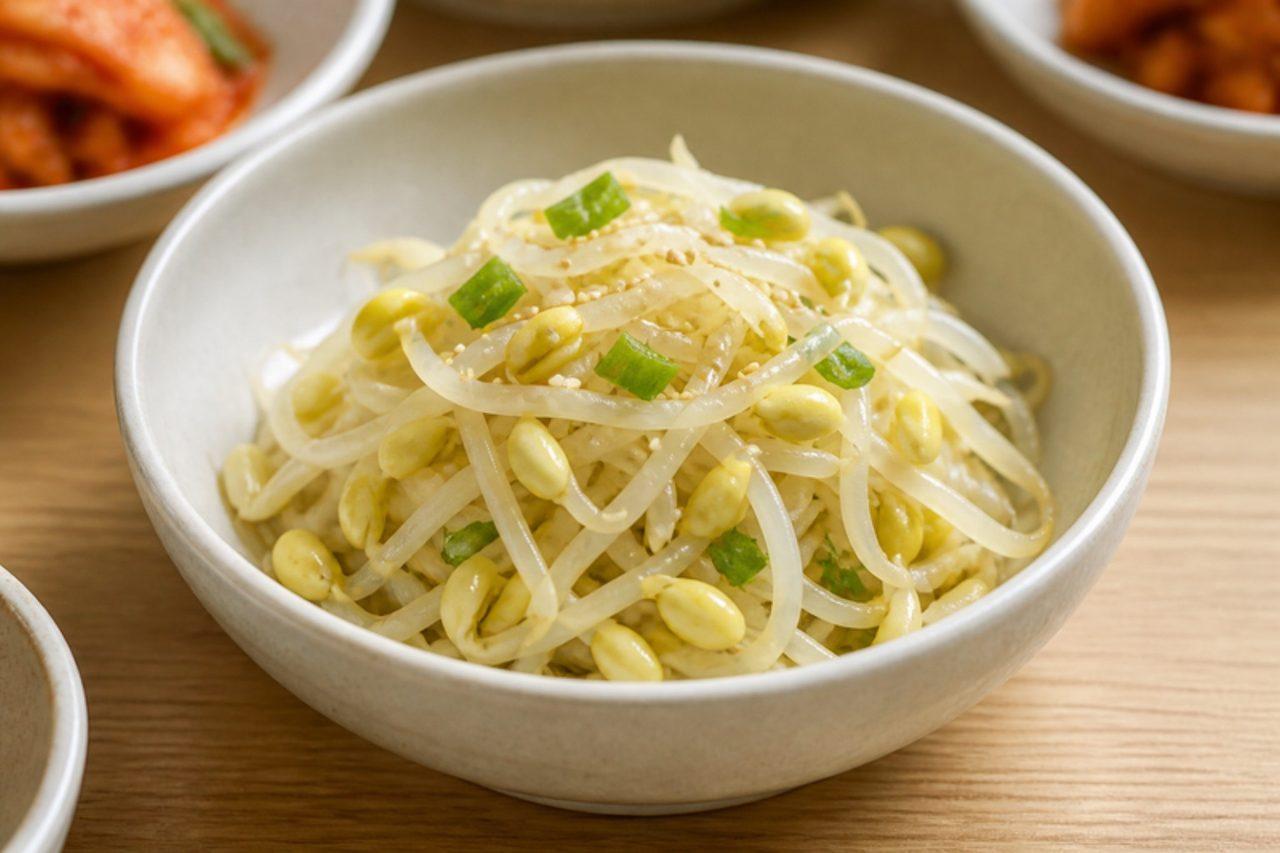
Sukju namulSeasoned bean sprouts

Sukju namul is the most delicate of Korea's sprout dishes, set out on every ancestral-rite table at Chuseok and on everyday trays in Seoul homes because it takes five minutes and costs very little. Mung bean sprouts are blanched for barely a minute, then dressed with salt, a little garlic and sesame oil, so they stay juicy and crunchy with a clean, nutty taste. It belongs in bibimbap too. The common mistake is overcooking: mung bean sprouts go limp and stringy within seconds of being done, so pull them while they still squeak. Chef's tip: plunge them straight into iced water after blanching and squeeze gently; they keep their snap for a whole day.

by KrazyBadal 0 views
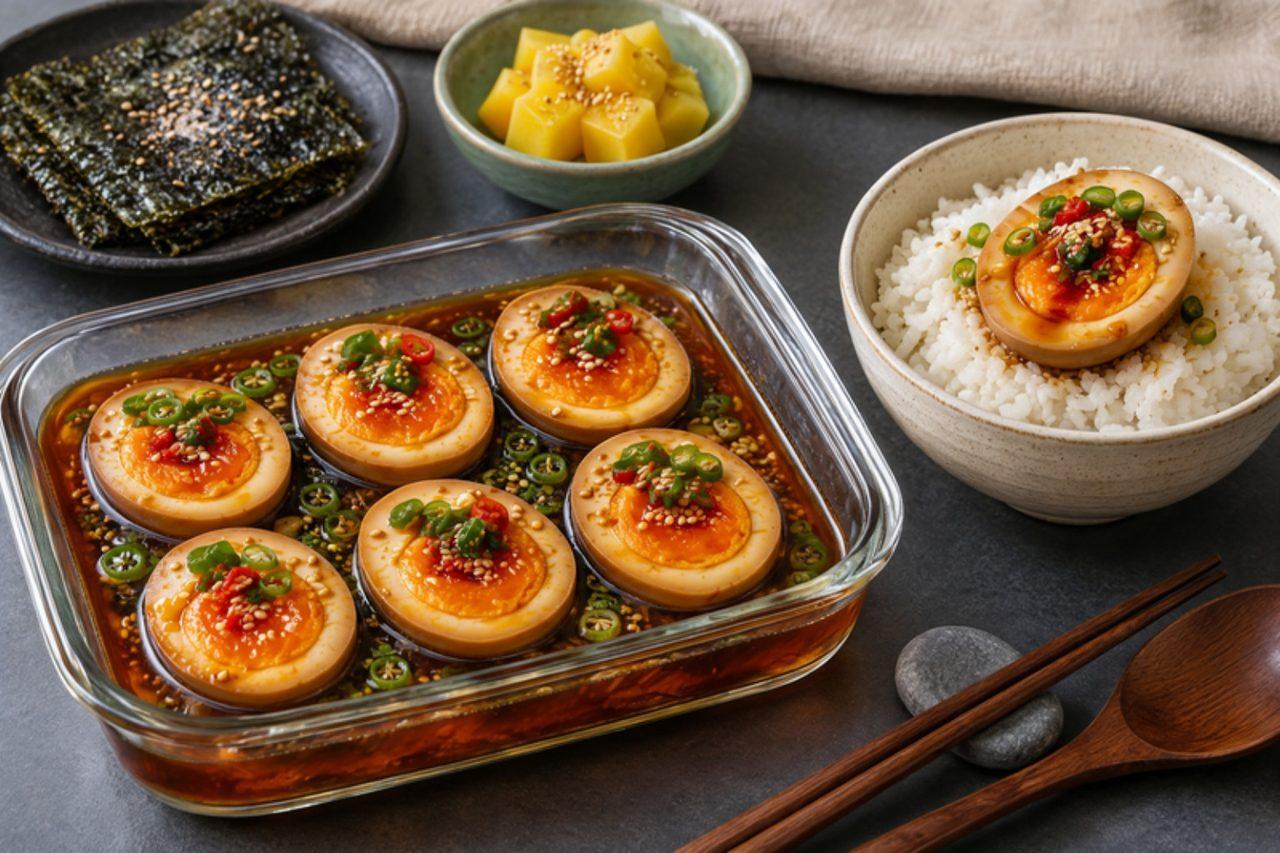
Mayak gyeranMarinated soft-boiled eggs

The name means "addictive eggs", and these soy-marinated eggs with their soft, fudgy yolks went viral in Seoul before landing in lunchboxes across Korea; one egg on a bowl of rice is a whole dosirak. The marinade is loaded with garlic, chilli and spring onion, and is spooned over the rice too. The common mistake is peeling the eggs warm, which tears the soft whites; chill them in iced water first. They need at least 6 hours in the fridge. For pregnant women, young children and anyone with a weakened immune system, boil the eggs for 10 minutes until fully set. Chef's tip: start the eggs straight from the fridge into boiling water and time them exactly, so every yolk sets the same way.

by KrazyBadal 0 views
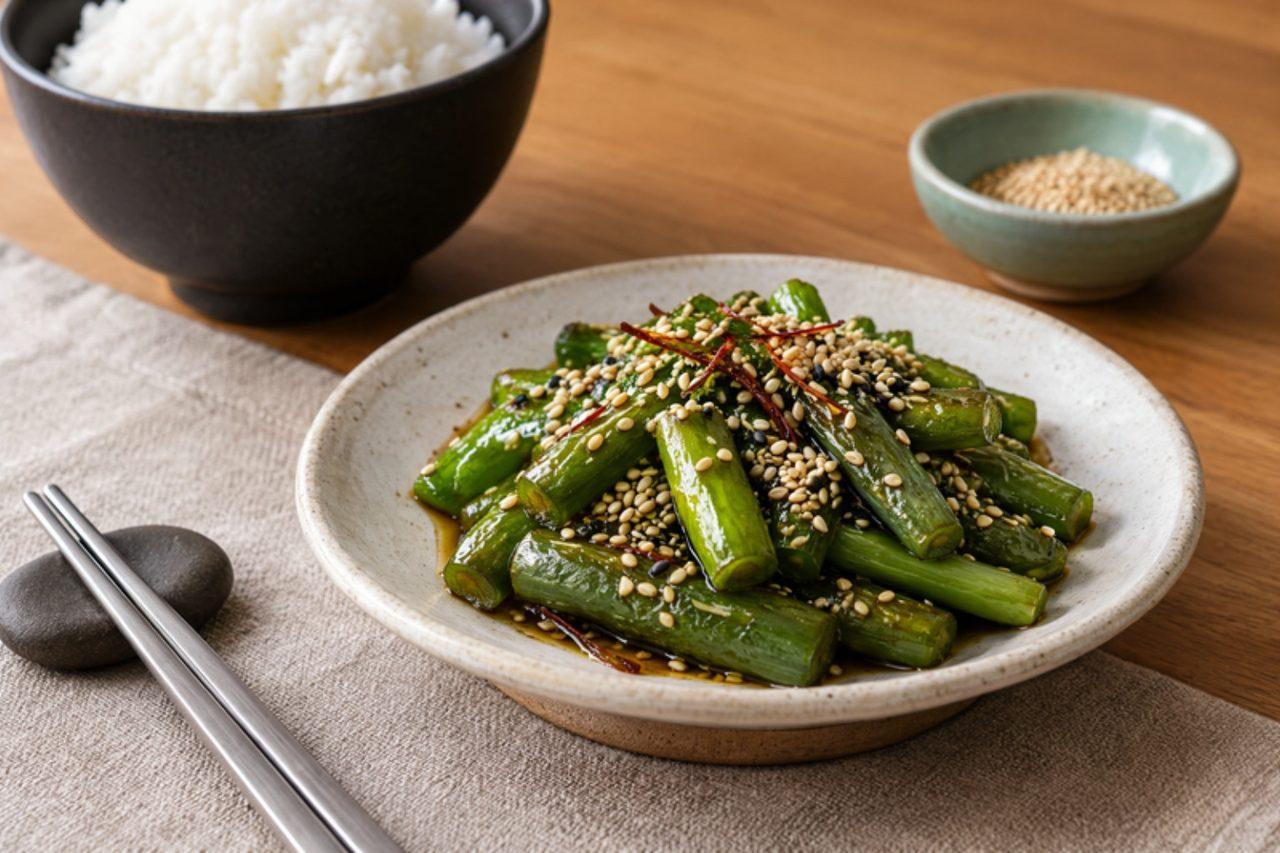
Maneuljjong bokkeumGarlic scape stir-fry

In late spring Korean markets sell thick bundles of garlic scapes, the curly green shoots of the garlic plant, and they become maneuljjong bokkeum, a sweet-salty, glossy banchan that keeps for days and is a dependable dosirak side. The scapes taste of mild garlic and stay pleasantly snappy. The common mistake is glazing them too early, before they are tender, so the syrup burns and the scapes stay woody. Chef's tip: fry the scapes in oil first until they turn bright green and slightly blistered, then add the sauce and toss for only a minute.

by KrazyBadal 0 views
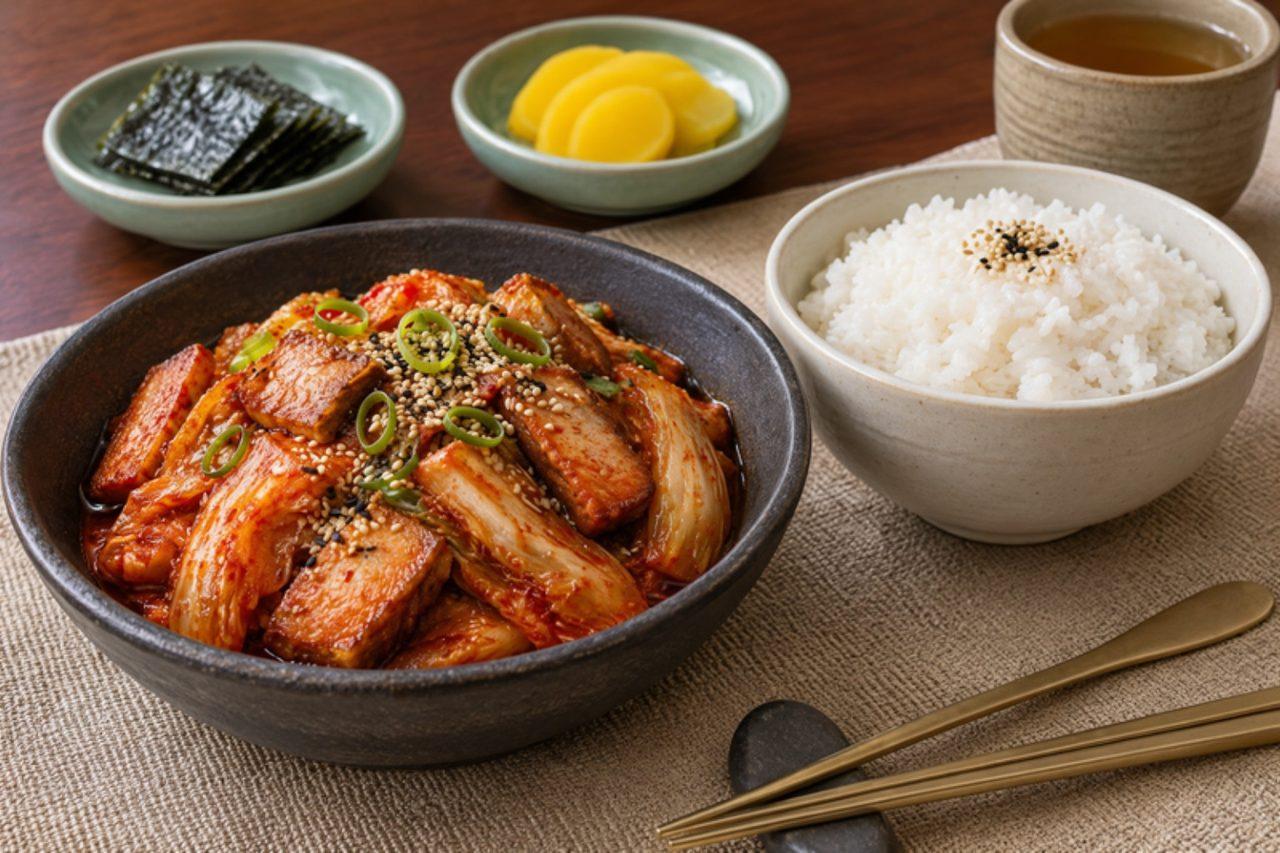
Bokkeum kimchiStir-fried kimchi with pork belly

When a jar of kimchi turns very sour in Korean homes, it gets stir-fried with a little sugar and sesame oil, and often with pork belly, into bokkeum kimchi, a deep, mellow side dish that keeps for days and is a favourite in school and office dosirak. For a vegan version, use kimchi made without fish sauce or salted shrimp and leave out the pork. The usual mistake is using fresh, crisp kimchi, which tastes harsh when fried; it needs to be properly sour. Chef's tip: fry the kimchi until the edges just begin to catch and caramelise, which is where the flavour is.

by KrazyBadal 0 views

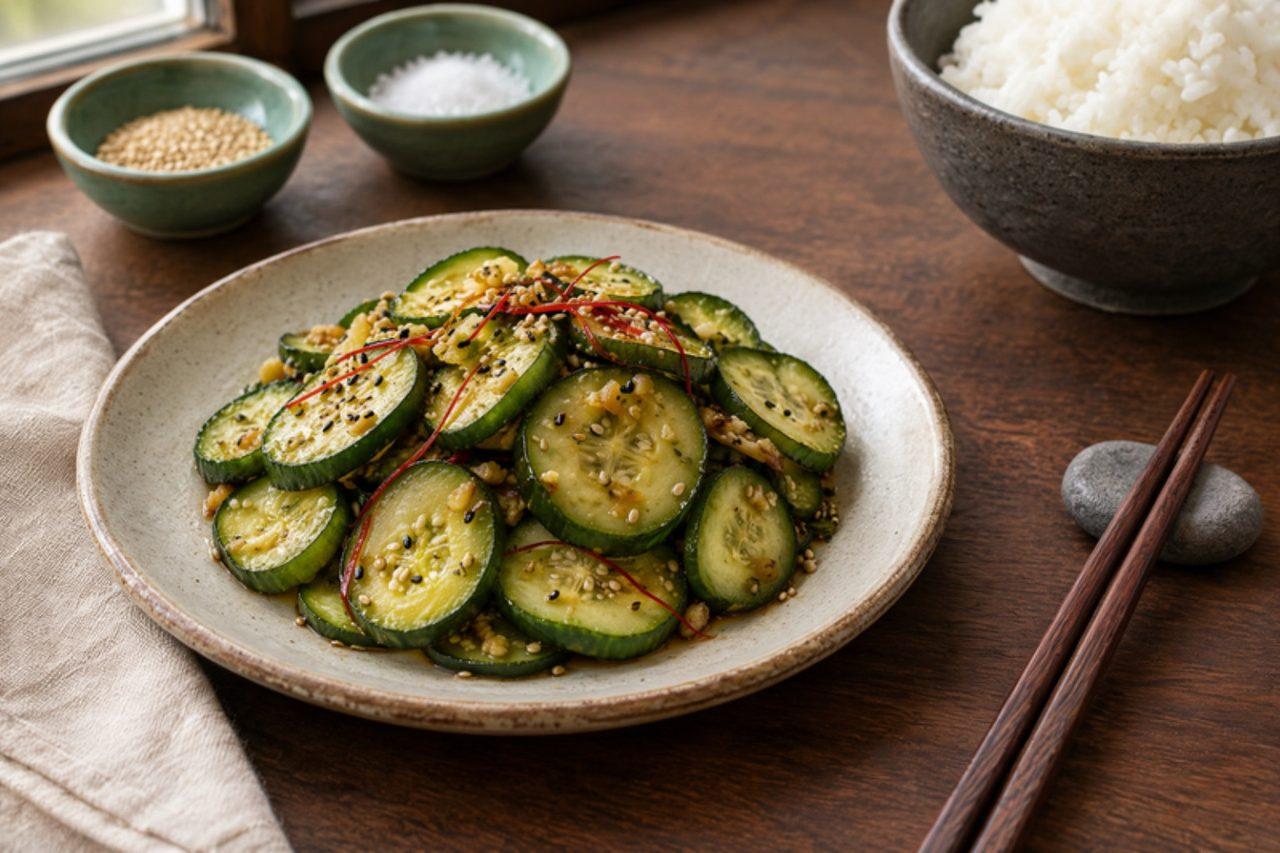
Oi bokkeumStir-fried cucumber

Cooked cucumber sounds odd until you try oi bokkeum, a Korean banchan in which salted, squeezed slices are flashed in a hot pan with garlic and sesame. They come out bright green and squeaky-crunchy, like a warm pickle, and they hold up beautifully in a dosirak because the salting has already drawn out the water that would make other cucumber sides soggy. The common mistake is frying too long; past a minute or two the slices go soft. Chef's tip: spread the cooked cucumber on a plate to cool at once rather than leaving it in the hot pan, so it keeps its colour.

by KrazyBadal 0 views
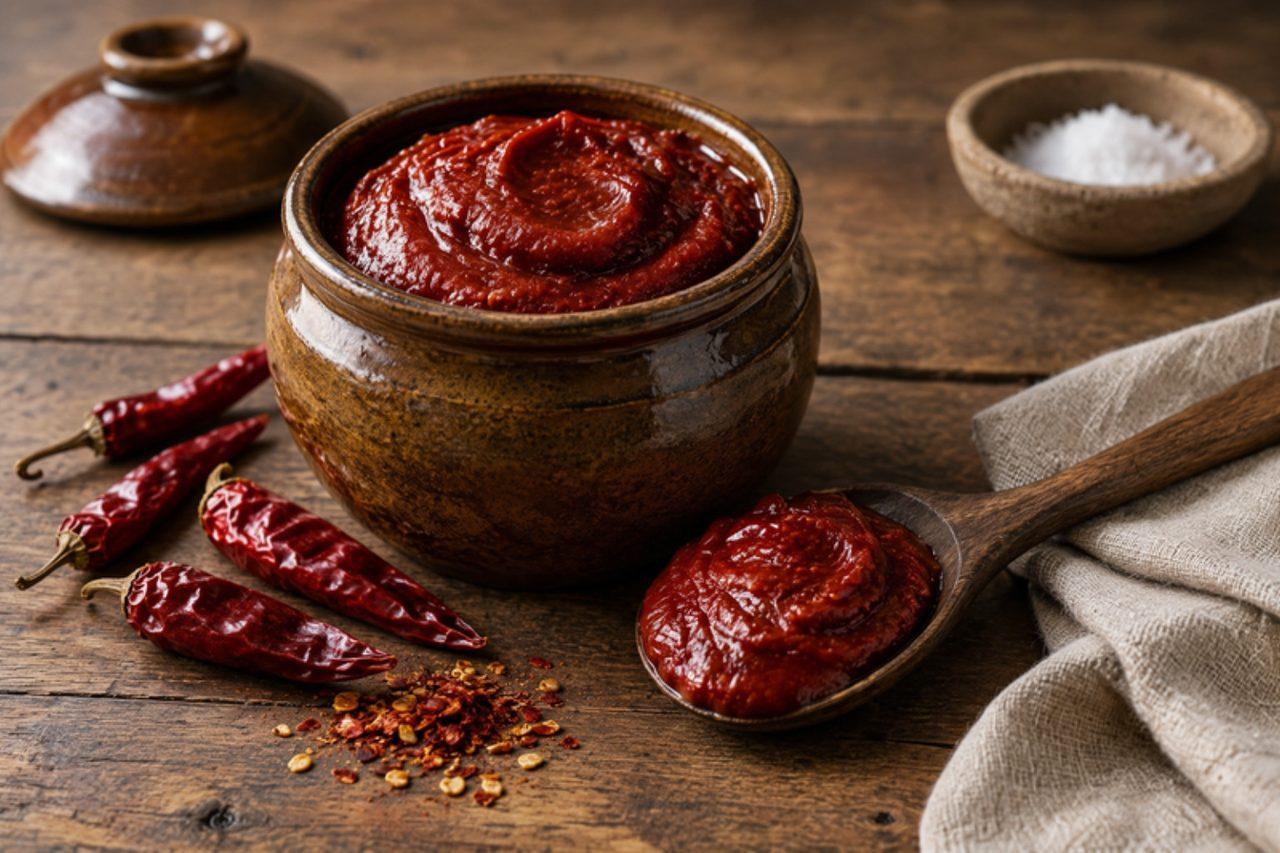
Homemade gochujangChilli bean paste

Sunchang, a small county in North Jeolla, is so tied to gochujang that it holds a jang festival every October, but the paste itself is traditionally made in the cold weeks of late winter, when there are no flies and it can ferment slowly in glazed onggi jars on the sunny jangdokdae terrace. Glutinous rice flour is broken down by barley malt into a sweet, runny porridge, boiled down, then beaten with fine chilli powder, fermented soybean (meju) powder, rice syrup and salt. Young, it is bright, sweet and fiery; after two or three months it darkens to brick red and gains a round, savoury depth, thick enough to hold a ridge on the spoon. It goes into bibimbap, tteokbokki, ssamjang, stews and marinades all year. Common mistake: adding the chilli and salt while the porridge is still hot, which dulls the colour and can make the paste turn sour; wait until it is lukewarm. It is ready when it is glossy, deep red, and smells sweet and earthy with no sharp, boozy note. Chef's tip: hold the malt and rice at 55–60 °C on a rice cooker's keep-warm setting; any hotter and the malt enzymes stop working, so the porridge never thins.

210 minKoreanBasicsVeganSpicy
by KrazyBadal 0 views
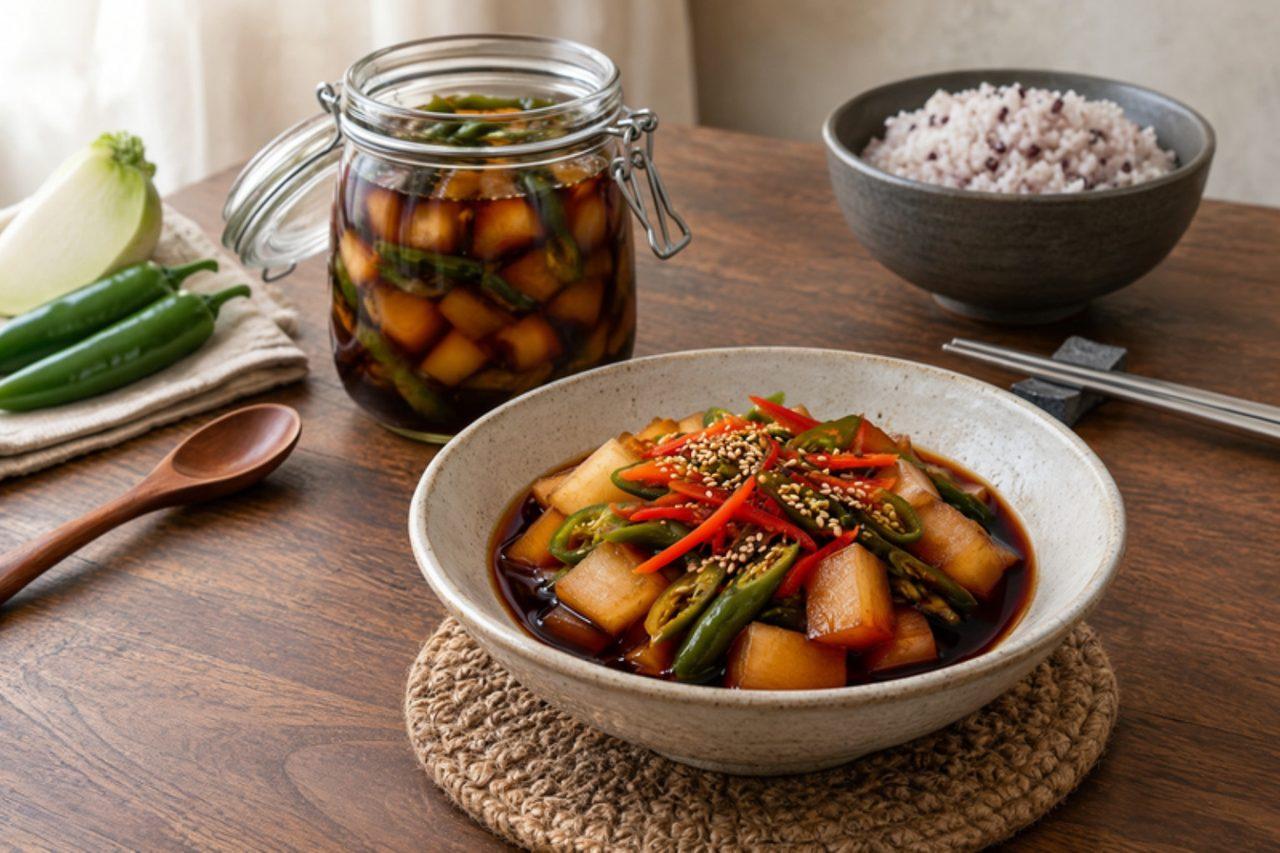
Radish and chilli jangajjiSoy-pickled radish and chilli

Jangajji are Korea's long-keeping soy pickles, made with whatever the season gives: perilla leaves, garlic, chillies, radish. They go in a dosirak lunchbox because they never weep or spoil the rice, and a few slices wake up any meal. This version pickles crisp Korean radish with green chillies, with perilla leaves if you can find them. The common mistake is pouring cold brine over the vegetables, which leaves them limp and short-lived. Chef's tip: after three days, pour the brine off, boil it again and pour it back hot, and the pickles stay crunchy for a month.

by KrazyBadal 0 views
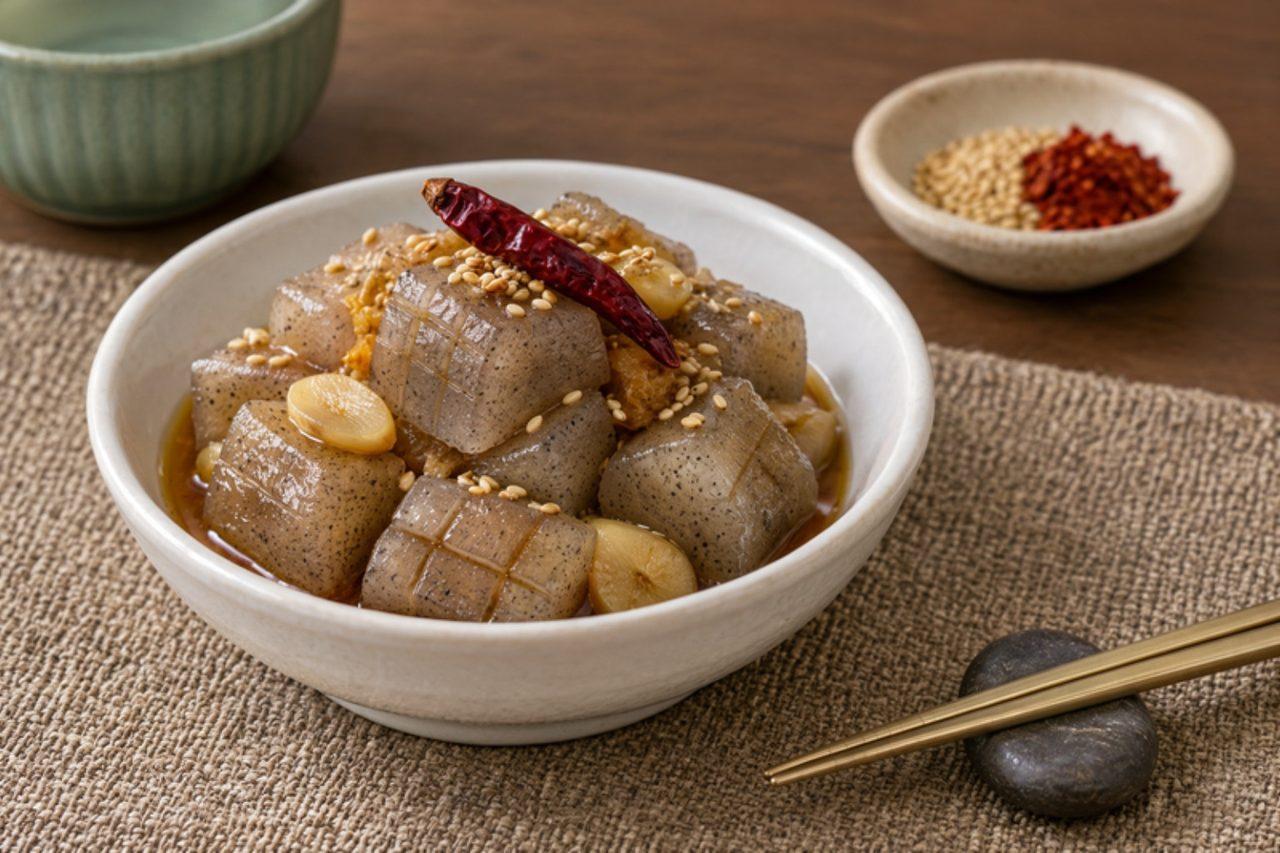
Konnyak jorimBraised konjac

Konjac, the grey, jelly-like block made from a root called devil's tongue, has almost no calories, and in Korea it is braised in sweet soy until glossy and chewy, a popular dosirak banchan that never wilts. Its texture is the point: bouncy, with a savoury glaze clinging to every scored cube. The common mistake is skipping the blanch, which leaves konjac's slight fishy smell from the alkaline water it is set in. Chef's tip: score a shallow criss-cross on the cubes or tear them with a spoon rather than cutting, and the sauce grips the rough surfaces.

by KrazyBadal 0 views
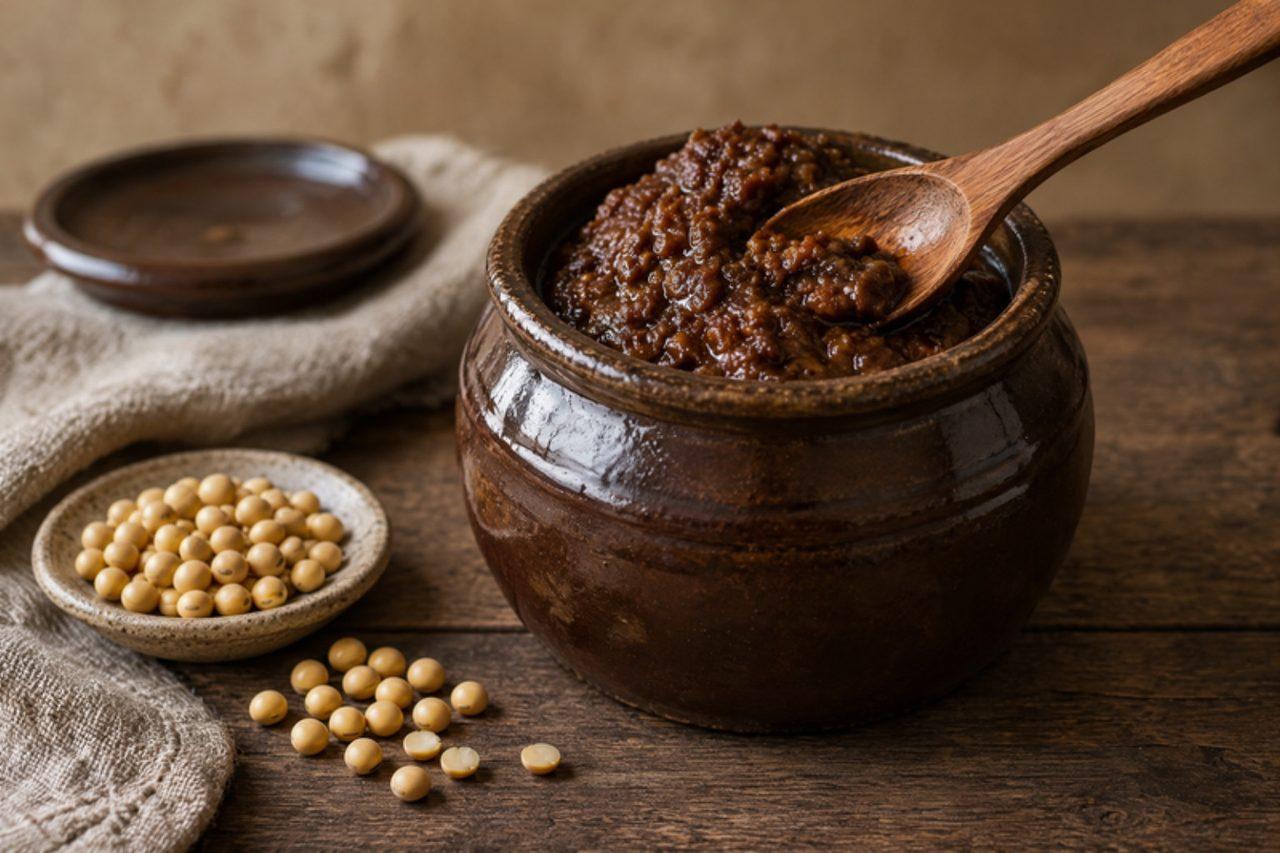
Homemade doenjangFermented soybean paste

Doenjang starts in late autumn, after the soybean harvest, when Korean households used to boil beans in a cauldron, pound them into bricks and hang the meju from the rafters on straw ropes to grow a white, sweet-smelling bloom over the winter. In early spring, on a clear dry day, the bricks are dropped into salt brine in an onggi jar with dried chillies, jujubes and a red-hot piece of charcoal. Some six to eight weeks later the dark liquid is drawn off and boiled into soup soy sauce (guk-ganjang), and the softened bricks are mashed into doenjang, which ripens through the summer. It is chunkier, saltier and funkier than miso, with a nutty, almost smoky depth: the backbone of doenjang-jjigae, ssamjang and spinach namul. Common mistake: making the brick too thick or drying it in a warm, still room, so the centre rots before it dries; keep it about 6 cm thick and hang it where air moves. The paste is ready when it is mid-brown, smells of toasted nuts and soy, and tastes salty-sweet rather than sharp. Chef's tip: you can buy dried meju blocks from Korean grocers and start at the brining step.

300 minKoreanBasicsVeganGluten free
by KrazyBadal 0 views

GimjabanFried seasoned seaweed

Korean children grow up eating gimjaban scattered over rice or rolled into jumeokbap rice balls, and a little tub of it is the easiest way to make a plain dosirak exciting. It is laver seaweed toasted, crushed and stirred in a pan with sesame oil, a little sugar and plenty of sesame seeds until crisp and savoury-sweet. The common mistake is adding the soy sauce while the pan is very hot, which turns the flakes soggy and clumped. Chef's tip: mix the soy and sugar into the oil first, then toss in the crushed seaweed off the heat and return it to a gentle flame just to dry out.

by KrazyBadal 0 views

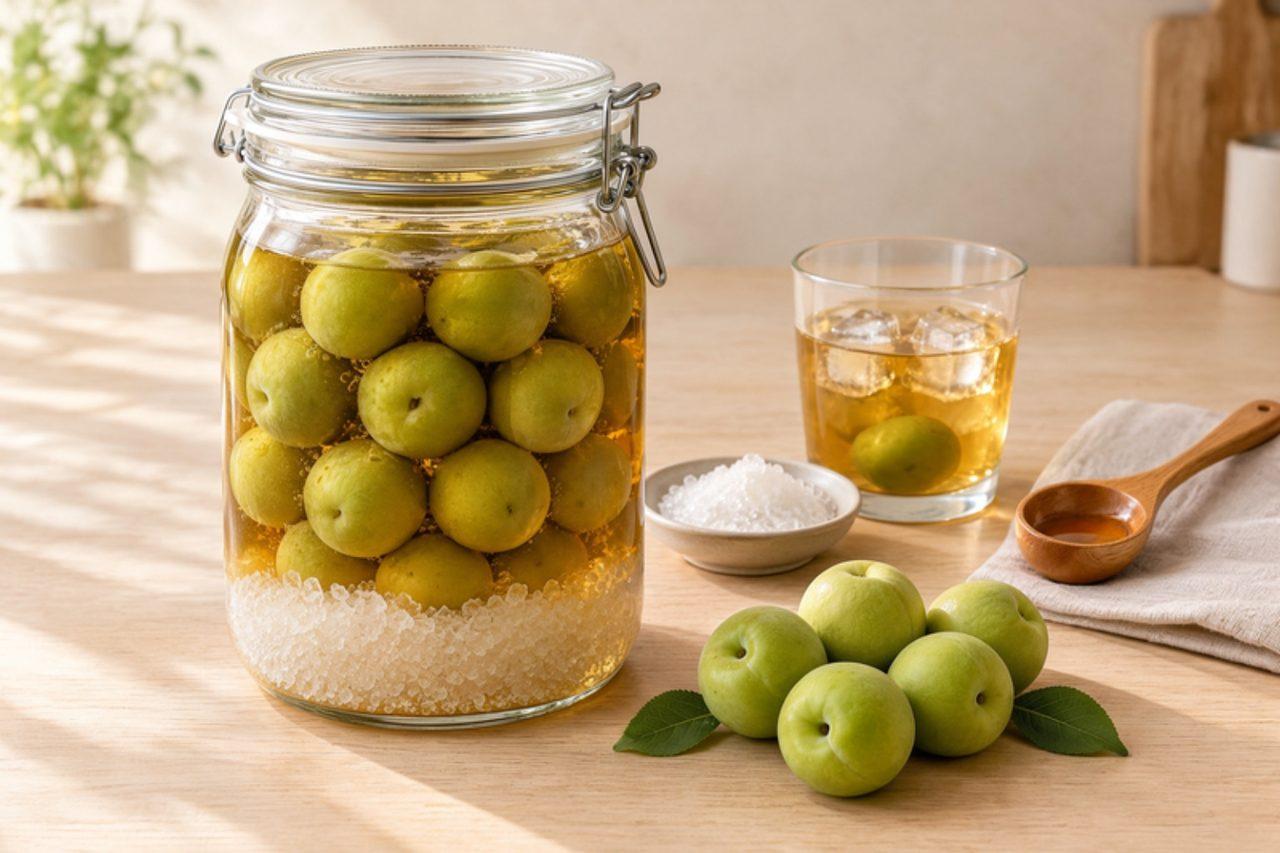
MaesilcheongGreen plum syrup

In early June, Gwangyang in South Jeolla holds its plum festival under hillsides of maesil trees, and across Korea families buy crates of hard green maesil plums to make maesilcheong. The plums are layered with an equal weight of sugar in big glass jars, and over 100 days the sugar draws out their juice into a tart, fruity amber syrup. It is the Korean kitchen's all-purpose sweetener: a spoonful in a marinade for bulgogi, in salad dressings and in kimchi, and diluted with cold water as a summer drink traditionally taken after a heavy meal. It tastes sweet, sour and almond-scented. Expect a little natural fermentation: a few bubbles and a trace of alcohol (well under 1%) are normal while the sugar dissolves, so keep the lid loose. The common mistake is wet fruit: any water left on the plums or stem scars can lead to mould, so dry them for hours. Ready when the plums have shrivelled and float, and the syrup is clear amber. Raw green plum stones contain compounds that release cyanide: never crush, bite or eat the stones, and remove the fruit after 100 days. No maesil? Use hard green apricots, with the same care. Chef's tip: use half brown sugar for a deeper colour and caramel note.

by KrazyBadal 0 views

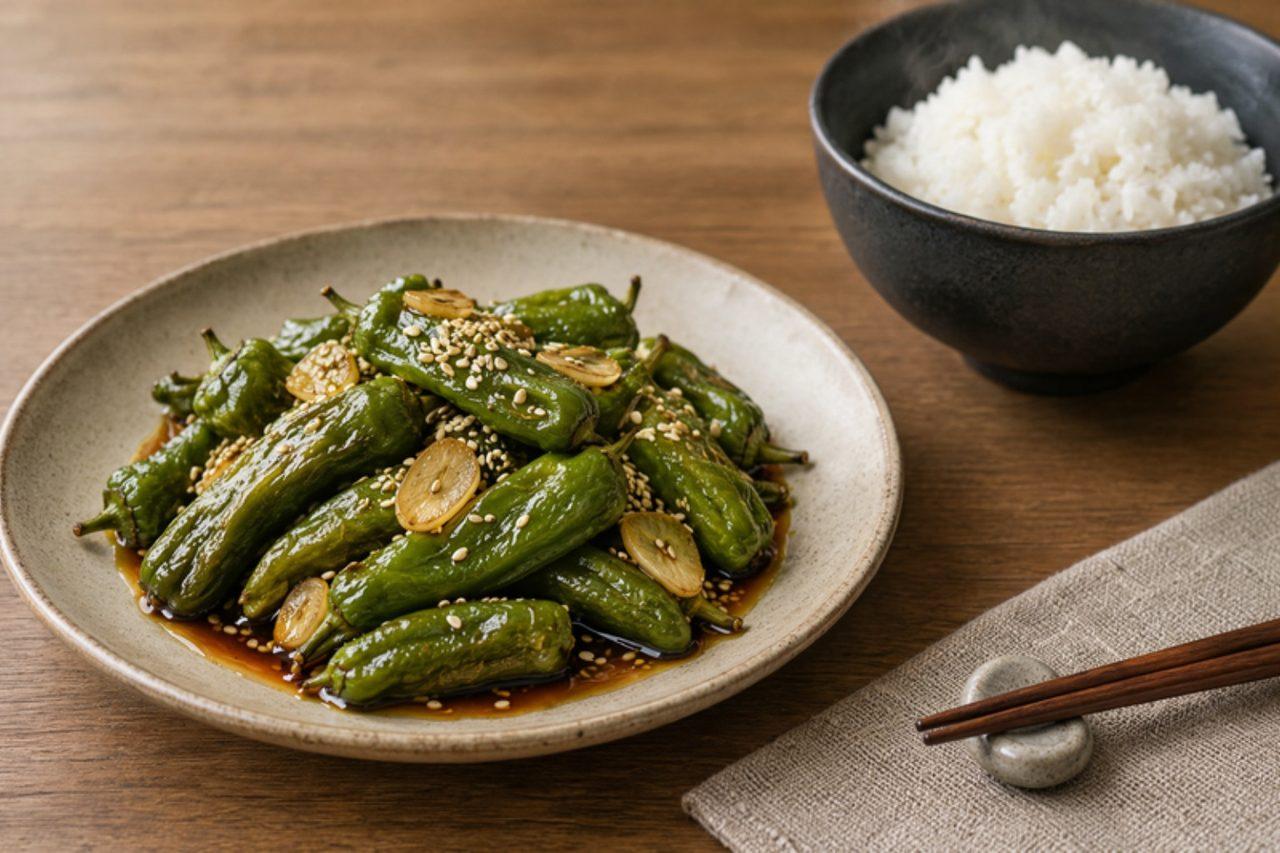
Kkwari-gochu jorimBraised shishito peppers

Kkwari-gochu, the small wrinkly peppers the Japanese call shishito, are braised all over Korea into a soft, garlicky, sweet-soy banchan that sits in the fridge ready for the dosirak. Many households add dried anchovies; this version leaves them out and keeps it vegan, with a few toasted sesame seeds for crunch. Most peppers are mild, but about one in ten is surprisingly hot. The common mistake is leaving the peppers whole and unpierced, so they puff up and never take in the sauce. Chef's tip: prick each pepper with a fork once or twice, and the braising liquid soaks right into it.

by KrazyBadal 0 views

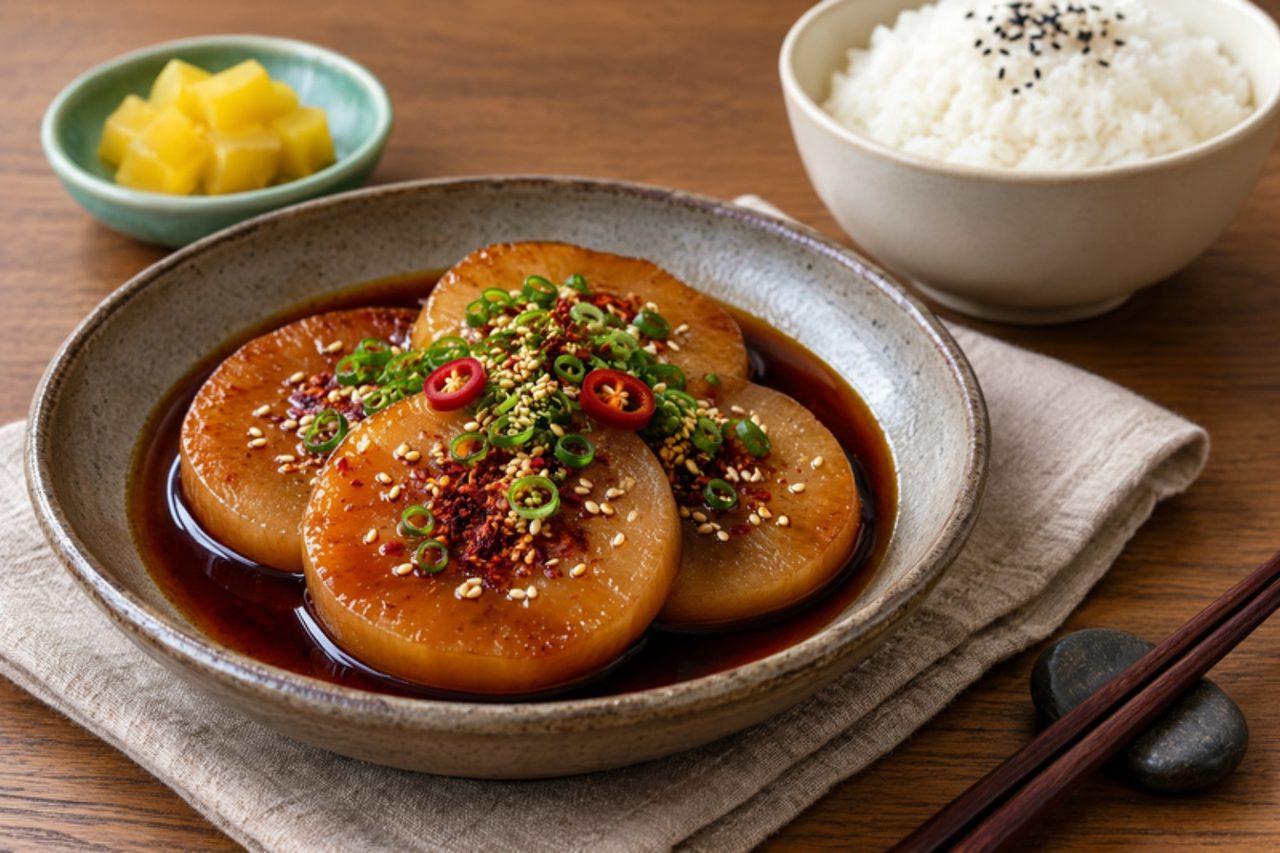
Mu jorimBraised radish

In Korean homes, when the winter radishes are sweet and juicy, they are cut into thick rounds and braised slowly in soy, chilli flakes and garlic until they turn amber and almost melting. Mackerel or hairtail is often cooked on top; this version leaves the fish out and uses a quick kelp broth for depth. It is even better the next day, cold, in a dosirak. The common mistake is cutting the radish thin, so it breaks up before it has absorbed the sauce. Chef's tip: simmer the radish in the broth alone first, until a chopstick slides in, and only then add the soy, so the salt does not toughen it.

by KrazyBadal 0 views

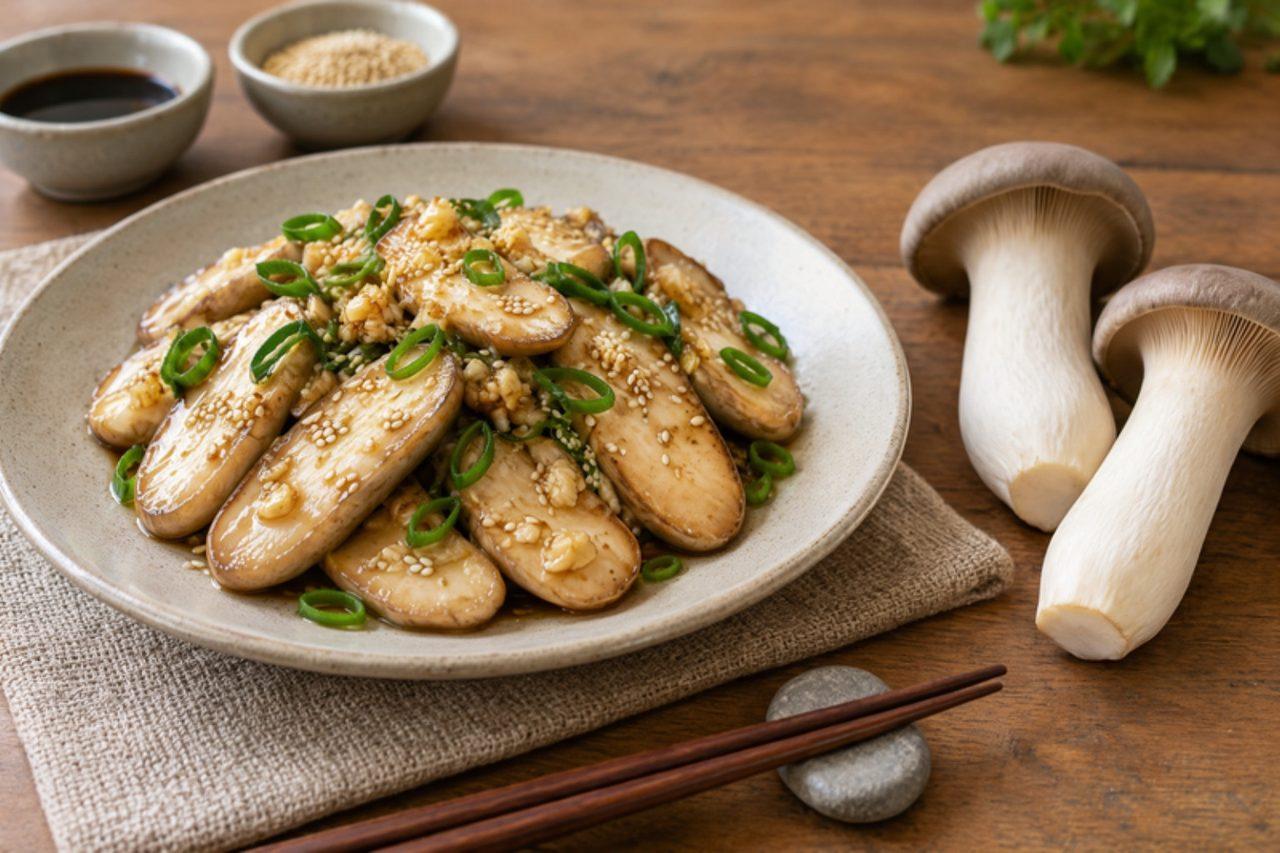
Saesongi beoseot bokkeumKing oyster mushroom stir-fry

King oyster mushrooms, saesongi in Korean, are cheap and meaty, and this quick stir-fry is a staple in Korean home kitchens for dinner banchan and next-day dosirak alike. The thick stems turn juicy and almost scallop-like, seasoned with just soy, garlic and spring onion. The common mistake is salting or saucing the mushrooms as soon as they hit the pan, which draws out their water so they stew instead of browning. Chef's tip: let the slices sear undisturbed in a hot pan until golden on one side before you add anything else.

by KrazyBadal 0 views

Showing 24 of 53 recipes

Show more recipes

Page 1 of 3