Skip to content
Recipes

All recipes

Vegetarian, or something you can't eat? Set your diet once and we'll hide recipes that don't fit.

Haidai doufu tangKelp and tofu soup

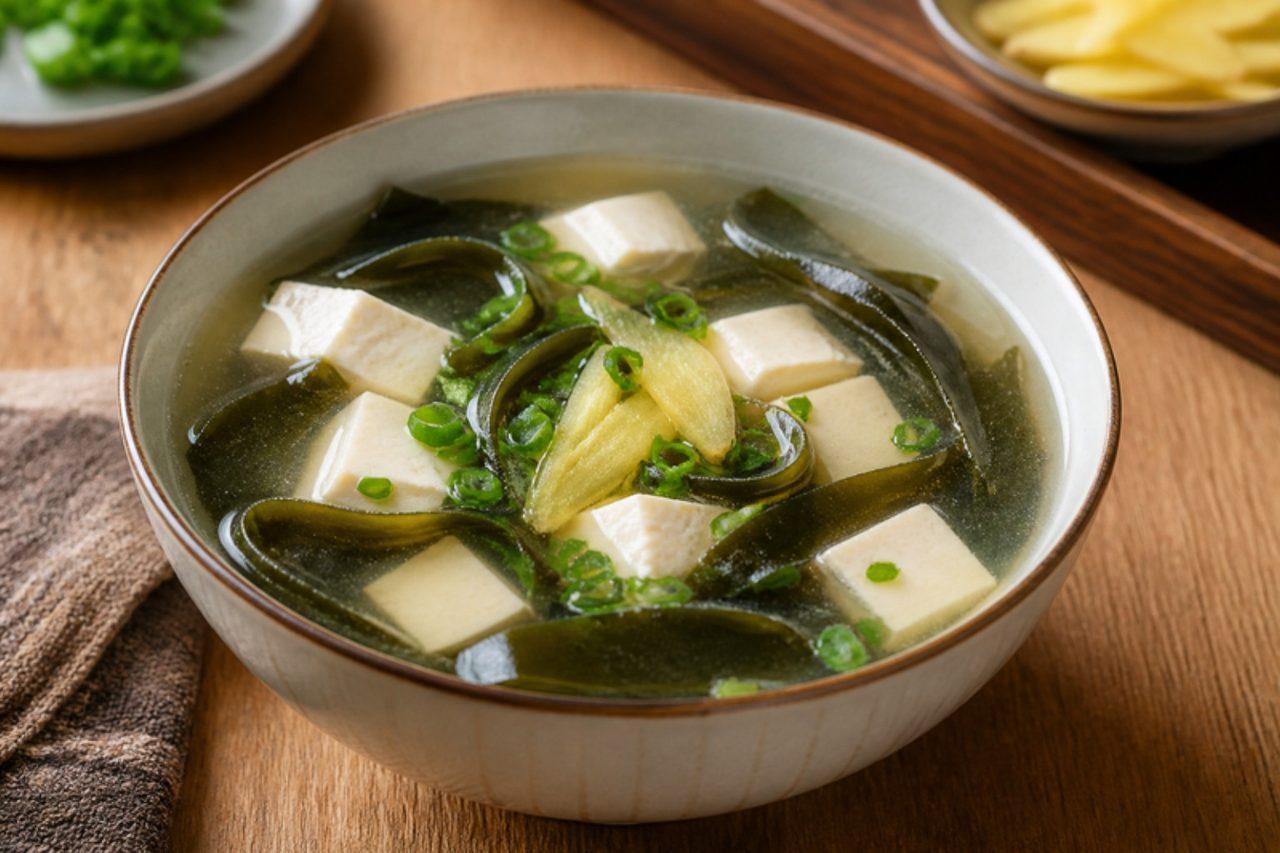
Kelp and tofu soup is everyday drinking soup across China, ladled out at family dinners in Qingdao, Dalian and inland cities alike, and thought of as cooling and good for the body. Strips of kelp give a savoury sea flavour, cubes of soft tofu turn tender in the broth, and ginger, white pepper and spring onion keep it clean and warming. Each bowl has about 130 kcal and roughly 12 g of protein, from the tofu, so it is a light side soup rather than a high-protein meal. The common mistake is not rinsing dried kelp well: grit and the white salt bloom make the soup cloudy and harsh. Chef's tip: simmer the kelp first on its own for 10 minutes; it softens and seasons the water before the tofu goes in.

by KrazyBadal 0 views

Moroccan bachkoutouOrange and sesame dunking biscuits

Moroccan grandmothers bake bachkoutou by the trayful and keep them in big tins for the afternoon glass of sweet mint tea, and neighbourhood ovens in Fes and Casablanca bake them for families who bring their dough. These are dry, crunchy little biscuits, not rich at all, made with eggs, sugar and oil rather than butter, with orange zest and a coating of toasted sesame; they are meant to be dunked until they soften slightly. Shapes vary from town to town: fingers, rings and rope twists are all common, and some cooks add aniseed. Too much flour is the easy mistake: the dough should stay soft and slightly sticky, or the biscuits bake heavy and hard rather than crisp and light. Chef's tip: once they are cold, put them back in a warm, switched-off oven for 20 minutes; that extra drying is what makes them keep their snap for weeks.

by KrazyBadal 0 views

TopfengolatschenSweet quark puff pastry squares

A Topfengolatsche is what Viennese office workers grab from the bakery on the way in, and what grandparents order with a Melange in a coffee house on a Sunday afternoon. The corners of a puff pastry square are folded over a lemony, vanilla-scented filling of Topfen (Austrian quark) with plump raisins, and the top gets a thin white glaze. It is flaky, light and not too sweet. Raisins are sometimes soaked in rum; warm water or orange juice works just as well, and the recipe below is alcohol-free. Wet quark is the classic problem, because it turns the filling runny and it leaks out in the oven. Chef's tip: hang the quark in a sieve lined with a clean cloth for an hour, or squeeze it, until it is as thick as soft cream cheese.

by KrazyBadal 0 views

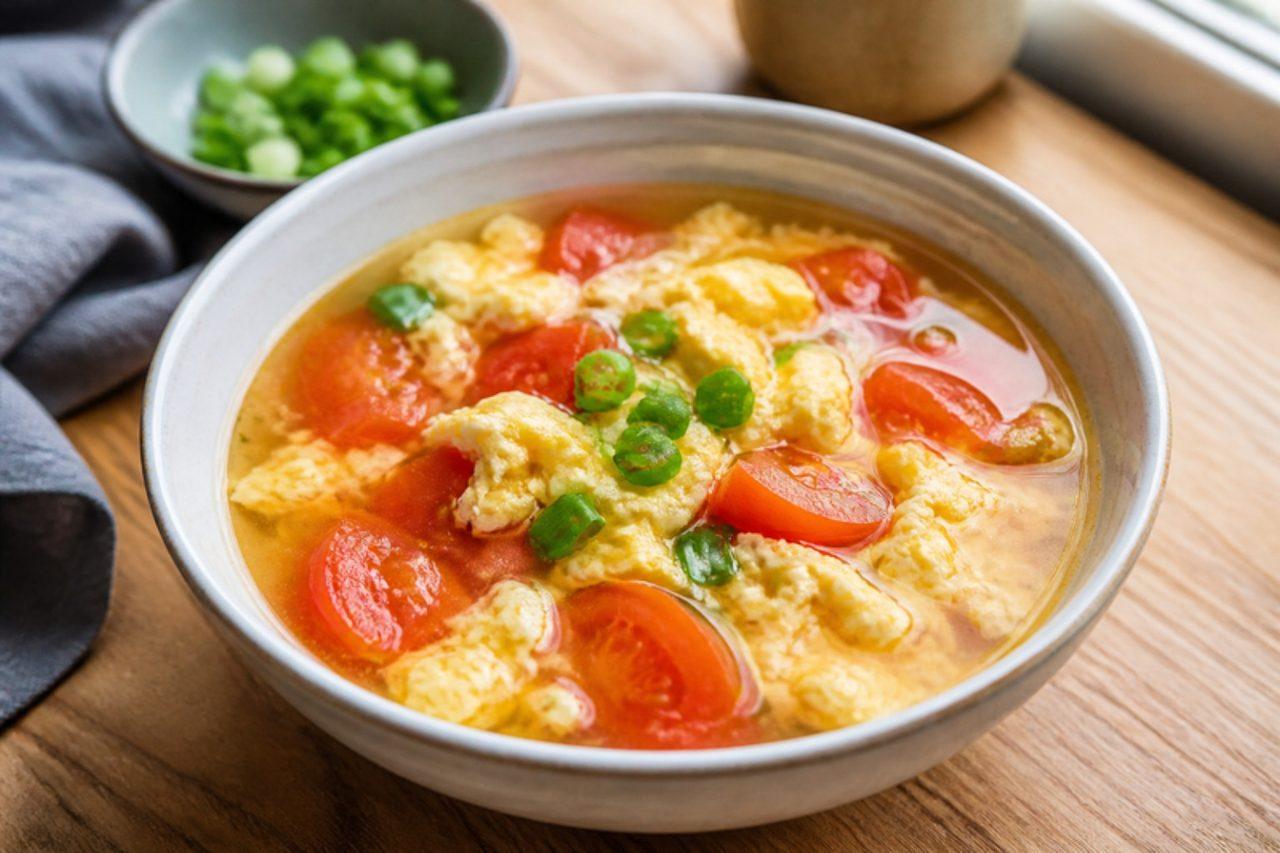
Tomato and egg drop soup

Tomato and egg drop soup, fan qie dan hua tang, is one of the first soups Chinese home cooks learn, made from Shanghai to Chengdu in the ten minutes before rice is ready. Tomatoes cook down into a light, sweet-sour broth and beaten egg is poured in to set into fine yellow ribbons, finished with spring onion and sesame oil. The mistake that makes it cloudy is pouring the egg into a rolling boil and stirring hard; you want a gentle simmer and a slow, thin stream. Chef's tip: fry the tomatoes in a little oil before adding water, so the broth turns rosy and full of flavour.

by KrazyBadal 0 views

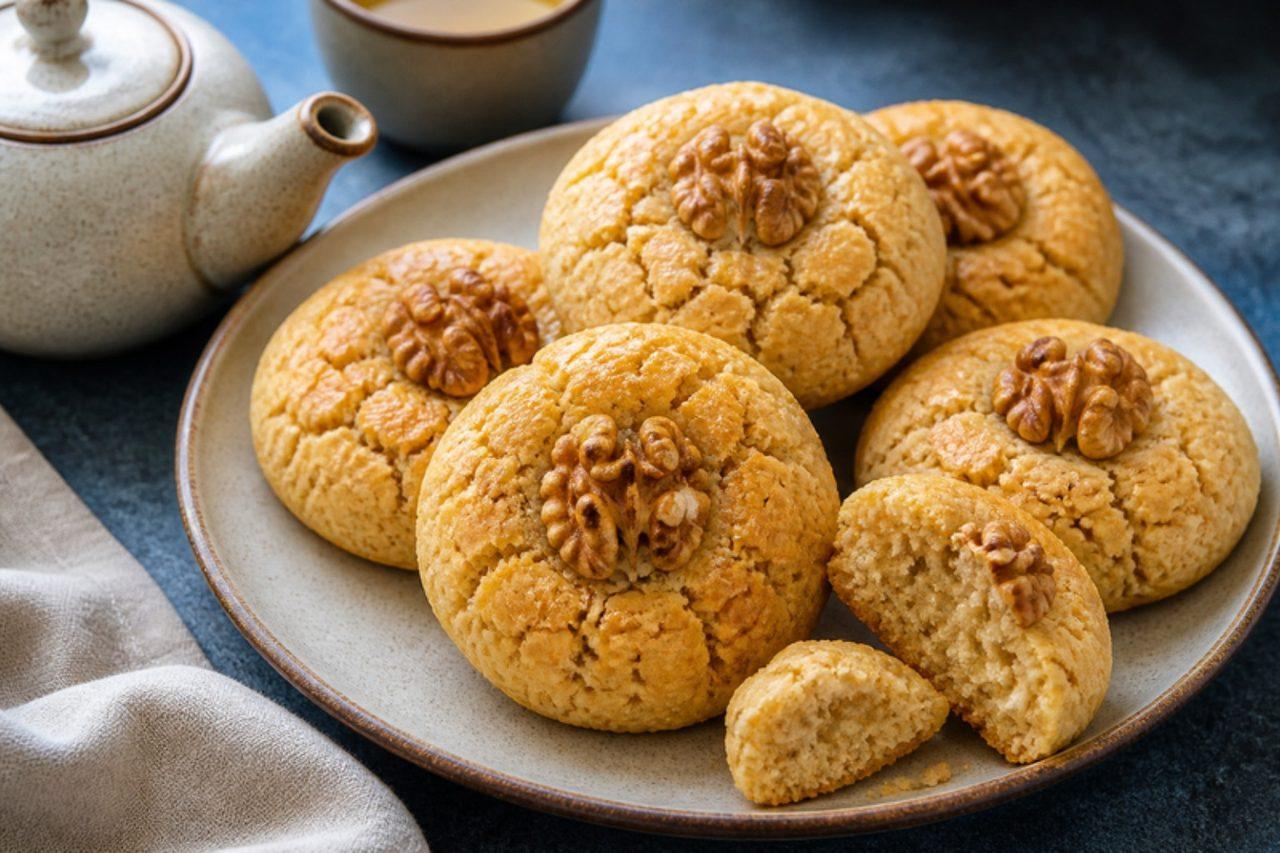
Chinese walnut cookies

Hap toh sou are a fixture of Cantonese bakeries in Guangzhou and Hong Kong, sold loose by the catty or packed in red tins for Lunar New Year visits, when walnuts stand for family happiness. They are wide, crumbly and slightly sandy, with a cracked golden top crowned by a walnut half and a gentle sweetness that suits a pot of oolong or pu'er. Traditionally they are made with lard, which gives an extra-short crumble; this version uses vegetable shortening or neutral oil, so it is vegetarian. The top is brushed with beaten egg for shine; milk mixed with a little honey or golden syrup is an egg-free alternative. A common mistake is pressing the balls flat: leave them domed and they crack open naturally in the heat. Chef's tip: toast the walnuts before chopping; it deepens their flavour and keeps them crunchy inside the soft crumb.

by KrazyBadal 0 views

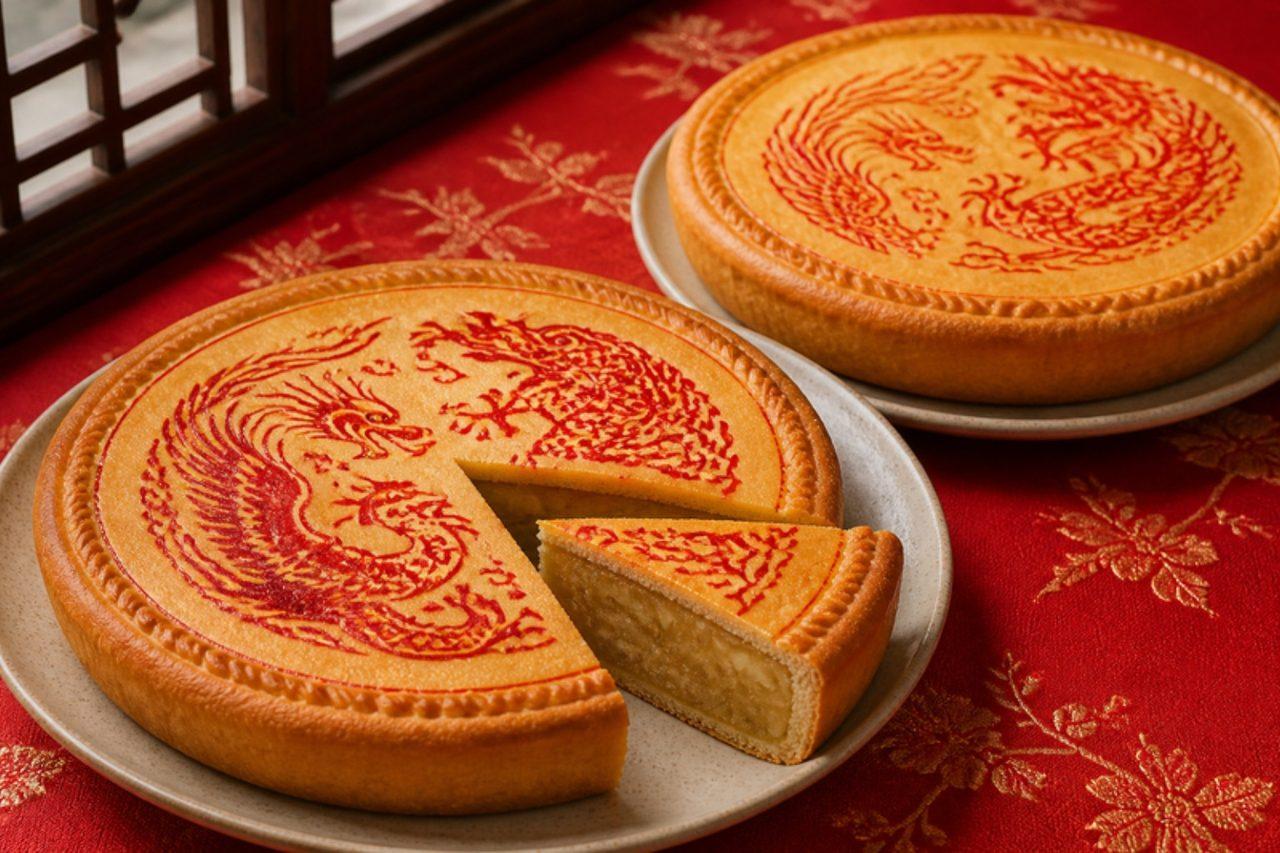
Dragon and phoenix cakesLotus seed paste wedding pastries

In Guangdong and among Cantonese families in Hong Kong and overseas, a groom's family sends boxes of 'lung fung beng', dragon and phoenix cakes, to the bride's relatives ahead of the wedding, and the cakes are shared out among guests as a token of the match. The dragon stands for the groom and the phoenix for the bride, and the cakes are stamped in red with the two creatures or the double-happiness character. Inside the many-layered, flaky crust is smooth, sweet lotus seed paste, sometimes with a salted duck egg yolk, served with tea. Older bakeries often use lard; this version uses butter and vegetable shortening, so it is vegetarian. Chef's tip: roll the laminated pastry lightly and evenly; uneven rolling is the common mistake that leaves thick patches of raw dough and torn, leaking sides.

by KrazyBadal 0 views

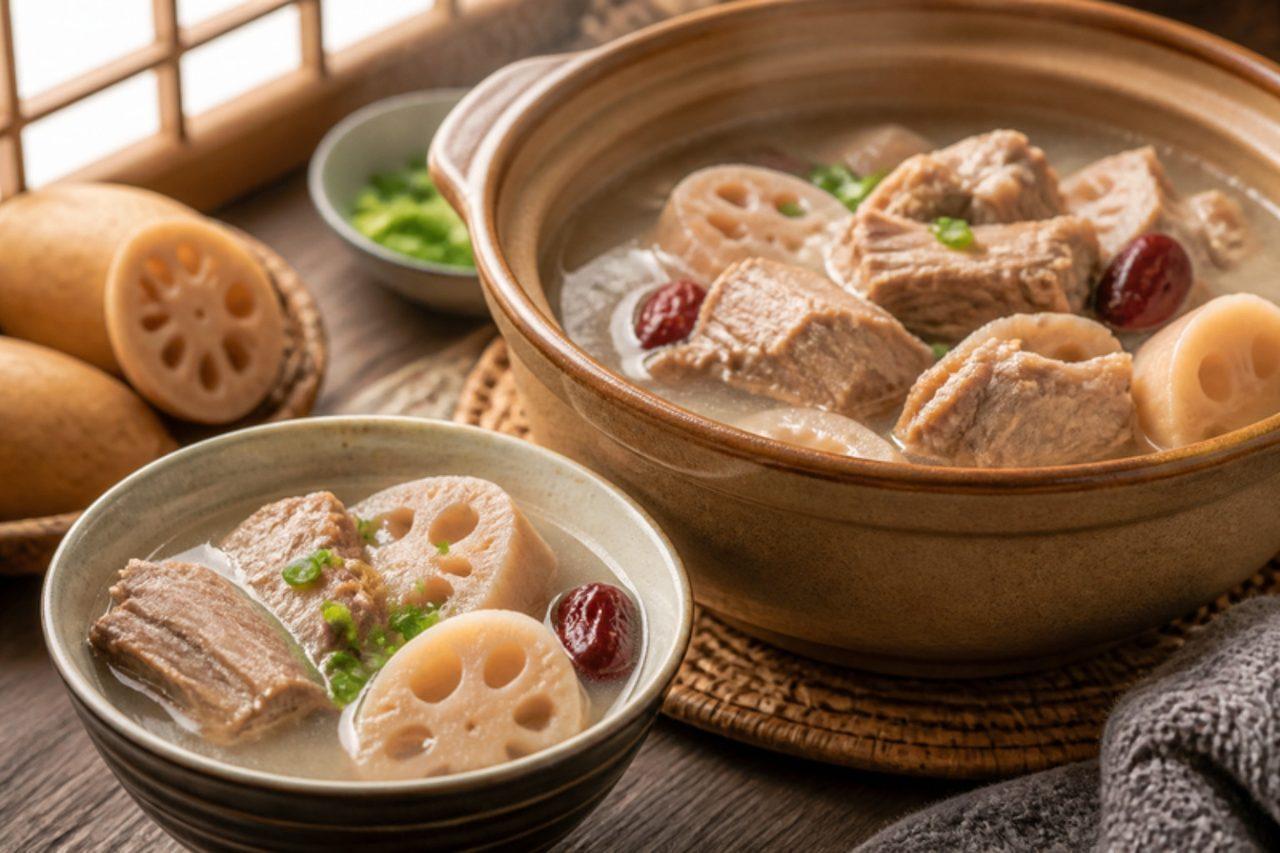
Lian'ou paigu tangPork rib and lotus root soup

In Wuhan, the city of a hundred lakes, lotus root is dug from the mud in autumn, and every family simmers it for hours with pork ribs in a clay pot until the root turns pinkish and starchy and the broth is sweet and clear. This is the soup that welcomes home students at the winter holidays and comforts the sick. It is a pork dish, and it is seasoned only with salt, white pepper and ginger, so it is gluten free. A bowl is about 280 kcal. The most common mistake is using crisp, thin-holed lotus root, which stays crunchy; for soup, choose the fat, short sections with few large holes, which turn powdery and soft. Chef's tip: blanch the ribs and rinse them before simmering; the broth stays clear and clean-tasting.

135 minChineseSoupsGluten free
by KrazyBadal 0 views

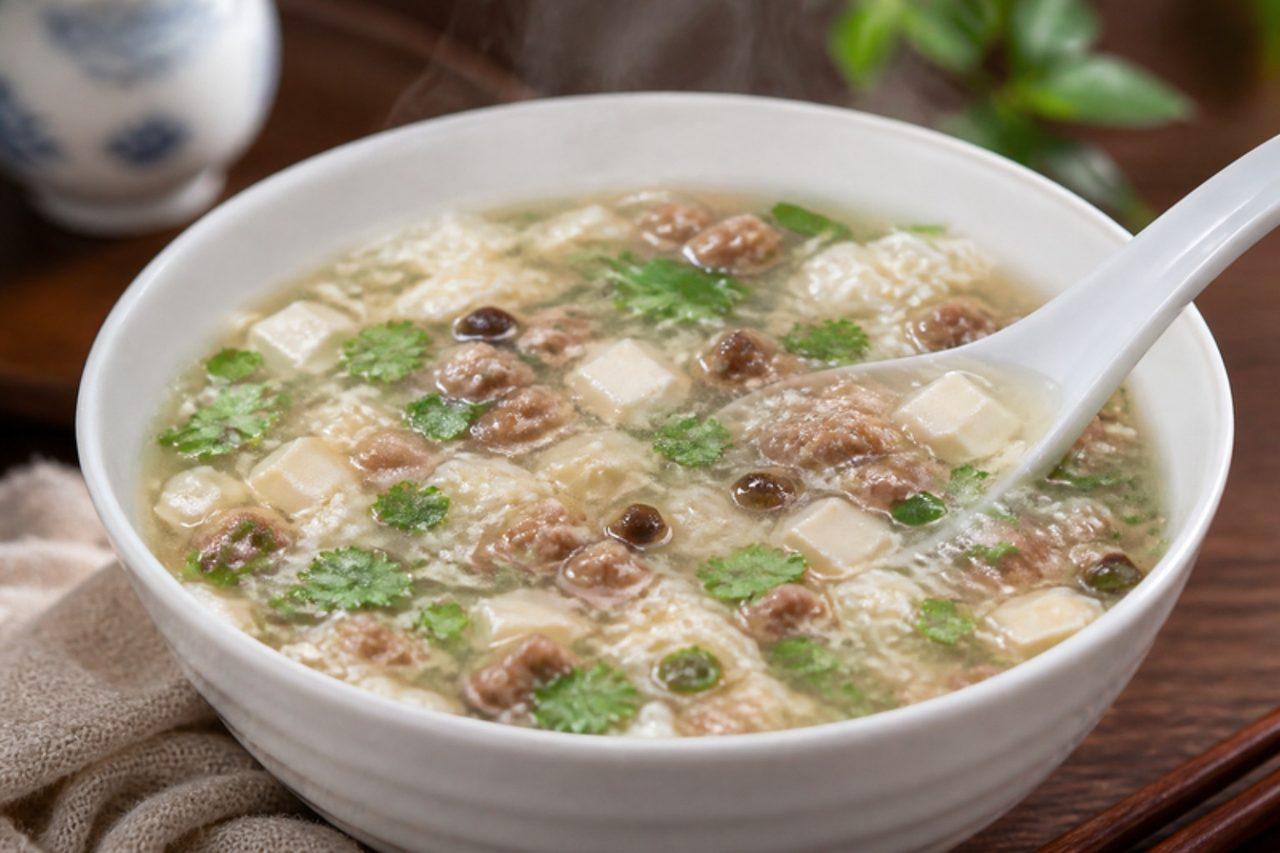
Xihu niurou gengMinced beef and tofu soup

Named after Hangzhou's West Lake, this soup was once on every banquet menu in Zhejiang and is now a favourite in Cantonese restaurants too: finely chopped beef, soft tofu and mushrooms in a broth thickened until silky, with egg white drifted in like mist on the lake and a handful of coriander at the end. It is light, warming and eaten as a starter. Eggs, soy and wheat (in soy sauce) are the allergens. A bowl is about 170 kcal. The common mistake is adding the beef in a clump, so it boils into hard lumps; mix it with a little water first and stir as it goes in. Chef's tip: turn off the heat before you add the egg white and pour it in a thin stream; it sets in delicate white wisps instead of rubbery bits.

by KrazyBadal 0 views

Pork floss bread rolls (rousong mianbao)

Every Chinese bakery, from Taipei to Guangzhou and the Chinese bakeries of Singapore, has a tray of pork floss buns, and they are a favourite thing for parents to buy at the school gate: pillowy milk bread with a sweet-savoury coat of mayonnaise and rousong, the dry, fluffy shredded pork. Children pick at the floss first. Home-baked, they make a weekend project and freeze well. They contain gluten (wheat), milk and egg. Chef's tip: let the buns cool completely before the mayonnaise goes on, or it melts and the floss turns soggy.

by KrazyBadal 0 views

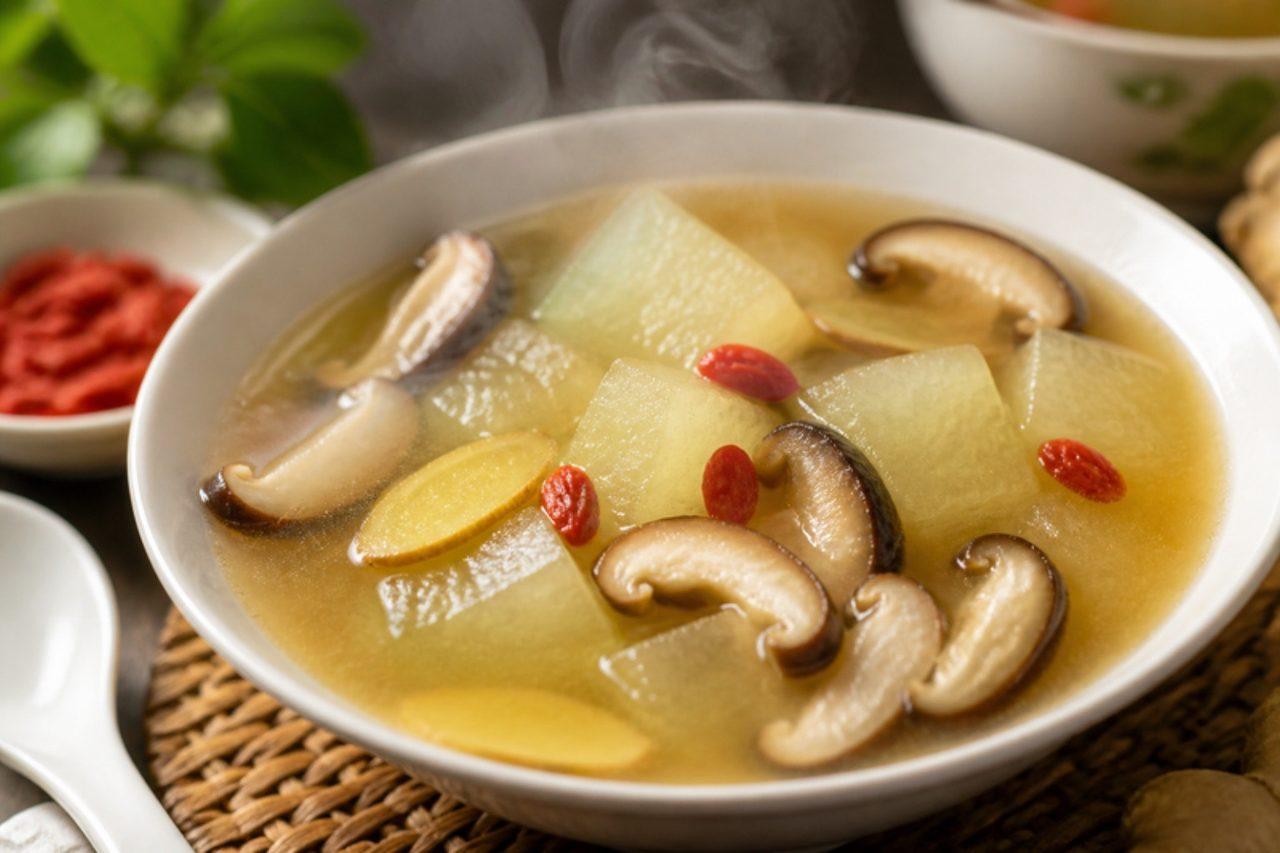
Dong gua tangWinter melon soup

In the sticky summers of Guangzhou and Hong Kong, a big pot of winter melon soup is on the stove in many homes: slabs of the pale green gourd simmered until translucent and almost melting, in a clear broth. Cantonese families believe it cools the body and drains the "dampness" of the season. Usually it is made with pork ribs or dried shrimp; this version uses dried shiitake and ginger for a deep, savoury vegetarian broth, seasoned only with salt and white pepper. A bowl is about 40 kcal. The common mistake is cutting the melon too thin, so it disintegrates; cut it into 2 cm slabs and simmer gently. Chef's tip: keep the soaking water from the mushrooms and add it to the pot; it is full of flavour.

by KrazyBadal 0 views

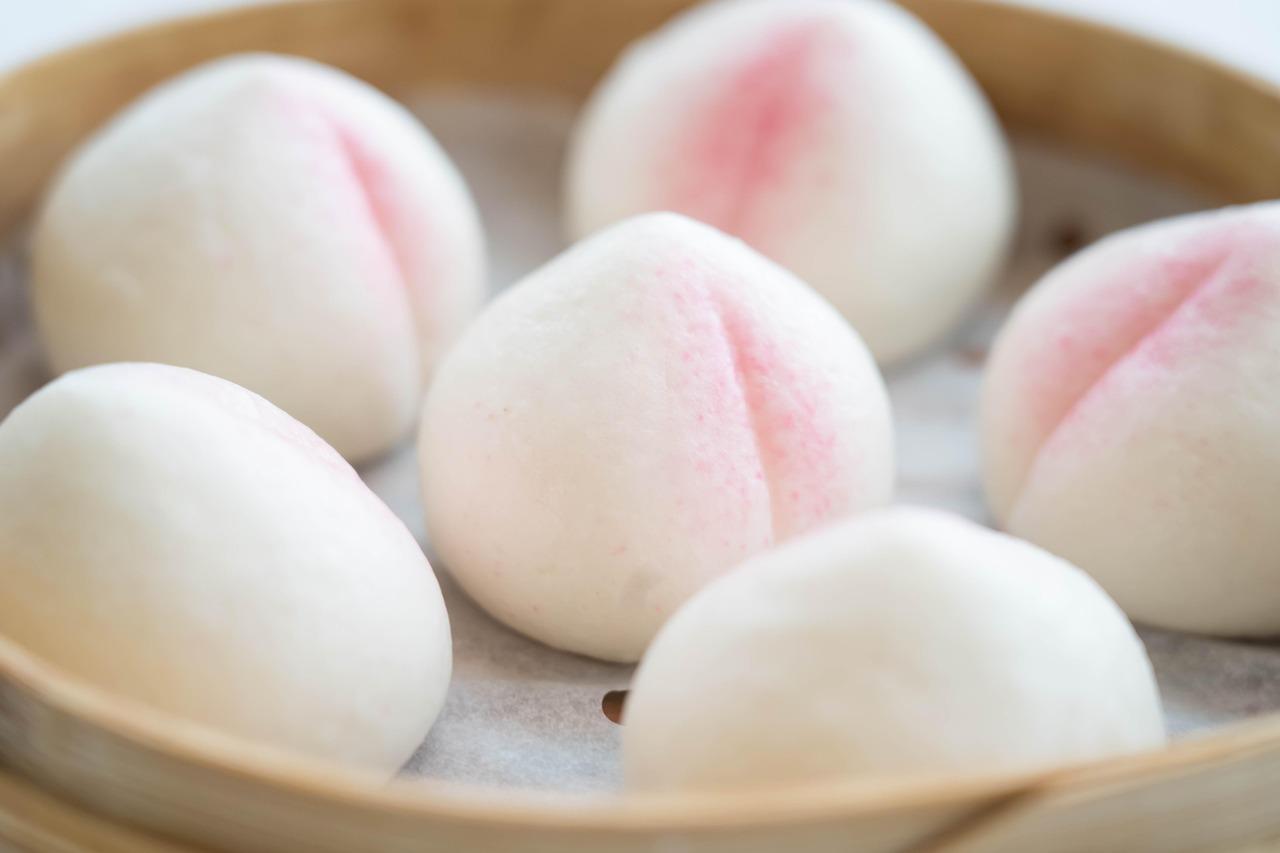
Shou tao bao (longevity peach buns)

In Chinese tradition the peach is the fruit of long life, so birthday tables, from a grandparent's 80th to a child's party, carry a plate of shou tao bao: fluffy white steamed buns pinched into a peach shape, blushed pink at the tip and filled with sweet lotus seed paste. Children love helping to shape the creases and add the pastry leaves. This version is made without milk. It contains gluten. Chef's tip: steam over a gentle, not roaring, boil and wait 5 minutes before lifting the lid, so the buns stay smooth and don't wrinkle.

by KrazyBadal 0 views

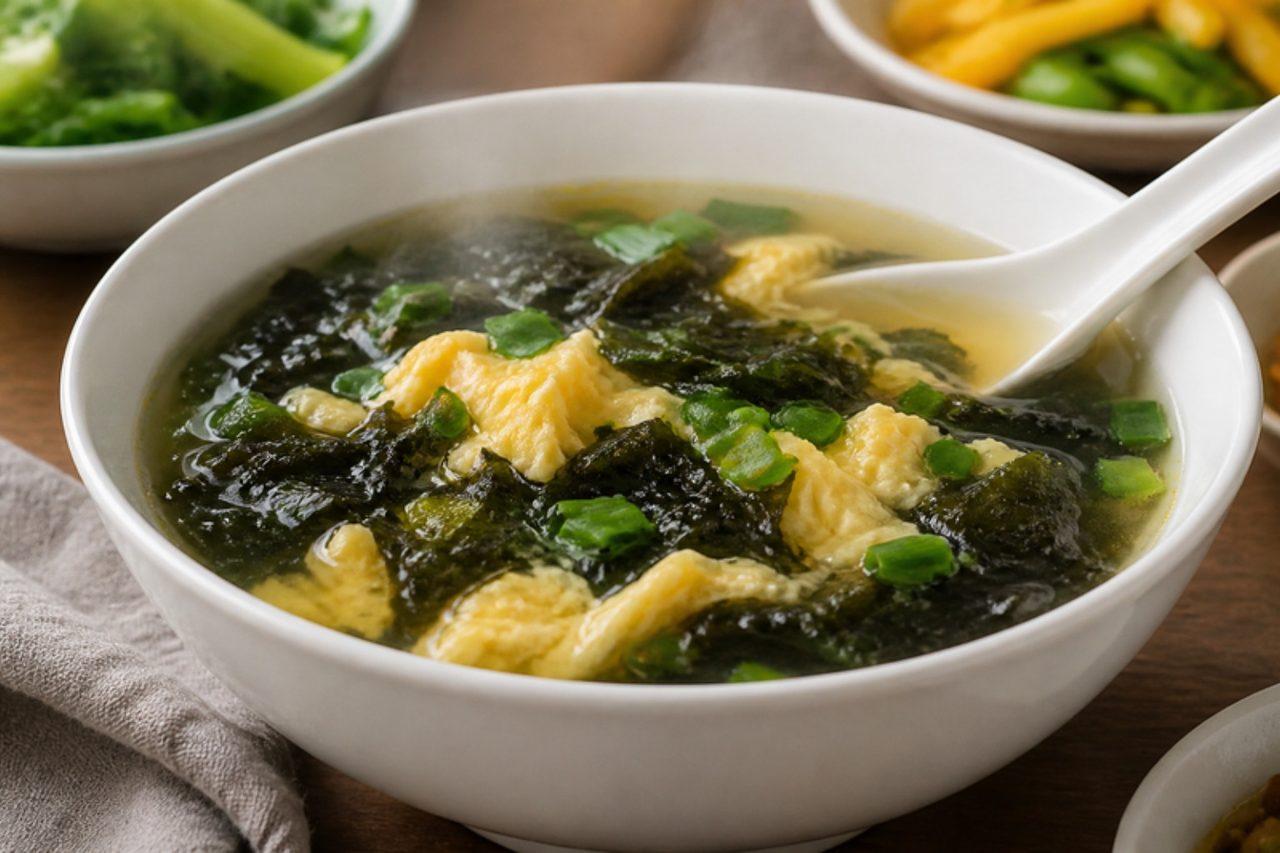
Zicai dan hua tangSeaweed egg drop soup

Zicai dan hua tang is the soup that a busy Chinese home cook can make while the rice is cooking: dried laver seaweed, which dissolves into silky dark green ribbons, and egg swirled into simmering water seasoned with a little soy, white pepper and sesame oil. It is on canteen trays in every Chinese university and on family tables across the country. Many cooks add a few dried shrimp; this vegetarian version leaves them out and uses a pinch of mushroom powder or vegetable stock instead. Eggs are an allergen. A bowl is about 50 kcal. The common mistake is stirring as soon as the egg goes in, which makes it cloudy; wait 10 seconds so it sets into flowers. Chef's tip: tear the seaweed into the bowls, not the pot, and pour the hot soup over; it stays tender and doesn't overcook.

by KrazyBadal 0 views

Kärntner ReindlingCinnamon raisin yeast cake

Carinthia's Easter loaf takes its name from the Reindl, the round, deep pan it is baked in, and in southern Austria no Easter basket goes to church without one. Inside the golden yeast crust is a spiral of butter, cinnamon sugar and plump raisins, so every slice shows a dark swirl. Locals eat it two ways: sweet with coffee on Easter morning, or alongside the savoury Easter platter with horseradish. Many bakers soak the raisins in rum overnight; warm water or tea works just as well and keeps it alcohol-free. A dry, crumbly Reindling usually means too much flour went in during kneading, so keep the dough soft and only lightly floured. Chef's tip: butter the pan well and dust it with sugar, which caramelises into a thin crunchy shell.

by KrazyBadal 0 views

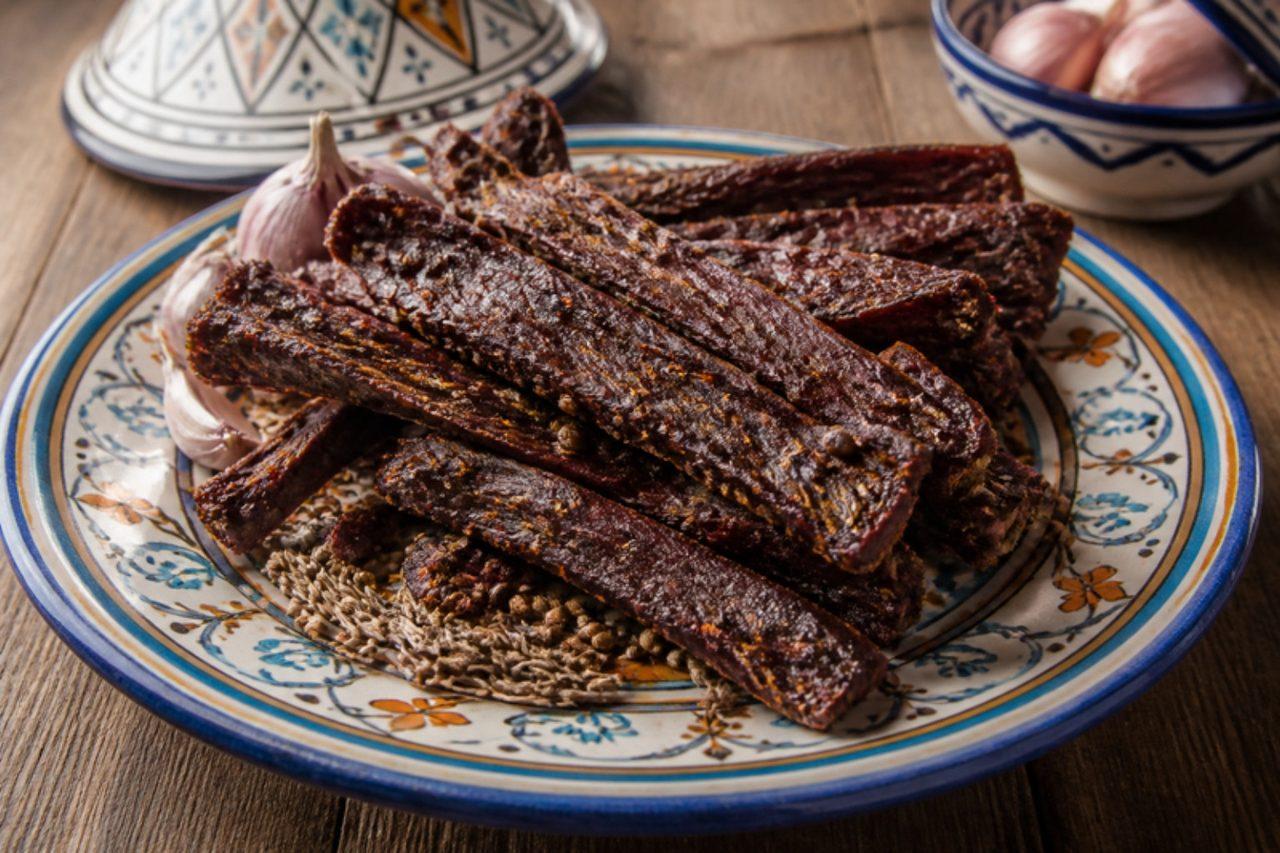
Gueddid (spiced dried lamb, safe oven method)

After Eid al-Adha, families across Morocco traditionally cut part of the sacrificed lamb into strips, rub it with salt, garlic, cumin and coriander and hang it on rooftop lines in the sun for days; the gueddid is then kept for Ashura couscous, lentil stews and eggs. Sun-drying meat at home is not safe without strict control, so this version cures the strips in the fridge, then dries them in a low oven until the meat is cooked through to at least 71 °C and leathery-dry, with the same deep, salty, cumin flavour. The common mistake is cutting thick strips: anything over 1 cm stays moist in the centre. Chef's tip: semi-freeze the meat for an hour first so you can slice it thinly and evenly. Not for anyone on a low-salt diet.

by KrazyBadal 0 views

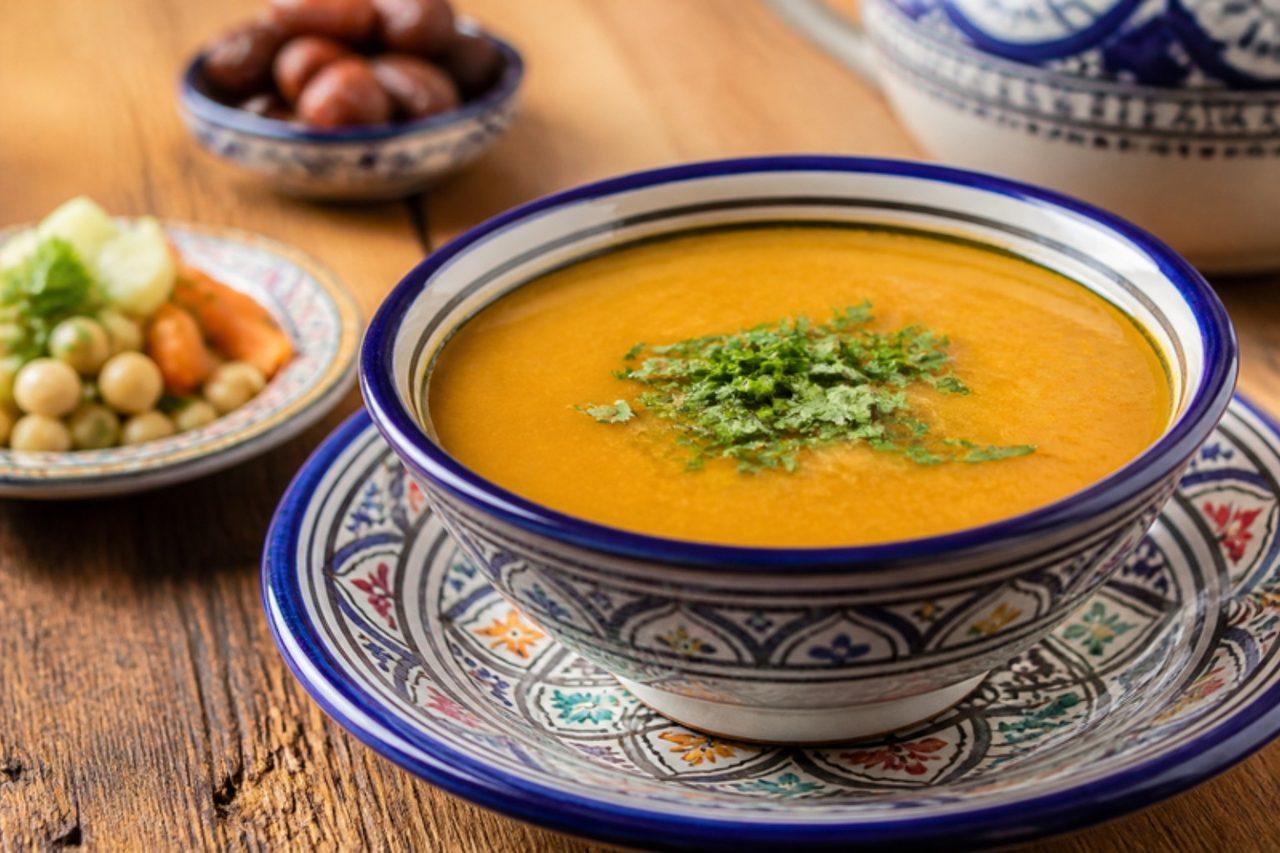
Chorba khodra (light Moroccan vegetable soup)

Chorba khodra is the everyday soup of Moroccan homes from Tangier to Agadir, served for supper on cold evenings and to anyone feeling unwell. Carrots, courgettes, potato, turnip and celery simmer with onion, tomato, coriander, parsley, ginger and a little turmeric, then get blended into a smooth, light orange soup thickened with a spoon of fine vermicelli or semolina. Serve with bread and a lemon wedge. Most people boil it too long so the herbs turn dull; add the fresh herbs in the last 10 minutes. Chef's tip: a teaspoon of smen or olive oil stirred in right before serving gives it the roundness of the restaurant version. Contains wheat (vermicelli).

by KrazyBadal 0 views

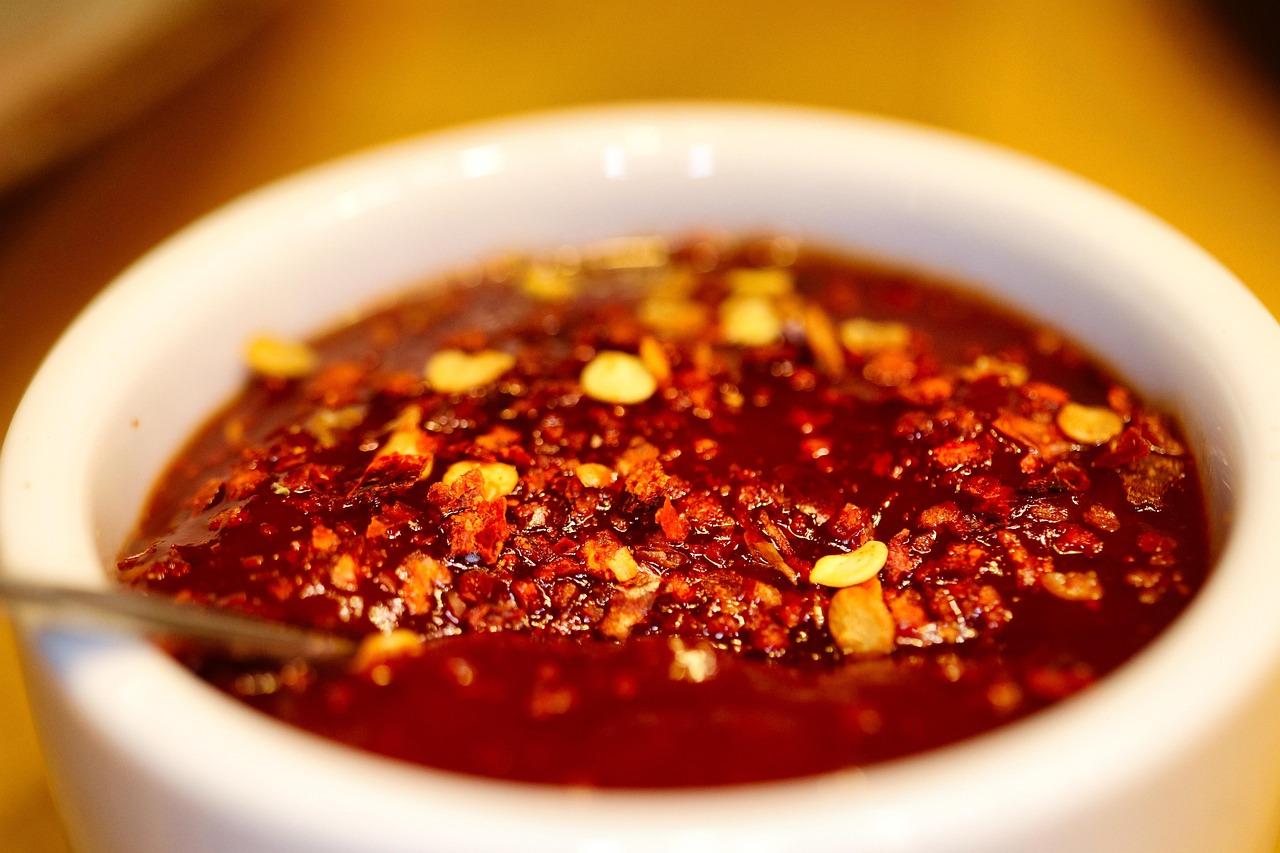
Hong you (Sichuan red chilli oil)

In Chengdu kitchens, a jar of hong you sits next to the stove and goes into almost everything cold: wontons in red oil, cucumber salads, cold noodles and the dressing for liang mian. Good chilli oil is a deep ruby colour, fragrant rather than burnt, with a warm, rounded heat and the tingle of Sichuan pepper. It is poured in two stages, hot then warm, so you get both toasted and bright chilli flavours. The mistake most people make is pouring smoking oil onto the flakes, which turns them black and bitter in a second; check the temperature. Chef's tip: mix coarse and fine chilli flakes, the fine for colour and the coarse for crunch and flavour, and let the oil sit overnight before using.

by KrazyBadal 0 views

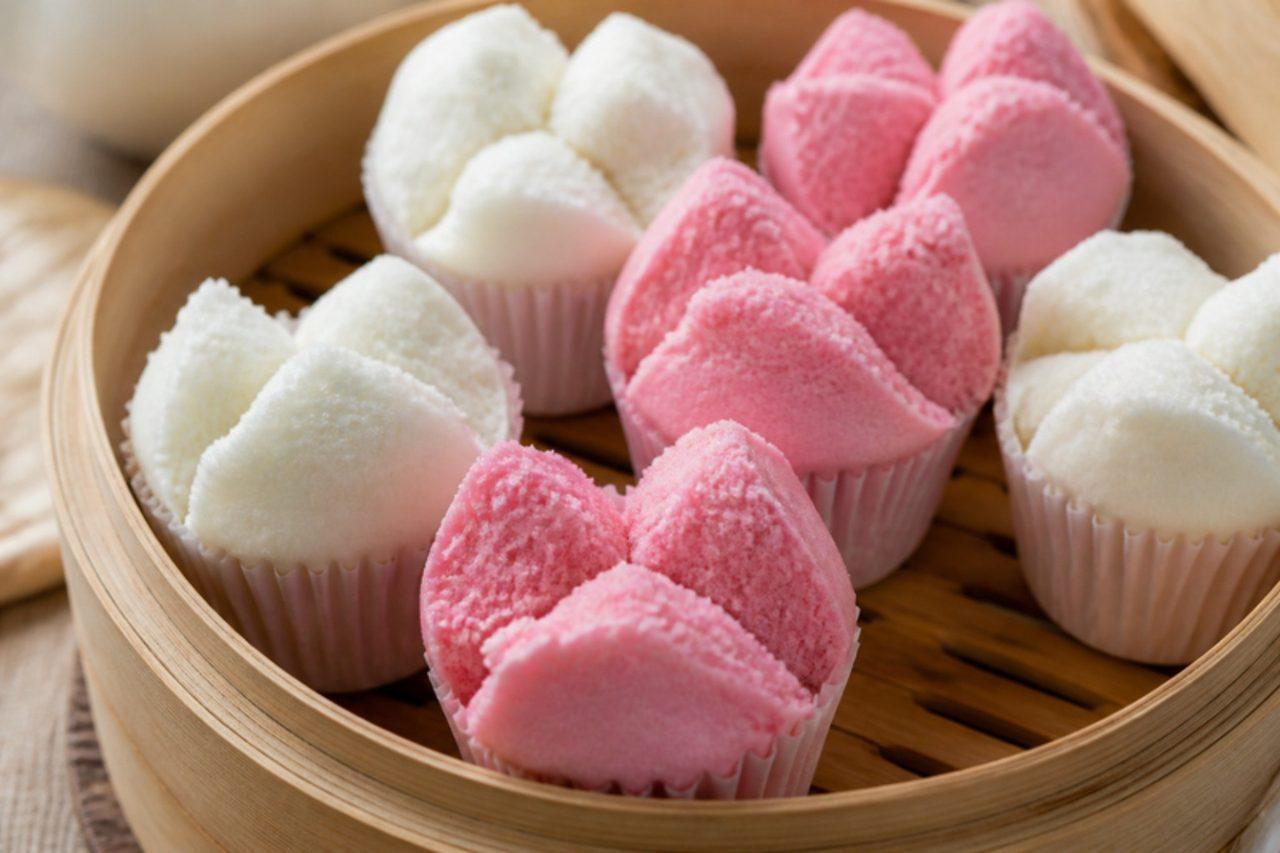
Fa gao (prosperity cakes)Steamed rice flour cakes

Fa gao is the little cake on every Cantonese New Year altar in Guangzhou and in Chinatowns from Kuala Lumpur to London: the word 'fa' means both 'rise' and 'prosper', and the deeper the cross-shaped crack on top, the luckier the year. This quick version uses rice flour, a little wheat flour and baking powder, steamed hard so the tops burst open, and it is egg- and dairy-free. The mistake that stops them smiling is a gentle steamer; the water must be at a fierce rolling boil before the cups go in. Chef's tip: fill the cups right to the brim, so the batter has to split as it rises.

by KrazyBadal 0 views

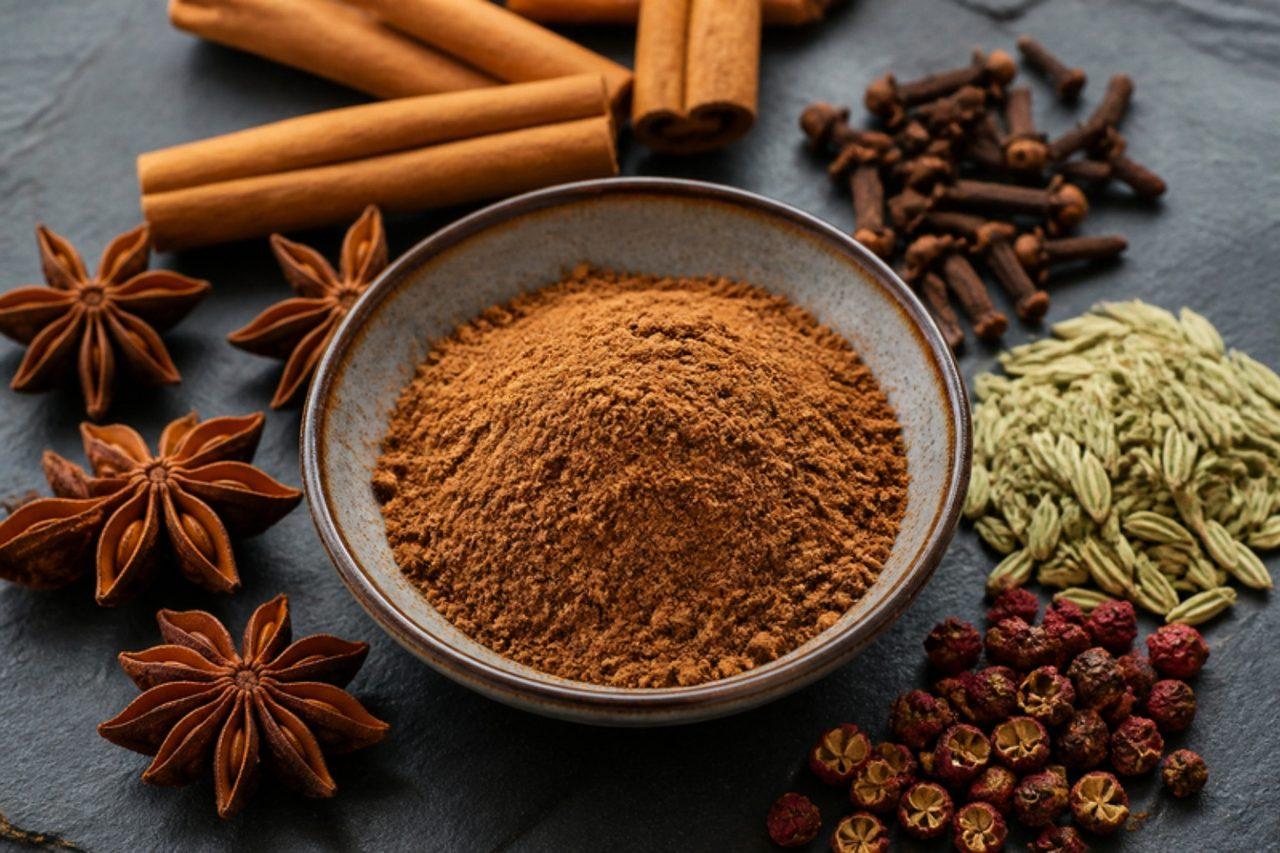
Five-spice powder

Across China, from Cantonese roast meat shops to Sichuan home kitchens, five-spice is the blend that seasons red-braised dishes, tea eggs, roast duck and spiced tofu. Shop-bought powder loses its scent quickly; grinding your own takes ten minutes and gives a sweet, warm aroma with a gentle tingle from the Sichuan pepper. It is used by the pinch, not the spoonful. The classic mistake is grinding the spices raw or toasting them until they smoke; warm them just until fragrant. Chef's tip: pick the black seeds out of the Sichuan peppercorns before toasting, since they are gritty and bitter, and sieve the ground blend so it is silky fine.

by KrazyBadal 0 views

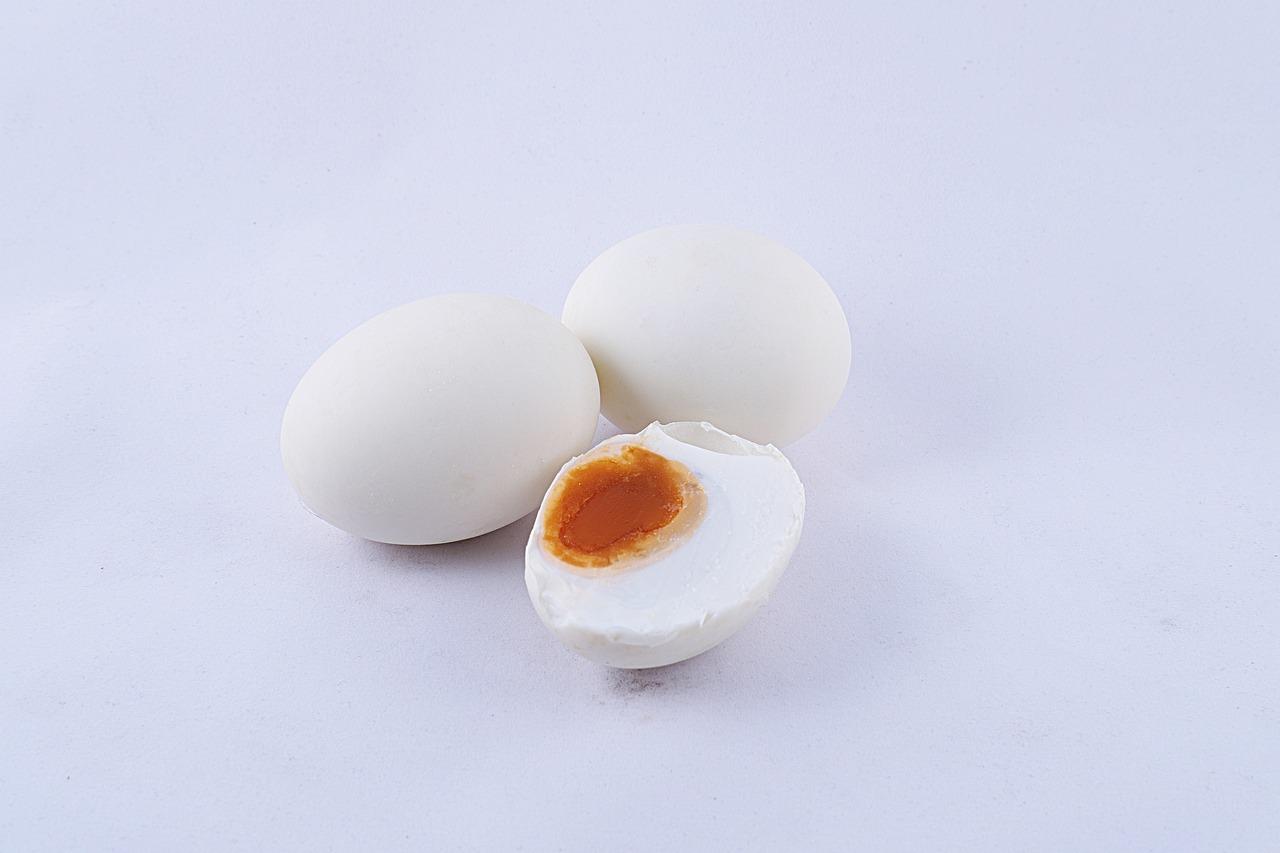
Salted duck eggs

Gaoyou in Jiangsu is famous for salted duck eggs with oily, deep orange yolks, and at the Dragon Boat Festival they are hung in little woven nets around children's necks before being eaten with congee or rice. At home they are simple: clean duck eggs left in a strong salt brine for about four weeks, then boiled. Cracked eggs are the risk; use only uncracked, very fresh eggs, keep the jar cool and always cook them before eating. The common mistake is too weak a brine, which lets the eggs spoil; it must taste as salty as the sea and then some. Chef's tip: from week three, boil one test egg each week until the yolk is as firm and rich as you like.

by KrazyBadal 0 views

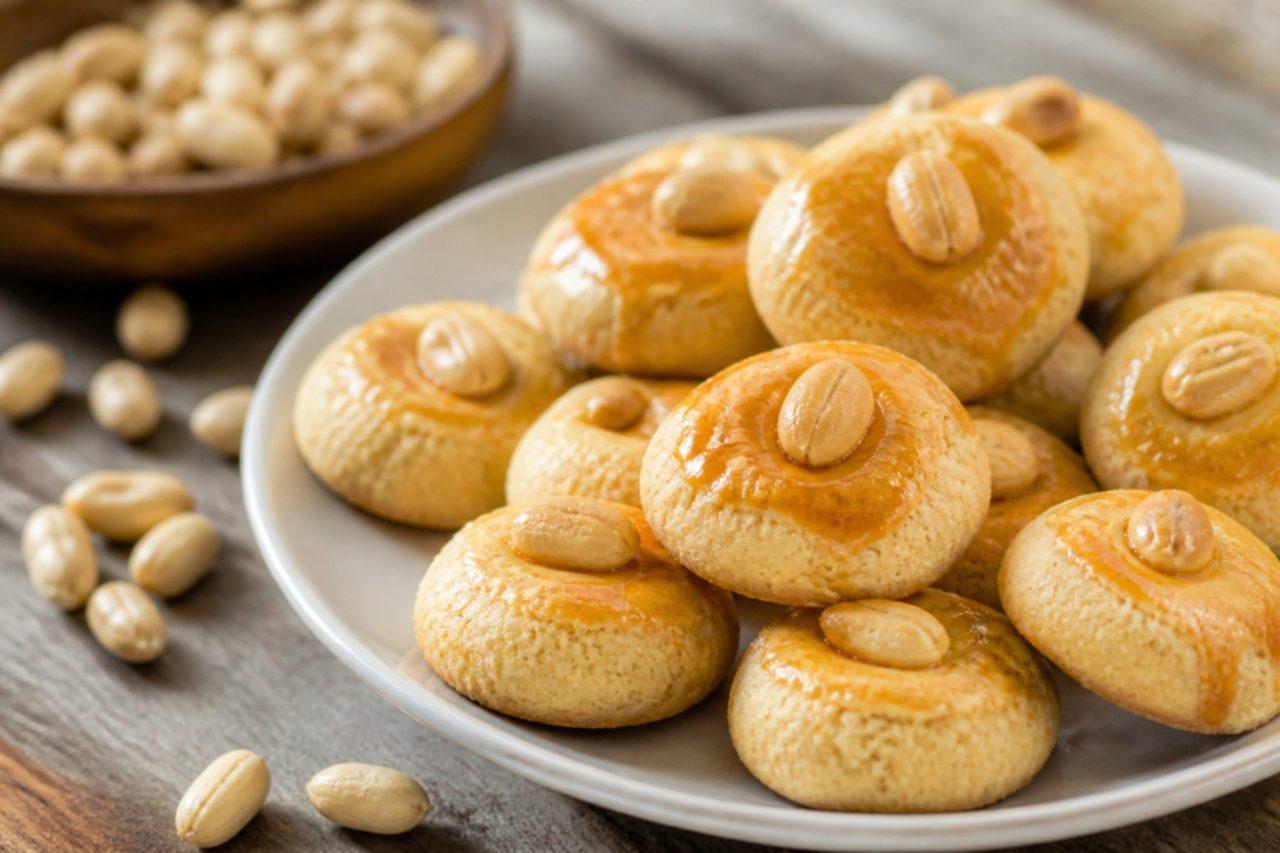
Peanut cookies (hua sheng bing)

Lift the lid on a Chinese New Year snack tray in Guangdong, Penang or Singapore and there will be these pale golden domes, so short they crumble the moment they touch your tongue. They are nothing but roasted peanuts ground fine, flour, icing sugar and oil, and this version skips the usual egg wash, so they are vegan. The mistake is over-grinding the peanuts into a paste, which makes the dough greasy and the cookies flat; stop while it is still a fine powder. Chef's tip: let them cool fully on the tray before moving them, because they are fragile until set.

by KrazyBadal 0 views

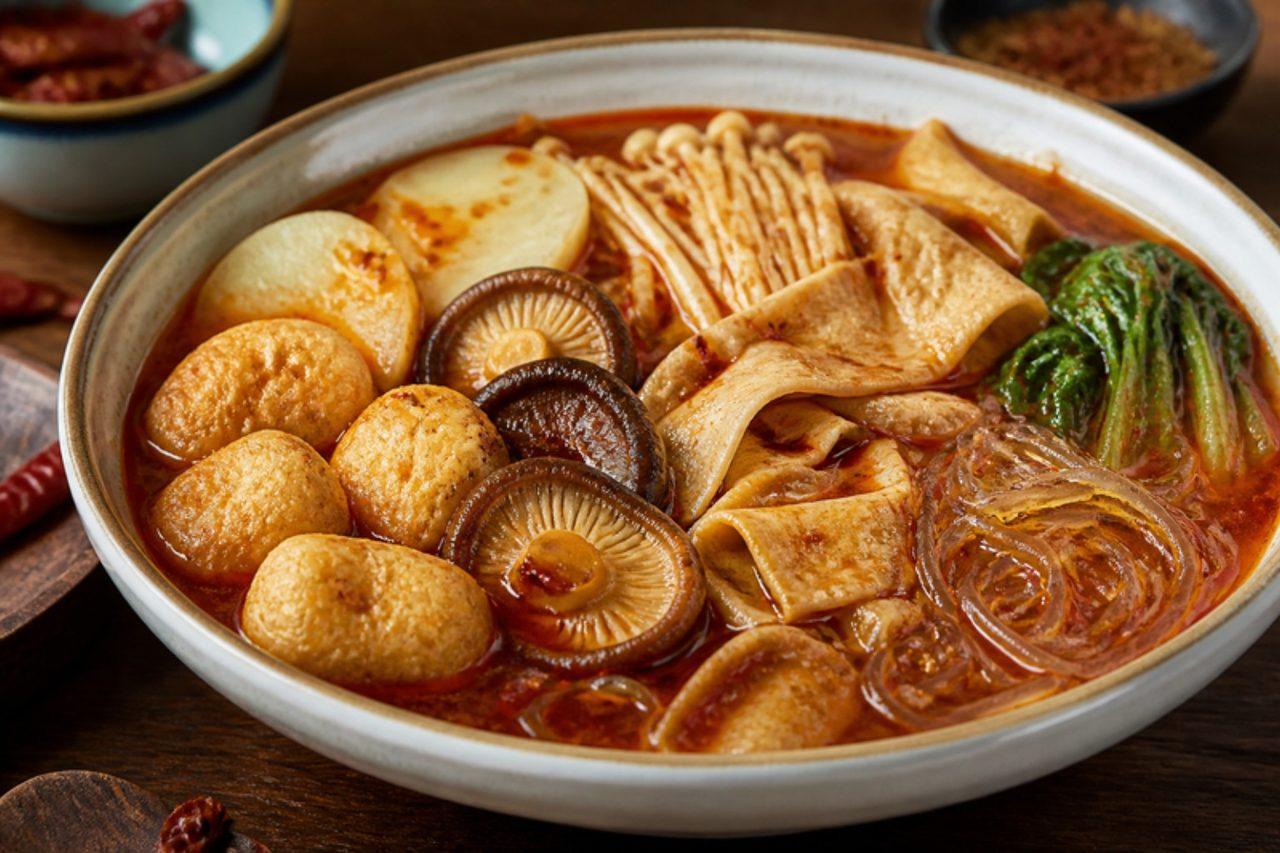
Vegetarian malatangSpicy numbing hot pot

Malatang began on the streets of Leshan and Chengdu as a cheap pot where everything was boiled together, and today it is a lunchtime habit for students and office workers across China: you fill a basket from fridges of skewers and vegetables, and the cook boils it in a numbing, chilli-red broth and hands it back in a big bowl. This home version makes a fully vegan broth from chilli bean paste, dried chillies and Sichuan pepper, with no beef tallow. Choose about six things: tofu puffs, frozen tofu, enoki, wood ear, potato slices, lotus root, greens and sweet potato noodles are classic. The common mistake is to cook everything for the same time; put dense things in first and leafy things last so nothing turns to mush. Chef's tip: a spoonful of sesame paste stirred into each bowl at the end softens the heat and is how many Chengdu shops serve it.

by KrazyBadal 0 views

Henan hulatangPeppery beef breakfast soup

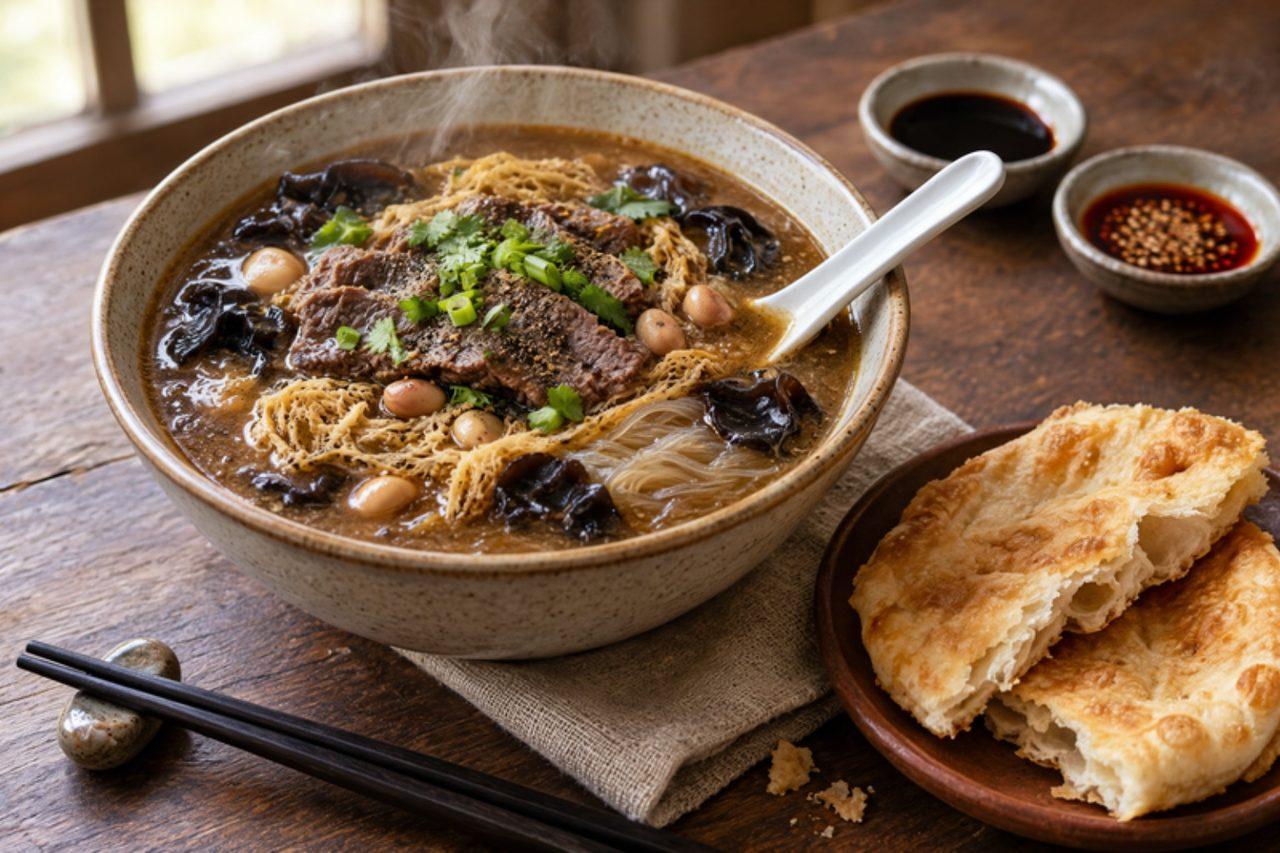
In Zhengzhou and towns across Henan, breakfast means a bowl of hulatang ladled from a huge pot, a thick, glossy soup whose heat comes not from chilli but from a big dose of black and white pepper. It is full of beef, chewy wheat gluten, glass noodles, wood ear, peanuts and kelp, and it is eaten with fried dough or steamed buns. For a meat-free version, leave out the beef and use vegetable stock. The usual mistake is adding the starch slurry too fast, which turns the soup gluey and lumpy. Chef's tip: stir the soup in one direction while you pour the slurry in a thin ribbon, and stop when it coats the back of a spoon.

by KrazyBadal 0 views

Dousha bao (red bean buns)

All over China, from Beijing breakfast stalls to Shanghai school bags, dousha bao are the sweet buns people grab in the morning and tuck into a lunch box for later: fluffy white yeasted dough wrapped around smooth red bean paste and steamed until springy. They freeze beautifully, so families make a big batch on Sunday. The mistake is opening the steamer lid as soon as the timer goes; the sudden cold makes the buns wrinkle and collapse. Turn off the heat and wait five minutes before lifting the lid. Chef's tip: chill the bean paste and roll it into balls before wrapping; a firm filling is much easier to seal neatly.

by KrazyBadal 0 views

Hong suan tangFermented tomato sour soup base

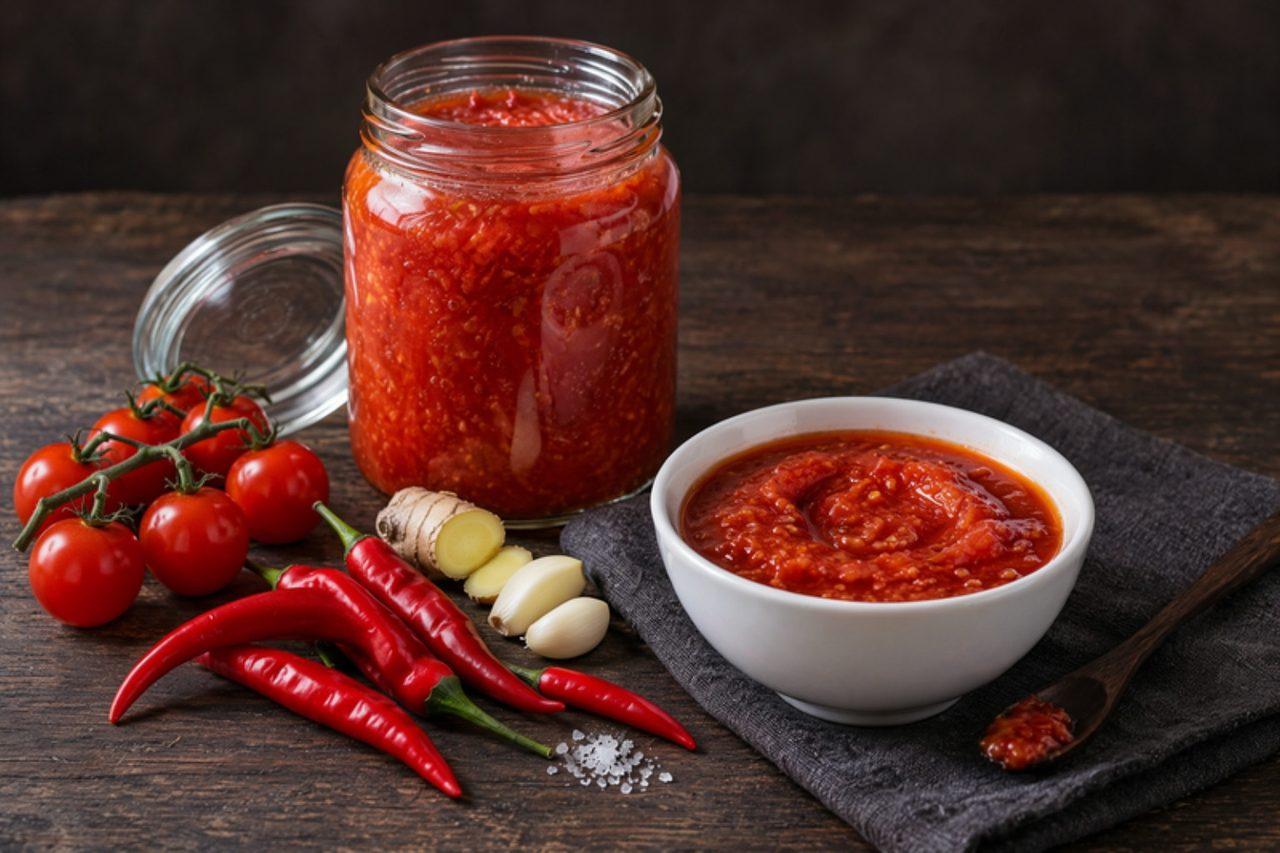
In the Miao and Dong villages of Qiandongnan, south-east Guizhou, small wild 'hairy' tomatoes and red chillies ripen together in late summer, and every household fills tall jars with them to ferment into hong suan tang, the red sour base of the region's famous sour-soup fish and sour-soup beef hot pots. The fermented paste is bright scarlet, sharply sour, fruity and fiery, with a funk from the ferment that ordinary tomato never has. People say three days without sour and you walk unsteadily, and it goes into soups year round. Outside Guizhou, use cherry tomatoes, which have a similar high acidity. Common mistake: fermenting with too little salt or with wet produce, which goes mushy and off; dry everything first and weigh the salt. Normal signs: bubbles, a sour, wine-like fruity smell and liquid rising. Bad signs: fuzzy coloured mould, pink or black patches, or a rotten smell; discard. It is ready after 2–3 weeks, when it tastes clearly sour and the raw tomato taste has gone. Then keep it in the fridge for 3 months or freeze it. Chef's tip: fry a few spoonfuls in oil with ginger before adding stock; it turns a deeper red and smells richer.

by KrazyBadal 0 views

Showing 24 of 76 recipes

Show more recipes

Page 1 of 4