Skip to content
WhatToEat.Today

All recipes

95

Vegetarian, or something you can't eat? Set your diet once and we'll hide recipes that don't fit.

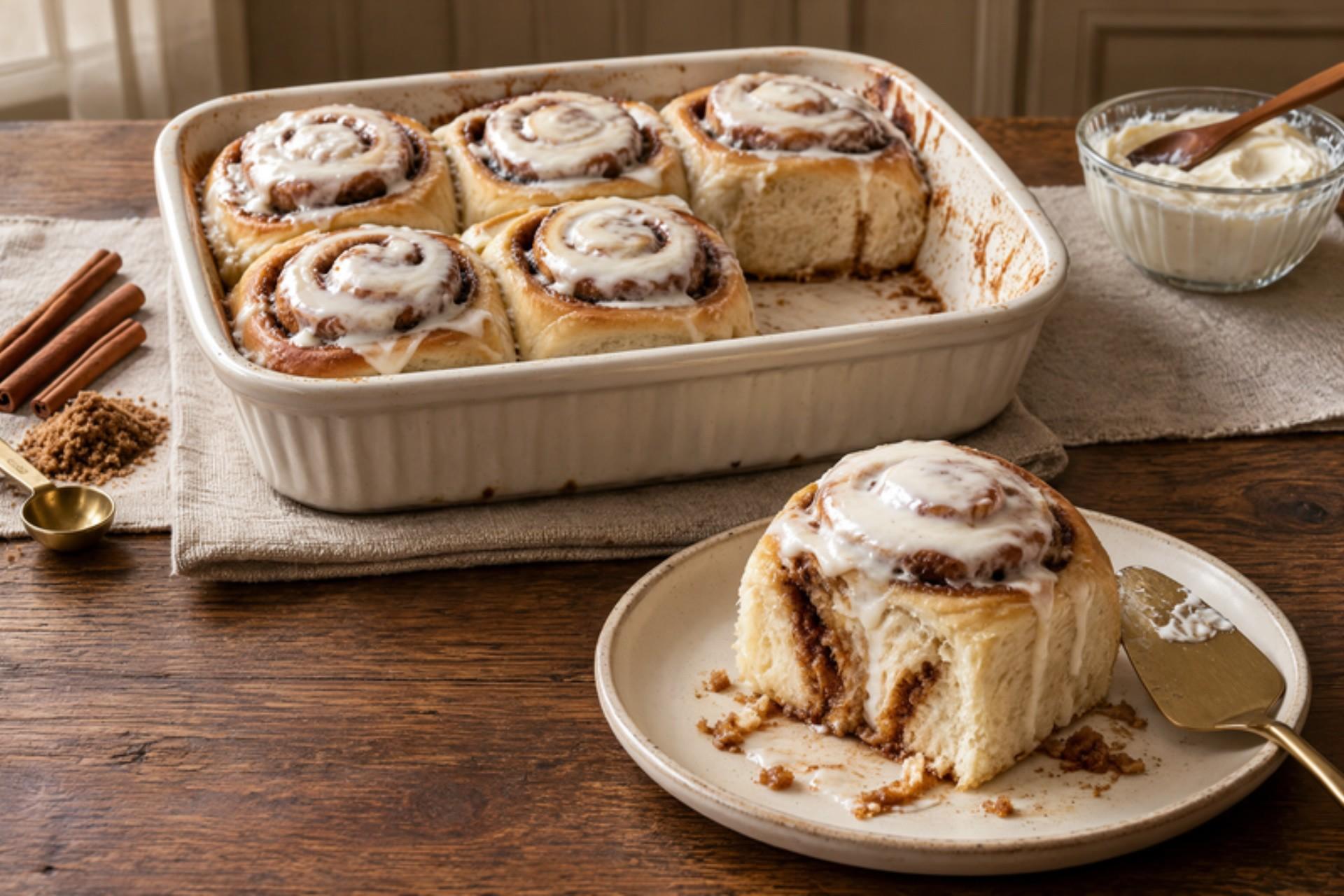
Cinnamon rolls

Cinnamon rolls came to the American Midwest with Scandinavian and German settlers, and today they are the Christmas-morning and lazy-Sunday bake of the whole country, as well as the smell that pulls people into shopping-mall bakeries. A soft, rich yeast dough is rolled around brown sugar, butter and cinnamon, baked until golden and spread with tangy cream cheese icing while still warm, so it melts into every swirl. They contain wheat, milk and egg. The usual mistake is baking them until deep brown and firm: the centres turn dry. Take them out when golden on top and the middle roll feels soft and springy, or a thermometer in the centre reads about 88 °C. Chef's tip: cut the log with a length of unflavoured dental floss slid underneath and crossed over the top; it slices cleanly without squashing the spiral.

by KrazyBadal 0 views

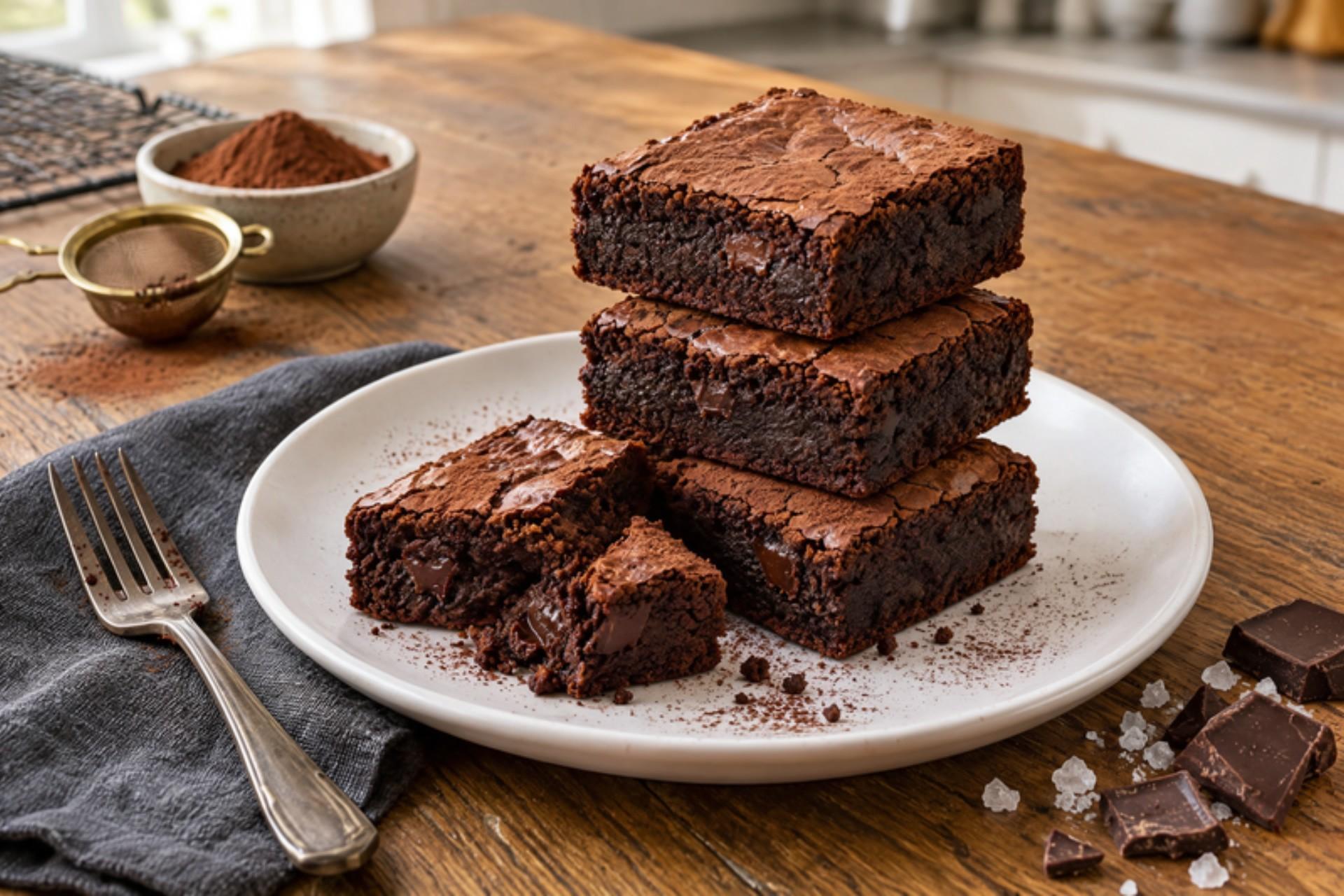
Fudgy chocolate brownies

Brownies are said to have started in a Chicago hotel kitchen in the 1890s, and today they turn up at every American bake sale, school fundraiser, office birthday and late-night craving. This fudgy style uses lots of melted dark chocolate and butter with very little flour, so the middle is dense and almost truffle-like under a thin, shiny, crackled top. They contain egg, milk (butter) and wheat. Serve them just warm with vanilla ice cream, or cold from the tin with a glass of milk. The common mistake is baking until a skewer comes out clean: by then they are cakey and dry, because they keep cooking in the hot tin. Pull them when a skewer pushed in 5 cm from the edge shows moist, sticky crumbs. Chef's tip: beat the eggs and sugar hard for a full 3 minutes before adding the chocolate; the dissolved sugar is what forms that paper-thin crackly crust.

by KrazyBadal 0 views

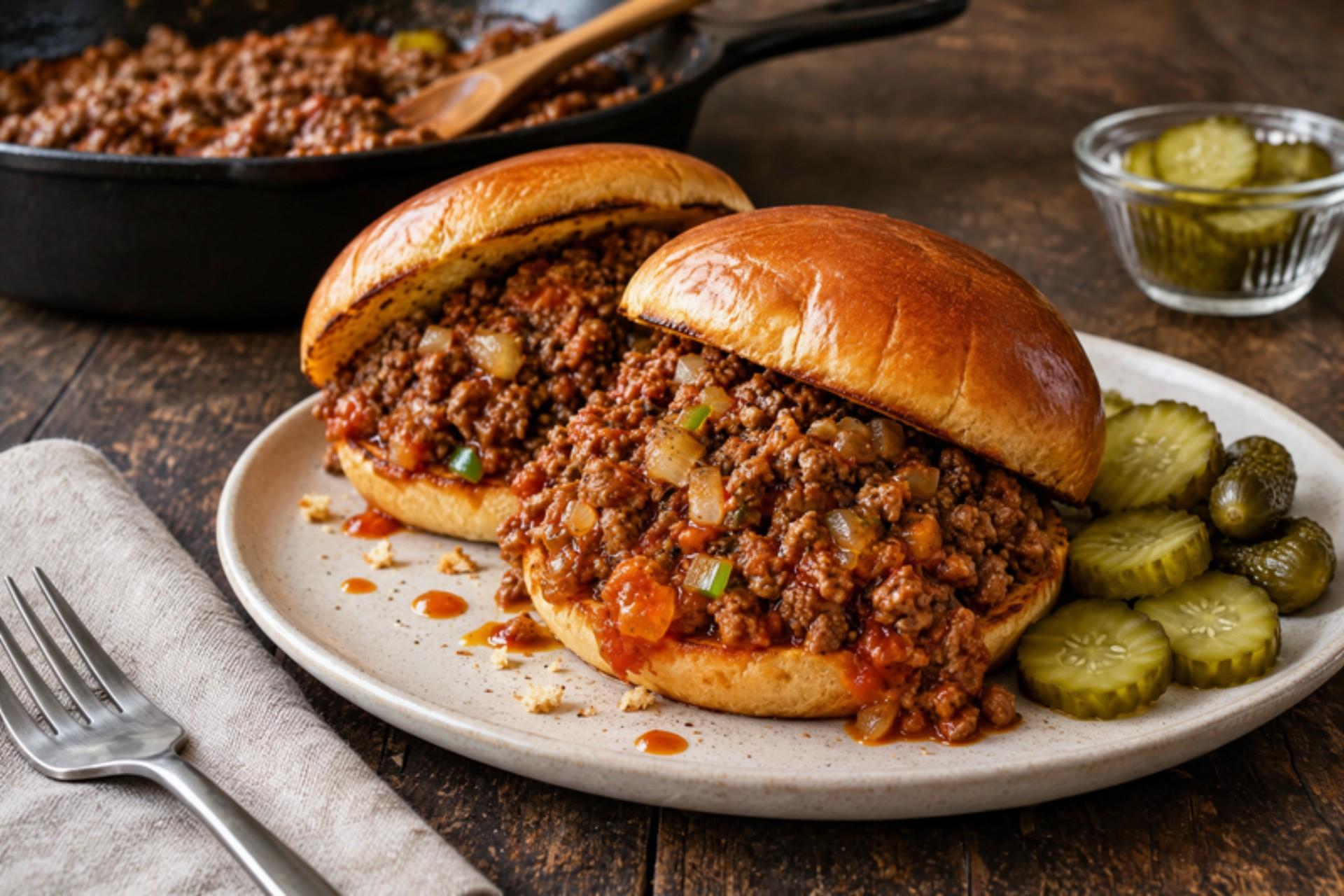
Sloppy joes

Sloppy joes are a mid-century American family supper, beloved at school cafeterias, scout camps and quick Friday dinners from Iowa to Ohio. Beef mince is browned with onion and green pepper, then simmered in a sweet, tangy tomato sauce until it is thick enough to heap into a soft burger bun without soaking straight through. The usual mistake is leaving it too wet: the bun collapses at the first bite. Simmer until a spoon dragged across the pan leaves a clear trail for a second or two. Brown the mince until no pink remains; it should reach 71 °C. Serve with coleslaw, pickles or crisps, and have napkins ready. Chef's tip: toast the cut sides of the buns in a dry pan first; the crisp surface holds back the sauce long enough to finish the sandwich.

by KrazyBadal 0 views

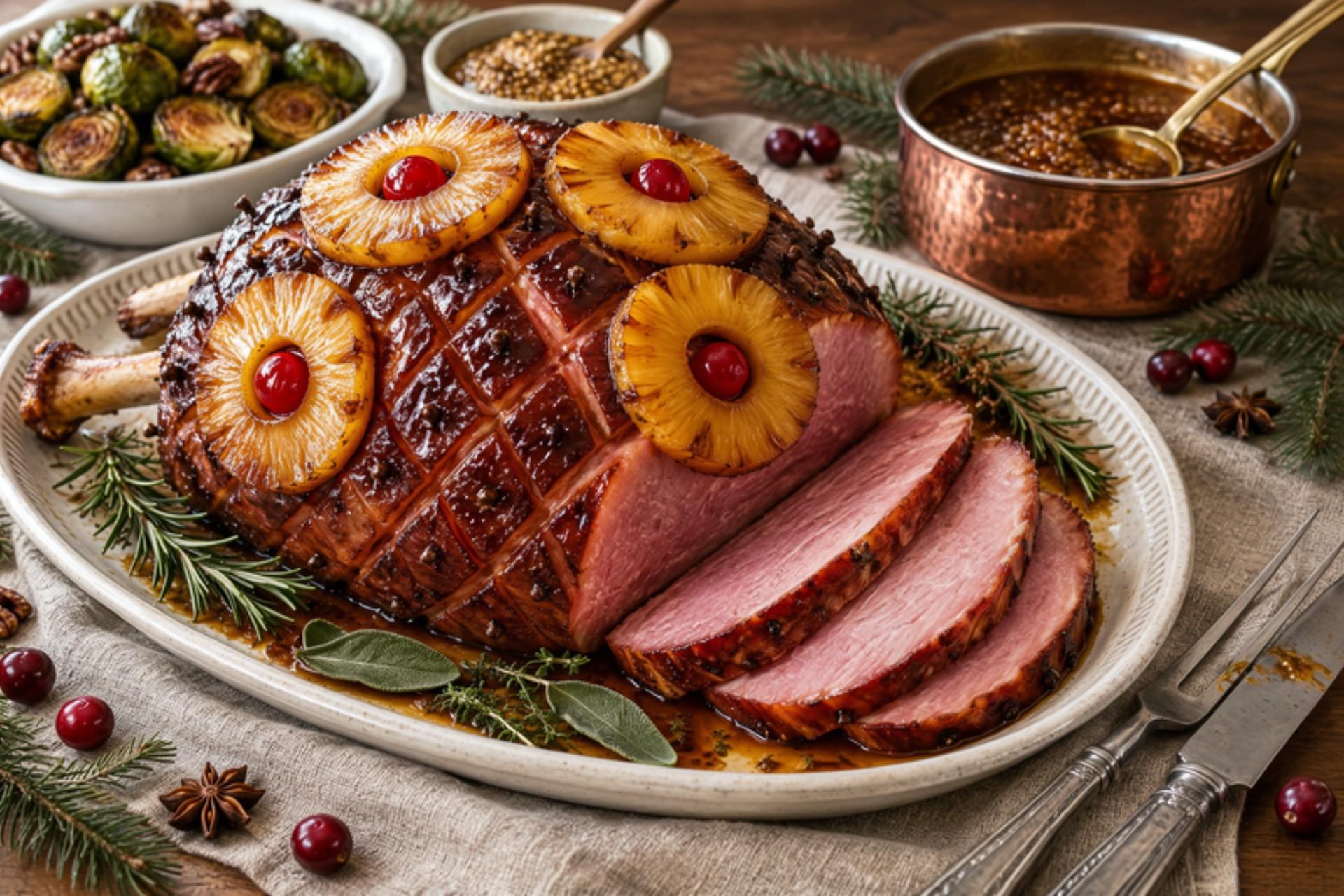
Brown sugar glazed ham

A glazed ham is the centrepiece of Easter lunch and Christmas dinner across the American South and Midwest, carved at the table with scalloped potatoes, green beans and soft rolls, and turned into sandwiches and split-pea soup for days afterwards. It is pork: a fully cooked, bone-in smoked ham is warmed slowly under foil, then brushed with a glossy brown sugar, Dijon and pineapple glaze and baked until lacquered and sticky. The common mistake is glazing from the start: the sugar burns black long before the centre is hot. Heat the ham first and glaze only for the last 30 minutes. Heat until the centre reads 63 °C, then rest for 15 minutes before carving. Chef's tip: score the fat in a 2 cm diamond pattern only through the fat, not into the meat; the glaze pools in the cuts and caramelises into crisp, sweet edges.

165 minAmericanMeatGluten free
by KrazyBadal 0 views

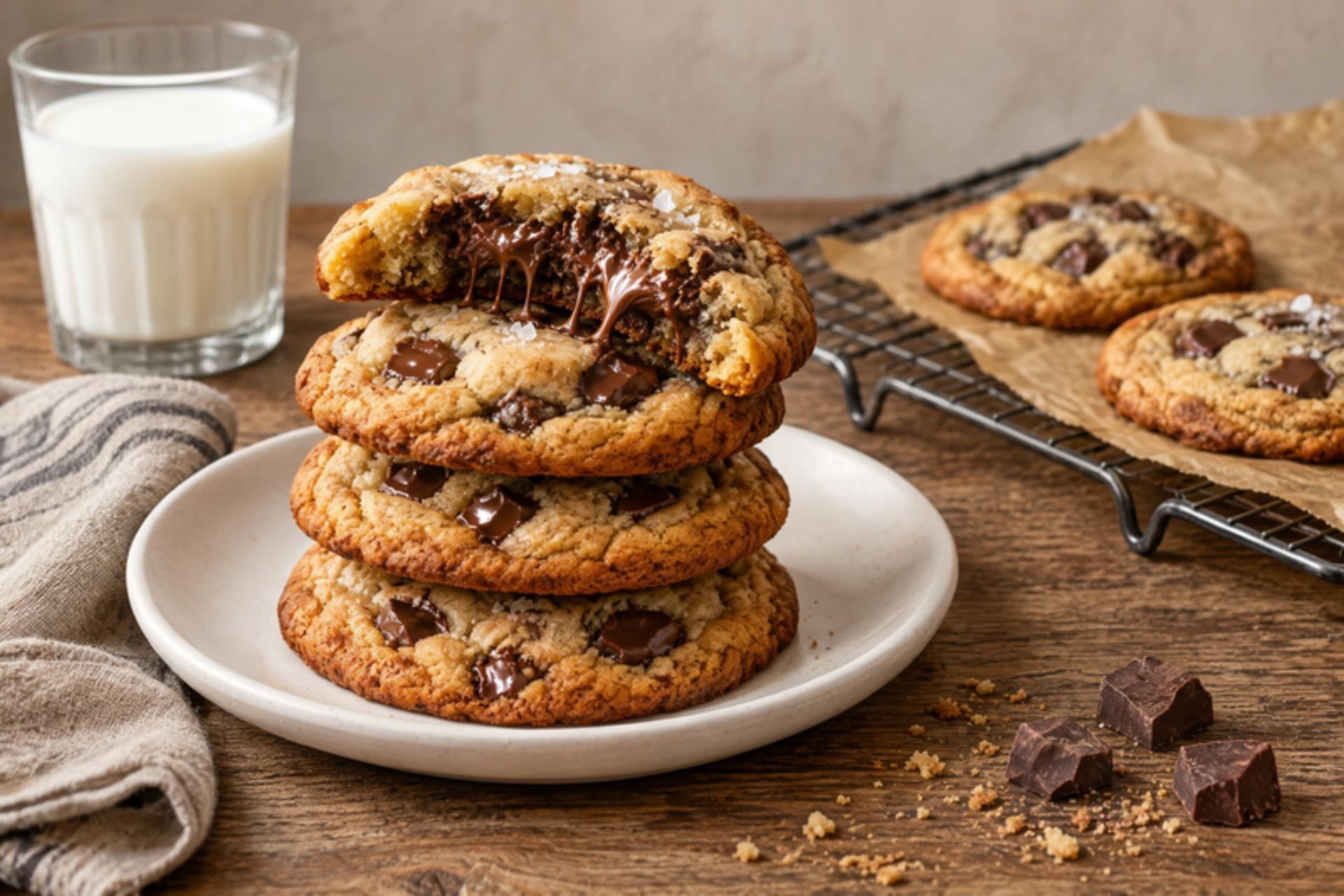
Chocolate chip cookies

The chocolate chip cookie was invented in a Massachusetts roadside inn kitchen in the 1930s, when a cook stirred chopped chocolate into butter cookie dough, and it has been the cookie of American cookie jars, school lunches and after-school snacks ever since. This version uses more brown sugar than white, so the edges crisp up and caramelise while the centre stays soft and chewy, with pools of melted chocolate. They contain wheat, egg and milk. Eat them warm with cold milk. The usual mistake is baking until they look done in the middle: take them out when the edges are golden and the centres still look pale and puffy, because they firm up on the hot tray. Chef's tip: chill the dough for at least 2 hours, or overnight; the flour soaks up moisture, the cookies spread less and taste more of toffee.

by KrazyBadal 0 views

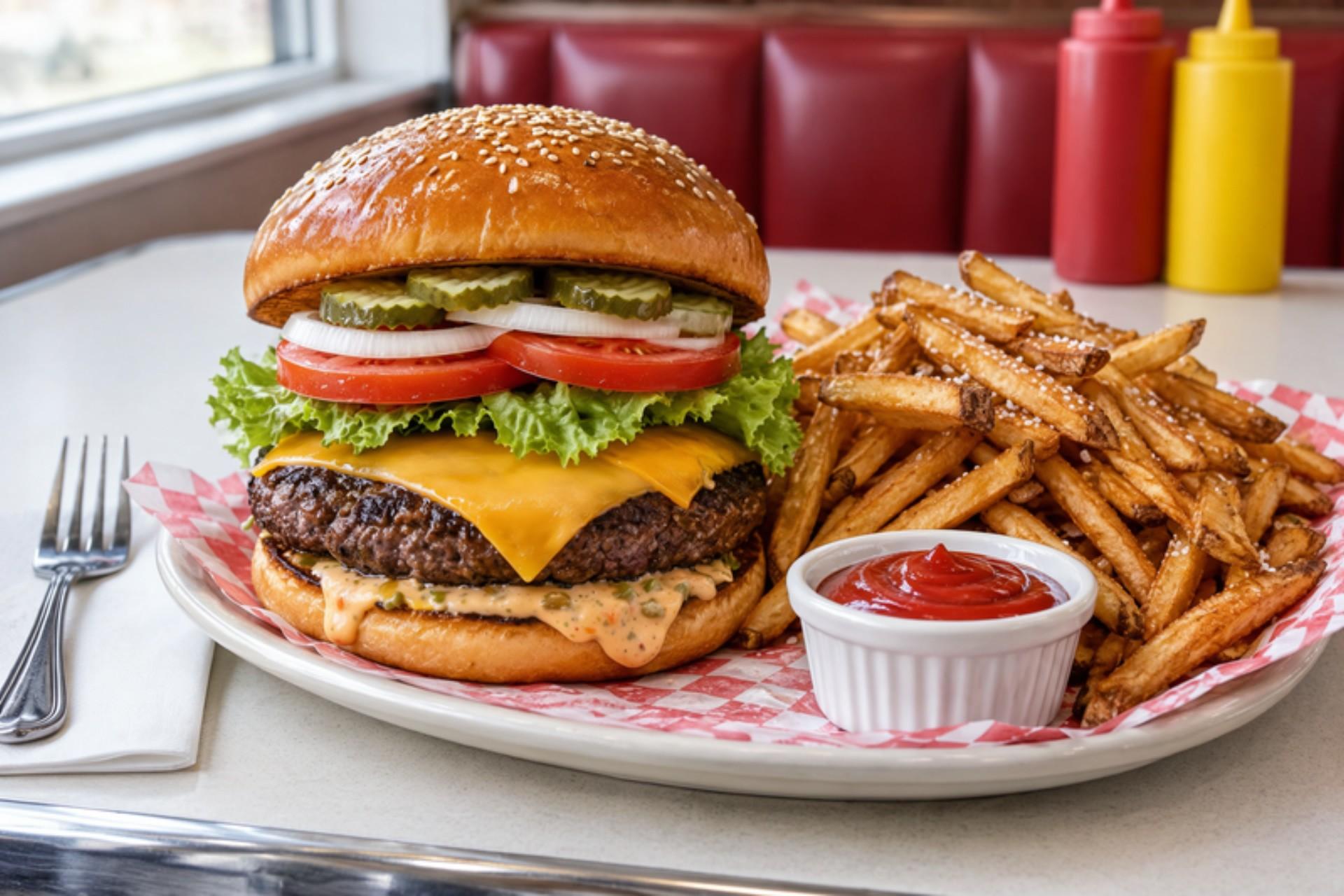
Classic diner cheeseburger

The cheeseburger is the backbone of American roadside diners and summer cookouts, from Los Angeles drive-ins to New Jersey lunch counters. This one is the thick diner style: a loosely packed beef patty seasoned only with salt and pepper, seared hard on a hot griddle, topped with slices of melting cheese and stacked with lettuce, tomato, onion, pickles and a tangy burger sauce in a toasted bun. The usual mistake is overworking the mince and pressing the patty in the pan: it squeezes out the juice and turns tight and dry. Shape gently, press a dimple in the centre so it stays flat, and flip only once. Beef mince must be cooked through to 71 °C, when the juices run clear. Chef's tip: season the patties only on the outside, right before they hit the pan; salt mixed into the mince turns it springy like sausage.

by KrazyBadal 0 views

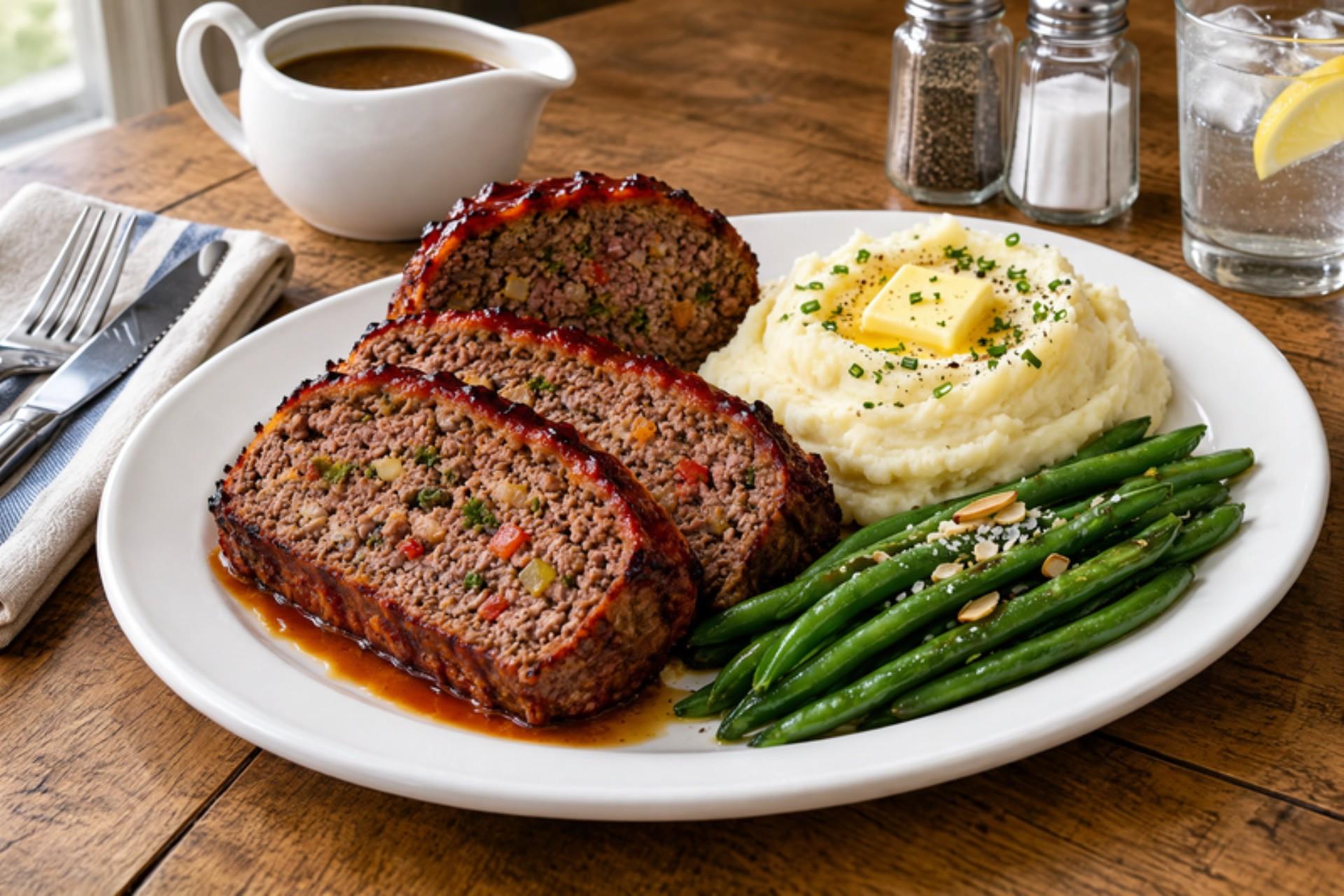
Classic meatloaf

Meatloaf is the Midwest's great weeknight and Sunday-supper dish, served in Ohio and Iowa farmhouse kitchens and in diners from Chicago to Cleveland, always with mashed potatoes, green beans and gravy or ketchup. This version uses beef mince softened with milk-soaked bread and grated onion, baked free-form on a tray so every side gets a sticky, tangy ketchup and brown-sugar glaze. The common mistake is packing the mixture hard in a deep tin: it steams, sits in its own fat and turns dense and rubbery. Mix lightly with your fingertips, shape it loosely on a lined tray and bake until the centre reads 71 °C on a thermometer; the juices run clear and the slices hold together after a 10-minute rest. Leftovers make the best cold meatloaf sandwiches the next day. Chef's tip: brush on half the glaze at the start and the rest for the last 15 minutes, so you get a deep caramelised layer under a glossy fresh one.

by KrazyBadal 0 views

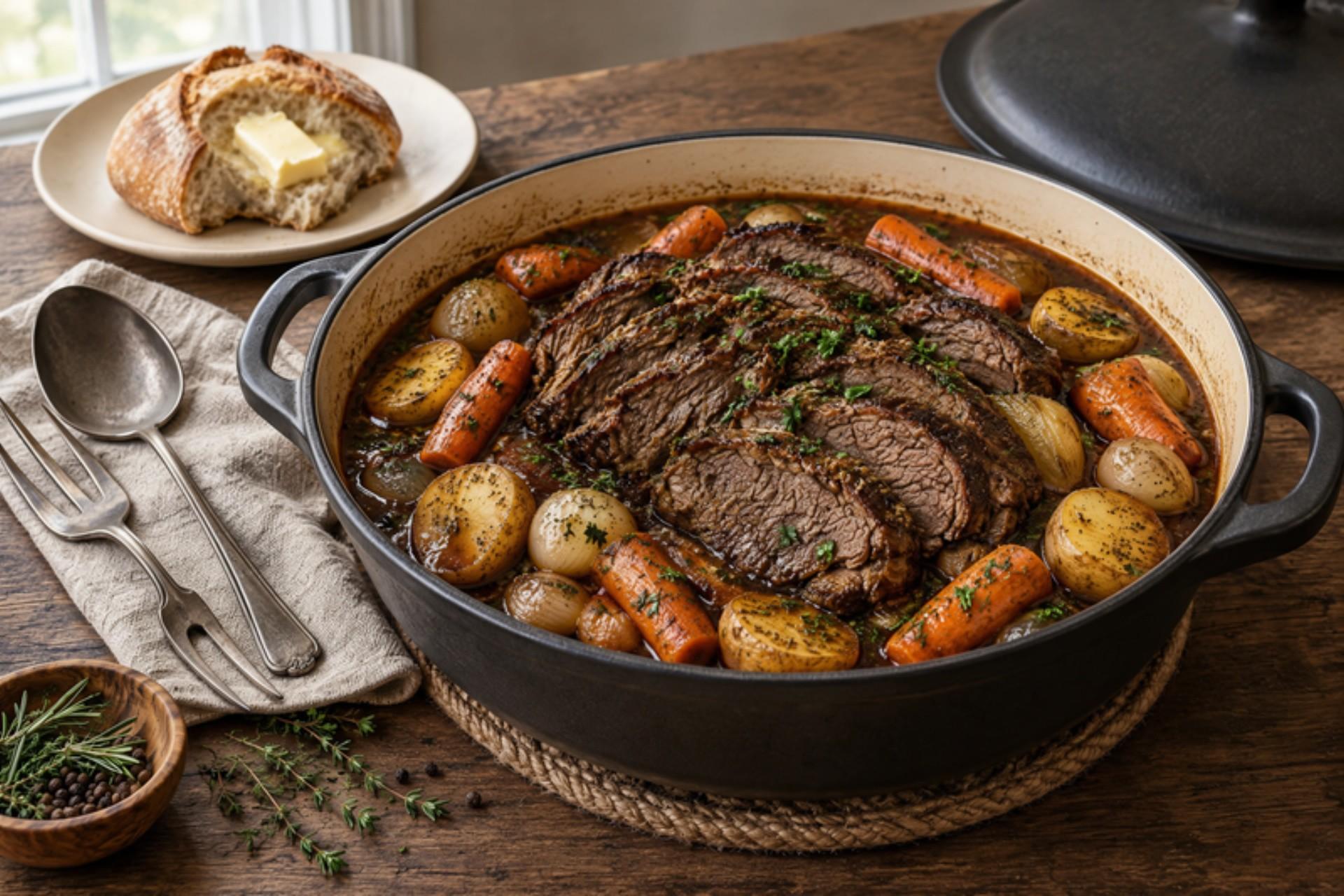
Yankee pot roast

Yankee pot roast is the Sunday dinner of New England, simmering through the afternoon in Vermont farmhouses and Boston family kitchens while the windows steam up on a cold day. A whole chuck roast is browned hard, then braised low with onions, carrots and potatoes until it falls apart under a fork, and the liquid turns into a dark, beefy gravy. The usual mistake is pulling it too soon: chuck at 'cooked' temperature is still tough and stringy, and only softens after about three hours, when the connective tissue melts. It is done when a fork twists easily into the meat and the slices pull apart. Serve with the vegetables, gravy and a hunk of bread; leftovers become hash or sandwiches. Chef's tip: dry the beef very well and brown it in two stages, fat side first, until it is the colour of a dark crust of bread; that crust is where all the gravy's flavour comes from.

235 minAmericanMeat
by KrazyBadal 0 views

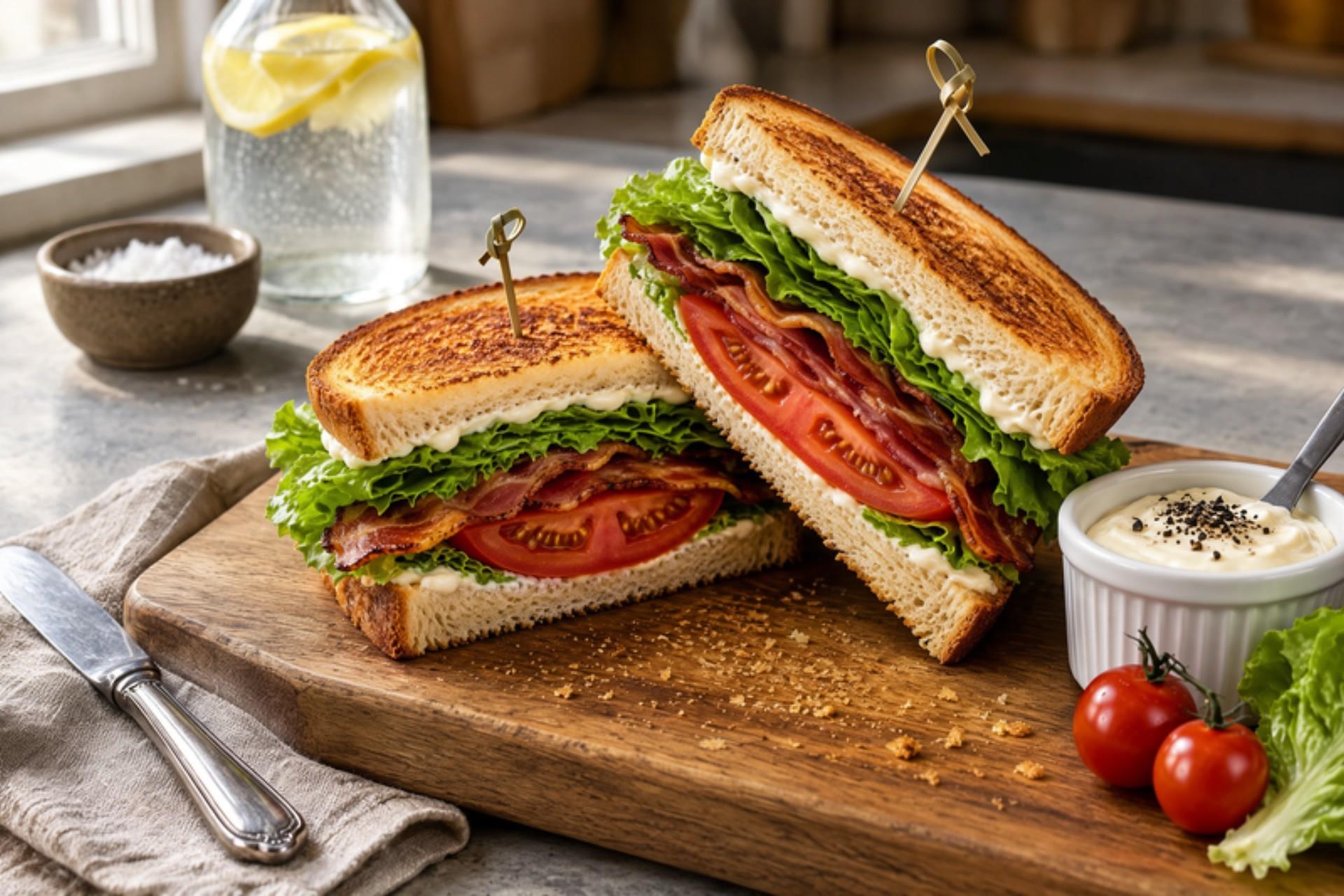
BLT sandwich

The BLT is the lunch-counter sandwich of every American diner from New York to Los Angeles, at its best in late summer when tomatoes are ripe and heavy. It contains pork: thick rashers of streaky smoked bacon cooked until crisp, layered with crunchy lettuce and thick tomato slices on toasted bread spread generously with mayonnaise. The usual mistake is using limp, pale bacon: it chews like leather and goes soggy. Cook it slowly until it is evenly browned, rigid and stops bubbling, then drain it. Salt the tomato slices lightly so they taste of summer. Serve with crisps and a pickle. Chef's tip: bake the bacon on a rack in the oven at 200 °C; it cooks flat and evenly crisp with no spitting pan.

by KrazyBadal 0 views

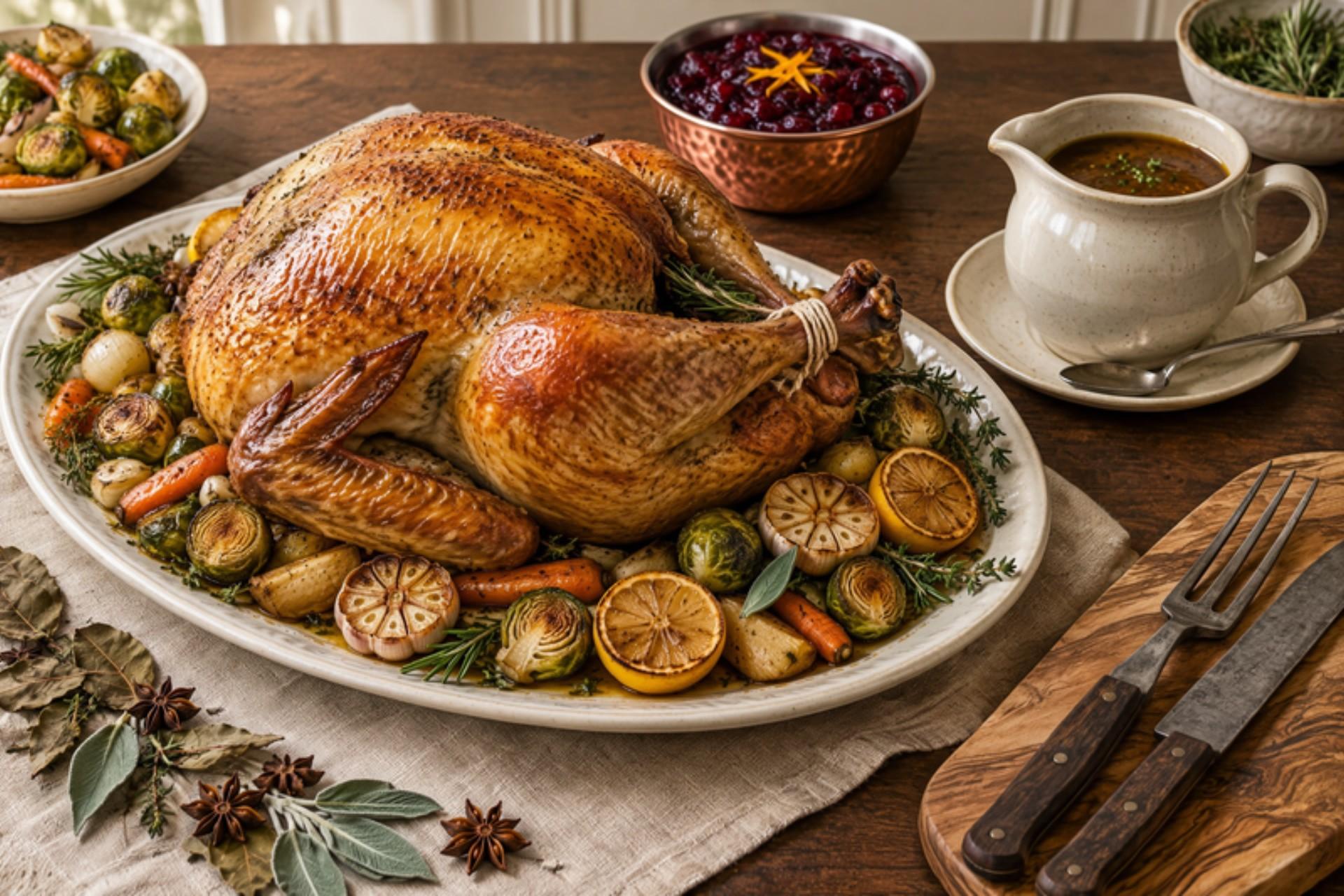
Thanksgiving roast turkey

On the fourth Thursday of November, from Massachusetts to California, the roast turkey is the centre of the Thanksgiving table, carved beside stuffing, cranberry sauce, mashed potatoes and pumpkin pie. This recipe dry-brines a 5–6 kg bird with salt in the fridge for two days, then roasts it with herb butter under the skin for juicy meat and crackling golden skin. The commonest mistake is roasting by the clock and either serving it underdone or cooking the breast to sawdust. Use a thermometer: it is safe when the thickest part of the thigh, not touching bone, reads 74 °C and the juices run clear. Thaw a frozen bird in the fridge (allow 24 hours per 2 kg) and never stuff the cavity; bake the stuffing separately. Chef's tip: leave the salted turkey uncovered in the fridge for the last night; the skin dries like parchment and roasts shatteringly crisp.

240 minAmericanMeat
by KrazyBadal 0 views

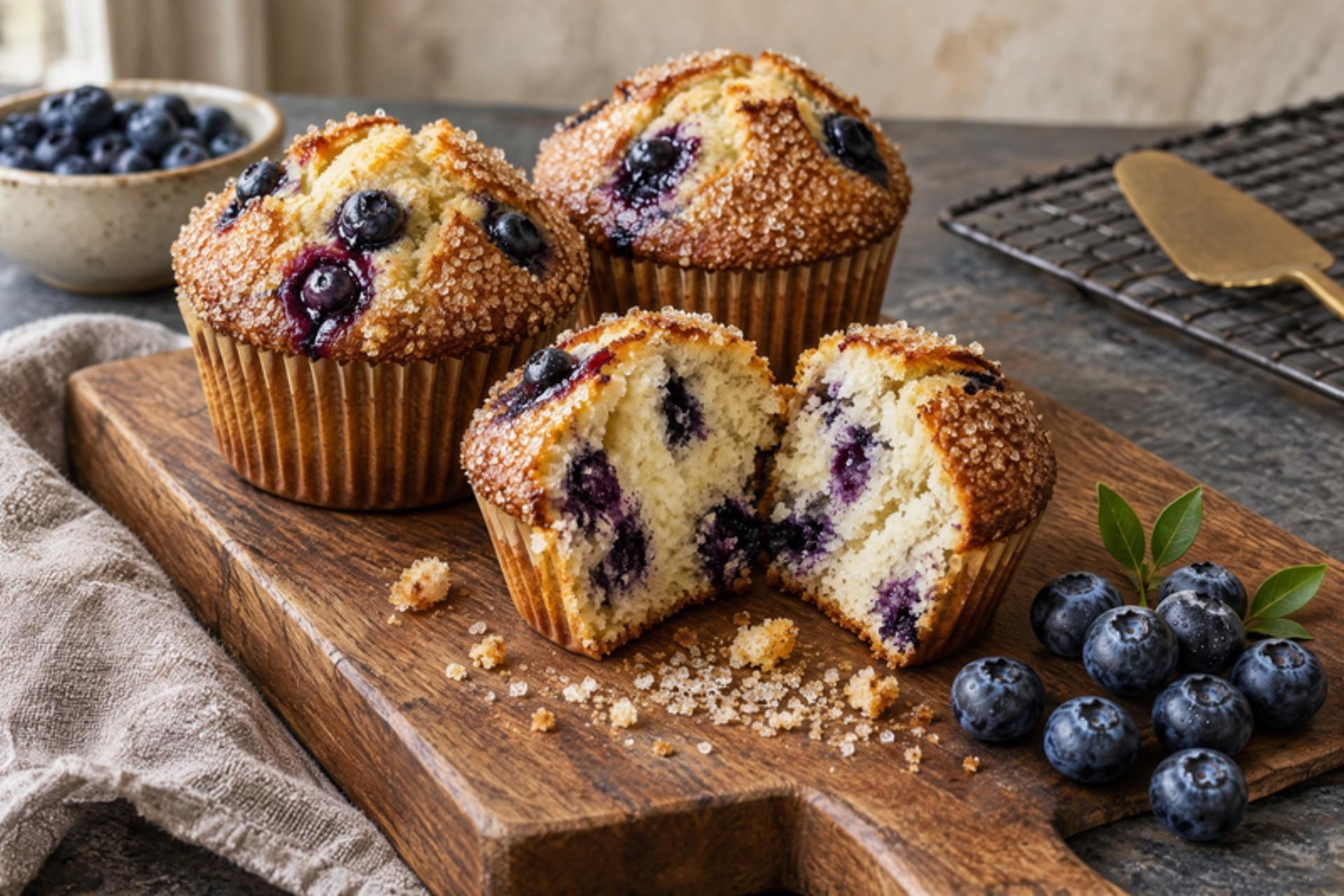
Blueberry muffins

Blueberry muffins are the morning bake of New England, where wild blueberries grow across Maine in late summer, and they sit by the till of every American coffee shop. This bakery-style version starts in a hot oven so the tops dome high, with a soft, lemony crumb, pockets of jammy berries and a crunchy sugar crust. They contain wheat, egg and milk. Eat them warm for breakfast or with coffee mid-morning. The common mistake is stirring the batter smooth, which makes muffins tough and full of tunnels; fold just until the flour disappears, lumps and all. Doneness: they are ready when the tops spring back and a skewer comes out clean apart from berry juice. Chef's tip: toss the blueberries in a spoonful of the flour before folding them in, so they stay suspended instead of sinking to the bottom.

by KrazyBadal 0 views

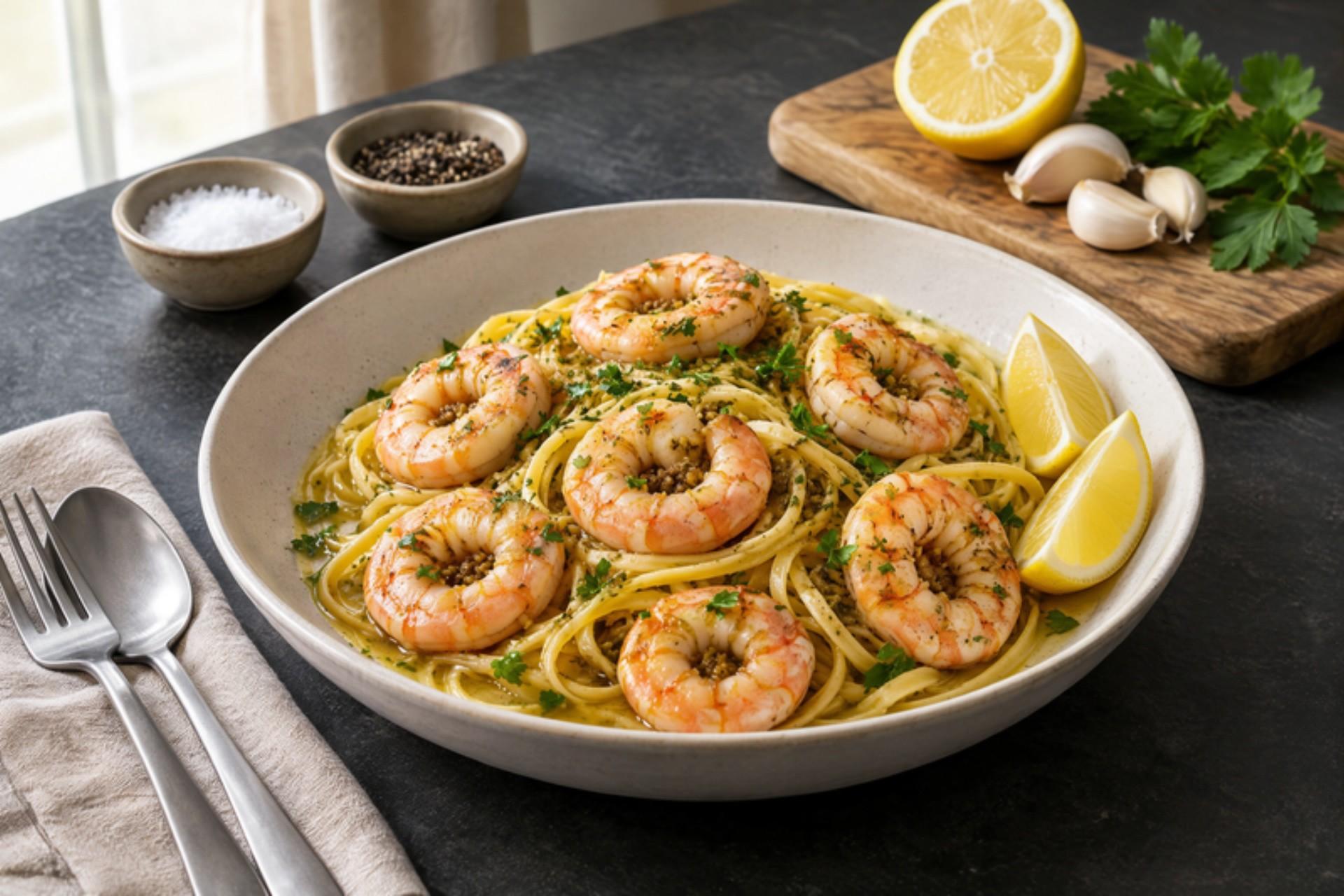
Shrimp scampi

Shrimp scampi is an Italian-American restaurant classic from the East Coast, especially New York and New Jersey, a quick weeknight pasta or a Friday-night date dish. Large prawns are seared briefly, then tossed with plenty of garlic, chilli flakes, butter, white wine, lemon and parsley, and twirled through linguine so the glossy sauce clings to every strand. The dish uses wine, which is simmered briefly so some alcohol remains; for an alcohol-free version use the same amount of chicken or vegetable stock with an extra tsp of lemon juice. The usual mistake is overcooking the prawns into rubbery curls: they need only 2–3 minutes until pink and opaque all the way through. Buy raw prawns that smell of the sea; throw away any that smell of ammonia or feel slimy. Chef's tip: add the butter off the heat in cold cubes and swirl the pan; it emulsifies into a creamy sauce instead of turning greasy.

by KrazyBadal 0 views

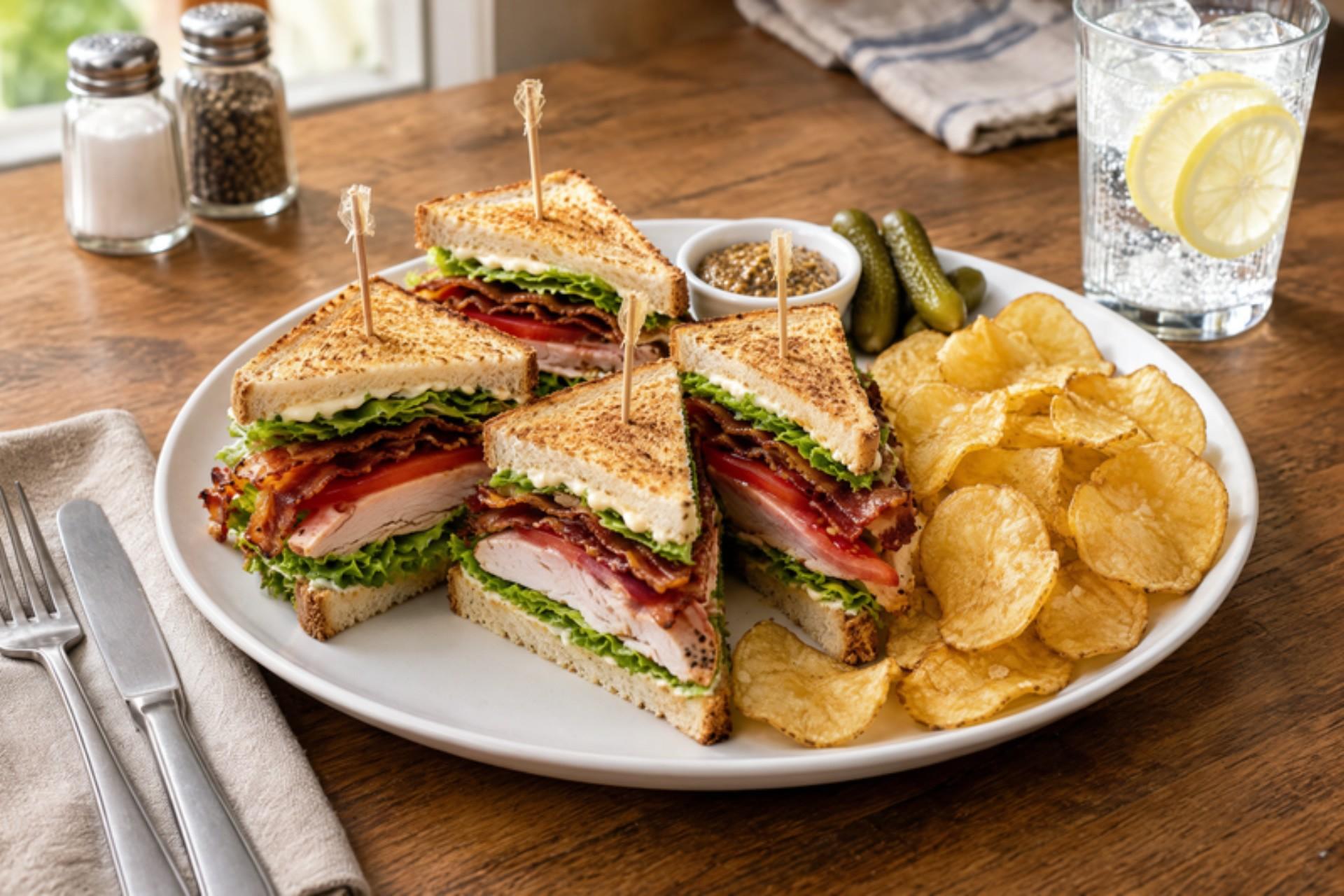
Club sandwich

The club sandwich was born in the gentlemen's clubs and grand hotels of New York in the late 1800s and is still on every American hotel room-service menu and diner board. Three slices of toast hold two layers: roast turkey or chicken with mayonnaise in one, crisp pork bacon with lettuce and tomato in the other, held with cocktail sticks and cut into neat triangles. The common mistake is building it on untoasted bread, which goes soggy and slides apart. Toast all three slices until firm and golden, cook the bacon until crisp and rigid, and pat the tomato dry. Serve with chips or crisps and a dill pickle. Chef's tip: spread mayonnaise right to the edges of the middle slice on both sides; it glues the layers so the quarters stand up tall when you cut them.

by KrazyBadal 0 views

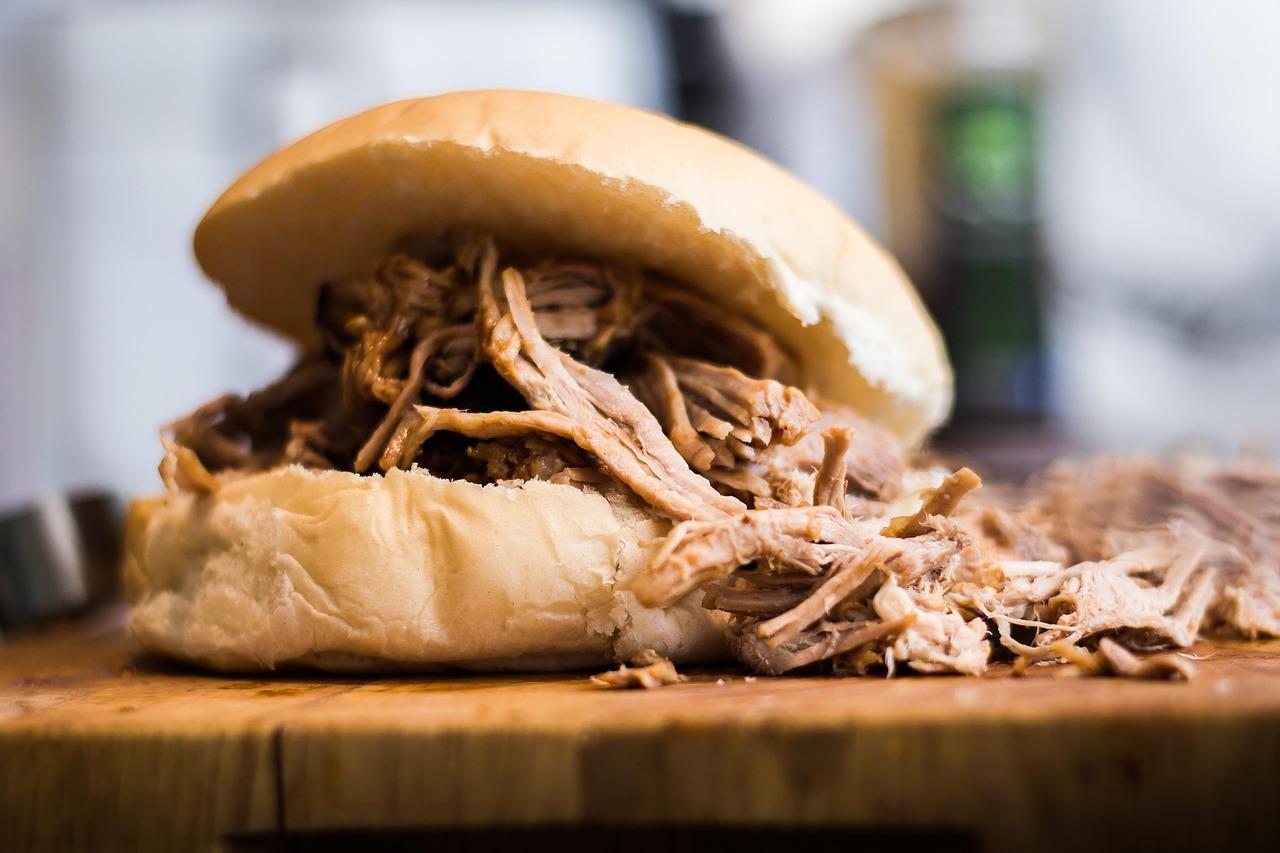
Eastern Carolina pulled pork

In eastern North Carolina barbecue means pork, slow-smoked whole hog or shoulder chopped and dressed with a thin sauce of cider vinegar, chilli flakes and pepper, with no tomato at all. It is served at pit-cooked joints around Ayden and Goldsboro with slaw and hushpuppies, and piled into soft buns at cookouts. This oven version slow-roasts a pork shoulder until it pulls apart. Chef's tip: dress the meat with the sauce while it's still warm, so it soaks right in.

440 minAmericanMeatGluten free
by KrazyBadal 0 views

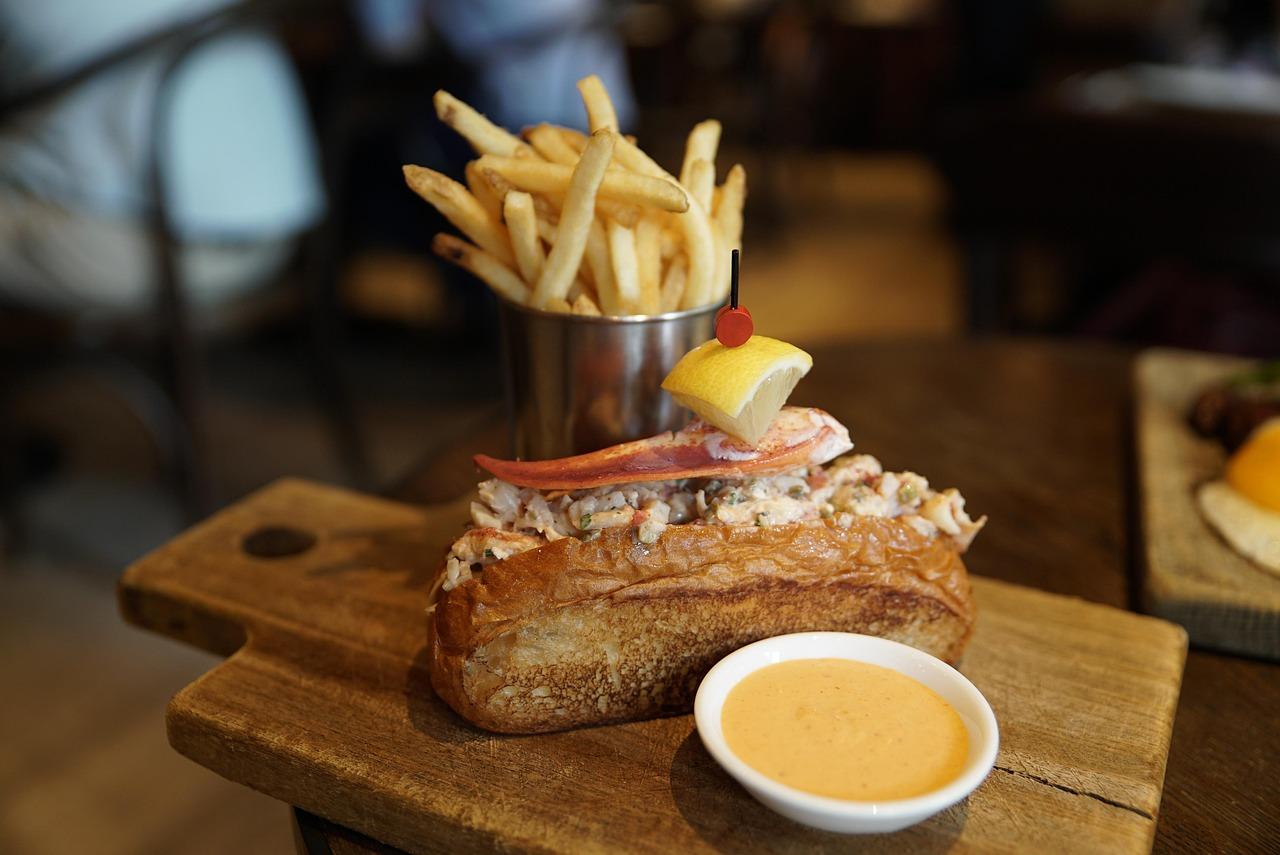
New England lobster roll

From Kittery to Bar Harbor, roadside lobster shacks on the Maine coast serve this every summer: big chunks of sweet lobster meat, barely dressed with mayonnaise, lemon and celery, piled into a hot-dog bun toasted in butter. Over the border in Connecticut they serve it warm with melted butter instead, and both camps think the other is wrong. Chef's tip: dress the lobster lightly, just enough to gloss it; the meat should be the star, not the mayonnaise.

by KrazyBadal 0 views

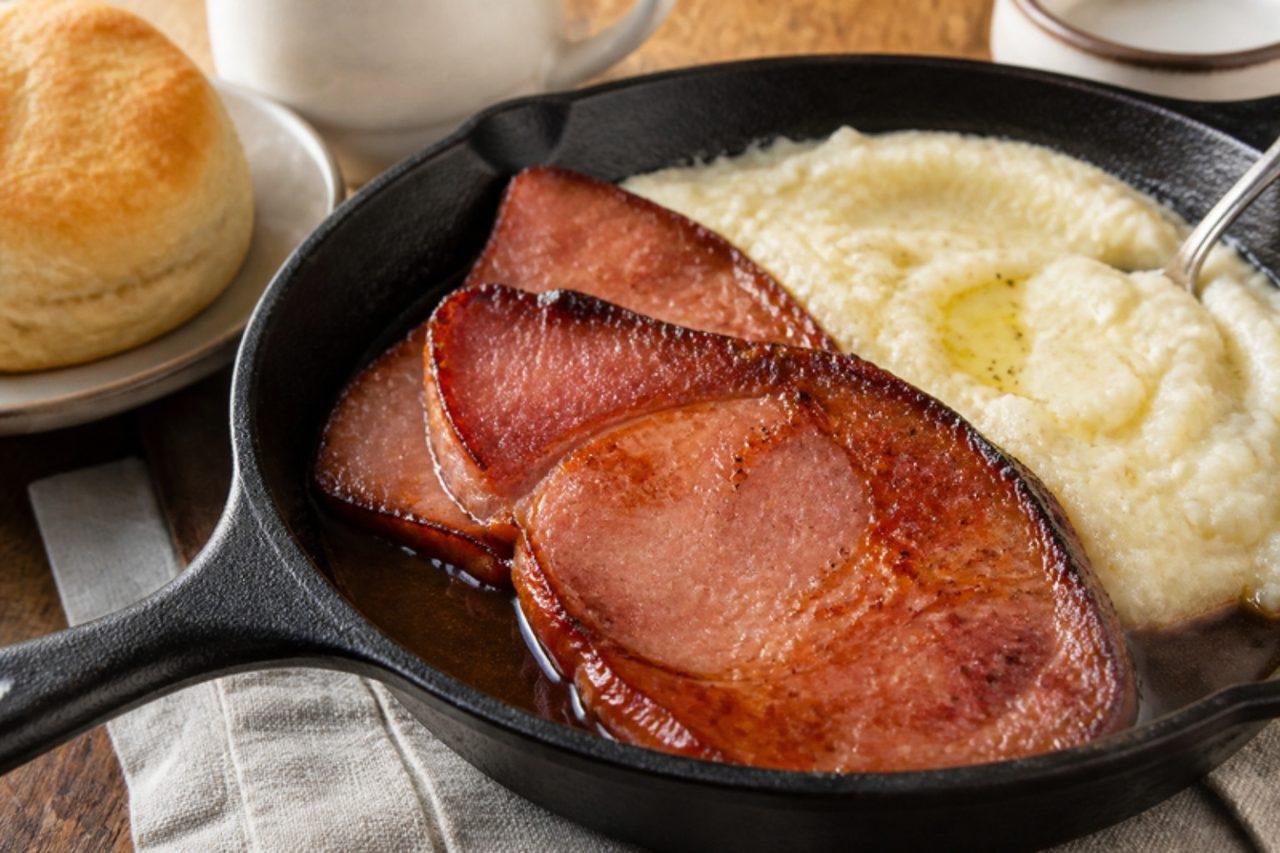
Country ham with red-eye gravy

Salt-cured, aged country ham is a pride of Kentucky, Tennessee and Virginia smokehouses, and on mountain breakfast tables it is pan-fried in thin slices, then the pan is deglazed with black coffee to make red-eye gravy, thin, salty and bitter-sweet, spooned over the ham, grits or biscuits. This is pork, and very salty, so the slices are soaked first. Chef's tip: soak the ham in water or milk for 30 minutes if your country ham is very salty, then pat dry.

by KrazyBadal 0 views

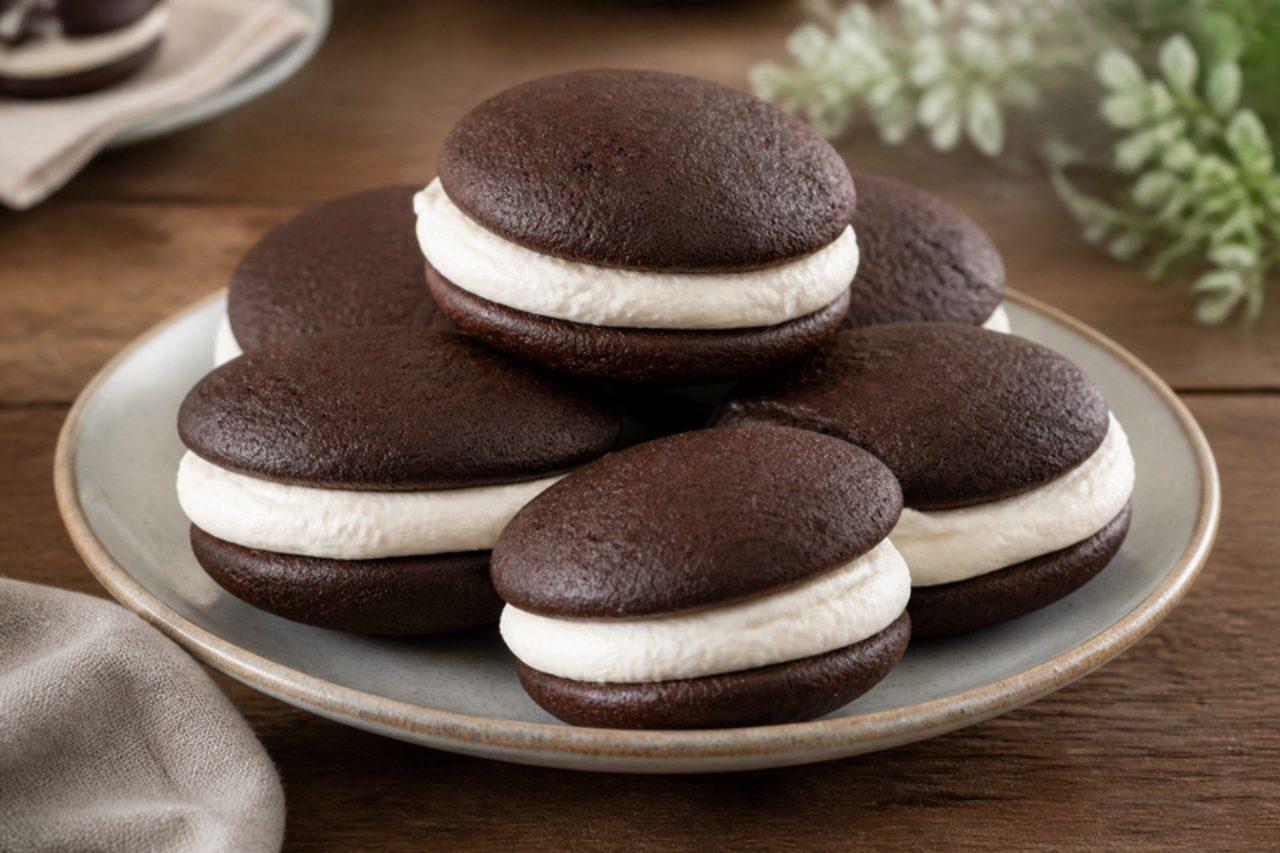
Whoopie pies

Whoopie pies are Maine's official state treat and a lunchbox favourite in Pennsylvania Dutch country too; you find them wrapped in cling film by the till at petrol stations and bake sales all over New England. Two domed, soft chocolate cakes hold a thick, fluffy white filling. This filling is a meringue buttercream, so there's no gelatine-based marshmallow. Chef's tip: pipe or scoop the batter in even mounds and leave room, as they spread to 8 cm.

by KrazyBadal 0 views

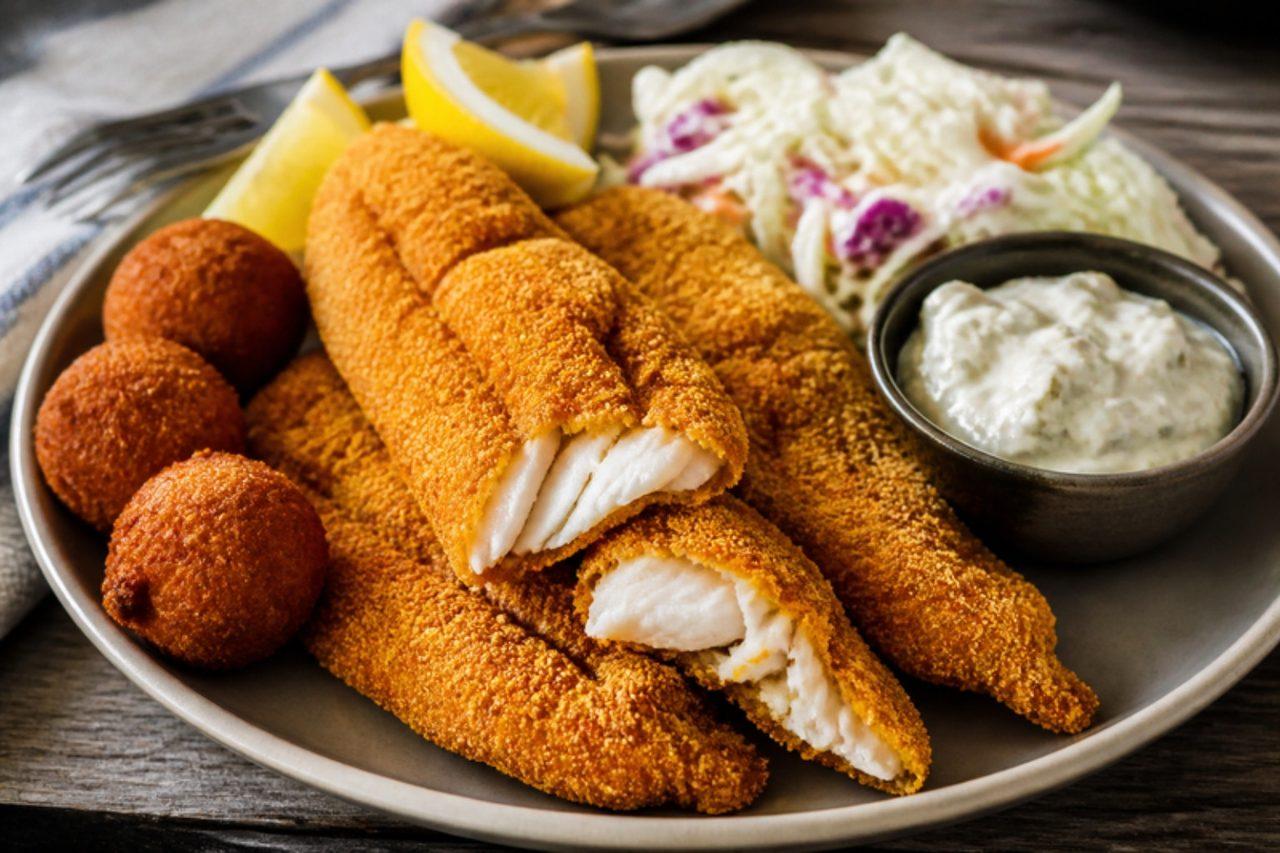
Southern fried catfish

Fried catfish is the Friday night fish-fry and Delta church supper of Mississippi and Arkansas, where much of America's catfish is farmed. Fillets are soaked in seasoned milk or buttermilk, rolled in cornmeal and fried until the crust crackles and the mild, sweet fish inside flakes apart. Serve with hushpuppies, slaw and lemon. Chef's tip: cut thick fillets in half lengthways so they cook in the same time as the crust browns.

by KrazyBadal 0 views

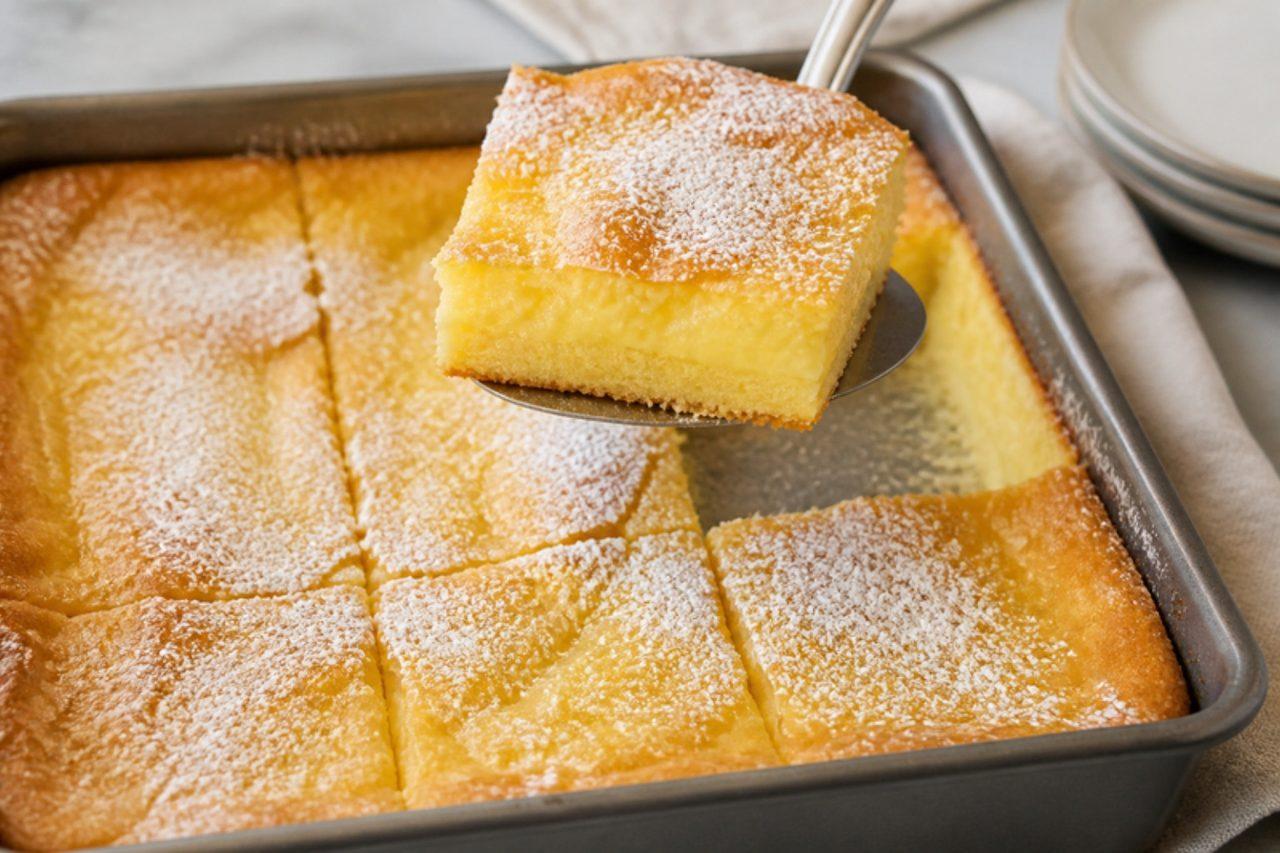
St. Louis gooey butter cake

Gooey butter cake is a St. Louis institution, sold in squares at south-side German bakeries and baked for church coffee hours and Christmas mornings. Legend says a baker in the 1930s got his proportions wrong and the mistake sold out. A thin, chewy yeast-free cake base is covered with a sweet cream cheese and butter layer that bakes into a crackly, shiny top over a gooey middle. Chef's tip: take it out while the centre still jiggles; the goo is the point, and an overbaked one is just a sweet sponge.

by KrazyBadal 0 views

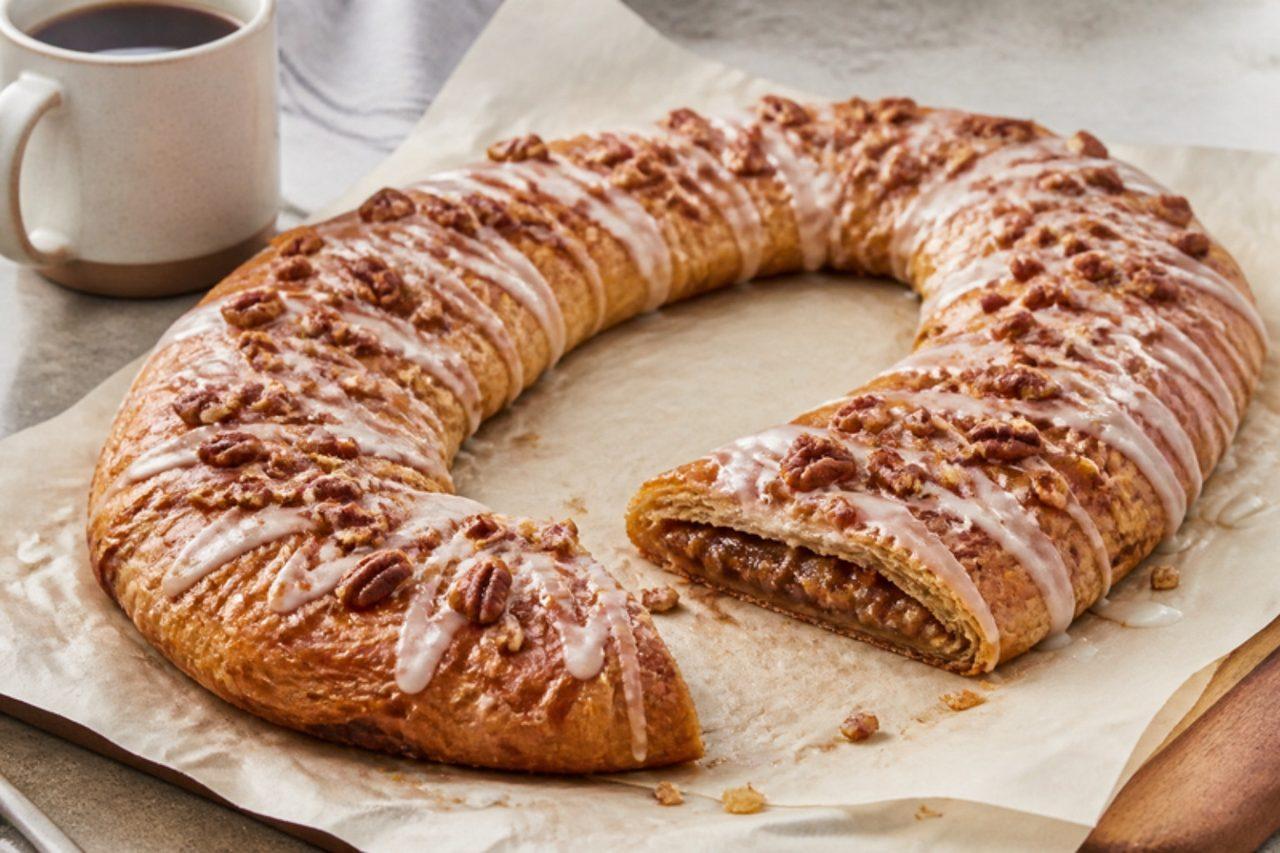
Wisconsin kringle

Kringle came to Racine, Wisconsin, with Danish bakers in the 1800s, and the town's bakeries still ship thousands of these flat oval pastry rings at Christmas. Thin layers of buttery laminated dough wrap a pecan and brown sugar filling, and the top is glazed with white icing. It is the official state pastry, eaten with coffee at breakfast. Chef's tip: keep the dough and butter cold at every fold; if the butter melts into the dough you lose the flaky layers.

by KrazyBadal 0 views

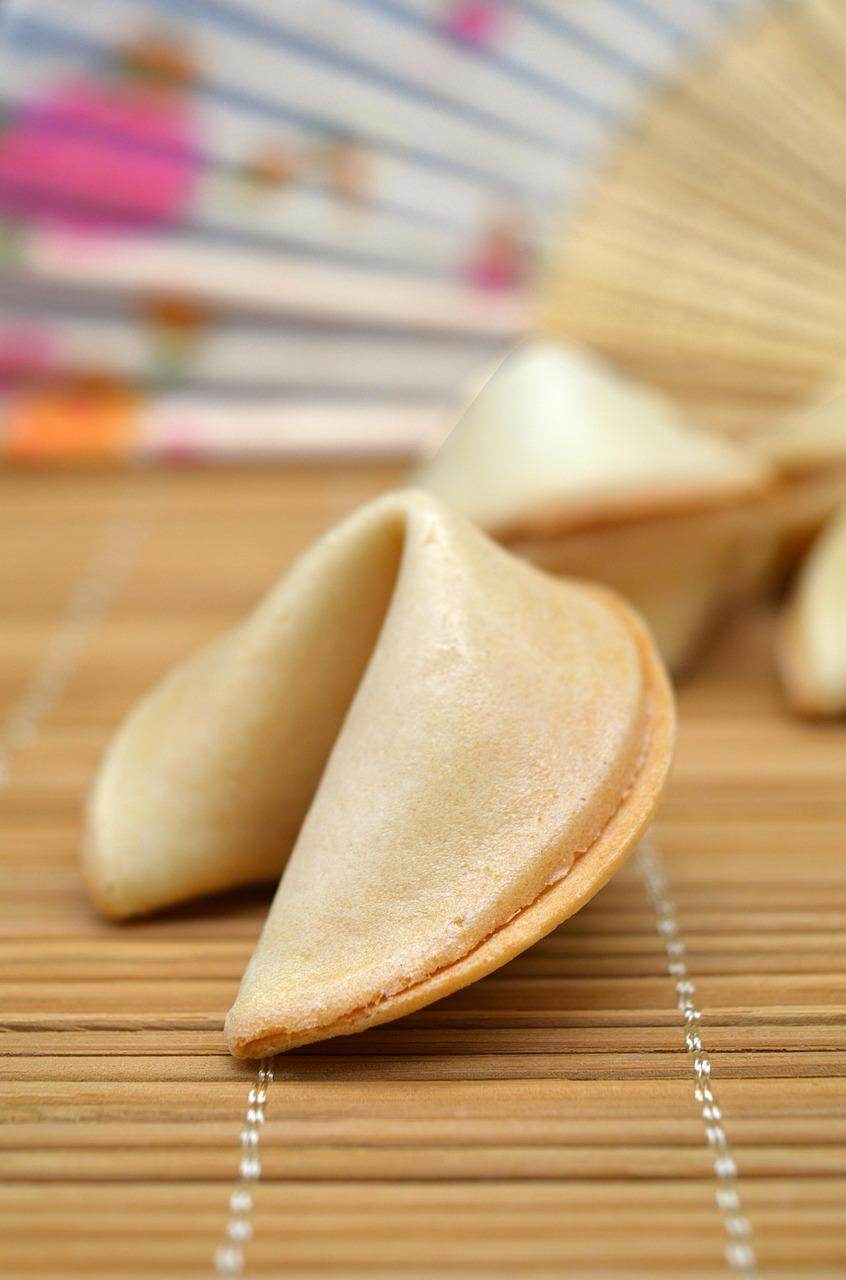
Fortune cookies

Fortune cookies are not from China at all: they were first sold in San Francisco and Los Angeles in the early 1900s, probably from a Japanese tea garden recipe, and Chinese-American restaurants made them famous. A thin vanilla and almond batter is baked into a wafer, then folded while hot around a paper message. Write your own fortunes for a party. Chef's tip: bake only two or three at a time; the wafers set in seconds and crack if you can't fold them fast enough.

by KrazyBadal 0 views

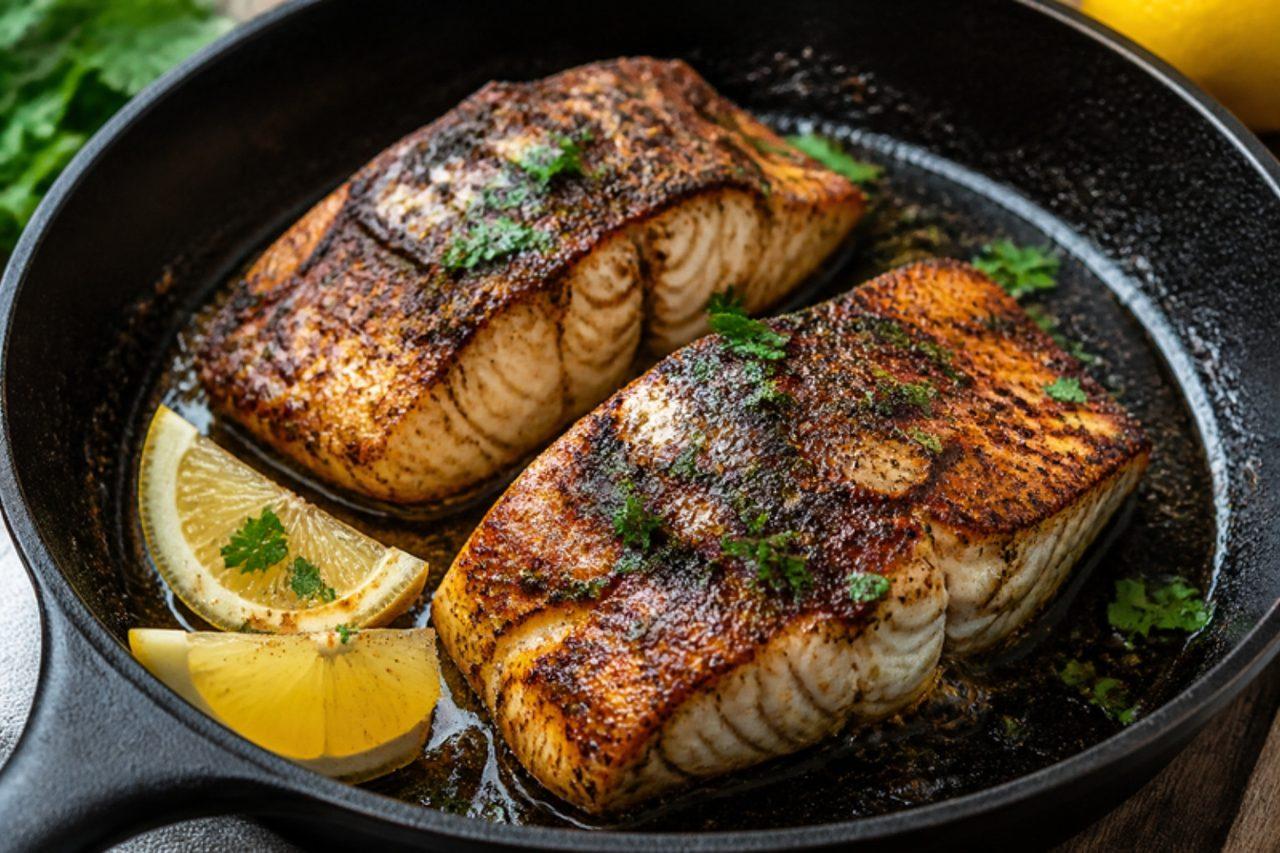
Blackened redfish

Blackened redfish was the dish that made Cajun cooking famous across America in the 1980s, created in a New Orleans restaurant by a chef from Opelousas. Fillets are dipped in butter, coated thickly in paprika, cayenne, thyme and pepper and seared in a white-hot cast-iron pan, so the spices char into a dark, smoky crust while the fish stays moist. It produces a lot of smoke, so open the windows or cook it outside. Chef's tip: the pan must be heated empty for a full 5 minutes; a lukewarm pan steams the fish instead of blackening it.

by KrazyBadal 0 views

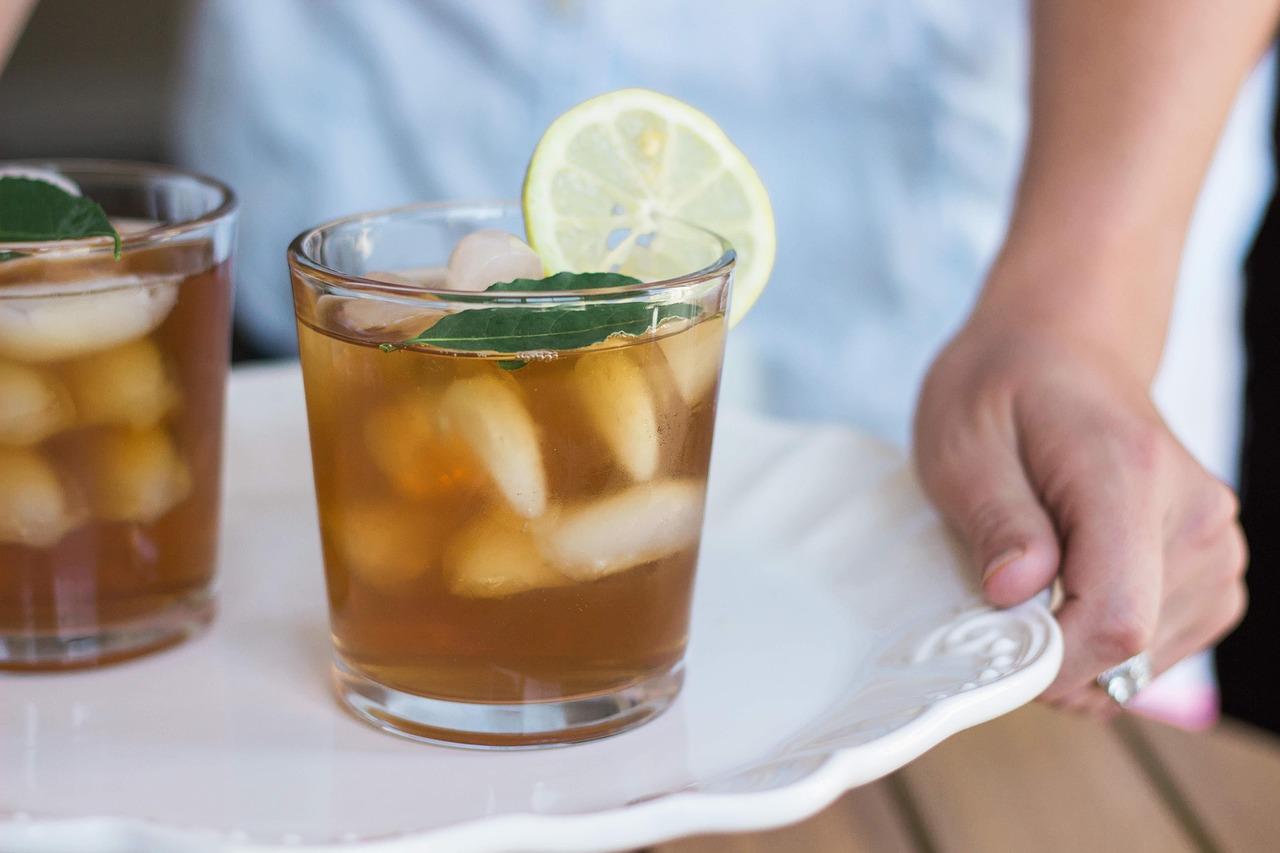
Southern sweet tea

Sweet tea is the house wine of the South, poured by the jug at every barbecue joint, meat-and-three and Sunday lunch from South Carolina to Texas. Strong black tea is sweetened while hot so the sugar dissolves completely, then cooled and poured over plenty of ice with lemon. A pinch of bicarbonate is an old trick that softens bitterness and keeps it clear. Chef's tip: let the tea cool to room temperature before chilling; putting it straight in the fridge hot makes it go cloudy.

by KrazyBadal 0 views

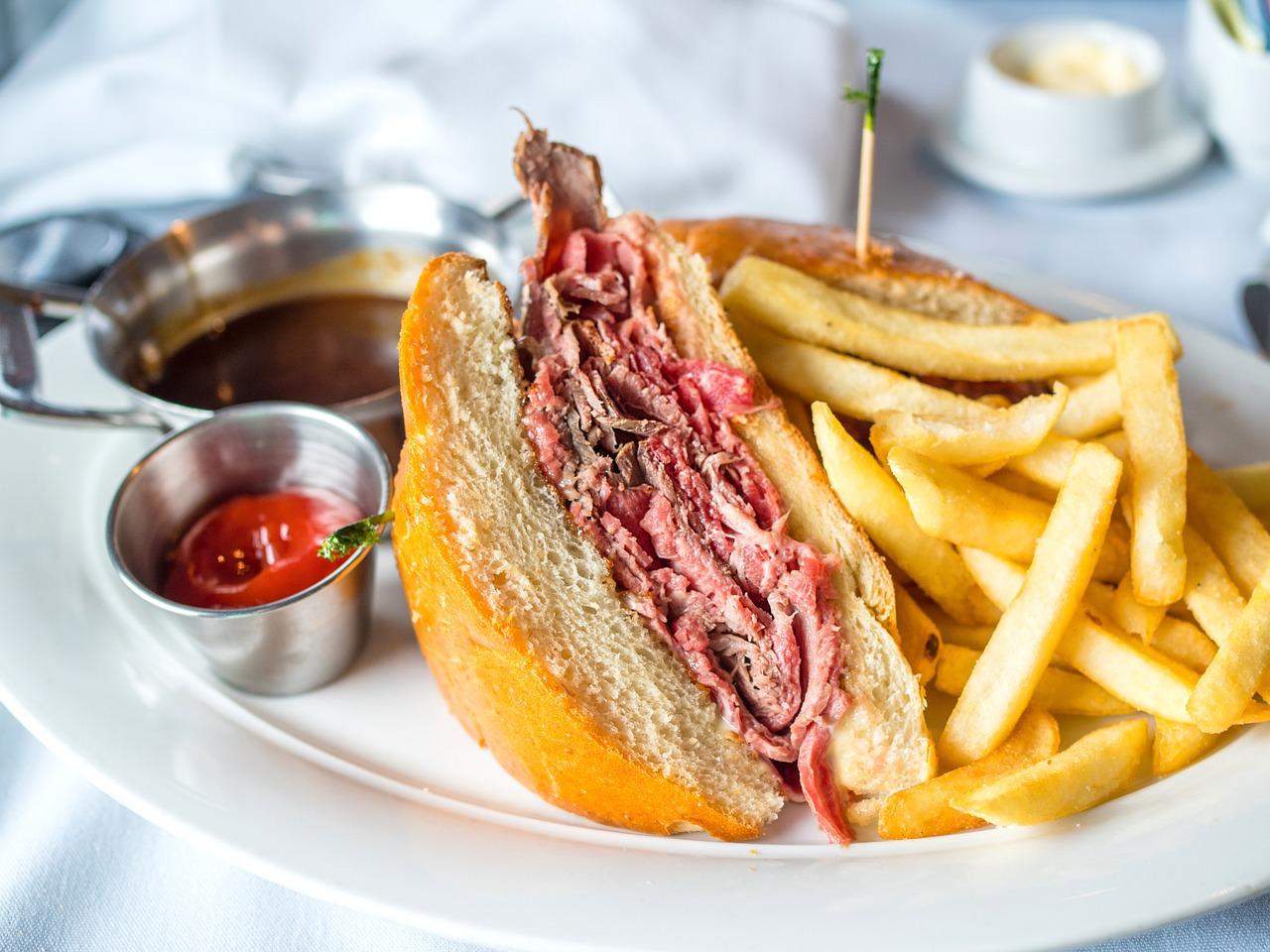
French dip sandwich

Two downtown Los Angeles delis founded in 1908 still argue about who first dunked a roll into the roasting pan juices, but either way the French dip is LA's own sandwich: thin slices of roast beef piled into a crusty French roll that is dipped in a rich, savoury beef jus, eaten with hot mustard at the counter. Chef's tip: make the jus from the roasting pan; the browned bits stuck to the tin are where the flavour lives.

110 minAmericanMeat
by KrazyBadal 0 views

Showing 24 of 95 recipes

Show more recipes

Page 1 of 4