Skip to content
Recipes

All recipes

Vegetarian, or something you can't eat? Set your diet once and we'll hide recipes that don't fit.

TereréIced yerba mate

In Asunción the hottest part of the day stops for tereré: a horn or cup packed with yerba mate, topped up again and again with ice water infused with crushed herbs, and passed round the group through a metal straw. It was recognised by UNESCO as part of Paraguay's cultural heritage, and the herbs (yuyos) change with the season and the drinker's mood. Yerba mate contains caffeine, so it isn't one for small children. The common mistake is pouring water straight into loose yerba, which then clogs the straw; tilt the yerba to one side first. Chef's tip: for tereré ruso, swap the water for cold orange or grapefruit juice.

by KrazyBadal 0 views

Postre MassiniCustard sponge with burnt sugar top

Montevideo's birthday cake of choice since the early twentieth century, the Massini is two thin layers of sponge sandwiching a thick filling of whipped cream folded with egg-yolk custard, crowned with a thin glassy crust of torched yolk and sugar. Bakeries across Uruguay sell it on Sundays. Traditional versions sometimes add a sweet fortified wine to the custard; this one is alcohol-free. The custard is cooked to a safe 71 °C. The common mistake is assembling with warm custard, which melts the cream into a puddle. Chef's tip: if you don't have a blowtorch, put the sugared top under a very hot grill for a minute and watch it closely.

by KrazyBadal 0 views

Cocido quemadoBurnt sugar mate drink

Cocido is how Paraguay starts the day: in Asunción, in the villages of Guairá and Itapúa, and in school kitchens, a pot of burnt yerba is brewed and poured into cups with chipa, the cheesy cassava bread, or with a hard galleta. The old way is to drop a glowing piece of charcoal into a pot with yerba and sugar and stir until the sugar burns. On a home stove you caramelise them together in a dry pan instead, which is safer and gives the same smoky, toffee-like taste. The drink is clear amber-brown, with roasted, slightly bitter mate notes over burnt-sugar sweetness; with milk added it becomes cocido con leche, creamy and coffee-coloured. Yerba mate contains caffeine, so treat it like a cup of coffee. The common mistake is letting the sugar go black: it turns acrid and bitter. Pull it off the heat when the caramel is deep amber and the yerba smells toasted, not burnt. It is ready when the liquid is a clear dark amber and tastes of toffee and smoke. Chef's tip: the water will spit fiercely when it hits the hot caramel, so pour it in from the side, at arm's length.

by KrazyBadal 0 views

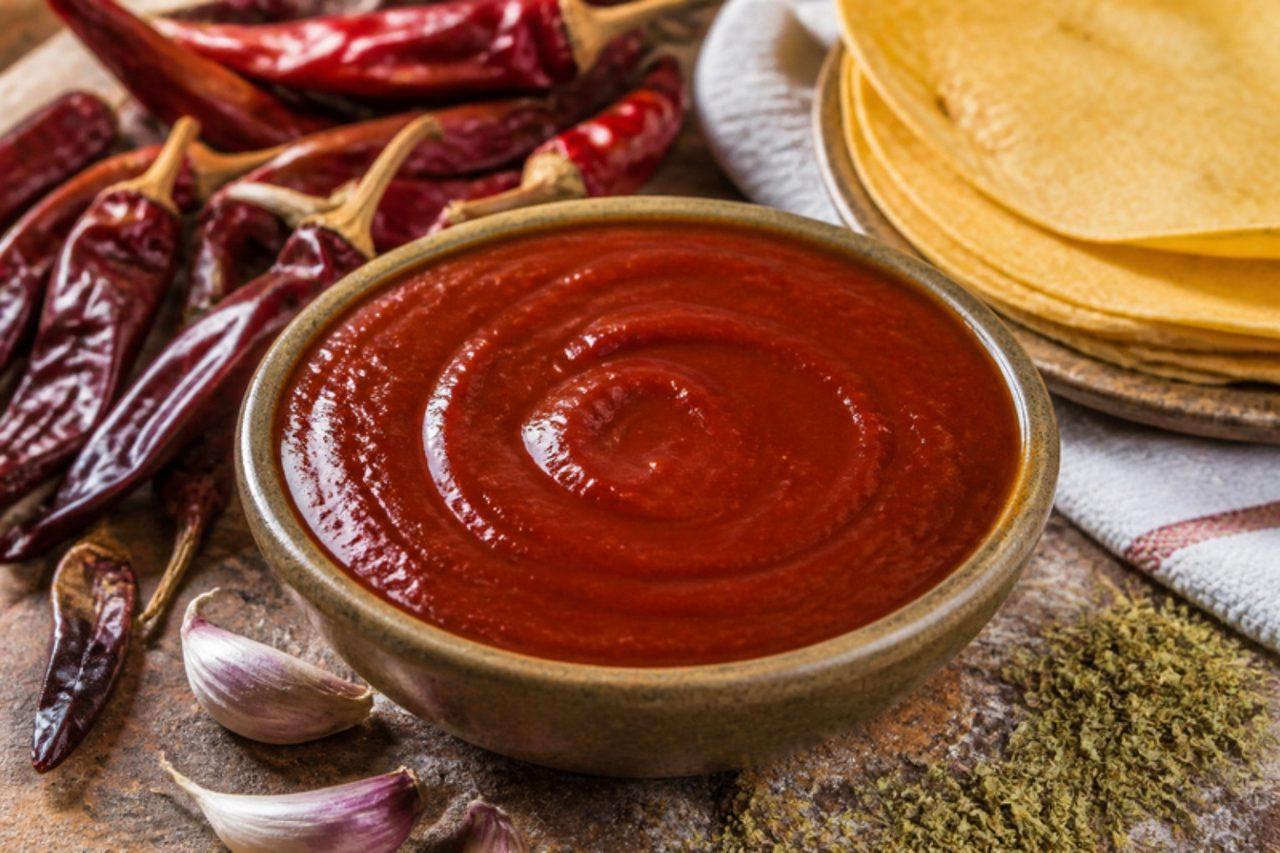
New Mexico red chile sauce

Ask for 'red or green?' in any New Mexico café and red means this sauce, made from the sun-dried chile pods that hang in long ristras outside adobe houses in Chimayó and Hatch every autumn. The pods are toasted, soaked and blended into a smooth, brick-red sauce that is earthy and gently sweet rather than smoky, poured over enchiladas, eggs, beans and burritos. Chef's tip: toast the pods for only a few seconds a side; burnt chile makes the sauce bitter.

by KrazyBadal 0 views

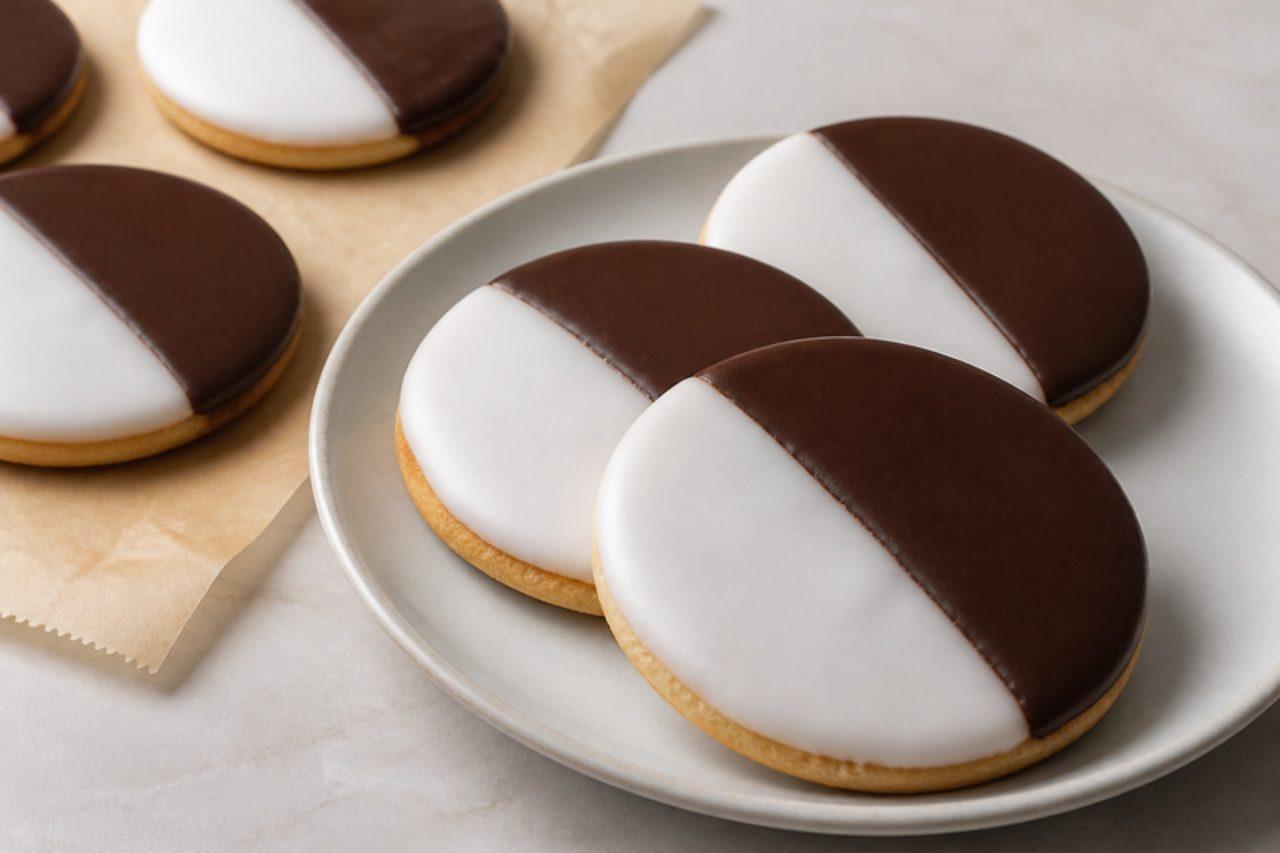
Black and white cookies

The black and white is a New York bakery fixture, a saucer-sized, soft, lemony cookie that is closer to a sponge than a biscuit, iced half in vanilla and half in chocolate. Delis and Jewish bakeries from the Upper West Side to Brooklyn sell them by the till. Chef's tip: ice the flat underside, not the domed top, and do the vanilla half first so the chocolate doesn't bleed into it.

by KrazyBadal 0 views

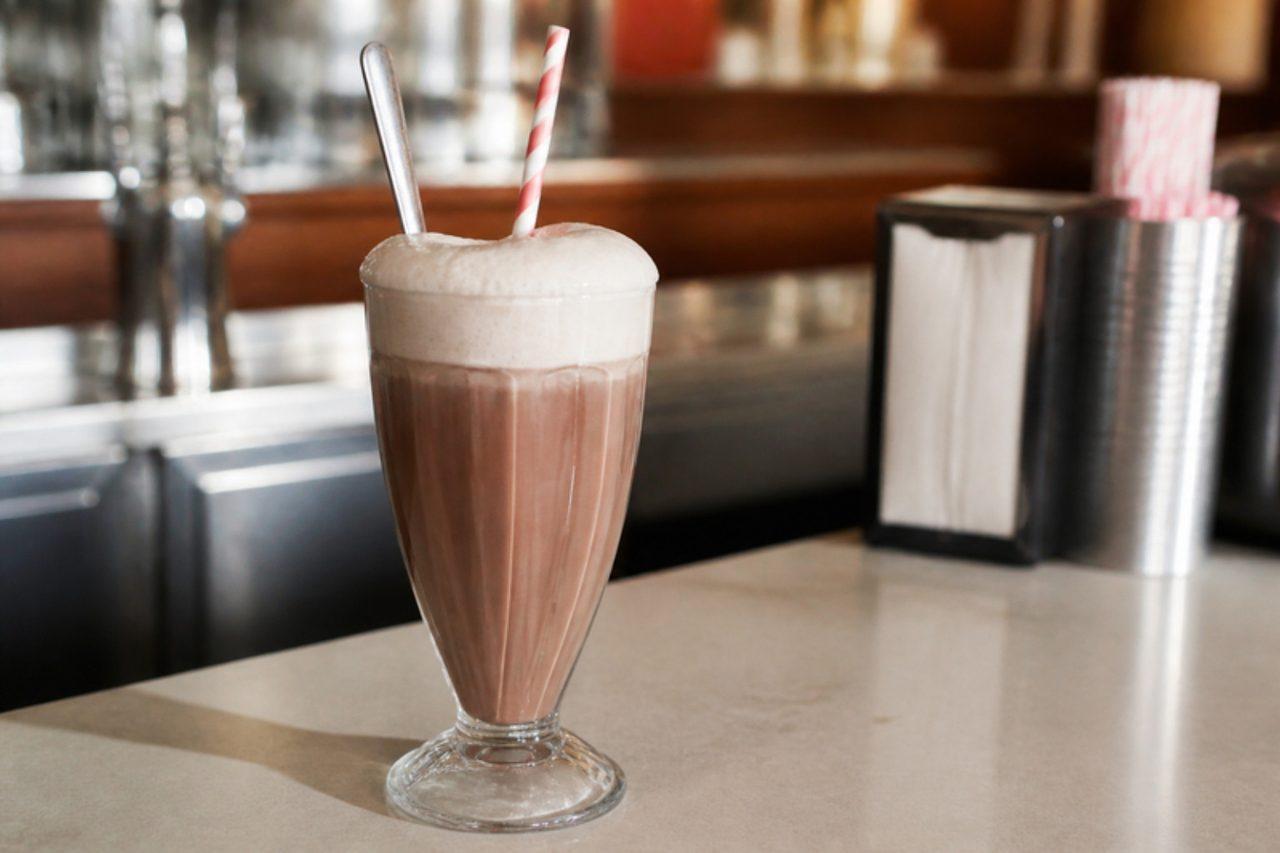
Chocolate egg cream

The egg cream contains neither egg nor cream: it is the old soda-fountain drink of Brooklyn and the Lower East Side, made of cold milk, chocolate syrup and a hard jet of seltzer that whips up a tall white foam. It was sold for pennies at candy stores and corner luncheonettes, and New Yorkers still argue about the right order to pour. Chef's tip: everything, glass included, must be ice-cold, or the foam collapses.

by KrazyBadal 0 views

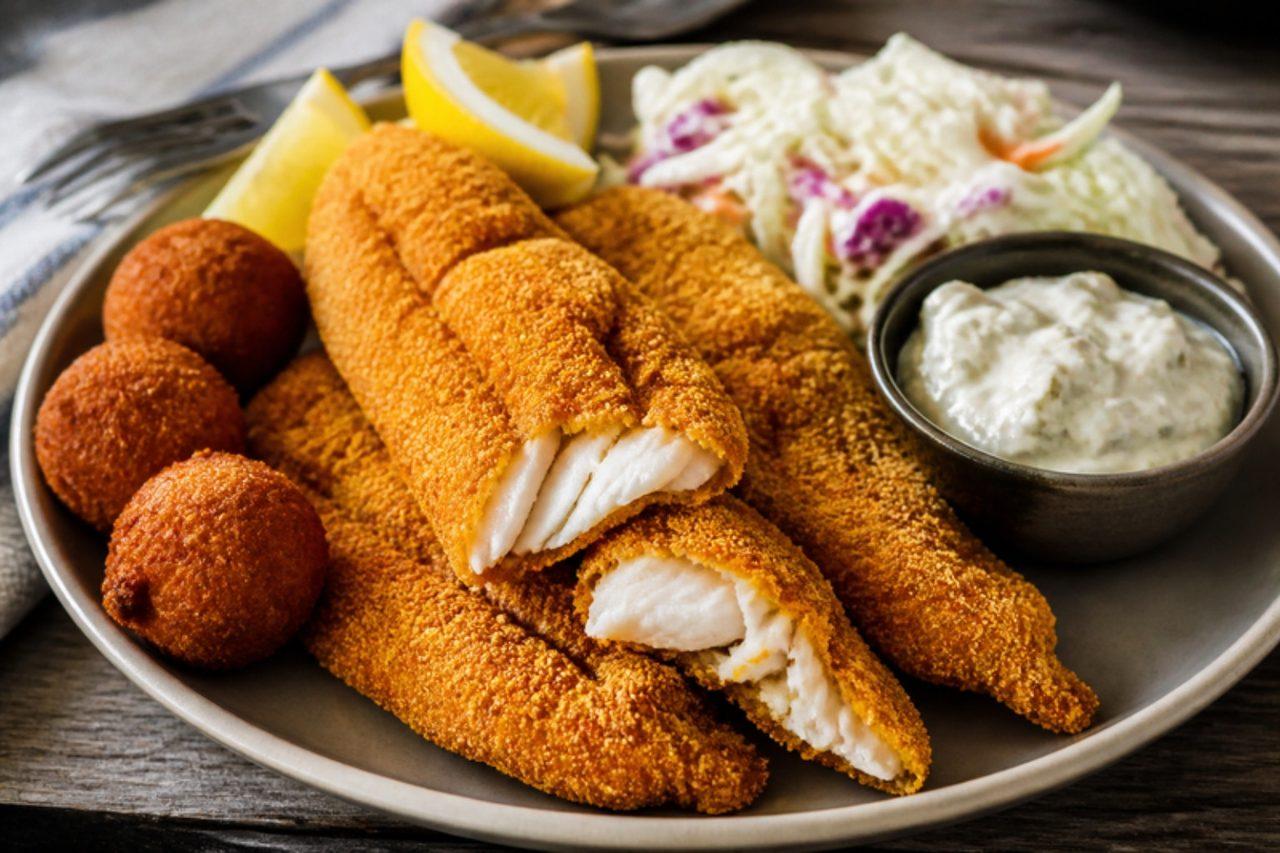
Southern fried catfish

Fried catfish is the Friday night fish-fry and Delta church supper of Mississippi and Arkansas, where much of America's catfish is farmed. Fillets are soaked in seasoned milk or buttermilk, rolled in cornmeal and fried until the crust crackles and the mild, sweet fish inside flakes apart. Serve with hushpuppies, slaw and lemon. Chef's tip: cut thick fillets in half lengthways so they cook in the same time as the crust browns.

by KrazyBadal 0 views

New England lobster roll

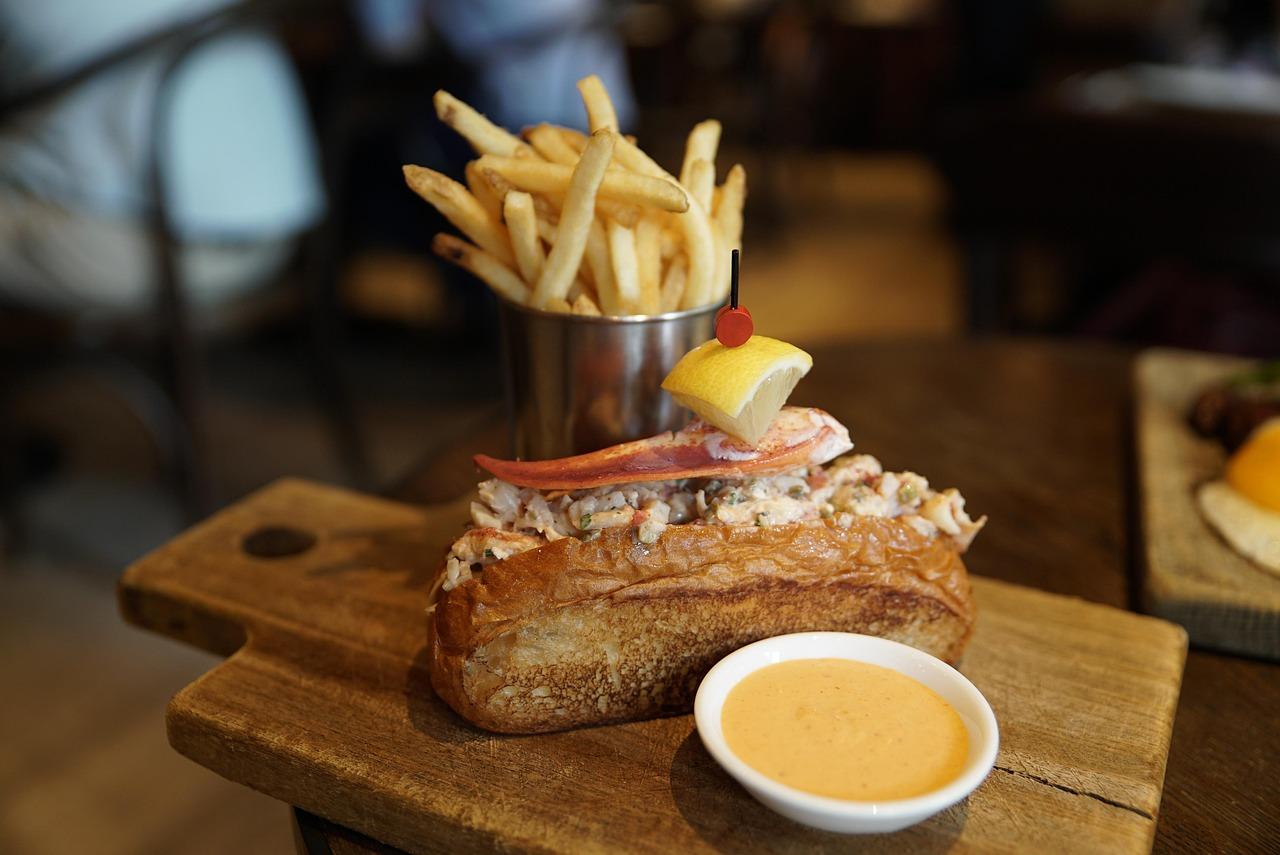
From Kittery to Bar Harbor, roadside lobster shacks on the Maine coast serve this every summer: big chunks of sweet lobster meat, barely dressed with mayonnaise, lemon and celery, piled into a hot-dog bun toasted in butter. Over the border in Connecticut they serve it warm with melted butter instead, and both camps think the other is wrong. Chef's tip: dress the lobster lightly, just enough to gloss it; the meat should be the star, not the mayonnaise.

by KrazyBadal 0 views

Palm Springs date shake

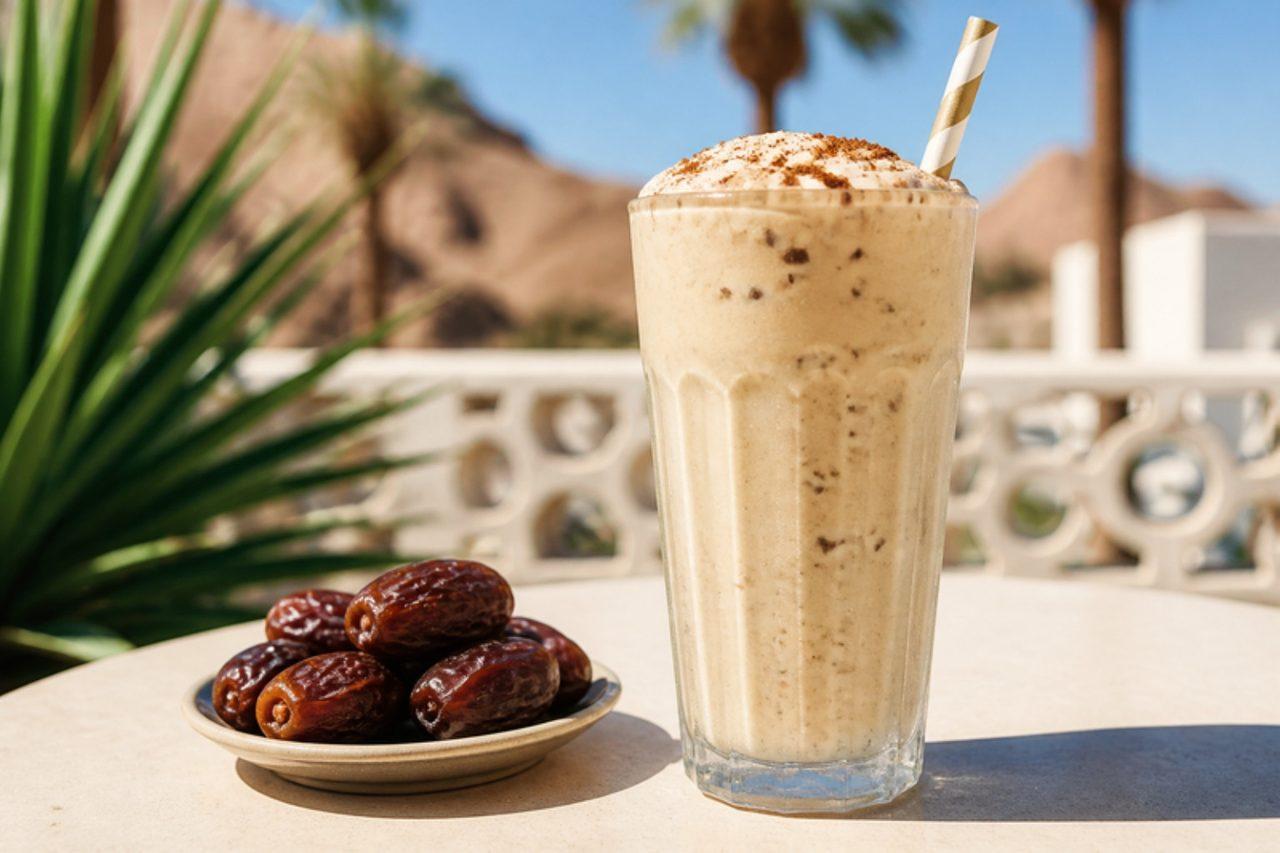
The Coachella Valley around Palm Springs and Indio grows most of America's dates, and roadside date farms along the desert highway have sold this shake to thirsty drivers since the 1930s. Soft Medjool dates are blended with vanilla ice cream and milk into a thick, caramel-flavoured shake. Chef's tip: soak the chopped dates in a little warm milk for 10 minutes first, so they blend completely smooth instead of leaving chewy bits in the straw.

by KrazyBadal 0 views

New Orleans beignets

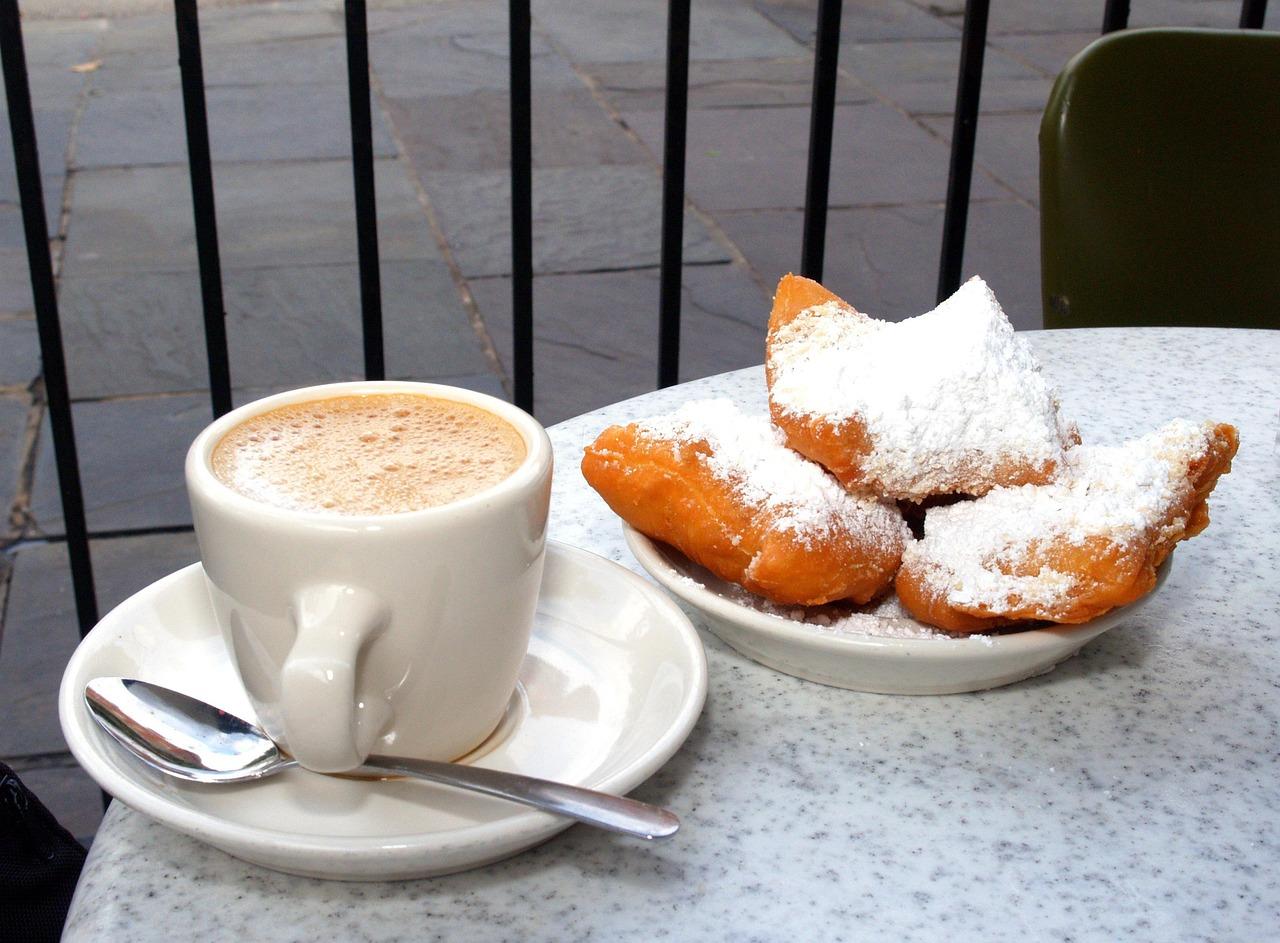
Beignets are the pillowy fried dough squares served three to a plate, under a drift of icing sugar, at the open-air coffee stands of the French Quarter in New Orleans, day and night. The dough is a soft, slightly sweet yeast dough enriched with evaporated milk, and the squares puff up hollow in hot oil. Drink them with chicory café au lait. Chef's tip: roll the dough only 5 mm thick; thicker squares stay doughy in the middle.

by KrazyBadal 0 views

Fried shrimp po'boy

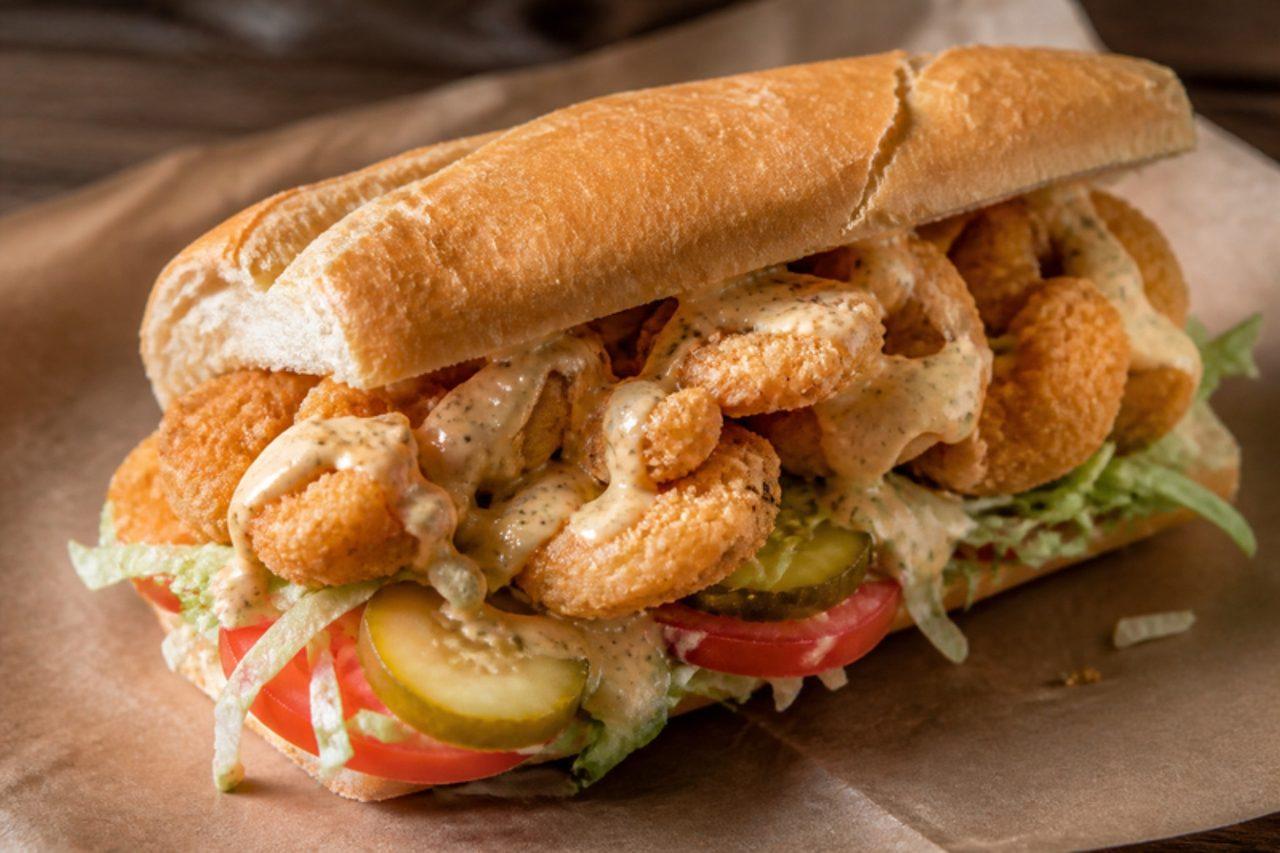
The po'boy was born in 1929 when two former streetcar drivers fed striking workers free sandwiches at their New Orleans restaurant, and today every neighbourhood joint from Mid-City to the Bywater fries them. The bread is a light, flaky-crusted French loaf, and a shrimp po'boy comes 'dressed' with shredded lettuce, tomato, pickles and rémoulade or mayonnaise. Chef's tip: use the lightest, crustiest baguette you can find and warm it; dense bread fights the filling.

by KrazyBadal 0 views

New Orleans barbecue shrimp

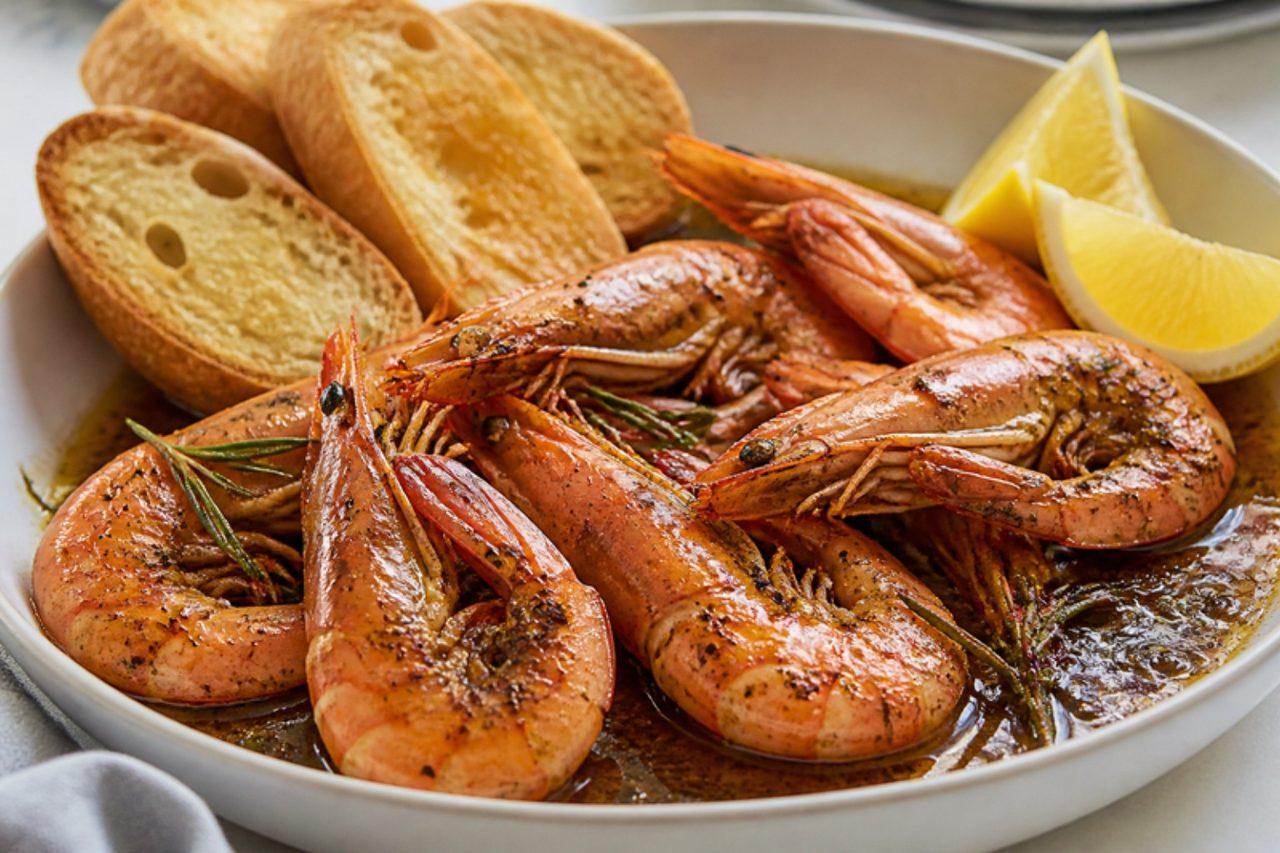
New Orleans barbecue shrimp never touch a grill or a barbecue sauce: they are big head-on Gulf prawns baked or pan-cooked in an outrageous amount of butter, black pepper, garlic, Worcestershire sauce and lemon, made famous in an Uptown restaurant in the 1950s. You peel them at the table and mop up the sauce with French bread. Some cooks add a splash of beer, which contains alcohol; this version uses stock, so it is alcohol-free. Worcestershire sauce contains anchovy. Chef's tip: keep the heads on; they hold the juices that make the sauce.

by KrazyBadal 0 views

Blackened redfish

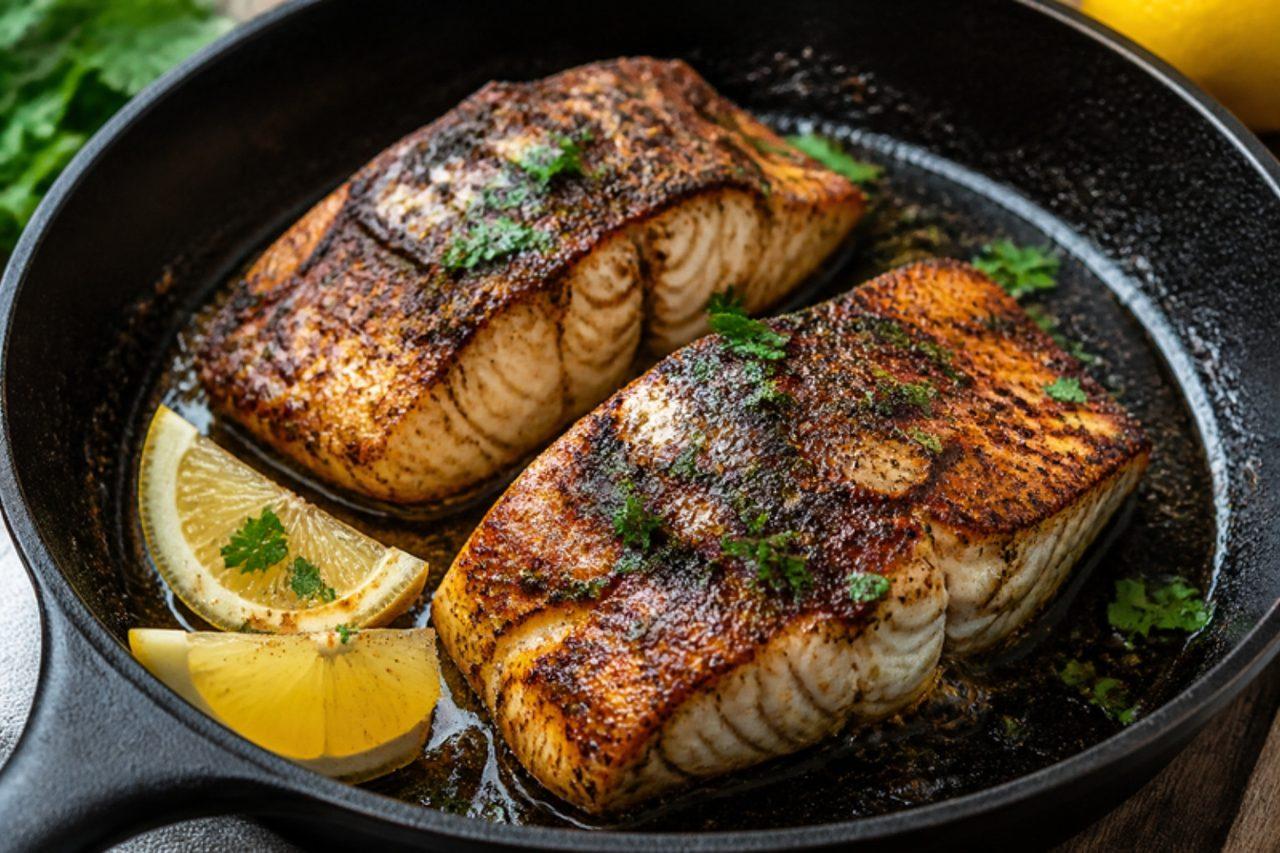
Blackened redfish was the dish that made Cajun cooking famous across America in the 1980s, created in a New Orleans restaurant by a chef from Opelousas. Fillets are dipped in butter, coated thickly in paprika, cayenne, thyme and pepper and seared in a white-hot cast-iron pan, so the spices char into a dark, smoky crust while the fish stays moist. It produces a lot of smoke, so open the windows or cook it outside. Chef's tip: the pan must be heated empty for a full 5 minutes; a lukewarm pan steams the fish instead of blackening it.

by KrazyBadal 0 views

Fortune cookies

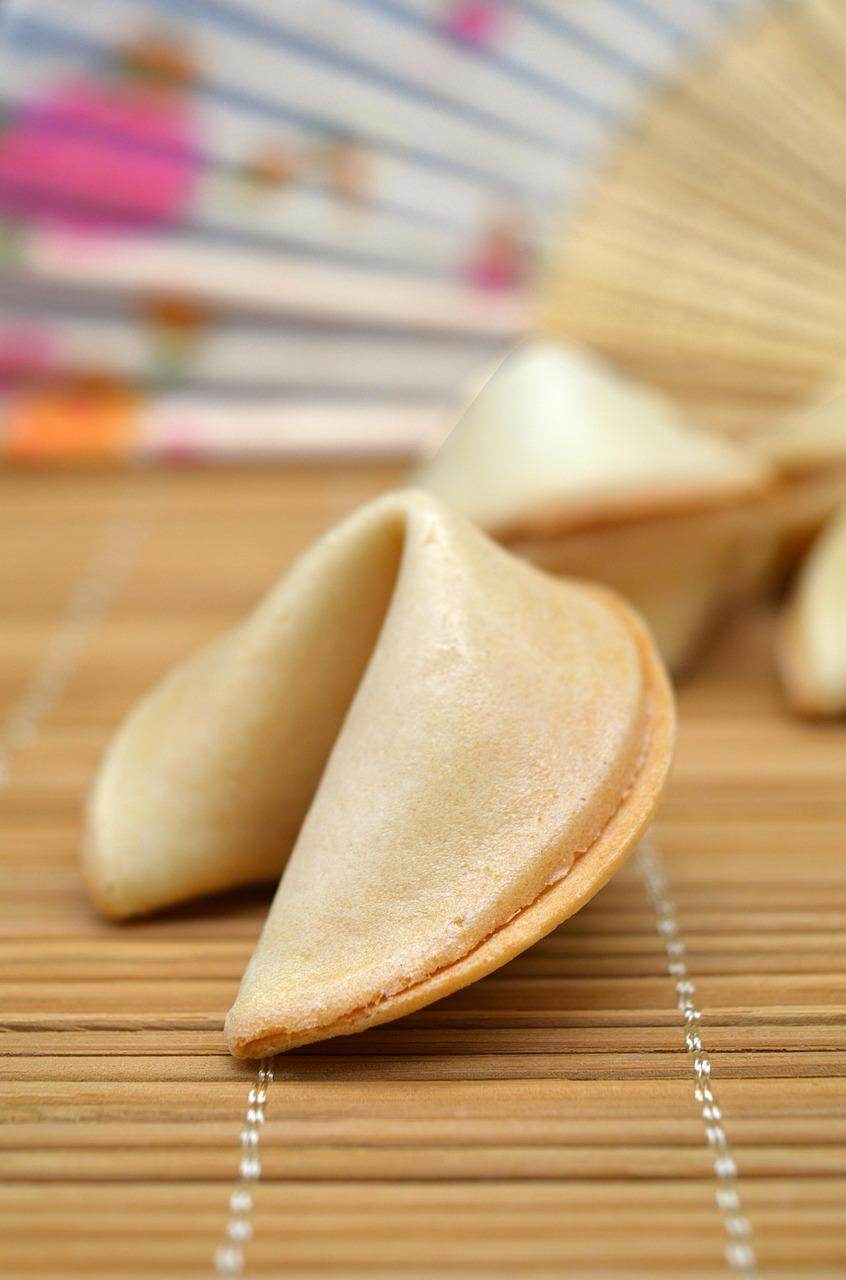
Fortune cookies are not from China at all: they were first sold in San Francisco and Los Angeles in the early 1900s, probably from a Japanese tea garden recipe, and Chinese-American restaurants made them famous. A thin vanilla and almond batter is baked into a wafer, then folded while hot around a paper message. Write your own fortunes for a party. Chef's tip: bake only two or three at a time; the wafers set in seconds and crack if you can't fold them fast enough.

by KrazyBadal 0 views

Boston cream pie

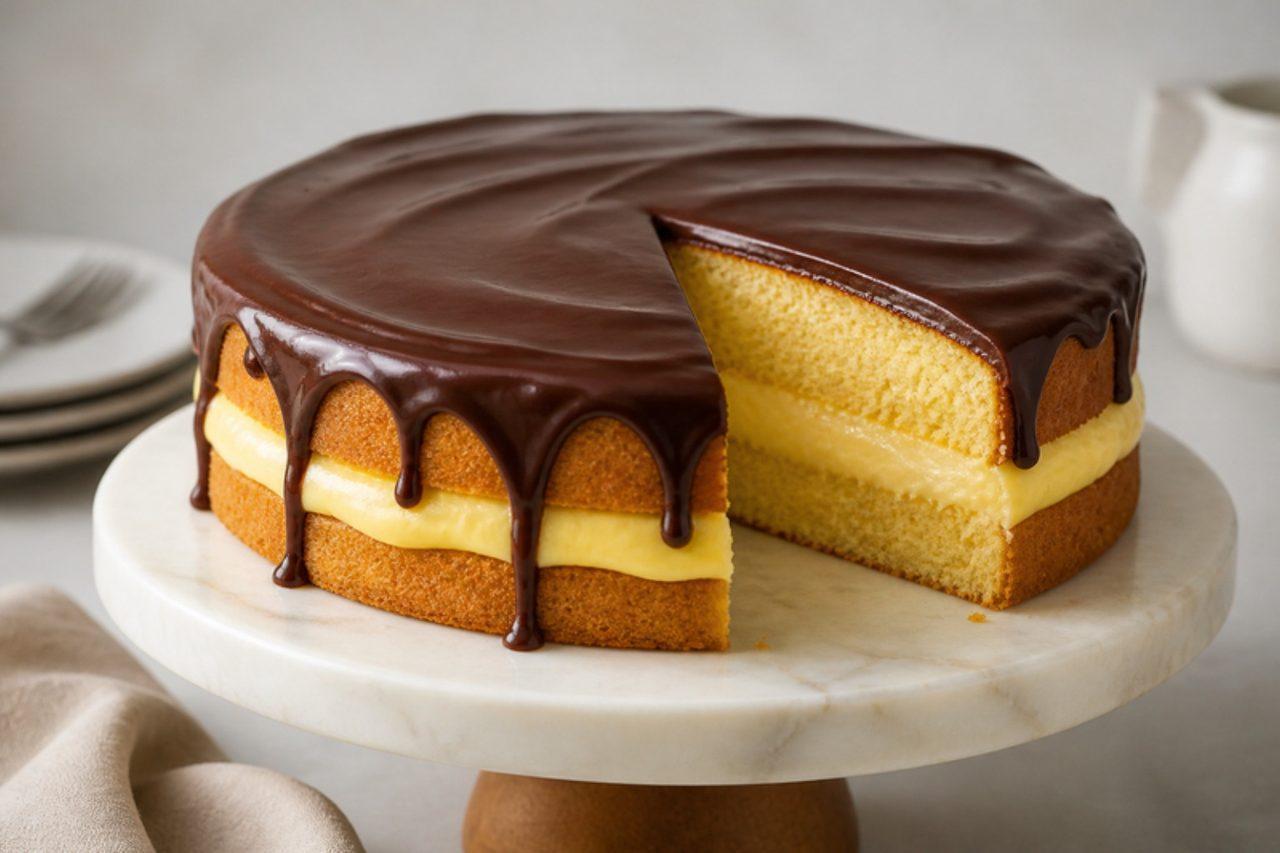
Despite the name, Boston cream pie is a cake: two layers of butter sponge with a thick vanilla pastry cream between them and dark chocolate glaze poured over the top. It was created at the Parker House hotel in Boston in the 1850s and is now the official dessert of Massachusetts, served at birthdays and diners across the state. Chef's tip: chill the filled cake for 30 minutes before glazing so the custard sets and the layers don't slide.

by KrazyBadal 0 views

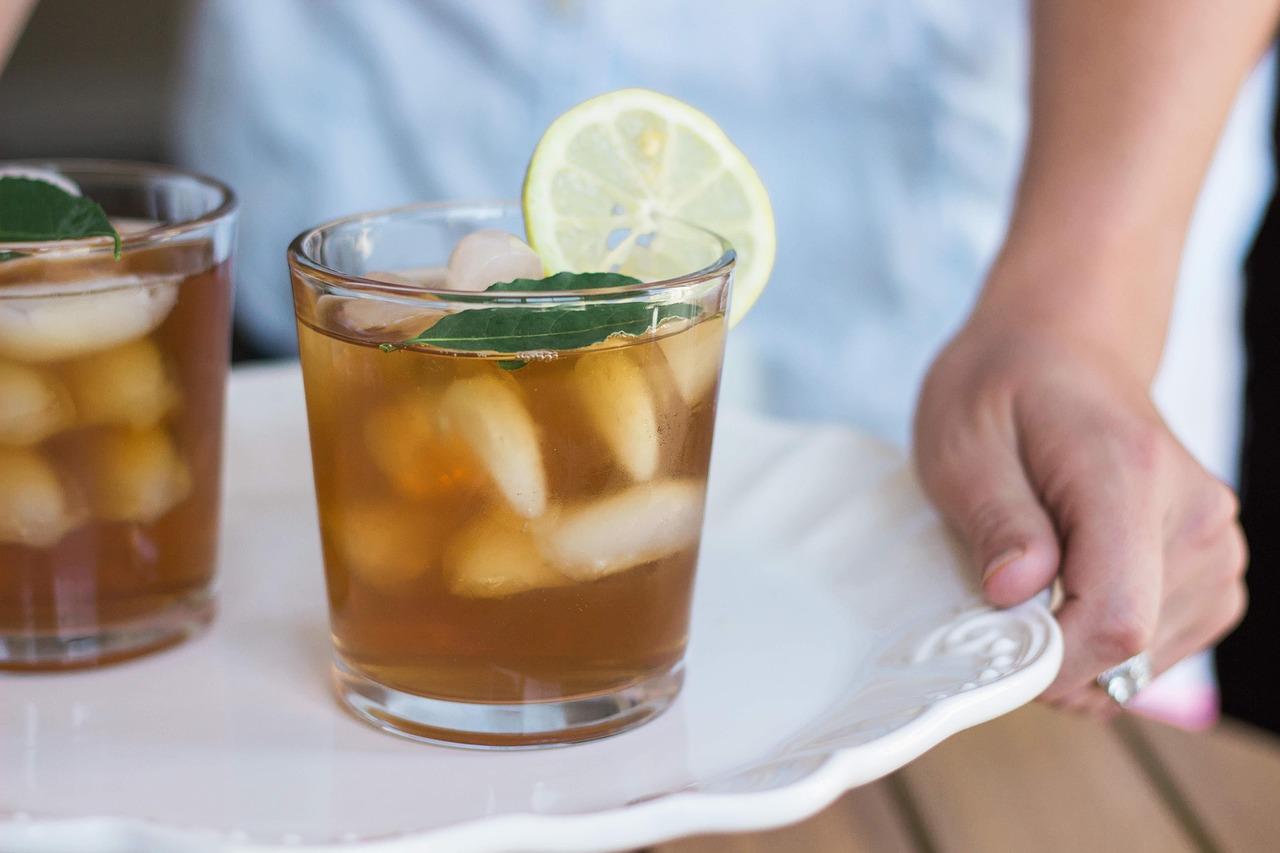
Southern sweet tea

Sweet tea is the house wine of the South, poured by the jug at every barbecue joint, meat-and-three and Sunday lunch from South Carolina to Texas. Strong black tea is sweetened while hot so the sugar dissolves completely, then cooled and poured over plenty of ice with lemon. A pinch of bicarbonate is an old trick that softens bitterness and keeps it clear. Chef's tip: let the tea cool to room temperature before chilling; putting it straight in the fridge hot makes it go cloudy.

by KrazyBadal 0 views

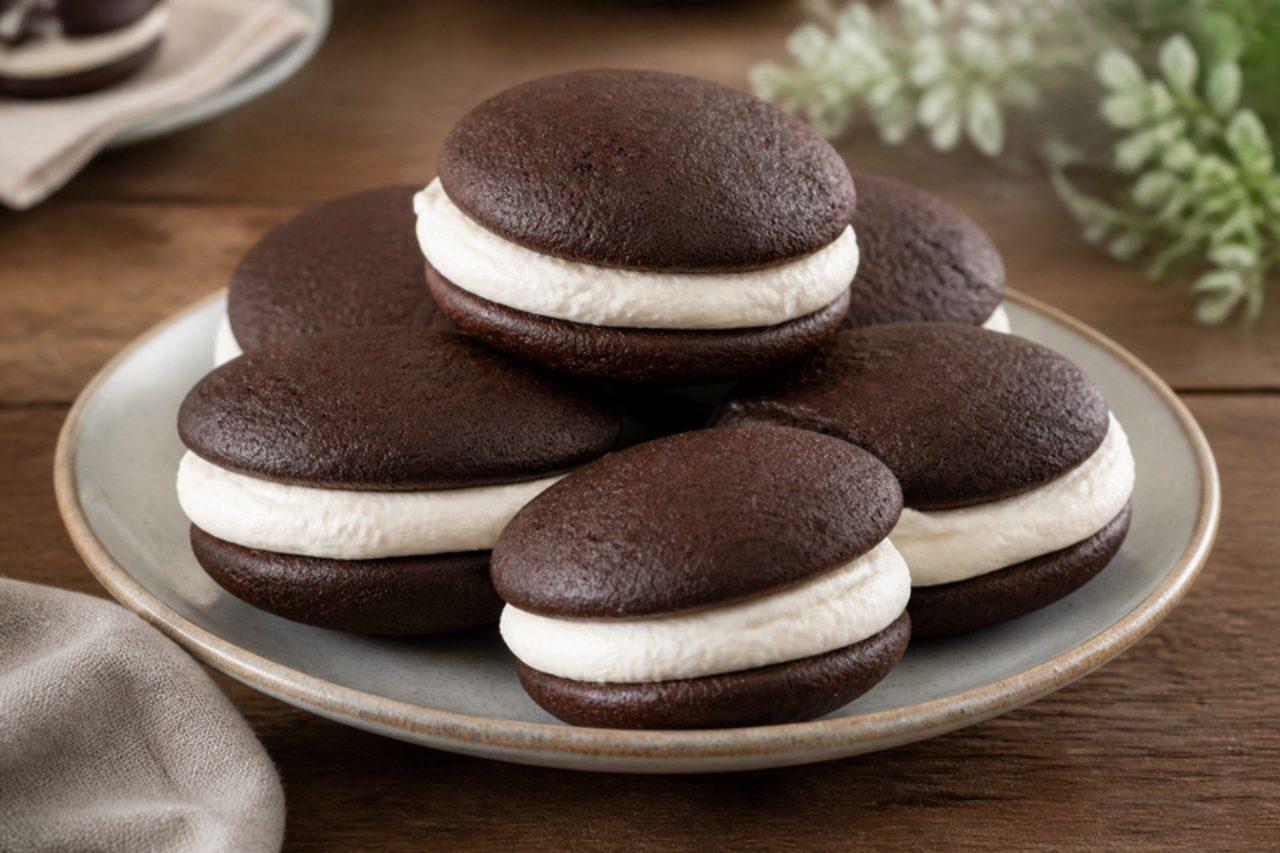
Whoopie pies

Whoopie pies are Maine's official state treat and a lunchbox favourite in Pennsylvania Dutch country too; you find them wrapped in cling film by the till at petrol stations and bake sales all over New England. Two domed, soft chocolate cakes hold a thick, fluffy white filling. This filling is a meringue buttercream, so there's no gelatine-based marshmallow. Chef's tip: pipe or scoop the batter in even mounds and leave room, as they spread to 8 cm.

by KrazyBadal 0 views

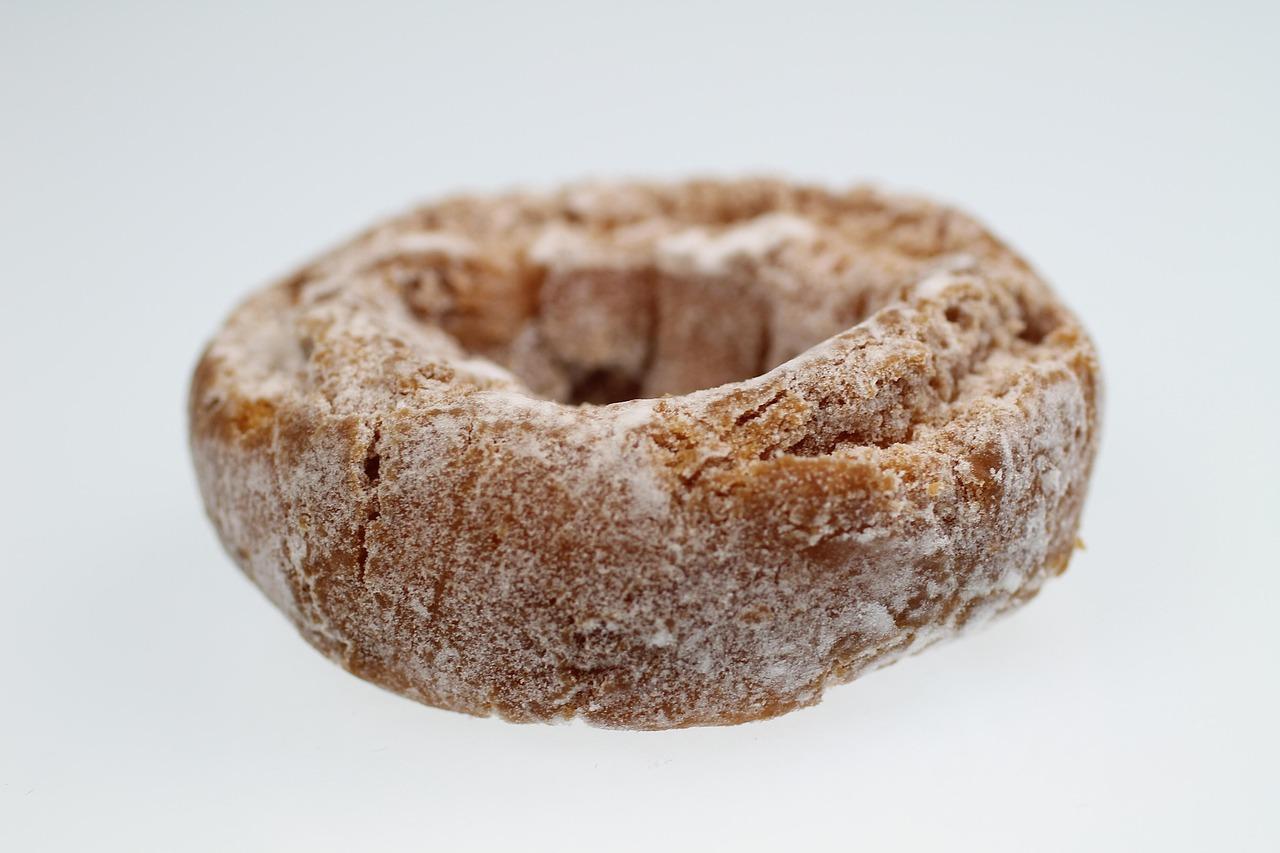
Apple cider doughnuts

On autumn weekends the orchards of Vermont, New Hampshire and the Hudson Valley fry cider doughnuts by the hundred for families who come to pick apples. Fresh, cloudy apple cider (unfiltered apple juice, not the alcoholic kind) is boiled down to a syrup so the tender cake doughnut tastes of apple, then rolled hot in cinnamon sugar. Chef's tip: keep the oil at 180 °C with a thermometer; cooler oil makes greasy doughnuts and hotter oil burns them before the middle cooks.

by KrazyBadal 0 views

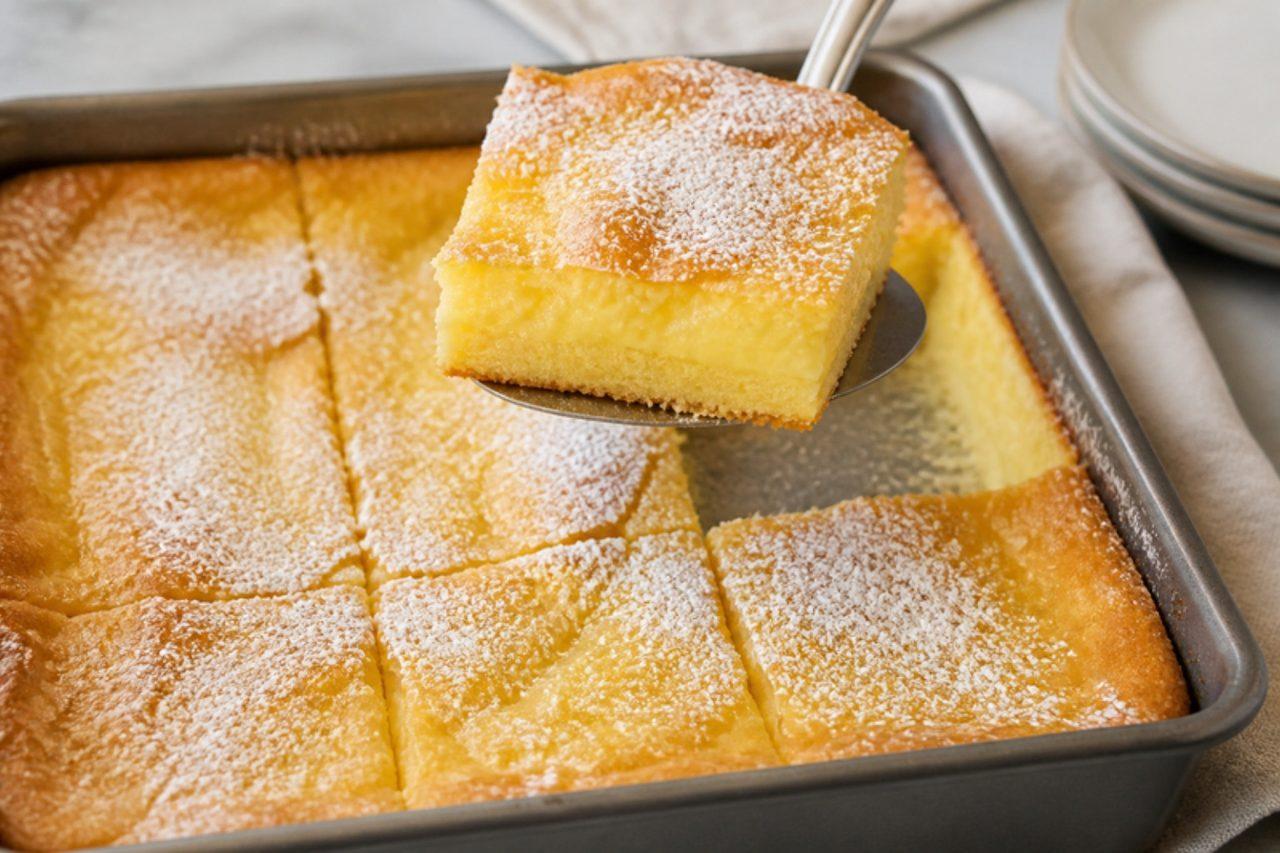
St. Louis gooey butter cake

Gooey butter cake is a St. Louis institution, sold in squares at south-side German bakeries and baked for church coffee hours and Christmas mornings. Legend says a baker in the 1930s got his proportions wrong and the mistake sold out. A thin, chewy yeast-free cake base is covered with a sweet cream cheese and butter layer that bakes into a crackly, shiny top over a gooey middle. Chef's tip: take it out while the centre still jiggles; the goo is the point, and an overbaked one is just a sweet sponge.

by KrazyBadal 0 views

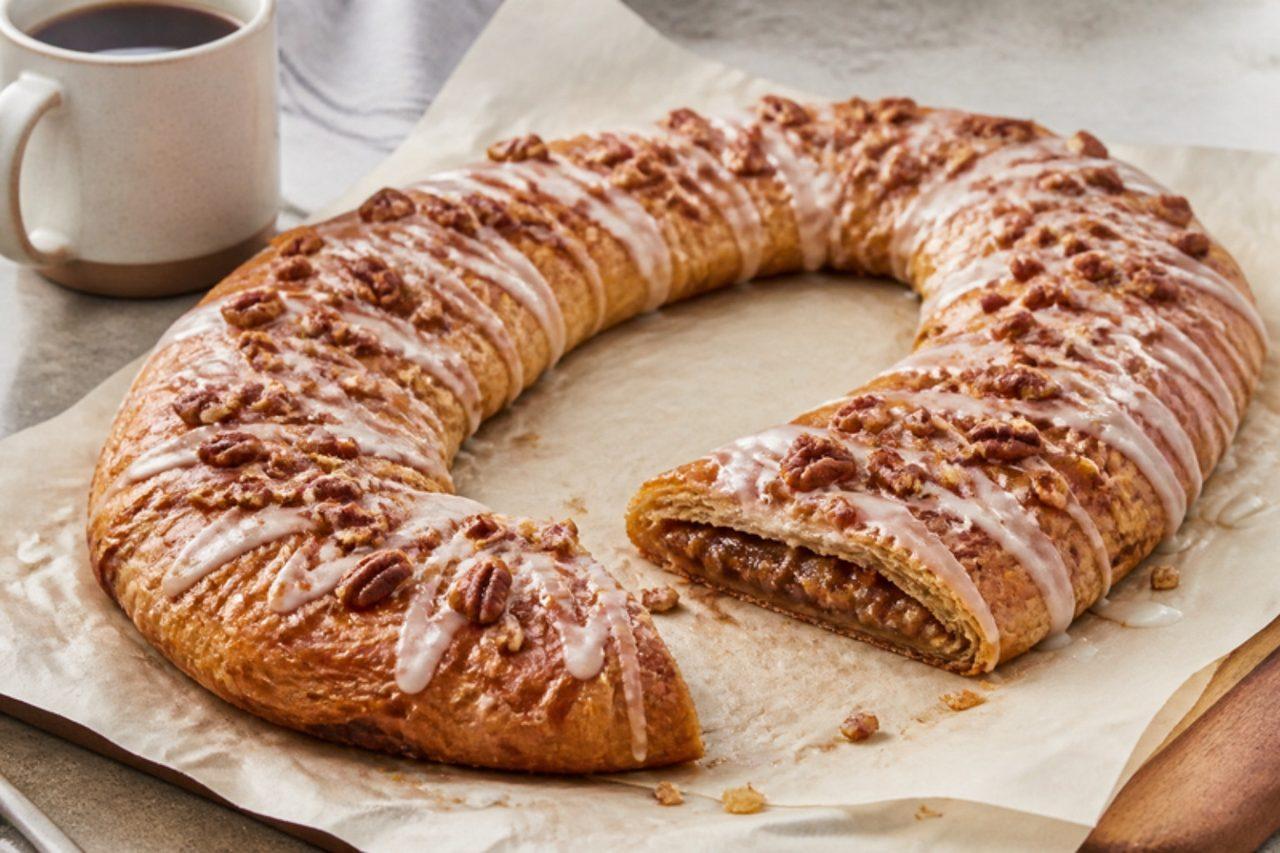
Wisconsin kringle

Kringle came to Racine, Wisconsin, with Danish bakers in the 1800s, and the town's bakeries still ship thousands of these flat oval pastry rings at Christmas. Thin layers of buttery laminated dough wrap a pecan and brown sugar filling, and the top is glazed with white icing. It is the official state pastry, eaten with coffee at breakfast. Chef's tip: keep the dough and butter cold at every fold; if the butter melts into the dough you lose the flaky layers.

by KrazyBadal 0 views

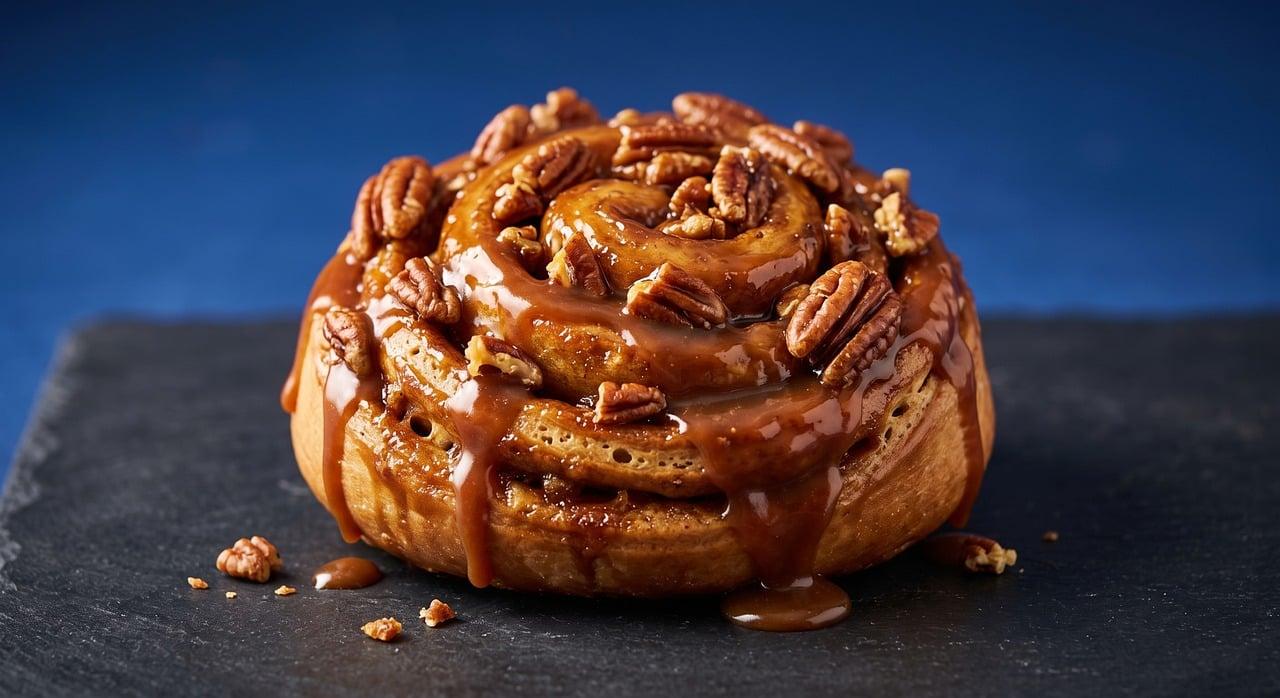
Philadelphia sticky buns

Philadelphia's sticky buns descend from the 'schnecken' of German bakers, and Reading Terminal Market still sells them warm by the tray, glistening with caramel and pecans. Soft rolls of cinnamon-raisin dough are baked on top of butter and brown sugar, then flipped so the hot caramel runs down over them. Chef's tip: turn them out within 5 minutes of leaving the oven; once the caramel cools it glues the buns to the tin.

by KrazyBadal 0 views

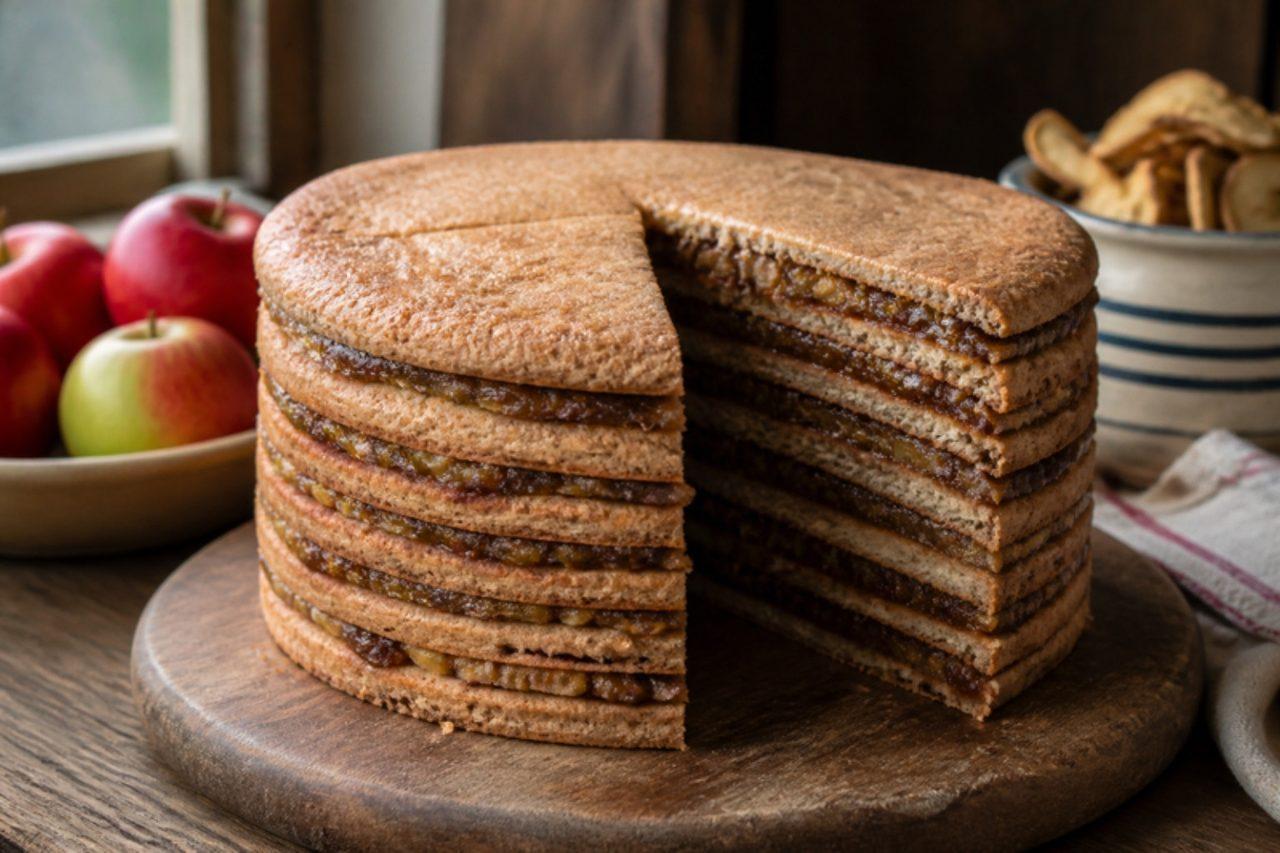
Appalachian apple stack cake

Apple stack cake is the old mountain wedding cake of eastern Kentucky and Tennessee: legend has it neighbours each brought a layer, and the bride's popularity was judged by the height. Six thin, biscuit-like layers flavoured with sorghum or molasses and ginger are stacked with a thick filling of cooked dried apples, then left for two days so the layers soften into a moist, spiced cake. Chef's tip: don't cut it the day you make it; the resting time is part of the recipe.

by KrazyBadal 0 views

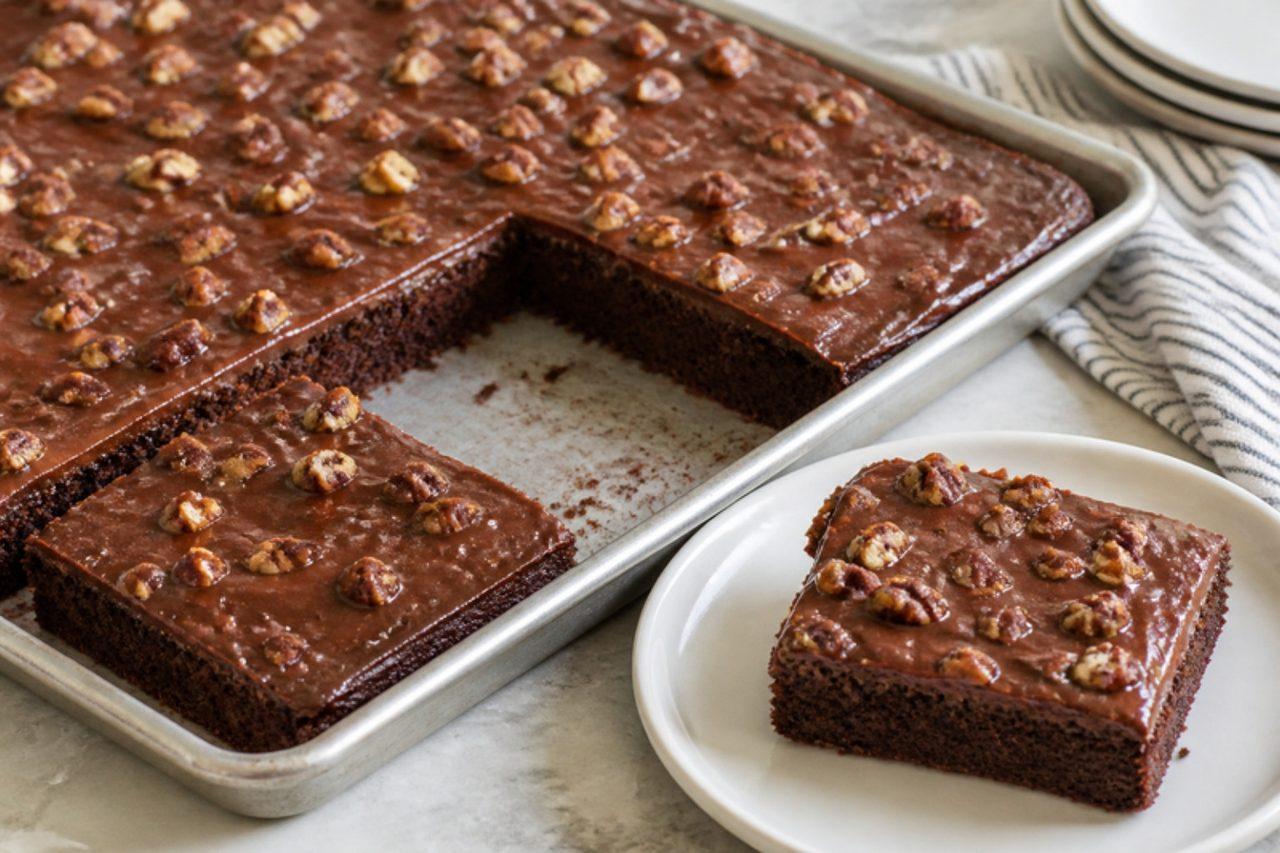
Texas sheet cake

Texas sheet cake is the big, thin chocolate cake that turns up at church potlucks, funerals and family reunions all over Texas, cut into squares straight from the tray. It is made with buttermilk and boiled cocoa butter, so it is moist and light, and the icing is poured over while the cake is still hot so it sets into a fudgy layer studded with pecans. Chef's tip: have the icing ready the moment the cake leaves the oven; warm cake plus warm icing is the whole secret.

by KrazyBadal 0 views

Rhode Island clam cakes

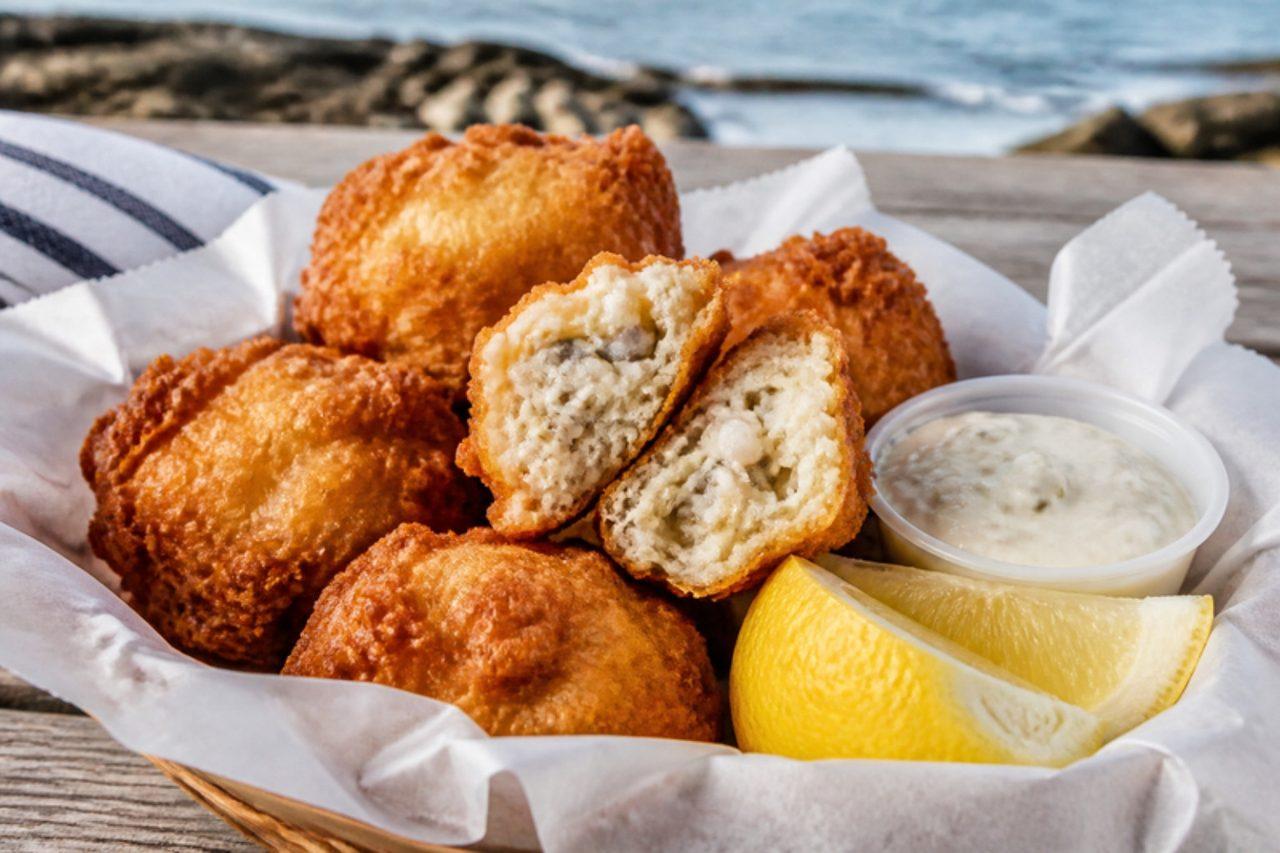
At beach shacks along Narragansett Bay and in Galilee, clam cakes are bought by the paper bag, half a dozen at a time, to dunk in a cup of clear clam chowder. They are not patties but craggy, golden fritters, crisp outside and soft inside, studded with chopped quahog clams. Chef's tip: use the clam juice as part of the liquid; it puts the sea flavour into every bite of batter.

by KrazyBadal 0 views

Showing 24 of 52 recipes

Show more recipes

Page 1 of 3