Skip to content
Recipes

All recipes

Vegetarian, or something you can't eat? Set your diet once and we'll hide recipes that don't fit.

TopfengolatschenSweet quark puff pastry squares

A Topfengolatsche is what Viennese office workers grab from the bakery on the way in, and what grandparents order with a Melange in a coffee house on a Sunday afternoon. The corners of a puff pastry square are folded over a lemony, vanilla-scented filling of Topfen (Austrian quark) with plump raisins, and the top gets a thin white glaze. It is flaky, light and not too sweet. Raisins are sometimes soaked in rum; warm water or orange juice works just as well, and the recipe below is alcohol-free. Wet quark is the classic problem, because it turns the filling runny and it leaks out in the oven. Chef's tip: hang the quark in a sieve lined with a clean cloth for an hour, or squeeze it, until it is as thick as soft cream cheese.

by KrazyBadal 0 views

Chinese walnut cookies

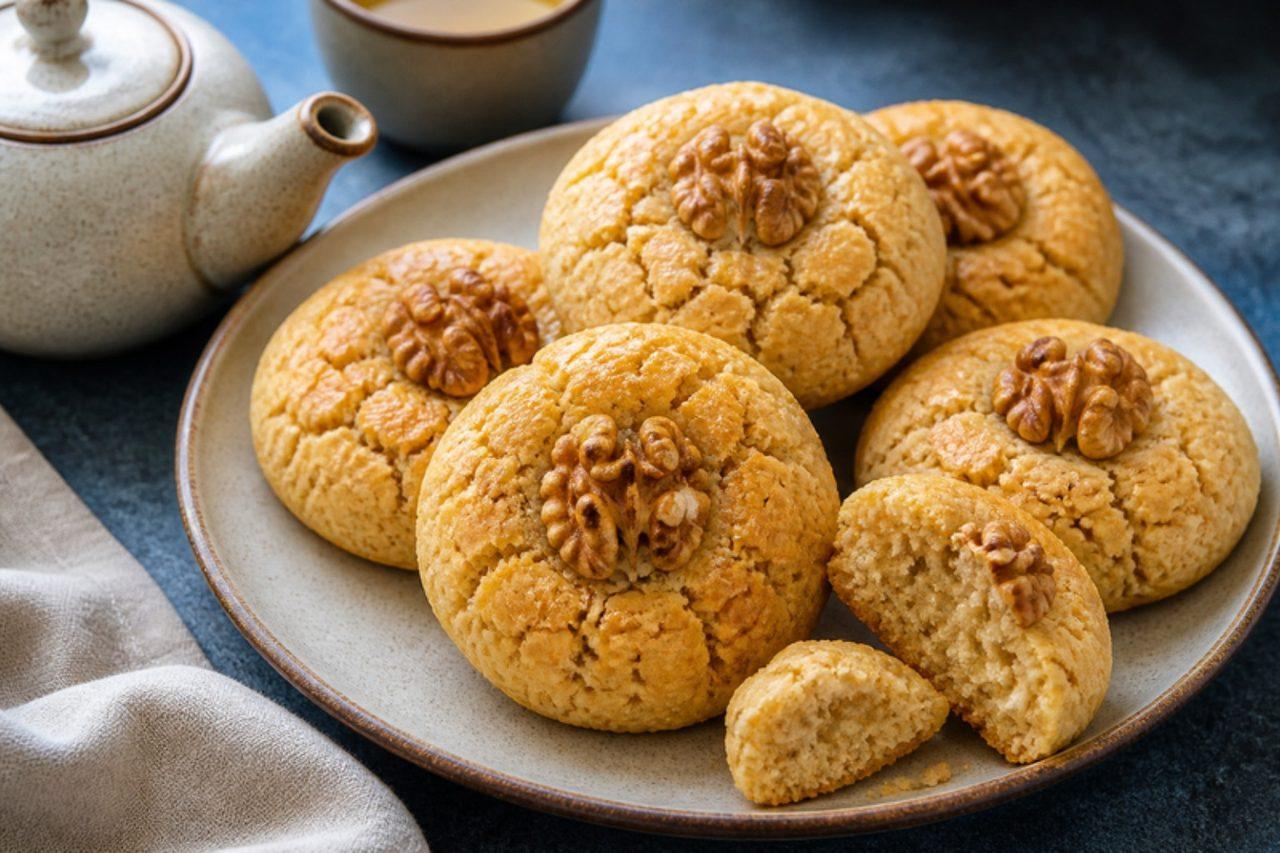
Hap toh sou are a fixture of Cantonese bakeries in Guangzhou and Hong Kong, sold loose by the catty or packed in red tins for Lunar New Year visits, when walnuts stand for family happiness. They are wide, crumbly and slightly sandy, with a cracked golden top crowned by a walnut half and a gentle sweetness that suits a pot of oolong or pu'er. Traditionally they are made with lard, which gives an extra-short crumble; this version uses vegetable shortening or neutral oil, so it is vegetarian. The top is brushed with beaten egg for shine; milk mixed with a little honey or golden syrup is an egg-free alternative. A common mistake is pressing the balls flat: leave them domed and they crack open naturally in the heat. Chef's tip: toast the walnuts before chopping; it deepens their flavour and keeps them crunchy inside the soft crumb.

by KrazyBadal 0 views

Qing jiao rou si (shredded pork with green pepper)

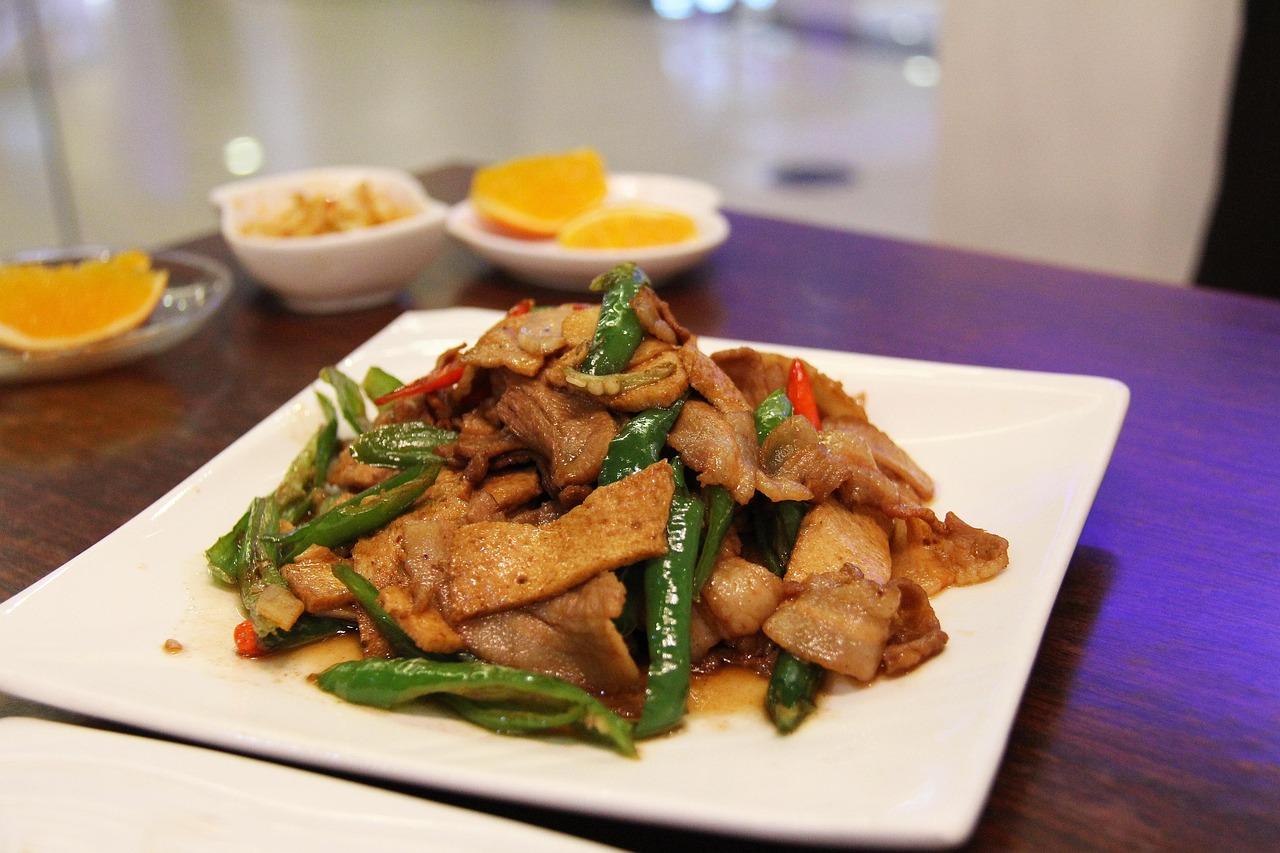
Qing jiao rou si is one of the first dishes a home cook in China learns, made in a few minutes from Sichuan to the north-east: thin strips of pork loin, velveted with a little cornflour, flashed in a hot wok with green pepper and garlic. This is a pork dish, and the marinade uses a splash of Shaoxing rice wine, which cooks off only partly; an alcohol-free swap is given below. The mistake most people make is cutting the pork too thick or overcrowding the wok, so the meat stews and toughens. Chef's tip: half-freeze the pork for 20 minutes before slicing and you can cut matchstick-thin strips easily.

by KrazyBadal 0 views

Algerian mkhabezIced almond and lemon diamonds

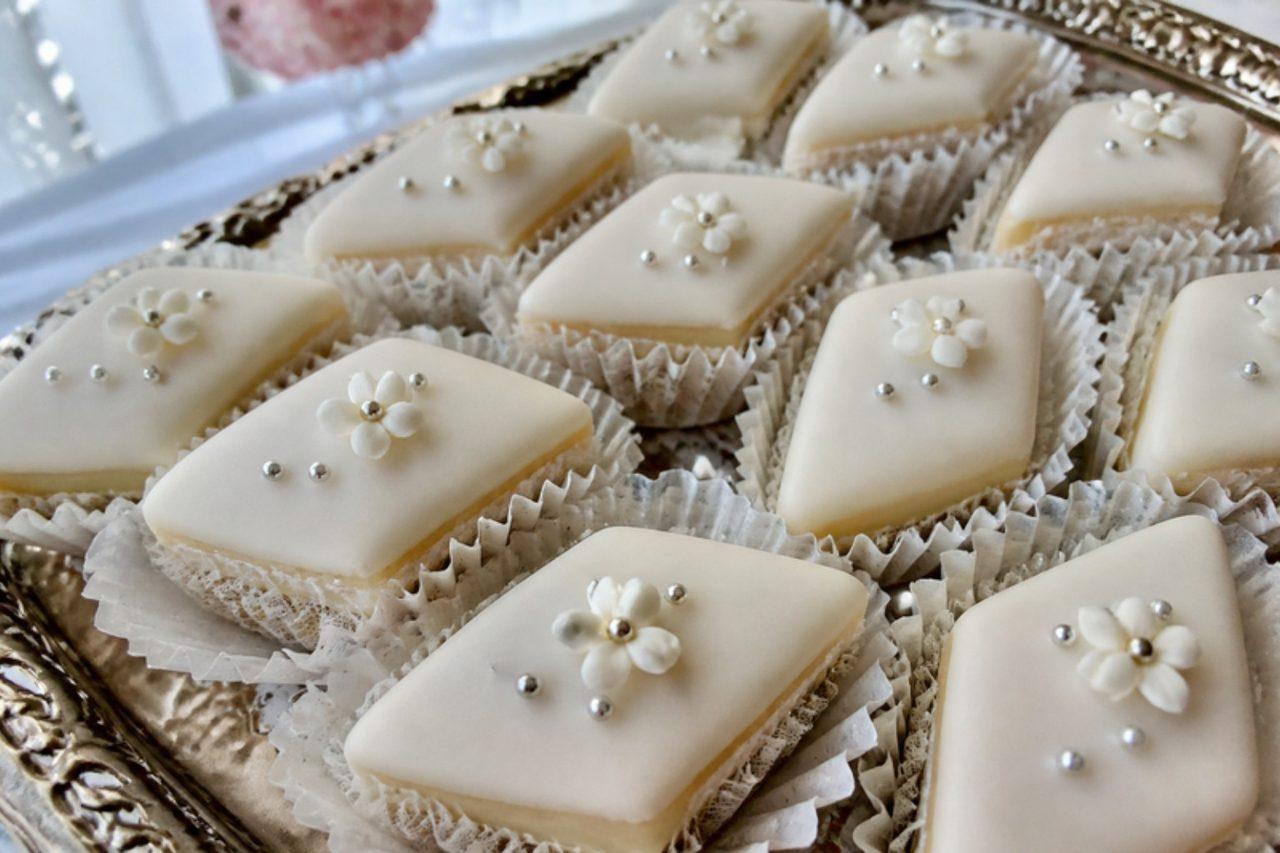
No Algerian wedding tray, and few Eid tables in Algiers or Constantine, is complete without mkhabez: soft, chewy diamonds of ground almond and lemon zest under a smooth white icing, each topped with a sugar flower or a silver ball and set in its own paper case. Making them is a social affair, with sisters and aunts icing and decorating hundreds the week before a celebration. The almond base is flourless and dairy free, sweet and lemony, and the icing sets to a thin shell; serve them with mint tea or strong coffee. Overbaking is the mistake to avoid: the diamonds should come out pale and soft, or they go dry and crumbly under the icing. Chef's tip: ice them when completely cold, and get the icing so thick it only just flows; runny icing slides off the sides and never sets glossy.

by KrazyBadal 0 views

Tcharek el arianeAlmond crescents with orange blossom

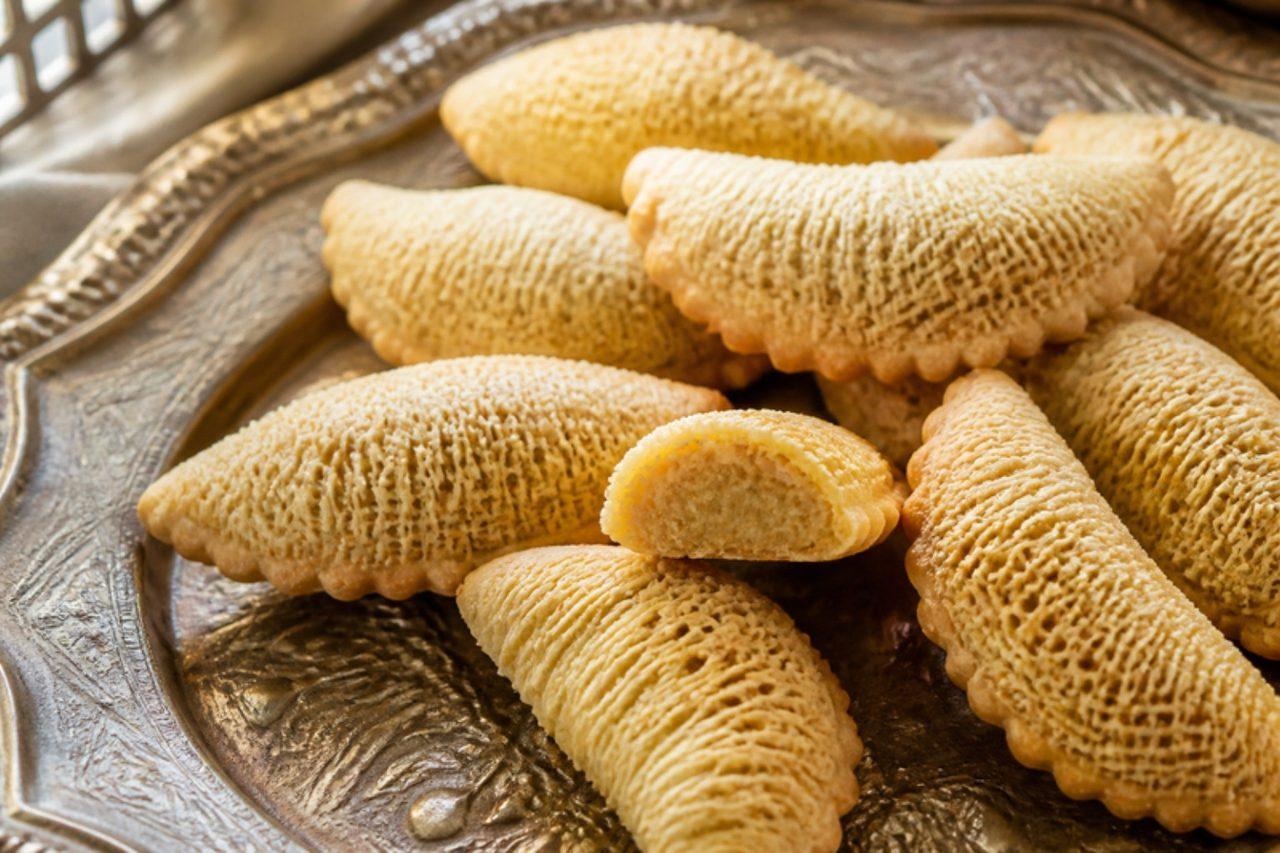
On the last nights of Ramadan, kitchens across Algiers and Constantine fill up with trays of tcharek el ariane, the 'naked' tcharek: crescents of thin, buttery dough wrapped around almond paste with cinnamon and orange-blossom water. Unlike their sugar-coated cousins they are left bare, so the fine dough with its pinched, lace-like pattern shows. Families give them to neighbours on Eid morning and set them out at weddings with mint tea and coffee. The dough is traditionally made with smen (aged butter); plain melted butter works well. Overbaking is the common slip, because they turn hard and dry; they should stay pale with only golden tips. Chef's tip: keep the dough under a damp cloth while you shape, as it dries in minutes and then cracks along the curve.

by KrazyBadal 0 views

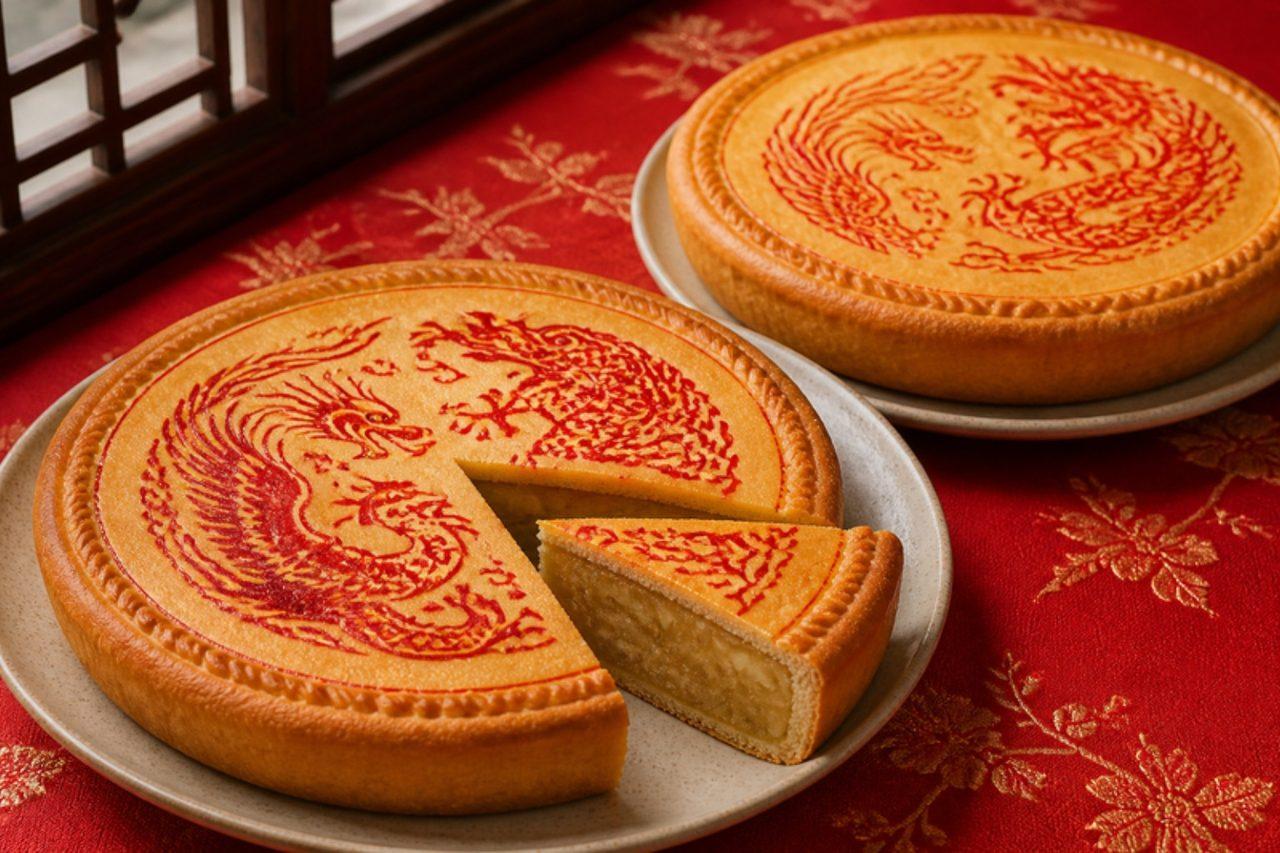
Dragon and phoenix cakesLotus seed paste wedding pastries

In Guangdong and among Cantonese families in Hong Kong and overseas, a groom's family sends boxes of 'lung fung beng', dragon and phoenix cakes, to the bride's relatives ahead of the wedding, and the cakes are shared out among guests as a token of the match. The dragon stands for the groom and the phoenix for the bride, and the cakes are stamped in red with the two creatures or the double-happiness character. Inside the many-layered, flaky crust is smooth, sweet lotus seed paste, sometimes with a salted duck egg yolk, served with tea. Older bakeries often use lard; this version uses butter and vegetable shortening, so it is vegetarian. Chef's tip: roll the laminated pastry lightly and evenly; uneven rolling is the common mistake that leaves thick patches of raw dough and torn, leaking sides.

by KrazyBadal 0 views

Pork floss bread rolls (rousong mianbao)

Every Chinese bakery, from Taipei to Guangzhou and the Chinese bakeries of Singapore, has a tray of pork floss buns, and they are a favourite thing for parents to buy at the school gate: pillowy milk bread with a sweet-savoury coat of mayonnaise and rousong, the dry, fluffy shredded pork. Children pick at the floss first. Home-baked, they make a weekend project and freeze well. They contain gluten (wheat), milk and egg. Chef's tip: let the buns cool completely before the mayonnaise goes on, or it melts and the floss turns soggy.

by KrazyBadal 0 views

Kärntner ReindlingCinnamon raisin yeast cake

Carinthia's Easter loaf takes its name from the Reindl, the round, deep pan it is baked in, and in southern Austria no Easter basket goes to church without one. Inside the golden yeast crust is a spiral of butter, cinnamon sugar and plump raisins, so every slice shows a dark swirl. Locals eat it two ways: sweet with coffee on Easter morning, or alongside the savoury Easter platter with horseradish. Many bakers soak the raisins in rum overnight; warm water or tea works just as well and keeps it alcohol-free. A dry, crumbly Reindling usually means too much flour went in during kneading, so keep the dough soft and only lightly floured. Chef's tip: butter the pan well and dust it with sugar, which caramelises into a thin crunchy shell.

by KrazyBadal 0 views

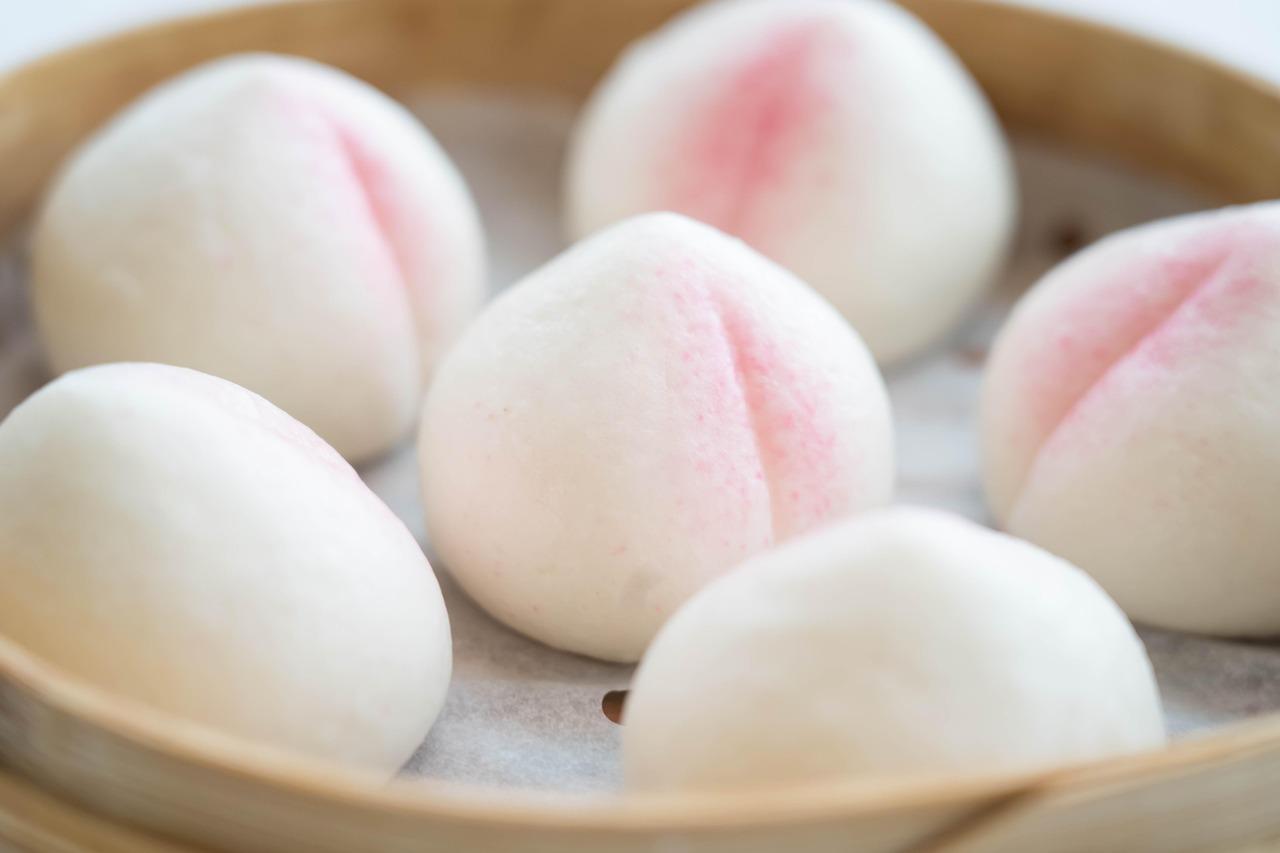
Shou tao bao (longevity peach buns)

In Chinese tradition the peach is the fruit of long life, so birthday tables, from a grandparent's 80th to a child's party, carry a plate of shou tao bao: fluffy white steamed buns pinched into a peach shape, blushed pink at the tip and filled with sweet lotus seed paste. Children love helping to shape the creases and add the pastry leaves. This version is made without milk. It contains gluten. Chef's tip: steam over a gentle, not roaring, boil and wait 5 minutes before lifting the lid, so the buns stay smooth and don't wrinkle.

by KrazyBadal 0 views

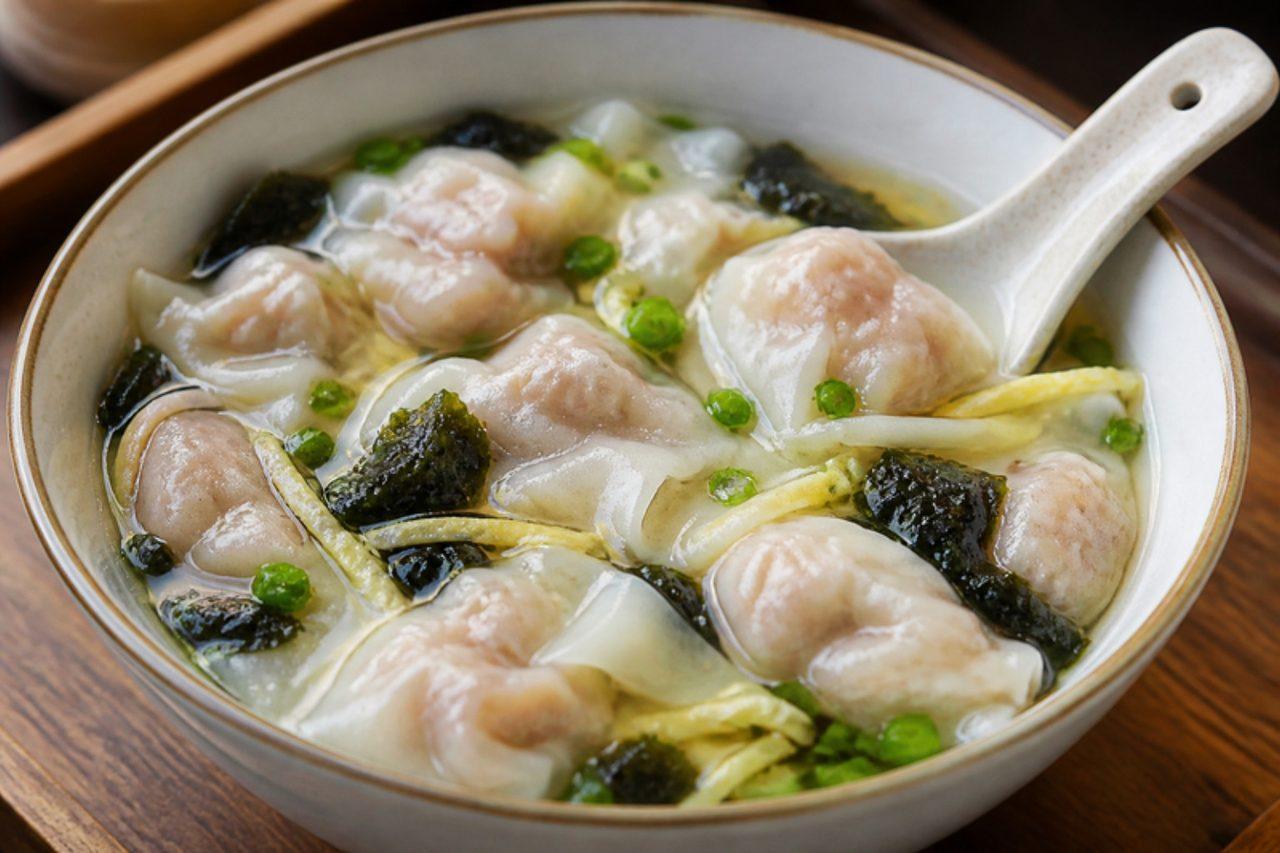
Xiao huntun (little wontons in broth)

Xiao huntun, 'little wontons' with wrappers so thin you can see the filling, are sold from breakfast stalls across Shanghai and the Jiangnan region, and their soft, slippery texture makes them a children's favourite for breakfast or supper. For toddlers from a year old the filling is seasoned with ginger and only a few drops of low-salt soy, and the broth is no-salt stock with laver and ribbons of omelette. It contains gluten (wheat wrappers), egg, soya and sesame. Chef's tip: use just half a teaspoon of filling per wrapper and scrunch it closed; that is how the little ones are made, and they cook in moments.

by KrazyBadal 0 views

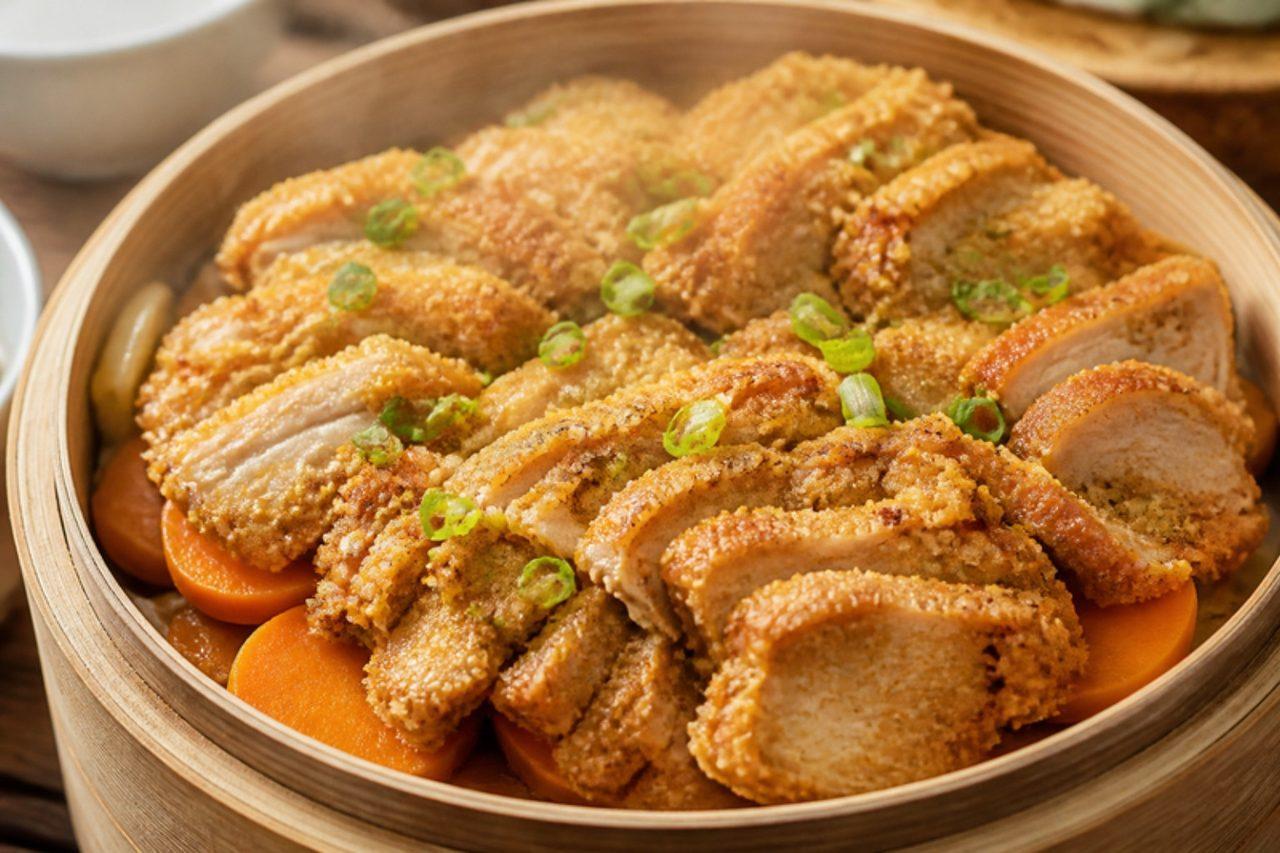
Fen zheng rouSteamed pork in rice powder

In Wuhan and Chengdu, fen zheng rou comes to the table in the small bamboo steamer it was cooked in, at banquets and at family dinners in autumn: thick slices of pork belly marinated with fermented bean paste, soy and spices, rolled in coarse rice powder toasted with star anise and Sichuan pepper, then steamed for an hour over sweet potato until the meat is meltingly tender and the rice coating soft and fragrant. This is a pork dish, and a rich one; it was in the healthy group only because it is steamed, not fried. A portion is about 420 kcal. Marinate in the fridge. The common mistake is grinding the rice too fine; it should be like coarse couscous, or it turns into paste. Chef's tip: toast the rice slowly until golden before grinding; that nutty, toasty smell is the whole flavour of the dish.

by KrazyBadal 0 views

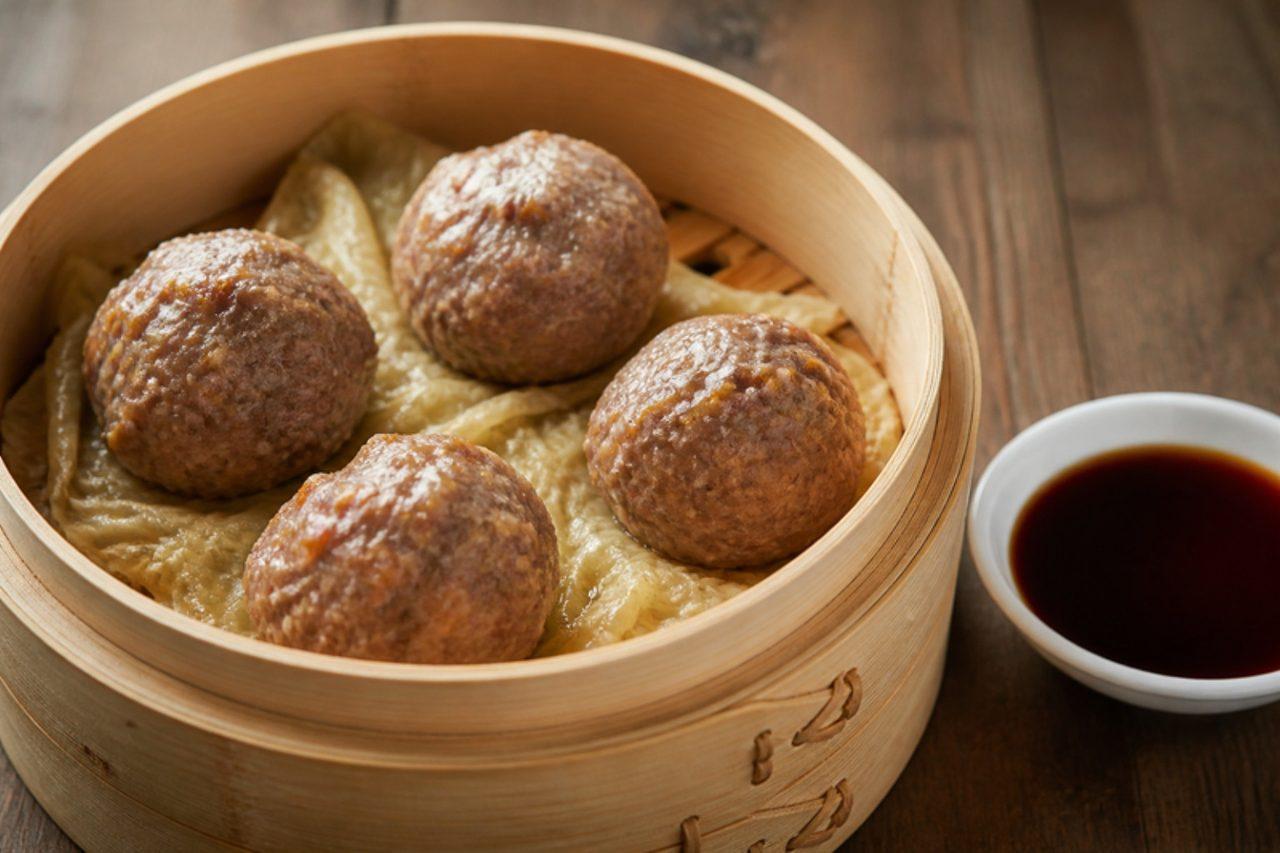
Steamed beef balls (ngau yuk kau)

These bouncy beef balls are a fixture of the morning dim sum in Guangzhou and Hong Kong, steamed in small bamboo baskets on a square of beancurd skin that soaks up the juices, and dipped in Worcestershire sauce, a Hong Kong habit. Dried tangerine peel and coriander give them their clean, fragrant taste, and beating the mince hard with a little bicarbonate of soda gives the springy texture. The mistake is mixing gently, like a burger; the meat has to be slapped and stirred until sticky. Steam until the centre reaches 71 °C. Chef's tip: chill the mixture for an hour before shaping; cold mince is far easier to roll and holds its spring.

by KrazyBadal 0 views

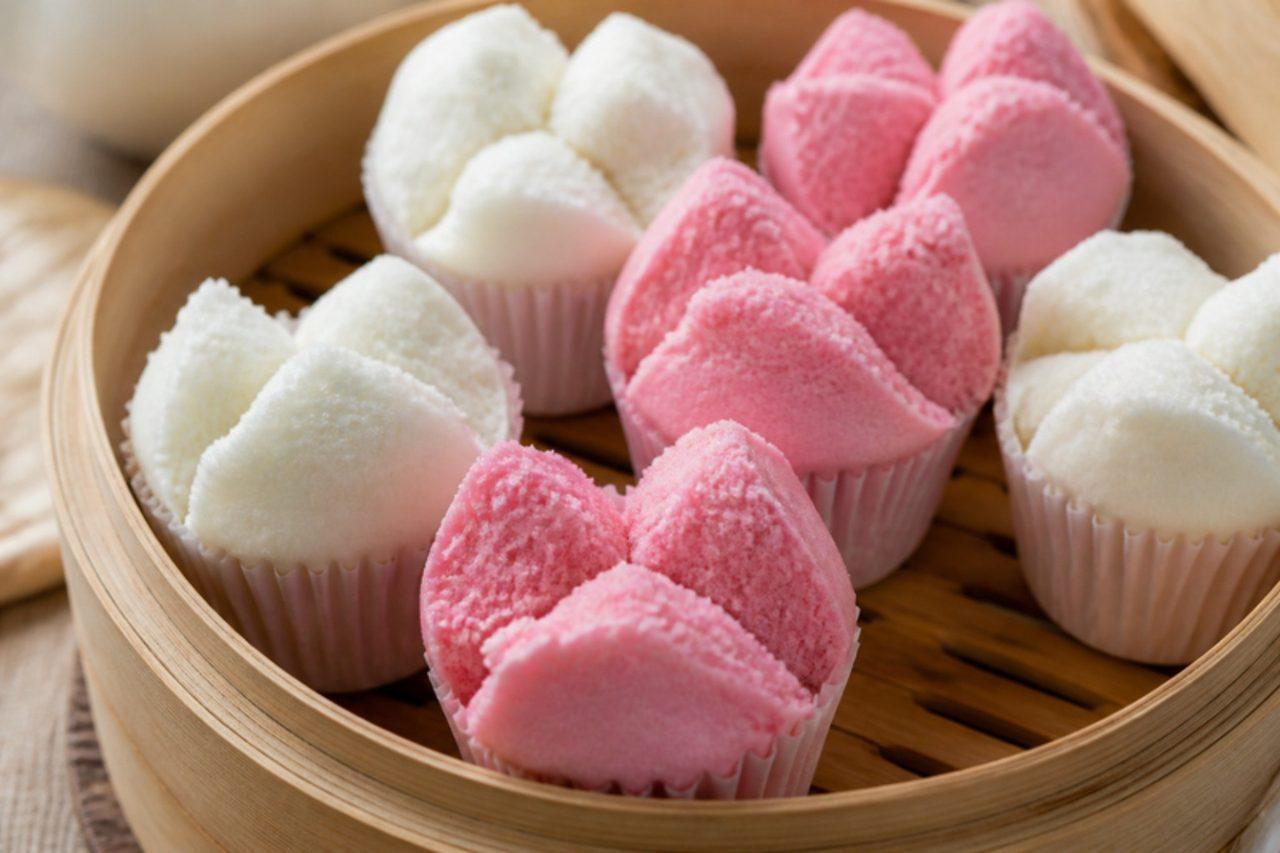
Fa gao (prosperity cakes)Steamed rice flour cakes

Fa gao is the little cake on every Cantonese New Year altar in Guangzhou and in Chinatowns from Kuala Lumpur to London: the word 'fa' means both 'rise' and 'prosper', and the deeper the cross-shaped crack on top, the luckier the year. This quick version uses rice flour, a little wheat flour and baking powder, steamed hard so the tops burst open, and it is egg- and dairy-free. The mistake that stops them smiling is a gentle steamer; the water must be at a fierce rolling boil before the cups go in. Chef's tip: fill the cups right to the brim, so the batter has to split as it rises.

by KrazyBadal 0 views

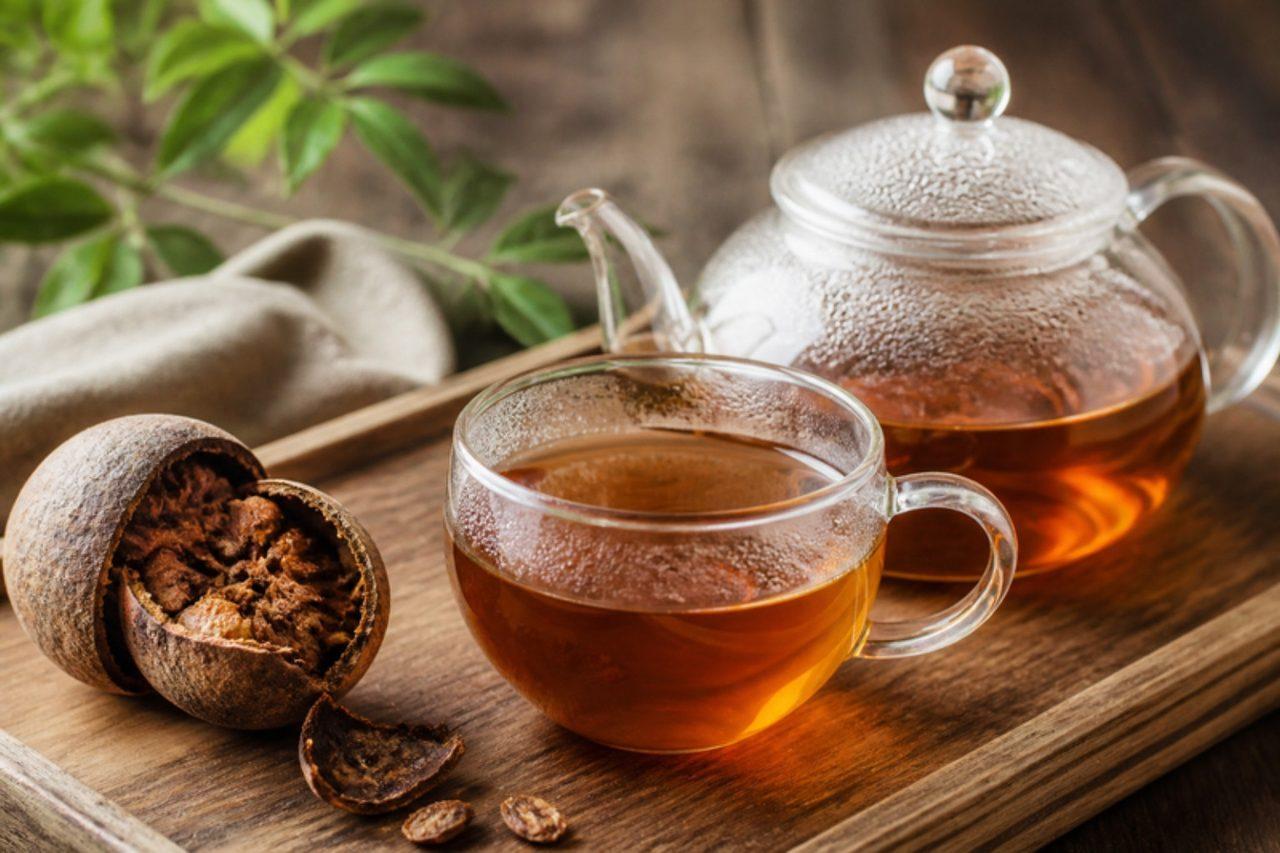
Luo han guo teaMonk fruit tea

The hills around Guilin in Guangxi grow luo han guo, a small round gourd that is dried until its shell turns brown and brittle. Cantonese and Guangxi households simmer one in water when someone has a scratchy throat or a dry cough, or simply in the heat of summer, and the result is a dark amber tea that tastes of caramel and dried fig with no sugar added at all. Drink it hot in winter or chilled in summer. The mistake most people make is using a whole fruit for a single cup, which is cloyingly sweet; one fruit is enough for a large pot. Chef's tip: crack the shell and tear the pulp into pieces, so the flavour comes out in 15 minutes instead of an hour.

by KrazyBadal 0 views

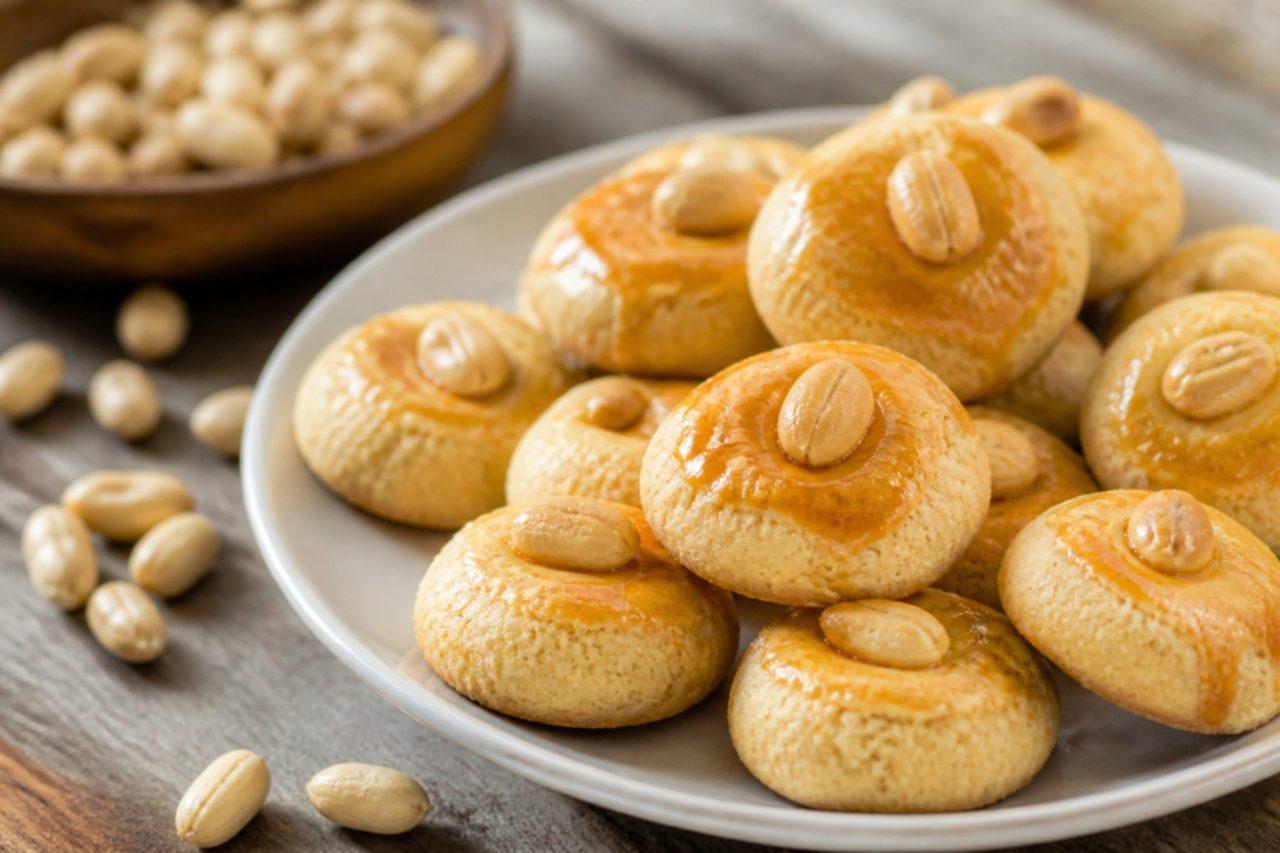
Peanut cookies (hua sheng bing)

Lift the lid on a Chinese New Year snack tray in Guangdong, Penang or Singapore and there will be these pale golden domes, so short they crumble the moment they touch your tongue. They are nothing but roasted peanuts ground fine, flour, icing sugar and oil, and this version skips the usual egg wash, so they are vegan. The mistake is over-grinding the peanuts into a paste, which makes the dough greasy and the cookies flat; stop while it is still a fine powder. Chef's tip: let them cool fully on the tray before moving them, because they are fragile until set.

by KrazyBadal 0 views

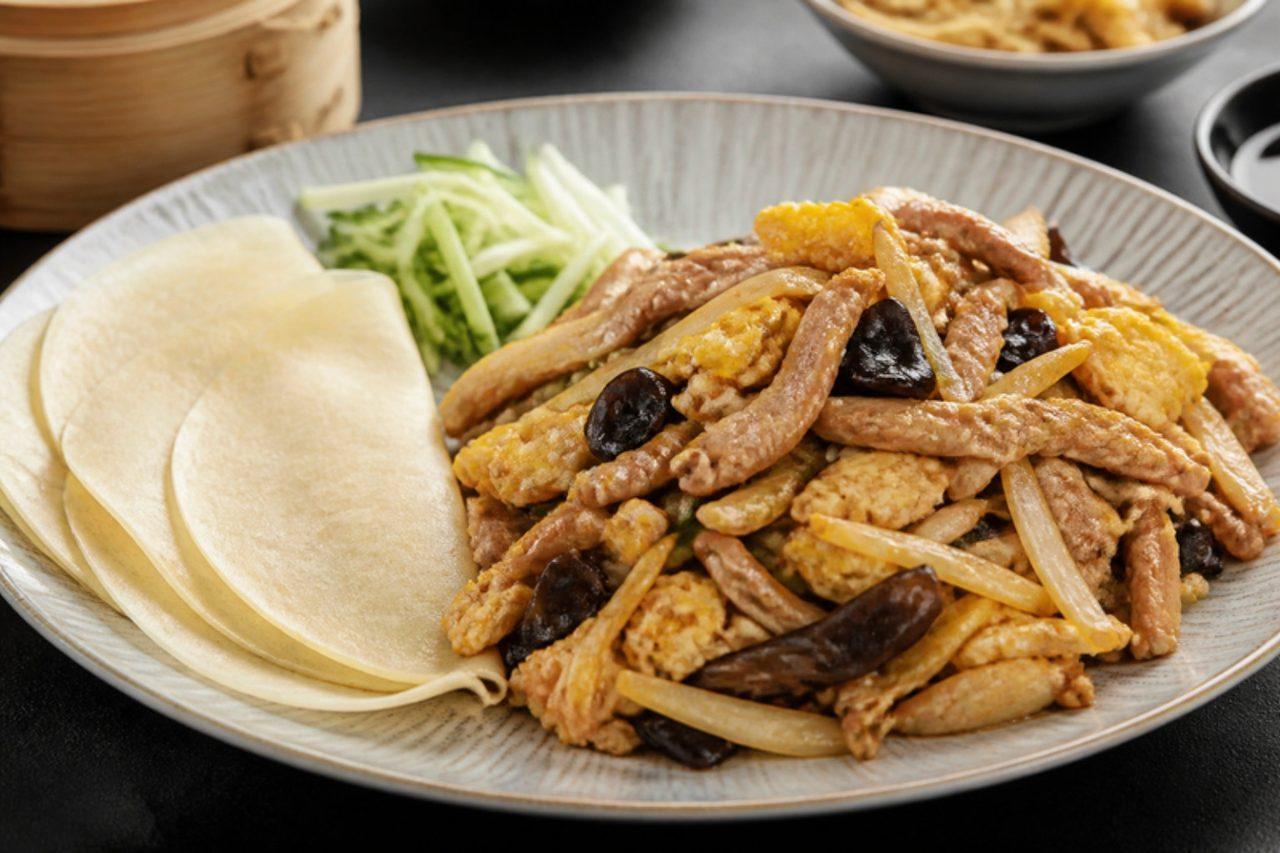
Moo shu pork (mu xu rou)

Mu xu rou began in Shandong and became a Beijing home-cooking staple, a weeknight stir-fry of thin pork strips with fluffy egg, crunchy wood ear and slightly sweet dried lily buds; the name refers to the yellow egg pieces looking like osmanthus blossom. In Beijing it is eaten with rice; Americans know it rolled in thin pancakes with hoisin, and both are good. A little Shaoxing rice wine goes into the pork marinade and evaporates in the hot wok; leave it out for an alcohol-free version. The mistake is overcooking the egg at the start, so it goes rubbery; take it out while still soft. Cook the pork until no pink remains, at least 71 °C. Chef's tip: cut off the hard tips of the lily buds after soaking, or they stay woody.

by KrazyBadal 0 views

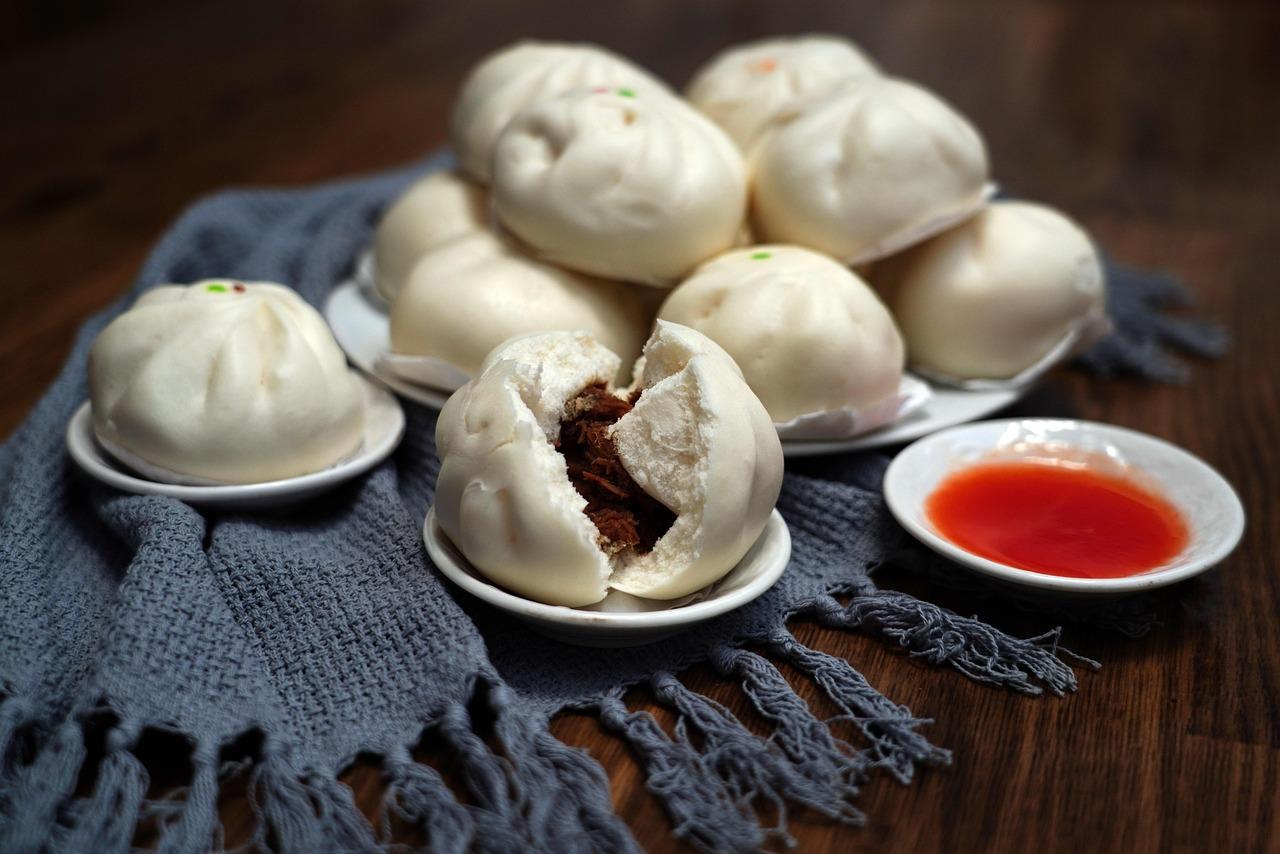
Char siu bao (barbecued pork buns)

Order dim sum anywhere from Guangzhou to San Francisco and a basket of three snowy char siu bao will arrive, each one split open at the top to show a glossy filling of sweet, smoky barbecued pork. This recipe makes the char siu too: pork shoulder marinated overnight in the fridge with hoisin, honey and five-spice, roasted to at least 63 °C and rested, then diced into a thick oyster-sauce gravy. The dough uses both yeast and baking powder, which is what makes the buns burst. The mistake is a wet, runny filling: it must be thick enough to hold its shape when cold. Chef's tip: steam on the highest heat and never lift the lid early, or the buns will stay closed.

120 minChineseMeat
by KrazyBadal 0 views

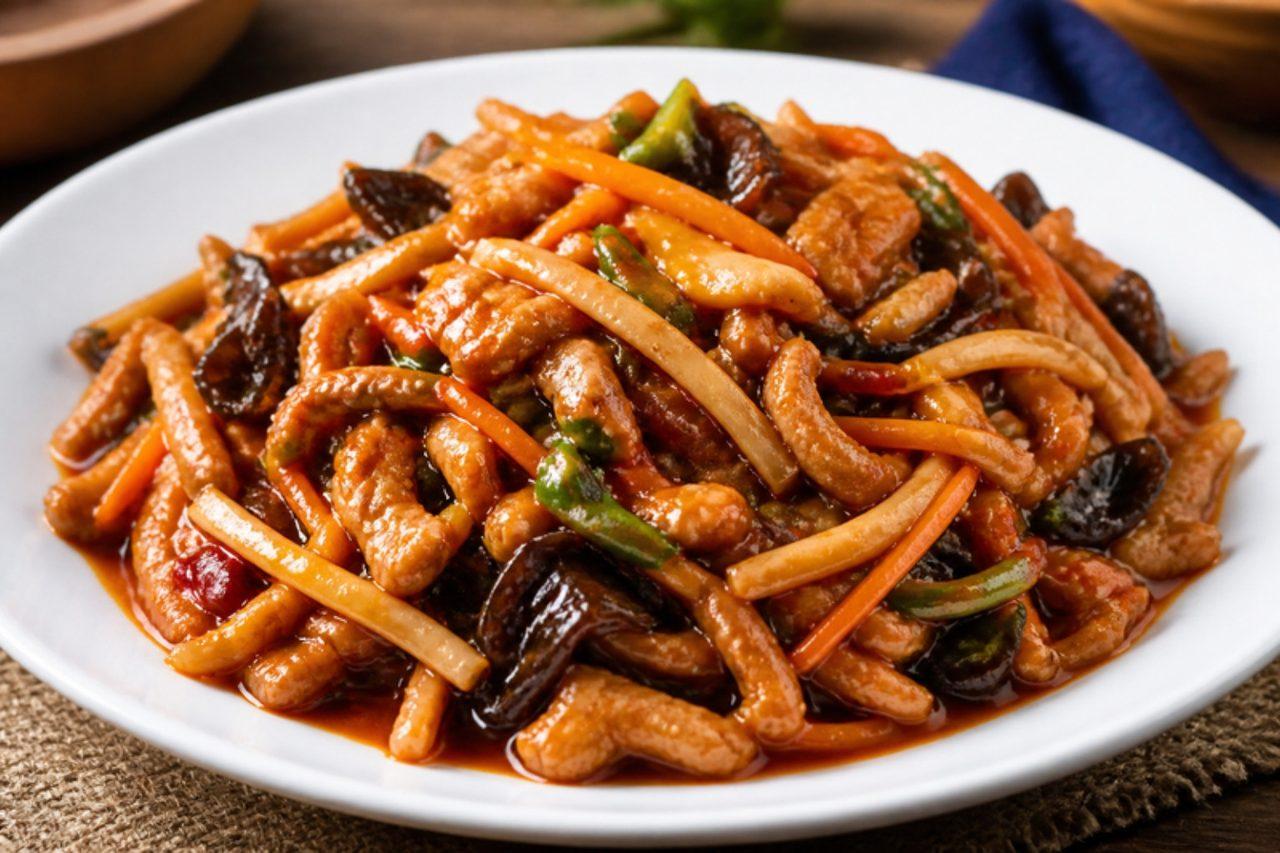
Yu xiang rou si (fish-fragrant pork)

Every Chengdu canteen and family kitchen has this dish of shredded pork in 'fish-fragrant' sauce, which contains no fish at all: the name comes from the pickled chillies, garlic, ginger and spring onion once used to cook carp. The pork strips are coated in egg white and cornflour so they stay silky, then tossed with wood ear and bamboo in a glossy sauce that is sweet, sour and gently hot at once. Rice is a must. The common mistake is adding the sauce too early, which stews the pork; have it mixed in a bowl and pour it in at the very end. Cook the pork strips until no pink remains, at least 71 °C. Chef's tip: cut the pork along the grain into matchsticks so they don't break up in the wok.

by KrazyBadal 0 views

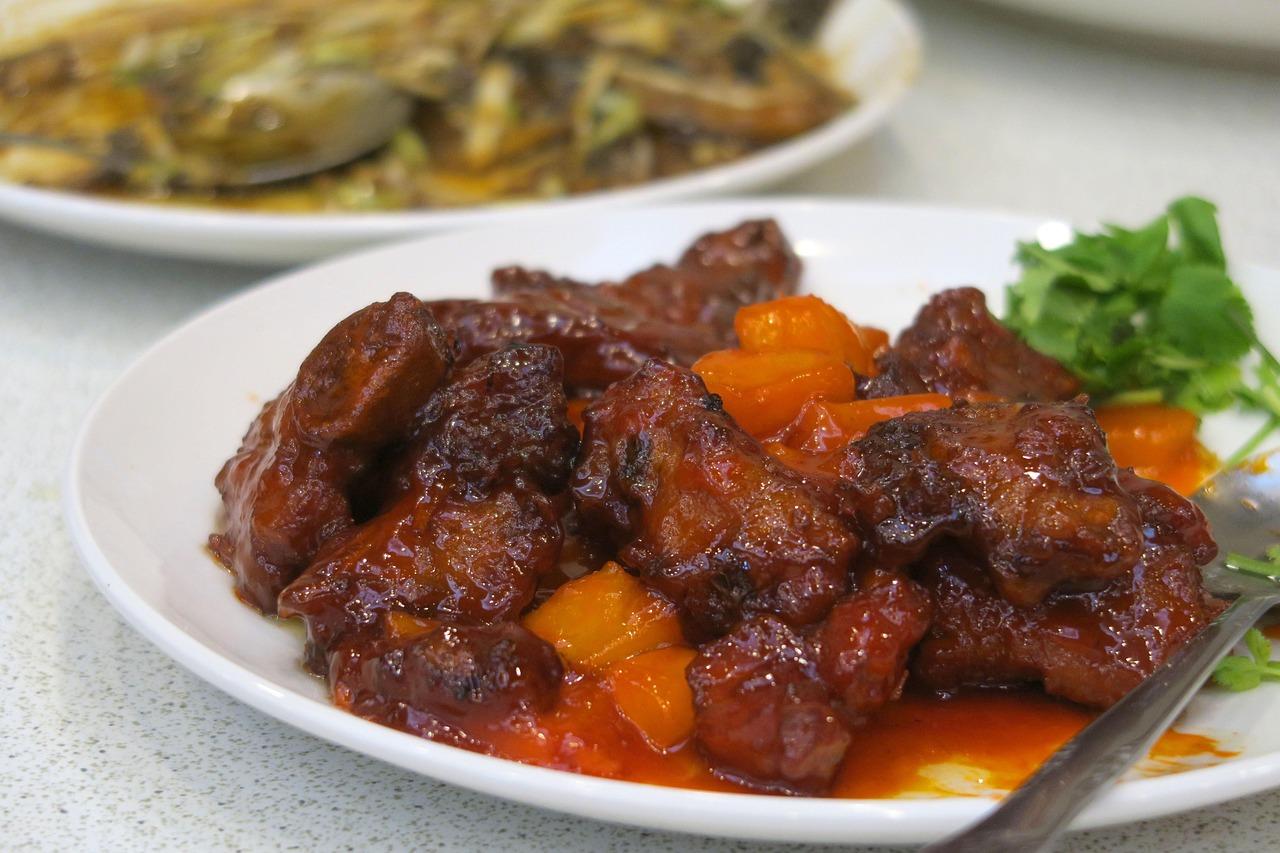
Tang cu pai gu (sweet and sour pork ribs)

In Shanghai and nearby Wuxi, these small, dark, lacquered pork ribs come to the table at room temperature as one of the cold starters at a banquet, though at home they are just as good hot with rice. The pork ribs are simmered until tender, fried, then reduced with sugar and Chinkiang black vinegar into a sticky glaze that clings to every piece. A splash of Shaoxing rice wine goes into the simmer; it cooks off completely, and you can use water instead. The mistake is pulling them off the heat while the sauce is still thin; keep reducing until it coats the ribs and bubbles in big, slow bubbles. Pork should reach at least 71 °C, well past that after the long simmer. Chef's tip: add a final dash of vinegar just before serving to bring back its sharp, fresh edge.

by KrazyBadal 0 views

Dousha bao (red bean buns)

All over China, from Beijing breakfast stalls to Shanghai school bags, dousha bao are the sweet buns people grab in the morning and tuck into a lunch box for later: fluffy white yeasted dough wrapped around smooth red bean paste and steamed until springy. They freeze beautifully, so families make a big batch on Sunday. The mistake is opening the steamer lid as soon as the timer goes; the sudden cold makes the buns wrinkle and collapse. Turn off the heat and wait five minutes before lifting the lid. Chef's tip: chill the bean paste and roll it into balls before wrapping; a firm filling is much easier to seal neatly.

by KrazyBadal 0 views

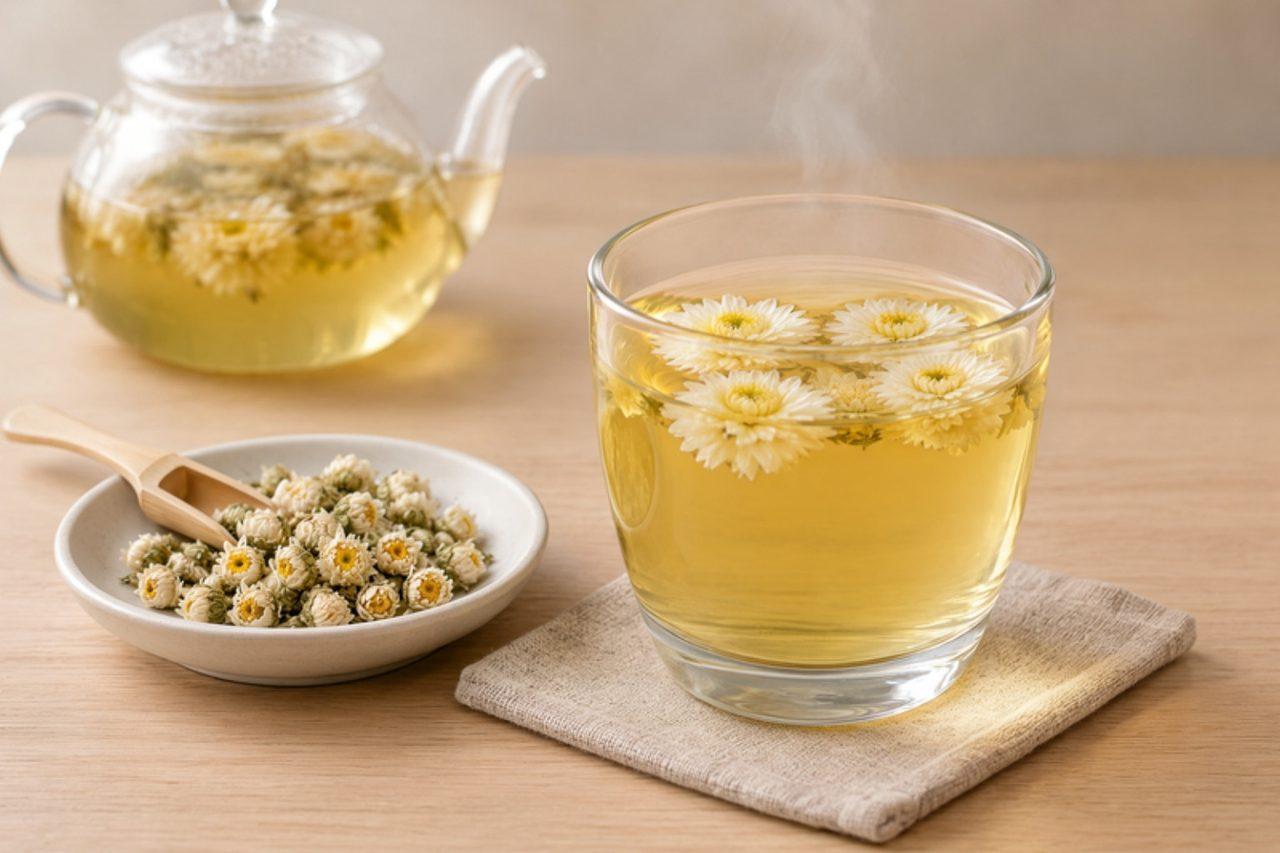
Juhua cha (chrysanthemum tea)

The small white hangbaiju flowers grown around Tongxiang, near Hangzhou, are picked in November, steamed and dried, and they end up in teapots all over China. Families brew them after a rich dinner, through the dry autumn, and iced in summer; dim sum houses in the south offer them as a caffeine-free choice, often mixed with pu-erh. The tea is pale gold, lightly floral with a faint bitterness like chamomile, softened by a little rock sugar and a few goji berries that turn plump and red in the pot. The common mistake is pouring boiling water straight onto the flowers and leaving them for twenty minutes; the tea turns brownish and bitter. Water just off the boil, around 90 °C, and a short steep keep it clear and sweet. It is ready when the flowers have opened like little daisies, the colour is light amber and the smell is honey-like. You can top up the pot two or three times. If you are allergic to ragweed, daisies or marigolds, try a small cup first or skip it, as chrysanthemum belongs to the same family. Chef's tip: for iced juhua cha, brew it double strength and pour it straight over a glass full of ice so it does not taste watery.

by KrazyBadal 0 views

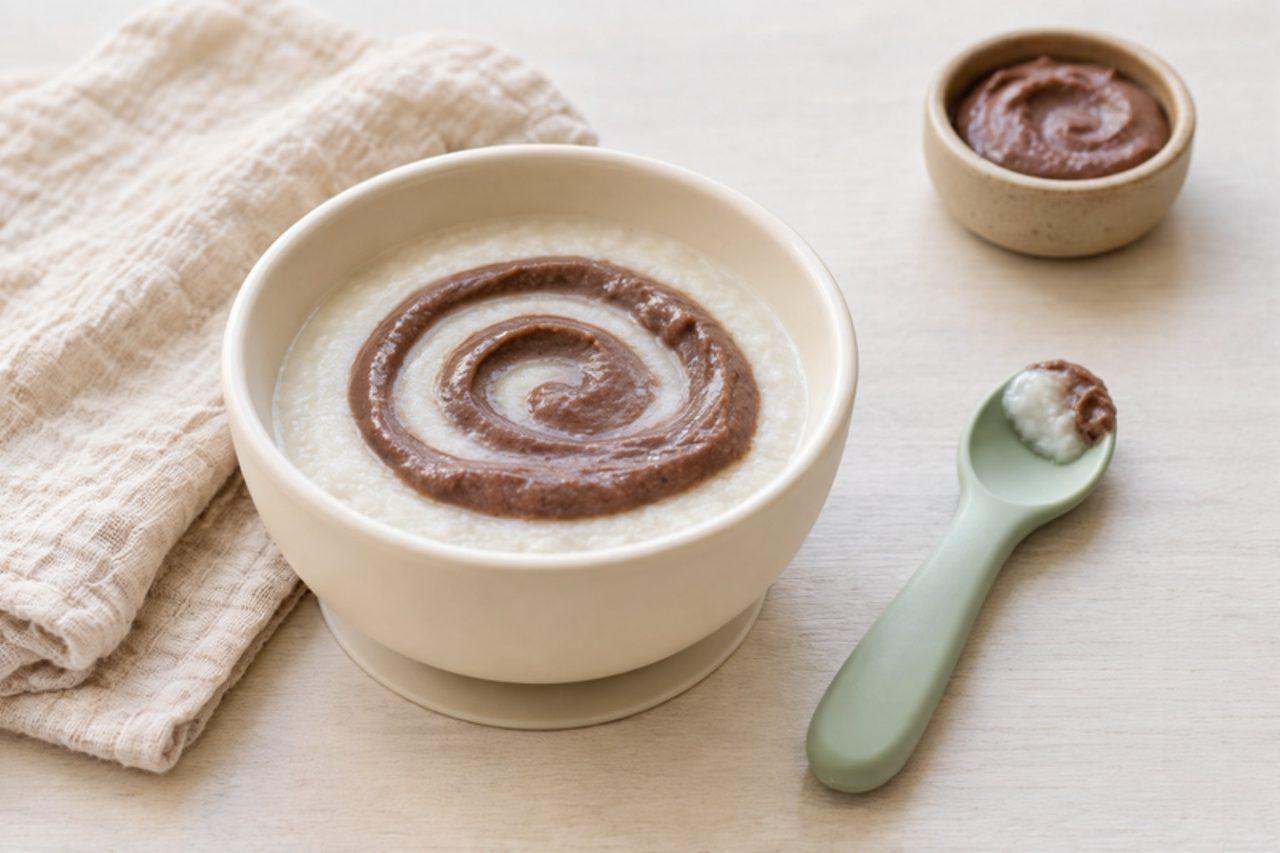
Zhū gān ní (pork liver purée)

Zhū gān ní, a smooth purée of pork liver, is the iron food Chinese grandmothers swear by, and wet markets from Chengdu to Shanghai sell small pieces of very fresh pork liver for exactly this. The liver is soaked to draw out the blood, steamed with a slice of ginger until cooked right through, then blended and stirred into rice porridge, where it gives a mild, savoury, slightly sweet taste. Liver is very rich in vitamin A, so babies should have it only in small amounts, no more than once a week. No salt, soy sauce, sugar or honey for babies. It is free of the major allergens. Chef's tip: buy the freshest liver you can find, glossy and deep red-brown, and freeze the purée in cubes so one portion is always ready.

by KrazyBadal 0 views

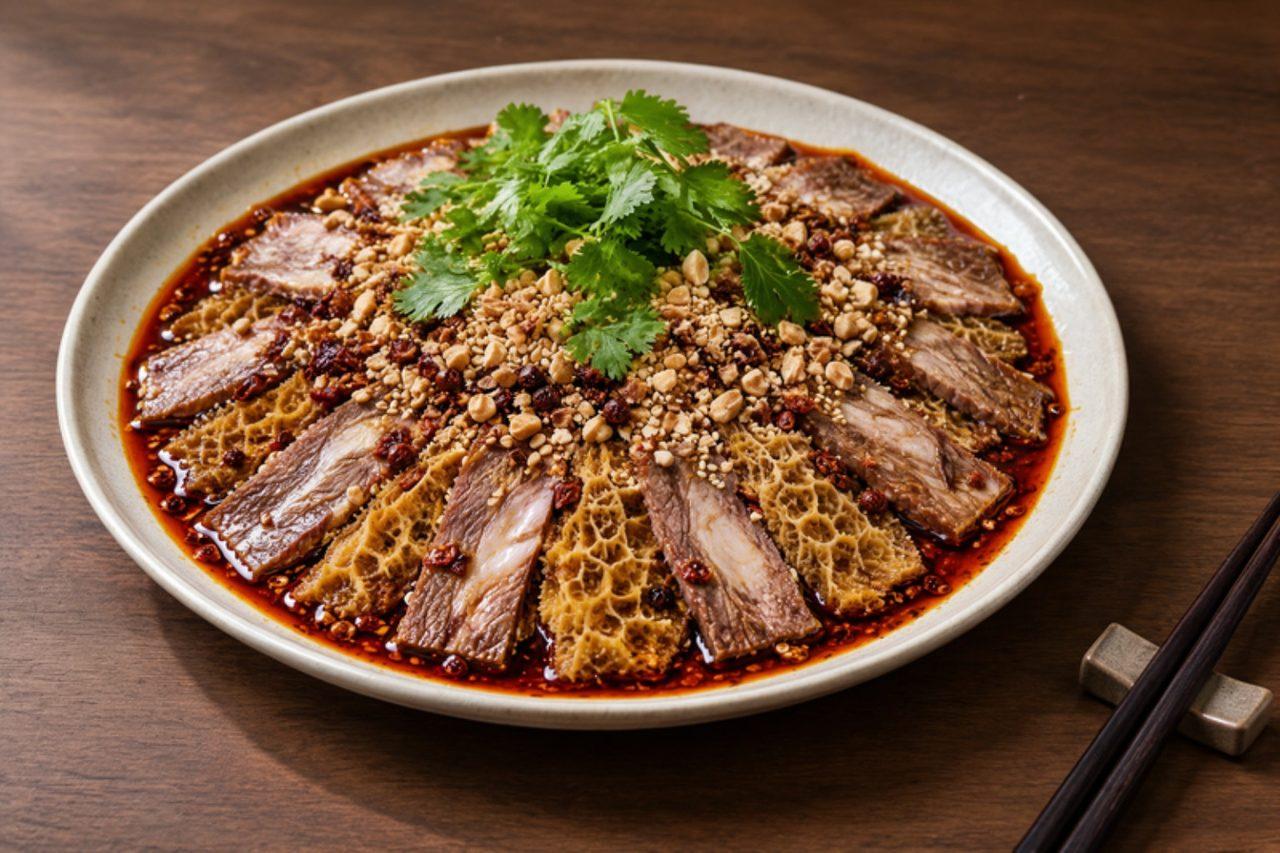
Fu qi fei pianCold beef and tripe

Fu qi fei pian, "husband-and-wife lung slices", takes its name from a couple who sold it from a shoulder-pole stall in 1930s Chengdu; today's version uses no lung, just beef shin and tripe. It is a cold dish, kept in big trays in the old snack restaurants around Chunxi Road and eaten at lunch or as a starter: paper-thin slices glossy with red chilli oil and numbing Sichuan pepper, with crushed peanuts and celery for crunch. It contains peanuts, sesame and soya. Chef's tip: slice the meat only when completely cold, and as thinly as you can; that is what lets the dressing coat every piece.

180 minChineseMeatSpicy
by KrazyBadal 0 views

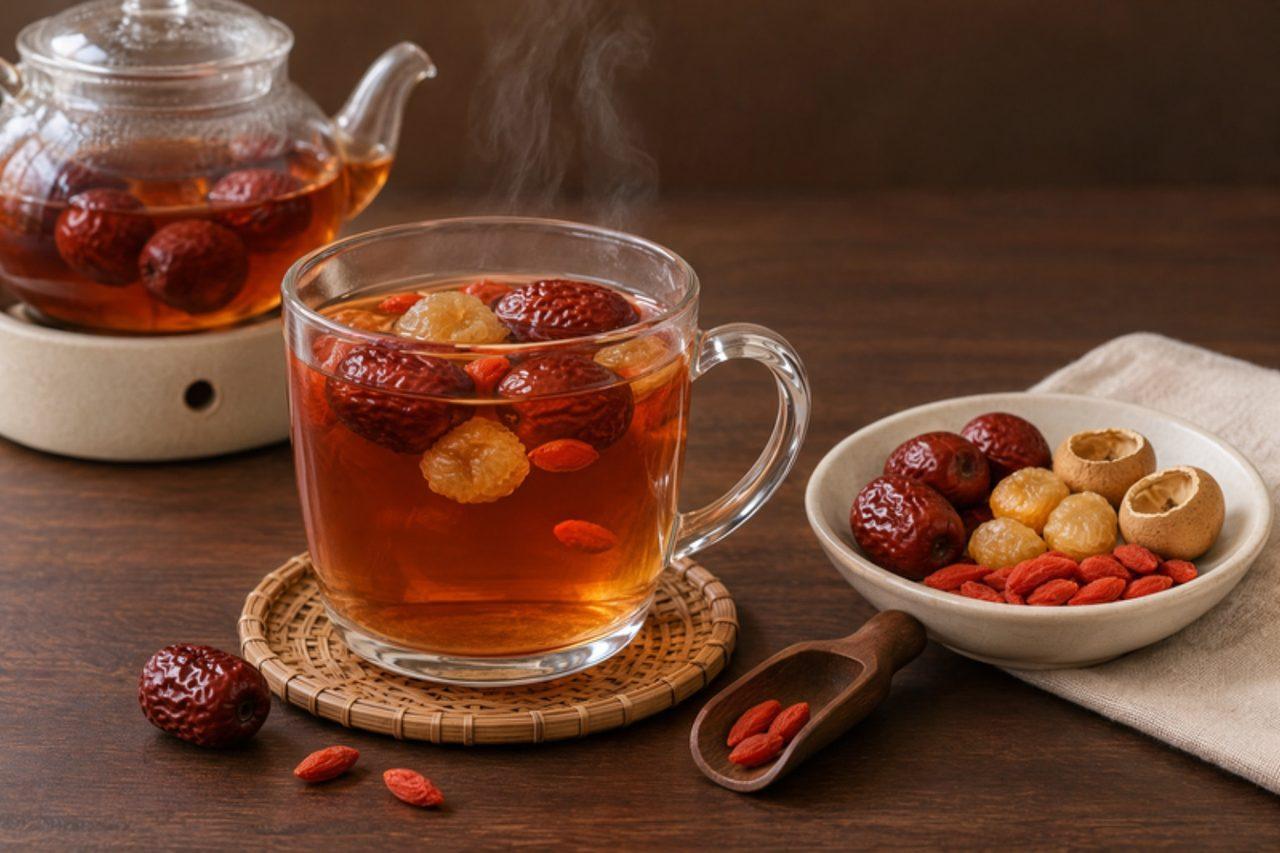
Hongzao guiyuan cha (red date and longan tea)

Across southern China, from Fujian to Guangdong, a pot of red dates and dried longan is what mothers and grandmothers put on the stove when the weather turns cold, and it is the classic drink brought to new mothers during zuo yuezi, the month of rest after childbirth. It is also sipped through the winter in the afternoon, or offered to visitors at Lunar New Year because the red dates promise sweetness ahead. The tea is amber-brown, naturally sweet and fruity, with a caramel, smoky depth from the longan and a gentle warmth if you add ginger. The common mistake is simmering whole dates: their skins stay tight and the tea tastes thin. Slit or tear each date so the flesh can give up its sweetness, then simmer slowly. It is ready when the dates are puffed and soft, the longan has swollen and the liquid is the colour of weak tea and tastes of toffee. It is traditionally drunk for comfort and warmth, not as a medicine; it is high in natural sugar, so go easy if you watch your blood sugar, and goji can interact with blood-thinning medicines, so check with a doctor if you take them. Chef's tip: eat the softened fruit from the bottom of the cup with a spoon; nothing is wasted.

by KrazyBadal 0 views

Showing 24 of 87 recipes

Show more recipes

Page 1 of 4