Skip to content
Recipes

All recipes

Vegetarian, or something you can't eat? Set your diet once and we'll hide recipes that don't fit.

Bœuf carottesBraised beef with carrots

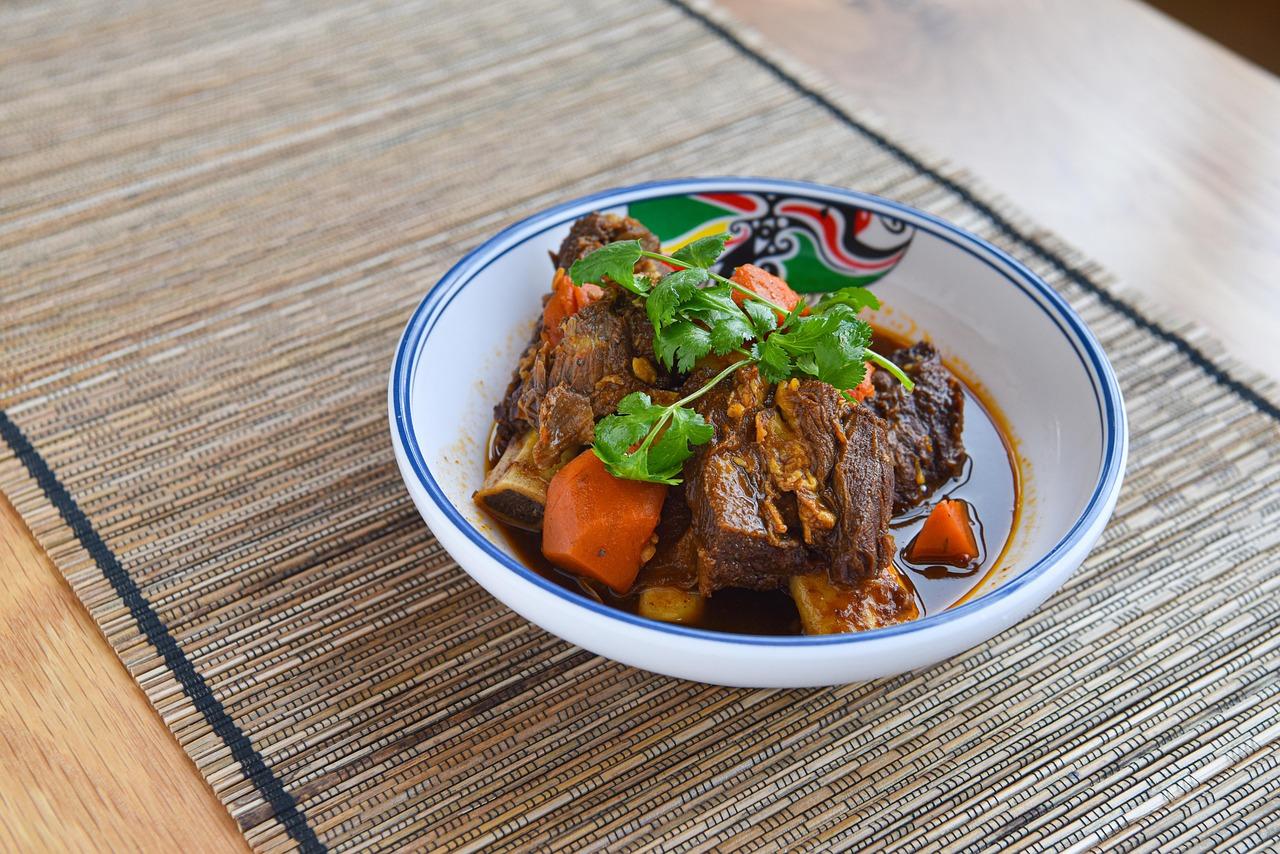
Bœuf carottes is the simple slow braise French grandmothers and school canteens have always made on cold weekdays, a whole pan of beef and carrots cooked so long that the meat collapses and the carrots turn sweet and glossy. Some families add a glass of wine; this version uses stock and a little tomato so it is alcohol-free and suits everyone. It is even better reheated the next day. The common mistake is using lean steak, which dries out; you need a gelatinous cut like chuck or cheek. Chef's tip: cut the carrots thick on the slant; they hold their shape through three hours of cooking.

200 minFrenchMeatGluten free
by KrazyBadal 0 views
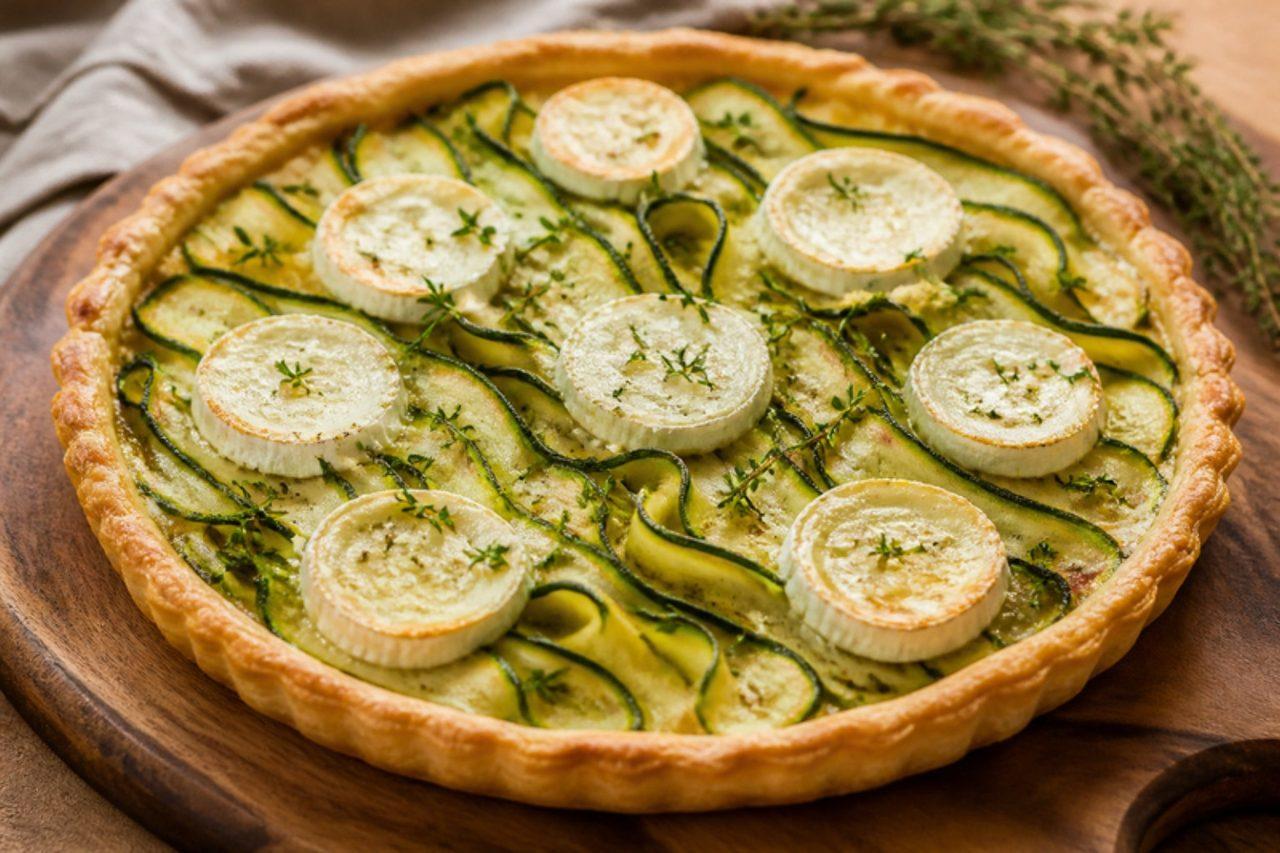
Tarte courgette et chèvreCourgette and goat's cheese tart

Tarte courgette-chèvre is a modern French classic, the tart everyone brings to summer picnics, family barbecues and school fêtes from June to September. Lightly fried courgette slices and rounds of fresh goat's cheese are set in a savoury egg and cream custard in a crisp case, with thyme and a little honey to round off the tang. Many French goat's cheeses use animal rennet; choose one labelled vegetarian if needed, and a pasteurised one for anyone pregnant or with a weakened immune system. The common mistake is adding raw courgettes, which weep into the custard. Chef's tip: blind-bake the case for 15 minutes first so the base stays crisp.

by KrazyBadal 0 views
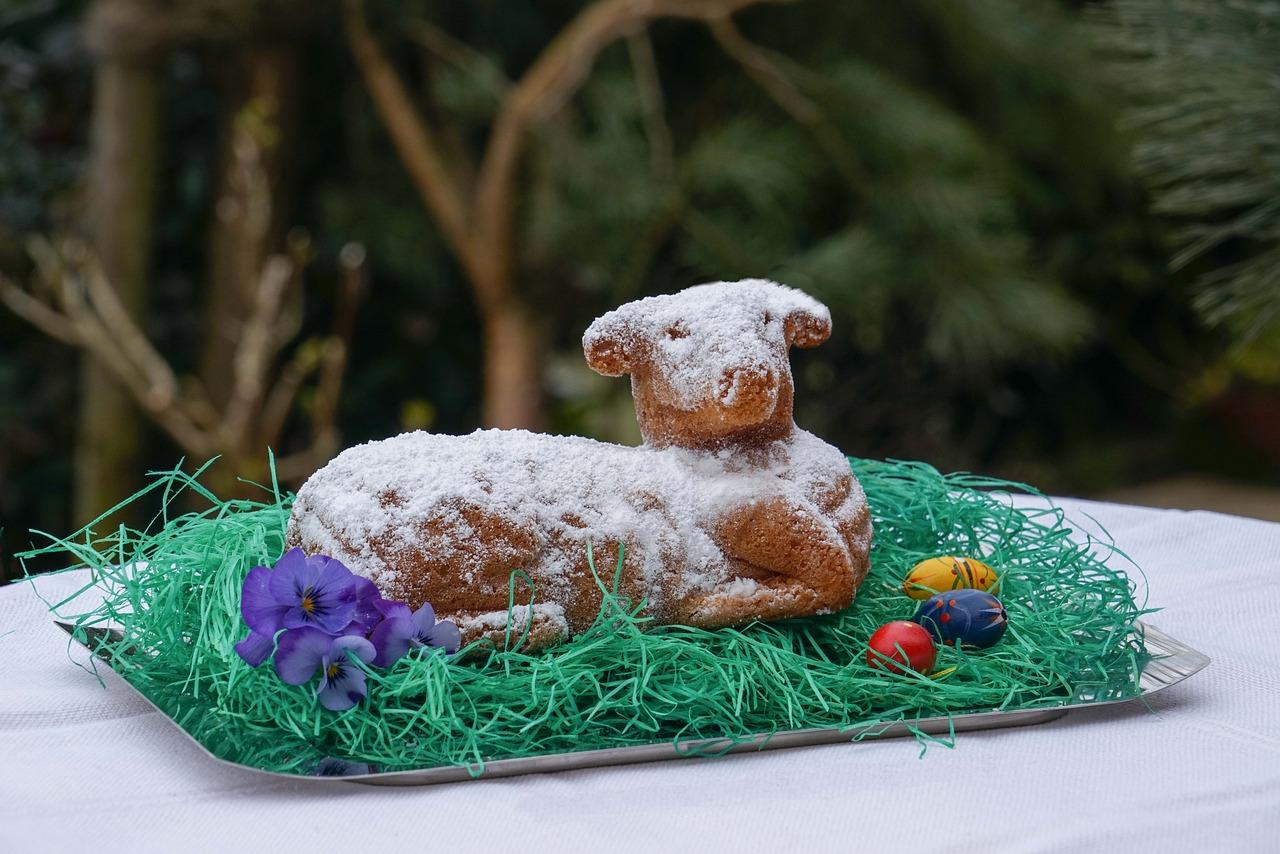
Agneau pascalLamb-shaped Easter cake

The lammele, or agneau pascal, is the Easter cake of Alsace, a light sponge baked in a lamb-shaped earthenware mould from Soufflenheim and dusted with icing sugar, with a little paper flag tied round its neck. It is bought from bakeries in Strasbourg and Colmar or made at home for Easter Sunday breakfast. No lamb meat is involved; it is a vegetarian cake. The common mistake is not greasing the mould well enough, so the head sticks. Chef's tip: brush the mould with soft butter, chill, then dust with flour, so every detail comes out clean.

by KrazyBadal 0 views
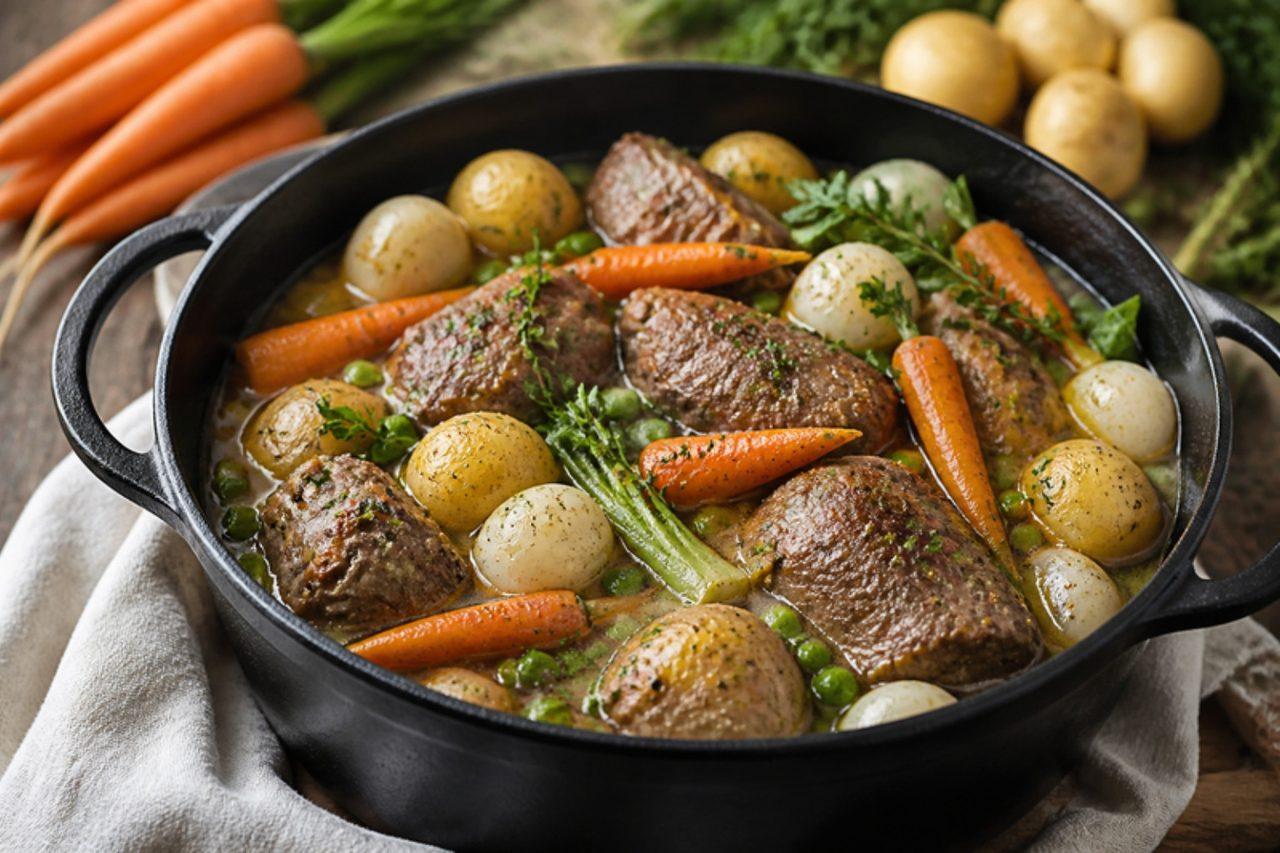
Navarin d'agneau printanierSpring lamb stew

Navarin d'agneau is the lamb stew of the French spring table, cooked for Easter and the first warm Sundays of April and May, when new potatoes, baby turnips and fresh peas fill the markets. Browned lamb shoulder simmers in a light tomato gravy until tender, and the young vegetables are added in stages so each one is perfectly cooked. The common mistake is adding all the vegetables at the start, which turns them to mush. Chef's tip: dust the browned lamb with a little flour and sugar and let it catch in the pan for a minute; it gives the sauce its colour and body.

130 minFrenchMeat
by KrazyBadal 0 views
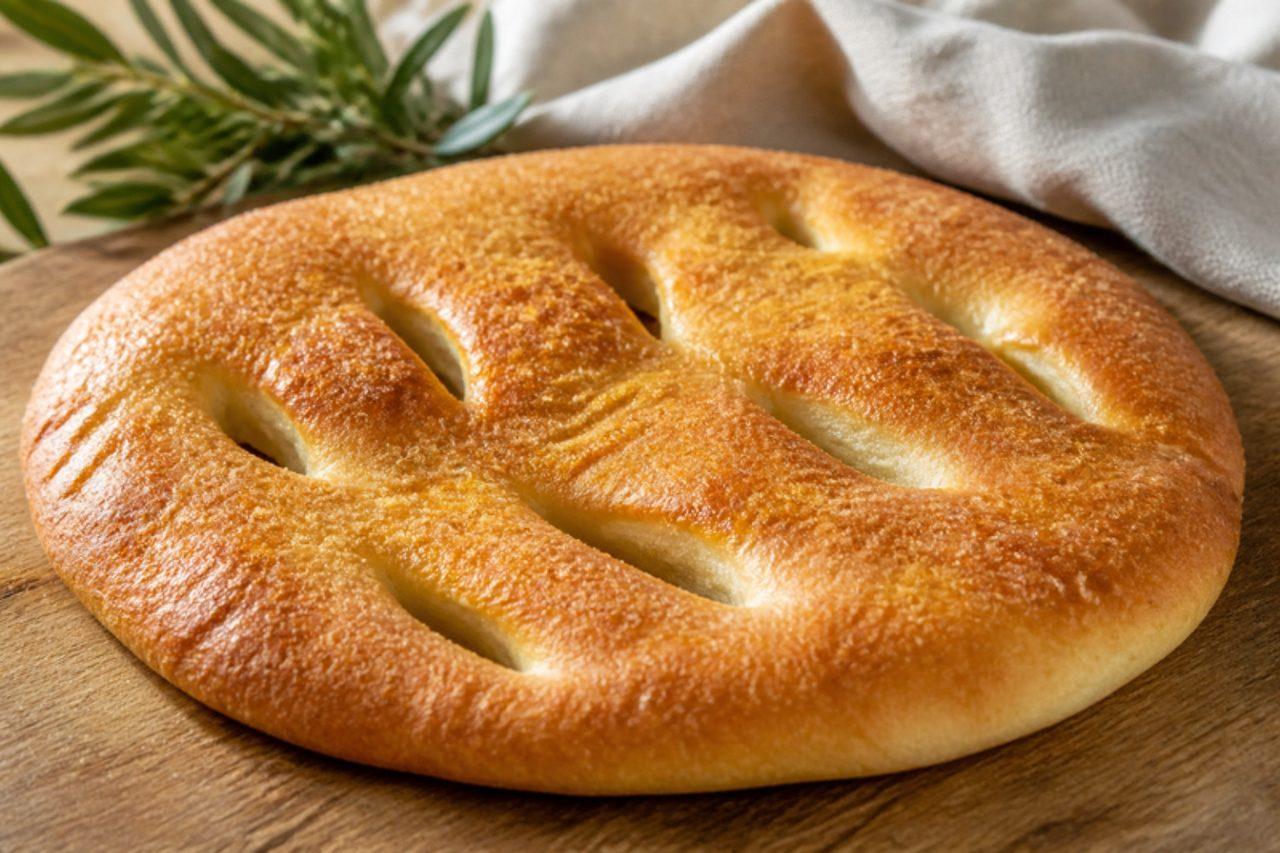
Pompe à l'huileOlive oil orange flatbread

The pompe à l'huile is the centrepiece of the thirteen desserts of Christmas Eve in Provence, a flat, slashed sweet bread made with olive oil and scented with orange-blossom water. Tradition says it must be torn by hand, never cut, or you will be ruined in the year to come, and it is eaten after the gros souper on 24 December. The common mistake is using a harsh, peppery olive oil, which overpowers it. Chef's tip: use a mild, fruity olive oil and brush more over the warm loaf.

170 minFrenchBakingVegan
by KrazyBadal 0 views
Tarte à la tomate et à la moutardeTomato and mustard tart

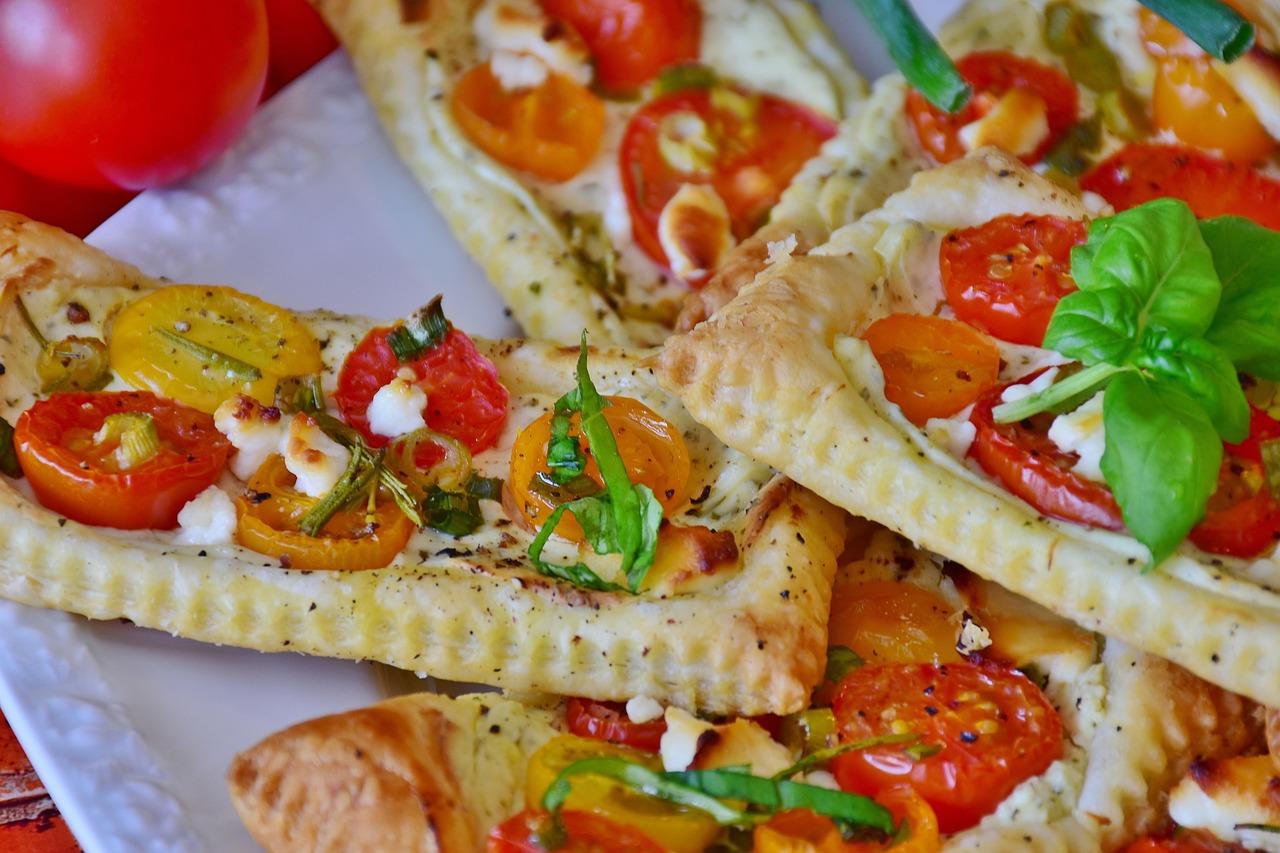
Tarte à la tomate is a summer favourite all over Burgundy, home of Dijon mustard, made from July to September for picnics, light lunches and apéritif. A crisp shortcrust case is spread thickly with mustard and grated cheese, covered with overlapping tomato slices and herbs and baked until the tomatoes are jammy; the mustard mellows into a warm, tangy layer. Comté and Gruyère are usually made with animal rennet; use a vegetarian hard cheese if you prefer. The common mistake is using watery tomatoes, which make the pastry soggy. Chef's tip: salt and drain the tomato slices on kitchen paper for 15 minutes before laying them on the tart.

by KrazyBadal 0 views
Pâté lorrainPork and veal pastry pie

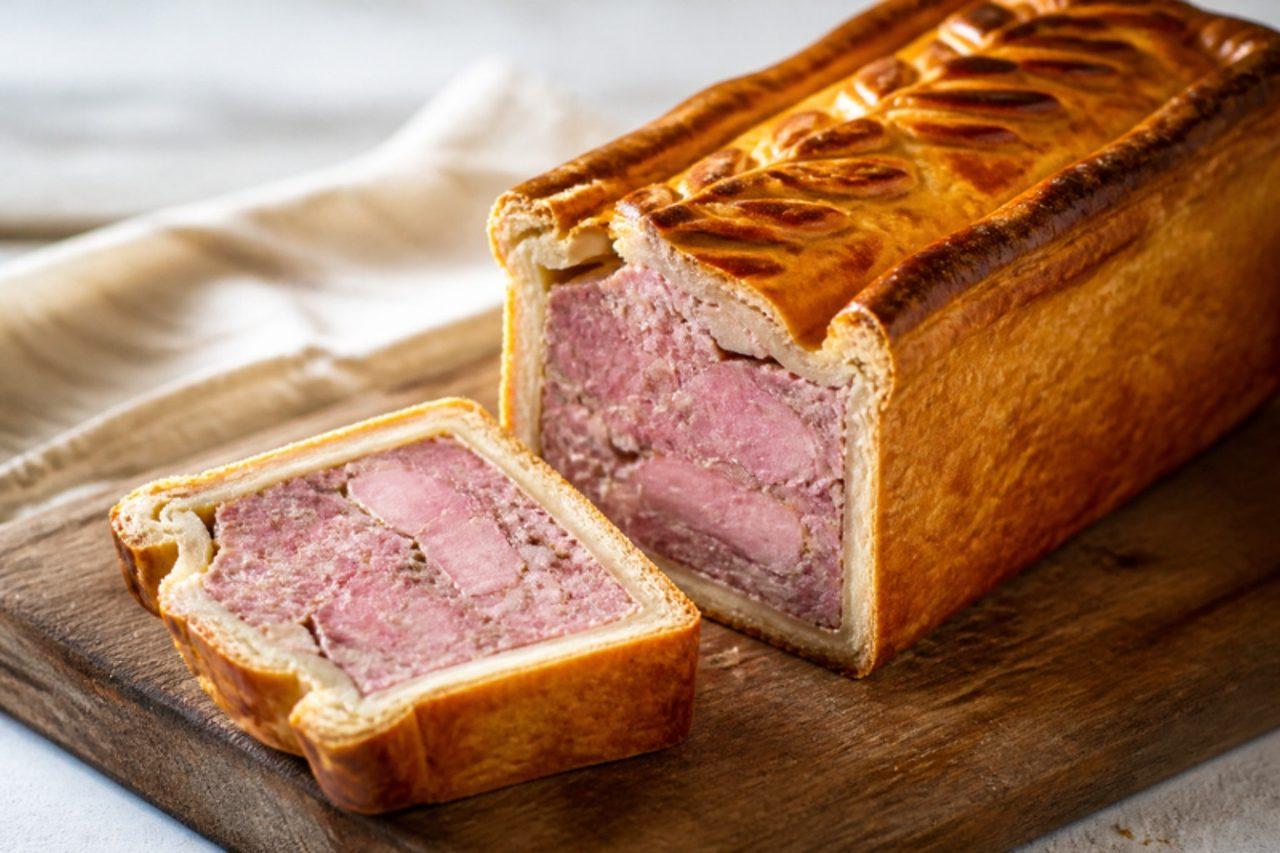
Pâté lorrain is the pride of Lorraine in north-east France, a long puff pastry loaf filled with pork and veal marinated overnight in white wine, shallots and herbs, served hot as a starter for Sunday lunch or village feasts with a green salad. It contains pork. The meat marinates raw in wine in the fridge and then bakes for an hour, which cooks off most of the alcohol but not all; for an alcohol-free version marinate in 150 ml chicken stock with 1 tbsp white wine vinegar. The common mistake is underbaking: the filling must reach 71 °C in the centre. Chef's tip: cut the meat into thin strips, not cubes; it cooks evenly and slices neatly.

90 minFrenchMeat
by KrazyBadal 0 views
Pain au laitSoft milk rolls

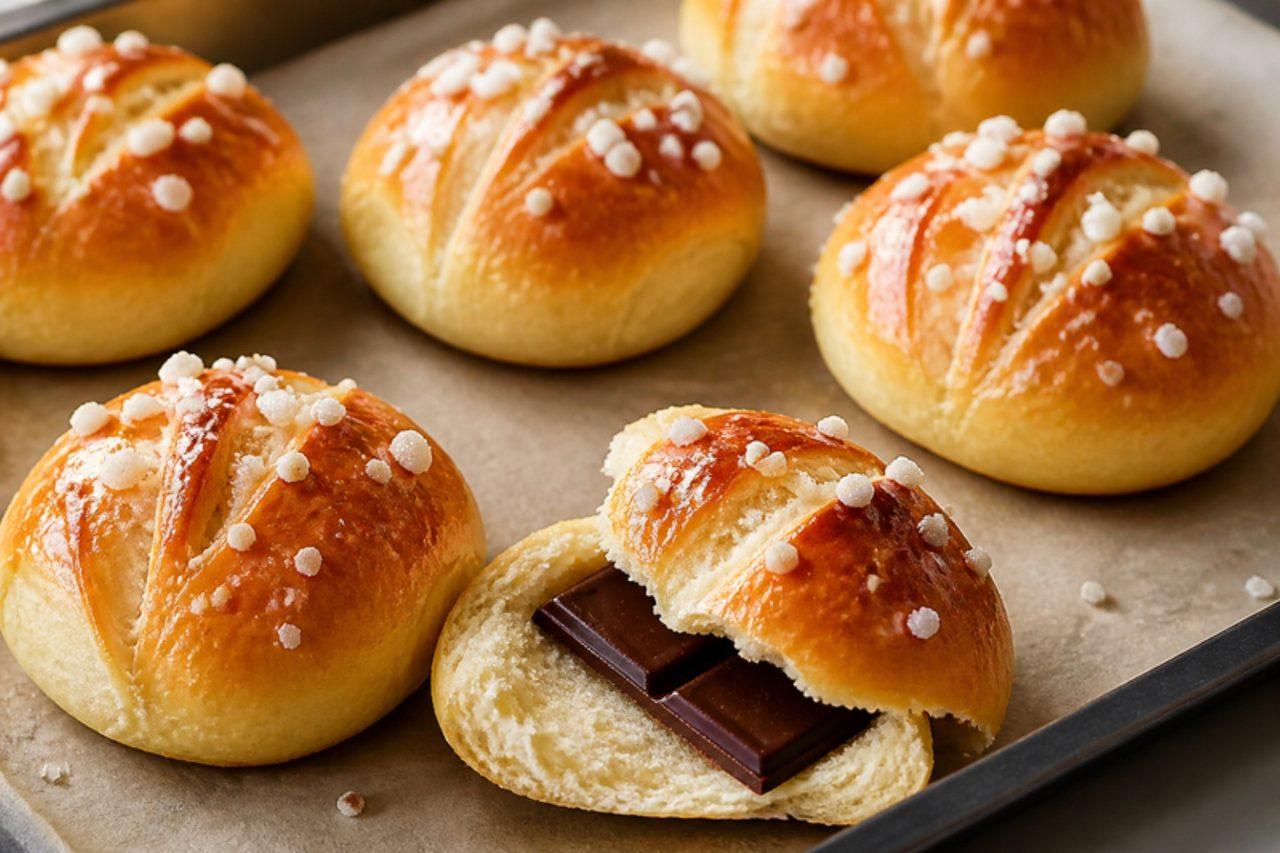
Pain au lait is the soft, slightly sweet milk roll French children take to school for goûter at four o'clock, split and filled with a bar of chocolate or spread with jam. The dough is enriched with milk, butter and a little egg, shaped into small oval rolls, snipped along the top with scissors and sprinkled with pearl sugar. The common mistake is overbaking, which gives a crust; they should stay pale gold and pillowy. Chef's tip: brush them with egg twice, before and after proving, for the glossy bakery finish.

175 minFrenchBaking
by KrazyBadal 0 views
Pain aux raisinsRaisin custard swirl pastry

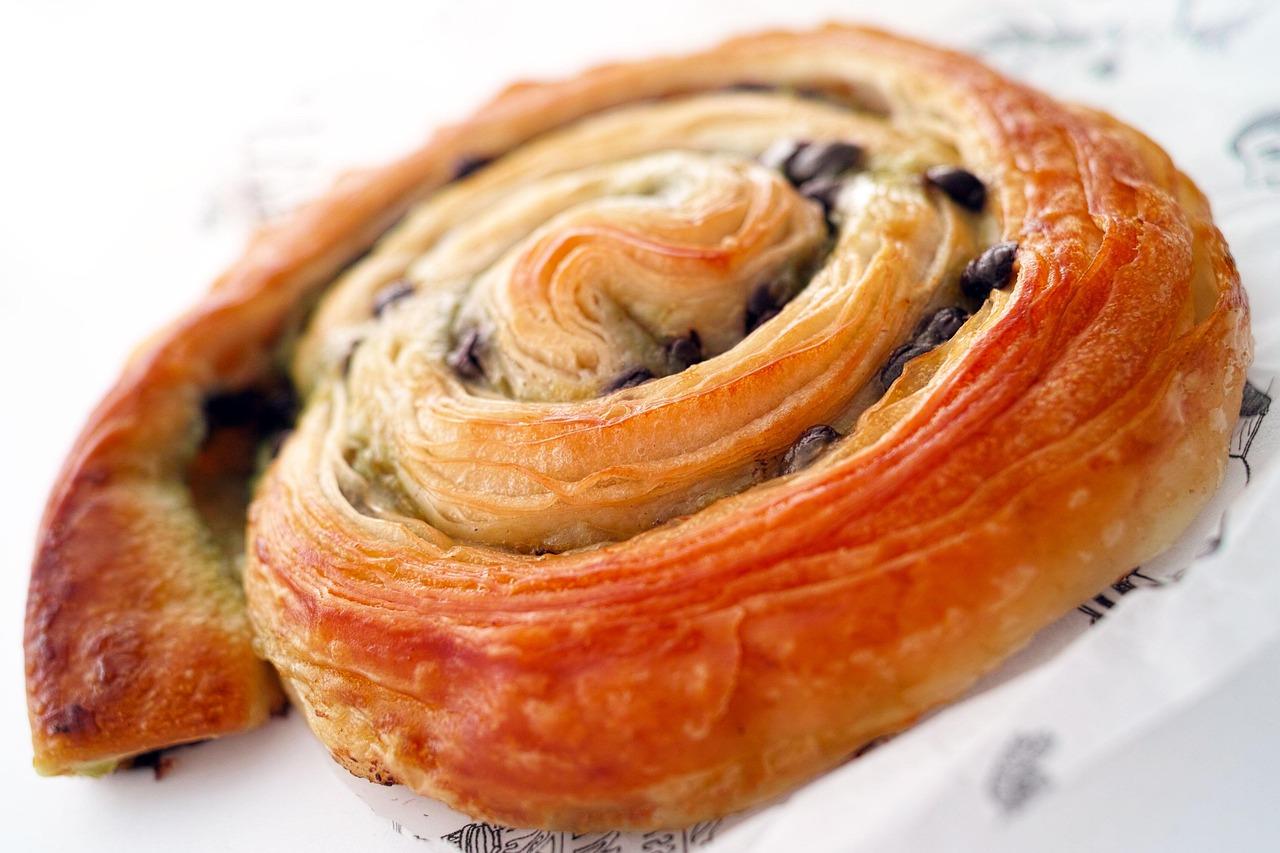
Pain aux raisins, called escargot in some bakeries for its snail-shell spiral, is the third great pastry of the French breakfast counter, alongside the croissant and pain au chocolat. Croissant dough is spread with vanilla crème pâtissière, scattered with plump raisins, rolled up and sliced into spirals, then baked and brushed with syrup until glossy. The common mistake is spreading the cream too thick, so it oozes out and the spirals open. Chef's tip: soak the raisins in hot tea or orange juice for 30 minutes so they are juicy and do not burn.

680 minFrenchBaking
by KrazyBadal 0 views

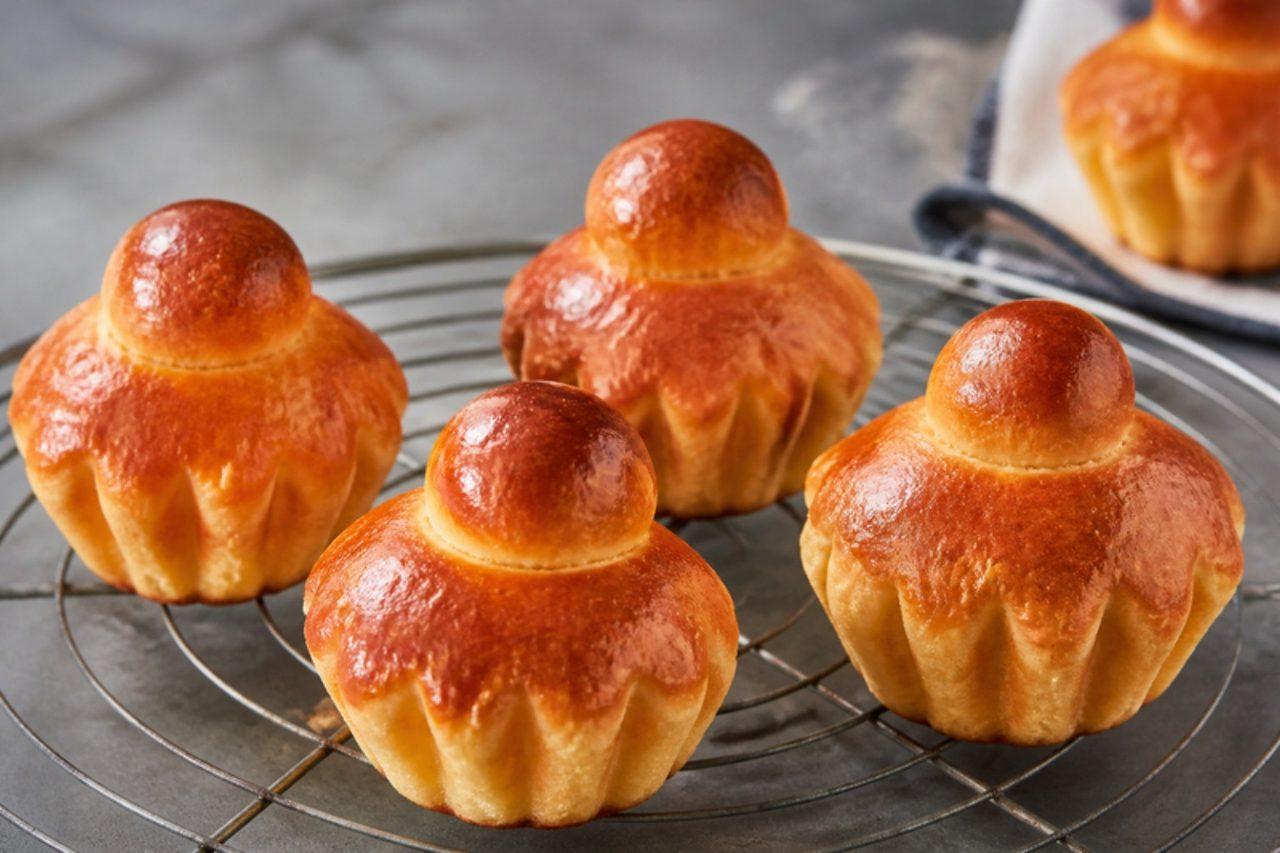
Brioche à têteTopknot brioche

Brioche à tête, the brioche parisienne, is the little fluted bun with a round head that sits in every French bakery window, eaten for Sunday breakfast, dunked in hot chocolate or served with jam at goûter. The dough is very rich in eggs and butter, kneaded long until silky, then chilled overnight, which makes it easy to shape and gives a deep flavour. The common mistake is adding the butter too fast, which leaves a greasy dough. Chef's tip: add the butter a little at a time while the mixer runs, and wait until each piece disappears before adding the next.

620 minFrenchBaking
by KrazyBadal 0 views

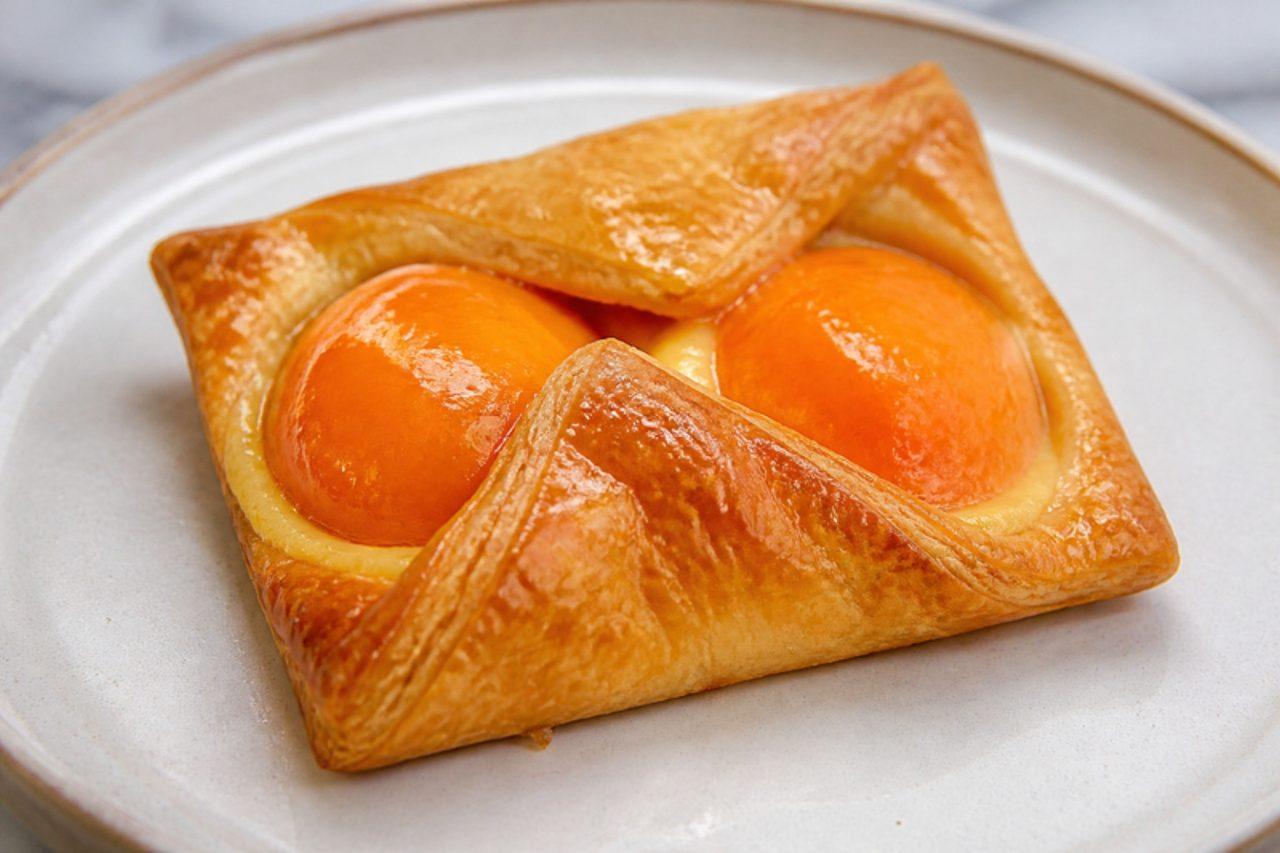
OranaisApricot custard pastry

The oranais, also called abricotine, is a French bakery pastry that is said to come from the city of Oran in Algeria, brought back by returning pieds-noirs in the 1960s, and it is now found in boulangeries all over France for breakfast and goûter. A square of puff or croissant dough has its corners folded over a spoonful of pastry cream and two apricot halves, so it looks like a pair of eyes. The common mistake is using wet canned apricots, which make the pastry soggy. Chef's tip: drain the apricots on kitchen paper and glaze them with warm apricot jam after baking for a jewel-like shine.

by KrazyBadal 0 views

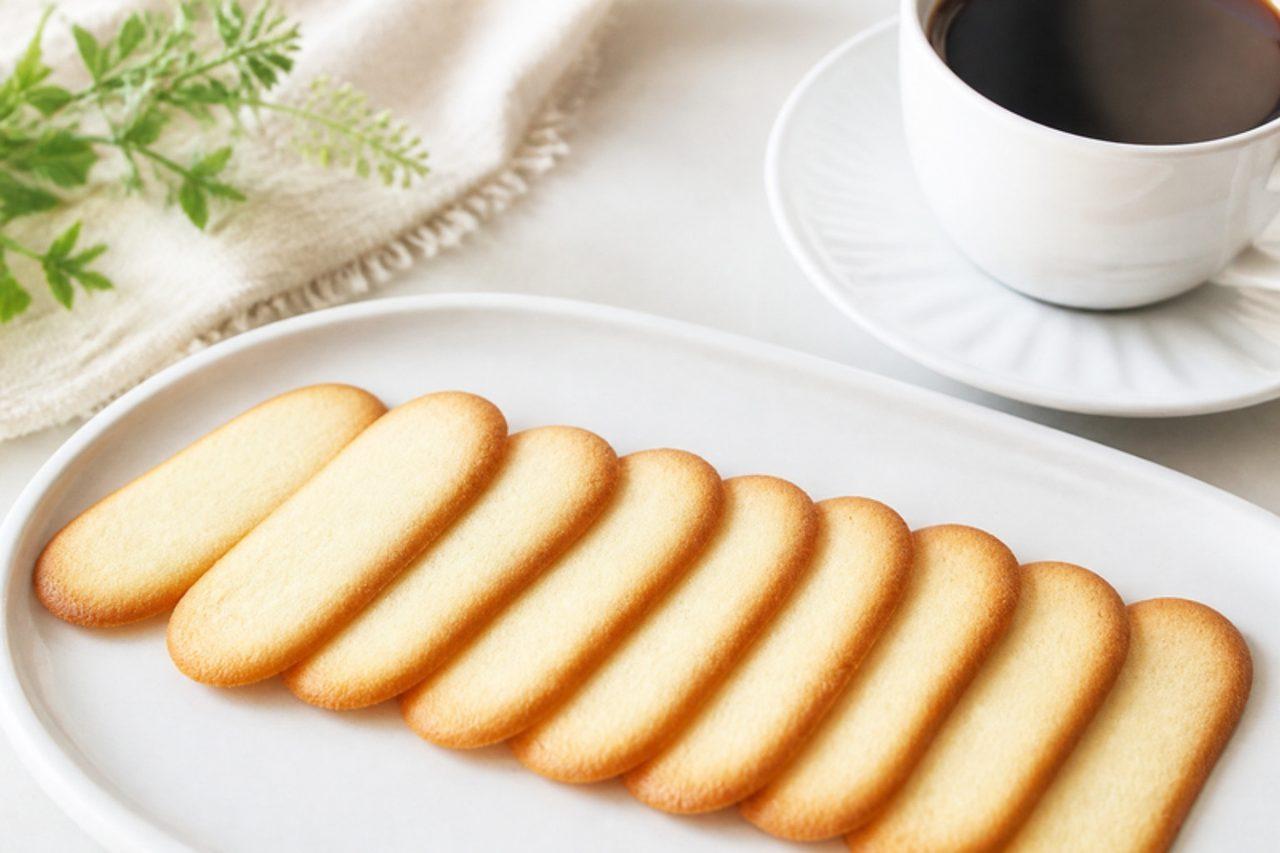
Langues de chatCat's tongue biscuits

Langues de chat, "cat's tongues", are long, thin butter biscuits with golden edges, served with coffee, ice cream or a bowl of chocolate mousse in French homes and cafés; they keep well in a tin and children love them. A simple batter of butter, sugar, egg white and flour is piped in strips and baked until the edges just brown. The common mistake is piping them too close together; they spread. Chef's tip: tap the tray firmly on the worktop after piping so the strips flatten evenly.

by KrazyBadal 0 views

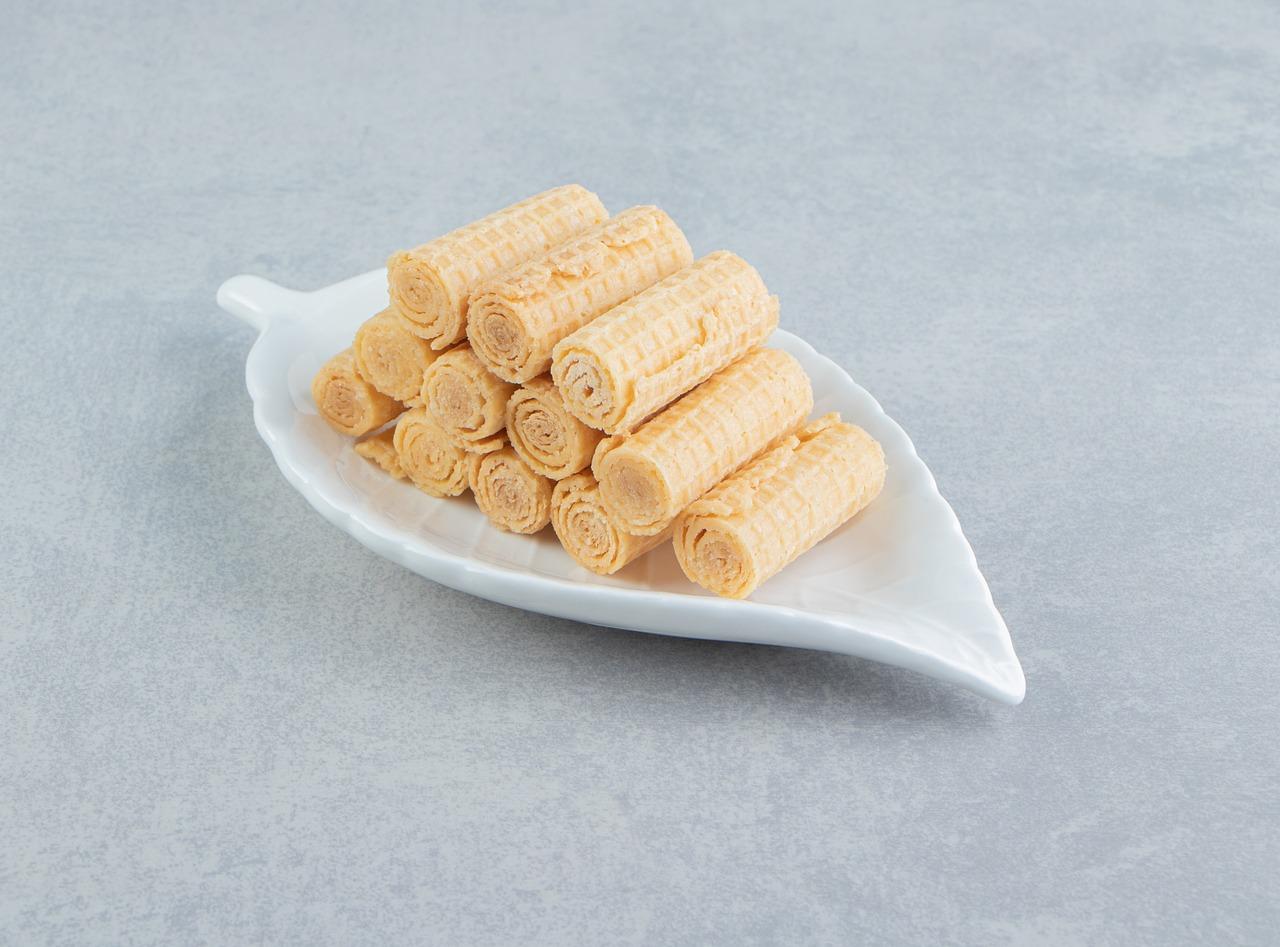
Crêpes dentelleCrisp lace crêpe biscuits

Crêpes dentelle, "lace crêpes", are a speciality of Quimper in Brittany, said to have been invented by a baker there in 1886 who burnt a crêpe and rolled it up; they are wafer-thin, crisp, buttery rolled biscuits, sold in tins all over Brittany and eaten with coffee or crumbled over ice cream. The common mistake is spreading the batter too thick, so they will not crisp. Chef's tip: spread the batter so thin you can see the tray through it, and roll each one as soon as it comes out of the oven.

by KrazyBadal 0 views

Gâteau nantaisAlmond rum-free lemon cake

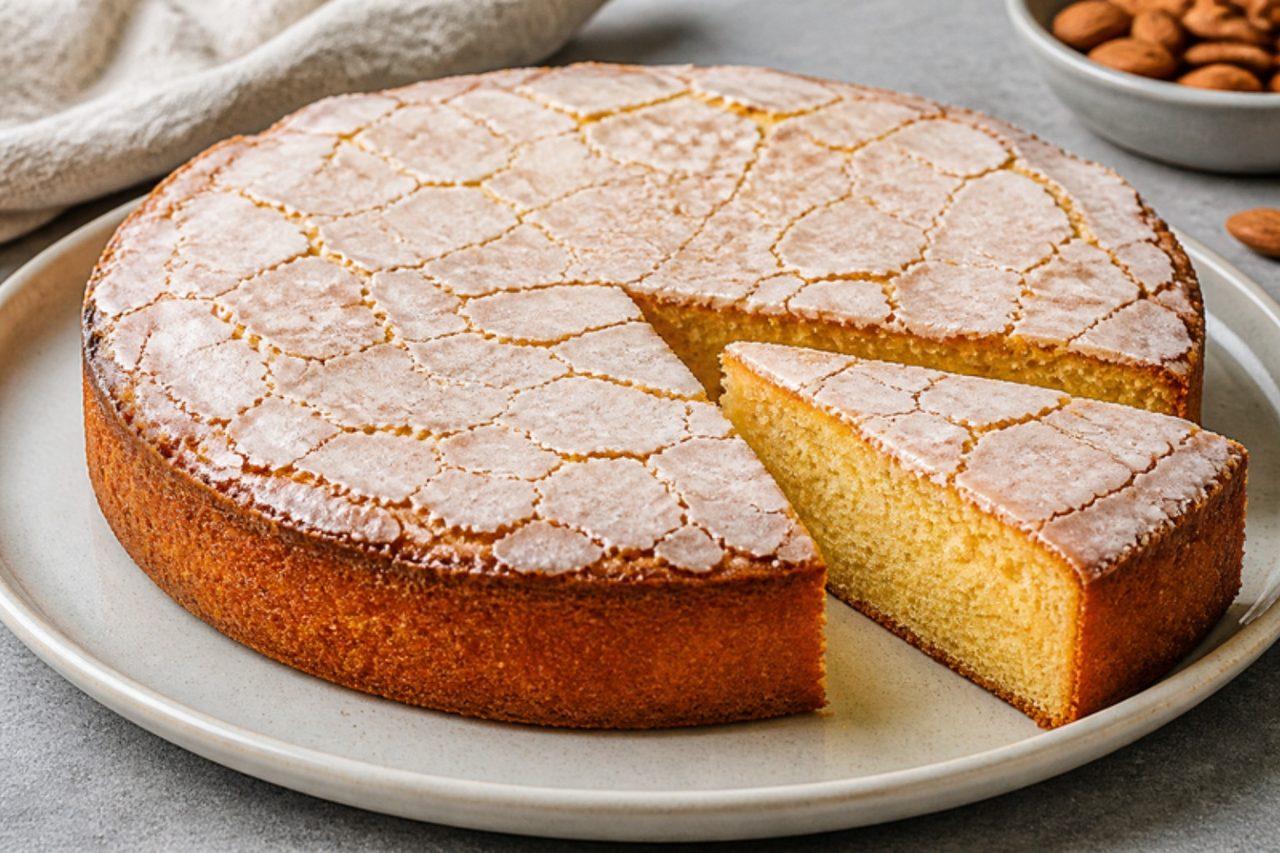
The gâteau nantais comes from Nantes in the Loire, created in 1820 by a local baker when the city's port imported sugar and rum from the Caribbean; it is a dense, moist almond cake with a crackly white glaze, eaten at goûter and family lunches. Traditionally the cake is soaked in rum and the glaze flavoured with it; this version uses lemon juice for both so all ages can eat it, and adults can add 2 tablespoons of rum to the glaze. The common mistake is overbaking, which dries it. Chef's tip: soak the cake while it is still warm.

by KrazyBadal 0 views

Torteau fromagerGoat's cheese cake

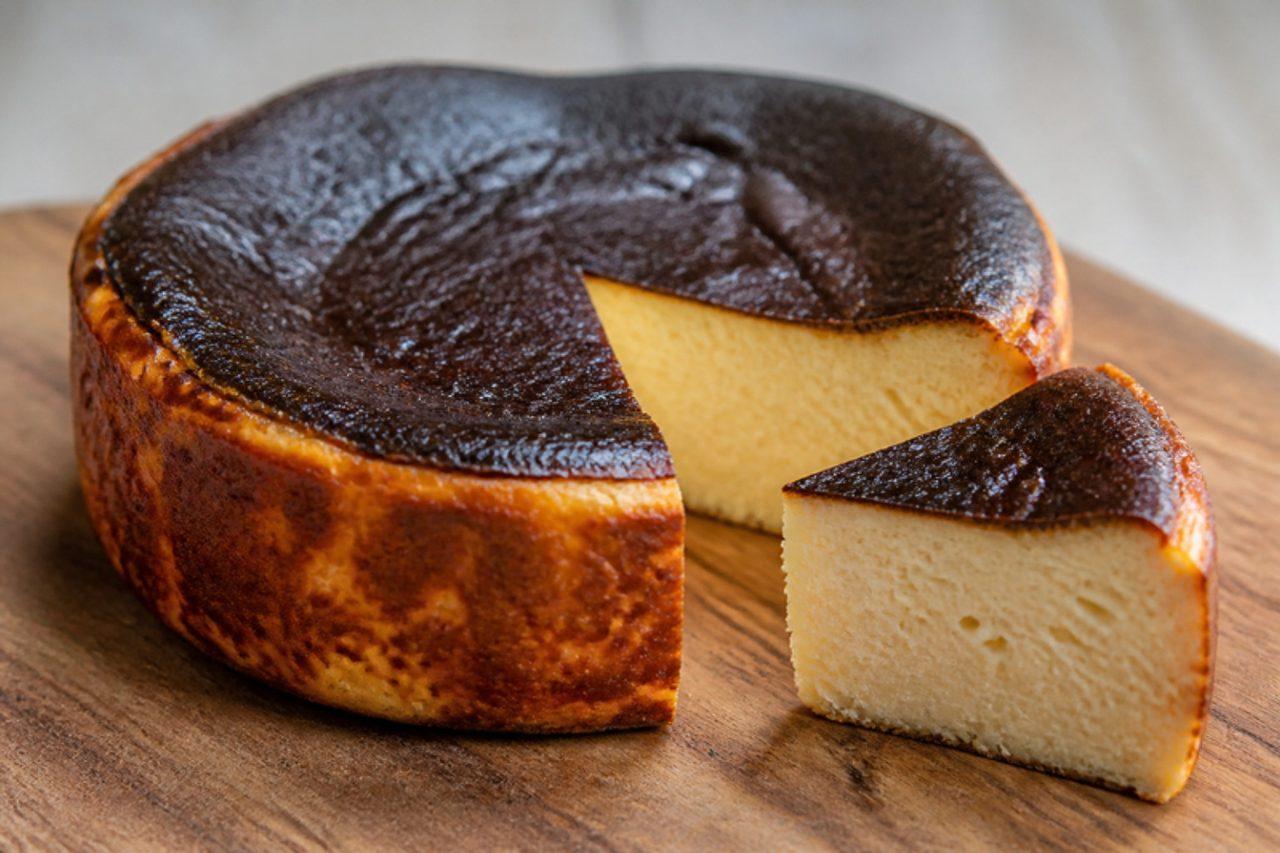
The torteau fromager is the cake of the Poitou-Charentes, a tall, light goat's cheese cake with a dramatically burnt, almost black dome, sold at markets around Poitiers and served at Sunday lunch and weddings. Fresh goat's cheese is beaten with egg yolks and sugar, folded with whisked whites and baked in a pastry-lined dome mould at a high heat, which gives the dark crust. Use pasteurised fresh goat's cheese. The common mistake is opening the oven early, which makes it fall. Chef's tip: do not worry about the black top; it is meant to be that way and tastes of caramel.

by KrazyBadal 0 views

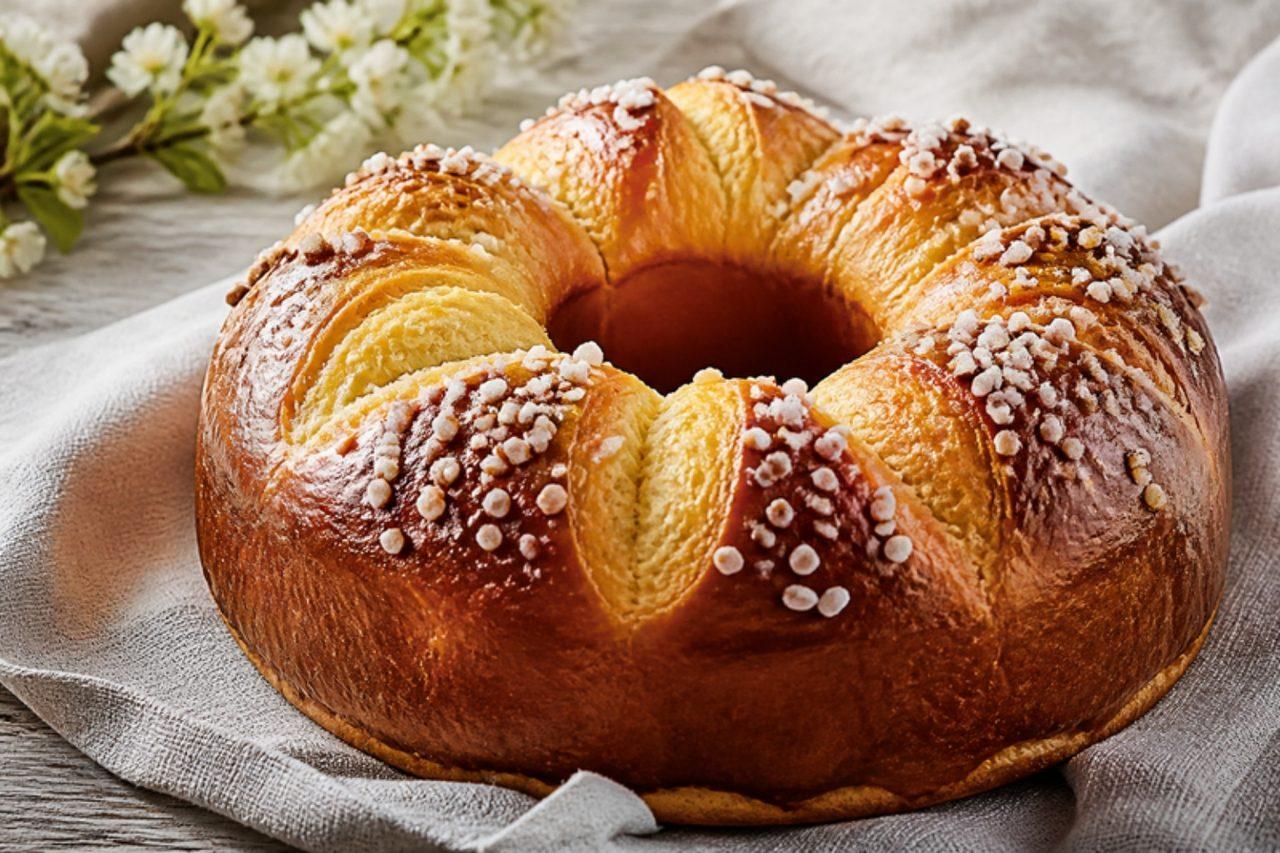
Brioche vendéenneBraided Easter brioche

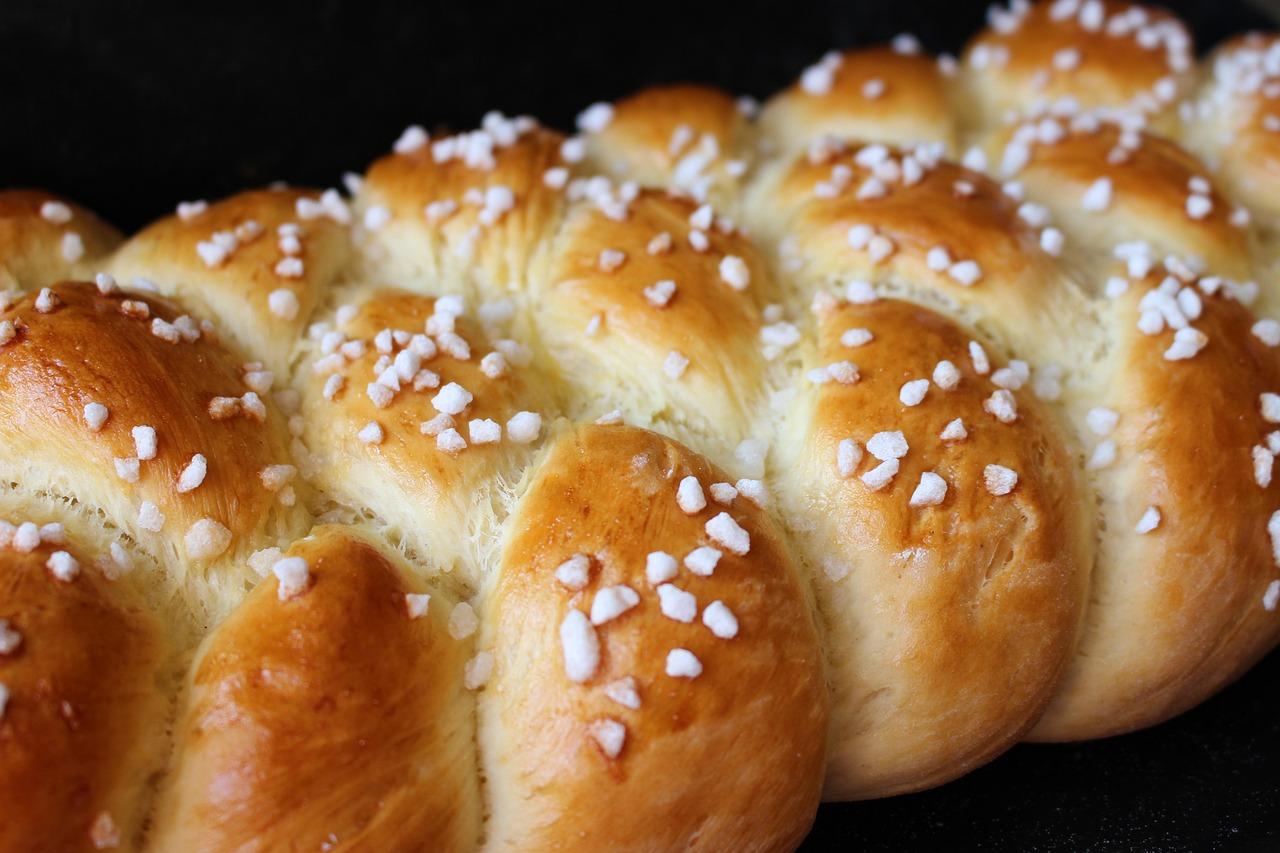
The brioche vendéenne is the plaited Easter brioche of the Vendée on the Atlantic coast, once baked for Easter Sunday and for weddings, where it was carried into the dance on a huge board. It is softer and lighter than Parisian brioche, scented with vanilla and orange-blossom water, and has protected status (IGP). The common mistake is plaiting too tightly, so it splits in the oven. Chef's tip: plait loosely and give it a long, slow final prove.

330 minFrenchBaking
by KrazyBadal 0 views

Pogne de RomansOrange blossom brioche crown

The pogne is the Easter brioche of Romans-sur-Isère and Valence in the Drôme, a high crown of soft dough fragrant with orange-blossom water, traditionally made for Easter and eaten with the local ravioles, or at breakfast with butter. Its name comes from "poigne", the fistful of dough the baker grabs. The common mistake is underproving; it needs a long, slow rise to be light. Chef's tip: make the starter the night before; it gives the pogne its gentle, rich flavour.

635 minFrenchBaking
by KrazyBadal 0 views

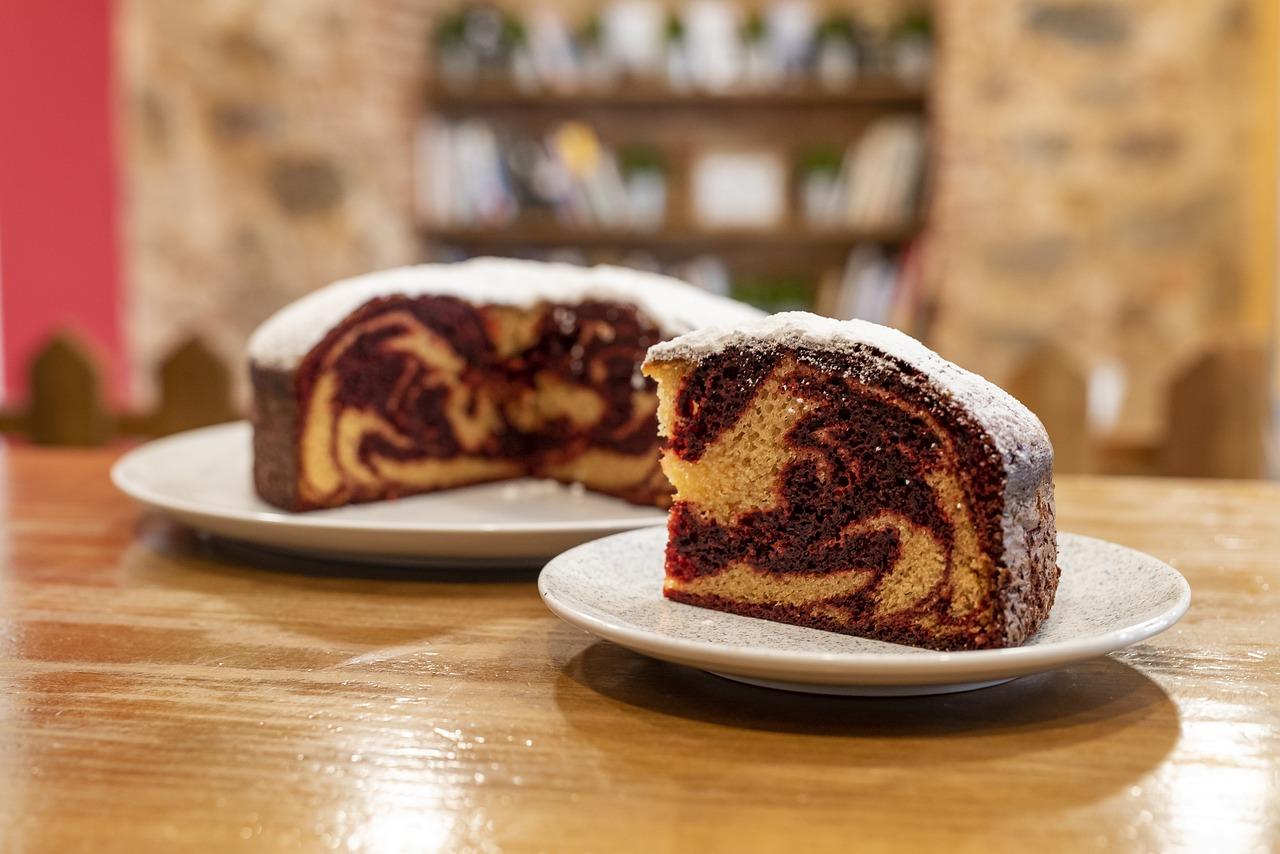
Gâteau marbréMarble loaf cake

Gâteau marbré is the marble cake of French childhood, a vanilla and chocolate loaf with swirls through every slice, packed in school bags for goûter and sold in supermarkets everywhere as a lunchbox cake. Homemade, it is soft, buttery and quick. The common mistake is swirling too much, which turns the cake brown all through. Chef's tip: layer the two batters in the tin and drag a knife through just two or three times.

by KrazyBadal 0 views

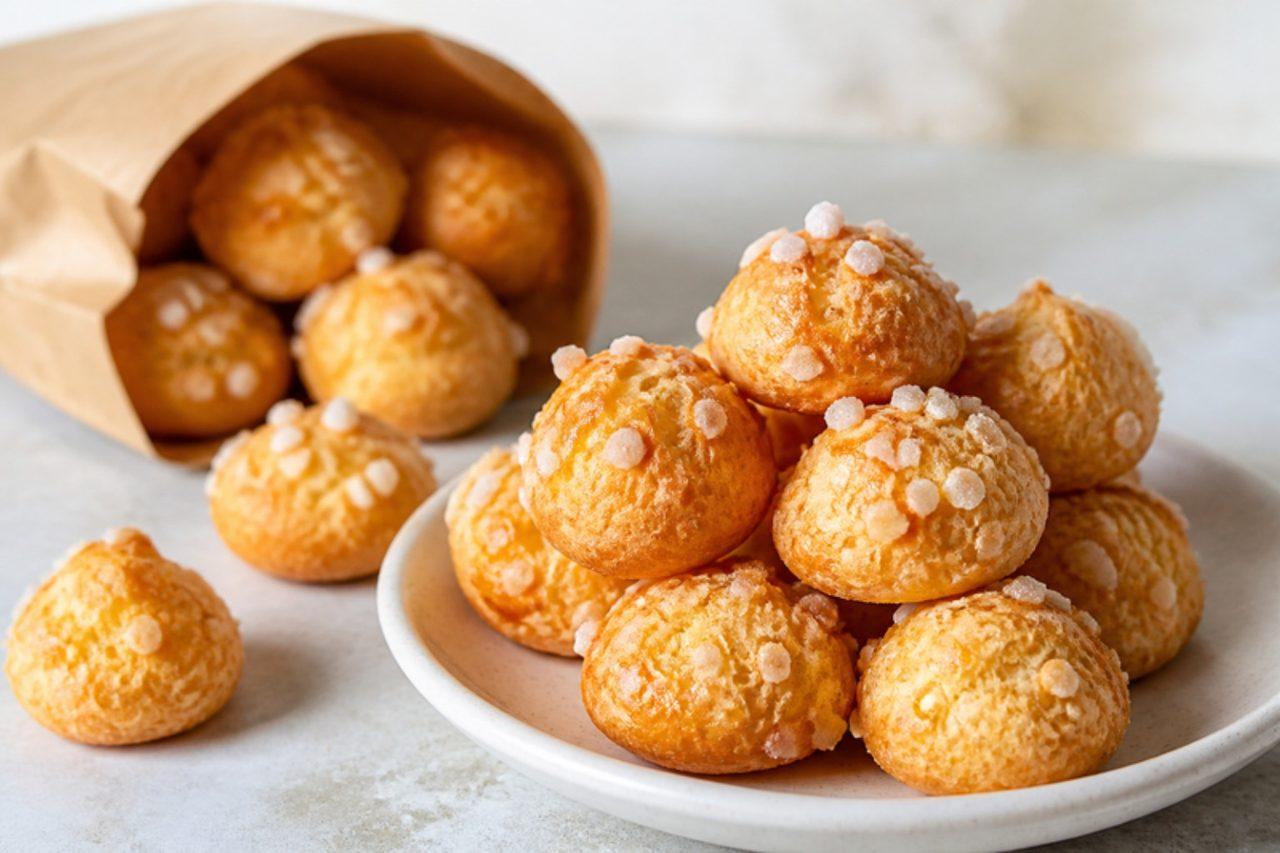
ChouquettesSugar choux puffs

Chouquettes are the small, hollow choux puffs studded with pearl sugar that French bakeries sell by weight in paper bags, a favourite treat bought on the way home from school and shared between brothers and sisters. They are made with the same choux dough as éclairs but left unfilled. The common mistake is opening the oven too soon, so they collapse. Chef's tip: press the pearl sugar in well after glazing, so it does not roll off.

by KrazyBadal 0 views

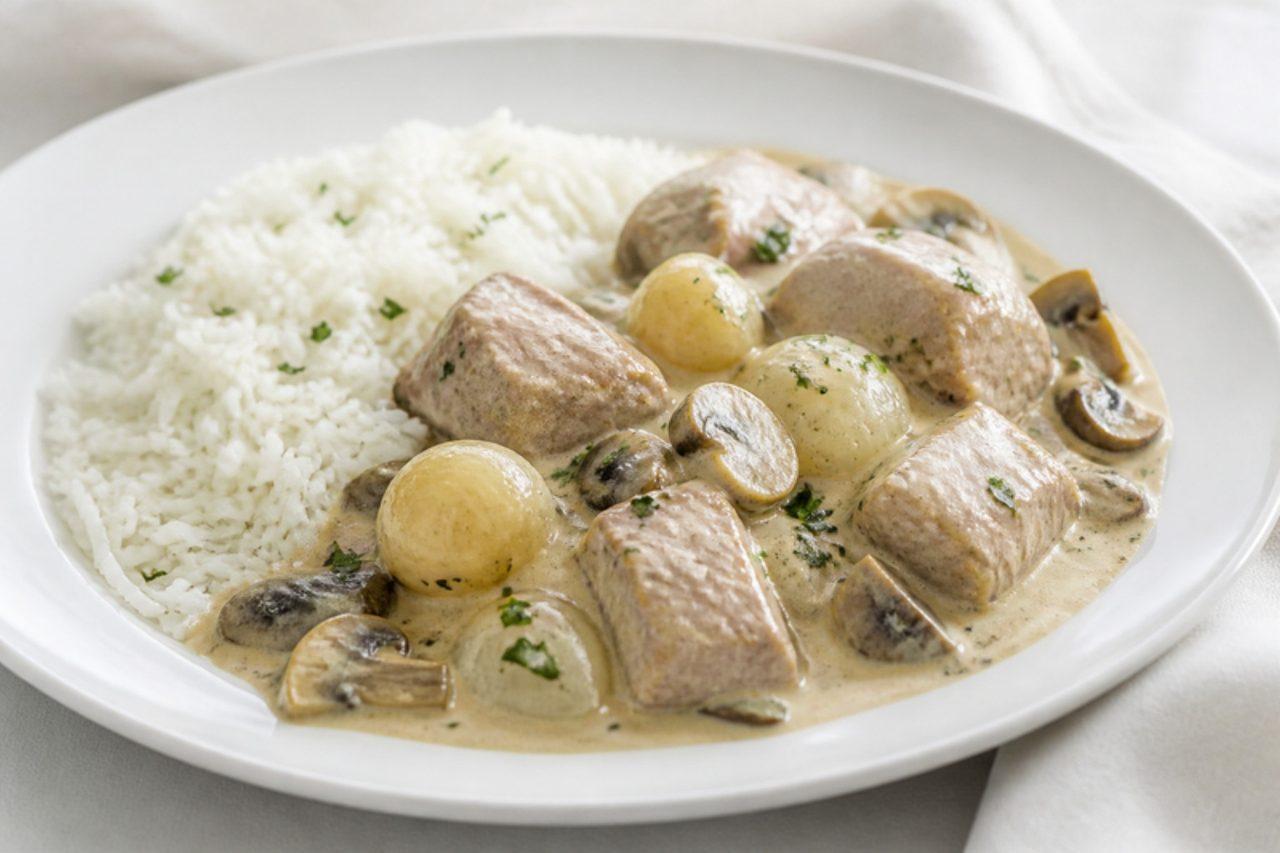
Blanquette de veauVeal in cream sauce

Blanquette de veau is the classic French family Sunday stew and a fixture on the lunch menus of traditional bistros, always served with white rice. Pieces of veal shoulder are simmered gently, never browned, in a light stock with carrots and an onion studded with cloves, and the broth is then turned into a silky white sauce with butter, flour, cream and egg yolk, finished with small mushrooms and lemon. The common mistake is letting the sauce boil after adding the egg yolk, which scrambles it. Chef's tip: blanch the veal for 2 minutes first and rinse it; the stock stays clear and the sauce comes out pure ivory.

150 minFrenchMeat
by KrazyBadal 0 views

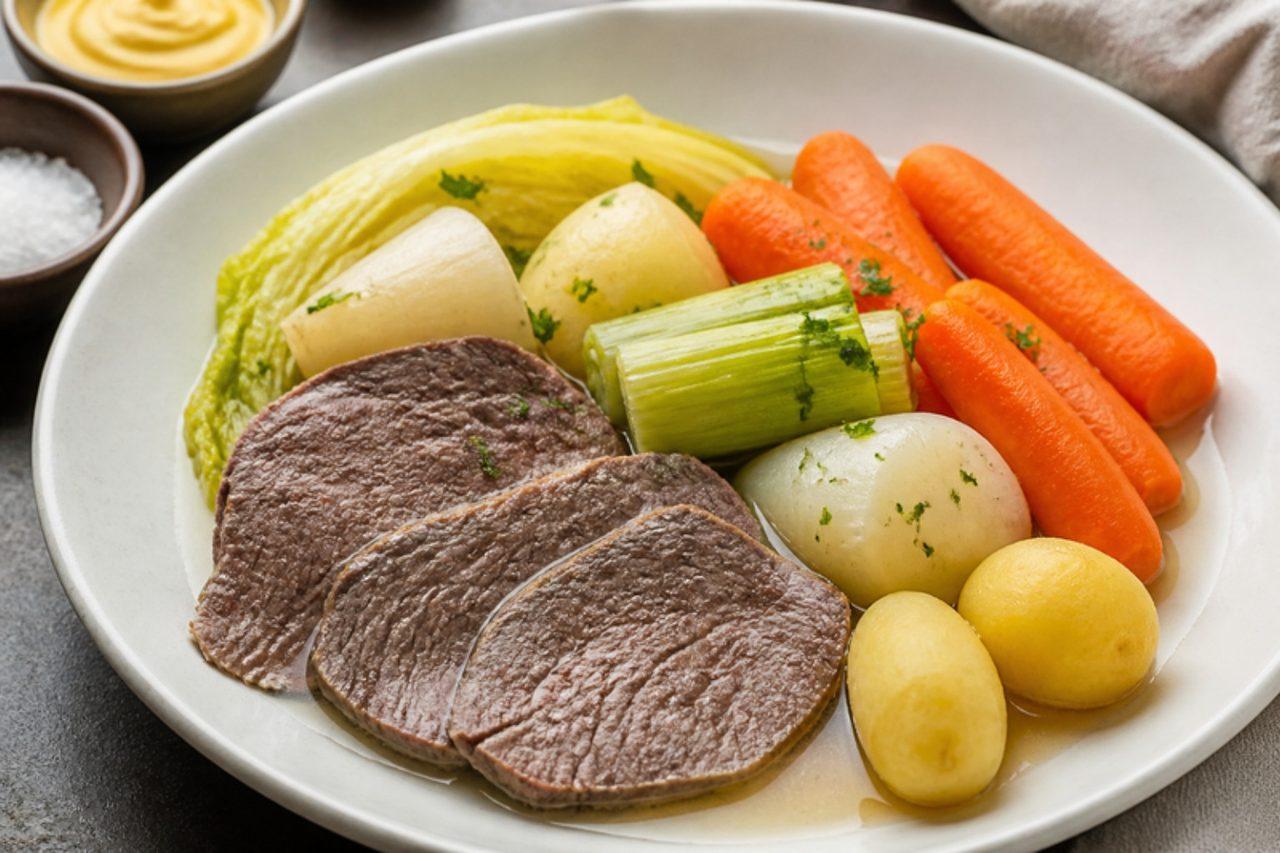
Pot-au-feuBoiled beef and vegetables

Pot-au-feu, "pot on the fire", is the most French of family meals, cooked on winter Sundays in homes from Normandy to the Auvergne and served in two courses: first the clear broth with toasted bread, then the meat and vegetables with coarse salt, mustard and gherkins. Several cuts are used together, something lean, something gelatinous and a marrow bone, simmered very slowly for hours. The common mistake is boiling it hard, which clouds the broth and toughens the meat. Chef's tip: skim carefully in the first 30 minutes and keep the water at a bare shiver; the broth will be clear and golden.

270 minFrenchMeatGluten free
by KrazyBadal 0 views

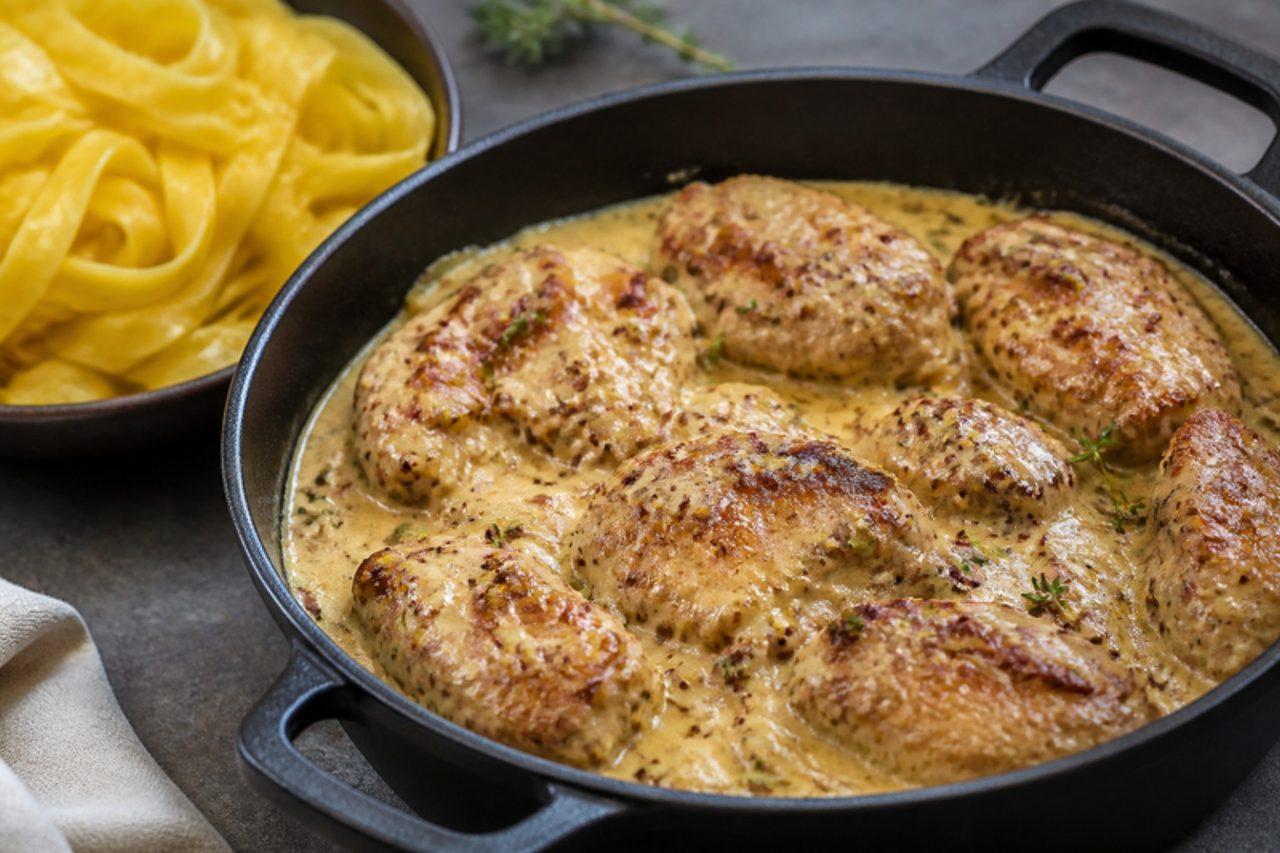
Lapin à la moutardeRabbit in mustard cream

Lapin à la moutarde is a farmhouse dish of Burgundy and Champagne, cooked for family lunches in autumn and winter, where rabbit is as common as chicken and Dijon mustard is the local pride. The rabbit pieces are brushed thickly with mustard, browned, then braised in white wine with shallots and thyme and finished with cream into a pale, tangy sauce. The wine simmers for an hour, which drives off most of the alcohol but not all; for an alcohol-free version use chicken stock with 1 tbsp cider vinegar. The common mistake is a hard boil, which dries out the lean rabbit. Chef's tip: stir a spoonful of fresh mustard into the sauce at the very end; cooked mustard loses its bite, and this brings it back.

75 minFrenchMeatGluten free
by KrazyBadal 0 views

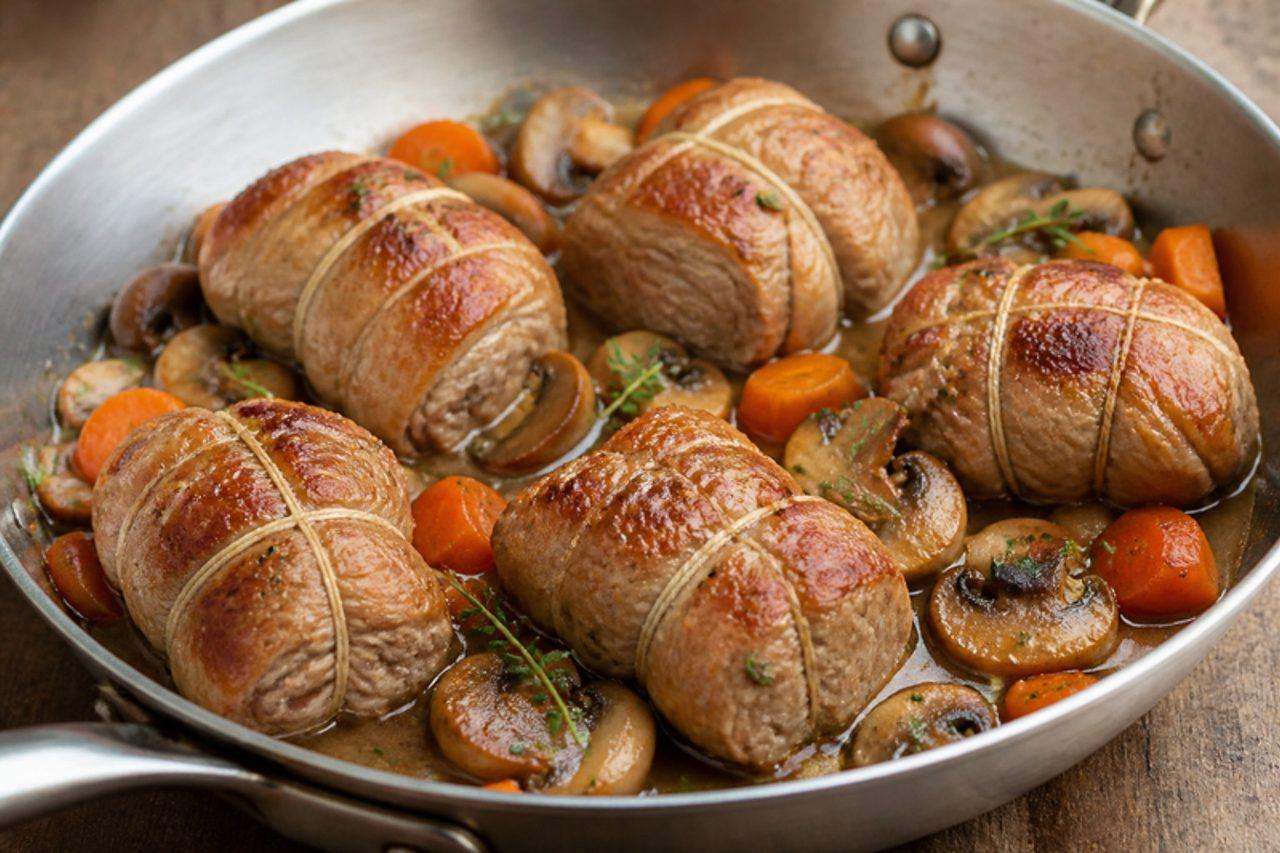
Paupiettes de veauStuffed veal rolls

Paupiettes de veau are the little tied bundles every French butcher sells ready-made for family dinners, especially in autumn and winter, but they are simple to make at home. Thin veal escalopes are rolled around a seasoned stuffing of pork sausage meat and herbs, tied with string, browned and braised in a light tomato and white wine sauce with mushrooms. This recipe contains pork. The wine simmers for 45 minutes, which drives off most of the alcohol but not all; for an alcohol-free version use more stock with 1 tsp white wine vinegar. The common mistake is undercooking the stuffing: it must reach 71 °C in the centre. Chef's tip: pound the escalopes very thin between sheets of cling film; they roll tightly and cook evenly.

80 minFrenchMeat
by KrazyBadal 0 views

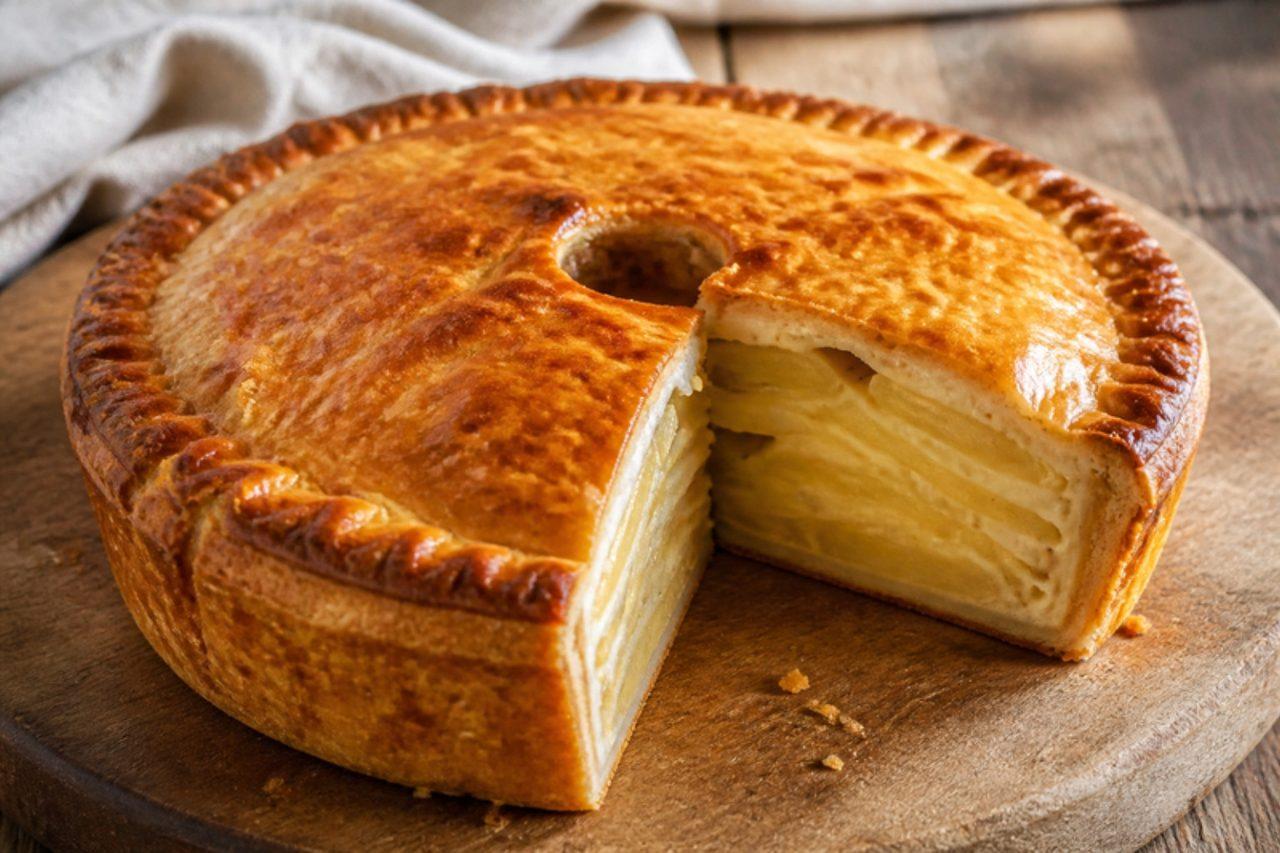
Pâté aux pommes de terrePotato and cream pastry pie

Pâté aux pommes de terre is the farmhouse pie of the Limousin, the Berry and the Allier in central France, baked for Sunday lunch and village fêtes and served warm with a green salad. Thin slices of potato with onion, garlic and parsley are baked inside puff pastry, and when the pie comes out of the oven a lid is lifted and thick crème fraîche is poured in to soak through the potatoes. The common mistake is slicing the potatoes too thick, so they are still hard when the pastry is done. Chef's tip: slice the potatoes 2 mm thick and cook the pie for the full hour; the potatoes must be soft before the cream goes in.

by KrazyBadal 0 views

Showing 24 of 126 recipes

Show more recipes

Page 1 of 6