Skip to content
Recipes

All recipes

Vegetarian, or something you can't eat? Set your diet once and we'll hide recipes that don't fit.

Hyderabadi fruit biscuitsTutti-frutti butter biscuits

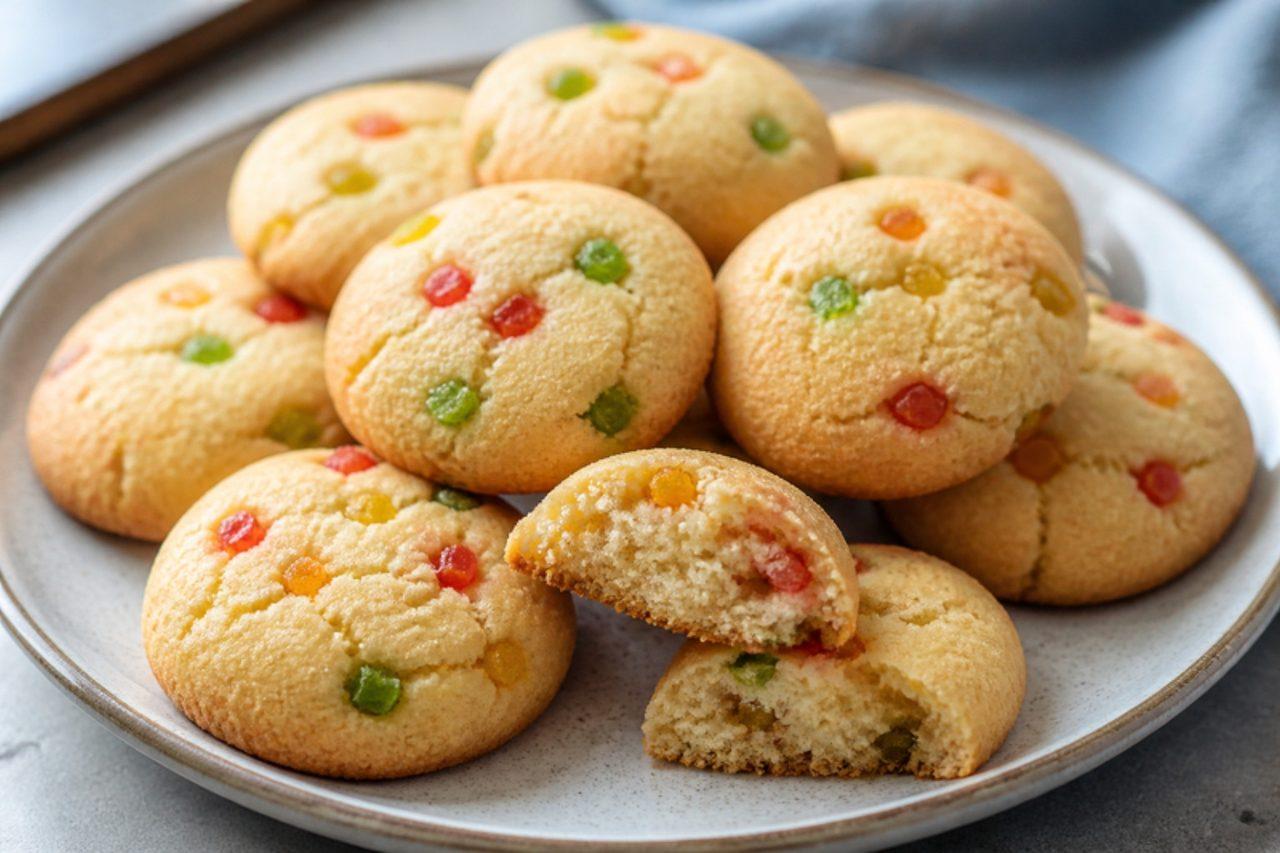
Boxes of these pink-and-green flecked biscuits leave Hyderabad in every suitcase: visitors queue at the old bakeries near Charminar and the airport shops stock tins of them. Each one is short and crumbly, buttery, with a faint pineapple scent and chewy bits of candied papaya (tutti-frutti) scattered through. They are eggless, rich with butter and a little custard powder, and go with a cup of Irani chai or a glass of cold milk. The usual slip is mixing the tutti-frutti in wet or sticky, so it bleeds colour and clumps; toss it in a spoon of flour first. Chef's tip: shape the dough into a square log and chill it until firm, then slice; a firm log gives neat, sharp-edged biscuits like the bakery ones.

by KrazyBadal 0 views

TopfengolatschenSweet quark puff pastry squares

A Topfengolatsche is what Viennese office workers grab from the bakery on the way in, and what grandparents order with a Melange in a coffee house on a Sunday afternoon. The corners of a puff pastry square are folded over a lemony, vanilla-scented filling of Topfen (Austrian quark) with plump raisins, and the top gets a thin white glaze. It is flaky, light and not too sweet. Raisins are sometimes soaked in rum; warm water or orange juice works just as well, and the recipe below is alcohol-free. Wet quark is the classic problem, because it turns the filling runny and it leaks out in the oven. Chef's tip: hang the quark in a sieve lined with a clean cloth for an hour, or squeeze it, until it is as thick as soft cream cheese.

by KrazyBadal 0 views

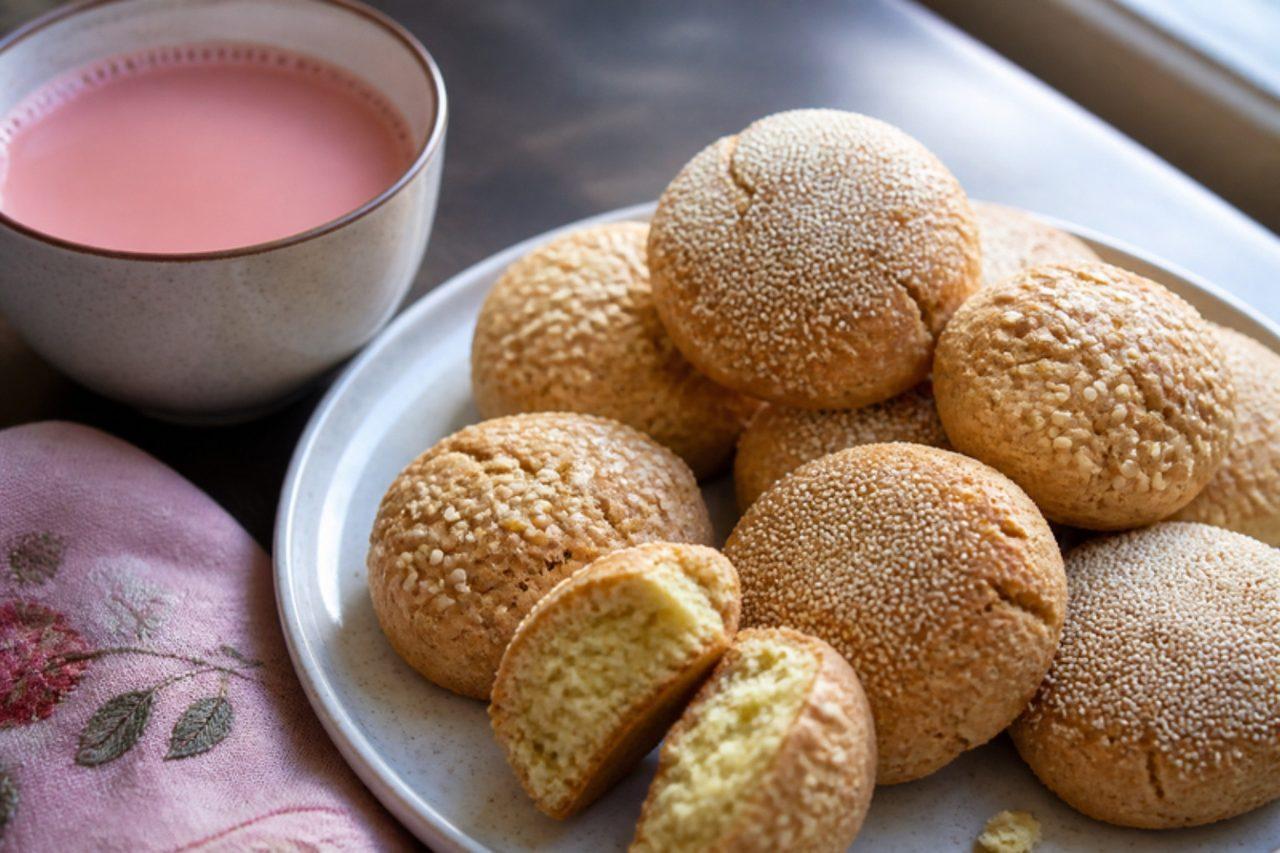
Kashmiri bakery kulchaPoppy seed or sesame tea biscuits

Before dawn the kandurwaan, Srinagar's neighbourhood baker, lights his clay oven, and by breakfast his shelf holds stacks of kulcha: small, thick, very crumbly rounds, some salted and crusted with poppy seeds, some sweet and dotted with sesame. They are nothing like the soft Punjabi bread of the same name. Kashmiris eat them with noon chai, the pink salted tea, breaking a kulcha into the cup or alternating bites and sips; they are also handed out at weddings and taken as gifts when visiting. This eggless home version makes both kinds from one ghee-rich dough. Do not overwork it: kneading develops gluten and you lose the sandy crumble that makes kulcha special. Chef's tip: bake them pale and low; a real Kashmiri kulcha is barely golden on top and crisp only on the base, so take them out while they still look a little underdone.

by KrazyBadal 0 views

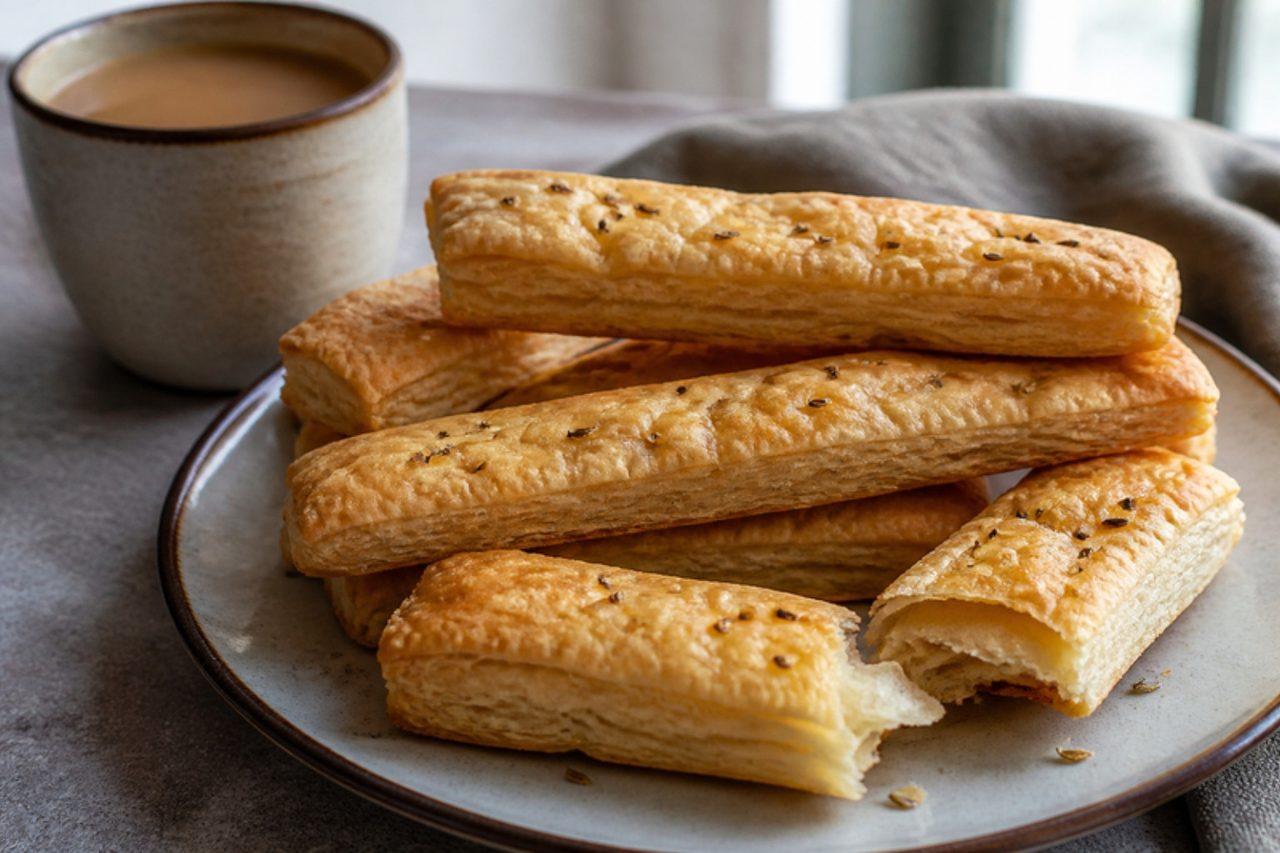
Khari biscuitsSalted puff pastry sticks

Chai in Mumbai's Irani cafés and Ahmedabad's corner bakeries comes with a glass jar of khari: long, shattering sticks of puff pastry, salty rather than sweet, that flake all over your lap. People dip them in sweet masala chai, which soaks into the layers in seconds, so the trick is a quick dunk. Bakeries usually laminate with margarine or vanaspati; butter gives a richer, cleaner taste, and this eggless home version uses a block of cold butter folded into a plain dough, with a scatter of cumin or crushed kasuri methi on some. The biggest mistake is letting the butter go soft between folds: it smears into the dough and the sticks bake up hard and bready instead of rising into dozens of leaves. Chef's tip: once the sticks have puffed and coloured, lower the oven and leave them in until the centres are dry; under-dried khari go soft in the jar within a day.

185 minIndianBaking
by KrazyBadal 0 views

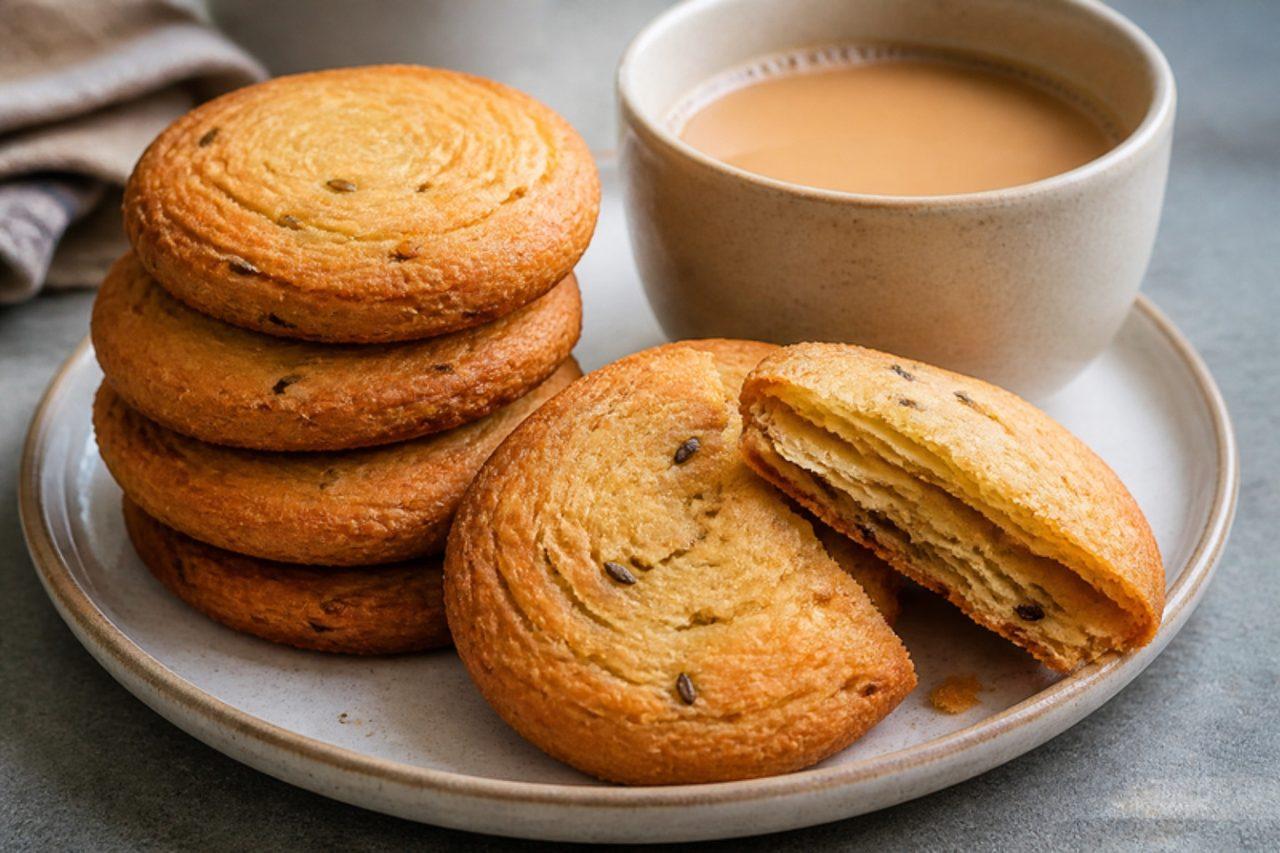
Surti jeera butter biscuitsCumin butter tea biscuits

Surat's old bakeries, some of them run by Parsi and Bohra families for a century, sell 'butter' by the kilo: round, crisp, flaky biscuits that crack into layers, and the jeera version is salted and freckled with cumin. Gujaratis eat them with morning tea, crushed into a saucer of chai or spread with a little butter. Unlike khari they start with a lightly yeasted dough that is spread with a ghee-and-flour paste and folded, then baked once until risen and again, low, until bone dry, which gives a crunch rather than a shatter. The mistake most people make is pulling them out after the first bake because they look done; they need the long, slow second bake or they turn chewy. Chef's tip: toast the cumin in a dry pan for a minute and crush half of it before it goes into the dough, so the flavour runs through every layer.

180 minIndianBaking
by KrazyBadal 0 views

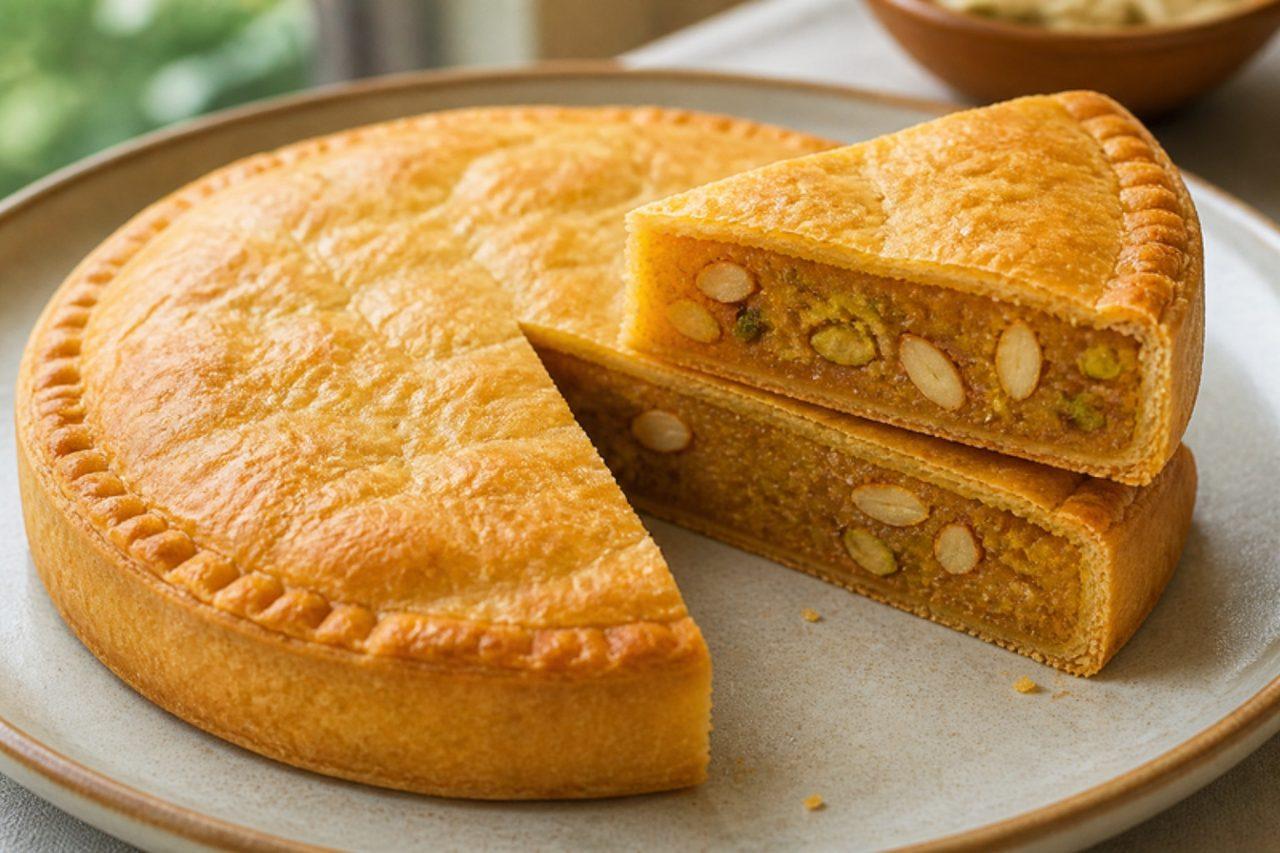
Dar ni poriSweet lentil pie with nuts

Parsi families in Mumbai and the small towns of south Gujarat order dar ni pori for Navroz, birthdays and the first day of a new job, when a sweet that keeps well is needed for visitors. A thin, flaky shortcrust holds a fudgy filling of toor dal cooked down with sugar and ghee, scented with cardamom, nutmeg and rose water and studded with almonds and pistachios. It tastes a little like a nutty halwa wrapped in pastry and is cut into small wedges, usually with a cup of milky tea. The usual mistake is stopping the filling too early: if it is still soft and wet it soaks the pastry and leaks through the seams. Chef's tip: the dal is ready when it pulls away from the pan as one mass and a spoonful holds a clean shape on a plate.

150 minIndianBaking
by KrazyBadal 0 views

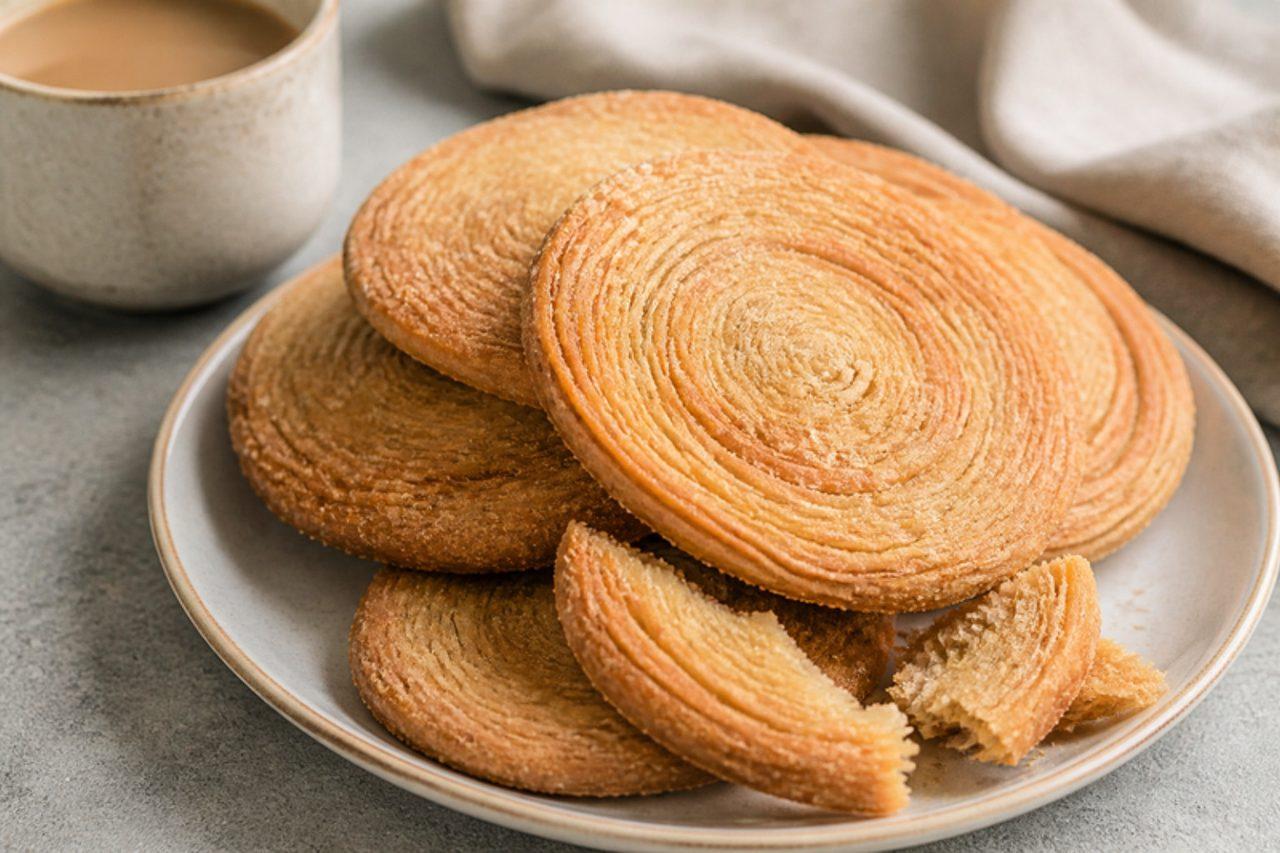
Ooty varkeyFlaky spiral tea biscuits

Up in the cool tea country of the Nilgiris, around Ooty and Coonoor, small bakeries turn out trays of varkey every morning, and tourists carry home bags of them alongside the estate tea. They are flat, golden and lightly sweet, with tight spiral layers that crunch and then melt, a texture the bakers get by rolling a sugared dough up around a fat paste and slicing it like a Swiss roll. Eat them with strong milky Nilgiri tea; locals also crumble them over hot milk. Bakeries traditionally use vanaspati for the paste; butter mixed with a little ghee gives a cleaner taste in this eggless home version. Watch the spiral: if you press the slices too hard when flattening, the layers fuse and the biscuit bakes dense. Chef's tip: chill the rolled log until it is firm enough to slice cleanly; a soft log squashes under the knife and you lose the swirl.

165 minIndianBaking
by KrazyBadal 0 views

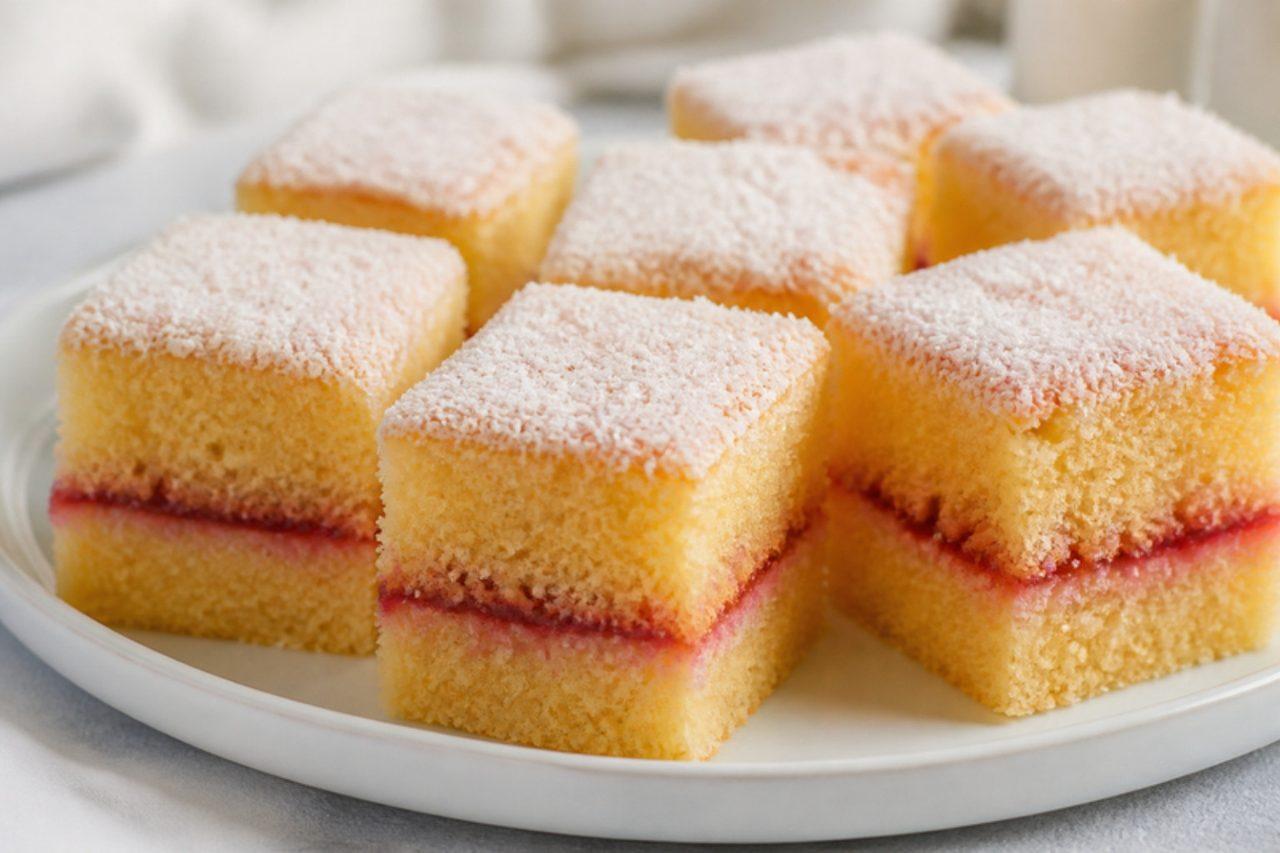
Kerala honey cake

No Kerala bakery counter, from a tiny shop in Thrissur to a busy one near Kochi bus stand, is complete without a tray of honey cake: sticky squares of vanilla sponge sandwiched with red jam, drenched in honey syrup and coated in white coconut. Children buy them after school; adults eat them with a glass of sweet tea in the late afternoon. The sponge is soft and damp right through, sweet and faintly floral from the honey, with fruity jam at its heart. People often pour hot syrup over a hot sponge and get a soggy, collapsing cake, so let the sponge cool and use the syrup just warm. Chef's tip: stir a squeeze of lemon into the syrup; it stops the honey tasting flat and helps the cake soak evenly.

by KrazyBadal 0 views

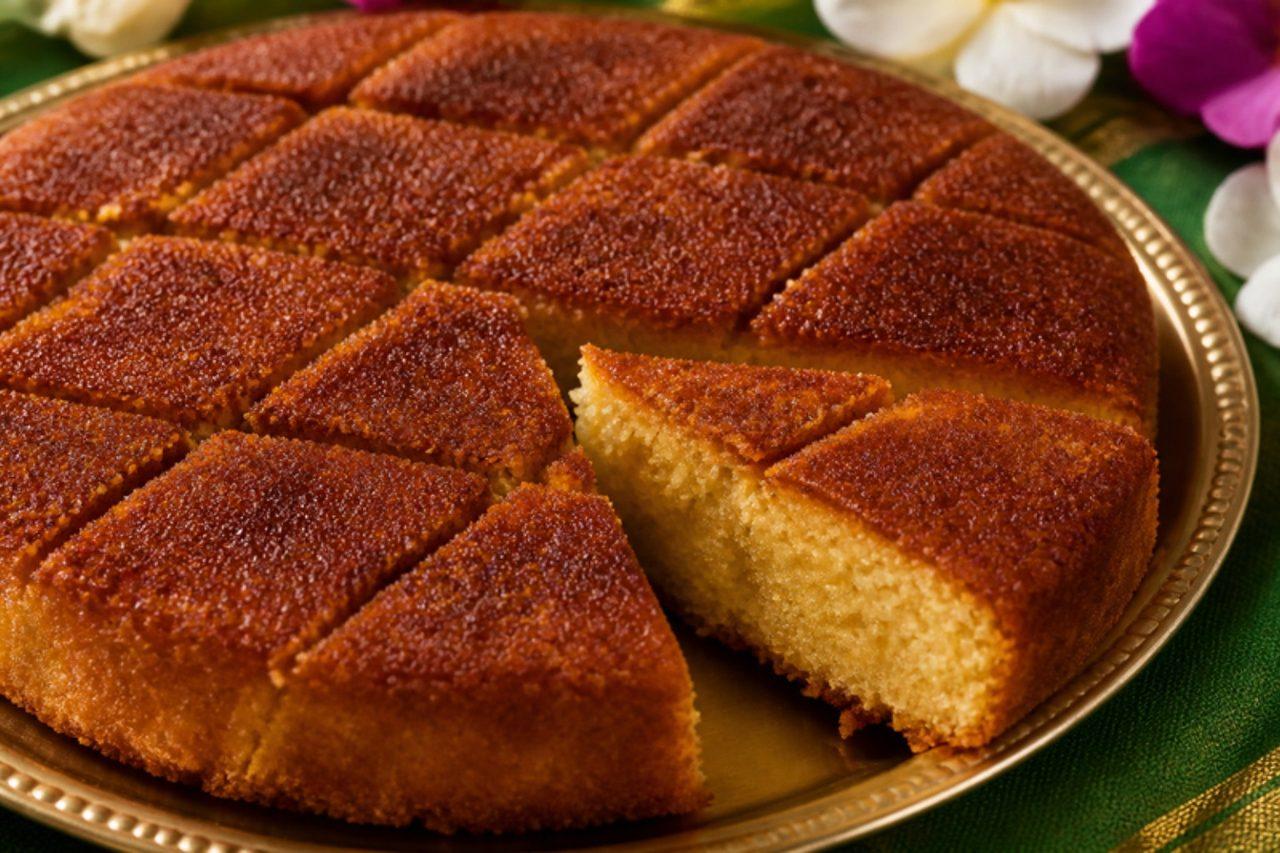
Goan baathSemolina and coconut cake

From Margao to Mapusa, Goan Catholic families start baath a day early: semolina, fresh coconut, sugar and butter are rubbed together and left overnight so the grains drink up the coconut milk. The next morning eggs go in and the cake is baked until brown and fragrant, ready for the Christmas kuswar plate alongside bebinca and neureos, or cut into diamonds for a wedding. The crust is crisp and caramelised; the inside is dense, moist and chewy with coconut, scented with cardamom and sometimes a little rose water. Desiccated coconut is the common shortcut and the common mistake: it makes a dry, crumbly baath, so use fresh or frozen grated coconut. Chef's tip: bake it in a heavy metal tin and do not open the oven for the first 40 minutes; the slow, steady heat gives the dark crust without a raw middle.

660 minIndianBaking
by KrazyBadal 0 views

Indian bakery cream roll

Cream rolls are a sweet memory for children across India, from the Irani cafés of Mumbai to Kerala's small-town bakeries: spirals of flaky puff pastry baked around a cone, glazed with sugar and piped with soft vanilla cream. They turn up on birthday party plates and in after-school bakery treats. This version uses whipped cream rather than the shortening icing of many shops. It contains gluten and milk. Chef's tip: fill them only an hour or two before serving so the pastry stays crisp.

by KrazyBadal 0 views

Kärntner ReindlingCinnamon raisin yeast cake

Carinthia's Easter loaf takes its name from the Reindl, the round, deep pan it is baked in, and in southern Austria no Easter basket goes to church without one. Inside the golden yeast crust is a spiral of butter, cinnamon sugar and plump raisins, so every slice shows a dark swirl. Locals eat it two ways: sweet with coffee on Easter morning, or alongside the savoury Easter platter with horseradish. Many bakers soak the raisins in rum overnight; warm water or tea works just as well and keeps it alcohol-free. A dry, crumbly Reindling usually means too much flour went in during kneading, so keep the dough soft and only lightly floured. Chef's tip: butter the pan well and dust it with sugar, which caramelises into a thin crunchy shell.

by KrazyBadal 0 views

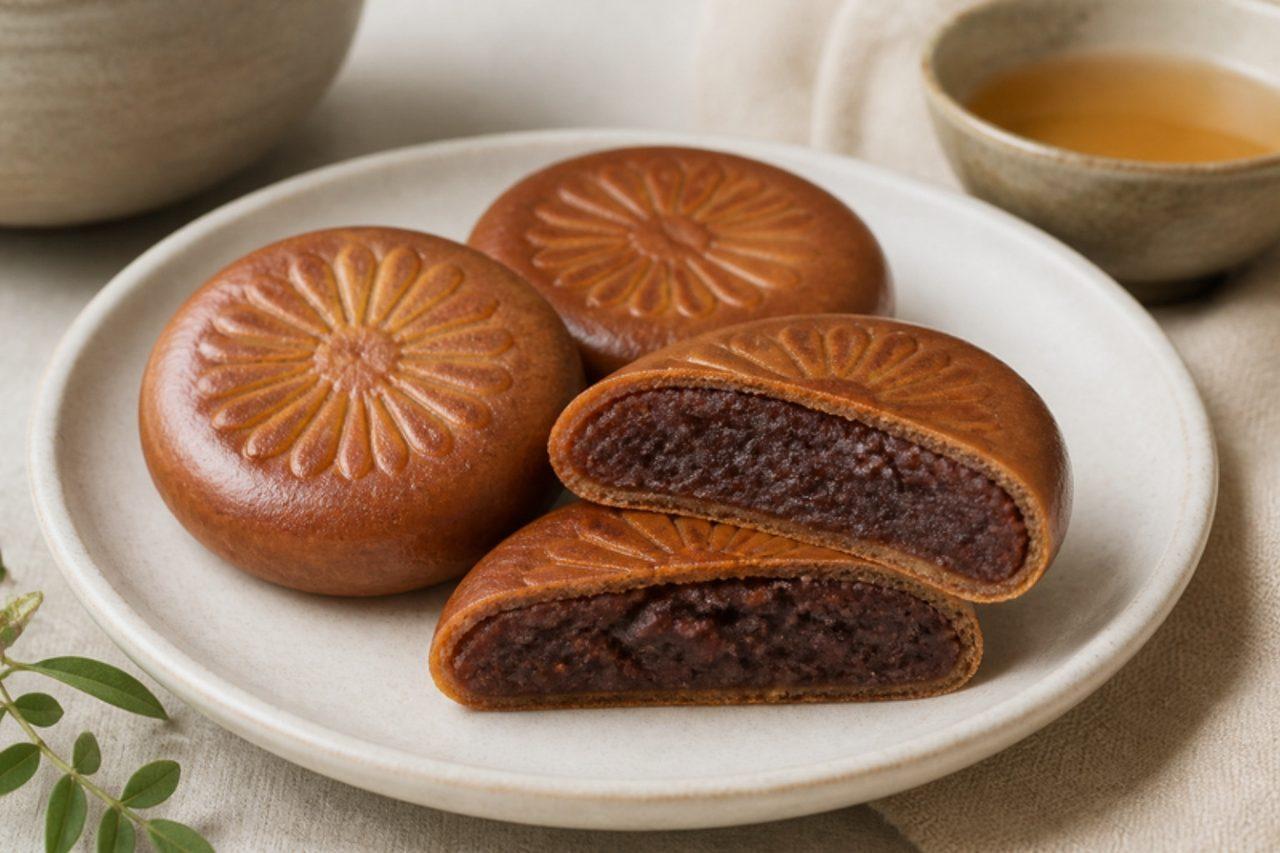
Gyeongju breadRed bean pastries

Near the grassy royal tombs of Gyeongju, the ancient Silla capital, a baker in Hwangnam-dong began making these small round pastries in 1939, and the city's shops have sold them by the boxful ever since. Gyeongju bread (황남빵, also called Gyeongju-ppang) is mostly filling: a generous ball of coarse red bean paste in a skin so thin it looks painted on, stamped with a flower pattern and glazed until shiny brown. It tastes gently sweet and nutty, soft and moist rather than bready, and it is the souvenir every visitor carries home, eaten with barley tea or green tea. The usual mistake is a dough shell that is too thick, which bakes into a cookie and hides the bean flavour; aim for roughly one part dough to two and a half parts filling. Chef's tip: press the pattern in with a small cookie stamp or the back of a citrus press dipped in flour, while the buns are cold and firm, so the design stays sharp.

by KrazyBadal 0 views

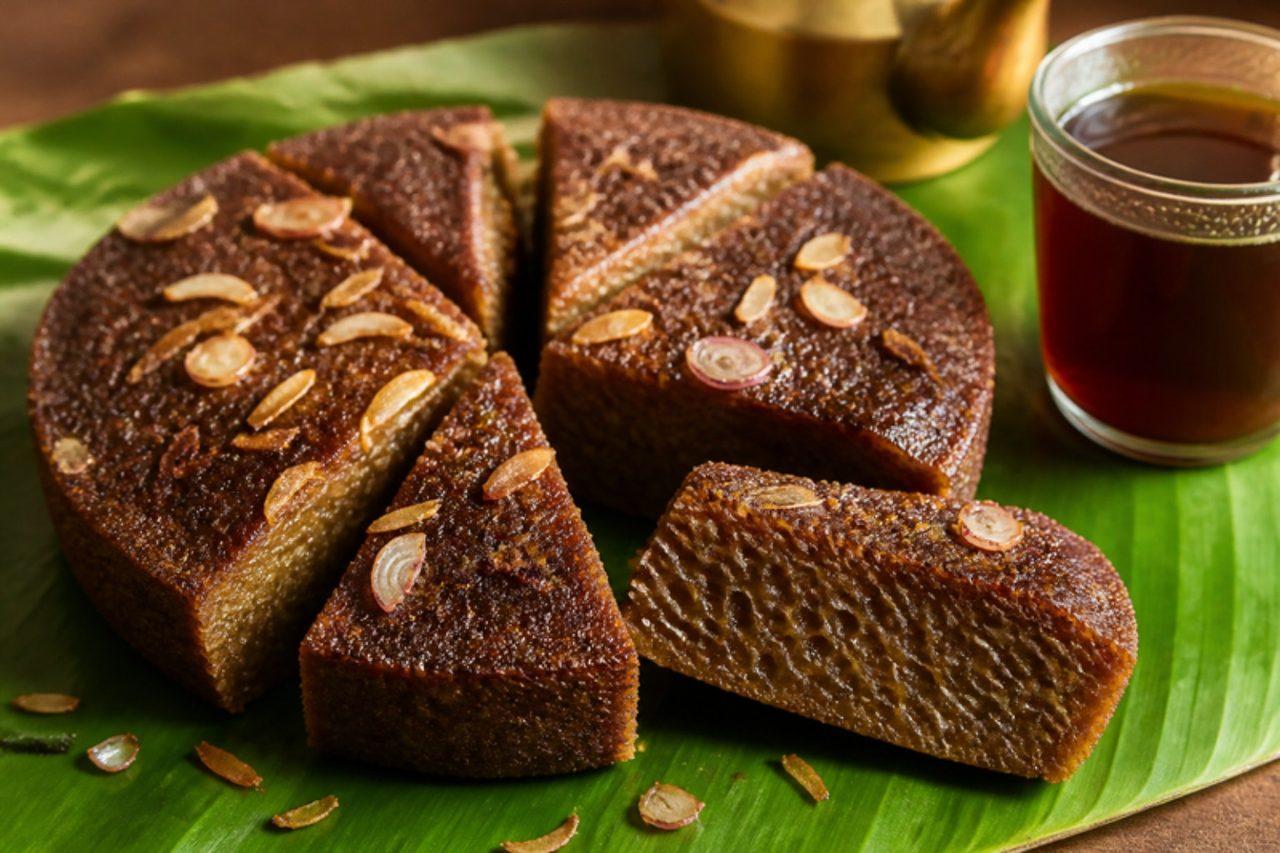
KalathappamRice and jaggery cake

Kalathappam takes its name from the kalam, the heavy clay or metal pot it was once cooked in over a wood fire with embers heaped on the lid. In Malabar homes from Kozhikode to Kannur it appears at tea after the Ramadan fast and for family visits, cut into wedges and eaten warm with black tea. Soaked rice is ground with a little cooked rice and jaggery syrup, so the cake is naturally eggless and gluten free; ghee-fried coconut slivers and sliced shallots give it a crisp, savoury top and a sweet, chewy, gently bubbled middle. Grind the batter as smooth as you can: a gritty batter is the usual reason it turns out dense and sandy. Here it starts on the hob and finishes in the oven, which gives the heat from above that the embers once did. Chef's tip: let the shallots go only to light gold in the ghee; they keep cooking in the oven and turn bitter if they are already brown.

250 minIndianBakingGluten free
by KrazyBadal 0 views

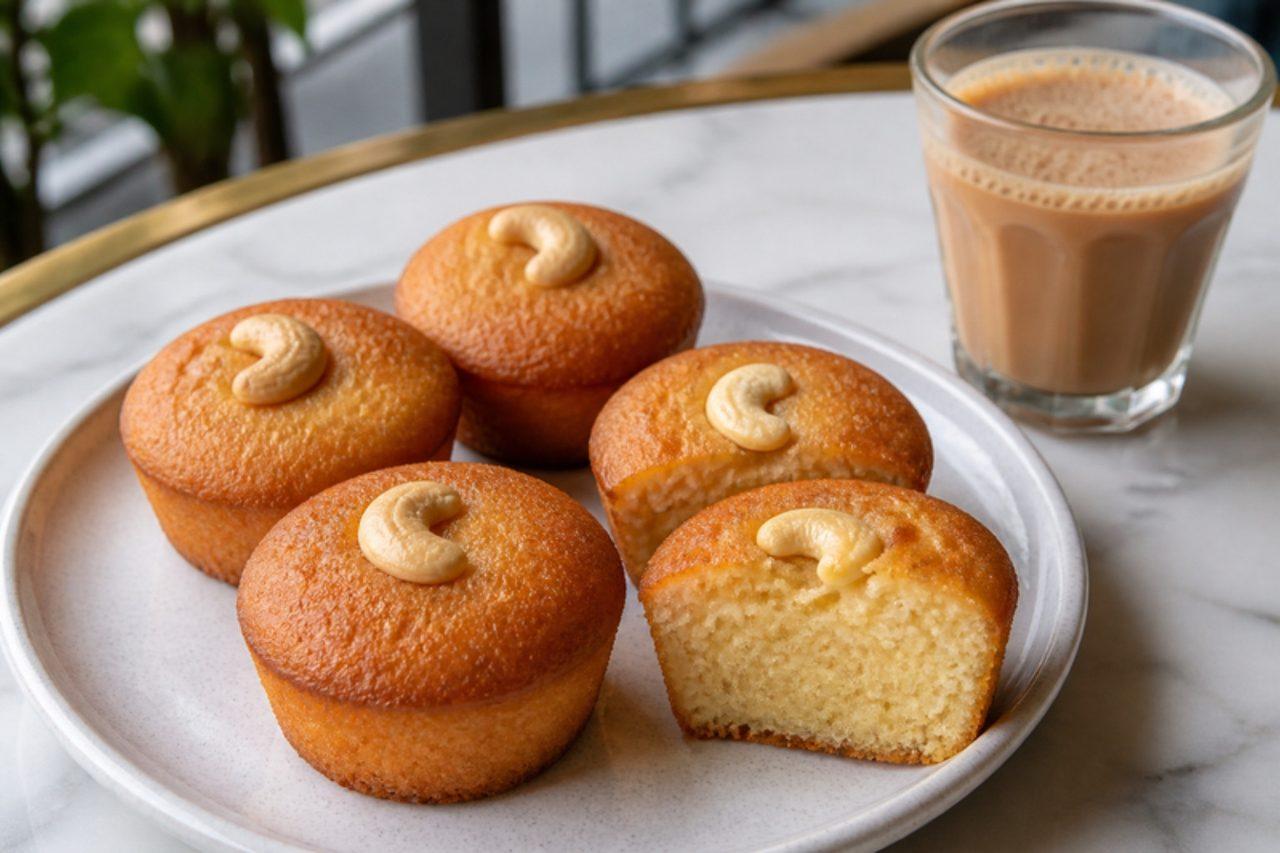
Mawa cakeCardamom khoya butter cake

Walk into an old Irani café in Mumbai or Pune at teatime and the glass jars on the counter will hold squat, golden mawa cakes, each crowned with a single cashew. The crumb is close and buttery, heavy with milky khoya and perfumed with cardamom, somewhere between a pound cake and a barfi. Locals dunk a slice in cutting chai or eat it with a bun maska on the side. This version uses eggs, as the classic bakeries do; eggless versions swap the eggs for yogurt or condensed milk and are just as popular. The usual slip is adding the khoya in hard lumps, which leave greasy pockets in the cake, so grate it and rub it smooth before it meets the butter. Chef's tip: warm the cardamom seeds in a dry pan for a minute before grinding; the aroma doubles and carries right through the bake.

by KrazyBadal 0 views

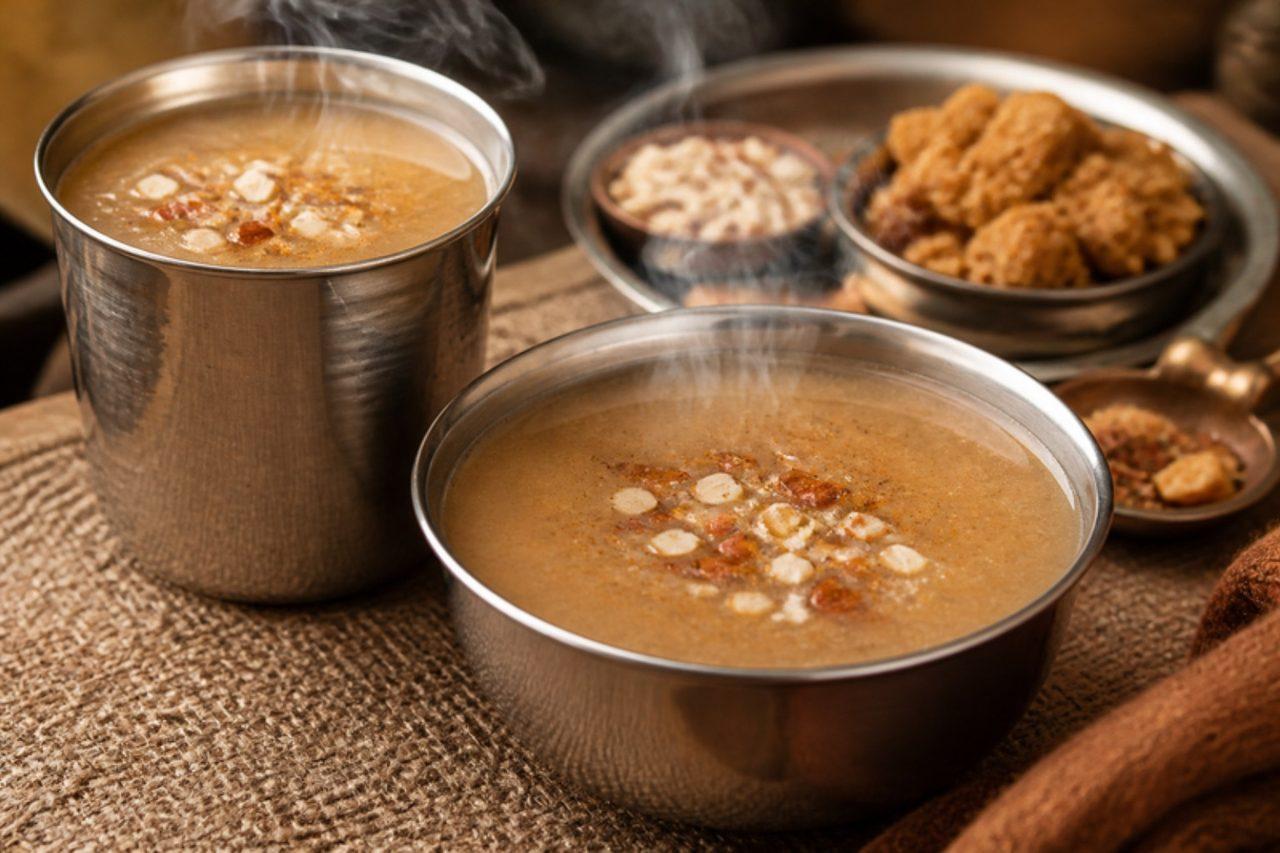
Bajri ni raabPearl millet jaggery drink

In Gujarati homes from Ahmedabad to the villages of Saurashtra, raab is what is made on a cold January evening, for a cough, or for a new mother regaining her strength: a spoon of bajri flour roasted in ghee with ajwain and dry ginger, then cooked with water and jaggery into a thin, sippable porridge. It is drunk hot from a steel tumbler and tastes of toasted grain, caramel and warm spice. A tumbler is about 220 kcal. The most common mistake is adding jaggery to boiling raab with the flame high, which can make it split; turn the heat down first and stir it in until it melts. Chef's tip: roast the flour on a low flame until it smells like toasted biscuit and darkens just slightly; underroasted bajri tastes raw and bitter.

by KrazyBadal 0 views

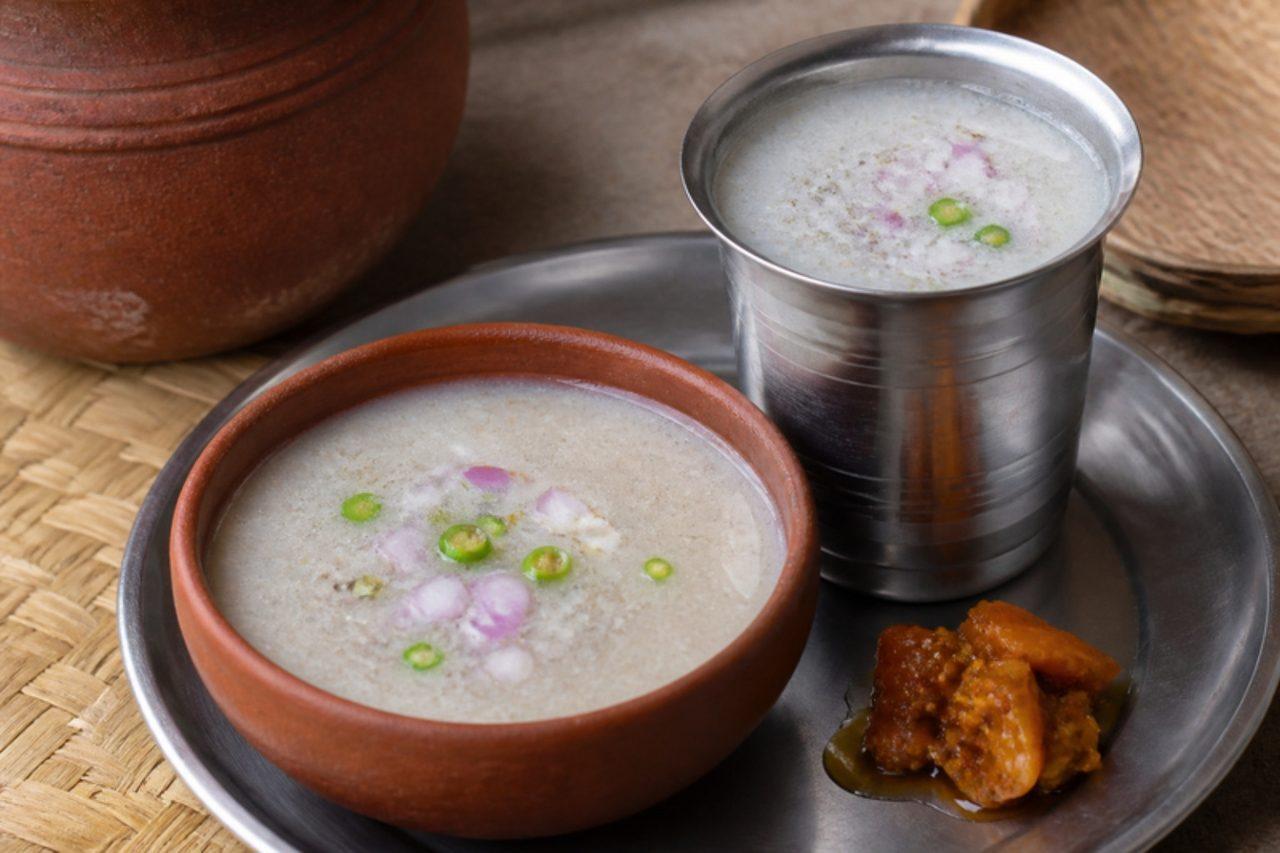
Kambu koozhPearl millet porridge

In the hot months in rural Tamil Nadu, and at the Aadi festival of the village goddesses, big clay pots of kambu koozh are made the evening before and ladled out cold at midday to farm workers and pilgrims. Pearl-millet flour is cooked into a thick porridge, left overnight to sour lightly, then thinned with buttermilk and salt and eaten with chopped raw shallots, green chilli and a bite of pickle. It is sour, filling and surprisingly refreshing. A glass is about 165 kcal. Allow 8–12 hours of fermenting, not counted in the times. The usual mistake is adding the buttermilk to warm porridge, which makes it grainy; it must be completely cold first. Chef's tip: cook the porridge in a clay or steel pot rather than non-stick; it ferments more evenly and gets that clean, tangy taste.

by KrazyBadal 0 views

Khus sharbatVetiver root syrup drink

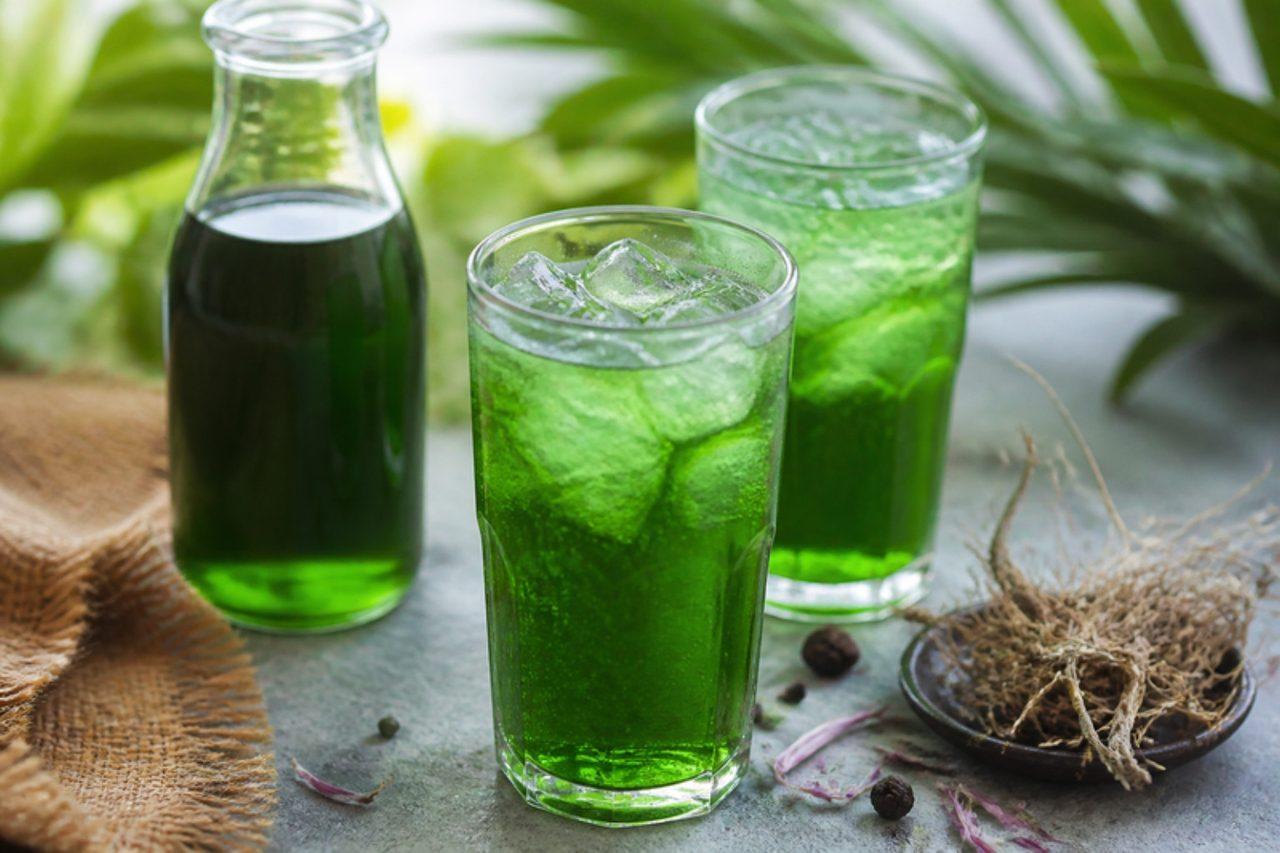
Before air-conditioning, North Indian houses hung wet mats of khus grass over their doors in June, and the breeze through them smelt of damp earth and wood. The same vetiver root flavours this sharbat, a summer staple in Delhi, Rajasthan and Uttar Pradesh. Shop-bought bottles are bright emerald green from colouring; a homemade syrup is pale gold and tastes far more of the root itself, cool and grassy. Families serve it diluted with water to guests arriving from the heat, or with cold milk as a dessert drink at summer parties. The common mistake is boiling the roots hard; the aroma is delicate and cooks off, so infuse them in hot water instead and add the infusion to the syrup off the heat. Chef's tip: if you want the classic green colour for children, a drop of green food colour does no harm, but taste it plain first.

by KrazyBadal 0 views

Bel sharbatWood apple drink

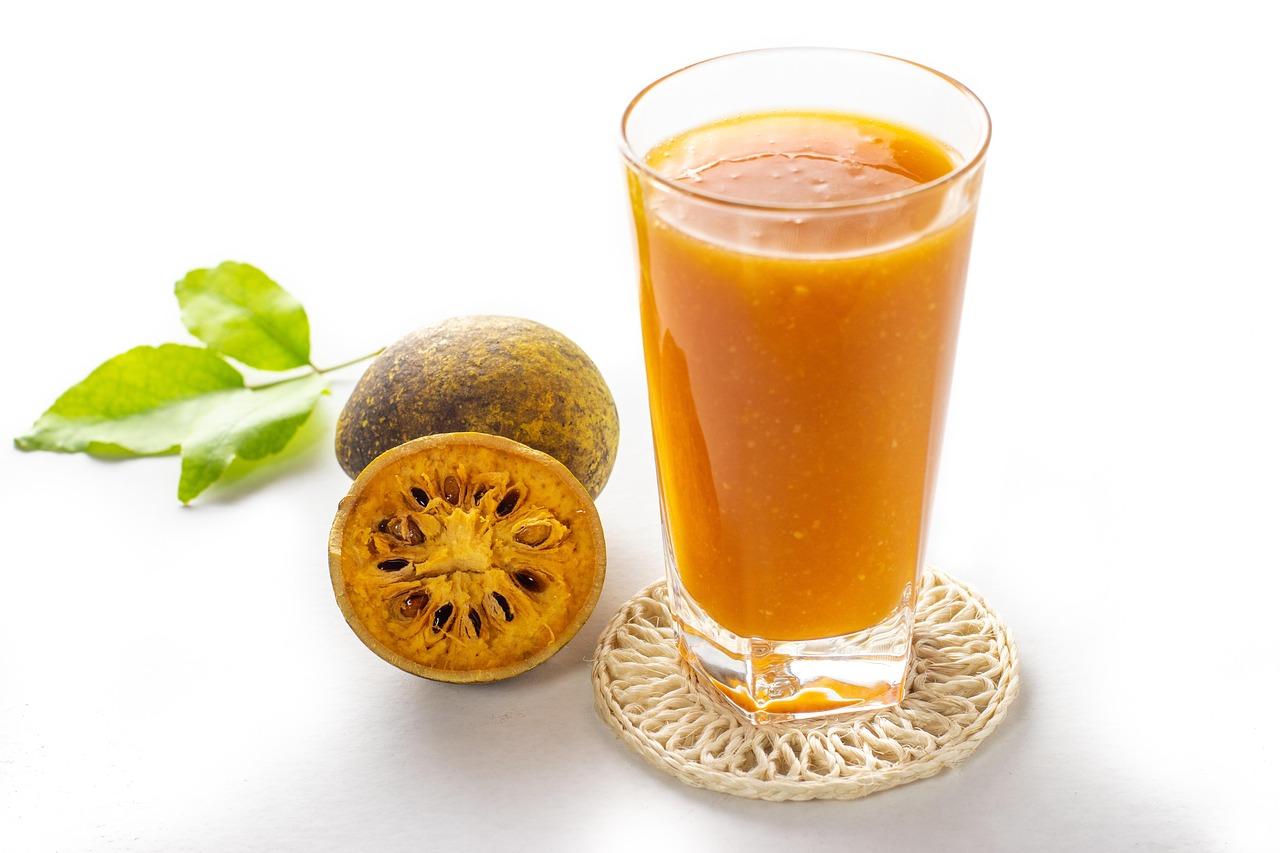
Bael trees grow beside temples across Uttar Pradesh and Bihar, and in May the hard golden fruits are cracked open on the doorstep with a pestle. The orange pulp smells of tamarind, marmalade and rose, and mashed into water it makes a thick, pulpy sharbat that people in Patna, Prayagraj and Gorakhpur drink mid-morning to keep the heat at bay; it is also famously kind to the stomach. Rickshaw stalls sell it from big steel pots. Ripe fruit is essential: it should sound hollow when tapped and smell sweet. The common mistake is blending the pulp in a mixer, which crushes the seeds and sticky fibres and makes the drink bitter and gluey; soak it and mash by hand instead. Chef's tip: let the pulp soak a full 15 minutes before mashing, and it practically falls off the fibres.

by KrazyBadal 0 views

Kokum sharbatKokum cordial

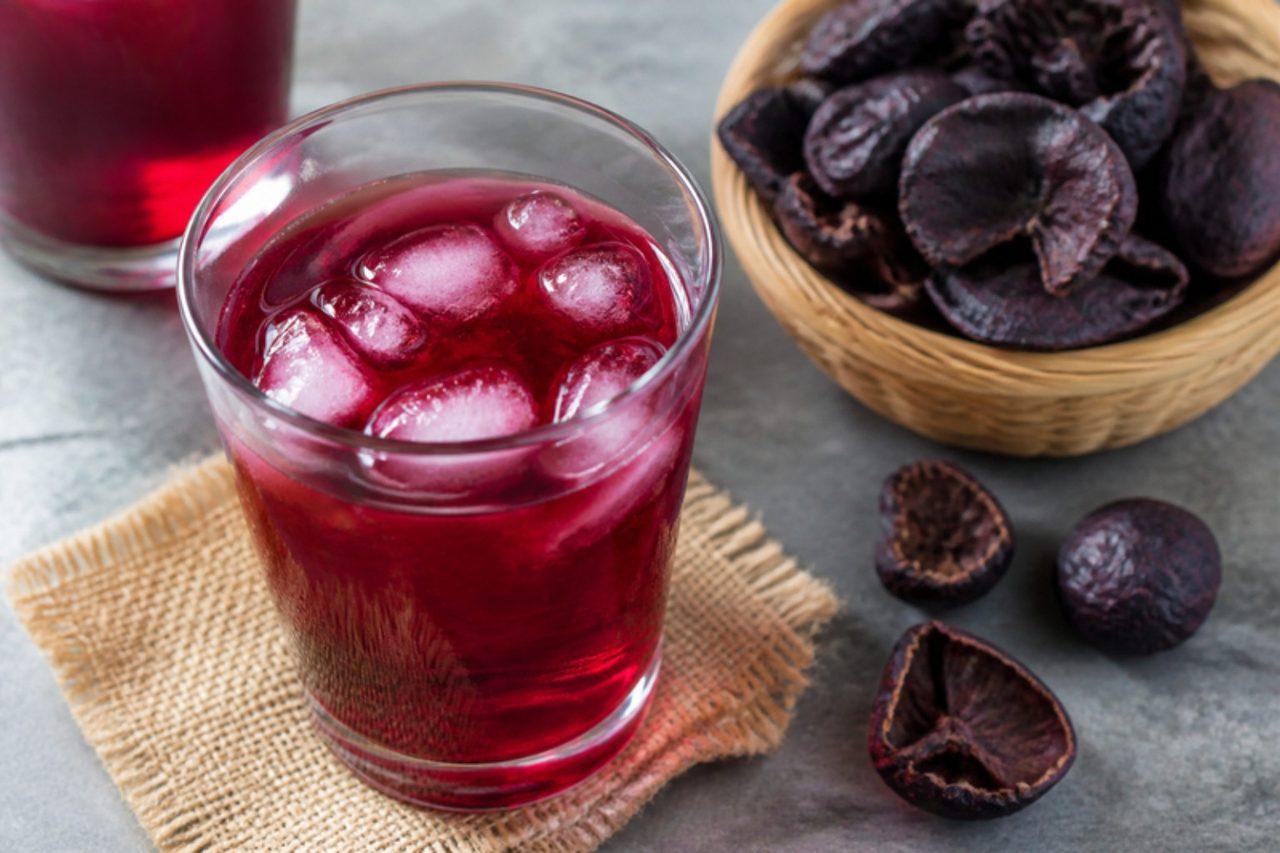
Along the Konkan coast, from Ratnagiri down to Goa, the purple kokum fruit is split and dried in the sun every summer, and the leathery rinds go into curries, sol kadhi and this sharbat. Unlike sol kadhi, there is no coconut milk here: just a clear, deep-red syrup that is fruity, tart and faintly salty, diluted with cold water and drunk after a fish lunch or on a hot afternoon to cool the stomach. Families in Malvan and Sawantwadi still make the concentrate by layering fresh fruit with sugar in jars; this quicker version uses the dried rinds you can buy anywhere. The common mistake is boiling the kokum hard for a long time, which makes the syrup taste stewed and murky; simmer gently just until the colour floods out. Chef's tip: a pinch of roasted cumin and black salt in the glass turns a simple sweet drink into the proper coastal version.

by KrazyBadal 0 views

Badam milkAlmond milk

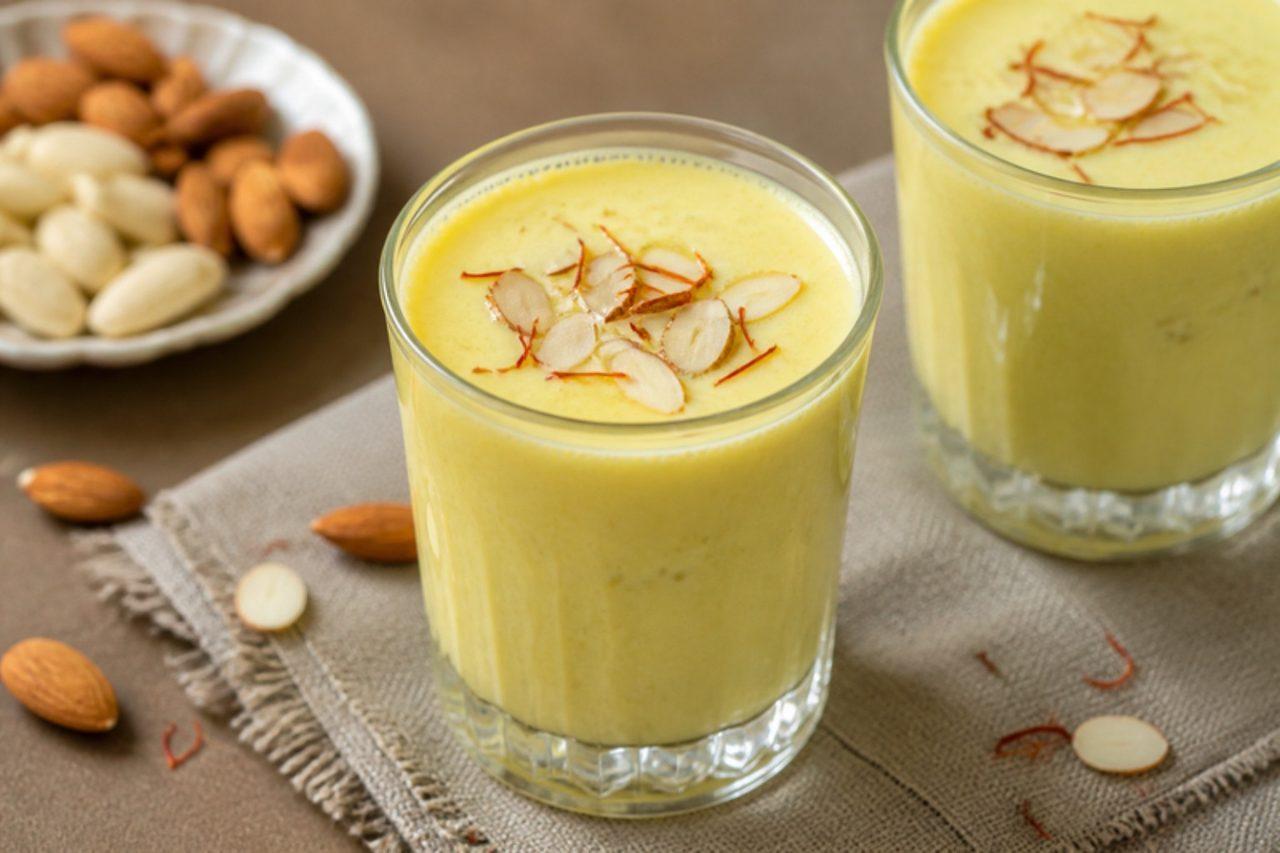
In Hyderabad and Bengaluru, darshinis and Irani cafés sell badam milk from steaming steel urns, while in North Indian homes a hot glass of it is what you get after an exam or on a cold Delhi evening. It is creamy and nutty, tinted pale gold by saffron, and has fine, pleasant flecks of almond rather than being smooth like a shake. Chilled, it is sold in bottles all summer and served at weddings. Soaking and peeling the almonds is what makes it taste clean and sweet. A common mistake is grinding the almonds dry, which turns them oily and gritty; grind soaked almonds with a little milk to a fine paste. Chef's tip: simmer gently after adding the almond paste and keep stirring, because it settles and catches on the bottom of the pan within minutes.

by KrazyBadal 0 views

Nannari sarbathSarsaparilla and lime cooler

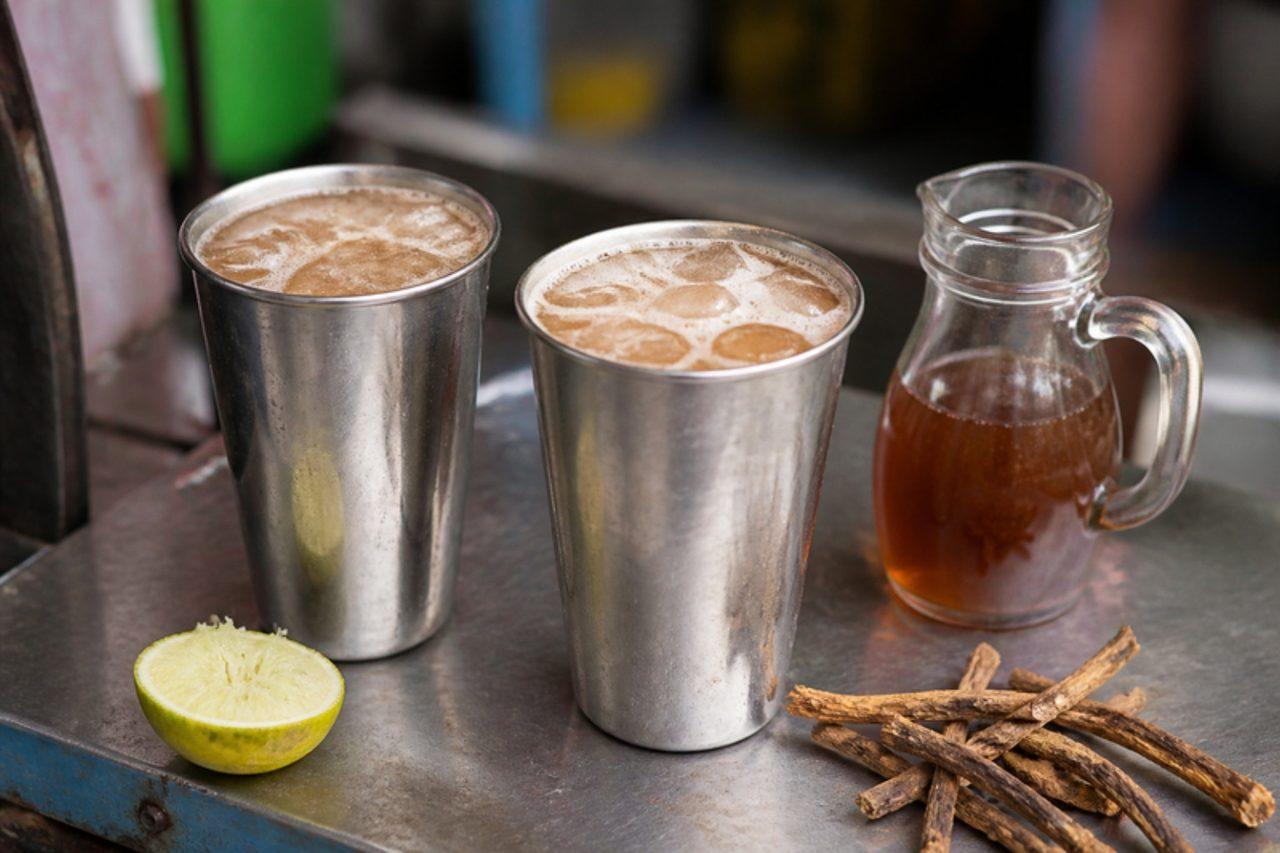
Walk past any sarbath kadai in Madurai, Tiruchi or Chennai's Parry's Corner in summer and you'll hear the clink of a glass being stirred with a long spoon. Nannari, the sweet, woody, vanilla-like root of Indian sarsaparilla, is cooked into a dark syrup; the vendor pours a little into a glass, squeezes in a whole lime, adds a pinch of salt and ice, and tops it with water or a fizz of soda. It is sweet, sharp and earthy all at once, and nothing like the milky jigarthanda made with the same syrup. Many shops add soaked sabja seeds for texture. The common mistake is too much syrup: the root flavour gets lost in sweetness, so start with less and let the lime lead. Chef's tip: squeeze the lime straight into the glass and drop in one squeezed half; a little oil from the peel gives that roadside freshness.

by KrazyBadal 0 views

Aam pannaRaw mango cooler

When the first hard green mangoes arrive in April, kitchens from Lucknow to Pune start boiling them for panna. The cooked pulp is blended with roasted cumin, black salt, mint and sugar or jaggery into a thick concentrate that keeps in the fridge for a week, then diluted glass by glass with cold water. Grandmothers swear by it against loo, the hot dry wind of a North Indian summer, and in Maharashtra the same drink, called kairi panha, is served to guests at Gudi Padwa and haldi-kumkum gatherings. It tastes sour first, then sweet, then smoky from the cumin. A common mistake is using mangoes that have begun to ripen and turn yellow: the panna tastes flat and fruity rather than bracing, so pick firm, green, sour ones. Chef's tip: pressure cooking the mangoes whole in their skins keeps the pulp pale and fragrant; scraping too close to the skin and stone adds bitterness.

by KrazyBadal 1 views

PiyushShrikhand buttermilk drink

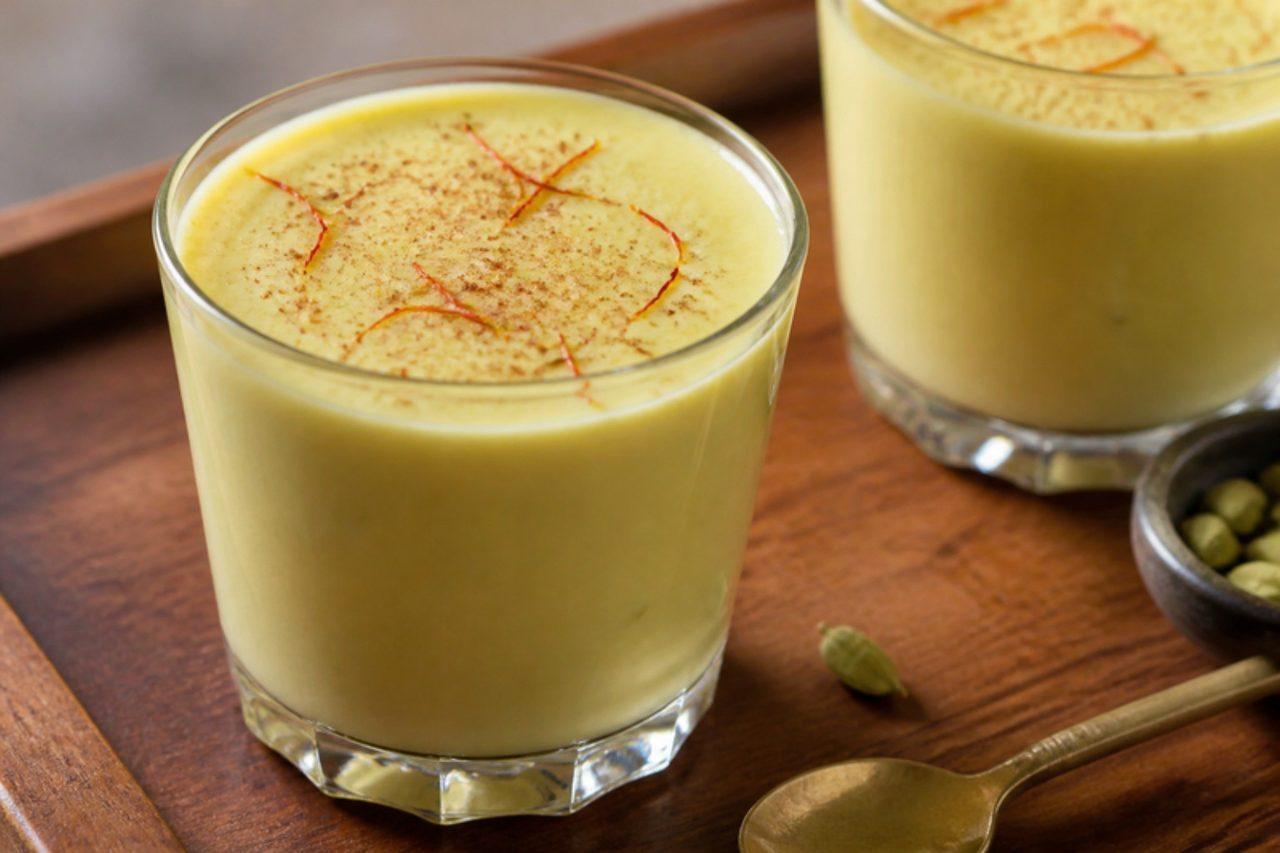
Piyush means nectar, and Pune and Mumbai Maharashtrians drink it on summer afternoons, at Gudi Padwa lunches when there is leftover shrikhand, or from old dairy shops near Dadar and Girgaon where it is sold in glass bottles. It sits between lassi and dessert: thick but pourable, sweet and gently sour, yellow with saffron and scented with cardamom and a whisper of nutmeg. It is lovely with a spicy batata vada or after a puran poli meal. The common mistake is pouring cold buttermilk straight onto stiff shrikhand, which leaves stubborn lumps; loosen the shrikhand with a little buttermilk first, then whisk in the rest. Chef's tip: bloom the saffron in a spoonful of warm milk; cold buttermilk won't pull the colour out.

by KrazyBadal 0 views

Kulukki sarbathShaken lime cooler

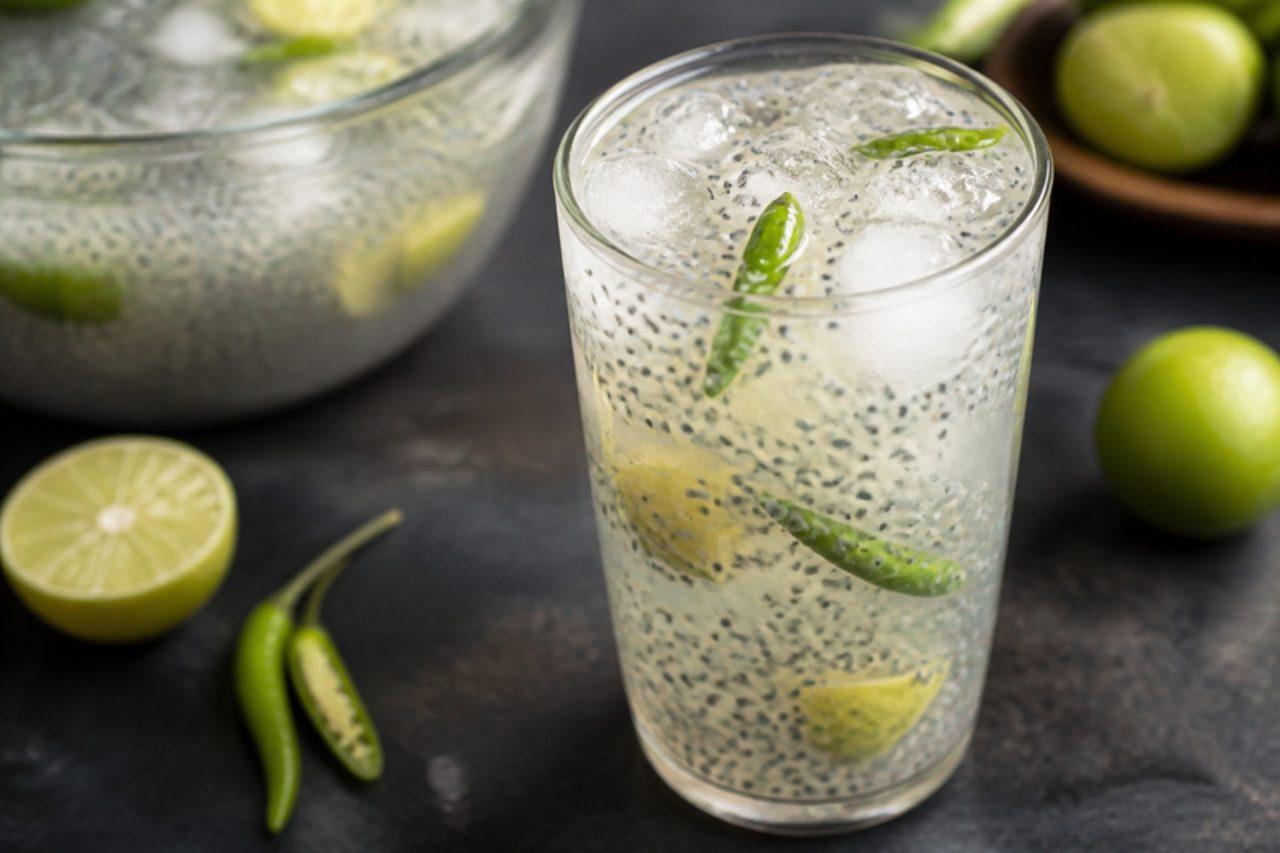
Kulukki means shaken, and the show is half the fun: at roadside stalls in Kozhikode, Kochi and Thrissur, the vendor drops lime, a slit green chilli, basil seeds, syrup and ice into a tall steel tumbler, caps it with another and rattles it furiously before pouring a frothy glass. The drink became a craze across Kerala in the 2010s and is now a beach and festival favourite. It tastes sharp, sweet, salty and then hot as the chilli catches the back of your throat. Some stalls add pineapple or passion fruit. The common mistake is crushing the lime and chilli too hard or leaving them to sit, which makes the drink bitter from the peel and far too fiery; shake briefly and pour at once. Chef's tip: use a jar with a tight lid half filled with ice; the ice does the crushing and makes the foam.

by KrazyBadal 0 views

Showing 24 of 112 recipes

Show more recipes

Page 1 of 5