Skip to content
Recipes

All recipes

Vegetarian, or something you can't eat? Set your diet once and we'll hide recipes that don't fit.

Broyé du PoitouGiant butter biscuit

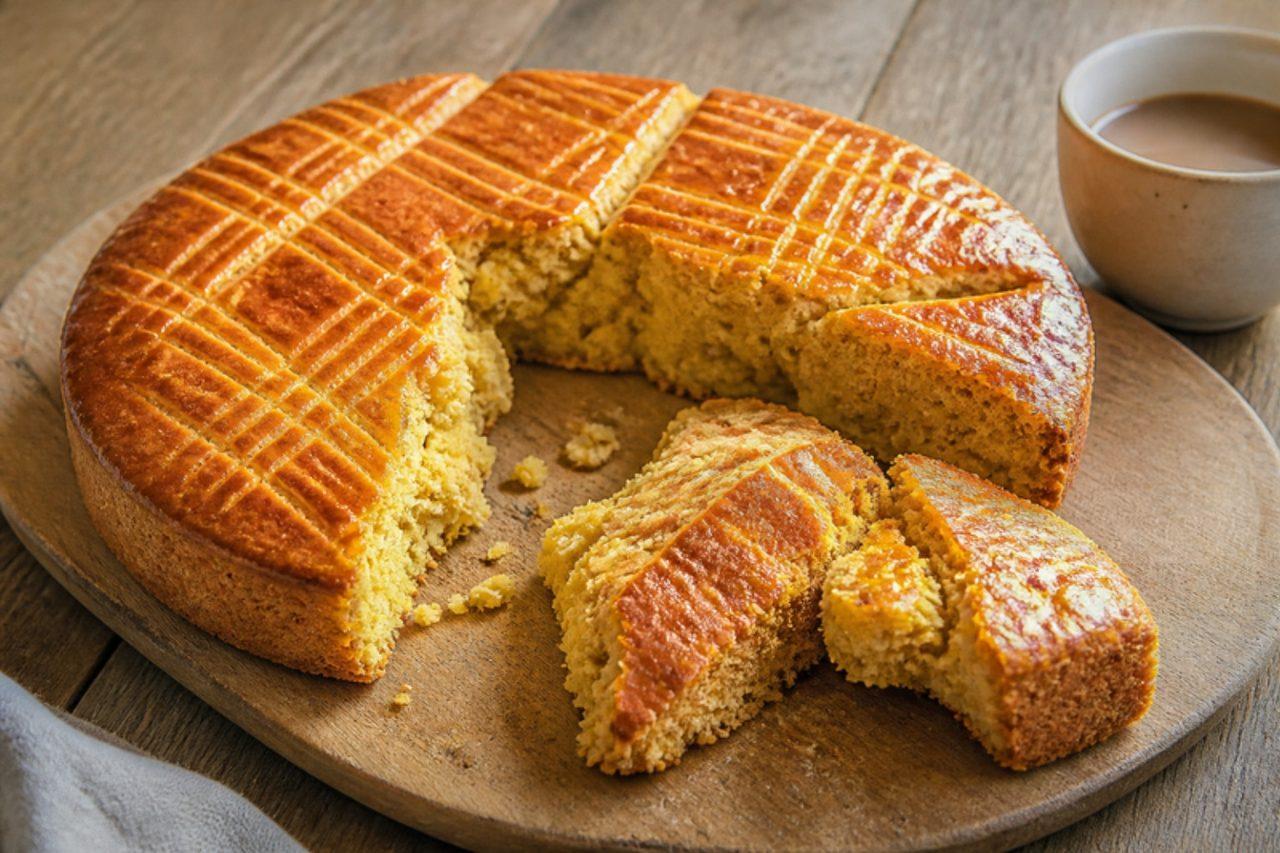
From the Poitou-Charentes region of western France, broyé is one huge, thick butter biscuit baked in a round and carried whole to the table. Tradition says you break it in the middle with a firm blow of the fist, and everyone grabs a jagged piece; farmhouse cooks served it at weddings and family lunches, and it still ends meals there with coffee or a glass of local pineau. It is crisp at the edges, slightly tender in the middle and tastes of salted butter. Some families add chopped candied angelica from Niort. The top is glazed with egg yolk for its shine; milk gives a softer sheen if you prefer no egg wash. Chef's tip: mark the top with a fork in a diamond pattern and press quite deep, because the lines spread as it bakes; a pale broyé is the common mistake, so bake on until it is evenly golden all over.

by KrazyBadal 0 views

Tcharek el arianeAlmond crescents with orange blossom

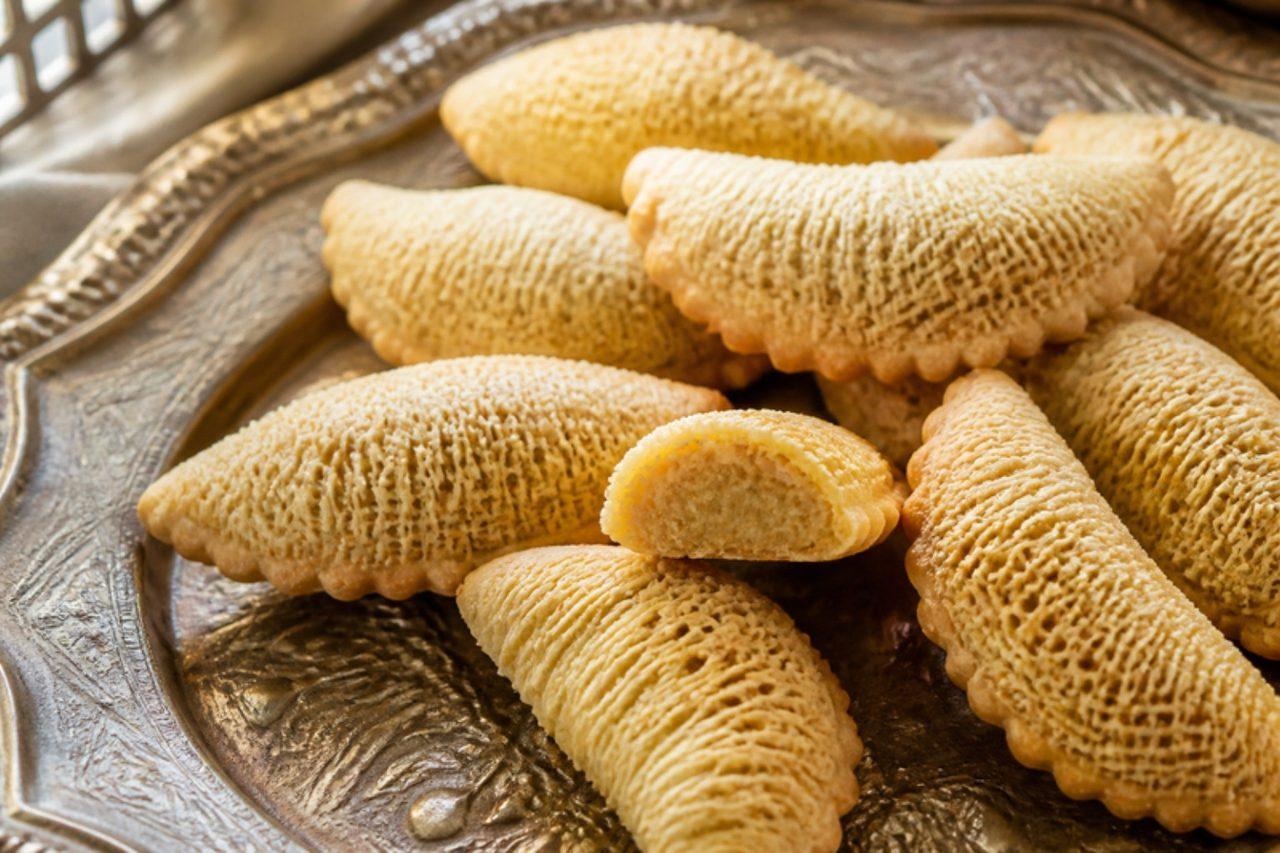
On the last nights of Ramadan, kitchens across Algiers and Constantine fill up with trays of tcharek el ariane, the 'naked' tcharek: crescents of thin, buttery dough wrapped around almond paste with cinnamon and orange-blossom water. Unlike their sugar-coated cousins they are left bare, so the fine dough with its pinched, lace-like pattern shows. Families give them to neighbours on Eid morning and set them out at weddings with mint tea and coffee. The dough is traditionally made with smen (aged butter); plain melted butter works well. Overbaking is the common slip, because they turn hard and dry; they should stay pale with only golden tips. Chef's tip: keep the dough under a damp cloth while you shape, as it dries in minutes and then cracks along the curve.

by KrazyBadal 0 views

Algerian mkhabezIced almond and lemon diamonds

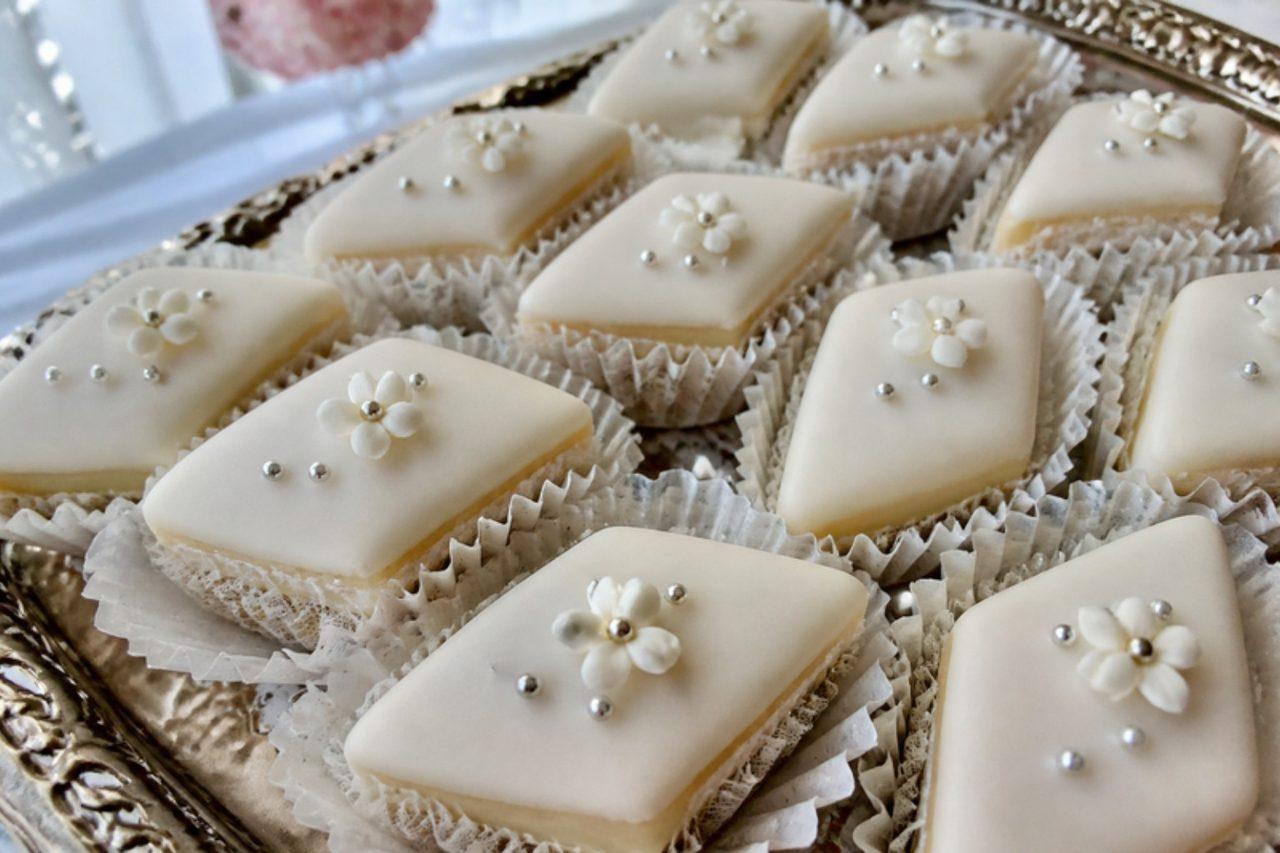
No Algerian wedding tray, and few Eid tables in Algiers or Constantine, is complete without mkhabez: soft, chewy diamonds of ground almond and lemon zest under a smooth white icing, each topped with a sugar flower or a silver ball and set in its own paper case. Making them is a social affair, with sisters and aunts icing and decorating hundreds the week before a celebration. The almond base is flourless and dairy free, sweet and lemony, and the icing sets to a thin shell; serve them with mint tea or strong coffee. Overbaking is the mistake to avoid: the diamonds should come out pale and soft, or they go dry and crumbly under the icing. Chef's tip: ice them when completely cold, and get the icing so thick it only just flows; runny icing slides off the sides and never sets glossy.

by KrazyBadal 0 views

Tarte au fromage blancBaked cheesecake tart

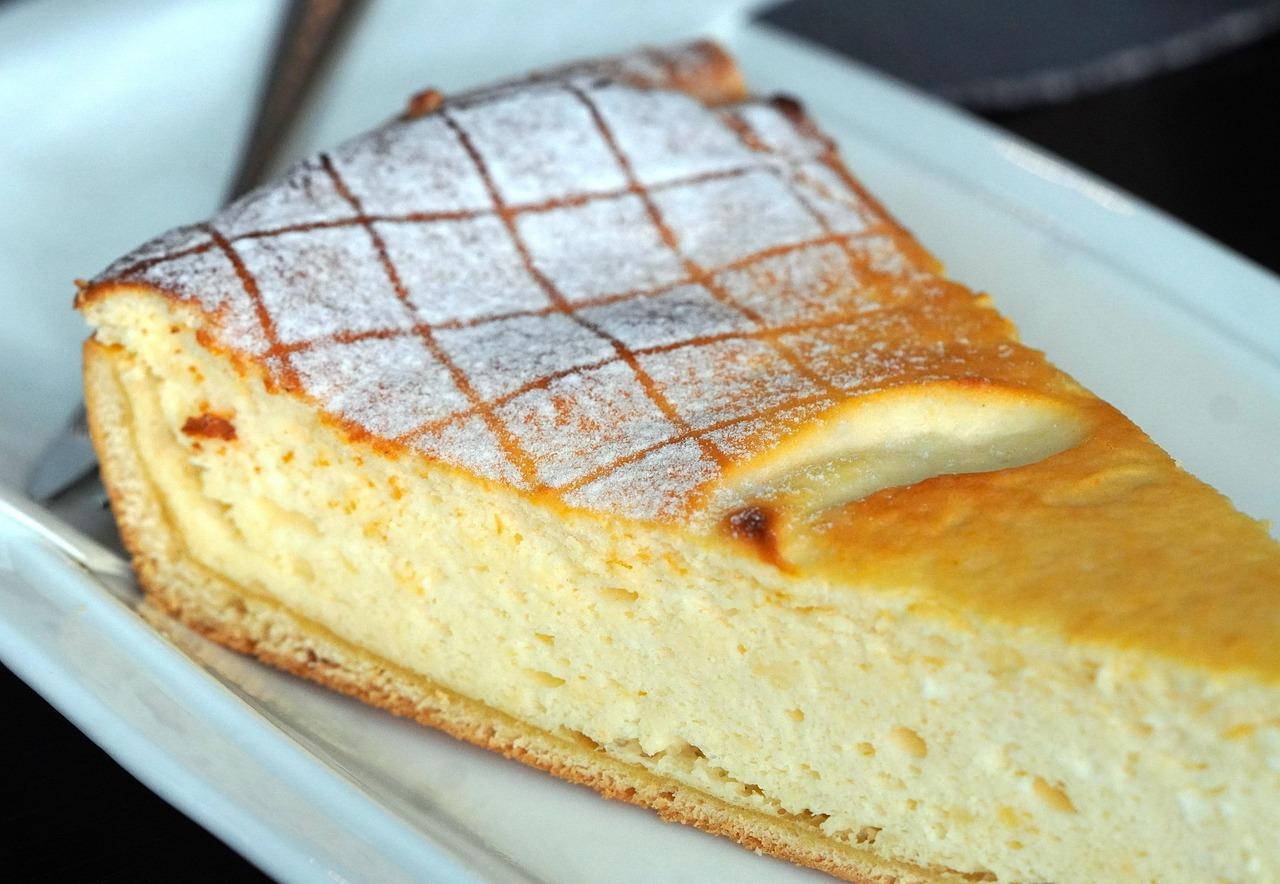
Alsatians call it Käsküeche, and it is the cake their pâtisseries in Strasbourg and Colmar sell by the tall wedge on Sunday mornings, to take home for dessert after lunch. Fromage blanc, eggs and a little crème fraîche are baked in a high-sided pastry case until the filling puffs well above the rim like a soufflé, then settles into a light, creamy, gently lemony cheesecake. It is much less sweet than an American cheesecake and is eaten plain, maybe with a coffee or a glass of cold milk. Taking it out of a hot oven straight into a cold kitchen is what makes it crack and sink badly. Chef's tip: switch the oven off at the end, prop the door open with a wooden spoon and let the tart cool inside for an hour.

by KrazyBadal 0 views

Gâteau à la brocheSpit cake

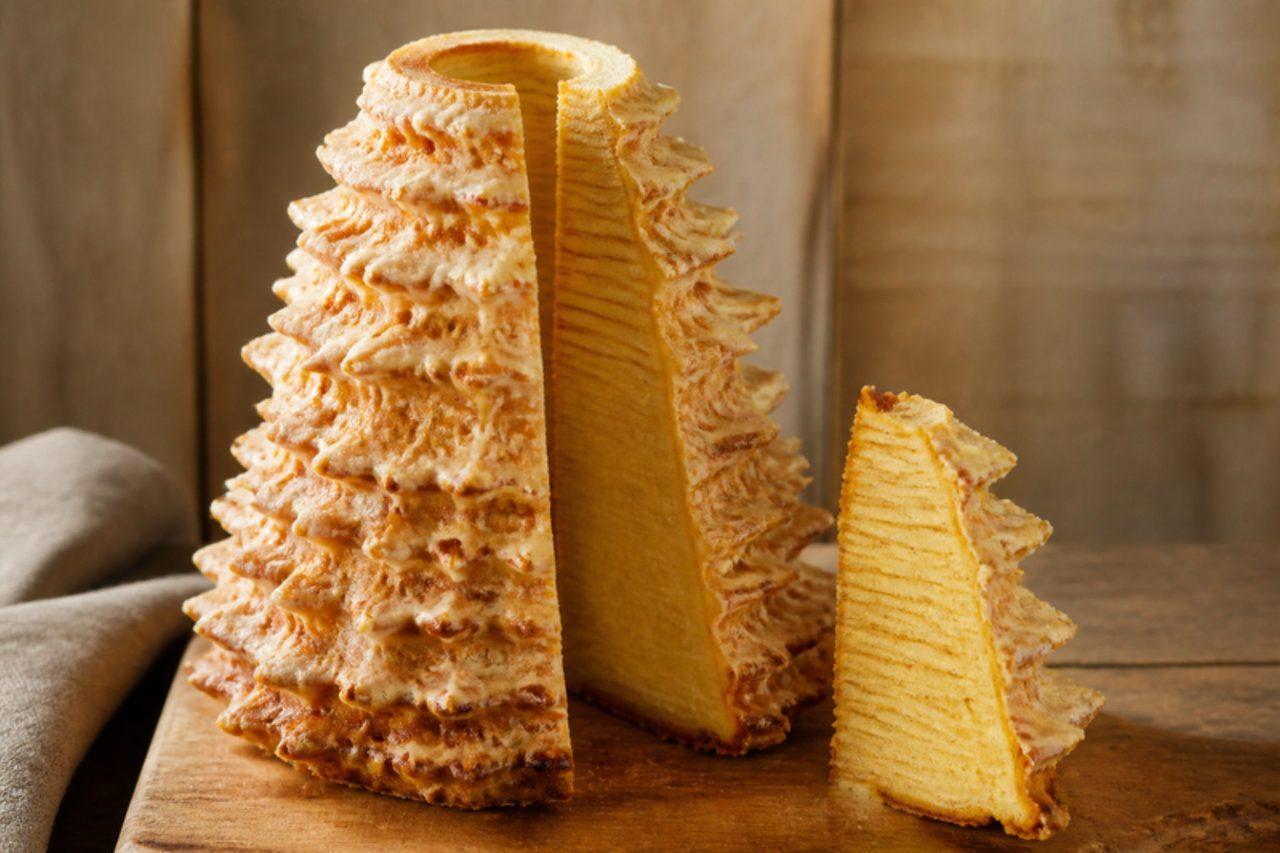
At weddings and village fairs in the Aveyron and the Pyrenees, gâteau à la broche is a performance: a wooden cone turns on a spit in front of a wood fire while a cook ladles batter over it, layer after layer, for hours. The drips set into the spiky ridges that make the tall, hollow cake look like a fir tree. Slices have thin golden rings, a soft, buttery, eggy crumb and a scent of orange-flower water; it is eaten at the end of the feast with sweet wine for the adults or coffee. Older recipes use rum where this one uses orange-flower water and lemon, and at home a foil-wrapped rolling pin turned under a hot grill does the job of the spit. Pouring too much batter at once is the easy mistake: thick layers stay raw inside, so ladle thinly and let each one colour. Chef's tip: keep the batter at room temperature and stir it each time; cold batter clings badly and drips off in sheets.

140 minFrenchBaking
by KrazyBadal 0 views

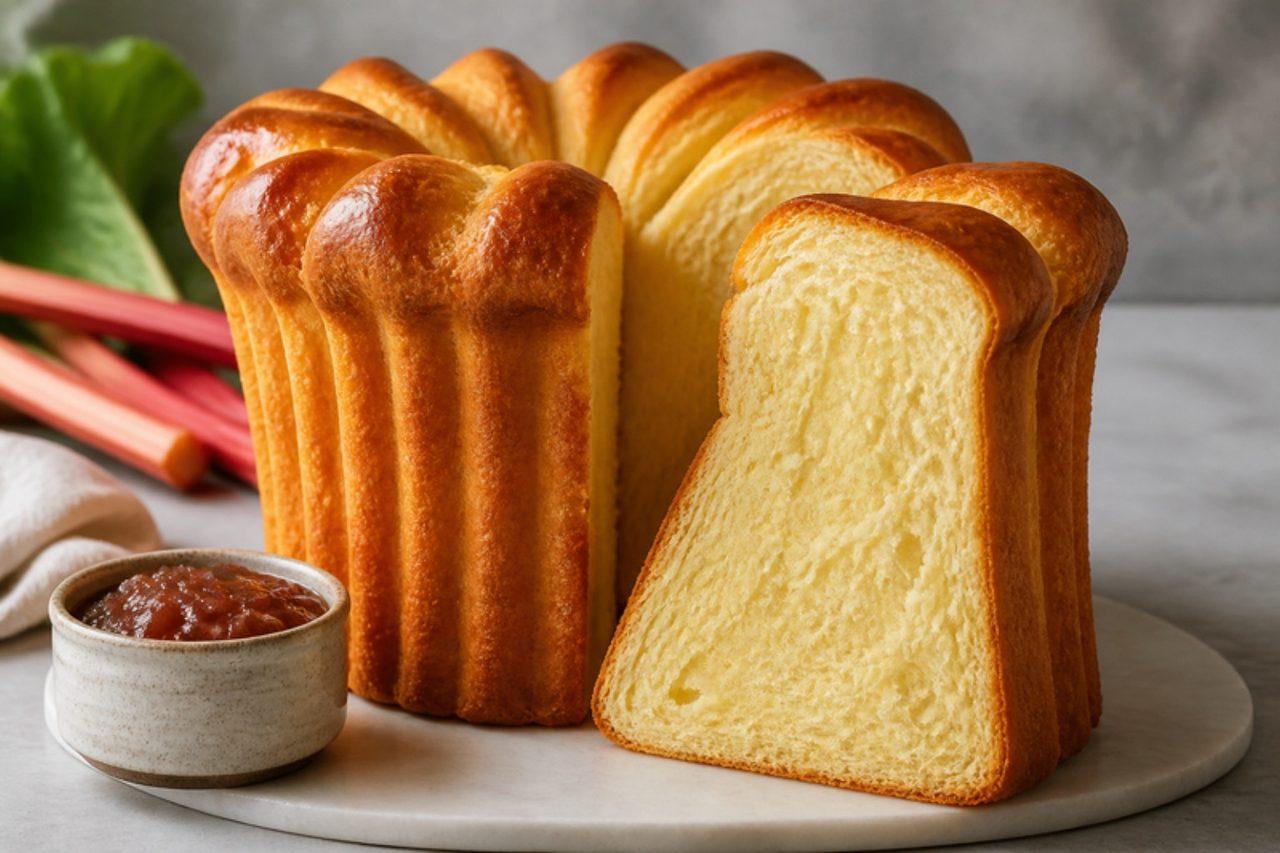
Gâteau battuTall egg-rich brioche cake

Picardy's tall, fluted gâteau battu ("beaten cake") gets its name from the long beating its dough needs: so many egg yolks and so much butter go in that it is closer to a thick batter than a bread dough. In the Somme it is the cake of family celebrations, first communions and weddings, and of Sunday breakfast, and it is baked in a distinctive tall, ridged mould that gives it the look of a chef's toque. The crumb is yellow, very light, buttery and only gently sweet. Serve it in slices with rhubarb jam, poached fruit or crème anglaise, or toasted the next day. Unmoulding too soon is how it collapses: the crumb is so tender that it needs 10 minutes to firm in the tin. Chef's tip: let the dough rise slowly until it reaches the rim of the mould, even if that takes 3 hours; rushing it gives a dense, cakey bottom.

300 minFrenchBaking
by KrazyBadal 0 views

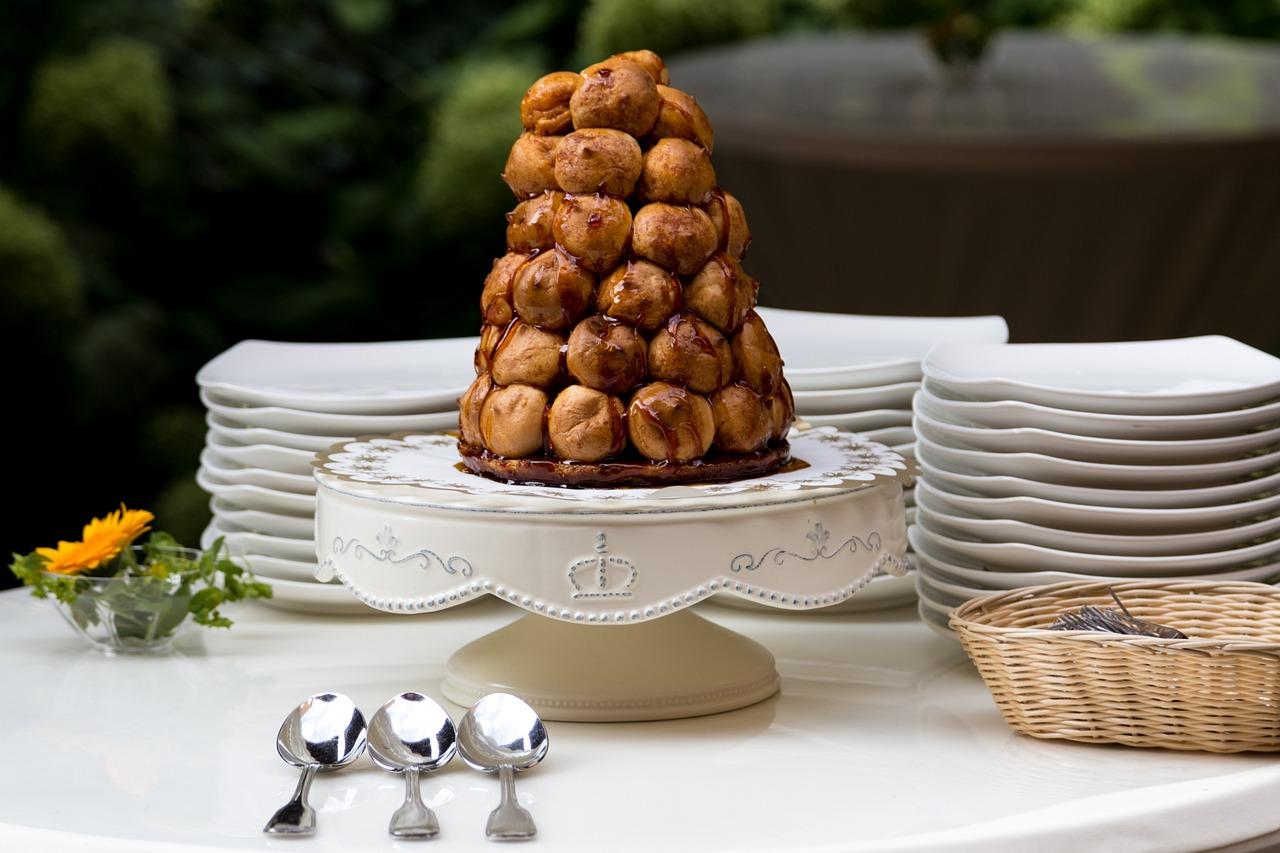
CroquemboucheCaramel-bound choux puff tower

At a French wedding, christening or first communion, the croquembouche ('crunch in the mouth') arrives at the end of the meal: a tall cone of choux puffs filled with vanilla pastry cream, stuck together with amber caramel and wrapped in spun sugar threads. Guests crack puffs off with a knife or the back of a spoon, so each bite is crisp caramel, light pastry and cold, smooth cream. Pâtissiers often flavour the cream with orange liqueur; it is written here with vanilla only, and you can add 2 tablespoons of liqueur to the cooled cream. Underbaked choux is the classic mistake, because pale puffs go soft and collapse under the weight, so bake them until they are deep golden and dry inside; and since hot caramel burns badly, keep a bowl of iced water beside you and work with care. Chef's tip: build the tower on the day, no more than 4 hours before serving; the caramel softens in the fridge and humid air.

210 minFrenchBaking
by KrazyBadal 0 views

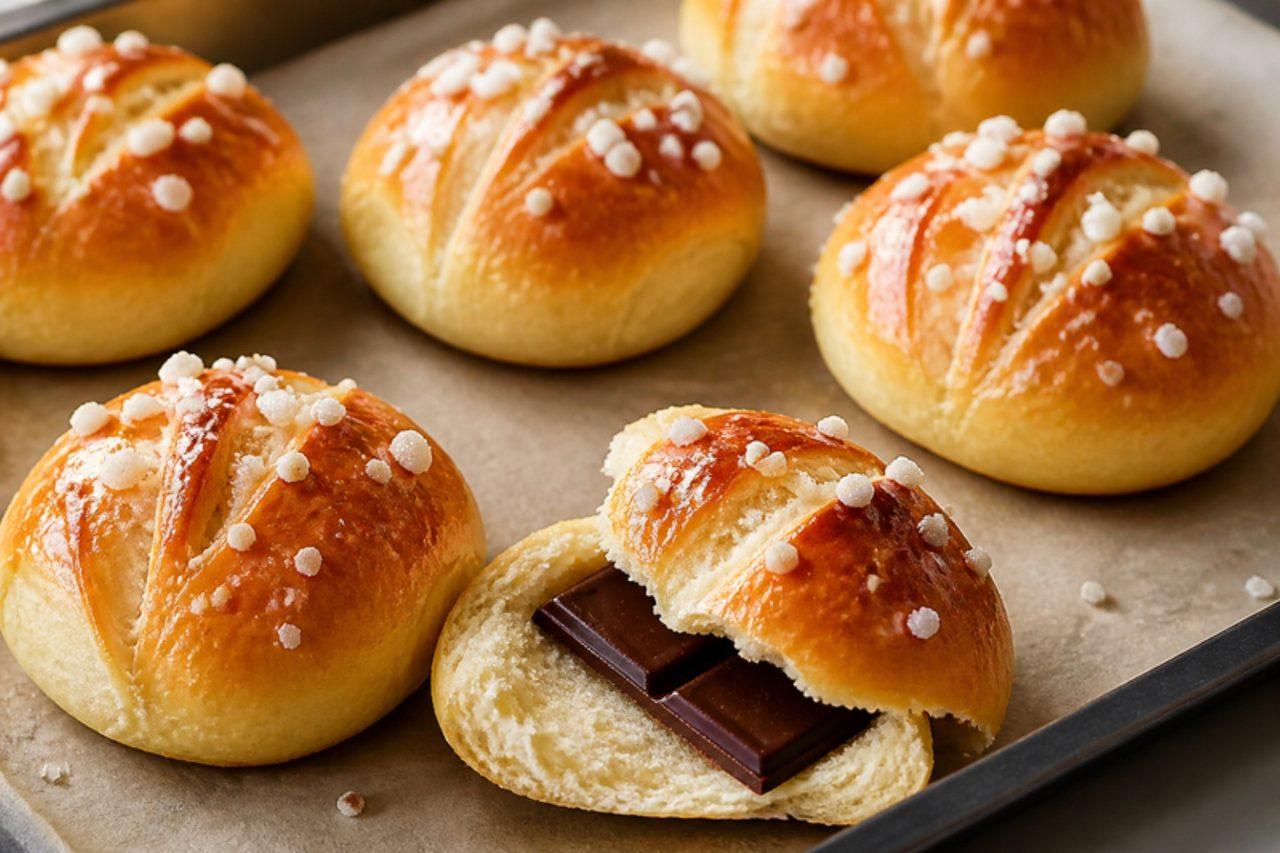
Pain au laitSoft milk rolls

Pain au lait is the soft, slightly sweet milk roll French children take to school for goûter at four o'clock, split and filled with a bar of chocolate or spread with jam. The dough is enriched with milk, butter and a little egg, shaped into small oval rolls, snipped along the top with scissors and sprinkled with pearl sugar. The common mistake is overbaking, which gives a crust; they should stay pale gold and pillowy. Chef's tip: brush them with egg twice, before and after proving, for the glossy bakery finish.

175 minFrenchBaking
by KrazyBadal 0 views

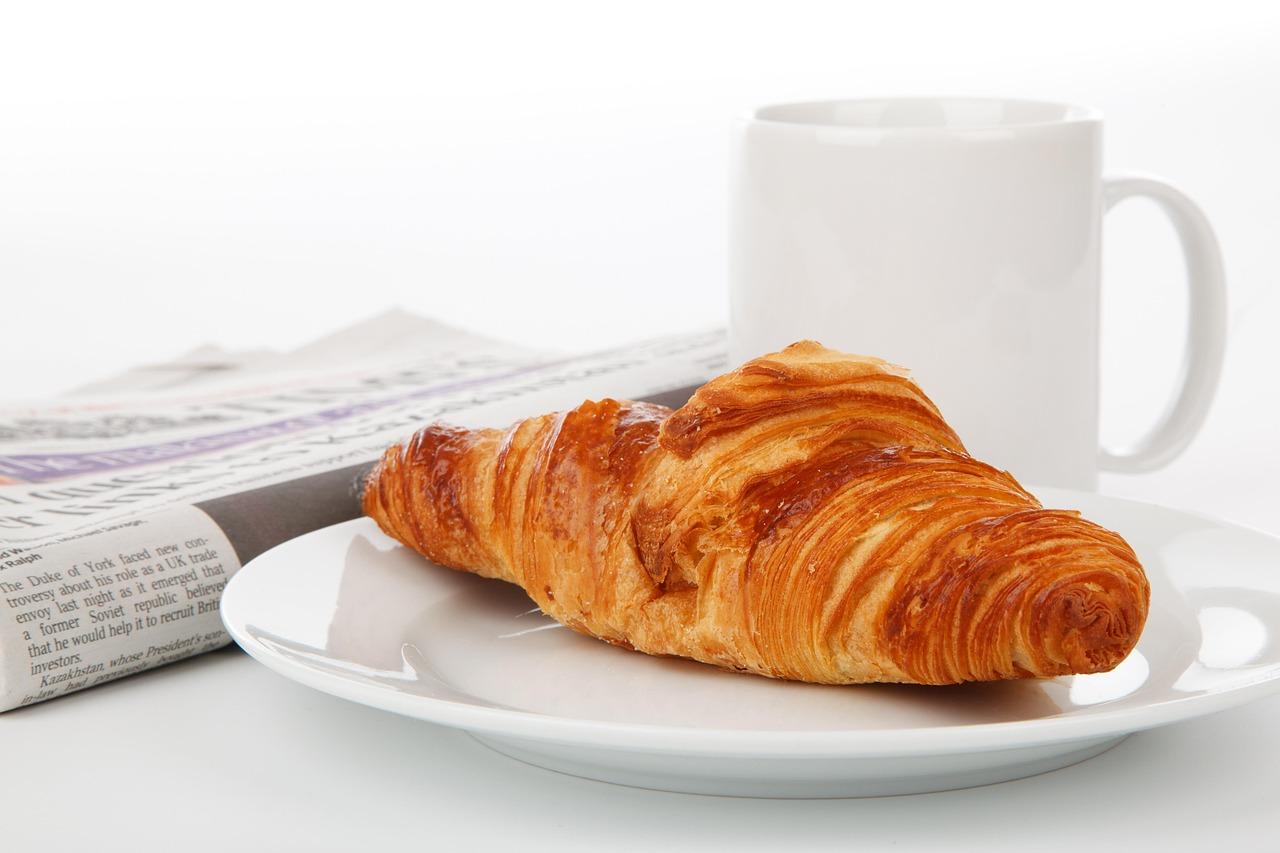
Croissant

The croissant is the breakfast of Paris, bought warm from the corner boulangerie on weekend mornings and eaten with café au lait, and although it came from Vienna it was in 20th-century Paris that it became the buttery, flaky crescent we know. A lightly sweet yeasted dough is wrapped around a sheet of cold butter, rolled and folded three times, shaped and proved until wobbly, then baked until deep golden with a honeycomb of layers inside. The common mistake is proving in a warm place, which melts the butter out of the layers. Chef's tip: prove the shaped croissants at cool room temperature, about 24 °C, until they have doubled and jiggle when the tray is shaken.

680 minFrenchBaking
by KrazyBadal 0 views

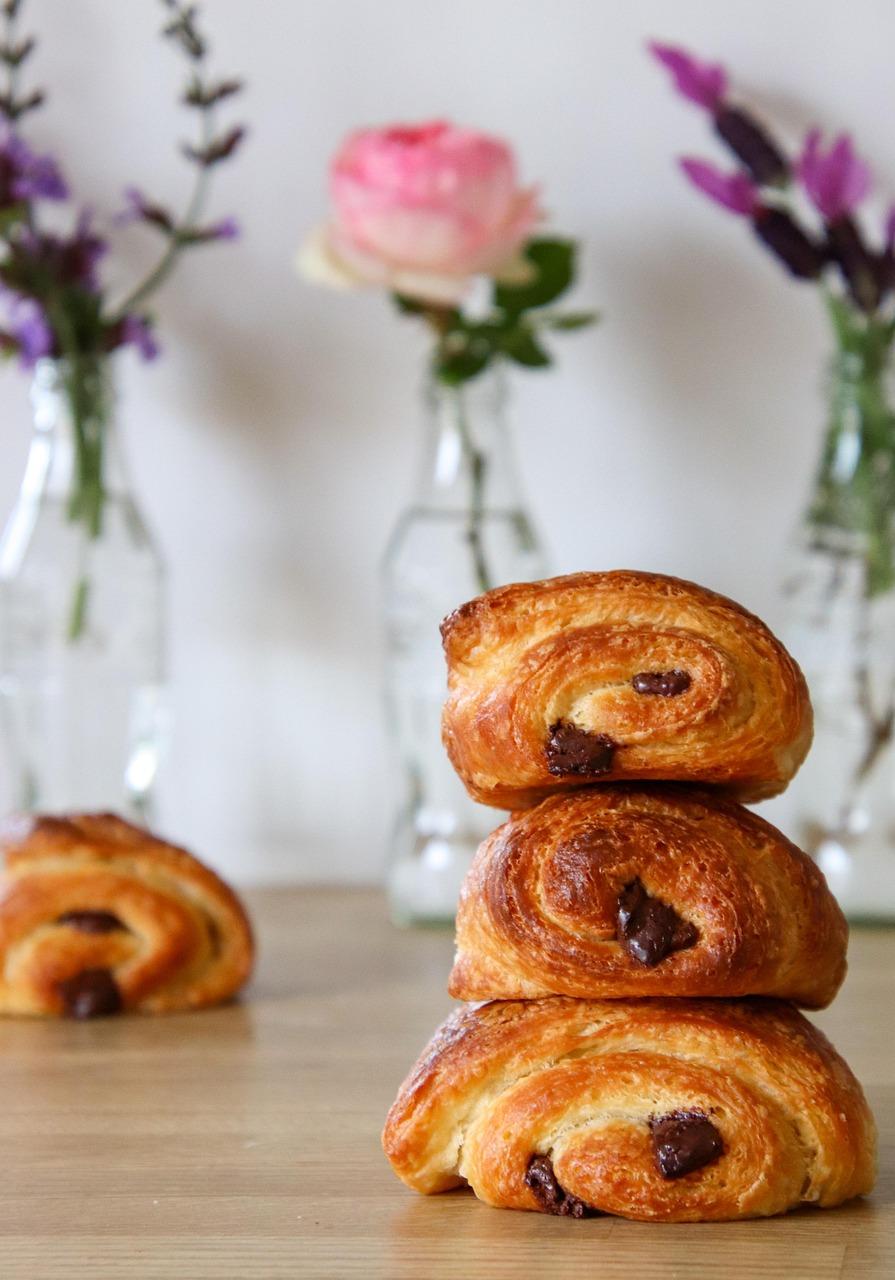
Pain au chocolat

Pain au chocolat is the favourite after-school and Sunday breakfast treat of French children, called pain au chocolat in Paris and the north and chocolatine in Toulouse, Bordeaux and the south-west, a friendly argument that never ends. Croissant dough is cut into rectangles and rolled around two batons of dark chocolate, so every bite has crisp pastry and a melting seam of chocolate. The common mistake is rolling it too tightly, which stops the layers rising. Chef's tip: roll loosely with the seam underneath, so it does not unroll in the oven.

680 minFrenchBaking
by KrazyBadal 0 views

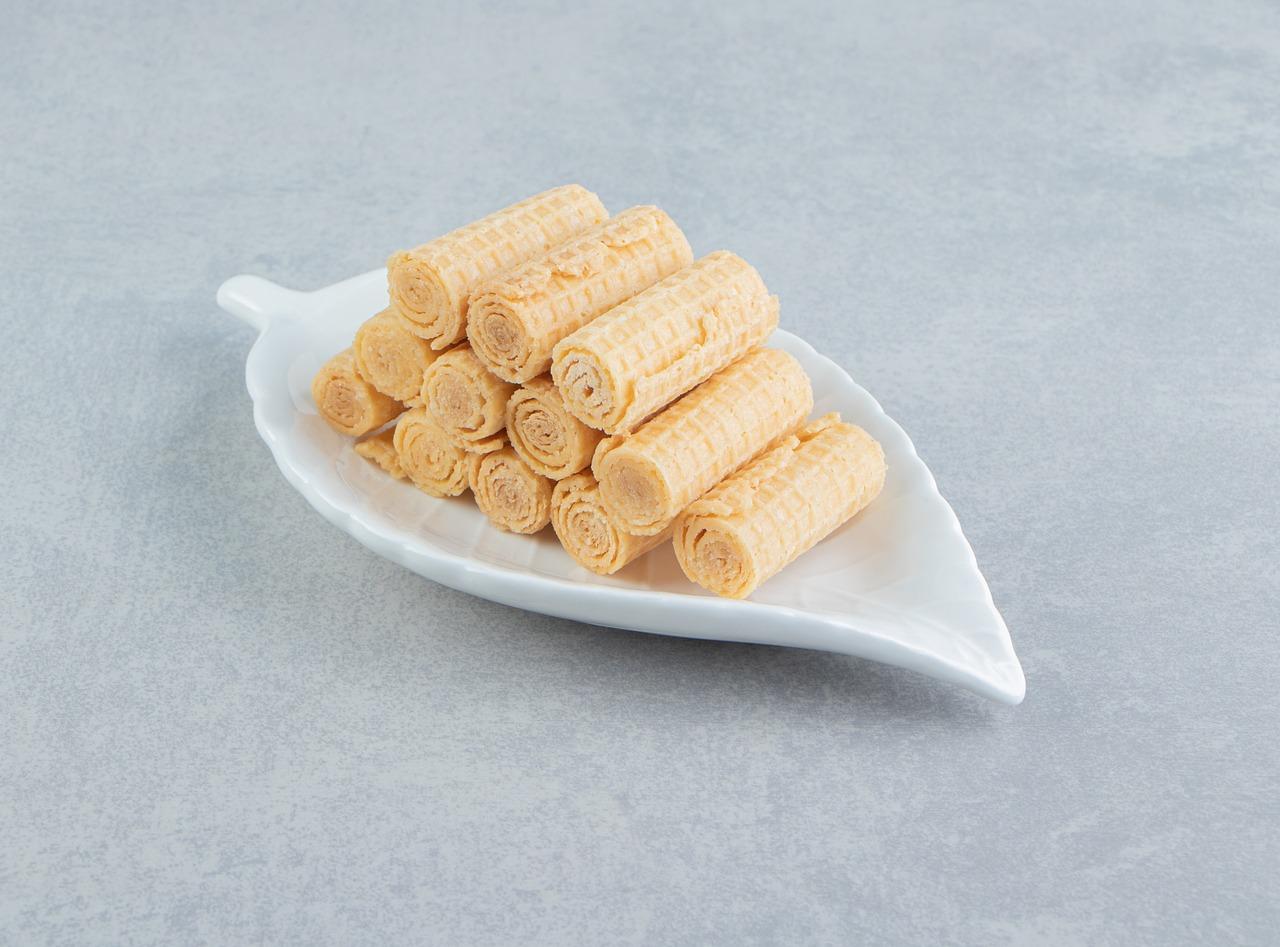
Crêpes dentelleCrisp lace crêpe biscuits

Crêpes dentelle, "lace crêpes", are a speciality of Quimper in Brittany, said to have been invented by a baker there in 1886 who burnt a crêpe and rolled it up; they are wafer-thin, crisp, buttery rolled biscuits, sold in tins all over Brittany and eaten with coffee or crumbled over ice cream. The common mistake is spreading the batter too thick, so they will not crisp. Chef's tip: spread the batter so thin you can see the tray through it, and roll each one as soon as it comes out of the oven.

by KrazyBadal 0 views

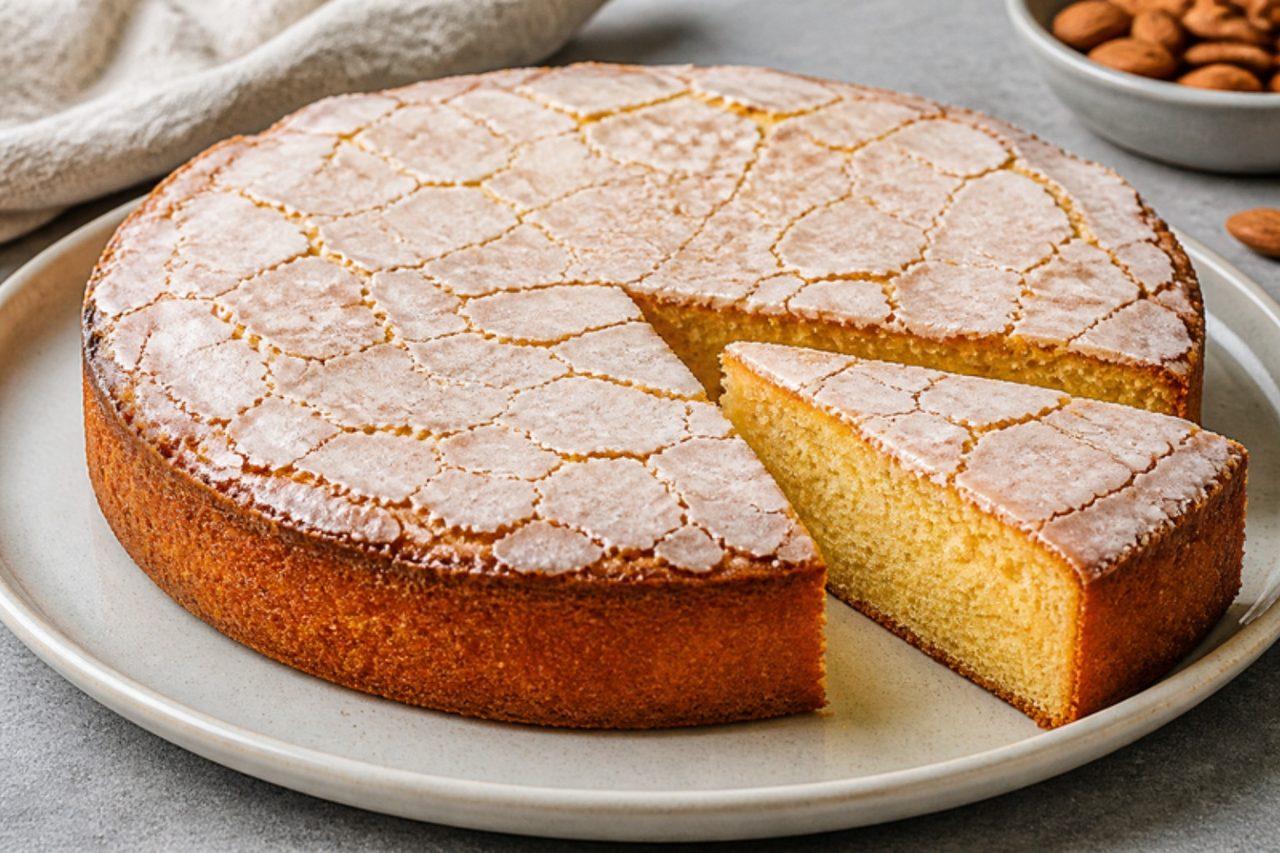
Gâteau nantaisAlmond rum-free lemon cake

The gâteau nantais comes from Nantes in the Loire, created in 1820 by a local baker when the city's port imported sugar and rum from the Caribbean; it is a dense, moist almond cake with a crackly white glaze, eaten at goûter and family lunches. Traditionally the cake is soaked in rum and the glaze flavoured with it; this version uses lemon juice for both so all ages can eat it, and adults can add 2 tablespoons of rum to the glaze. The common mistake is overbaking, which dries it. Chef's tip: soak the cake while it is still warm.

by KrazyBadal 0 views

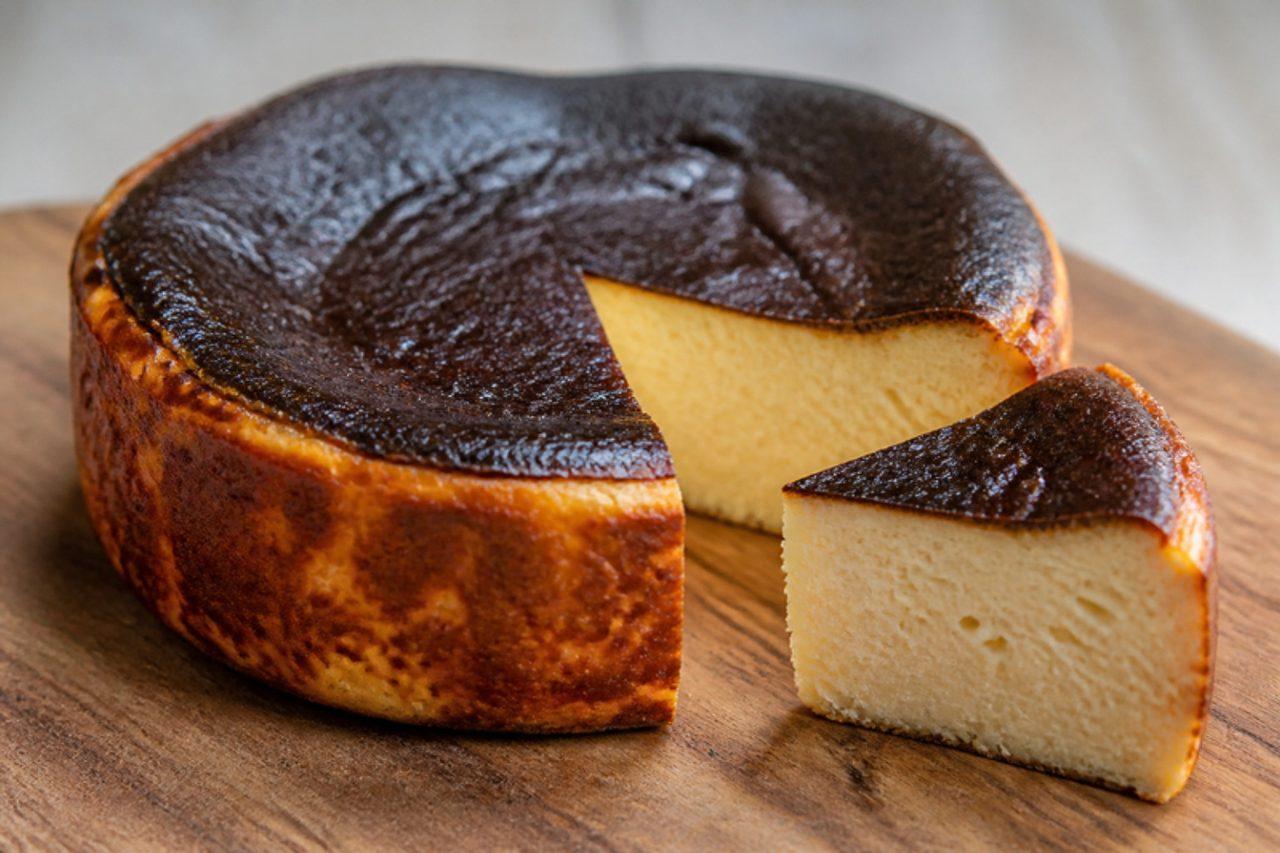
Torteau fromagerGoat's cheese cake

The torteau fromager is the cake of the Poitou-Charentes, a tall, light goat's cheese cake with a dramatically burnt, almost black dome, sold at markets around Poitiers and served at Sunday lunch and weddings. Fresh goat's cheese is beaten with egg yolks and sugar, folded with whisked whites and baked in a pastry-lined dome mould at a high heat, which gives the dark crust. Use pasteurised fresh goat's cheese. The common mistake is opening the oven early, which makes it fall. Chef's tip: do not worry about the black top; it is meant to be that way and tastes of caramel.

by KrazyBadal 0 views

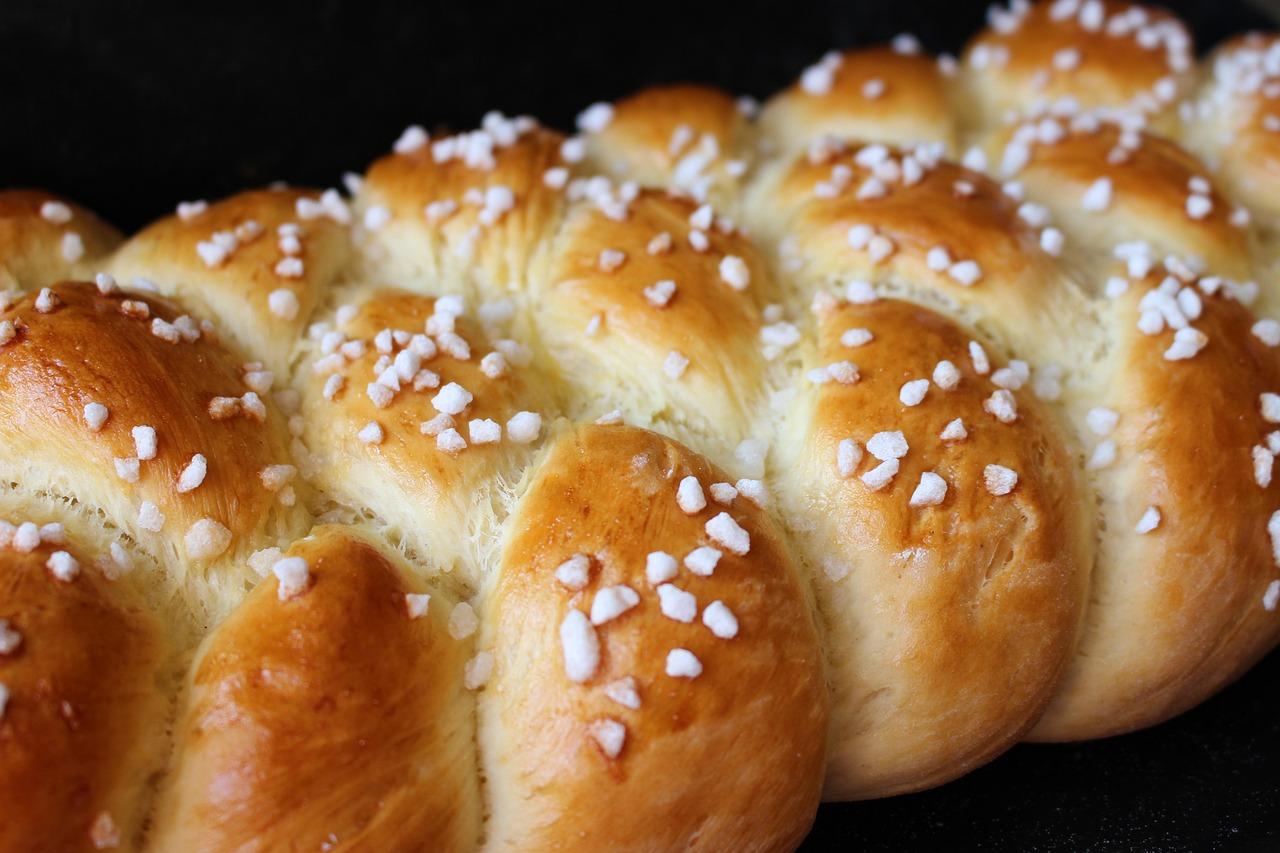
Brioche vendéenneBraided Easter brioche

The brioche vendéenne is the plaited Easter brioche of the Vendée on the Atlantic coast, once baked for Easter Sunday and for weddings, where it was carried into the dance on a huge board. It is softer and lighter than Parisian brioche, scented with vanilla and orange-blossom water, and has protected status (IGP). The common mistake is plaiting too tightly, so it splits in the oven. Chef's tip: plait loosely and give it a long, slow final prove.

330 minFrenchBaking
by KrazyBadal 0 views

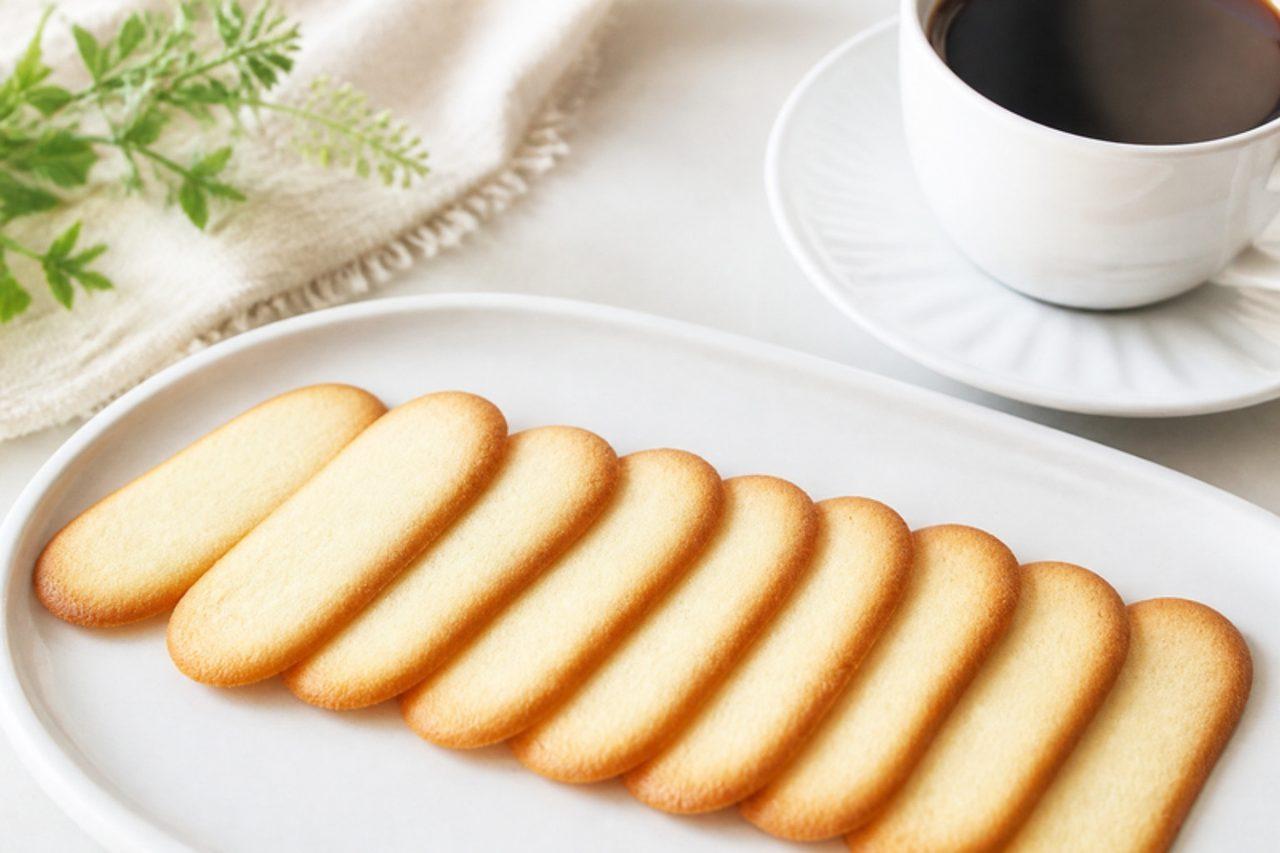
Langues de chatCat's tongue biscuits

Langues de chat, "cat's tongues", are long, thin butter biscuits with golden edges, served with coffee, ice cream or a bowl of chocolate mousse in French homes and cafés; they keep well in a tin and children love them. A simple batter of butter, sugar, egg white and flour is piped in strips and baked until the edges just brown. The common mistake is piping them too close together; they spread. Chef's tip: tap the tray firmly on the worktop after piping so the strips flatten evenly.

by KrazyBadal 0 views

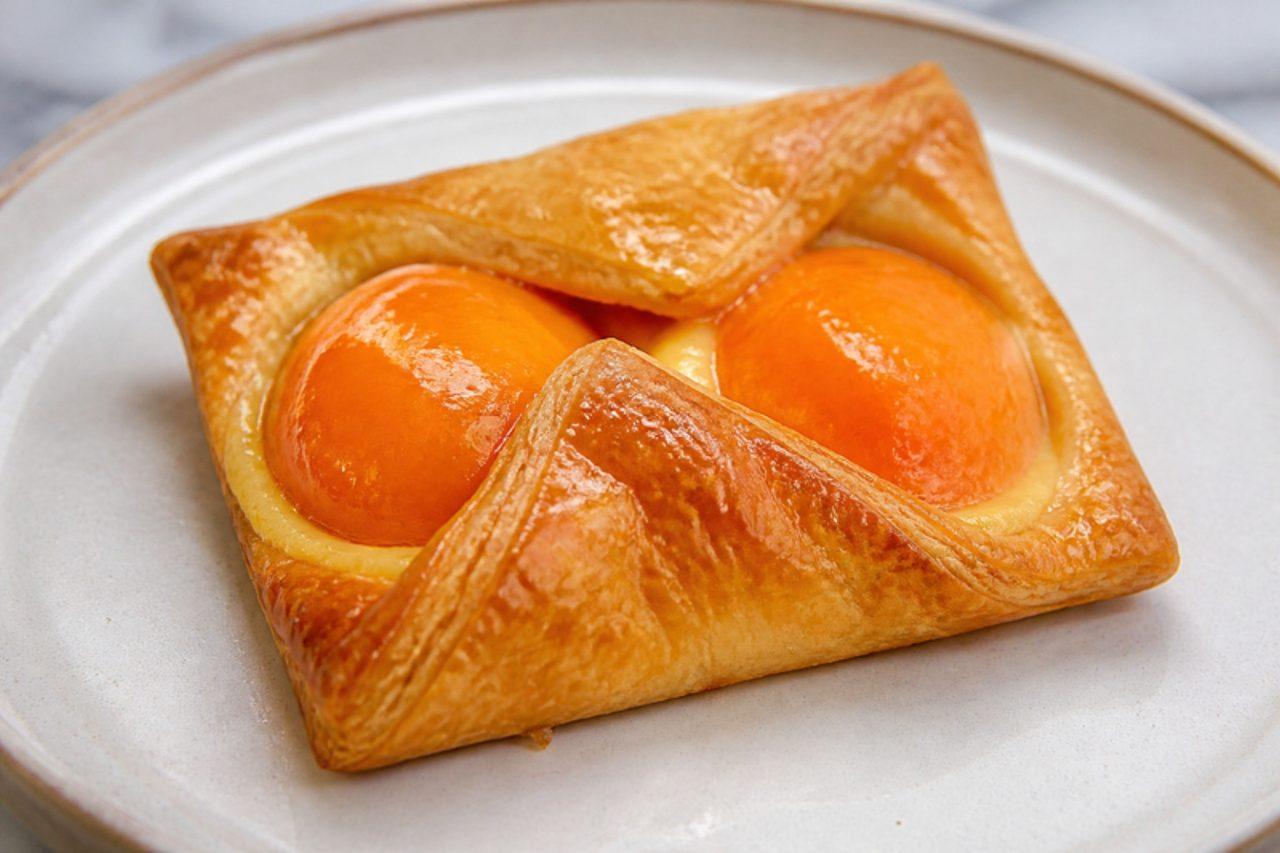
OranaisApricot custard pastry

The oranais, also called abricotine, is a French bakery pastry that is said to come from the city of Oran in Algeria, brought back by returning pieds-noirs in the 1960s, and it is now found in boulangeries all over France for breakfast and goûter. A square of puff or croissant dough has its corners folded over a spoonful of pastry cream and two apricot halves, so it looks like a pair of eyes. The common mistake is using wet canned apricots, which make the pastry soggy. Chef's tip: drain the apricots on kitchen paper and glaze them with warm apricot jam after baking for a jewel-like shine.

by KrazyBadal 0 views

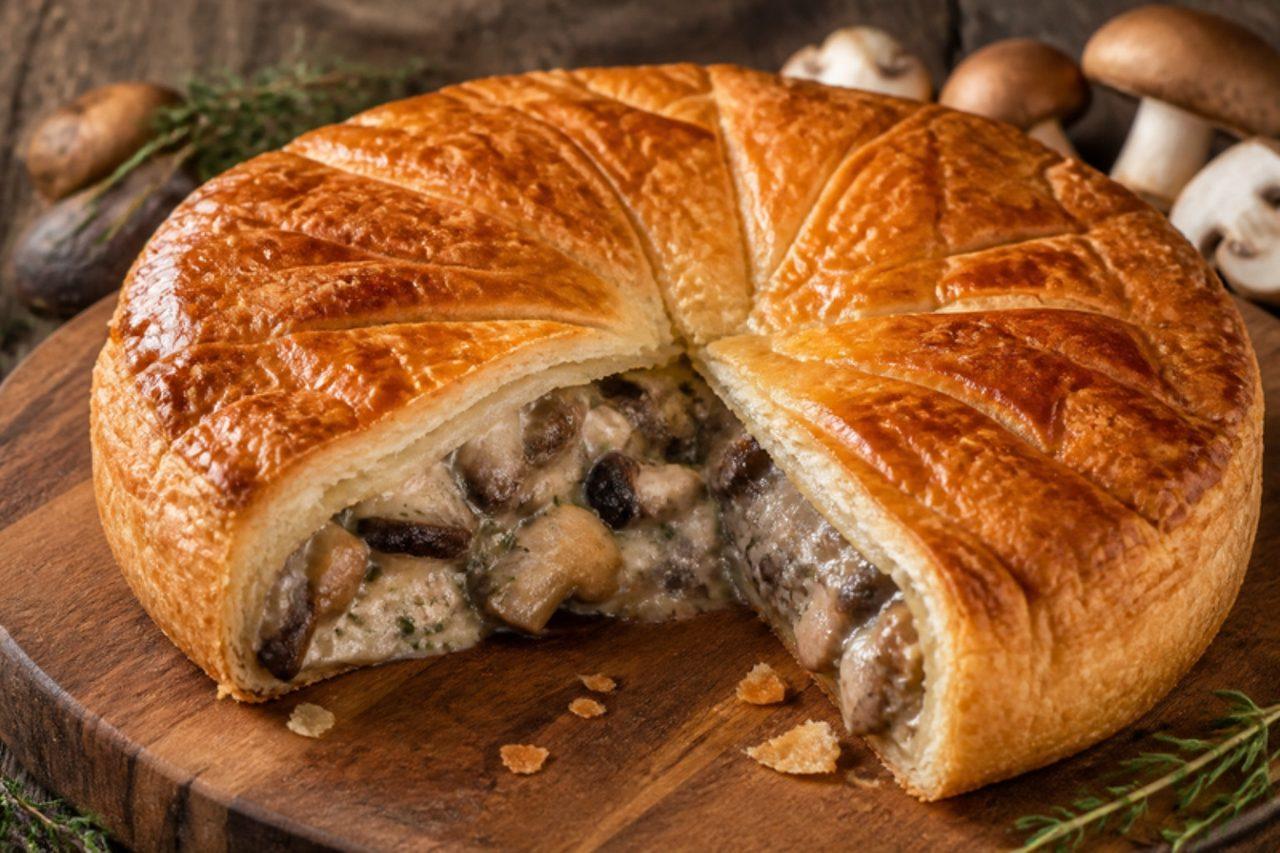
Tourte aux champignonsMushroom pie

Tourte aux champignons is a family pie from rural France, baked in autumn when mushrooms are plentiful and served as a main course with a green salad for Sunday supper or as the vegetarian centrepiece of a festive meal. Two layers of puff pastry enclose a filling of browned mushrooms, shallots and herbs bound with crème fraîche. The common mistake is putting in a wet filling, which turns the bottom crust soggy; cook the mushrooms until all their liquid has gone. Chef's tip: cut a small hole in the lid and set a rolled card chimney in it so steam escapes and the pastry stays crisp.

by KrazyBadal 0 views

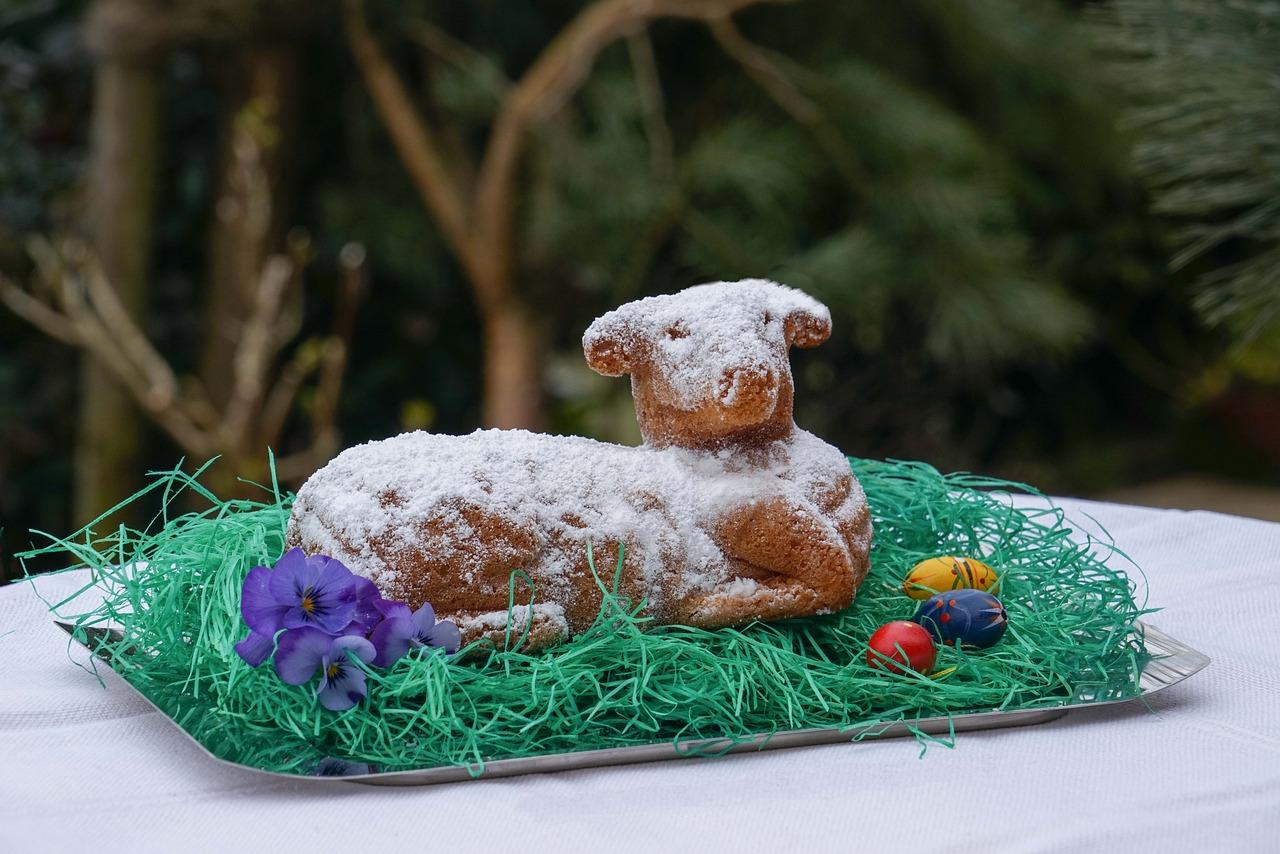
Agneau pascalLamb-shaped Easter cake

The lammele, or agneau pascal, is the Easter cake of Alsace, a light sponge baked in a lamb-shaped earthenware mould from Soufflenheim and dusted with icing sugar, with a little paper flag tied round its neck. It is bought from bakeries in Strasbourg and Colmar or made at home for Easter Sunday breakfast. No lamb meat is involved; it is a vegetarian cake. The common mistake is not greasing the mould well enough, so the head sticks. Chef's tip: brush the mould with soft butter, chill, then dust with flour, so every detail comes out clean.

by KrazyBadal 0 views

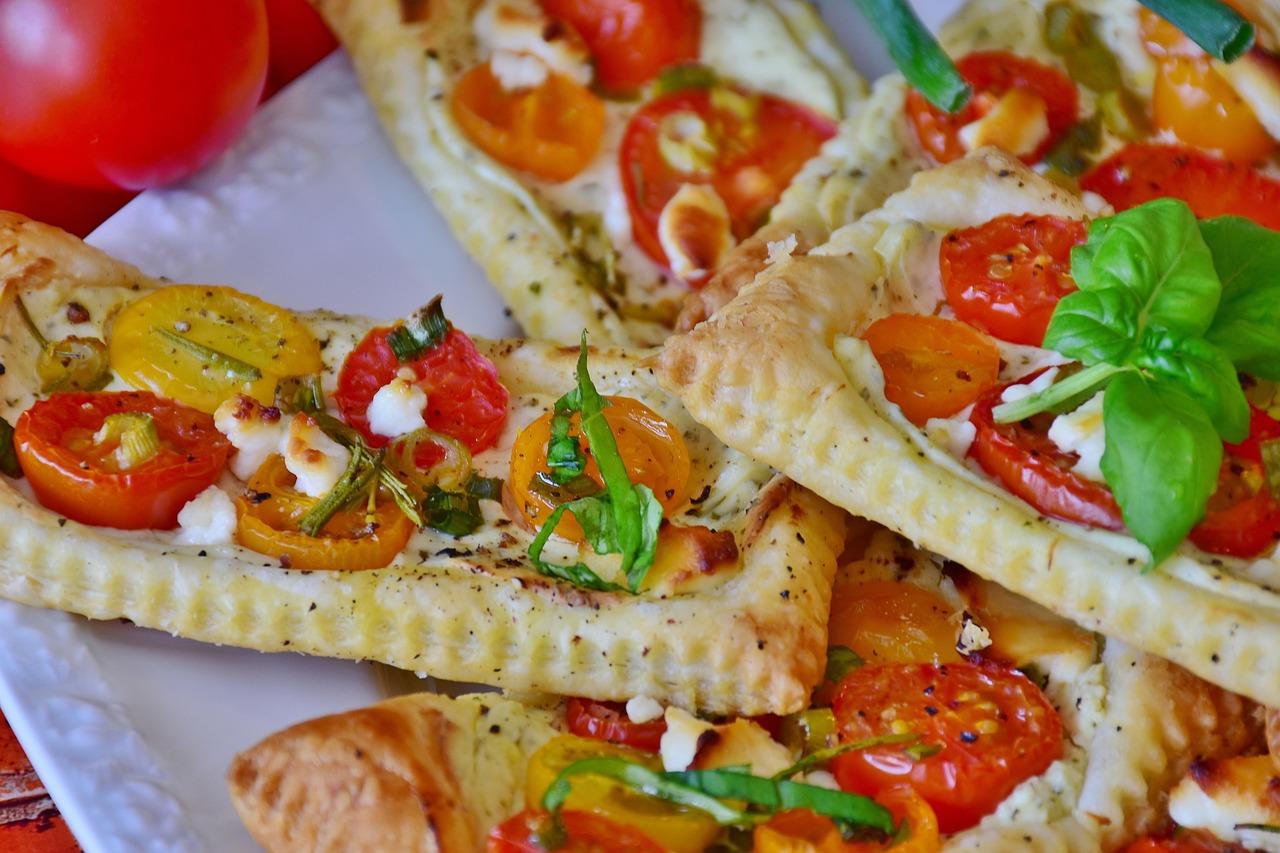
Tarte à la tomate et à la moutardeTomato and mustard tart

Tarte à la tomate is a summer favourite all over Burgundy, home of Dijon mustard, made from July to September for picnics, light lunches and apéritif. A crisp shortcrust case is spread thickly with mustard and grated cheese, covered with overlapping tomato slices and herbs and baked until the tomatoes are jammy; the mustard mellows into a warm, tangy layer. Comté and Gruyère are usually made with animal rennet; use a vegetarian hard cheese if you prefer. The common mistake is using watery tomatoes, which make the pastry soggy. Chef's tip: salt and drain the tomato slices on kitchen paper for 15 minutes before laying them on the tart.

by KrazyBadal 0 views

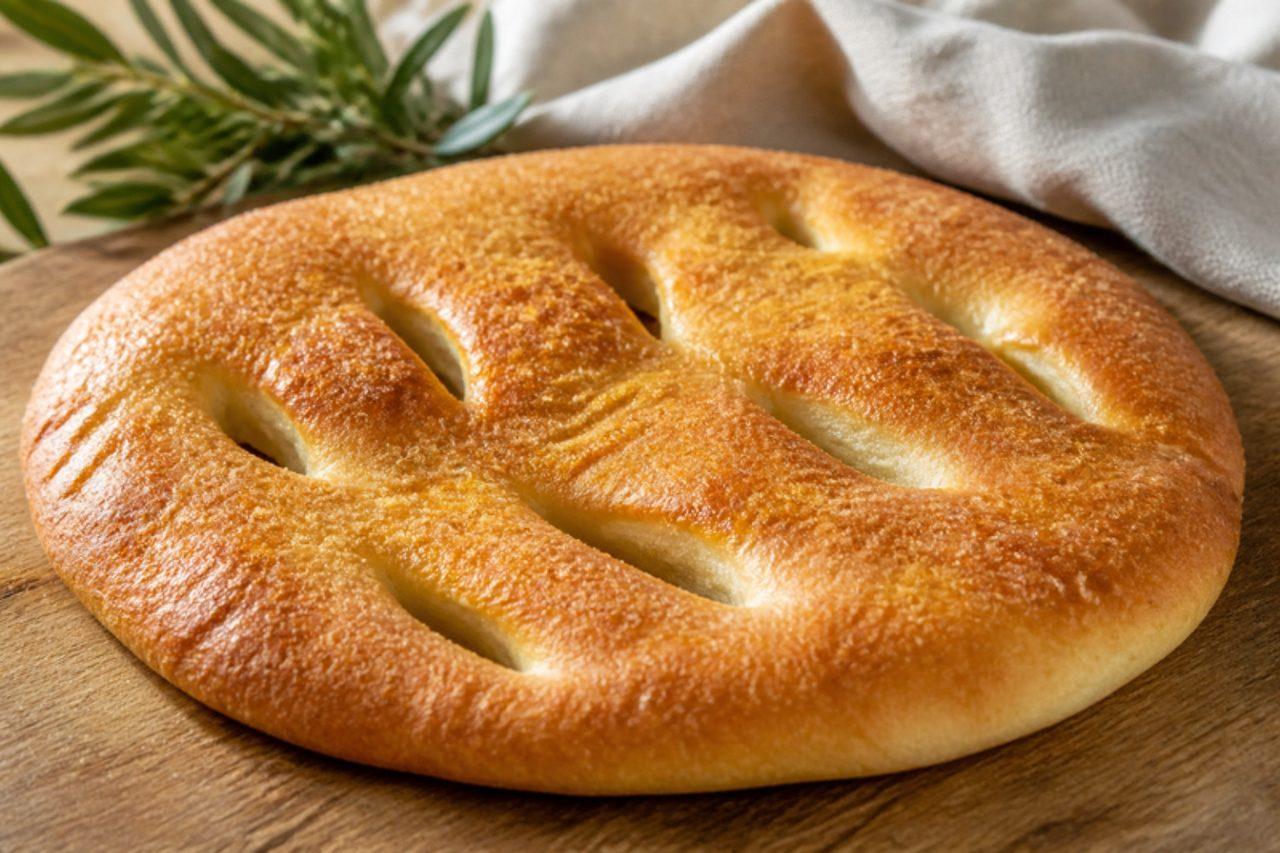
Pompe à l'huileOlive oil orange flatbread

The pompe à l'huile is the centrepiece of the thirteen desserts of Christmas Eve in Provence, a flat, slashed sweet bread made with olive oil and scented with orange-blossom water. Tradition says it must be torn by hand, never cut, or you will be ruined in the year to come, and it is eaten after the gros souper on 24 December. The common mistake is using a harsh, peppery olive oil, which overpowers it. Chef's tip: use a mild, fruity olive oil and brush more over the warm loaf.

170 minFrenchBakingVegan
by KrazyBadal 0 views

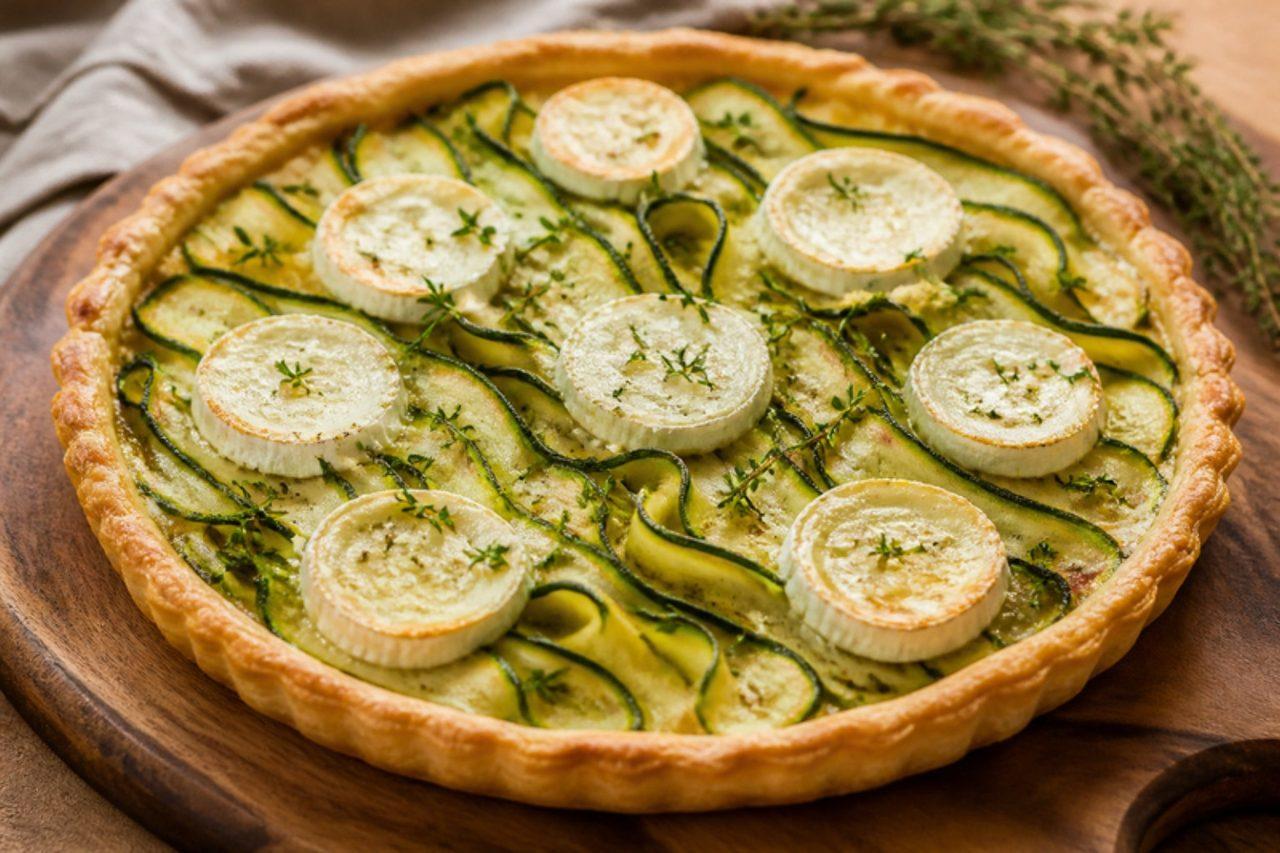
Tarte courgette et chèvreCourgette and goat's cheese tart

Tarte courgette-chèvre is a modern French classic, the tart everyone brings to summer picnics, family barbecues and school fêtes from June to September. Lightly fried courgette slices and rounds of fresh goat's cheese are set in a savoury egg and cream custard in a crisp case, with thyme and a little honey to round off the tang. Many French goat's cheeses use animal rennet; choose one labelled vegetarian if needed, and a pasteurised one for anyone pregnant or with a weakened immune system. The common mistake is adding raw courgettes, which weep into the custard. Chef's tip: blind-bake the case for 15 minutes first so the base stays crisp.

by KrazyBadal 0 views

Pâté aux pommes de terrePotato and cream pastry pie

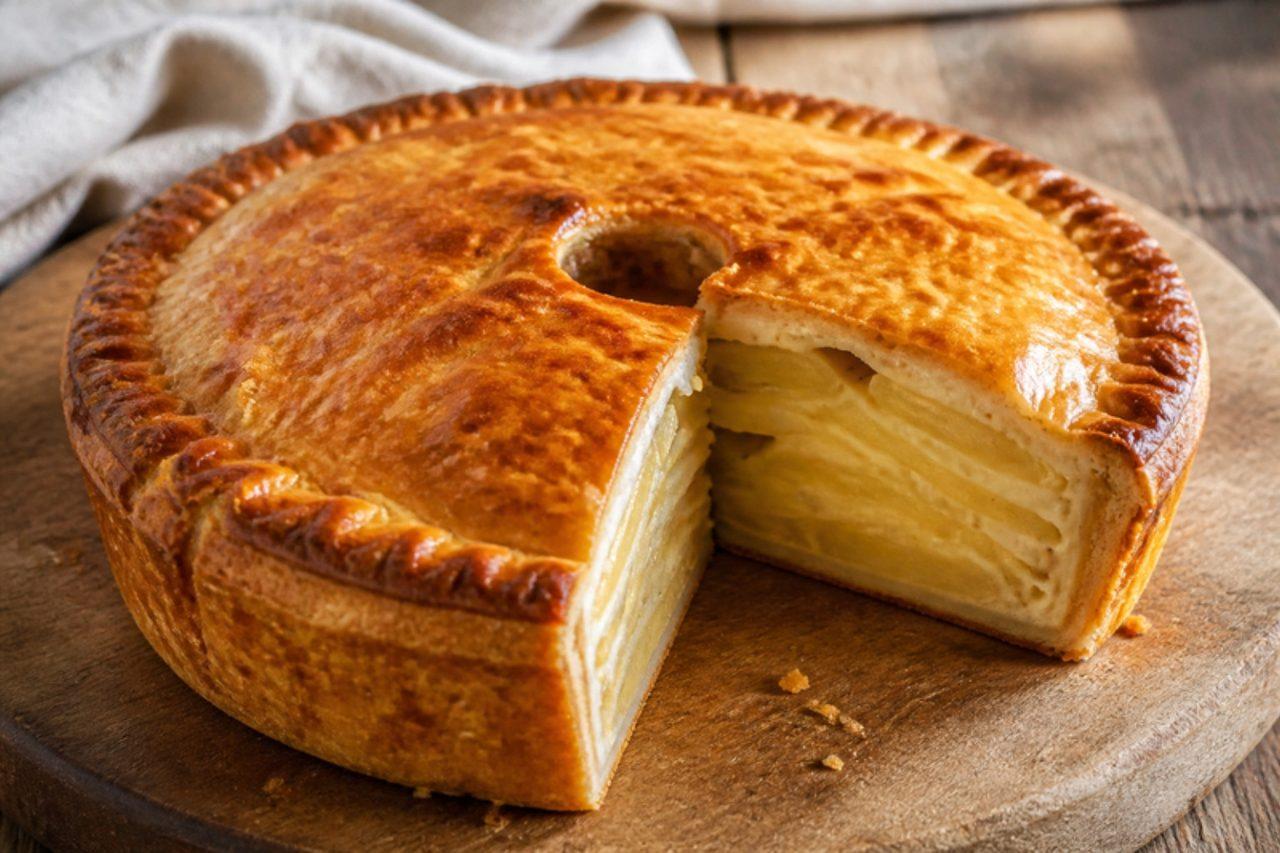
Pâté aux pommes de terre is the farmhouse pie of the Limousin, the Berry and the Allier in central France, baked for Sunday lunch and village fêtes and served warm with a green salad. Thin slices of potato with onion, garlic and parsley are baked inside puff pastry, and when the pie comes out of the oven a lid is lifted and thick crème fraîche is poured in to soak through the potatoes. The common mistake is slicing the potatoes too thick, so they are still hard when the pastry is done. Chef's tip: slice the potatoes 2 mm thick and cook the pie for the full hour; the potatoes must be soft before the cream goes in.

by KrazyBadal 0 views

Tuiles aux amandesAlmond tile biscuits

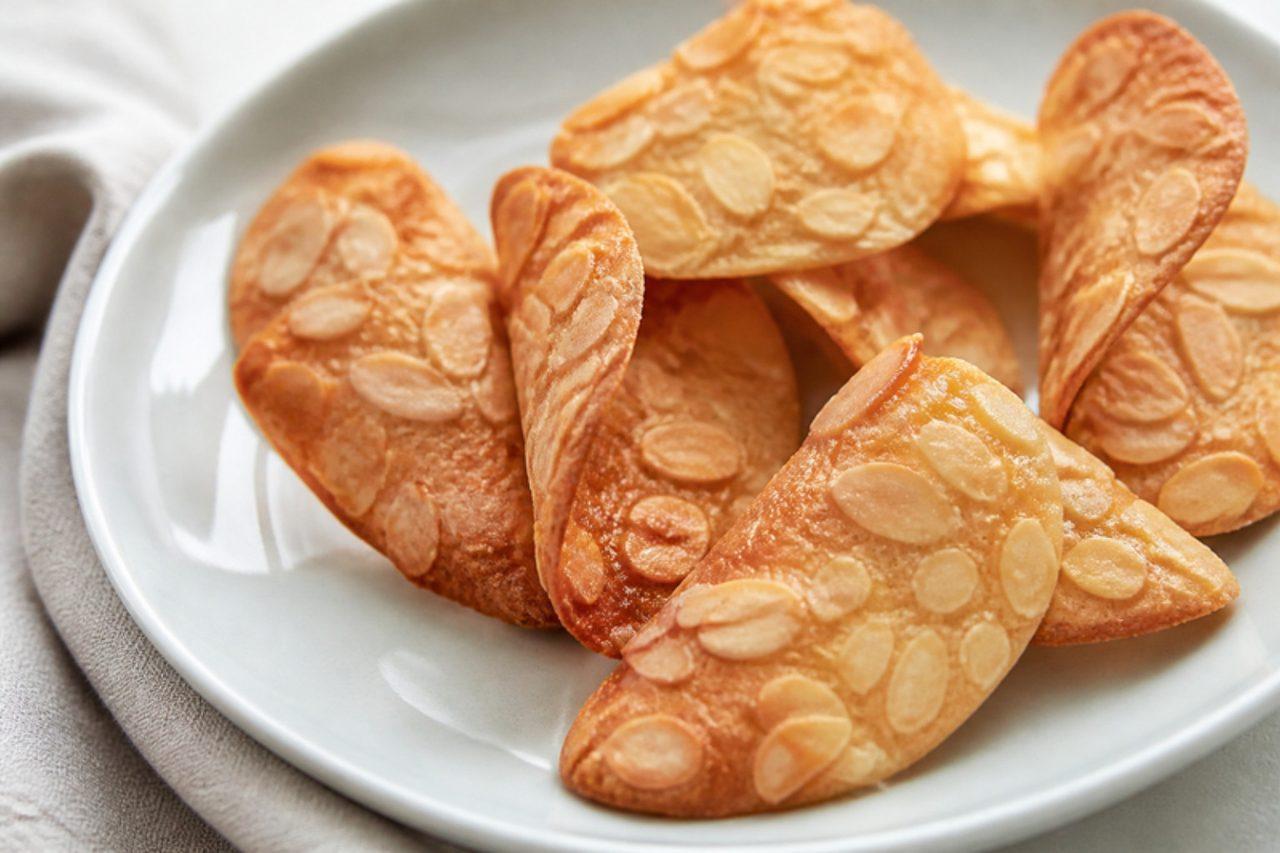
Tuiles are wafer-thin almond biscuits curved over a rolling pin while still hot, so they look like the clay roof tiles of Provence; French families serve them with ice cream, sorbet or mousse at the end of a meal. The batter is quick, and the curling is the fun part. The common mistake is spreading them too thick, so they stay soft. Chef's tip: bake just four at a time, because you have only seconds to shape them before they set.

by KrazyBadal 0 views

ChouquettesSugar choux puffs

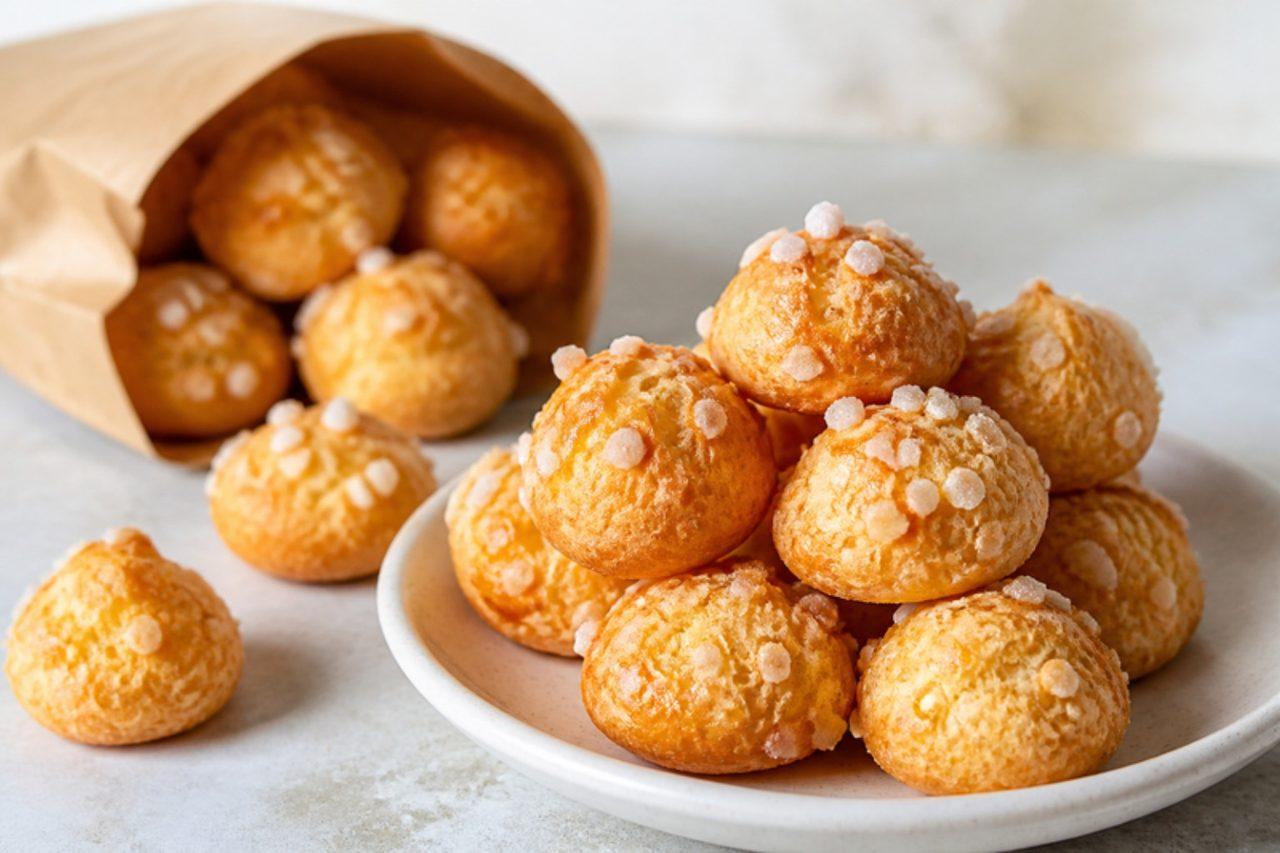
Chouquettes are the small, hollow choux puffs studded with pearl sugar that French bakeries sell by weight in paper bags, a favourite treat bought on the way home from school and shared between brothers and sisters. They are made with the same choux dough as éclairs but left unfilled. The common mistake is opening the oven too soon, so they collapse. Chef's tip: press the pearl sugar in well after glazing, so it does not roll off.

by KrazyBadal 0 views

Showing 24 of 95 recipes

Show more recipes

Page 1 of 4