Skip to content
Recipes

All recipes

Vegetarian, or something you can't eat? Set your diet once and we'll hide recipes that don't fit.

TopfengolatschenSweet quark puff pastry squares

A Topfengolatsche is what Viennese office workers grab from the bakery on the way in, and what grandparents order with a Melange in a coffee house on a Sunday afternoon. The corners of a puff pastry square are folded over a lemony, vanilla-scented filling of Topfen (Austrian quark) with plump raisins, and the top gets a thin white glaze. It is flaky, light and not too sweet. Raisins are sometimes soaked in rum; warm water or orange juice works just as well, and the recipe below is alcohol-free. Wet quark is the classic problem, because it turns the filling runny and it leaks out in the oven. Chef's tip: hang the quark in a sieve lined with a clean cloth for an hour, or squeeze it, until it is as thick as soft cream cheese.

by KrazyBadal 0 views
VaniljekranseVanilla almond butter rings

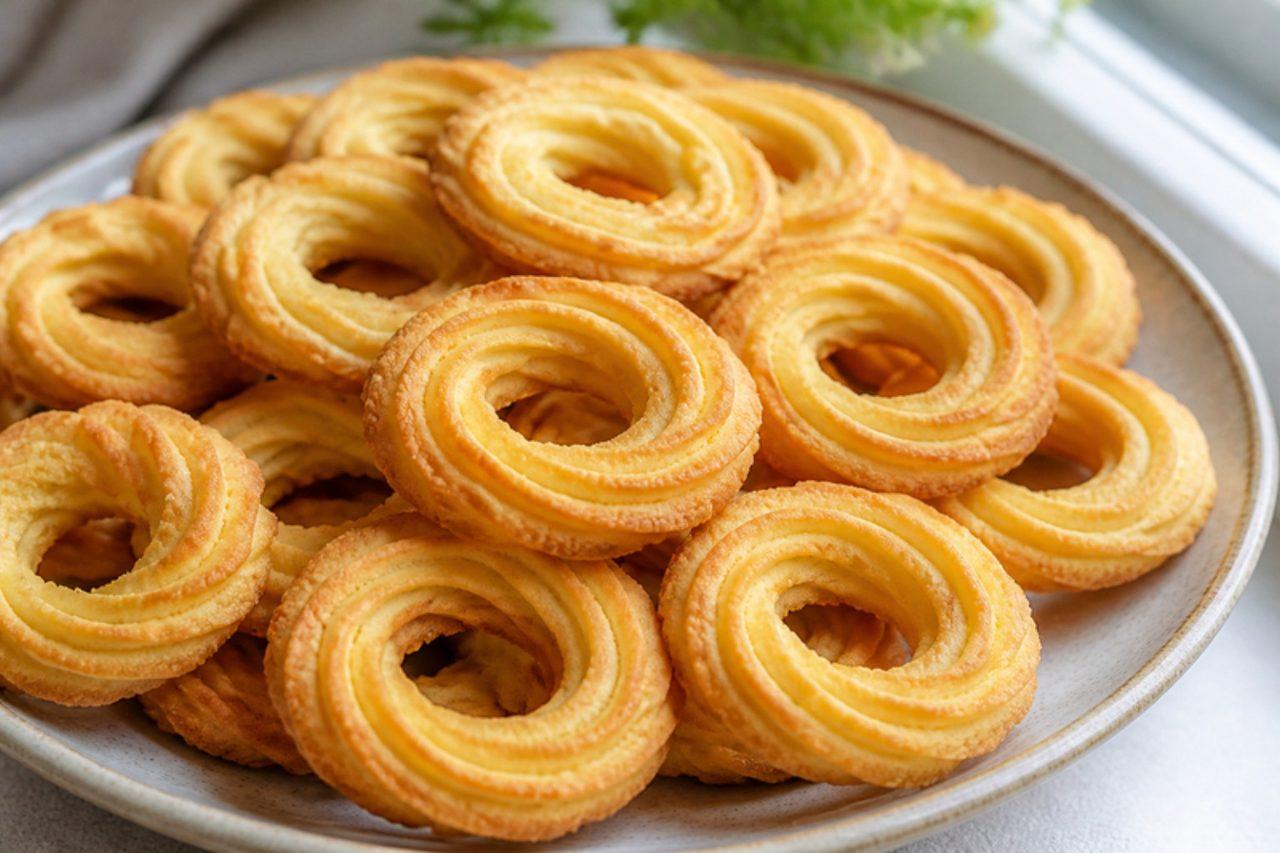
No Danish Christmas tin is complete without vaniljekranse, the ridged rings of buttery vanilla dough with finely ground almonds that snap and then melt. Many homes in Denmark make dozens in December, traditionally pressing the dough through a mincer fitted with a star plate to make long ribbons, then curling them into wreaths; a piping bag with a large star nozzle does the same job. They are eaten with coffee, gløgg or a glass of cold milk, and are a favourite for children to help shape. Some recipes leave out the egg, and a spoonful of milk works just as well here. Chef's tip: chill the piped rings on the tray for 15 minutes before baking so the ridges stay sharp; dough that is too warm is the trap, because the rings spread and lose their pattern.

by KrazyBadal 0 views

Finska pinnarAlmond butter fingers

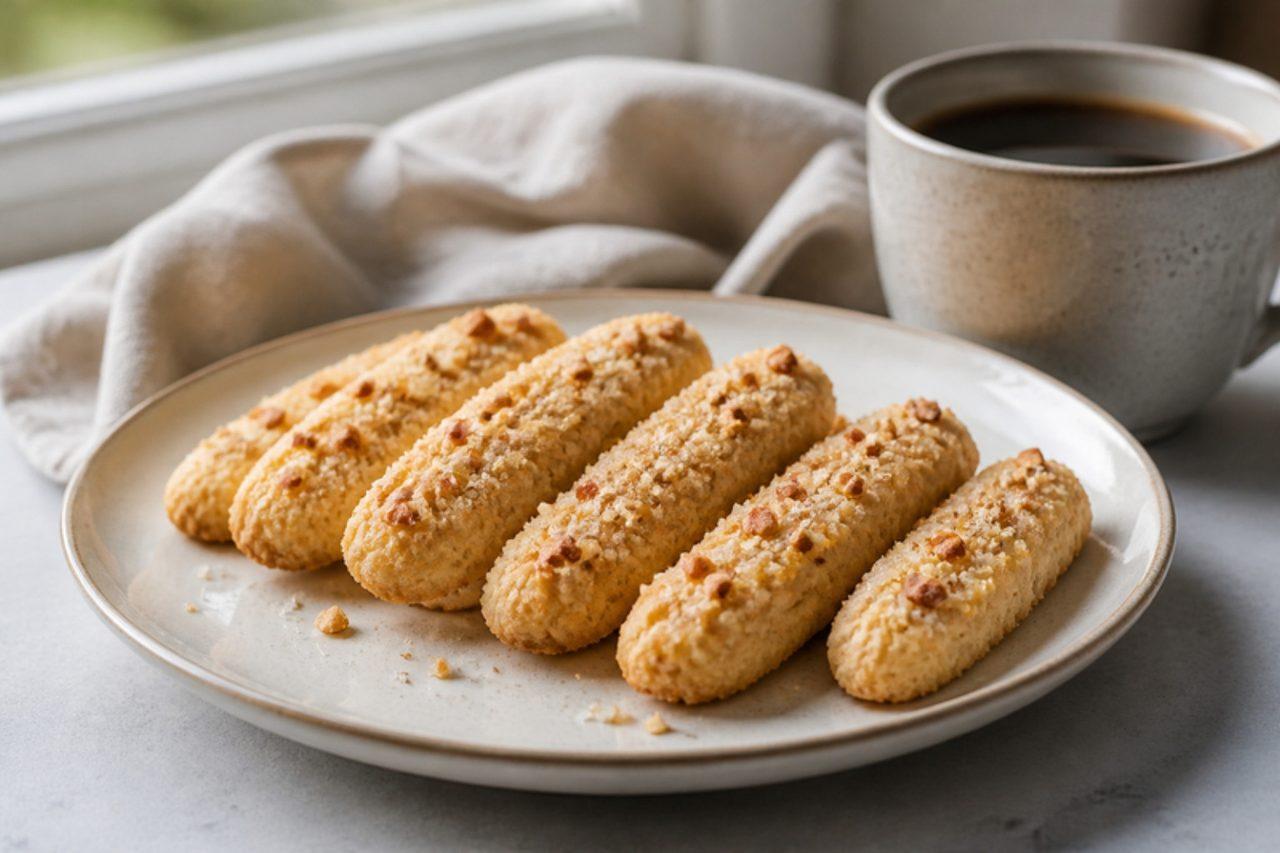
Despite the name, 'Finnish sticks' are a Swedish fika favourite, one of the classic 'seven kinds of cookies' that a proper Swedish host once laid out for coffee guests. The dough is rich and short, flavoured with ground almonds; it is rolled into ropes, brushed with beaten egg and coated in crunchy pearl sugar and chopped almonds, then cut into fingers. They are quick, need no cutters, and look neat on a plate with cinnamon buns and a pot of coffee. The egg is only the glue for the topping; brushing with milk works too if you want them egg-free. Chef's tip: cut the ropes into fingers before baking, with one decisive press of a sharp knife; sawing tears the soft dough and knocks off the sugar.

by KrazyBadal 0 views

Kagemand (Danish birthday cake man)

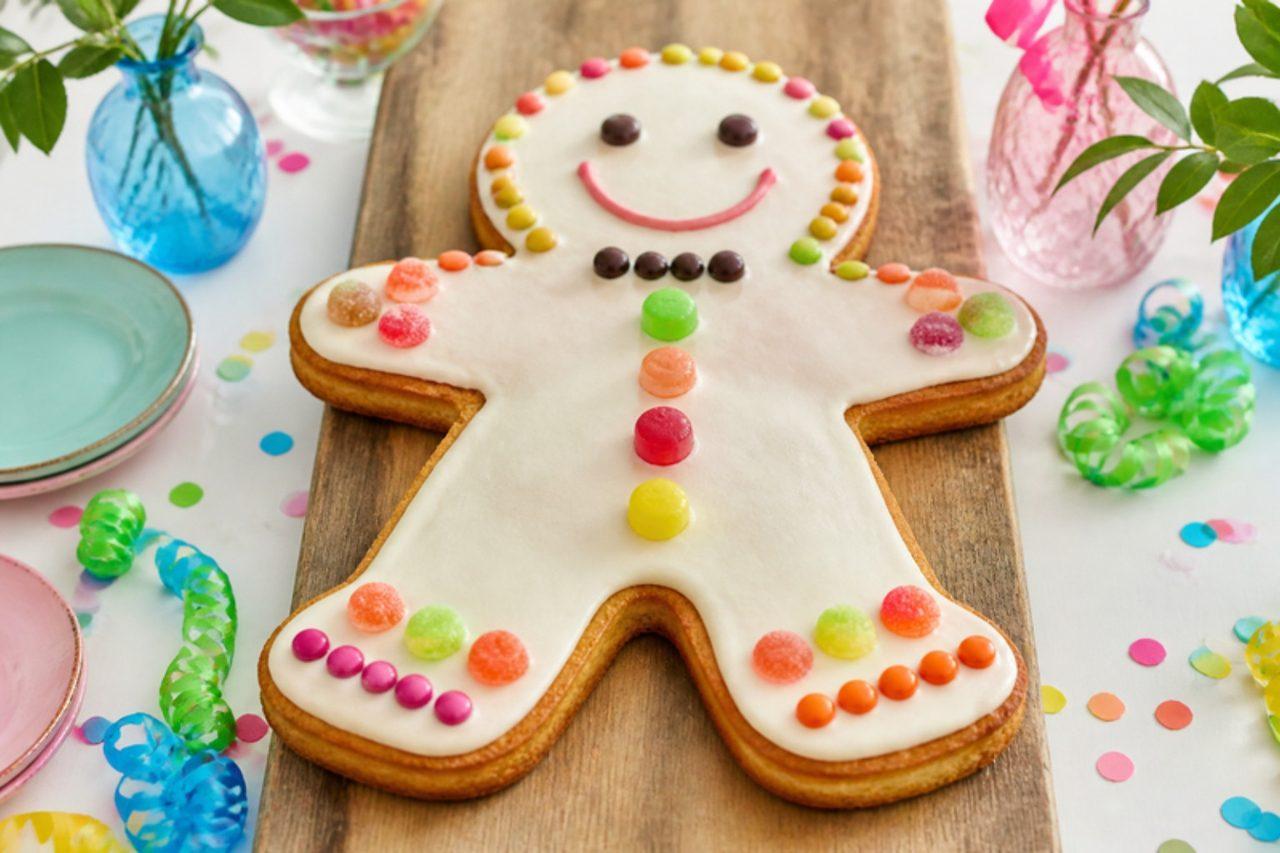
In Denmark, no child's birthday is complete without a kagemand or kagekone: a big cake shaped like a boy or girl, made from soft, cardamom-scented yeast pastry filled with vanilla custard and remonce, then iced and decorated with sweets and Danish flags. The birthday child traditionally cuts the head off first while everyone shrieks. It contains milk, egg and gluten. Chef's tip: draw the figure on baking paper first and shape the dough on top, so arms and legs stay in proportion.

by KrazyBadal 0 views

MokkapalatChocolate coffee squares

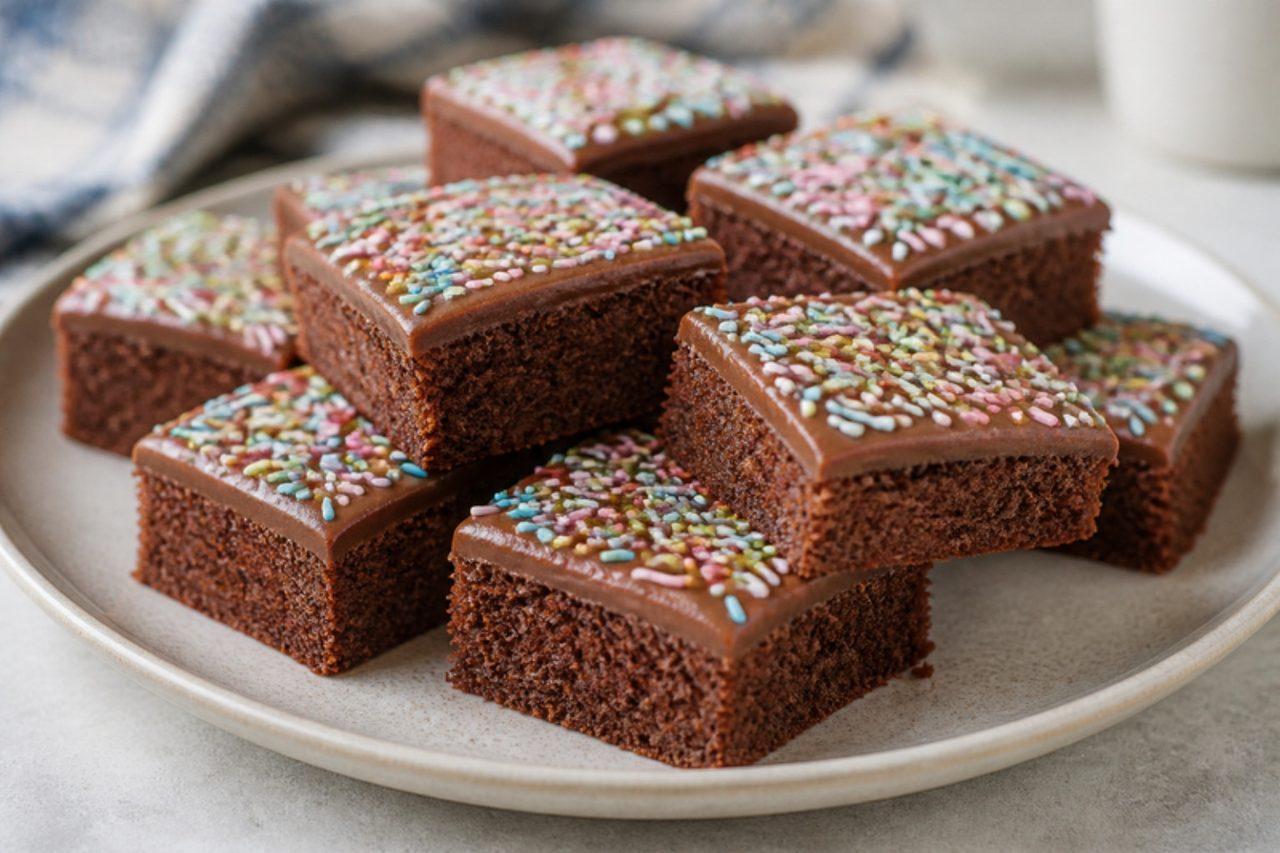
Mokkapalat ('mocha pieces') are what Finnish parents bake on the big oven tray for a child's birthday, a school bake sale or a summer cottage weekend: soft chocolate sponge squares with a thin, glossy coffee-cocoa icing and a shower of coloured sprinkles. The coffee is gentle and only deepens the chocolate, so children love them, and you can use decaf. They are moist enough to keep three days in a tin and freeze well. Icing the cake while it is hot is the classic mistake; it soaks in and goes dull, so wait until it is just warm. Chef's tip: add the icing liquid a spoonful at a time; it should spread like thick paint and set with a shine.

by KrazyBadal 0 views

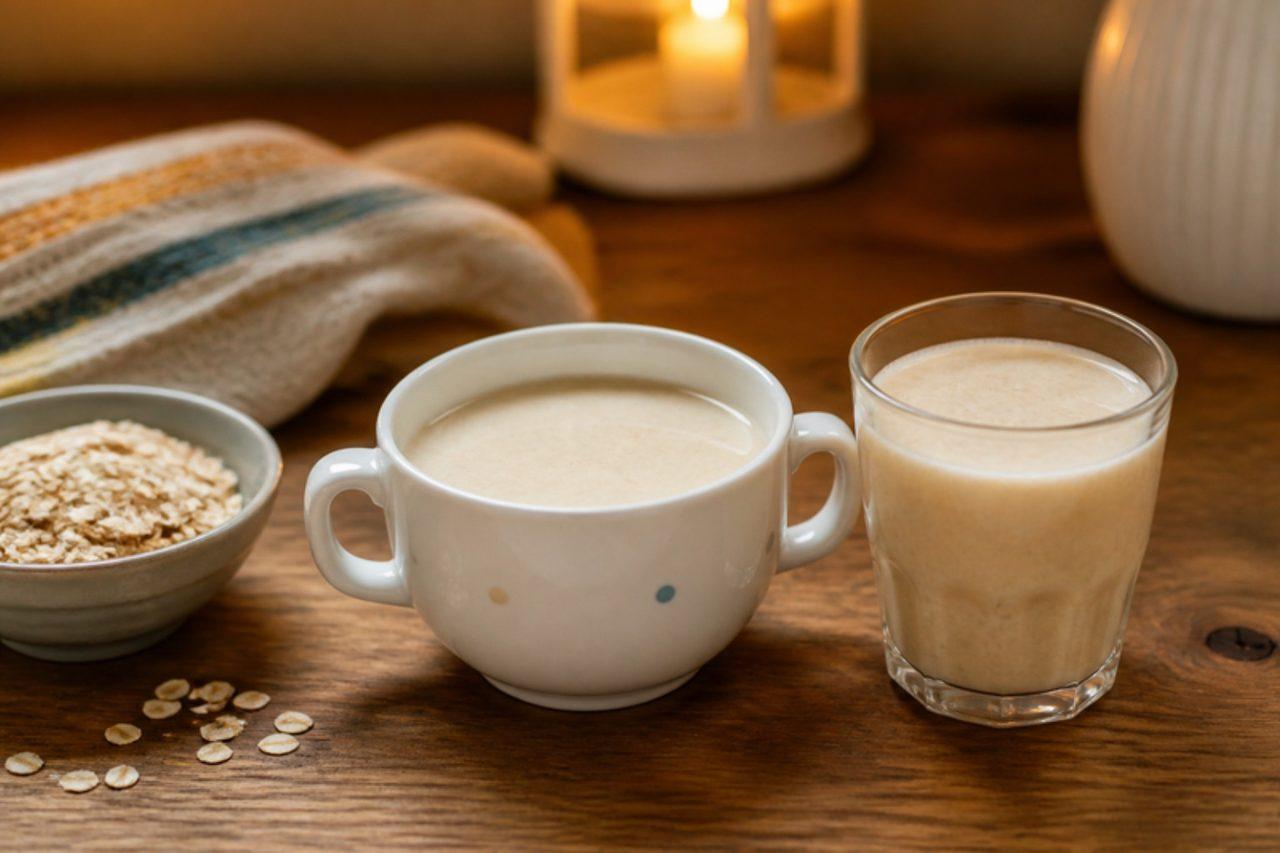
Välling (Swedish oat and milk drink)

Välling, a thin gruel of cereal and milk, has been the Swedish child's bedtime drink for generations, and many families still make their own for toddlers once they move on to cow's milk at around a year old. It is smooth, warm and lightly oaty, with no added sugar or honey. It contains milk and gluten (oats are often processed with wheat; use certified gluten-free oats if needed); there is no egg, nuts, soya, sesame or fish. Chef's tip: blend the oats to a fine flour first, so the drink is silky and flows easily from a beaker.

by KrazyBadal 0 views

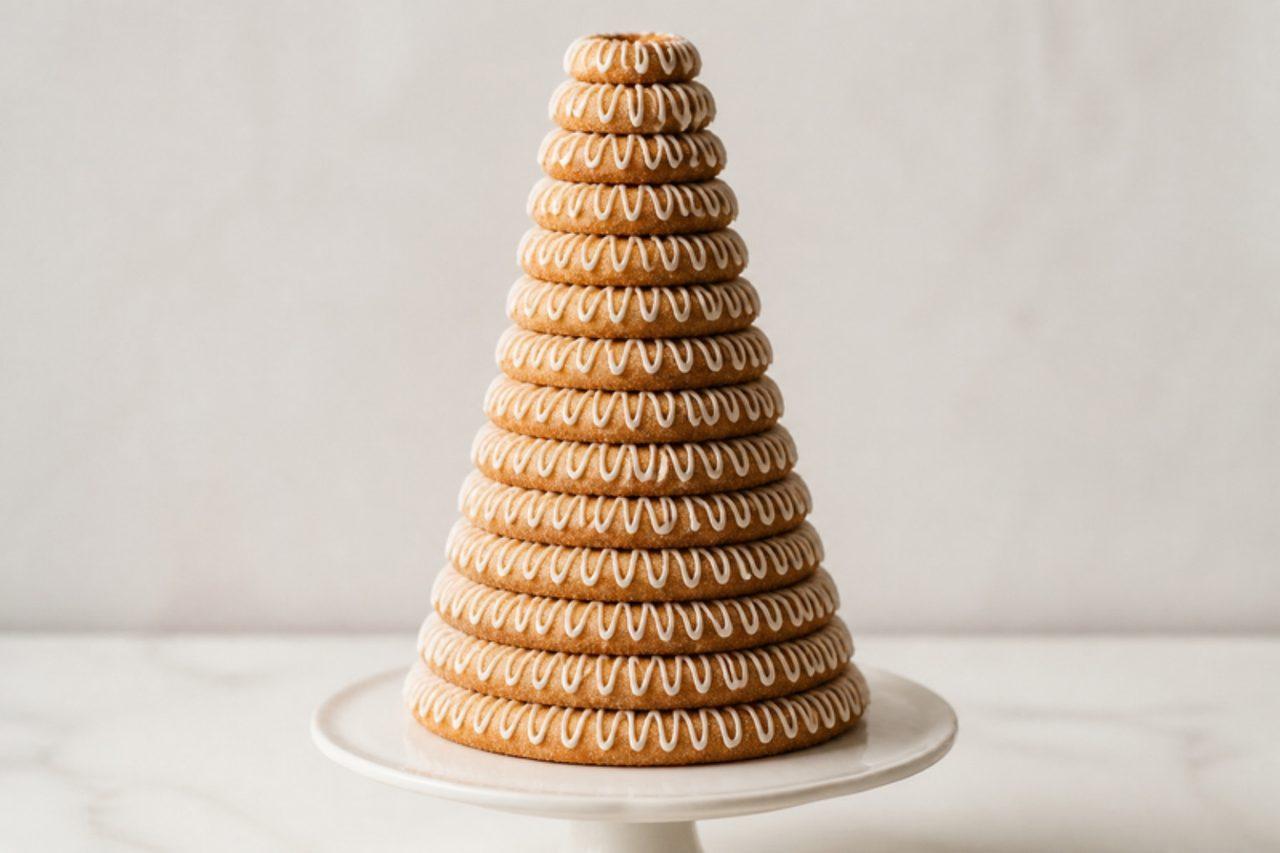
KransekakeAlmond ring tower cake

A kransekake towers over the table at Norwegian and Danish weddings, christenings, Christmas and the 17 May national day in Norway: eighteen rings of chewy almond paste, each a little smaller than the last, stacked and laced with zigzags of white icing, often decorated with little flags. Guests break off rings from the bottom; the outside is crisp and the inside soft and marzipan-like. It is naturally gluten free, made only of almonds, icing sugar and egg whites. Baking the rings until hard is the most common mistake; take them out when they are just pale gold, so they stay chewy. If you have no kransekake tins, shape ropes and join them into rings over circles drawn on baking paper. Chef's tip: grind the almonds with some of the icing sugar and rest the dough overnight in the fridge; it becomes much easier to roll and the rings keep their shape.

by KrazyBadal 0 views

Kärntner ReindlingCinnamon raisin yeast cake

Carinthia's Easter loaf takes its name from the Reindl, the round, deep pan it is baked in, and in southern Austria no Easter basket goes to church without one. Inside the golden yeast crust is a spiral of butter, cinnamon sugar and plump raisins, so every slice shows a dark swirl. Locals eat it two ways: sweet with coffee on Easter morning, or alongside the savoury Easter platter with horseradish. Many bakers soak the raisins in rum overnight; warm water or tea works just as well and keeps it alcohol-free. A dry, crumbly Reindling usually means too much flour went in during kneading, so keep the dough soft and only lightly floured. Chef's tip: butter the pan well and dust it with sugar, which caramelises into a thin crunchy shell.

by KrazyBadal 0 views

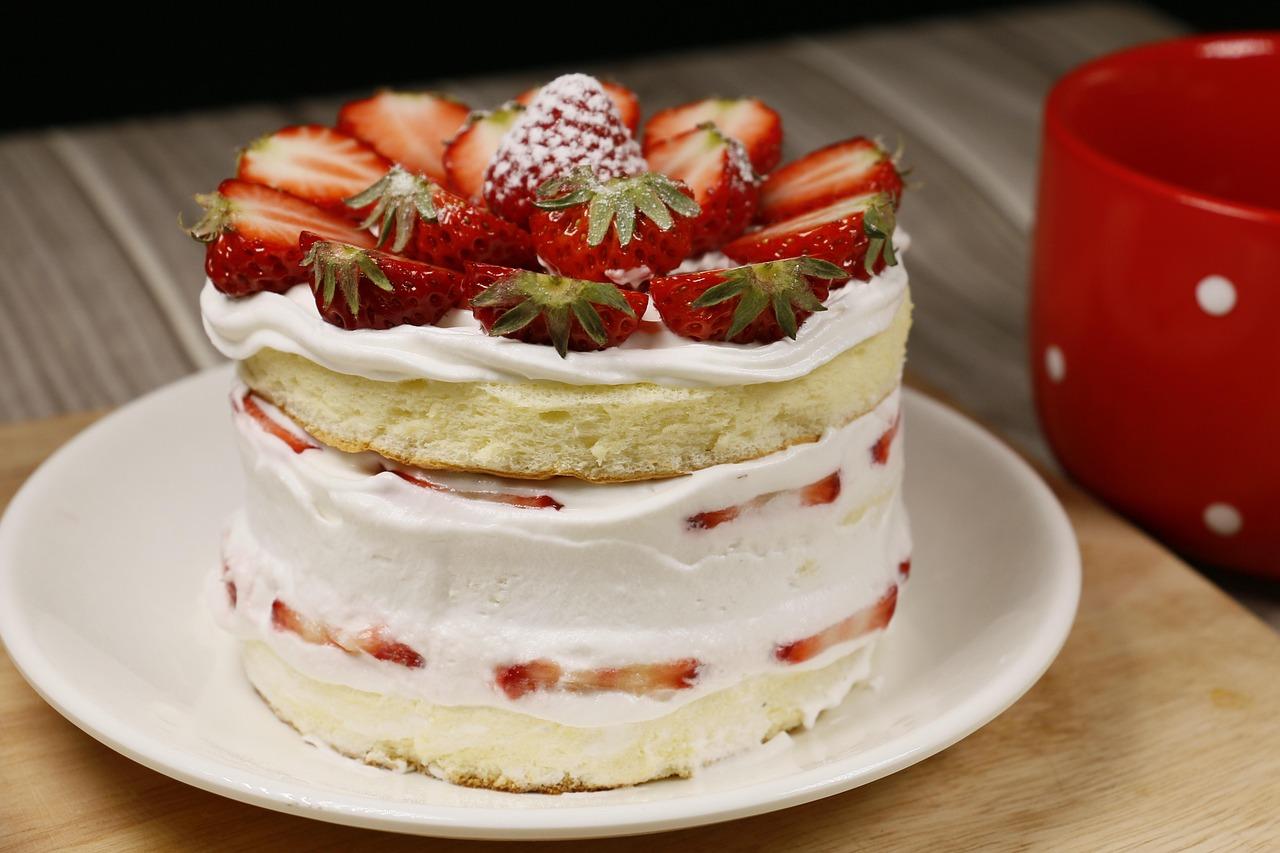
Bløtkake (Norwegian cream cake)

Bløtkake, 'soft cake', is what Norwegian families bake for children's birthdays, confirmations and above all 17 May, Constitution Day, when it is decorated with strawberries and blueberries. A light sponge is split into three, moistened with juice and layered with whipped cream and berries until it is soft enough to cut with a spoon. It contains egg, milk and gluten. For small children, quarter blueberries and halve strawberries. Chef's tip: assemble it at least four hours ahead; the cake needs time to soak and soften.

by KrazyBadal 0 views

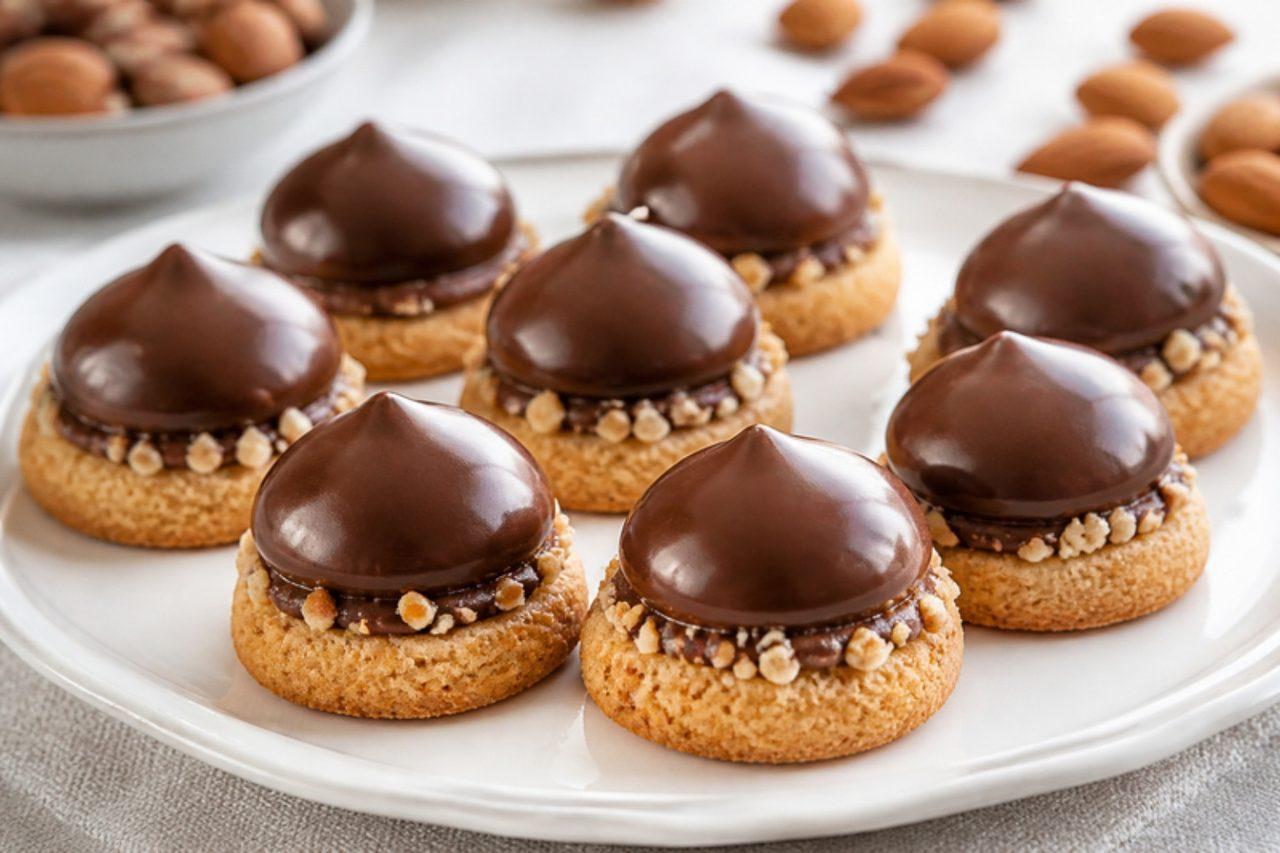
BiskvierAlmond chocolate cakes

In Swedish konditori from Gothenburg to Uppsala, biskvier sit in the glass counter as small domes of glossy dark chocolate: underneath is a chewy almond macaroon base and a swirl of chocolate buttercream. They are a weekend or birthday fika treat and keep well in the freezer, so many families make a big batch before Christmas. They are naturally gluten free. A common mistake is dipping the buttercream before it is completely cold, so it slides off into the chocolate. Chef's tip: freeze the topped biscuits for 30 minutes, then dip them in barely warm chocolate in one quick motion.

by KrazyBadal 0 views

KardemummabullarCardamom buns

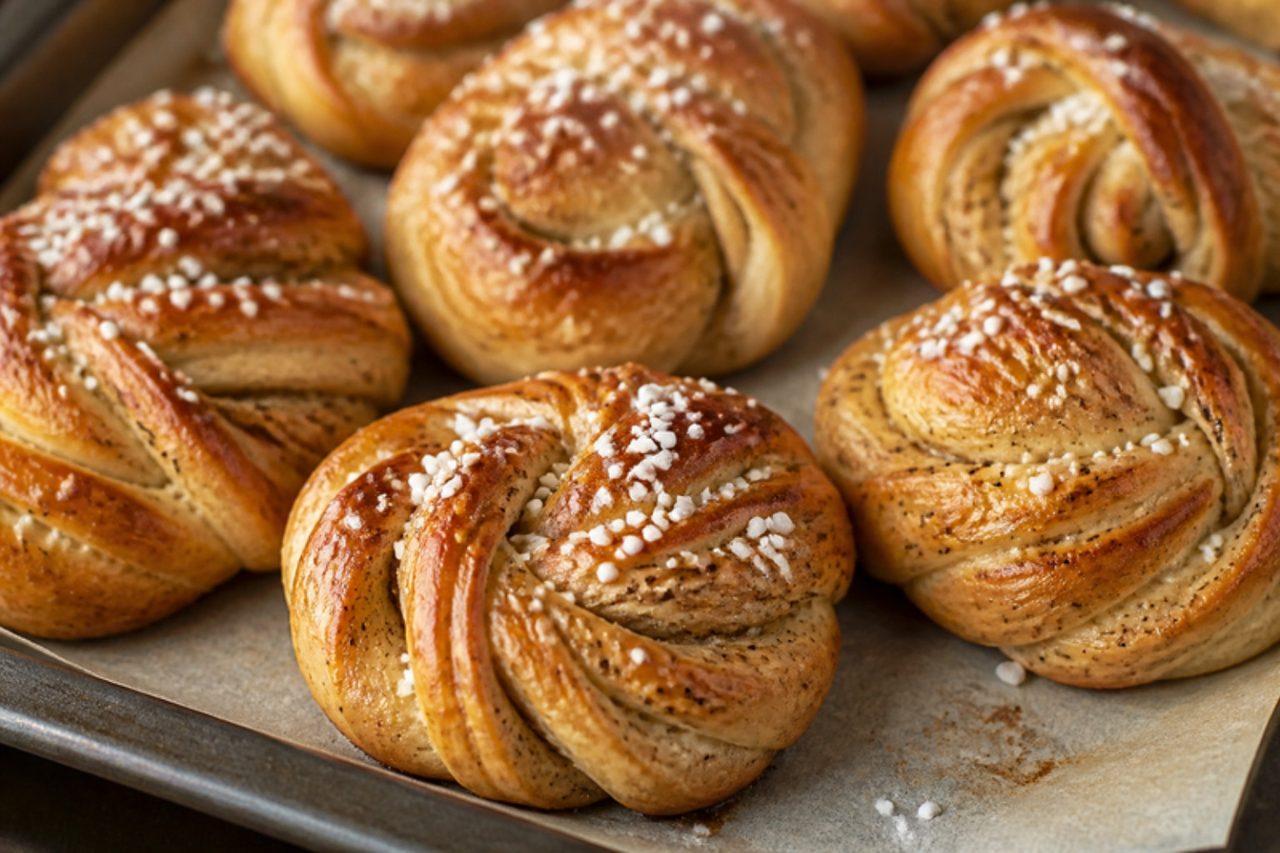
Stockholm bakeries have made the knotted cardamom bun almost as famous as the cinnamon bun, and in cafés on Södermalm it is the bun people queue for with their afternoon fika coffee. A soft, buttery yeast dough is rolled out, spread with cardamom butter, folded, cut into strips and twisted into knots before being glazed and showered with pearl sugar. Freshly crushed cardamom seeds make all the difference. A common mistake is using ready-ground cardamom, which tastes dusty. Chef's tip: twist each strip tightly before tying the knot so the layers of filling show and caramelise in the oven.

by KrazyBadal 0 views

KärleksmumsChocolate tray cake

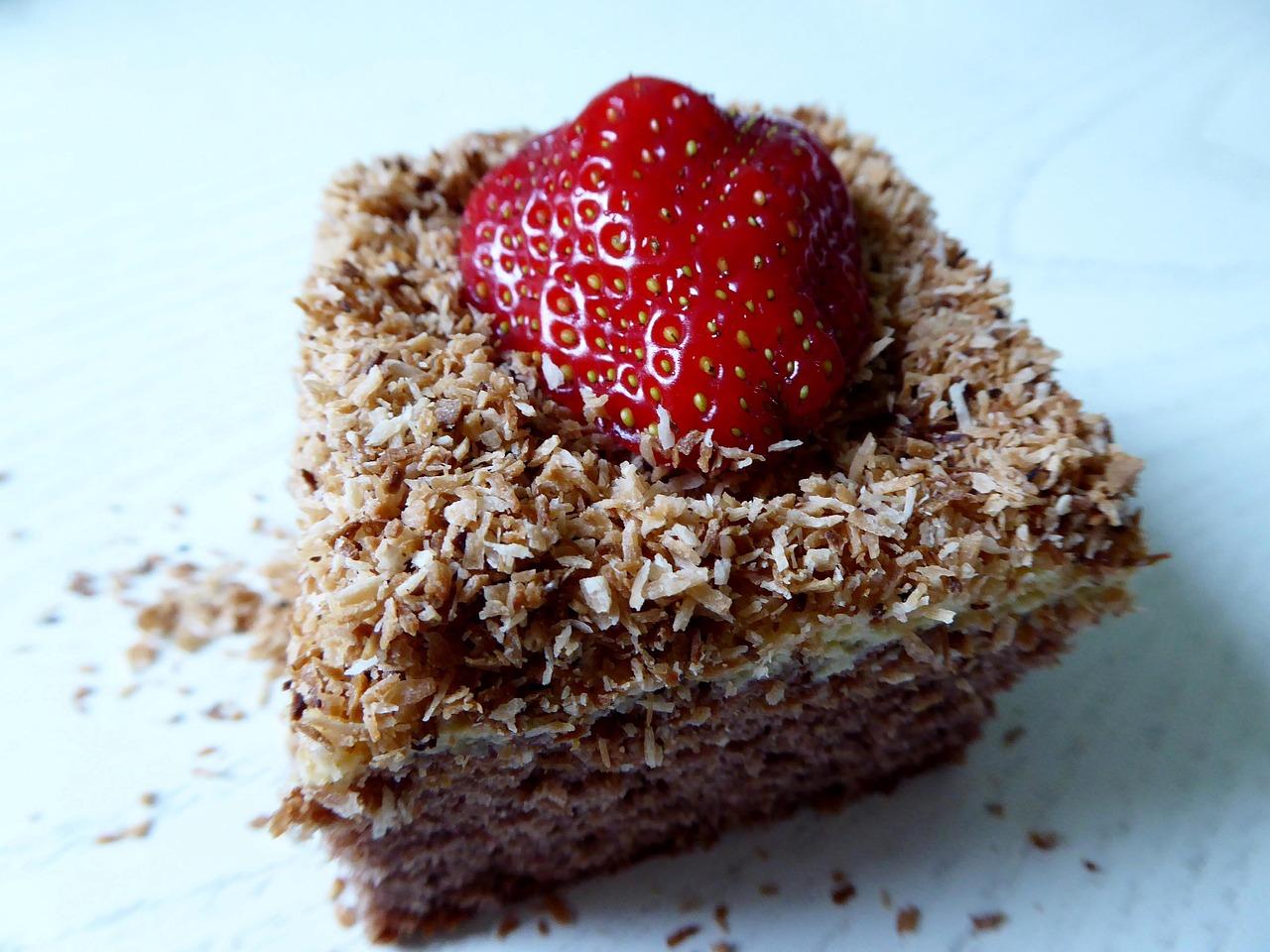
Kärleksmums, 'love bites', is the tray cake of Swedish school cafés, sports clubs and children's birthdays, cut into squares and eaten with milk or coffee. A soft chocolate sponge is spread while still warm with a glossy icing of butter, cocoa, icing sugar and a splash of coffee, then covered in desiccated coconut. Leave out the coffee for children if you prefer and use milk. A common mistake is icing a cake that is too hot, so the icing soaks in and the coconut slides off. Chef's tip: let the cake cool for 10 minutes, so it is warm but not hot, before spreading.

by KrazyBadal 0 views

ToscakakaAlmond caramel butter cake

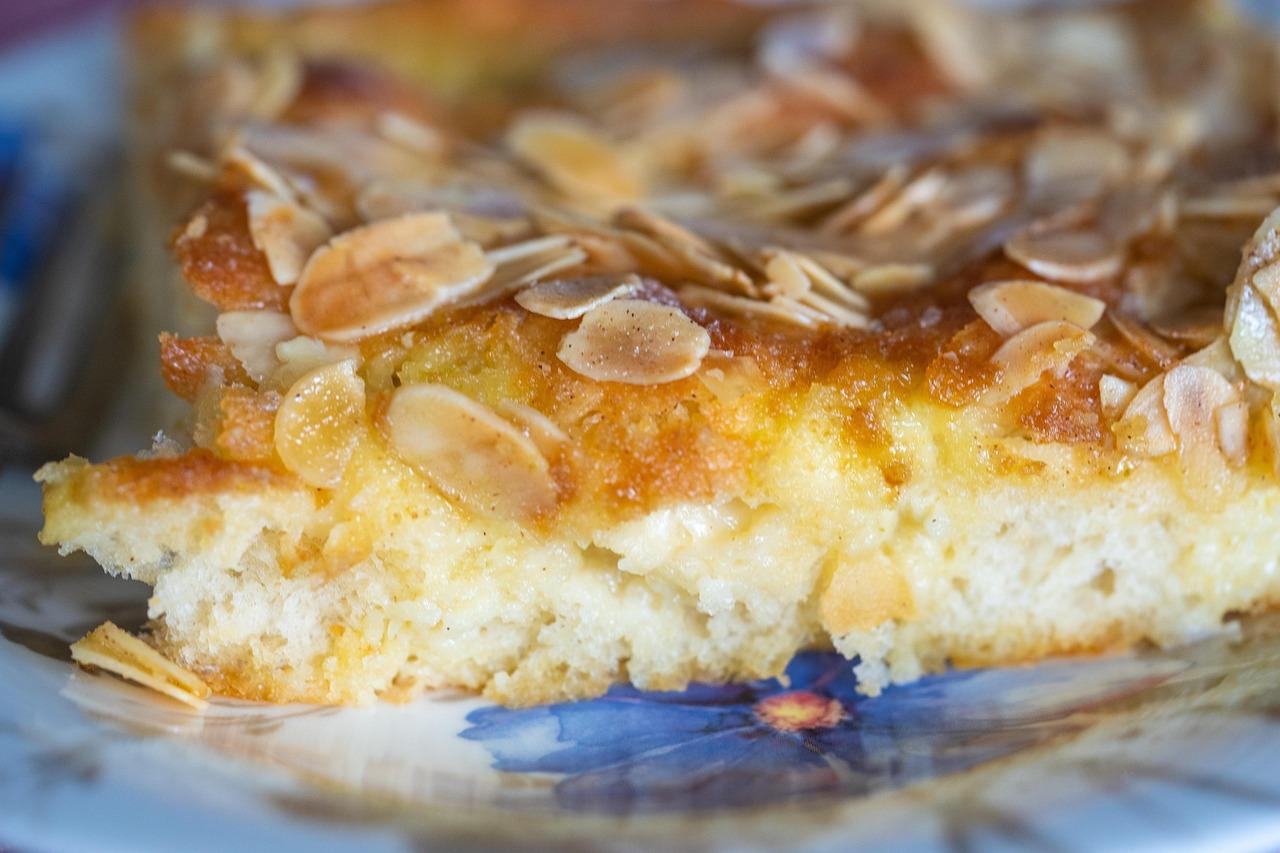
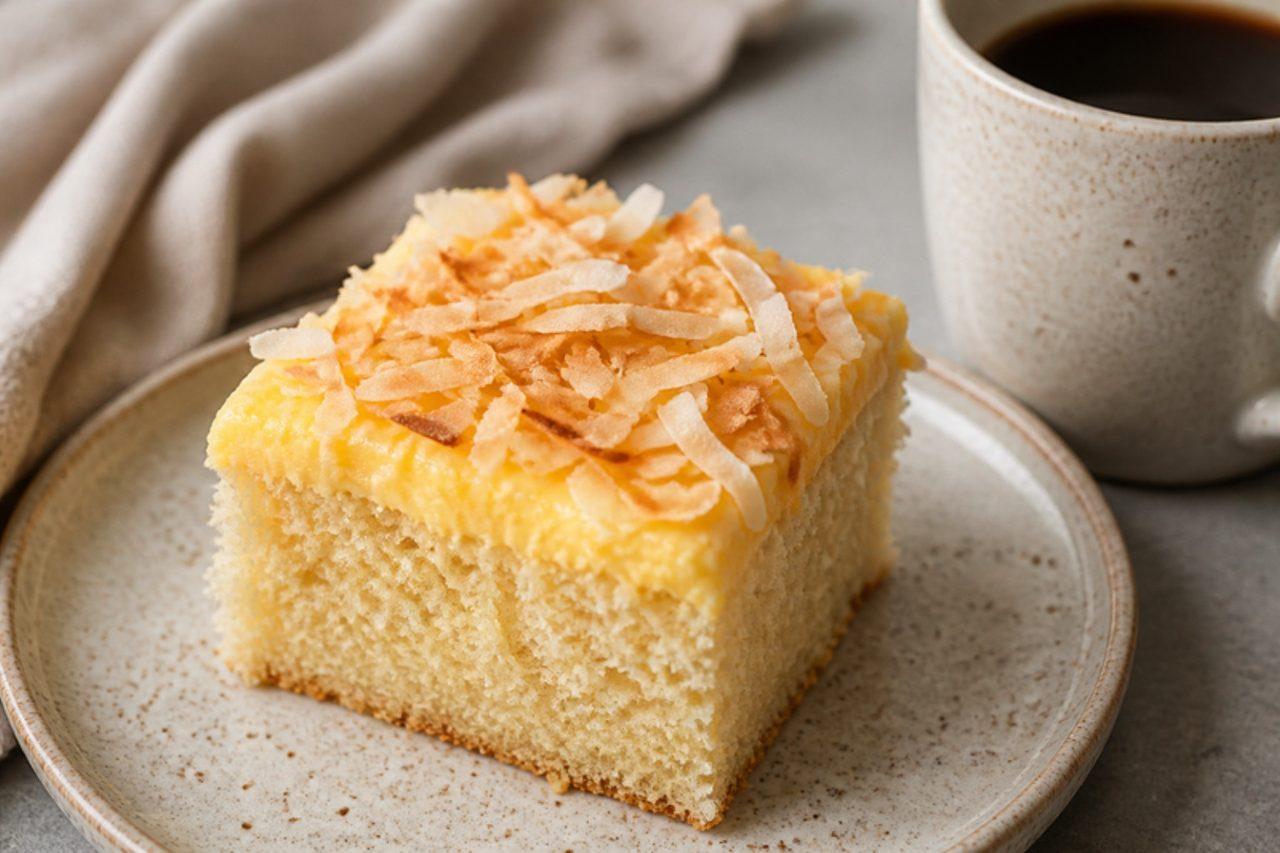
Toscakaka is the elegant fika cake of Swedish coffee afternoons, named after the opera and found in every old konditori in Stockholm and Gothenburg. Under a crunchy, toffee-like lid of flaked almonds cooked in butter, sugar and cream is a light, buttery sponge. It is at its best on the day it is made, with coffee. A common mistake is adding the topping too early, so it sinks into the raw sponge. Chef's tip: bake the cake until just set, then spread the hot topping over and return it to the oven until bubbling and amber.

by KrazyBadal 0 views

DrömmarCrisp dream cookies

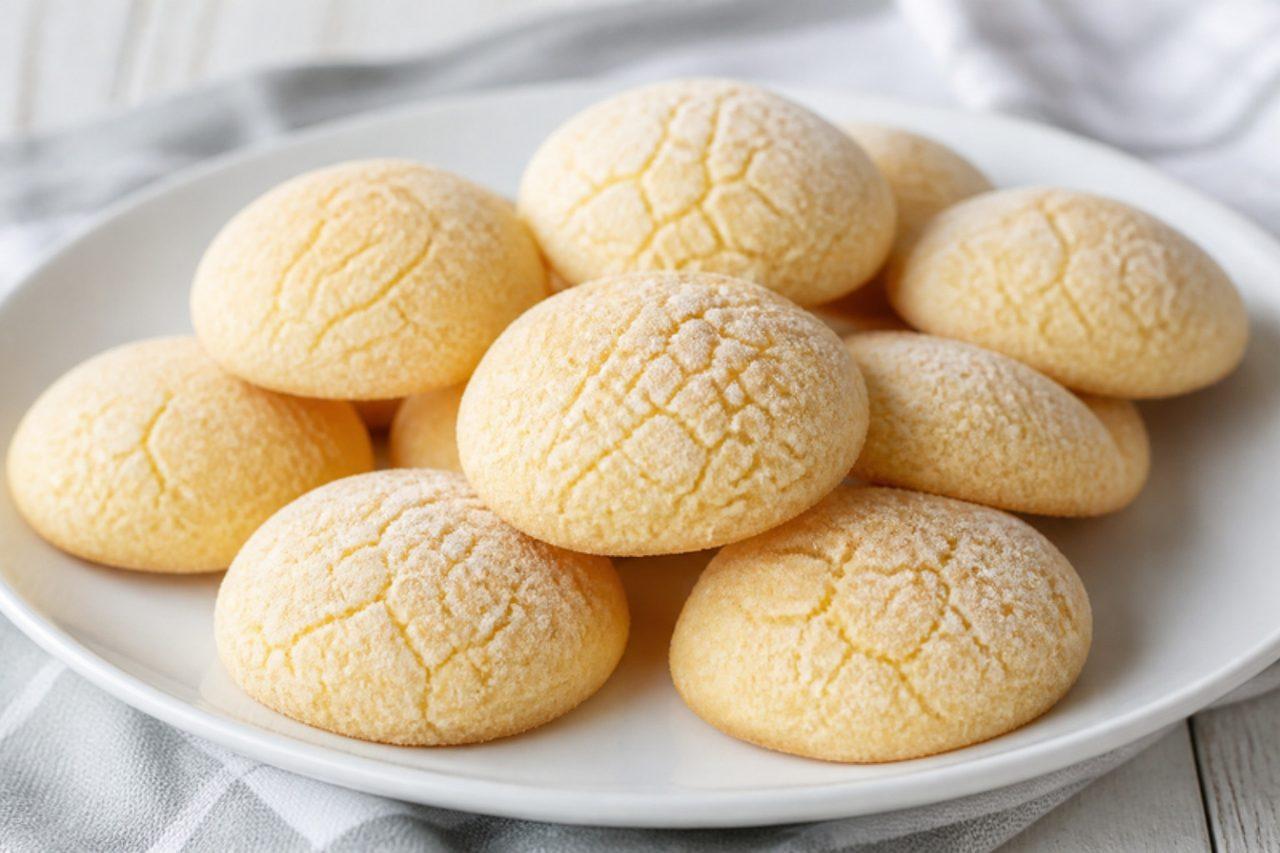
Drömmar, 'dreams', are on almost every plate of the seven kinds of cookies that Swedish hosts traditionally set out for kafferep, the old coffee party, and grandmothers in Dalarna still bake them by the tin. They are pale, domed and so light they crack and melt on the tongue. That texture comes from hjorthornssalt, baker's ammonia, which smells strongly while baking but leaves nothing behind once the cookies are cooked through. Baking powder works too, but the cookies will be less airy. A common mistake is baking at a high heat; they must stay white. Chef's tip: bake in a low oven until completely dry inside, or the ammonia taste lingers.

by KrazyBadal 0 views

Mjuk pepparkakaSoft gingerbread loaf

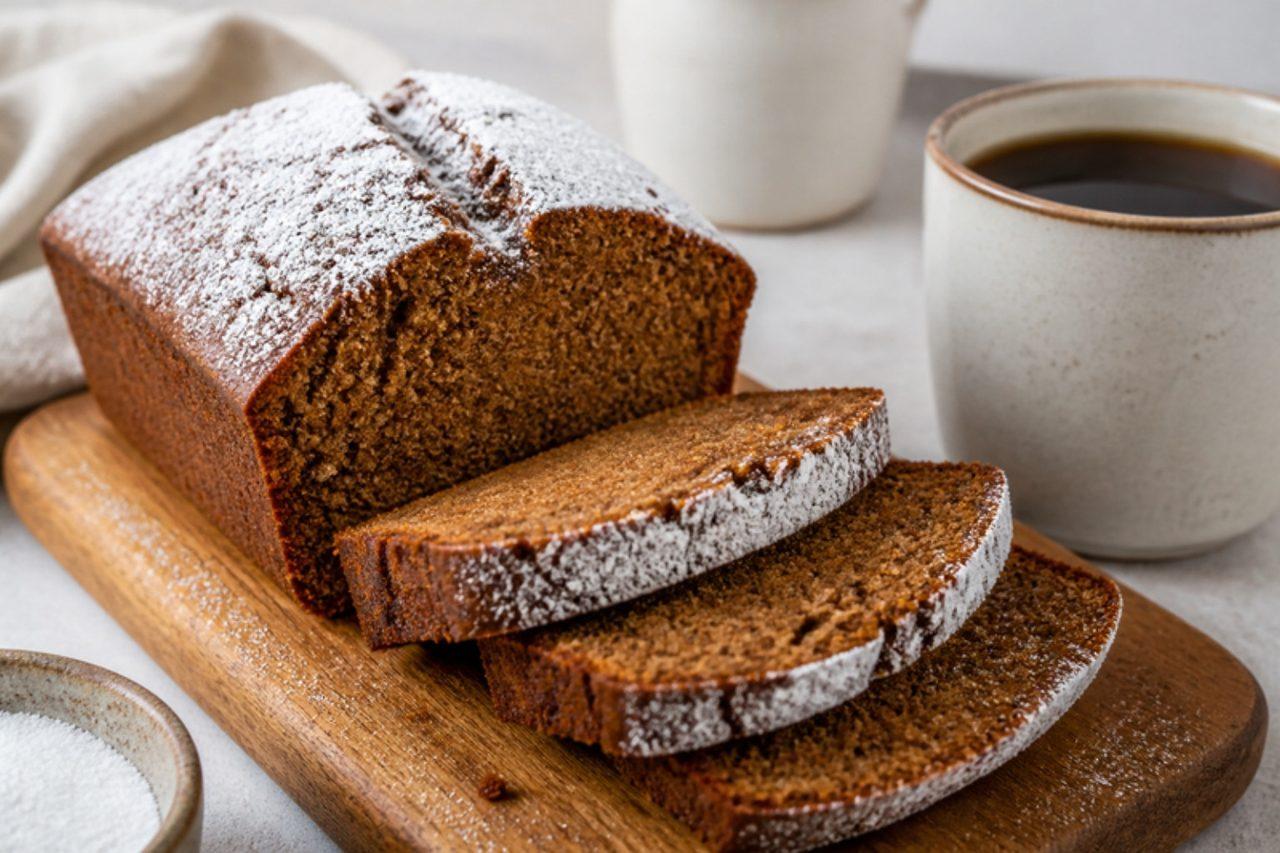
When Swedish cooks talk about soft gingerbread they mean a tender, dark loaf cake that comes out in December but is welcome at fika all year, especially in farmhouse kitchens in Småland and Värmland. Sour cream keeps it moist, and the spice mix of cinnamon, ginger, cloves and cardamom fills the house as it bakes. It is often eaten in thick slices with butter or a slice of cheese. A common mistake is overbaking it until dry; it should still be just moist on the skewer. Chef's tip: wrap it as soon as it has cooled; it tastes even better the next day.

by KrazyBadal 0 views

SilviakakaVanilla sponge cake

Named in honour of Queen Silvia after her wedding in 1976, silviakaka is a simple, everyday Swedish fika cake baked in a round tin and served in squares or wedges at home and in church coffee rooms. A fluffy sponge is covered while still warm with a rich vanilla butter custard icing and a sprinkle of coconut. It is a good first cake for children to bake. A common mistake is letting the icing boil, which scrambles the yolk. Chef's tip: stir the icing over a gentle heat only until it thickens and coats the spoon, then spread it straight away.

by KrazyBadal 0 views

HallongrottorRaspberry thumbprint cookies

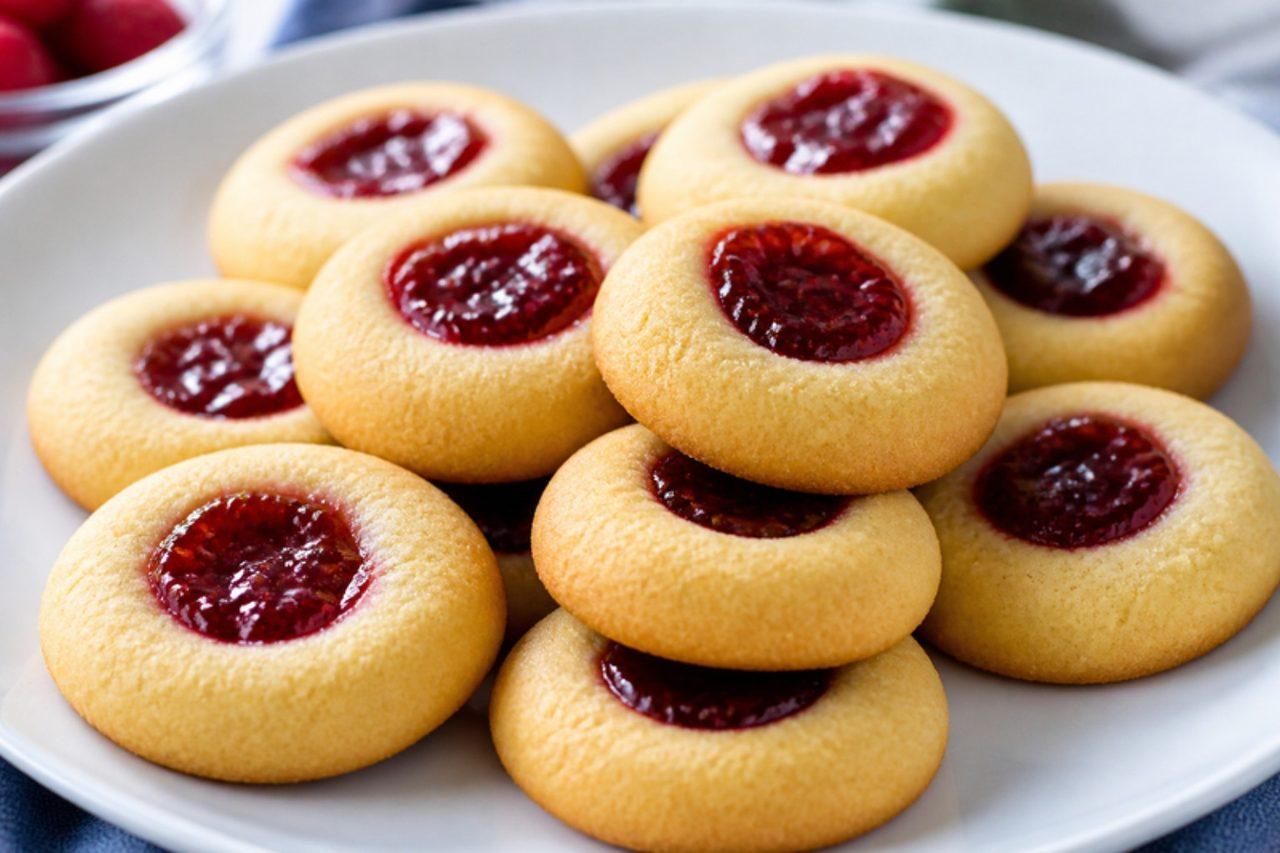
Hallongrottor, 'raspberry caves', are the cookie Swedish children learn to bake first, pressing a thumb into each ball of buttery dough and filling the hollow with raspberry jam. They turn up at birthday parties, school bake sales and every proper fika in homes from Malmö to Luleå. Baked in paper cases, they keep their shape and the jam bubbles into a glossy jewel. A common mistake is overfilling the hollows, which makes the jam boil over and burn. Chef's tip: use a thick, set jam and fill only to the rim.

by KrazyBadal 0 views

HindbærsnitterRaspberry shortbread slices

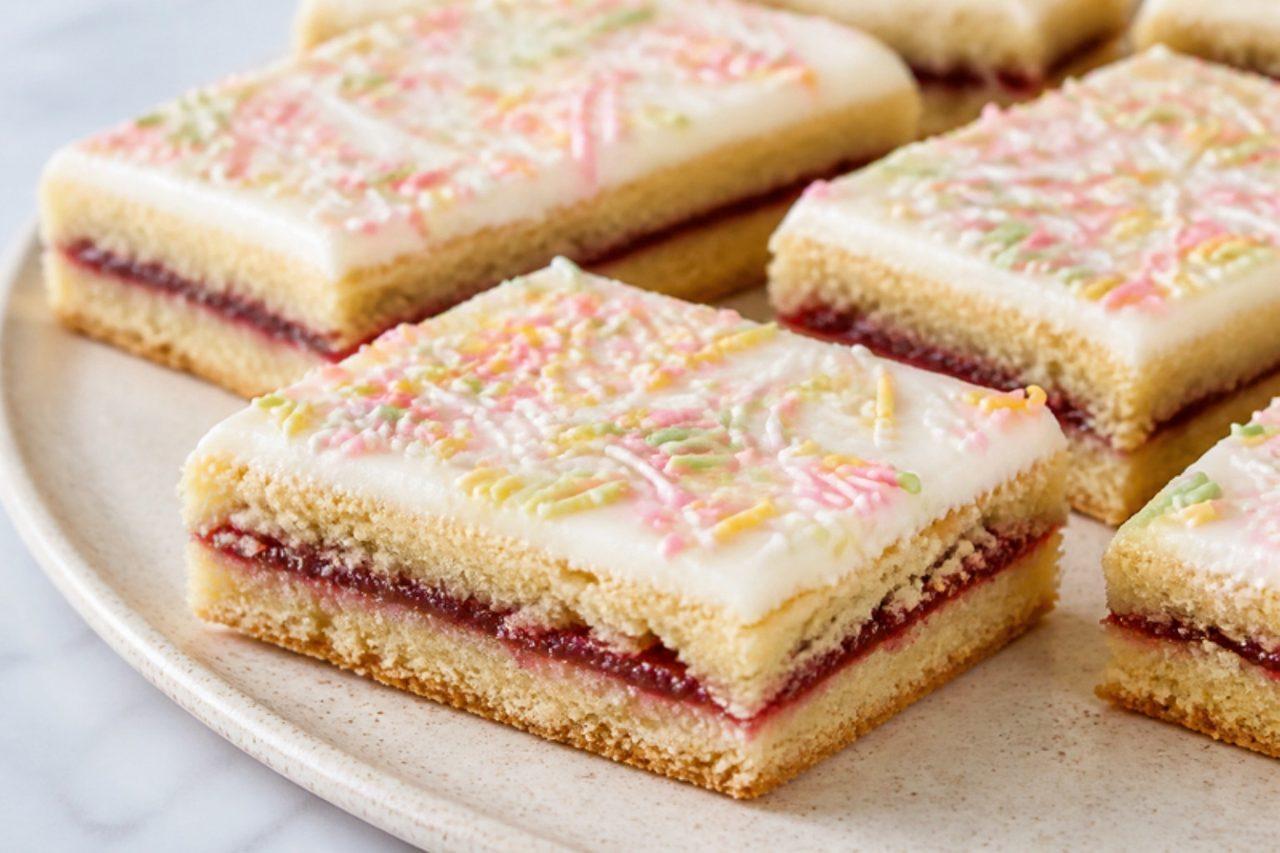
Every Danish bakery counter, from Copenhagen to Aarhus, has a row of hindbærsnitter: two thin sheets of crisp shortbread glued together with raspberry jam, topped with white icing and coloured sprinkles. Children choose them on the walk home from school, and they turn up at birthday tables too. The secret is a dough rolled very thin and baked pale. A common mistake is assembling while the pastry is still warm, which makes the jam run and the icing crack. Chef's tip: ice the top sheet before cutting, then slice with a sharp knife while the icing is still a little soft.

by KrazyBadal 0 views

Refresco de coconaCocona cooler

In Iquitos, Pucallpa and the river towns of Loreto, heat and humidity make a cold refresco part of every lunch, and cocona is one of the favourites sold from plastic jugs at the Belén market. The fruit looks like a fuzzy orange tomato and tastes between tomato, lemon and apricot: very sour, aromatic and juicy. Blended with water and sugar it makes a tangy, golden drink with a light pulp, served with juane or tacacho con cecina. The usual mistake is skipping the fuzz: cocona skin is covered in fine hairs that make the drink scratchy, so rub them off under running water before you start. Blend only briefly, too, so the many seeds do not crack. It is ready when the refresco is opaque orange, sour first and sweet after, with no grit. Outside the Amazon, look for frozen cocona pulp in Latin American shops; naranjilla (lulo) pulp is the closest substitute. Chef's tip: a pinch of salt makes the fruit taste sweeter and fruitier without more sugar.

by KrazyBadal 0 views

Chilcano de piscoPisco and ginger ale highball

When Lima's grey winter finally lifts and summer reaches the beaches south of the city, the chilcano takes over from the pisco sour: lighter, longer and made for an afternoon. Peru even gives it a Semana del Chilcano each January, and it is poured at weekend lunches with chifa or fried fish. This is a highball for adults only: pisco poured over a tall glass of ice with fresh lime and ginger ale, finished with a few drops of bitters. It should taste crisp and fizzy, with the ginger and lime lifting the floral grape notes of the pisco rather than hiding them. The common mistake is using too little ice and warm ginger ale, which gives a sweet, diluted drink that goes flat in minutes. Fill the glass to the top with ice and keep the ginger ale in the fridge until the last second. It is ready when the glass is frosty, the bubbles race up the sides and the bitters drift through the top as a pink haze. Light it may be, but drink responsibly. Chef's tip: try a fruit-infused pisco, made by steeping passion fruit or mandarin peel in the bottle for a few days; Limeños love a chilcano de maracuyá.

by KrazyBadal 0 views

Mate de muñaAndean mint tea

Muña is the minty shrub that grows wild on the slopes around Cusco, Puno and the Sacred Valley, and highland cooks reach for it after a heavy meal of chicharrón or when visitors are struggling with the altitude. Market herb sellers sell it in fresh bunches, and hotels and homes leave it in a flask for anyone coming in from the cold evenings. Steeped simply in hot water, it smells somewhere between spearmint, oregano and pennyroyal, with a cooling, slightly peppery taste and a pale green-gold colour. It is traditionally drunk to settle the stomach. The usual mistake is boiling the leaves hard for a long time, which turns the tea brown and bitter. Pour water just off the boil over the sprigs, cover, and let it steep. It is ready when the cup is pale gold and the aroma rises as soon as you lift the lid. Outside Peru, look for dried muña in Latin shops; failing that, use mostly spearmint with a little fresh oregano. Muña is strong: avoid large amounts in pregnancy, and check with a doctor if you take regular medication. Chef's tip: cover the cup while it steeps so the scented oils stay in the tea.

by KrazyBadal 0 views

RosinbollerCardamom raisin buns

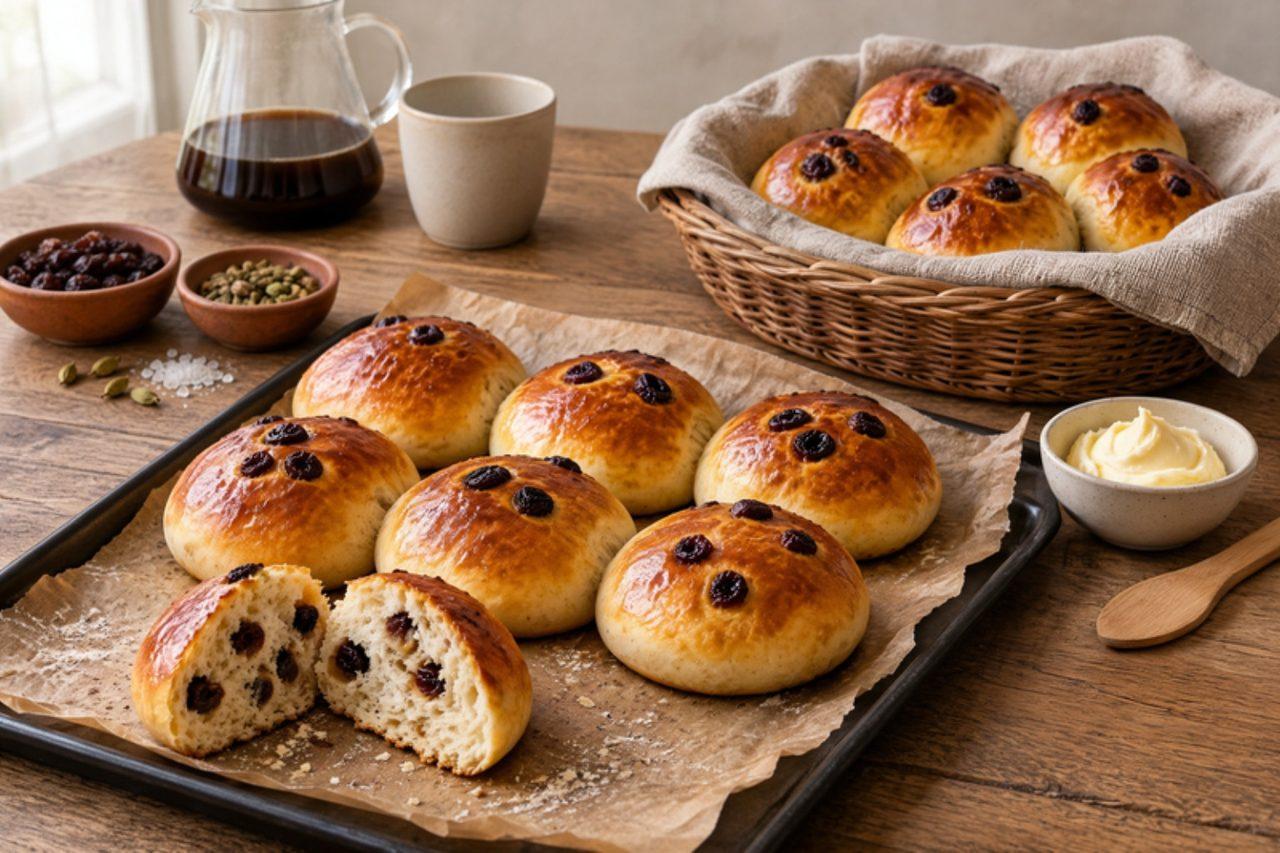
In Norway, rosinboller are what a parent bakes on Sunday so the week's lunch boxes have something sweet, and what fills the tables at every school dugnad and bake sale. The dough is enriched with milk and butter and scented with freshly ground cardamom, and the buns are pulled apart soft and golden. The common mistake is using hot milk: anything above blood heat kills the yeast and the buns stay flat. Chef's tip: crush the cardamom seeds yourself just before mixing; the pre-ground powder loses most of its perfume.

by KrazyBadal 0 views

KneippbrødWholemeal loaf

Open almost any Norwegian matpakke (the packed lunch wrapped in paper) and you will find slices of kneippbrød, a soft, lightly sweet loaf of sammalt hvete (wholemeal wheat) baked in a tin. Its fine crumb slices thin without crumbling, perfect for brown cheese, jam or cucumber at the school desk. The common mistake is adding too much flour while kneading because wholemeal dough feels sticky; the loaf then bakes dense and dry. Chef's tip: let the dough rest for 20 minutes after mixing, before kneading, so the bran softens and the dough turns smooth on its own.

by KrazyBadal 0 views

Jugo surtidoMixed fruit juice

Step up to any juguería in Lima's Mercado de Surquillo or a barrio market at breakfast time and order a surtido: the juicer drops papaya, banana, pineapple and freshly squeezed orange into a tall blender, sometimes a slice of cooked beetroot for colour or a splash of milk, and pours you a big glass with the rest left in the jug for your 'yapa', the free refill. It is thick but still pourable, sweet from ripe fruit with a sharp orange edge, the kind of drink that stands in for breakfast before a long day. The common mistake is adding lots of ice and water, which makes it thin and frothy rather than velvety. Use cold fruit and freshly squeezed orange juice as the liquid. It is ready when it coats the glass and no lumps of banana are left. This version is fruit only; stalls also make it with milk if you prefer. Drink it straight away: papaya and banana go brown and bitter within half an hour. Chef's tip: use very ripe papaya with orange flesh; under-ripe papaya tastes of nothing and gives a faintly bitter aftertaste.

by KrazyBadal 0 views

Showing 24 of 74 recipes

Show more recipes

Page 1 of 4