Skip to content
Recipes

All recipes

Vegetarian, or something you can't eat? Set your diet once and we'll hide recipes that don't fit.

Nam krachiap (roselle drink)

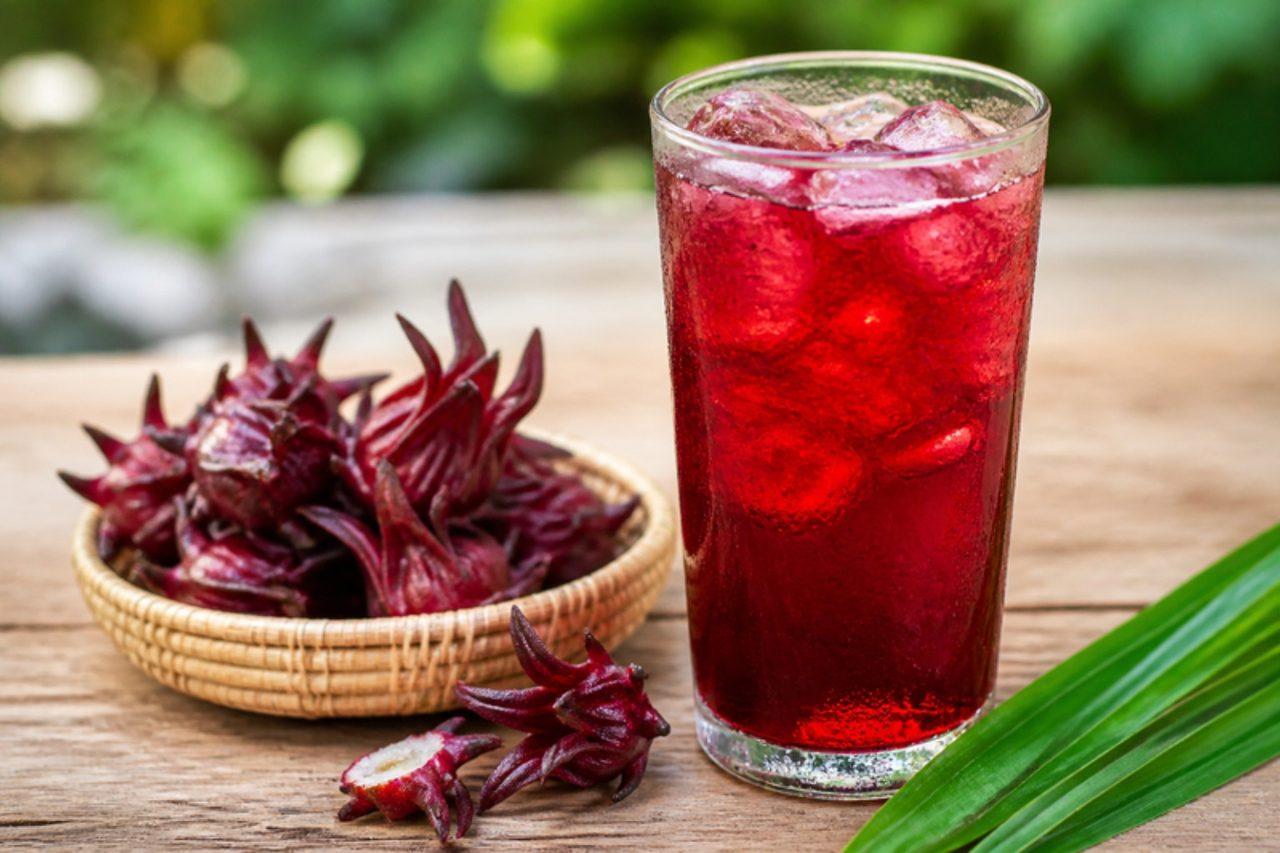
In the dry hot season Thai markets from Isan to Bangkok sell bags of this ruby drink tied with a straw, made from the dried calyces of the roselle plant grown in the northeast. It tastes like cranberry with a floral edge, sharply tart and only lightly sweet, with a pinch of salt to lift it. Drink it very cold; it keeps for days in the fridge. Chef's tip: the mistake is boiling the roselle for a long time, which turns it bitter and dull; simmer briefly and then let it steep off the heat.

20 minThaiDrinksVeganGluten free
by KrazyBadal 0 views

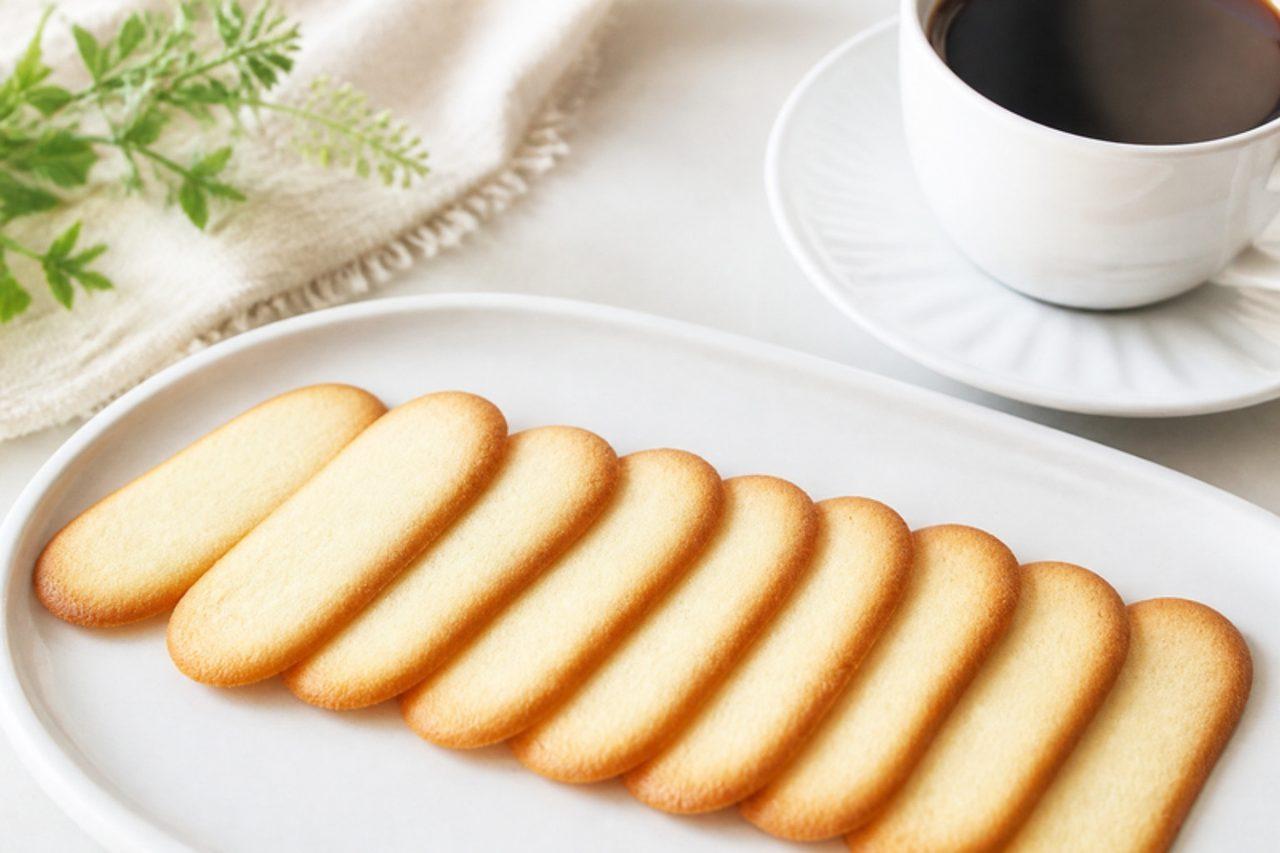
Langues de chatCat's tongue biscuits

Langues de chat, "cat's tongues", are long, thin butter biscuits with golden edges, served with coffee, ice cream or a bowl of chocolate mousse in French homes and cafés; they keep well in a tin and children love them. A simple batter of butter, sugar, egg white and flour is piped in strips and baked until the edges just brown. The common mistake is piping them too close together; they spread. Chef's tip: tap the tray firmly on the worktop after piping so the strips flatten evenly.

by KrazyBadal 0 views

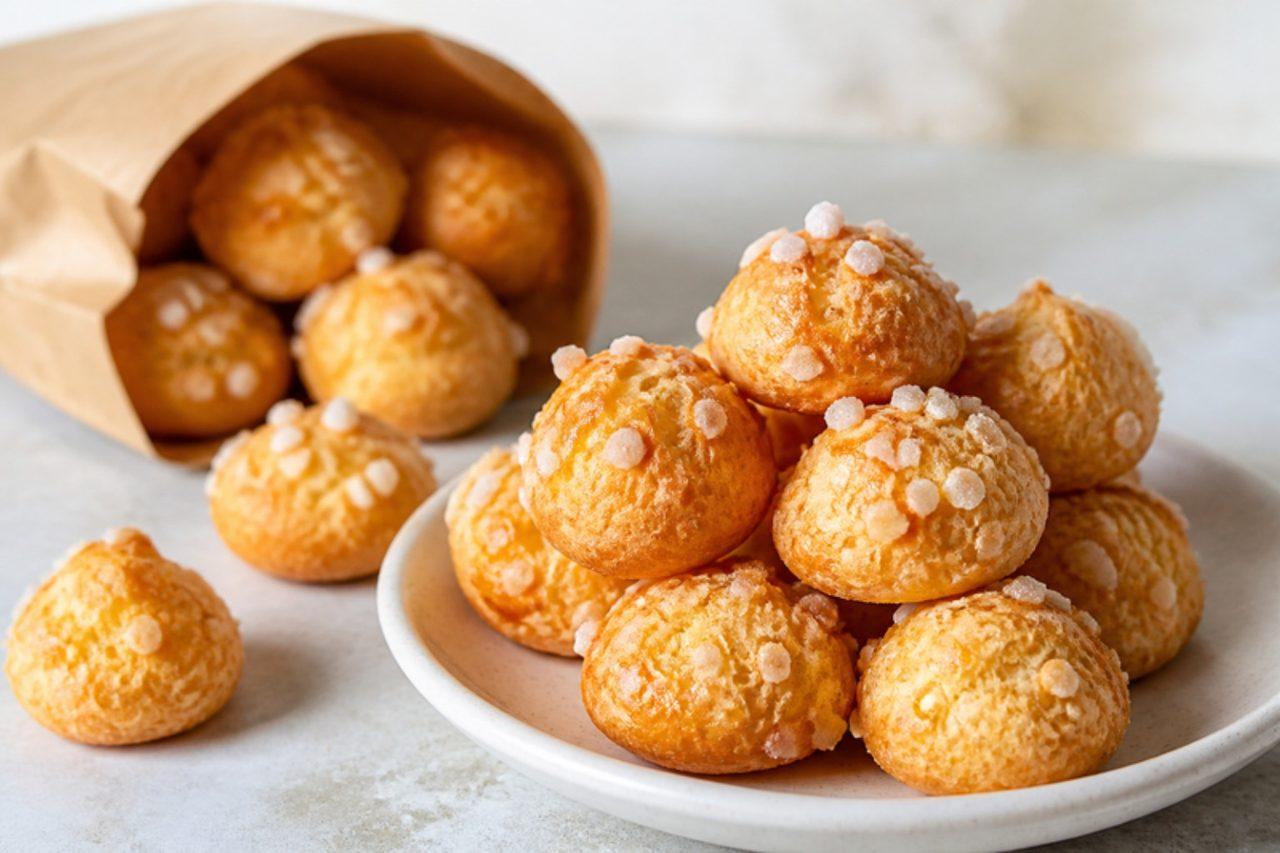
ChouquettesSugar choux puffs

Chouquettes are the small, hollow choux puffs studded with pearl sugar that French bakeries sell by weight in paper bags, a favourite treat bought on the way home from school and shared between brothers and sisters. They are made with the same choux dough as éclairs but left unfilled. The common mistake is opening the oven too soon, so they collapse. Chef's tip: press the pearl sugar in well after glazing, so it does not roll off.

by KrazyBadal 0 views

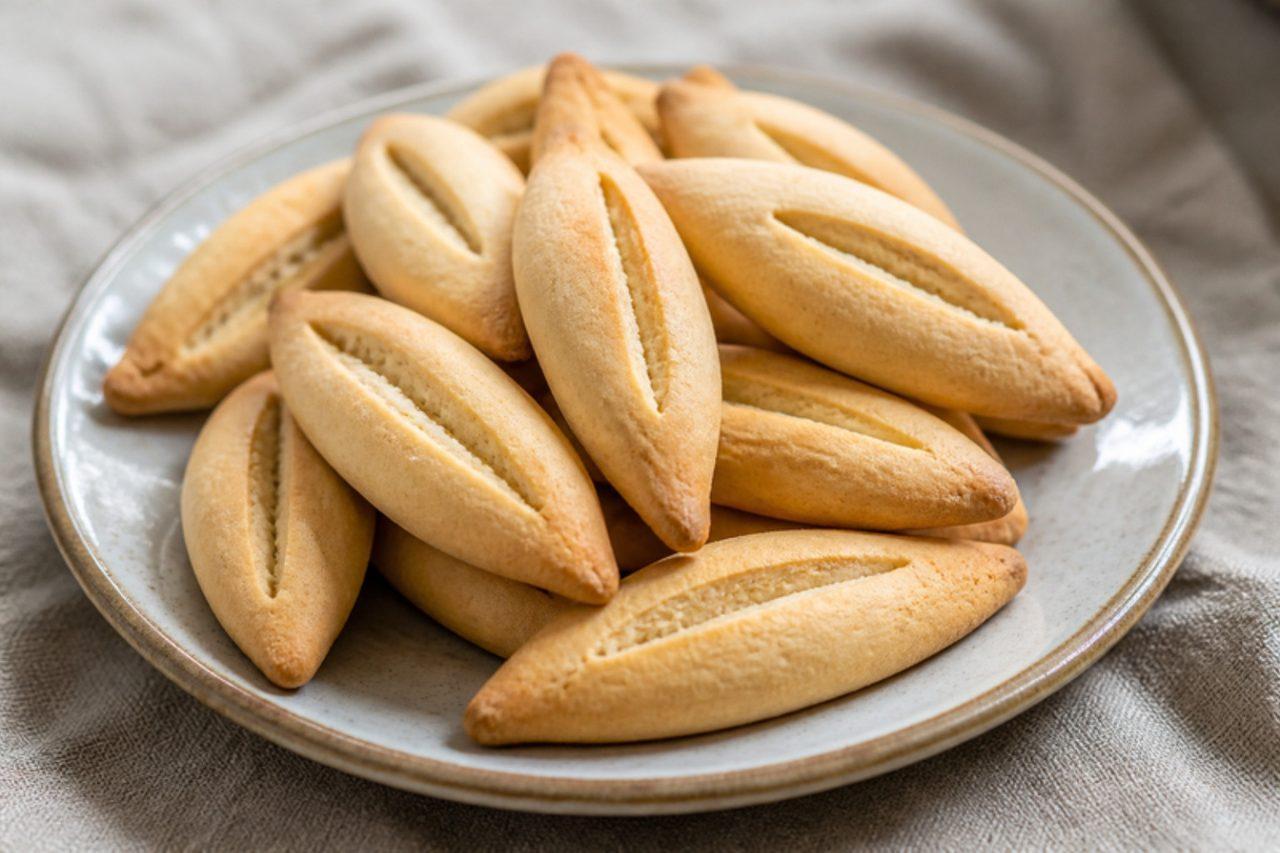
Navettes de MarseilleOrange blossom boat biscuits

Navettes are the little boat-shaped biscuits of Marseille, made for Candlemas on 2 February, when the archbishop blesses them at the Abbaye Saint-Victor and people take a batch home for luck for the year. They are firm, dry and fragrant with orange-blossom water, made to be dipped in coffee or hot chocolate. The common mistake is overmixing, which makes them tough. Chef's tip: the deep slit along the top is what makes the boat shape, so cut it right down to the middle with a sharp knife.

by KrazyBadal 0 views

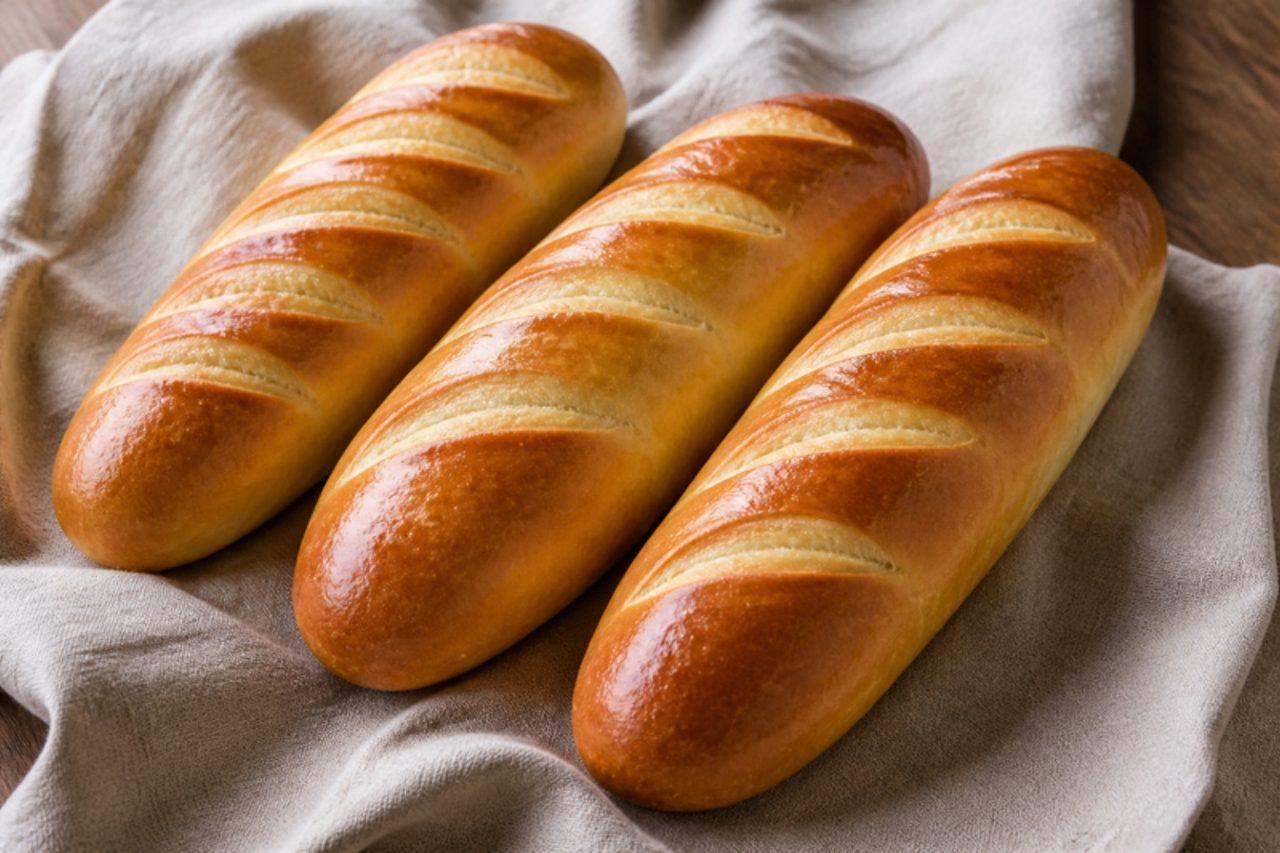
Pain viennoisSweet Viennese loaf

Pain viennois is the soft milk baguette of French bakeries, recognisable by its neat diagonal cuts, bought for children's breakfasts and goûters and sliced for sandwiches. The dough is enriched with milk and butter, so the crust is thin and shiny and the crumb soft and fine; many bakeries add chocolate chips. The common mistake is scoring too shallowly, which stops the pattern opening in the oven. Chef's tip: score the loaves with a sharp blade held almost flat, in quick even strokes, just before baking.

180 minFrenchBaking
by KrazyBadal 0 views

Agneau pascalLamb-shaped Easter cake

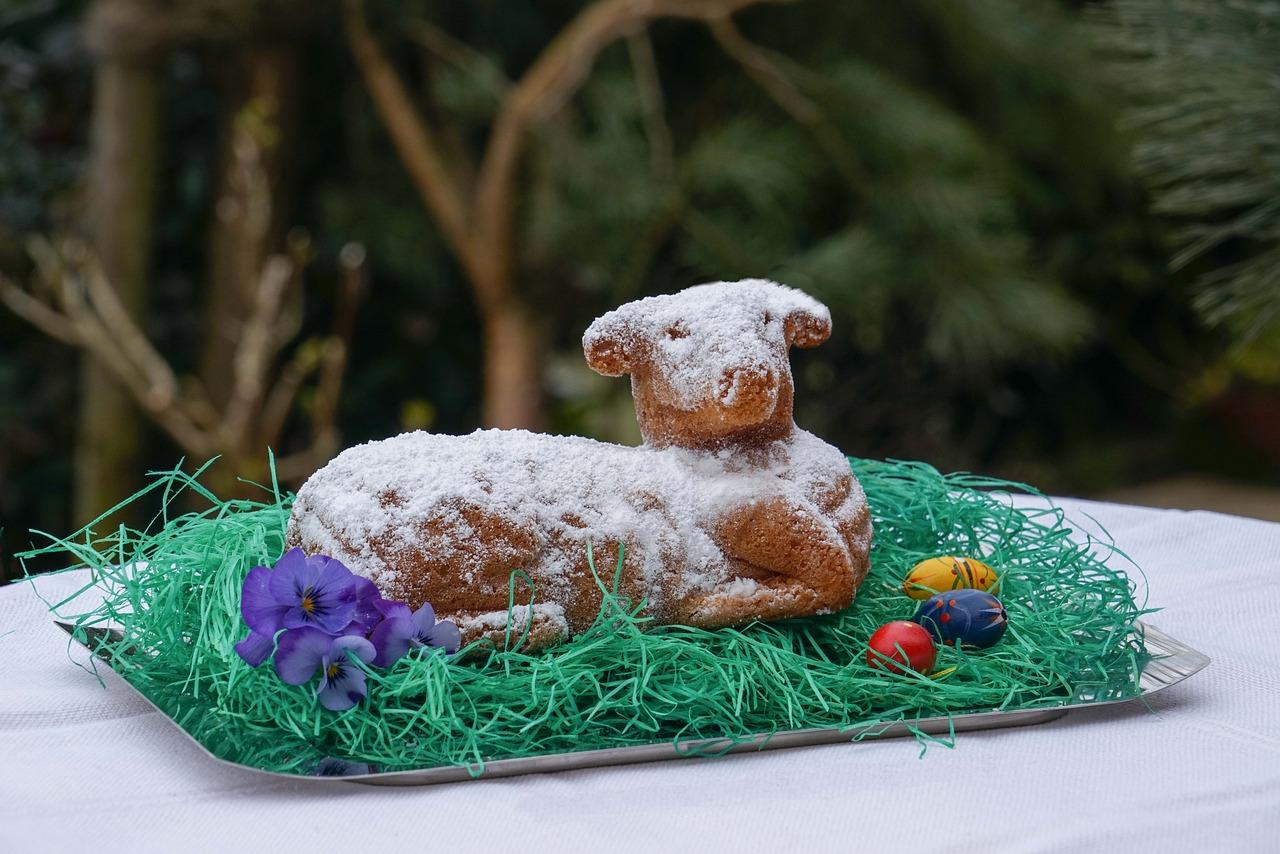
The lammele, or agneau pascal, is the Easter cake of Alsace, a light sponge baked in a lamb-shaped earthenware mould from Soufflenheim and dusted with icing sugar, with a little paper flag tied round its neck. It is bought from bakeries in Strasbourg and Colmar or made at home for Easter Sunday breakfast. No lamb meat is involved; it is a vegetarian cake. The common mistake is not greasing the mould well enough, so the head sticks. Chef's tip: brush the mould with soft butter, chill, then dust with flour, so every detail comes out clean.

by KrazyBadal 0 views

Pain au laitSoft milk rolls

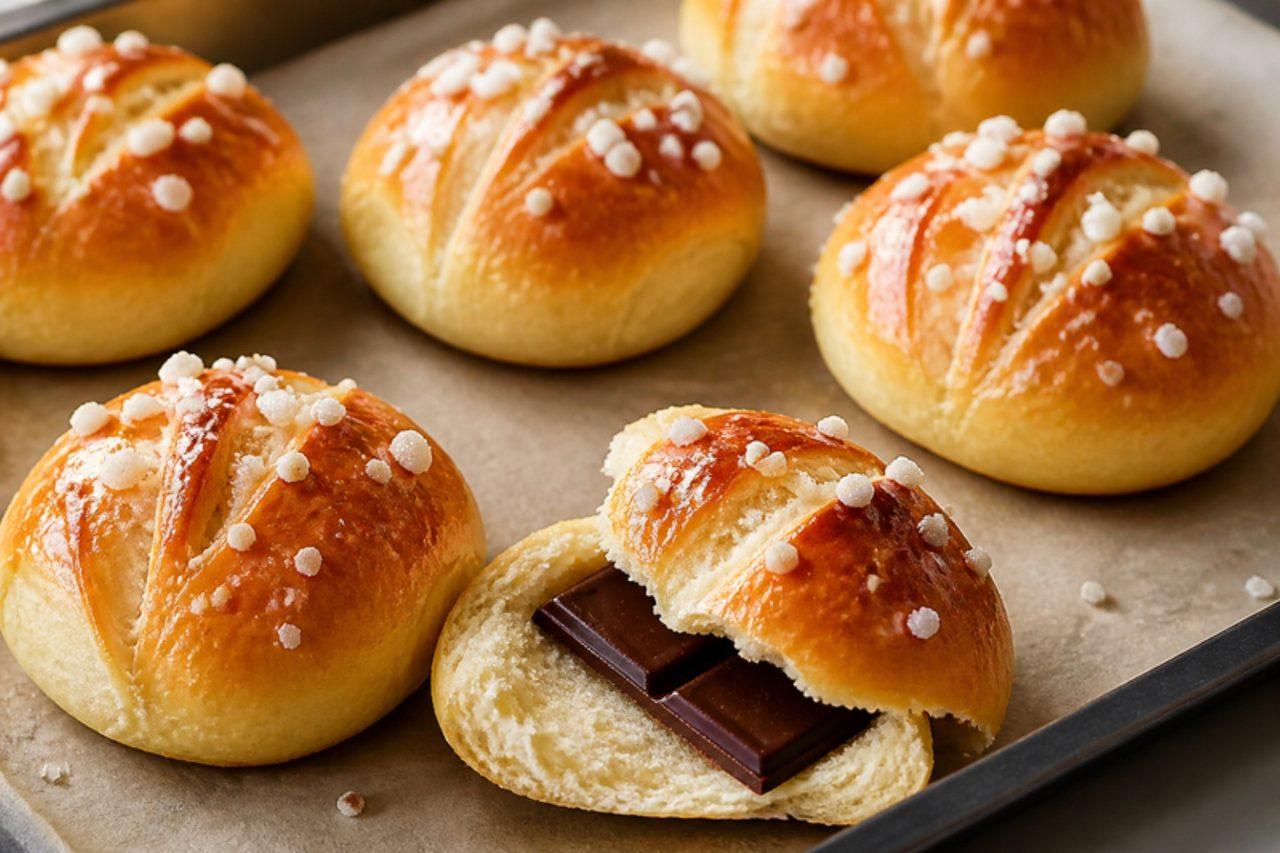
Pain au lait is the soft, slightly sweet milk roll French children take to school for goûter at four o'clock, split and filled with a bar of chocolate or spread with jam. The dough is enriched with milk, butter and a little egg, shaped into small oval rolls, snipped along the top with scissors and sprinkled with pearl sugar. The common mistake is overbaking, which gives a crust; they should stay pale gold and pillowy. Chef's tip: brush them with egg twice, before and after proving, for the glossy bakery finish.

175 minFrenchBaking
by KrazyBadal 0 views

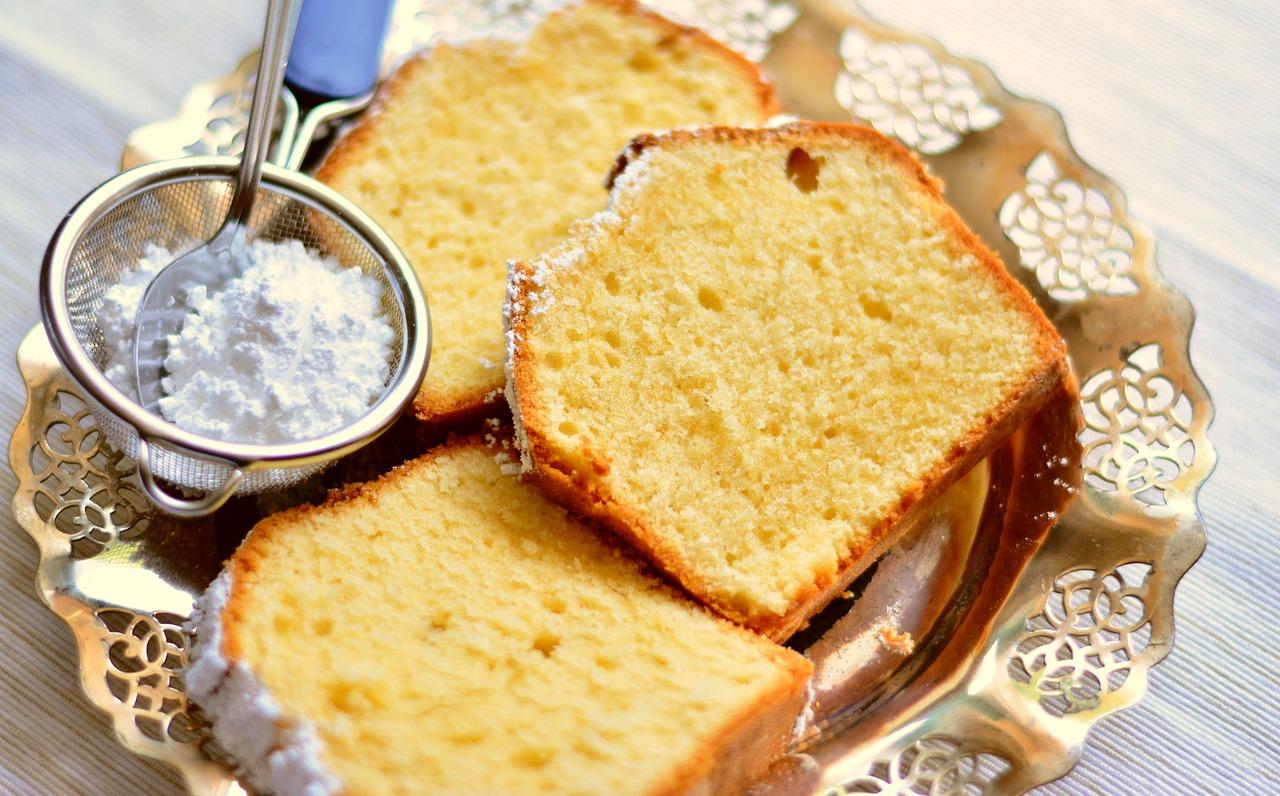
Quatre-quartsPound cake

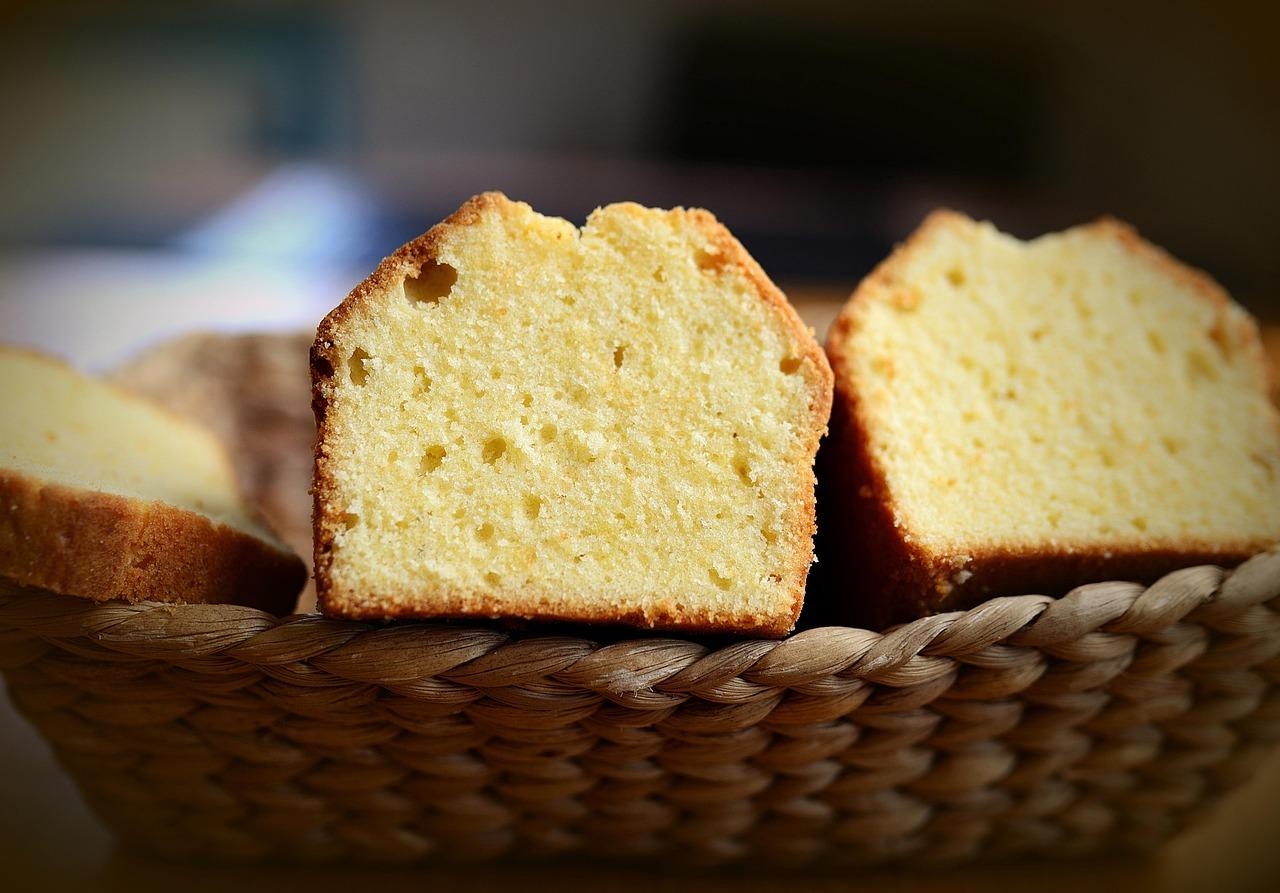
The quatre-quarts, "four quarters", is the butter cake of Brittany, made with equal weights of eggs, salted butter, sugar and flour, eaten in slices at goûter or with coffee, and sold wrapped in every Breton bakery. Weighing the eggs first and matching the rest to them is the old way. The common mistake is using cold butter, which will not cream. Chef's tip: whisk the yolks and sugar first, then fold in the whites at the end; it gives a lighter crumb.

by KrazyBadal 0 views

Pompe à l'huileOlive oil orange flatbread

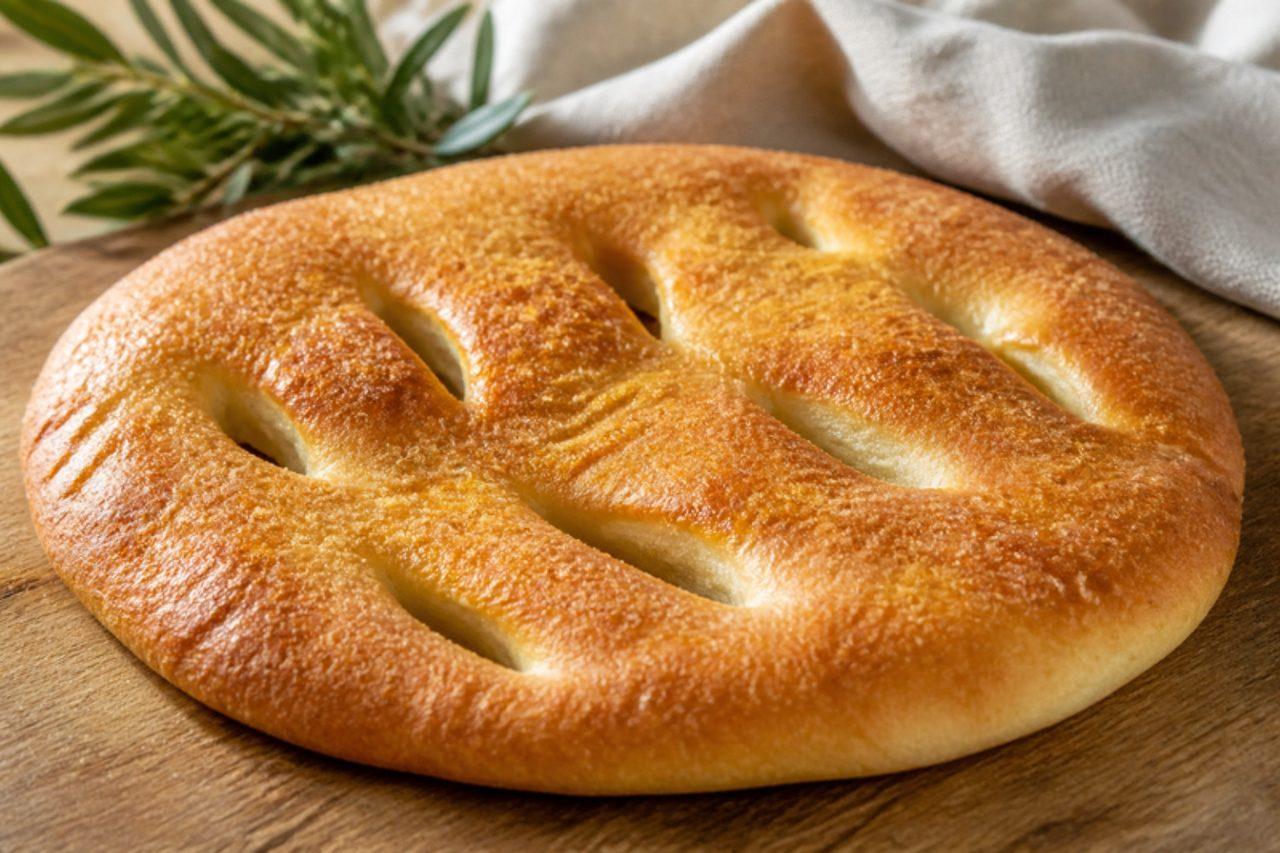
The pompe à l'huile is the centrepiece of the thirteen desserts of Christmas Eve in Provence, a flat, slashed sweet bread made with olive oil and scented with orange-blossom water. Tradition says it must be torn by hand, never cut, or you will be ruined in the year to come, and it is eaten after the gros souper on 24 December. The common mistake is using a harsh, peppery olive oil, which overpowers it. Chef's tip: use a mild, fruity olive oil and brush more over the warm loaf.

170 minFrenchBakingVegan
by KrazyBadal 0 views

Crêpes dentelleCrisp lace crêpe biscuits

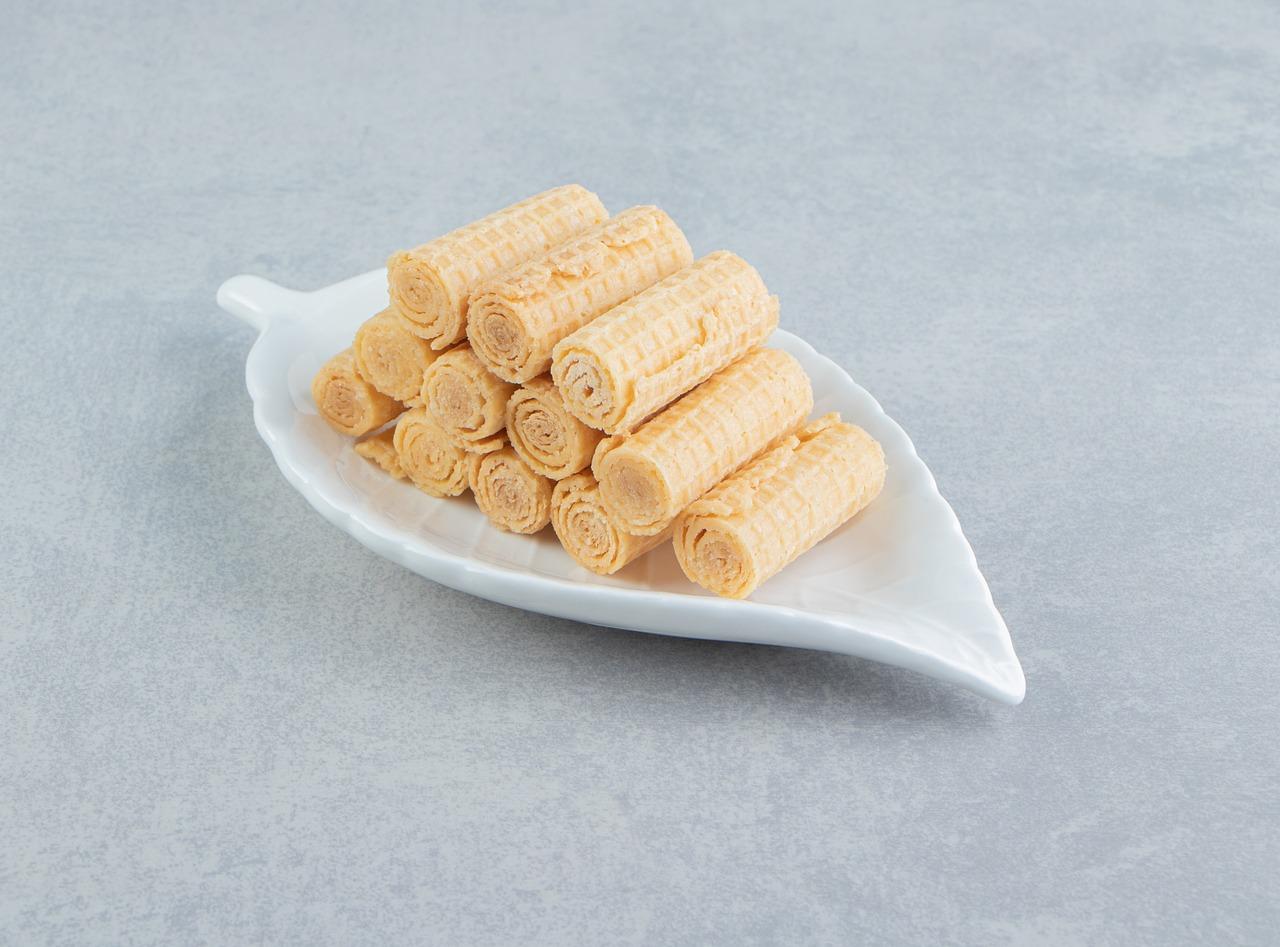
Crêpes dentelle, "lace crêpes", are a speciality of Quimper in Brittany, said to have been invented by a baker there in 1886 who burnt a crêpe and rolled it up; they are wafer-thin, crisp, buttery rolled biscuits, sold in tins all over Brittany and eaten with coffee or crumbled over ice cream. The common mistake is spreading the batter too thick, so they will not crisp. Chef's tip: spread the batter so thin you can see the tray through it, and roll each one as soon as it comes out of the oven.

by KrazyBadal 0 views

CiambelloneItalian ring cake

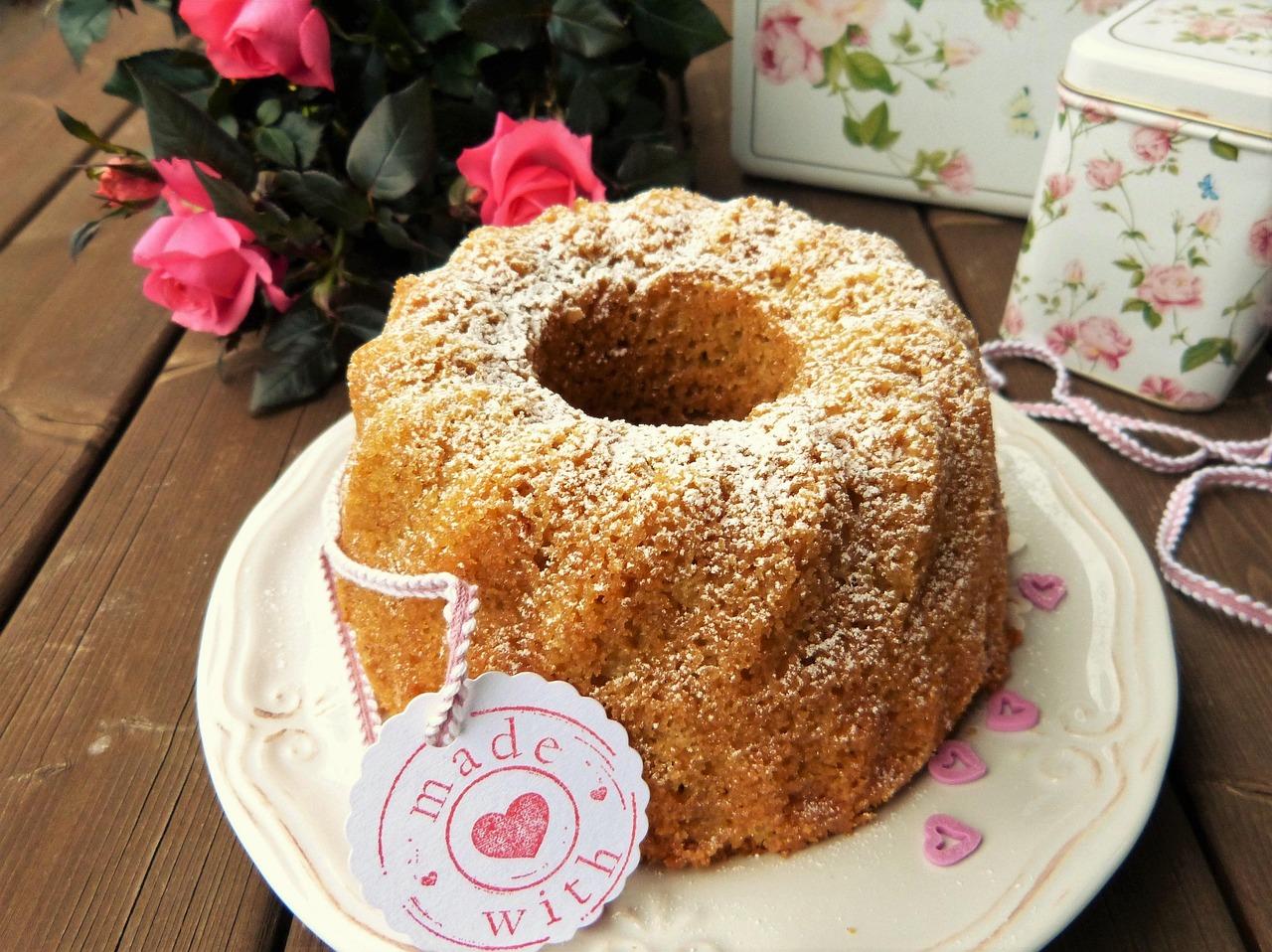
Every Italian nonna has her own ciambellone, the tall, plain ring cake that sits under a glass dome on the kitchen counter for breakfast, sliced and dunked in caffellatte or eaten with jam. It is made with eggs, sugar, flour and oil or butter, flavoured with lemon zest, and often marbled with cocoa. In Rome and Emilia it is also the cake brought to friends' houses and church fêtes. Chef's tip: whisk the eggs and sugar for a full 8 minutes, until very pale and thick; that air is what makes the cake rise tall without much baking powder.

by KrazyBadal 0 views

Pain aux raisinsRaisin custard swirl pastry

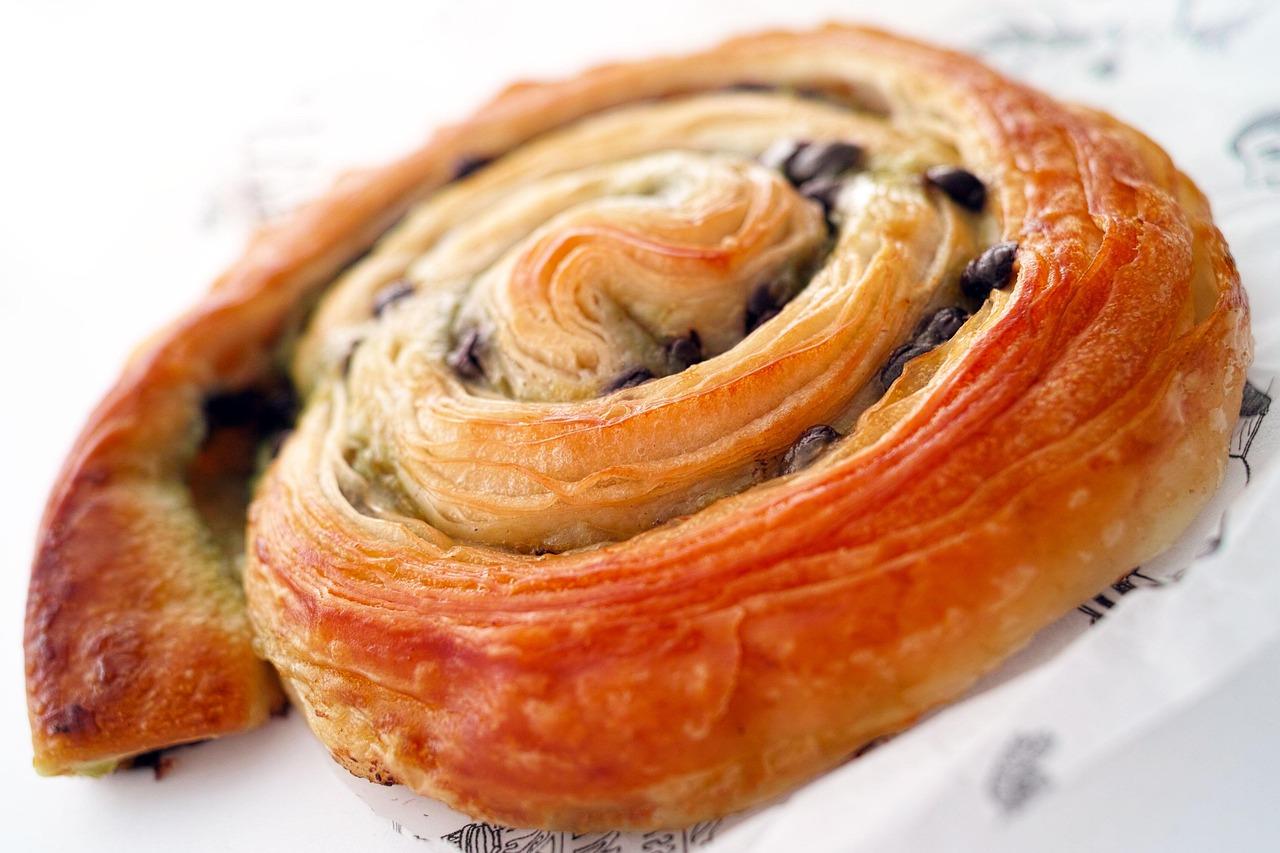
Pain aux raisins, called escargot in some bakeries for its snail-shell spiral, is the third great pastry of the French breakfast counter, alongside the croissant and pain au chocolat. Croissant dough is spread with vanilla crème pâtissière, scattered with plump raisins, rolled up and sliced into spirals, then baked and brushed with syrup until glossy. The common mistake is spreading the cream too thick, so it oozes out and the spirals open. Chef's tip: soak the raisins in hot tea or orange juice for 30 minutes so they are juicy and do not burn.

680 minFrenchBaking
by KrazyBadal 0 views

Brioche à têteTopknot brioche

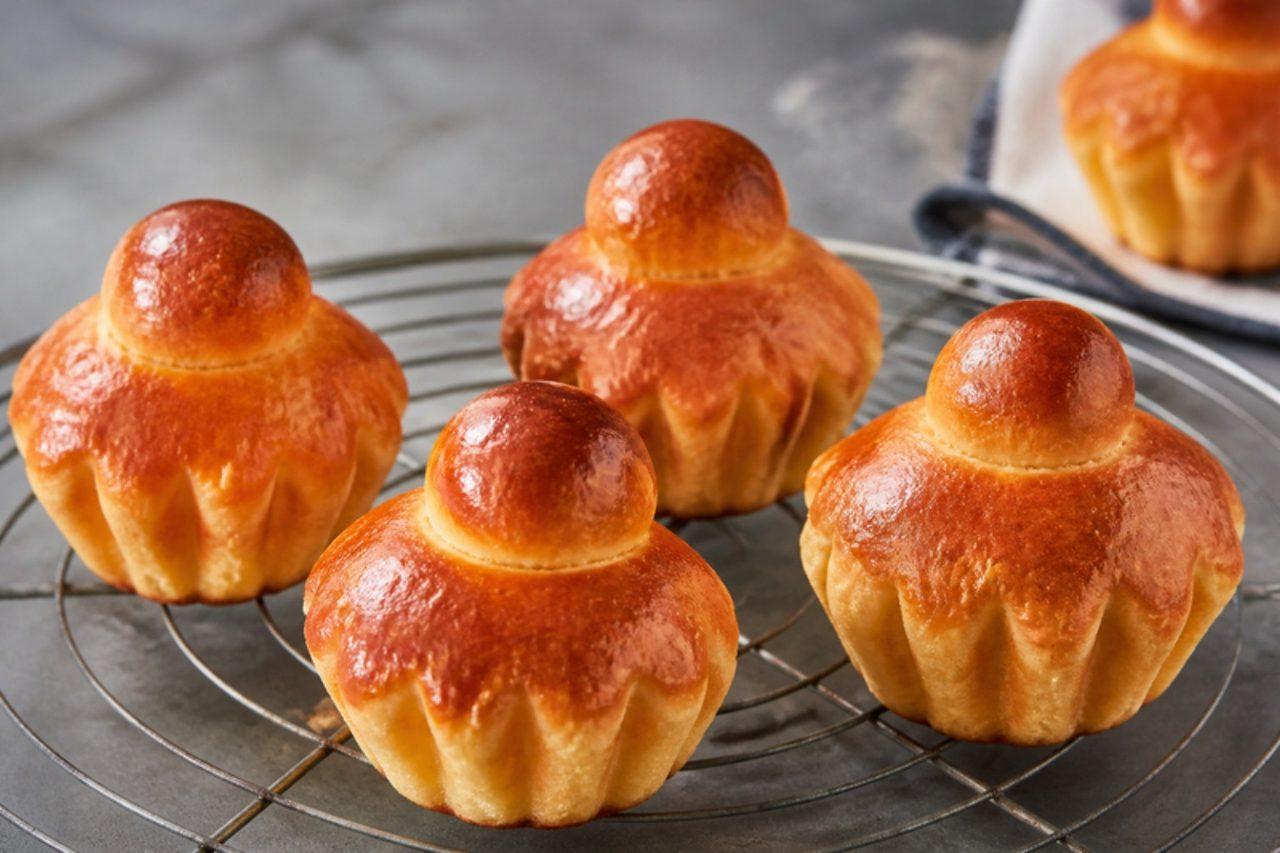
Brioche à tête, the brioche parisienne, is the little fluted bun with a round head that sits in every French bakery window, eaten for Sunday breakfast, dunked in hot chocolate or served with jam at goûter. The dough is very rich in eggs and butter, kneaded long until silky, then chilled overnight, which makes it easy to shape and gives a deep flavour. The common mistake is adding the butter too fast, which leaves a greasy dough. Chef's tip: add the butter a little at a time while the mixer runs, and wait until each piece disappears before adding the next.

620 minFrenchBaking
by KrazyBadal 0 views

OranaisApricot custard pastry

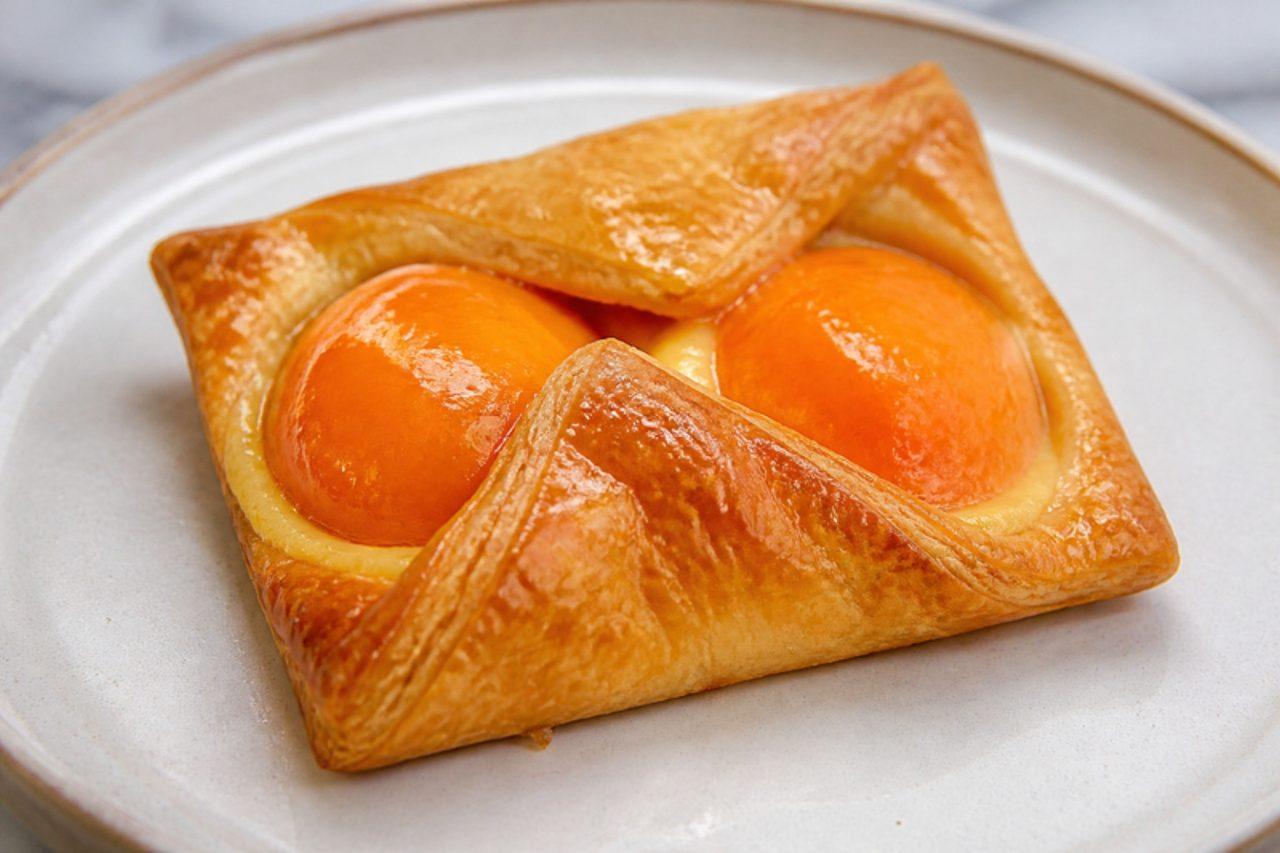
The oranais, also called abricotine, is a French bakery pastry that is said to come from the city of Oran in Algeria, brought back by returning pieds-noirs in the 1960s, and it is now found in boulangeries all over France for breakfast and goûter. A square of puff or croissant dough has its corners folded over a spoonful of pastry cream and two apricot halves, so it looks like a pair of eyes. The common mistake is using wet canned apricots, which make the pastry soggy. Chef's tip: drain the apricots on kitchen paper and glaze them with warm apricot jam after baking for a jewel-like shine.

by KrazyBadal 0 views

Croquants aux amandesCrunchy almond biscuits

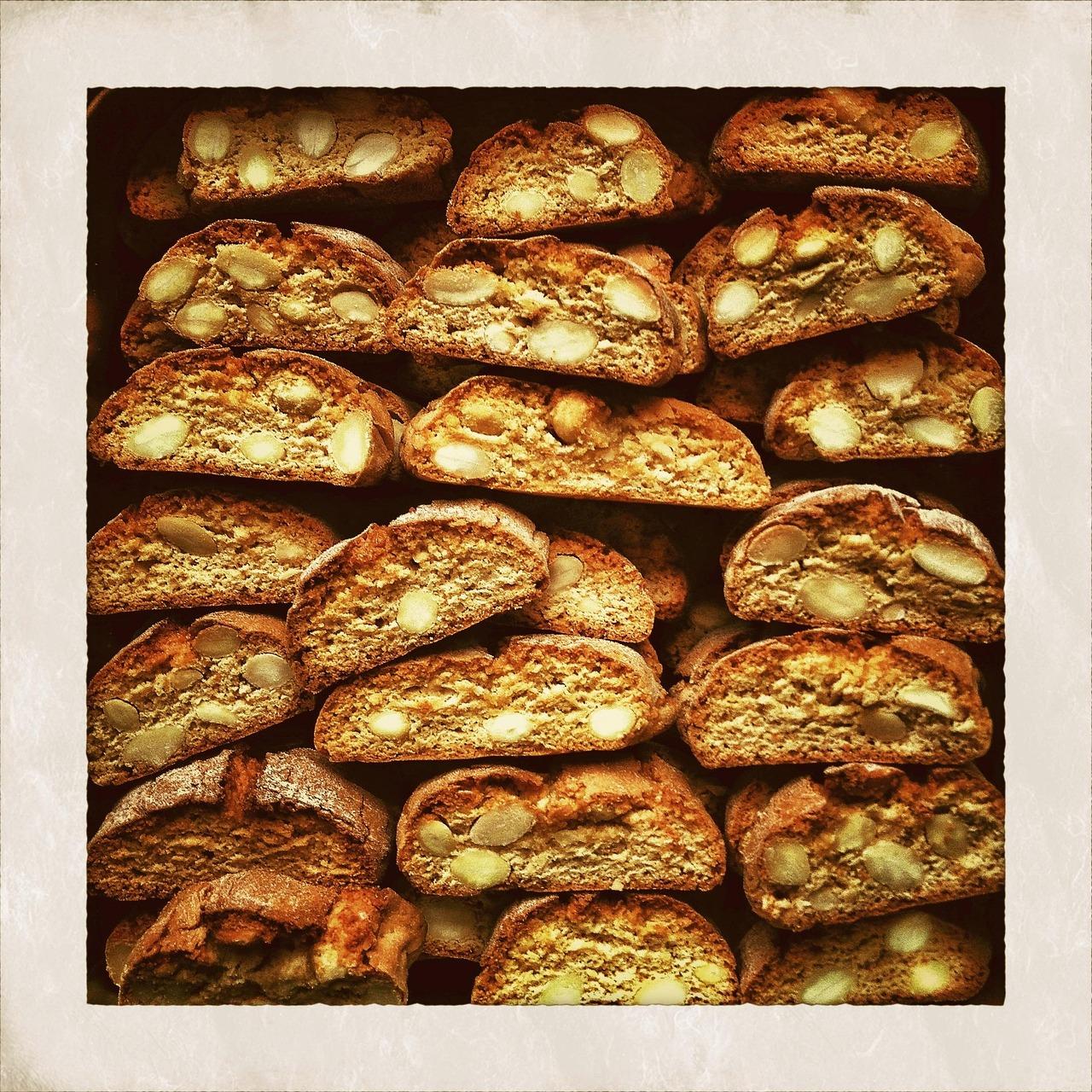
Croquants are the hard, crunchy almond biscuits of southern France, from Nîmes and Cordes-sur-Ciel in the Tarn to the Languedoc, made with egg whites, sugar and whole almonds and baked until they snap; they are dunked in coffee or a glass of milk. The common mistake is underbaking them, so they are chewy instead of crisp. Chef's tip: bake them until golden all over, then turn off the oven and leave them inside to dry for 10 minutes.

by KrazyBadal 0 views

Gâteau des roisEpiphany brioche crown

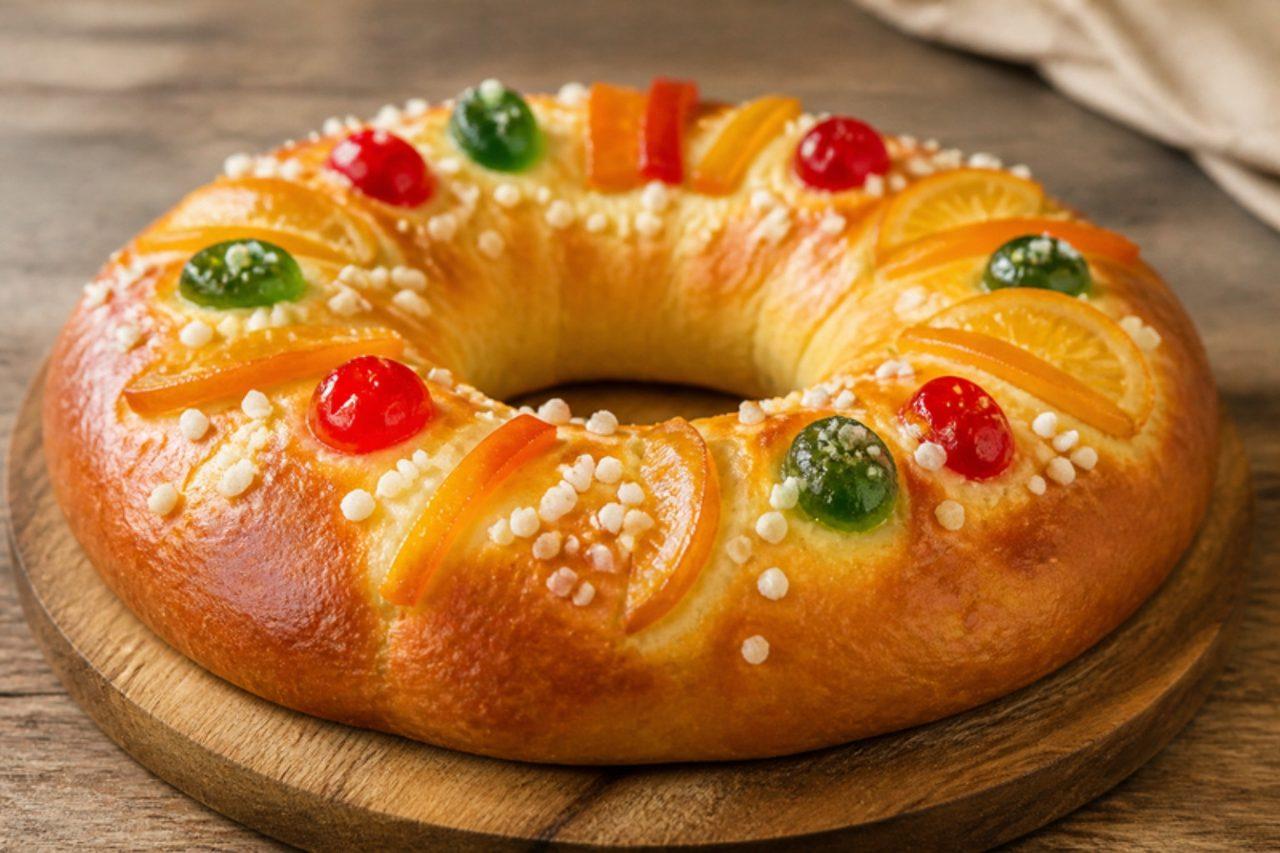
In Provence and the south of France, Epiphany on 6 January is celebrated not with the northern frangipane galette but with the gâteau des rois, a ring of soft brioche scented with orange-blossom water, studded with candied fruit and pearl sugar, hiding a fève (a small charm) and a paper crown for whoever finds it. The youngest child sits under the table and calls out who gets each slice. The common mistake is adding the candied fruit to the dough, which tears it. Chef's tip: press the fruit on top just before baking, so it shines like jewels.

265 minFrenchBaking
by KrazyBadal 0 views

Torta allo yogurtYogurt cake

Torta allo yogurt is the first cake many Italian children bake, because everything is measured using the empty yogurt pot: one pot of yogurt, then pots of sugar, flour and oil. It is a soft, moist everyday cake made in homes across the country for breakfast or the afternoon merenda (snack), plain or with fruit. This recipe gives the amounts in grams for an average 125 g pot. Chef's tip: use whole-milk yogurt at room temperature; it gives a moist cake that stays soft for days.

by KrazyBadal 0 views

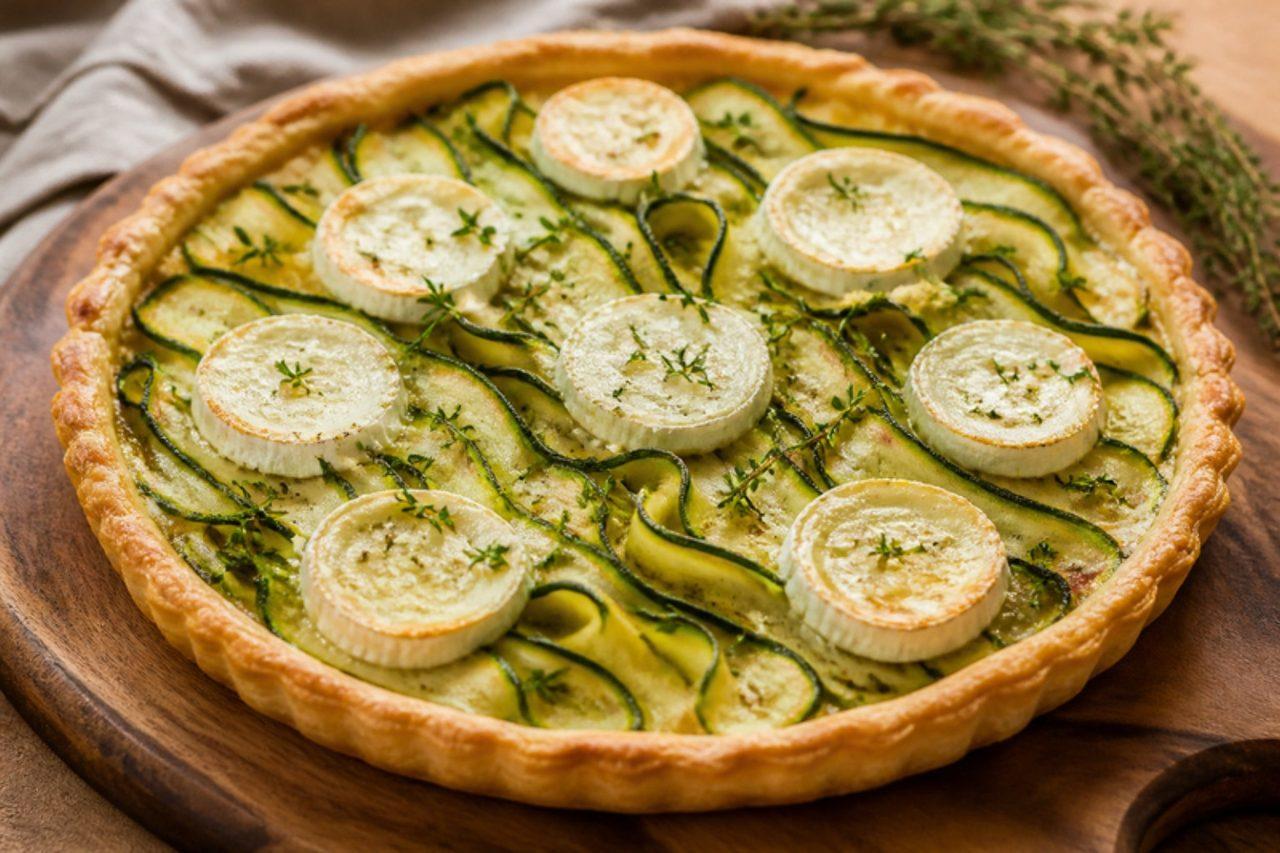
Tarte courgette et chèvreCourgette and goat's cheese tart

Tarte courgette-chèvre is a modern French classic, the tart everyone brings to summer picnics, family barbecues and school fêtes from June to September. Lightly fried courgette slices and rounds of fresh goat's cheese are set in a savoury egg and cream custard in a crisp case, with thyme and a little honey to round off the tang. Many French goat's cheeses use animal rennet; choose one labelled vegetarian if needed, and a pasteurised one for anyone pregnant or with a weakened immune system. The common mistake is adding raw courgettes, which weep into the custard. Chef's tip: blind-bake the case for 15 minutes first so the base stays crisp.

by KrazyBadal 0 views

Gâteau au yaourtYogurt cake

Gâteau au yaourt is the first cake French children bake, at home and at nursery school, because everything is measured with the empty yogurt pot: one pot of yogurt, two of sugar, three of flour and half of oil. It is a soft, light everyday cake for goûter at four o'clock, often flavoured with lemon zest. The common mistake is overmixing once the flour is in, which makes it tough. Chef's tip: let children do the measuring; a standard 125 g pot is the size to use.

by KrazyBadal 0 views

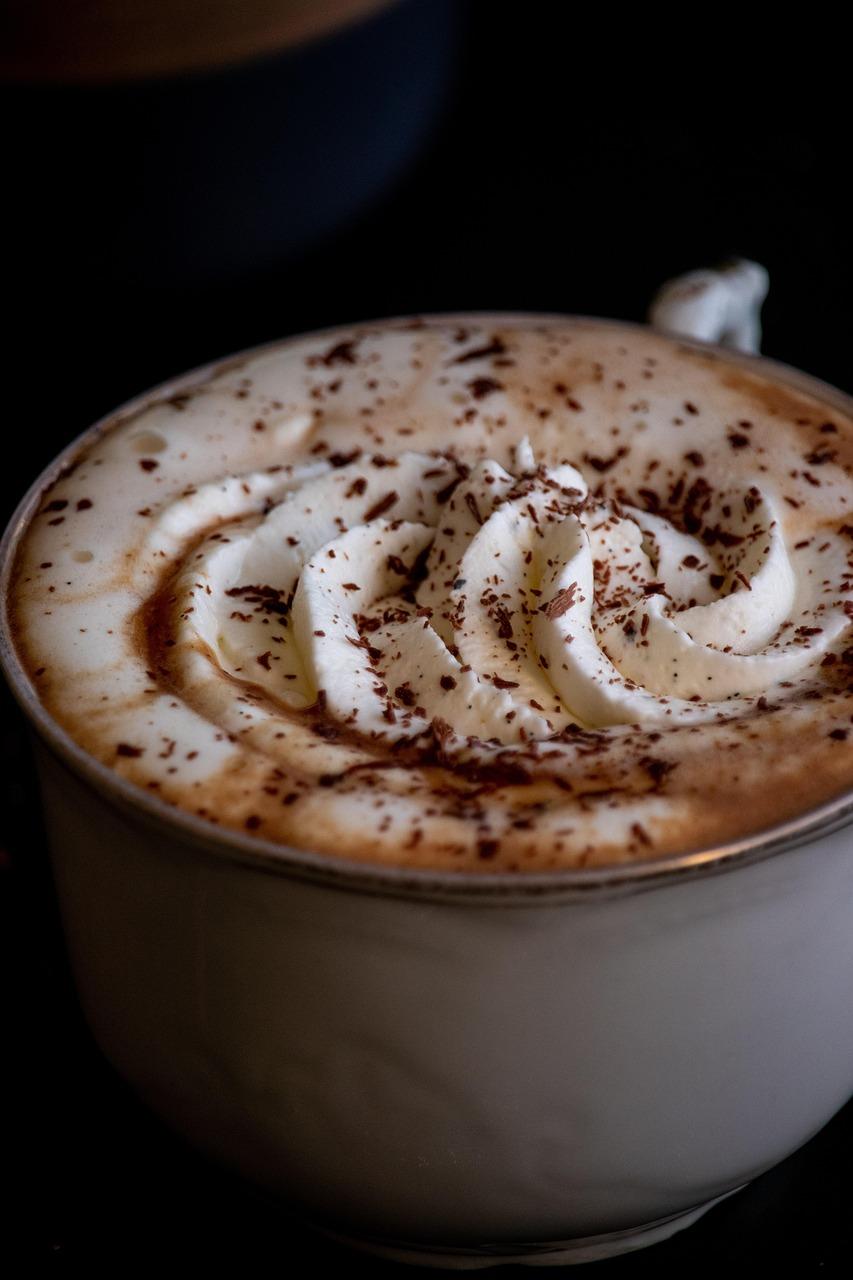
Cioccolata caldaThick hot chocolate

Italian hot chocolate is not a milky drink but almost a pudding: thick enough to coat a spoon, made with real dark chocolate and cocoa thickened with a little starch. On cold winter afternoons in Turin, Florence and Perugia, families sit in historic cafés with a cup topped with whipped cream (con panna), dipping biscuits into it. Children love it. Chef's tip: mix the cornflour and cocoa with a little cold milk to a smooth paste first; dropped straight into hot milk, they form lumps.

by KrazyBadal 0 views

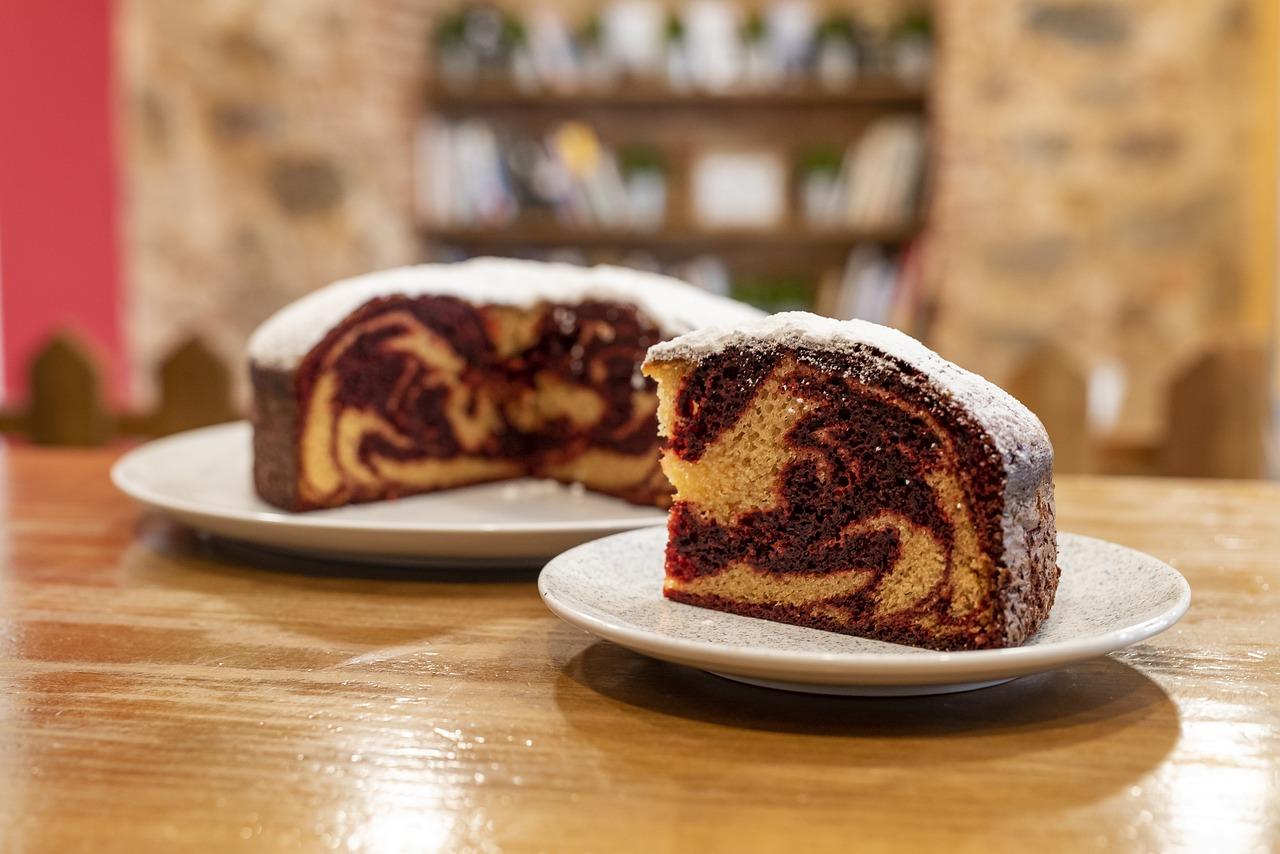
Gâteau marbréMarble loaf cake

Gâteau marbré is the marble cake of French childhood, a vanilla and chocolate loaf with swirls through every slice, packed in school bags for goûter and sold in supermarkets everywhere as a lunchbox cake. Homemade, it is soft, buttery and quick. The common mistake is swirling too much, which turns the cake brown all through. Chef's tip: layer the two batters in the tin and drag a knife through just two or three times.

by KrazyBadal 0 views

Gâteau nantaisAlmond rum-free lemon cake

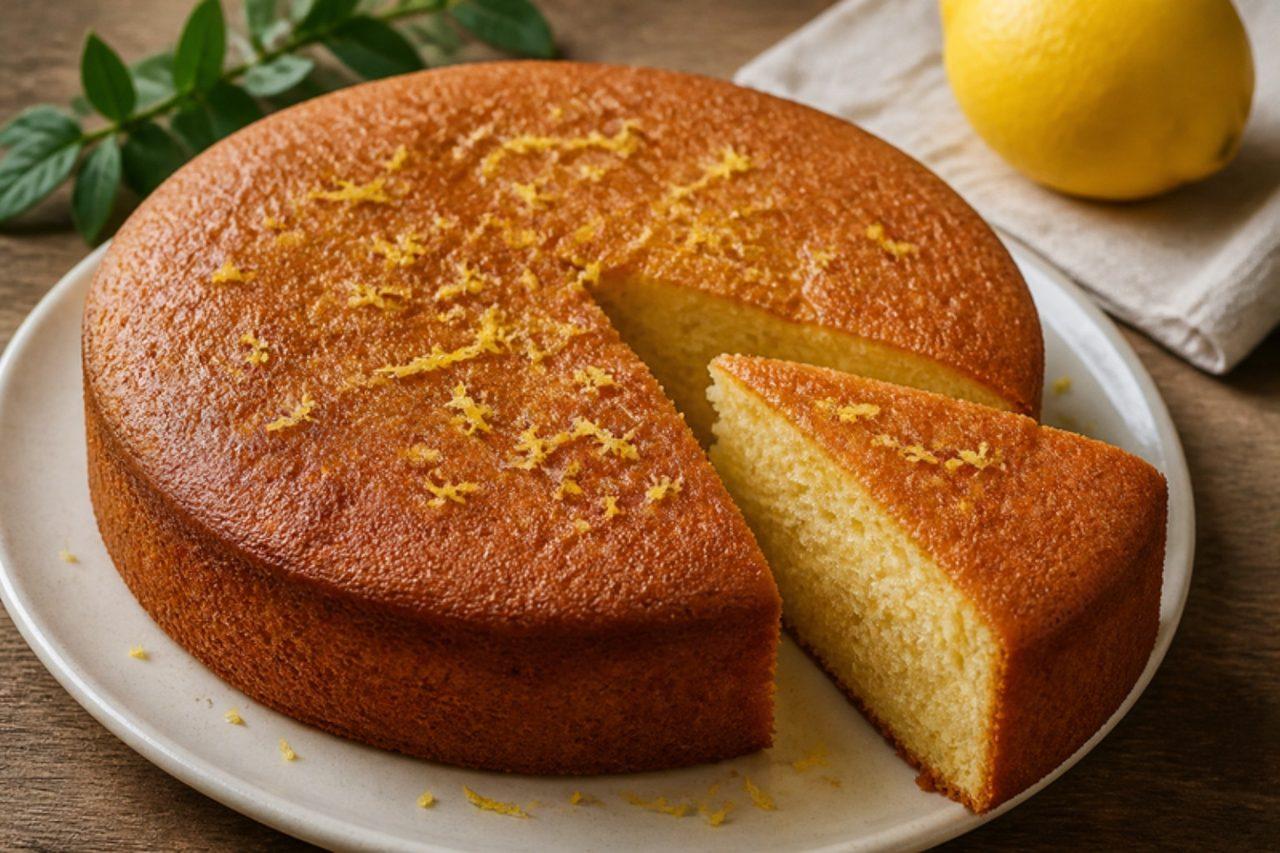
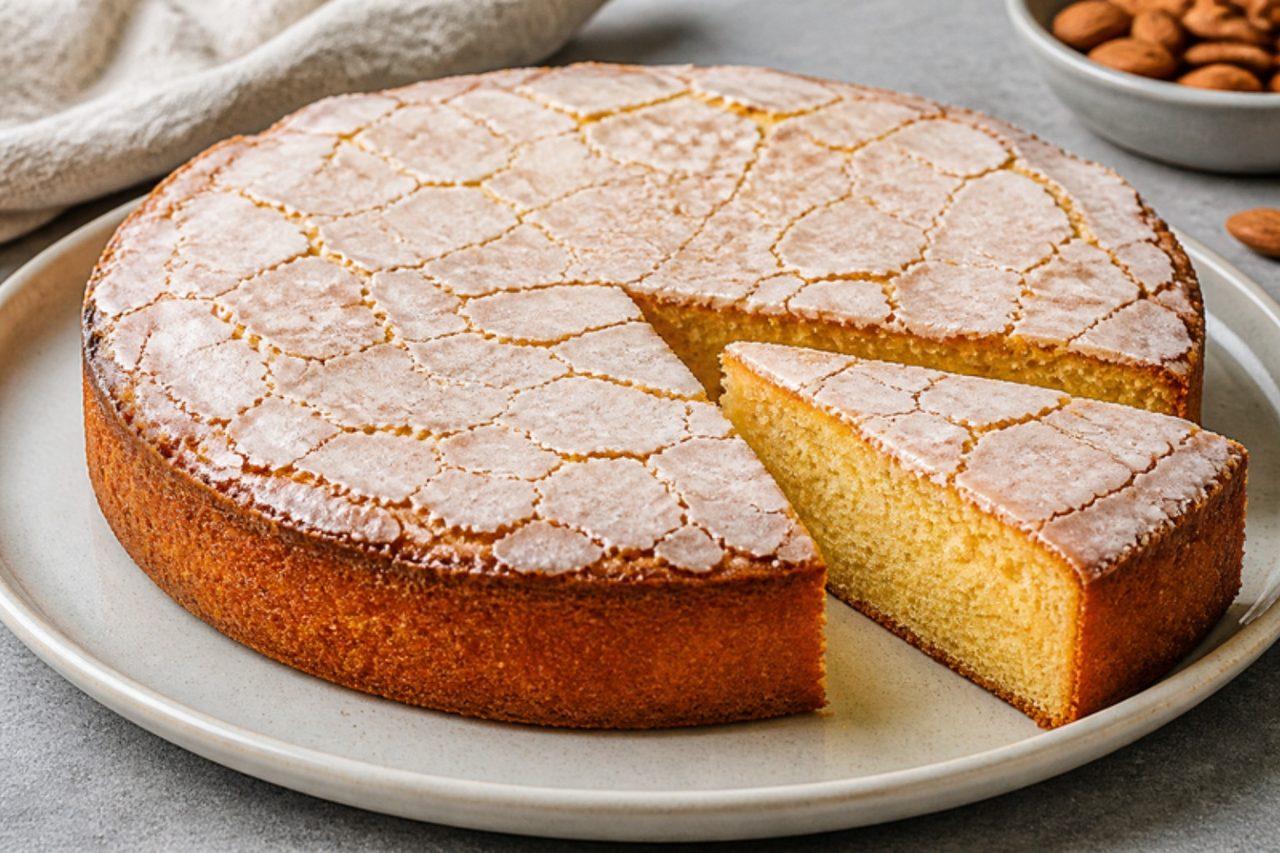
The gâteau nantais comes from Nantes in the Loire, created in 1820 by a local baker when the city's port imported sugar and rum from the Caribbean; it is a dense, moist almond cake with a crackly white glaze, eaten at goûter and family lunches. Traditionally the cake is soaked in rum and the glaze flavoured with it; this version uses lemon juice for both so all ages can eat it, and adults can add 2 tablespoons of rum to the glaze. The common mistake is overbaking, which dries it. Chef's tip: soak the cake while it is still warm.

by KrazyBadal 0 views

Gâteau rouléJam Swiss roll

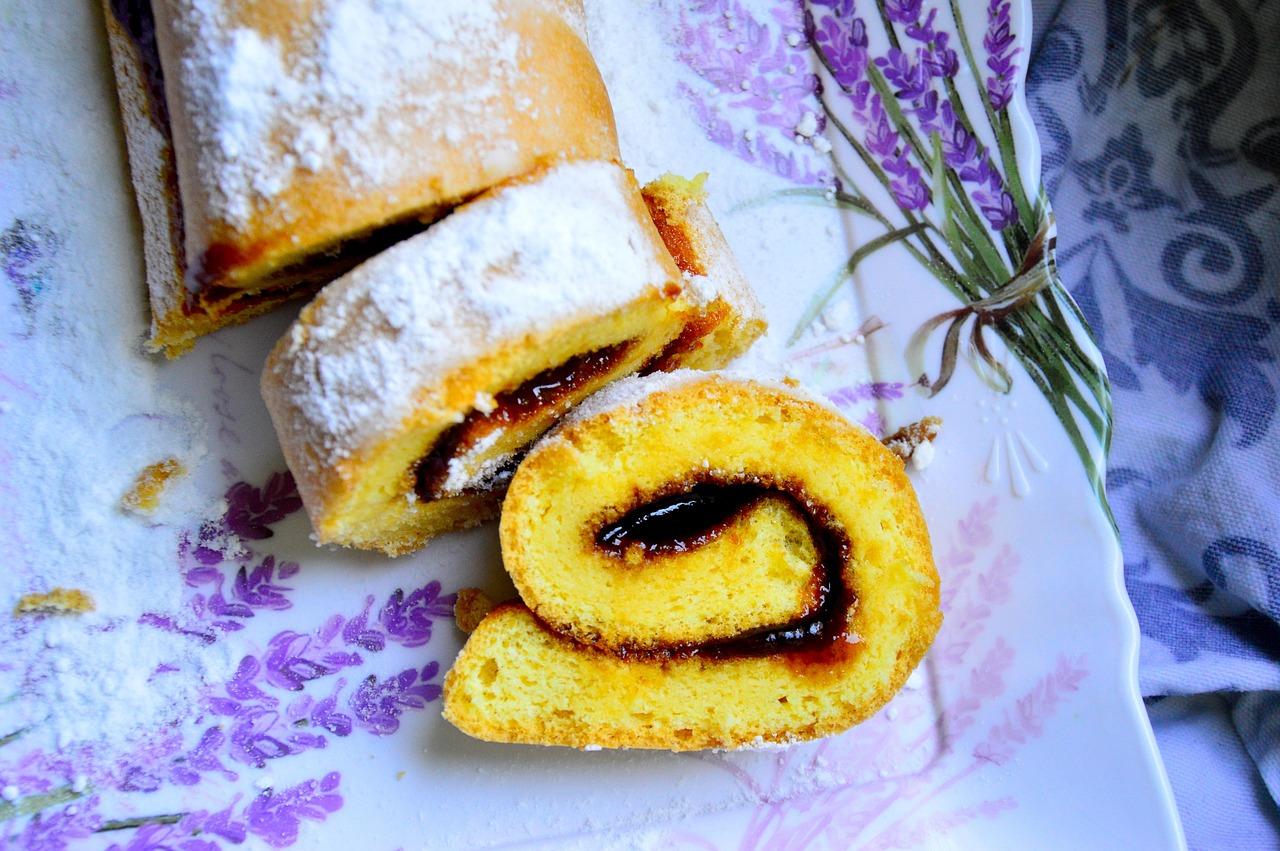
The gâteau roulé is the jam roll of French home baking, a light sponge rolled round raspberry or apricot jam, sliced into spirals for goûter, birthday parties and picnics. It takes under half an hour from start to finish. The common mistake is overbaking the sponge, which cracks when rolled. Chef's tip: take it out as soon as it springs back, and roll it up in a damp tea towel while hot.

by KrazyBadal 0 views

OrzataAlmond syrup drink

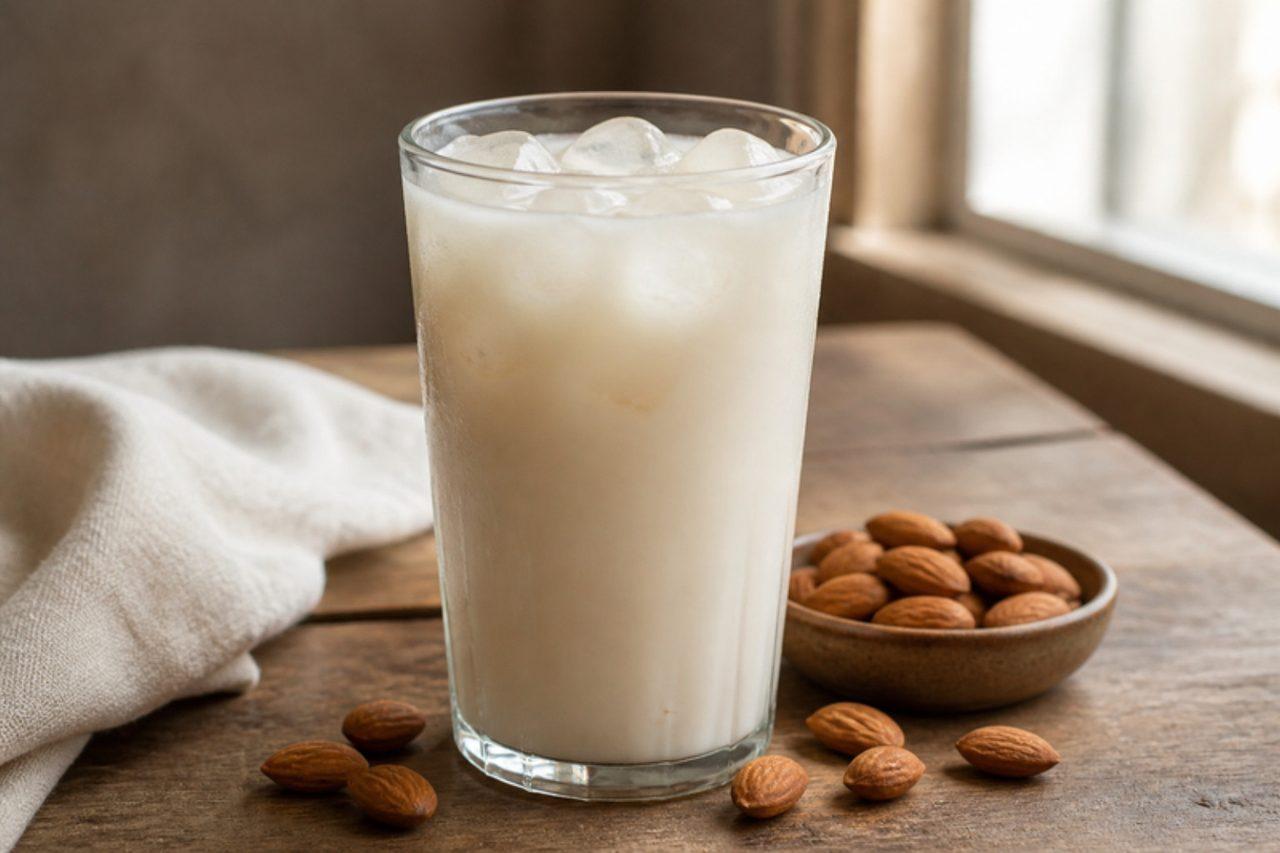
Orzata was first made from barley (orzo), but in Liguria, Sardinia and Sicily it has long been made from almonds: a milky, sweet almond syrup, diluted with ice-cold water and drunk on hot summer afternoons in seaside bars and at home. Its gentle almond and orange-blossom flavour makes it a children's favourite. Contains nuts. Chef's tip: soak the blanched almonds in water for an hour before blending; they release more milk and the syrup is richer.

by KrazyBadal 0 views

Showing 24 of 1,195 recipes

Show more recipes

Page 3 of 50